

- 10 Spring 2026 Shoe Trends Every Woman Should Know - August 20, 2026
- 10 Mind-Blowing Literary Theories That Change How You Read Classic Stories - August 20, 2026
- 12 Iconic Buildings Considered Architectural Marvels Around The World - August 20, 2026
The Alarming Decline of Reading Aloud

Picture this: It’s 2012, and 64% of parents are curled up with their preschoolers, sharing bedtime stories and creating magical moments. Fast forward to 2024, and fewer than half (41%) of 0–4-year-olds are read to frequently, a steep decline from 64% in 2012. This isn’t just about numbers on a page—it’s about the slow disappearance of one of humanity’s oldest and most powerful traditions.
The statistics paint a troubling picture. Less than half of parents of children up to 13 years old describe reading aloud to kids as being “fun,” for them; and 29 percent of children aged 5 to 13 think that reading is more “a subject to learn,” than “a fun thing to do.” Only 32 percent of 5- to 10-year-olds will frequently choose to read from enjoyment, which is down from 55 percent back in 2012. We’re witnessing a cultural shift that might seem small but carries enormous consequences.
The Science Behind the Voice
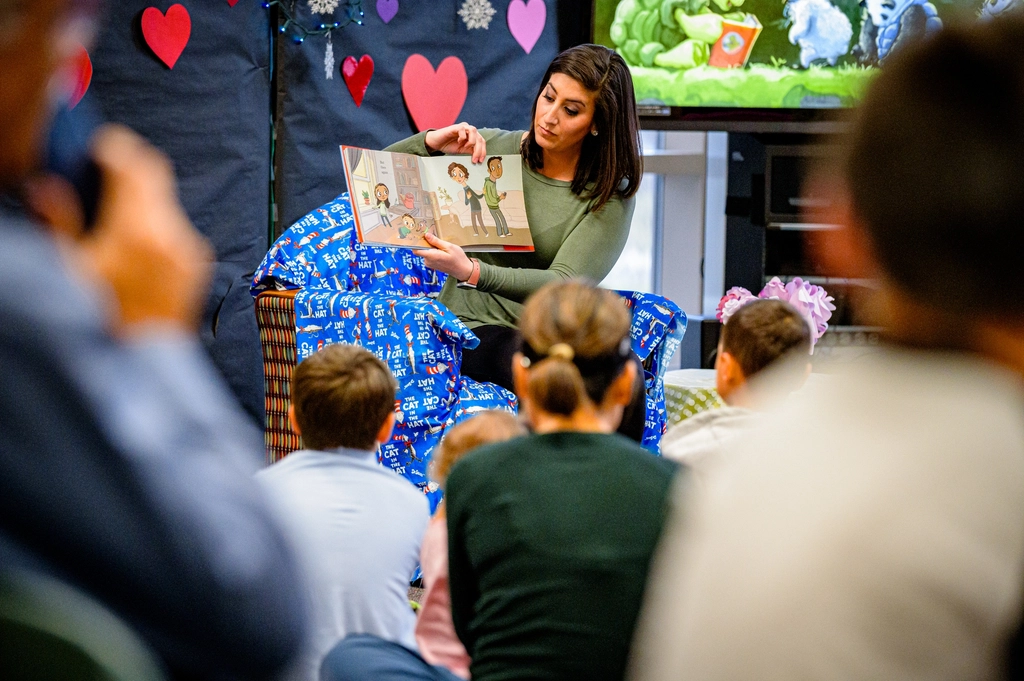
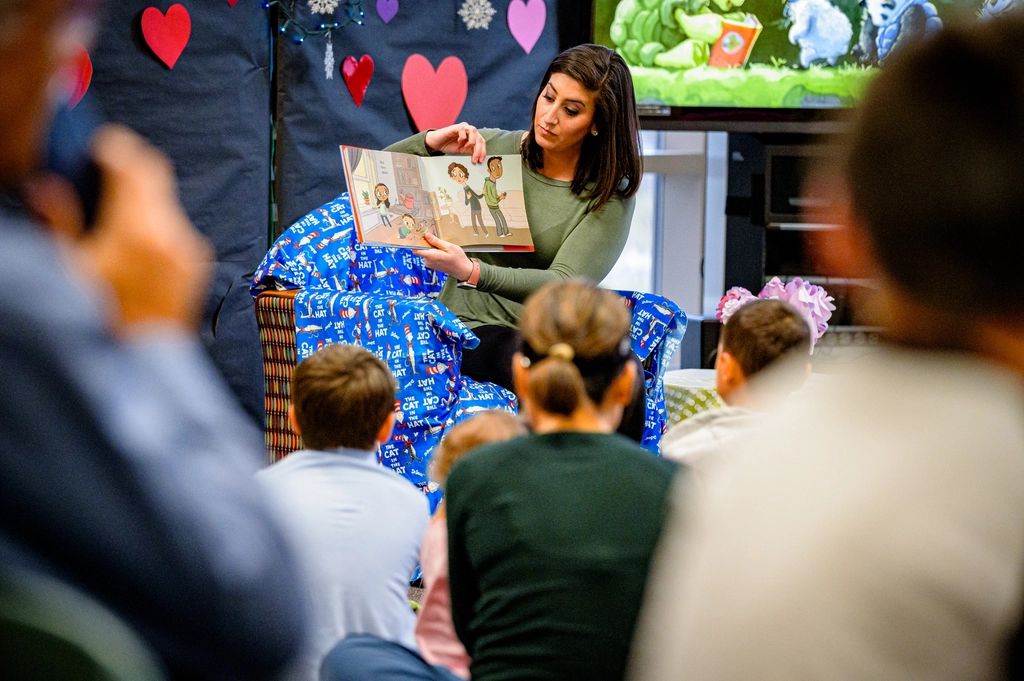
When we read aloud, something remarkable happens in our brains. Results from tests with 95 participants showed that the production effect of reading information aloud to yourself resulted in the best remembering. Scientists call this the “production effect,” and it’s not just academic jargon—it’s proof that our voices are powerful learning tools.
Speaking text aloud helps to get words into long-term memory, which is called the “production effect.” The study determined that it is the dual action of speaking and hearing oneself that has the most beneficial impact on memory. Think of it like this: when you read silently, you’re using one pathway to your brain. When you read aloud, you’re creating a superhighway.
The research is crystal clear. Separating the multiple-choice questions into memory-focused versus comprehension-focused questions, we observed a consistent production benefit only for the memory-focused questions. Production clearly improves memory for text, not just for individual words, and also extends to multiple-choice testing. Your voice literally helps your brain hold onto information better.
Building Stronger Family Bonds

Reading aloud isn’t just about the words—it’s about the connection. This interactivity fuels the child-parent bond that children express when asked to describe why they love(d) read-aloud time: “My mom and dad sit and we read together. We spend time together reading the books and laughing and talking,” an 8-year-old girl explained. Can you remember the last time you had your child’s undivided attention without a screen in sight?
One 17-year-old girl noted, “it reaffirms the importance of reading and helped bring me closer to my parents,” punctuating that reading aloud is a tool for family bonding, inspiration, and education. These aren’t just sweet moments—they’re investments in relationships that pay dividends for years to come.
The bonding goes beyond just parent and child. Reading aloud with teens at the most basic level provides a time to connect and bond unrelated to the usual discussions in the house. When you read with teens (you to them or them to you), you can create positive moments and memories that will bring you closer together. Even teenagers, despite their eye rolls, benefit from shared reading experiences.
Language Development Powerhouse
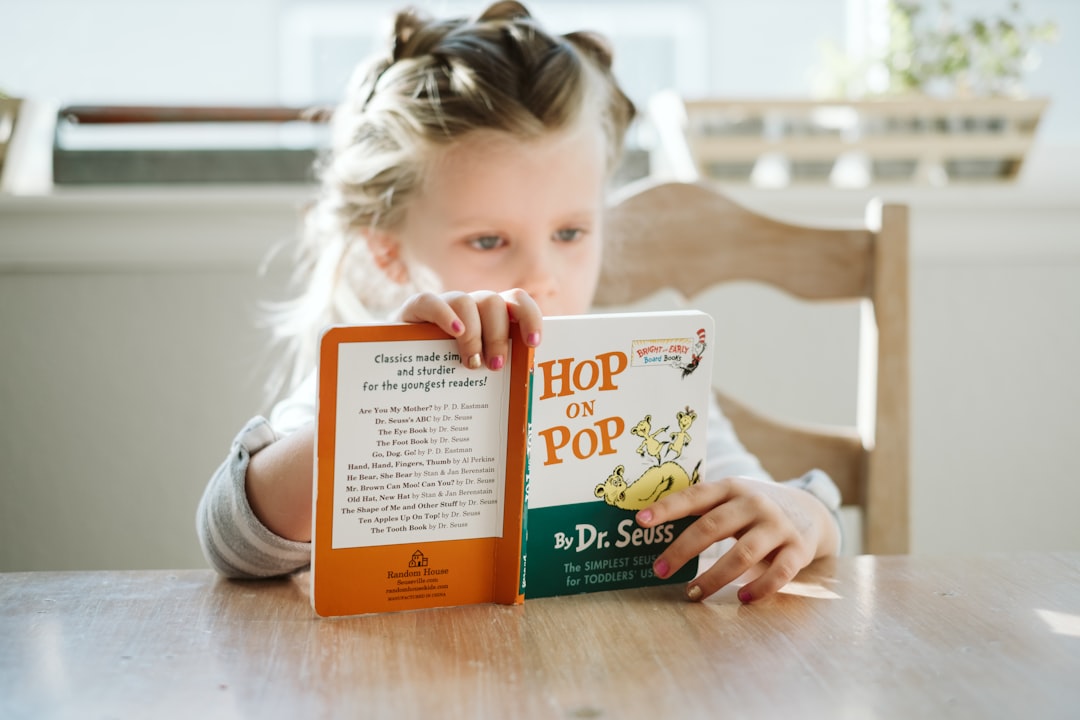
Here’s something that might surprise you: Books contain many words that children are unlikely to encounter frequently in spoken language. Children’s books actually contain 50% more rare words than primetime television or even college students’ conversations. When you read aloud, you’re giving children access to vocabulary they’d never hear in everyday conversation.
They cite benefits including: Improved academic performance. Increased critical thinking and problem-solving skills. Stronger language and communication skills. Positive socialization and empathy. The American Association of Pediatrics didn’t publish these findings lightly—they represent solid research backing up what parents have intuitively known for centuries.
Reading aloud to your child also helps develop language and literacy skills, says Al Otaiba. “It can foster communication, connection, and curiosity. It can build background knowledge. It can foster motivation to read, attention, and self-regulation. Reading can also help children learn about how letters and sounds relate to each other.”
The Engagement Factor

Silent reading can become a passive activity, but reading aloud demands your full attention. Reading aloud to kids isn’t just about bonding and teaching them to love books. It very much accomplishes those things, but it also exercises their growing brains in valuable ways other activities just can’t match. It’s like the difference between watching a movie and being in a play—one requires participation, the other just observation.
When you read aloud, you’re forced to slow down, notice phrasing, and appreciate the musicality of language. Every pause, every emphasis, every change in tone becomes part of the story. You’re not just reading words—you’re performing them, breathing life into characters and situations.
The Storytelling Revival
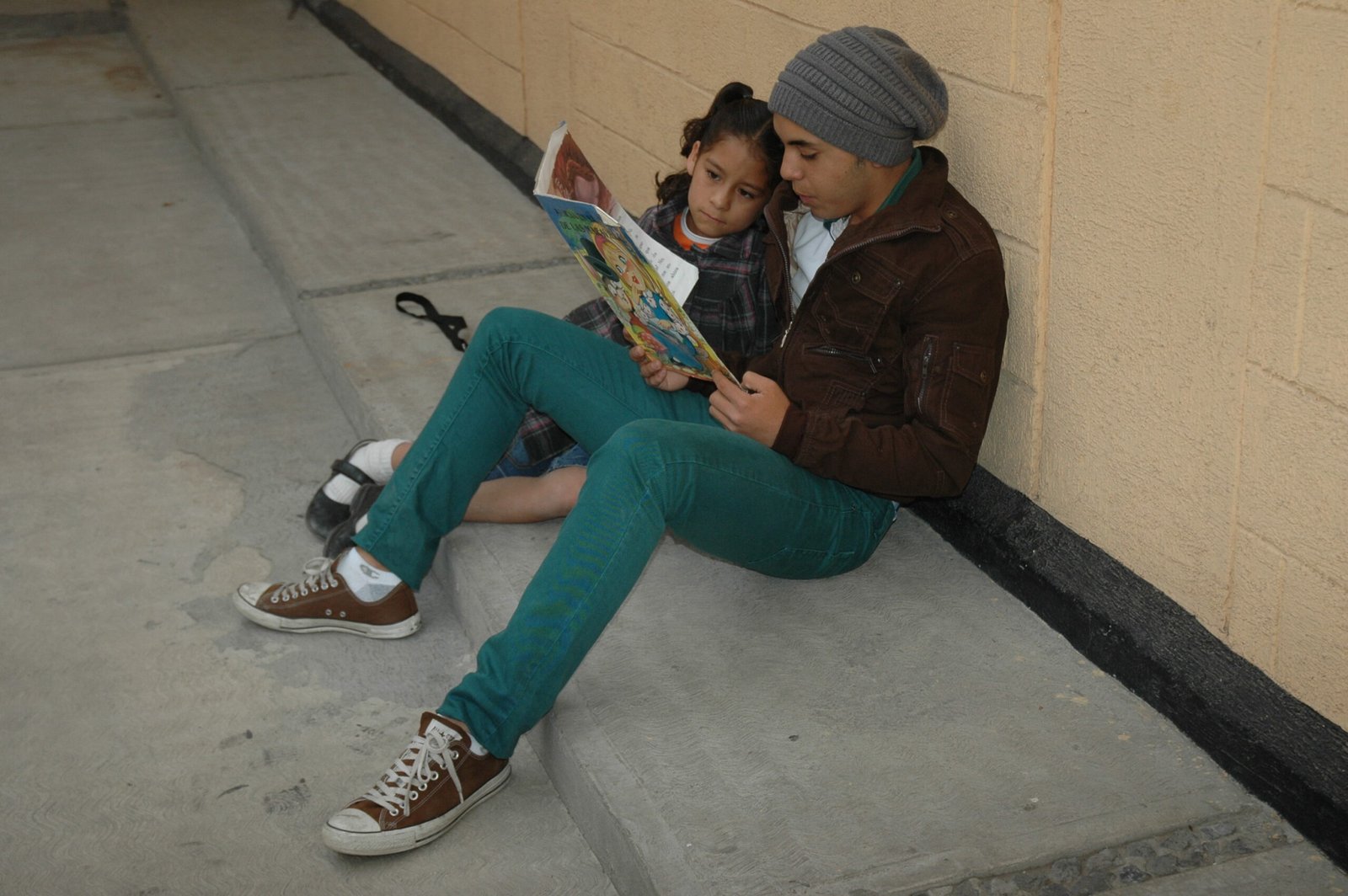
Reading aloud revives the ancient art of storytelling. Before Netflix, before radio, before even widespread literacy, humans gathered around fires and shared stories with their voices. Reading fiction is a way to improve language development and vocabulary as well as brain connectivity and function. It also increases are empathy toward others. When we read aloud, we’re connecting with thousands of years of human tradition.
The theatricality of reading aloud can make us laugh, cry, or gasp in ways that silent reading sometimes misses. Think about the last time someone read you a particularly funny passage—didn’t you laugh harder than if you’d read it silently? That’s the power of the human voice bringing stories to life.
Why Parents Are Stepping Away
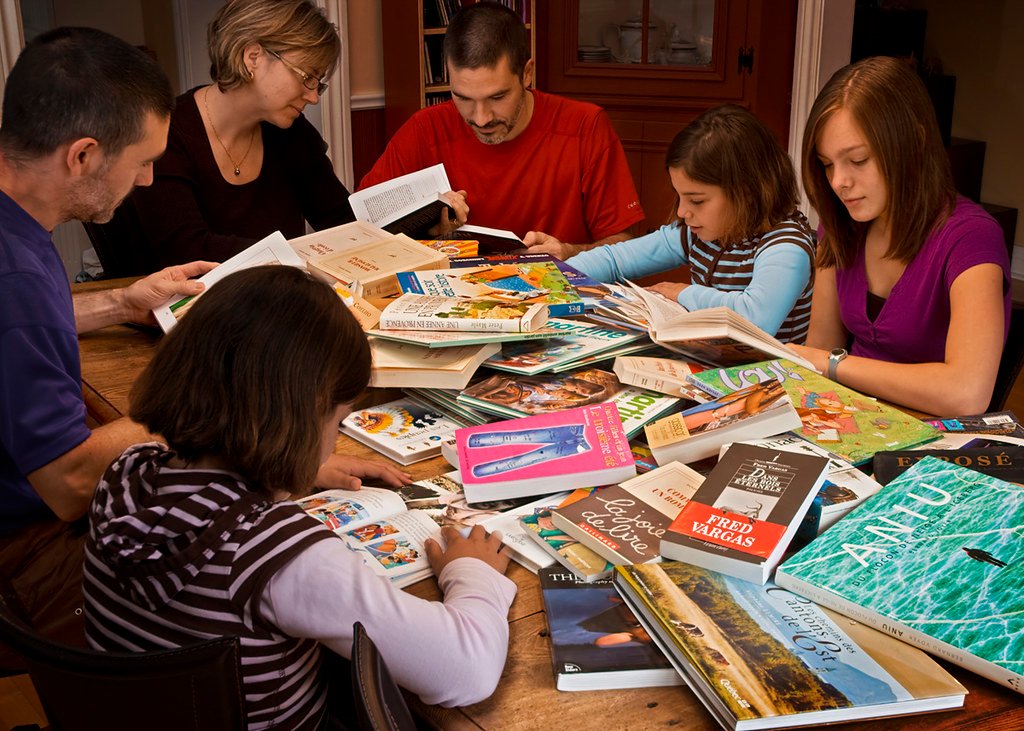
So why are parents abandoning this powerful practice? Part of this could be attributed to unfavorable views on reading since many of the parents surveyed do not consider it an enjoyable pastime. In fact, researchers found that only 40% considered reading fun. If parents don’t enjoy reading, how can they pass that joy on to their children?
A third of parents said they wished they had more time to read aloud to their children. Time pressure is real, and in our busy world, reading aloud can feel like just another task on an endless to-do list. But here’s the thing: Just spending 10 to 15 minutes reading a book together makes a huge difference, she says. You don’t need hours—you need consistency.
The Digital Generation Gap

Today’s parents grew up differently than previous generations. A recent survey from HarperCollins UK found that there is a pronounced disinterest in reading aloud for younger parents. Literacy rates are declining, screen time is increasing, and experts are sounding the alarm on the death of parents reading to their children. Gen Z parents, in particular, are struggling with this tradition.
The irony is striking: we have access to more books than ever before, yet we’re reading aloud less than ever. Digital devices offer instant entertainment, but they can’t replicate the intimate experience of a parent’s voice telling a story. For a recent study published in Developmental Science, a team of neuroscientists used a technique called functional near-infrared spectroscopy to observe 28 preschoolers’ brains both when they were listening to stories being read aloud by a human and when they were listening to a similar story while following along via pictures on a screen. In both instances the children heard an engaging tale, but their brains looked very different.
Benefits Beyond Childhood

Reading aloud isn’t just for kids. For the elderly who loved to read all their lives, listening to someone read to them can bring profound comfort and joy. Why not start a Read-Aloud Readers Group activity at your facility; a Book Club with a difference! In nursing homes and assisted living facilities, reading aloud programs are bringing residents back to life in ways that medication can’t.
The finding that reading in daily life prevents cognitive decline for older people was in accordance with previous studies. Previous intervention studies assessing the effect of learning therapy, a training program consisting of reading aloud and arithmetic calculation which activates the dorsolateral prefrontal cortex, showed these mental activities could improve cognitive performance for patients with dementia in a randomized control trial.
For adults struggling with dementia, reading aloud can be a lifeline. Reading aloud to people with dementia can help them focus on the story rather than struggling to concentrate on the page. It still has all the benefits of reading, such as focusing on a story and thinking about the content. The voice becomes a bridge to memories and meaning when other connections start to fade.
The Public Speaking Connection
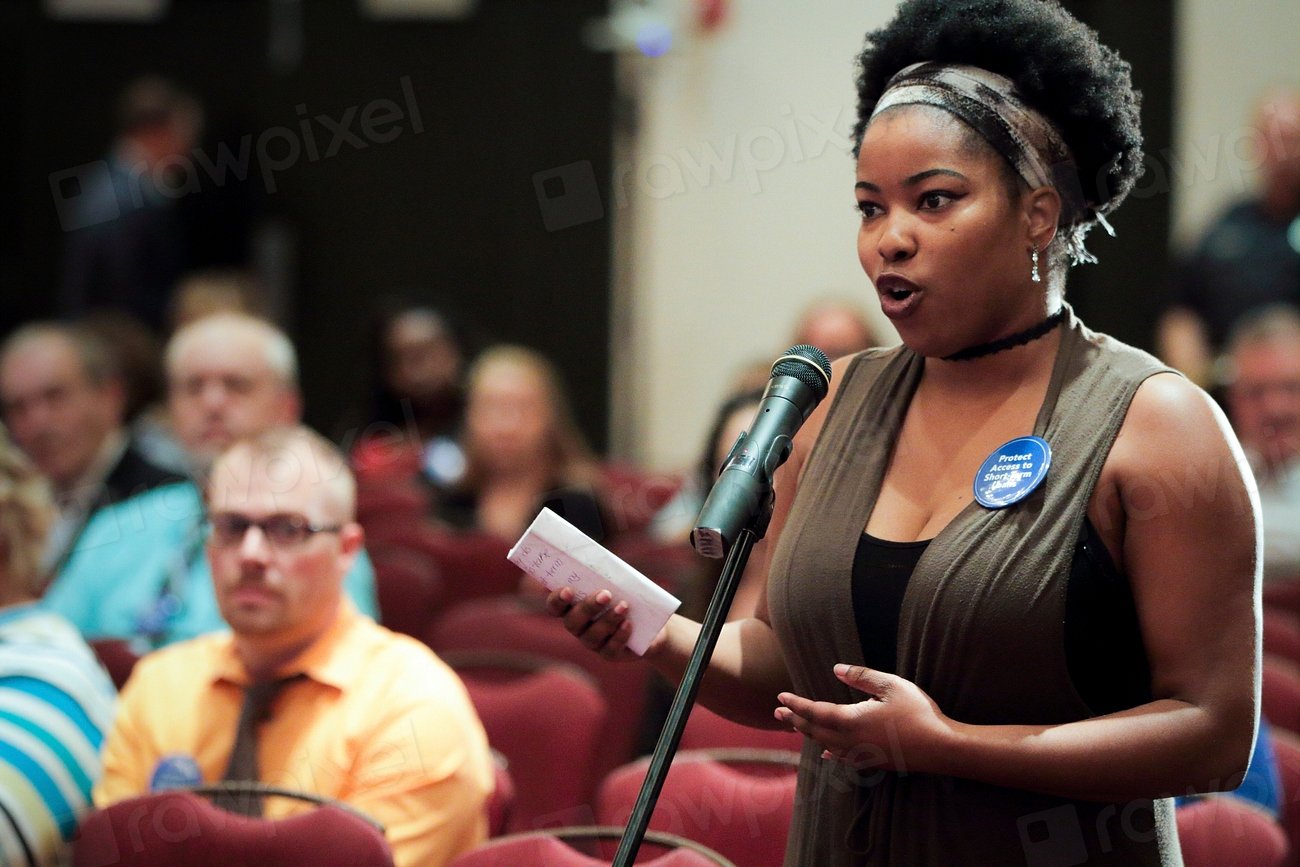
Here’s an unexpected benefit: reading aloud makes you a better communicator. When you read aloud regularly, you develop rhythm, pacing, and vocal variety. You learn to use your voice as an instrument, not just a tool for conveying information. This translates into better public speaking skills, more confident presentations, and clearer communication in all areas of life.
Teachers have long known this secret. They read aloud not just to share stories, but to model good reading habits and demonstrate the power of the human voice. “When we consider the practical applications of this research, I think of seniors who are advised to do puzzles and crosswords to help strengthen their memory,” said MacLeod. “This study suggests that the idea of action or activity also improves memory.”
Making It Practical
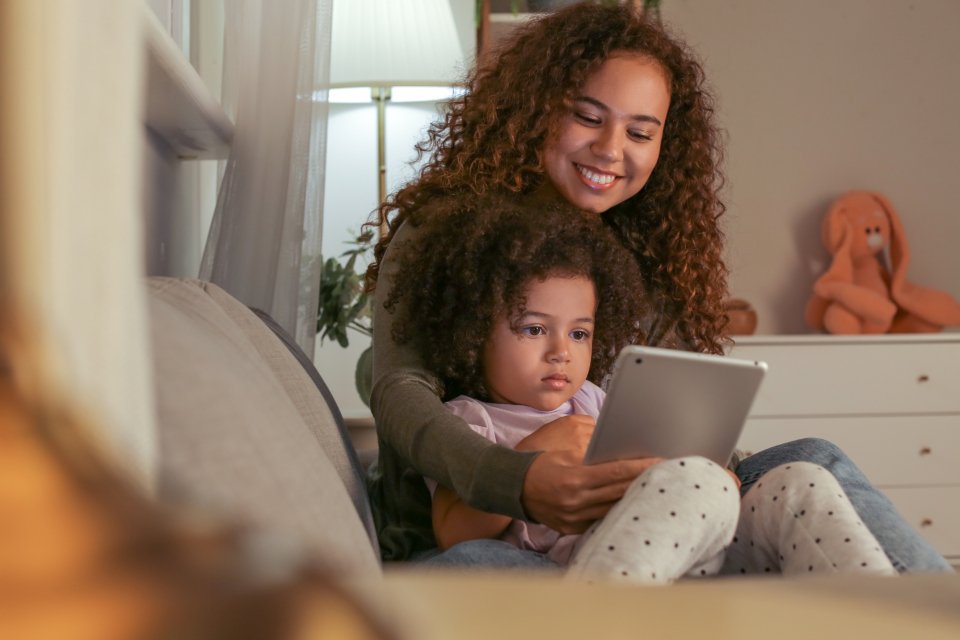
The good news is that bringing reading aloud back doesn’t require a complete lifestyle overhaul. According to Wood, the best way to incorporate reading into your day is to make it part of your routine. She suggests reframing reading aloud to your kids—it doesn’t have to take up a large chunk of time. Read when it’s convenient for you and for as long as you are able to. Start small, stay consistent.
Choose books that excite you. “I think, oftentimes as parents, when we think about reading aloud, we think that we have to be reading really educational things, and those things, more often than not, can be less fun and exciting to read than maybe just a short, silly story.” Look for books that are exciting or will make you laugh, she says. “In that moment, you are building this love of reading and this joy around reading together not just for your child but also for yourself.”
The Ripple Effect

When we read aloud, we’re not just affecting one generation—we’re creating a ripple effect that touches the future. Children who are read to daily are almost three times as likely to choose to read independently compared to children who are only read to weekly at home. It’s never too late to start, or resume, reading with children. Every story shared is a seed planted for lifelong learning.
Our observational study shows a dramatic and positive link between a fun and simple activity—reading for pleasure in early childhood—and better cognition, mental health, and educational attainment in adolescence. Perhaps unsurprisingly, kids who read more for fun had better test scores. But they also had fewer mental health problems as teens. And this wasn’t just true because kids who read more came from families with more education or resources. It was true for children of all backgrounds.
The Future of Reading Aloud
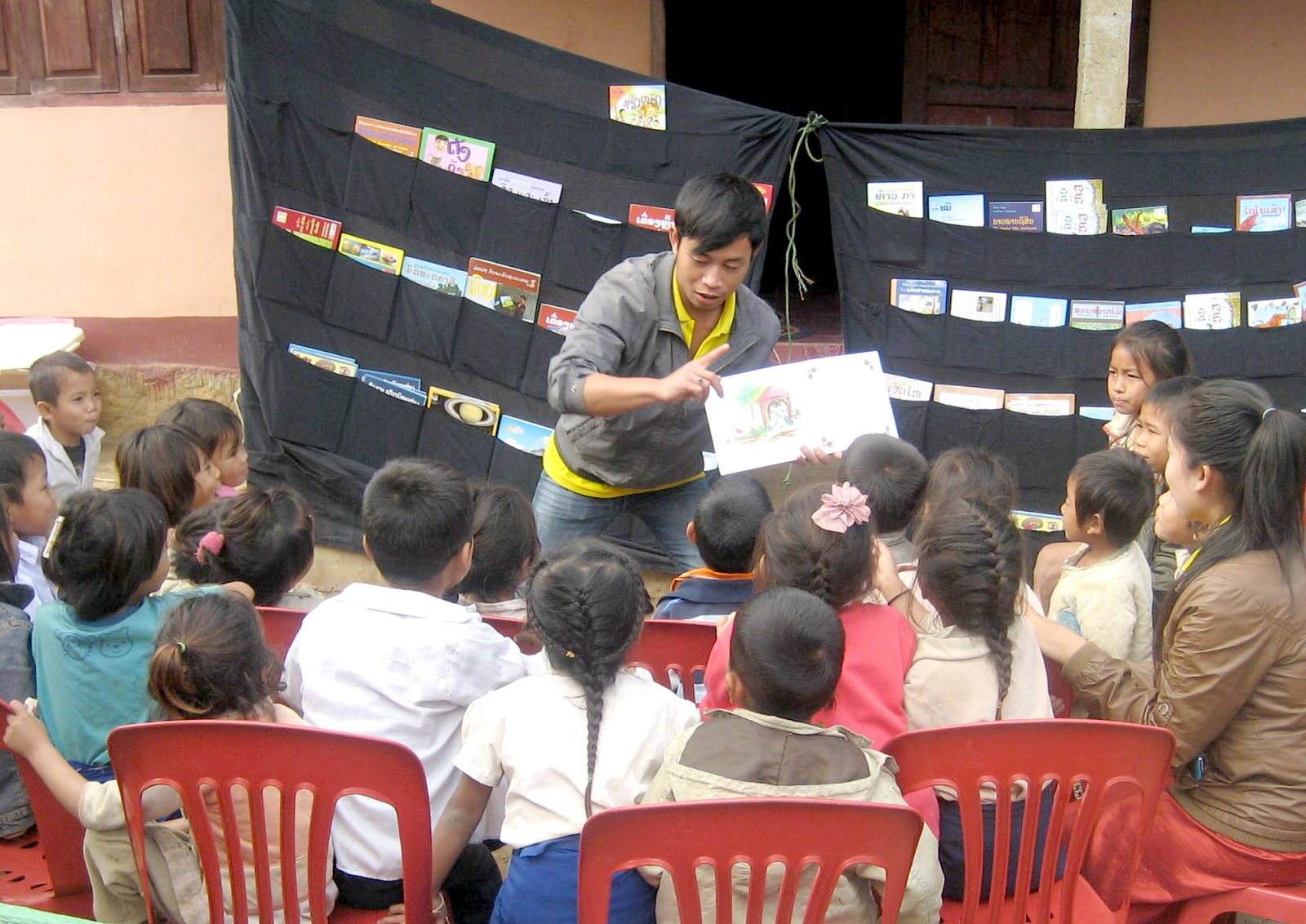
We stand at a crossroads. We can continue down the path of declining reading aloud, accepting that this ancient practice is simply outdated in our digital age. Or we can recognize what we’re losing and fight to bring it back. The choice is ours, but the consequences will be felt for generations.
Reading aloud isn’t just about books—it’s about connection, memory, language, and love. It’s about slowing down in a world that never stops moving. It’s about using our voices to create magic, one story at a time. In a world of screens and notifications, maybe the most radical thing we can do is open a book and read it aloud.
The research is clear, the benefits are proven, and the need is urgent. The question isn’t whether reading aloud works—it’s whether we’re willing to make it work again. What story will you share today?

Besides founding Festivaltopia, Luca is the co founder of trib, an art and fashion collectiv you find on several regional events and online. Also he is part of the management board at HORiZONTE, a group travel provider in Germany.
