

- Iconic Speeches Possess an Undeniable Power to Shape Public Opinion and History. - September 1, 2026
- The Golden Age of Television Delivered Stories That Still Captivate Us Today. - September 1, 2026
- Great Fashion Is Not Just Clothing; It’s a Bold Statement of Identity. - September 1, 2026
Strange Fruit by Billie Holiday
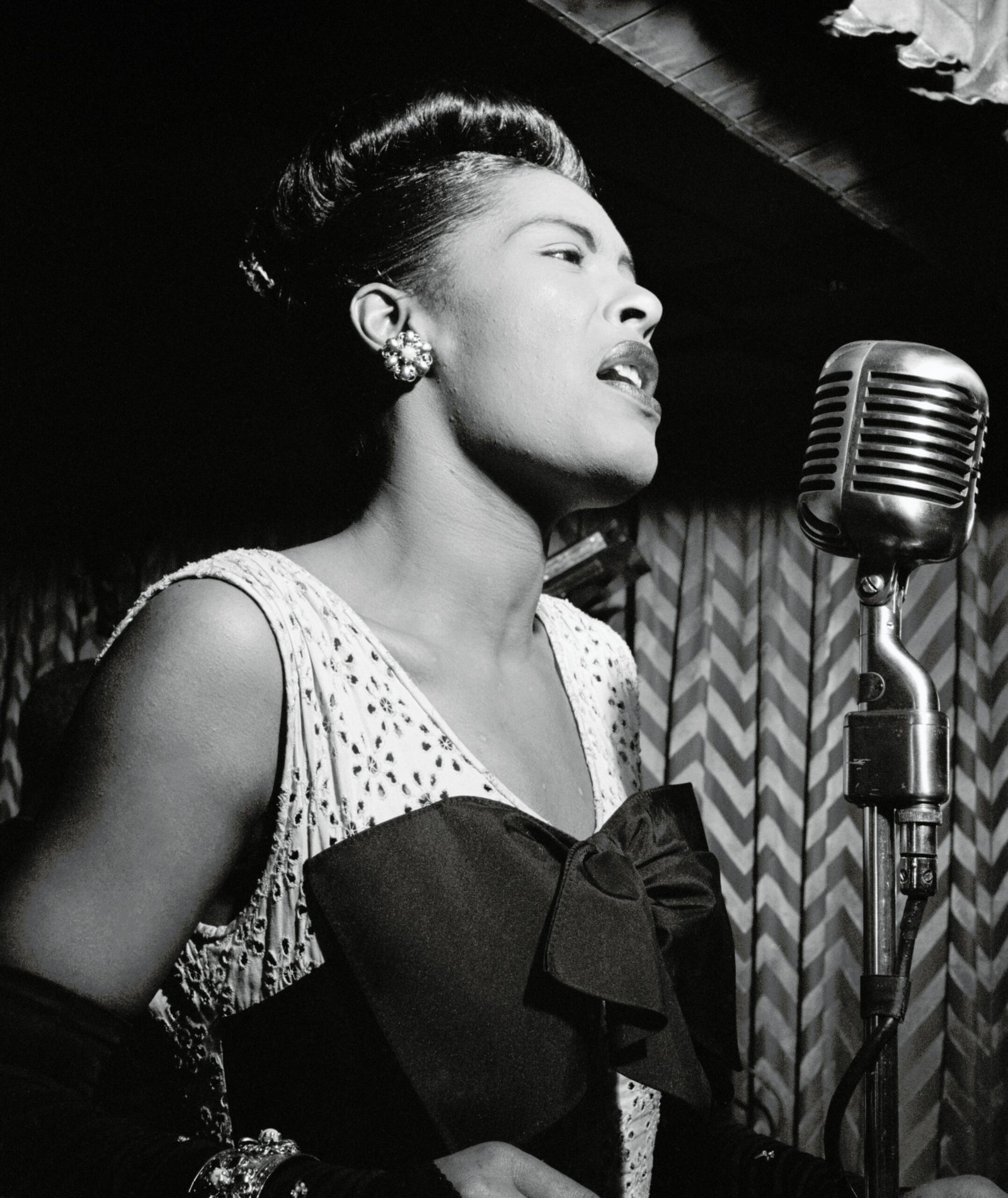
Few songs in history have sent such a chill down the spine as “Strange Fruit.” Performed by Billie Holiday in 1939, this haunting ballad shined a harsh spotlight on the brutal reality of racism in America, describing the lynching of Black Americans in the South. The song was so controversial that Holiday was often banned from performing it in certain clubs, and the FBI even tried to silence her. “Strange Fruit” is often cited by historians and cultural critics as one of the earliest examples of protest music, laying the groundwork for generations of artists to use their voices for social change. Its impact is evident in the way it has been covered by artists like Nina Simone and Andra Day, and in how it continues to surface in social justice movements today. The Library of Congress added “Strange Fruit” to the National Recording Registry in 2002, cementing its legacy as a song that truly changed music and society.
Like a Rolling Stone by Bob Dylan
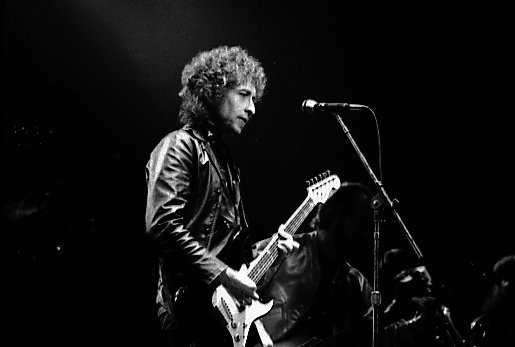
When Bob Dylan released “Like a Rolling Stone” in 1965, it shattered every rule in pop music. At over six minutes long, it defied the typical radio-friendly format, and its cryptic, poetic lyrics challenged listeners to think deeper. Rolling Stone magazine famously called it the greatest song of all time, and it topped their list in 2004 and 2021. Dylan’s snarl, the organ riff, and the relentless snare drum all felt revolutionary. The song signaled the arrival of rock as art, not just entertainment, and inspired countless musicians to take creative risks. Data from streaming platforms shows “Like a Rolling Stone” remains one of Dylan’s most played tracks, proving its influence hasn’t faded.
Respect by Aretha Franklin
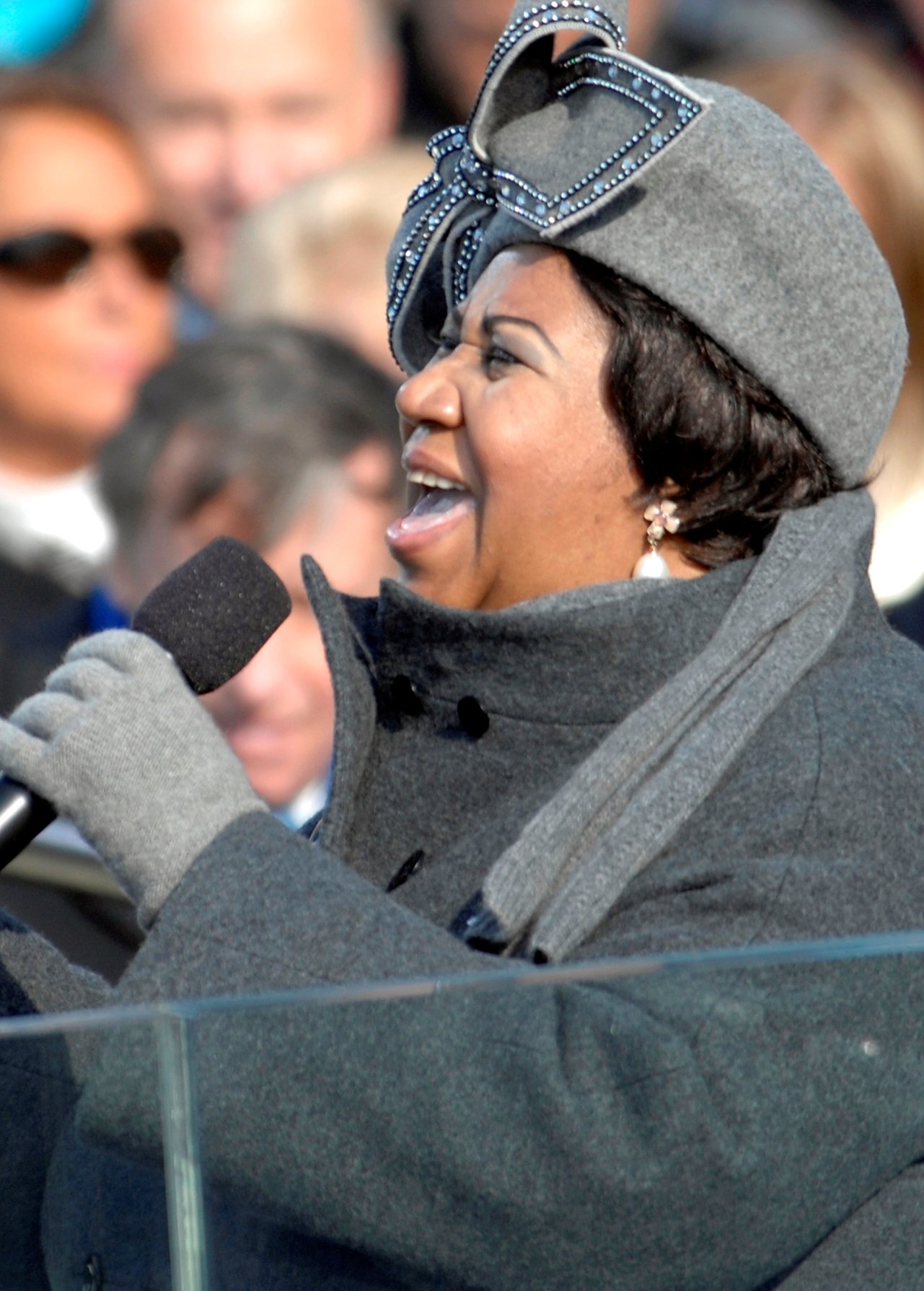
Aretha Franklin’s take on “Respect” in 1967 was more than a cover of Otis Redding’s original—it was an anthem for both the civil rights and women’s movements. Franklin’s explosive vocals and the spelling out of “R-E-S-P-E-C-T” became a rallying cry. The song shot to No. 1 on the Billboard Hot 100, and in 2021, it was named the greatest song of all time by Rolling Stone, dethroning Dylan’s classic. According to Nielsen Music, “Respect” experienced a streaming spike of over 150% following Aretha’s passing in 2018, showing the song’s continued resonance. Its empowering message is still used in everything from commercials to protest marches.
Bohemian Rhapsody by Queen
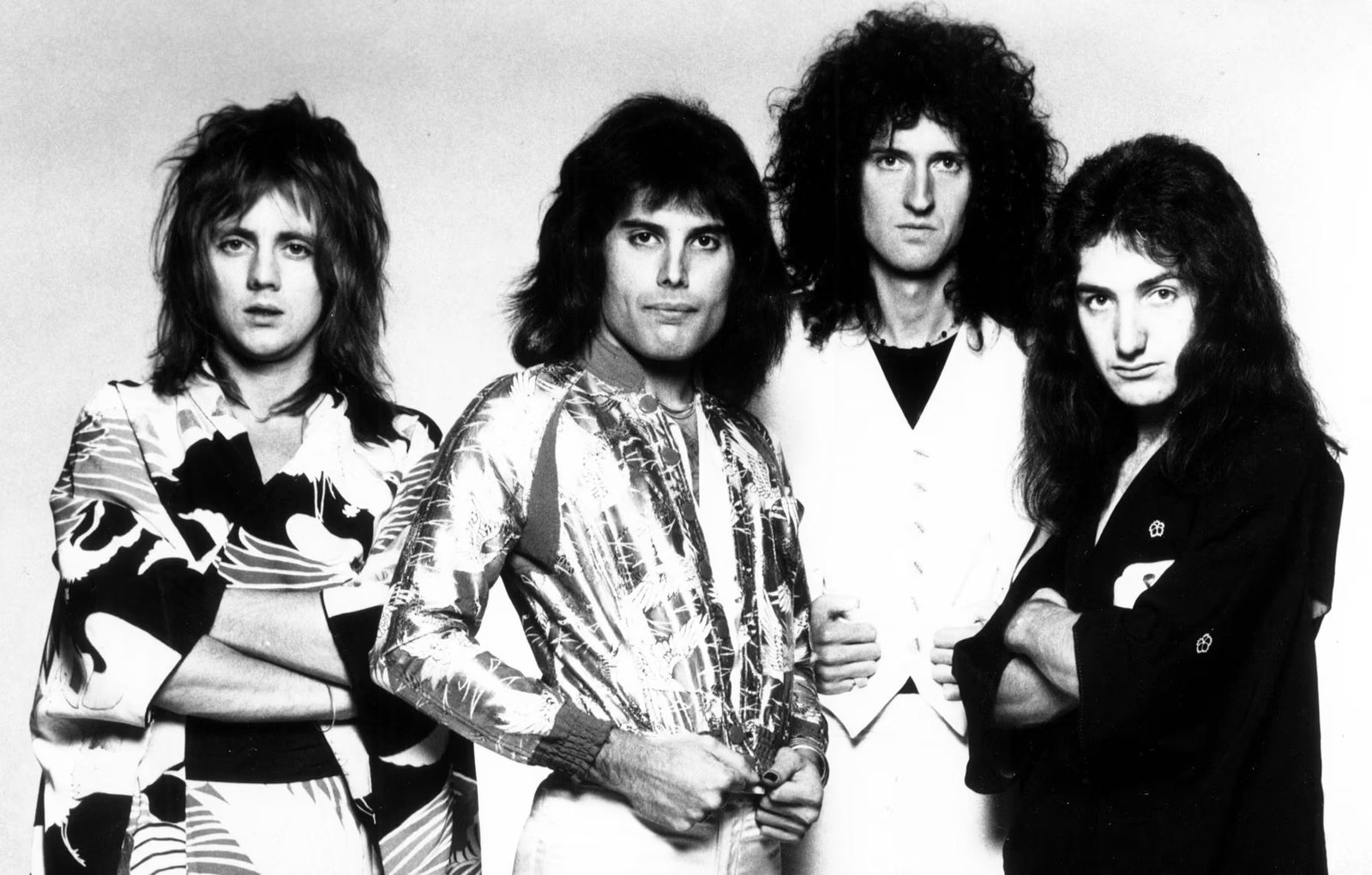
“Bohemian Rhapsody” broke all the rules when Queen released it in 1975. With its operatic structure, genre-shifting sections, and six-minute runtime, radio stations originally hesitated to play it. Yet the song became a worldwide phenomenon, selling over six million copies and becoming the most-streamed song of the 20th century, according to Universal Music Group in 2018. Its popularity soared again after the 2018 biopic “Bohemian Rhapsody,” introducing Freddie Mercury’s genius to a new generation. The song has been covered, parodied, and referenced in everything from “Wayne’s World” to the Olympics, showing its staggering staying power.
Good Vibrations by The Beach Boys
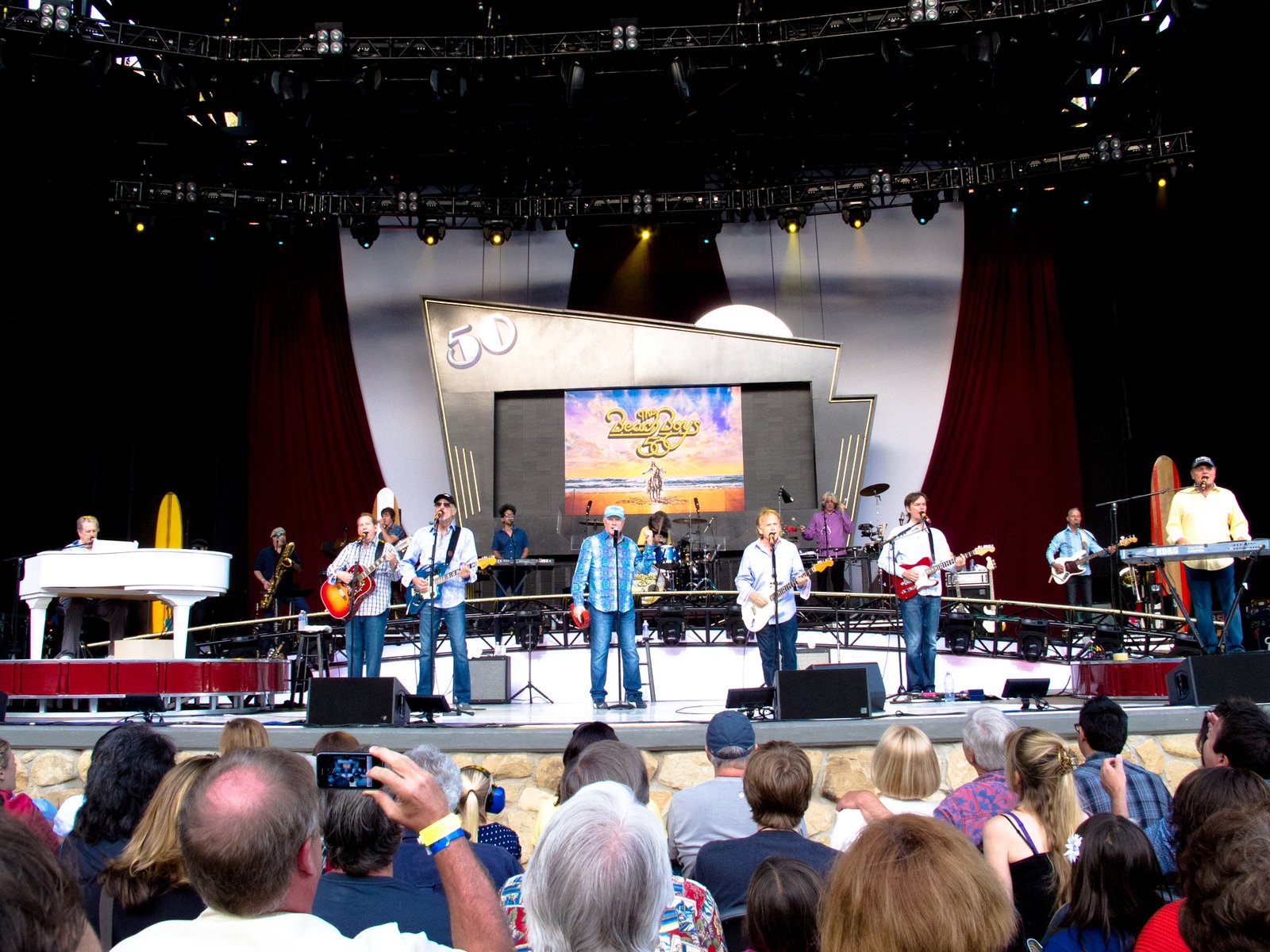
When The Beach Boys released “Good Vibrations” in 1966, it redefined what pop production could achieve. Brian Wilson spent over six months and $50,000 (an astronomical sum for the time) piecing together the song in multiple studios—a process unheard of back then. “Good Vibrations” was one of the first songs to use the electro-theremin, giving it a psychedelic, futuristic sound. The track hit No. 1 in the US and UK and is often cited by musicologists as the first true “pocket symphony” in pop. Its influence on later psychedelic and progressive rock is immense, with artists like The Beatles citing it as a direct inspiration for “Sgt. Pepper’s.”
Smells Like Teen Spirit by Nirvana
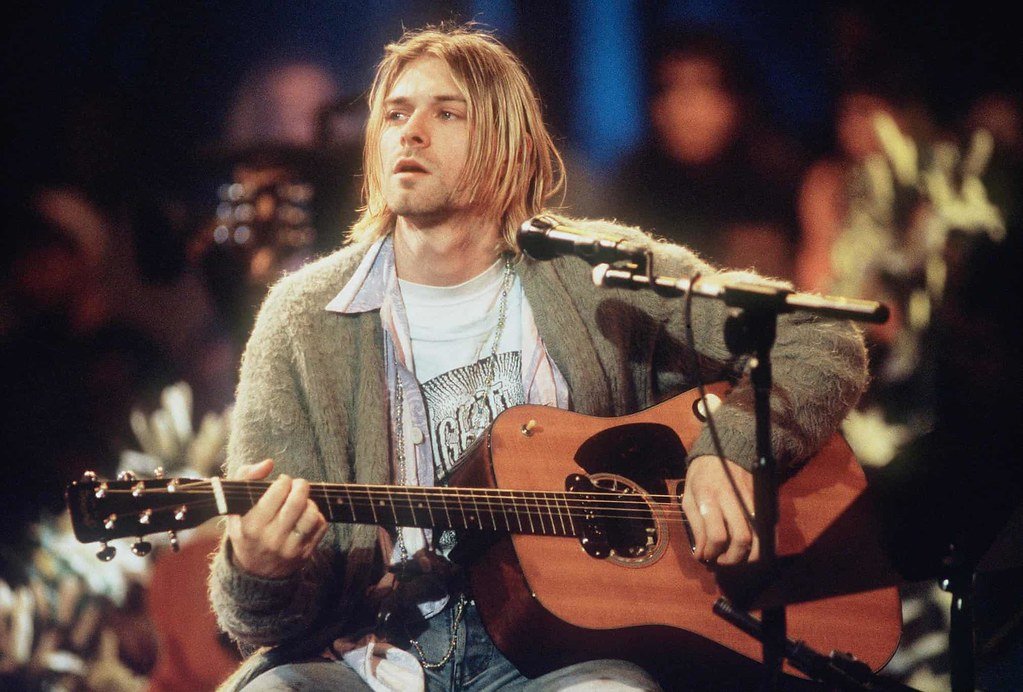
“Smells Like Teen Spirit” exploded onto the scene in 1991 and turned the music world upside down. Nirvana’s anthem was raw, rebellious, and undeniably catchy. It propelled the grunge movement into the mainstream and helped their album “Nevermind” knock Michael Jackson off the top of the Billboard charts. According to the Recording Industry Association of America, “Nevermind” has sold over 30 million copies worldwide. The song’s music video has over 1.4 billion views on YouTube as of July 2025, proving its enduring appeal. “Smells Like Teen Spirit” wasn’t just a song—it was a cultural earthquake.
Imagine by John Lennon
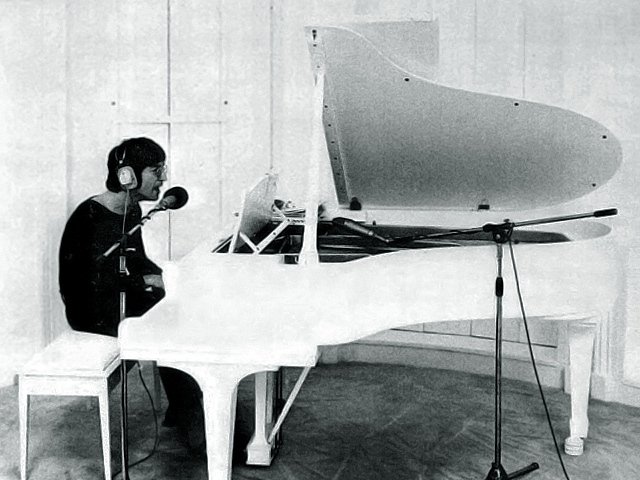
“Imagine” has become the soundtrack of hope and peace for over five decades. Released in 1971, John Lennon’s piano-driven ballad dares listeners to envision a world without borders, religion, or war. The song has regularly topped lists of the most influential tracks and is often played at global events promoting unity and peace. According to the BBC, “Imagine” saw a 200% surge in streaming in the wake of worldwide crises, including the COVID-19 pandemic. Its lyrics have appeared at protests, on posters, and even in the opening ceremony of the 2012 London Olympics.
Hey Jude by The Beatles
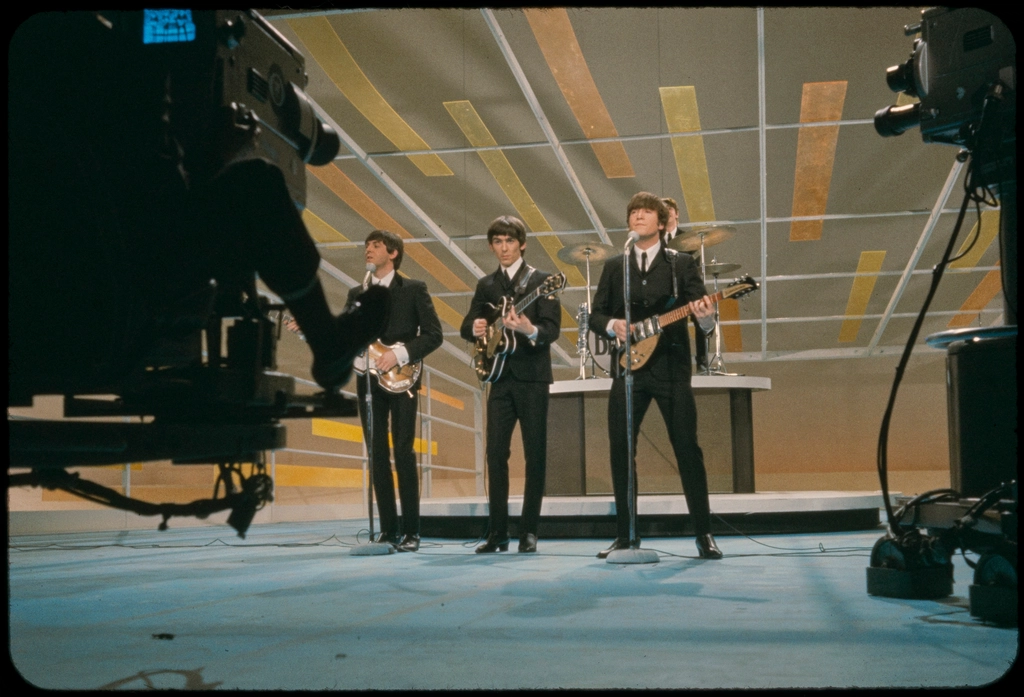
The Beatles were already the biggest band in the world when they released “Hey Jude” in 1968, but this song took their popularity to new heights. At over seven minutes, it was the longest single ever to reach No. 1 at the time. The song spent nine weeks atop the US charts and has been streamed over 600 million times on Spotify as of 2025. Its famous na-na-na coda has been sung by millions at concerts and sporting events worldwide. “Hey Jude” embodies the power of sing-along pop and is often cited as a perfect example of the Beatles’ universal appeal.
What’s Going On by Marvin Gaye
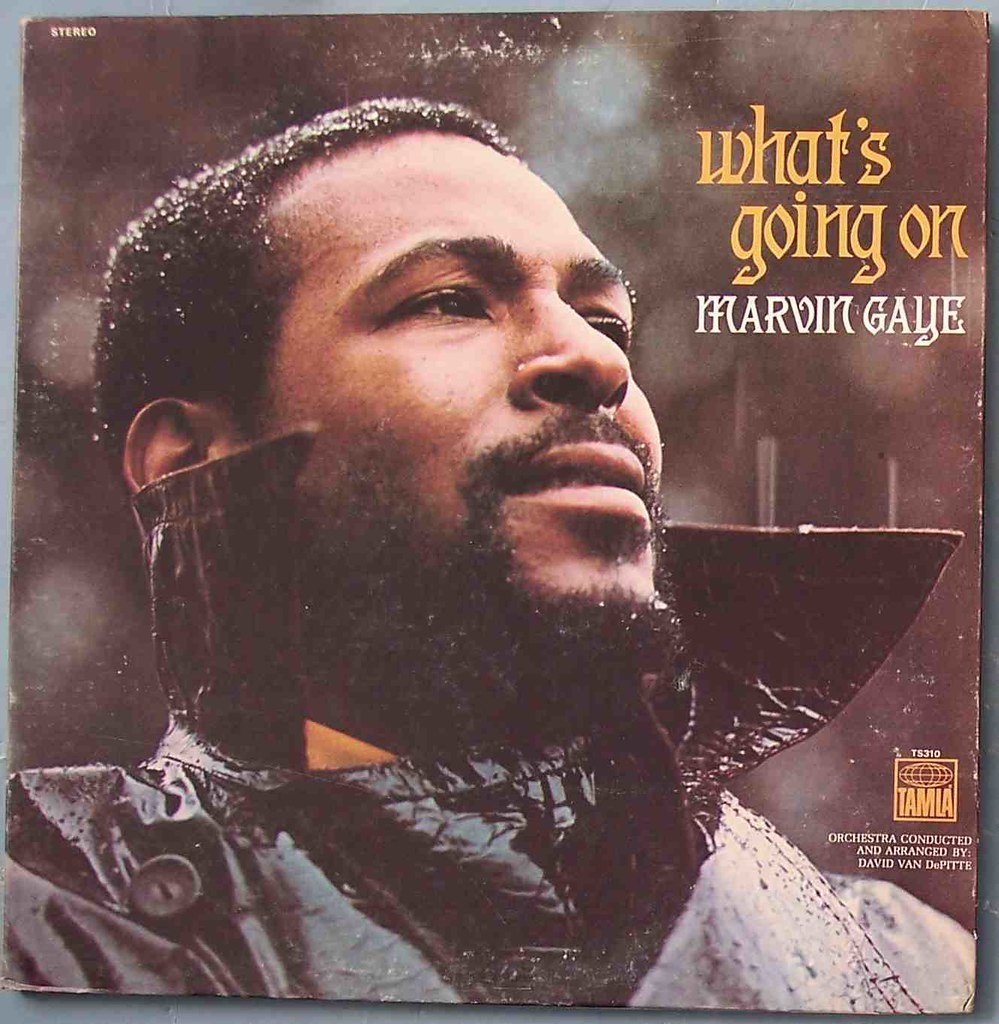
In 1971, Marvin Gaye asked the world, “What’s Going On?” and forever changed the way soul music could address real-world issues. The song was inspired by police brutality and the Vietnam War, topics rarely discussed in mainstream music at the time. Motown executives initially resisted releasing it, fearing it was too political. Yet, the song and its parent album are now considered some of the greatest in history, with Rolling Stone ranking the album No. 1 in their 2020 list of the 500 greatest albums. “What’s Going On” is still sampled and covered in times of social unrest, showing the lasting influence of Gaye’s call for compassion.
I Will Always Love You by Whitney Houston
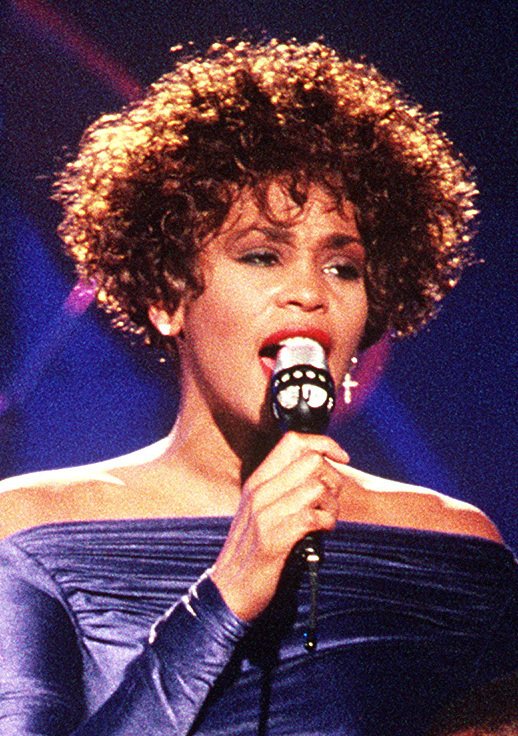
Whitney Houston’s rendition of “I Will Always Love You” is a vocal masterclass. Originally written and recorded by Dolly Parton, Houston’s 1992 version for “The Bodyguard” soundtrack became one of the best-selling singles of all time, with over 20 million copies sold worldwide, according to Guinness World Records. The song spent 14 weeks at No. 1 on the Billboard Hot 100, a record at the time. Houston’s soaring voice and emotional delivery set a new standard for ballad performances and inspired countless aspiring singers. The song remains a staple at weddings, talent shows, and emotional movie finales.
Rapper’s Delight by The Sugarhill Gang
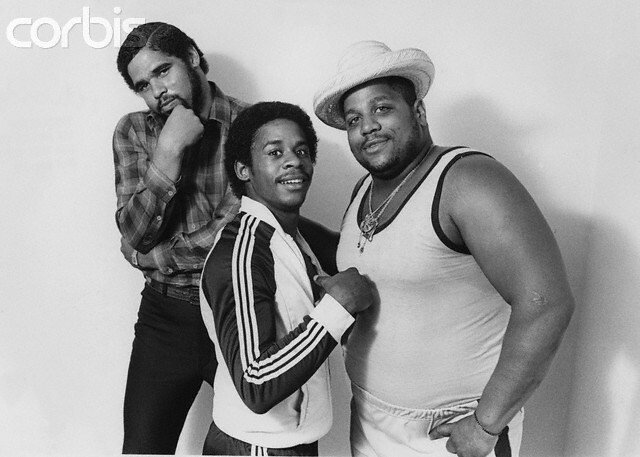
When “Rapper’s Delight” dropped in 1979, it changed the music landscape by introducing hip-hop to the mainstream. The 14-minute original version showcased playful rhymes over a funky Chic sample, and it became the first hip-hop single to hit the Billboard Hot 100. According to the National Recording Registry, the song marked hip-hop’s arrival as a commercial force, paving the way for an entire genre that now dominates global music charts. Hip-hop is now the most consumed genre in the United States, as per MRC Data’s 2023 report, a trajectory that began with this groundbreaking track.
Billie Jean by Michael Jackson
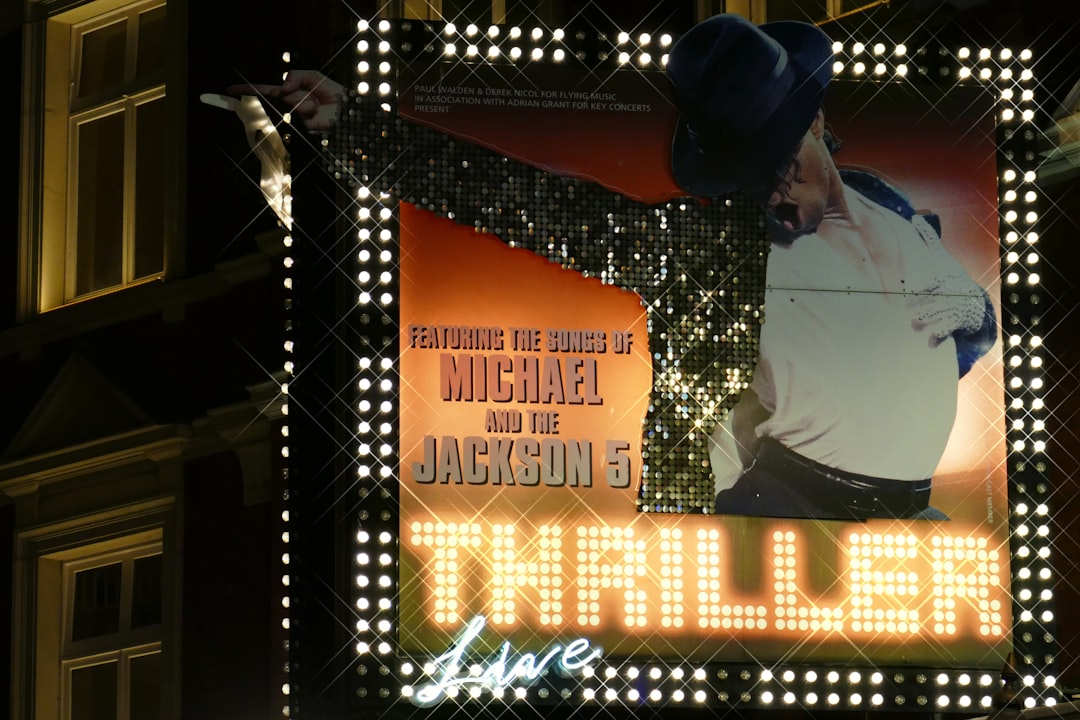
“Billie Jean” is more than a pop song—it’s a cultural phenomenon. Released in 1983, it showcased Michael Jackson’s innovative production and iconic vocal style. The song’s bassline is instantly recognizable, and it fueled “Thriller” to become the best-selling album of all time, with over 70 million copies sold according to the RIAA. “Billie Jean” also broke barriers on MTV, making Jackson the first Black artist to get heavy rotation on the channel. The moonwalk, first performed to this song, became a sensation worldwide. “Billie Jean” continues to inspire artists and producers across genres.
Stairway to Heaven by Led Zeppelin
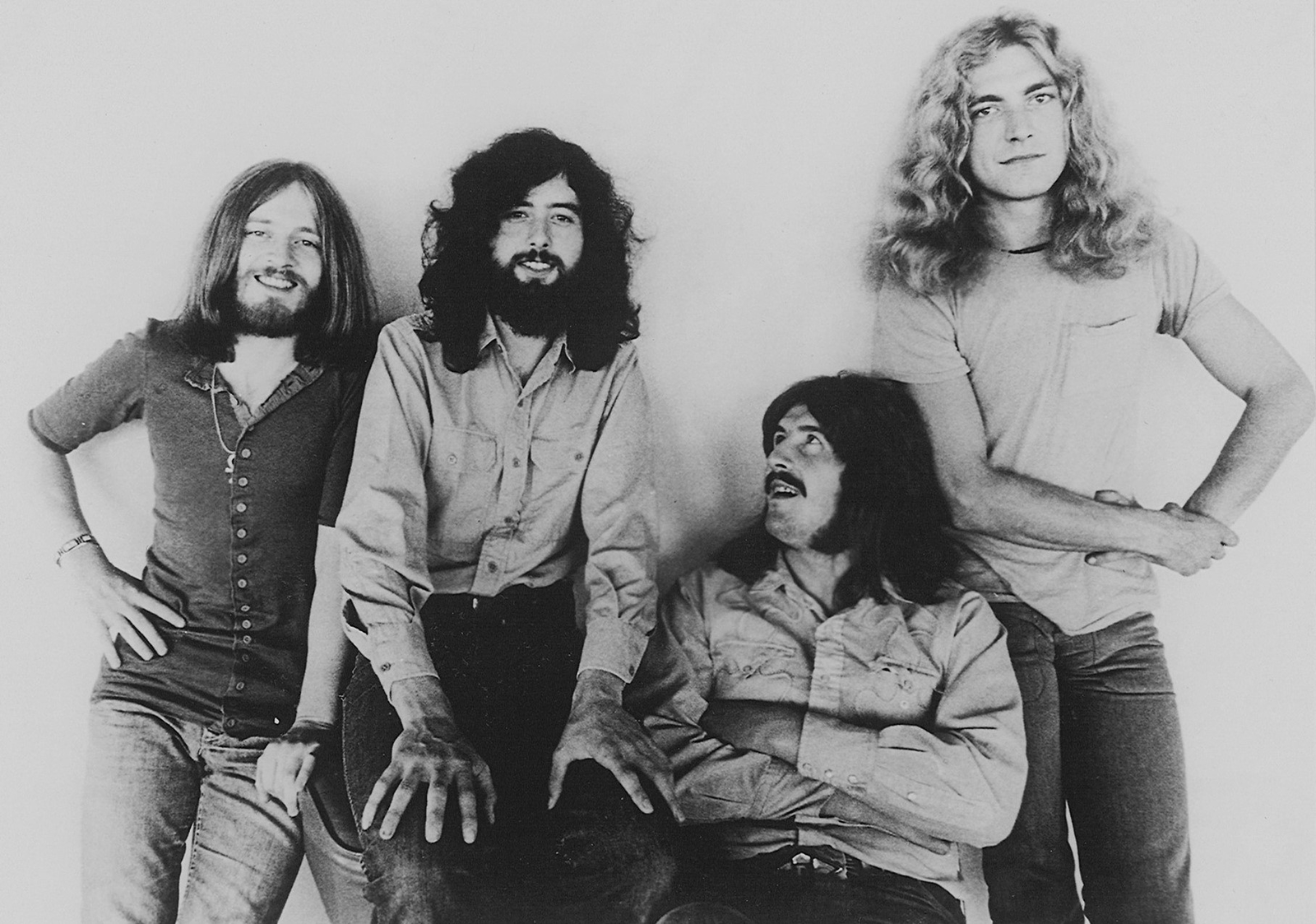
https://www.ledzeppelin.com/photos/led-zeppelin/promo/1971-promo, Public domain, https://commons.wikimedia.org/w/index.php?curid=145872383)
“Stairway to Heaven,” released in 1971, is often called the greatest rock song ever recorded. It’s a journey through folk, blues, and hard rock, building to a legendary guitar solo. Despite never being released as a single, it became the most requested song on FM radio in the US during the 1970s. According to Billboard, Led Zeppelin IV has sold over 37 million copies worldwide. The song’s mystique and complexity have inspired endless debate, covers, and even court cases. “Stairway to Heaven” set a new bar for what rock songs could achieve artistically.
No Woman, No Cry by Bob Marley & The Wailers
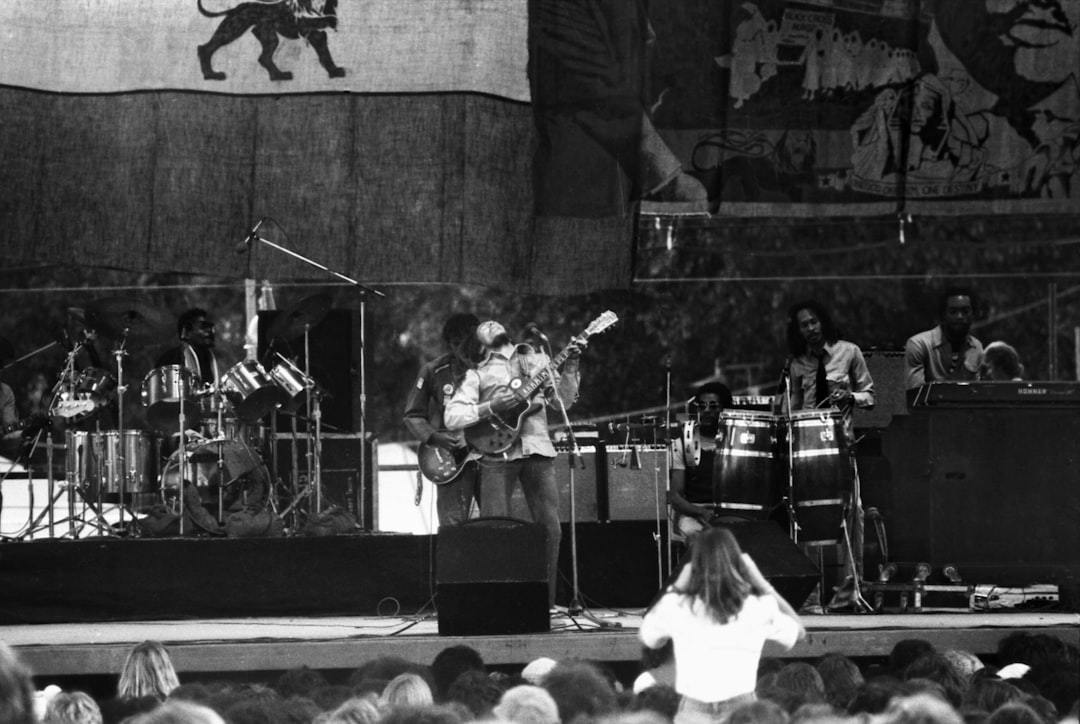
Bob Marley’s “No Woman, No Cry” became an anthem of hope and resilience. Released in 1974, the live version recorded at London’s Lyceum Theatre became the definitive take, landing on Rolling Stone’s list of greatest songs. Marley’s message of perseverance in the face of hardship resonated globally, especially in areas facing poverty and political turmoil. According to IFPI, Marley’s music still ranks among the most streamed reggae tracks, with “No Woman, No Cry” leading the way. The song has been covered by countless artists and is recognized by UNESCO as a piece of world heritage.
Superstition by Stevie Wonder
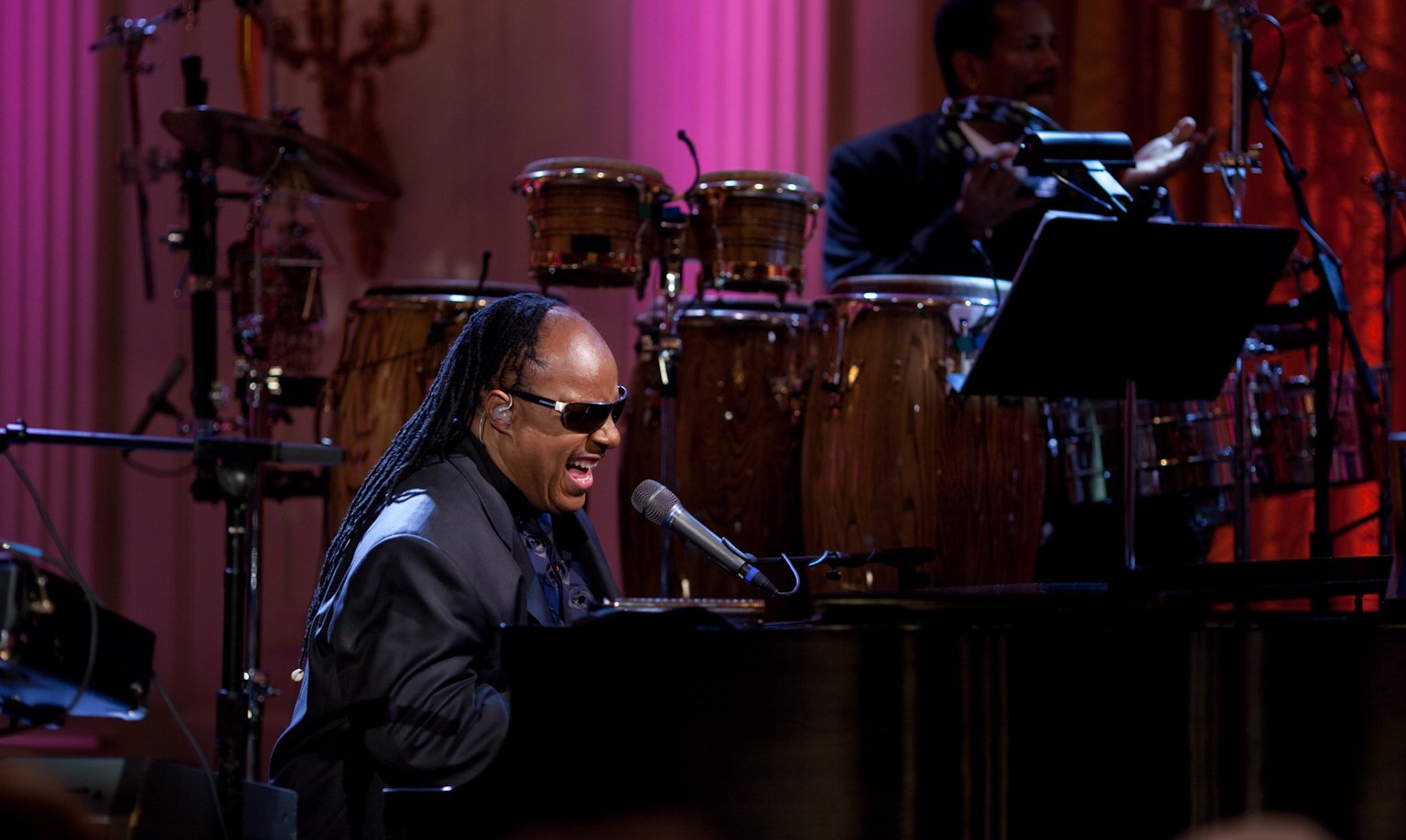
“Superstition,” released in 1972, is a funk masterpiece that showcases Stevie Wonder’s virtuosic musicianship. The song’s infectious clavinet riff became a template for funk and R&B for decades to come. “Superstition” hit No. 1 on the Billboard Hot 100 and won Wonder two Grammy Awards. According to the Recording Academy, Wonder’s pioneering use of synthesizers and layered rhythms on “Superstition” helped shape the sound of modern pop, hip-hop, and dance music. The song’s influence is clear in the works of artists like Prince, Daft Punk, and Bruno Mars.
Born to Run by Bruce Springsteen
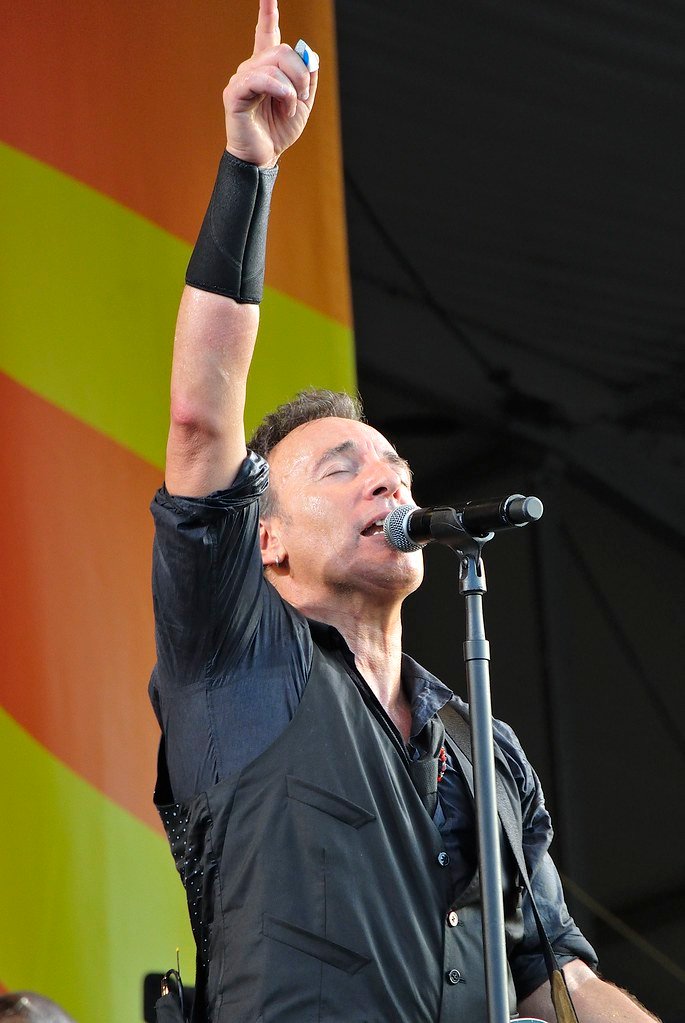
“Born to Run” is Bruce Springsteen’s defining anthem of youthful urgency and escape. Released in 1975, the song’s wall-of-sound production and cinematic storytelling helped launch Springsteen to superstardom. “Born to Run” has sold over six million copies and remains one of the most performed tracks at major sporting events, according to BMI. The song was added to the Library of Congress National Recording Registry in 2003, ensuring its place in American cultural history. It captures the restless spirit of American rock and continues to inspire generations to chase their dreams.
Fight the Power by Public Enemy
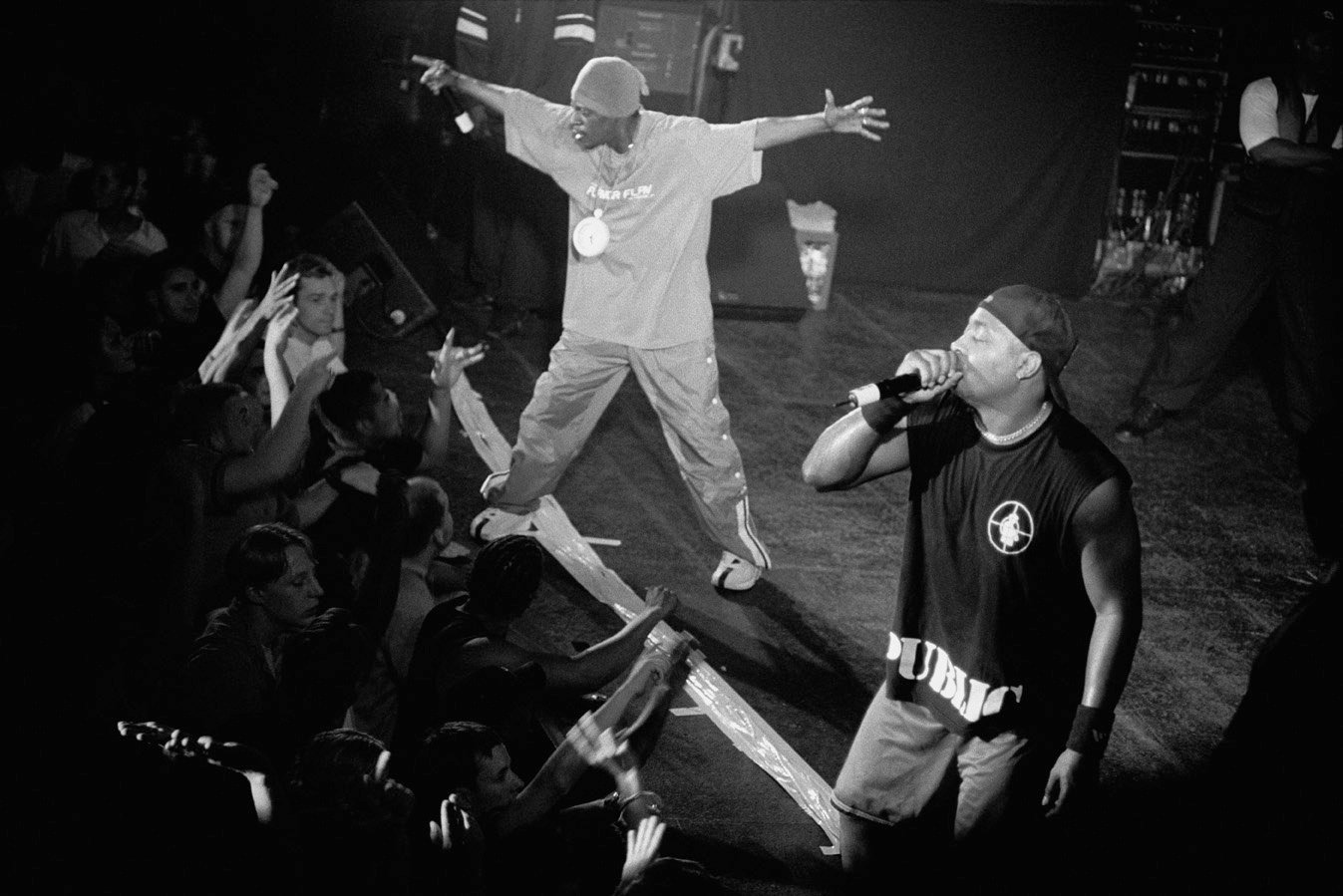
Public Enemy’s “Fight the Power” was a rallying cry for a generation confronting injustice. Released in 1989 for Spike Lee’s film “Do the Right Thing,” the song blends relentless beats with politically charged lyrics. The track reached No. 1 on the Hot Rap Singles chart and has been referenced in countless protests and documentaries. NPR listed it as one of the most important songs in hip-hop history. Data from Genius shows that “Fight the Power” lyrics are among the most annotated in their database, underlining its role as a tool for education and empowerment.
My Generation by The Who

“My Generation,” released in 1965, captured the frustration and rebellion of youth culture. The stuttering vocals and aggressive guitar riffs were shocking at the time, and the line “hope I die before I get old” became a generational slogan. The song reached No. 2 on the UK Singles Chart and is considered one of the first mod anthems. According to the Rock & Roll Hall of Fame, “My Generation” helped lay the groundwork for punk and hard rock. Its influence is still felt in bands from The Clash to Green Day.
Single Ladies (Put a Ring on It) by Beyoncé
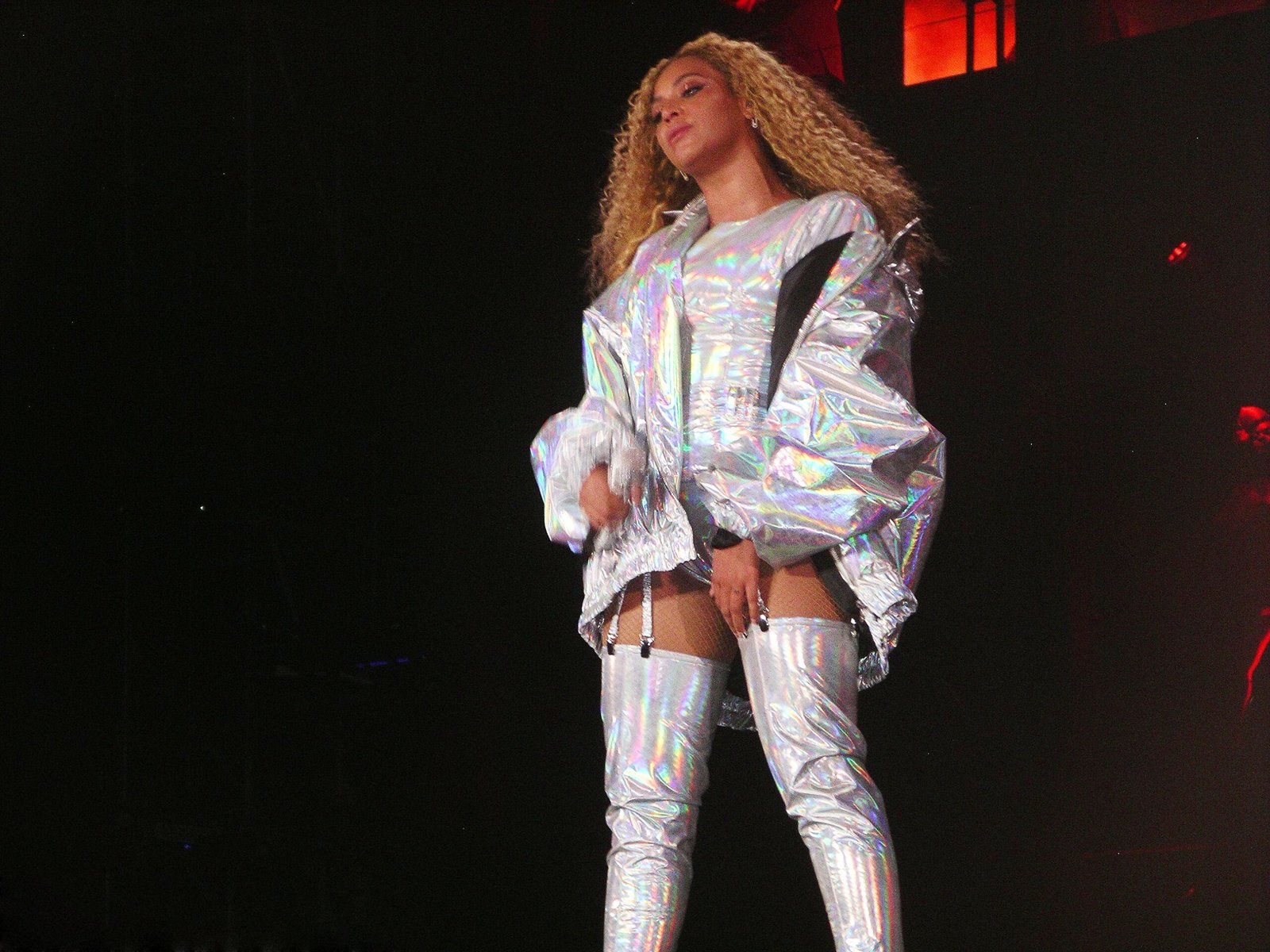
Beyoncé’s “Single Ladies (Put a Ring on It)” became a global sensation upon its release in 2008. The song’s catchy hook and empowering lyrics resonated with listeners worldwide, and its iconic hand-twist dance went viral, becoming one of the first true meme dances of the YouTube era. The song won three Grammy Awards and has been streamed over 1 billion times on Spotify as of 2025. According to Billboard, “Single Ladies” helped redefine pop stardom in the digital age, setting new standards for music videos, choreography, and social media engagement.
Old Town Road by Lil Nas X
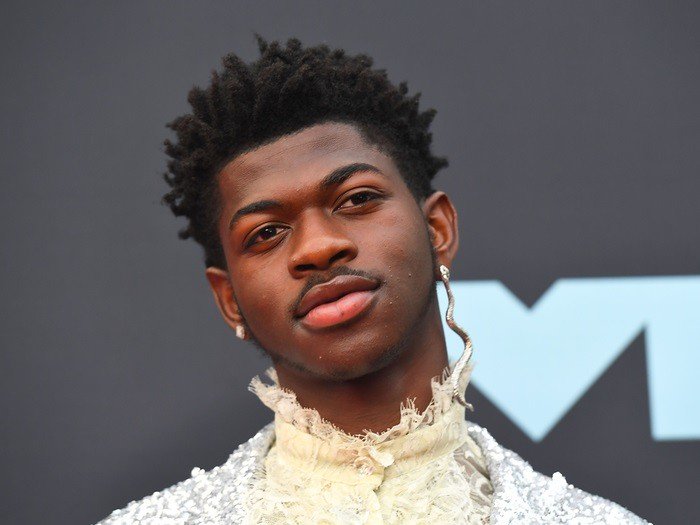
“Old Town Road” shattered records and genre boundaries when it took over the world in 2019. The song, which blends country and hip-hop, spent 19 weeks at No. 1 on the Billboard Hot 100, breaking the all-time record. According to MRC Data, it became the fastest song to reach diamond certification. Its success on TikTok and other social media platforms marked a new era for music promotion and discovery. “Old Town Road” signaled that the lines between genres are more blurred than ever, opening the door for a new wave of genre-bending artists.

Besides founding Festivaltopia, Luca is the co founder of trib, an art and fashion collectiv you find on several regional events and online. Also he is part of the management board at HORiZONTE, a group travel provider in Germany.
