

- Iconic Speeches Possess an Undeniable Power to Shape Public Opinion and History. - September 1, 2026
- The Golden Age of Television Delivered Stories That Still Captivate Us Today. - September 1, 2026
- Great Fashion Is Not Just Clothing; It’s a Bold Statement of Identity. - September 1, 2026
The First Native-Led Press: Cherokee Phoenix
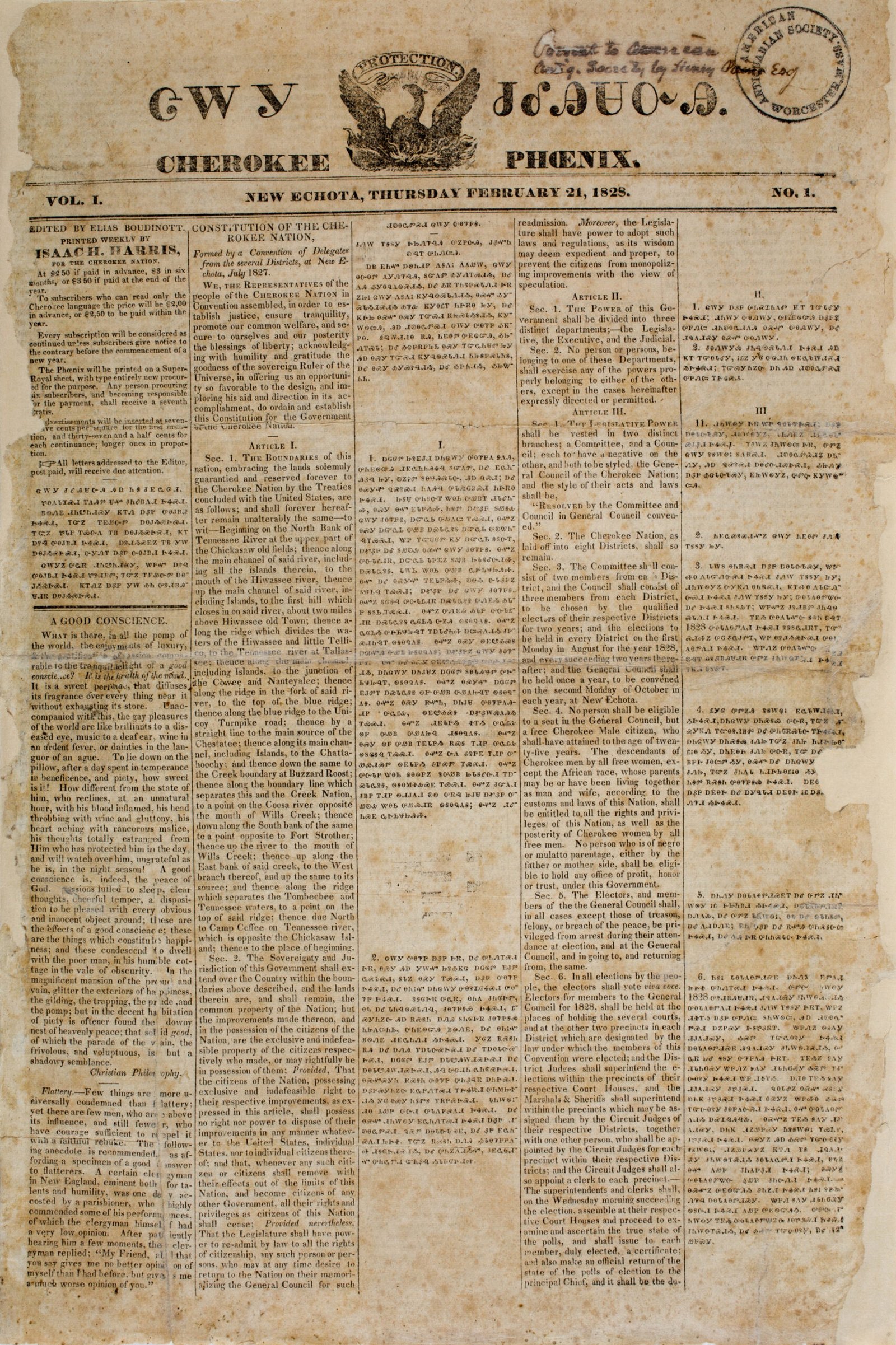
The Cherokee Phoenix was the first Native American newspaper, founded in 1828. It was published in both Cherokee and English, making it a groundbreaking bilingual platform. The press operated out of New Echota, the capital of the Cherokee Nation. The newspaper advocated for tribal sovereignty and reported on critical issues like forced relocation. Its creation marked a turning point where Native voices could reach both their own communities and outsiders. This publication was abruptly halted in 1834 due to political pressures and the encroaching Trail of Tears. Its press was seized, symbolizing early struggles for Native-controlled media.
Missionary Influence and Early Obstacles
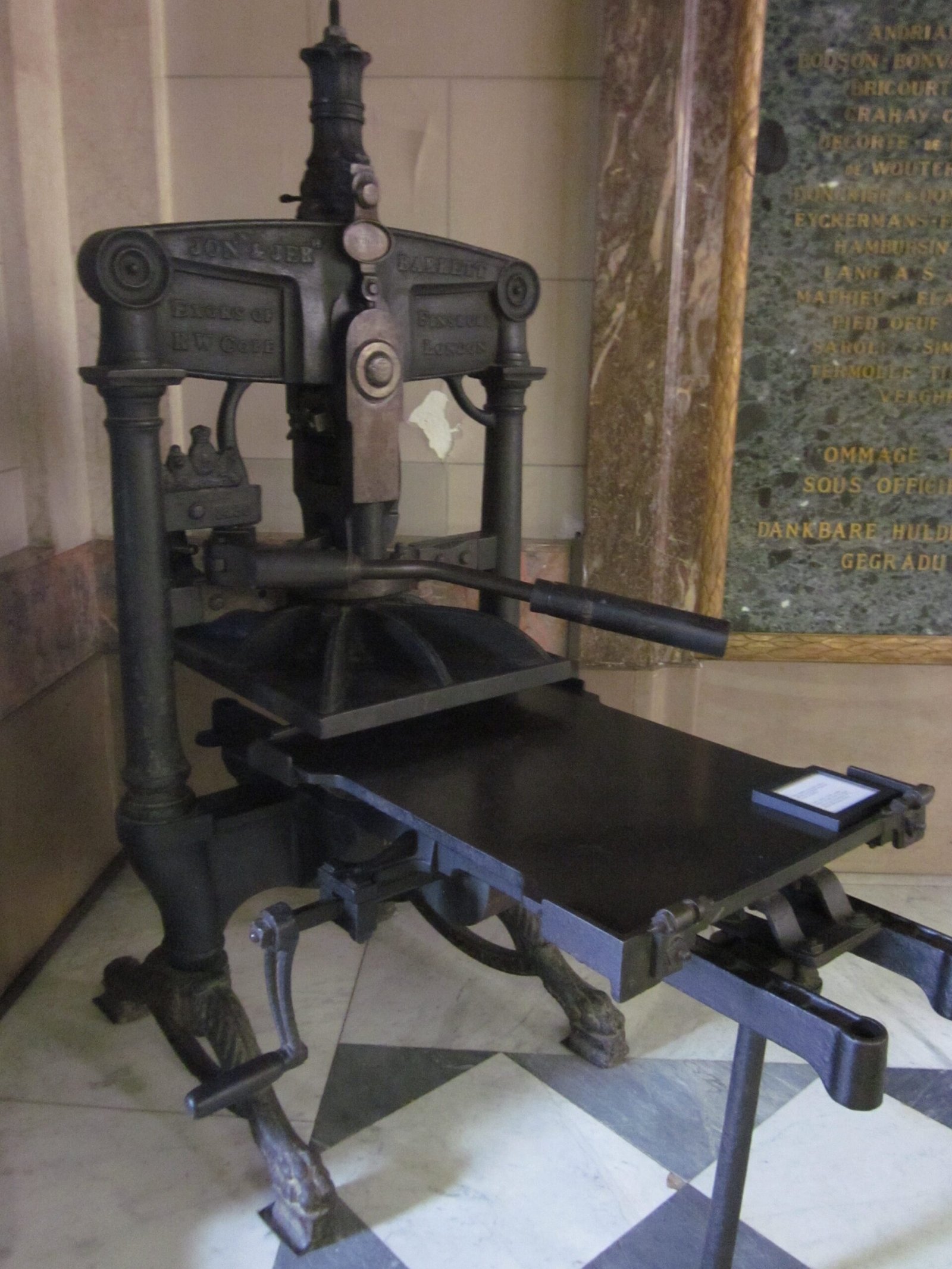
Many early Native publishing efforts faced interference from Christian missionaries. Missionaries often controlled printing presses and dictated editorial content, limiting Native expression. In several tribal nations, missionaries translated religious texts rather than local stories or news. This led to a skewed representation of Native culture and priorities. Native leaders fought to reclaim editorial power, but resources were limited. These obstacles delayed the growth of truly independent Native publishing houses. The struggle for control over the narrative has roots in these early conflicts.
The Rise and Fall of The Indian Helper
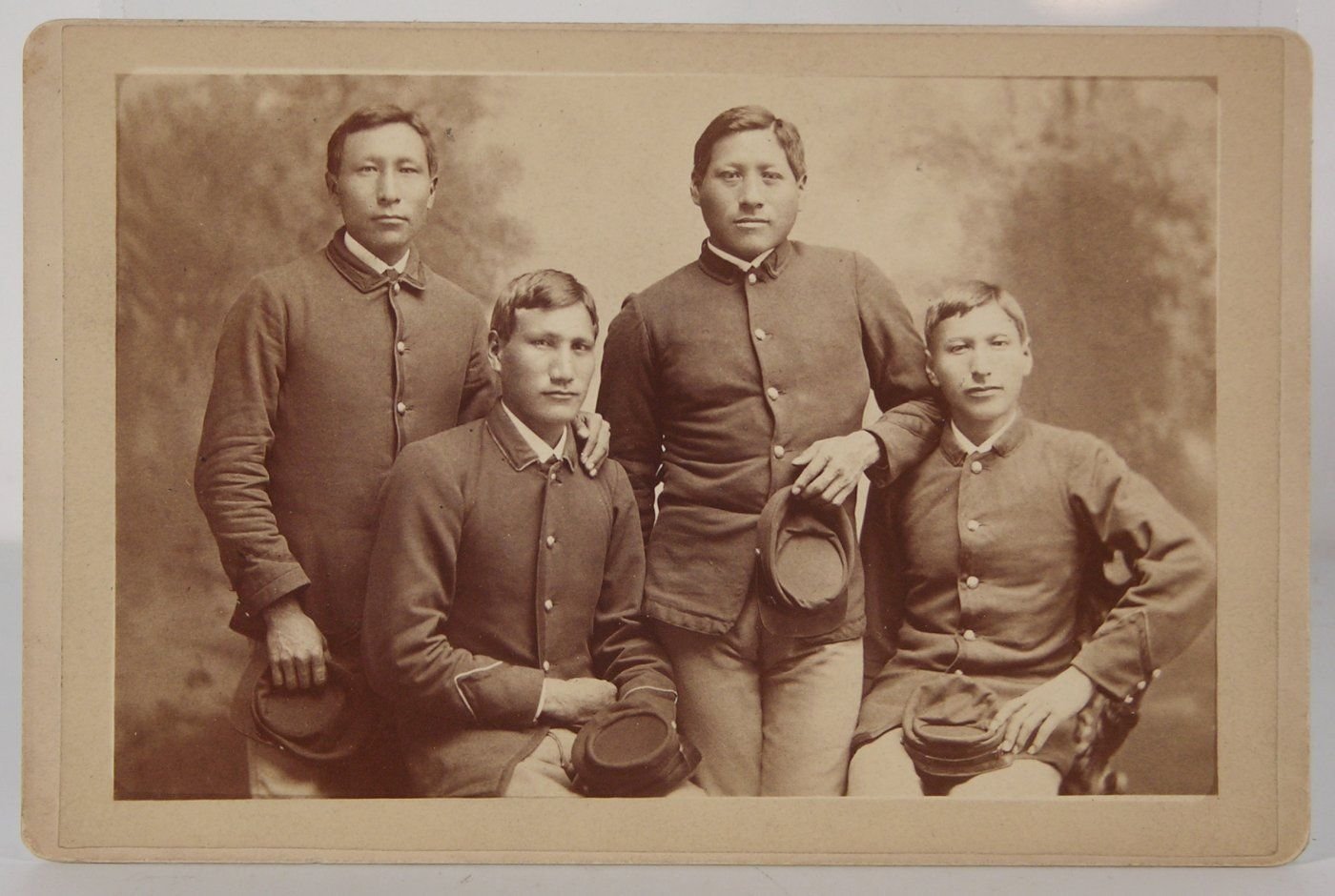
The Indian Helper began publication in 1885 at the Carlisle Indian Industrial School. Its goal was to “civilize” Native students, but it inadvertently documented Native resilience. Many students contributed articles, sharing their experiences and perspectives. Over time, the publication faced criticism for its assimilationist tone. The Indian Helper ceased in the early 1900s, but its archives remain a testament to the complex relationship between Native voices and institutional control. These records now help researchers understand the tension between imposed narratives and authentic self-representation.
The Dawn of Native Self-Publishing in the 20th Century
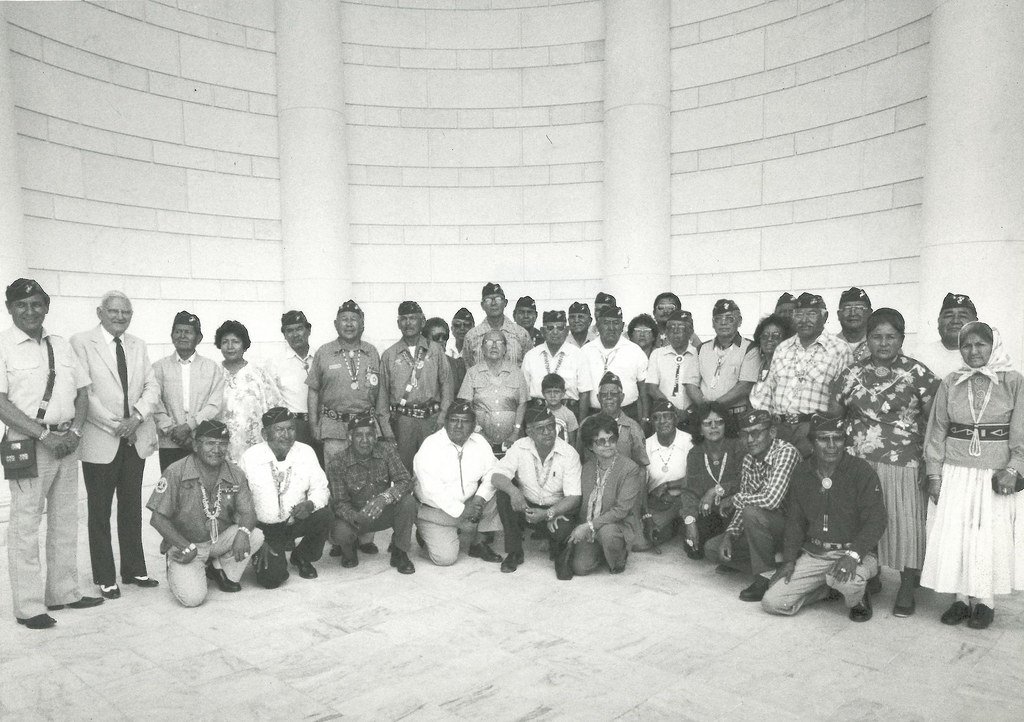
By the mid-20th century, Native writers began to self-publish in response to mainstream exclusion. The rise of small presses allowed for more autonomy in storytelling. One notable early example is the founding of the Navajo Times in 1959, which remains influential today. The publication focused on tribal news, language preservation, and community events. Self-publishing gave Native authors the freedom to share stories uncensored by outsiders. This era sparked a wave of literary innovation and activism. The growth of Native-led presses coincided with the civil rights movement and a resurgence of Indigenous pride.
The Role of the Redbone Press

Redbone Press, founded in 1993, has played a unique role in Indigenous publishing. While not exclusively Native American, its catalog includes significant Native queer voices. The press highlights intersectionality, focusing on works by LGBTQ+ people of color. This approach broadens the scope of Native literature and challenges stereotypes. Redbone Press demonstrates how publishing houses can amplify marginalized voices within already marginalized communities. Its impact is seen in the growing diversity of Native American literary expression. The press remains a model for inclusive publishing practices.
The Influence of Native Voices Books

Native Voices Books, established in 1992, is one of the most prominent Native-owned publishers. It specializes in children’s books written by Native authors, featuring authentic stories and illustrations. According to the Cooperative Children’s Book Center, only about 1% of children’s books published in the U.S. in 2023 featured Native characters or authors. Native Voices Books works to change this by producing award-winning titles like “Jingle Dancer” and “The People Shall Continue.” The press partners directly with tribal communities to ensure accuracy and respect. Its success is an example of how independent publishers can influence national conversations about representation.
Ojibwe Language Revitalization Through Publishing
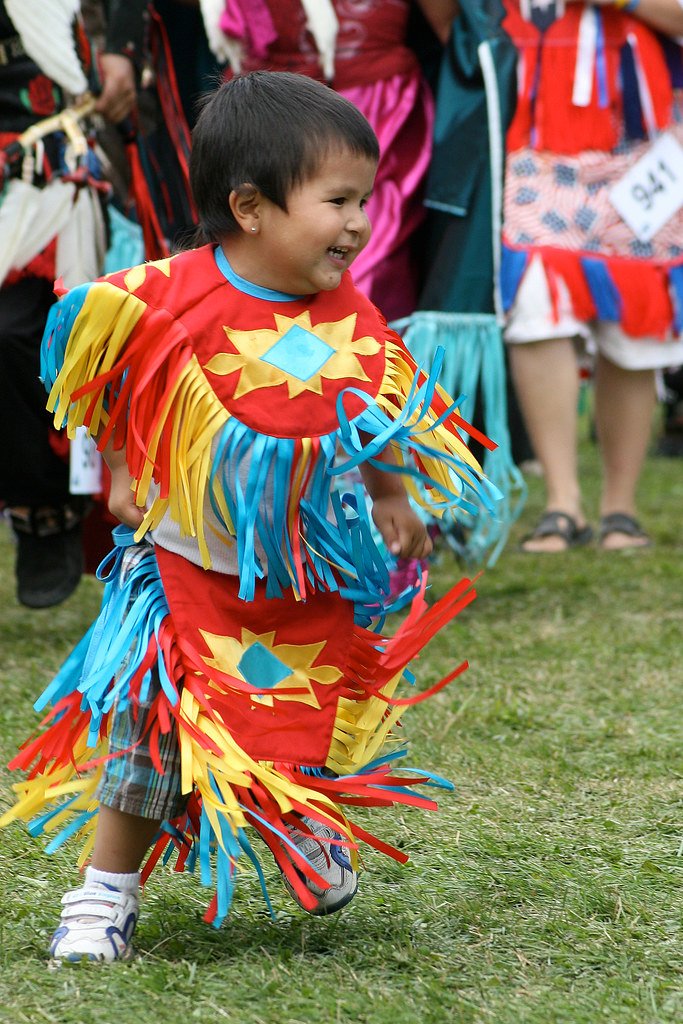
The Ojibwe people have used publishing as a tool for language revitalization. The Mille Lacs Band of Ojibwe launched a publishing program in the 1990s to create language textbooks and storybooks. These materials support immersion programs and family literacy initiatives. By the 2020s, Ojibwe language books were distributed across tribal schools and public libraries. The effort has seen measurable results: according to the Endangered Languages Project, Ojibwe language proficiency among youth has increased in participating communities. Publishing is central to sustaining Indigenous languages facing extinction.
Native Realities Press and the Comic Book Revolution
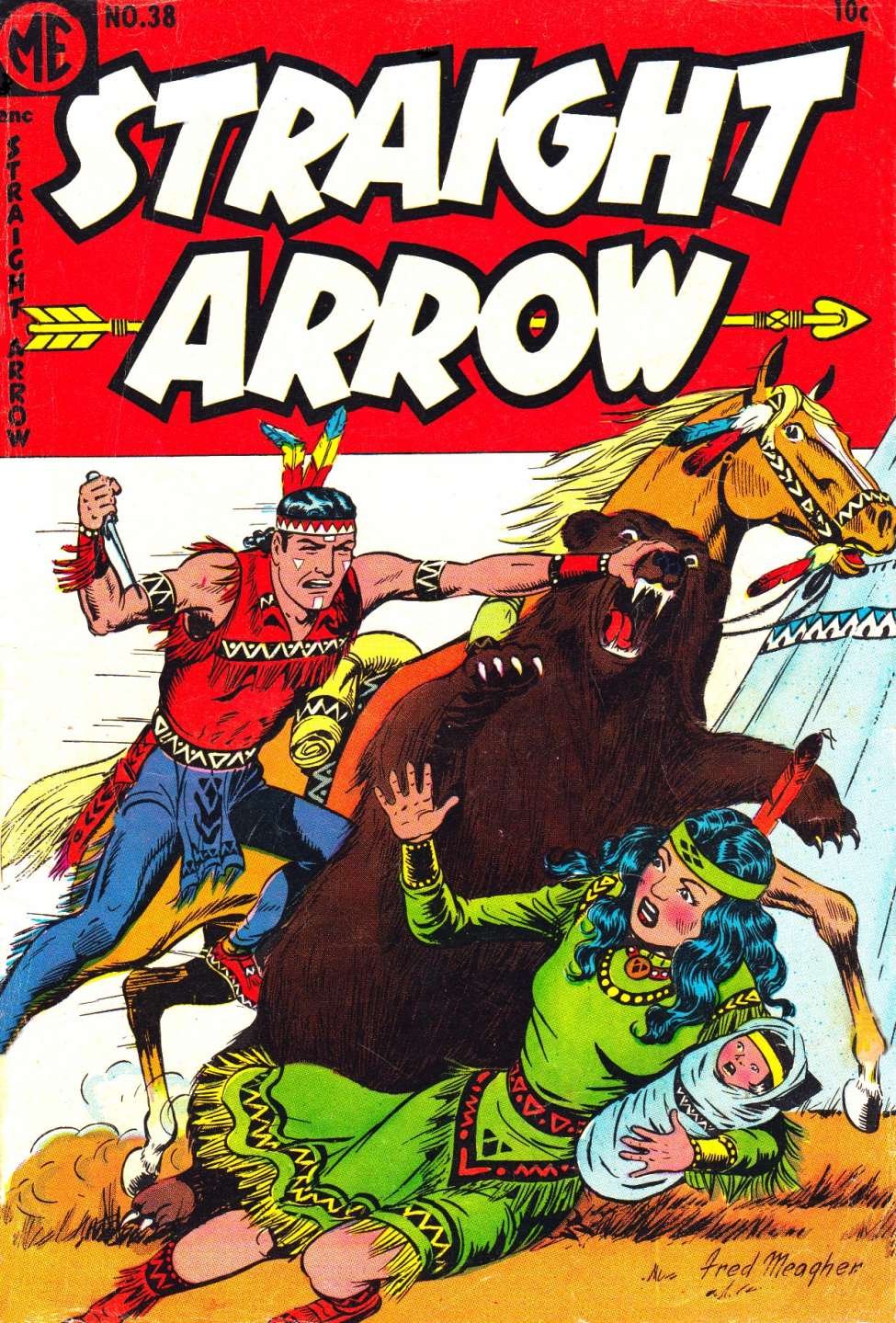
Native Realities Press, founded in 2016, is shaking up the comic book world. Its flagship title, “Super Indian,” offers Indigenous superheroes and cultural stories. The publisher aims to counter stereotypes and provide Native youth with empowering role models. In 2023, Native Realities Press reported a 200% increase in sales, reflecting demand for Indigenous comics. The press also hosts the Indigenous Comic Con, attracting thousands of fans each year. This emergence of Native-run comic presses signals a new era for visual storytelling within Indigenous communities.
The Challenge of Distribution and Reach

Native publishing houses often face significant distribution challenges. Mainstream bookstores and distributors rarely stock Indigenous books, limiting their reach. A 2024 survey by the American Booksellers Association found that less than 2% of independent bookstores feature Native-published titles regularly. To overcome this, many Native presses rely on direct sales at powwows, festivals, and community events. The rise of online sales platforms has helped, but logistical barriers remain. These challenges highlight the ongoing struggle for visibility in the broader literary market.
Digital Publishing and the Internet Age

The internet has transformed how Native American publishing houses operate. Digital platforms make it easier to reach a global audience and bypass traditional gatekeepers. According to Pew Research (2024), 79% of Native Americans now access the internet regularly. Digital books, online magazines, and podcasts are flourishing in Native communities. Initiatives like Native America Calling and Indian Country Today have expanded their digital offerings, reaching millions of readers and listeners. The shift to digital has breathed new life into Native publishing, allowing for rapid response to current events.
The Role of Tribal Newspapers Today

Tribal newspapers remain a backbone of Native publishing. Publications like The Navajo Times, Lakota Times, and Cherokee One Feather provide crucial local news. They cover everything from tribal government to culture and sports. In 2023, the Native American Journalists Association reported that over 250 tribal newspapers were in circulation. These papers are vital for keeping communities informed and connected. They also offer training grounds for aspiring Native journalists. Their survival is often threatened by funding cuts, but their role in community cohesion is undeniable.
Lost Manuscripts and Suppressed Stories
Many Native texts have been lost due to colonization and censorship. Libraries and archives often hold unpublished or forgotten manuscripts by Indigenous authors. In 2021, the Smithsonian Institution uncovered dozens of lost works by Native writers in its archives. Some manuscripts were confiscated during boarding school eras or destroyed by government authorities. The recovery of these texts is an ongoing process, revealing new insights into Native history and worldview. Each rediscovered manuscript adds depth to the evolving story of Native publishing.
The Impact of the Native American Renaissance

The 1970s saw a literary explosion known as the Native American Renaissance. Authors like N. Scott Momaday and Leslie Marmon Silko gained national attention, opening doors for others. This movement inspired the creation of new Native-run publishing houses. These presses published poetry, fiction, and memoirs that challenged stereotypes. The Renaissance era proved that Indigenous literature could find a mainstream audience. Its legacy endures in today’s robust Native literary scene, with a growing number of Native editors, agents, and publishers.
Academic Publishing and Native Scholarship

University presses have begun to prioritize Native scholarship in their catalogs. Presses like the University of Arizona Press and the University of Minnesota Press feature Indigenous studies series. In 2024, over 50 academic titles focused on Native history and literature were published in the U.S. Native scholars are increasingly involved as editors and peer reviewers. This shift ensures that academic work reflects Indigenous perspectives and priorities. It also provides a platform for research that might otherwise be overlooked by mainstream publishers.
Community Zines and DIY Publishing
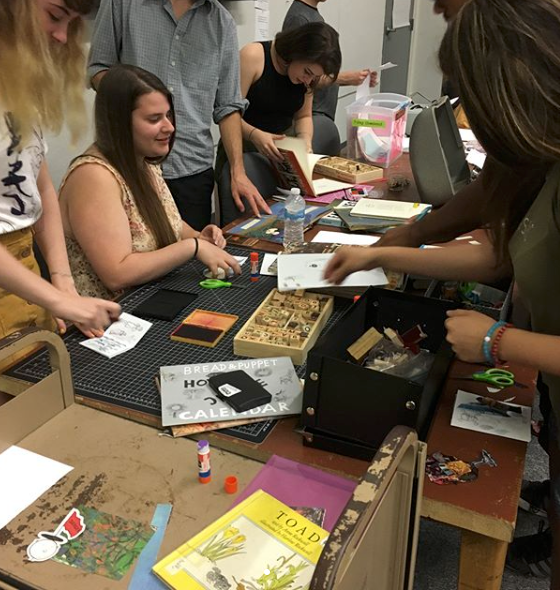
Grassroots publishing continues to thrive through community zines. These DIY publications tackle topics like activism, land rights, and cultural revival. Zines are often distributed at powwows, protests, and youth centers. According to a 2023 survey by the Indigenous Zine Collective, over 300 Native-created zines were in circulation across North America. These publications emphasize accessibility, with many available for free or low cost. Zines empower individuals to share their voices without institutional barriers.
Women-Led Native Publishing Initiatives
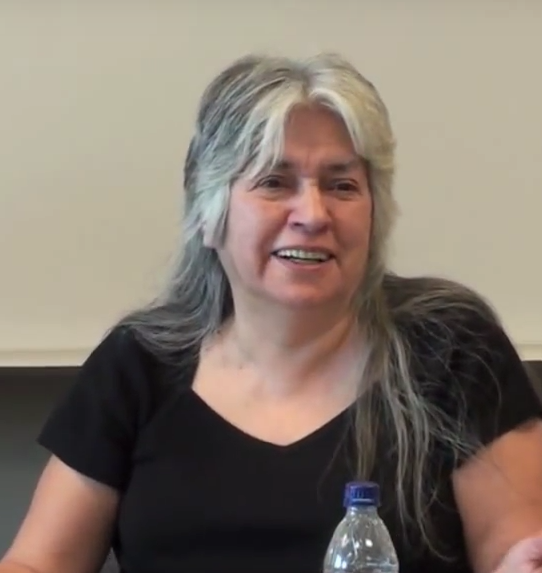
Native women have led the way in many publishing ventures. Women like Lee Maracle (Sto:lo) and Joy Harjo (Muscogee) have founded presses and literary organizations. In 2022, Native Women’s Press published an anthology featuring over 50 Indigenous women writers. These initiatives challenge both patriarchy and colonialism, amplifying stories that might otherwise go untold. The rise of women-led presses has diversified the Native publishing landscape. Their work inspires a new generation of writers and editors.
Children’s Literature and Cultural Identity

Native publishing houses are reshaping children’s literature. Books like “Fry Bread: A Native American Family Story” and “We Are Water Protectors” have won major awards, including the Caldecott Medal in 2020. These titles are written and illustrated by Native artists, offering authentic representations for young readers. The Cooperative Children’s Book Center reported a 30% increase in Native-authored children’s books between 2019 and 2023. These stories help Native children see themselves reflected in literature and educate non-Native audiences about Indigenous cultures.
Legal Battles Over Copyright and Ownership

Native publishers have faced legal challenges around copyright and intellectual property. In some cases, tribal stories have been appropriated by non-Native publishers. The Indian Arts and Crafts Act of 1990 and the 2022 Protect Tribal Cultural Items Act offer legal protections, but enforcement remains inconsistent. Native publishing houses often work closely with tribal councils to ensure traditional knowledge is respected. Ongoing lawsuits underscore the importance of Indigenous control over their own stories. Legal advocacy is now a central part of the publishing process for many Native presses.
The Future: Emerging Voices and New Directions

A new wave of Native authors and publishers is on the rise. In 2024, the National Book Foundation recognized three Native writers as finalists for major literary awards. Youth-led initiatives, like the Native Youth Storytellers Project, are nurturing the next generation. Emerging technology, such as AI translation tools, is making it easier to publish in endangered languages. Native publishers are experimenting with podcasts, graphic novels, and multimedia storytelling. The future of Native publishing promises even greater diversity and innovation.
Preserving Cultural Memory Through Publishing
Native publishing houses are guardians of cultural memory. They document traditions, histories, and contemporary struggles for future generations. In 2023, the Association of Tribal Archives, Libraries, and Museums reported a 25% increase in tribal publishing projects. These efforts help resist erasure and reclaim space in the literary world. By centering Indigenous voices, Native publishers keep cultural memory alive even in the face of ongoing challenges. Their work is a testament to resilience and creativity.
A Continuing Journey
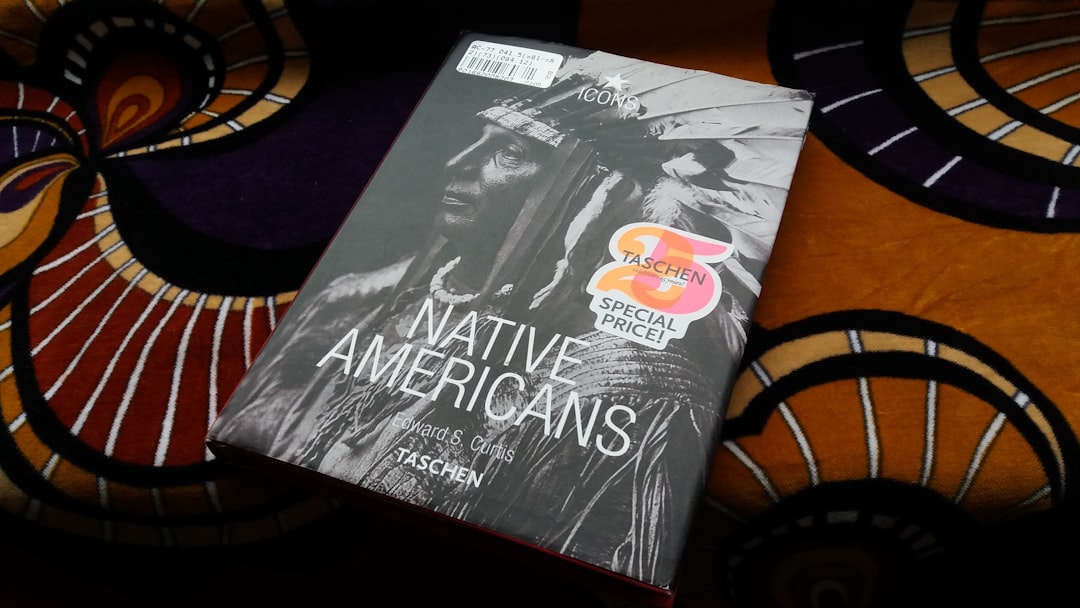
The story of Native American publishing houses is one of persistence, innovation, and resistance. Each press and publication adds another layer to the tapestry of Indigenous storytelling. As new voices emerge and old stories are rediscovered, the landscape continues to shift. Native publishing remains a vital force for cultural survival, self-determination, and creative expression. The journey is ongoing, with each chapter revealing more about the power and promise of Native voices.

Besides founding Festivaltopia, Luca is the co founder of trib, an art and fashion collectiv you find on several regional events and online. Also he is part of the management board at HORiZONTE, a group travel provider in Germany.
