

- 14 Books So Controversial, They’re Still Debated by Scholars Today. - August 8, 2026
- 12 Things Tourists Should Never Do In Germany Ever - August 8, 2026
- 10 Most Heartbreaking Stories Behind Famous Songs - August 8, 2026
The Science Behind Split-Second Decisions
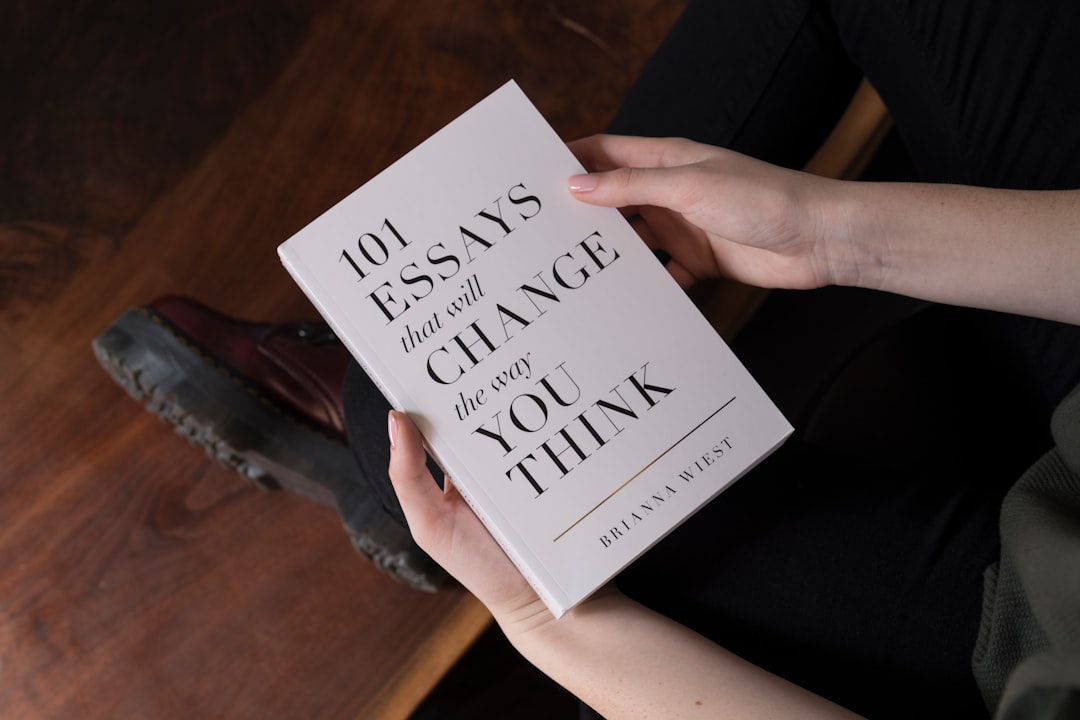
Ever wonder why your gut reaction to a book cover often proves right? Princeton psychologists Janine Willis and Alexander Todorov revealed that all it takes is a tenth of a second to form an impression of a stranger from their face, and that longer exposures don’t significantly alter those impressions. This lightning-fast processing happens with book covers too – research indicates that a majority of readers make purchasing decisions within seconds.
The human brain is essentially a survival machine, hardwired to make rapid assessments. Of all the traits studied, trustworthiness was the one with the highest correlation between quick judgments and longer evaluations, along with attractiveness being the trait that participants were able to assess most quickly. When you pick up a book and instantly feel drawn to it, you’re tapping into millions of years of evolutionary programming.
The 79% Rule – Most People Judge Books by Their Covers
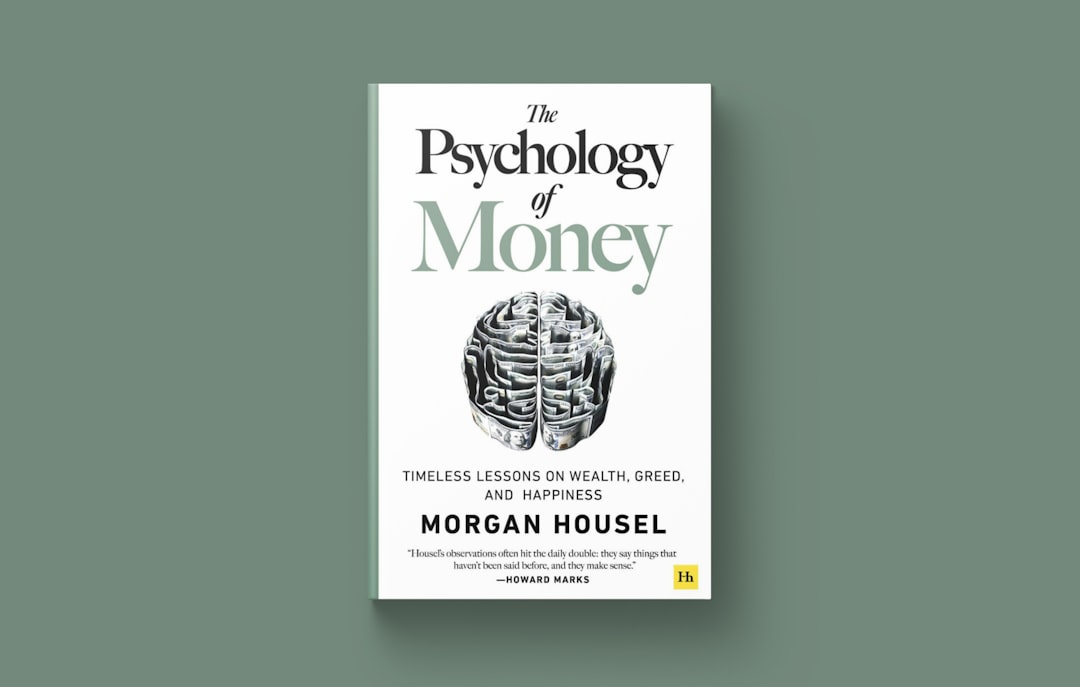
Here’s a shocking statistic that might make you feel less guilty: studies show that 79% of people admit to judging a book solely by its cover. You’re not alone in this behavior – you’re part of the overwhelming majority. This isn’t laziness or superficiality; it’s human nature at work.
Marketing research emphasizes the power of first impressions, with studies showing that consumers form an opinion about a product within 90 seconds, heavily influenced by its visual presentation. Publishers understand this reality and invest heavily in cover design for exactly this reason.
Publishers Design Covers to Communicate

In 2025, book cover designs are dynamic tools designed to captivate and engage, combining aesthetic appeal with psychological insight to enhance the reader’s experience before they even turn the first page. Publishers don’t create covers randomly – they’re strategic communications designed to attract specific audiences.
Book covers in shades of blue and red tend to sell the most because these colors grab attention while conveying feelings of trust and excitement, respectively, though the effectiveness of a color also depends on the genre and target audience. Thriller novels might feature angular, disjointed typefaces to stir feelings of tension and discomfort, while romance titles opt for fluid, graceful scripts to evoke warmth and passion.
The Psychology of Color and Typography

Color selection assumes a critical role in shaping reader perception and emotional response, with colors having the inherent ability to forge specific associations within readers’ minds and establish the narrative’s tone. When you see a horror novel with dark, menacing colors, your brain is already preparing for the experience ahead.
Typography has the power to elevate or diminish a cover’s impact, with choosing the right font being a strategic decision that influences reader perception and can create an immediate emotional connection with potential readers. Colors evoke specific emotions and associations – warm colors like red and orange can convey excitement or passion, while cool colors like blue and green can evoke calmness or mystery.
Genre Recognition Through Visual Cues
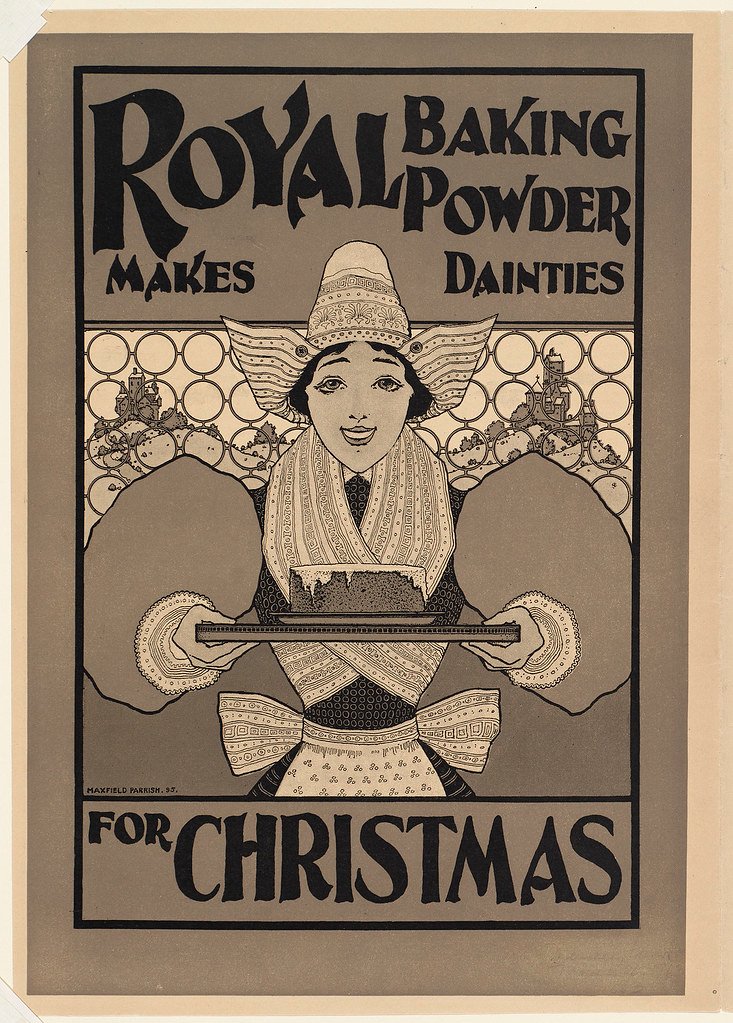
Your brain has become incredibly skilled at pattern recognition through years of exposure to different book genres. The industry has established rules on what a marketable book cover should look like, with the main thing being to ensure that your book cover looks professional and harmonious, meeting the genre standards.
It’s important to research and analyze successful book covers within the specific genre to understand the visual language that successful designers have used, as incorporating genre-specific elements while adding a unique twist gives the best chance of creating a book cover that stands out. When you instantly recognize a romance novel from across the bookstore, you’re demonstrating sophisticated visual literacy.
The Malcolm Gladwell Effect – Rapid Cognition Works

Malcolm Gladwell describes “thin-slicing” as our ability to use limited information from a very narrow period of experience to come to a conclusion, suggesting that spontaneous decisions are often as good as—or even better than—carefully planned and considered ones. This applies directly to book selection.
Gladwell contends that in an age of information overload, experts often make better decisions with snap judgments than they do with volumes of analysis, a phenomenon commonly called “analysis paralysis,” with the challenge being to focus on only the most critical information. Sometimes overthinking your book choice leads to worse decisions than trusting your initial reaction.
Professional Quality Signals Care
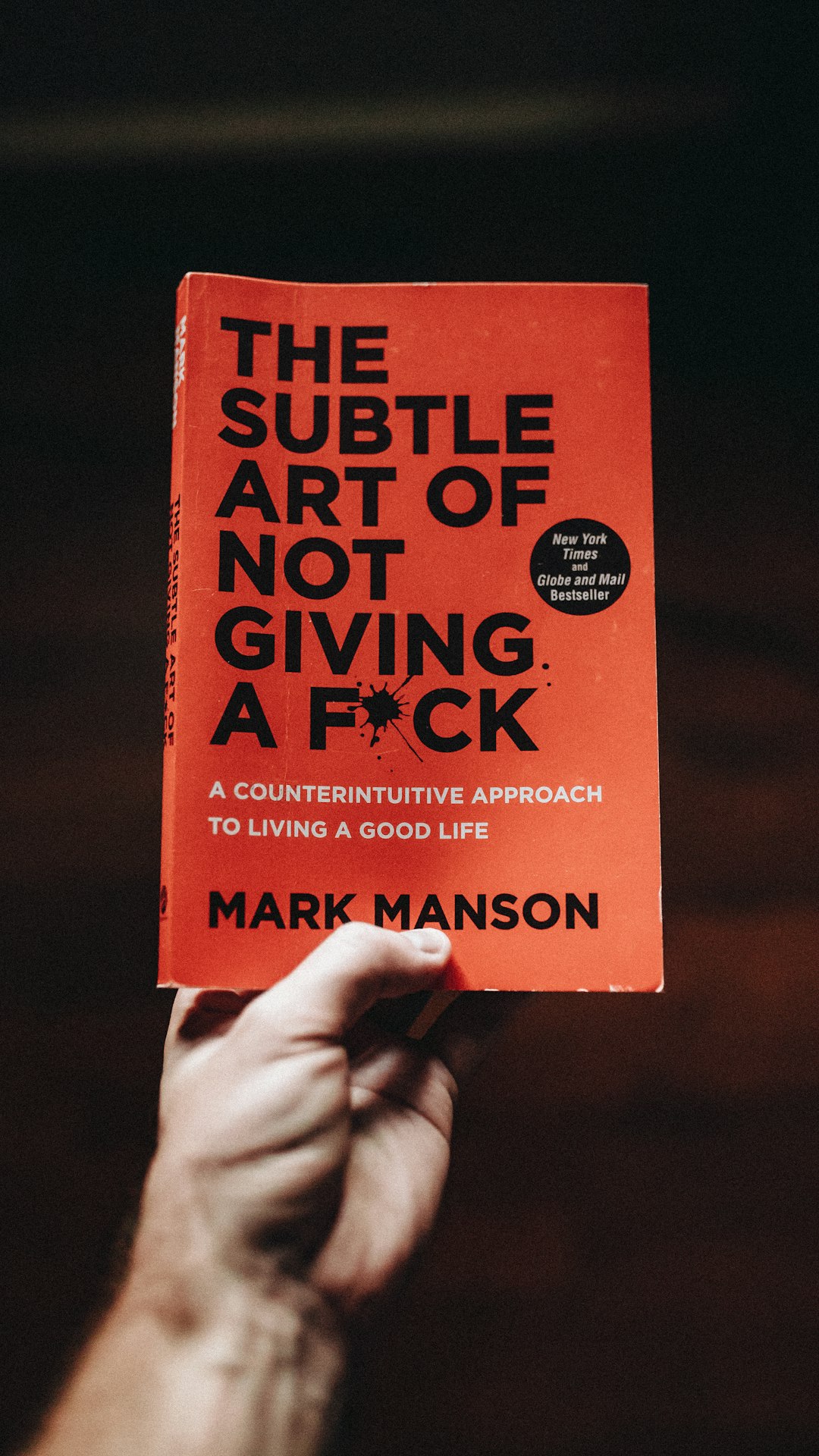
A well-designed book cover reflects more than aesthetic appeal – it signals professionalism and care. A book cover serves as the book’s packaging, needing to be visually arresting while offering a subtle suggestion of the story within and enticing readers, with key factors contributing to successful design making a book visually captivating and emotionally resonant.
The impact of a book cover design goes far beyond its aesthetic appeal, serving as a visual representation of the story within, a key factor in attracting readers, and a powerful tool for book marketing. When you see a professionally designed cover, you’re witnessing the publisher’s investment in quality.
Efficiency in Decision-Making

Life presents us with countless choices daily, and evaluating every option thoroughly is simply impossible. The first impression bias describes how we make quick judgments about others that are often subject to bias or error, stemming from the idea that humans are limited in their information processing abilities and will often rely on the first piece of information they receive.
It takes about 50 milliseconds for users to form an opinion about a website that determines whether they’ll stay or leave, with visual appeal being assessed within 50 ms, suggesting that you have about 50 ms to make a good first impression. This same principle applies to book covers – your brain makes incredibly fast assessments that are often accurate.
The Accuracy of First Impressions

While critics might dismiss cover judgment as superficial, research suggests otherwise. For all five traits studied, judgments made after the briefest exposure were highly correlated with judgments made without time constraints, and increased exposure time didn’t increase the correlation, with participants making judgments as quickly after seeing something for 1/10 of a second as they did if given a longer glimpse.
Once formed, first impressions tend to be stable, with a review of literature finding that raters’ first impressions are highly correlated with later scores. Your instant reaction to a book cover often contains more truth than you might expect.
When Cover Judgment Makes Sense

There are specific situations where judging by the cover becomes particularly valuable. The rate at which different qualities are detected in first impressions may be linked to what has been important to survival from an evolutionary perspective, with trustworthiness and attractiveness being the two traits most quickly detected and evaluated.
Rapid cognition has notable benefits, perhaps most importantly being rapid itself, with many occasions when people don’t have time to weigh all available evidence, needing to use the adaptive unconscious to decide what to do. In busy bookstores with thousands of options, quick visual assessment becomes essential.
The Limits and Cautions

Of course, cover judgment isn’t infallible. Malcolm Gladwell’s research considers both the strengths of the adaptive unconscious in expert judgment and its pitfalls, such as prejudice and stereotypes. The key is understanding when to trust these rapid assessments and when to dig deeper.
Recent research suggests that face-based personality impressions are not always accurate, that perceivers lack insight into their accuracy, and that most people overestimate their accuracy. However, book covers are different from faces – they’re intentionally designed to communicate specific information about content.
The Modern Reality of Book Discovery

In today’s digital age, cover judgment has become even more critical. It takes 2.6 seconds for a user’s eyes to land on the area of a website that most influences their first impression, with researchers finding that the better the first impression, the longer participants stayed on the page. Online book browsing amplifies the importance of visual appeal.
Getting behind the psychology of how readers recognize, interpret, and choose books based on cover design is an essential aspect of successful self-publishing, with series being the best way for authors to build a fanbase as readers develop loyalty to visual branding. Publishers and authors who understand this reality invest accordingly in professional design.
Conclusion

The old saying “don’t judge a book by its cover” might be well-intentioned, but it ignores the sophisticated psychological and evolutionary mechanisms at work in human decision-making. Your brain’s rapid assessment system, honed over millions of years, often provides remarkably accurate information in those crucial first moments. Publishers understand this and design covers specifically to communicate with potential readers.
Rather than fighting against this natural tendency, embrace it while remaining aware of its limitations. Trust your initial reactions to book covers – they’re often telling you something important about whether a book will resonate with you. After all, if 79% of people judge books by their covers, maybe the real question isn’t whether we should do it, but how we can get better at it.
What would you have guessed about the accuracy of your own snap judgments?
CEO-Co-Founder
