

- 15 Literary Works That Faced Extreme Censorship in the U.S. - September 26, 2026
- The 20 Greatest Historical Comebacks in American History - September 26, 2026
- 15 Books That Were Almost Never Published but Changed the World - September 26, 2026
Spain – The 12 Lucky Grapes
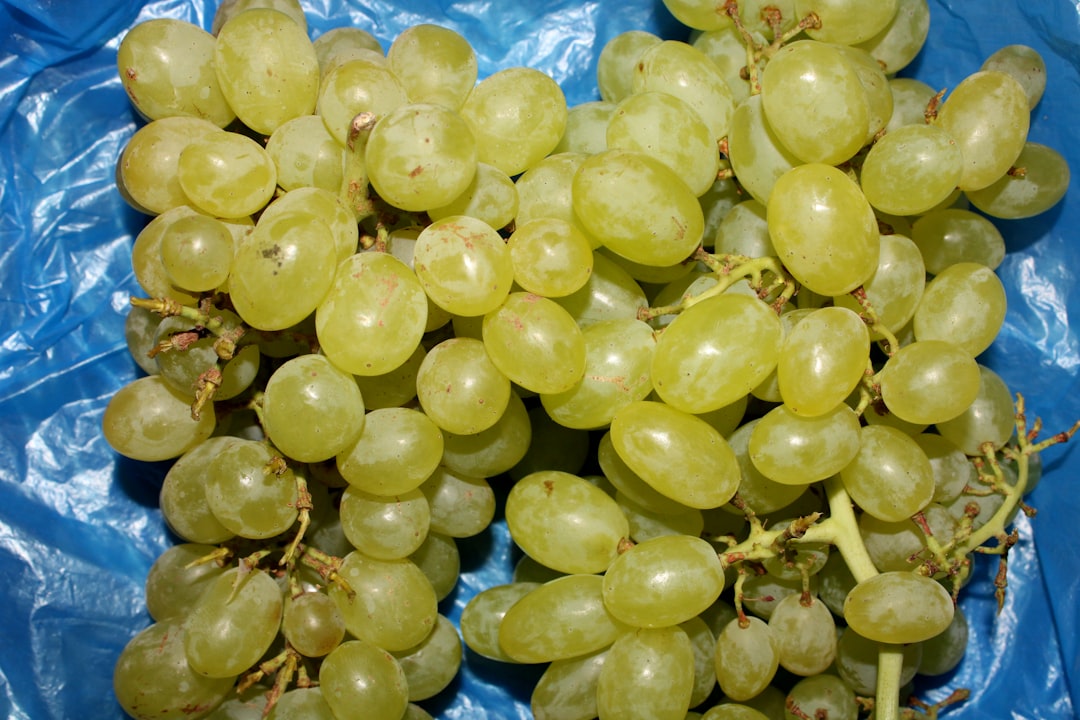
Picture this: midnight approaches, and millions of Spaniards are focused on one thing – trying to swallow 12 grapes in just 12 seconds. This isn’t some bizarre eating contest, but rather Las Doce Uvas de la Suerte, one of the world’s most endearing New Year traditions. In Spain, celebrating New Year’s Eve isn’t just about fireworks and festivities. It’s about grapes—12 of them, to be precise, one for each chime from the clock in Sol at midnight. Known as uvas de suerte, or lucky grapes, these bite-sized delights are thought to bring good fortune if you can manage to eat them all in sync with the midnight chimes.
The tradition is surprisingly challenging – For many Spaniards, tackling 12 grapes in 12 seconds isn’t easy. Smart families have developed strategies, peeling grapes and removing seeds beforehand to make the race against time more manageable. Thousands of people meet at the Puerta del Sol (equivalent of Times Square in New York or Trafalgar Square in London) to see in the New Year, singing, dancing and, of course, stuffing their 12 grapes in their mouths whilst downing their glasses (or bottles) of bubbly!
The origins of this grape-eating frenzy are debated, but most historians point to 1909, when a bumper crop of white grapes in the Almeria, Murcia and Alicante regions led to creative marketing. However, the tradition might have deeper roots in class rebellion – the Madrid residents wanted to rebel against class distinctions and decided to mock aristocrats by going to Puerta del Sol to eat grapes accompanied by the sound of the bells. Today, over 2,000 individuals die annually from choking, making it the third leading cause of non-natural death in Spain, prompting health experts to suggest safer alternatives.
Japan – Joya no Kane & Hatsumode
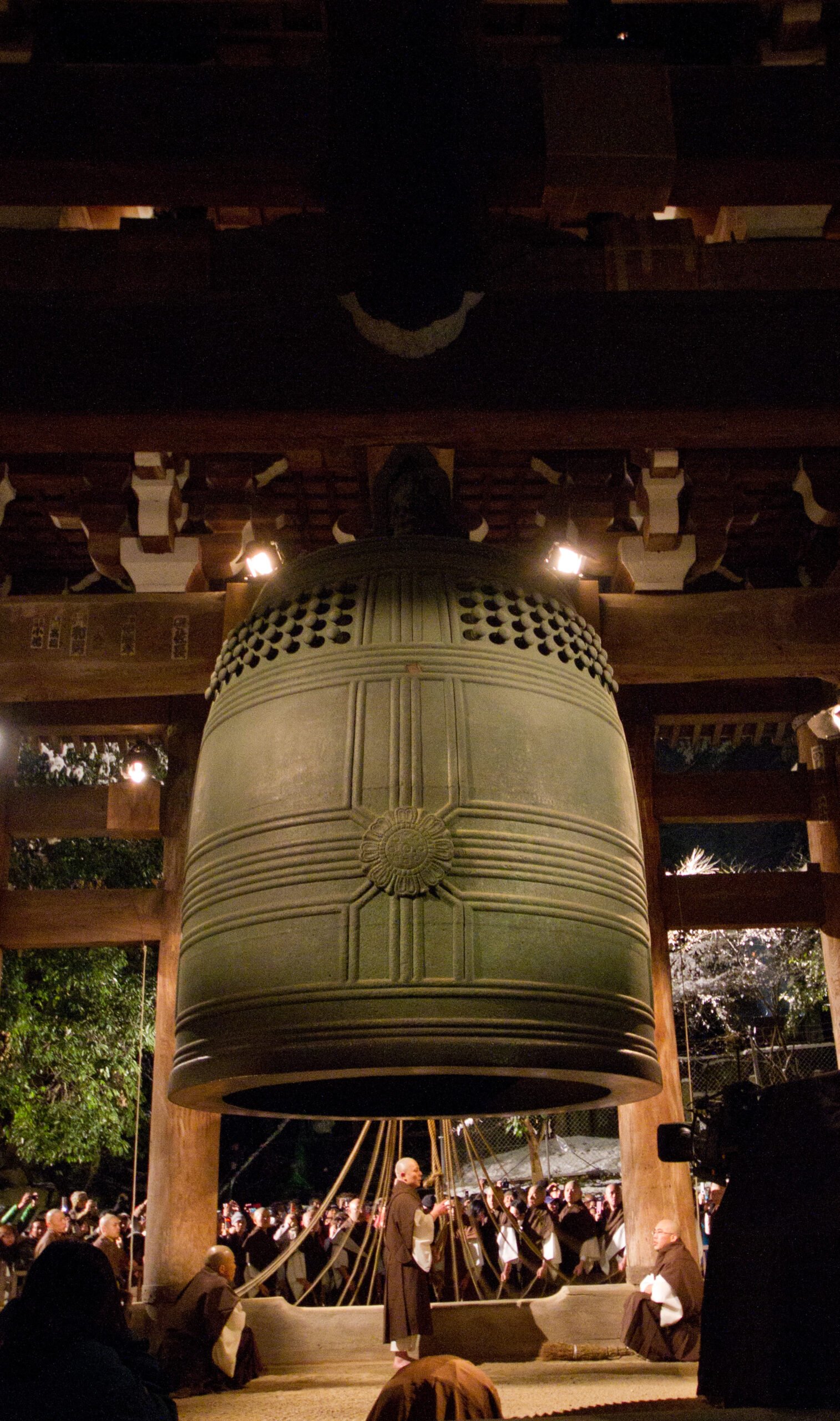
As the final hours of the year tick away in Japan, a profound silence settles over the nation, broken only by the deep, resonant toll of temple bells. Joya no Kane (除夜の鐘) lit. ‘midnight bell’ is a Japanese Buddhist event held annually on New Year’s Eve. The bell, or bonshō, is struck at midnight of December 31, as a part of the Ōmisoka celebrations. Most temples ring the bell 108 times. This isn’t just any random number – it carries deep spiritual significance.
According to the Buddhist teachings, this number represents the 108 worldly desires (*1) that a person experiences throughout the course of their life. When the bell is finally struck for the 108th time, it is believed that you’ll be cleansed of your problems and worries from last year. The mathematical precision behind this tradition is fascinating – In the traditional Japanese calendar, there are 12 months, 24 solar terms, and 72 microseasons (3 per solar term). When each of these three are summed, the total is 108.
What makes this tradition particularly moving is the timing: According to ancient custom, the bell is typically rung 107 times on December 31 and once more, when the clock strikes midnight on New Year’s. Bridging one year to the next, the bell is rung a total of 108 times. Many temples now allow visitors to participate, though the event is free and limited to 108 people. After the bell ceremony, millions of Japanese participate in Hatsumode, their first shrine visit of the year, praying for health, prosperity, and good fortune.
Brazil – Jumping Seven Waves & White Clothes

If you want to witness one of the world’s most spectacular New Year’s celebrations, head to Copacabana Beach in Rio de Janeiro. Rio de Janeiro rang in the New Year on Copacabana Beach, with a firework display shooting off from barges. Thousands of tourists on cruise ships and yachts caught an up-close glimpse, while the crowd on the beach was expected to exceed two million. But the real magic happens in the ocean, where millions of people dressed in white wade into the waves for a ritual that blends African spirituality with Brazilian culture.
The tradition involves jumping seven waves while making seven wishes, each jump representing a different desire for the coming year. This practice honors Yemanjá, the Afro-Brazilian goddess of the sea, who is believed to grant wishes to those who show proper respect. The choice of white clothing isn’t arbitrary – it symbolizes peace, renewal, and spiritual cleansing, creating a stunning visual spectacle as millions of people in white gather on the golden sand.
The celebration extends far beyond Rio, with similar traditions taking place on beaches across Brazil. The combination of African spiritual traditions, Portuguese Catholic influences, and indigenous Brazilian beliefs creates a unique cultural fusion that exemplifies Brazil’s diverse heritage. The sight of fireworks reflecting off the ocean while millions of people in white make their wishes is truly one of the most moving New Year’s experiences on Earth.
Scotland – Hogmanay & First-Footing
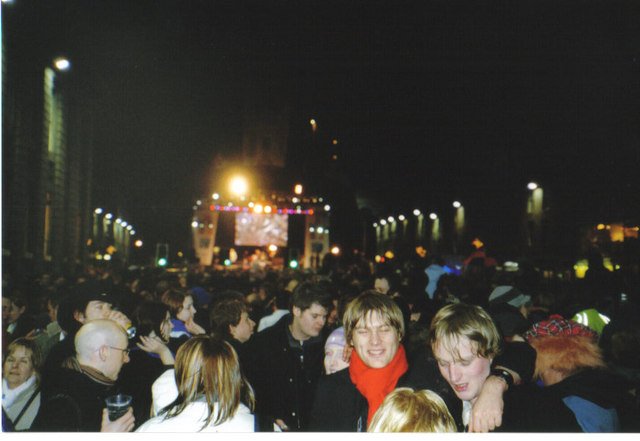
Scotland doesn’t just celebrate New Year’s Eve – it throws a multi-day party called Hogmanay that puts most other celebrations to shame. The festivities begin on December 31st and can last until January 2nd, with Edinburgh’s street party attracting over 100,000 revelers from around the world. The celebration features torchlight processions, street performers, and massive fireworks displays that light up the historic cityscape.
But the most cherished tradition is first-footing, where the first person to cross a threshold after midnight can determine the household’s luck for the entire year. The ideal first-footer should be a tall, dark-haired man carrying symbolic gifts: coal for warmth, whiskey for good cheer, shortbread for abundance, and sometimes salt for prosperity. This tradition dates back to Viking times and reflects the Scottish belief that the new year’s first visitor sets the tone for everything that follows.
The preparation for Hogmanay is as important as the celebration itself. Houses must be thoroughly cleaned before midnight, all debts should be settled, and the hearth fire must be burning brightly. At the stroke of midnight, Scots traditionally sing “Auld Lang Syne,” Robert Burns’ famous poem that has become the world’s most recognized New Year’s song. The emotional power of thousands of voices joining together in song, often with tears in their eyes, creates an atmosphere of profound connection and shared humanity.
Denmark – Smashing Plates & Jumping Off Chairs
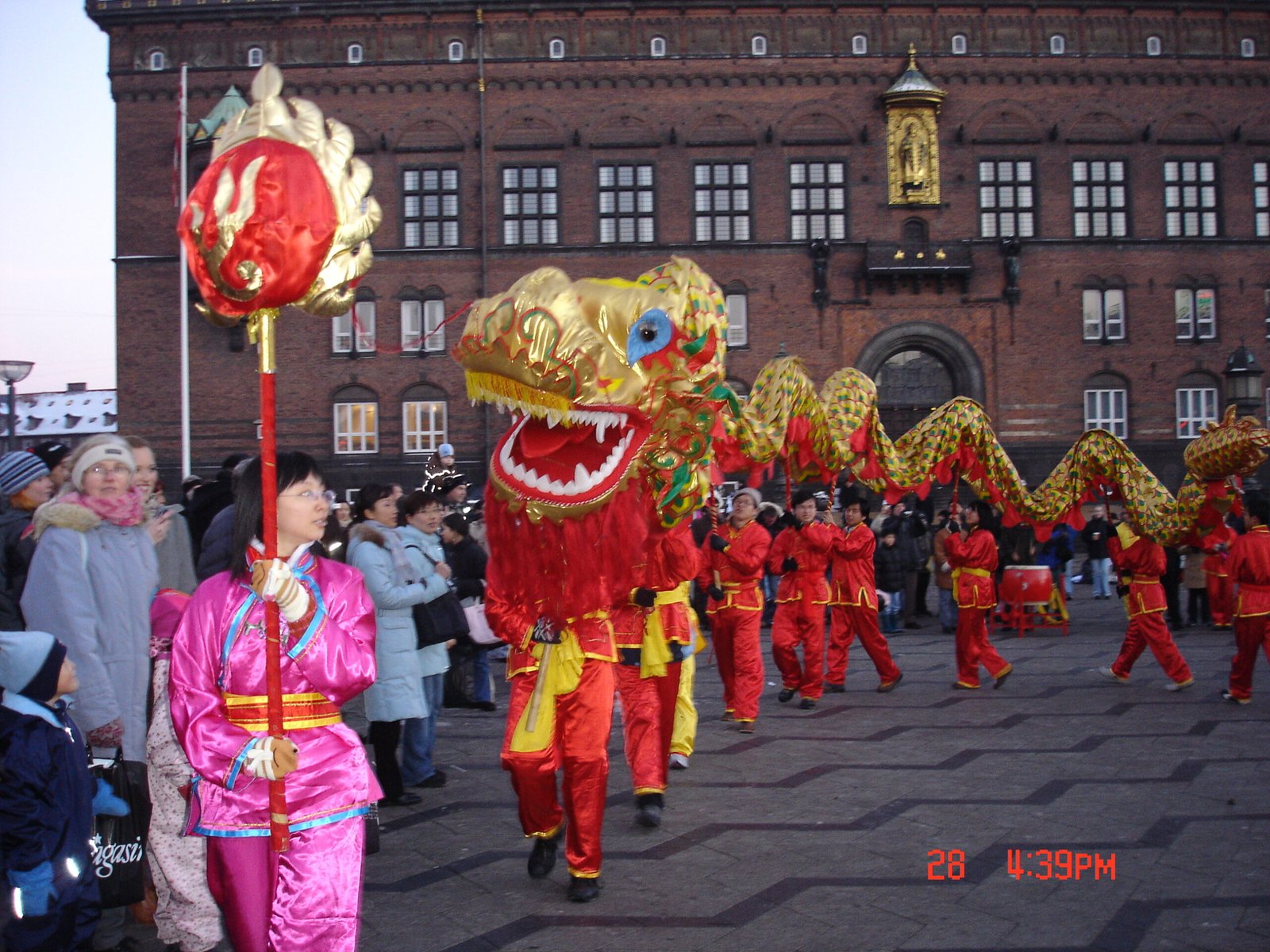
The Danes have turned destruction into an art form when it comes to New Year’s celebrations. Throughout the year, Danish families collect old dishes, cracked plates, and chipped bowls, carefully saving them for December 31st. Then, in a wonderfully cathartic tradition, they march to their friends’ and neighbors’ houses to smash these dishes against their front doors. The more broken pottery adorning your doorstep on January 1st, the more popular and well-loved you are considered to be.
But the dish-smashing is just the beginning. At the stroke of midnight, Danish families engage in another peculiar ritual – they stand on chairs and then jump off them together as the clock strikes twelve. This synchronized leap is believed to help them “jump” into the new year with good luck and leave behind any bad fortune from the previous year. The sight of entire families balanced on dining room chairs, counting down the seconds until they can leap into the future, embodies the Danish approach to life: practical, communal, and slightly absurd.
These traditions reflect the Danish concept of “hygge” – the cozy togetherness that defines Danish culture. The dish-smashing isn’t about destruction but about community and friendship, while the chair-jumping represents shared hope and collective optimism. Danish New Year’s celebrations also typically include a special dinner featuring boiled cod, followed by a dessert called “kransekage,” a towering cake made of marzipan rings that symbolizes the year’s achievements stacked upon each other.
Philippines – Round Shapes & Loud Noises
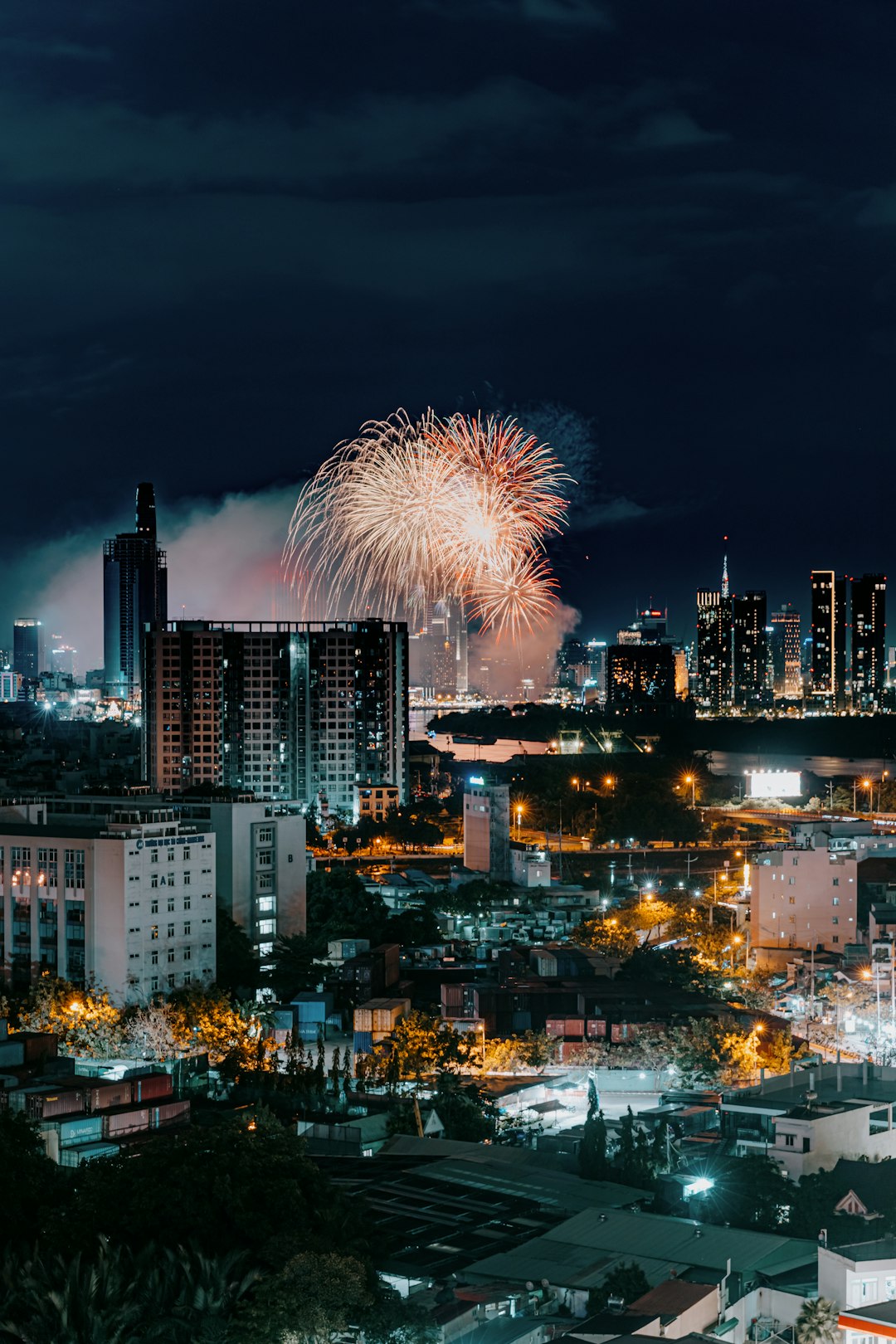
In the Philippines, New Year’s Eve is a symphony of chaos designed to scare away evil spirits and attract prosperity. Children light firecrackers on a street in Mandaluyong, Philippines. The noise-making tradition is taken to extraordinary levels, with families setting off fireworks, banging pots and pans, honking car horns, and even using air horns to create the loudest possible cacophony. The belief is that evil spirits are frightened by loud noises and will flee, leaving room for good luck to enter.
Equally important is the obsession with round shapes, which represent coins and therefore prosperity. Filipino families eat exactly 12 round fruits at midnight – grapes, oranges, and apples are popular choices. Many people wear polka-dotted clothing, display round objects throughout their homes, and even carry coins in their pockets while jumping at midnight. The circular shape is believed to attract money and ensure financial success in the coming year.
The preparation for New Year’s Eve, known as “Bagong Taon,” is elaborate and deeply meaningful. Families gather for a feast called “Media Noche,” featuring dishes like lechon (roasted pig), pancit (noodles for long life), and sticky rice cakes. Children are encouraged to jump as high as possible at midnight, believing this will help them grow taller in the new year. The combination of ancient superstitions, Spanish Catholic influences, and modern celebrations creates a uniquely Filipino approach to welcoming the new year.
Greece – Hanging Onions & Breaking Pomegranates
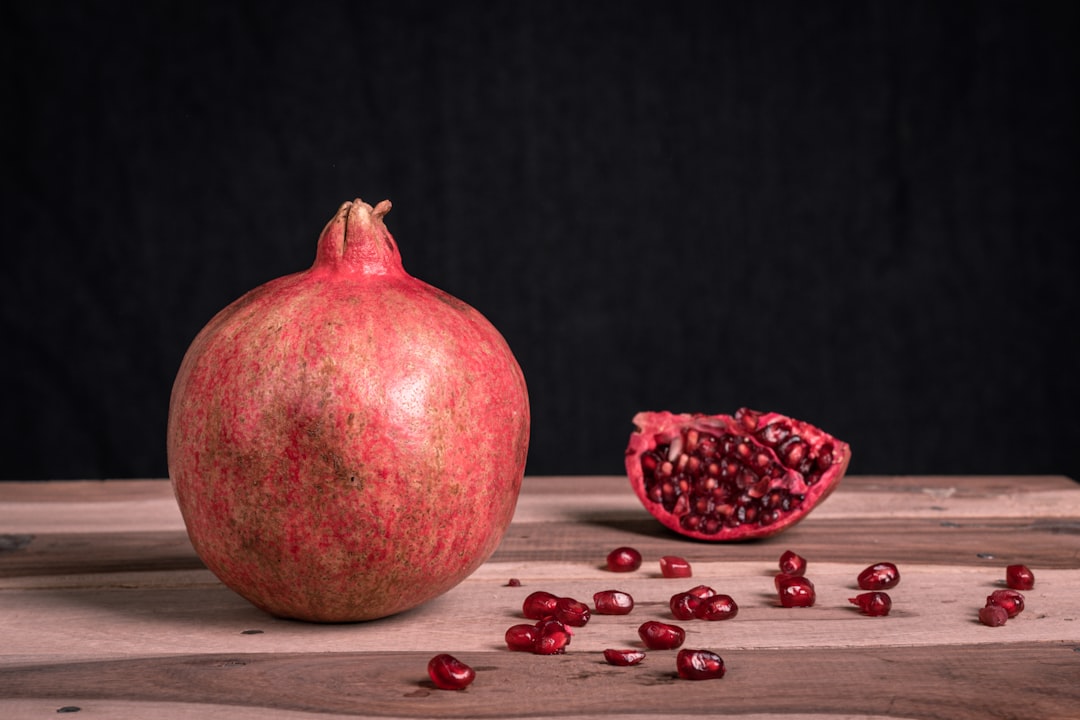
Greek New Year’s traditions blend ancient symbolism with Orthodox Christian beliefs in ways that might seem strange to outsiders but carry profound meaning for Greek families. The tradition of hanging onions on front doors stems from their association with fertility and growth – onions sprout even in harsh conditions, making them powerful symbols of resilience and renewal. These aren’t just any onions; they’re often blessed by priests and carefully selected for their size and quality.
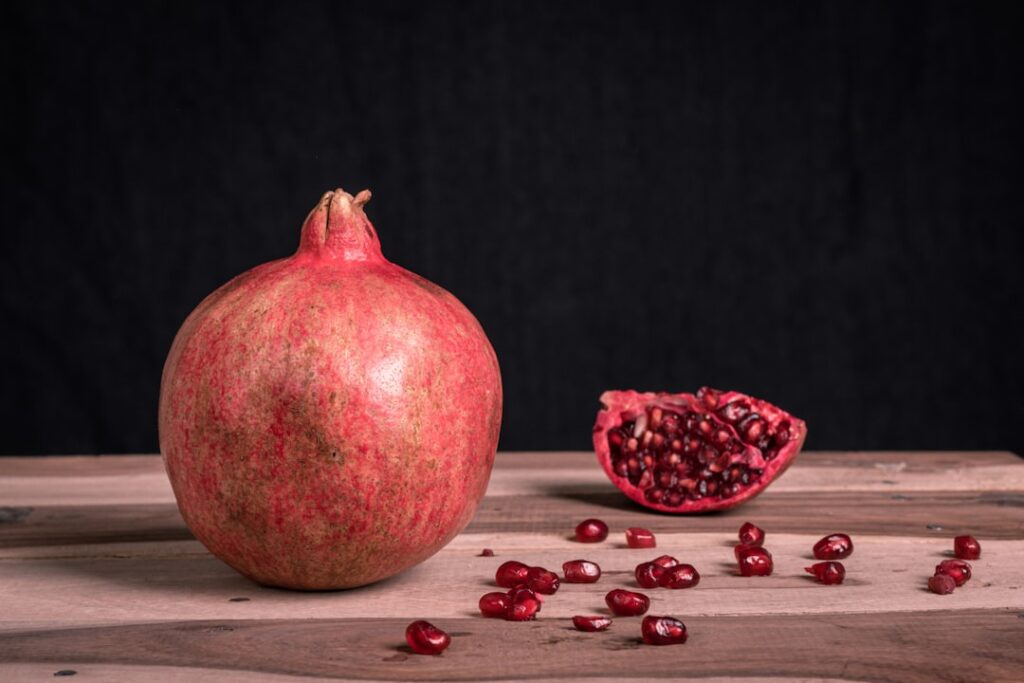
The pomegranate-smashing ritual is even more dramatic and meaningful. In Egypt, the start of 2025 was marked with a fireworks display over the historical site of Giza Pyramids. At midnight, the head of the household takes a pomegranate and smashes it against the front door or throws it on the ground outside the house. The more seeds that scatter, the greater the abundance and fertility the family will experience in the coming year. The deep red color of the pomegranate also represents the blood of life and the promise of prosperity.
These traditions are deeply rooted in Greek Orthodox Christianity and ancient Mediterranean agricultural practices. The pomegranate appears in religious iconography as a symbol of Christ’s resurrection and eternal life, while the onion’s ability to grow in difficult conditions represents the Greek people’s historical resilience. New Year’s Day also features the tradition of the “Vasilopita,” a special cake with a hidden coin that brings luck to whoever finds it in their slice.
Ecuador – Burning Scarecrows
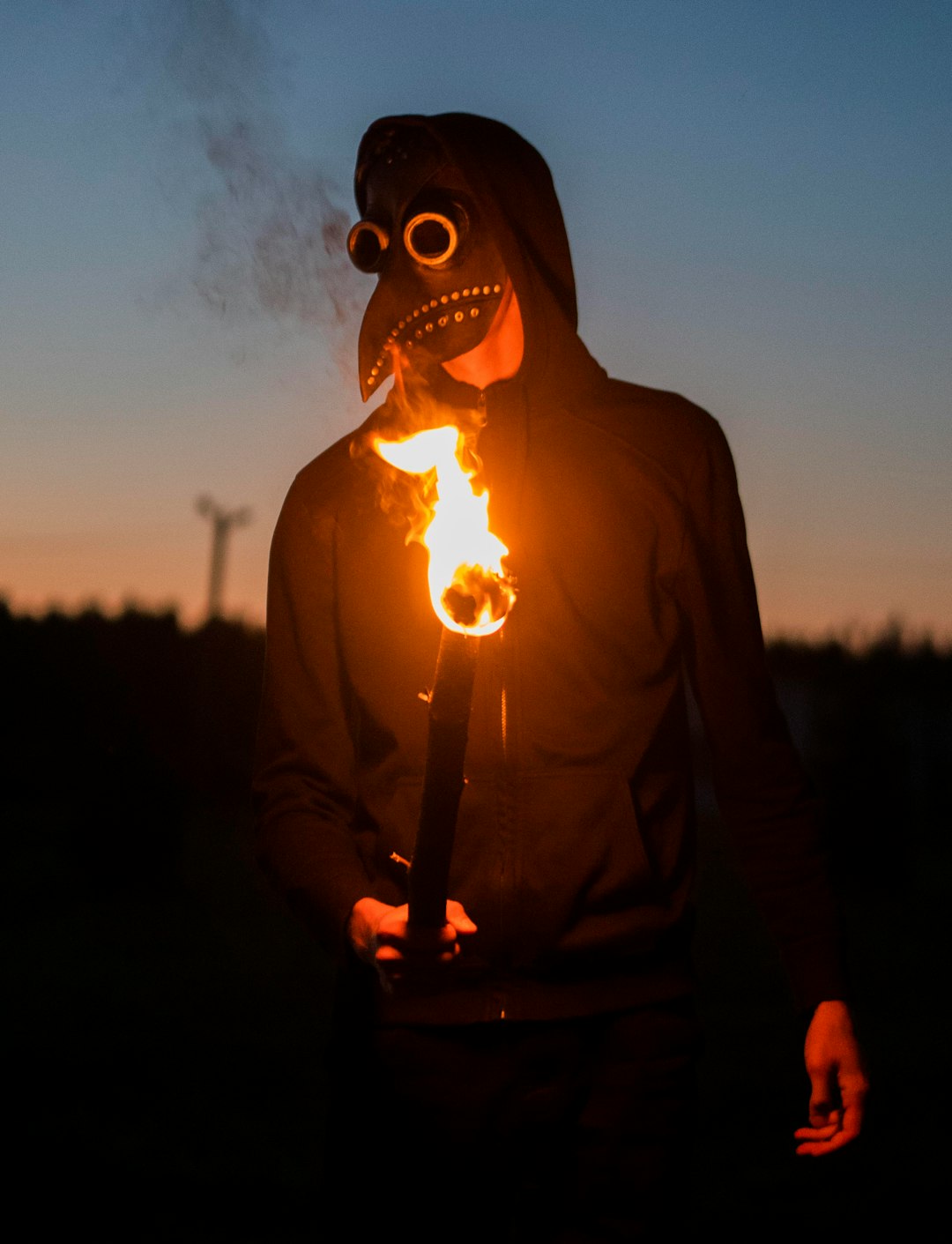
Ecuadorians have created one of the most visually spectacular New Year’s traditions in the world with their “años viejos” (old years) celebration. Throughout December, families and communities create life-sized scarecrows that represent the old year, stuffing them with paper, old clothes, and sometimes even fireworks. These effigies often take the form of politicians, celebrities, or cartoon characters, and their creation becomes a community art project that brings neighborhoods together.
The años viejos are designed to embody all the negative experiences, disappointments, and bad luck of the departing year. Some families write down their problems, regrets, and worries on pieces of paper and stuff them inside the scarecrow. As midnight approaches, these effigies are placed in the streets, and at the stroke of twelve, they’re set ablaze in a massive bonfire. The sight of hundreds of burning scarecrows lighting up entire neighborhoods creates an apocalyptic yet celebratory atmosphere.
What makes this tradition particularly exciting is the element of danger and spectacle. Many families stuff their años viejos with fireworks, creating explosive displays when the figures are burned. The combination of fire, smoke, and exploding fireworks turns city streets into outdoor theaters where communities gather to watch the dramatic destruction of the old year. This cathartic ritual allows people to literally watch their problems go up in smoke, making room for new possibilities and fresh starts.
South Africa – Throwing Furniture Out the Window
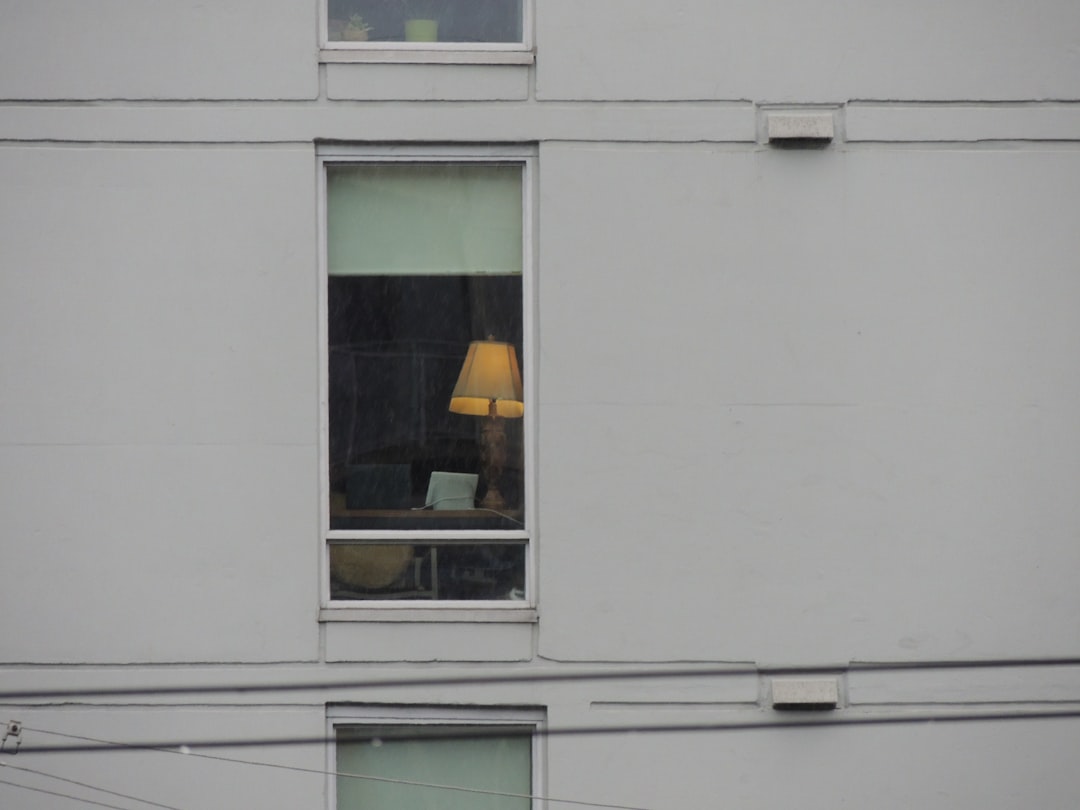
In some neighborhoods of Johannesburg, South Africa, New Year’s Eve takes on a decidedly dramatic flair with a tradition that authorities strongly discourage but that continues to persist in certain communities. The practice involves throwing old furniture, appliances, and household items out of windows and off balconies, creating a symbolic rejection of the past year’s burdens and making space for new beginnings.
This tradition, while dangerous and officially prohibited, reflects a deep human need to physically manifest the psychological process of renewal. The act of literally throwing away old possessions – broken chairs, worn-out clothing, outdated electronics – represents a dramatic break with the past. The sight of furniture raining down from apartment buildings creates a surreal urban landscape that, while chaotic, embodies the intensity of the desire for change and renewal.
The practice has historical roots in both African traditional customs and the urban realities of post-apartheid South Africa. For many participants, throwing away old possessions represents not just personal renewal but also a rejection of the material limitations and social constraints that have defined their lives. However, the danger to pedestrians and property damage has led to increased police patrols and community education efforts to discourage this particular form of New Year’s expression.
Russia – Wishing on a Burned Note
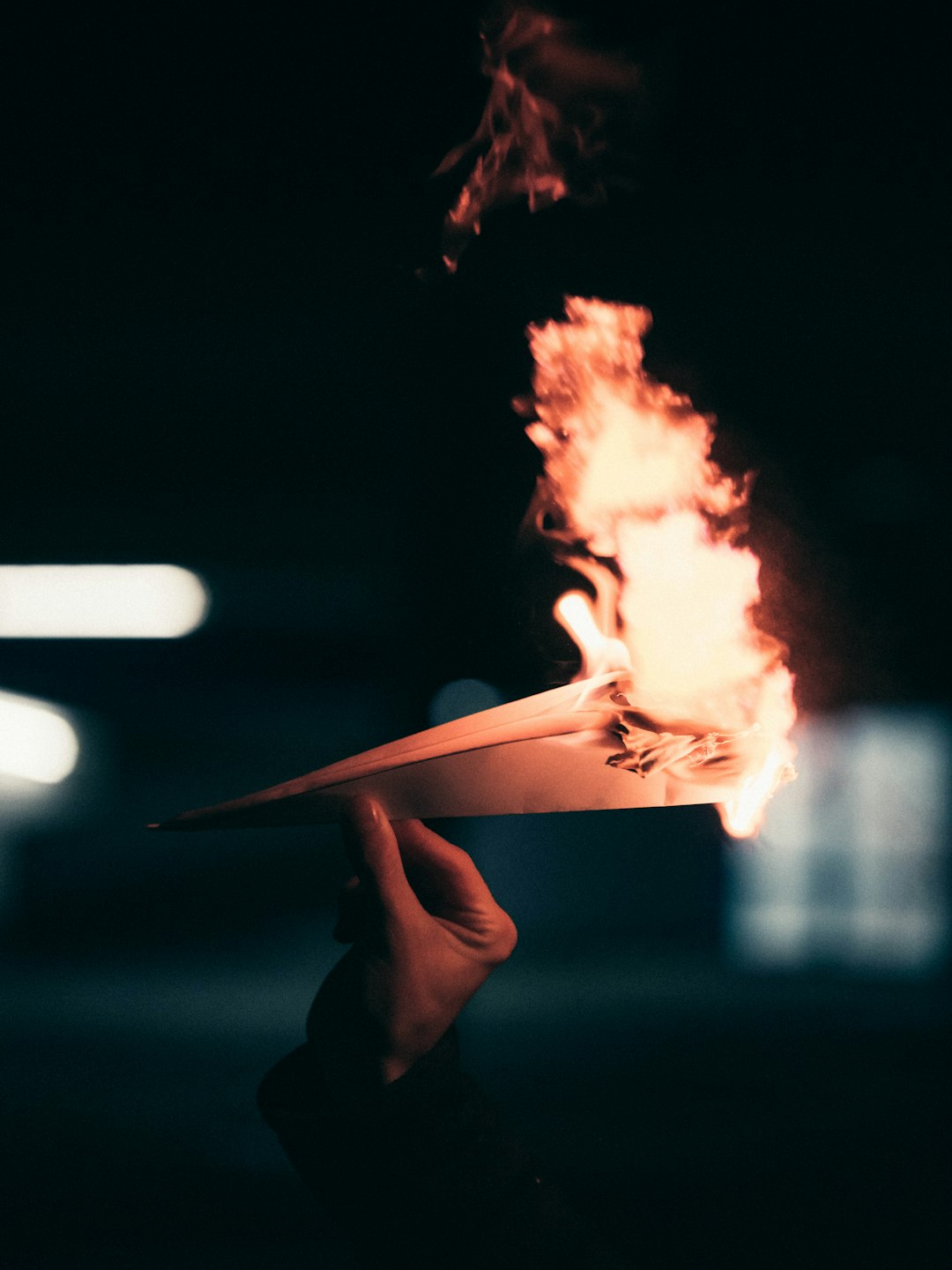
Russian New Year’s traditions combine Soviet-era innovations with ancient Slavic customs, creating unique rituals that reflect the country’s complex cultural heritage. One of the most intriguing traditions involves writing wishes on small pieces of paper, burning them, and then stirring the ashes into champagne before drinking the mixture. This practice, which gained popularity during the Soviet era, represents a literal consumption of one’s dreams and desires.
The ritual requires careful timing and preparation. As midnight approaches, family members write their most important wish for the coming year on a piece of paper, often using special pens or beautiful handwriting to make the moment more meaningful. The paper is then burned in a small flame, usually from a candle, and the ashes are stirred into a glass of champagne or sparkling wine. The mixture must be consumed before the clock finishes striking twelve, ensuring that the wish enters the new year within the person’s body.
This tradition reflects the Russian approach to magic and spirituality – practical, somewhat skeptical, yet deeply hopeful. The act of burning the wish represents the transformation of desire into energy, while consuming the ashes symbolizes the integration of that energy into one’s being. Russian New Year’s celebrations also feature elaborate television programming, including a presidential address and special variety shows that bring families together around the television for a shared national experience.
Thailand – Songkran Water Festival
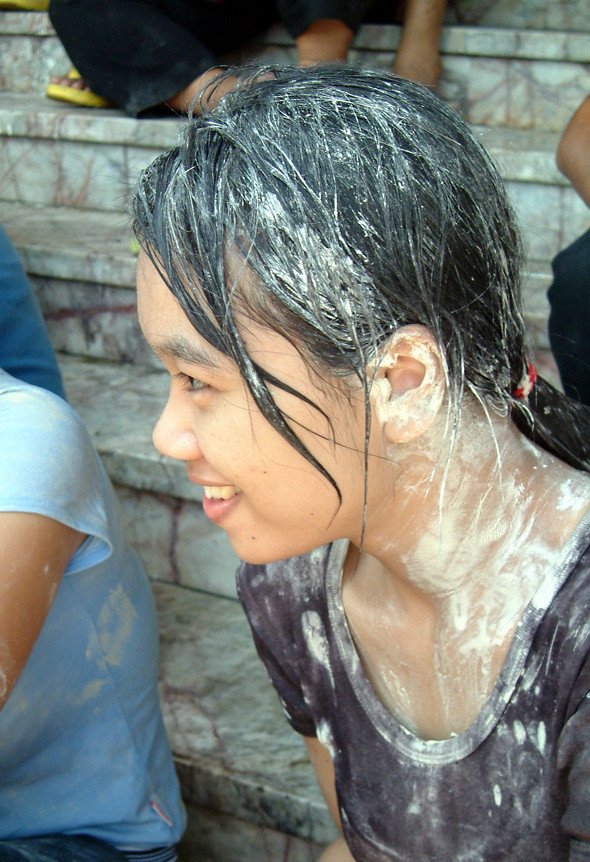
Songkran is the Thai New Year, celebrated in mid-April. It is renowned for its water festival, during which people splash water on each other as a symbol of cleansing and purification. Unlike most New Year celebrations that occur in winter, Songkran takes place during Thailand’s hottest season, making the water-throwing tradition both spiritually meaningful and physically refreshing. The festival transforms the entire country into a massive water fight, with people armed with water guns, buckets, and hoses turning streets into rivers of celebration.
But Songkran is much more than just a water fight. Songkran is a time for paying respects to elders, visiting temples, and participating in traditional ceremonies. In addition to the water festivities, people create sand pagodas at the temple, participate in parades, and enjoy traditional Thai dishes with their families. The water-pouring tradition originally involved the gentle pouring of scented water over Buddha statues and the hands of elders as a sign of respect and blessing.
The modern celebration has evolved into a three-day festival that combines ancient Buddhist traditions with contemporary fun. Young people roam the streets with water guns and buckets, while families gather for traditional ceremonies and feasts. The festival also includes the tradition of releasing birds and fish as acts of merit, visiting temples to make offerings, and participating in parades featuring traditional Thai music and dance. The combination of spiritual reflection, family bonding, and joyous celebration makes Songkran one of the world’s most beloved New Year traditions.
China – Lunar New Year Fireworks
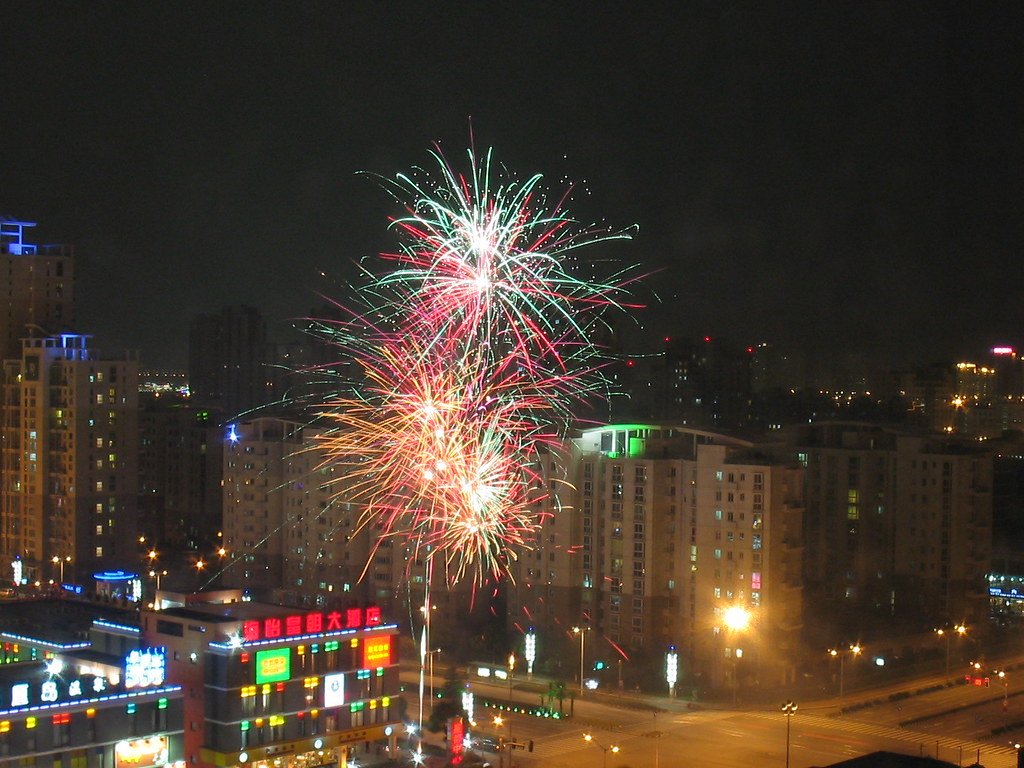
Lunar New Year festivities, celebrated in China, Vietnam and South Korea among others, are ringing in a new year on February 10. In China, the event will start the year of the dragon. While January 1 is a also public holiday in the country, it is rather insignificant compared to the massive Chinese New Year’s celebration lasting seven days or even longer. The Spring Festival, as it’s officially known, represents the most important celebration in Chinese culture, involving nearly 1.4 billion people in the world’s largest annual human migration.
The celebration begins with thorough house cleaning to sweep away bad luck, followed by the decoration of homes with red banners, lanterns, and paper cuts featuring auspicious symbols. To prepare, families spend weeks cooking traditional foods, cleaning the house, and decorating doorways with spring couplets. To kick off the celebration, a New Year’s Eve Reunion Dinner is usually held with symbolic dishes such as long-life noodles, abundance cakes, and a whole fish for prosperity.
The fireworks tradition during Chinese New Year is legendary, with entire cities lighting up in spectacular displays that can last for hours. The festivities include vibrant parades, dragon and lion dances, fireworks, and the giving of red envelopes (hongbao) filled with money, symbolizing good luck and prosperity. For many families that work far from home, this is their only opportunity to reconnect with loved ones. For this reason, it is one of the world’s largest holiday travel days. The celebration concludes with the Lantern Festival, where families carry colorful lanterns and eat sweet rice balls, marking the end of the 15-day celebration.
Conclusion
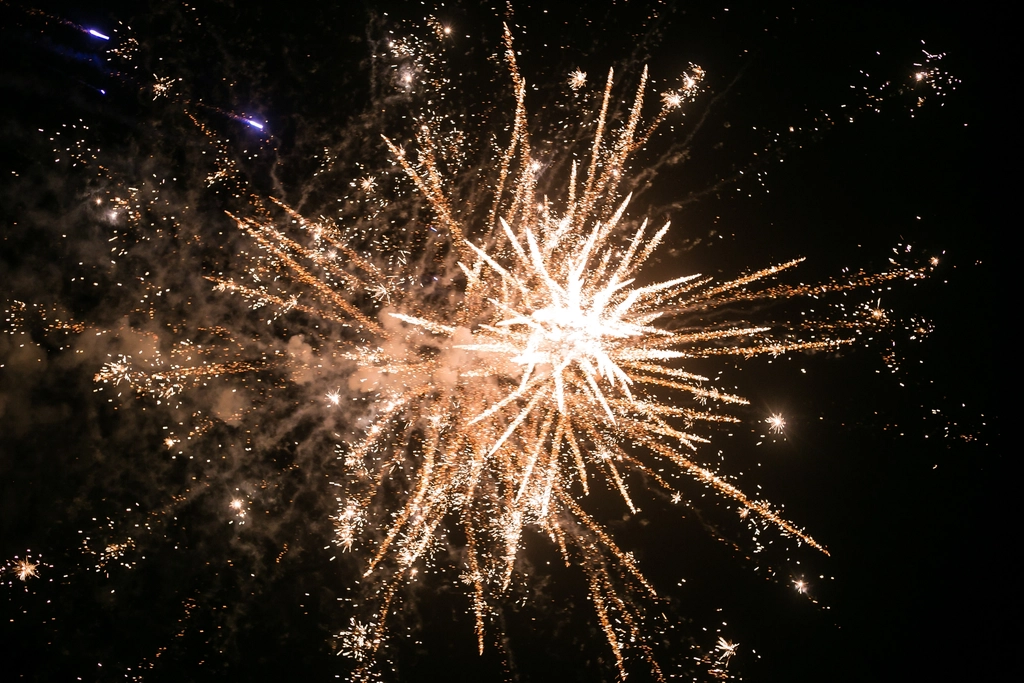
From the grape-eating marathons of Spain to the temple bells of Japan, from the furniture-throwing chaos of South Africa to the water battles of Thailand, New Year’s celebrations around the world reveal humanity’s universal desire for renewal, hope, and connection. These traditions, whether ancient or modern, sacred or secular, all share common threads: the need to mark time’s passage, to cleanse ourselves of the past, and to welcome the future with optimism and ceremony.
What’s fascinating is how each culture has developed its own unique language of celebration, yet the underlying emotions and aspirations remain remarkably similar. Whether we’re jumping off chairs in Denmark, burning scarecrows in Ecuador, or ringing bells in Japan, we’re all participating in the same fundamental human ritual of transformation and renewal. It takes 26 hours for the new year to be welcomed across 39 different time zones.
These diverse celebrations remind us that while our methods may differ, our hopes for the future unite us across cultures, languages, and continents. In a world often divided by differences, New Year’s traditions show us that the desire for happiness, prosperity, and new beginnings is truly universal. What tradition will you choose to mark your own journey into the new year?
CEO-Co-Founder
