
- 20 Forgotten Writers Who Invented Modern Genres - September 21, 2026
- 10 Opening Lines That Were the Author’s Second Choice - September 21, 2026
- The 20 Quietest Songs That Leave the Loudest Impression - September 21, 2026
Echoes from the Trenches: Poetry as Witness in World War I
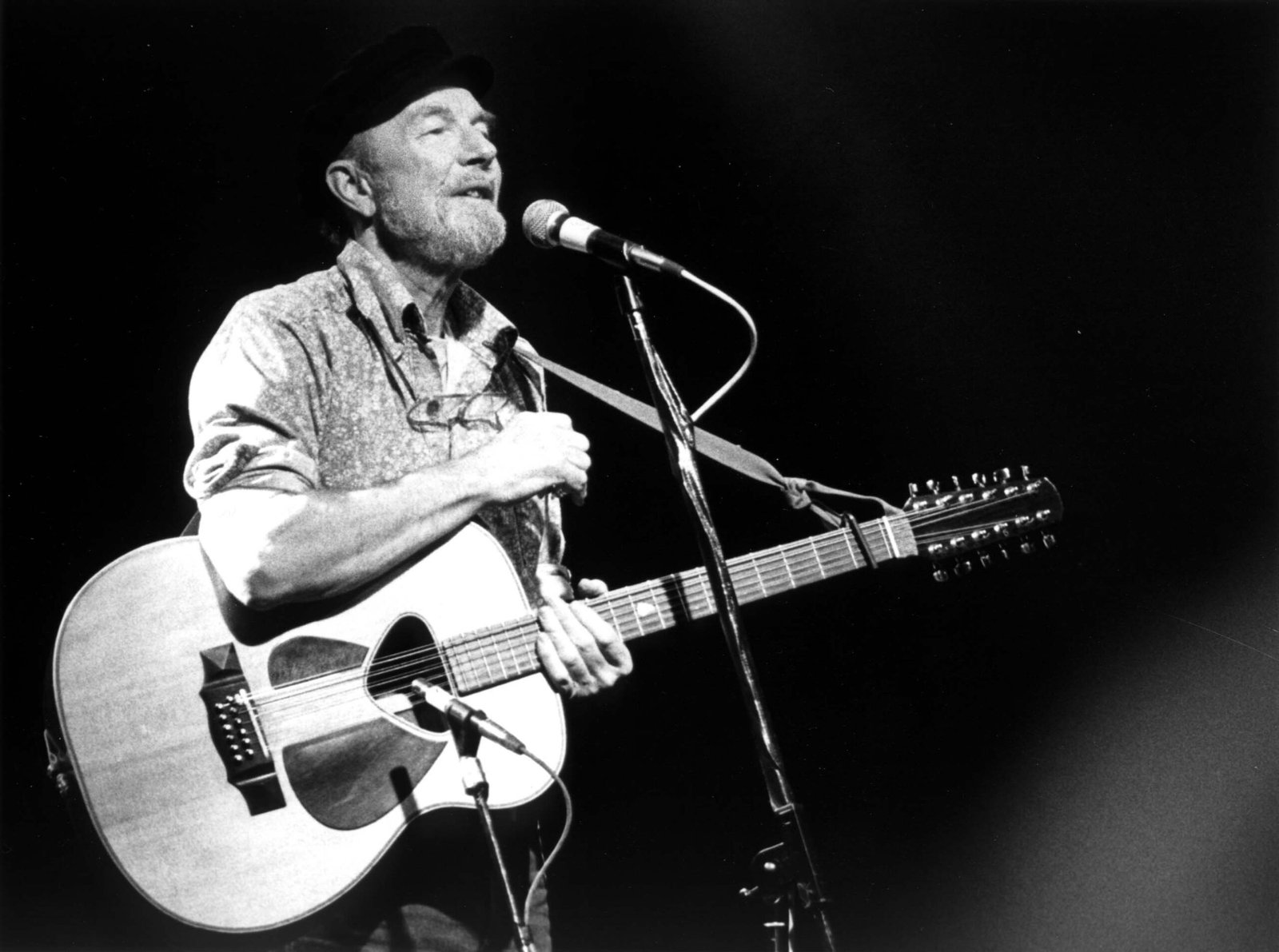
American poets like Alan Seeger and John Allan Wyeth served on the front lines during World War I, giving voice to the chaos and pain they saw firsthand. Seeger’s “I Have a Rendezvous with Death” became an anthem for a generation grappling with loss. These poets didn’t just write about war—they lived it, and their poems were often shared among soldiers as a form of comfort and solidarity. According to research from the Library of Congress, poetry circulated widely in soldier newspapers and trench journals, offering a lifeline in bleak times. Their words preserved the raw emotions and experiences of the trenches, shaping the way Americans understood the cost of global conflict. Many historians now recognize their work as early examples of psychological testimony, predating the term PTSD. In this way, American poets in World War I didn’t just reflect war—they documented the hidden wounds it left behind.
Harlem Renaissance Voices: Race, Patriotism, and Protest in WWII
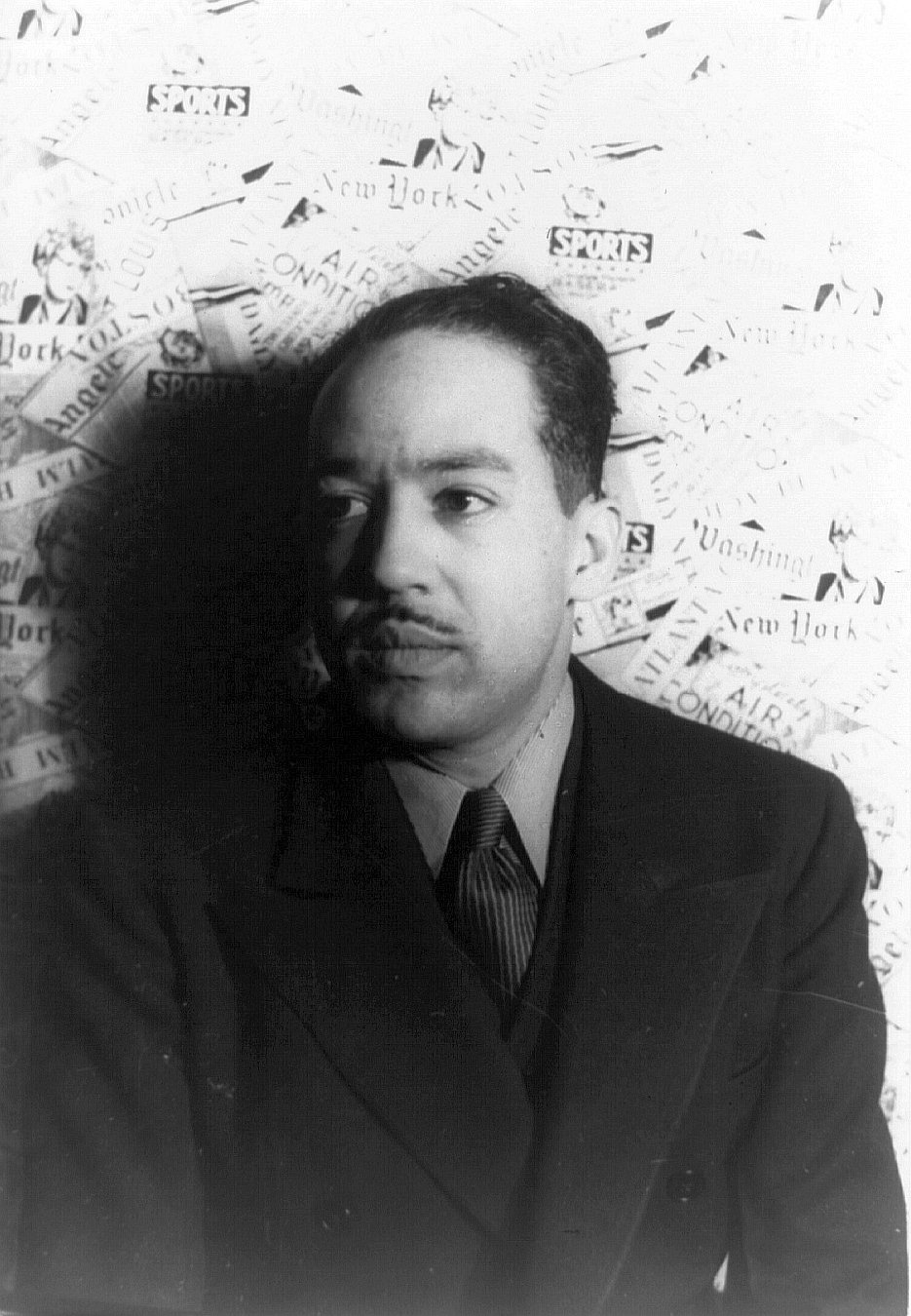
During World War II, poets from the Harlem Renaissance, such as Langston Hughes, used their work to highlight racial injustice within the military and the nation. Hughes’s poem “Beaumont to Detroit: 1943,” for instance, exposed the hypocrisy of fighting for freedom abroad while segregation and violence persisted at home. Recent scholarship from Harvard’s Hutchins Center reveals that these poets played a crucial role in inspiring the Double V campaign—victory against fascism abroad and racism at home. Their poems ran in Black newspapers and were recited at rallies, giving African American soldiers and civilians a voice. The Library of America notes that Hughes’s poetry was even distributed by the Office of War Information to foster unity. These wartime poems were not only cries for justice but blueprints for future civil rights movements.
Women’s Words on the Home Front
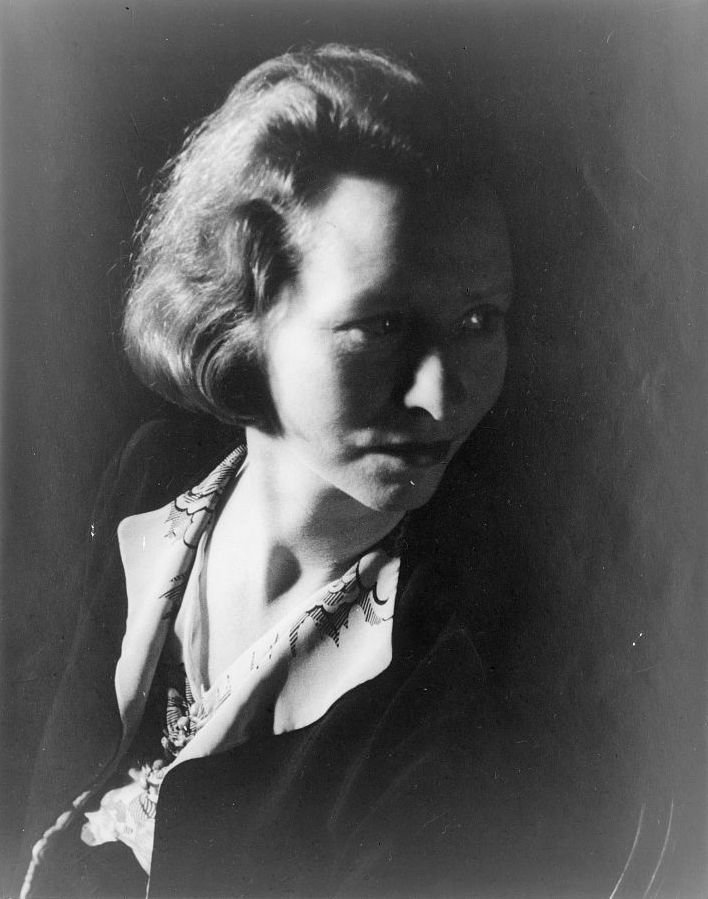
American women poets like Muriel Rukeyser and Edna St. Vincent Millay captured the complexity of war’s impact on families left behind. Rukeyser’s “Wake Island” and Millay’s “The Murder of Lidice” memorialized both hope and heartbreak, reflecting the anxiety of waiting for news from loved ones. According to the Poetry Foundation, women’s wartime poetry surged in popularity during WWII, appearing in magazines like The Atlantic and Harper’s. Their poems often blended personal grief with public calls for support, urging Americans to buy war bonds or volunteer. The National Women’s History Museum emphasizes that these voices helped redefine patriotism as something both men and women could claim. Through poetry, women shaped the national conversation about sacrifice, resilience, and the meaning of home.
Vietnam: Voices of Dissent and Disillusionment
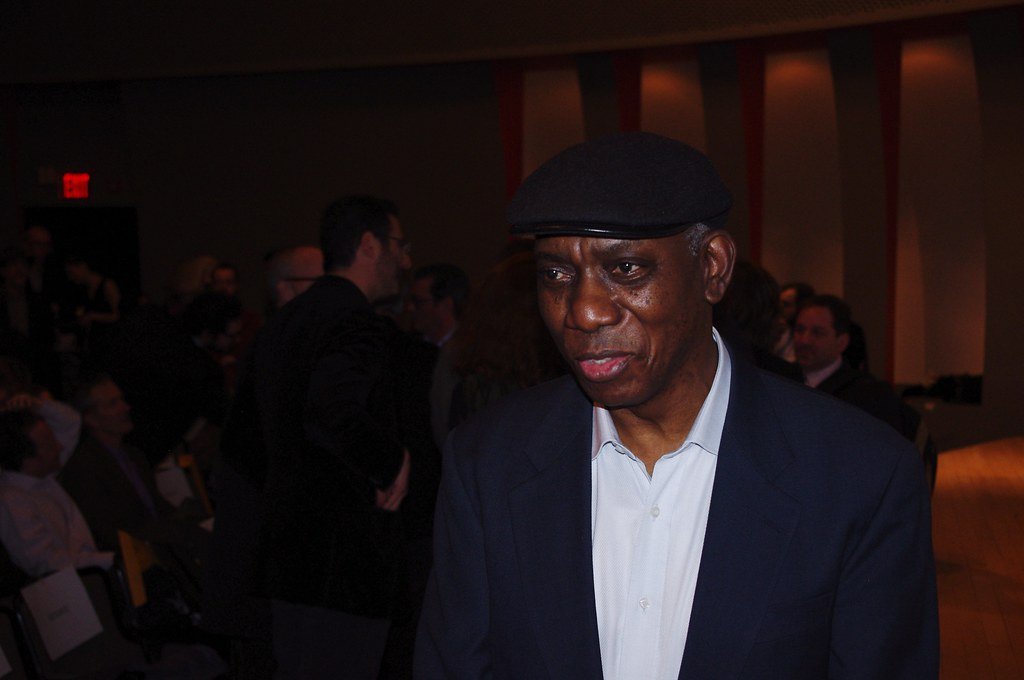
The Vietnam War marked a turning point in American poetry, with writers like W.D. Ehrhart and Yusef Komunyakaa channeling the confusion and trauma of the conflict. Their poems, collected in anthologies like “Winning Hearts and Minds,” reflected skepticism about government narratives and the morality of war. According to research published by the Poetry Society of America, poetry circles formed among soldiers in Vietnam, who shared their work in underground newsletters. These poems often criticized military leadership and questioned the war’s purpose, echoing the rising antiwar sentiment back home. Komunyakaa’s Pulitzer-winning “Dien Cai Dau” (1988) used vivid imagery to explore both the brutality and humanity found in conflict. Their poetry remains a powerful record of a generation forever changed by war.
Poetry as Protest: The Iraq and Afghanistan Wars
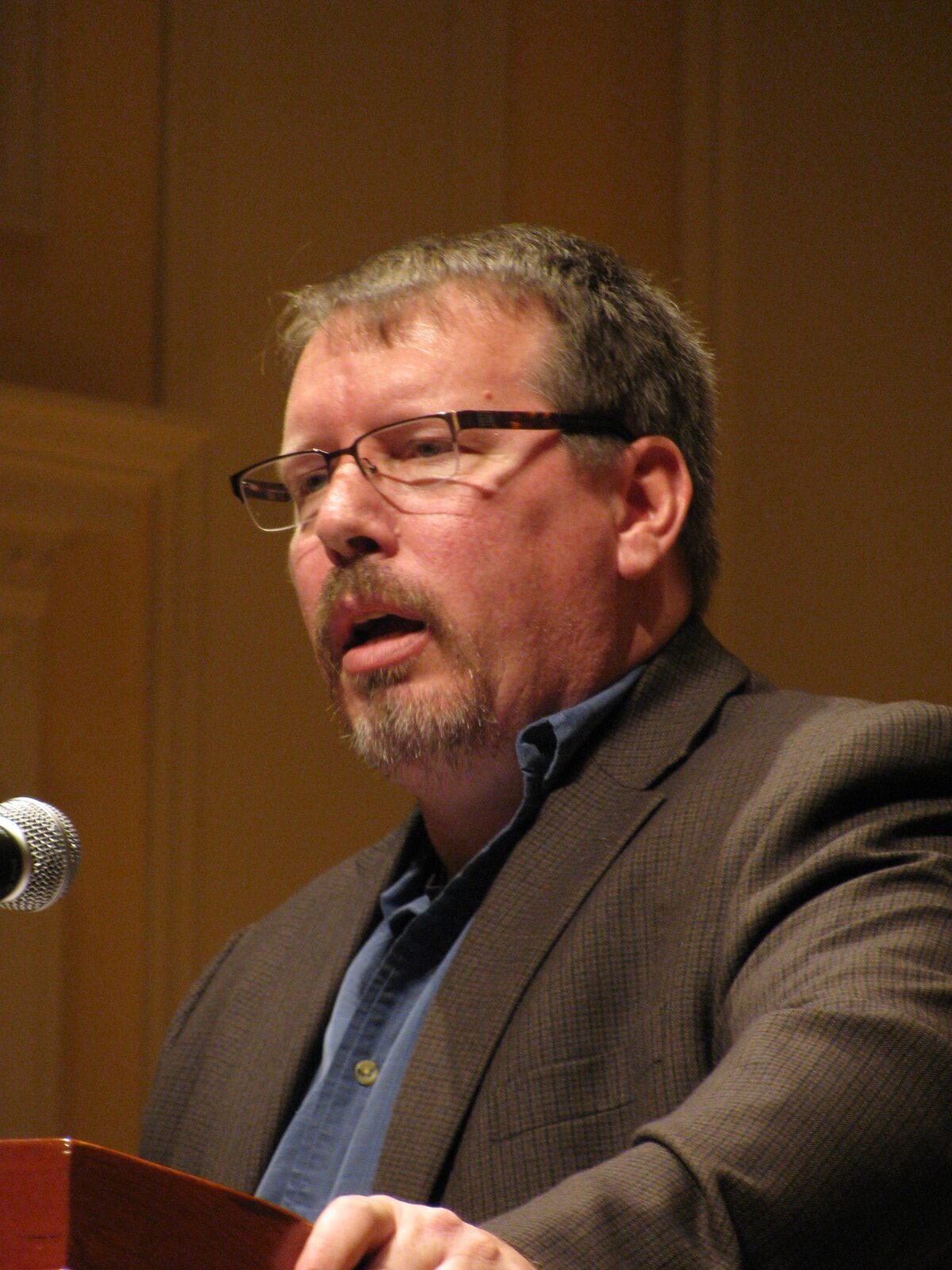
In the early 2000s, a new wave of soldier-poets emerged from Iraq and Afghanistan. Brian Turner’s “Here, Bullet” and Kevin Powers’s “Letter Composed During a Lull in the Fighting” became touchstones for veterans and civilians alike. According to a 2019 study by the National Endowment for the Arts, poetry workshops on military bases and VA hospitals helped returning soldiers process trauma. These contemporary poets used their writing as a form of protest—against both the violence of war and the silence imposed on veterans. Their work is widely cited in academic studies as a vital part of post-9/11 American literature. The New York Times reported that poetry from Iraq and Afghanistan veterans has led to broader discussions about mental health and reintegration. As the wars faded from headlines, these poets kept their stories alive.
The Pen as a Weapon: Propaganda and Morale
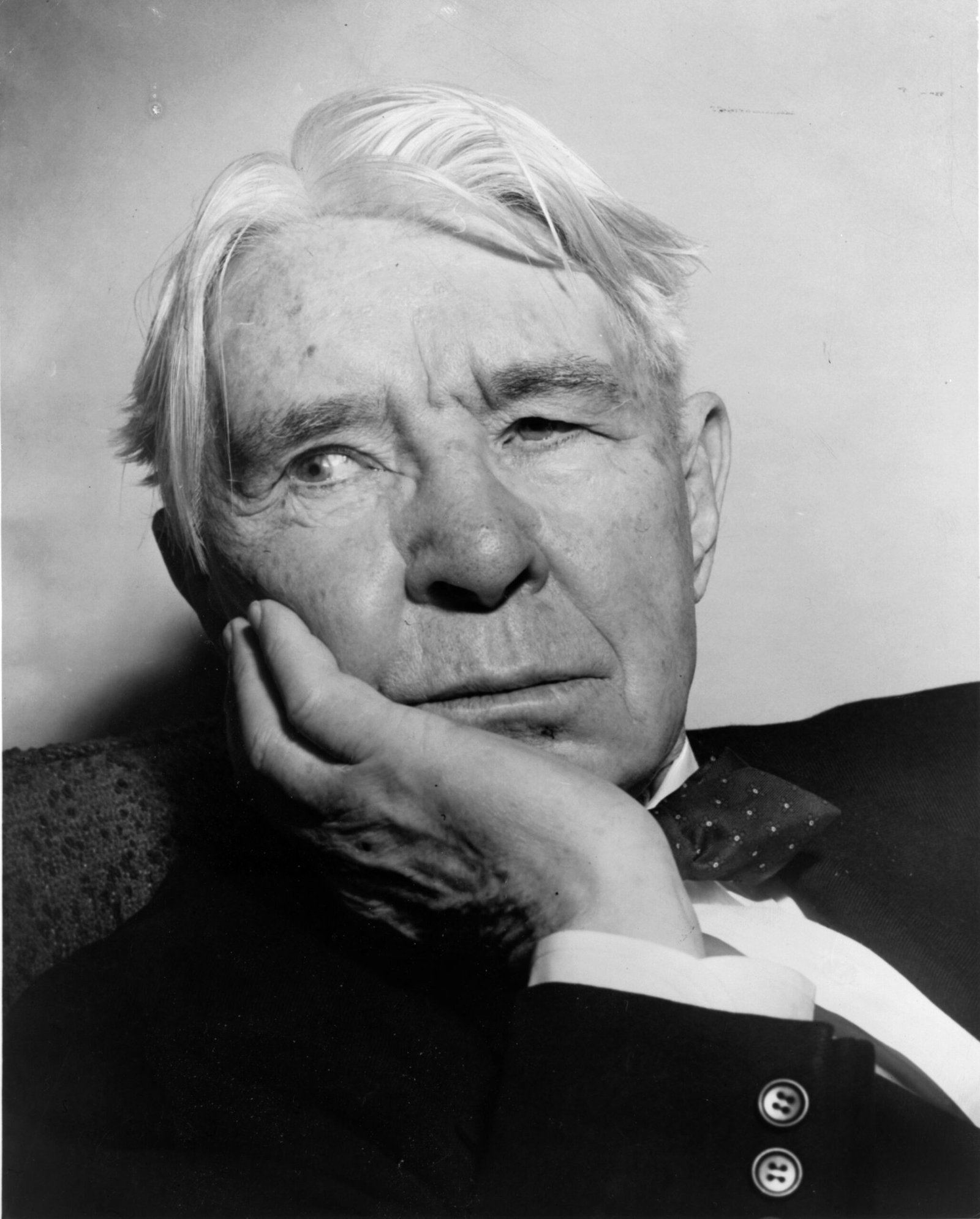
During both World Wars, the U.S. government actively recruited poets to write propaganda aimed at boosting morale. The Office of War Information commissioned poems for posters, radio broadcasts, and pamphlets, according to declassified documents from the National Archives. Poets like Carl Sandburg and Archibald MacLeish wrote stirring verses to encourage enlistment and support for the war effort. A 2022 report from the Smithsonian notes that poetry’s emotional power made it uniquely effective at swaying public opinion. These works have sometimes been criticized for glossing over the horrors of war, but their impact on national unity was undeniable. Poetry became a tool of persuasion—rallying Americans around a common cause.
Prisoners of War: Poetry as Survival
American POWs in conflicts from World War II to Vietnam often turned to poetry as a means of psychological survival. The U.S. Department of Veterans Affairs has documented how prisoners wrote and recited poems to maintain their sense of identity and hope. In some cases, poems were memorized and passed along orally, since writing materials were forbidden. These poems, shared quietly in prison camps, helped prisoners resist despair and communicate secretly. A 2020 study from the American Psychological Association found that creative expression, including poetry, reduced symptoms of anxiety and depression among former POWs. Their verses are now recognized as acts of resistance and resilience.
Native American Perspectives: Hidden Histories
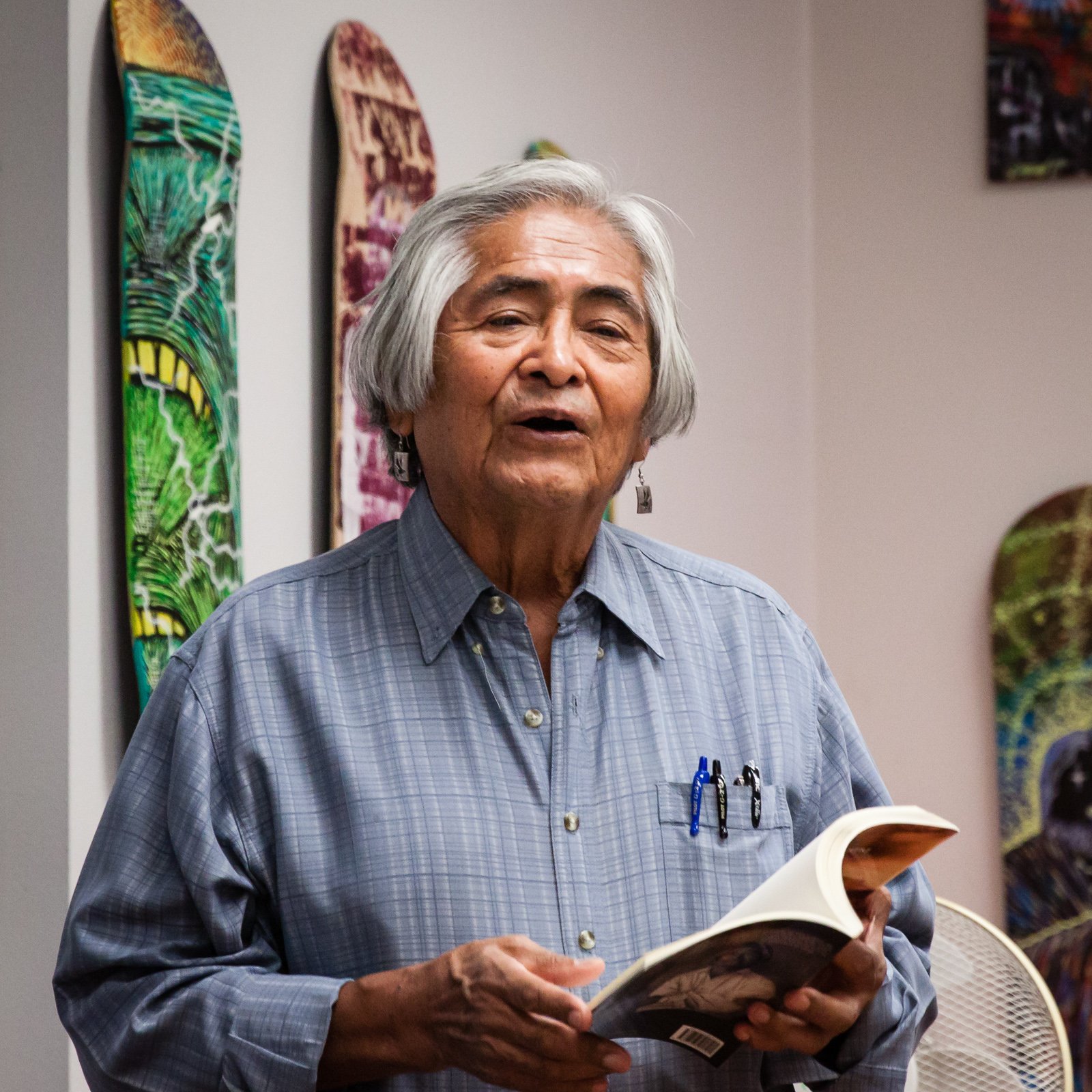
Native American poets like Simon J. Ortiz and Joy Harjo have written about the unique experiences of Indigenous soldiers in American wars. Recent research by the Smithsonian’s National Museum of the American Indian highlights how these poets blend traditional stories with modern warfare. Ortiz’s “From Sand Creek” confronts the legacy of violence against Native communities, connecting historical trauma with contemporary conflict. Harjo, the first Native American U.S. Poet Laureate, has written about her family’s military service and the complicated feelings it brings. Their poetry shines a light on the contributions and sacrifices of Native Americans, often overlooked in mainstream histories.
Vietnam War Veterans: Healing through Verse
Many Vietnam veterans turned to poetry as a way to cope with the lasting effects of war. According to the National Endowment for the Arts, writing workshops for veterans began in the 1970s and continue today. Poets like Bruce Weigl and John Balaban have written about flashbacks, guilt, and alienation, helping to break the silence around PTSD. Their work is now cited in psychological studies as a model for narrative therapy. The Veterans Writing Project reports that poetry helps veterans articulate experiences that are hard to share in everyday conversation. Through verse, these poets have built a community of support and understanding.
Poetry in Military Academies: Shaping Leaders
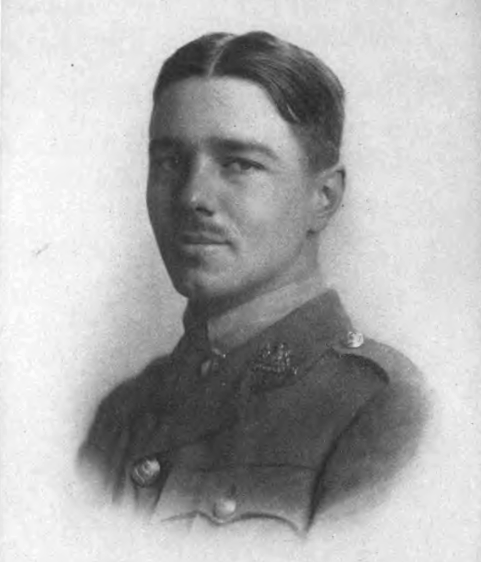
Military academies like West Point and the U.S. Naval Academy have long included poetry in their curricula. According to a 2023 feature by Military Times, cadets read and write poetry to develop empathy and critical thinking. Poems by Walt Whitman and Wilfred Owen are studied alongside tactical manuals. Instructors argue that poetry helps future officers understand the human cost of war and the complexities of leadership. The U.S. Military Academy Press has published anthologies of cadet poetry, highlighting its continued relevance. Poetry remains a tool for shaping ethical and emotionally intelligent military leaders.
Poets in Uniform: The Soldier-Poet Tradition
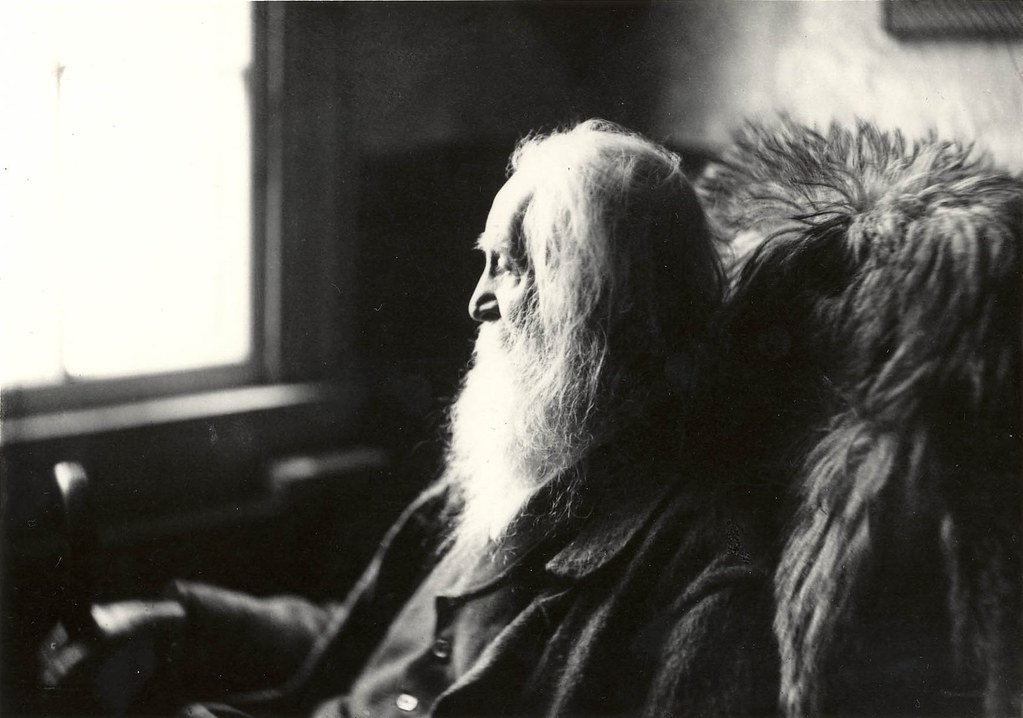
Throughout American history, many poets have served in the armed forces. Walt Whitman, who volunteered as a nurse during the Civil War, documented soldiers’ suffering in his poems and diaries. More recently, Iraq War veteran Brian Turner has spoken about how military service shaped his writing, sharing this in interviews with the Poetry Foundation. This soldier-poet tradition is celebrated in annual readings and literary journals dedicated to veterans’ work. According to the Library of Congress, these poets bridge the gap between civilian and military worlds, translating the realities of war for a wider audience.
Antiwar Movements: Poetry at the Front Lines of Protest
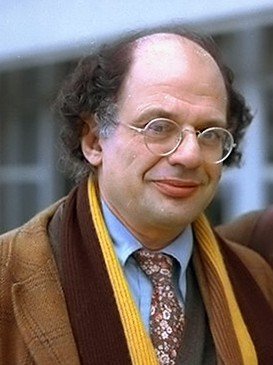
Poetry has been a rallying cry for antiwar movements from the Vietnam era to today. Allen Ginsberg’s “Wichita Vortex Sutra” and Denise Levertov’s “Life at War” became staples at protests and teach-ins. A 2021 study by the University of Pennsylvania found that poetry readings often sparked dialogue among activists and policymakers. These poems challenged official narratives and inspired new forms of resistance. The tradition continues today, with poets performing at rallies against military interventions and the use of drones. Poetry amplifies dissent, giving voice to those who question the wisdom of war.
War in the Classroom: Teaching Poetry of Conflict
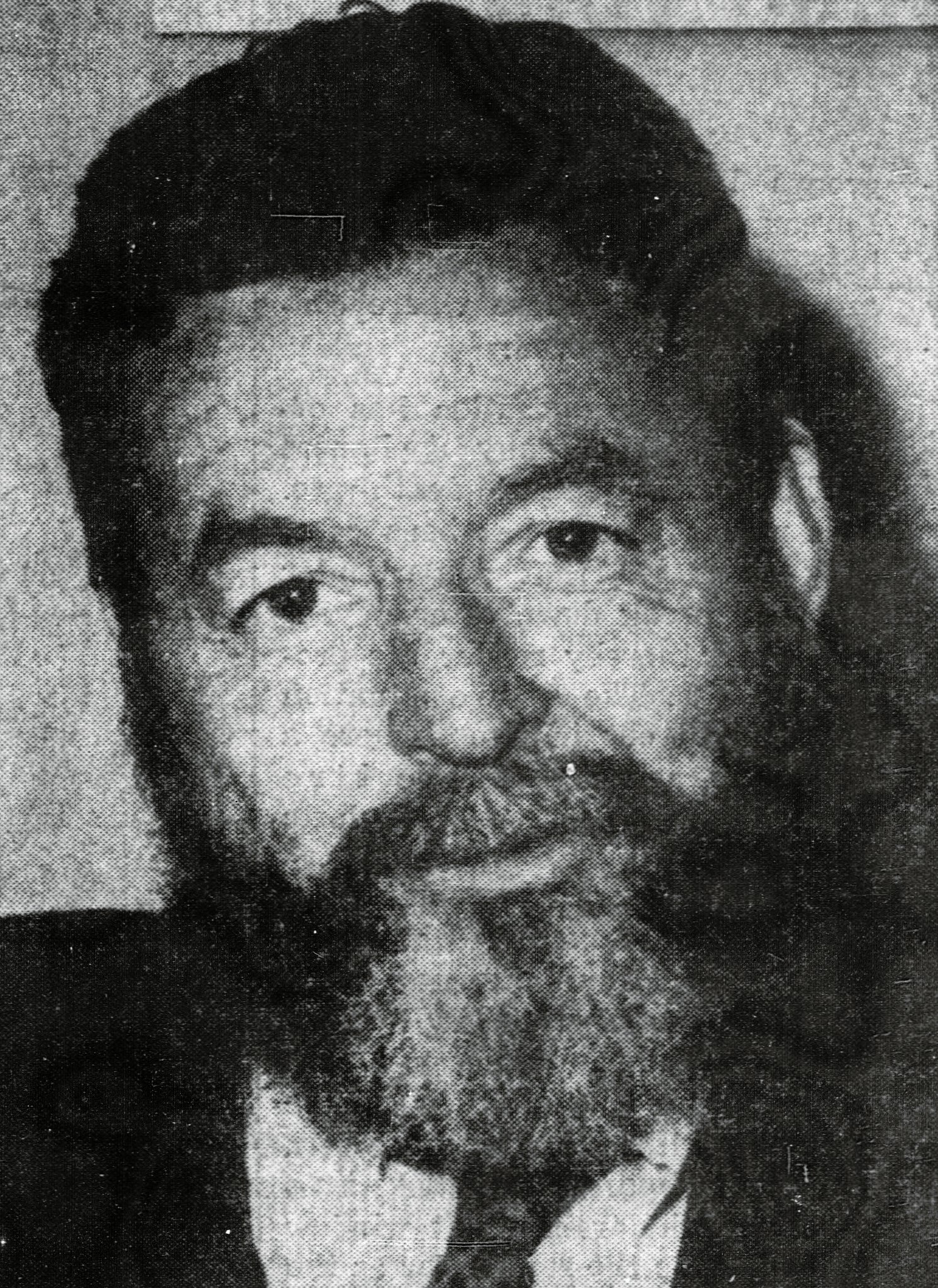
Educators across the U.S. use war poetry to teach empathy, history, and critical thinking. According to a 2024 report by the National Council of Teachers of English, war poems are included in standardized curricula from middle school through college. Teachers use poems by Wilfred Owen, Randall Jarrell, and Claudia Rankine to spark conversations about ethics and the human cost of conflict. Students are encouraged to write their own poems, reflecting on war’s impact on families and communities. This approach helps demystify war, making its realities more personal and immediate.
Digital Platforms: Modern Poets Reach New Audiences
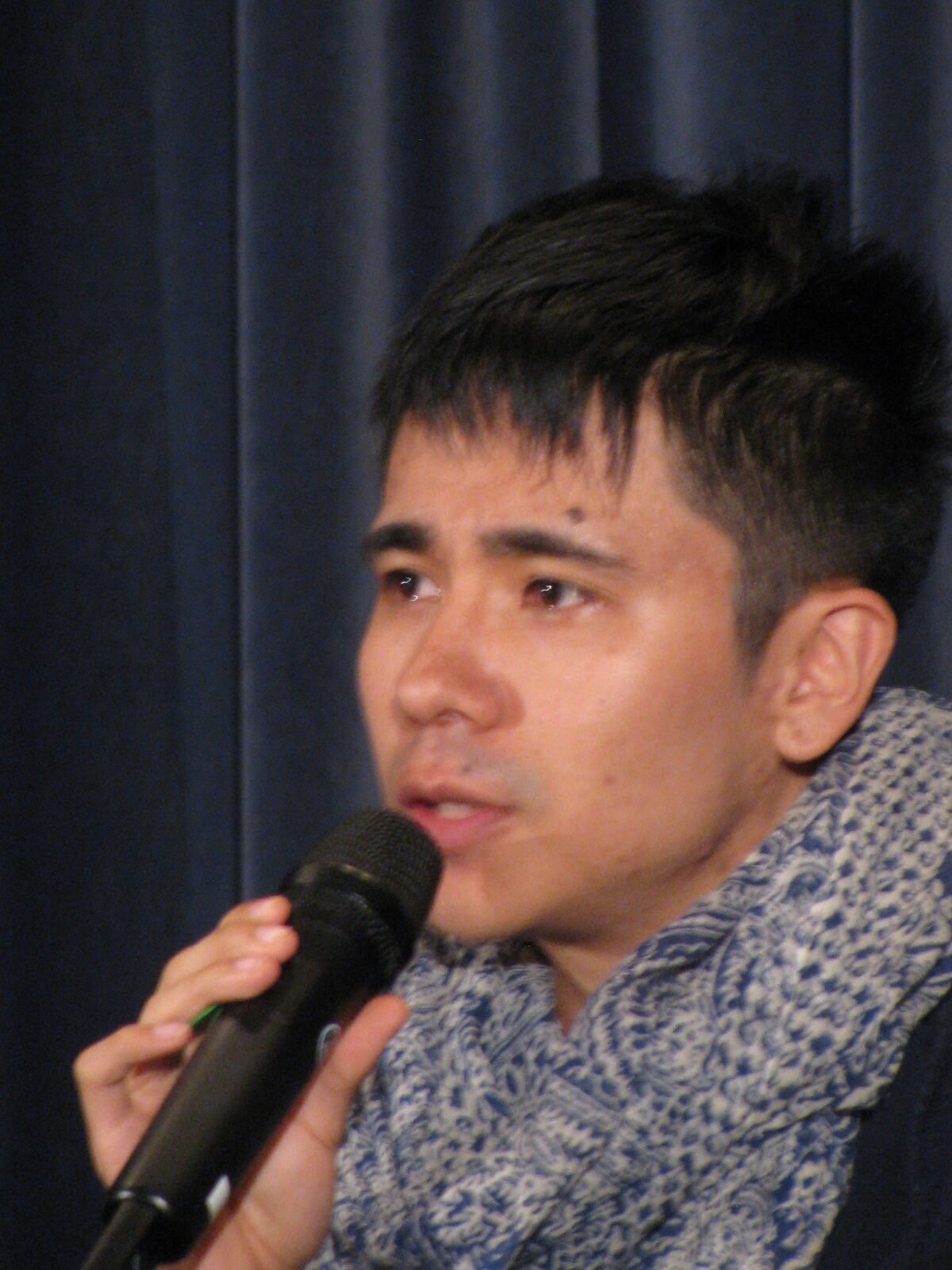
Social media and online journals have given contemporary wartime poets a powerful megaphone. According to the Pew Research Center, over 60% of young Americans encounter poetry on platforms like Instagram and Twitter. Poets such as Ocean Vuong, whose family fled the Vietnam War, use these spaces to share work about intergenerational trauma. Hashtags like #veteranspoetry and #warwriting connect readers and writers across the globe. The accessibility of digital poetry means that stories from the front lines can reach audiences in real time, sparking dialogue and fostering understanding.
Poetry Therapy: Healing Invisible Wounds
![Poetry Therapy: Healing Invisible Wounds (image credits: Cropped from File:Ptsd Help.png which was uploaded from [1]. Original photograph is File:Battling PTSD (4949341330).jpg., Public domain, https://commons.wikimedia.org/w/index.php?curid=82102356)](https://festivaltopia.com/wp-content/uploads/2025/07/1751831566344_Ptsd_figure.png)
Poetry therapy is now recognized as a valuable tool for veterans dealing with trauma. The Department of Veterans Affairs runs poetry therapy groups in hospitals and community centers nationwide. A 2022 study in the Journal of Poetry Therapy found that writing and sharing poetry reduced symptoms of PTSD and depression in veterans of Iraq and Afghanistan. Participants report feeling less isolated and more hopeful after engaging in poetry sessions. According to therapists, poetry helps veterans find meaning in their experiences and reclaim their voices. This approach is gaining traction as an alternative to traditional talk therapy.
Poets Laureate: Shaping National Memory
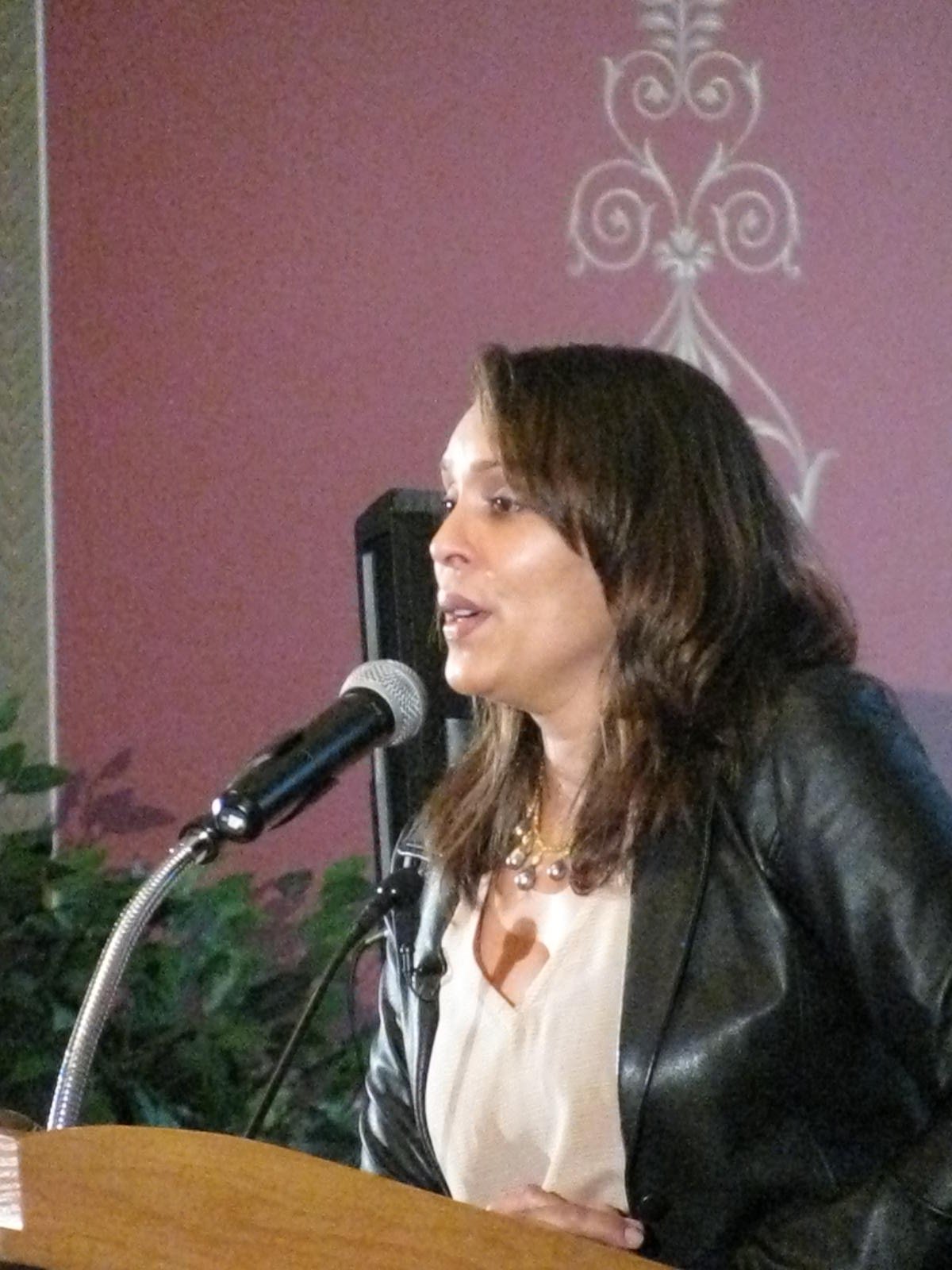
American Poets Laureate have often taken up the subject of war, using their platform to shape national memory. Natasha Trethewey, whose father served in Vietnam, wrote movingly about the legacy of conflict in “Native Guard.” Tracy K. Smith’s tenure as Poet Laureate saw her organize readings for military families and veterans. The Library of Congress notes that these public programs help bridge the gap between those who serve and the wider public. By bringing poetry into national conversations about war, Poets Laureate help Americans confront uncomfortable truths and honor sacrifice.
Memorials and Monuments: Poetry in Stone
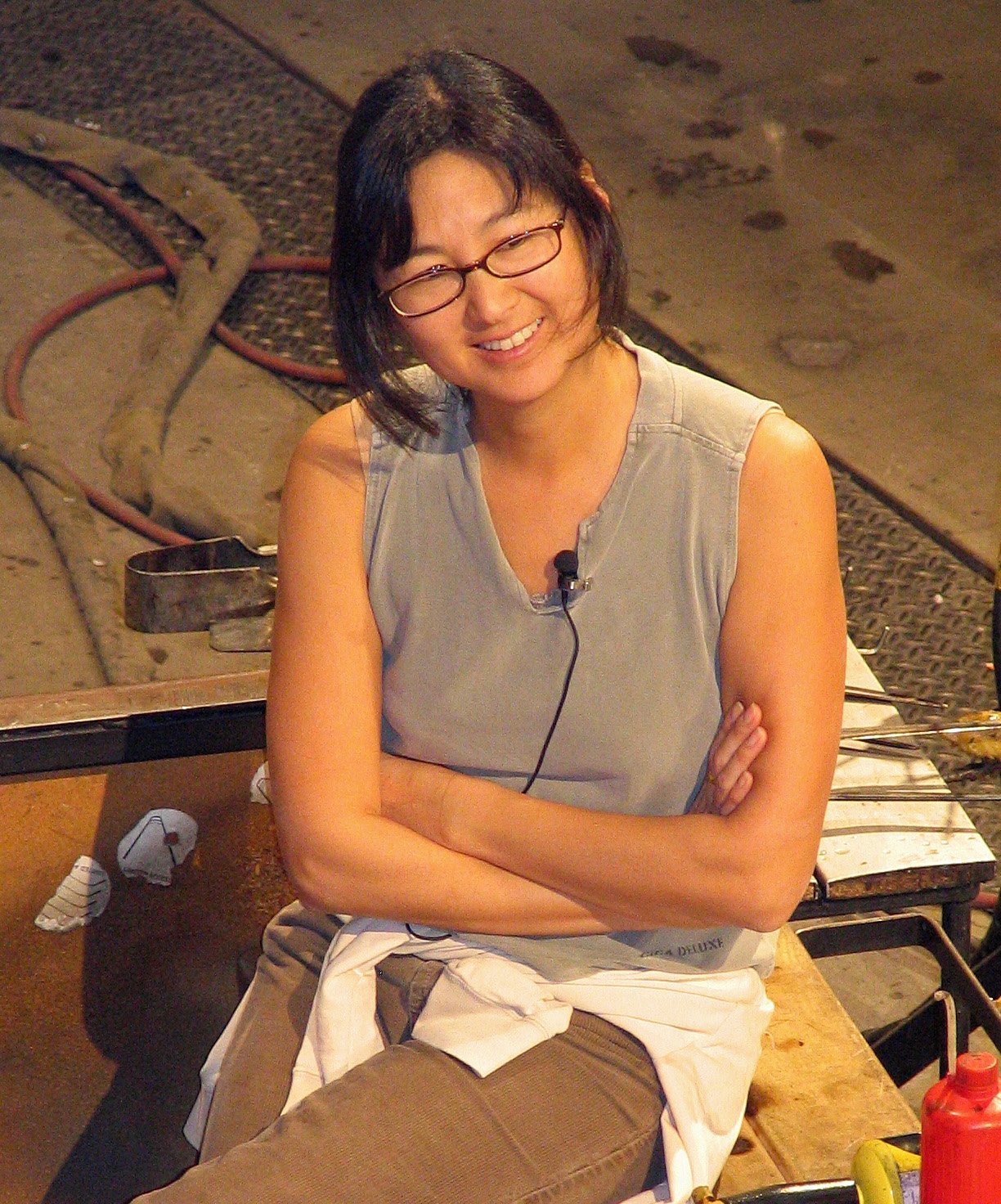
War memorials across the U.S. often feature poetry inscribed in stone. Maya Lin’s Vietnam Veterans Memorial includes lines from Walt Whitman, while the National World War II Memorial quotes Stephen Spender. According to the National Park Service, these inscriptions invite reflection and personal connection. Visitors leave their own poems at these sites, continuing a tradition of using verse to process grief and gratitude. The presence of poetry at memorials underscores its role in shaping how Americans remember war.
Poetry of Exile: Immigrant and Refugee Perspectives
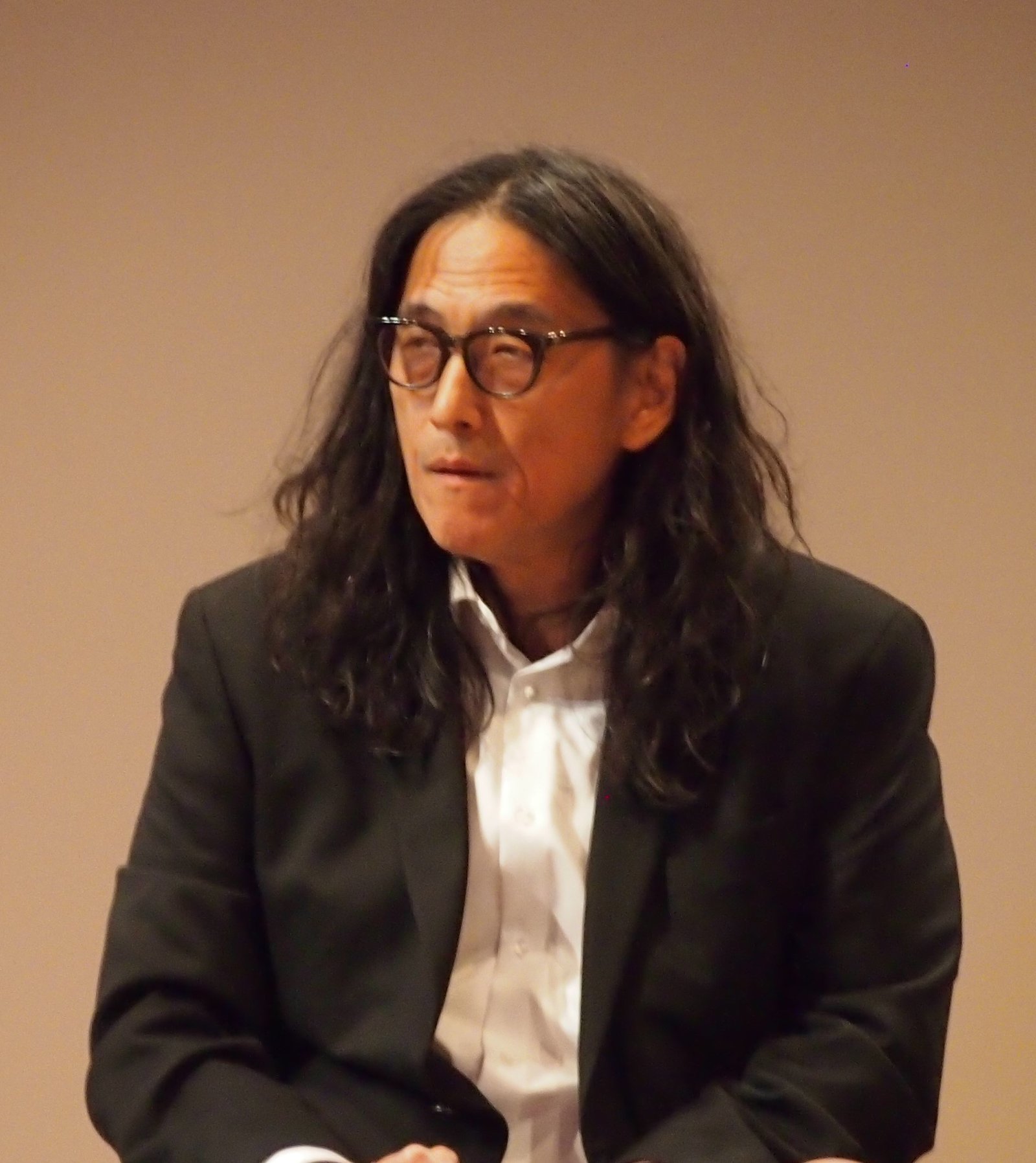
Immigrant and refugee poets have added new dimensions to the American wartime experience. Poet Li-Young Lee, whose family fled persecution in Indonesia, writes about the trauma of displacement. Research by the Migration Policy Institute highlights how these poets use language to express loss, hope, and resilience. Their work is increasingly featured at literary festivals and in school curricula, broadening the conversation about war’s impact. By sharing their stories, immigrant poets challenge narrow definitions of patriotism and belonging.
Climate Change and New Wars: Poets on the Frontlines of the Future
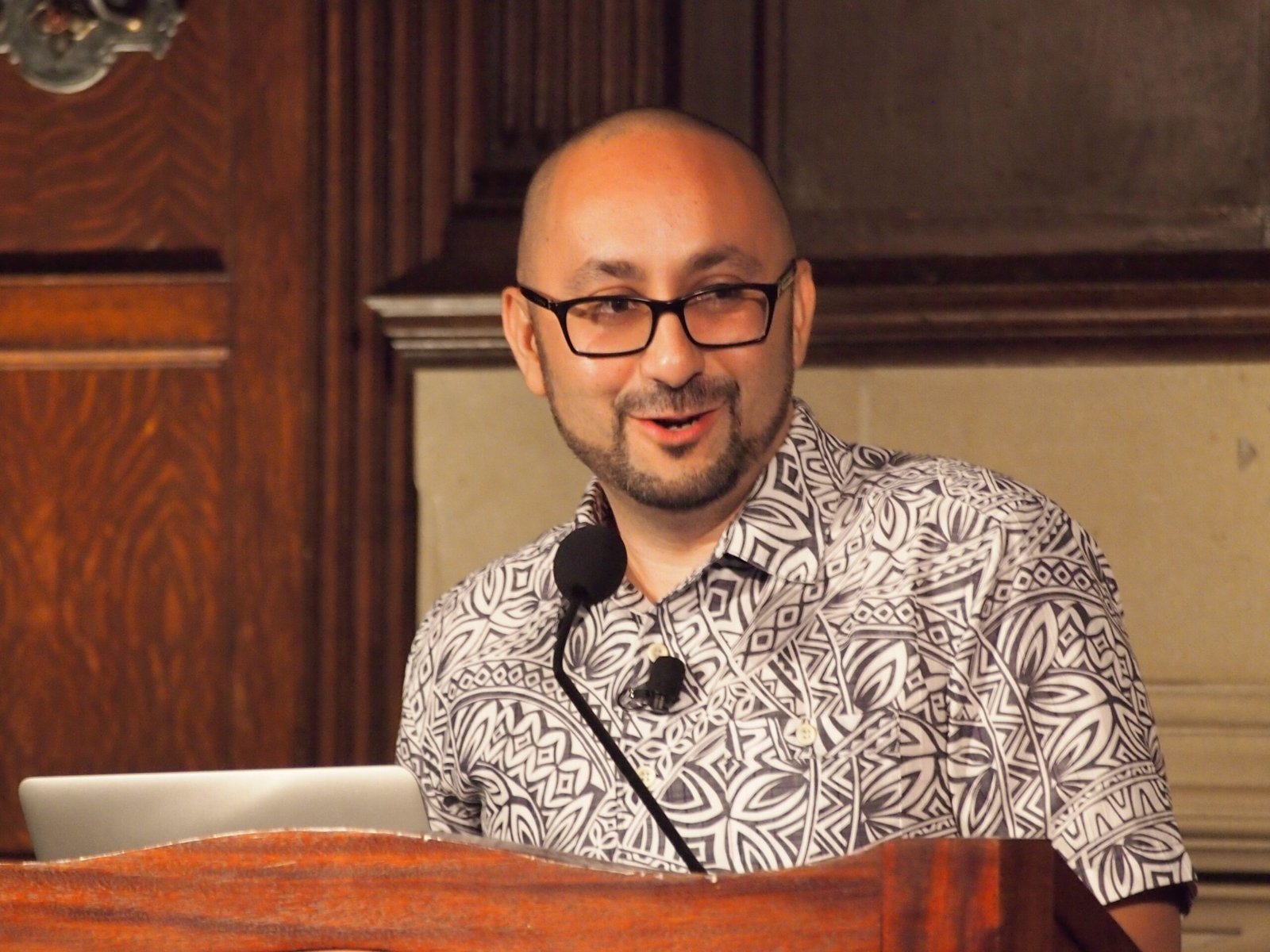
Contemporary poets are beginning to address the intersection of war and climate change. The Pentagon’s 2023 Climate Risk Analysis warned of future conflicts driven by resource scarcity and displacement. Poets like Craig Santos Perez write about militarization in the Pacific and its environmental costs. These new war poems imagine futures shaped by drought, migration, and ecological loss. According to the Academy of American Poets, this emerging genre forces readers to confront the evolving nature of conflict in the 21st century.
The Unbroken Line: American Poetry’s Wartime Legacy

From the battlefields of Antietam to the deserts of Afghanistan, American poets have chronicled, questioned, and sometimes transformed the experience of war. Their work has shaped public memory, offered solace to the grieving, and given voice to the voiceless. Contemporary research highlights the ongoing importance of poetry in helping soldiers, families, and civilians process the trauma of conflict. As new threats and new wars emerge, the role of the American poet remains as vital—and as overlooked—as ever.

Besides founding Festivaltopia, Luca is the co founder of trib, an art and fashion collectiv you find on several regional events and online. Also he is part of the management board at HORiZONTE, a group travel provider in Germany.
