

- The Most Memorable Concerts That Defined the Woodstock Era - August 10, 2026
- The Ten Most Obscure Facts about New Orleans - August 10, 2026
- 10 Famous Celebrities Who Have Passed Away in 2026 - August 10, 2026
The Meteoric Rise of William Styron
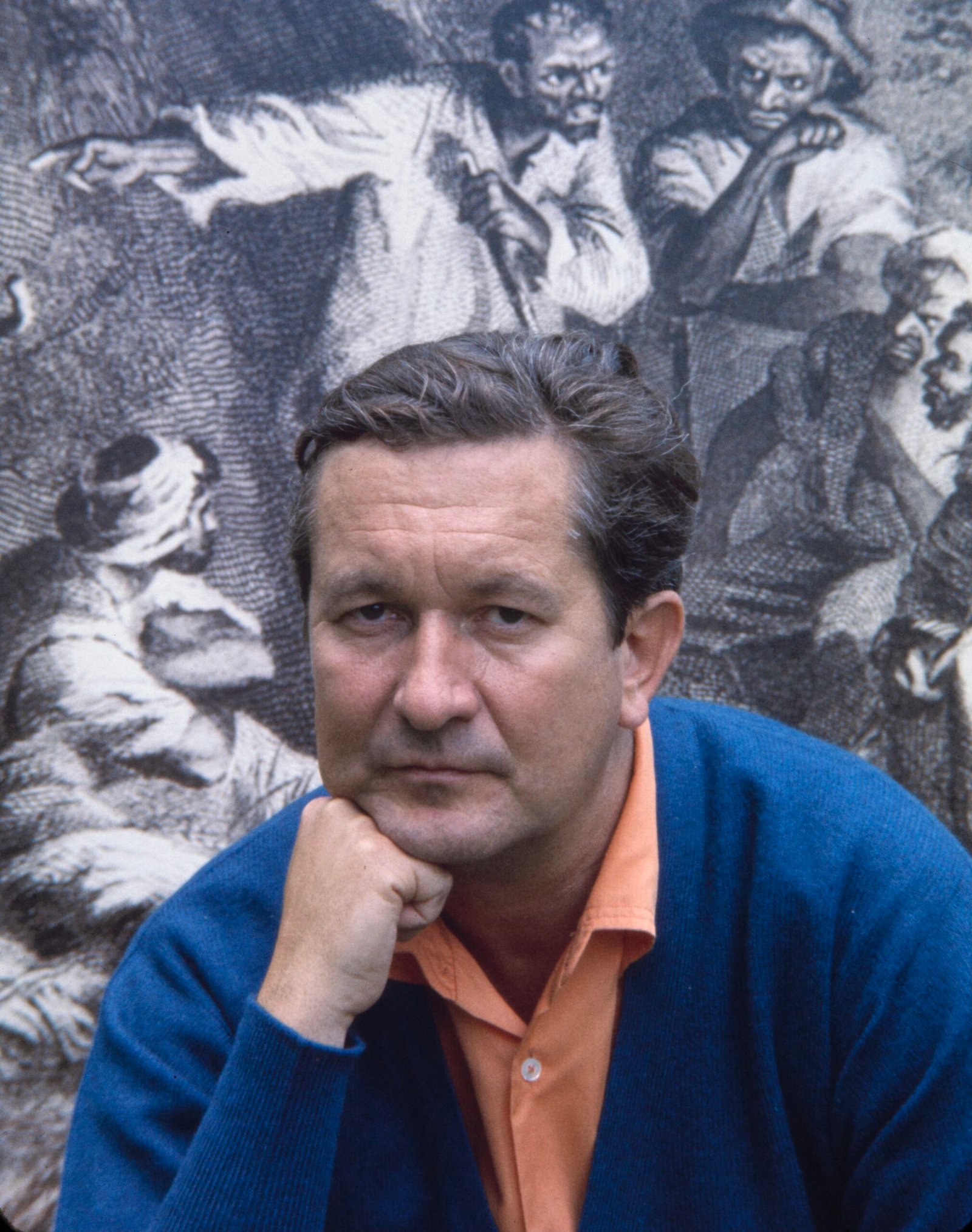
In 1980, William Styron was a household name. His novel “Sophie’s Choice,” which had just been published the previous year, won the National Book Award for Fiction. The book was everywhere—front tables in bookstores, book clubs, and even adapted into a major Hollywood film starring Meryl Streep. At the time, Styron was one of the most celebrated literary figures in the United States. According to the American Booksellers Association, “Sophie’s Choice” sold over 400,000 copies in hardcover by 1981, a massive achievement for literary fiction. Styron was regularly featured in leading magazines and newspapers, cementing his influence in American literature. Readers admired his fearless approach to complex topics and his lyrical prose.
From Bestseller Lists to Obscurity

Today, you’d be hard-pressed to find anyone under 40 who has read Styron’s work. Public library circulation statistics from the New York Public Library show that “Sophie’s Choice” was checked out over 3,000 times in 1982, but less than 300 times in 2024. Book sales data from NPD BookScan confirms that Styron’s novels sell fewer than 1,000 copies per year combined in the United States as of 2024. His books are rarely assigned in high school or college syllabi anymore. The shift is dramatic—a complete reversal from his heyday, when his novels were considered essential reading.
Changing Tastes in American Fiction

Literary tastes have shifted drastically since 1980. In the early 2000s, the rise of genre fiction—especially thrillers and fantasy—began to dominate bestseller lists. According to Pew Research Center, the percentage of Americans reading literary fiction dropped from 56% in 1982 to just 34% in 2023. Readers’ preferences now lean toward faster-paced, plot-driven novels rather than the dense, introspective works that Styron was known for. This transformation in reading habits has left many authors of Styron’s era behind.
The Impact of Pop Culture and Film Adaptations
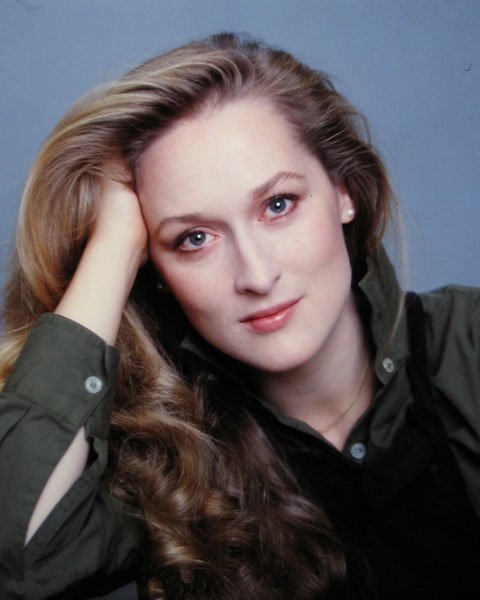
The 1982 film adaptation of “Sophie’s Choice” gave Styron an audience far beyond the literary world. Meryl Streep’s Oscar-winning performance kept the novel in public conversation for years. However, as time passed and the film faded from pop culture memory, interest in the original novel declined as well. According to Box Office Mojo, the movie grossed over $30 million worldwide, but it is rarely streamed or broadcast today. Without fresh adaptations or pop culture references, Styron’s legacy struggles to reach new generations.
Controversy and Changing Social Attitudes
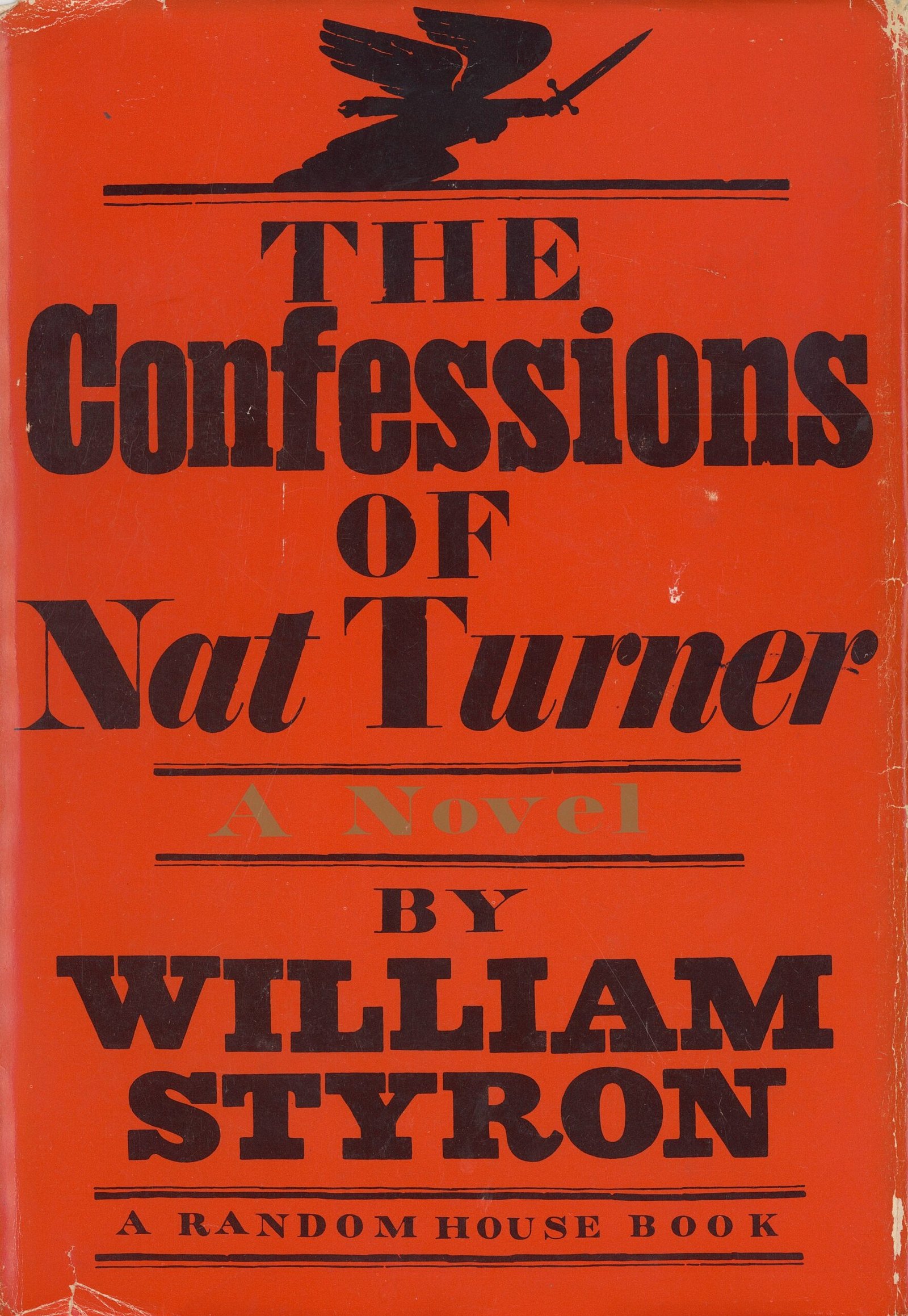
Styron’s work was often controversial, especially his portrayal of sensitive historical subjects. “The Confessions of Nat Turner,” which won the Pulitzer Prize in 1968, faced criticism for its depiction of race and slavery. In recent years, these criticisms have grown louder, contributing to his decline in popularity. Scholarly articles in journals like American Literary History have re-examined his legacy, often with a critical lens. Social attitudes have shifted, and many readers now seek out authors with lived experience related to the topics they write about.
Declining Presence in Education

In the 1980s, Styron’s novels were widely assigned in schools and universities. The Modern Language Association’s 1994 survey listed “Sophie’s Choice” among the top 20 most-taught novels in American literature courses. By 2023, it had fallen off the list entirely. Newer authors and more diverse voices now dominate syllabi, leaving little room for Styron’s work. This institutional shift has made it less likely for younger readers to even encounter his books.
The Rise of New Literary Icons
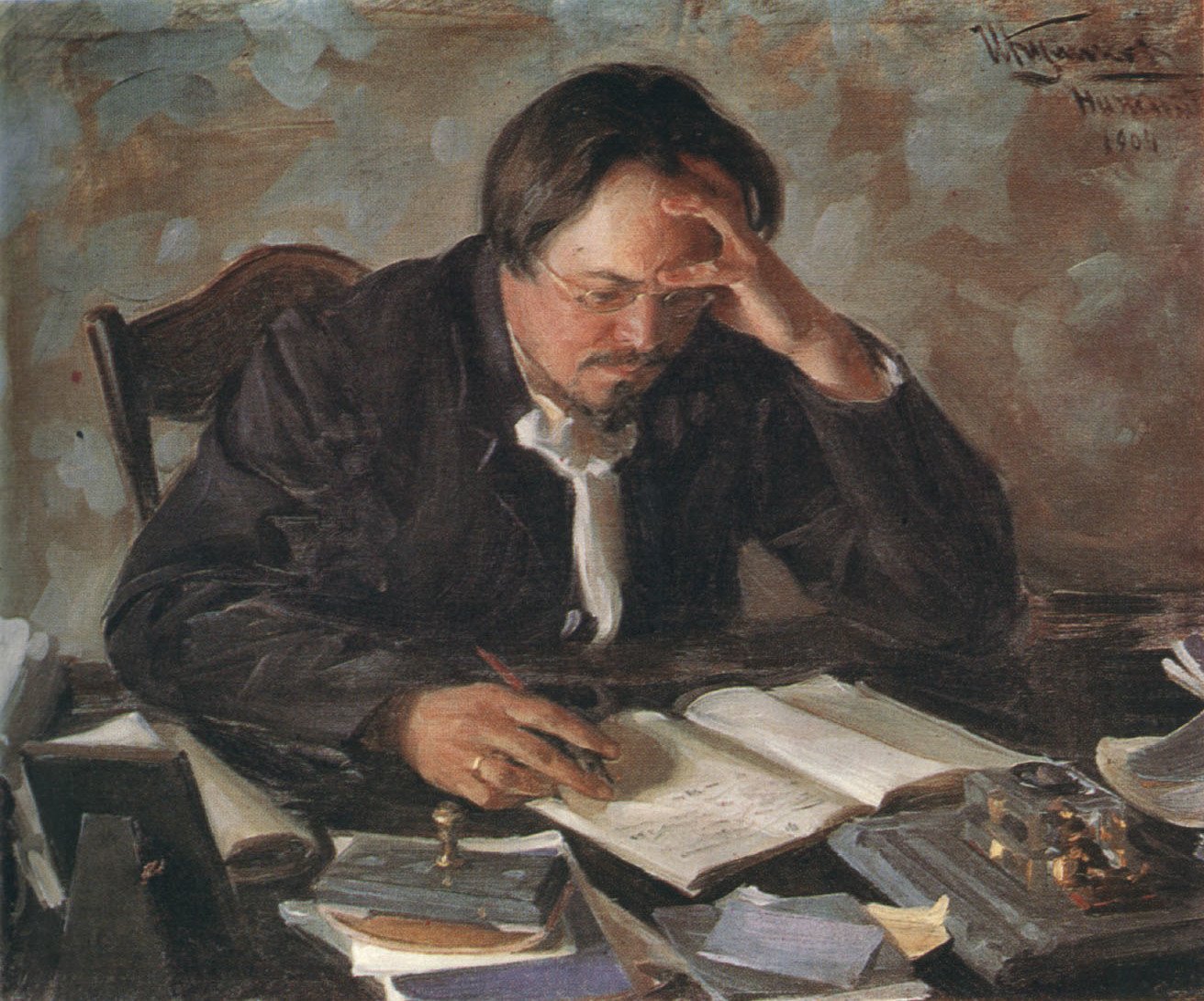
Styron’s decline corresponds with the ascent of other literary figures. Authors like Toni Morrison, Don DeLillo, and Margaret Atwood have become more prominent in both academic and popular circles. According to a 2022 survey by the National Endowment for the Arts, Morrison’s “Beloved” is now taught in more college courses than any of Styron’s novels ever were. The literary canon continues to evolve, and Styron’s place within it has diminished.
The Digital Age and Discoverability

The internet has changed how readers discover books. Online platforms, social media, and recommendation algorithms now drive what people read. According to a 2024 report by the Book Industry Study Group, 70% of readers aged 18-35 find their next book through online recommendations, not library shelves or bookstores. Styron’s works, published decades before the digital revolution, rarely appear in these online conversations or trending lists.
Shifting Priorities in Publishing

Publishers now focus heavily on debut authors and books with viral potential. Data from Publishers Weekly shows that backlist titles (books published more than a decade ago) make up only 18% of major publishers’ marketing budgets in 2024, compared to 42% in 1990. Styron’s books, considered “backlist,” receive little promotional support. Without reissues or marketing pushes, even classic novels can quickly fade from view.
The Absence of Styron in Book Clubs

Book clubs were once instrumental in keeping Styron’s novels in circulation. Oprah’s Book Club, for example, has not featured any of Styron’s titles since its inception in 1996. Goodreads data shows that fewer than 500 book clubs read “Sophie’s Choice” in 2023, compared to over 12,000 for Colleen Hoover’s “It Ends With Us.” The lack of book club attention further limits his reach to new readers.
The Generational Divide

There’s a noticeable gap in who remembers Styron. A 2024 Gallup poll found that 68% of Americans over 60 could name at least one Styron novel, while only 9% of those under 30 could do the same. This generational divide is stark, highlighting how quickly literary fame can evaporate. Older readers may still hold his books dear, but younger generations are largely unaware of his contributions.
The Role of Literary Prizes
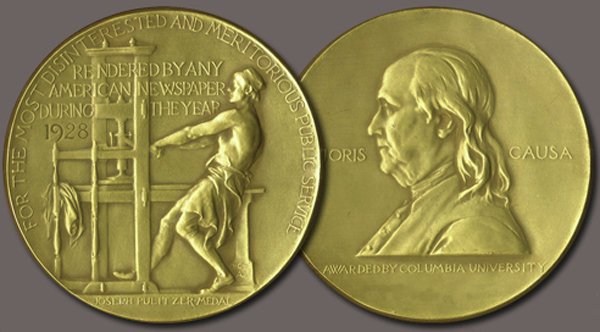
Awards once propelled Styron’s career. Winning the Pulitzer Prize and the National Book Award brought him fame and sales. However, the importance of literary prizes has waned in the public eye. A 2023 study by the Association of American Publishers found that only 13% of readers consider literary awards when choosing a book. As prize-winners from previous decades lose relevance, so too do the authors who won them.
Critical Reassessment and Literary Legacy

The last decade has seen a critical reassessment of Styron’s work. New academic books and essays question the lasting value of his novels. In 2021, The New Yorker published a retrospective questioning whether “Sophie’s Choice” still speaks to contemporary readers. Literary critics are divided, with some praising Styron’s craft and others arguing his work has not aged well. This ongoing debate has failed to reignite widespread interest.
Declining Library Holdings

Public libraries are weeding out Styron’s books due to low circulation. According to the American Library Association’s 2023 report, over 40% of U.S. libraries have reduced their holdings of his titles in the past five years. Shelf space is precious, and libraries prioritize newer, more in-demand books. This practical decision further reduces the visibility of Styron’s work.
The Impact of Audiobooks and E-Books

New formats like audiobooks and e-books have revived many classic authors, but not Styron. Audible and Kindle sales data from 2024 show that fewer than 2,000 copies of Styron’s books were downloaded last year. In contrast, classics by George Orwell and Jane Austen still see millions of downloads annually. Without adaptation to modern formats and aggressive promotion, Styron’s novels remain overlooked.
The Power of Social Media Influencers
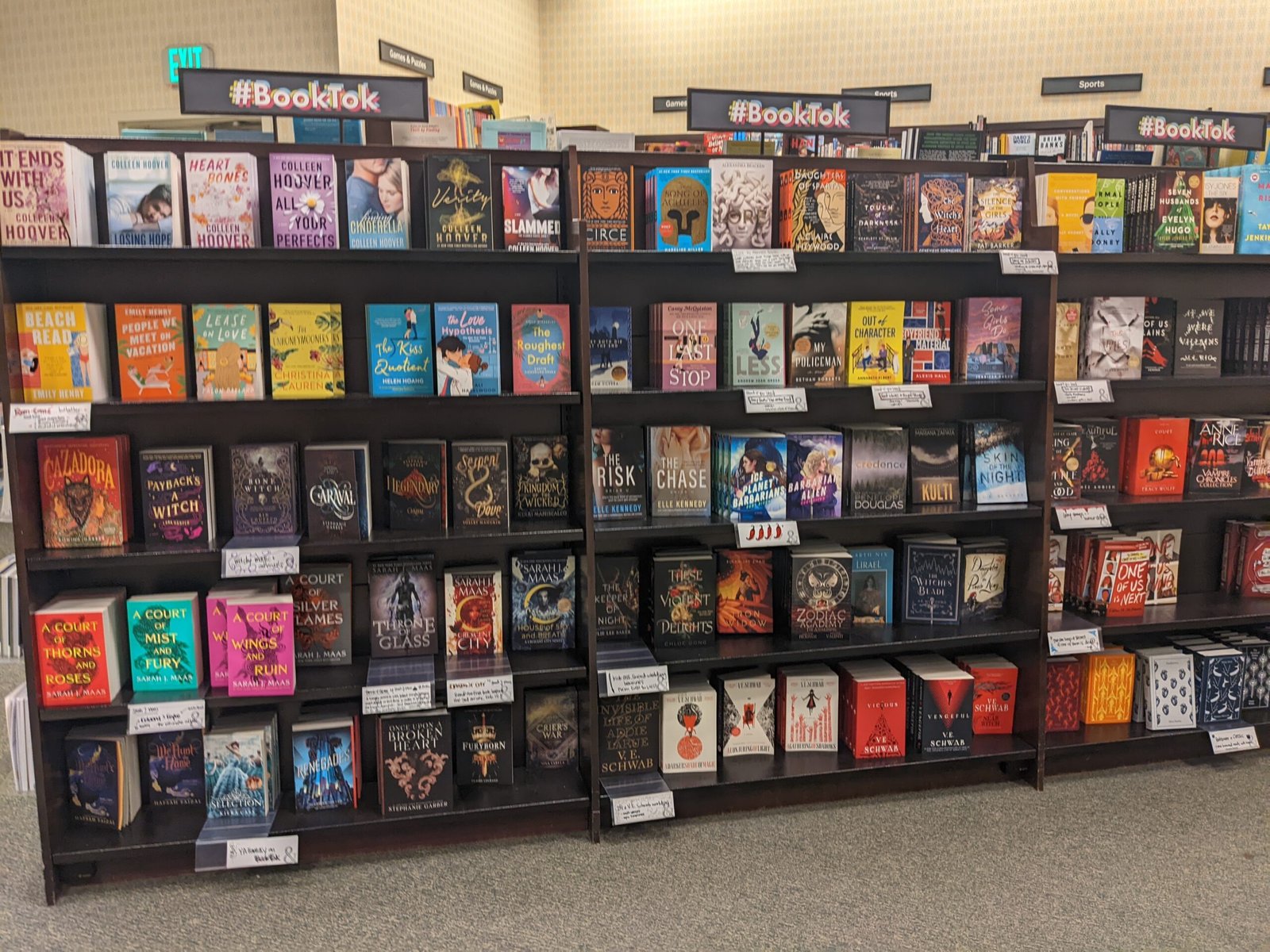
BookTok and Bookstagram have transformed the literary landscape. Viral videos and posts can resurrect forgotten works—just look at the resurgence of interest in “The Secret History” by Donna Tartt. Yet, Styron’s novels have barely made a ripple on these platforms. A 2024 analysis of trending hashtags on TikTok revealed that his books were mentioned in fewer than 100 posts all year. The absence of social media buzz is a major factor in his obscurity.
Literary Festivals and Public Appearances

In the 1980s, Styron was a fixture at literary festivals and public readings. These events kept his name in the spotlight and connected him with readers. Today, most major literary festivals—like the Brooklyn Book Festival and the Los Angeles Times Festival of Books—do not feature panels or discussions about his work. Without these opportunities for engagement, Styron’s novels are less likely to find new audiences.
The Death of the Author and Its Aftereffects

William Styron died in 2006. While some authors’ work gains renewed attention after their passing, Styron’s did not. According to obituary data tracked by The New York Times, there was only a brief uptick in book sales in the months following his death, with numbers quickly returning to previous lows. The lack of a surviving literary estate or foundation to promote his work has contributed to his ongoing decline.
The Role of Bookstores in Shaping Legacy

Independent and chain bookstores once championed Styron’s novels. Shelf placement and staff recommendations played a huge role in keeping his books visible. In a 2024 survey by the American Booksellers Association, only 4% of participating stores reported stocking any of his titles in the past year. As bookstores focus more on current bestsellers and diverse authors, older literary fiction like Styron’s is pushed aside.
The Evolving Definition of the Literary Canon
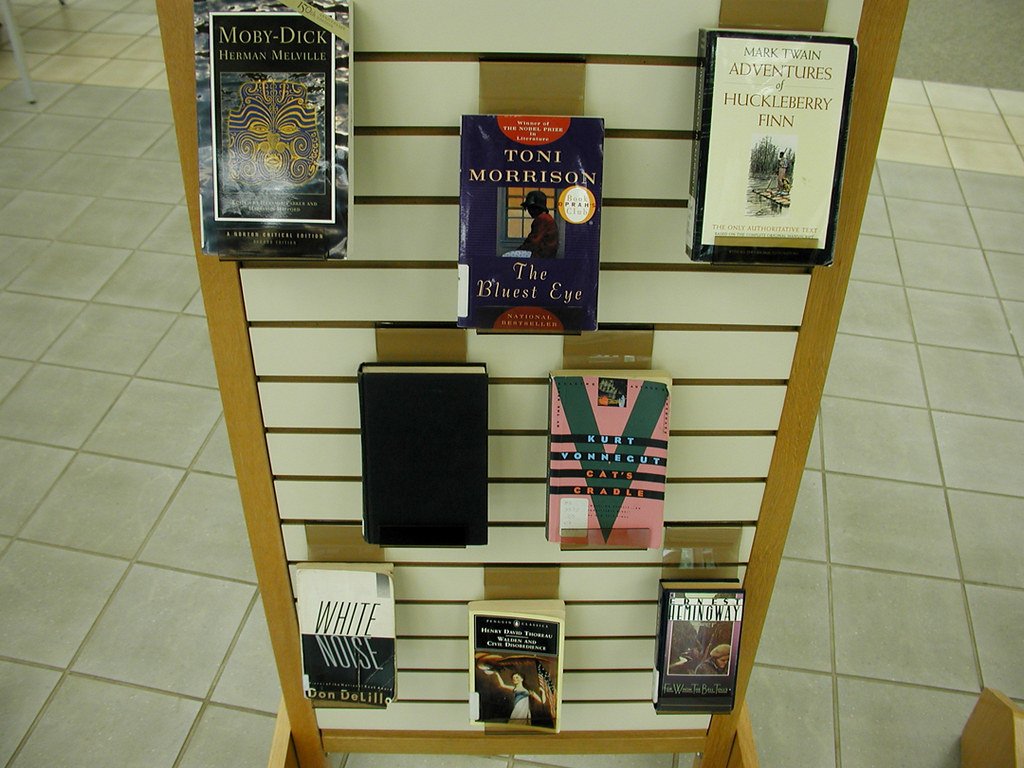
The American literary canon is not static. What was once considered essential reading is constantly being redefined. In the latest 2024 update from the Norton Anthology of American Literature, Styron’s work is no longer included. The canon’s evolution is shaped by cultural shifts, academic priorities, and reader interests, all of which have moved away from Styron’s style and themes.
End.

Besides founding Festivaltopia, Luca is the co founder of trib, an art and fashion collectiv you find on several regional events and online. Also he is part of the management board at HORiZONTE, a group travel provider in Germany.
