


- 10 Spring 2026 Shoe Trends Every Woman Should Know - August 20, 2026
- 10 Mind-Blowing Literary Theories That Change How You Read Classic Stories - August 20, 2026
- 12 Iconic Buildings Considered Architectural Marvels Around The World - August 20, 2026
Bookstores: The Beating Heart of Communities

American bookstores are not just businesses; they’re the living rooms of their neighborhoods. When you step inside, it’s like walking into a safe haven—a place where stories breathe and strangers become friends. According to the American Booksellers Association, the number of independent bookstores in the U.S. grew by 34% from 2009 to 2024. People come for books, but they stay for book clubs, poetry nights, and the feeling of belonging. Bookstores often double as community centers, hosting everything from political forums to knitting circles. The hum of whispered conversations and the smell of freshly brewed coffee are just as important as the shelves of books. In cities and small towns alike, bookstores build bridges between neighbors who may never have spoken otherwise. They’re proof that people still crave connection in the age of screens.
The Resurgence After the Amazon Era
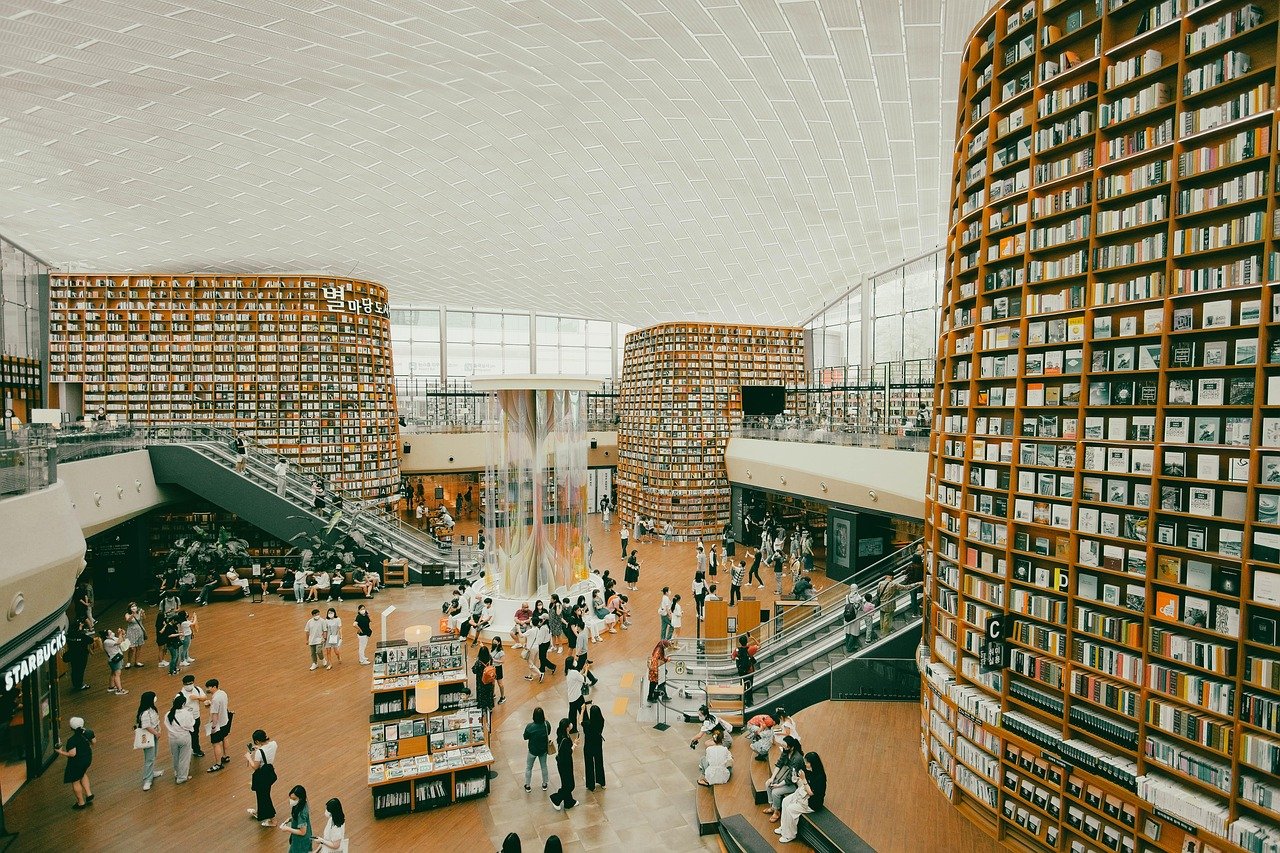
You might think Amazon killed the bookstore, but here’s the twist—bookstores are bouncing back. After a brutal decade, independent bookstores have made a surprising comeback, with more than 2,500 locations open today, according to 2024 ABA data. This rebound is driven by a craving for authentic experiences and the tactile joy of handling real books. Many shops now blend tradition with technology, offering online ordering and digital loyalty programs. The pandemic even spurred some stores to offer curbside pickups, keeping the lights on during tough times. Owners say their secret weapon is personal service—a recommendation from a trusted bookseller beats an algorithm any day. The result? A new golden age for indie shops, where survival means constant reinvention.
The Quirky Personalities Behind the Counters
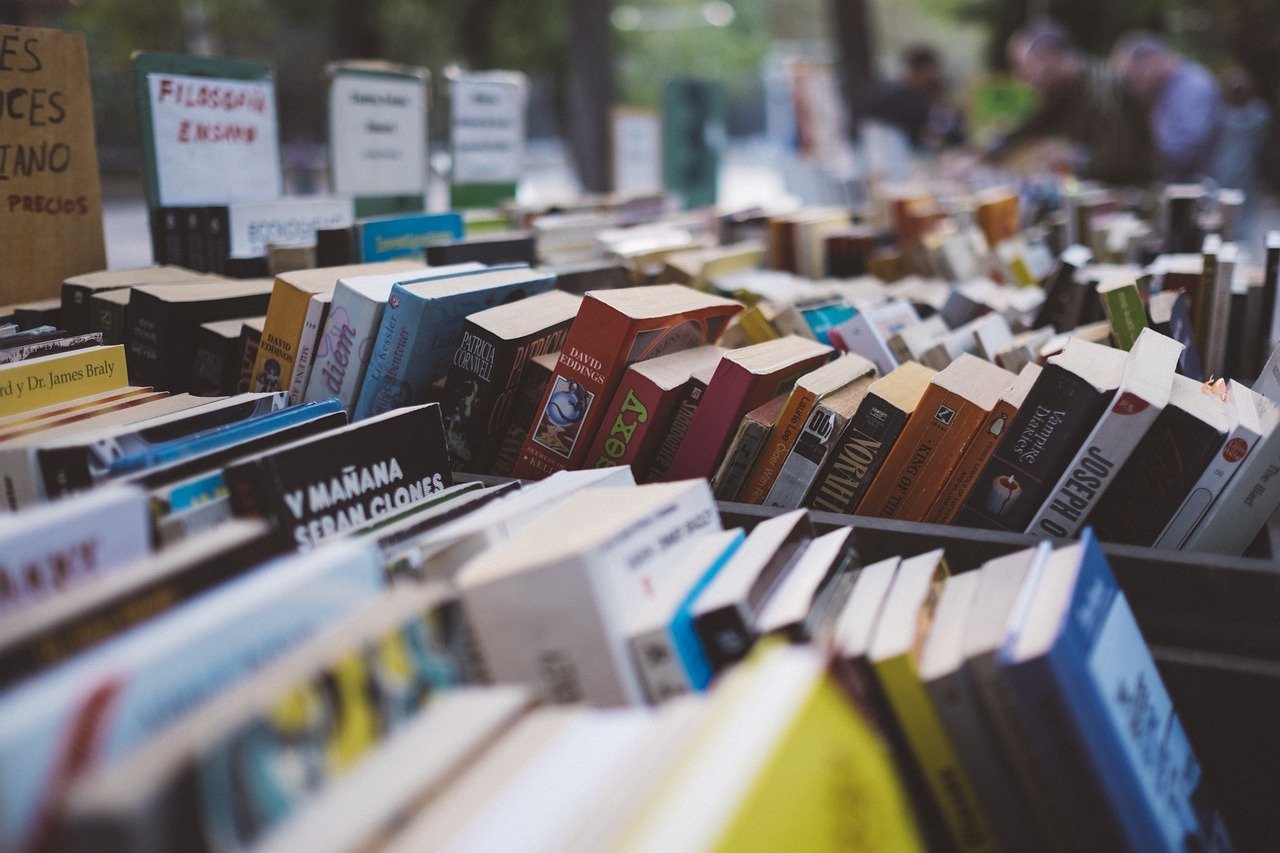
If you’ve ever chatted with a bookstore owner, you know they’re a rare breed. Many left secure jobs to chase their literary dreams, trading in briefcases for battered hardcovers. According to a 2023 Publishers Weekly survey, nearly 60% of indie bookstore workers have advanced degrees, bringing deep knowledge and passion to their work. They’ll remember your favorite author, your birthday, and the book you lent but never got back. Some dress in costumes for midnight releases, while others sneak handwritten notes into books as a kind of secret handshake. Their love for books is infectious, turning casual visitors into loyal regulars. The staff, not just the stock, make each store completely unique.
Bookstore Cats and Other Mascots

It’s not unusual to see a cat curled up on the counter or a dog wagging its tail by the door. Bookstore animals have become beloved mascots, drawing visitors who come just to see them. According to a 2024 ABA member poll, nearly 18% of independent bookstores have a resident pet. These furry friends add personality, spark conversations, and even make the news when they “review” new arrivals by napping on them. Some bookstores feature pet-themed events or even pet adoptions. Customers say these animals make the store feel like home—a place where you’re welcome to linger all afternoon.
The Hidden World of Rare and Used Books
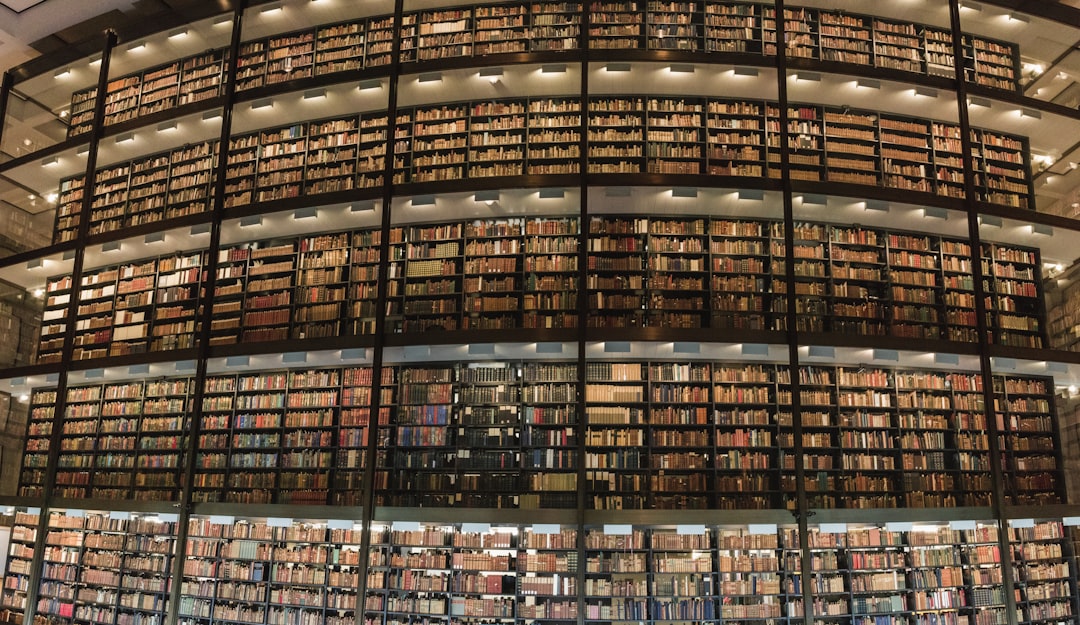
Beyond the bestsellers, many American bookstores have secret rooms or hidden shelves devoted to rare and used books. Some shops specialize in first editions, signed copies, or out-of-print treasures. In 2024, the Antiquarian Booksellers’ Association reported a 12% increase in collectible book sales in the U.S. Shops may quietly field requests from celebrity collectors or even researchers seeking lost manuscripts. There’s a thrill in the hunt—finding a forgotten classic or a book with a mysterious inscription. For many, this side of the bookstore feels like a literary treasure hunt, with surprises waiting behind every corner.
Events That Go Beyond Book Signings
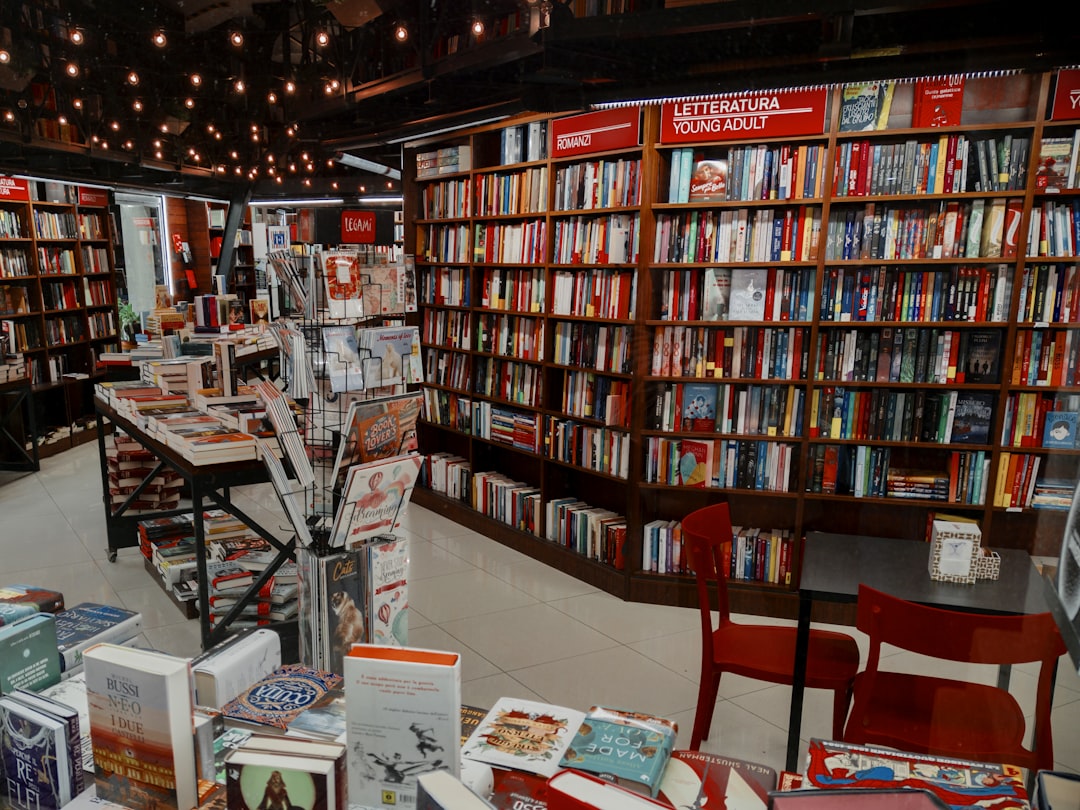
Bookstores have evolved into cultural hotspots, offering much more than author readings. Many now host trivia nights, art shows, open mic sessions, and even yoga classes. According to a 2023 ABA report, over 75% of independent bookstores organize regular community events. These gatherings often draw crowds who might never visit otherwise, turning first-timers into repeat customers. Some stores livestream events or partner with local businesses for joint promotions. The focus is on creating memorable experiences that can’t be downloaded or delivered. Bookstores are where culture comes alive, one event at a time.
Children’s Corners: Where New Readers Are Born
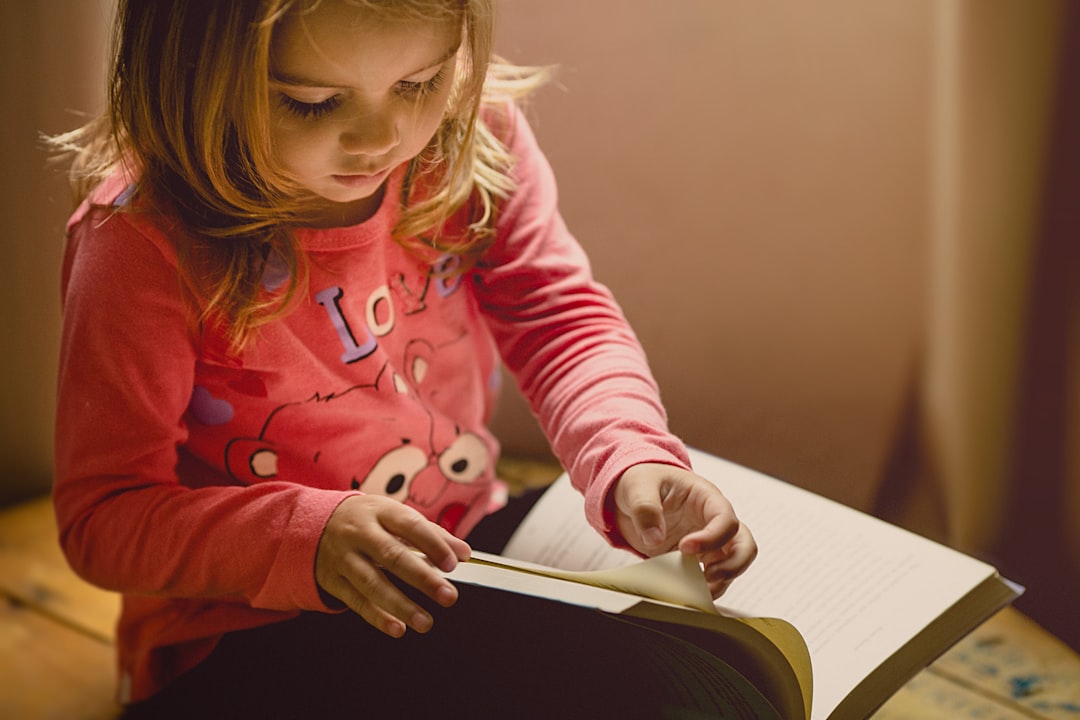
Nearly every bookstore has a magical nook just for kids—complete with beanbags, storytime sessions, and shelves at eye level. The Children’s Book Council notes that children’s book sales grew by 6% in 2023, with local stores playing a big part in that boom. Parents say these spaces spark a love of reading early, offering hands-on learning that screens can’t replicate. Some shops host baby storytimes, teen writing workshops, or even pajama parties. Kids leave with books—and often, a new favorite place to visit. These corners are incubators for future readers and dreamers.
Book Subscription Boxes: Bringing the Store to Your Door

Many American bookstores have jumped into the subscription game, curating monthly boxes for readers craving surprises. According to Statista, the U.S. book subscription market reached $1.2 billion in 2024. Stores hand-pick titles—sometimes including local authors, signed editions, or quirky extras like bookmarks and tea. Subscribers say it feels like getting a gift from a friend, not just a package from a warehouse. These boxes help bookstores reach new customers, especially in rural areas. They’re also a lifeline during slow months, keeping the cash registers ringing even when foot traffic dips.
Café Culture: Brewing More Than Coffee
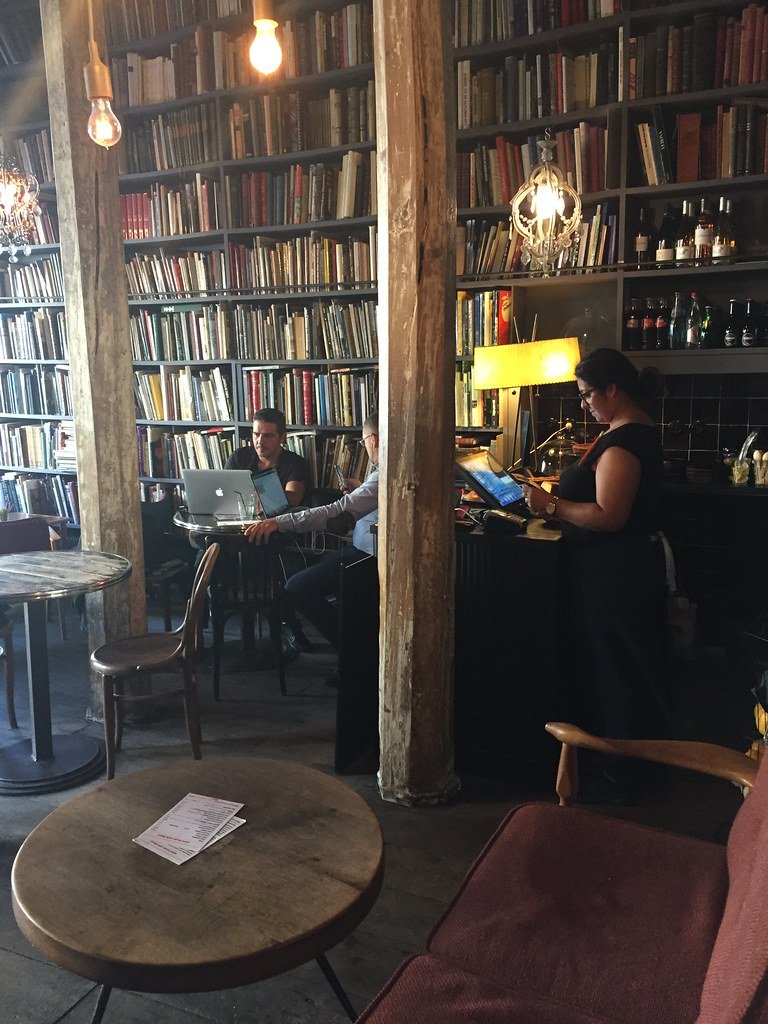
The best bookstores smell like books, yes—but often, also like fresh coffee and pastries. According to a 2024 survey by the National Coffee Association, nearly 30% of independent bookstores now operate a café or coffee bar. These spaces are magnets for students, freelancers, and anyone seeking a cozy spot to read or work. Some shops offer locally roasted beans or homemade treats, adding to their unique flavor. The café often becomes a social hub, where conversations flow as freely as the espresso. It’s a simple recipe: books plus coffee equals community.
Local Authors and Indie Publishers Find a Home
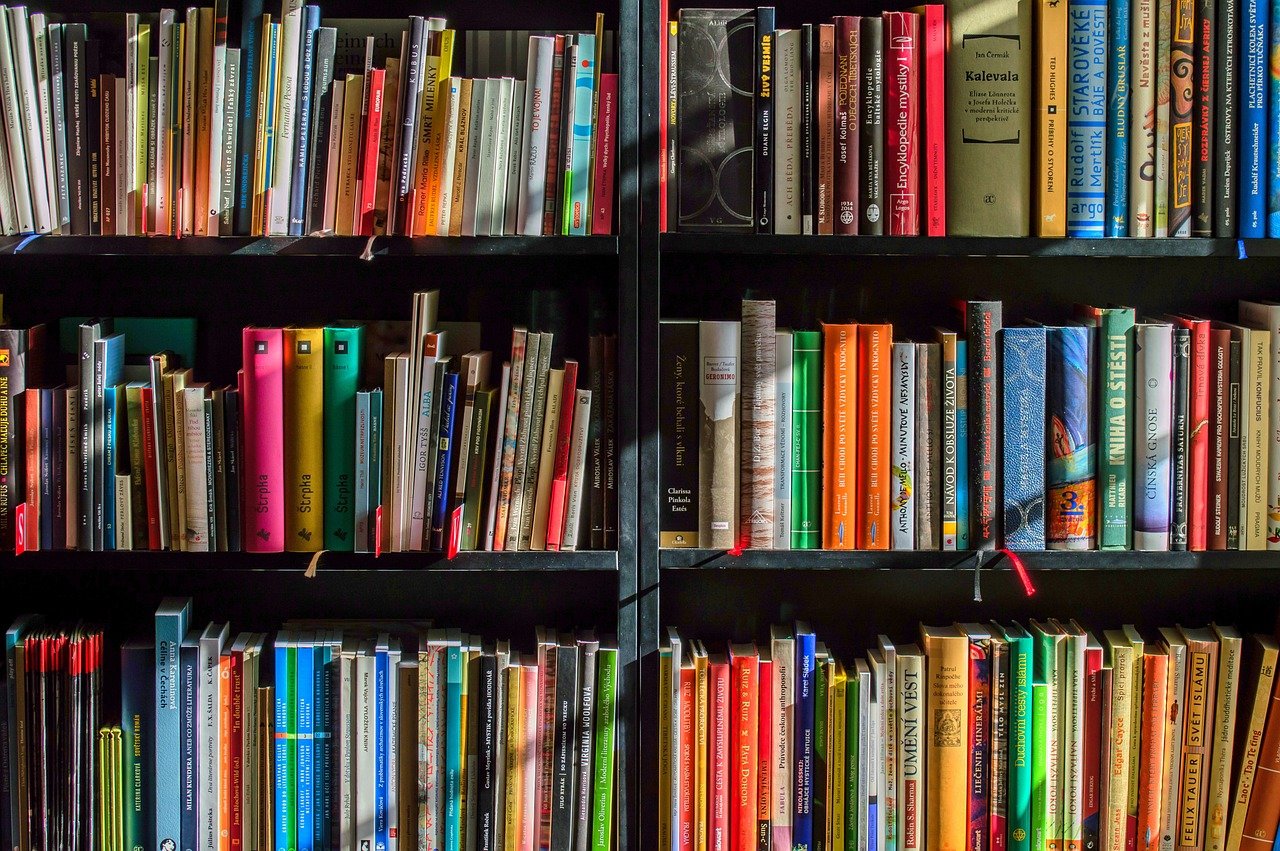
Big-box retailers focus on bestsellers, but indie bookstores champion local voices. In 2023, the ABA reported that nearly 65% of member stores prioritize stocking books from regional authors and small publishers. These partnerships help new writers find their audience and keep money in the local economy. Some shops host “local author days” or maintain special shelves for homegrown talent. Customers often discover gems they’d never find online. Bookstores become launchpads for new careers, proving that every bestseller started as someone’s unknown manuscript.
The Art of Bookstore Displays
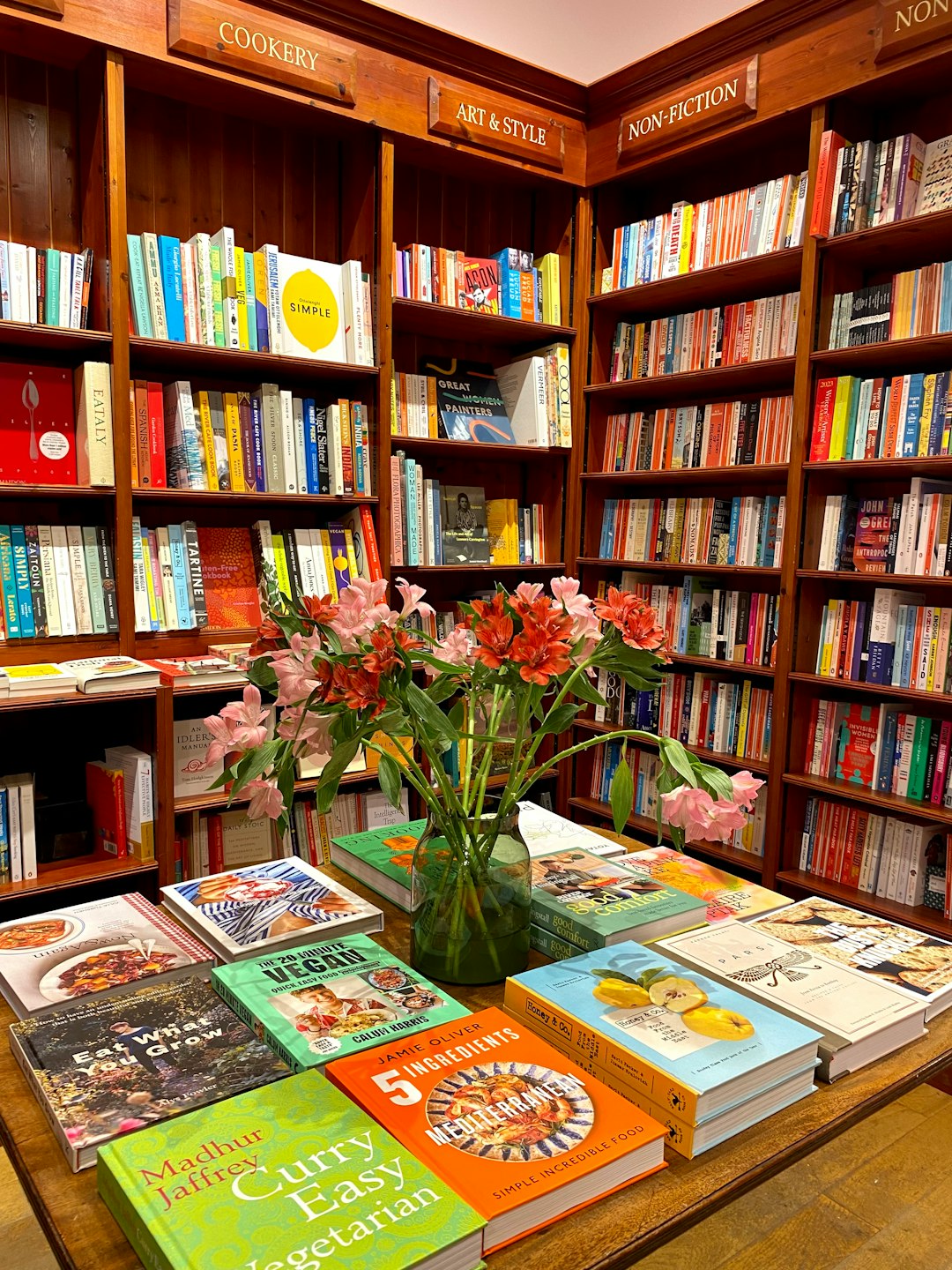
Step inside any American bookstore and you’ll notice the creative displays—artful stacks, themed tables, and handwritten staff picks. Visual merchandising is part science, part magic, with staff constantly rearranging to keep things fresh. According to a 2024 Nielsen BookData report, in-store displays influence 40% of impulse book purchases. Some stores tie displays to current events, local history, or viral TikTok trends. Others use props, vintage typewriters, or even handwritten poetry. These displays turn browsing into an adventure, guiding readers toward books they never knew they needed.
Fighting Banned Books and Censorship
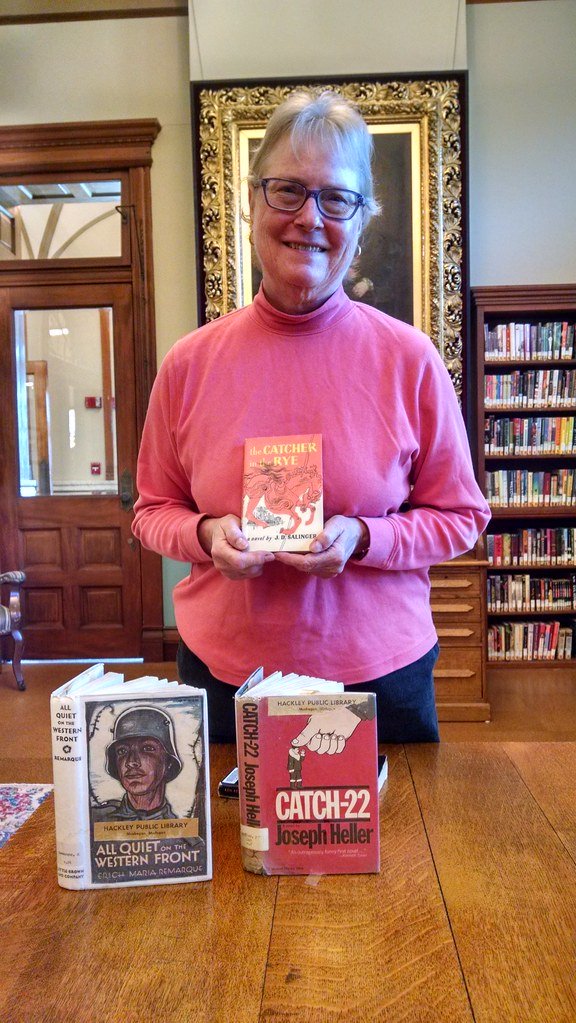
Bookstores are on the frontlines of the battle against censorship. According to the American Library Association, book bans surged by nearly 50% in the U.S. in 2023. Many bookstores respond by creating banned book displays, hosting free speech forums, or partnering with advocacy groups. Staff say customers are often shocked to learn how many titles are challenged each year. For many, supporting bookstores becomes an act of resistance—a way to defend the right to read freely. The fight for intellectual freedom is more urgent than ever, and bookstores aren’t backing down.
Sustainability Efforts Behind the Scenes
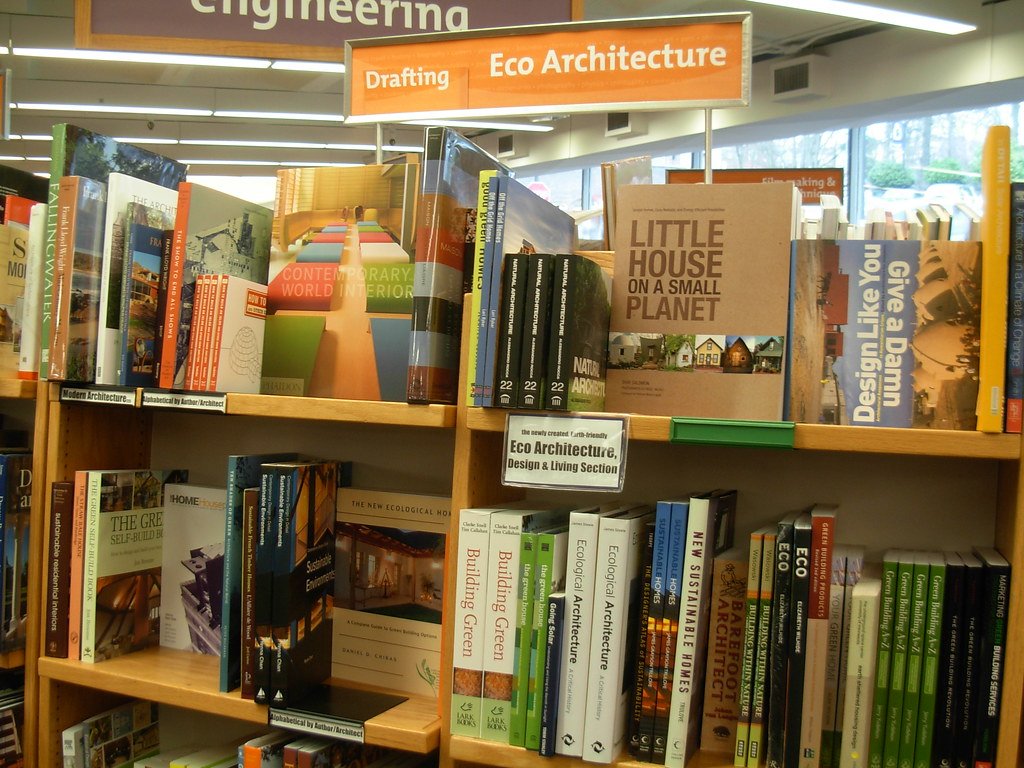
Eco-consciousness is shaping the way bookstores operate. The Green Press Initiative reports that more than 30% of indie bookstores now use recycled paper, energy-efficient lighting, or green cleaning products. Some shops encourage customers to bring reusable bags, offer discounts for used books, or even host recycling drives. Owners say sustainability isn’t just about ethics—it’s smart business, as customers increasingly seek out eco-friendly options. The goal is to make bookstores greener without sacrificing charm or comfort.
The Role of Bookstore Cooperatives
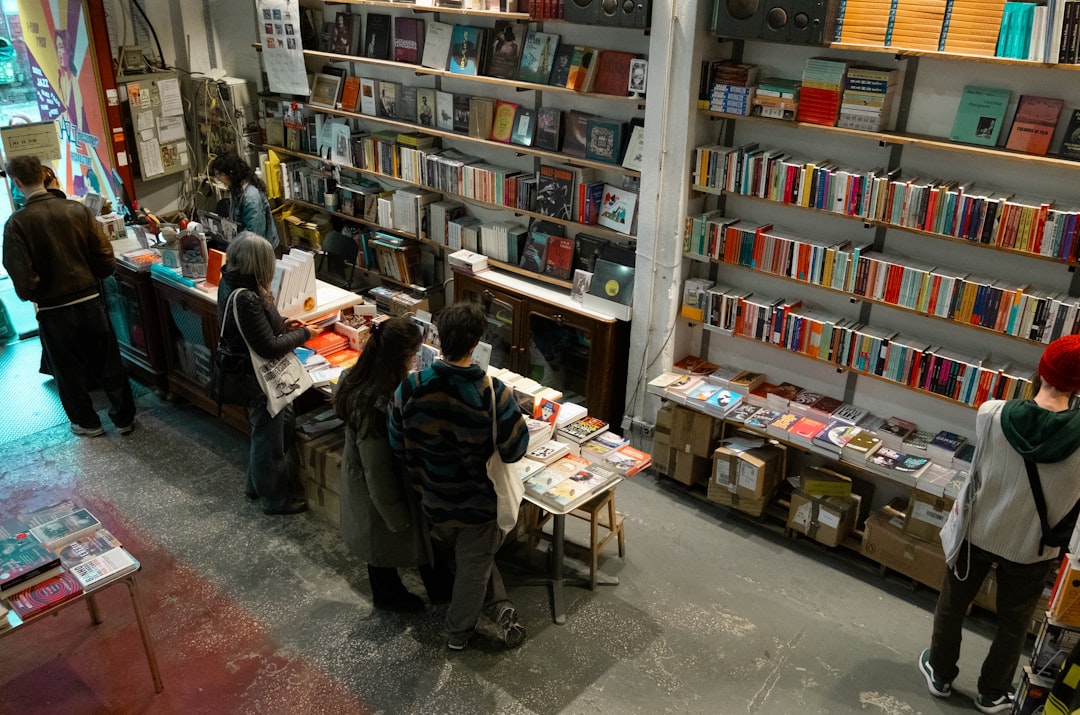
Some American bookstores are owned by their communities, not just by single individuals or families. Cooperative models—where employees or customers share ownership—have grown more popular since the pandemic. According to the U.S. Federation of Worker Cooperatives, there are now over 70 bookstore co-ops nationwide. These stores often reinvest profits into staff wages or community projects. Members vote on major decisions, creating a sense of shared responsibility. Co-ops prove that bookstores can thrive on collective energy and shared vision.
Technology in the Aisles: From eBooks to Inventory Apps
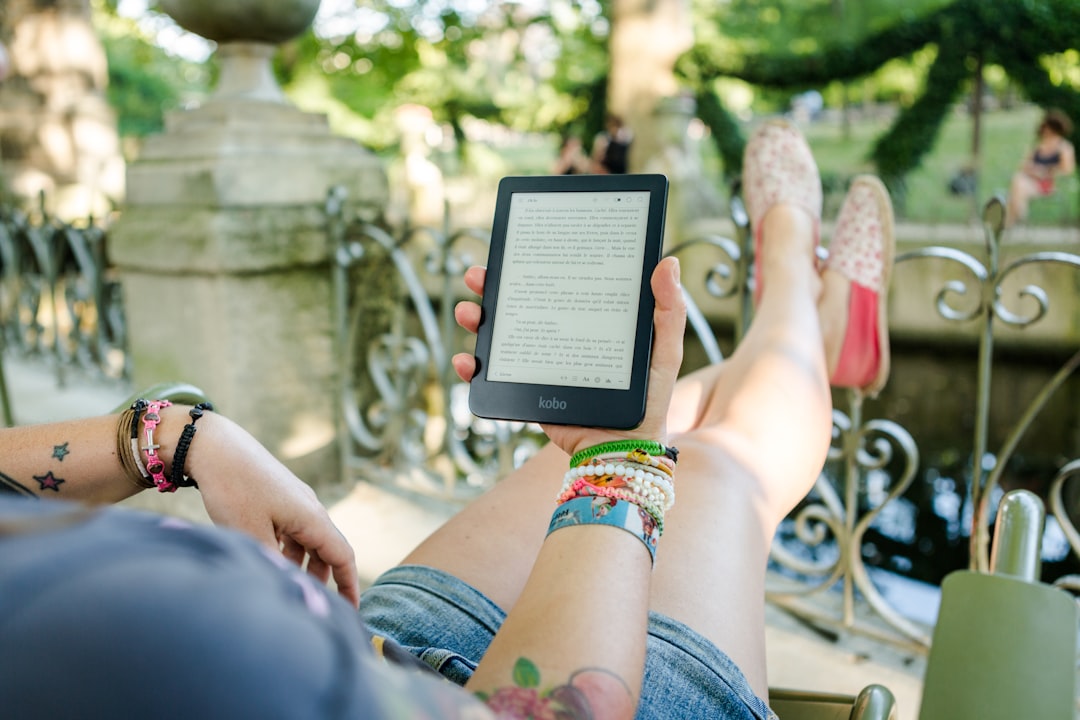
Bookstores have embraced technology in surprising ways. Many now offer eBook downloads, audiobooks, and QR codes that link to staff reviews or author interviews. According to the ABA, 52% of indie stores use digital inventory systems to keep better track of stock and trends. Some shops experiment with virtual reality book tours or livestreamed readings. Technology doesn’t replace the magic of browsing, but it helps stores compete in a fast-changing market. It’s a blend of old and new, analog and digital.
Surviving Gentrification and High Rents
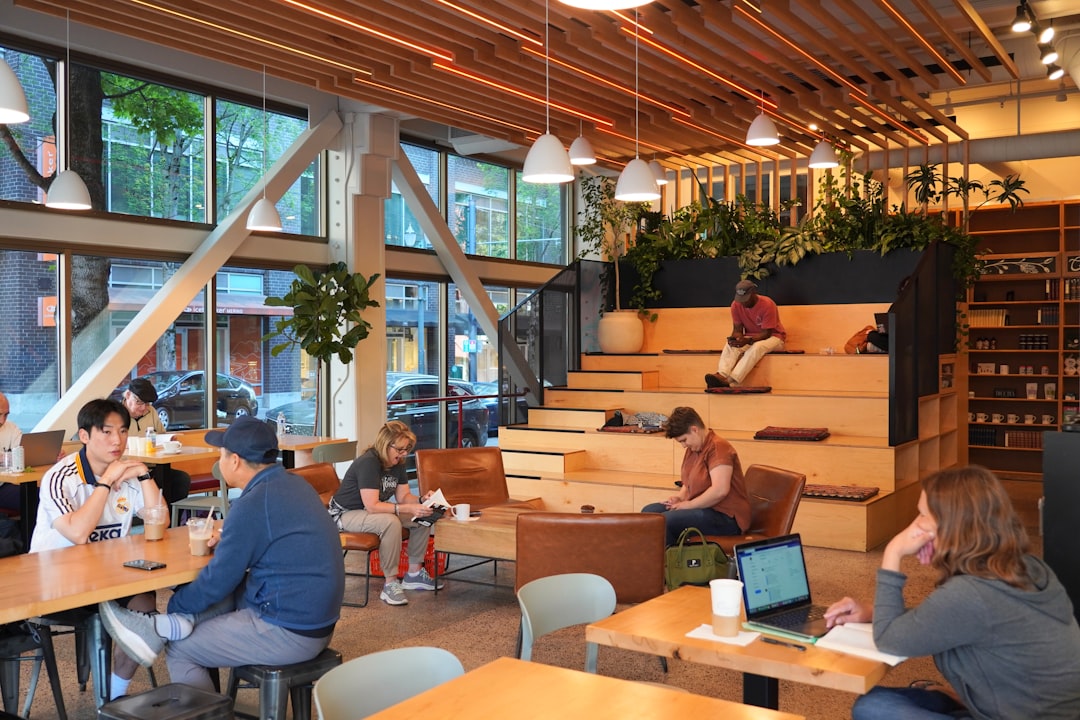
Rising rents and changing neighborhoods threaten many beloved bookstores. A 2024 Urban Land Institute study found that more than 20% of independent bookstores in urban areas have relocated or downsized due to gentrification. Owners get creative—crowdfunding renovations, moving to shared spaces, or negotiating with landlords. Community fundraising campaigns have saved more than a few shops from closing. Each store that survives is a testament to the loyalty of its patrons and the resourcefulness of its owners.
Bookstores as Political and Social Hubs

Bookstores have always been places for big ideas and heated discussions. In recent years, they’ve become gathering points for activism—hosting voter registration drives, diversity workshops, or panels on social justice. According to the ABA, over 40% of member stores held political events in 2023. Staff say these events can be polarizing but also bring new audiences through the door. The bookstore becomes more than a shop—it’s a stage for democracy in action.
The Rise of “BookTok” and Social Media Buzz
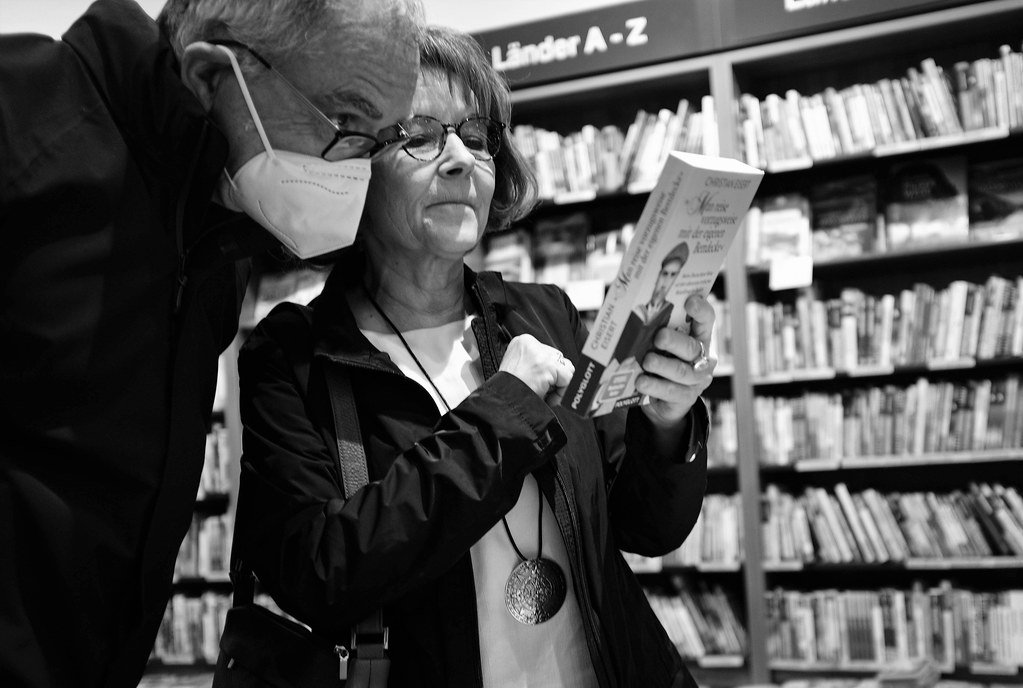
Social media, especially “BookTok” on TikTok, is driving new waves of readers into bookstores. A 2023 Publishers Weekly report found that 64% of indie bookstores saw increased sales of titles trending on BookTok. Staff scramble to keep up with viral hits, sometimes selling out overnight. Some shops even create special BookTok tables, encouraging customers to post their finds. Social media gives small stores a global reach, helping them punch above their weight in a crowded market.
Pop-Up Bookstores and Mobile Book Vans
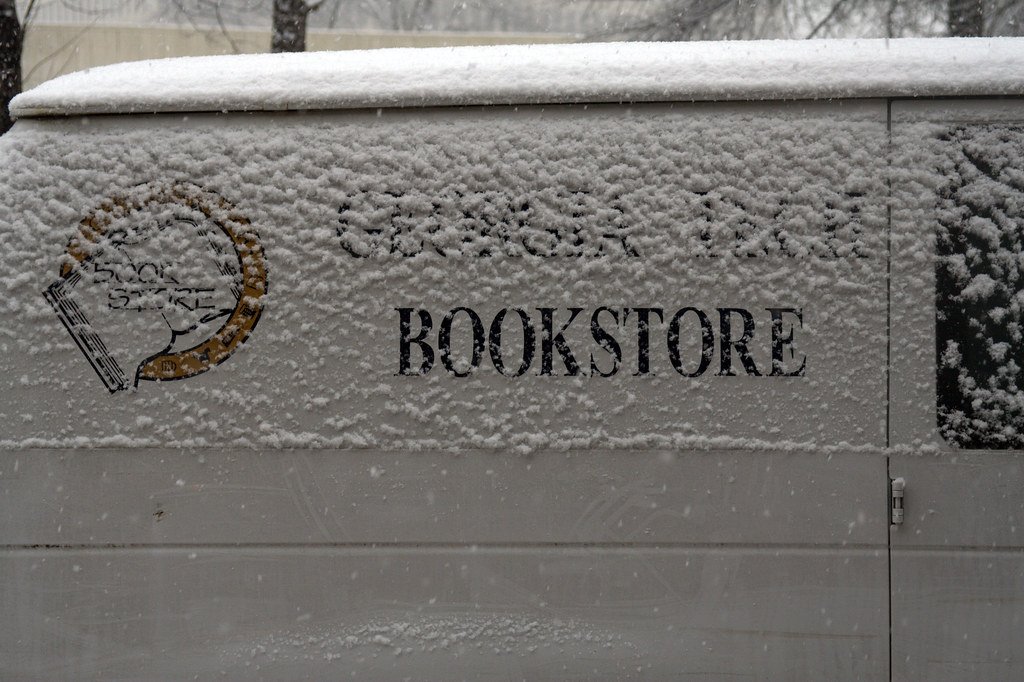
Pop-up shops and book vans are bringing literature to unlikely places—farmers’ markets, music festivals, even laundromats. According to a 2024 ABA survey, there are now more than 150 mobile bookstores operating nationwide. These ventures make books accessible to people who might not have a local shop nearby. Owners say they love the freedom and flexibility, even if it means facing rain, heat, or curious dogs. Pop-ups prove that the bookstore spirit can thrive anywhere wheels or tables can go.
The Secret Economy of Bookstore Swaps and Trades
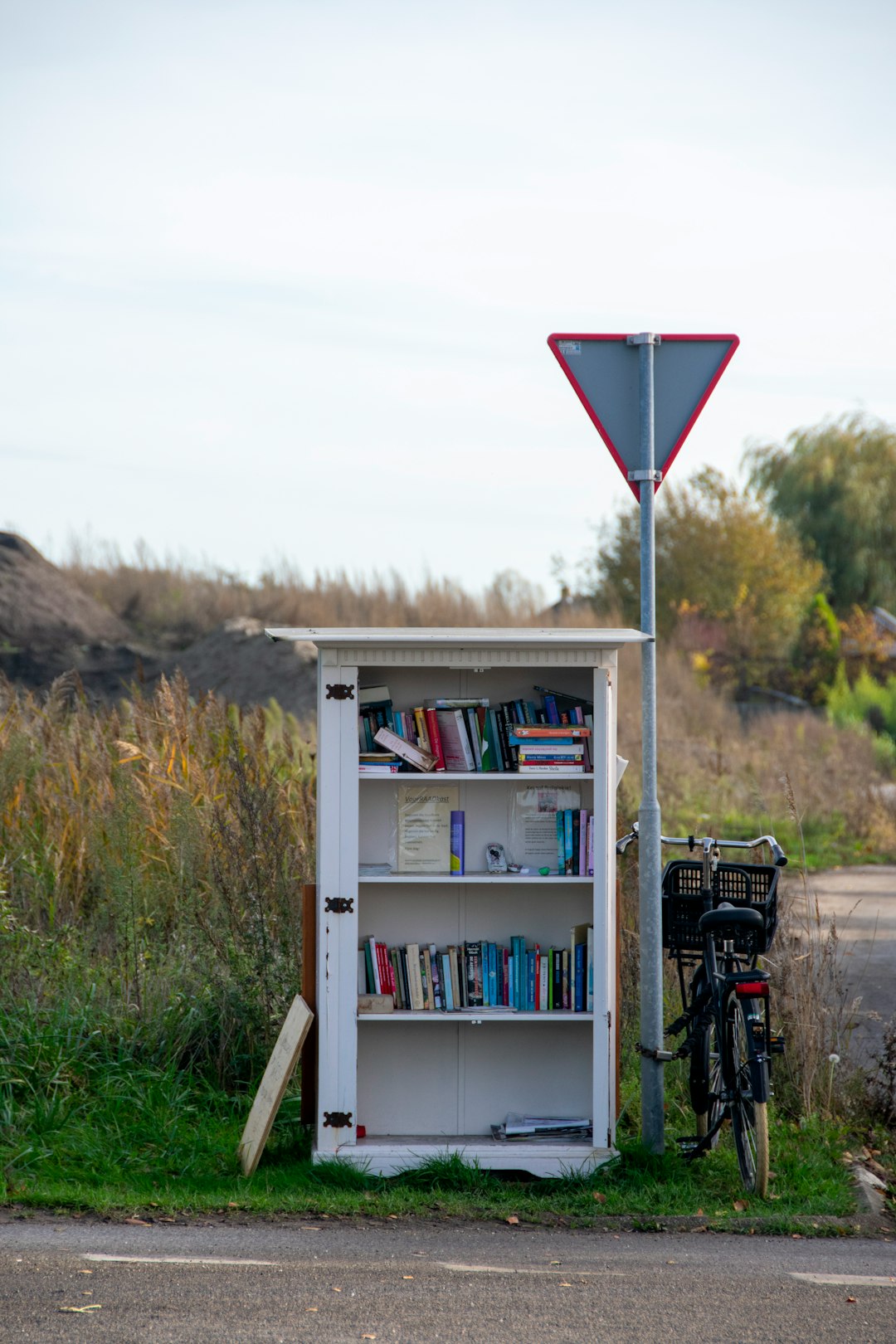
Many American bookstores quietly run trade-in programs, allowing customers to swap used books for store credit. According to a 2023 Book Industry Study Group report, nearly 40% of independent shops offer some form of book exchange. These programs keep books in circulation, attract bargain hunters, and introduce readers to unexpected finds. Some stores even host swap parties, turning a simple trade into a festive event. The barter system keeps books affordable and ensures no story sits unloved for long.
Staff Picks: The Human Touch in a Digital Age
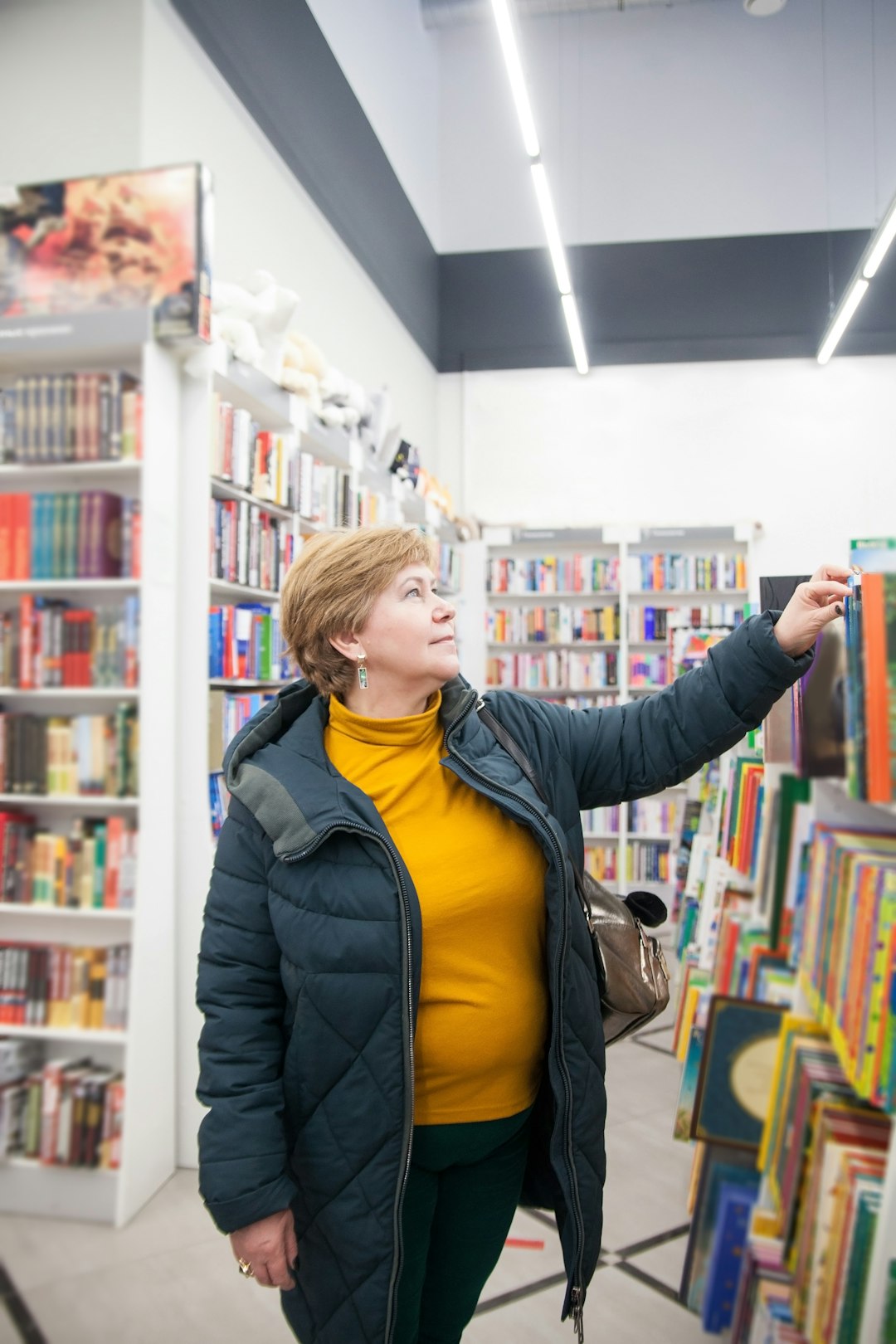
Perhaps the most beloved feature of any bookstore is the “Staff Picks” shelf—a curated collection of favorites, complete with handwritten notes. According to a 2024 Nielsen survey, shoppers are 35% more likely to buy a book recommended by a staff member than by an online algorithm. These picks often spotlight overlooked gems or local authors. Customers say the personal touch makes each visit feel like a conversation with a trusted friend. In a world of endless choices, human curation cuts through the noise and keeps the magic of discovery alive.

Besides founding Festivaltopia, Luca is the co founder of trib, an art and fashion collectiv you find on several regional events and online. Also he is part of the management board at HORiZONTE, a group travel provider in Germany.
