


For any feedback please reach out to info@festivalinside.com
- 10 Music Videos That Changed How We See the Song - September 20, 2026
- 20 Books That Went Viral Before Going to Print - September 20, 2026
- Top 10 Movie Soundtracks of All Time - September 20, 2026
Game of Thrones: When Dragons Met Disappointment

The most watched finale in HBO history became one of the most controversial. Game of Thrones’ final episode “The Iron Throne” brought in a series record of 19.3 million viewers, but the series finale pulled in just a 56% critical approval rating on Rotten Tomatoes, ranking as one of the most disliked episodes in series history. Season 8 itself averaged a 69% approval rating, making it the lowest-rated season in the show’s history. The rushed pacing of the final season, particularly Daenerys’ transformation into the Mad Queen, left longtime fans feeling betrayed.
What made this finale particularly divisive was how it handled character arcs that had been building for years. The final season of HBO’s television adaptation of George R.R. Martin’s “A Song of Ice and Fire” was widely criticized by fans who felt the pacing and its treatment of previous character developments were not up to par. Still, the show continued to have record-breaking viewership. Despite the massive viewership numbers, many felt the writers had betrayed the careful character development that made the show a phenomenon in the first place.
How I Met Your Mother: The Mother Who Wasn’t
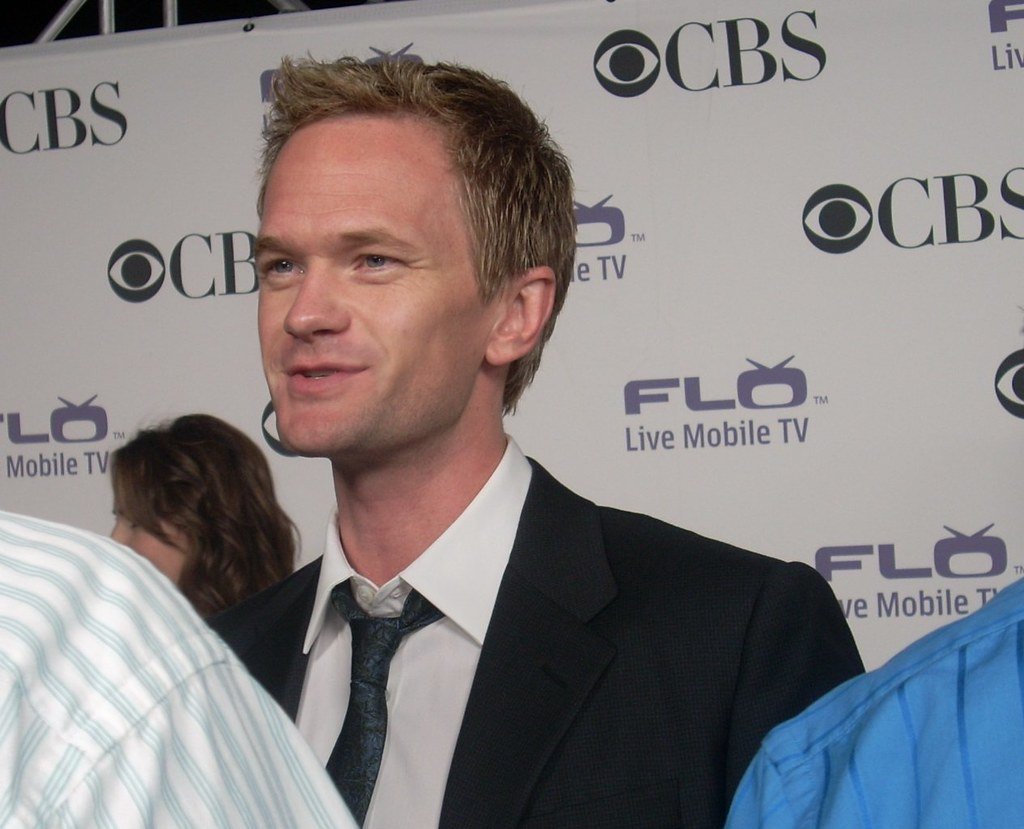
After nine seasons of buildup, How I Met Your Mother had its Last Forever – Part Two as the highest viewed episode, being watched by 13.13 million viewers. Yet this finale became one of the most criticized endings in television history. The nine-season run of the show concluded and HIMYM’s ending was criticized for undoing the main characters’ arcs by minimizing the eagerly-awaited first meeting of hopeless romantic Ted Mosby and the Mother, Tracy McConnell, and instead reuniting him with on-off love interest Robin Scherbatsky.
The controversy stemmed from a fundamental storytelling issue that plagued the show from early on. This concept proved to be the instigator of the biggest problem for HIMYM since Ted’s kids had to film their finale reactions as early as season 2. Consequently, the show’s ending had already been predetermined, and its key elements were set in stone very early on. It made the entire series an elaborate fake-out, setting up an elaborate story that was not, in the end, what it purported to be about.
Lost: The Island of Unanswered Questions
In its original American broadcast, “The End” was viewed by 13.5 million households with a 5.8 rating/15% share in the 18–49 demographic, coming first in every time slot and boosting ABC to the highest rated network on Sunday. However, “The End” provoked an immediate response, and received a strongly polarized reaction from both fans and TV critics alike. Response to the episode was positive and negative in equal measures, both in the United States and internationally.
The main source of controversy was the spiritual nature of the ending. The main focus of the finale ended up to be the reveal that the “flash sideways” storyline was tracking the characters in purgatory before reuniting in a church and journeying to the afterlife together. Just about every outlet you can imagine published a “Lost questions unanswered” piece and it suffered some negative reviews. Many fans felt cheated because they had invested years trying to solve the island’s mysteries, only to have the finale focus on spiritual resolution rather than scientific explanations.
The Sopranos: The Cut That Divided a Nation
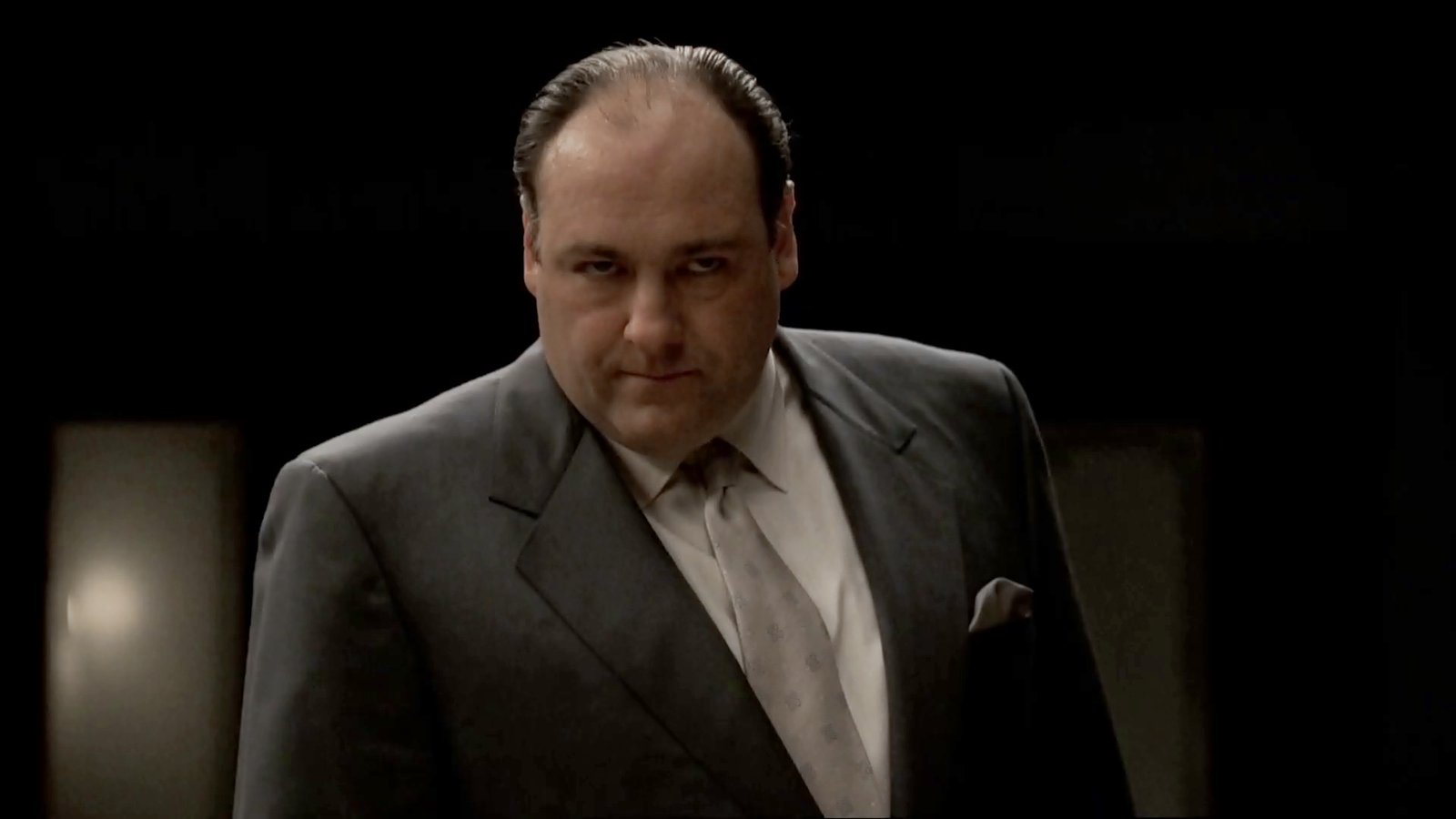
The infamous cut-to-black ending of The Sopranos became one of the most debated finales in television history. The ambiguous ending left viewers wondering whether Tony Soprano had been killed or if the show was simply ending on an everyday moment. This finale established HBO as a network willing to challenge conventional storytelling, but it also frustrated audiences who expected clear resolution.
The genius of the ending was also its weakness – it trusted viewers to draw their own conclusions about Tony’s fate. Some saw it as a brilliant commentary on the uncertainty of life, while others felt it was an incomplete story. The debate continues to rage among fans more than a decade later, with arguments on both sides about what the final scene truly meant.
Dexter: The Lumberjack That Chopped Down a Legacy
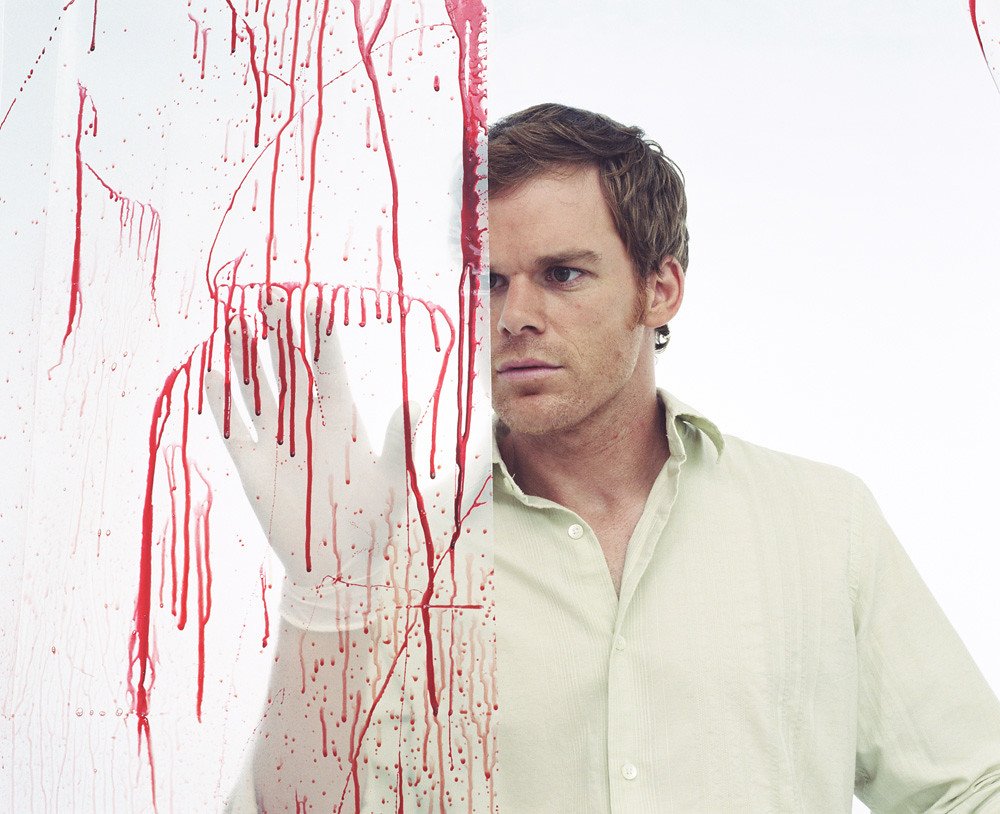
The original Dexter finale was widely considered one of the worst endings in television history. After eight seasons of following the meticulous serial killer, the finale saw Dexter Morgan faking his death and becoming a lumberjack in Oregon. This ending felt completely out of character for a show that had built its reputation on careful plotting and psychological complexity.
The 2021 revival series “Dexter: New Blood” attempted to fix the original ending but ended up creating new controversies. This time, Dexter was killed by his own son, which some fans felt was a fitting end while others believed it was too bleak. The fact that the show needed a revival to address fan complaints about the original ending speaks to how divisive that finale truly was.
Seinfeld: The Trial That Tried Our Patience

Juliald.jpg: Albert Domasin from Los Angeles, united states
Michael_Richards_(1993).jpg: Alan Light
Jason_Alexander_plays_Annie_Duke_s_charity_event_at_the_2009_WSOP.jpg: flipchip / LasVegasVegas.com
derivative work: TheCuriousGnome (talk), CC BY-SA 3.0, https://commons.wikimedia.org/w/index.php?curid=16557546)
As the finale of the most popular sitcom of the 1990s, Seinfeld’s ending had enormous expectations to meet. The meta-ending where Jerry, George, Elaine, and Kramer were put on trial for their selfishness throughout the series felt like a harsh judgment on characters viewers had grown to love despite their flaws.
The finale brought back numerous guest stars from the show’s history to testify against the main characters, creating a courtroom drama that many felt was too serious for a comedy. While some appreciated the moral reckoning, others felt it was preachy and went against the show’s “no hugging, no learning” philosophy that had made it successful.
Battlestar Galactica: Angels and Algorithms
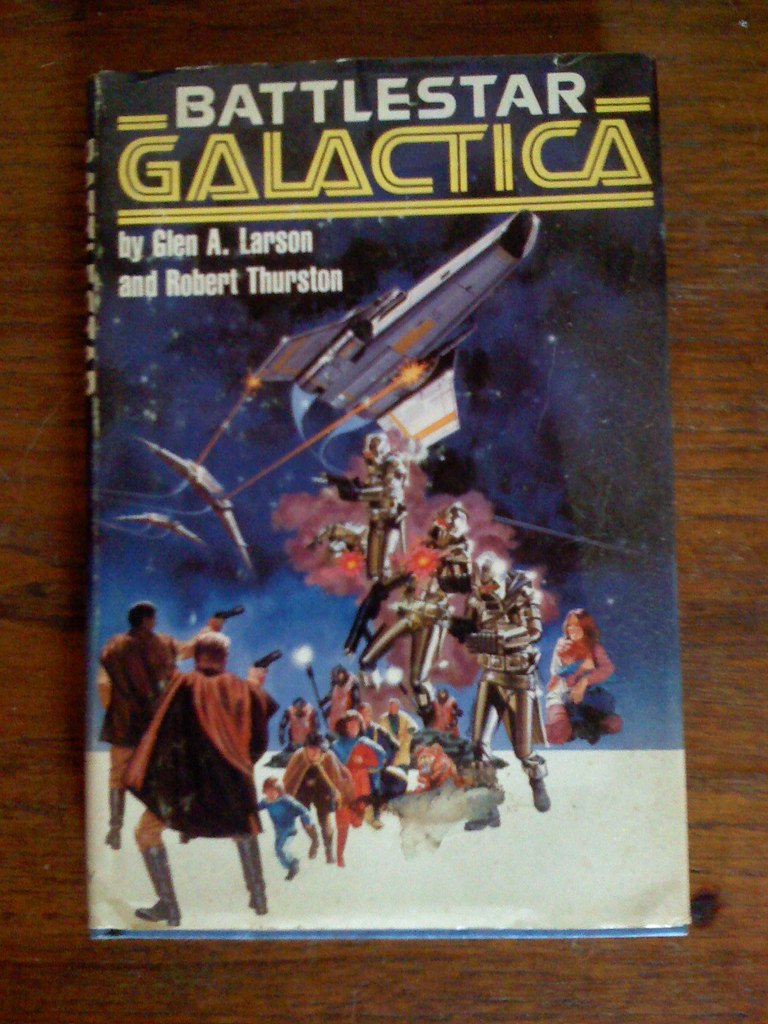
The reimagined Battlestar Galactica was praised for its hard science fiction approach, which made the mystical finale all the more controversial. The revelation that certain characters were angels and that divine intervention had been guiding events throughout the series divided the science fiction community.
The ending also featured the survivors abandoning all their technology to start over on prehistoric Earth, which many fans found unsatisfying after following their technological struggles for four seasons. While some appreciated the spiritual themes, others felt it betrayed the show’s scientific foundations and rational approach to storytelling.
The X-Files: The Truth That Wasn’t Out There

The X-Files had not one but two controversial finales. The original 2002 finale left major plot threads unresolved, particularly the alien colonization storyline that had been building for nine seasons. When the show returned in 2016-2018, the new finale created fresh controversies by changing established mythology and creating new plot holes.
Both finales suffered from the same problem: they promised answers but delivered more questions. For a show built on conspiracy theories and the search for truth, the inability to provide satisfying resolutions to long-running mysteries left fans feeling betrayed. The mythology that had made the show compelling became its biggest weakness in the end.
Mad Men: The Zen of Advertising

Mad Men’s finale was divisive precisely because it was ambiguous. Don Draper’s meditation retreat ending with him apparently creating the famous “I’d Like to Buy the World a Coke” commercial left viewers debating whether he had found peace or simply returned to his old ways with a new perspective.
Some fans loved the subtlety and open-ended nature of the conclusion, seeing it as perfectly fitting for a show about the complexity of human nature. Others felt cheated by the ambiguity, wanting a clearer resolution to Don’s character arc. The debate over whether the ending was brilliant or anticlimactic continues to divide the show’s fanbase.
True Blood: A Bloody Mess of Time Jumps

True Blood’s finale felt rushed and unsatisfying to many fans. The time-jump ending that showed Sookie married to an unnamed man while Bill chose to die felt like it dismissed the central relationship that had driven the show for seven seasons.
The finale also struggled with wrapping up numerous subplots and character arcs in a single episode. Many supporting characters received conclusions that felt unearned or out of character. The show’s decline in quality during its later seasons made the disappointing finale feel like a fitting end to a series that had lost its way.
Star Trek: Enterprise: The Holodeck Betrayal

Perhaps no finale was more universally reviled than Star Trek: Enterprise’s “These Are the Voyages.” The decision to make the series finale a holodeck episode featuring characters from The Next Generation felt like a betrayal of the Enterprise cast and crew.
The episode also killed off a major character, Commander Tucker, in what many fans felt was a meaningless death. Rather than celebrating the conclusion of Enterprise’s journey, the finale seemed to dismiss the show’s importance in favor of nostalgia for a previous series. It remains one of the most criticized finales in Star Trek history.
Roseanne: The Fiction Within Fiction

The original Roseanne finale in 1997 revealed that the entire series had been a story written by Roseanne Conner, with major elements changed from “reality” – including the fact that Dan had actually died from his heart attack a season earlier. This meta-fictional twist divided audiences between those who appreciated the complexity and those who felt deceived.
When the show was revived in 2018, only to be cancelled again and reimagined as “The Conners,” the handling of Roseanne’s exit created new controversies. The show’s attempts to address real-world issues through its fictional framework have consistently divided audiences about what constitutes appropriate storytelling.
St. Elsewhere: The Snow Globe That Melted Hearts

The revelation that the entire St. Elsewhere series had been the imagination of an autistic boy looking into a snow globe is one of the most famous “it was all a dream” endings in television history. While some praised the creativity and emotional impact, others felt it invalidated everything they had invested in the show.
The ending also had ripple effects throughout television, as St. Elsewhere had crossed over with numerous other shows, theoretically placing much of television in the same snow globe. This meta-fictional implication either enhanced or diminished the finale’s impact depending on how viewers felt about such narrative tricks.
Killing Eve: The Death That Killed Romance

Killing Eve’s finale proved that even critical darlings can stumble at the finish line. Villanelle’s sudden death just as she and Eve were finding their way to each other felt like a betrayal of the central relationship that had driven the show’s success.
The finale seemed to punish its queer characters just as they were achieving happiness, falling into the “bury your gays” trope that many fans had hoped the show would avoid. The abrupt ending left many feeling that the show had lost its way in its final season, culminating in a finale that felt more like a punishment than a conclusion.
Sherlock: The Mind Palace That Collapsed
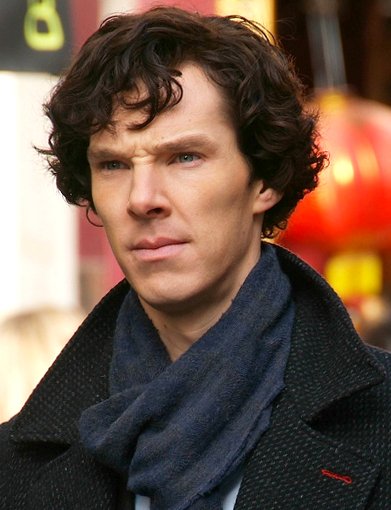
Sherlock’s final episode “The Final Problem” disappointed many fans who had come to expect clever mysteries and logical solutions. The introduction of Eurus Holmes and her elaborate psychological games felt convoluted compared to the elegant plotting of earlier seasons.
The finale’s focus on Sherlock’s emotional journey rather than his deductive abilities divided fans between those who appreciated the character development and those who preferred the intellectual puzzles. The long waits between seasons had raised expectations to nearly impossible levels, making any finale likely to disappoint some viewers.
How to Get Away with Murder: The Verdict on Annalise
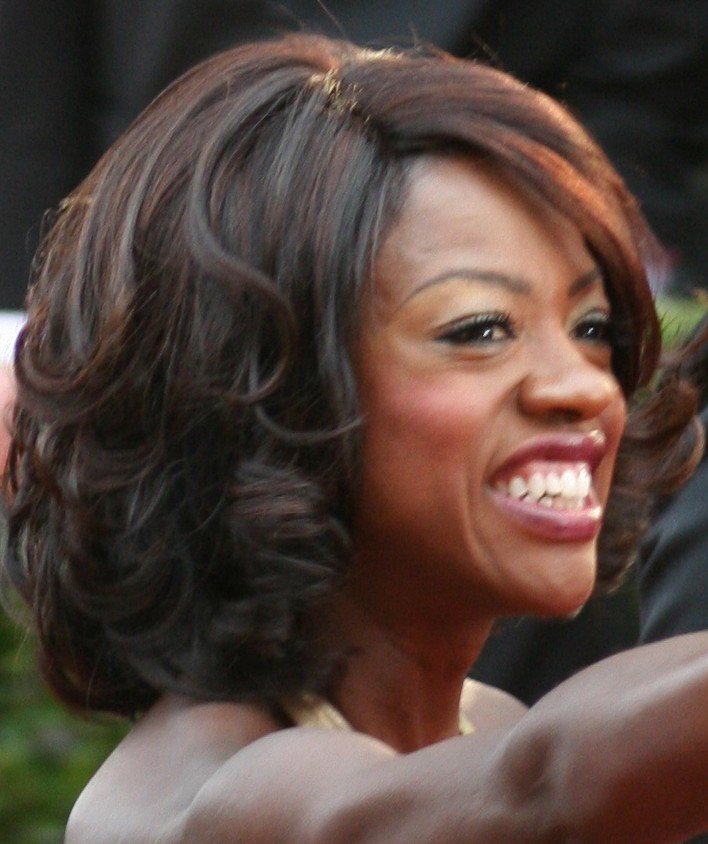
The finale of How to Get Away with Murder divided audiences over whether Annalise Keating deserved the ending she received. The flash-forward revelation of her death and the circumstances surrounding her trial created debates about justice and redemption.
Some viewers felt that Annalise’s ending was fitting for a character who had done terrible things, while others believed she deserved happiness after everything she had endured. The moral complexity that made the show compelling also made its finale difficult to judge definitively.
Gossip Girl: The Blogger Behind the Curtain

The revelation that Dan Humphrey had been Gossip Girl all along felt contrived and inconsistent with the show’s established timeline. Many plot points from earlier seasons made little sense when viewed through the lens of Dan being the anonymous blogger.
The finale also struggled with the show’s evolution from teen drama to adult soap opera, with character motivations that felt forced rather than organic. The attempt to provide a shocking twist ended up creating more plot holes than it resolved, leaving many fans unsatisfied with the series’ conclusion.
The 100: Transcendence or Betrayal?

The 100’s finale introduced the concept of transcendence into a hive-mind, which many fans felt was inconsistent with the show’s themes of survival and human choice. The science fiction elements that had grounded the series gave way to more mystical concepts that didn’t feel earned.
The decision to have some characters choose to remain human while others transcended created a bittersweet ending that satisfied some viewers while disappointing others. The philosophical implications of the ending continue to divide fans about whether it was a fitting conclusion to the series’ journey.
Ozark: The Darkness That Consumed Everything

Ozark’s finale was divisive for its unrelentingly dark tone and the Byrde family’s ultimate fate. While Marty and Wendy survived physically, many felt they had lost their souls in the process, making their “victory” feel hollow.
The finale’s violence and moral ambiguity reflected the show’s overall themes, but some viewers wanted more hope or redemption for the characters they had followed for four seasons. The ending’s suggestion that the family would continue their criminal lifestyle indefinitely felt like a betrayal of any possibility for growth or change.
Twin Peaks: The Return: A Scream That Echoed Through Time

David Lynch’s return to Twin Peaks after 25 years created a finale that was vintage Lynch – surreal, open-ended, and deeply unsettling. Laura Palmer’s scream and Cooper’s confused “What year is this?” left viewers with more questions than answers.
The finale’s dreamlike quality and refusal to provide clear explanations divided audiences between Lynch devotees who appreciated the artistic vision and casual viewers who wanted resolution. The ending’s ambiguity ensures that debates about its meaning will continue for years to come, which may have been Lynch’s intention all along.

Christian Wiedeck, all the way from Germany, loves music festivals, especially in the USA. His articles bring the excitement of these events to readers worldwide.
For any feedback please reach out to info@festivalinside.com
