

- 7 Movie Endings That Were Changed at the Last Minute - September 20, 2026
- Why Some Songs Hit Harder at Night - September 20, 2026
- The 20 Authors Who Predicted the Future Without Trying - September 20, 2026
1. Pauli Murray
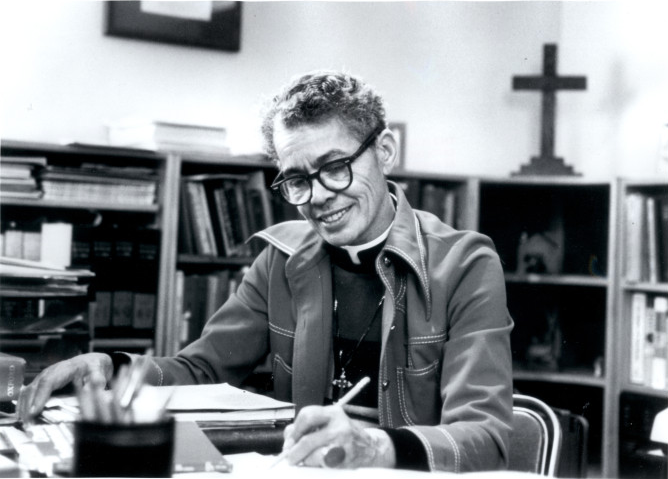
Pauli Murray was a trailblazing legal scholar whose work laid the foundation for gender equality in American law. Few people realize Murray’s legal arguments deeply influenced the landmark Supreme Court case Brown v. Board of Education. She was the first Black woman to earn a doctorate in law from Yale, and her research was cited by Ruth Bader Ginsburg in Reed v. Reed, the first case to strike down a law on the basis of gender discrimination. Despite facing discrimination for both her race and gender, Murray’s writings were crucial to the legal strategies used in the civil rights movement. In 2022, her legacy was revisited in legal education and highlighted in renewed discussions about intersectionality and civil rights. Murray’s role is often overshadowed by more famous figures, yet her fingerprints are found on some of the most important cases in American legal history. Her influence is still felt in courses on constitutional law and gender studies today.
2. Charles Hamilton Houston
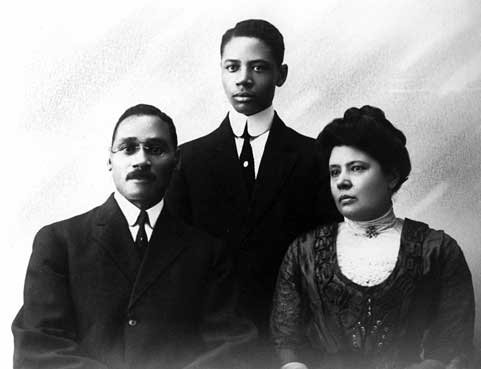
Known as “The Man Who Killed Jim Crow,” Charles Hamilton Houston’s legal strategy was central to dismantling segregation. As the NAACP’s chief legal counsel, Houston trained a generation of civil rights lawyers, including Thurgood Marshall. He meticulously documented the unequal conditions in segregated schools, which became powerful evidence in Brown v. Board of Education. Recent scholarship in 2024 celebrated Houston’s impact on the concept of “equal protection” under the Fourteenth Amendment. Houston’s approach combined careful legal scholarship with grassroots organizing. Despite his pivotal role, his name rarely comes up in mainstream history classes. His legacy continues in the form of legal clinics focused on social justice at universities across the country.
3. Sarah Weddington
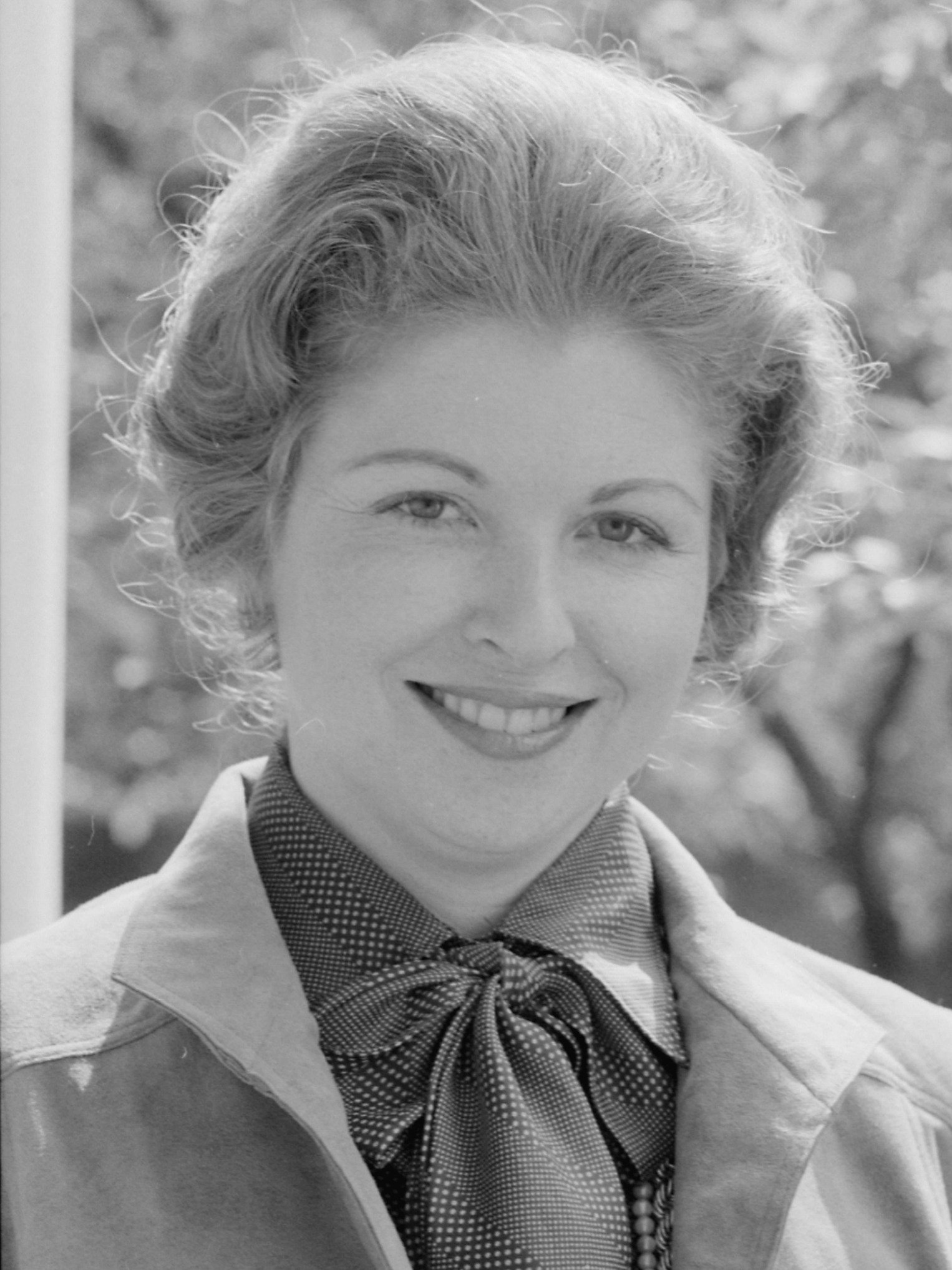
Sarah Weddington was just 26 years old when she argued Roe v. Wade before the Supreme Court, but few remember her name today. Weddington’s arguments in 1973 led to the legalization of abortion nationwide, changing the legal landscape for women’s rights. She became the youngest person ever to argue—and win—a case before the Supreme Court. In recent years, her legacy has been revisited in debates following the overturning of Roe in 2022, with legal scholars analyzing her briefs and oral arguments for insight into the evolving legal battle over reproductive rights. Weddington’s later career was dedicated to public service and teaching, yet her early achievement still stands as a testament to the impact one person can have on constitutional law.
4. William H. Hastie

William H. Hastie was the first African American to serve as a federal appellate judge. Appointed in 1949, Hastie’s opinions often focused on expanding civil rights and challenging racial discrimination in the justice system. His rulings in the 1950s and ’60s played a major role in desegregating public schools and universities. In 2023, new research highlighted Hastie’s influence on later Supreme Court decisions regarding affirmative action and equal protection. Despite his groundbreaking work, Hastie is seldom mentioned alongside other civil rights leaders. His careful, scholarly approach to the law paved the way for judges of diverse backgrounds.
5. Constance Baker Motley

Constance Baker Motley was a key legal strategist behind much of the NAACP’s civil rights litigation. She was the first Black woman to argue a case before the Supreme Court, and she won nine out of ten cases there. Motley’s legal work included drafting the original complaint in Brown v. Board and representing Martin Luther King Jr. during the Birmingham campaign. In 2024, her rulings as a federal judge were cited in debates about workplace discrimination and gender equality. Motley’s quiet determination and strategic mind made her a pillar of American legal progress, yet she remains largely unrecognized outside legal circles.
6. Richard Posner
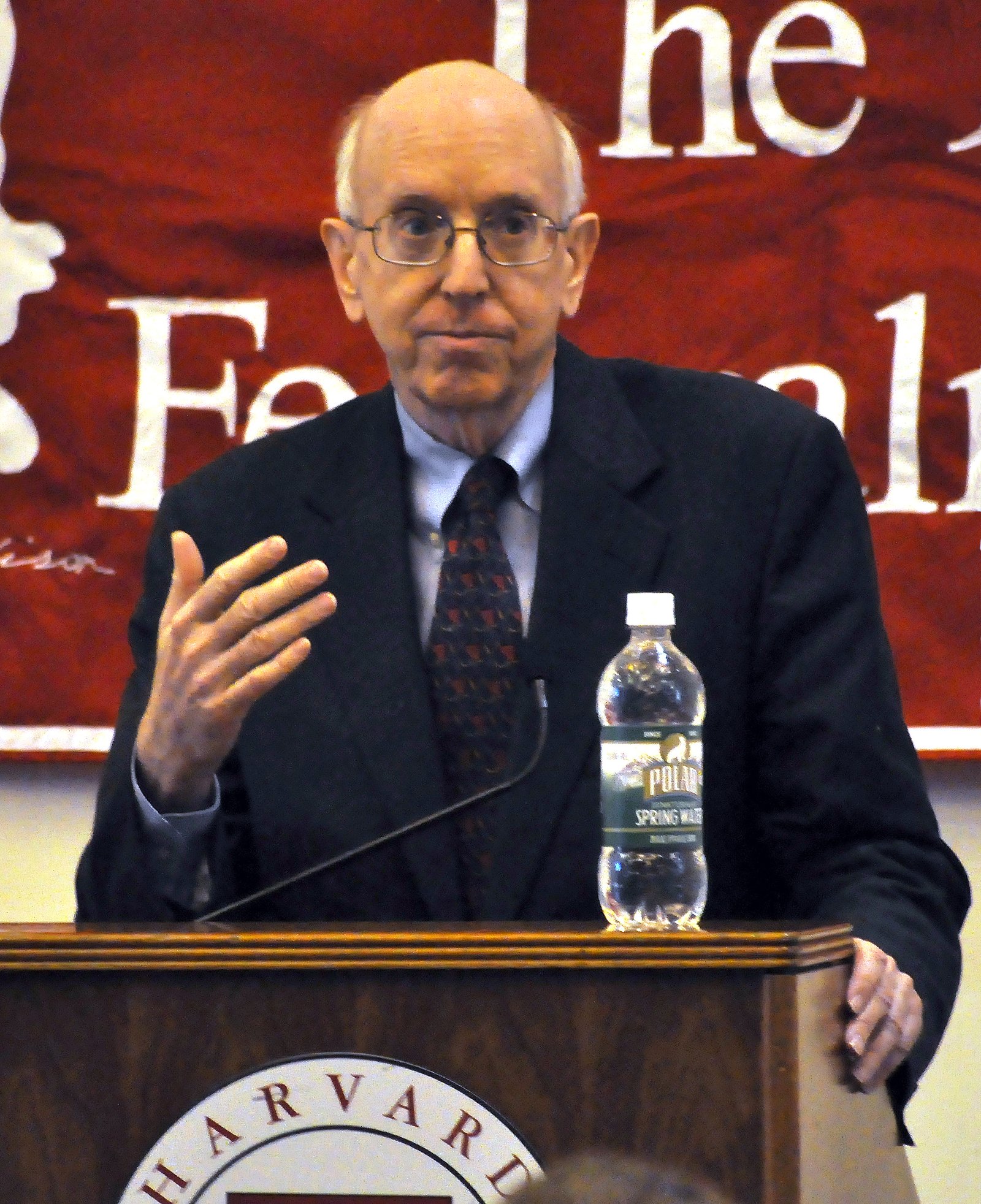
Richard Posner, a former federal judge, is considered one of the most influential legal thinkers of the modern era, yet his name is rarely known beyond law schools. He pioneered the field of law and economics, arguing that legal rules should be evaluated based on their economic efficiency. Posner authored more than 3,300 judicial opinions and dozens of books, shaping antitrust law, tort law, and even family law. In 2025, his writings on AI and law have become part of the curriculum in leading law schools, demonstrating his ongoing relevance. Posner’s controversial takes often sparked debate, but his practical approach has left a lasting mark on American legal reasoning.
7. Belva Lockwood
![7. Belva Lockwood (image credits: Library of Congress Prints and Photographs Division. Brady-Handy Photograph Collection. http://hdl.loc.gov/loc.pnp/cwpbh.04374. CALL NUMBER: LC-BH832- 695 <P&P>[P&P], Public domain, https://commons.wikimedia.org/w/index.php?curid=1485326)](https://festivaltopia.com/wp-content/uploads/2025/07/1751673797692_Belva_Ann_Lockwood_-_Brady-Handy-scaled.jpg)
Belva Lockwood was the first woman to argue before the Supreme Court, breaking gender barriers in the late 1800s. She fought for women’s right to practice law and, in 1879, Congress passed a special act allowing her to appear before the Court. Lockwood ran for president twice, advocating for legal reforms that promoted equality and justice. Her legal advocacy opened doors for generations of female lawyers, yet her achievements are rarely highlighted in textbooks. In 2023, Lockwood’s papers were digitized by the Library of Congress, sparking renewed interest in her role in American legal history.
8. Charles Reich

Charles Reich was a Yale Law professor whose 1970 book “The Greening of America” influenced a generation’s thinking about individual rights and privacy. His 1964 Harvard Law Review article, “The New Property,” was cited by the Supreme Court in landmark due process cases, fundamentally changing how government benefits are treated under the law. Reich’s ideas helped to reshape welfare rights, making it harder for the government to arbitrarily cut off Social Security or welfare payments. In 2024, legal scholars revisited Reich’s work in the context of digital privacy and data rights. His impact is often overlooked, but his writings still inform debates on government accountability.
9. Barbara Jordan
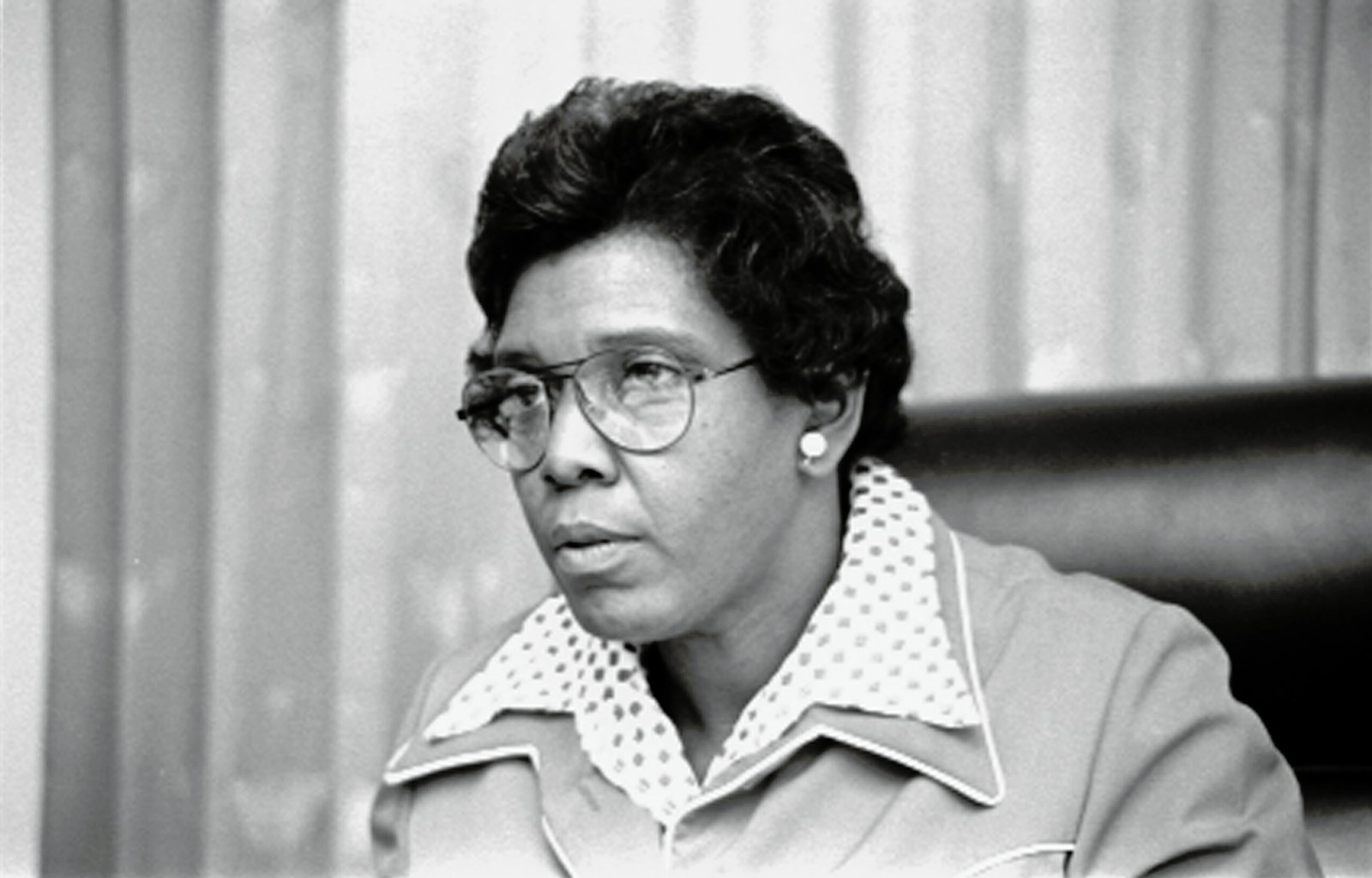
Barbara Jordan made history as the first Southern African American woman elected to the U.S. House of Representatives, but her legal career deserves more recognition. As a lawyer, Jordan championed the Voting Rights Act and argued for constitutional integrity during the Watergate hearings. Her speeches on the rule of law and justice remain widely quoted in legal ethics courses. In 2025, her work was honored at the National Archives, highlighting her role in shaping debates about impeachment and civil rights. Jordan’s combination of legal knowledge and passionate advocacy has inspired a new generation of lawyers focused on public service.
10. William Wayne Justice

William Wayne Justice was a federal judge in Texas whose rulings transformed public education and prison reform. In 1980, his decision in Ruiz v. Estelle found that Texas’s prison conditions violated the Constitution, leading to sweeping reforms. Justice also ordered desegregation of Texas schools long after Brown v. Board. His legacy was revisited in 2023, as prison reform became a renewed topic of national concern. Justice’s willingness to challenge powerful state institutions set a precedent for federal oversight of civil rights abuses. Although not a household name, his impact on public institutions remains profound.
11. Dorothy Kenyon
Dorothy Kenyon was a passionate advocate for women’s rights and civil liberties in the mid-20th century. As a lawyer, she argued cases about birth control, free speech, and racial equality. Kenyon’s legal briefs inspired later cases that expanded women’s rights under the Constitution. In the 2020s, her advocacy was rediscovered during debates about reproductive justice and the right to privacy. Kenyon faced blacklisting during the McCarthy era, but she remained steadfast in her pursuit of justice. Her legacy is often cited in legal discussions about intersectionality and constitutional freedoms.
12. Frank Minis Johnson Jr.

Frank Minis Johnson Jr. was a federal judge in Alabama who issued bold rulings advancing civil rights. He ordered the desegregation of public buses in Montgomery following the famous boycott, and later mandated integration of Alabama schools. In 2024, legal historians highlighted Johnson’s courage in the face of violent threats and political opposition. His decisions laid the groundwork for the Voting Rights Act and other major reforms. Johnson’s commitment to justice, even when unpopular, changed the course of Southern politics and law.
13. Lutie Lytle
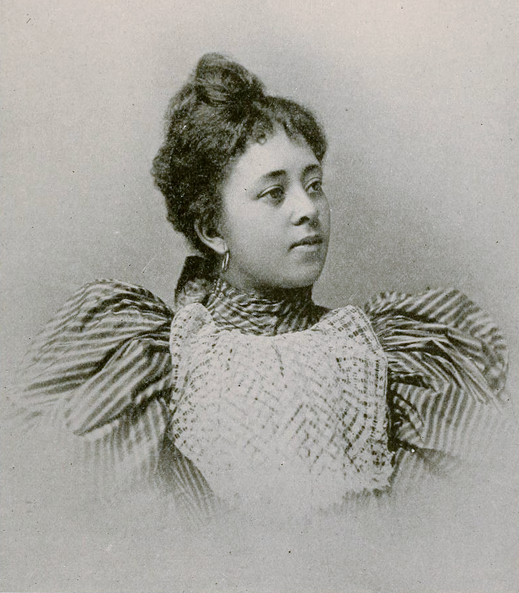
https://archive.org/details/occupationsforwo00will/page/1/mode/1up, Public domain, https://commons.wikimedia.org/w/index.php?curid=102128415)
Lutie Lytle became the first Black woman to teach law in the United States in the late 1800s, a time when both racial and gender barriers were immense. Lytle’s work on property law and suffrage helped shape early legal discourse on women’s rights. In recent years, her pioneering role has been recognized in academic conferences and textbooks. Lytle’s ability to break through at a time of intense discrimination is a testament to her determination. Her influence is now seen in efforts to diversify the legal profession and legal education.
14. Wiley Rutledge
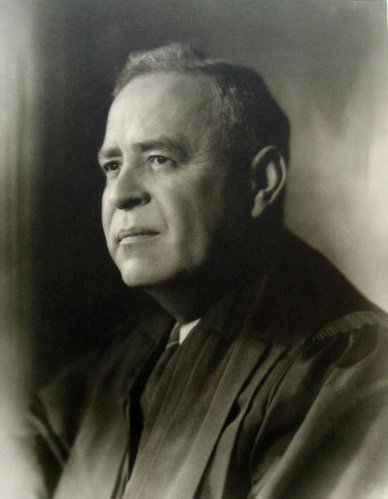
Wiley Rutledge served as a Supreme Court Justice from 1943 to 1949, and his opinions on civil liberties have influenced generations of jurists. He was one of the first justices to argue for the application of the Bill of Rights to state governments, a principle now taken for granted. Rutledge’s strong dissent in Korematsu v. United States foreshadowed modern skepticism about government power during crises. In 2025, his legacy was the subject of a new biography, underscoring his foresight on constitutional protections. Rutledge’s influence can be seen in recent debates over national security and individual rights.
15. Arabella Mansfield
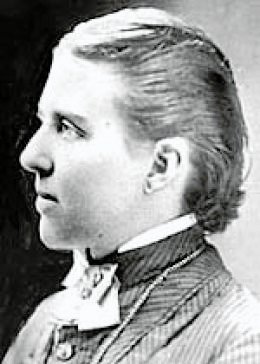
Arabella Mansfield broke new ground as the first woman admitted to the bar in the United States in 1869. Her accomplishment helped pave the way for women’s entry into law, a field dominated by men. Mansfield’s advocacy for suffrage and equality remains inspirational for women in the legal profession. Recent initiatives honoring Mansfield have included scholarships and lectureships for aspiring women lawyers. Her story is a reminder of the slow but steady progress toward gender parity in American law.
16. John Minor Wisdom
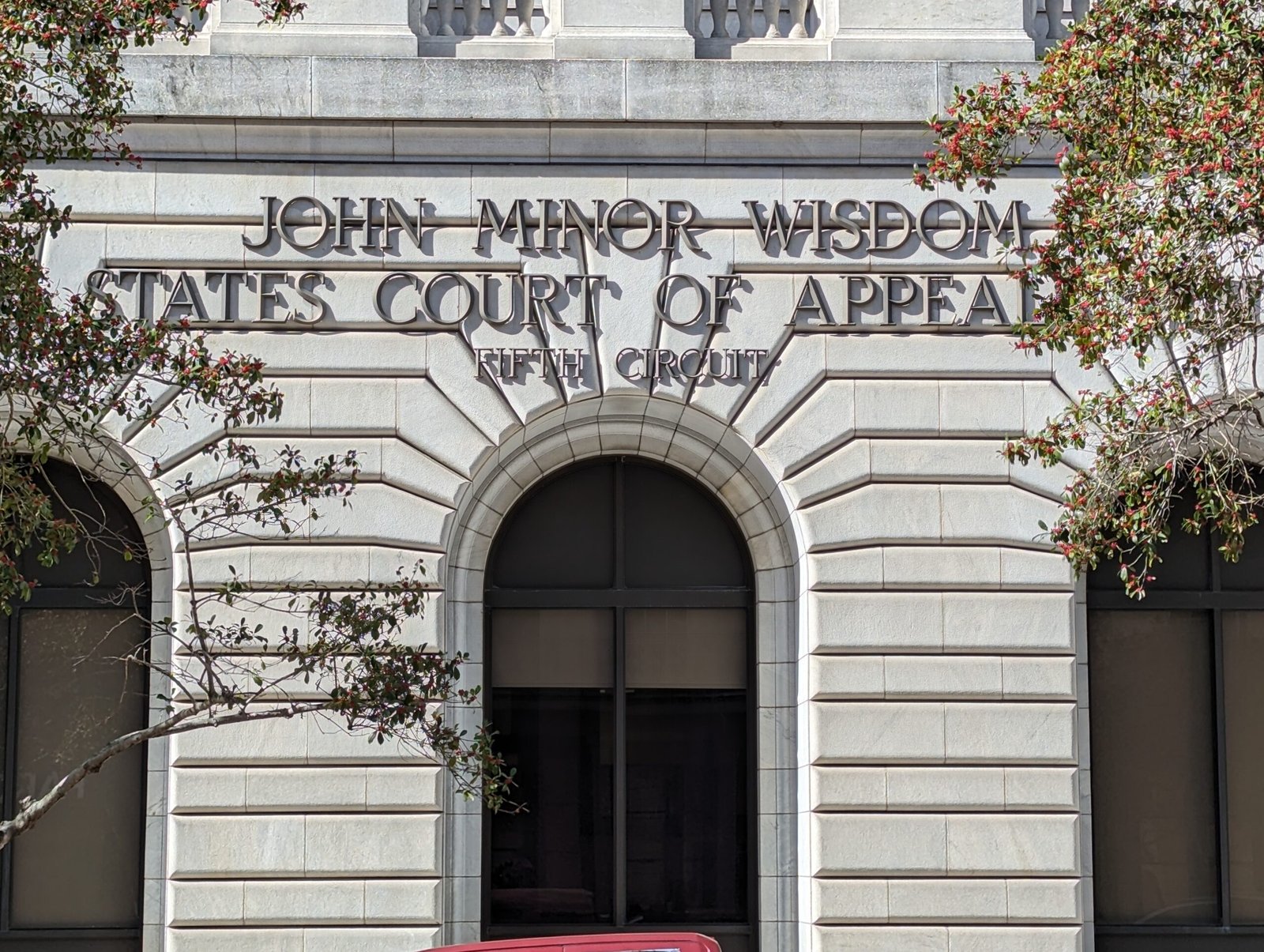
John Minor Wisdom was a federal judge whose decisions helped end segregation in the Deep South. On the Fifth Circuit Court of Appeals, he ruled in favor of desegregating schools and ensuring voting rights for Black Americans. Wisdom’s opinions provided legal backbone for civil rights activists facing hostile state governments. In 2024, legal scholars cited his rulings in the context of renewed debates over voting rights and gerrymandering. His legacy of fairness and courage continues to inspire those fighting for equality.
17. Burnita Shelton Matthews
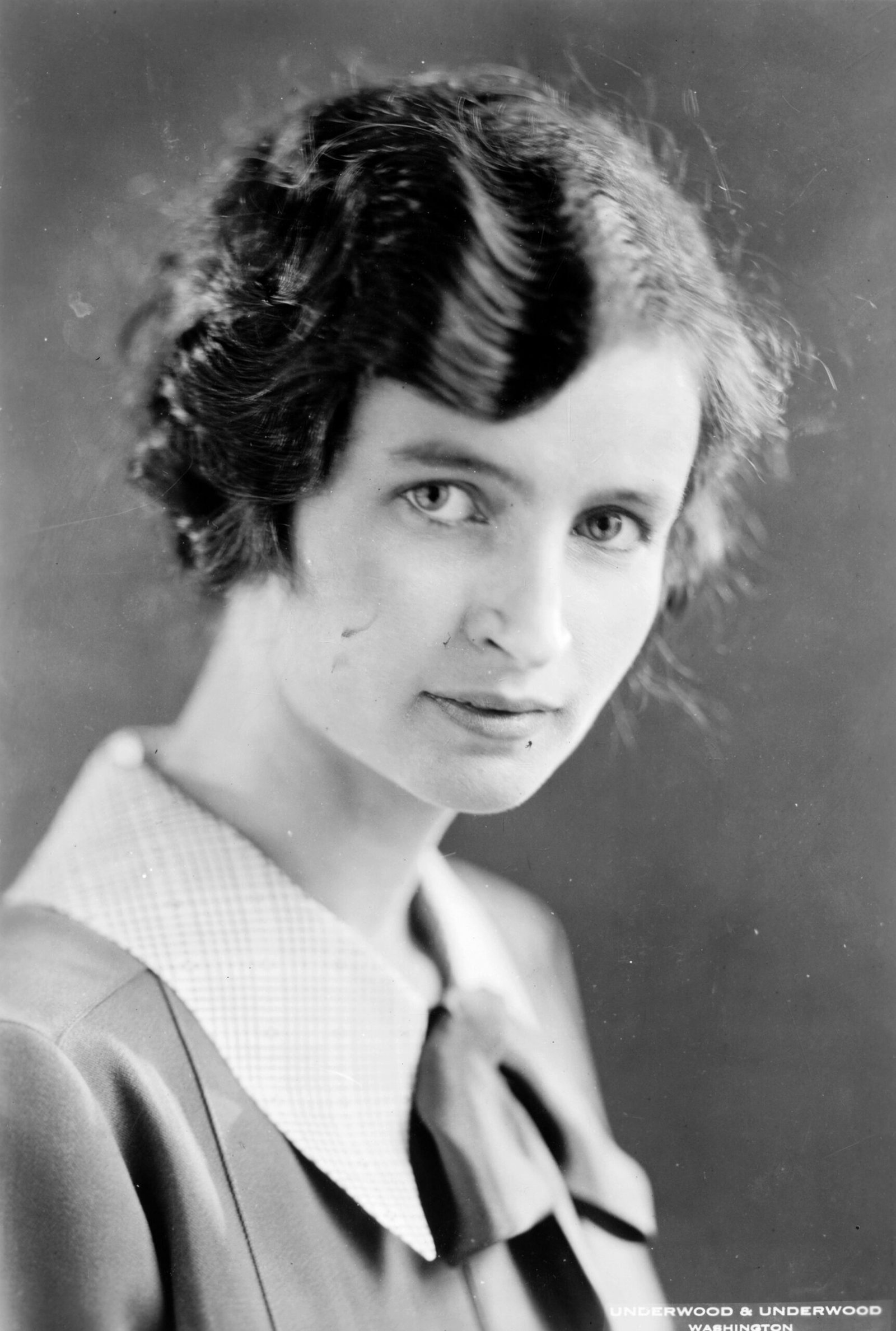
Burnita Shelton Matthews was the first woman appointed as a federal district judge, serving in Washington, D.C. Her rulings covered a wide range of civil rights and labor law issues. Matthews was instrumental in the legal fight for women’s equality in the workplace and was a founding member of the National Association of Women Lawyers. In the 2020s, her pioneering work was recognized in exhibits highlighting women’s contributions to the judiciary. Matthews’s determination to carve out a place for women in law remains relevant today.
18. James Weldon Johnson
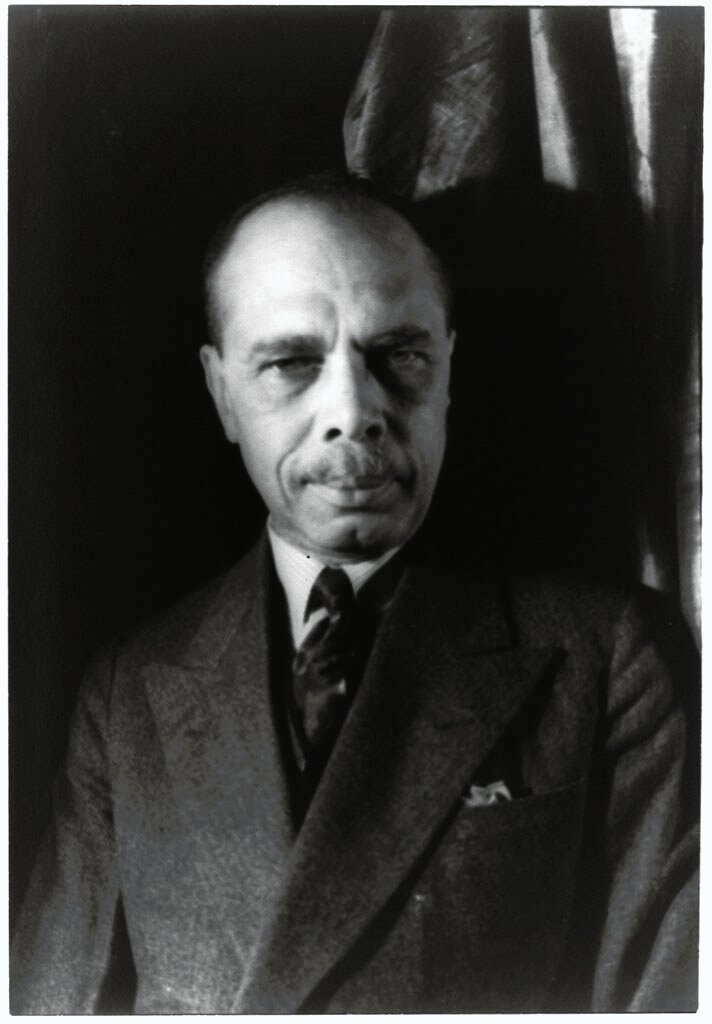
James Weldon Johnson is best known as a poet and civil rights leader, but his legal contributions are often overlooked. As executive secretary of the NAACP, he helped shape the strategy behind key legal battles against lynching and segregation. Johnson’s advocacy for anti-lynching laws in the early 20th century set the stage for later civil rights legislation. In 2023, his dual legacy as a lawyer and activist was honored by the NAACP in a centennial celebration. Johnson’s blend of legal work and cultural leadership had a lasting impact on American law.
19. Margaret Brent
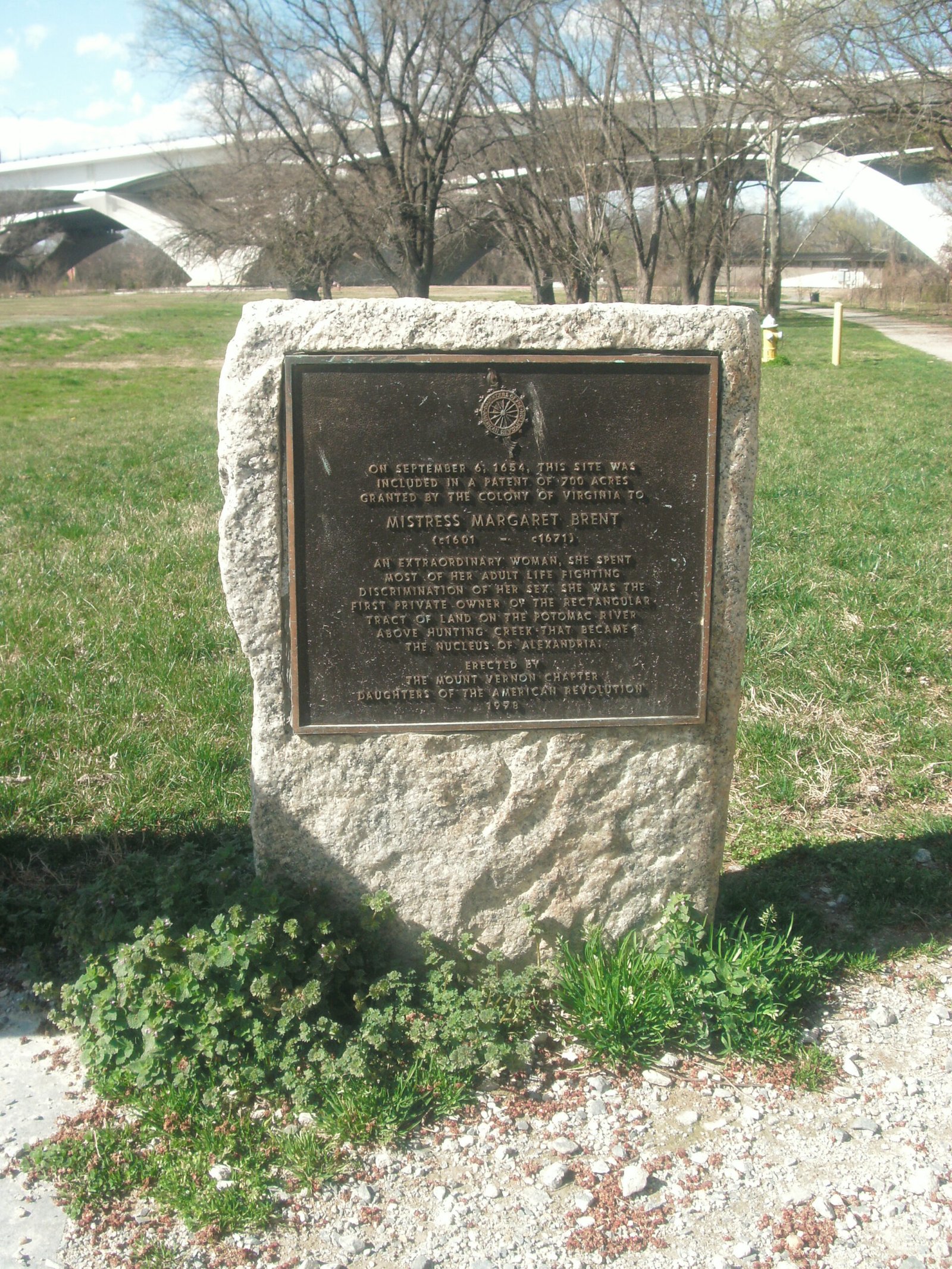
Margaret Brent was America’s first female lawyer, serving as executor of Maryland’s governor’s estate in the 1600s. She fought for women’s right to own property and participate in colonial government. Brent’s petitions for women’s legal rights were radical for her time and laid the groundwork for future advances. In 2024, her pioneering work was recognized during Women’s History Month, with historians drawing connections to modern legal fights over gender equity. Brent’s story is a reminder that the push for women’s legal rights has deep roots in American history.
20. Fred Gray
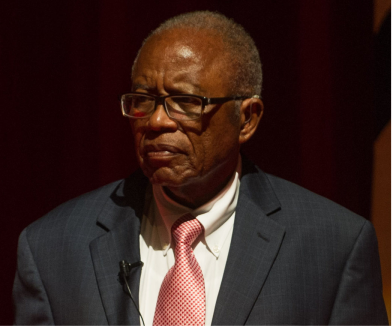
Fred Gray was a key legal strategist of the civil rights movement, representing Rosa Parks, Martin Luther King Jr., and the Montgomery Bus Boycott plaintiffs. Gray’s legal work helped end bus segregation and set precedents for future civil rights litigation. In 2023, Gray received the Presidential Medal of Freedom, acknowledging his decades of service to justice and equality. His cases have been studied in law schools for their innovative use of constitutional law. Gray’s career is a testament to the power of determined advocacy in the face of entrenched injustice.

Besides founding Festivaltopia, Luca is the co founder of trib, an art and fashion collectiv you find on several regional events and online. Also he is part of the management board at HORiZONTE, a group travel provider in Germany.
