


For any feedback please reach out to info@festivalinside.com
- How 20 Vinyl Got Its Groove Back - September 21, 2026
- 10 Great Albums That Came Out the Same Year and Changed Music - September 21, 2026
- 20 Authors Who Write Entire Books by Hand - September 21, 2026
Adam Smith: The Father of Modern Capitalism

When it comes to writers who shaped U.S. economic policy, nobody throws punches quite like Adam Smith. The publishing of “The Wealth of Nations” marked the birth of modern capitalism as well as modern economics and fundamentally shaped the field of economics and provided a theoretical foundation for free market capitalism and economic policies that prevailed in the 19th century. This Scottish philosopher didn’t just write a book—he created the intellectual foundation that American capitalism would build upon for centuries.
During the Industrial Revolution, Britain embraced free trade and Smith’s laissez-faire economics, and via the British Empire, used its power to spread a broadly liberal economic model around the world, characterised by open markets, and relatively barrier-free domestic and international trade. His famous “invisible hand” concept became the cornerstone of American free-market thinking, influencing everything from early trade policies to modern deregulation efforts. The central thesis of Smith’s “The Wealth of Nations” is that our individual need to fulfill self-interest results in societal benefit. He called the force behind this fulfillment the invisible hand. Think of it like this: when you’re trying to get the best deal for yourself, you’re actually helping everyone else get better deals too.
Alexander Hamilton: The Financial Architect
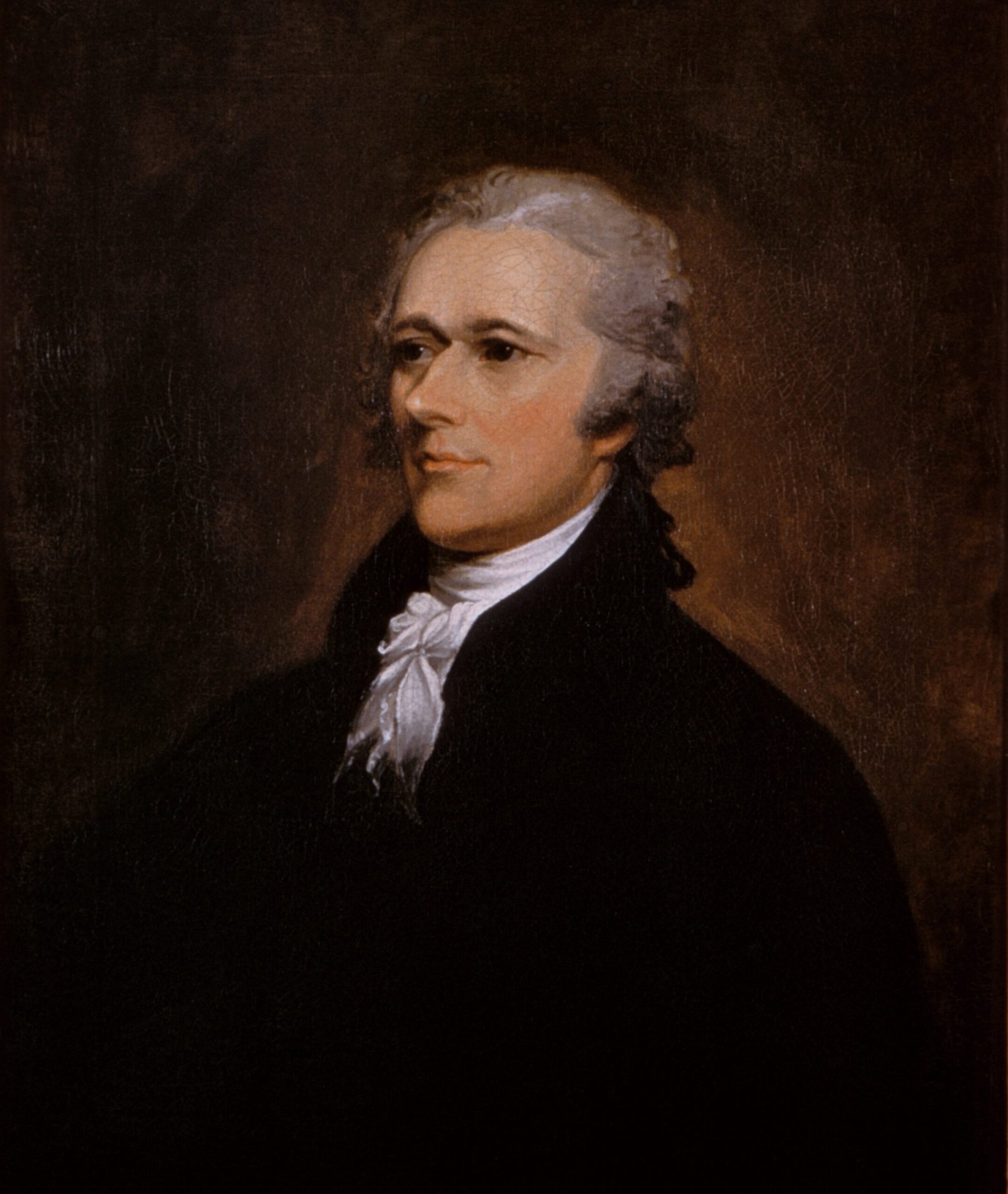
If Adam Smith laid the theoretical groundwork, Alexander Hamilton built the actual financial house. The Hamiltonian economic program was the set of measures that were proposed by American Founding Father and first Secretary of the Treasury Alexander Hamilton in four notable reports and implemented by Congress during George Washington’s first term. They outlined a coherent program of national mercantilism government-assisted economic development. Hamilton wasn’t just playing with ideas—he was creating the very structure of American capitalism from scratch.
Hamilton’s third report, the Report on a National Bank, which he submitted on December 14, 1790, advocated a national bank called the Bank of the United States and modeled after the Bank of England. With the bank, he wished to solidify the partnership between the government and the business classes who would benefit most from it and further advance his program to strengthen the national government. His vision was revolutionary: instead of keeping government and business separate, he wanted them working together like dance partners. His aggressive support for manufacturing, banks, and strong public credit all became central aspects of the modern capitalist economy that would develop in the United States in the century after his death.
Henry George: The Single Tax Revolutionary
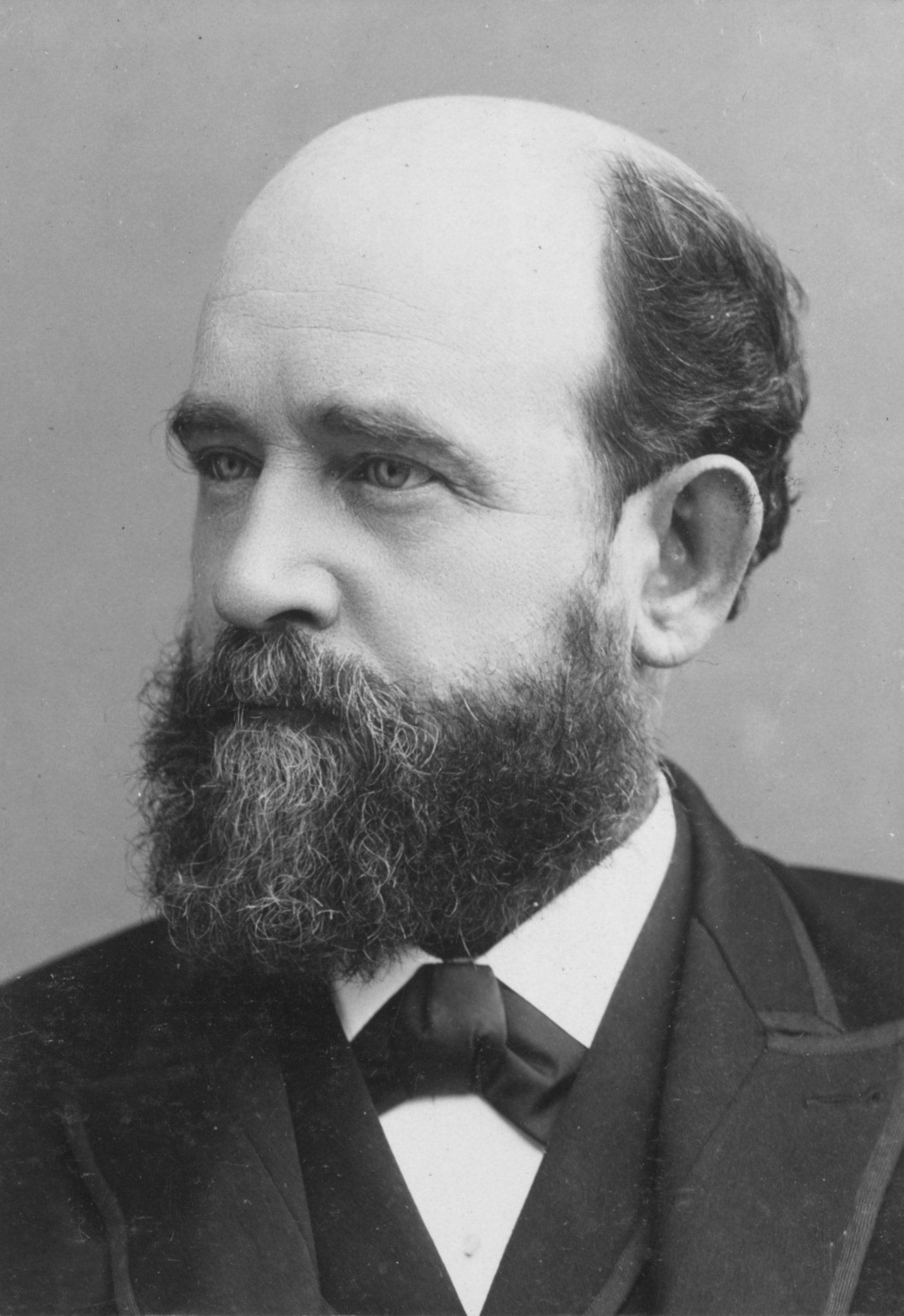
Henry George dropped a bomb on American economic thinking with his radical idea about land taxation. His 1879 masterpiece “Progress and Poverty” wasn’t just another economics book—it was a call to arms that sparked nationwide debates about wealth inequality during the Gilded Age. George’s central argument was deceptively simple: tax land, not labor or capital, and you could solve most of society’s economic problems.
The “single tax” movement that George championed gained serious political traction in the late 1800s. Cities across America experimented with his ideas, and his influence reached far beyond academic circles. What made George’s approach so compelling was his ability to connect abstract economic theory with the lived experiences of ordinary Americans who watched the wealthy get richer while workers struggled. His work laid crucial groundwork for later progressive tax policies and debates about unearned income from land speculation.
John Maynard Keynes: The Government Intervention Champion
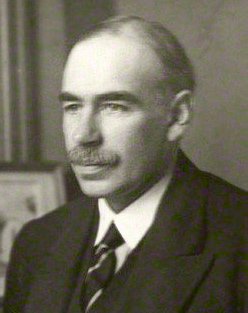
When the Great Depression hit America like a freight train, traditional economic thinking offered about as much help as a chocolate teapot. Enter John Maynard Keynes, the British economist whose ideas about government intervention became the playbook for Franklin D. Roosevelt’s New Deal. Keynes argued that sometimes the market doesn’t fix itself—sometimes you need government to step in and give the economy a good shake.
His revolutionary concept was that during economic downturns, governments should spend more money, not less, even if it meant running deficits. This flew in the face of conventional wisdom that treated government budgets like household budgets. Keynesian economics became the dominant approach in American policy-making for decades, influencing everything from Social Security to modern stimulus packages. When politicians today talk about “priming the pump” or “jumpstarting the economy,” they’re speaking Keynes’s language.
John Kenneth Galbraith: The Affluent Society Critic
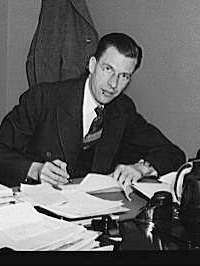
The Affluent Society is a 1958 book by Harvard economist John Kenneth Galbraith. The book sought to clearly outline the manner in which the post–World War II United States was becoming wealthy in the private sector but remained poor in the public sector, lacking social and physical infrastructure, and perpetuating income disparities. Galbraith had the audacity to look at 1950s America—when everyone was celebrating prosperity—and say, “Wait a minute, something’s not right here.”
Galbraith influenced public opinion perhaps more than any other economist of his time. His clear writing and speaking style engaged audiences in ways most other economists couldn’t match. Galbraith used that power in books like The Affluent Society to argue that government should play a large role in the economy. His critique wasn’t just academic—it was deeply personal. Galbraith’s book, which was widely read in the last years of the 1950’s, had a profound impact on American public policy during the 1960’s. It provided a foundation for President Lyndon B. Johnson’s War on Poverty and Great Society programs, enacted during the decade following its publication. He basically told Americans they were shopping themselves into a corner while their schools, roads, and public services crumbled.
Milton Friedman: The Free Market Evangelist
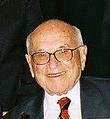
Milton Friedman was like the anti-Keynes, preaching the gospel of free markets with the fervor of a revival preacher. His 1962 book “Capitalism and Freedom” became the bible for conservative economists and politicians who believed government was the problem, not the solution. Friedman’s influence on American economic policy was massive, especially during the Reagan years when his ideas about deregulation and tax cuts became official policy.
What made Friedman dangerous (depending on your perspective) was his ability to make complex economic theories sound like common sense. He argued that most government interventions in the economy did more harm than good, and that markets, left to their own devices, would allocate resources more efficiently than any central planner ever could. His monetarism theory—the idea that controlling the money supply was the key to economic stability—became a cornerstone of Federal Reserve policy for decades.
Ayn Rand: The Objectivist Influence

Ayn Rand wasn’t technically an economist, but her 1957 novel “Atlas Shrugged” became economic policy by other means. This massive tome about individualism and capitalism influenced a generation of American politicians and business leaders who saw themselves as the heroic entrepreneurs in Rand’s story. Her philosophy of “rational selfishness” provided intellectual cover for policies that prioritized individual wealth over collective welfare.
What’s fascinating about Rand’s influence is how her fiction shaped real-world economic thinking. Politicians from Paul Ryan to Alan Greenspan have cited her work as formative in their economic philosophies. Her ideas about minimal government regulation and the virtue of pursuing profit became talking points in debates about everything from healthcare to environmental protection. Love her or hate her, Rand’s fingerprints are all over American economic policy discussions.
Paul Samuelson: The Textbook Revolution

Paul Samuelson’s “Economics: An Introductory Analysis” might sound boring, but it was revolutionary. This textbook, first published in 1948, educated generations of economists, policymakers, and business leaders. Samuelson had the genius to make complex economic theories accessible to college students, and in doing so, he shaped how Americans think about economics.
His integration of Keynesian economics into mainstream American economic education was crucial. Before Samuelson, economics textbooks were dry, theoretical affairs that bore little resemblance to real-world policy challenges. Samuelson changed that by connecting economic theory to practical policy questions. His book went through multiple editions and sold millions of copies, making him perhaps the most influential economics educator in American history.
Friedrich Hayek: The Road to Serfdom Warning
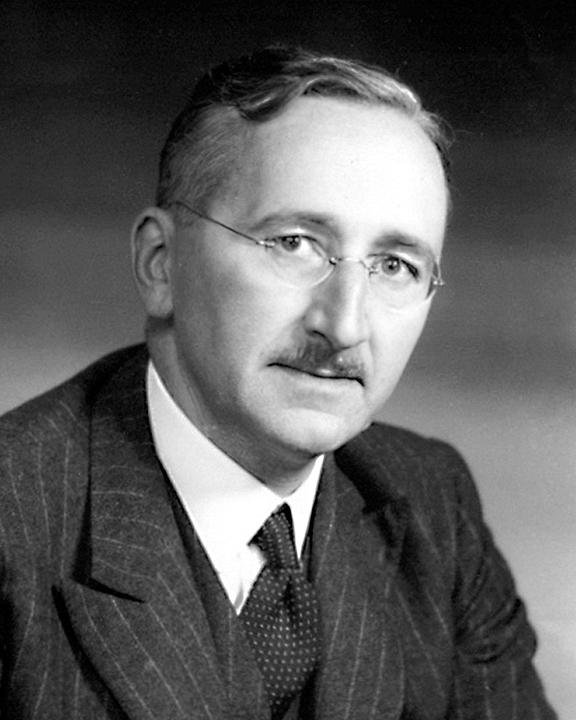
Friedrich Hayek’s 1944 book “The Road to Serfdom” arrived in America like a warning from the future. This Austrian economist argued that government planning, however well-intentioned, inevitably led to totalitarianism. His ideas found fertile ground among American conservatives who were suspicious of New Deal-style government intervention.
Hayek’s influence grew over time, especially as the Cold War intensified. His argument that free markets were essential to political freedom resonated with Americans who saw socialism as a threat to democracy. His work provided intellectual ammunition for politicians who wanted to roll back government programs and regulations. The Chicago School of Economics, which dominated American economic thinking for decades, drew heavily on Hayek’s ideas about the superiority of market mechanisms over government planning.
Thomas Piketty: The Modern Inequality Scholar

Capital in the Twenty-First Century is a book written by French economist Thomas Piketty. It focuses on wealth and income inequality in Europe and the United States since the 18th century. The book’s central thesis is that when the rate of return on capital (r) is greater than the rate of economic growth (g) over the long term, the result is concentration of wealth, and this unequal distribution of wealth causes social and economic instability. Piketty’s work hit America like a thunderbolt in 2013, providing hard data for what many people already suspected: the rich were getting richer while everyone else was treading water.
Piketty documents a sharp increase in such inequality over the last 25 years, not only in the United States, but also in Canada, Britain, Australia, New Zealand, China, India, Indonesia and South Africa, with people with the highest incomes far outstripping the rest of society. His book became a sensation precisely because it arrived at the right moment—when Americans were grappling with the aftermath of the 2008 financial crisis and growing concerns about economic inequality. Piketty proposes that a progressive annual global wealth tax of up to 2%, combined with a progressive income tax reaching as high as 80%, would reduce inequality, and proposes a global system of progressive wealth taxes to help reduce inequality and avoid the vast majority of wealth coming under the control of a tiny minority.
Elizabeth Warren: The Consumer Protection Advocate

Before Elizabeth Warren became a household name in politics, she was a bankruptcy law professor who wrote “The Two-Income Trap” in 2003. This book challenged conventional wisdom about family finances and economic security, arguing that middle-class families were more financially vulnerable than ever before, despite having higher incomes. Warren’s research showed that the rise of two-income households had created a false sense of security while actually increasing financial risk.
Her work on consumer financial protection led directly to the creation of the Consumer Financial Protection Bureau after the 2008 financial crisis. Warren’s ideas about predatory lending, credit card abuse, and financial industry regulation became central to Democratic economic policy. Her academic work provided the intellectual framework for understanding how complex financial products could harm ordinary consumers, influencing everything from mortgage regulations to student loan reforms.
Joseph Stiglitz: The Globalization Critic

Joseph Stiglitz’s “The Price of Inequality” hit American political discourse like a well-aimed fastball. This Nobel Prize-winning economist provided sophisticated analysis of why growing inequality wasn’t just unfair—it was economically destructive. Stiglitz argued that extreme inequality undermined economic growth, democratic governance, and social stability.
His critique of globalization and financial deregulation influenced progressive economic platforms across the political spectrum. Stiglitz showed that the benefits of globalization weren’t automatically shared by all Americans, and that government intervention was necessary to ensure that economic growth benefited everyone, not just the wealthy. His work became a touchstone for politicians arguing for higher taxes on the wealthy, stronger financial regulations, and more aggressive government action to address inequality.
Benjamin Franklin: The Practical Economics Pioneer
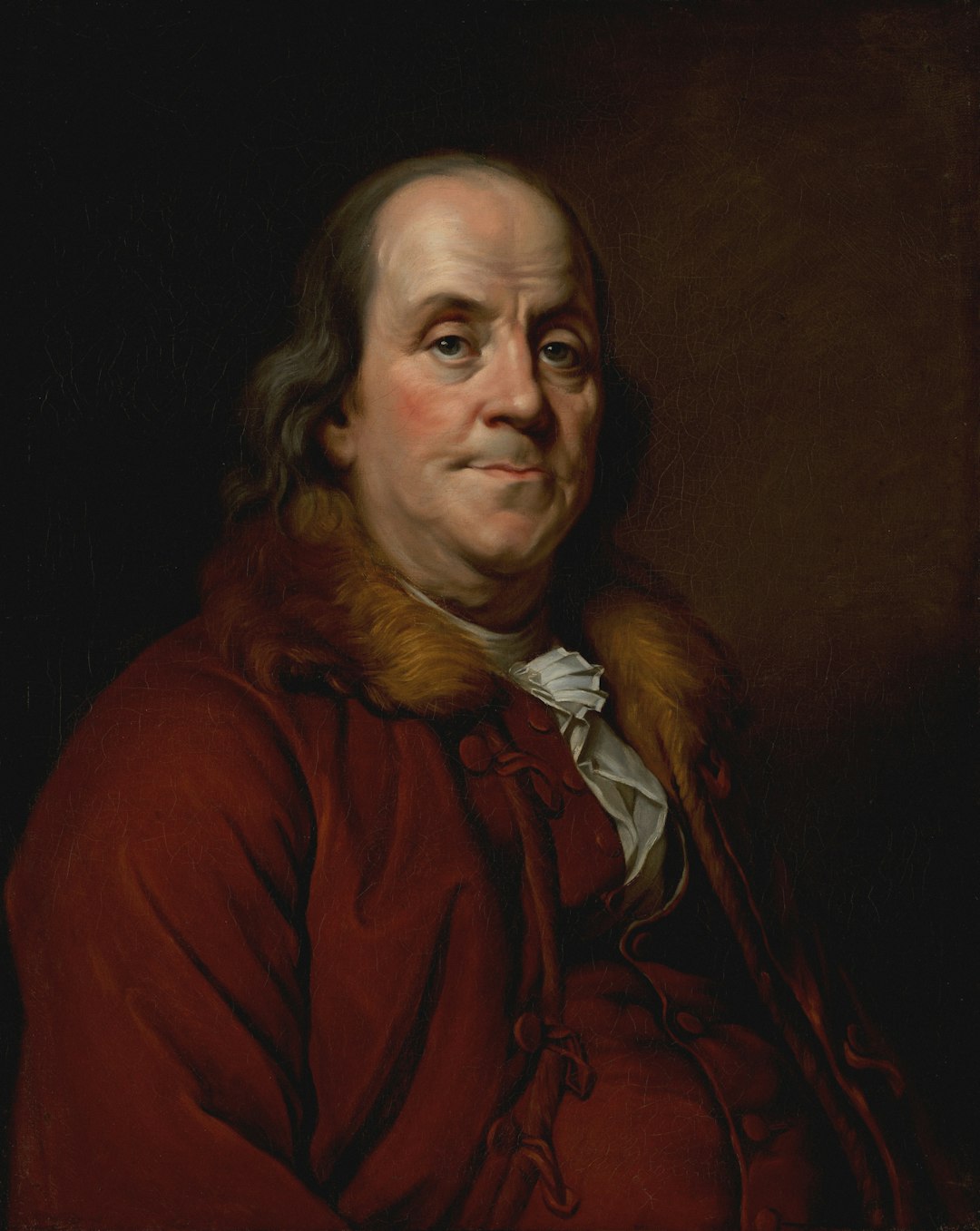
Benjamin Franklin’s “The Way to Wealth” might seem quaint today, but it established some of the core values that still shape American economic thinking. Franklin’s maxims about thrift, hard work, and economic self-reliance became part of the American DNA. His ideas about personal responsibility and entrepreneurship influenced generations of Americans who saw economic success as a matter of individual virtue and effort.
Franklin’s practical approach to economics—focused on what worked rather than abstract theory—set him apart from European economic thinkers. His emphasis on saving, investing, and building wealth through honest work became core American values. These ideas influenced everything from early American banking practices to modern discussions about personal financial responsibility. Franklin showed that economic thinking didn’t have to be complicated to be powerful.
Charles Beard: The Constitutional Economics Historian
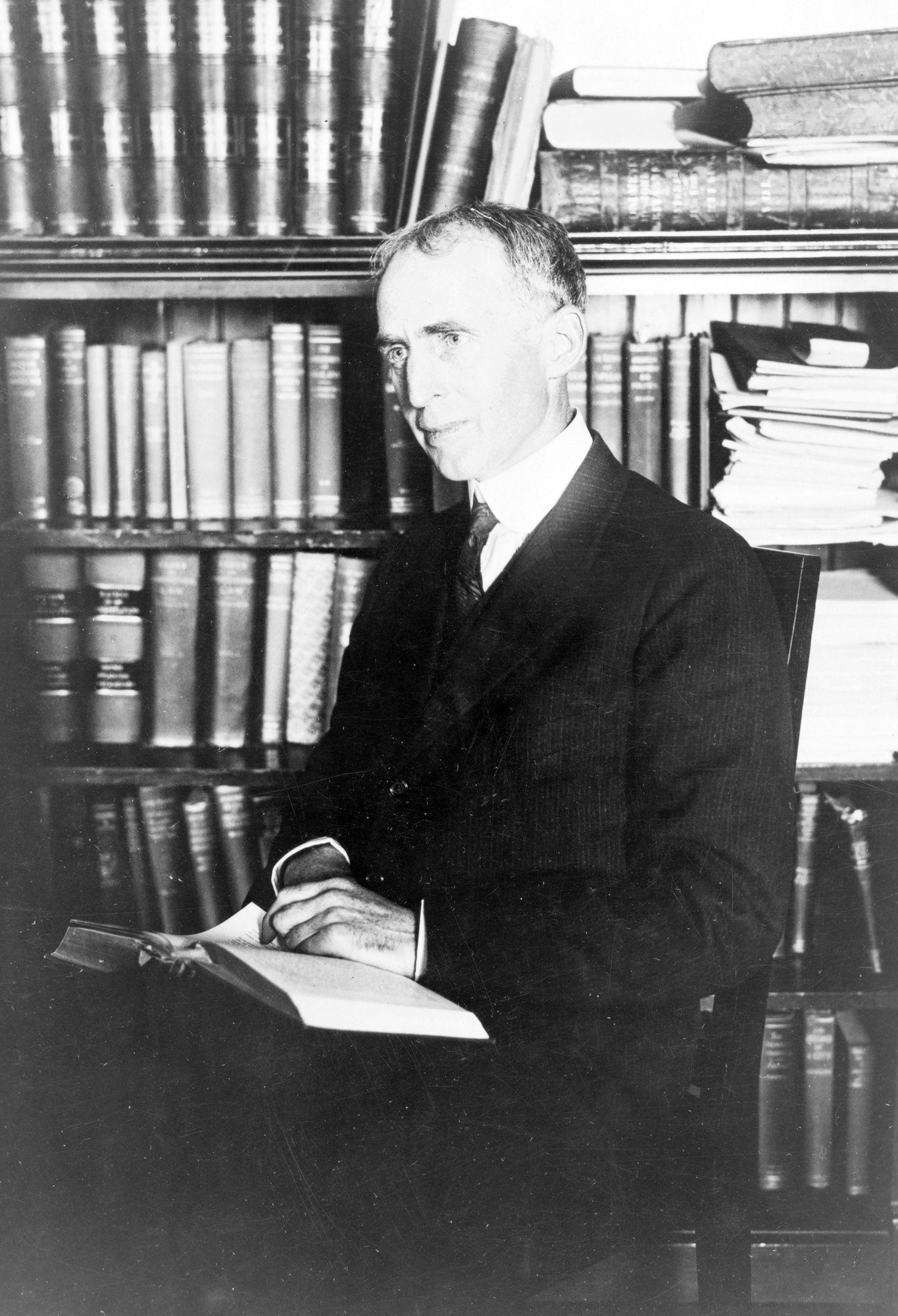
Charles Beard’s “An Economic Interpretation of the Constitution of the United States” was like throwing a bomb into a church service. Published in 1913, this book argued that the Founding Fathers weren’t primarily motivated by high-minded ideals about democracy and freedom—they were protecting their own economic interests. Beard’s analysis suggested that the Constitution was designed to protect the wealthy from the masses.
This interpretation fundamentally changed how Americans understood their own history and the relationship between economics and politics. Beard’s work influenced generations of scholars and policymakers who became more skeptical of claims that economic policies were politically neutral. His emphasis on the economic motivations behind political decisions became a standard tool for analyzing policy debates. Even today, when politicians talk about “following the money” or analyzing “who benefits,” they’re using Beard’s approach.
Arthur Laffer: The Supply-Side Prophet
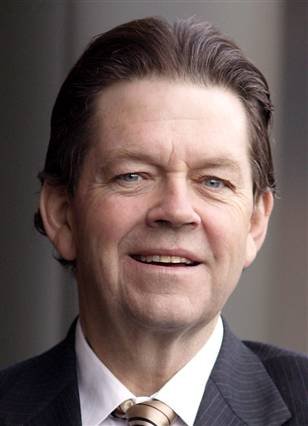
Arthur Laffer’s famous curve—supposedly sketched on a napkin in a restaurant—became one of the most influential economic concepts in modern American politics. The Laffer Curve suggested that cutting taxes could actually increase government revenues by spurring economic growth. This idea became the intellectual foundation for supply-side economics and Ronald Reagan’s tax policies in the 1980s.
Laffer’s influence extended far beyond academic economics. His ideas provided political cover for politicians who wanted to cut taxes without appearing fiscally irresponsible. The promise that tax cuts would pay for themselves through increased economic growth became a staple of Republican economic policy. Whether the Laffer Curve actually works as advertised remains hotly debated, but its influence on American tax policy is undeniable. From the Reagan tax cuts to the Trump tax reforms, Laffer’s ideas have shaped decades of economic policy.

Christian Wiedeck, all the way from Germany, loves music festivals, especially in the USA. His articles bring the excitement of these events to readers worldwide.
For any feedback please reach out to info@festivalinside.com
