


- 20 Songs That Tell the True Story of America’s Past - September 26, 2026
- 25 Hidden Literary References in Popular Culture - September 26, 2026
- 5 Gentle Rituals to Reconnect with Yourself on Tired Days - September 26, 2026
Bruce Springsteen – The Ghost of Tom Joad
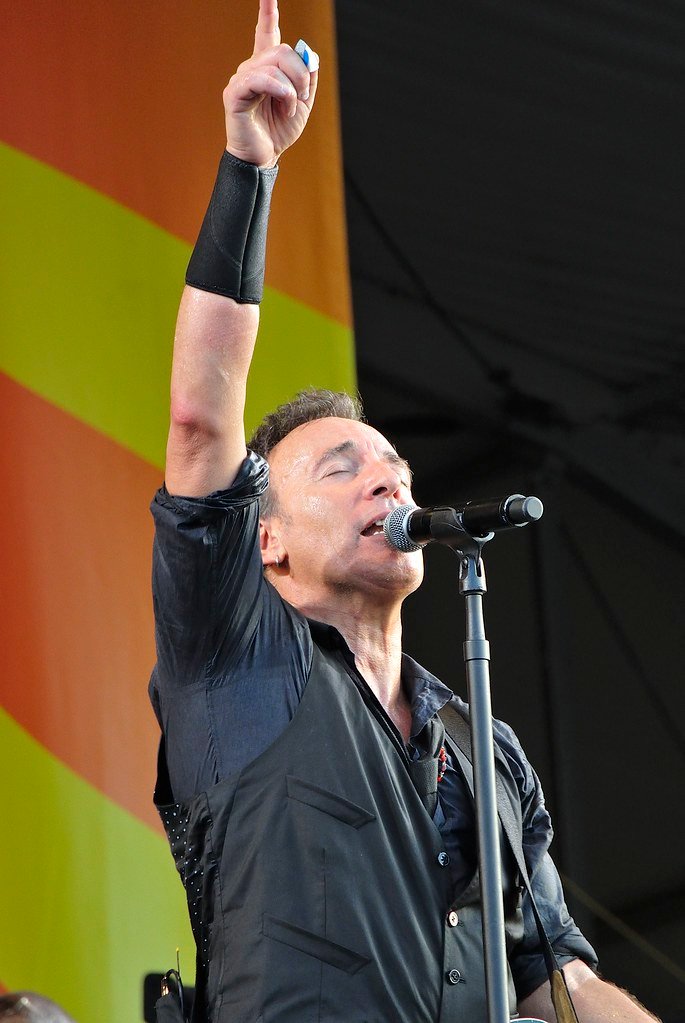
Bruce Springsteen’s “The Ghost of Tom Joad” felt like a haunting soundtrack to the struggles of ordinary Americans during tough economic times. Released in 1995, the song harks back to John Steinbeck’s classic novel The Grapes of Wrath, but its relevance soared again during the Great Recession. Unemployment lines, broken dreams, and the desperate search for dignity are all wrapped up in Springsteen’s gravelly voice. The lyrics describe entire families living out of cars, scraping by and holding onto hope. During the 2007-2009 recession, millions faced similar hardships as the unemployment rate peaked at 10% in October 2009 (U.S. Bureau of Labor Statistics). Springsteen’s song became an anthem for those who felt left behind. The emotional rawness in the music made it a comfort to many struggling Americans.
Billie Holiday – God Bless the Child
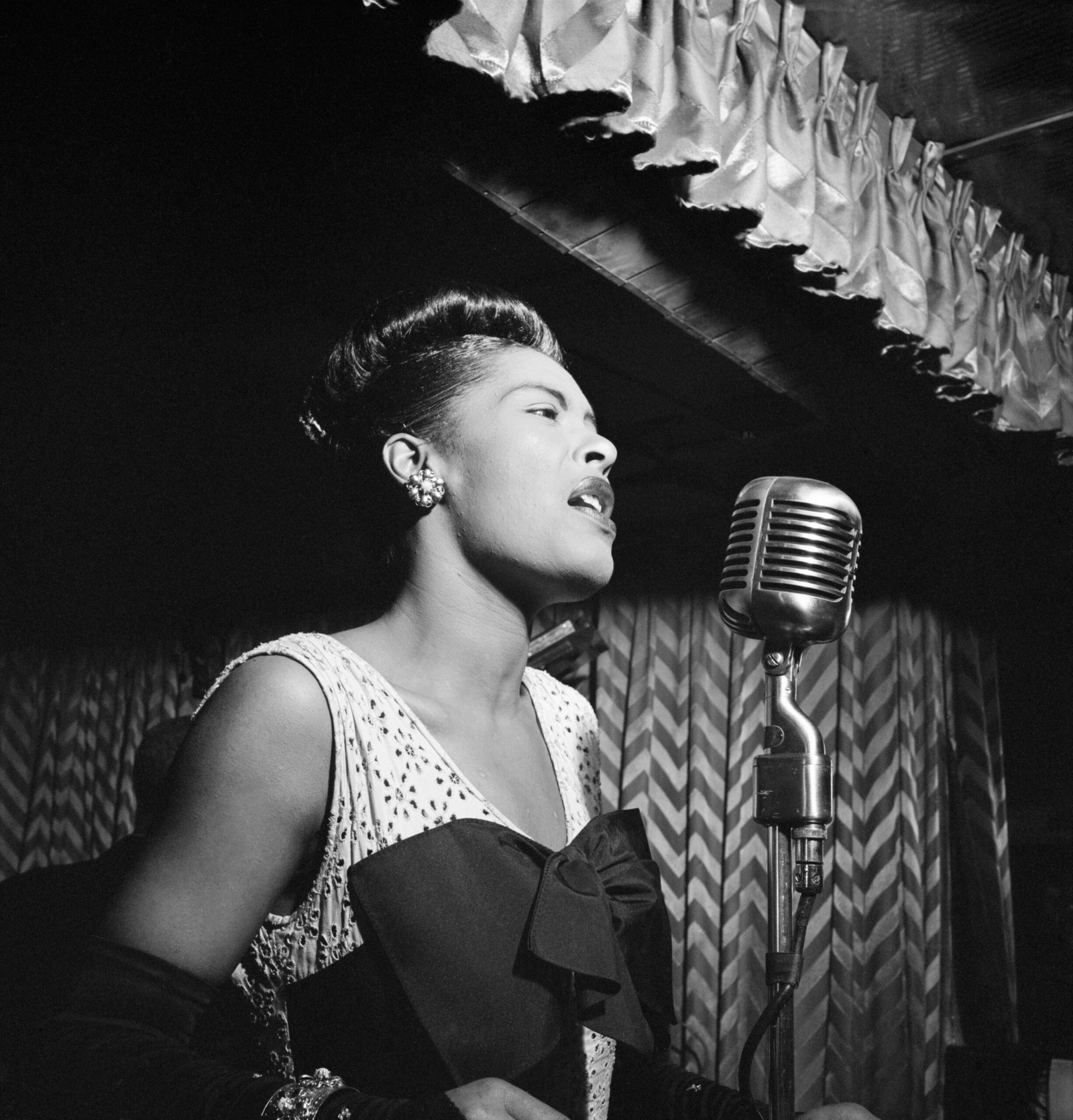
Though originally released in 1941, “God Bless the Child” found renewed meaning during the 2008 financial crisis. The song’s central line — “Them that’s got shall get, them that’s not shall lose” — summed up the growing wealth divide. As Wall Street bailouts soared and middle-class families lost homes, Holiday’s soulful warning about economic inequality rang louder than ever. The U.S. Census Bureau reported that the poverty rate jumped from 12.5% in 2007 to 15.1% in 2010, leaving millions feeling the sting of those timeless lyrics. The song became a gentle reminder that, in hard times, only the financially secure seemed protected.
Green Day – Boulevard of Broken Dreams
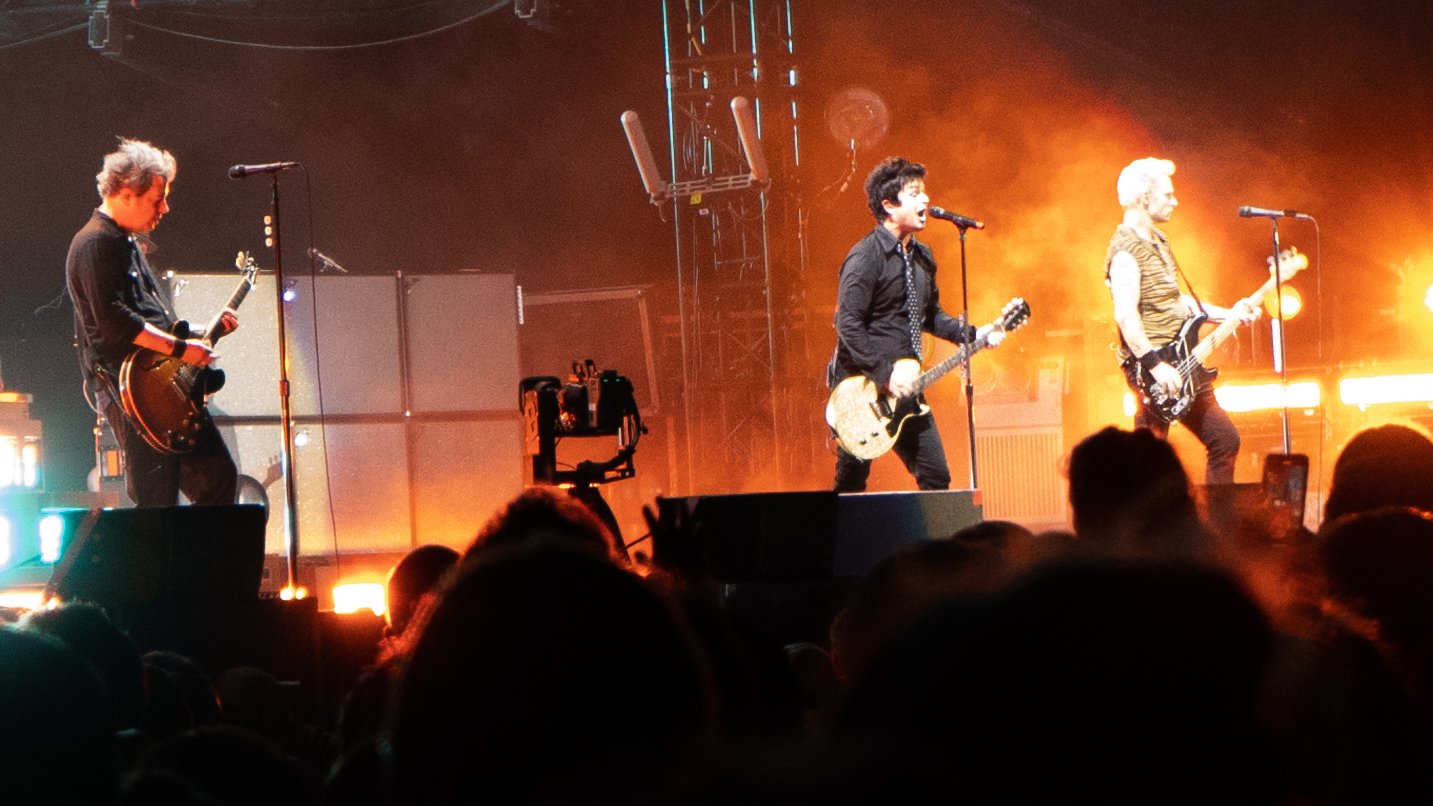
When the recession hit, Green Day’s “Boulevard of Broken Dreams” became an unexpected anthem. Released in 2004, its lyrics about walking a lonely road echoed the isolation felt during layoffs and foreclosures. By 2009, over 2.8 million Americans had lost their homes to foreclosure (RealtyTrac data). The haunting melody and aching lyrics mirrored the sense of loss and uncertainty gripping the nation. Many listeners found themselves walking, both literally and figuratively, down their own boulevard of broken dreams, searching for a way forward.
John Legend – Ordinary People
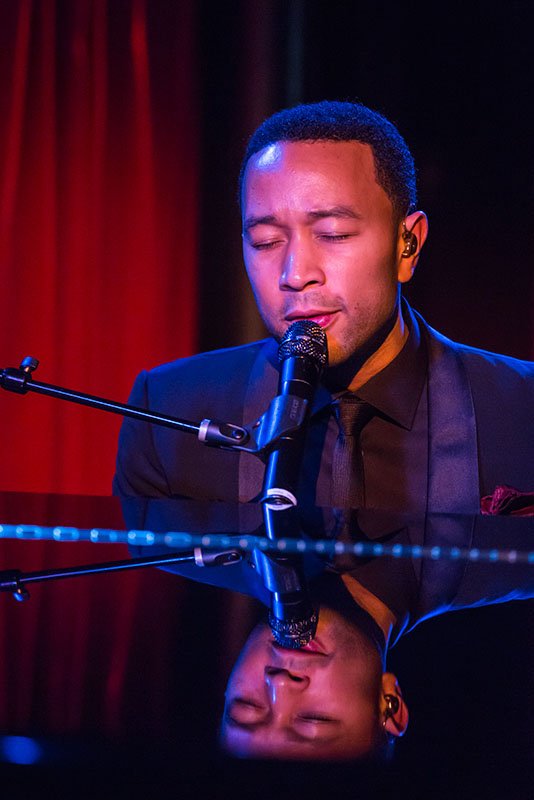
John Legend’s “Ordinary People” wasn’t written about the recession, but its honest portrayal of everyday struggle struck a chord. As the economy tanked, millions faced tough choices about family, love, and survival. The National Bureau of Economic Research reported that household net worth dropped by $16.4 trillion during the crisis. Legend’s piano ballad offered empathy for those juggling bills, jobs, and relationships. The song’s gentle reassurance that it’s okay to be imperfect resonated with listeners grappling with new realities.
Jay-Z feat. Alicia Keys – Empire State of Mind
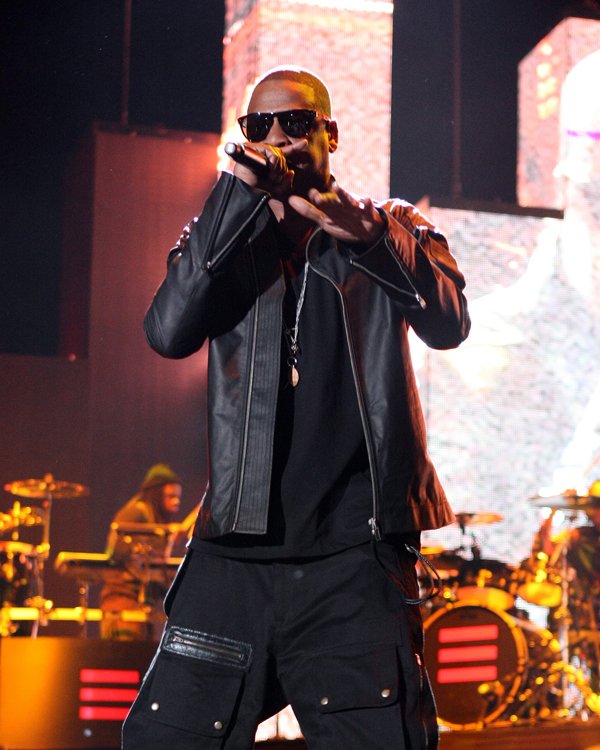
“Empire State of Mind” hit the airwaves in 2009, as New York City — and America at large — struggled through economic turmoil. The song’s triumphant chorus celebrated resilience in the face of adversity. At the time, New York’s unemployment rate soared to its highest level in 16 years (NY State Department of Labor). Still, Jay-Z’s anthem captured the city’s fighting spirit. With lines about hustling and overcoming obstacles, it became a rallying cry for anyone trying to make it amidst financial uncertainty.
Bob Dylan – Workingman’s Blues #2
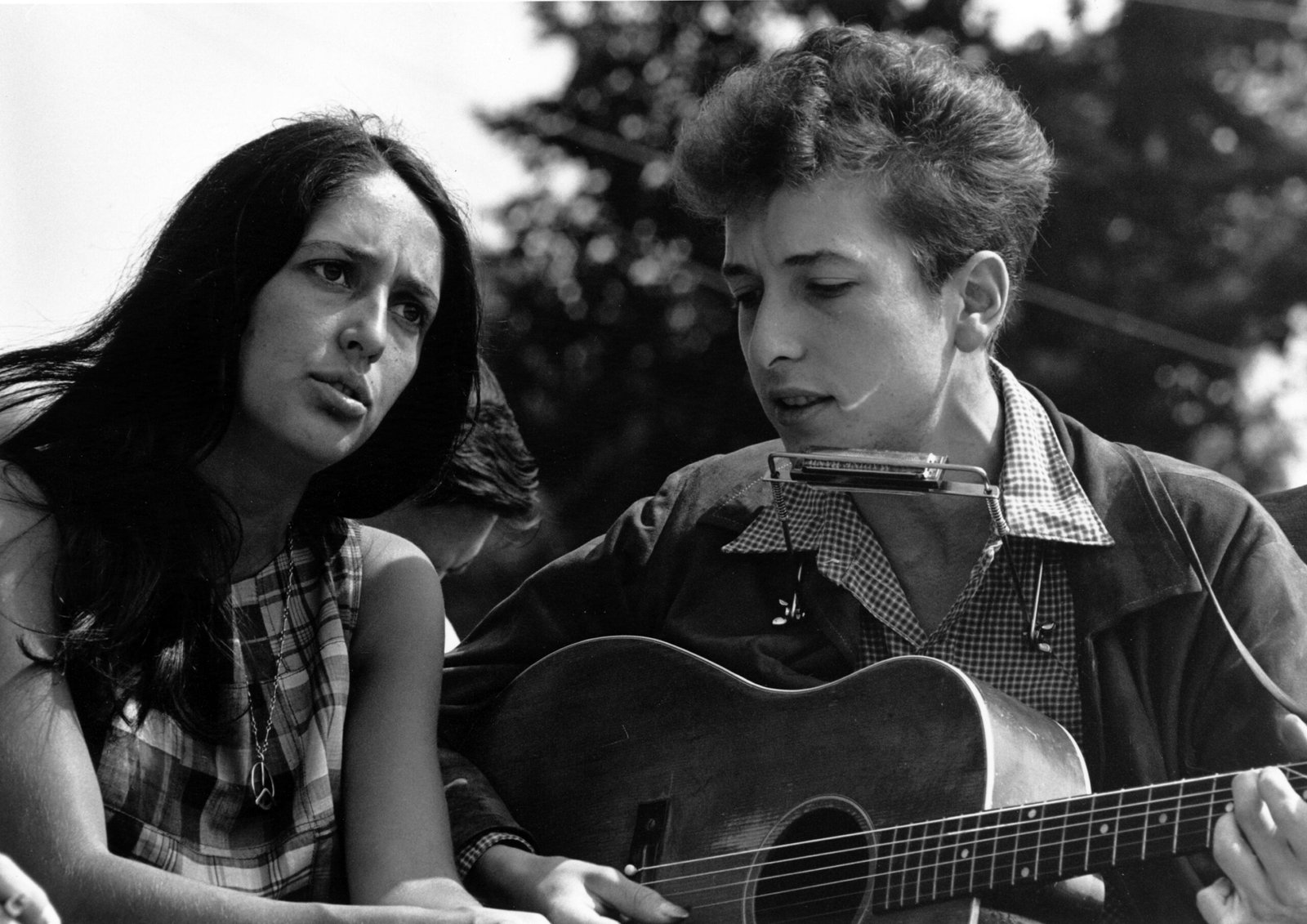
Bob Dylan’s 2006 song “Workingman’s Blues #2” offered a poetic but blunt portrait of the American worker. As factories closed and manufacturing jobs disappeared — the U.S. lost 2.3 million manufacturing jobs between 2007 and 2009 (Bureau of Labor Statistics) — Dylan’s lyrics about economic anxiety felt painfully real. The song’s melancholy tone and vivid imagery captured the frustration and resilience of millions struggling to get by. Fans heard their own stories in Dylan’s work-worn voice.
Pink – Sober
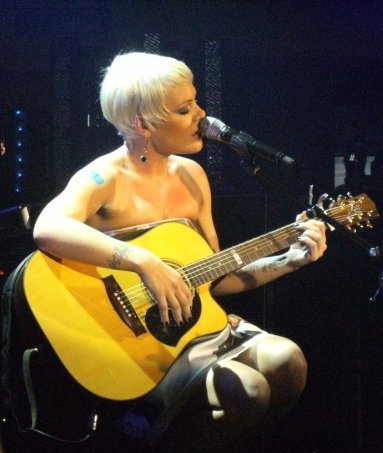
Pink’s “Sober” came out in late 2008, just as the recession was intensifying. The song’s raw exploration of emptiness and the search for meaning mirrored the emotional toll of economic hardship. According to the American Psychological Association, stress levels spiked as people faced job insecurity and financial strain. Pink’s confessional lyrics and powerful vocals spoke to anyone feeling overwhelmed or lost, making it a comfort during sleepless nights and uncertain mornings.
Lupe Fiasco – Words I Never Said
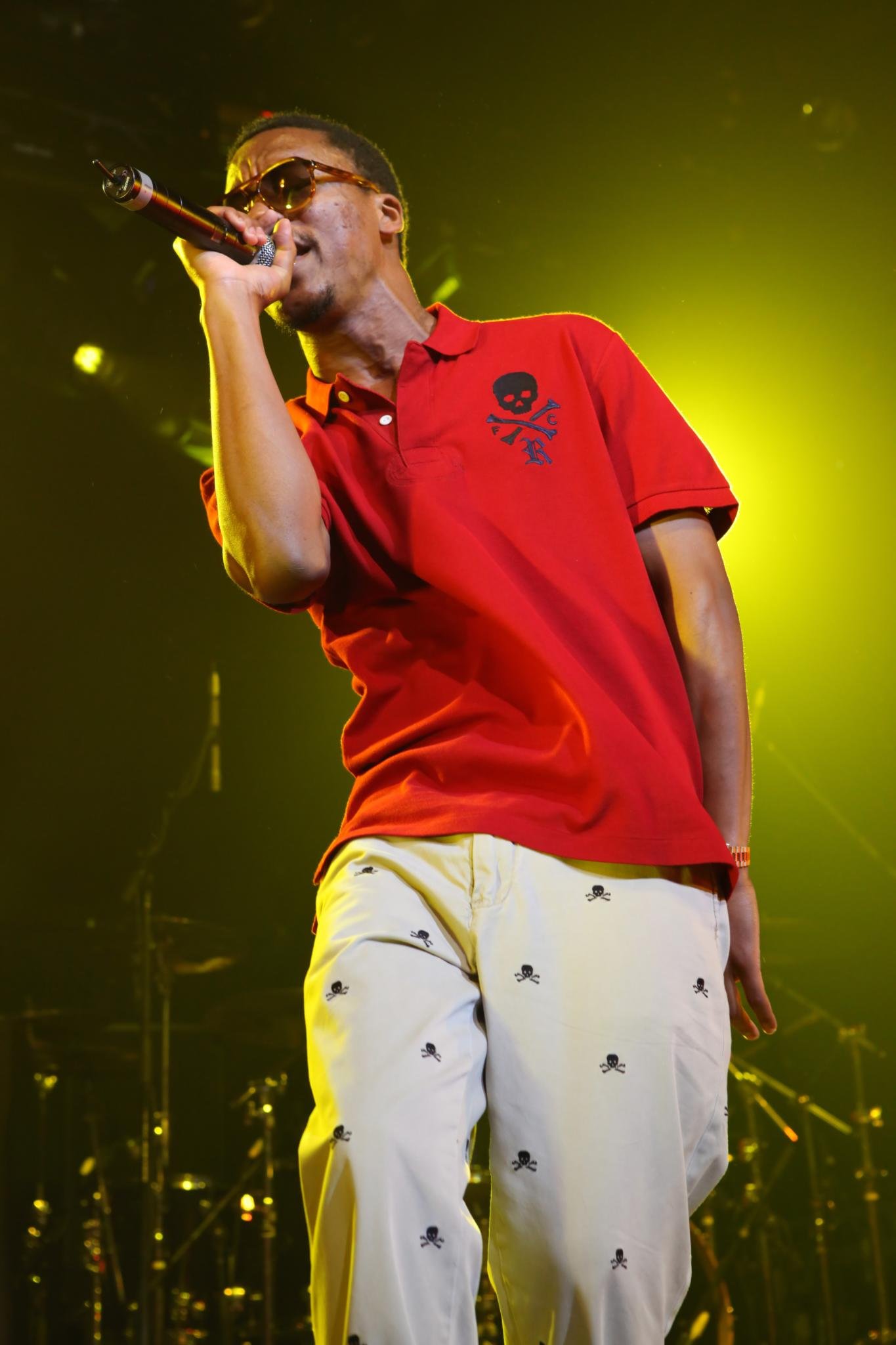
Lupe Fiasco’s 2011 single “Words I Never Said” tackled a host of political and economic issues head-on. With references to Wall Street bailouts and government inaction, Lupe gave voice to widespread anger over the handling of the recession. A 2011 Gallup poll found that 68% of Americans were dissatisfied with how the government responded to the financial crisis. The song’s urgent delivery and uncompromising message struck a nerve, inspiring listeners to question authority and demand change.
Lady Gaga – The Edge of Glory
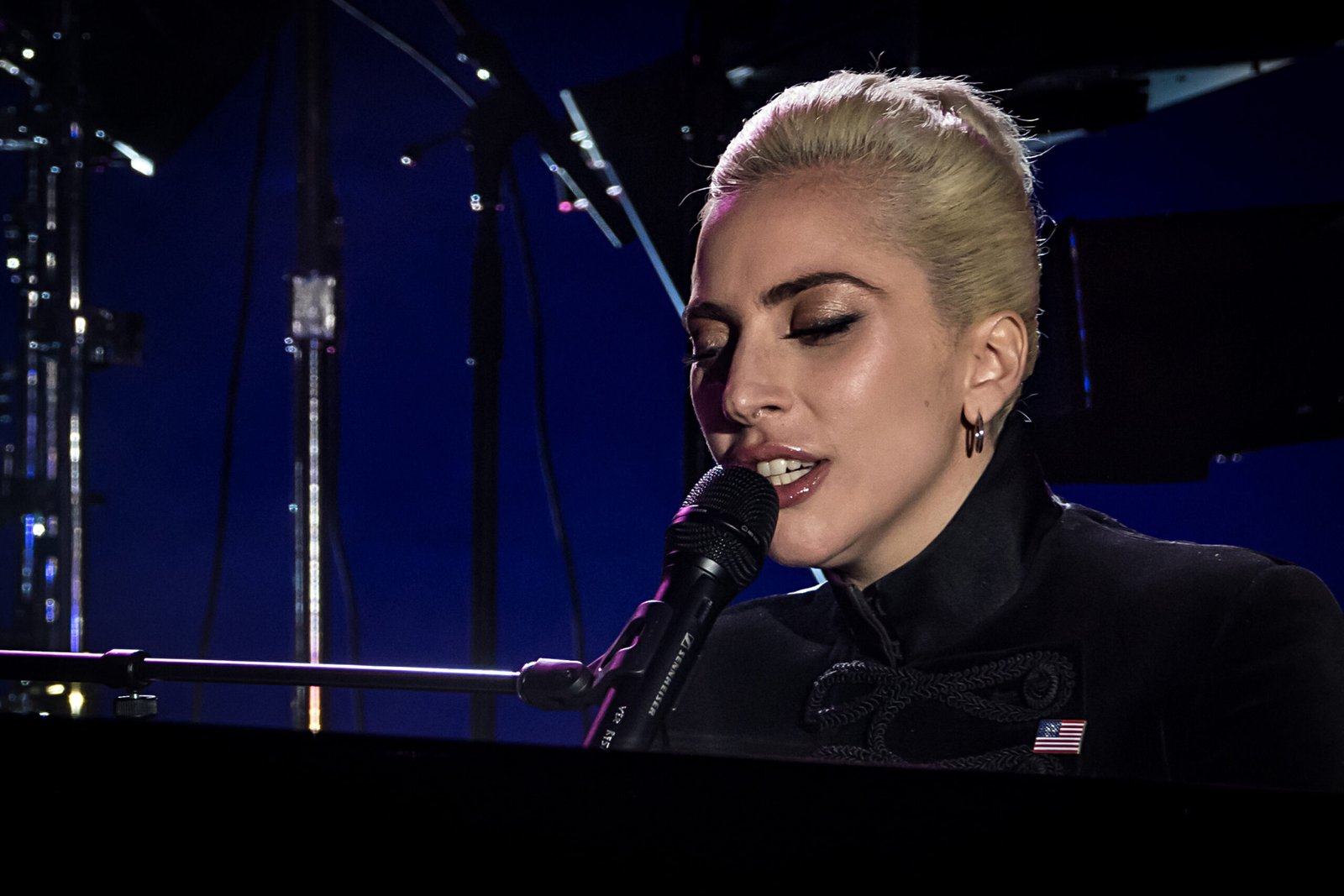
Released in 2011, “The Edge of Glory” became an unlikely anthem of hope as the country tried to climb out of recession. The song’s soaring chorus and defiant lyrics encouraged listeners to hold on, even when standing on the edge of uncertainty. By mid-2011, consumer confidence was still lagging, but there were signs of slow recovery (The Conference Board Consumer Confidence Index). Lady Gaga’s dance-pop energy gave people something to hold onto, reminding them that moments of glory could still be found amid adversity.
Dolly Parton – 9 to 5
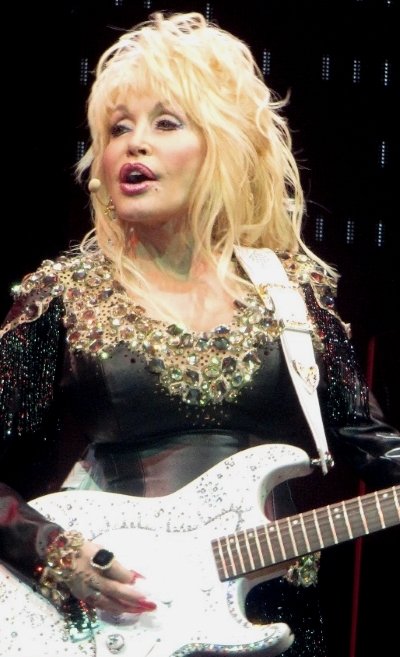
Dolly Parton’s classic “9 to 5” returned to relevance during the economic downturn. As millions took on multiple jobs, gig work, or faced wage stagnation, the song’s message about the daily grind hit home. Between 2007 and 2010, the number of Americans working part-time for economic reasons increased by 4.5 million (U.S. Bureau of Labor Statistics). The upbeat melody and witty lyrics provided a bit of comic relief, even as listeners faced the harsh realities of working life.
Lorde – Royals
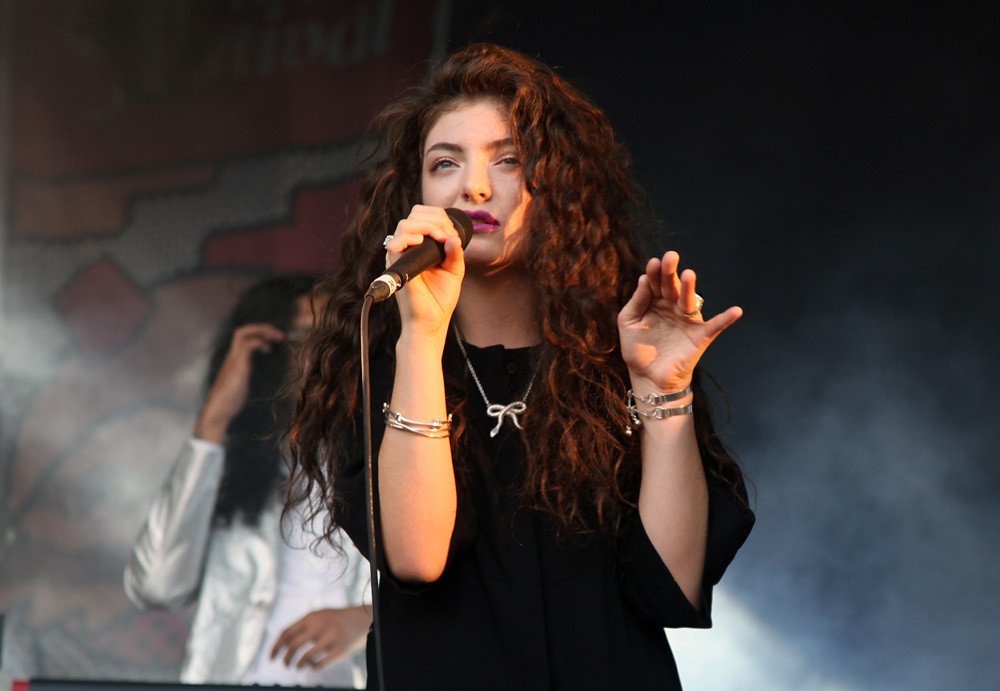
Lorde’s breakout song “Royals” (2013) struck a chord with recession-weary audiences, especially young people. Its rejection of luxury and celebrity culture reflected a generation forced to lower expectations. In 2013, youth unemployment in the U.S. remained above 16% (Bureau of Labor Statistics), and many millennials faced stagnant wages and high debt. Lorde’s minimalist style and pointed lyrics captured the mood of a generation that felt left out of the American Dream.
The Killers – Dustland Fairytale
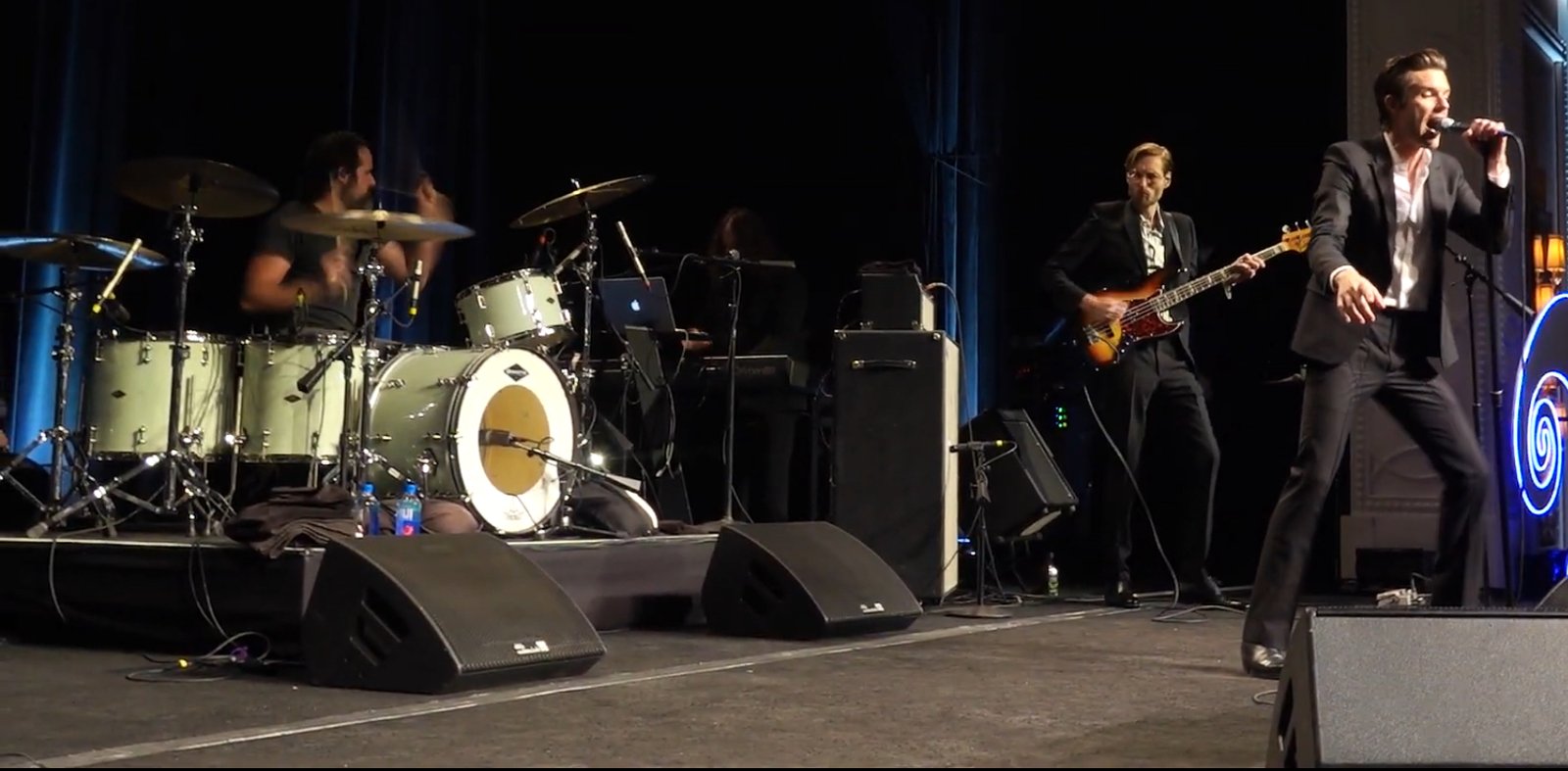
The Killers’ “Dustland Fairytale” unfolded like a cinematic snapshot of American life during economic uncertainty. The song’s bittersweet story of love and hardship resonated as families faced foreclosures, relocations, and dashed hopes. In 2010, nearly 2.9 million homes received foreclosure filings (RealtyTrac). The Killers’ nostalgic sound and heartfelt lyrics painted a portrait of resilience in the face of fading dreams.
Kanye West – Spaceship
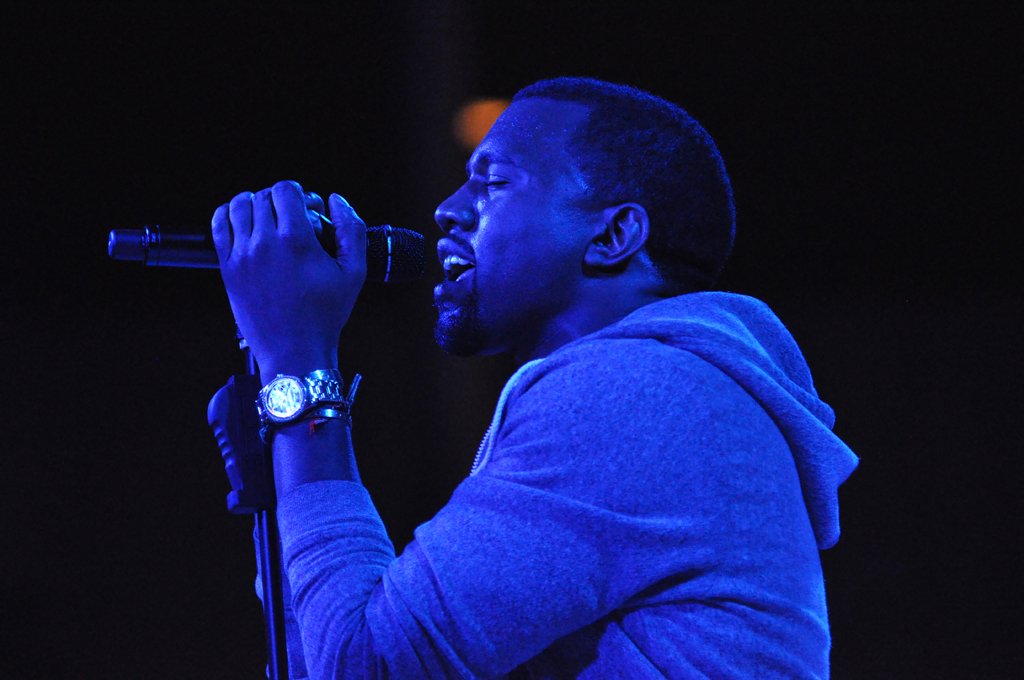
Though released in 2004, Kanye West’s “Spaceship” became a touchstone for frustrated workers during the recession. The song’s raw honesty about dead-end jobs and economic struggle mirrored the experiences of millions. During the downturn, underemployment — people working part-time who wanted full-time work — reached an all-time high of 9.2 million in 2009 (U.S. Bureau of Labor Statistics). Kanye’s blend of humor and frustration made “Spaceship” both relatable and cathartic.
Tracy Chapman – Fast Car
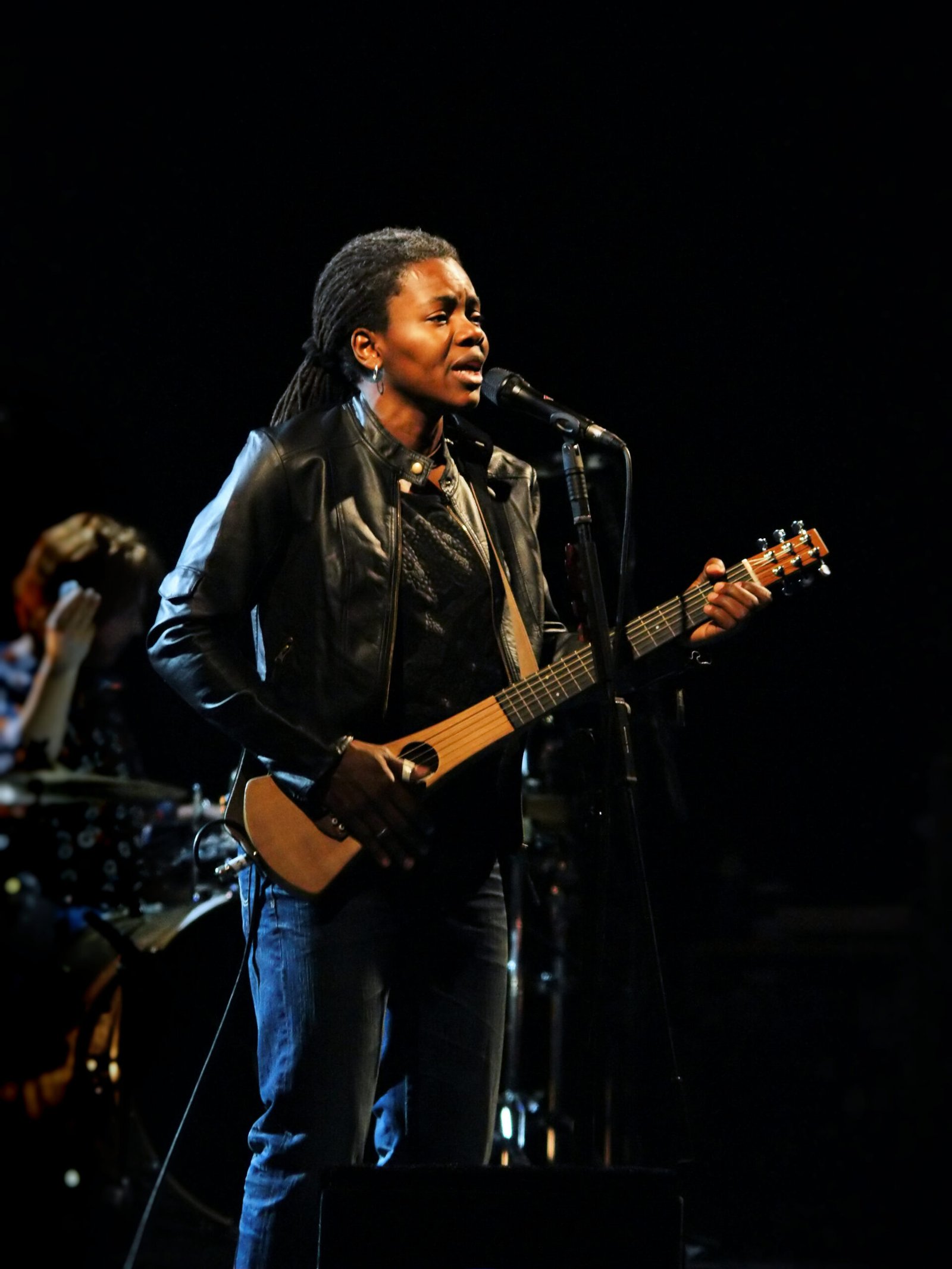
“Fast Car” by Tracy Chapman has long been a symbol of yearning for a better life, but it gained new relevance during the recession. The song’s story of escaping poverty and searching for opportunity felt all too familiar as economic mobility stalled. In 2009, the Economic Mobility Project reported that only one in three Americans born in the bottom fifth of income distribution would rise to the middle class or higher. Chapman’s plaintive voice and storytelling brought these statistics to life.
Bruce Hornsby and the Range – The Way It Is
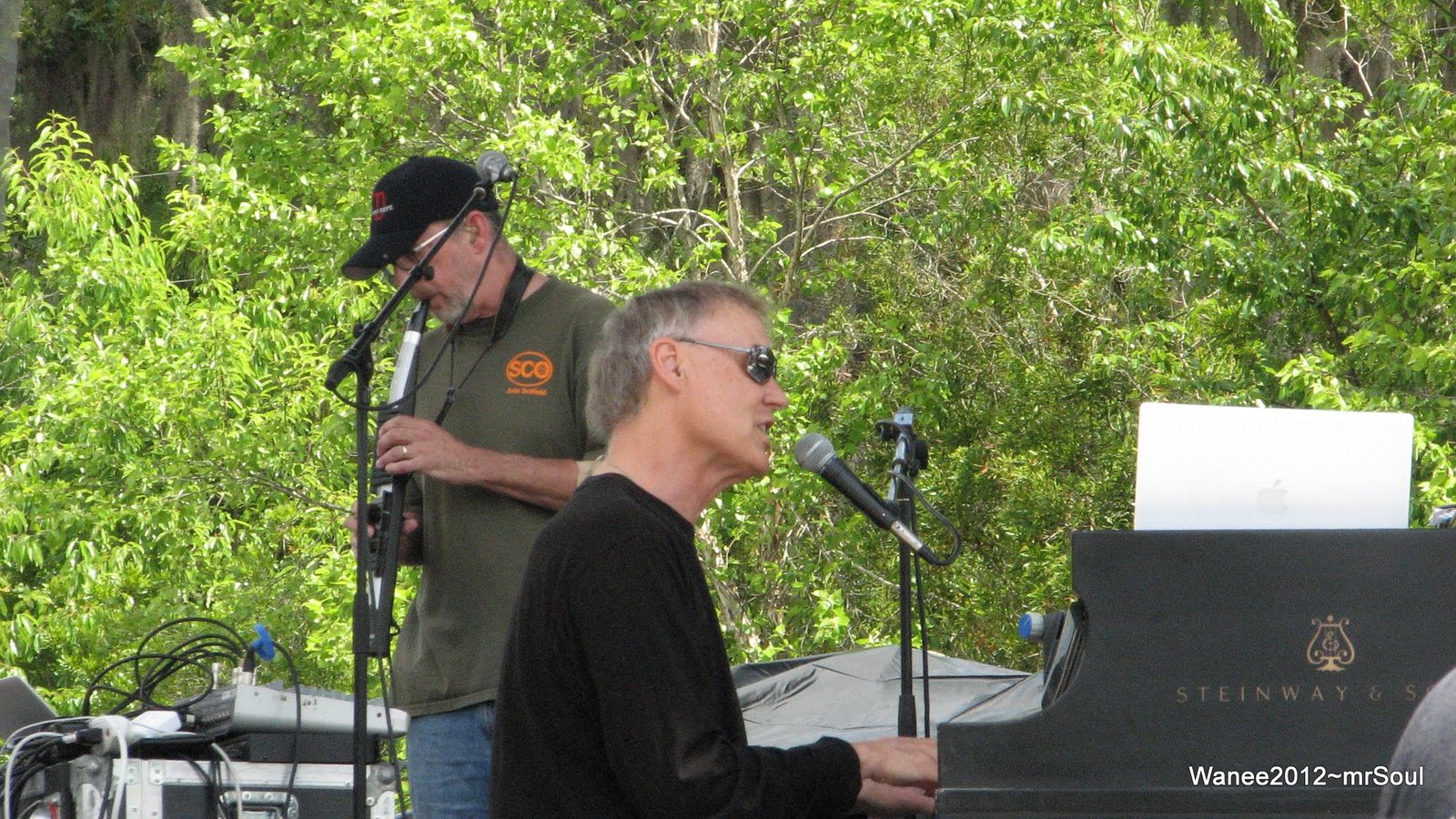
“The Way It Is” returned to public consciousness during the recession as inequality and injustice became hot topics. The song’s refrain that “some things will never change” echoed the frustration of Americans facing foreclosures, layoffs, and widening gaps between rich and poor. According to the Federal Reserve, the top 1% owned 32% of U.S. wealth in 2010, up from 28% in 2005. Hornsby’s piano-driven anthem served as a reminder of the work still to be done.
Arcade Fire – The Suburbs
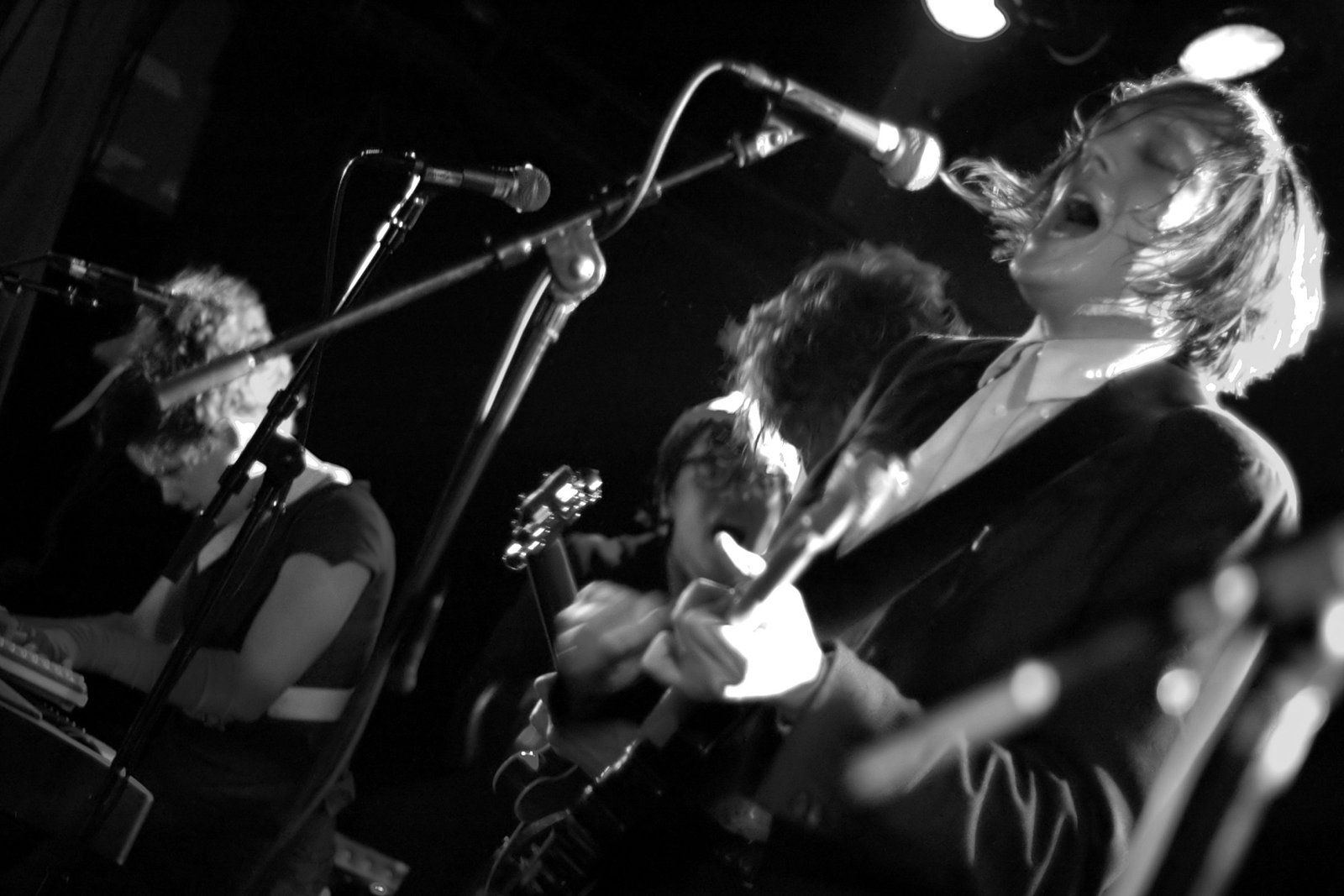
Arcade Fire’s 2010 album “The Suburbs” captured the unease and nostalgia of a changing American landscape. As suburban developments were hit hard by the housing crash, listeners related to themes of lost innocence and shifting dreams. The U.S. Census Bureau reported that suburban poverty grew by 53% between 2000 and 2010. The band’s sweeping soundscapes and reflective lyrics gave voice to a generation watching their communities transform.
Rihanna – Take a Bow

Rihanna’s “Take a Bow” became an unexpected breakup anthem during the recession, but many listeners saw parallels with their relationship to the American Dream. The sense of betrayal and disappointment in the song mirrored public frustration with banks, corporations, and leaders. Consumer trust in institutions plunged to record lows, according to a 2009 Edelman Trust Barometer. Rihanna’s voice captured the anger and heartbreak of a nation let down.
Florence + The Machine – Shake It Out
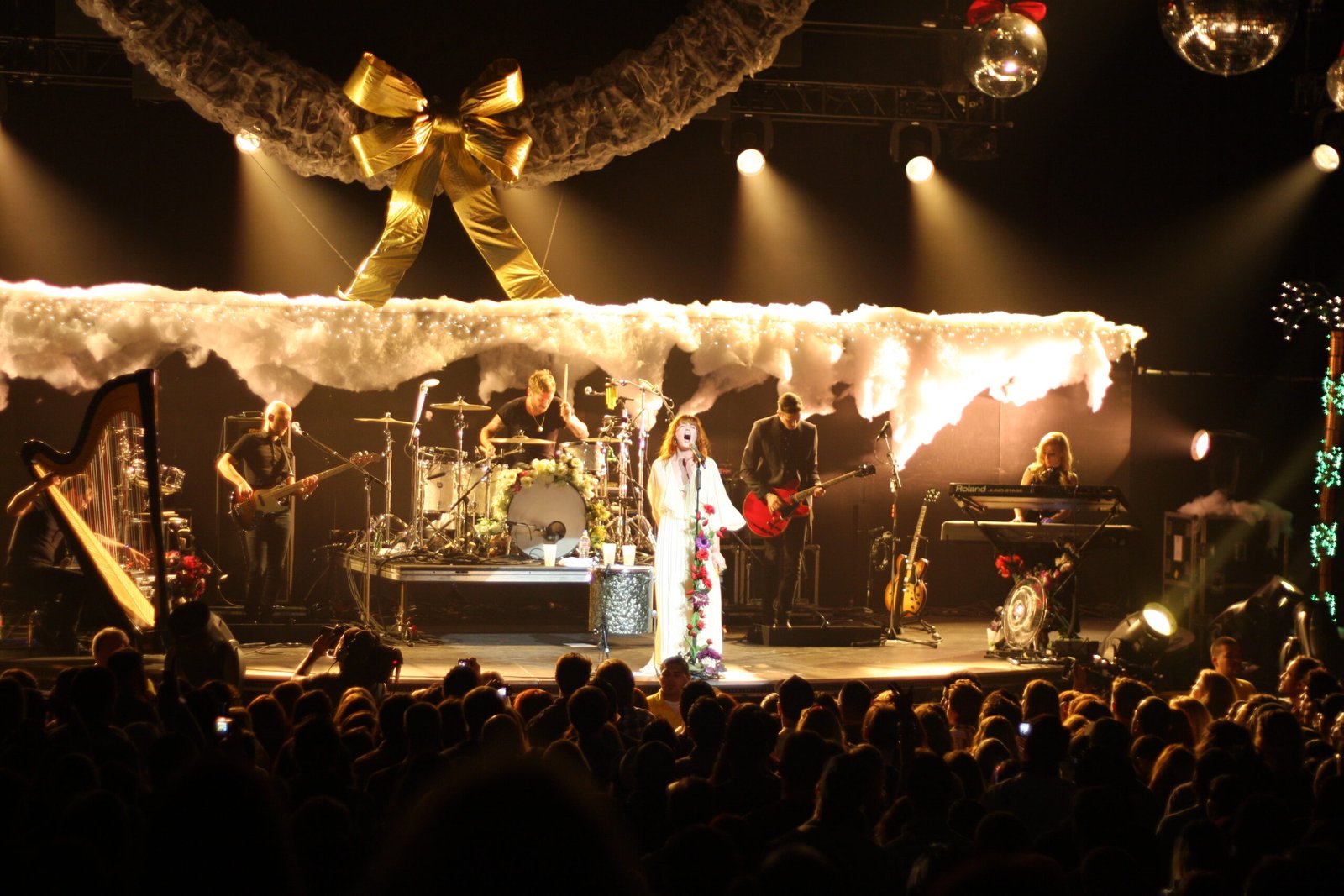
Florence + The Machine’s “Shake It Out” offered catharsis in a time of stress and fear. Released in 2011, its message about letting go of regret and starting anew resonated with those trying to rebuild their lives. By late 2011, the unemployment rate was still above 8% (Bureau of Labor Statistics), but there was growing hope for recovery. The song’s explosive energy and uplifting lyrics encouraged listeners to keep moving forward.
Alicia Keys – No One
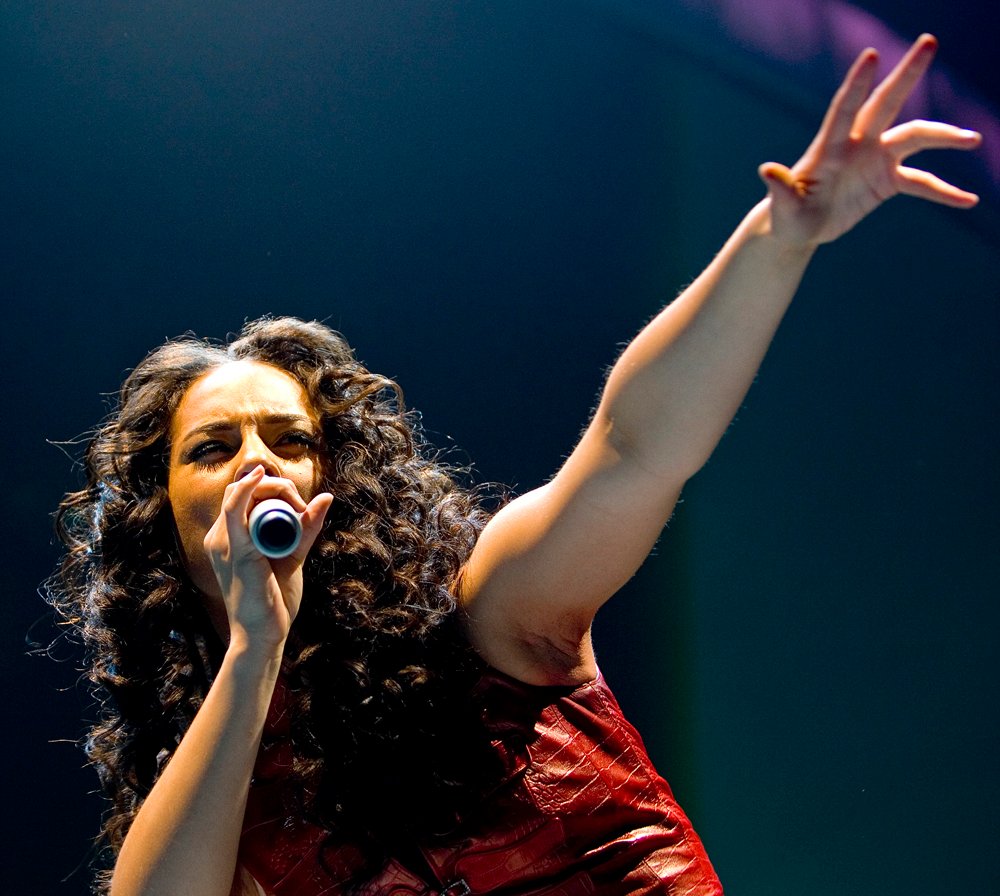
Alicia Keys’ “No One” became a comforting presence for many during the hardship of the recession. The song’s theme of unwavering support and love provided reassurance in uncertain times. According to the Pew Research Center, 37% of Americans said their relationships with family and friends grew stronger during the crisis. Keys’ soulful voice and heartfelt delivery made the song a source of strength for listeners weathering personal and financial storms.
Macklemore & Ryan Lewis – Thrift Shop
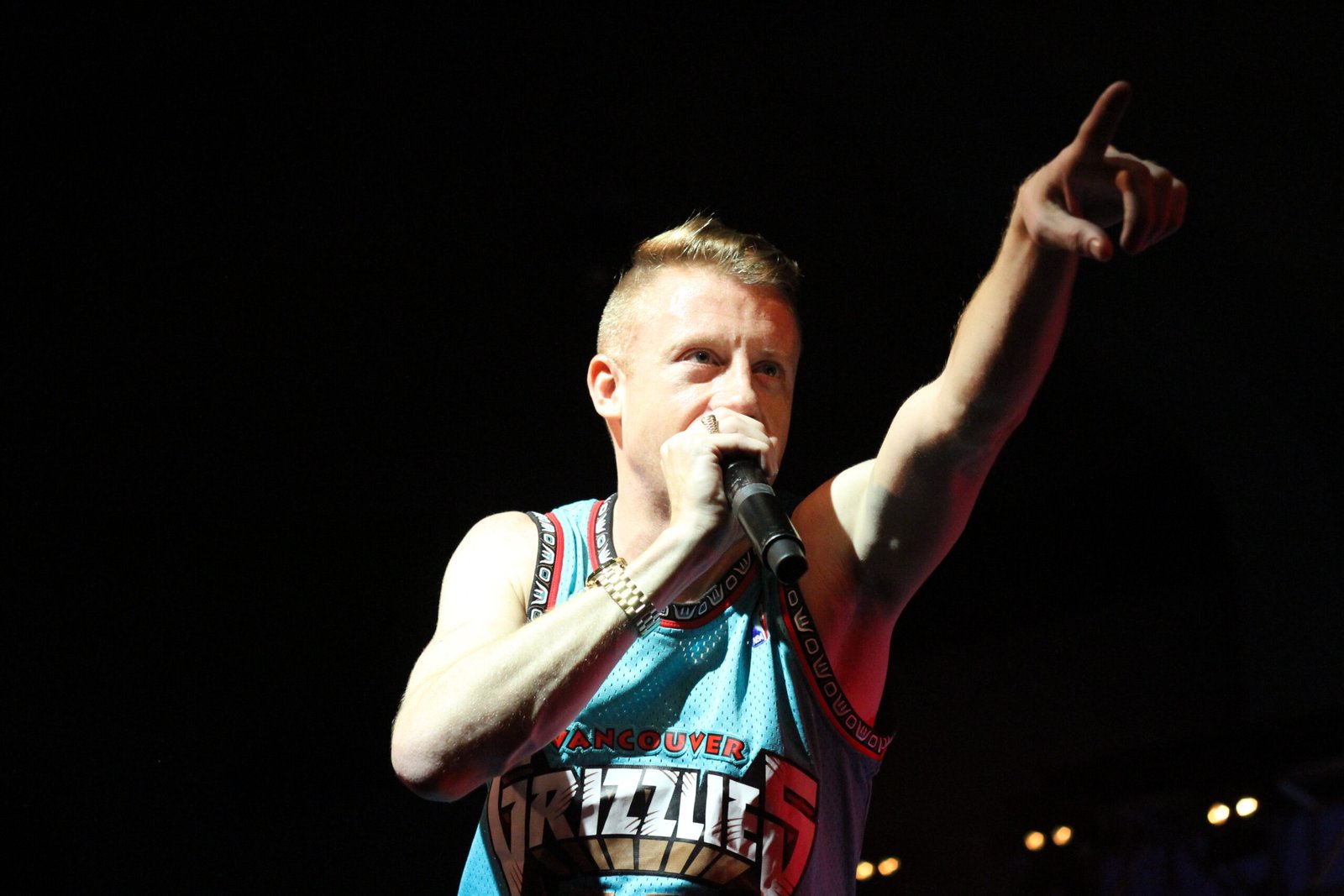
“Thrift Shop” exploded in popularity in 2012 as Americans embraced frugality out of necessity. With lines about shopping secondhand and rejecting expensive brands, the song captured the new normal. The National Association of Resale Professionals reported a 7% increase in resale store openings in 2012. Macklemore’s playful approach to saving money made thrift shopping cool, reflecting changing attitudes about consumption during and after the recession.
CEO-Co-Founder
