

For any feedback please reach out to info@festivalinside.com
Monroeville, Alabama: Where Mockingbirds Sing
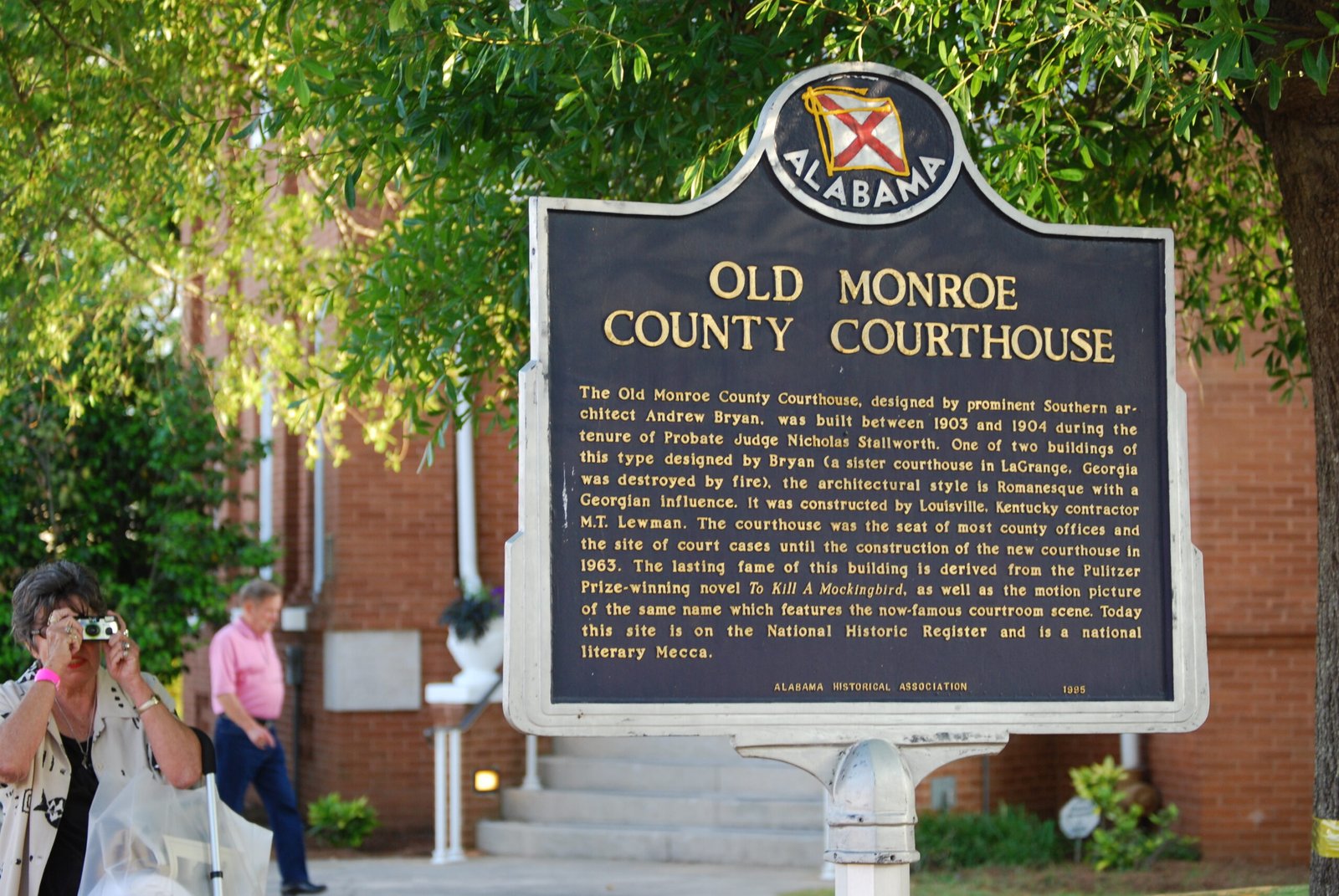
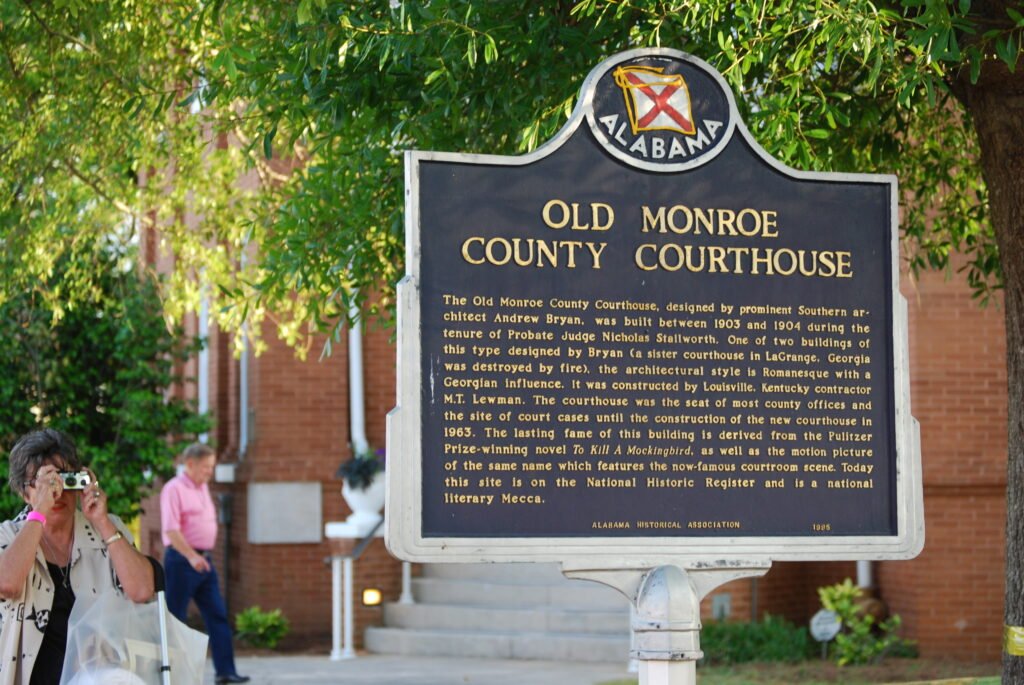
Standing at the courthouse steps in downtown Monroeville, you can almost hear Scout Finch’s footsteps echoing through time. Monroeville, Alabama, presented the first stage adaptation of To Kill a Mockingbird in 1991 as Monroe County Heritage Museum Director Kathy McCoy searched for a way to raise money to renovate the old courthouse. The old courthouse still dominates the town square, just as it did when Harper Lee was growing up here in the 1930s. A.C. Lee practiced law in this historic building. One can imagine Mockingbird’s racially charged Robinson trial taking place here, Atticus putting his papers into his briefcase after completing his closing argument to a crowded court room. Today, the courthouse museum draws visitors from far and away to enjoy this special adaptation of To Kill A Mockingbird.
The town’s commitment to preserving Lee’s legacy remains strong, even as the original family homes have disappeared. One is the location of her childhood home (now the site of Mel’s Dairy Dream); the other is the Faulk residence where Truman Capote, another well-known author and Lee’s childhood friend, spent many summers. This house has been removed too. Yet the spirit of the place endures, with Nelle Harper Lee died in her hometown of Monroeville, Alabama. She was 89 years old. The 2025 performance season promises to continue the tradition, with the first adult performance of the Spring 2025 production of Dramatic Publishing’s adaptation of Harper Lee’s novel To Kill a Mockingbird will be Friday, March 28th, 2025.
Hannibal, Missouri: Tom Sawyer’s Whitewashed Legacy

The Mississippi River still flows past Hannibal, Missouri, carrying with it the ghosts of Tom Sawyer and Huckleberry Finn. Twain grew up in Hannibal, a port town on the Mississippi River, and later used it as a setting for two of his famous novels, Tom Sawyer and Huckleberry Finn. What makes Hannibal remarkable isn’t just its literary heritage, but how completely it has embraced its fictional identity. Mahan understood that Twain’s characters were as real to most people as Twain himself, and Hannibal has been happy to blur the line between history and fiction ever since.
Much like the Wild West town of Tombstone, Hannibal has set aside a small historic district for the tourists, informally known as “Twainiacs.” These are people who’ve read 19th century literature and have an appreciation for wistful depictions of childhood — they tend to be older. The Mark Twain Boyhood Home and Museum offers visitors a chance to tour our historic museum properties located in the heart of Hannibal, MO for one low ticket price. Interestingly, when Twain died in 1910 the town wanted to destroy his boyhood home and turn it into a butcher shop. It was only through the intervention of a local benefactor that the home was preserved for future generations to discover their American literary roots.
Salinas, California: Steinbeck’s Valley of the World

The fertile Salinas Valley stretches out like pages from an open book, telling the story that John Steinbeck called “a sort of autobiography of the Salinas Valley.” Here in California’s “Salad Bowl of the Nation,” Steinbeck found the moral and emotional landscape for his greatest works. To the east the Gabilans rise in gentle folds of green or gold, be it summer or winter: “light gay mountains full of sun and loveliness,” as Steinbeck writes in East of Eden. The landscape hasn’t changed much since Steinbeck’s childhood, though the small town he knew has evolved dramatically.
The National Steinbeck Center, opened in 1998, serves as the literary heart of modern Salinas. Dana Gioia (chair of the National Endowment for the Arts) told an audience at the center, “This is really the best modern literary shrine in the country, and I’ve seen them all.” It houses the most extensive collection of Steinbeck archives in the entire United States and features rotating exhibits that focus on things Steinbeck was passionate about like agriculture. Visitors can even dine at The Steinbeck House. John and his younger sisters grew up here. He wrote several stories and novels in this Queen Anne Victorian. Its front rooms are now a homey restaurant, staffed by volunteers from a civic organization comprised of local women.
What’s particularly striking about Salinas today is how Steinbeck’s complex relationship with his hometown has been resolved posthumously. His description of Salinas sins and shortcomings in “L’Affaire Lettuceburg” was so negative that he recalled the manuscript and prevented its publication. Eventually Salinas forgave the injury, naming the town library in Steinbeck’s honor and building a center devoted to his life and work on Main Street.
Oxford, Mississippi: Faulkner’s Postage Stamp of Soil
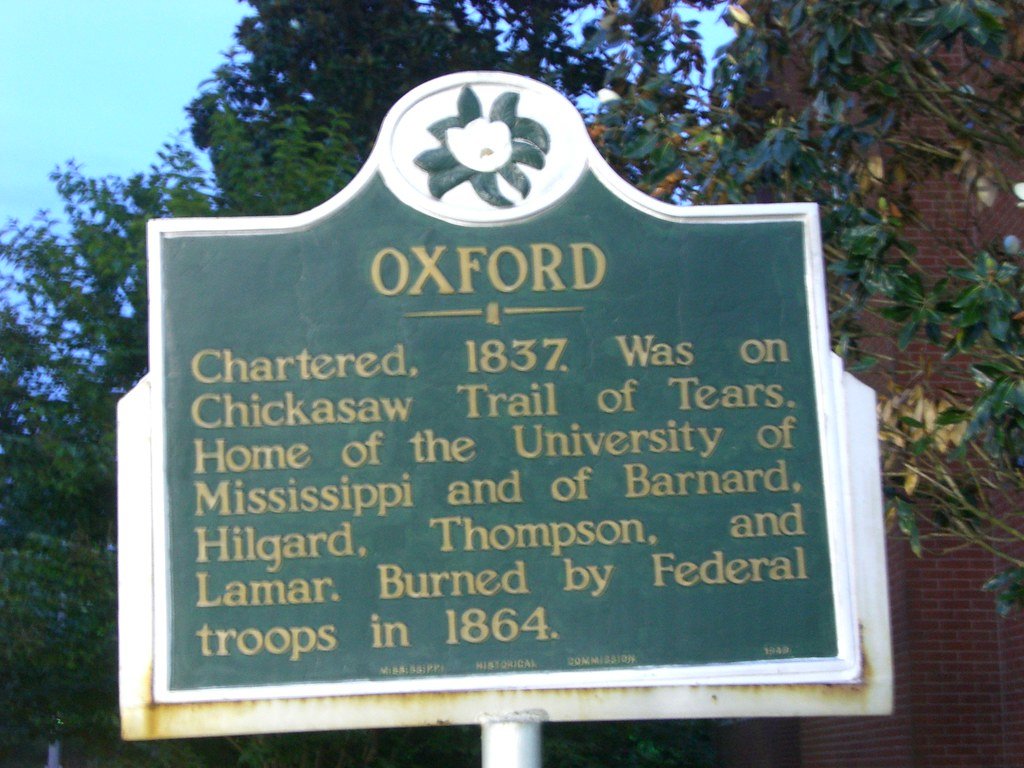
Oxford, Mississippi, exists in two dimensions: the real college town and William Faulkner’s mythical Yoknapatawpha County. “I discovered that my own little postage stamp of native soil was worth writing about and that I would never live long enough to exhaust it.” Faulkner’s fictional Jefferson was directly modeled on Oxford, and Yoknapatawpha County is a fictional Mississippi county created by the American author William Faulkner, largely based upon and inspired by Lafayette County, Mississippi, and its county seat of Oxford (which Faulkner renamed ‘Jefferson’).
The town’s literary significance continues to grow each year. “This is the longest continually running conference devoted to an American writer,” said Jay Watson, conference director and Howry Professor of Faulkner Studies. The annual Faulkner and Yoknapatawpha Conference draws scholars from around the world, with the conference will draw speakers, panelists and Faulkner aficionados from as far away as France, Japan and Kazakhstan. Rowan Oak, Faulkner’s home, remains largely unchanged since his death, preserved as William Faulkner’s private world, in reality and imagination, and served as inspiration for much of his work for more than 40 years.
Asheville, North Carolina: Thomas Wolfe’s Altamont

High in the Blue Ridge Mountains, Asheville, North Carolina, harbors one of American literature’s most passionate hometown relationships. Thomas Wolfe transformed his Appalachian city into the fictional Altamont in “Look Homeward, Angel,” creating what many consider the definitive portrait of small-town American life in the early 20th century. The boarding house his mother ran became the Dixieland in his novel, a place where dreams and disappointments mingled like morning mist in the mountain valleys.
Wolfe’s relationship with Asheville was tumultuous, much like the tortured artist himself. His novel’s frank portrayal of local characters caused such controversy that he was essentially exiled from his hometown for years. The people he had grown up with saw themselves reflected in his pages and didn’t always appreciate what they found. Yet time has healed those wounds, and today Asheville celebrates its literary son with the Thomas Wolfe Memorial, housed in his childhood home on Spruce Street.
The city Wolfe described has transformed dramatically, evolving from a sleepy mountain town into a vibrant arts destination. Modern Asheville buzzes with craft breweries, art galleries, and music venues that would astound the young man who once felt trapped by his surroundings. Ironically, the very qualities that made him desperate to escape – the mountains, the close-knit community, the sense of being watched and known by everyone – are now the city’s greatest attractions for visitors seeking authentic American experiences.
Red Cloud, Nebraska: Willa Cather’s Pioneer Paradise

The vast Nebraska prairie rolls endlessly under enormous skies, creating the perfect backdrop for Willa Cather’s immigrant tales. Red Cloud, population barely 1,000, served as the model for Black Hawk in “My Ántonia” and provided the setting for several of her other prairie novels. The small farming community where Cather spent her formative years from age nine to sixteen left an indelible mark on her imagination and her understanding of the American frontier experience.
Today, Red Cloud maintains seven buildings associated with Cather’s childhood and youth, including the Red Cloud Opera House where she performed in high school plays. The Willa Cather Foundation works tirelessly to preserve not just the buildings but the landscape itself, recognizing that Cather’s genius lay in capturing the relationship between people and the land they inhabited. The town’s commitment to literary preservation is remarkable, especially considering its small size and limited resources.
Walking through Red Cloud today feels like stepping into one of Cather’s novels. The grain elevators still dominate the horizon, the Santa Fe Railroad tracks still bisect the town, and the cemetery on the hill still overlooks the prairie where immigrant families struggled to build new lives. The Cather Foundation’s annual Spring Conference brings scholars and readers from around the world to this remote corner of Nebraska, proving that great literature can flourish anywhere.
Great Neck, New York: Fitzgerald’s West Egg
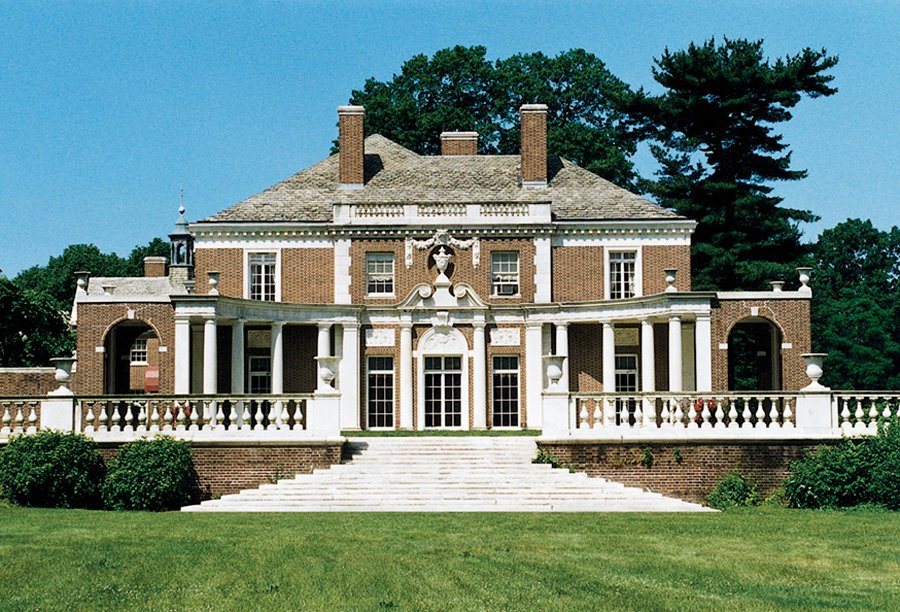
The glittering shores of Long Island’s Gold Coast provided F. Scott Fitzgerald with the perfect setting for his Jazz Age masterpiece. Great Neck served as the inspiration for West Egg in “The Great Gatsby,” where nouveau riche millionaires threw extravagant parties in their Georgian mansions. Fitzgerald lived here briefly in the early 1920s, renting a house on Gateway Drive where he could observe the lifestyle of America’s newly wealthy elite.
The contrast between old money East Egg (based on Manhasset Neck) and new money West Egg perfectly captured the social tensions of the Roaring Twenties. Fitzgerald’s parties at the nearby estates provided him with firsthand experience of the excess and moral emptiness he would later immortalize in his novel. The geographical reality of the two peninsulas jutting into Long Island Sound gave physical form to the social divide that drives the novel’s tragedy.
Modern Great Neck has retained much of its affluent character, though the wild parties of the 1920s have given way to more subdued wealth. Many of the mansions that inspired Fitzgerald still stand, now serving as monuments to both architectural grandeur and literary inspiration. The community has embraced its Gatsby connection, with local businesses and street names paying homage to Fitzgerald’s fictional creation. Real estate agents still invoke the novel when selling properties, understanding that the Gatsby mystique adds both prestige and market value to the area.
Lenox, Massachusetts: Edith Wharton’s Gilded Age Berkshires
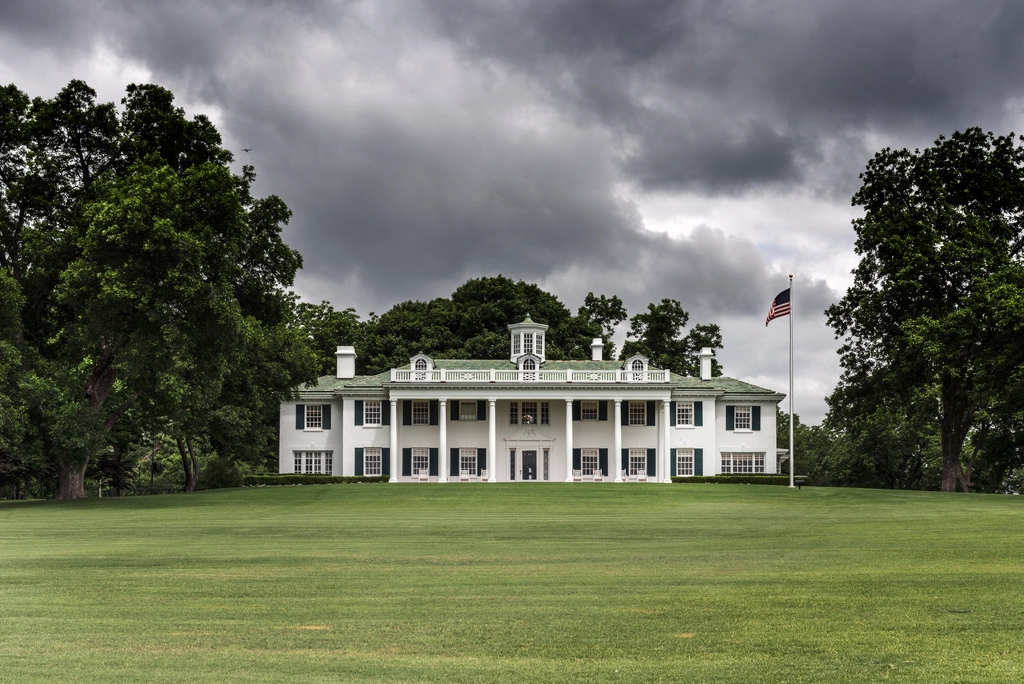
Among the rolling hills of the Berkshires, Lenox, Massachusetts, epitomized the refined world of America’s aristocratic elite that Edith Wharton knew so intimately. Her novel “The House of Mirth” and many of her other works drew inspiration from the summer “cottage” culture of this exclusive resort town, where New York society families escaped the city’s heat in palatial mountain retreats. Wharton herself built The Mount, her stunning estate in Lenox, where she entertained the literary and social luminaries of her day.
Wharton’s Lenox was a place where social conventions ruled with iron precision, where a wrong word or inappropriate dress could destroy reputations built over generations. The elaborate social rituals she observed and participated in became the foundation for her sharp social criticism. Her fictional Stockbridge (closely based on Lenox and nearby Stockbridge) served as the backdrop for exploring the suffocating constraints placed on women in high society.
Today, Lenox remains one of New England’s most prestigious summer destinations, though the rigid social hierarchies Wharton described have largely dissolved. The Mount, now a museum and cultural center, offers visitors insight into both Wharton’s life and the Gilded Age society she chronicled. The town’s continued association with culture and refinement – it’s home to Tanglewood, summer venue of the Boston Symphony Orchestra – would have pleased Wharton, who valued artistic achievement above social pedigree. Many of the grand hotels and estates she knew still grace the landscape, serving as monuments to an era when literature and high society intersected in drawing rooms and garden parties.
Concord, Massachusetts: Louisa May Alcott’s Little Women
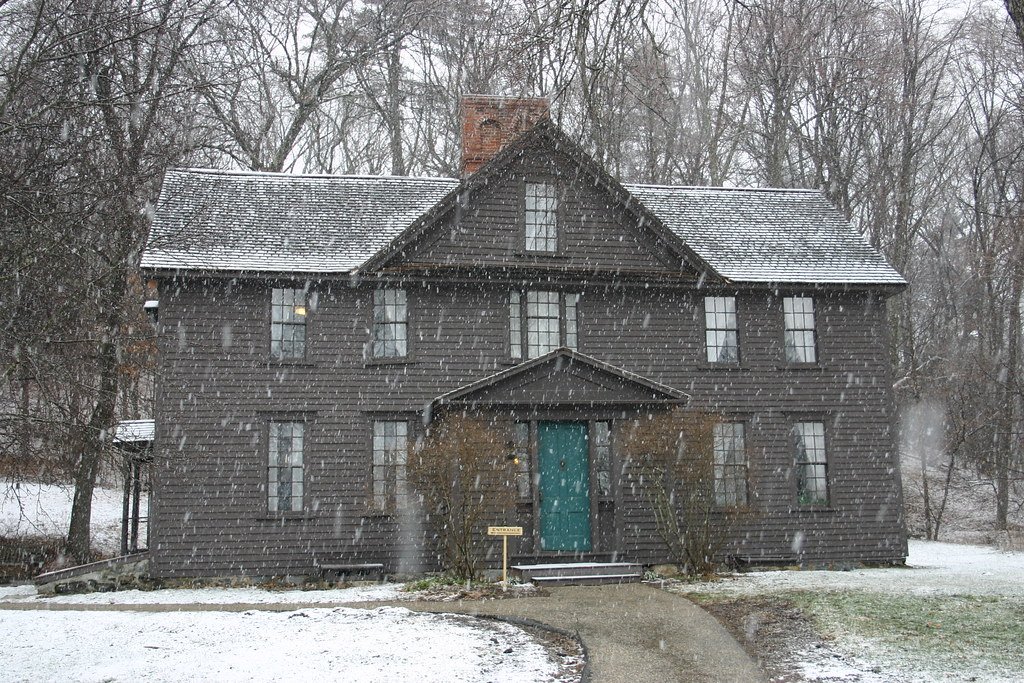
Orchard House in Concord stands as one of America’s most beloved literary shrines, the place where Louisa May Alcott penned “Little Women” and created the March family that has charmed readers for over 150 years. The brown wooden house where the Alcott family lived from 1858 to 1877 provided both the physical setting and emotional inspiration for the novel’s domestic scenes. Visitors can still see the room where Louisa wrote, surrounded by the same New England landscape that shaped her imagination.
The real Alcott family’s experiences closely paralleled those of the fictional Marches. Bronson Alcott’s philosophical idealism and frequent financial struggles inspired the character of Mr. March, while Abigail Alcott’s strength and practicality clearly influenced the portrayal of Marmee. The four Alcott sisters – Anna, Louisa, Elizabeth, and May – became Meg, Jo, Beth, and Amy, with Louisa drawing most heavily on her own experiences for Jo’s character.
Concord’s literary heritage extends far beyond the Alcott family, with connections to Ralph Waldo Emerson, Henry David Thoreau, and Nathaniel Hawthorne, but it’s “Little Women” that brings the most visitors to Orchard House. The home’s preservation as a museum allows fans to walk through the rooms where the March family seemed to live and breathe. The annual reenactments and programs help bring the 19th century to life, while the surrounding town of Concord maintains much of its historic character, making it easy for visitors to imagine themselves in Alcott’s world.
Paterson, New Jersey: William Carlos Williams’ Industrial Epic

The roar of the Great Falls of the Passaic River provided the rhythmic heartbeat for William Carlos Williams’ epic poem “Paterson,” transforming an industrial New Jersey city into a modernist masterpiece. Williams, who practiced medicine in nearby Rutherford, chose Paterson as both the setting and central metaphor for his exploration of American life and language. The city’s industrial landscape, immigrant communities, and working-class struggles became the raw material for one of the 20th century’s most ambitious poetic projects.
Williams saw in Paterson a microcosm of America itself – a place where European immigrants sought new lives, where industrialization transformed the landscape, and where poetry could be found in the most unlikely places. The Great Falls, which had attracted Alexander Hamilton to establish America’s first planned industrial city, symbolized both the power and the destructive force of American progress. Williams wandered the city’s streets, collecting overheard conversations, newspaper clippings, and historical documents that he wove into his epic poem.
Modern Paterson bears little resemblance to the thriving industrial center Williams knew, having suffered decades of economic decline and urban decay. Yet the Great Falls still thunder with the same power that inspired the poet, and recent revitalization efforts have brought new attention to both the city’s industrial heritage and its literary significance. The Paterson Museum now includes exhibits on Williams and his work, while the Great Falls Historic District recognizes the area’s importance in both American industrial and literary history. For poetry lovers, Paterson remains a pilgrimage site where they can experience firsthand the landscape that produced one of America’s most innovative long poems.
Bangor, Maine: Stephen King’s Dark Corner
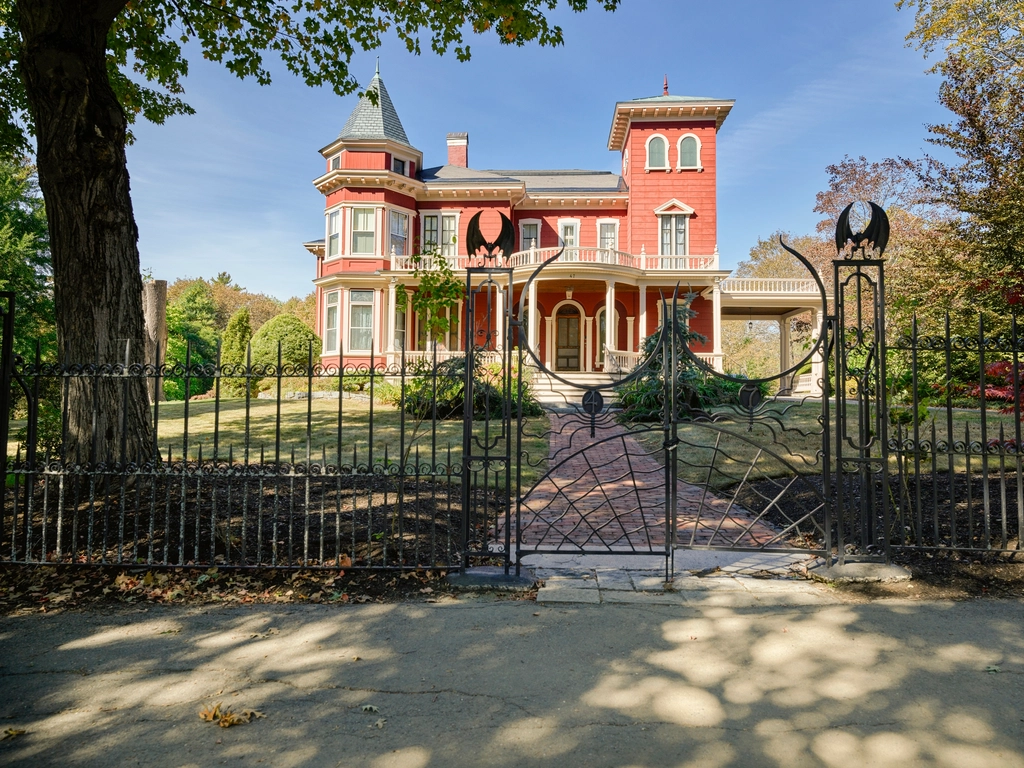
The tree-lined streets of Bangor, Maine, might look peaceful to casual visitors, but Stephen King has transformed this ordinary New England city into one of literature’s most terrifying landscapes. King has lived in Bangor since the early 1980s, using his hometown as the model for the fictional Derry, Maine, setting of “It” and several other horror novels. The city’s Victorian architecture, dense forests, and long winter nights provide the perfect atmosphere for King’s supernatural tales.
King’s famous house on West Broadway, with its distinctive wrought-iron fence featuring bats and spiders, has become an unofficial tourist attraction for horror fans worldwide. The author is deeply embedded in the community, supporting local charities and even funding the city’s baseball stadium. This connection between writer and place gives authenticity to his fictional Derry, making the supernatural horrors feel grounded in recognizable reality.
What makes King’s use of Bangor particularly effective is how he transforms familiar, comfortable settings into sources of dread. The Kenduskeag Stream becomes the lair of ancient evil, while ordinary suburban neighborhoods hide unspeakable secrets. Local residents have embraced their city’s connection to King’s work, with some businesses capitalizing on the horror theme while others simply appreciate having a world-famous author as a neighbor. The Stephen King Tour of Bangor takes fans to locations featured in his novels, proving that even in the internet age, there’s something irreplaceable about experiencing a writer’s landscape firsthand.
New Orleans, Louisiana: Tennessee Williams’ Seductive Decay
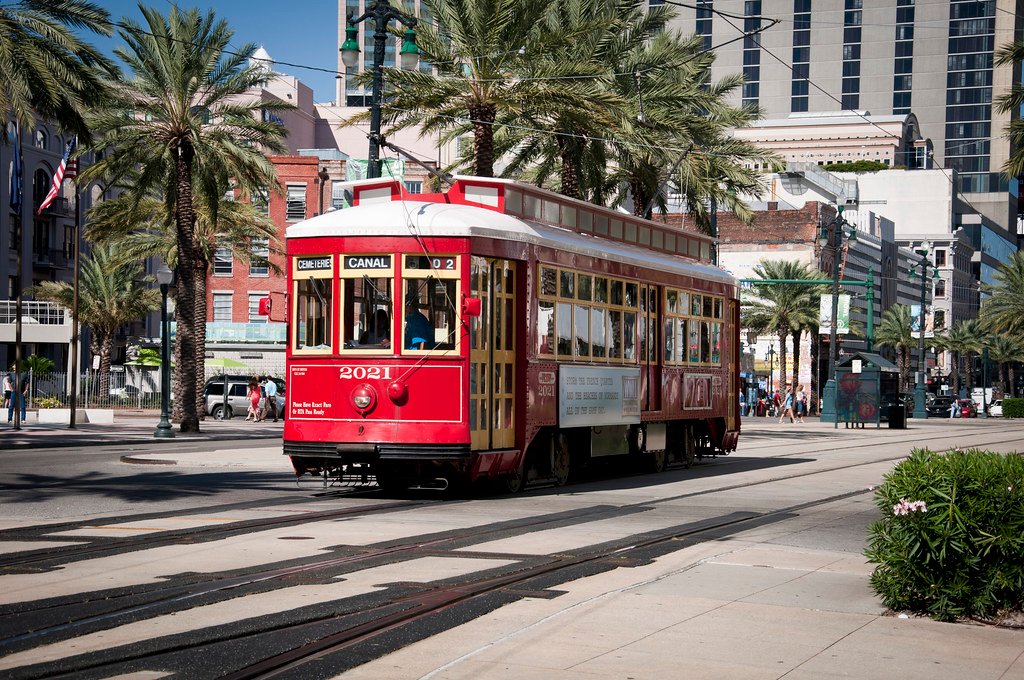
The humid air of New Orleans’ French Quarter practically drips with the sensuality and decay that Tennessee Williams captured so brilliantly in “A Streetcar Named Desire.” Williams lived in the city during the 1940s, renting a small apartment in the Quarter where he could observe the collision between faded Southern gentility and raw urban reality. The streetcar that Blanche DuBois rides to her tragic destiny was real, running along Royal Street and carrying passengers through the heart of the old city.
Williams found in New Orleans a place where outcasts and misfits could exist alongside society’s elite, where beauty and decay intertwined like lovers in the summer heat. The city’s tolerance for eccentricity and its celebration of both pleasure and melancholy provided the perfect atmosphere for his exploration of human desires and delusions. The famous streetcar named Desire actually existed, though it stopped running in 1948, just as Williams was completing his masterpiece.
Modern New Orleans trades heavily on its literary connections, with Williams being just one of many writers associated with the city. The Tennessee Williams New Orleans Literary Festival celebrates his work annually, while guided tours take visitors to his former residences and the locations that inspired his plays. The French Quarter retains much of its 1940s character, allowing visitors to experience the atmosphere that shaped Williams’ imagination. Yet the city’s relationship with its literary heritage is complex – while it celebrates writers like Williams, it also struggles with the ways their work has sometimes reinforced stereotypes about Southern decadence and decay.
Savannah, Georgia: John Berendt’s Gothic Paradise
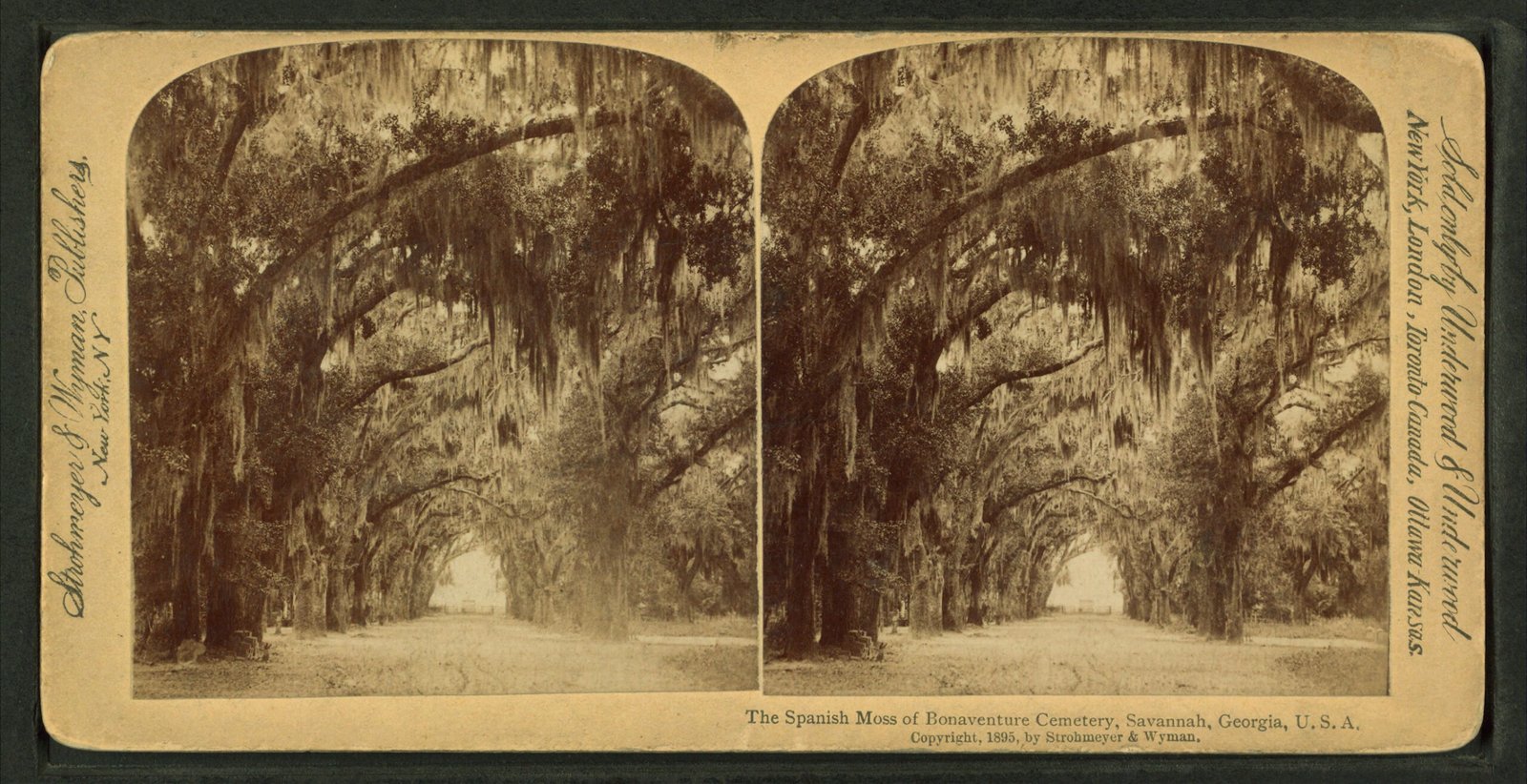
Spanish moss drapes the ancient oaks of Savannah’s squares like theatrical curtains, setting the stage for the real-life drama that John Berendt chronicled in “Midnight in the Garden of Good and Evil.” Though technically nonfiction, Berendt’s book reads like Southern Gothic fiction, transforming Savannah’s eccentric residents and mysterious atmosphere into a compelling narrative that captivated millions of readers. The book’s success in the 1990s brought unprecedented attention to this previously overlooked Southern city.
Berendt spent years in Sav

Christian Wiedeck, all the way from Germany, loves music festivals, especially in the USA. His articles bring the excitement of these events to readers worldwide.
For any feedback please reach out to info@festivalinside.com
