
- 15 Vintage Board Games That Are Still Incredibly Fun to Play Today - August 21, 2026
- 12 Architectural Wonders of the Ancient World That Still Inspire Awe Today - August 21, 2026
- 15 Classic TV Shows That Defined a Generation – And Where Are They Now? - August 21, 2026
The Autobiography of Malcolm X – Malcolm X with Alex Haley
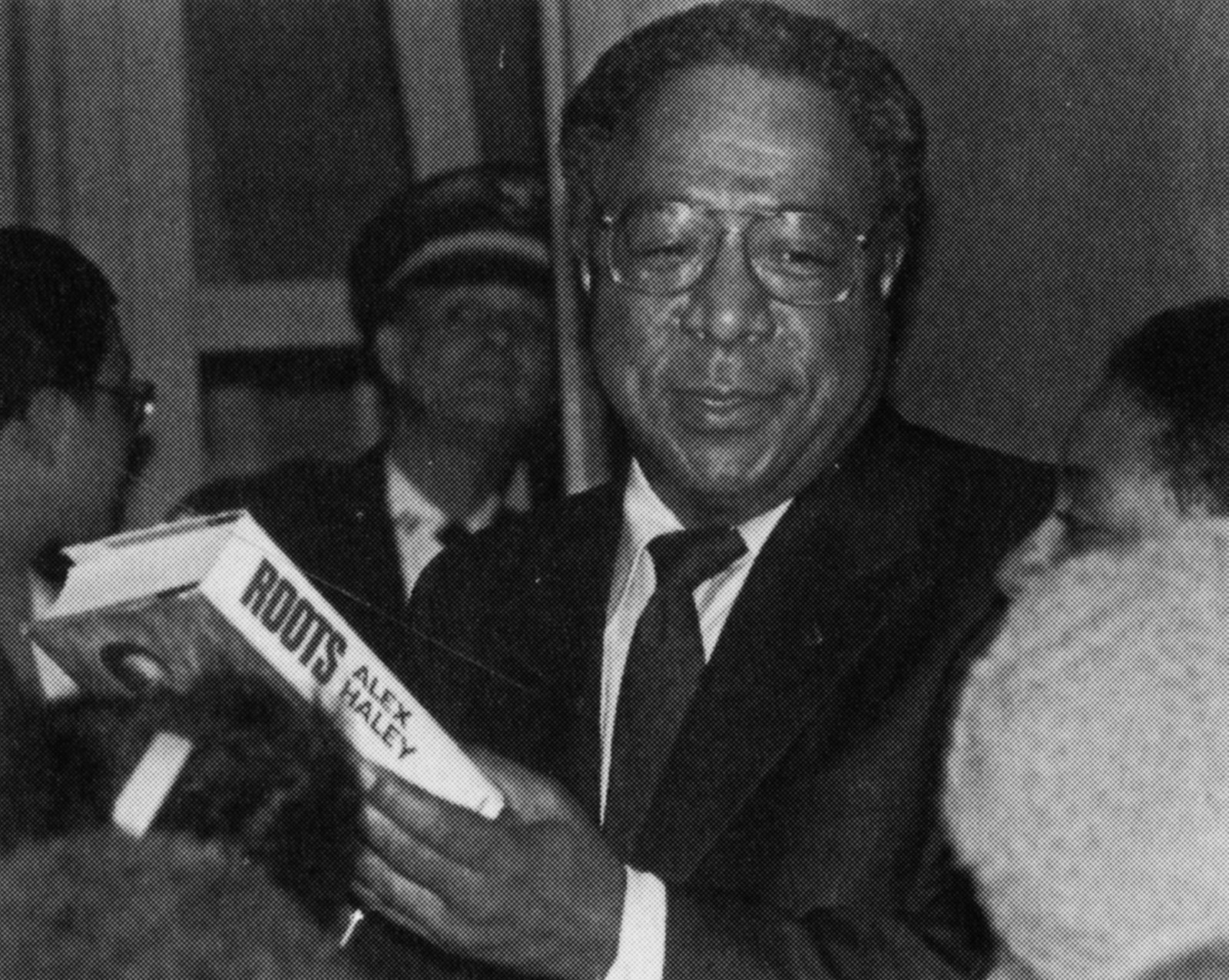
When you think of autobiographies, you usually expect the subject to have written their own story. But The Autobiography of Malcolm X was written by Malcolm X in collaboration with American journalist Alex Haley, who coauthored the book based on a series of in-depth interviews he conducted between 1963 and 1965. Haley ghostwrote The Autobiography of Malcolm X based on more than 50 in-depth interviews he conducted with Malcolm X between 1963 and Malcolm X’s February 1965 assassination.
The collaboration was far from simple. While Malcolm X and scholars contemporary to its publication regarded Haley as the book’s ghostwriter, modern scholars tend to regard him as an essential collaborator who intentionally muted his authorial voice in order to create the effect of Malcolm X speaking directly to readers. In 1998, Time magazine ranked The Autobiography of Malcolm X as one of the 10 most influential nonfiction books of the 20th century. What many readers don’t realize is that this masterpiece was crafted through the skilled pen of Alex Haley, who later wrote the bestselling novel “Roots.”
Goosebumps Series – R.L. Stine (or Multiple Ghostwriters?)
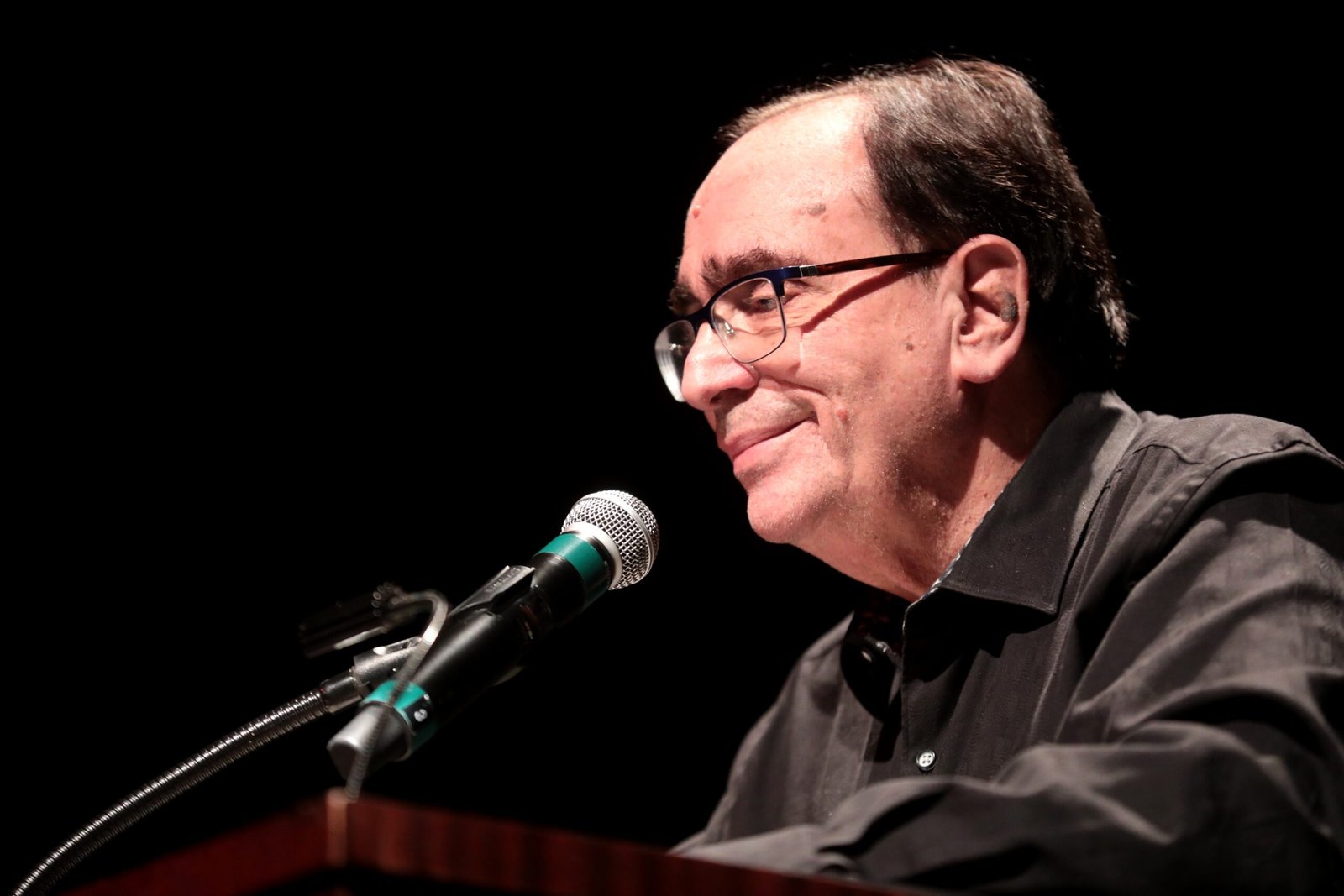
The truth about R.L. Stine’s Goosebumps empire is more complicated than you might expect. Scholastic claimed that Stine was employing ghostwriters for many Goosebumps books, alleging that Stine wrote the first sixteen books in the series independently, after which he began to employ freelancers, accusing Stine of allowing freelancers to make the majority of his creative decisions while he contributed “minimal” changes.
However, Stine denied then, and continues to deny these accusations, tweeting in 2017 “I wish I had a ghostwriter,” but “it’s all me. Every book.” In a Reddit AMA he admitted to receiving help with outlines but insists “I wrote all the GB books myself, believe it or not.” According to Stine himself, he didn’t use a ghostwriter for the bulk of the Goosebumps novels, and Stine works without an assistant or a “ghost writer,” but his wife Jane Waldhom does act as editor. Still, Kathryn Lance’s website states that she wrote seven books in the Give Yourself Goosebumps series and two in the R.L. Stine’s Ghosts of Fear Street series.
Nancy Drew Mysteries – Carolyn Keene Never Existed
Here’s a shocker: If you remember your grade-school reading log, the Nancy Drew mysteries are by Carolyn Keene. Only she never existed. Edward Stratemeyer, the founder of the Syndicate, hired writers, beginning with Mildred Wirt (later Mildred Benson), to write the manuscripts for the Nancy Drew books, and Benson is credited as the primary writer of Nancy Drew books under the pseudonym Carolyn Keene.
Mildred Wirt went on to write twenty-three of the first thirty Nancy Drew novels between 1930 and 1953 with Stratemeyer’s daughter, Harriet, authoring another twenty-four of the fifty-six total novels. Other ghostwriters who used this name to write Nancy Drew mysteries included Leslie McFarlane, James Duncan Lawrence, Walter Karig, Nancy Axelrad, Patricia Doll, Charles S. Strong, Alma Sasse, Wilhelmina Rankin, George Waller Jr., Margaret Fischer, and Susan Wittig Albert. The woman behind the original Nancy Drew was actually Mildred Wirt Benson – a tough, independent journalist who brought that same spirit to the famous teen detective.
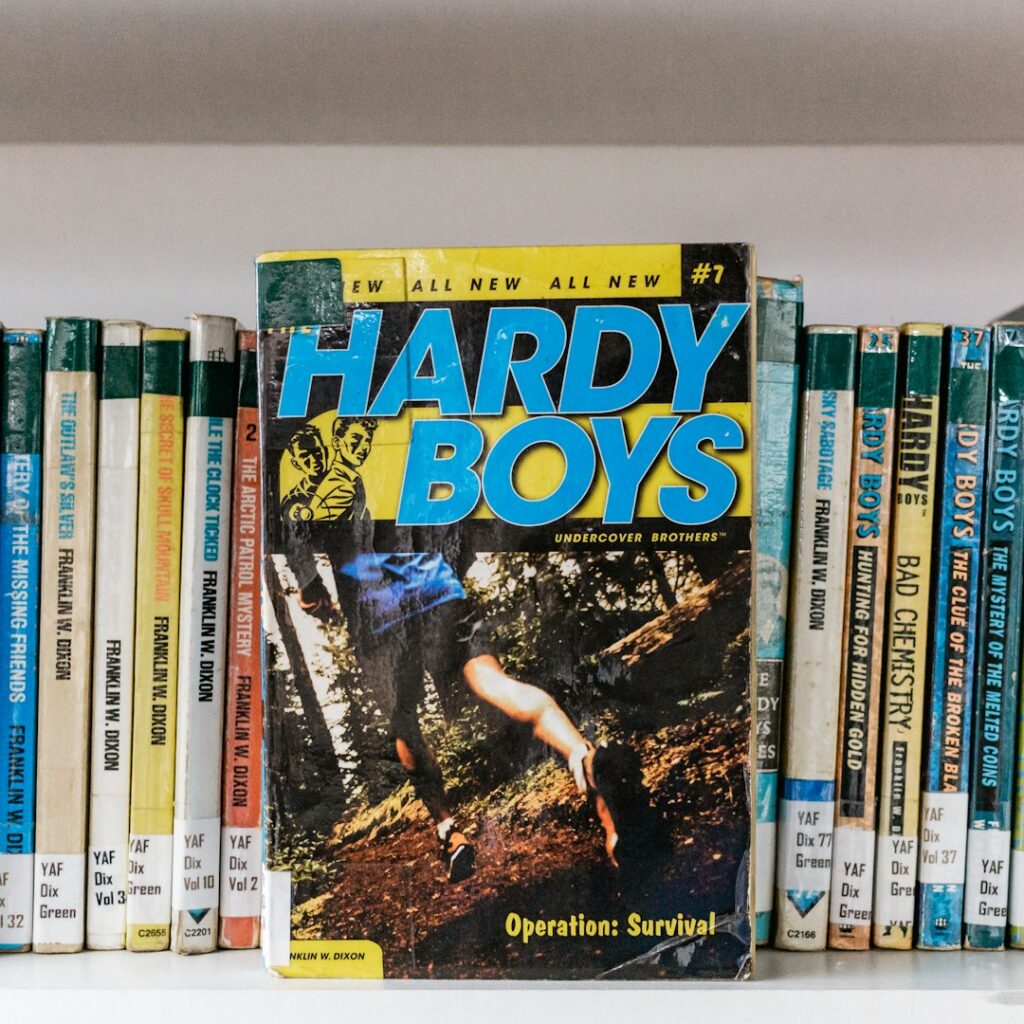
Hardy Boys – Franklin W. Dixon Was a Ghost Too
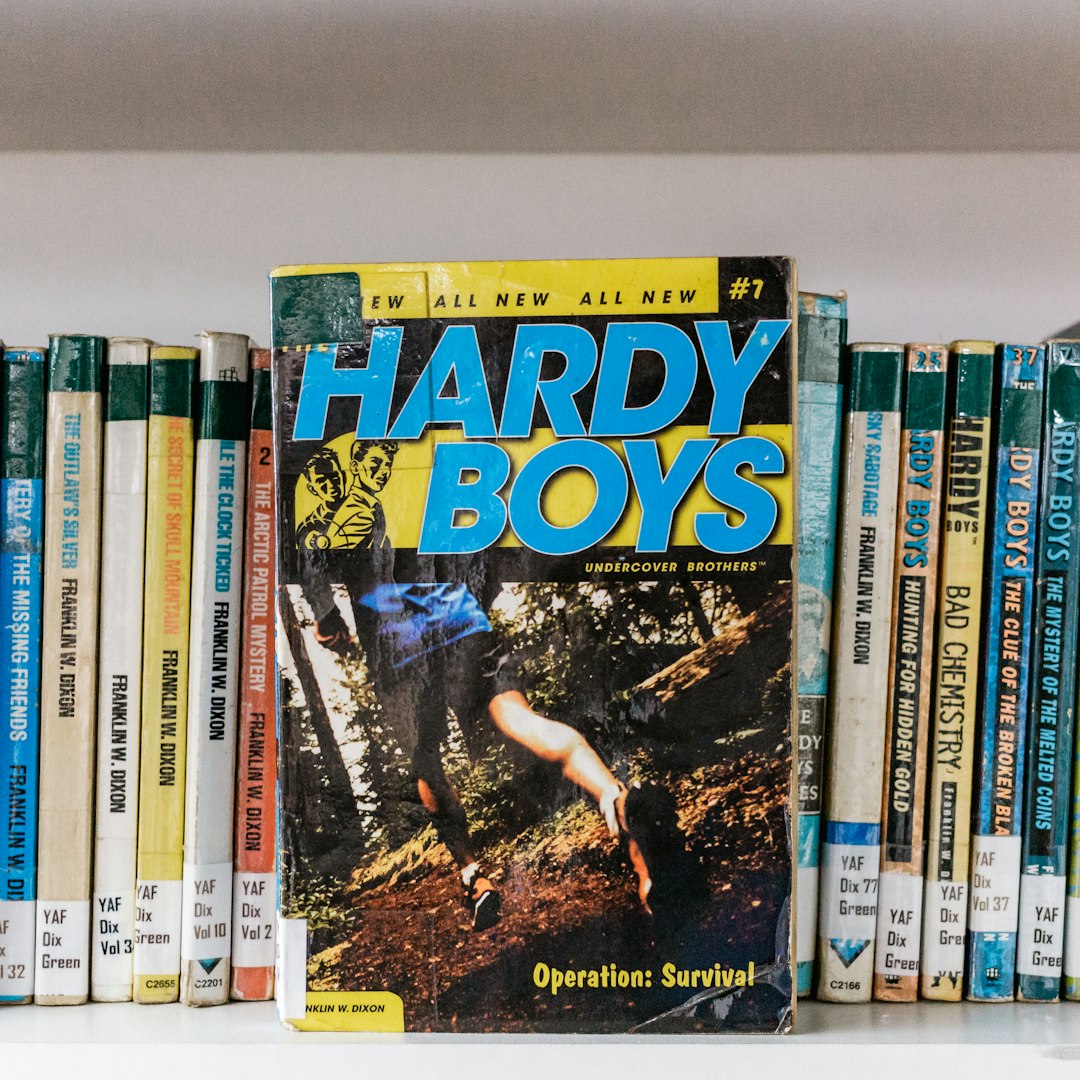
Just like their female counterpart Nancy Drew, The Hardy Boys books were written by several ghostwriters, most notably Leslie McFarlane, under the collective pseudonym Franklin W. Dixon. Dixon is a pen name used by a group of writers called the Stratemeyer Syndicate, which was founded in the early 1900s by a man named Edward Stratemeyer. The Syndicate was also responsible for many other successful juvenile series, including Nancy Drew, Tom Swift, and the Bobbsey Twins.
Most notable among these writers is Leslie McFarlane, who wrote volumes 1-16 and 22-24 and is generally regarded as by far the best ghostwriter of the series. Embarrassed by his secret identity as the author of the Hardy Boys books, Leslie McFarlane admitted it to no one—his son pried the truth out of him years later. Having signed away all rights to the books, McFarlane never shared in the wild financial success of the series. The same Stratemeyer Syndicate that created Nancy Drew also manufactured the Hardy Boys using the exact same ghostwriting formula.
James Bond Novelizations – More Than Just Ian Fleming

While Ian Fleming created the James Bond character, some of the later Bond novels weren’t entirely his work. Several Bond books were written by other authors after Fleming’s death in 1964, including continuation novels and film novelizations that diverged significantly from the original source material. Various ghostwriters and credited authors have contributed to the Bond literary universe, particularly when it came to adapting screenplays into novels.
The film novelizations often required extensive additional material that wasn’t in the original Fleming works or the screenplays themselves. These gaps were filled by ghostwriters who had to maintain Fleming’s distinctive style while creating entirely new scenes and dialogue. The practice became so common that many Bond fans can identify which books weren’t written by Fleming based on subtle differences in writing style and character development.
Iacocca: An Autobiography – Lee Iacocca with William Novak
The bestselling autobiography of Chrysler CEO Lee Iacocca wasn’t actually written by the automotive executive himself. William Novak, a seasoned business journalist and ghostwriter, crafted this compelling narrative based on extensive interviews with Iacocca. Novak has built a career writing for high-profile figures, and his skill at capturing the voice and personality of his subjects made this autobiography a massive success.
The book became one of the best-selling non-fiction books of the 1980s, spending 54 weeks on The New York Times bestseller list. Novak’s ability to transform Iacocca’s business experiences and personal philosophy into an engaging narrative demonstrates the power of skilled ghostwriting. Most readers had no idea they were reading the work of a professional writer rather than the direct words of the famous CEO.
My Life in France – Julia Child with Alex Prud’homme
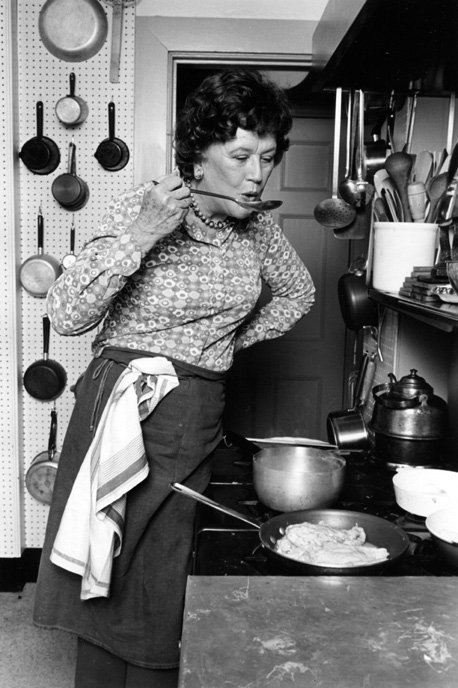
Julia Child’s beloved memoir “My Life in France” was actually crafted with the help of her grandnephew, Alex Prud’homme. Prud’homme served as both co-author and ghostwriter, bringing Child’s letters, journals, and memories to life on the page. The collaboration began when Child was in her eighties and wanted to preserve her experiences in France during the early years of her culinary career.
Prud’homme spent countless hours interviewing his great-aunt and sifting through her extensive correspondence to create an authentic voice for the memoir. The book’s success and its adaptation into the film “Julie & Julia” proved that the collaboration captured Child’s genuine personality and experiences. The ghostwriting here was more of a family affair, with Prud’homme helping to organize and articulate Child’s remarkable life story.
Trump: The Art of the Deal – Donald Trump with Tony Schwartz
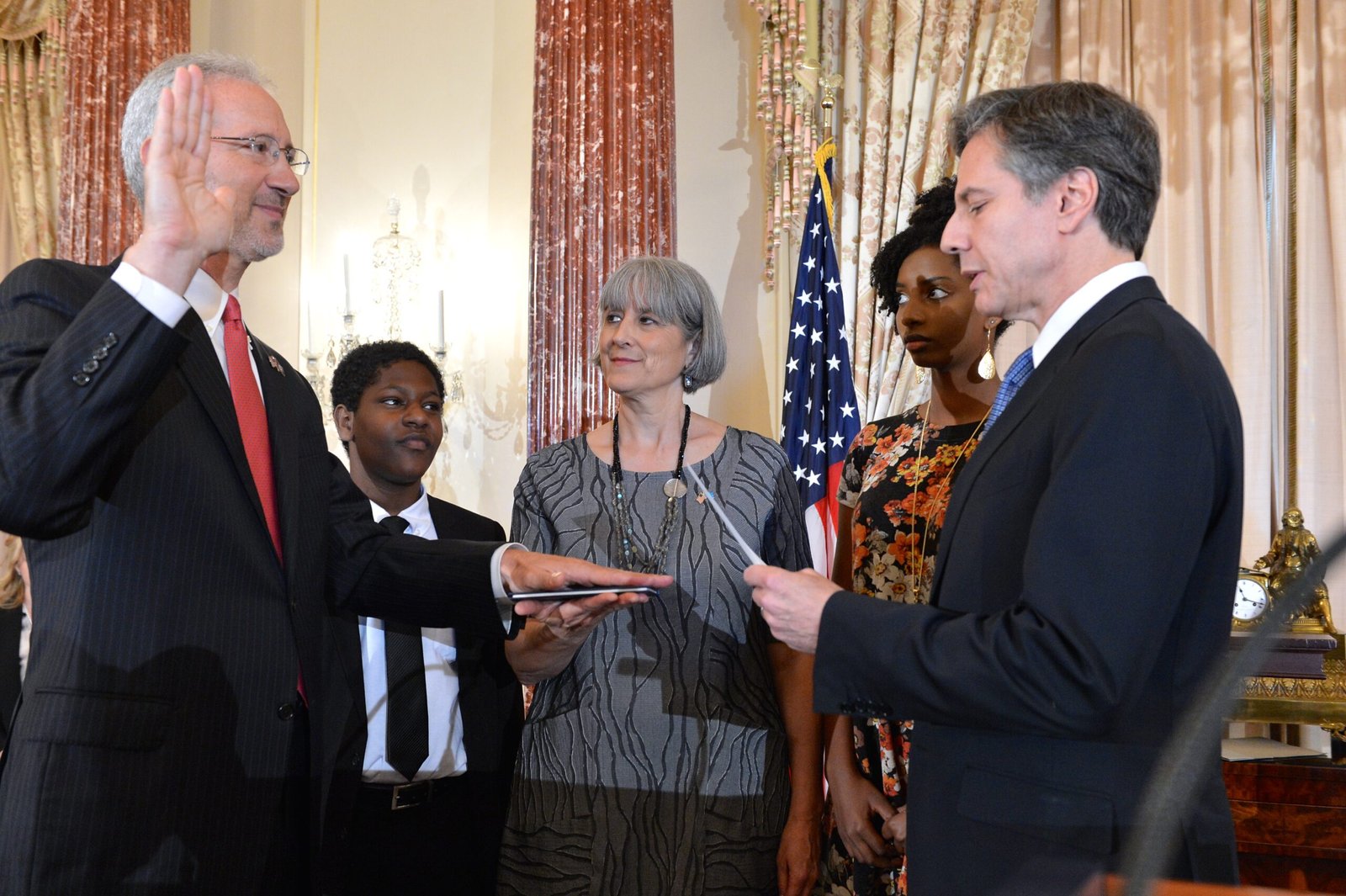
One of the most controversial ghostwriting relationships in recent memory involves Donald Trump’s bestselling book “The Art of the Deal.” Tony Schwartz, a journalist and author, spent months shadowing Trump and conducted extensive interviews to write what became Trump’s signature book. The collaboration was initially successful, but Schwartz later became a vocal critic of Trump.
Schwartz has publicly stated that he regrets writing the book and disagrees with how it portrayed Trump’s business practices and personality. This case highlights the complex relationship between ghostwriters and their subjects, especially when the ghostwriter later distances themselves from the work. The book’s success helped establish Trump’s public persona as a deal-making businessman, though much of the actual writing and storytelling came from Schwartz’s professional skills.
Alex Cross Series – James Patterson’s Writing Factory
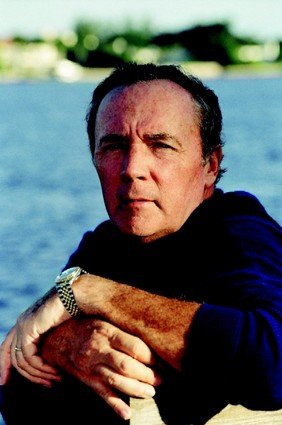
James Patterson has revolutionized the publishing industry with his approach to collaborative writing, particularly in his Alex Cross series. While Patterson creates the outlines and often writes the first draft, many of his books are completed with the help of co-authors who aren’t always fully credited. Patterson has been open about using a team approach to meet the demands of publishing multiple books per year.
The Alex Cross series demonstrates how modern ghostwriting has evolved beyond the traditional model. Patterson’s method involves detailed outlines and close collaboration with other writers, though he maintains creative control over the final product. This approach has allowed him to become one of the most prolific authors in publishing history, though it raises questions about authorship and the nature of collaborative writing in contemporary literature.
No Easy Day – Mark Owen with Kevin Maurer

“No Easy Day,” the controversial account of the raid that killed Osama bin Laden, was written by a Navy SEAL using the pseudonym Mark Owen. However, the actual writing was done in collaboration with Kevin Maurer, a journalist with extensive experience covering military stories. Maurer’s background in military journalism made him the ideal ghostwriter for this sensitive and complex narrative.
The collaboration between the SEAL and Maurer created a compelling first-person account that reads like a novel but maintains the authenticity of a military memoir. Maurer’s experience helped translate the technical and tactical aspects of the mission into accessible prose for civilian readers. The book’s success and controversy demonstrate how ghostwriters can help military personnel share their stories while maintaining operational security and readability.
Go Ask Alice – Beatrice Sparks, Not Anonymous
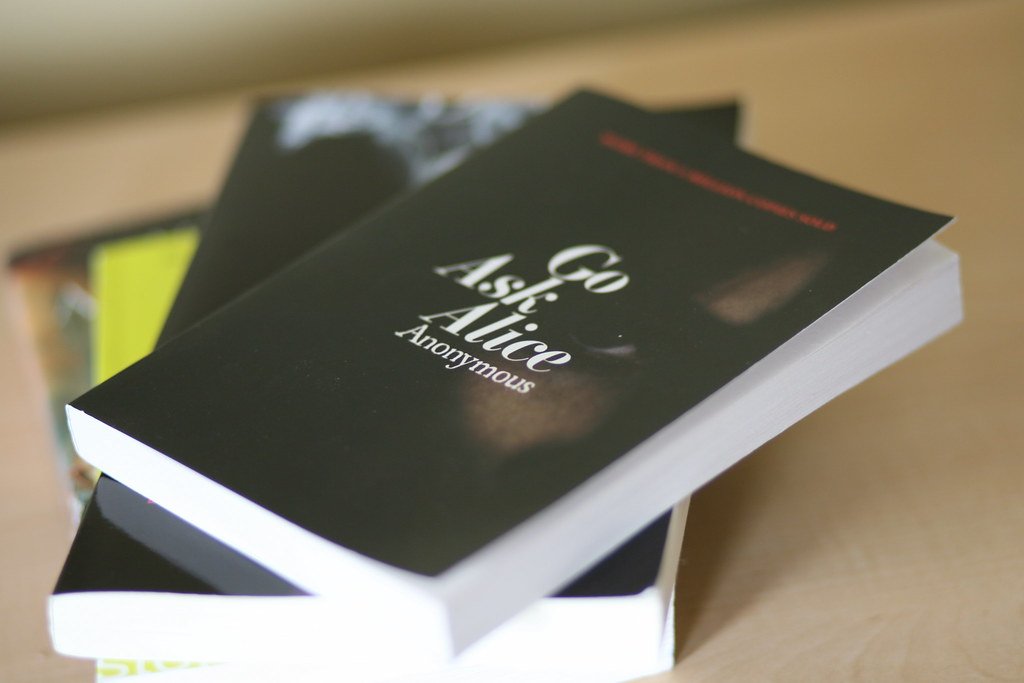
For decades, “Go Ask Alice” was presented as the real diary of an anonymous teenager who died from a drug overdose. The reality is much different – the book was largely written by Beatrice Sparks, a Mormon therapist who specialized in creating “anonymous” teen diaries that dealt with various social issues. Sparks created several similar books, all presented as authentic teen diaries but actually crafted by her.
This case represents one of the most successful examples of fictional ghostwriting, where the ghostwriter created an entirely fictional narrative but presented it as authentic. Sparks’ background in therapy gave her insights into teenage psychology, but the diary format was a literary device rather than a real document. The book’s impact on drug education and teen literature was significant, even though its authenticity was later questioned by researchers and critics.
The 7 Habits of Highly Effective People – Stephen Covey with Editorial Assistance

derivative work: Hekerui, CC BY 3.0, https://commons.wikimedia.org/w/index.php?curid=11080756)
Stephen Covey’s influential self-help book “The 7 Habits of Highly Effective People” wasn’t written entirely by Covey himself. The book underwent extensive editorial assistance and ghostwriting to transform Covey’s concepts and teachings into the final published form. Several editorial hands shaped the manuscript, helping to organize Covey’s ideas into the clear, accessible format that made the book so successful.
The collaborative process involved professional writers and editors who helped refine Covey’s voice and ensure that complex business and personal development concepts were presented clearly. This type of ghostwriting is common in the self-help genre, where subject matter experts partner with professional writers to create books that can reach a broader audience. The success of the book demonstrates how effective this collaboration can be when done properly.
The Secret – Rhonda Byrne with Media Team Support

“The Secret” by Rhonda Byrne became a global phenomenon, but the book’s creation involved extensive ghostwriting and editorial assistance from a media team. The book was part of a larger multimedia project that included a documentary film, and the written version required professional writers to adapt and expand the concepts for a book format. The media team helped shape the final manuscript to maximize its impact and accessibility.
The collaborative process involved researchers, writers, and editors who helped transform the core concepts into the book that became an international bestseller. This type of team-based ghostwriting is common in the self-help and spiritual development genres, where the original creator’s ideas are refined and presented by professional writers. The book’s massive success demonstrates how effective this collaborative approach can be in reaching a global audience.
Open – Andre Agassi with J.R. Moehringer

Andre Agassi’s brutally honest autobiography “Open” was ghostwritten by J.R. Moehringer, a Pulitzer Prize-winning author known for his memoir “The Tender Bar.” Moehringer spent countless hours interviewing Agassi to capture not just the facts of his tennis career, but the emotional truth of his experiences. The collaboration resulted in one of the most acclaimed sports memoirs ever written.
Moehringer’s literary skills transformed Agassi’s story into a compelling narrative that reads like a novel while maintaining the authenticity of a personal memoir. The book’s success lies in Moehringer’s ability to capture Agassi’s voice while structuring the story for maximum emotional impact. This represents ghostwriting at its finest – where the ghostwriter becomes invisible while allowing the subject’s true personality to shine through on every page.
Beautiful Creatures – Collaborative Writing Mystery
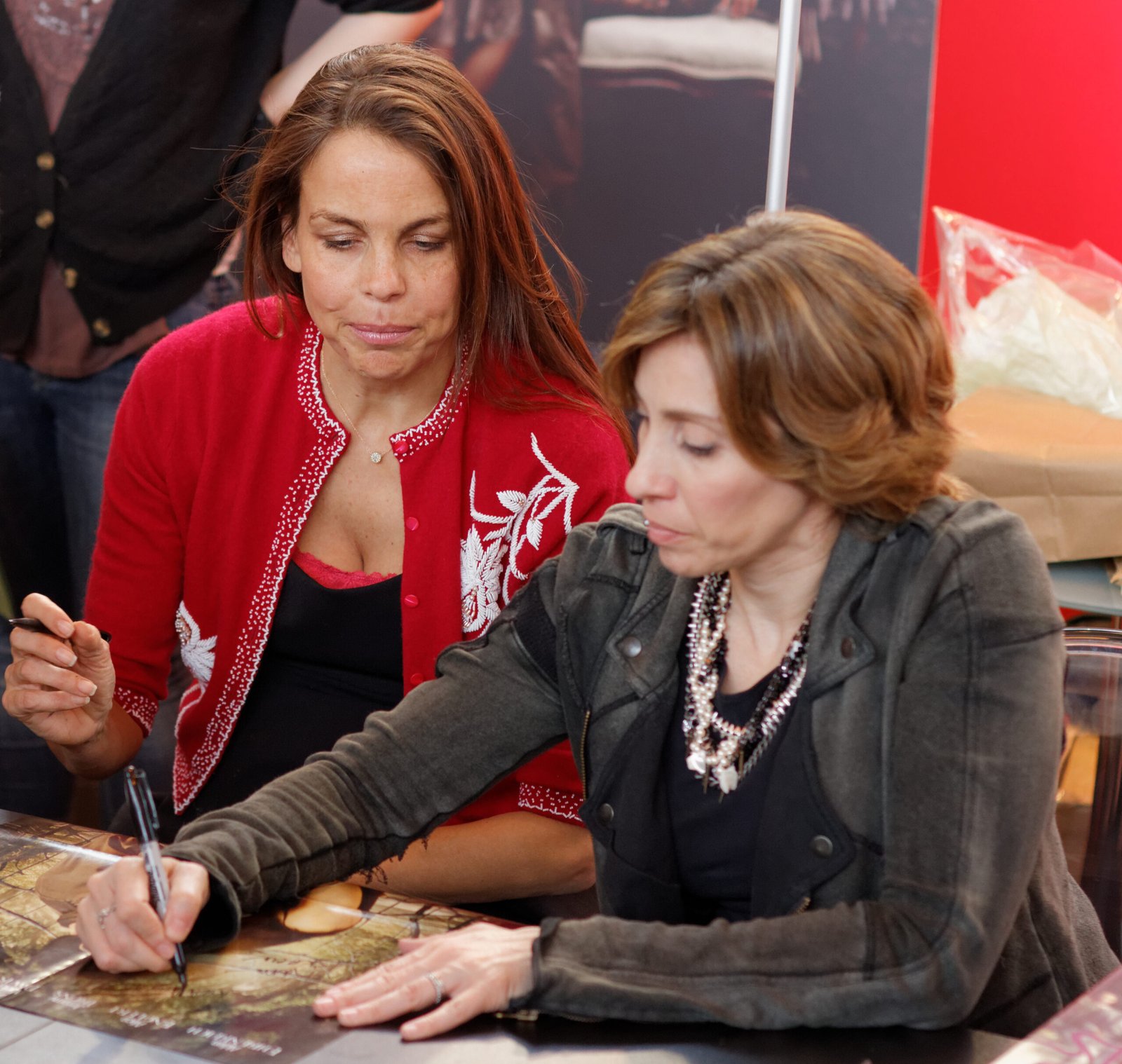
The popular young adult novel “Beautiful Creatures” is officially credited to Kami Garcia and Margaret Stohl, but rumors persist about additional ghostwriting or editorial assistance in the series. While these rumors are often dismissed by fans and publishers, the book’s polished prose and complex plotting have led some to speculate about uncredited contributors. The young adult publishing industry sometimes employs ghostwriters to help debut authors refine their work.
The success of “Beautiful Creatures” and its adaptation into a film brought increased scrutiny to the authorship question. However, unlike other cases on this list, the ghostwriting rumors remain largely unsubstantiated. This case illustrates how successful books sometimes generate speculation about their true authorship, especially when the writing quality seems unusually polished for debut authors.
The Princess Diaries – Meg Cabot with Editorial Support

Meg Cabot’s beloved “Princess Diaries” series received significant editorial assistance and ghostwriting support, particularly in the early books. The series’ consistent voice and polished writing style were achieved through collaboration between Cabot and professional editors and writers who helped shape the manuscript. This type of support is common in young adult publishing, where debut authors often work closely with editorial teams.
The editorial assistance helped transform Cabot’s original concept into the successful series that spawned movies, spin-offs, and a devoted fanbase. While Cabot is credited as the author, the collaborative process involved multiple hands shaping the final product. This case demonstrates how modern publishing often involves teamwork behind the scenes, even for books that appear to have a single author.
Confessions of a Video Vixen – Karrine Steffans with Karen Hunter

Karrine Steffans’ controversial memoir “Confessions of a Video Vixen” was written with the help of Karen Hunter, a veteran journalist and author with extensive experience in hip-hop culture. Hunter’s background made her the ideal ghostwriter to help Steffans tell her story about life in the music industry. The collaboration resulted in a bestselling book that sparked widespread discussion about women in hip-hop culture.
Hunter’s journalistic skills helped structure Steffans’ experiences into a compelling narrative that could reach both hip-hop fans and mainstream readers. The book’s success demonstrates how ghostwriters can help subjects from specialized industries share their stories with broader audiences. The collaboration allowed Steffans to tell her story in her own voice while benefiting from Hunter’s professional writing expertise.
A Million Little Pieces – James Frey’s Fabricated Collaboration
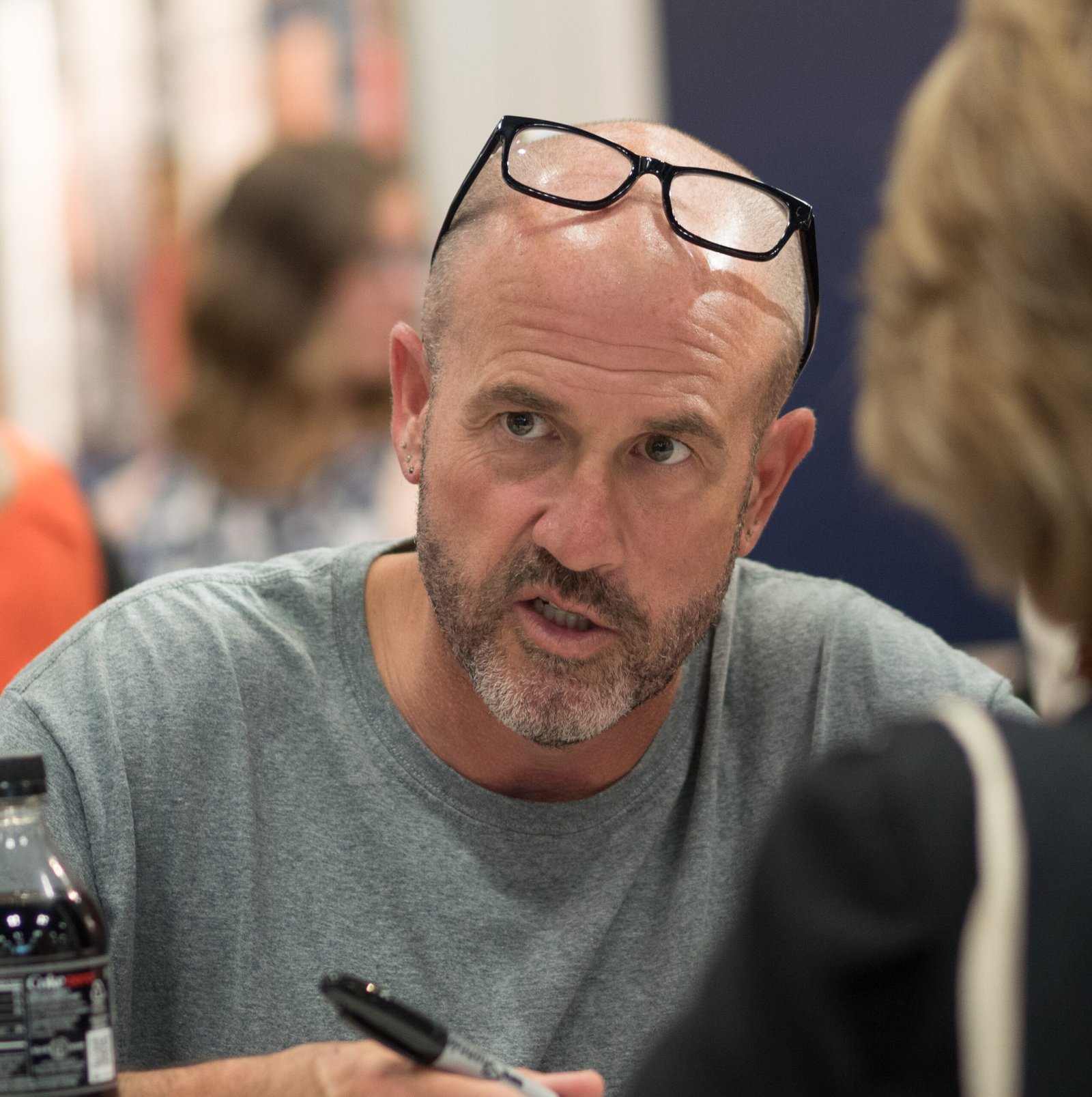
James Frey’s controversial memoir “A Million Little Pieces” was initially promoted as a true addiction memoir, but later revealed to contain significant fabrications. While Frey is credited as the sole author, questions arose about potential co-writers or editorial assistance that helped craft the book’s dramatic narrative. The controversy surrounding the book’s authenticity extended to questions about its actual authorship and the role of editors in shaping the story.
The scandal that erupted when the book’s factual accuracy was challenged also raised questions about the publishing industry’s role in creating compelling narratives. Whether through ghostwriting, heavy editing, or outright fabrication, the book represents a cautionary tale about the complex relationship between authors, editors, and the truth. The controversy sparked a broader discussion about authenticity in memoir writing and the role of publishers in verifying stories.
Surviving at the Top – Donald Trump with Charles Leerhsen
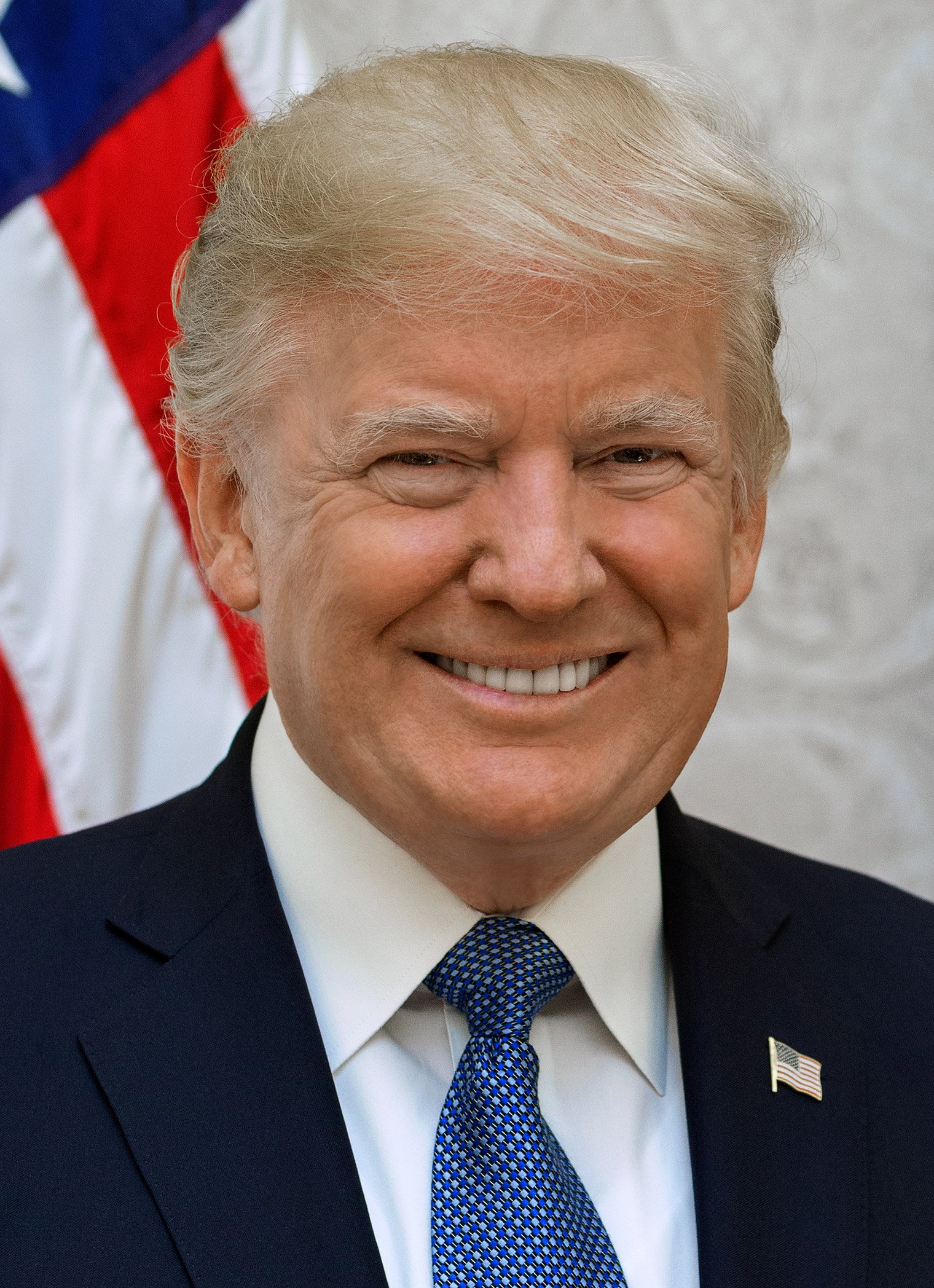
Donald Trump’s follow-up book “Surviving at the Top” was ghostwritten by Charles Leerhsen, a different writer from the one who wrote “The Art of the Deal.” Leerhsen, a veteran journalist and author, helped Trump craft this book about maintaining success in business and life. The collaboration followed a similar pattern to Trump’s first book, with the ghostwriter conducting extensive interviews and shaping the material into a readable narrative.
Leerhsen’s experience in business journalism made him well-suited to help Trump articulate his business philosophy and experiences. The book aimed to capitalize on the success of “The Art of the Deal” while offering new insights into Trump’s approach to business and life. This case demonstrates how successful public figures often work with different ghostwriters for different projects, depending on the subject matter and the writer’s expertise.
Conclusion: The Hidden World of Literary Collaboration

The world of ghostwriting reveals a fascinating truth about publishing: many of our most beloved books are actually collaborative efforts between the credited author and skilled professional writers. From classic autobiographies to bestselling novels, ghostwriters have shaped the stories that define our culture. These collaborations range from simple editorial assistance to complete ghostwriting, where the credited author provides the story while a professional writer crafts the actual prose.
What’s most striking about these examples is how successful the collaborations have been. The best ghostwritten books capture the authentic voice of the credited author while benefiting from the professional skills of experienced writers. This symbiotic relationship has produced some of literature’s most influential works, proving that collaboration can enhance rather than diminish the power of storytelling.
The next time you read a memoir by a celebrity, a business book by a CEO, or even a novel by a debut author, remember that you might be reading the work of a hidden master craftsperson. The art of ghostwriting continues to thrive because it serves both authors who have stories to tell and readers who want those stories told well. Did you expect that so many famous books had ghostwriters working behind the scenes?

Besides founding Festivaltopia, Luca is the co founder of trib, an art and fashion collectiv you find on several regional events and online. Also he is part of the management board at HORiZONTE, a group travel provider in Germany.
