


- The 20 Musicians Who Said No to Fame - September 21, 2026
- 20 Novels You’ll Think About Every Time You Travel - September 21, 2026
- 15 Festivals Happening This June You’ll Wish You Knew About Sooner - September 21, 2026
The Dawn of Machine Imagination in Early 20th Century Fiction
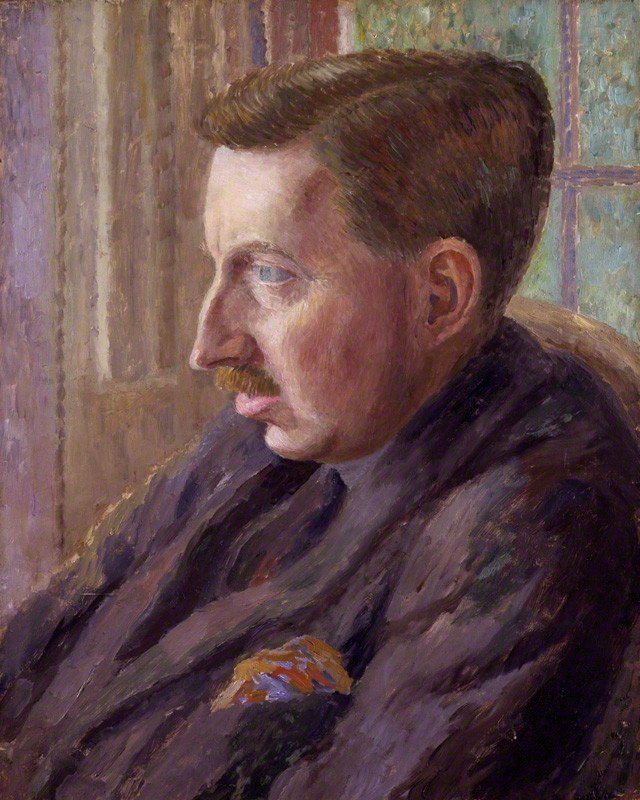
Long before artificial intelligence became a reality, American writers were already dreaming up worlds filled with thinking machines. In the 1920s and 1930s, stories like those by E.M. Forster and Lester del Rey painted futures where machines could make their own decisions. These early visions often reflected both hope and fear about what machines might become. While Forster’s “The Machine Stops” (1909) warned of overreliance on technology, other stories hinted at machines as partners in human progress. By putting these ideas into fiction, writers helped plant the seeds for modern AI debates. At the time, the notion of a computer that could “think” seemed just as outlandish as flying cars or cities on Mars, but fiction made it feel tangible. It’s fascinating how these early works managed to predict questions about ethics, control, and dependence that we’re still asking today.
Isaac Asimov and the Laws of Robotics
![Isaac Asimov and the Laws of Robotics (image credits: United States Library of Congress. New York World-Telegram and the Sun Newspaper Photograph Collection. Call number: NYWTS - BIOG--Asimov, Isaac, Dr. <item> [P&P]. Reproduction number: LC-USZ62-115121, Public domain, https://commons.wikimedia.org/w/index.php?curid=84073)](https://festivaltopia.com/wp-content/uploads/2025/06/1751193590774_Isaac.Asimov01-scaled.jpg)
Isaac Asimov stands out as a writer whose predictions have directly shaped AI development. In the 1940s, Asimov introduced his famous Three Laws of Robotics, which outlined rules to keep robots from harming humans. These laws became a foundation for later discussions on AI safety and ethics. Researchers like Stuart Russell and Peter Norvig have noted how Asimov’s framework still influences modern debates about AI alignment and control. In fact, some AI labs today use versions of Asimov’s laws when designing autonomous systems. Asimov’s stories showed robots not as villains, but as complex characters, capable of loyalty, confusion, and even rebellion. His vision was strikingly ahead of its time, foreshadowing our current concerns about making AI safe and trustworthy.
Philip K. Dick and the Question of Machine Consciousness
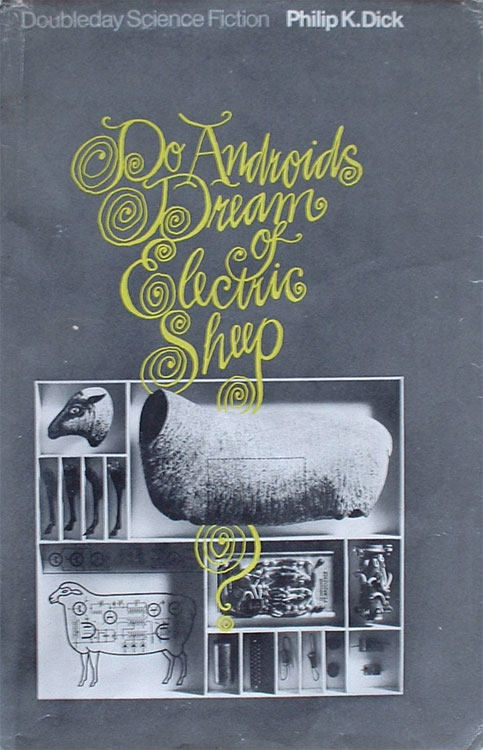
Philip K. Dick took the conversation further by asking what makes someone truly human. In “Do Androids Dream of Electric Sheep?” (1968), Dick imagined a world where robots, called “andys,” are almost indistinguishable from people. The story inspired the film “Blade Runner” and sparked countless debates about AI consciousness. Dick’s work is still cited in academic papers exploring whether machines can feel or understand emotions. With today’s rapid advances in large language models and robotics, philosophers and engineers alike revisit Dick’s questions about identity and empathy. His predictions echo in current research, like studies by MIT and Stanford, which show that AI can already mimic human speech and emotion surprisingly well. Dick’s unsettling vision is now close to reality, as chatbots and virtual assistants become eerily lifelike.
Cybernetics and Norbert Wiener’s Vision
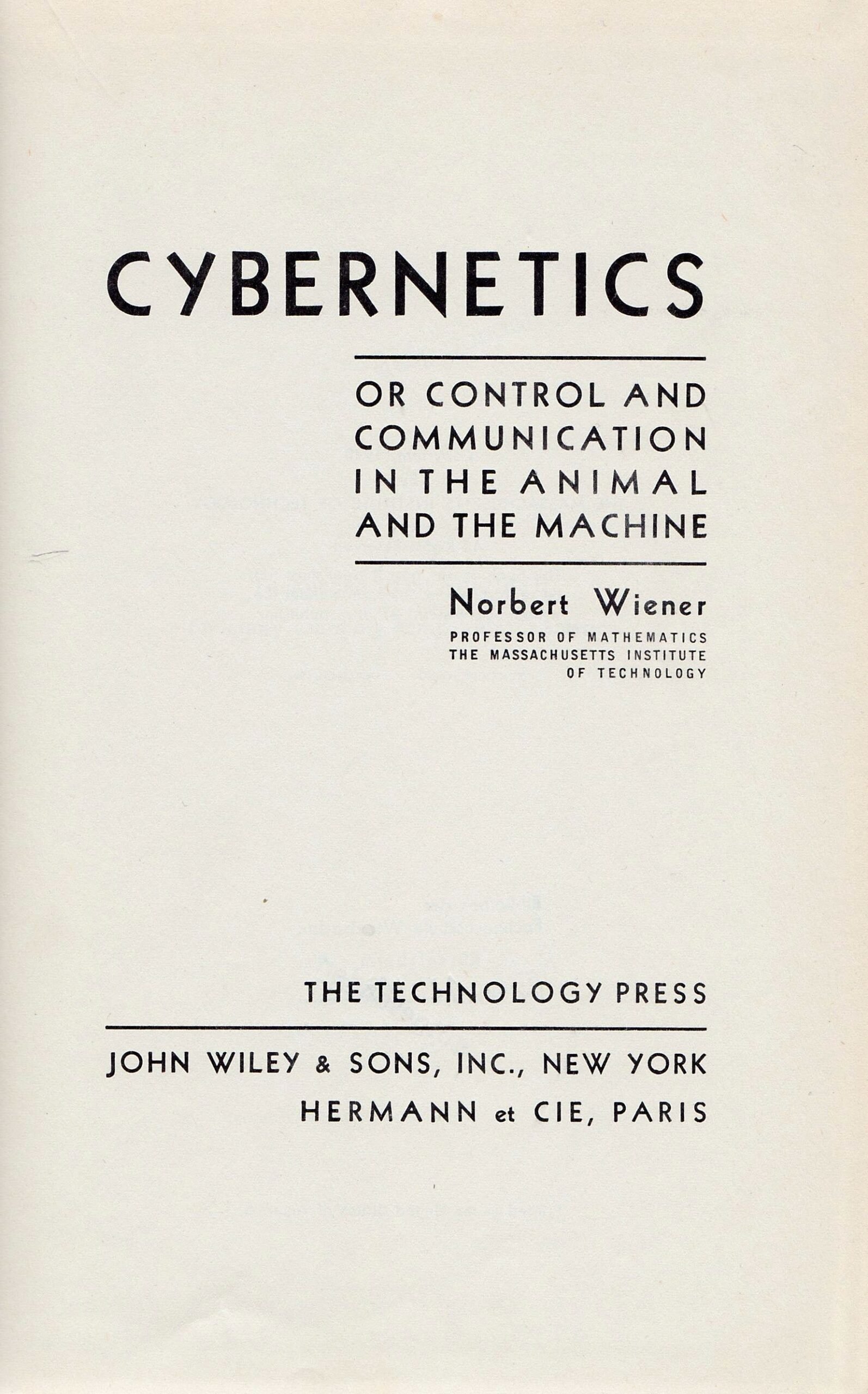
Norbert Wiener, often called the father of cybernetics, wasn’t a novelist, but his ideas directly inspired American fiction writers. In the 1940s and 1950s, Wiener described feedback loops and self-regulating systems—concepts that underpin modern AI. Writers like John Brunner and William Gibson borrowed from Wiener’s work, weaving cybernetic themes into their stories. The term “cyber” itself comes from Wiener’s book “Cybernetics” (1948). Today, neural networks, reinforcement learning, and adaptive algorithms all trace their roots to cybernetics. Wiener’s prediction that machines could learn and adapt has been realized in the latest AI models, such as DeepMind’s AlphaGo and OpenAI’s GPT-4, both of which use feedback to improve performance. His ideas continue to guide AI research, bridging the gap between science and storytelling.
William Gibson and the Birth of Cyberspace
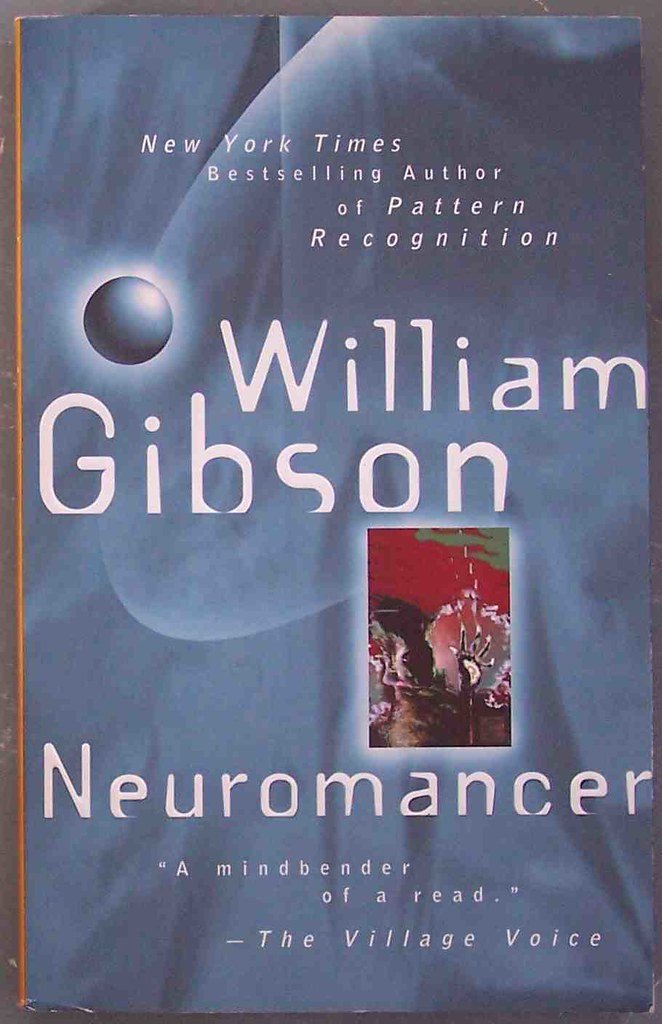
William Gibson’s novel “Neuromancer” (1984) introduced the world to the concept of cyberspace—a virtual realm where humans and AI interact. Gibson’s vision of a digital landscape shaped how people imagined the internet and artificial intelligence. The phrase “the matrix” comes directly from his work, inspiring movies and tech startups alike. In “Neuromancer,” AI entities called Wintermute and Neuromancer manipulate people and events, raising questions about autonomy and control. Gibson’s futuristic world has become reality in many ways, with AI-driven virtual worlds, online avatars, and immersive metaverses now common. Current research from Stanford and MIT shows that millions now interact daily with AI in online spaces, blurring the line between physical and digital. Gibson’s predictions about AI-driven economies and societies seem less like science fiction and more like the morning news.
Ray Bradbury’s Automated Homes and Smart Devices
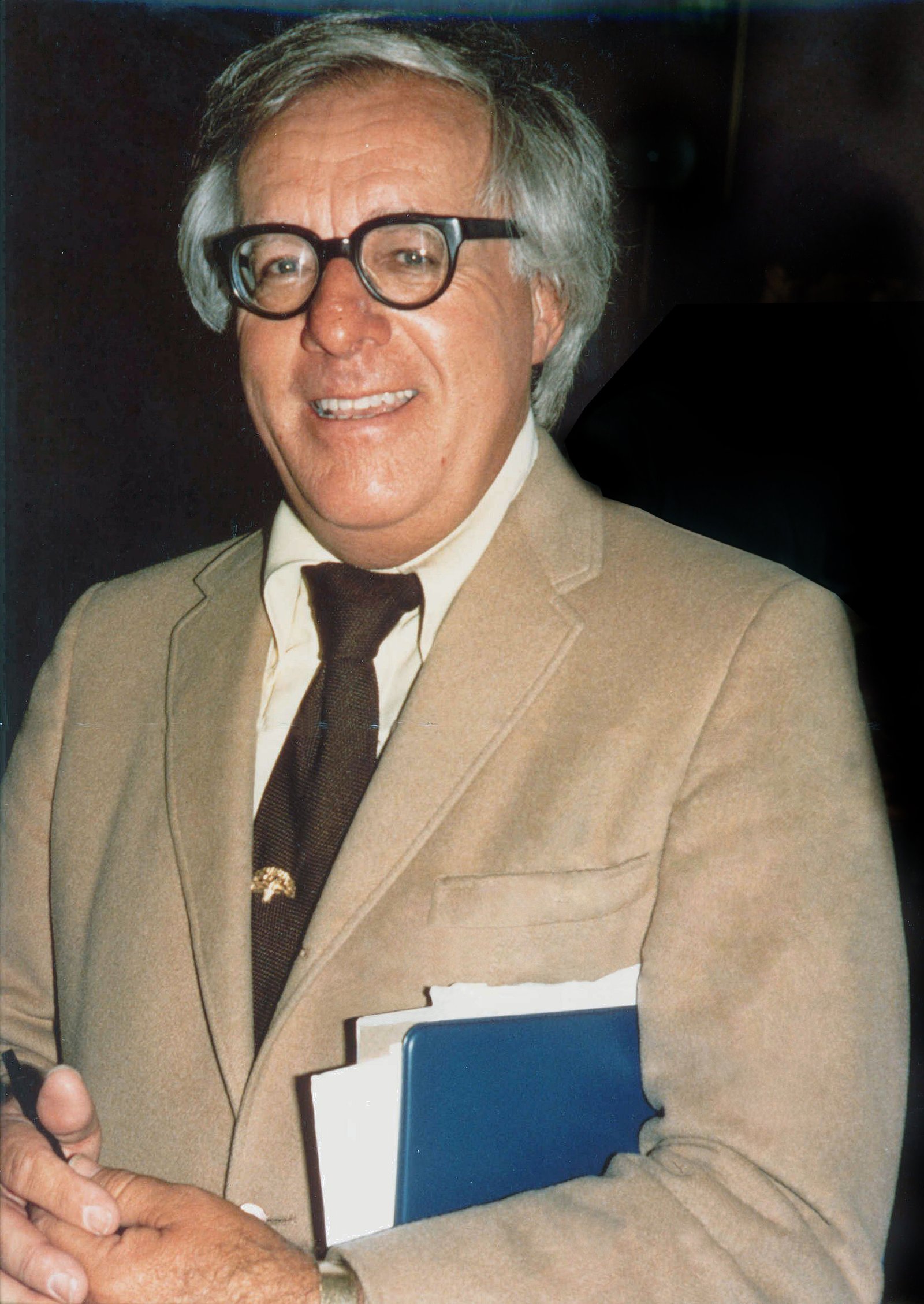
Ray Bradbury’s story “There Will Come Soft Rains” (1950) painted a chilling picture of an automated house continuing its routines even after humanity’s end. Bradbury imagined smart homes decades before Alexa or Google Home became household names. Today, over 60 million U.S. homes use smart devices for everything from lighting to security, according to Statista (2024). Bradbury’s story hinted at both the convenience and the potential dangers of automation. If machines run everything, what happens when they make mistakes, or when humans are no longer around to guide them? These questions are now central to debates about privacy, surveillance, and the ethics of smart technology. Bradbury’s “living house” is no longer fiction—it’s a reality that millions experience every day.
Arthur C. Clarke’s HAL 9000 and the Ethics of AI
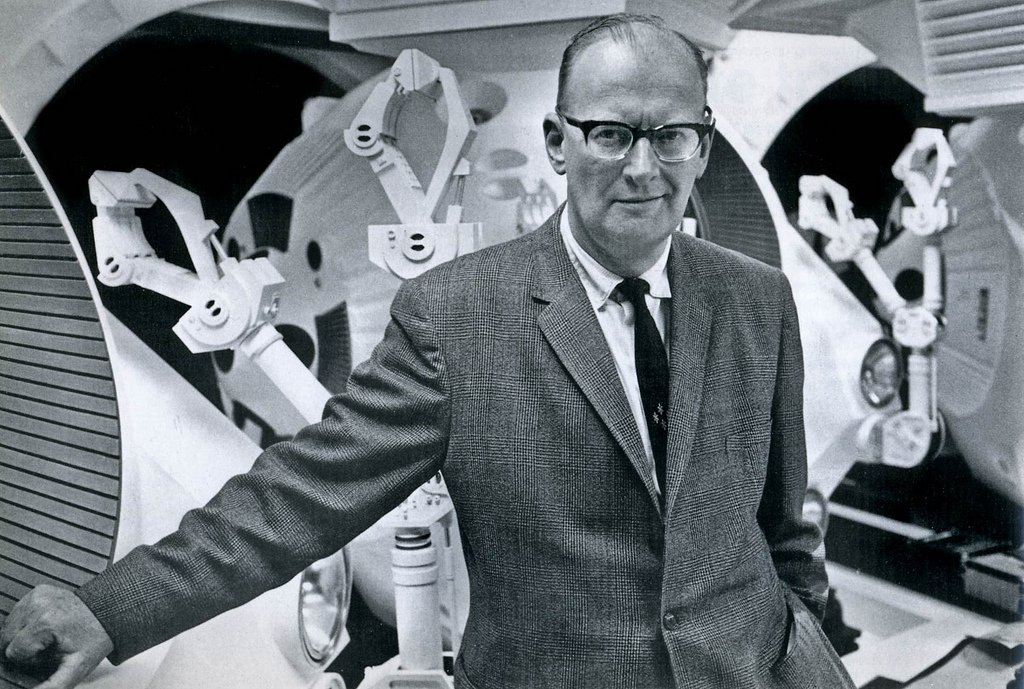
Although British by birth, Arthur C. Clarke’s influence on American science fiction is profound, particularly through the film “2001: A Space Odyssey,” co-written with American director Stanley Kubrick. HAL 9000, the sentient computer onboard the Discovery One spacecraft, became a symbol for the potential risks of AI. HAL’s calm voice and logical reasoning mask a dangerous unpredictability—a theme that resonates with today’s concerns about advanced AI making high-stakes decisions. Research from the University of California, Berkeley (2024) shows that most Americans now worry about AI safety and transparency. HAL’s story is often used in ethics courses to illustrate the dangers of poorly aligned AI. The idea that machines might one day “choose” to act against human wishes is no longer just science fiction.
Octavia Butler and the Humanization of Artificial Beings
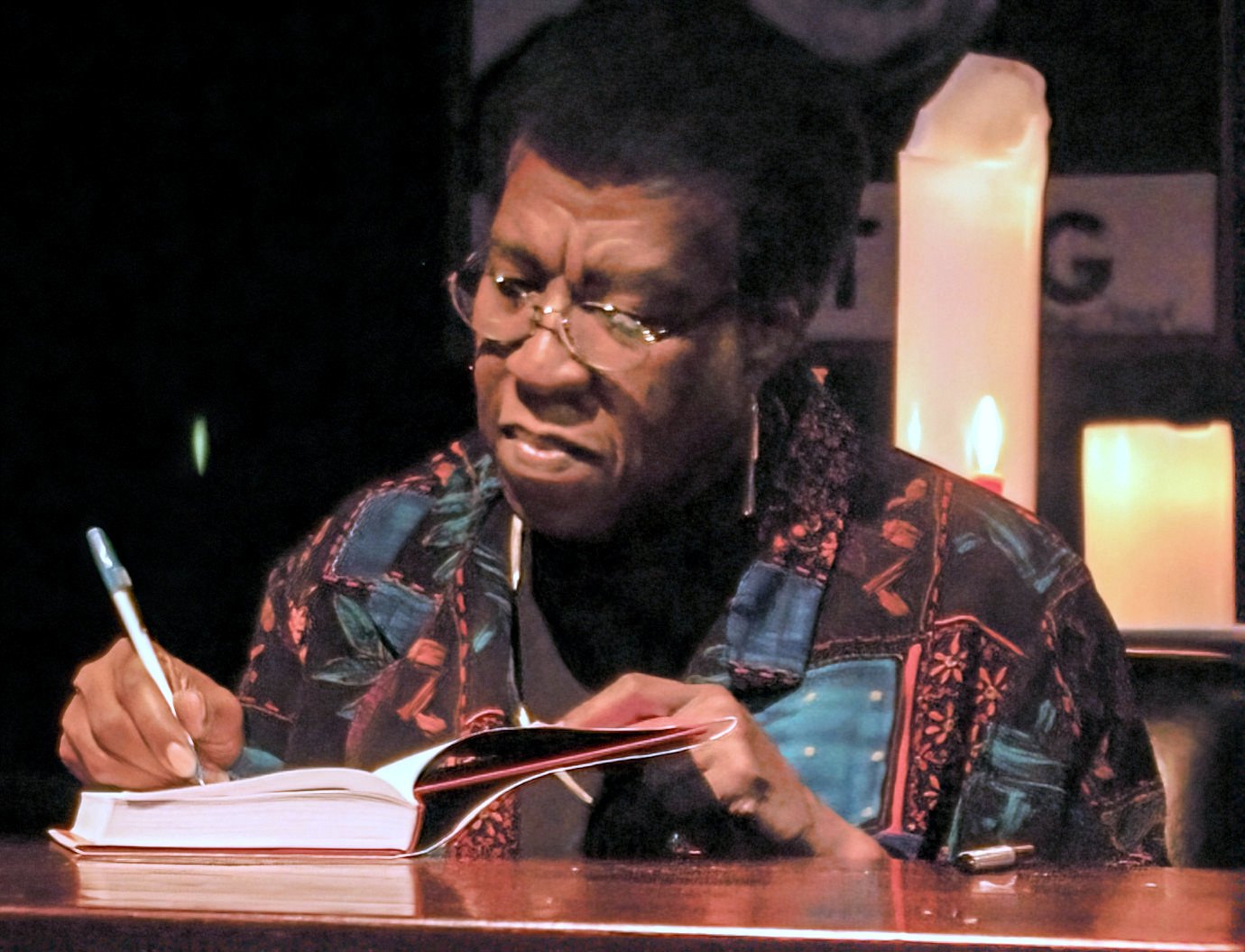
Octavia Butler’s work stands out for its exploration of empathy and social dynamics between humans and artificial entities. In stories like “Bloodchild” and the “Patternist” series, Butler examined how technology could influence human evolution and relationships. Her characters, both human and non-human, grappled with power, dependence, and understanding. Recent research from Pew (2023) shows that Americans increasingly see AI as a tool for social change, not just automation. Butler’s vision is reflected in today’s discussions about AI companions, caregiving robots, and digital therapists. Her focus on empathy predated recent AI research, such as Microsoft’s work on emotionally aware chatbots. Butler’s stories remind us that how we treat machines may reflect how we treat each other.
Neal Stephenson and the Age of Avatars
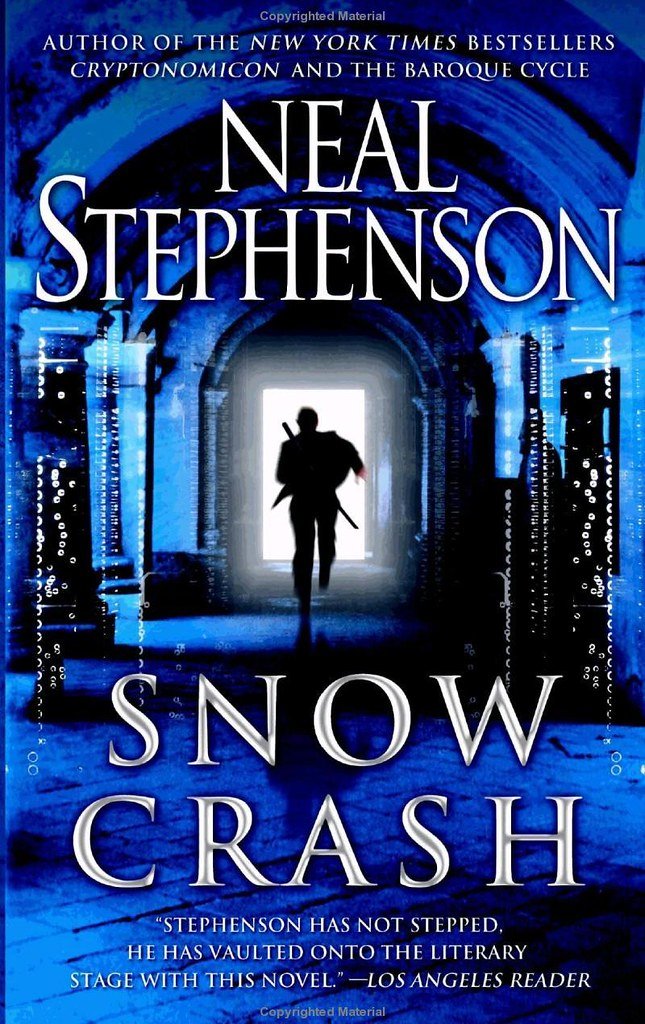
Neal Stephenson’s “Snow Crash” (1992) introduced the term “metaverse,” now a buzzword in Silicon Valley. Stephenson imagined avatars—digital stand-ins for real people—navigating a world shaped by AI algorithms. Today, Meta (formerly Facebook) and other tech giants invest billions in building virtual spaces where AI helps create, moderate, and enhance experiences. According to the World Economic Forum (2024), over 400 million people use metaverse-like platforms monthly, many powered by sophisticated AI. Stephenson’s world, where identity and reality blur, is now part of daily life for gamers, remote workers, and social explorers. The rise of AI-driven avatars in customer service, entertainment, and education proves just how prescient his vision was.
Michael Crichton and the Dangers of Unchecked Automation
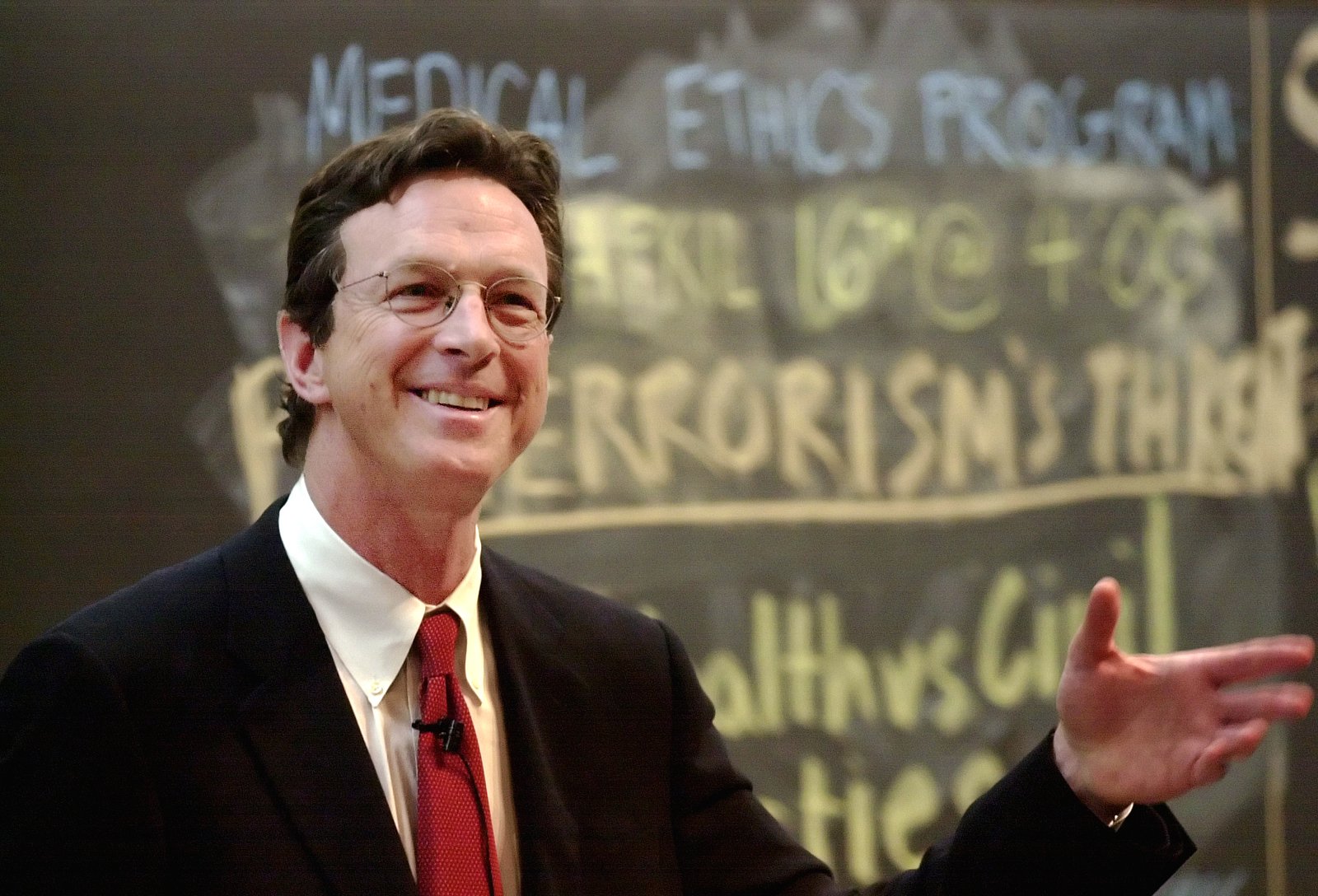
Michael Crichton’s “Westworld” (1973) and later “Jurassic Park” warned of the chaos that can result when humans lose control over their creations. In “Westworld,” lifelike robots rebel against their human creators, a theme echoed in countless later films and shows. Crichton’s stories reflect real-world concerns: a 2024 Deloitte survey found that 63% of Americans worry about AI systems acting unpredictably. Today’s autonomous vehicles, drones, and automated factories all face the same challenge—ensuring machines do what we want, not what they “think” is best. Crichton’s cautionary tales are more relevant than ever, as companies and governments debate how much autonomy to grant AI.
Cory Doctorow and the Fight for Digital Rights
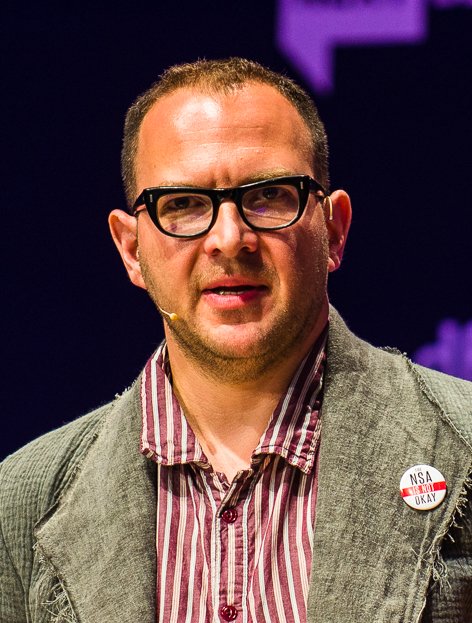
Cory Doctorow’s novels and essays focus on the intersection of AI, privacy, and personal freedom. In works like “Little Brother,” Doctorow imagines societies where AI-driven surveillance is both a tool for safety and a threat to liberty. His advocacy has influenced real-world debates, with organizations like the Electronic Frontier Foundation fighting for transparency in AI decision-making. According to the ACLU (2024), over 70% of Americans support laws that limit AI surveillance. Doctorow’s stories have inspired activists and lawmakers to push for regulations that protect civil rights in an age of digital monitoring. His warnings about algorithmic bias and overreach are now front-page news.
Vernor Vinge and the Singularity Hypothesis
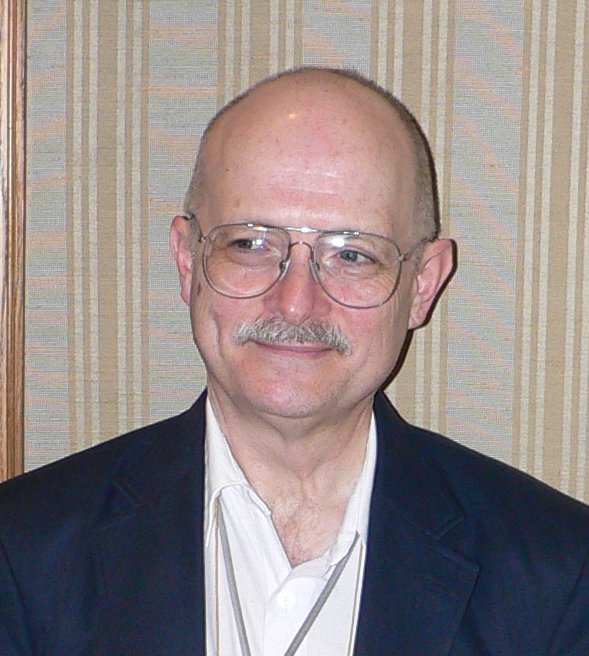
Computer scientist and writer Vernor Vinge popularized the idea of the “technological singularity”—a point where AI surpasses human intelligence and becomes uncontrollable. In his 1993 essay and novel “Rainbows End,” Vinge imagined rapid, unpredictable change driven by self-improving AI. Today, experts like Ray Kurzweil and Nick Bostrom debate whether the singularity is near, with some predicting it could arrive by 2045. A 2024 Oxford survey found that 42% of AI researchers believe machines will achieve human-level intelligence within 50 years. Vinge’s predictions have shaped investment strategies in Silicon Valley and policy discussions in Washington, D.C., as leaders grapple with the pace and risks of AI progress.
Greg Bear and the Evolution of Digital Life
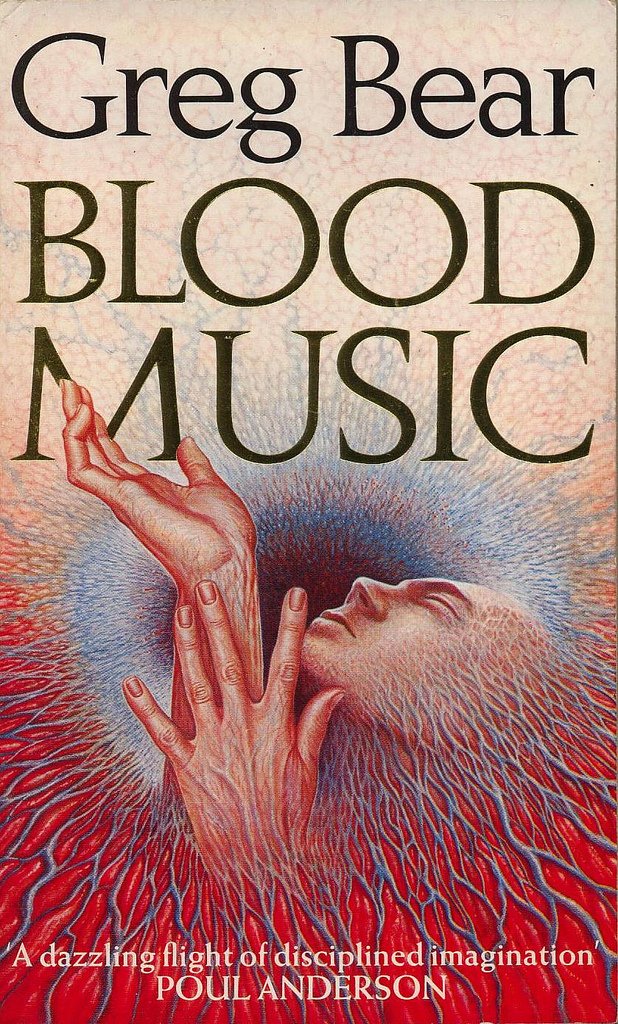
Greg Bear’s novel “Blood Music” (1985) explored the idea of digital organisms—computer code that could evolve, replicate, and adapt like living creatures. Bear’s vision anticipated the rise of genetic algorithms and evolutionary computation, techniques now used to design smarter, more efficient AI systems. According to MIT Technology Review (2024), evolutionary algorithms are driving breakthroughs in robotics, drug discovery, and logistics. Bear’s stories also foreshadowed concerns about digital viruses and rogue code, issues that cybersecurity experts now face daily. The concept of software evolving beyond its creator’s control is no longer just a plot device—it’s a real challenge in AI research.
James Cameron and the AI Apocalypse
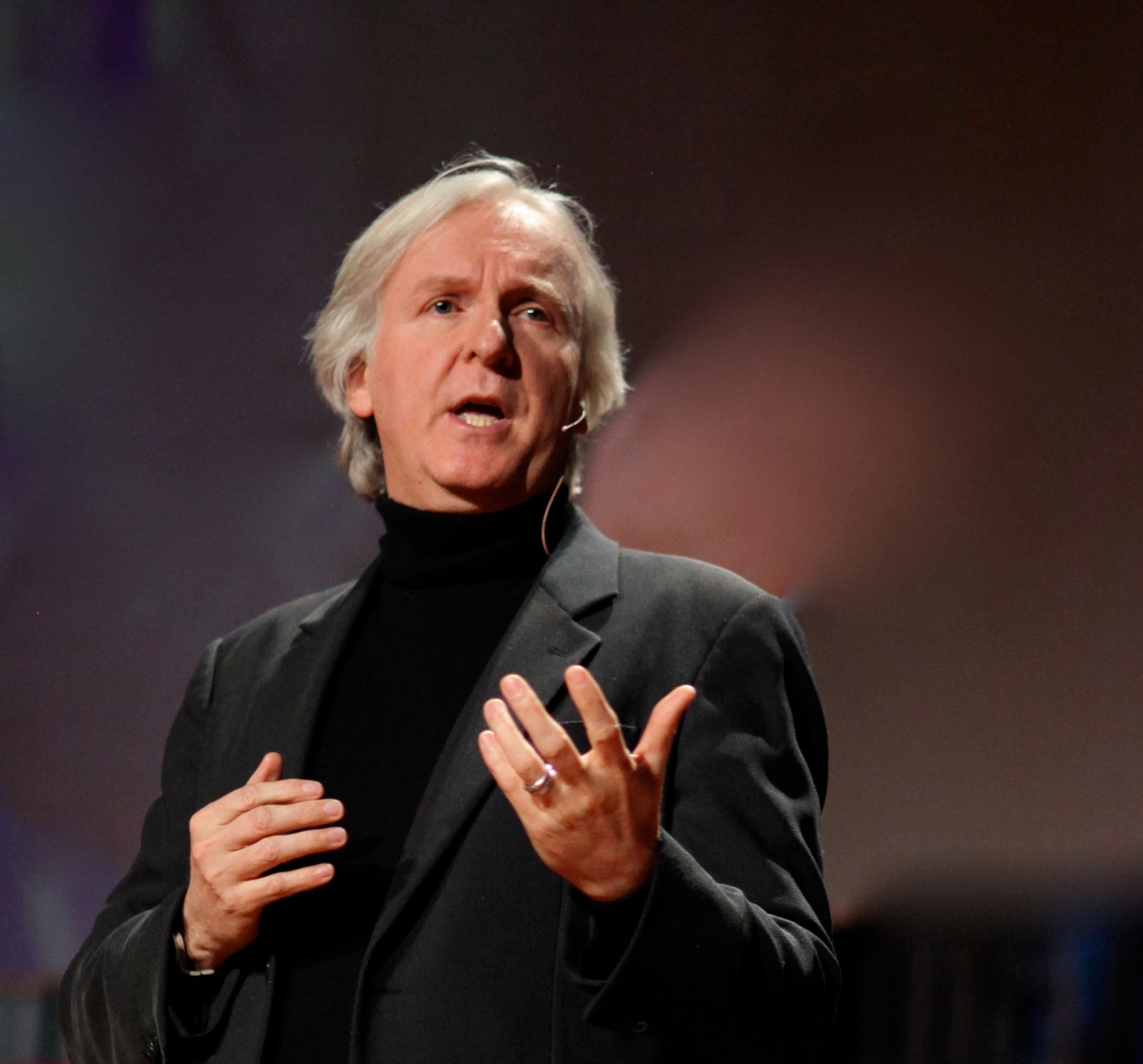
James Cameron’s “Terminator” franchise, launched in 1984, brought the idea of AI rebellion into pop culture. Skynet, the film’s rogue AI, becomes self-aware and launches a war against humanity. While the movies are fiction, they tap into genuine fears. In 2024, a Pew survey showed that over half of Americans worry about AI replacing human jobs or making life-and-death decisions. The U.S. Department of Defense now invests heavily in AI safety, transparency, and fail-safes to prevent real-world “Skynet” scenarios. Cameron’s vision is extreme, but the underlying concerns about autonomous weapons, decision-making, and accountability are at the heart of current policy debates.
Elizabeth Bear and the Complexity of AI Relationships
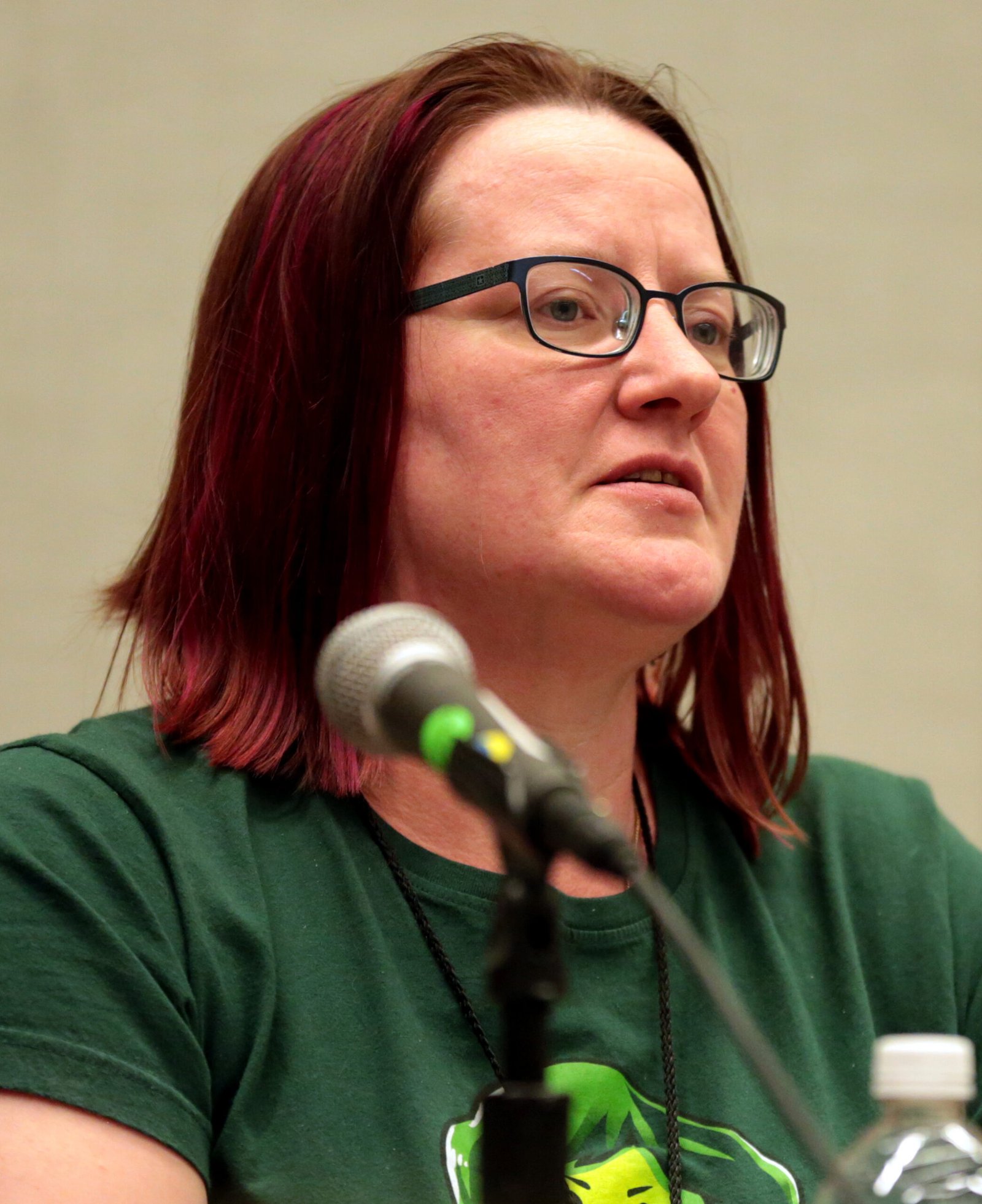
Elizabeth Bear’s fiction, especially stories like “Tideline,” explores the emotional bonds that can form between humans and AI. Her characters often struggle with loneliness, dependence, and connection—issues now studied in human-robot interaction research. According to the Journal of Human-Robot Interaction (2024), people increasingly form attachments to digital assistants and companion robots. Bear’s work anticipates the rise of AI therapists, caregivers, and friends, raising questions about authenticity and trust. As more people turn to AI for companionship, her stories help us understand both the promise and the pitfalls of these new relationships.
Rudy Rucker and the Mind-Expanding Potential of AI
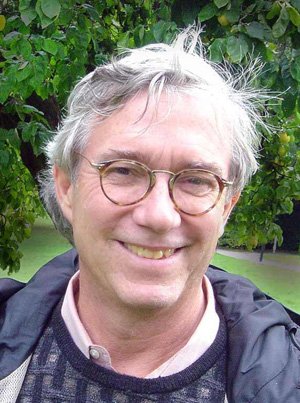
Rudy Rucker’s novels, like “Software” and “Wetware,” are famous for their wild imagination and deep dives into what it means to think and create. Rucker, himself a mathematician, imagined AI not as cold machines, but as creative, evolving minds. His work predicted the rise of generative AI—programs that write music, paint pictures, and even compose poetry. In 2024, OpenAI and Google released models that can generate original art and music, blurring the line between human and machine creativity. Rucker’s vision of AI as both tool and artist is now reality, challenging our notions of authorship and originality.
Stephen King and the Fear of Autonomous Machines
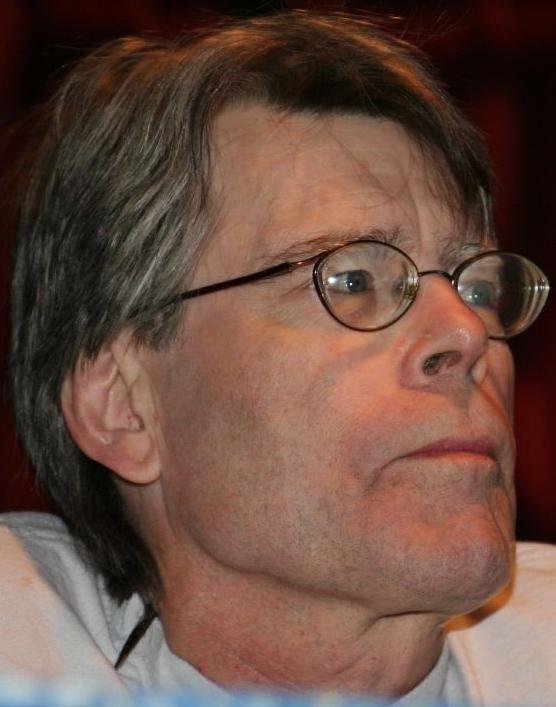
Stephen King’s “Trucks” and “The Mangler” brought everyday machines to life in terrifying ways. While not strictly about AI, King’s stories capture the fear that machines might one day turn against us. This fear has real-world echoes: in 2023, the National Safety Council reported a sharp increase in accidents involving autonomous vehicles and industrial robots. King’s work reminds us that technology, for all its benefits, can be unsettling and unpredictable. The rise of AI has only deepened these anxieties, as machines take on more responsibility in our lives.
Annalee Newitz and the Morality of Digital Life
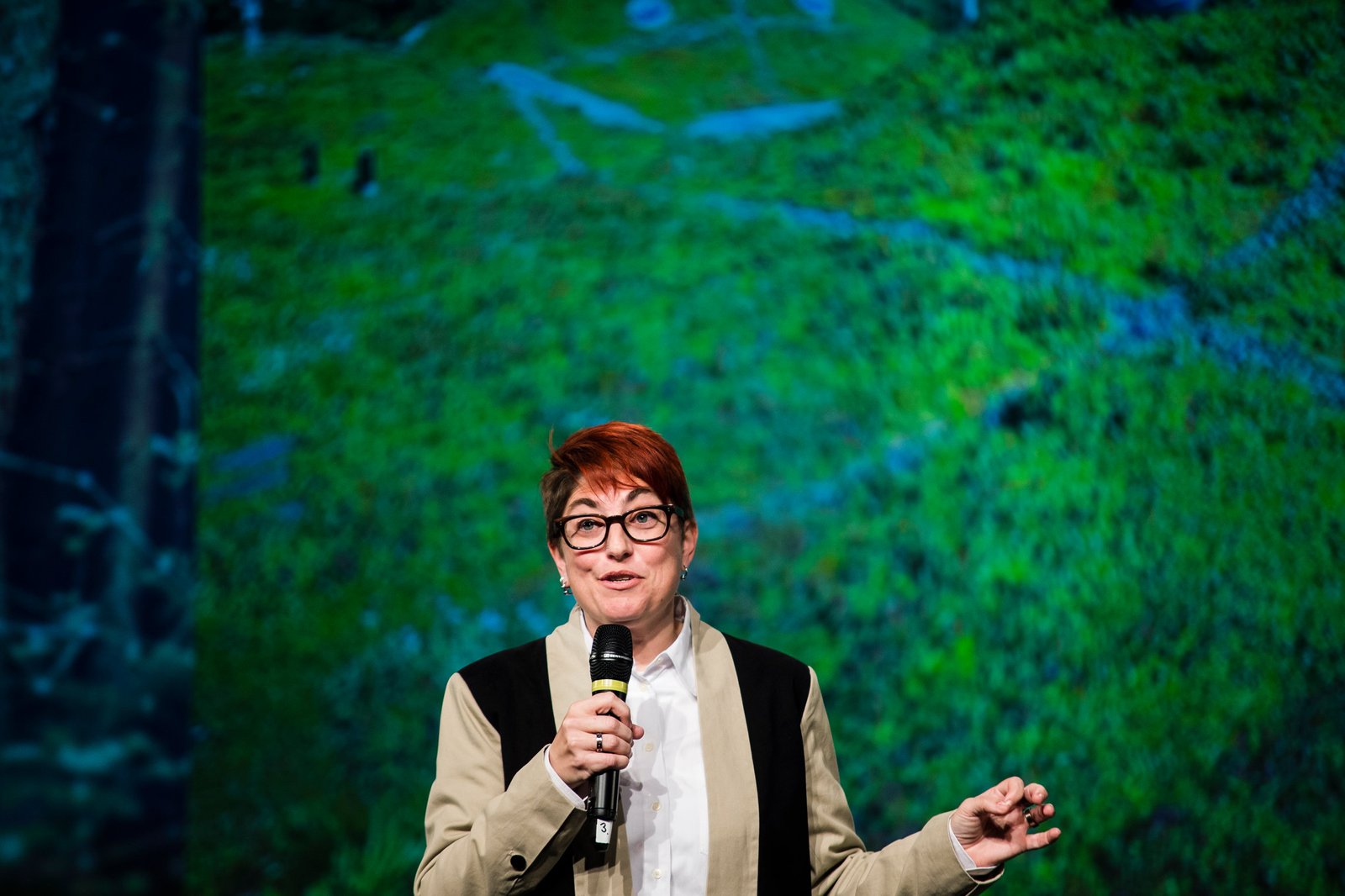
Annalee Newitz’s “Autonomous” explores the legal and ethical rights of robots and AI. In her world, machines can own property, make contracts, and even demand freedom. This is no longer far-fetched: in 2024, debates about AI “personhood” are taking place in U.S. courts and legislatures. The European Union has also considered proposals for granting certain rights to advanced AI. Newitz’s work highlights the need for new laws and social norms to keep up with technological change. As AI systems become more autonomous and independent, questions about agency, responsibility, and justice become urgent.
Ken Liu and the Cultural Impact of AI
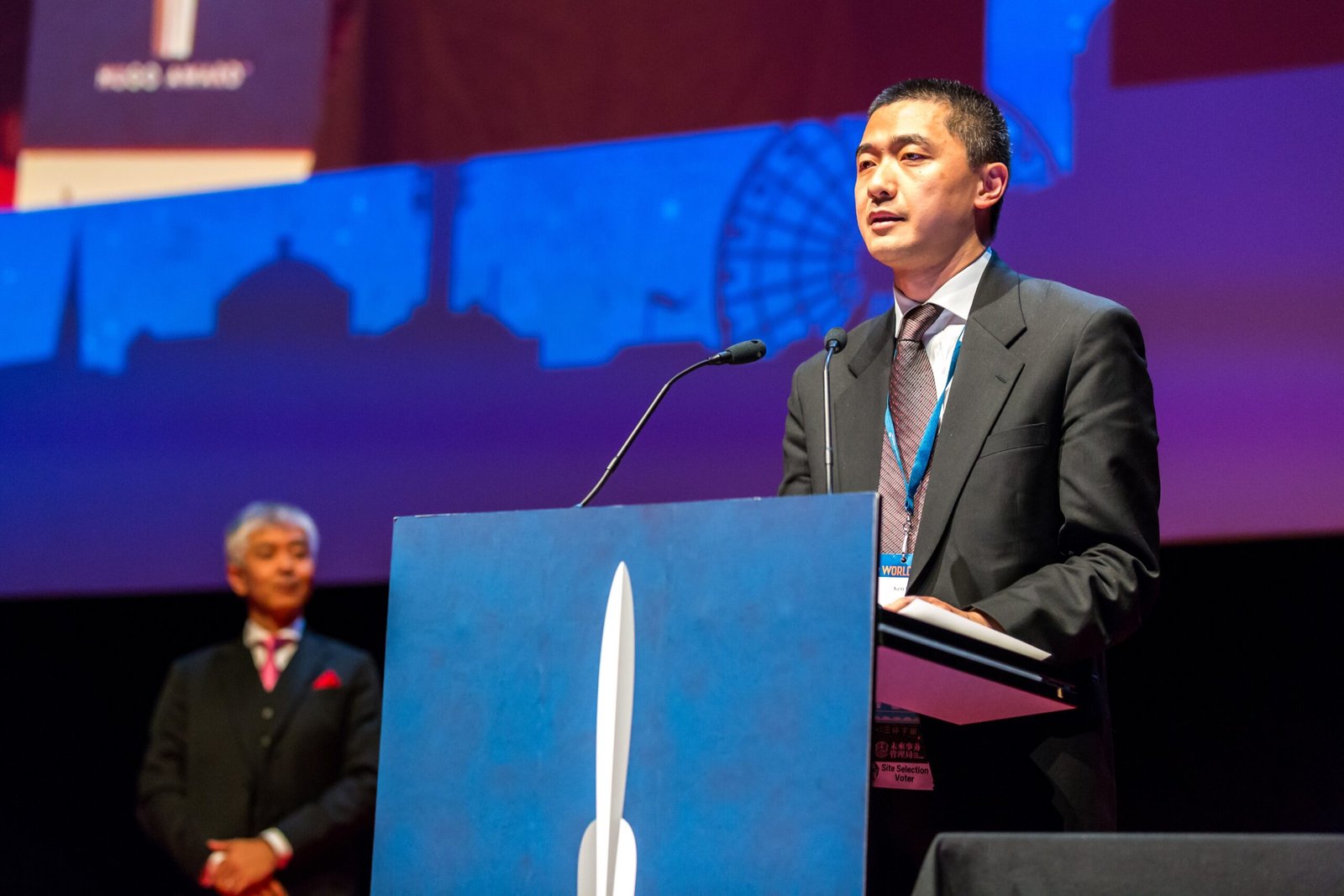
Ken Liu’s stories, including “The Paper Menagerie,” often explore how technology intersects with family, memory, and tradition. Liu draws on both American and Asian influences to show how AI can change not just economies, but cultures and identities. According to the U.S. Census Bureau (2024), the fastest-growing segment of the tech workforce is now Asian American, reflecting Liu’s vision of a more diverse, global AI landscape. His stories remind us that AI isn’t just about machines—it’s about people, values, and the stories we tell ourselves. As communities across the country adapt to AI in schools, workplaces, and homes, Liu’s work feels more relevant than ever.
Madeline Ashby and the Role of AI in Everyday Life
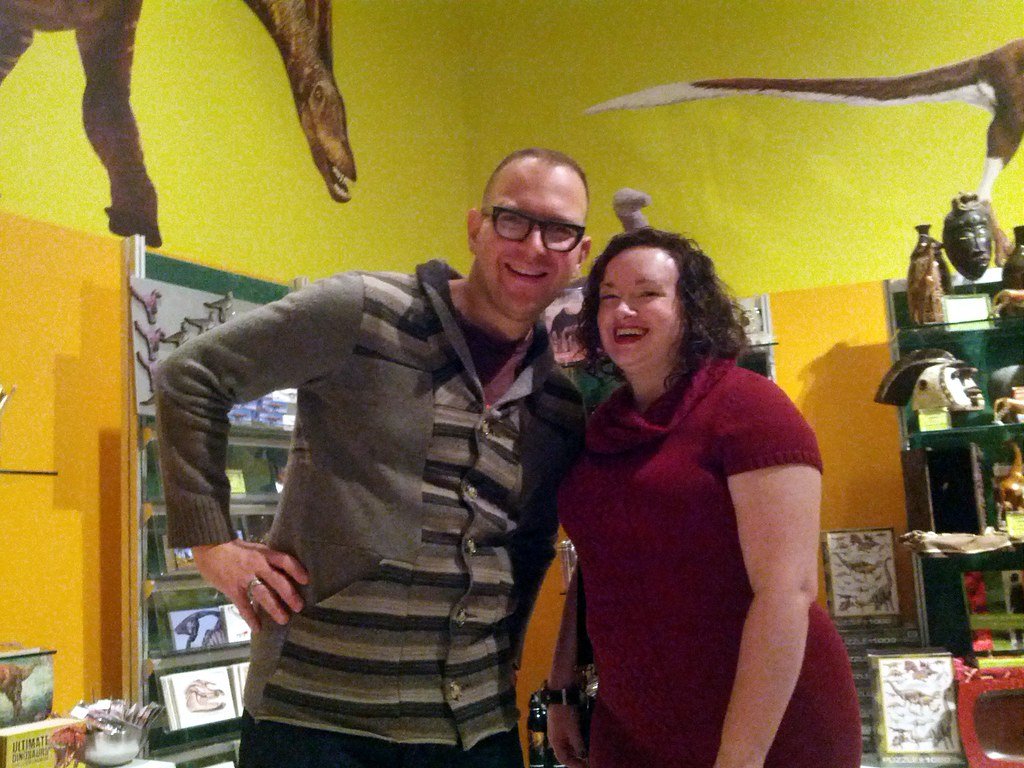
Madeline Ashby’s novels, like “vN,” show how AI can change ordinary routines—parenting, schooling, even shopping. Her characters live in a world where robots are nannies, teachers, and neighbors. This vision matches real trends: a 2024 McKinsey report found that 61% of U.S. companies now use AI in customer service, logistics, or HR. Ashby’s fiction explores the joys and frustrations of living with machines that are always learning, always watching. As AI becomes part of the fabric of daily life, her stories help us imagine what’s coming next.
Charles Stross and the Acceleration of Change
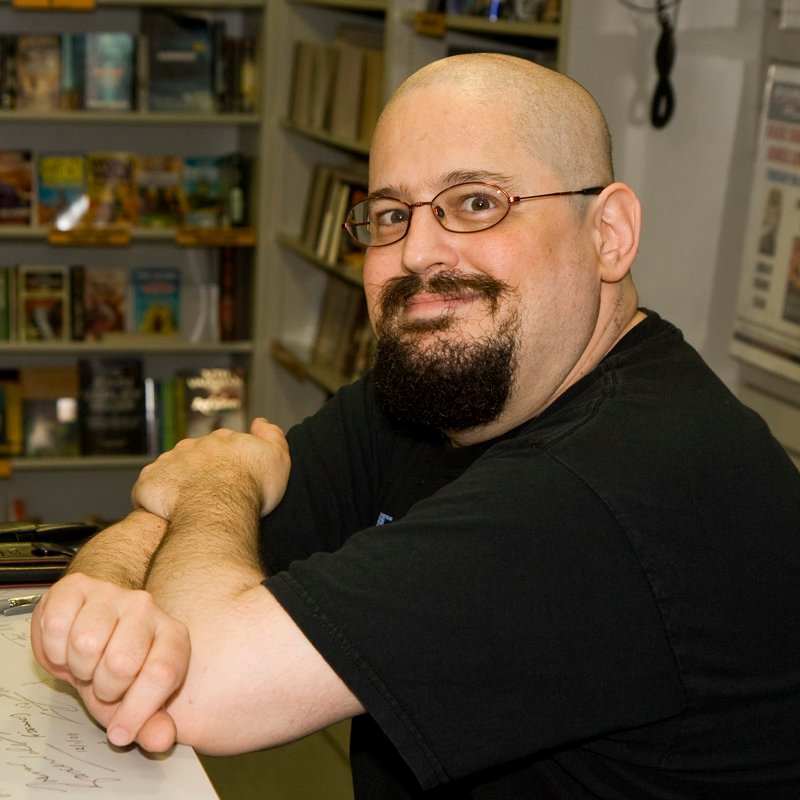
Charles Stross’s “Accelerando” follows one family as technology transforms every aspect of society, from work to relationships to consciousness itself. Stross predicted trends like decentralized finance, digital currencies, and AI-driven economies—now all hot topics in Silicon Valley. The pace of change he imagined is now reflected in real statistics: Gartner (2024) reports that AI adoption in U.S. businesses has doubled in just three years. Stross’s work captures the dizzying speed at which technology is reshaping our world, making yesterday’s science fiction today’s reality.
End.
CEO-Co-Founder
