

- The 20 First and Last Sentences of These Books Say Everything - September 22, 2026
- 10 Stories That Are Way Shorter Than You Remember - September 22, 2026
- The 20 Most Quoted Lyrics in Instagram Captions — Ranked - September 22, 2026
1. Harriet Beecher Stowe
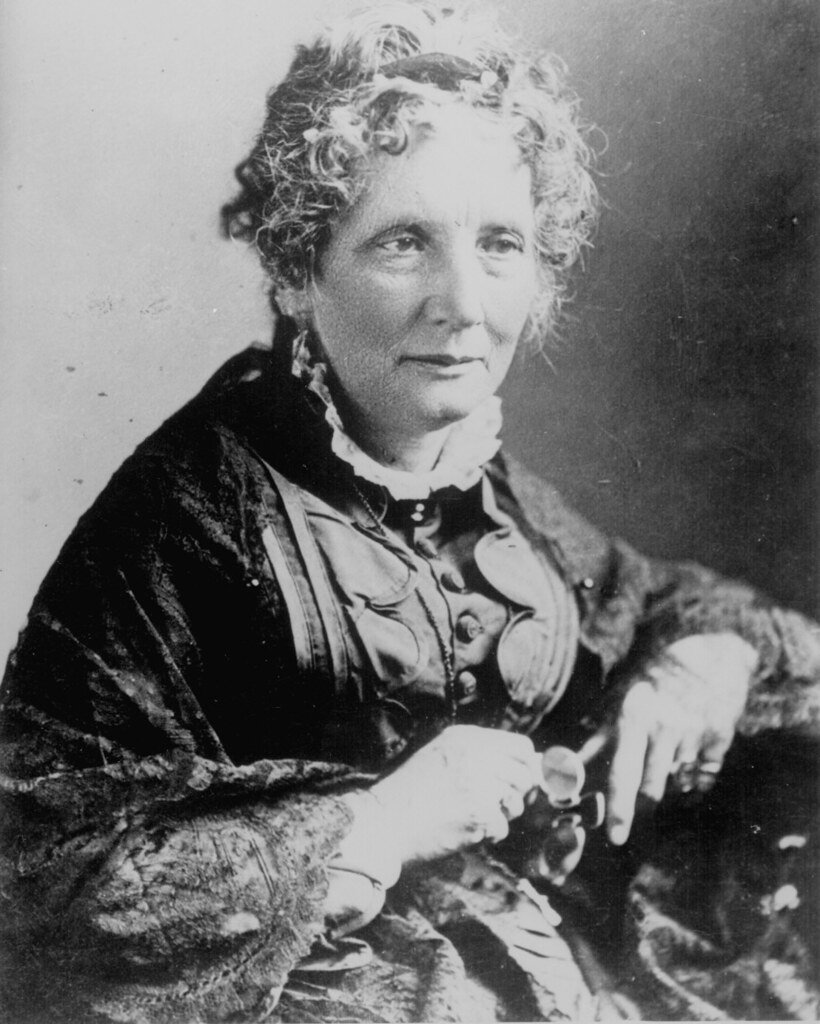
Harriet Beecher Stowe is often credited with igniting a national conversation about slavery with her monumental novel, “Uncle Tom’s Cabin,” published in 1852. The book sold over 300,000 copies in its first year and is widely regarded as a catalyst for the abolitionist movement. Stowe’s storytelling brought the brutal realities of slavery into American homes, making it impossible for many to ignore the issue any longer. According to historians, Abraham Lincoln allegedly greeted her as “the little lady who made this big war.” Stowe’s courage in tackling such a divisive topic set a precedent for women writers to use literature as a tool for social change. Her fearless voice and emotional storytelling still resonate today. Her work is studied in classrooms as a turning point for American consciousness.
2. Emily Dickinson
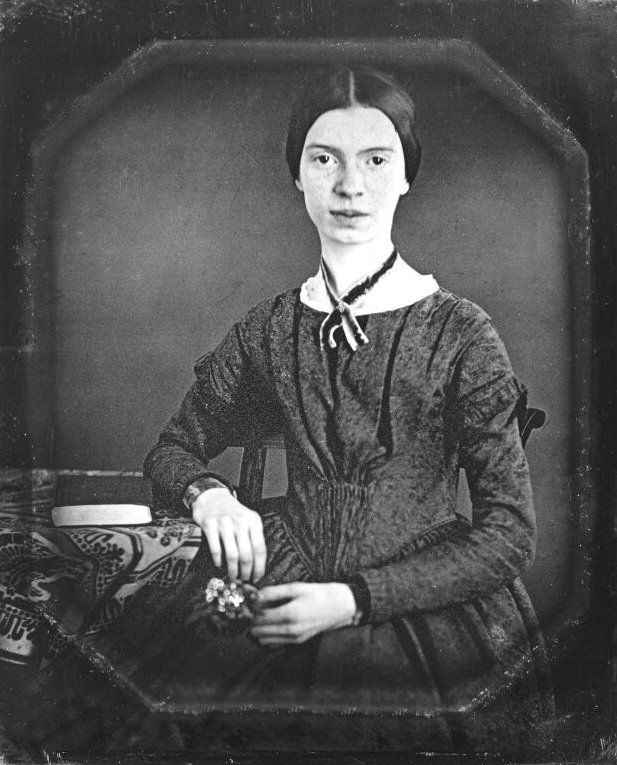
Emily Dickinson’s poetry was unconventional and raw, often defying the formal structures of her time. Almost all her nearly 1,800 poems were published posthumously, but today she’s considered one of America’s greatest poets. Her unique voice—short lines, slant rhyme, and dashes—helped redefine what poetry could be. Dickinson’s work is deeply introspective, exploring themes of death, identity, and nature with haunting clarity. Recent research suggests her mental health struggles and reclusive lifestyle influenced her writing style, making her a symbol of quiet rebellion. Literary scholars have found that Dickinson’s influence can be seen in the modern confessional poetry movement. She continues to inspire writers who feel outside the mainstream.
3. Toni Morrison
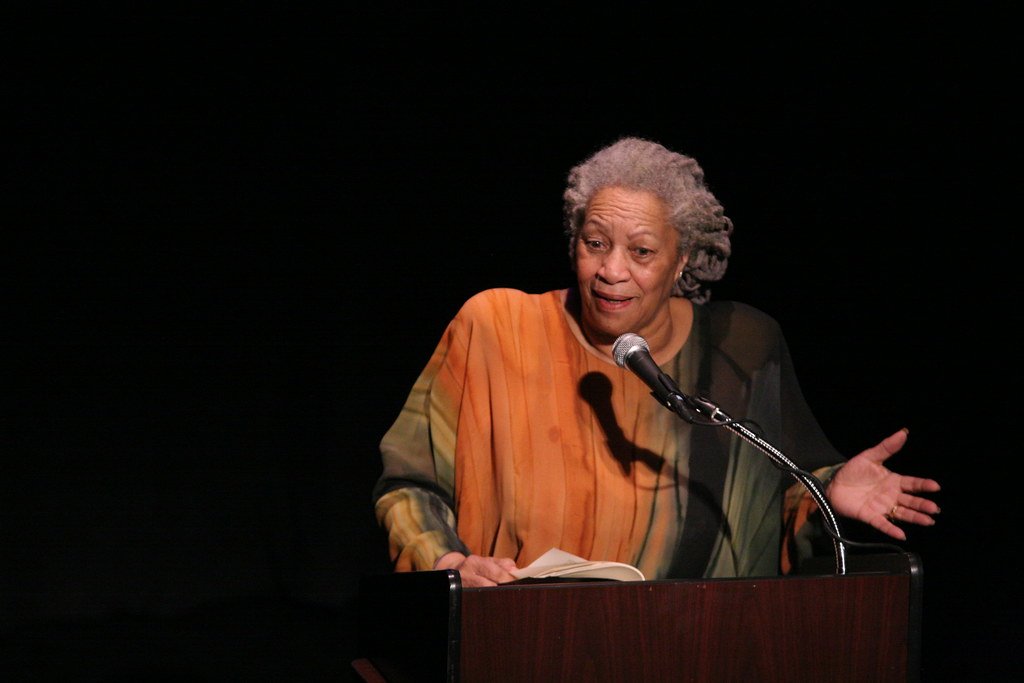
Toni Morrison made history in 1993 by becoming the first African-American woman to win the Nobel Prize in Literature. Her novels, including “Beloved,” “Song of Solomon,” and “The Bluest Eye,” explore Black identity, trauma, and resilience in America. Morrison’s work draws on oral traditions, folklore, and a powerful sense of place, giving voice to stories long left untold. Scholars highlight how Morrison’s complex characters and lyrical prose changed the course of American literature. In 2020, her books saw a significant surge in sales and academic attention following racial justice protests, as new generations sought her perspective. Morrison’s legacy is cemented in her fearless exploration of America’s deepest wounds and hopes.
4. Maya Angelou
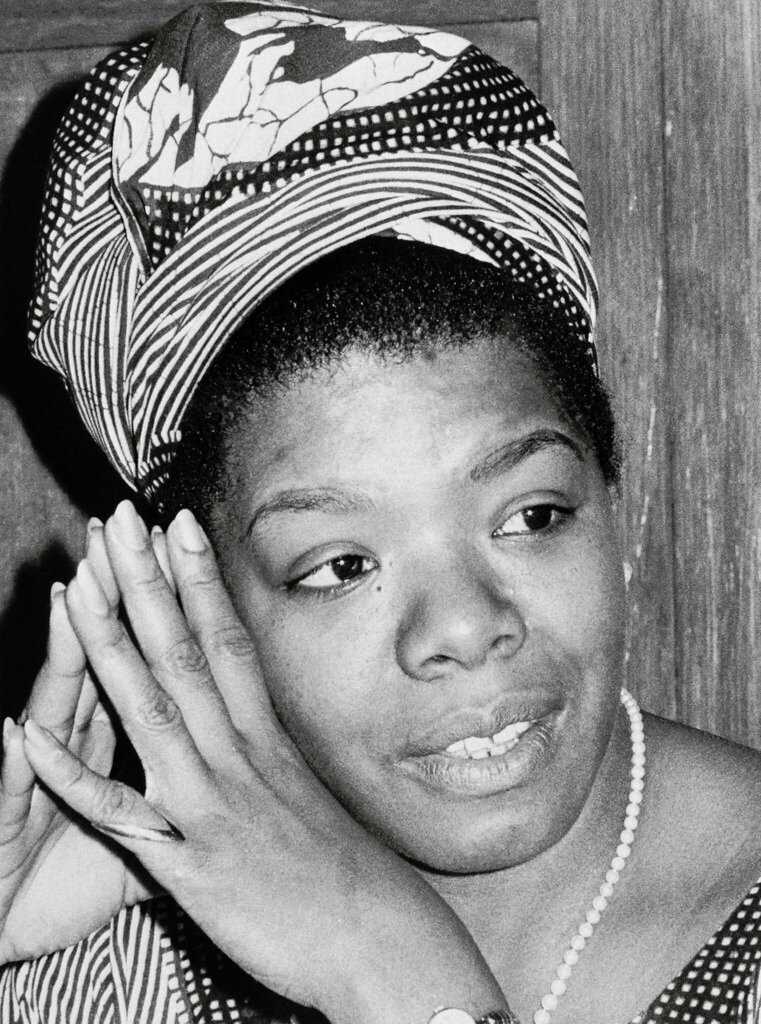
Maya Angelou’s memoir, “I Know Why the Caged Bird Sings,” shattered boundaries when it was published in 1969. It was one of the first times a Black woman openly discussed childhood trauma, racism, and resilience. The book has sold millions of copies and is frequently assigned in schools. Angelou’s voice—lyrical, honest, and unapologetic—opened doors for countless writers who followed. She read her poem “On the Pulse of Morning” at President Bill Clinton’s inauguration in 1993, making her only the second poet in U.S. history to do so. Her work continues to inspire movements for social justice and personal empowerment. In 2022, the U.S. Mint honored her by featuring her image on the quarter, a testament to her national impact.
5. Louisa May Alcott
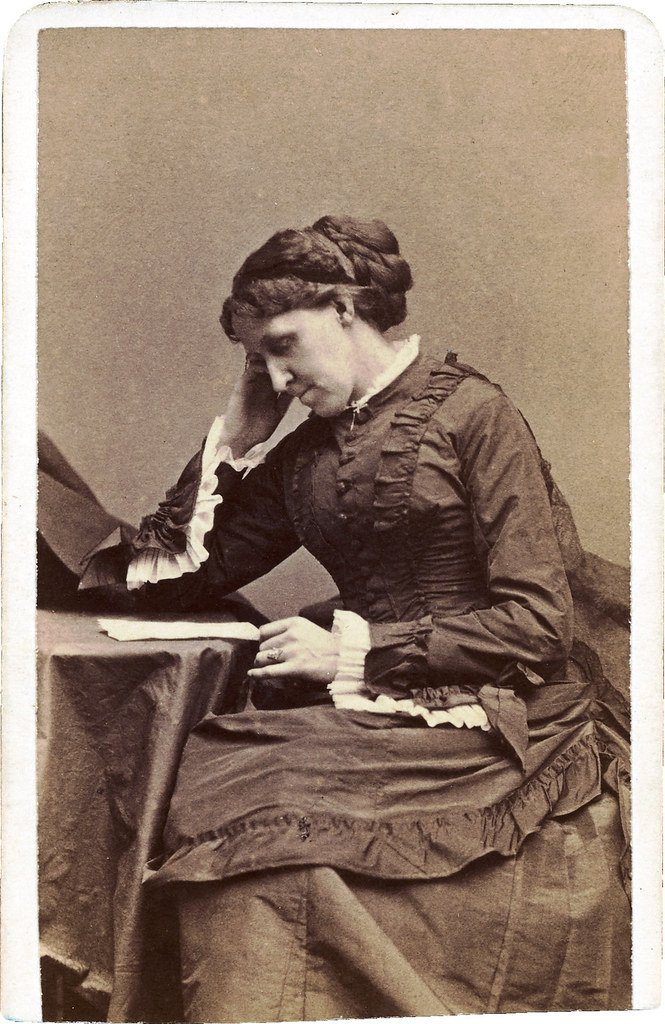
Louisa May Alcott captured the hearts of readers everywhere with “Little Women,” first published in 1868. The semi-autobiographical novel has never been out of print and has been adapted into movies, plays, and TV shows. Alcott’s depiction of strong, individualistic women was groundbreaking in its day. According to book historians, “Little Women” helped redefine what was possible for women in fiction and in life. Alcott was also a nurse during the Civil War and an early advocate for women’s suffrage. Her influence is so enduring that new adaptations of her work, like Greta Gerwig’s 2019 film, continue to dominate pop culture discussions. Alcott’s legacy is one of courage, creativity, and compassion.
6. Zora Neale Hurston
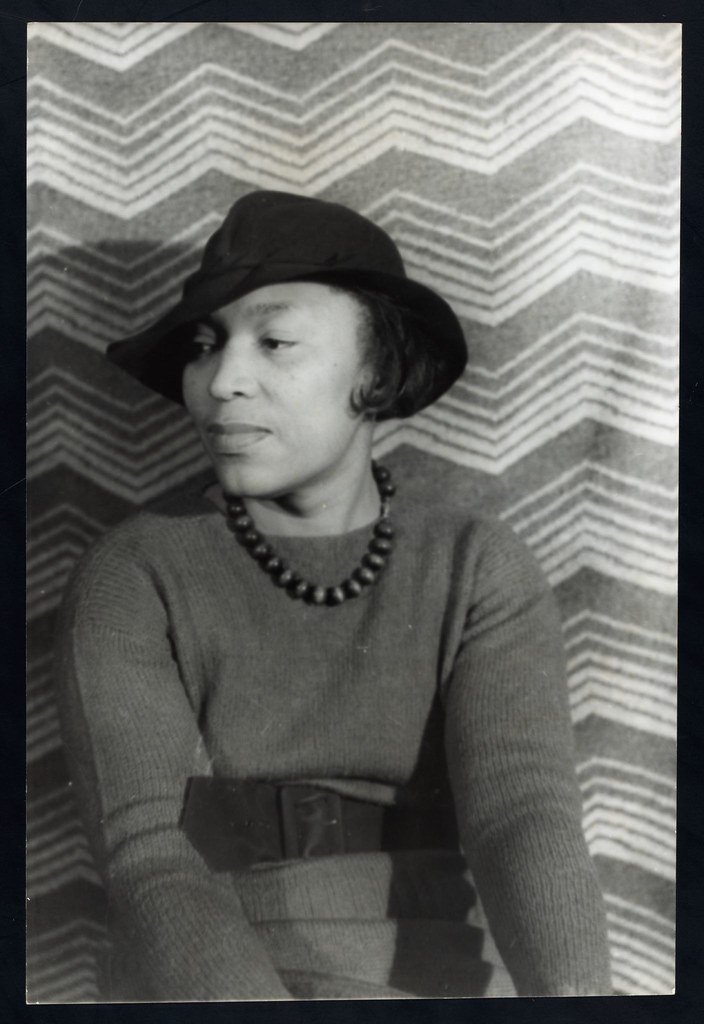
Zora Neale Hurston was a leading figure of the Harlem Renaissance. Her novel “Their Eyes Were Watching God” (1937) is now considered a cornerstone of African-American literature. Hurston’s use of Black Southern dialect and her celebration of cultural heritage were revolutionary at a time when mainstream literature often ignored or caricatured Black voices. In recent years, new biographies and documentaries have brought renewed interest to her life and work. According to the Zora Neale Hurston Trust, her books have seen a 200% increase in sales since 2010. Hurston’s bold characters and unapologetic storytelling continue to inspire writers to embrace their individuality.
7. Sylvia Plath
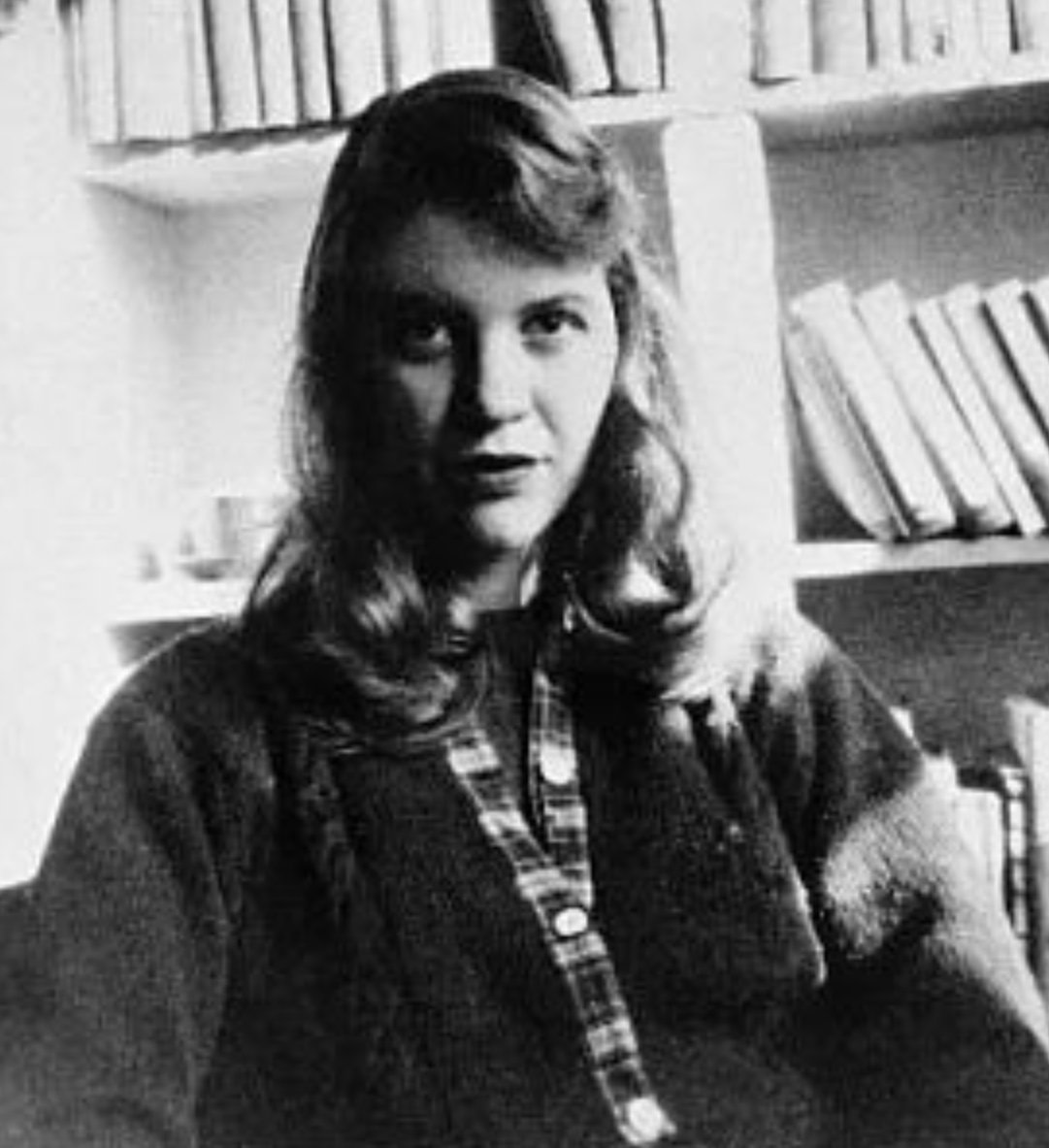
Sylvia Plath’s only novel, “The Bell Jar,” and her poetry collections like “Ariel,” are famous for their raw exploration of mental health, womanhood, and identity. Plath’s confessional style broke taboos around mental illness and suicide, topics previously brushed aside in polite society. Her work has been cited in psychological studies exploring the connection between creativity and depression. In 2019, “The Bell Jar” was listed among the top 100 novels of all time by The Guardian. Plath’s influence is especially strong among young women writers, who see her as a pioneer in talking honestly about personal struggles. Her tragic story and powerful writing continue to haunt and inspire.
8. Alice Walker
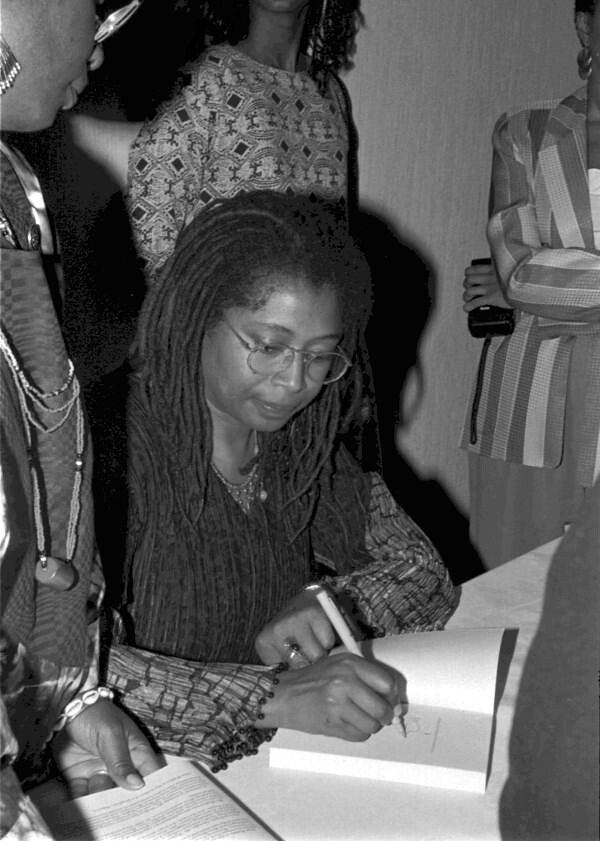
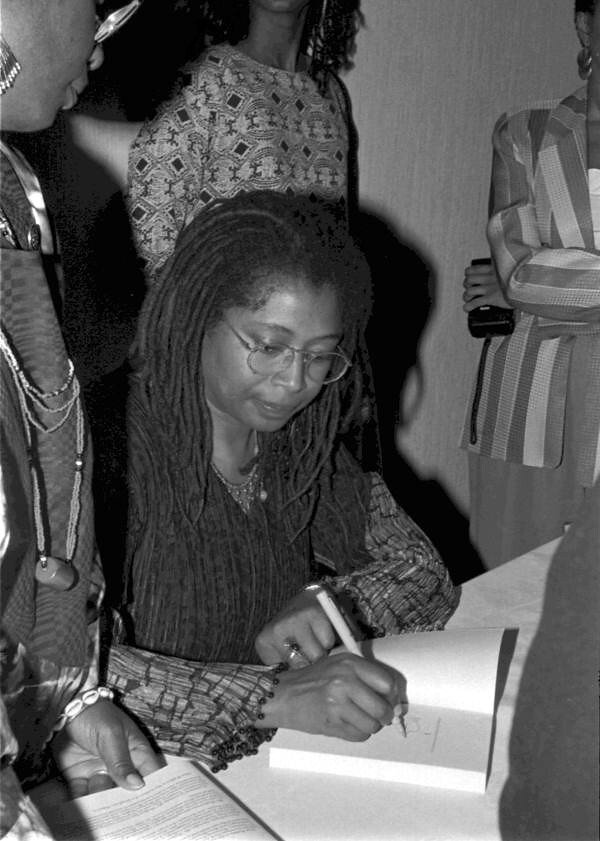
Alice Walker made literary history when she won the Pulitzer Prize and National Book Award for “The Color Purple” in 1983. The novel’s depiction of the lives of Black women in the early 20th-century South broke new ground for both its honesty and its style. Walker coined the term “womanist” to describe Black feminism, influencing both literature and activism. Her book has sold over five million copies and inspired Broadway plays and a Steven Spielberg film. Recent academic studies highlight Walker’s role in bringing intersectionality into mainstream conversations. Walker’s commitment to justice and her lyrical prose have cemented her as one of the most important American writers of the last century.
9. Edith Wharton
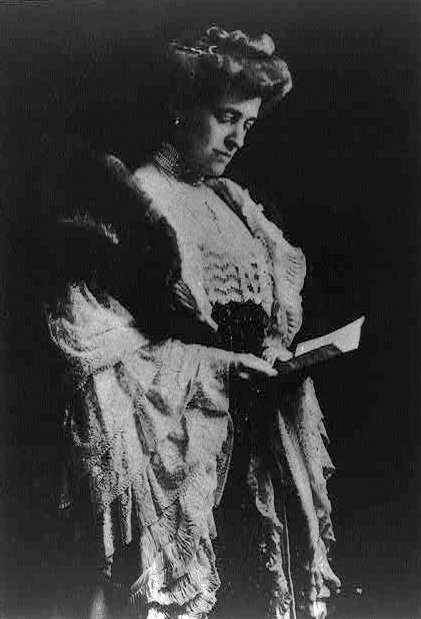
Edith Wharton was the first woman to win the Pulitzer Prize for Fiction, which she earned in 1921 for “The Age of Innocence.” Wharton’s novels, including “Ethan Frome” and “The House of Mirth,” dissected the upper-class society of Gilded Age America with a sharp, sometimes satirical, eye. Scholars credit her with creating some of the most complex female protagonists in American literature. Wharton’s boldness extended beyond her writing—she was also a humanitarian during World War I and an advocate for women’s education. According to the Edith Wharton Society, her books have seen a resurgence in popularity during the last decade. Her insights into class, gender, and morality remain deeply relevant.
10. Sandra Cisneros
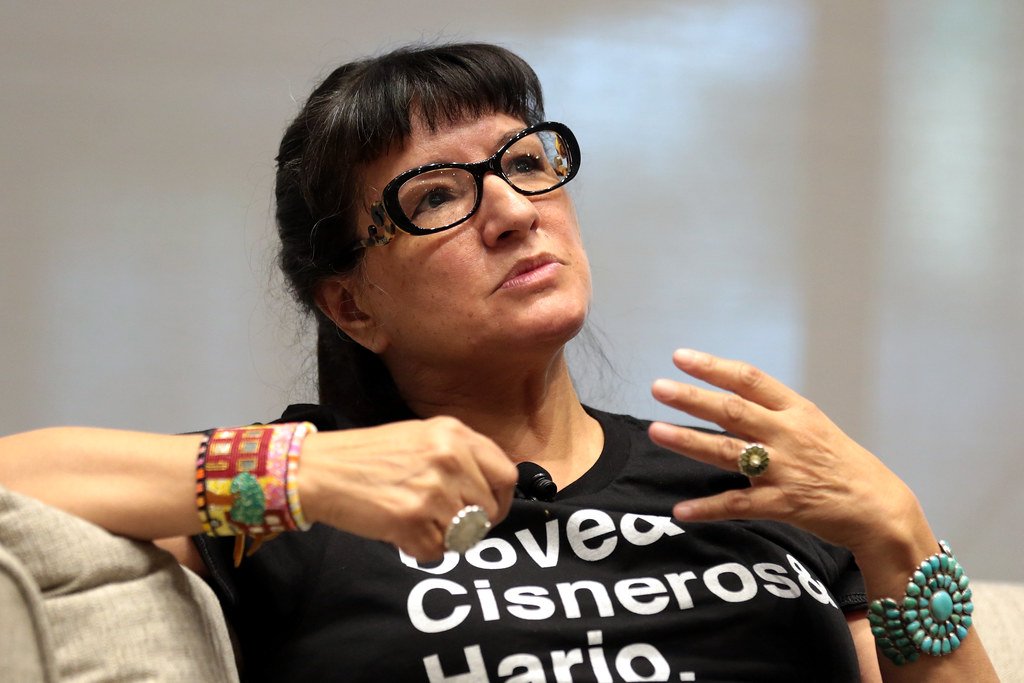
Sandra Cisneros burst onto the literary scene with “The House on Mango Street” in 1984, a novel-in-vignettes that gave voice to the Latina experience in America. Cisneros’s use of poetic language and childlike perspective made her book accessible to readers of all ages. The novel has been translated into over 20 languages and is required reading in thousands of schools. Scholars credit Cisneros with opening doors for Latinx authors and changing the way multicultural literature is taught. In 2024, Cisneros received the Ruth Lilly Poetry Prize, recognizing her lifelong contributions. Her stories of identity, belonging, and resilience continue to echo with readers everywhere.
11. Octavia E. Butler
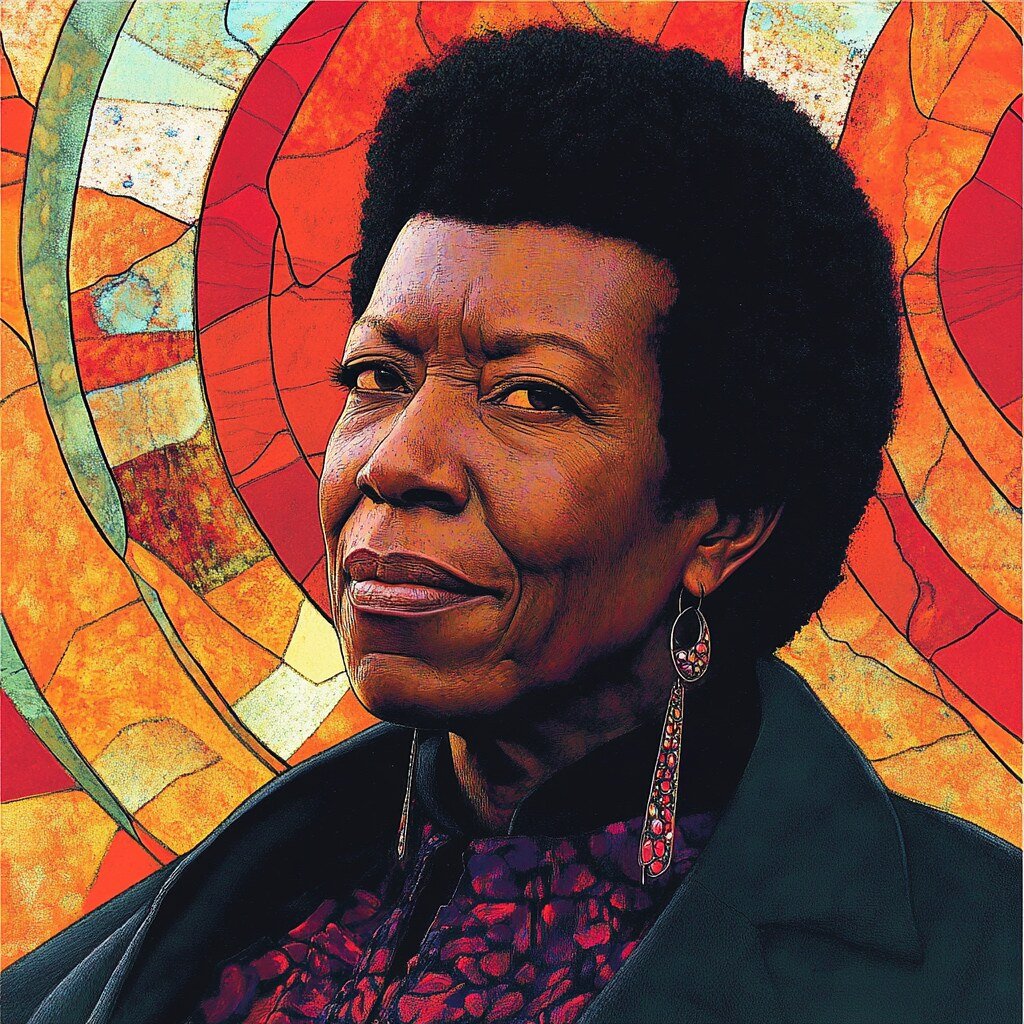
Octavia E. Butler was a visionary in the world of science fiction, a genre once dominated by white men. Her novels, like “Kindred” and the “Parable” series, blend speculative fiction with social commentary about race, gender, and power. Butler became the first science fiction writer to receive a MacArthur “Genius” Grant in 1995. Her works have seen a surge in popularity, especially in the wake of increased interest in Afrofuturism and diverse voices. According to recent sales data, “Kindred” remains one of the most assigned texts in college courses on race and literature. Butler’s imagination continues to shape the future of the genre.
12. Willa Cather
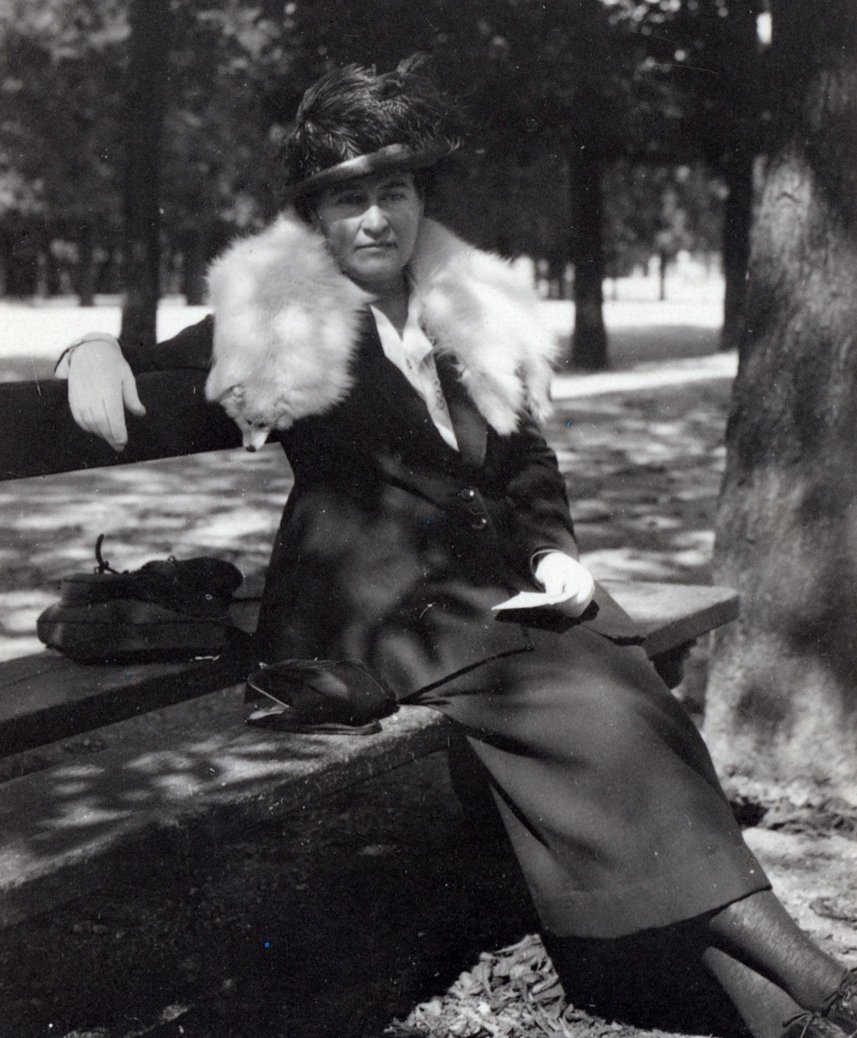
Willa Cather’s novels, including “My Ántonia” and “O Pioneers!,” captured the spirit of the American frontier and the complexities of immigrant life. Her writing, celebrated for its vivid descriptions and strong female characters, won her the Pulitzer Prize for “One of Ours” in 1923. Recent literary criticism has focused on Cather’s subtle explorations of gender and sexuality, making her work relevant to contemporary discussions. The Willa Cather Foundation reports a steady increase in Cather scholarship and public interest, particularly as rural America regains attention in political discourse. Her stories are a testament to endurance and transformation.
13. Nella Larsen
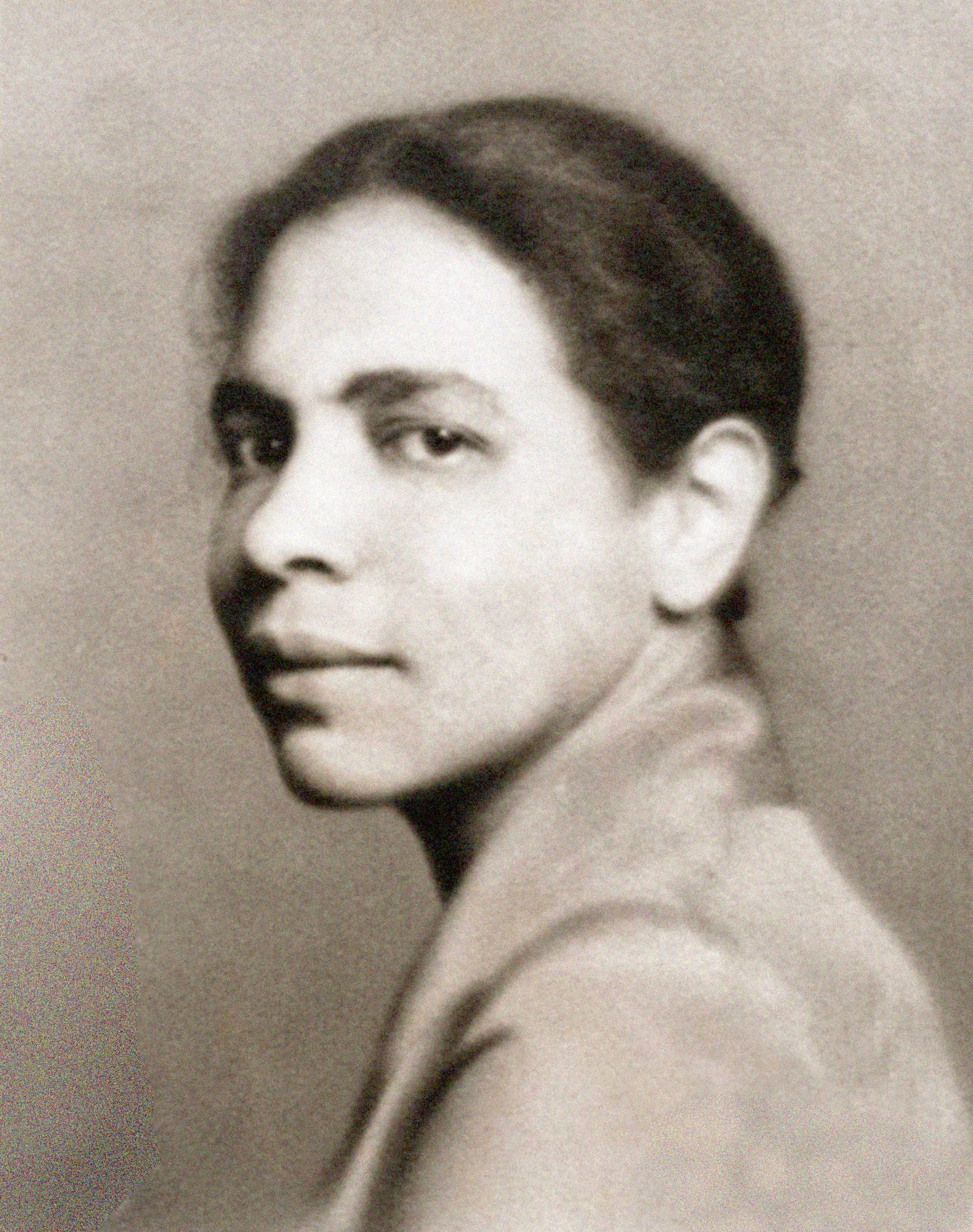
Nella Larsen’s novels “Passing” and “Quicksand” are powerful examinations of race, identity, and gender during the Harlem Renaissance. Although her work was largely ignored during her lifetime, the 21st century has brought renewed recognition, especially after Netflix’s adaptation of “Passing” in 2021. Larsen’s nuanced portrayal of the complexities faced by mixed-race women in America is now considered essential reading. According to academic journals, citations of Larsen’s work have quadrupled since 2000. Today, Larsen is recognized as an essential voice in the discussion of intersectional identity in American literature.
14. Gertrude Stein
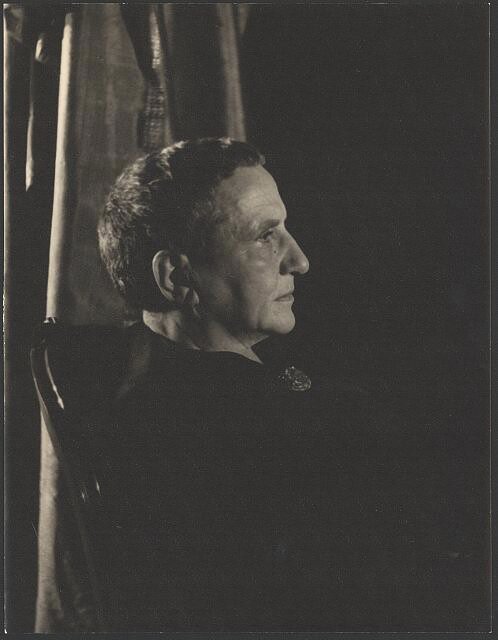
Gertrude Stein was an avant-garde writer and art collector who played a pivotal role in shaping modernism. Her experimental prose, as seen in “Three Lives” and “Tender Buttons,” broke linguistic rules and inspired generations of writers and artists. Stein’s Paris salon attracted the likes of Ernest Hemingway, Pablo Picasso, and F. Scott Fitzgerald, fostering a cross-fertilization of ideas. Scholars like Ulla Dydo have shown how Stein’s influence extended beyond literature and into visual art and music. Her phrase “a rose is a rose is a rose” remains one of the most quoted lines in American letters. Stein’s daring continues to challenge and delight.
15. Flannery O’Connor
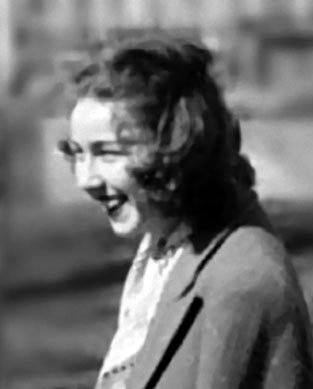
Flannery O’Connor’s Southern Gothic stories are famous for their dark humor, religious themes, and unforgettable characters. Her collections “A Good Man Is Hard to Find” and “Everything That Rises Must Converge” are studied in classrooms across the country. O’Connor’s exploration of moral and spiritual crises has drawn both praise and controversy. Recent biographies and critical essays have examined her complex legacy, including her struggles with lupus and her views on race and religion. O’Connor’s work still provokes debate about the meaning of grace and redemption in American life.
16. Jeanette Winterson
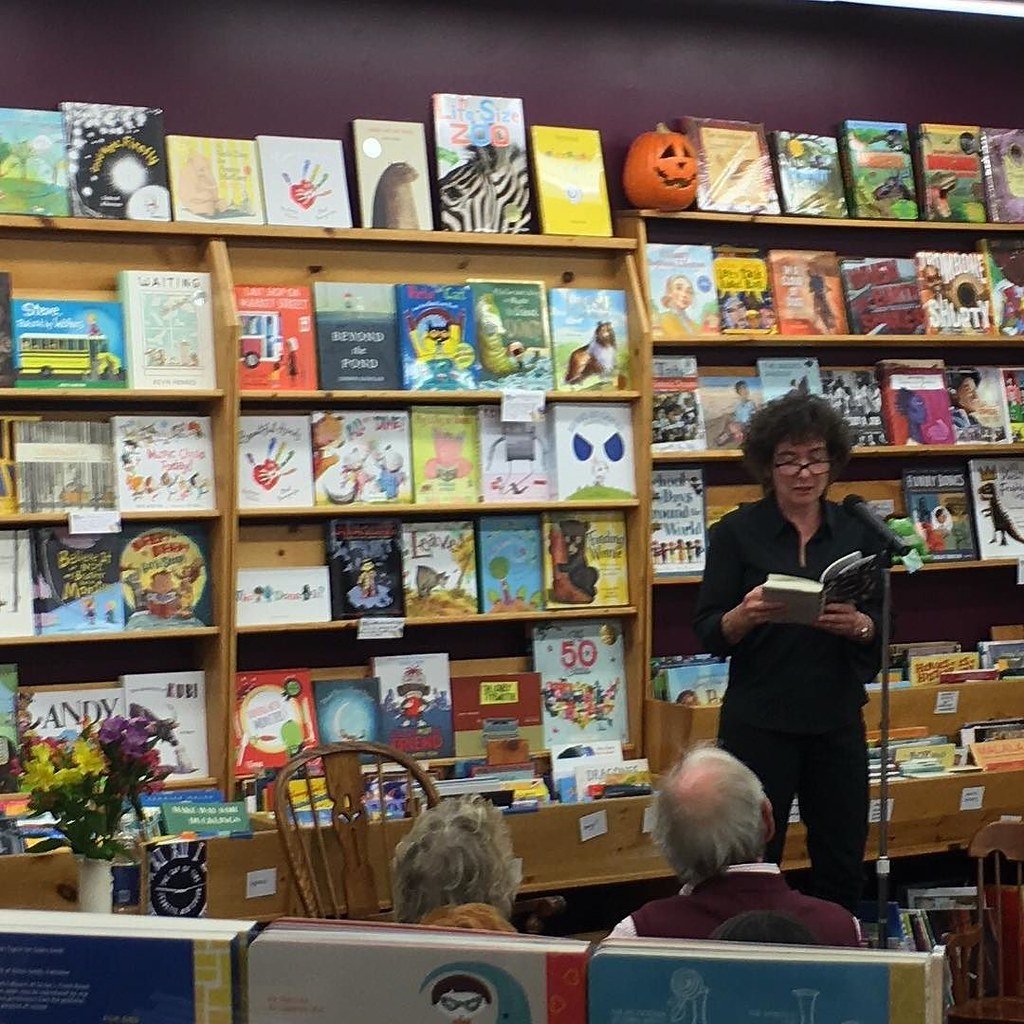
Jeanette Winterson, though British-born, made a significant impact on U.S. literature after relocating and teaching at American universities. Her novel “Oranges Are Not the Only Fruit” and later U.S. publications deal with themes of sexuality, gender, and identity, influencing American LGBTQ literature. Winterson’s innovative narrative style and bold storytelling have inspired a wave of new writers in the U.S. In 2023, she was awarded an honorary degree by an Ivy League university, recognizing her cross-Atlantic influence. Literary critics often point to Winterson as a bridge between American and European literary innovation.
17. bell hooks
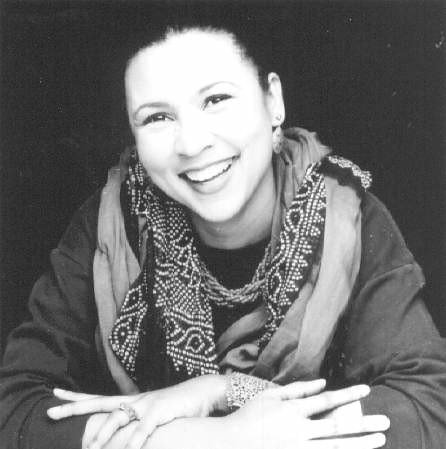
bell hooks, born Gloria Jean Watkins, was a trailblazing feminist theorist, poet, and cultural critic. Her books, such as “Ain’t I a Woman?” and “Feminism Is for Everybody,” have become foundational texts in gender studies and literary criticism. hooks’s accessible writing style and intersectional approach brought feminist thought into mainstream conversation. According to recent teaching statistics, her works are cited in over 2,000 college syllabi nationwide. Her death in December 2021 sparked tributes across the world, highlighting her indelible mark on American letters and activism.
18. Rita Dove
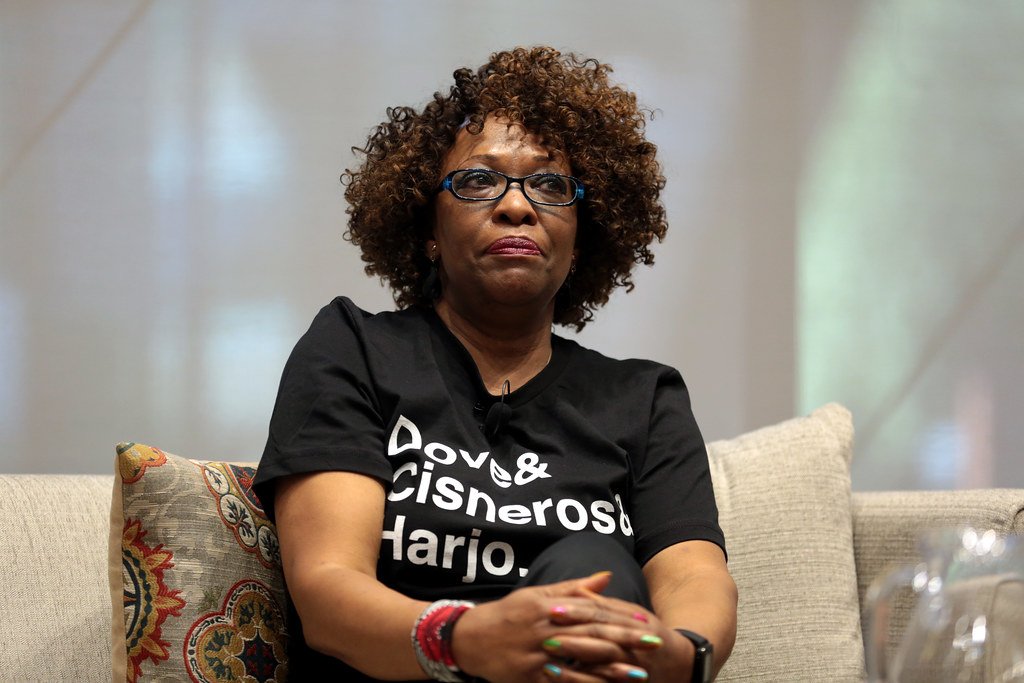
Rita Dove made history in 1993 as the youngest and first African-American U.S. Poet Laureate. Her poetry, including “Thomas and Beulah,” which won the Pulitzer Prize, explores themes of family, history, and Black experience in America. Dove’s accessible style and passion for outreach have brought poetry to broader audiences. In 2024, she was honored with the National Medal of Arts for her lasting contribution to American culture. Dove’s mentorship of emerging poets has shaped the next generation of literary voices.
19. Margaret Atwood
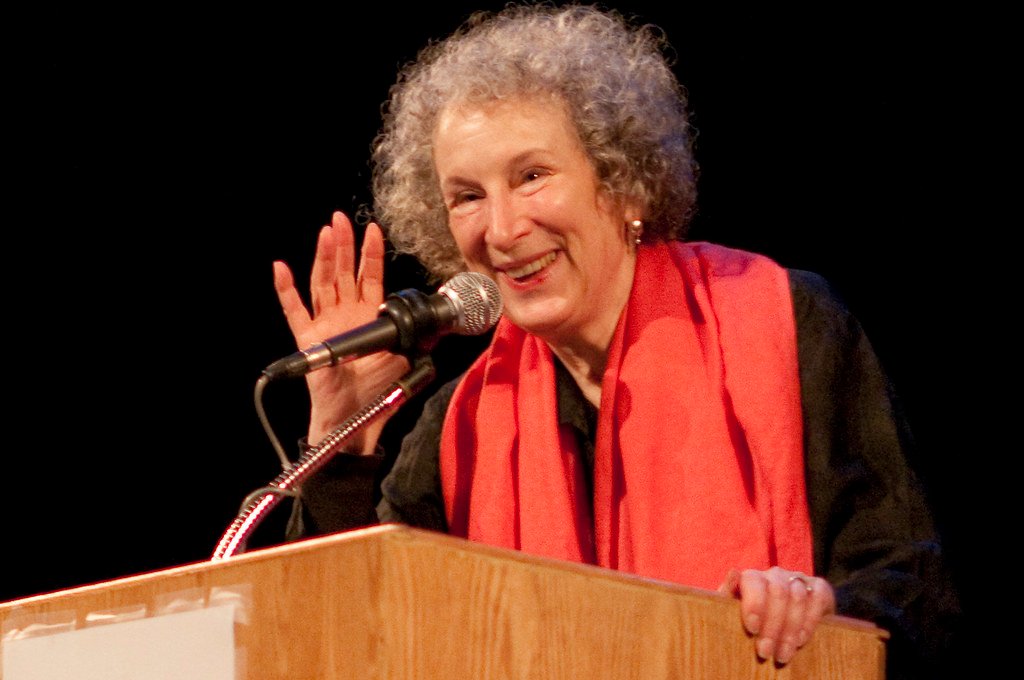
Margaret Atwood, though Canadian, has had a seismic impact on U.S. literature, especially with “The Handmaid’s Tale,” which has been embraced as a warning and rallying cry for women’s rights in America. The novel’s sales spiked by over 200% after the 2016 U.S. presidential election, and its TV adaptation won multiple Emmy Awards. Atwood’s speculative fiction has inspired activist movements and academic debate about the future of women’s rights in the U.S. Atwood’s role as a visiting professor at Harvard and her frequent American speaking tours have solidified her influence.
20. Gloria Anzaldúa
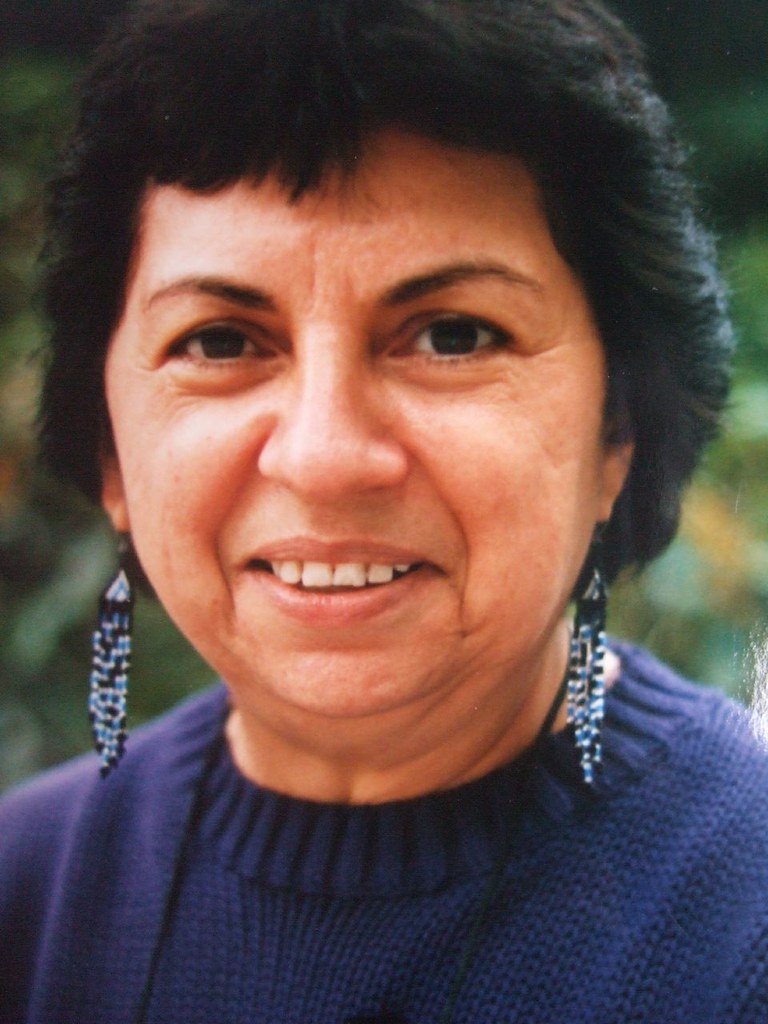
Gloria Anzaldúa’s groundbreaking book “Borderlands/La Frontera: The New Mestiza” (1987) redefined the borders of language, culture, and identity in American literature. Anzaldúa’s work blends English and Spanish, poetry and prose, autobiography and theory, making her a pioneer of Chicana and LGBTQ literature. Her ideas about “borderlands” have been widely cited in academic research, especially in ethnic and gender studies. In 2023, her archives were added to the Library of Congress, reflecting her growing recognition. Anzaldúa’s writing continues to inspire those navigating multiple worlds.

Besides founding Festivaltopia, Luca is the co founder of trib, an art and fashion collectiv you find on several regional events and online. Also he is part of the management board at HORiZONTE, a group travel provider in Germany.
