
- Top 10 Virginia Destinations for Music Lovers - August 13, 2026
- 15 Scenic Spring Destinations in Virginia - August 13, 2026
- 15 Inspiring Native American Quotes That Will Give You Something to Think About - August 13, 2026
The Cotton Club’s Shameful Secret
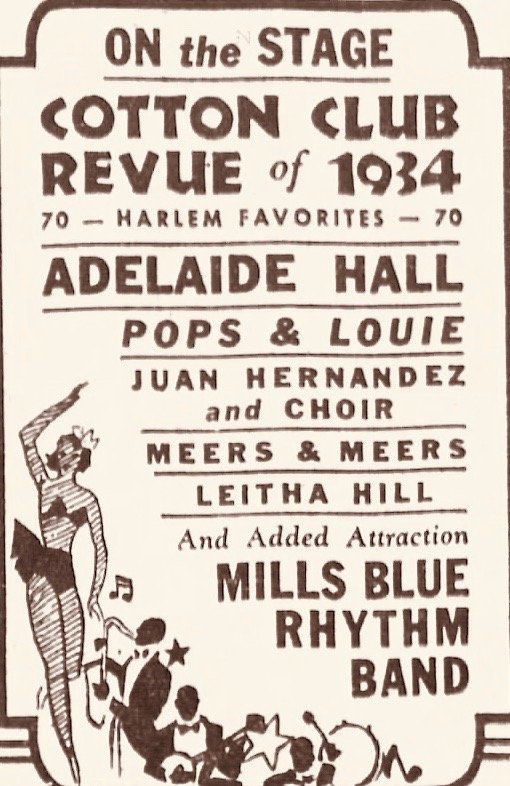
Here’s something that’ll make your jaw drop: the Cotton Club operated during the United States’ era of Prohibition and Jim Crow era racial segregation, with Black people initially unable to patronize the Cotton Club, but the venue featured many of the most popular black entertainers of the era. Picture this – Duke Ellington and Cab Calloway were electrifying audiences nightly while being banned from sitting in those very same seats to enjoy a drink after their sets. The Cotton Club had the strictest segregation policy of all the Harlem cabaret clubs at the time, yet it launched some of the greatest careers in jazz history. Clientele and management were white, the entertainers and workers were African-American, and chorus girls had to be light complexioned, or as the advertising promised—”Tall, Tan and Terrific”! The irony was as thick as the smoke in that legendary basement – white patrons could indulge in Black culture while keeping Black people locked out. Eventually, responding to Ellington’s request, the club slightly relaxed its policy of segregation, but the damage to jazz’s social fabric was already done.
Minton’s Playhouse: The Bebop Laboratory
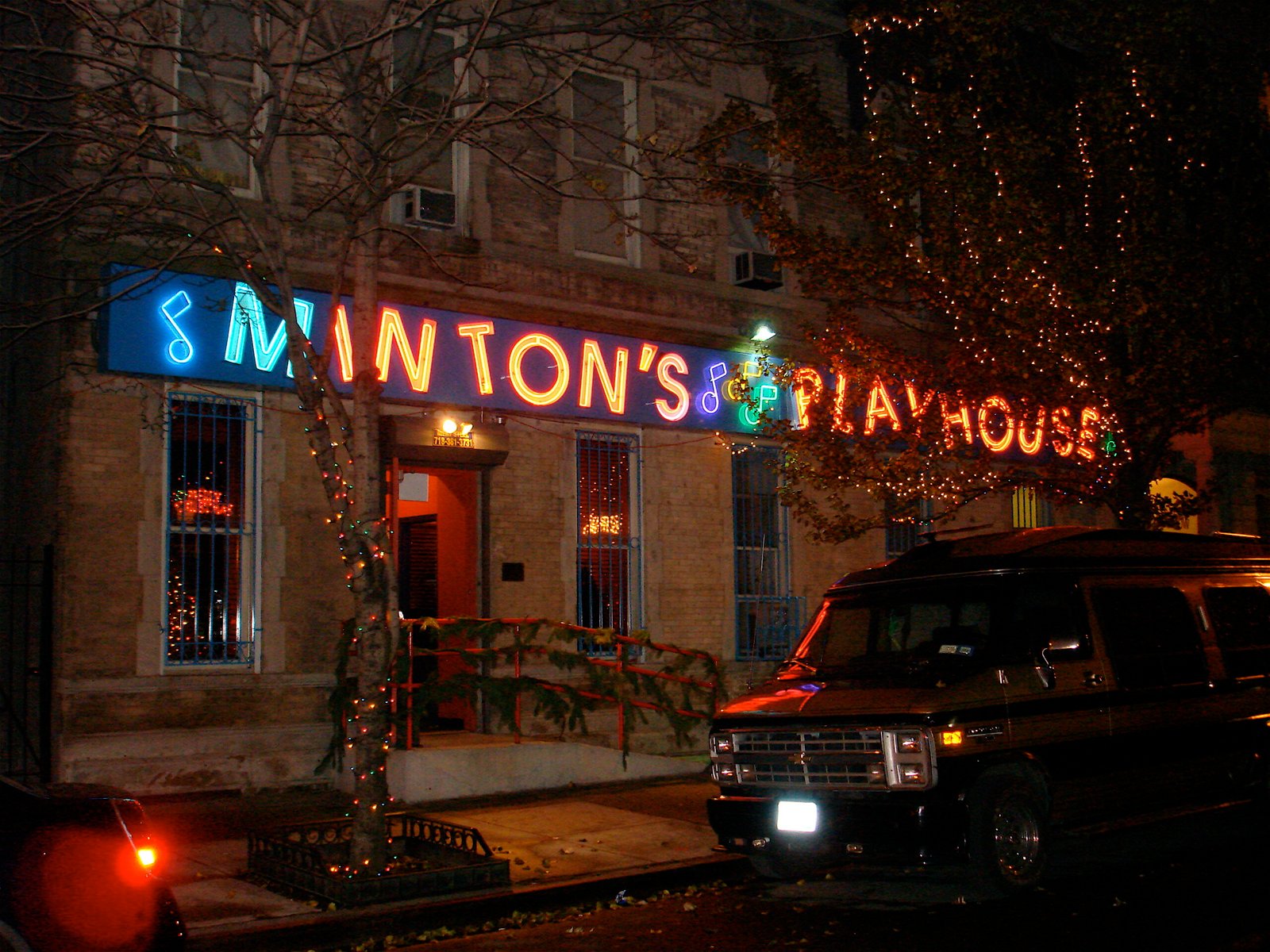
Hill put together the house band which included Thelonious Monk on piano, Joe Guy on trumpet, Nick Fenton on bass, and Kenny Clarke on drums, with the house band at Minton’s in 1941, with the addition of frequent guests, Dizzy Gillespie and Charlie Christian, at the center of the emergence of bebop in the early 1940s. Think of Minton’s as jazz’s secret laboratory where musical scientists were cooking up revolution after midnight. It was in the jam sessions where bebop was made, and the musician’s union used to fine artists for jamming, but they left Minton alone because he was the first black member of the union local. The crazy thing? Parker, nicknamed ‘Bird’, could be found sitting-in at Minton’s on Monday nights, and most of the musicians in the know didn’t even think about playing when Bird and Dizzy came to jam – they would just sit out in the audience, to listen and learn. These weren’t just jam sessions; they were masterclasses that changed music forever. Jam sessions held at Minton’s Playhouse and Clark Monroe’s Uptown House in Harlem in the early 1940s was a laboratory for bebop’s inventors, and those who stood out on stage had a rare gift for intricate improvisation at a fast tempo.
Village Vanguard’s Poetry Origins
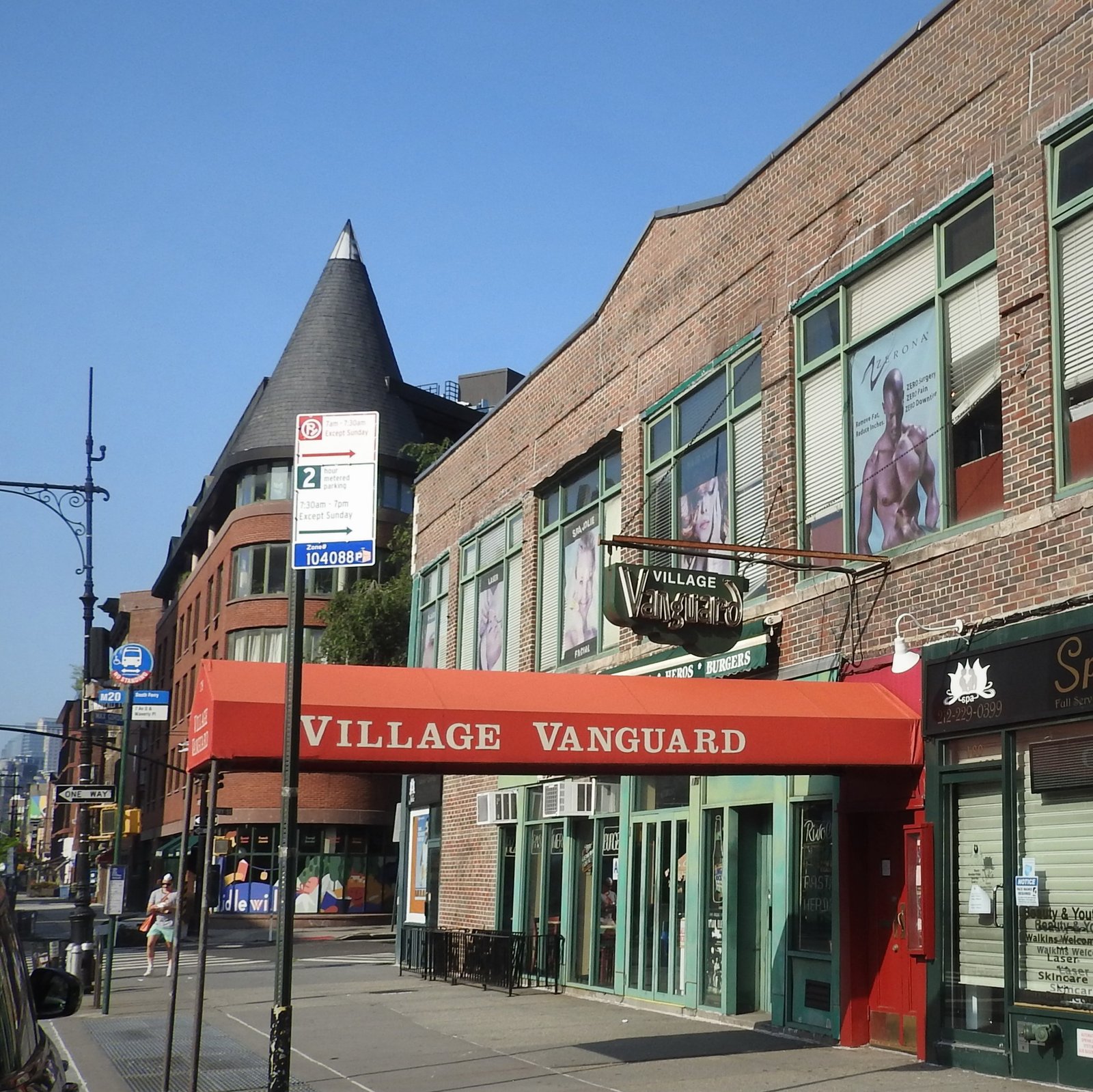
The club was opened on February 22, 1935, by Max Gordon, and originally, the club presented folk music and beat poetry, but it became primarily a jazz music venue in 1957. You’d never guess that this legendary jazz shrine started life as a poetry café! During the 1930s and 1940s, visitors to the club heard poetry read by Maxwell Bodenheim and Harry Kemp, blues and folk music by Lead Belly, and Caribbean calypso by the Duke of Iron. The transformation wasn’t sudden either – his performance and his dedicated fans raised the possibility that jazz could be the main attraction, and as modern jazz developed in the 1940s, small groups began to dominate the Vanguard. As modern jazz developed in the 1940s and its popularity increased, Gordon realized jazz could become the main attraction, with one commentator writing: “Gordon reversed his policy, putting jazz at the top of the bill and letting the folknicks…and the comics…fill it out”. That little basement wedge would become the most important jazz venue in the world, all because a guy decided poetry wasn’t paying the bills.
Preservation Hall’s Quiet Rebellion
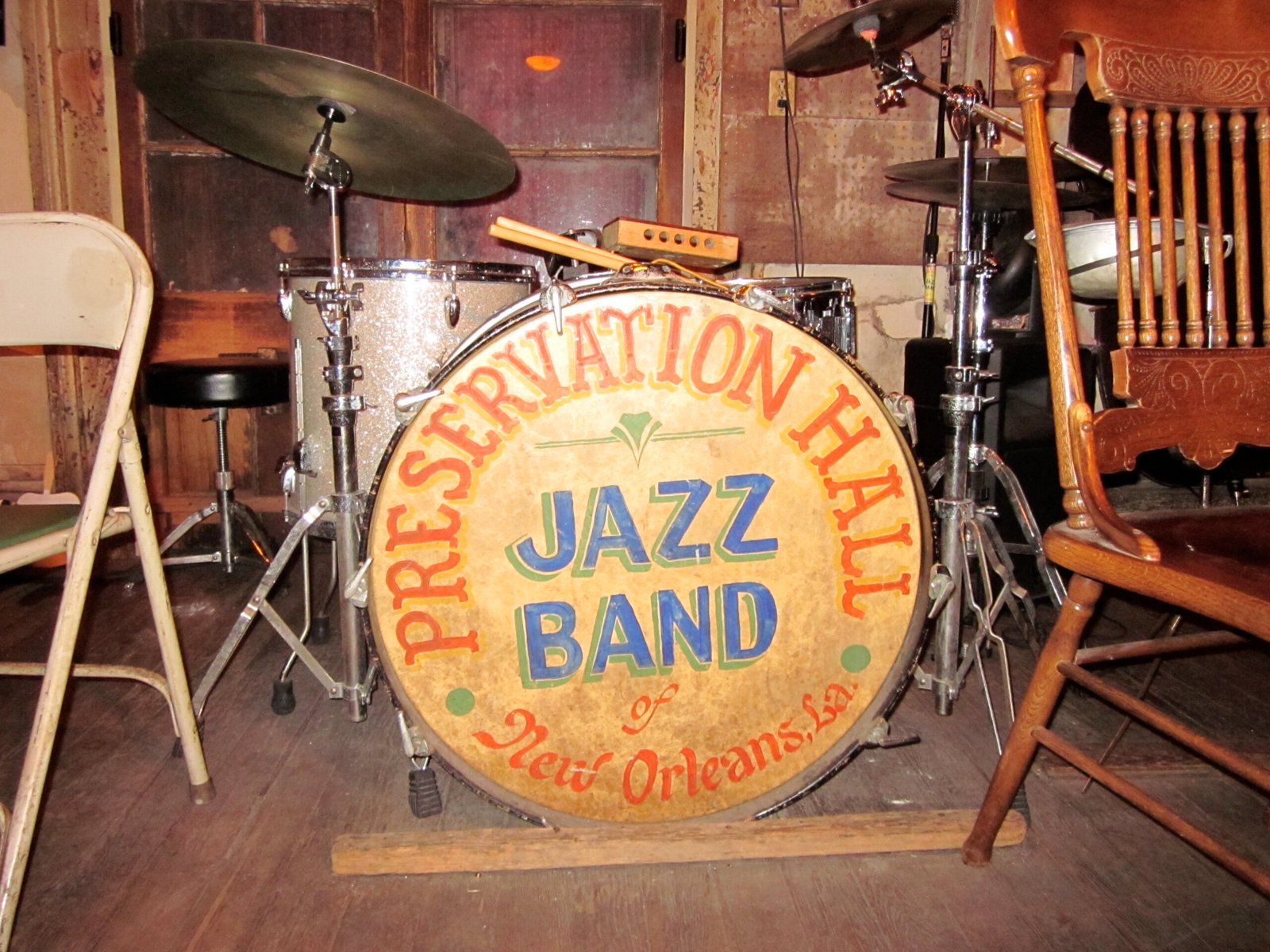
Preservation Hall was a rare space in the South where racially-integrated bands and audiences shared music together during the Jim Crow era, and at the center of that family business, the Jaffe’s became involved in the southern Civil Rights Movement (and were apprehended by police on several occasions) as heads of an integrated venue in a time of cruelly-policed racial segregation. This wasn’t just about music – it was civil disobedience with a soundtrack. In 1894 interracial marriage was prohibited in Louisiana, and in 1908 state law prohibited cohabitation (“miscegenation”) between Blacks and whites, yet Preservation Hall was quietly breaking these social barriers every single night. The Jaffes were risking everything, including their freedom, to keep the music alive. Preservation Hall was a rare space in the South where racially-integrated bands and audiences shared music together during the Jim Crow era, and at the center of that family business, the Jaffe’s became involved in the southern Civil Rights Movement as heads of an integrated venue in a time of cruelly policed racial segregation. When you consider that in 1960, Louisiana was finally forced to integrate its schools with Ruby Bridges becoming the first Black student to integrate an elementary school in the South, Preservation Hall was already years ahead of the curve.
The Five Spot’s Free Jazz Revolution
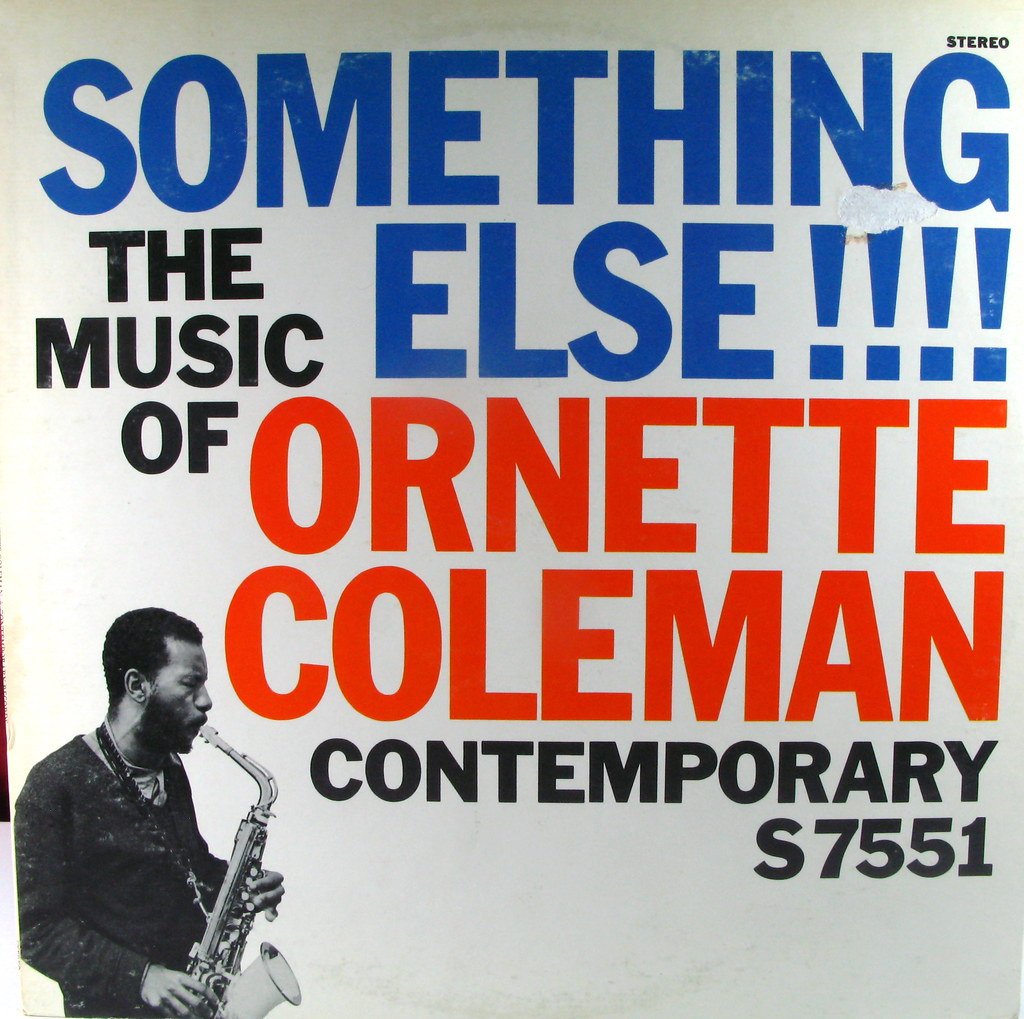
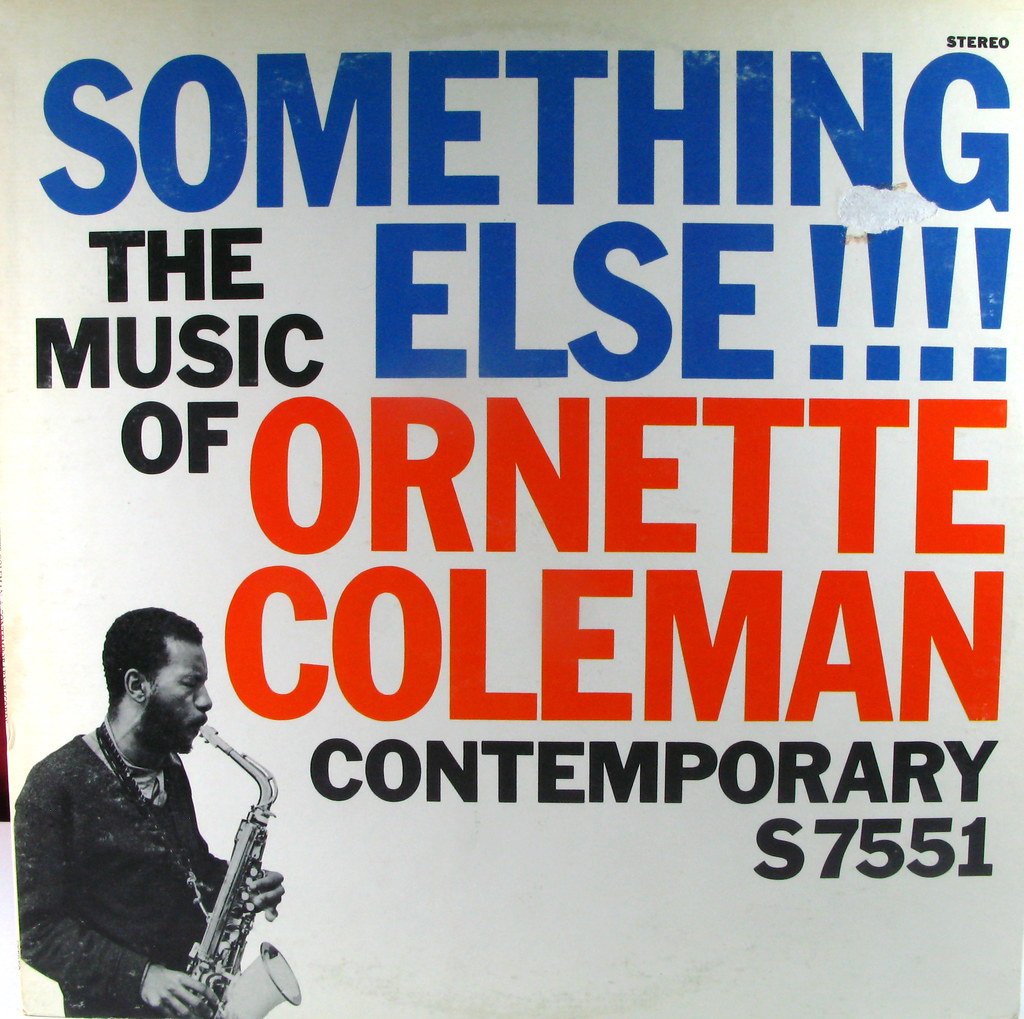
The Five Spot Café holds the distinction of hosting Ornette Coleman’s first controversial New York appearance, essentially launching the free jazz movement that would divide the jazz world forever. Coleman’s radical approach to improvisation – throwing out traditional chord progressions and letting musicians play purely from emotion – shocked audiences who expected familiar bebop structures. The club became ground zero for avant-garde jazz, where musical rules went to die and sonic experimentation was born. Musicians either loved or hated what they heard at the Five Spot, but nobody could ignore it. Coleman’s residency there sparked heated debates about what jazz could and should be, creating a schism that still exists today. The venue’s willingness to book such challenging music made it a laboratory for musical evolution.
Birdland’s Ironic Twist
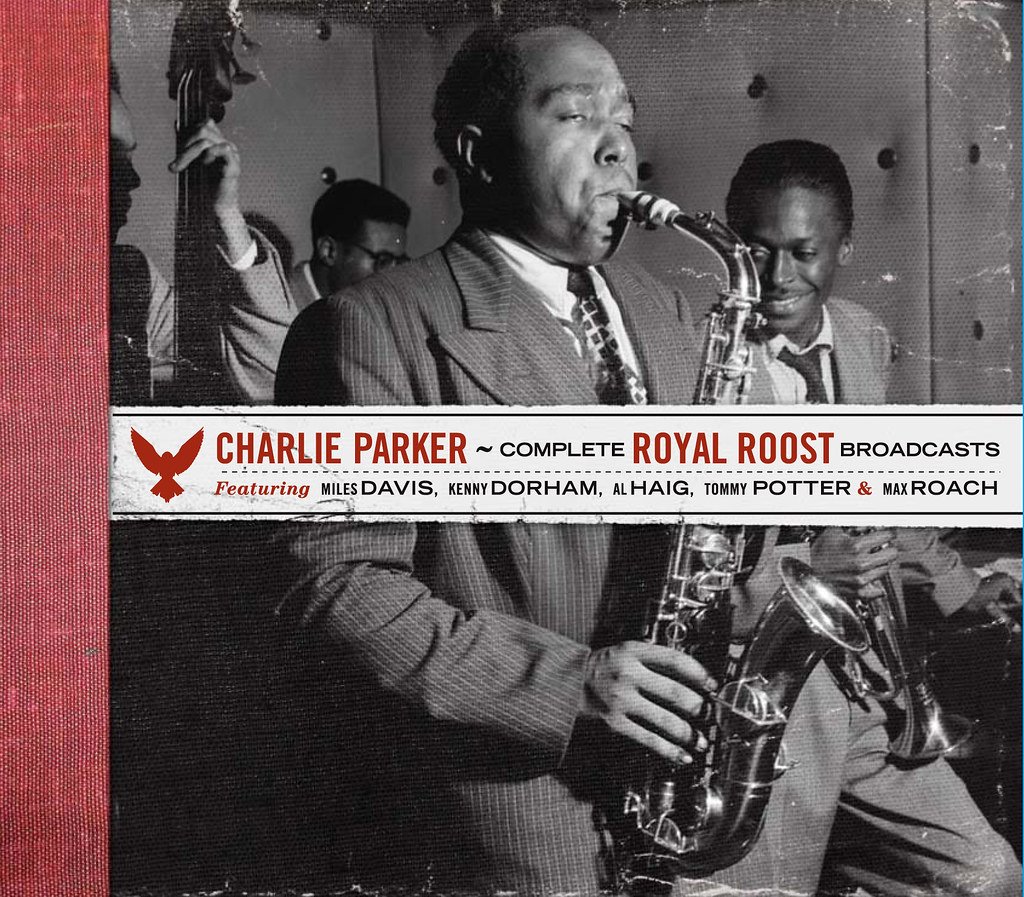
Here’s the ultimate jazz irony: Charlie Parker, the legendary “Yardbird” who inspired the club’s name, was persona non grata when Birdland first opened its doors in 1949. Parker’s reputation for unreliability, drug use, and unpredictable behavior had burned too many bridges in the New York jazz scene. Club owners knew that naming their venue after him would draw crowds, but they also knew booking him would be a nightmare. Parker had left a trail of disappointed promoters, angry club owners, and frustrated musicians throughout the city. The man whose genius defined bebop couldn’t even get a gig at the club bearing his nickname. When he finally did perform there years later, it was like a king returning to reclaim his throne – except the throne had been built while he was in exile.
Bop City’s Safe Haven
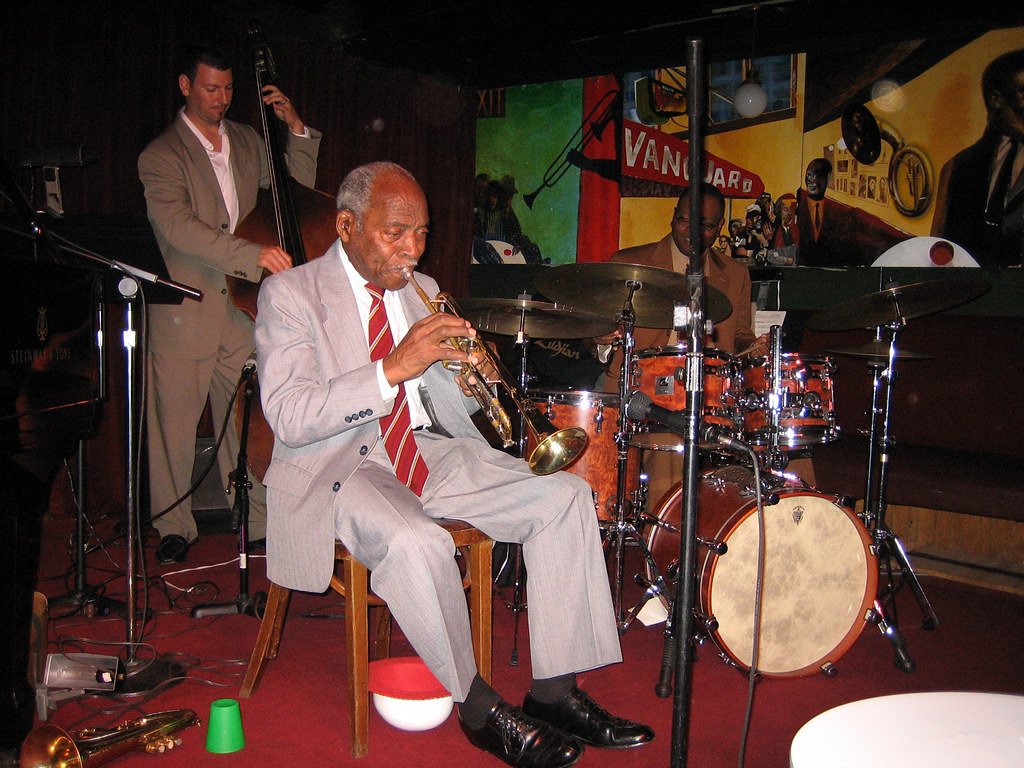
Bop City in San Francisco operated from midnight to 6 AM, becoming a crucial sanctuary for Black musicians touring the racially hostile West Coast. The club understood that traveling jazz musicians faced discrimination at hotels, restaurants, and other venues throughout the city, so it created a space where they could perform, eat, and socialize safely. The late-night hours weren’t just about avoiding competition with other clubs – they provided a buffer zone when racist establishments were closed and streets were emptier. Musicians could arrive after their main gigs elsewhere and find refuge among their peers until dawn. The club served as an unofficial headquarters for the touring jazz circuit, where musicians could network, jam, and simply exist without fear. This underground railroad of jazz culture helped sustain careers that might otherwise have been destroyed by West Coast prejudice.
The Lighthouse Café’s Scientific Experiments
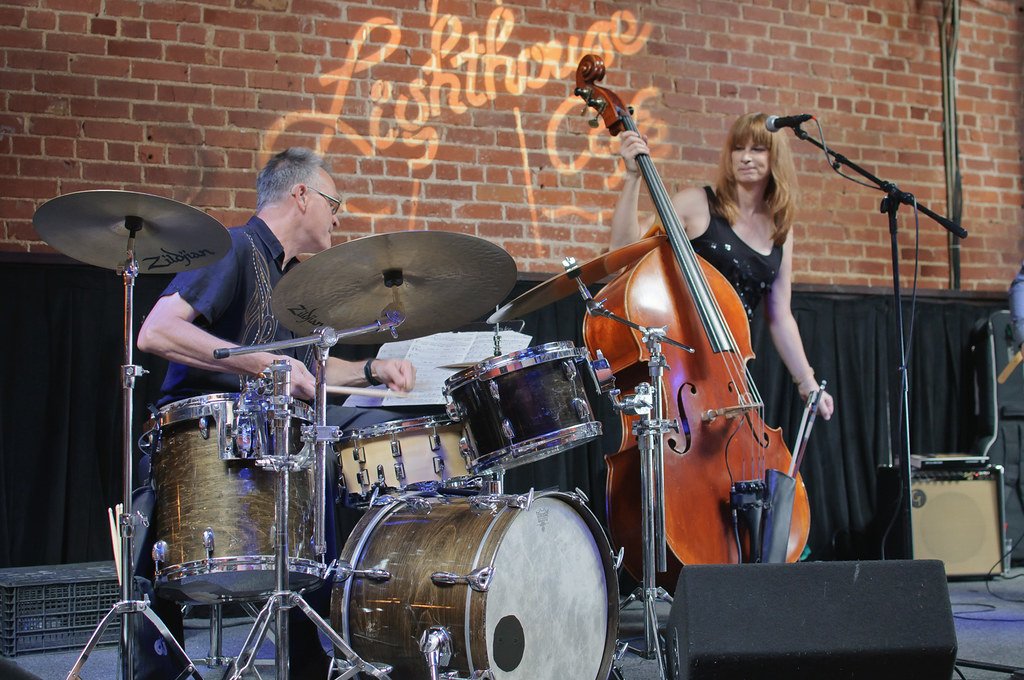
The Lighthouse Café in Hermosa Beach wasn’t just hosting jazz – it was conducting actual scientific research on how rhythm affects human cognition. Musicians collaborated with physicists and psychologists to study the neurological impact of different rhythmic patterns and improvisational techniques. These weren’t casual conversations between sets; they were formal experiments with measuring equipment and published research papers. The club became an unlikely meeting ground between the worlds of art and science, where PhD candidates and jazz masters worked together. The research explored questions like whether certain time signatures could enhance memory or if improvisation activated specific brain regions. Some of the findings influenced both musical pedagogy and psychological therapy techniques that are still used today.
Slugs’ Saloon’s Tragic Night
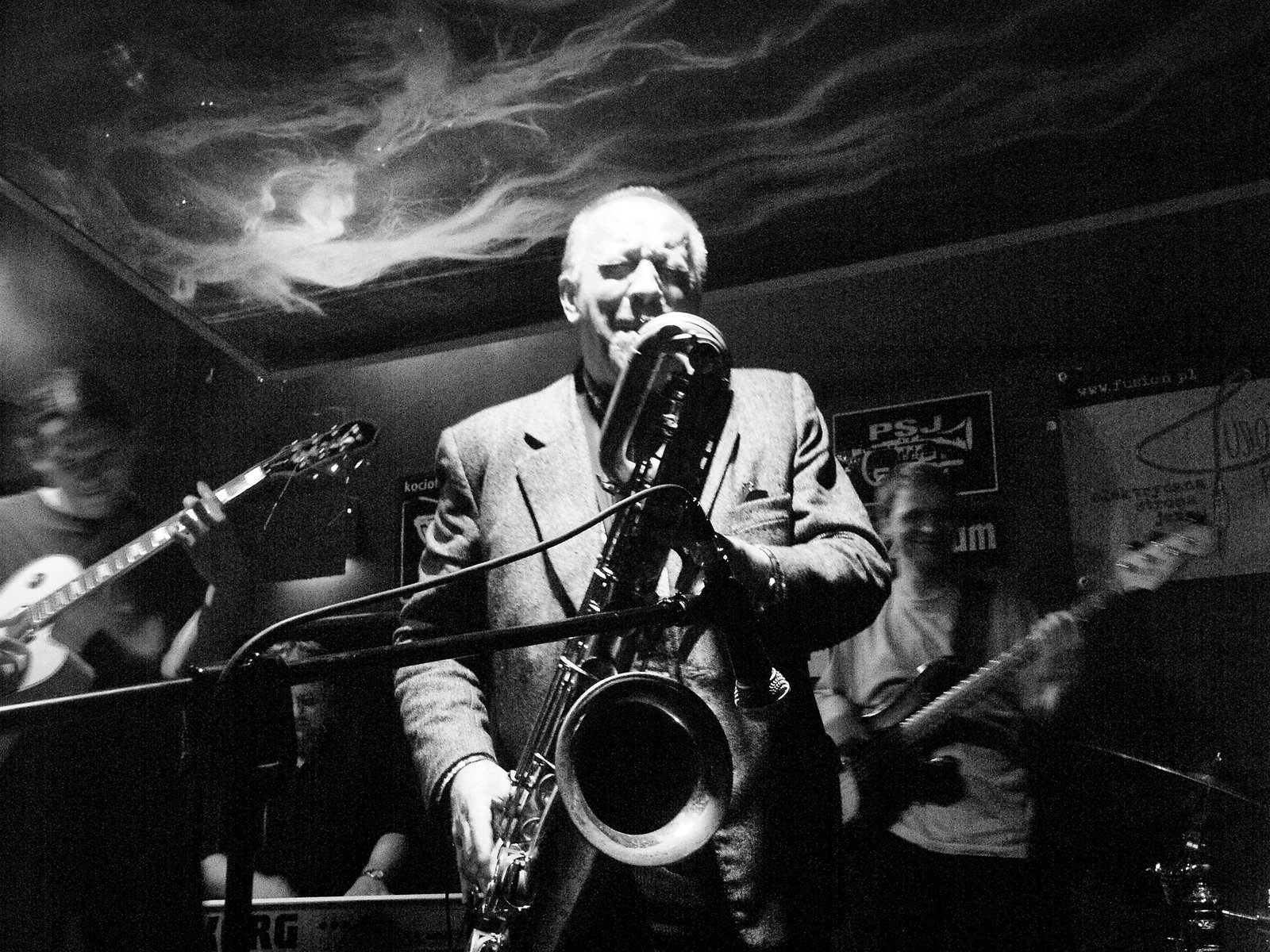
The February 19, 1972 murder of Lee Morgan at Slugs’ Saloon shocked the jazz world and effectively ended an era of avant-garde experimentation on the Lower East Side. Morgan, the brilliant trumpeter known for hits like “The Sidewinder,” was shot by his common-law wife Helen More during a performance, dying immediately on stage in front of a packed audience. The shooting wasn’t random violence – it was the climax of a turbulent relationship marked by jealousy, drug addiction, and domestic abuse. More had been drinking heavily that night and confronted Morgan about his affair with another woman. When the argument escalated, she pulled out a gun and fired point-blank. The club never recovered from the trauma, eventually closing as the neighborhood’s jazz scene withered.
Green Mill’s Gangster Connections
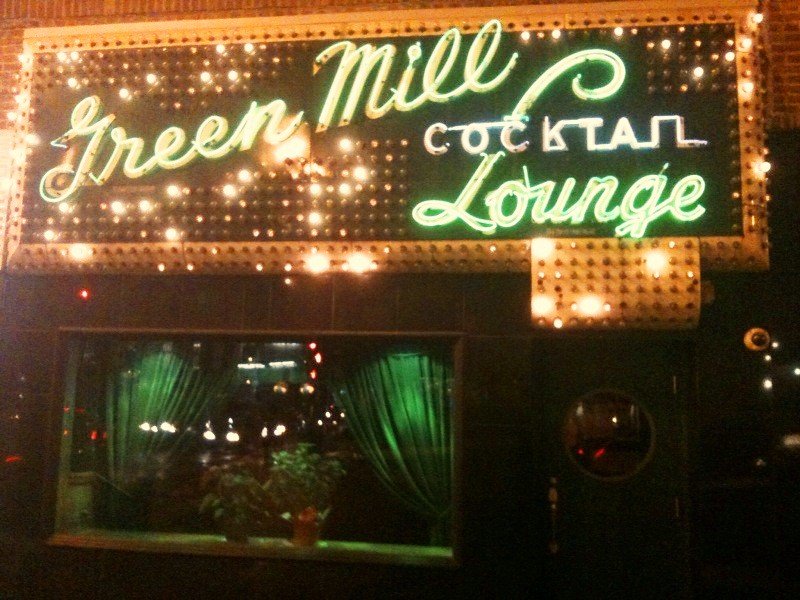
Al Capone’s private booth at Chicago’s Green Mill Cocktail Lounge came equipped with escape tunnels that connected to the city’s underground network of speakeasies and hideouts. The booth was strategically positioned with clear sightlines to all entrances and exits, allowing Capone to monitor potential threats while enjoying the music. The tunnels weren’t just for dramatic effect – they were life insurance in a business where bullets settled disputes. Capone used the club as an informal headquarters, conducting business meetings between sets and using the jazz performances as cover for illegal activities. The music was so loud and engaging that conversations at nearby tables were completely masked. Federal agents knew about Capone’s presence but could never catch him in the act of anything illegal – he was always just a music lover enjoying the show.
Club DeLisa’s Blackout
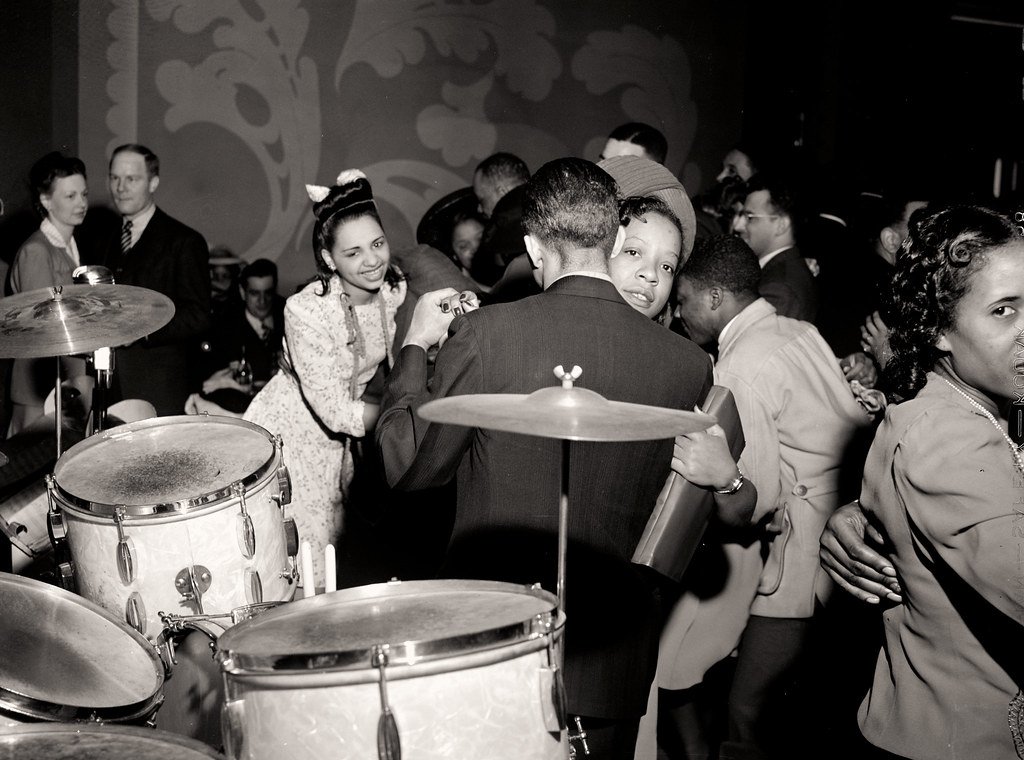
Club DeLisa was one of Chicago’s most successful Black-owned entertainment venues during segregation, featuring its own chorus line, orchestra, and elaborate floor shows that rivaled anything on Broadway. Despite hosting world-class entertainment and attracting integrated audiences, white music critics systematically ignored the club’s existence, refusing to review shows or acknowledge its contributions to Chicago’s cultural landscape. The club’s owners, the DeLisa brothers, created a complete entertainment ecosystem with rotating acts, themed nights, and professional production values that put most white establishments to shame. They employed dozens of musicians, dancers, and support staff, creating economic opportunities in the Black community during the Depression. The deliberate critical blackout meant that Club DeLisa’s innovations and stars were erased from mainstream jazz history, despite their enormous influence on Chicago’s music scene.
Cafe Society’s Historic Integration
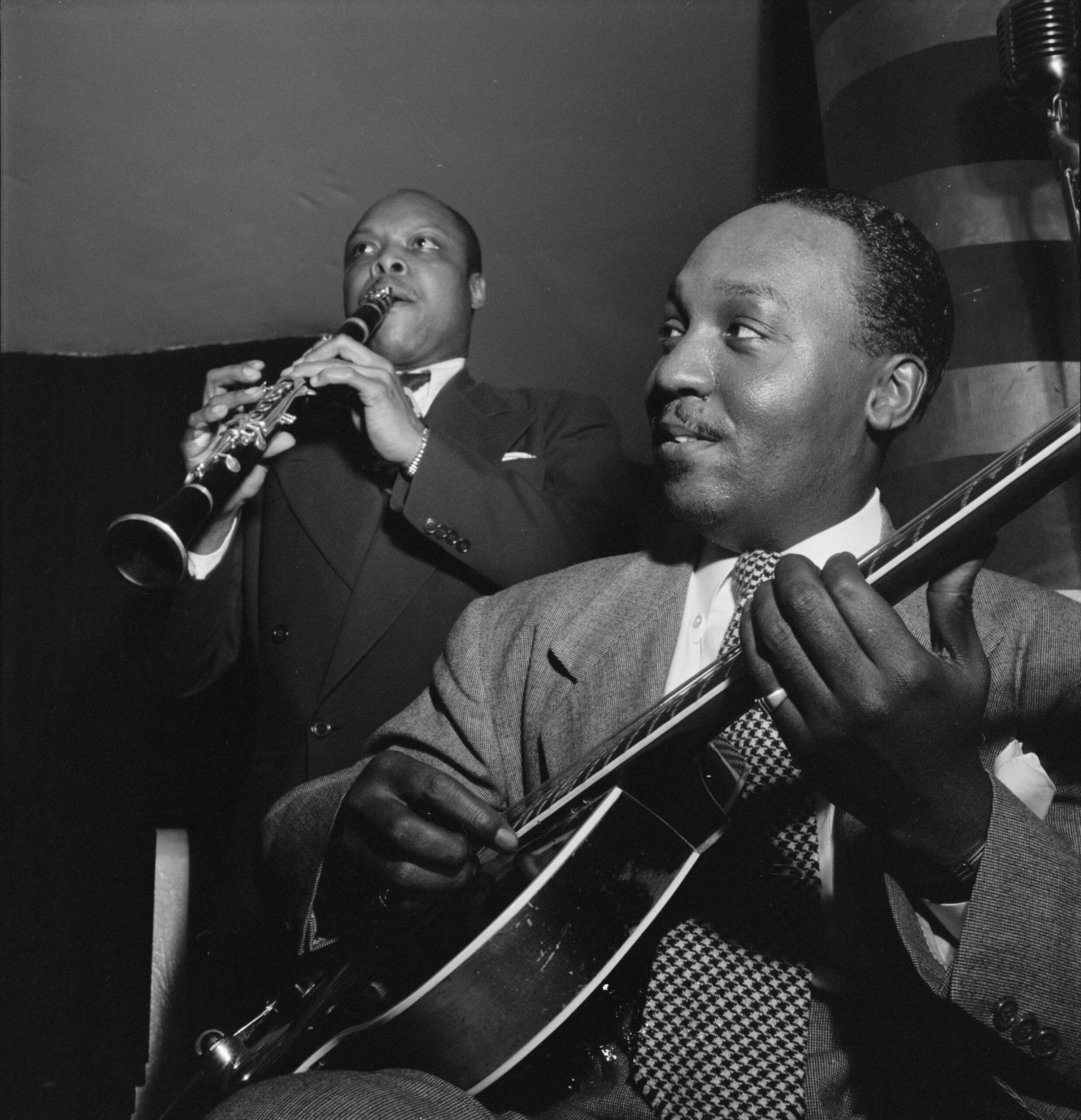
Cafe Society in Greenwich Village broke the color barrier as America’s first racially integrated nightclub, where Black and white patrons sat together as equals for the first time in American history. The club’s owner, Barney Josephson, deliberately created an environment where jazz could transcend racial boundaries, booking both Black and white performers for mixed audiences. This is where Billie Holiday first performed “Strange Fruit,” her haunting anti-lynching song that became one of the most powerful protest songs in American history. The performance was so controversial that Holiday received death threats, and some radio stations banned the song entirely. The club’s integration wasn’t just symbolic – it was a direct challenge to Jim Crow laws and social conventions that kept the races separated. Josephson faced constant harassment from authorities and bigots who wanted to shut down his “race mixing” establishment.
Peacock Alley’s Secret Codes
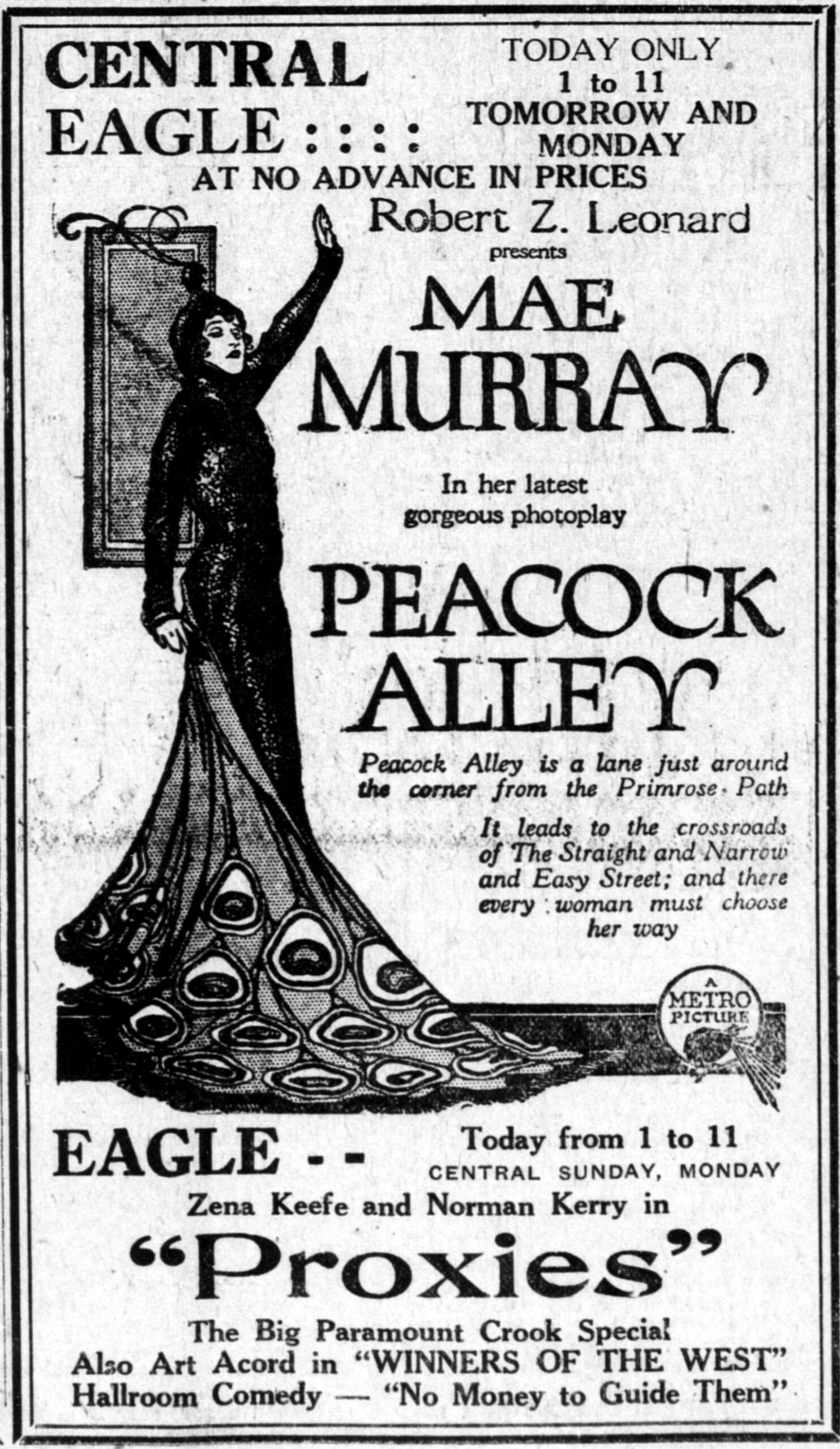
The Peacock Alley in St. Louis operated within a hotel that secretly hosted segregated dance events under elaborate code names to circumvent Jim Crow laws. White and Black patrons would receive invitations to differently named events on the same night – “The Moonlight Social” for white guests and “The Stardust Ball” for Black guests – but they were actually the same party. Hotel staff developed an intricate system of signals and codewords to manage the integrated crowds without alerting local authorities. The club’s management created separate entrance times and seating arrangements that gradually merged as the evening progressed and the music took over. This careful choreography allowed jazz to work its integrative magic while providing plausible deniability if police showed up. The system worked for years until a disgruntled employee tipped off authorities about the club’s integration schemes.
Royal Roost’s Censored Broadcasts
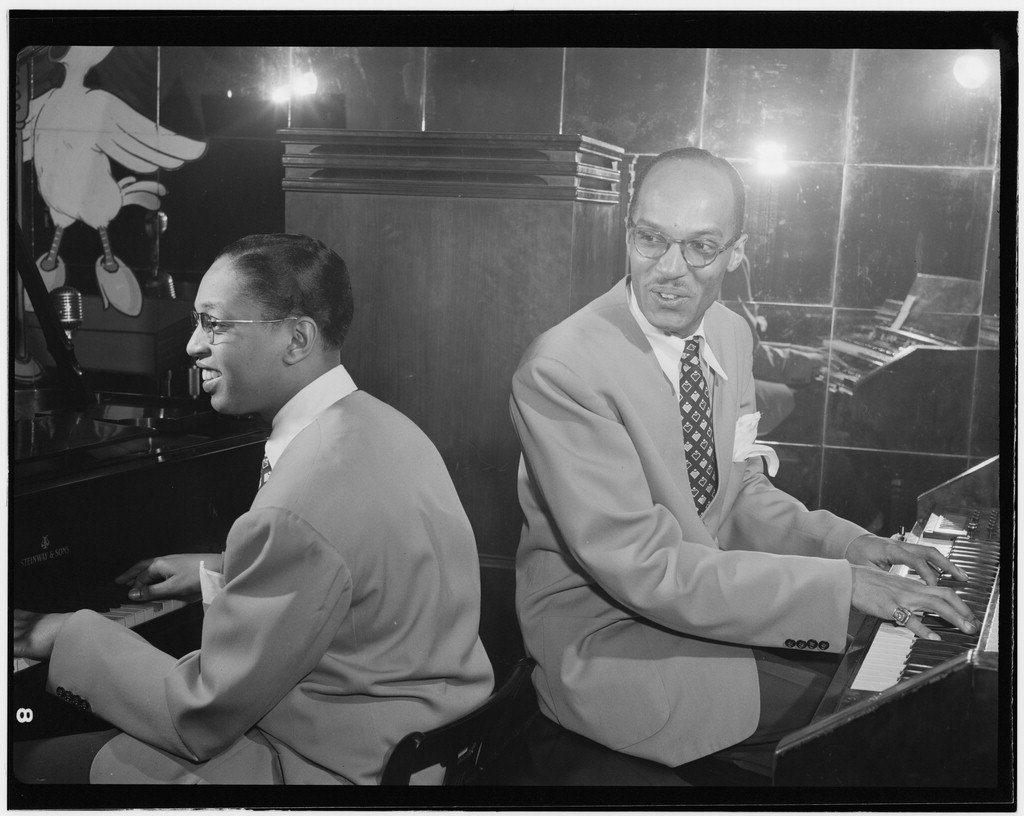
CBS radio broadcasts from the Royal Roost helped introduce bebop to mainstream America, but network censors regularly cut solos deemed “too wild” or “incomprehensible” for home audiences. The censors, mostly classical music enthusiasts with little jazz knowledge, made split-second decisions about what American families should hear in their living rooms. Charlie Parker’s most innovative solos were often the first to be cut, deemed too dissonant or experimental for mass consumption. Musicians learned to anticipate the censorship, sometimes playing more conservatively during broadcasts and saving their most adventurous work for after the microphones were turned off. The irony was palpable – bebop was being sanitized for public consumption just as it was reaching its creative peak. These broadcast edits created a false impression of bebop as more accessible and conventional than it actually was, shaping public perception of the music for decades.
The Blue Note’s Mob Money
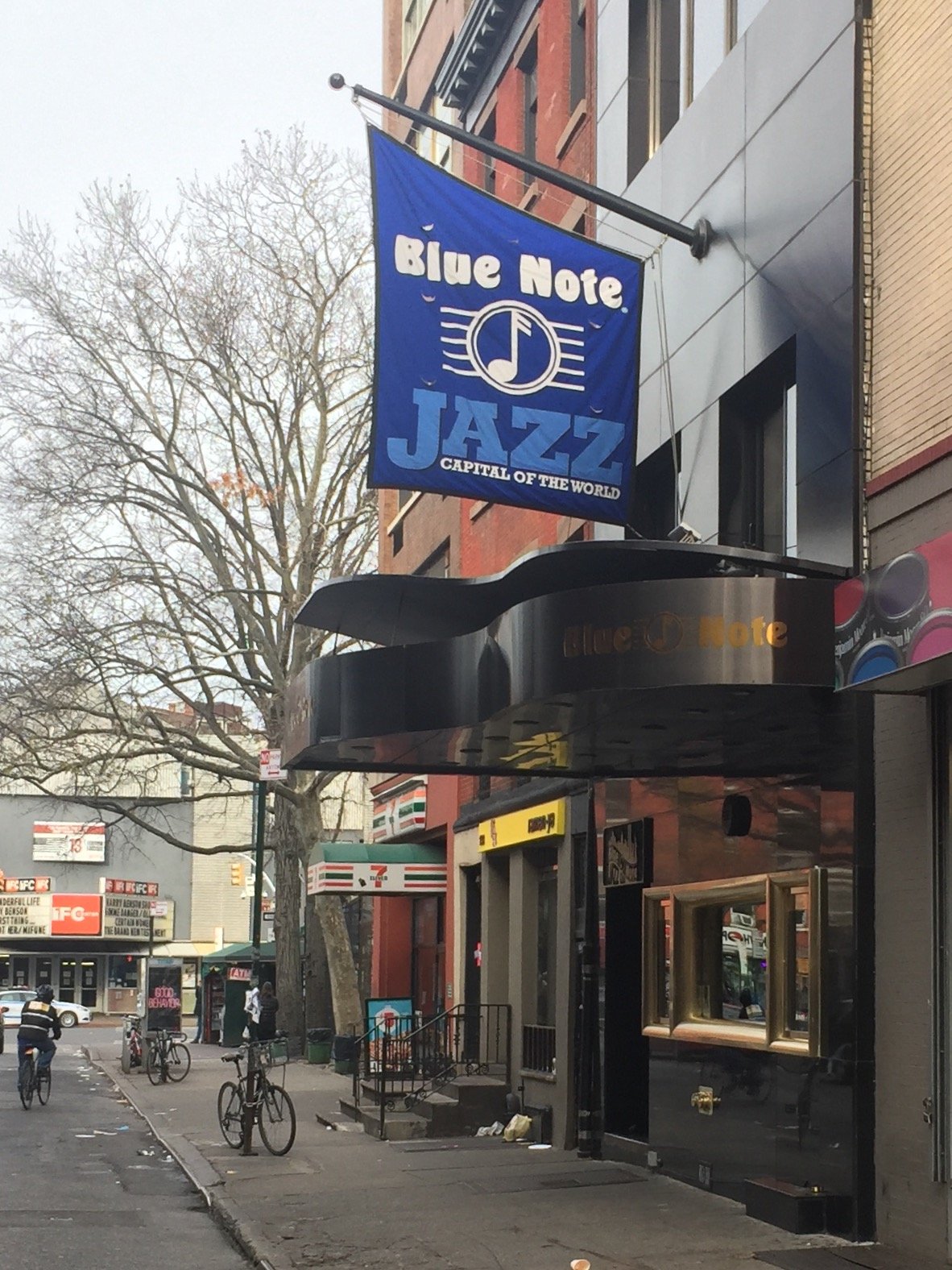
The Blue Note’s rumored mob financing in its early days created an atmosphere where jazz performances provided cover for “quiet business meetings” conducted in the club’s darker corners. The venue’s layout was deliberately designed with secluded booths and acoustic dead zones where conversations couldn’t be overheard, even by nearby tables. Musicians were instructed to play louder during certain sets, particularly when well-dressed men in expensive suits occupied the back tables. The club’s booking policy favored musicians who asked no questions and kept their eyes on their sheet music rather than the audience. Federal agents occasionally infiltrated the audience but found it impossible to gather evidence when trumpet solos masked criminal conversations. The arrangement benefited everyone – the mob got a sophisticated front operation, musicians got steady work, and jazz fans got world-class entertainment.
The Jazz Showcase’s Purist Stand
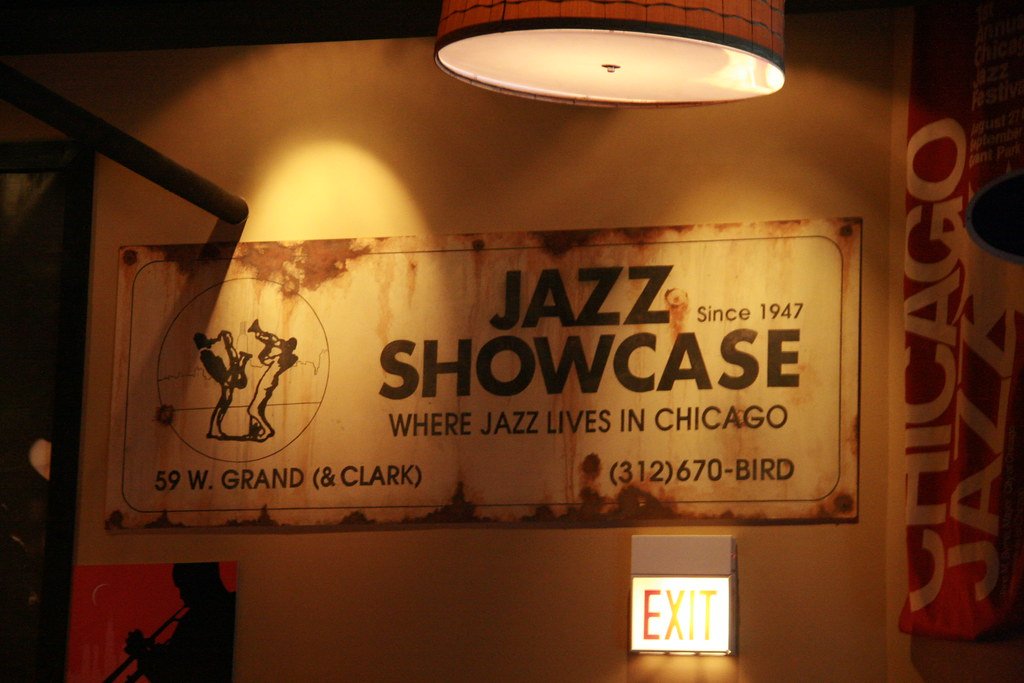
During the 1980s fusion craze, the Jazz Showcase in Chicago took a militant stance against pop-jazz and fusion acts, becoming a fortress for straight-ahead jazz traditionalists. Owner Joe Segal refused booking requests from successful fusion artists, even when they offered to play for significantly higher fees than his usual acts. The club’s policy created heated debates within the jazz community about musical evolution versus tradition, with some calling Segal a purist hero and others labeling him a stubborn dinosaur. Musicians respected the club’s uncompromising standards, knowing that a booking at the Jazz Showcase was an endorsement of their traditional jazz credentials. The stance cost the club significant revenue during fusion’s commercial peak, but it preserved a space where acoustic jazz could thrive without compromise. Young musicians flocked to the venue to study with masters who maintained the old traditions.
The Bohemian Caverns’ Secret Fundraiser
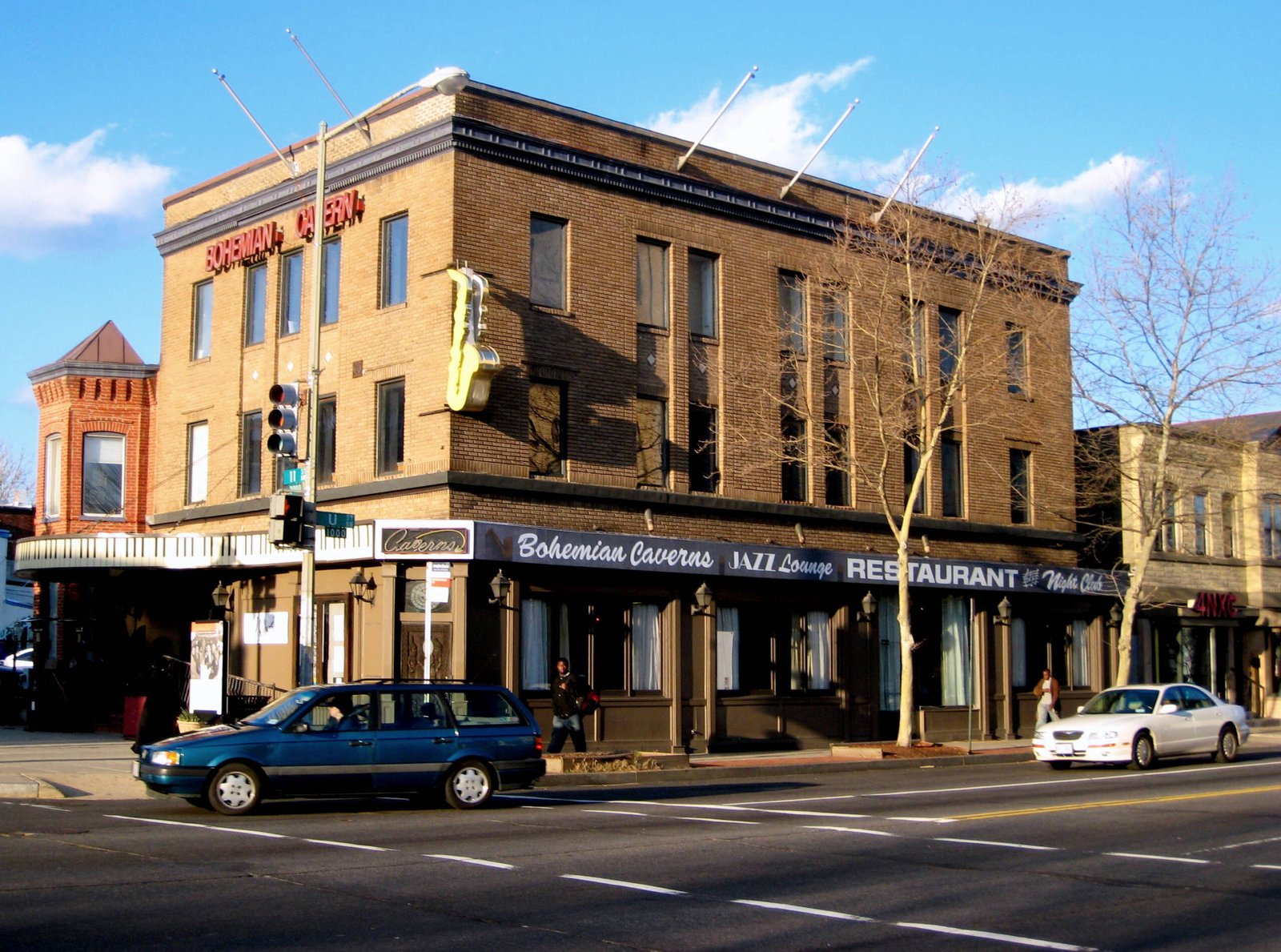
Martin Luther King Jr. held a clandestine civil rights fundraiser at the Bohemian Caverns in Washington, D.C., featuring Ramsey Lewis and Nina Simone in a performance that raised thousands of dollars for the movement. The event was kept secret from the media and general public to protect attendees from potential retaliation by segregationists and government surveillance. King understood that jazz musicians and their audiences were natural allies in the fight for civil rights, sharing a common experience of challenging social boundaries through art. The intimate venue allowed for personal conversations between King and influential jazz figures who would later support the movement publicly. Nina Simone’s performance of freedom songs moved many audience members to tears and larger donations. The evening demonstrated how jazz clubs served as informal headquarters for civil rights organizing, providing safe spaces for activists to plan and fundraise.
Basin Street’s Name Game
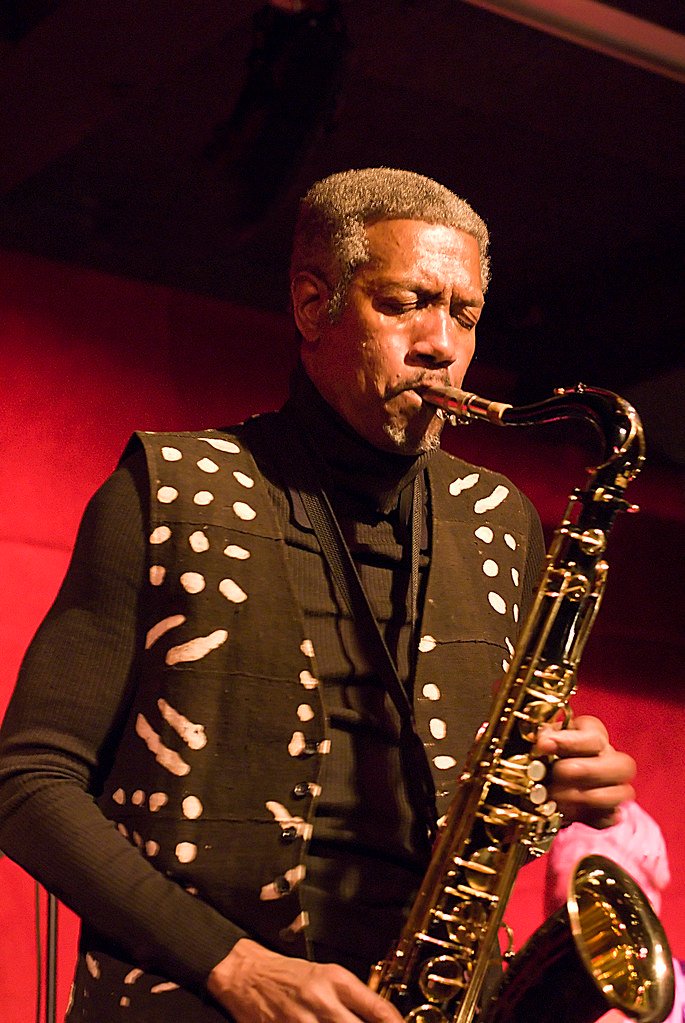
Many jazz greats performed at Basin Street in New Orleans under fake names to avoid police scrutiny, contract restrictions, or personal problems that followed them from other cities. The club maintained an informal witness protection program for musicians, providing new identities and backstories that allowed them to start fresh in the jazz-friendly environment of New Orleans. Musicians escaping drug charges, angry creditors, or abusive record contracts could reinvent themselves completely at Basin Street, often adopting new stage names that stuck for their entire careers. The club’s owner kept the real names in a secret ledger that was reportedly destroyed after his death, taking many true identities to the grave. Some famous jazz musicians’ “real” names remain unknown because their Basin Street aliases became their permanent professional identities. The practice created a mythology around certain performers whose mysterious pasts added to their artistic mystique.
Lennie’s-on-the-Turnpike’s Mysterious Fire
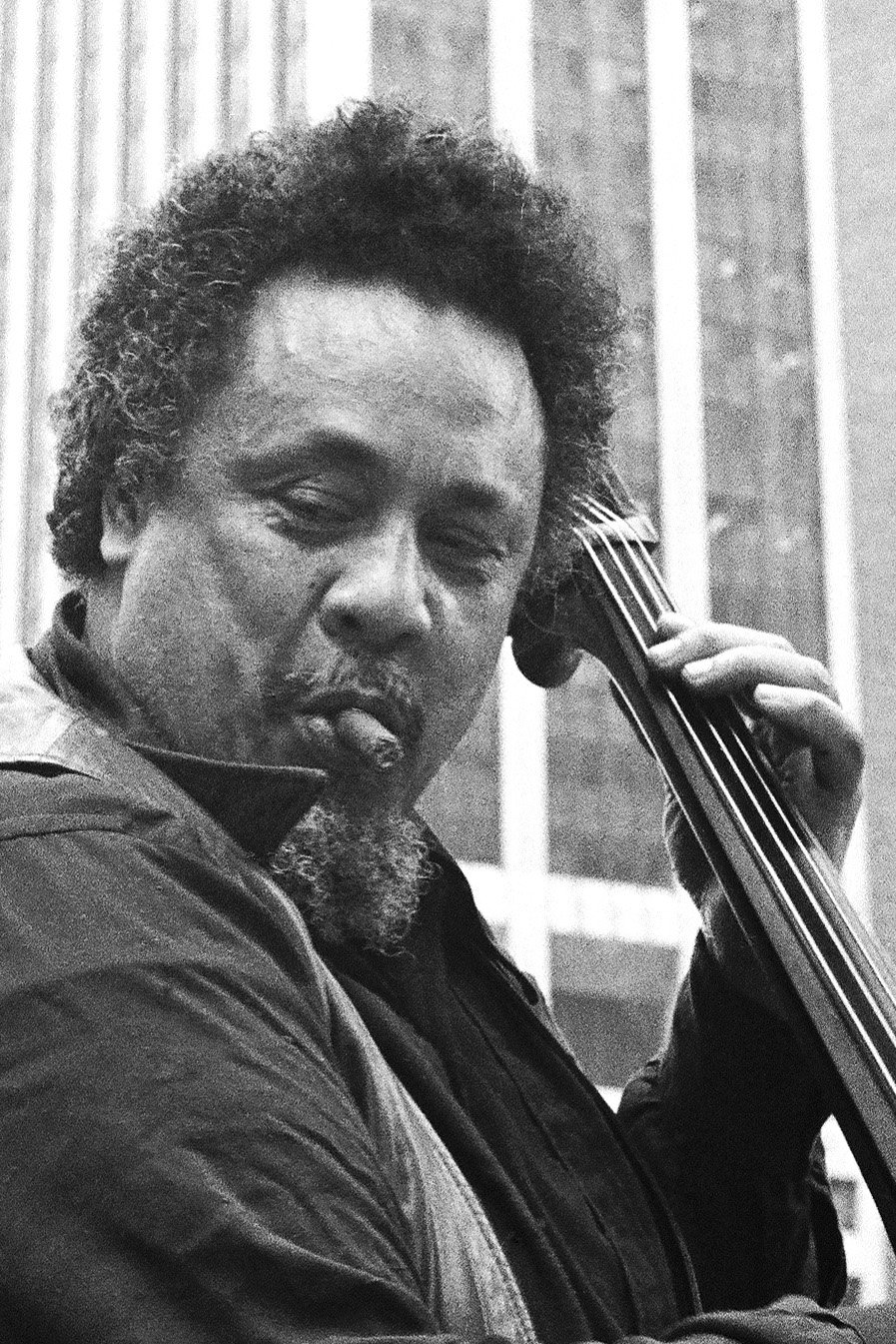
The controversial Charles Mingus show that preceded the mysterious burning of Lennie’s-on-the-Turnpike in Massachusetts involved a politically charged performance that allegedly angered local authorities and conservative community members. Mingus, known for his outspoken views on civil rights and social justice, had delivered a fiery set that included improvised political commentary between songs. The performance reportedly included criticisms of local police practices and racial attitudes that made some audience members uncomfortable. Club owner Lennie Sogoloff refused pressure from community leaders to cancel future Mingus bookings, insisting that artistic freedom was non-negotiable. The fire occurred just days after these heated exchanges, destroying the club completely with suspicious timing that suggested arson. Insurance investigators found evidence of accelerant, but the case was never solved, and the club never reopened.
The Onyx Club’s Musical Deception
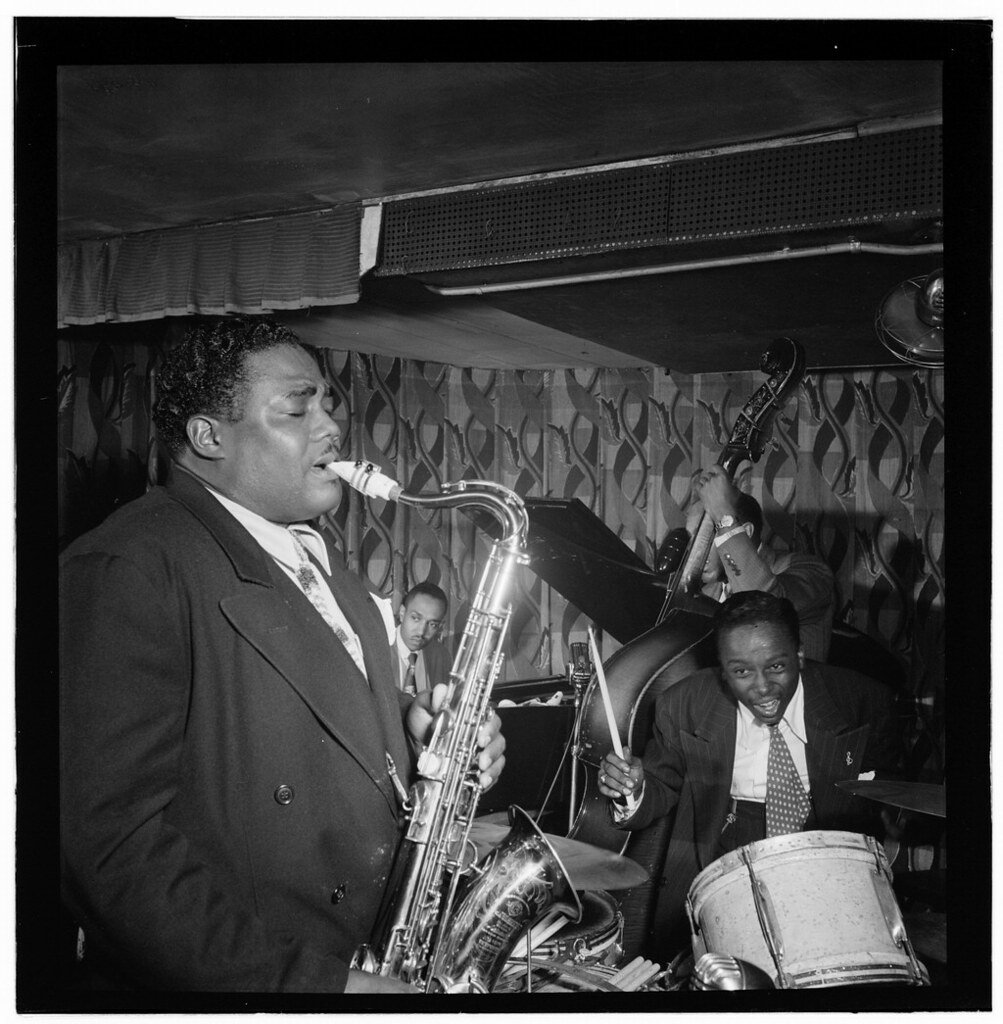
The infamous incident at the Onyx Club where Charlie Parker was so high that another saxophonist played off-stage while Parker pretended to perform reveals the desperate lengths clubs went to maintain their reputations. The ghost musician, positioned behind a curtain, played Parker’s solos while Bird went through the motions on stage, fingering his horn without producing sound. The audience, expecting Parker’s legendary improvisation, noticed nothing unusual because they were hearing his musical style perfectly replicated. This theatrical deception protected both Parker’s reputation and the club’s investment in advertising his appearance. The arrangement required precise coordination between the substitute musician and Parker’s stage movements, creating an elaborate pantomime of jazz performance. Other musicians in the band were sworn to secrecy about the ruse, which wasn’t revealed until decades later.
Yoshi’s Sushi Revolution
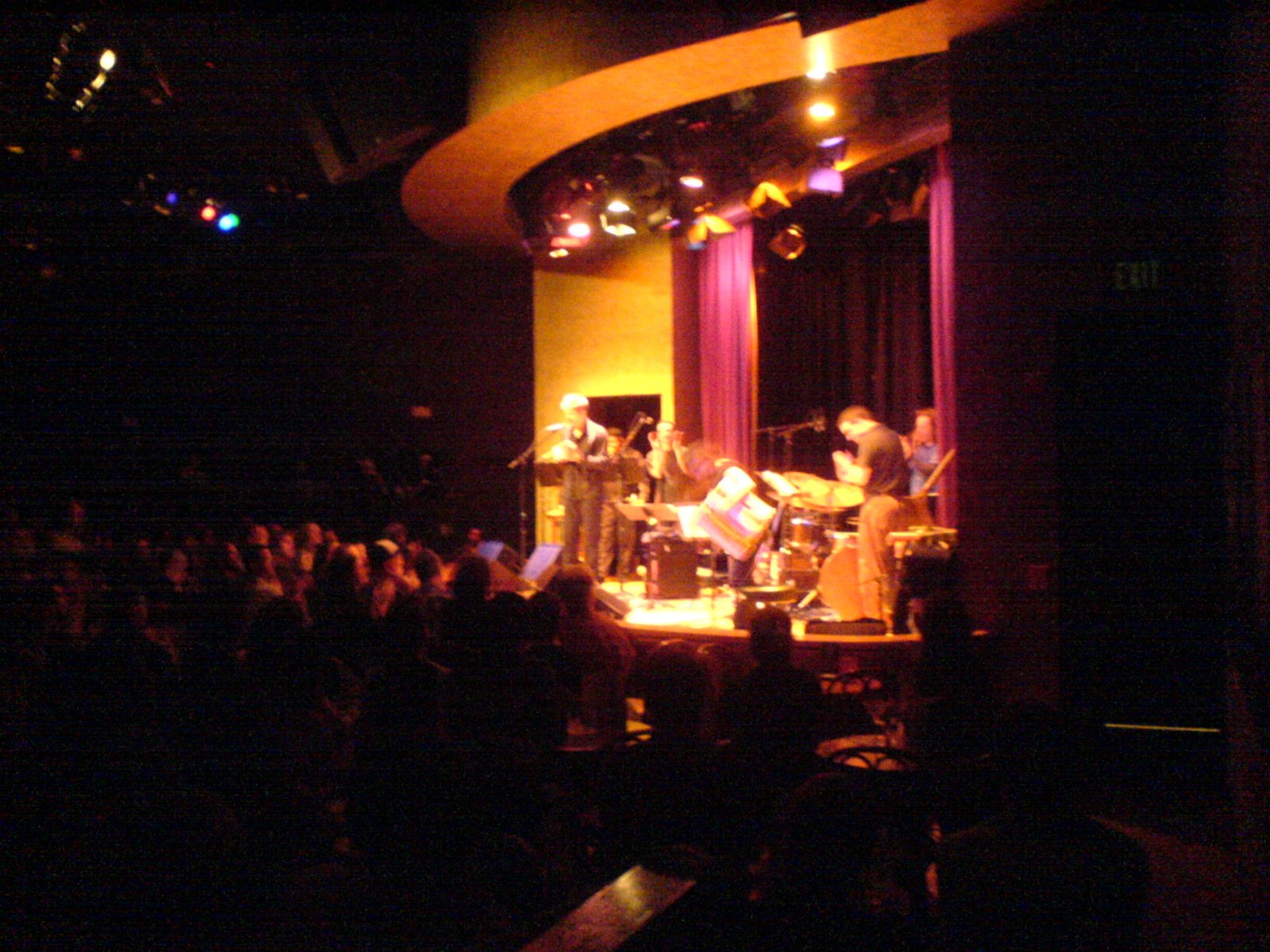
Yoshi’s in Oakland began as a Japanese restaurant where jazz was booked as background music to create atmosphere for diners, but the music gradually became more important than the food. Owner Yoshi Akiba initially hired local jazz trios to play quiet dinner music that wouldn’t interfere with conversation or dining. As word spread about the quality of musicians performing at the restaurant, music enthusiasts began arriving just for the jazz, often ignoring the food entirely. Akiba realized he had accidentally created something unique – a venue where Japanese culture and African American music intersected in unprecedented ways. The club’s evolution from sushi bar to serious jazz venue reflected Oakland’s multicultural character and the universal appeal of improvised music. By the 1980s, major jazz artists were specifically requesting to play Yoshi’s, recognizing it as one of the West Coast’s most important venues.
Café Bohemia’s Modest Miles
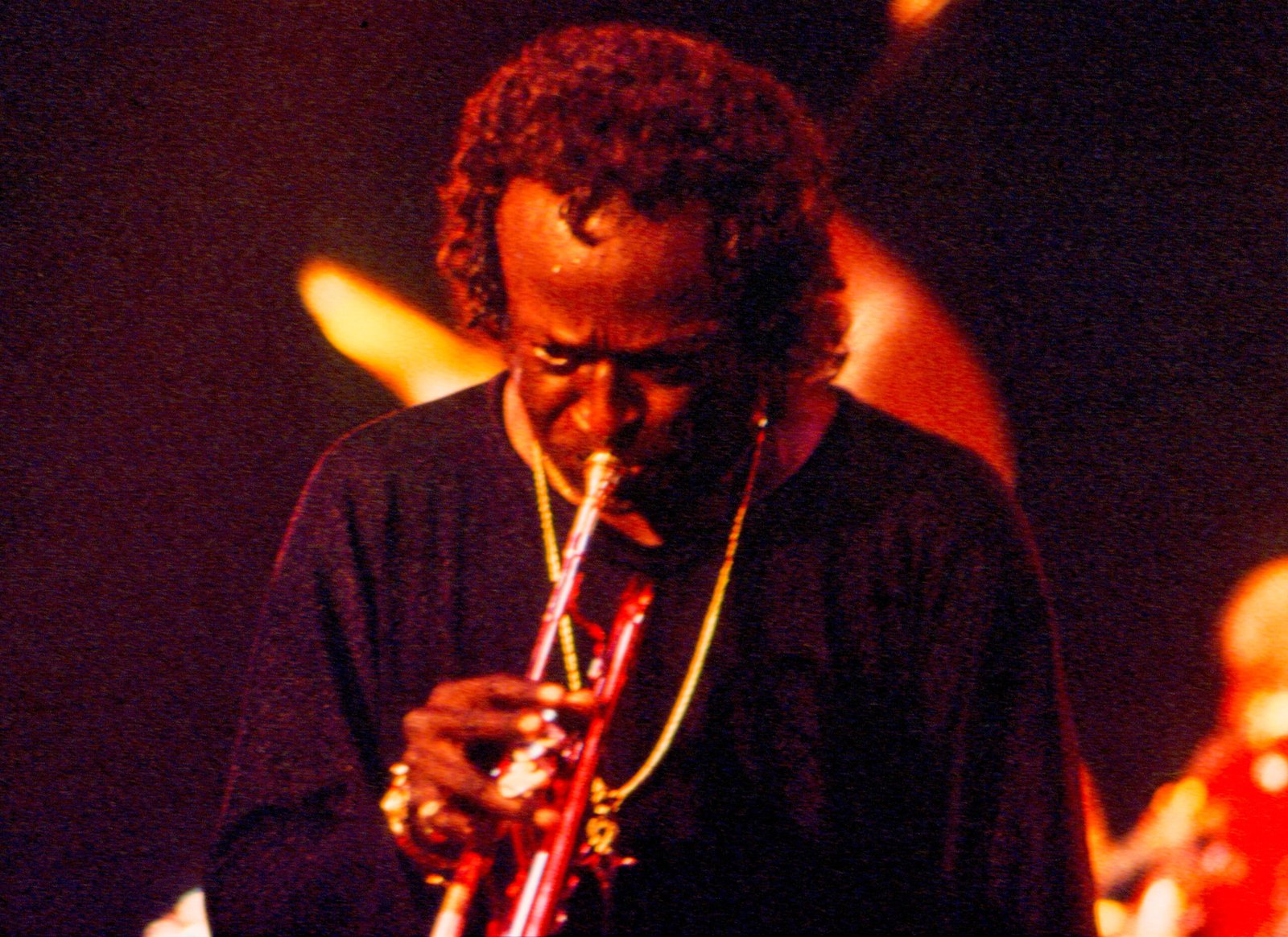
Miles Davis formed his legendary first great quintet at Café Bohemia in Greenwich Village, but he insisted that the club not advertise his performances, preferring to let word-of-mouth build his audience organically. Davis believed that excessive promotion cheapened the artistic experience and wanted fans to discover his music through genuine curiosity rather than marketing hype. The club’s owner initially resisted this approach, fearing that lack of advertising would hurt attendance and revenue. Davis proved that superior music would draw crowds regardless of promotion, with lines forming outside the club purely through musician networks and fan recommendations. This low-key approach became part of Davis’s mystique, making his appearances feel like exclusive events for those “in the know.” The quintet’s legendary chemistry developed in this intimate

Besides founding Festivaltopia, Luca is the co founder of trib, an art and fashion collectiv you find on several regional events and online. Also he is part of the management board at HORiZONTE, a group travel provider in Germany.
