

- The World’s Most Beautiful Gardens Are Artworks in Themselves - August 13, 2026
- 10 Coming of Age Books Every Teenager Should Read - August 13, 2026
- The Most Memorable Concerts Are More Than Just Music; They’re Experiences - August 13, 2026
The Bible: Foundation of Moral Leadership

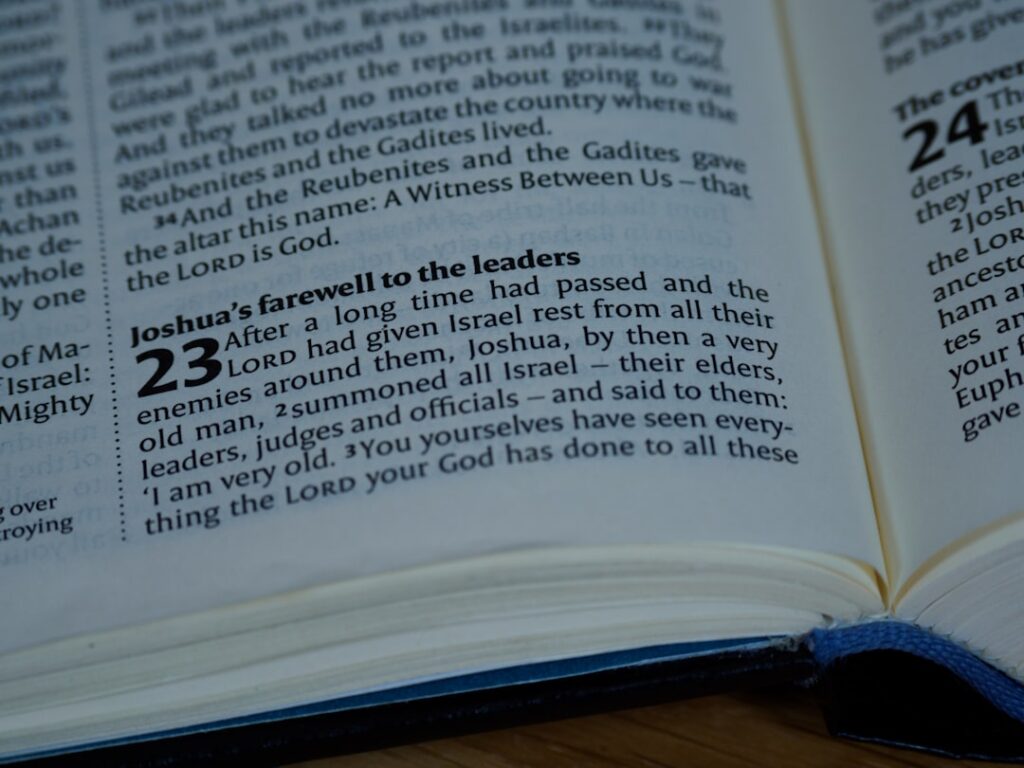
When Abraham Lincoln proclaimed “Both read the same Bible, and pray to the same God” in his Second Inaugural Address, he revealed how deeply scripture shaped his worldview. The Bible’s influence on leaders like Lincoln wasn’t just ceremonial—it was transformational. Historian Gordon Leidner investigated all known writings of Abraham Lincoln to identify every instance where Lincoln quoted from or alluded to the Bible, finding that scripture profoundly affected his personal and political decisions. When Lincoln received a Bible as a gift, he declared: “In regard to this Great Book, I have but to say, it is the best gift God has given to man. All the good the Savior gave to the world was communicated through this book. But for it, we could not know right from wrong”. Martin Luther King Jr. similarly drew strength from biblical passages, with his main influence being Jesus Christ and the Christian gospels, which he would almost always quote in his speeches. King’s sermon “Antidotes for Fear” began with 1 John 4:18: “There is no fear in love,” showing how scripture guided his philosophy of nonviolent resistance. Nelson Mandela, too, found solace in biblical principles during his long imprisonment, drawing moral guidance that would later shape his approach to reconciliation and forgiveness as South Africa’s first Black president.
Plato’s Republic: The Blueprint for Governance

Plato’s Republic stands as one of the world’s most influential works of philosophy and political theory, both intellectually and historically. Thomas Jefferson’s relationship with this ancient text was complex—while he dismissed it as “whimsies, the puerilities, & unintelligible jargon” in a 1814 letter to John Adams, Jefferson couldn’t escape its fundamental influence on political thought. Americans like Jefferson and Adams saw the need for all freeborn children to receive basic education, understanding that only an educated citizenry could properly maintain a republic—an idea directly traceable to Plato’s emphasis on education in governance. The Republic’s concept of philosopher-kings resonated with leaders throughout history, even if they didn’t fully embrace its authoritarian implications. Modern politicians still grapple with Plato’s criterion that “one ought to be a philosopher to govern”, recognizing that effective leadership requires wisdom beyond mere popularity. Marcus Aurelius, the Roman emperor-philosopher, embodied this ideal by applying Platonic principles to actual governance, proving that philosophical training could enhance political leadership. The Republic’s exploration of justice—both in the individual and the state—continues to influence constitutional frameworks and theories of government worldwide.
Machiavelli’s The Prince: The Manual of Power

Few books have been as controversial—or as influential—as Niccolò Machiavelli’s The Prince. Napoleon I of France wrote extensive comments to The Prince at different stages of his life, and after his defeat at Waterloo, these comments were found in the emperor’s coach and taken by the Prussian military. Hitler kept a copy of The Prince by his bedside and Stalin was known to have read and annotated his copy of the book. Vladimir Lenin also studied Machiavelli’s ruthless advice on maintaining power through fear and strategic deception. Tyrants from Napoleon to Stalin to Hitler read The Prince, finding validation for their harsh methods in Machiavelli’s assertion that “it’s much safer to be feared than loved” because fear keeps subjects “loyal and governed”. The book’s central message—that effective leadership sometimes requires morally questionable actions—challenged traditional Christian notions of virtuous rule. Machiavelli argued that “A prince must always seem to be very moral, even if he is not” and that leaders must not rely on luck but should shape their own fortune through charisma, cunning and force. While critics condemned its cynical realism, The Prince provided a brutally honest assessment of how power actually works, making it an enduring—if disturbing—guide for ambitious leaders.
Thoreau’s Civil Disobedience: The Power of Moral Resistance
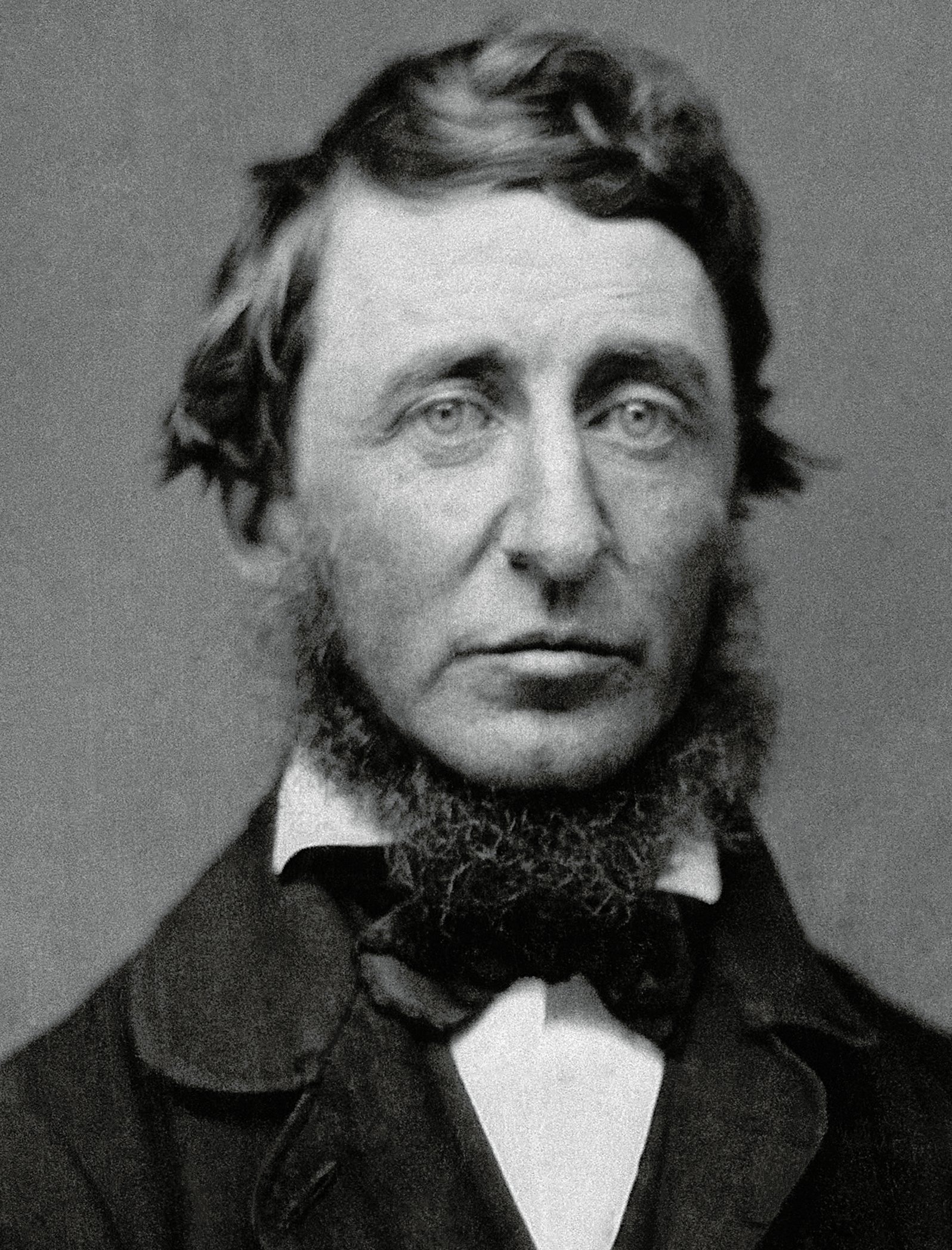
Henry David Thoreau’s essay “Civil Disobedience” became one of history’s most powerful arguments for individual conscience over unjust laws. Written after Thoreau spent a night in jail for refusing to pay taxes supporting slavery and the Mexican-American War, this work profoundly influenced two of the 20th century’s greatest leaders. Mahatma Gandhi discovered Thoreau’s essay while fighting discrimination in South Africa, and it became a cornerstone of his philosophy of satyagraha (nonviolent resistance). Gandhi later wrote that Thoreau’s ideas helped him understand that civil disobedience was not just a right but a moral duty when confronting unjust systems. Martin Luther King Jr. embraced Thoreau’s principles during the Montgomery Bus Boycott and throughout the civil rights movement. King argued that individuals have a moral responsibility to disobey unjust laws, echoing Thoreau’s belief that “the only obligation which I have a right to assume is to do at any time what I think right.” The essay’s core message—that conscience should trump legal authority when laws conflict with higher moral principles—inspired resistance movements worldwide. From Gandhi’s fight against British colonialism to King’s battle against segregation, Thoreau’s ideas proved that moral force could overcome physical power. The work remains relevant today, continuing to inspire activists who challenge unjust systems through peaceful resistance.
The Communist Manifesto: Blueprint for Revolution
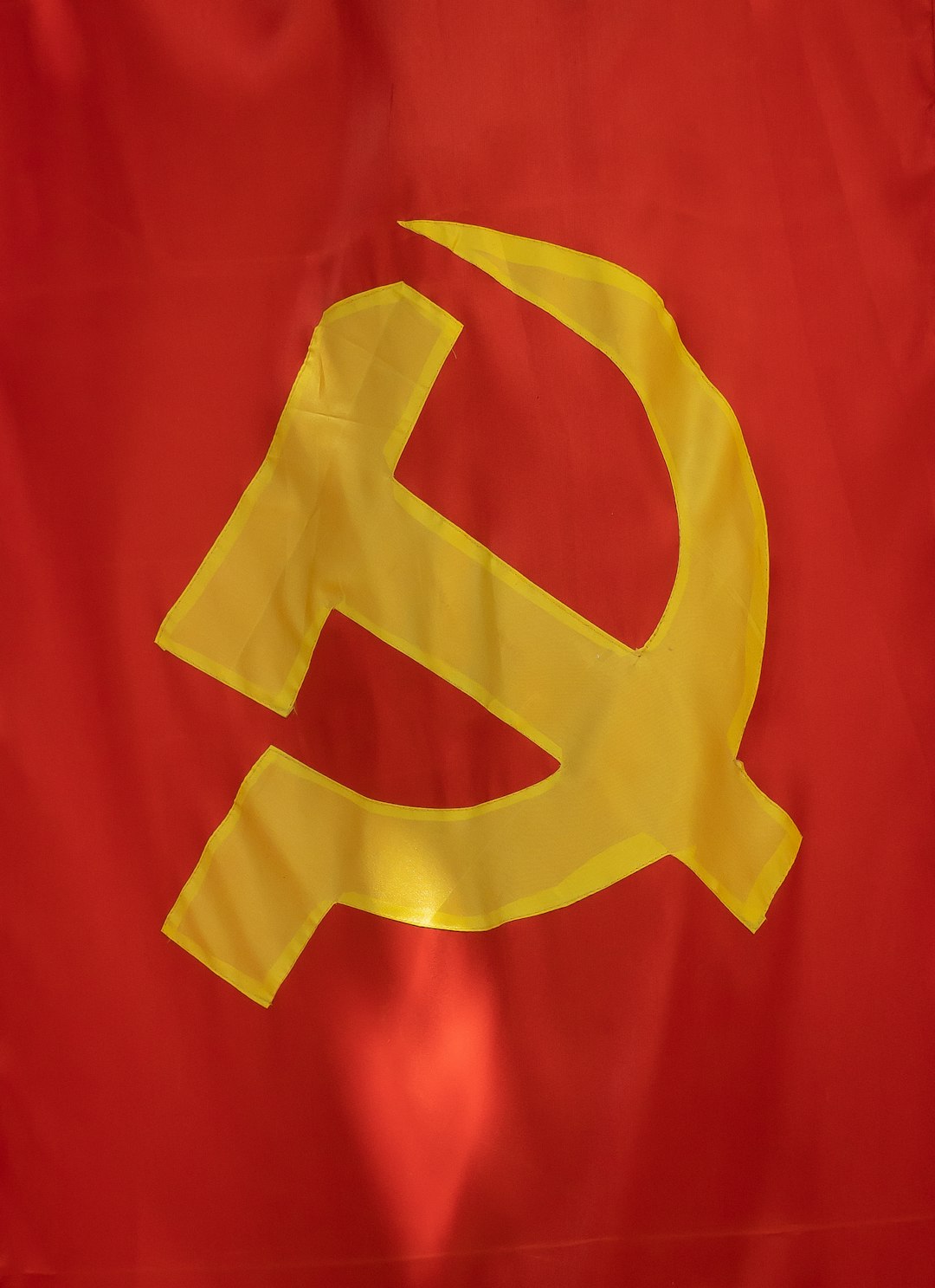
Karl Marx and Friedrich Engels’ Communist Manifesto became the most influential revolutionary text in modern history, shaping the political destinies of billions. Vladimir Lenin absorbed its revolutionary principles as a young radical, later using its class-struggle analysis to justify the Bolshevik Revolution in 1917. The Manifesto’s call for workers to unite against capitalist oppression resonated deeply with Lenin’s vision of a vanguard party leading the proletariat to victory. Fidel Castro discovered the work as a university student in Cuba, finding in its pages a framework for understanding Latin American inequality and the need for radical change. Castro’s revolution directly applied Marxist principles, nationalizing industries and redistributing land according to communist ideals. Mao Zedong adapted the Manifesto’s urban-focused revolution to China’s peasant society, creating a rural-based communist movement that would transform the world’s most populous nation. The text’s famous declaration that “the history of all hitherto existing society is the history of class struggles” provided these leaders with both an analytical tool and a call to action. Its prediction that capitalism would inevitably collapse under its own contradictions gave revolutionary leaders confidence that history was on their side. While communist movements took different forms across different cultures, they all traced their intellectual origins back to this slim but powerful pamphlet that promised to transform the relationship between workers and owners forever.
Nelson Mandela’s Long Walk to Freedom: Triumph Over Adversity
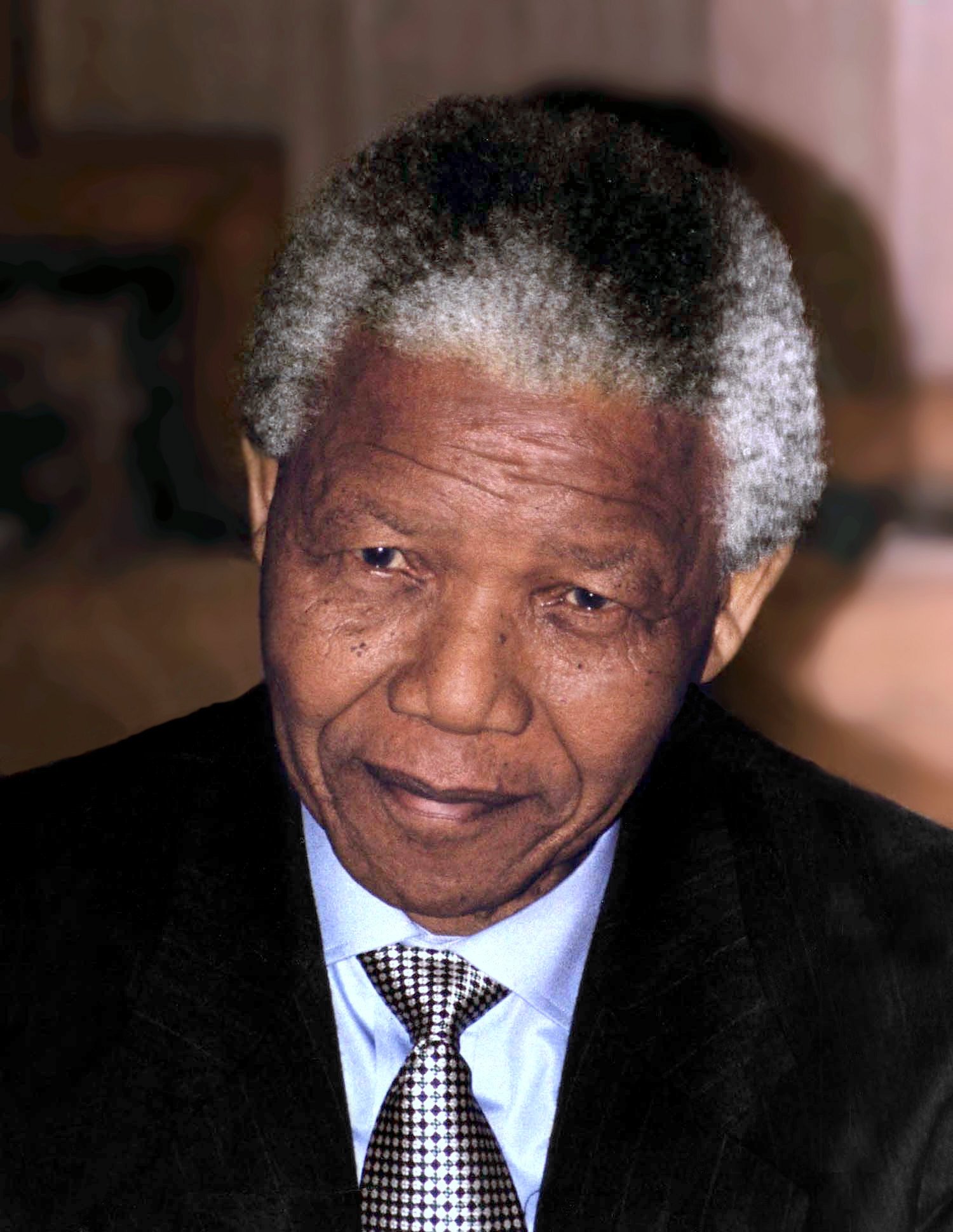
Nelson Mandela’s autobiography “Long Walk to Freedom” transformed from a personal memoir into a global symbol of hope and reconciliation. Barack Obama frequently cited Mandela’s book as a source of inspiration during his own political journey, particularly admiring Mandela’s ability to emerge from 27 years of imprisonment without bitterness or desire for revenge. The memoir’s central message—that freedom requires both personal sacrifice and the courage to forgive—influenced Obama’s approach to healing racial divisions in America. Civil rights activists worldwide found in Mandela’s story a roadmap for achieving justice without perpetuating cycles of violence. The book demonstrated how suffering could be transformed into wisdom, and how personal dignity could be maintained even under the most dehumanizing conditions. Mandela’s decision to work with his former oppressors rather than seek retribution became a model for post-conflict societies everywhere. His philosophy that “there is no easy walk to freedom anywhere” acknowledged the long struggle required for meaningful change while maintaining hope for eventual victory. The memoir’s global impact extended far beyond South Africa, inspiring leaders in divided societies to choose reconciliation over revenge. Today, politicians facing seemingly insurmountable challenges still turn to Mandela’s example of patient determination and moral courage. His transformation from prisoner to president proved that even the most entrenched systems of oppression could be changed through sustained moral leadership.
Tocqueville’s Democracy in America: Understanding Democratic Society
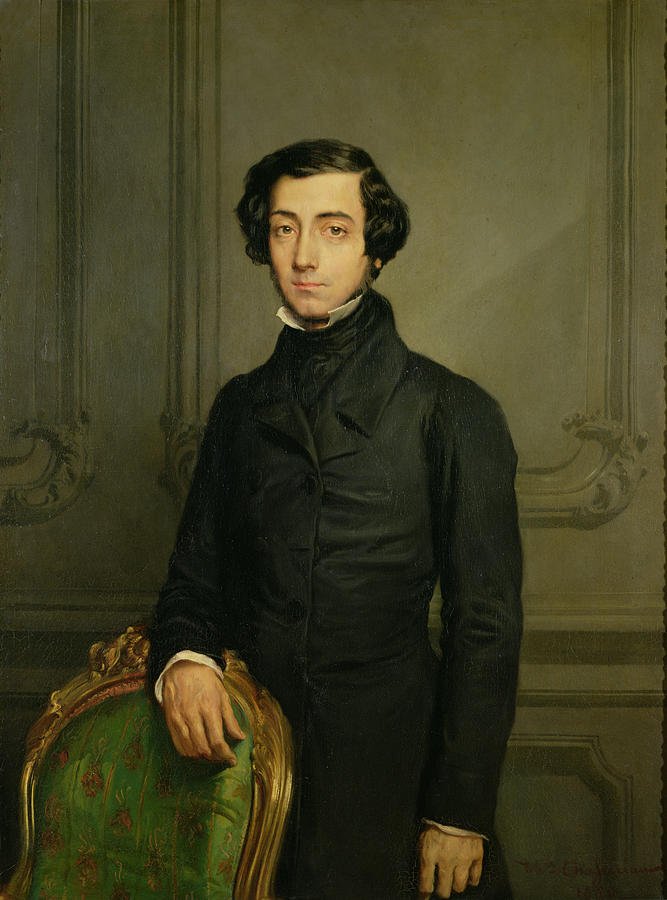
Alexis de Tocqueville’s “Democracy in America” provided American leaders with an outsider’s perspective on their own democratic experiment, revealing both its strengths and potential weaknesses. Written after the young French aristocrat toured America in the 1830s, the work became essential reading for presidents and policymakers trying to understand the unique nature of American democracy. Tocqueville’s observations about American individualism, civic participation, and the “tyranny of the majority” influenced generations of political thinkers. American presidents from different eras found different lessons in Tocqueville’s analysis—some focusing on his praise of American innovation and equality, others concerned about his warnings of democratic excess. The book’s detailed examination of how democracy actually functioned in practice, rather than in theory, made it invaluable for politicians navigating the complexities of representative government. Tocqueville’s insight that democracy’s success depended on active citizen engagement influenced American educational policy and civic institutions. His warning that democracy could lead to a mild despotism if citizens became too passive resonated with leaders concerned about political apathy. The work’s analysis of how democratic societies balance individual liberty with collective needs remains relevant today. Foreign leaders studying American democracy also turned to Tocqueville’s work to understand both the appeal and the challenges of democratic governance. His prediction that America and Russia would become global superpowers proved remarkably prescient, adding to the book’s enduring credibility and influence.
Sun Tzu’s The Art of War: Strategy Beyond the Battlefield
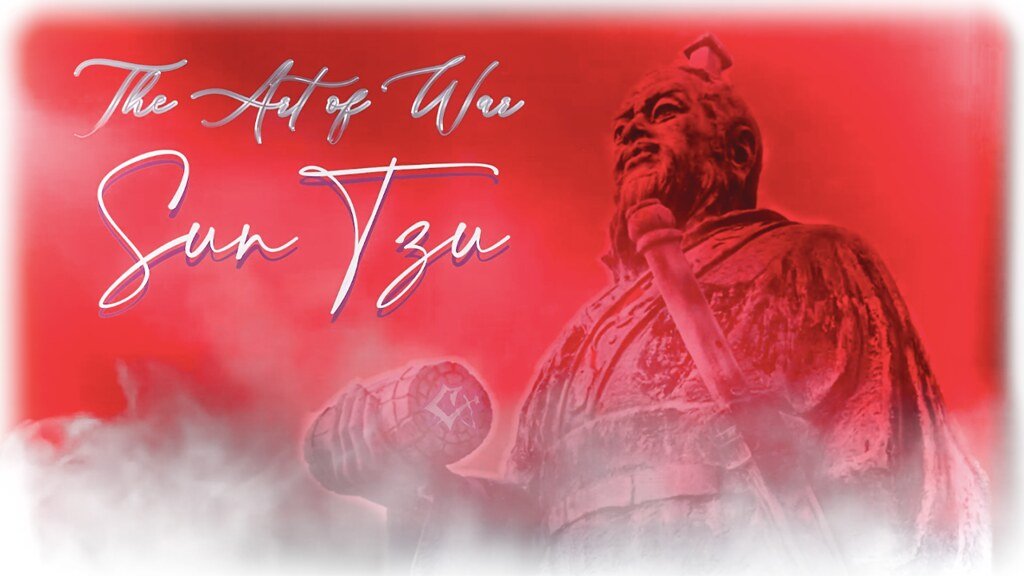
Sun Tzu’s ancient Chinese military treatise “The Art of War” transcended its battlefield origins to become a guide for political and business strategy worldwide. Mao Zedong extensively studied Sun Tzu’s principles, applying them to guerrilla warfare during the Chinese Civil War and later to political maneuvering as Communist leader. Mao’s famous strategy of surrounding cities from the countryside reflected Sun Tzu’s emphasis on indirect approaches and winning without direct confrontation. Ho Chi Minh similarly used Sun Tzu’s teachings during Vietnam’s independence struggles, employing patience and strategic deception to defeat technologically superior enemies. The book’s central principle—”know yourself and know your enemy”—became fundamental to intelligence gathering and strategic planning in governments worldwide. Military strategists discovered that Sun Tzu’s lessons about timing, positioning, and psychological warfare applied equally to political campaigns and diplomatic negotiations. The text’s emphasis on winning through superior strategy rather than brute force appealed to leaders who lacked conventional military advantages. Sun Tzu’s advice to “win without fighting” influenced peaceful resolution strategies and diplomatic approaches to conflict. Modern business leaders also embraced the work, finding parallels between military strategy and competitive markets. The book’s timeless insights about leadership, planning, and adaptation made it relevant across cultures and centuries. Its influence extended beyond military circles to shape how leaders think about competition, resource allocation, and the psychology of conflict in all its forms.
The Bhagavad Gita: Ethical Leadership and Duty
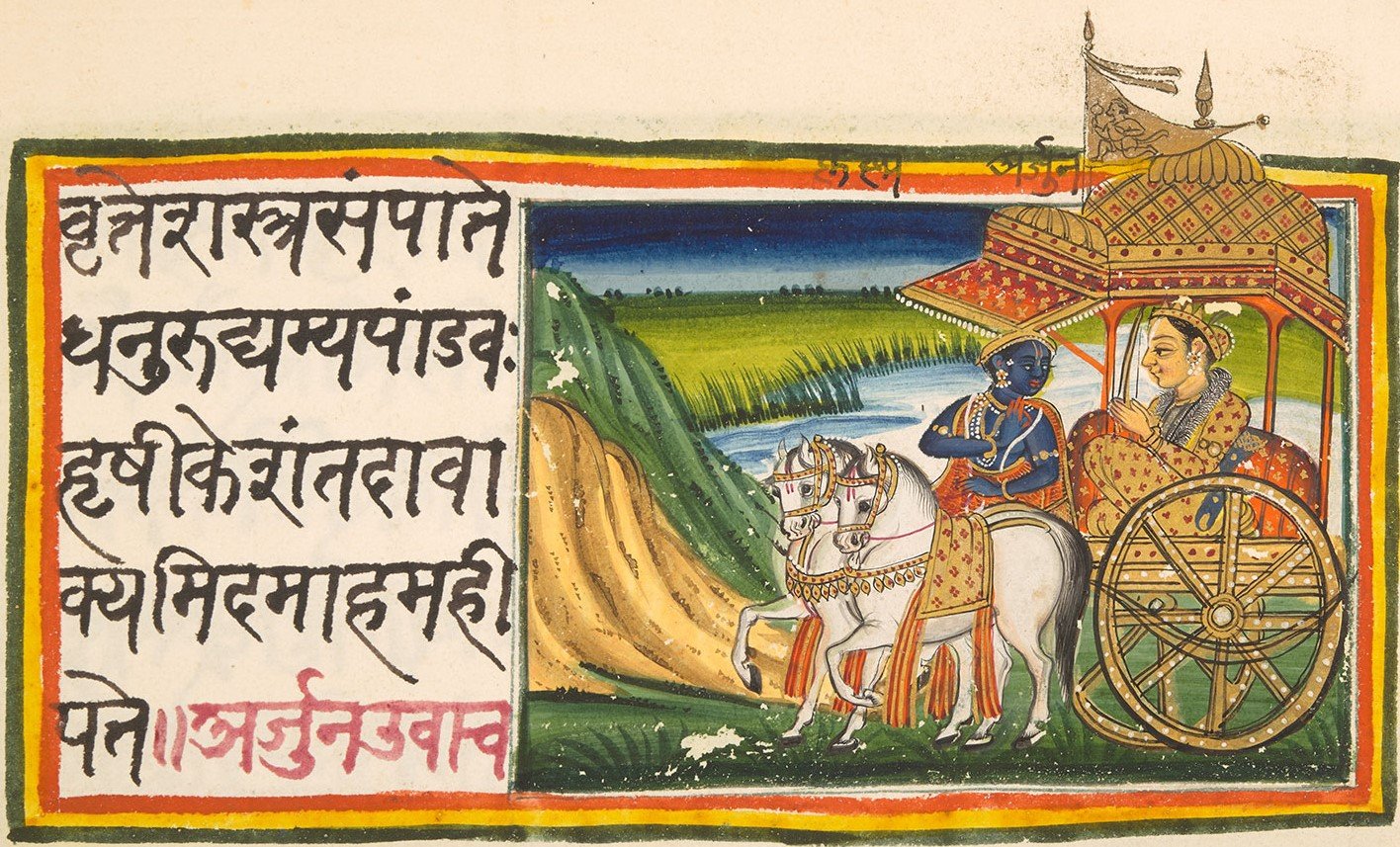
The ancient Hindu text known as the Bhagavad Gita profoundly shaped two of India’s most important modern leaders through its teachings on duty, righteousness, and selfless action. Mahatma Gandhi called the Gita his “spiritual dictionary” and drew from its philosophy of karma yoga (the path of action) to develop his approach to political resistance. The text’s teaching that one should act according to duty without attachment to results helped Gandhi maintain moral clarity during India’s independence struggle. Gandhi found in the Gita’s dialogue between Prince Arjuna and Lord Krishna a framework for understanding how leaders could engage in conflict while maintaining spiritual principles. Jawaharlal Nehru, India’s first Prime Minister, also studied the Gita extensively, though he interpreted its lessons more philosophically than religiously. Nehru appreciated the text’s emphasis on rational action and its argument that leaders must sometimes make difficult decisions for the greater good. The Gita’s concept of dharma (righteous duty) influenced both leaders’ understanding of their obligations to serve others rather than themselves. Its teaching that true leadership requires self-discipline and detachment from personal gain resonated with their vision of public service. The text’s exploration of how to maintain inner peace while engaged in worldly struggles provided both leaders with psychological tools for handling the pressures of political life. Today, the Gita continues to influence political leaders worldwide who seek to balance pragmatic governance with ethical principles, finding in its ancient wisdom timeless lessons about moral leadership.
The Declaration of Independence: Revolutionary Inspiration
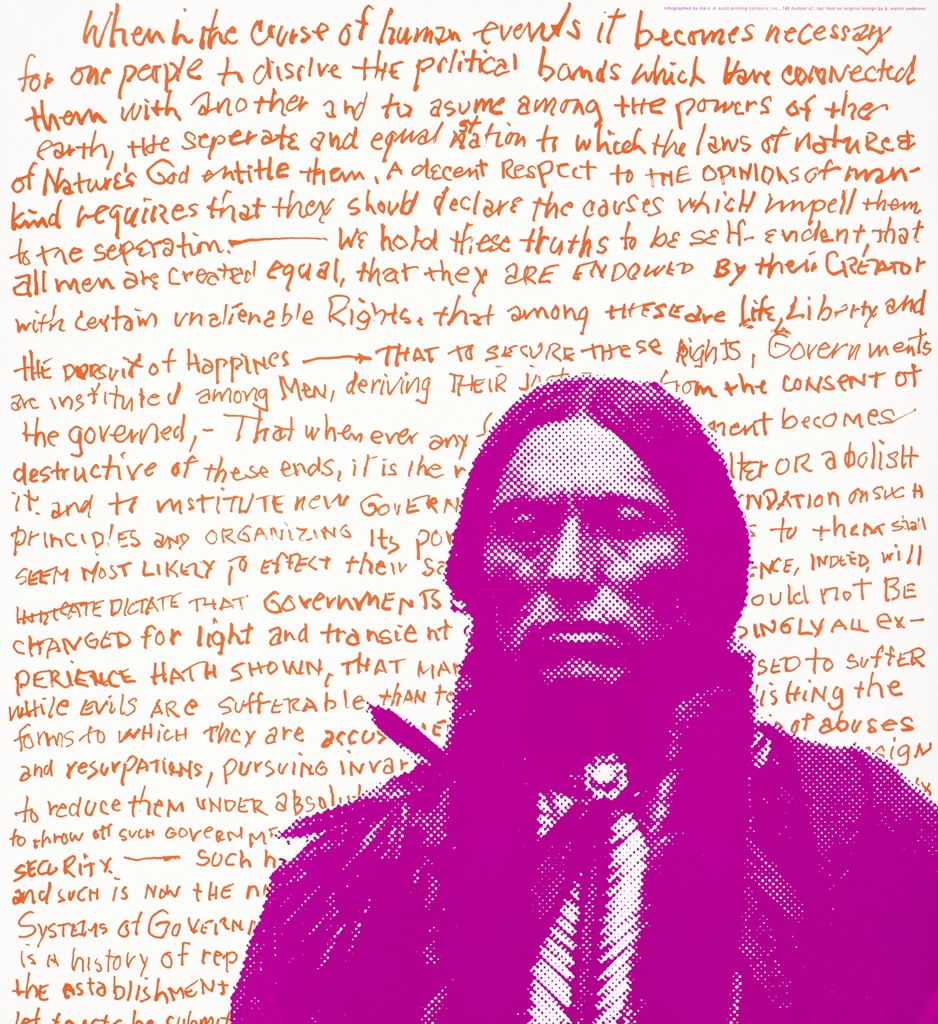
Thomas Jefferson’s Declaration of Independence became far more than an American founding document—it evolved into a universal template for liberation movements worldwide. The Declaration’s assertion that “all men are created equal” and possess “unalienable rights” to “life, liberty, and the pursuit of happiness” inspired revolutionary leaders across continents. French revolutionaries explicitly modeled their Declaration of the Rights of Man and Citizen on Jefferson’s work, adapting its language about natural rights to their own struggle against monarchy. Latin American independence leaders like Simón Bolívar and José de San Martín drew heavily from the Declaration’s justifications for rebellion against unjust government. The document’s argument that governments derive their power from the consent of the governed became a rallying cry for democratic movements throughout the 19th and 20th centuries. African independence leaders fighting colonialism found in Jefferson’s words a powerful indictment of imperial rule and justification for self-determination. Ho Chi Minh quoted directly from the Declaration when proclaiming Vietnam’s independence, demonstrating its global appeal as a statement of human dignity. The text’s list of grievances against King George III provided a model for other independence movements to articulate their own complaints against oppressive rulers. Its philosophical foundation in natural law gave revolutionary movements a moral framework that transcended specific cultural contexts. Even movements for civil rights within established democracies drew inspiration from the Declaration’s promise of equality, with leaders like Martin Luther King Jr. calling America to live up to its founding ideals rather than abandoning them entirely.
What strikes me most about these ten literary works is how they crossed cultural boundaries and historical periods to shape human destiny. Did you expect that ancient texts like the Bhagavad Gita and Sun Tzu’s Art of War would influence modern revolutionaries and world leaders just as powerfully as contemporary writings?
CEO-Co-Founder
