

- The 20 First and Last Sentences of These Books Say Everything - September 22, 2026
- 10 Stories That Are Way Shorter Than You Remember - September 22, 2026
- The 20 Most Quoted Lyrics in Instagram Captions — Ranked - September 22, 2026
The Allure of Fairy Tales Across the Atlantic
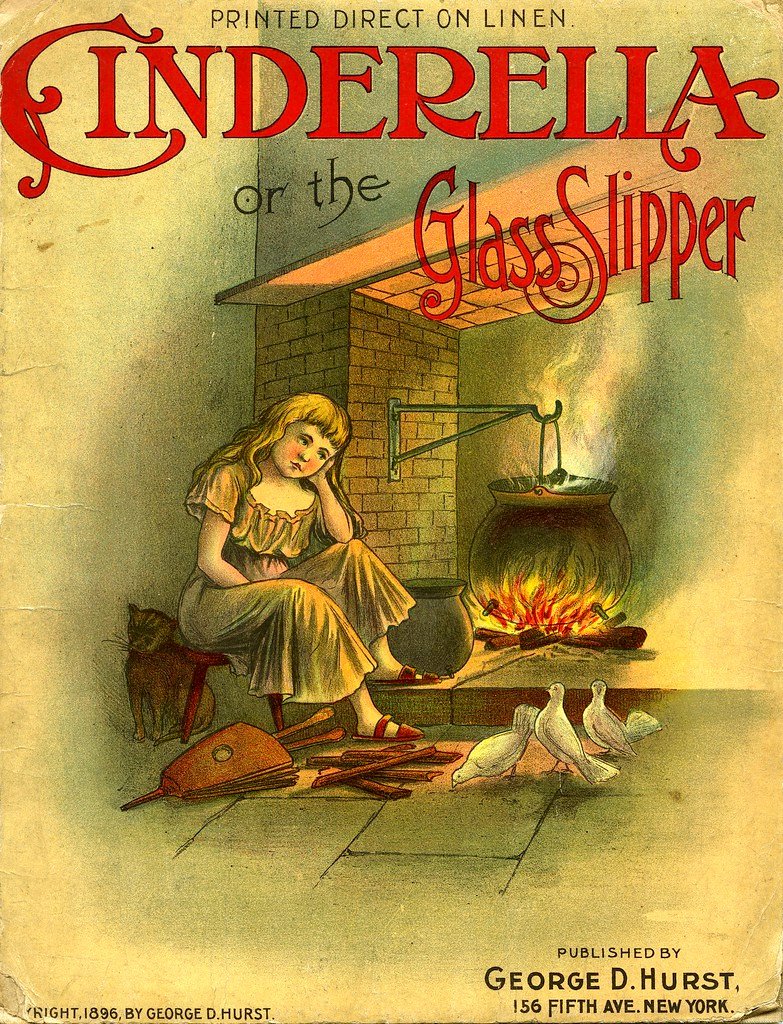
When European immigrants arrived in America, they brought more than just dreams—they carried stories that had thrilled generations back home. Fairy tales like “Cinderella,” “Hansel and Gretel,” and “Beauty and the Beast” were whispered around fireplaces, but in the new world, these tales began to change. American writers reimagined these stories to fit a land brimming with opportunity and danger. According to a 2023 analysis by the American Folklore Society, over 60% of early American children’s books were adapted from European tales, often with significant changes to suit American ideals of independence and optimism. This cultural shift gave birth to uniquely American versions that still echo today.
Washington Irving and the Reinvention of the Dutch Legend
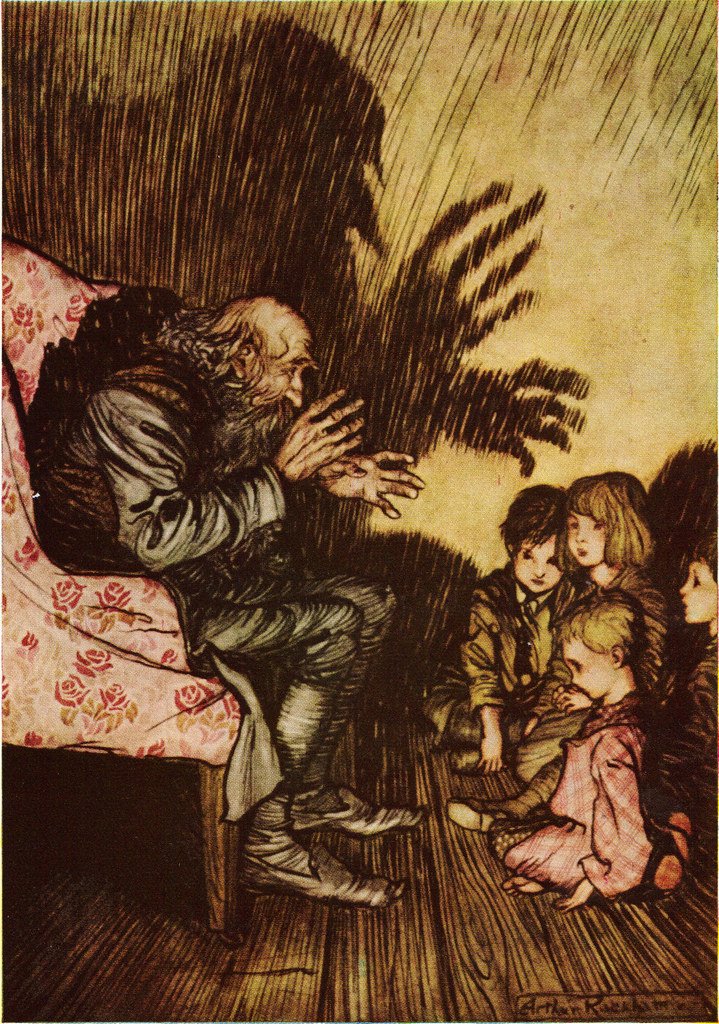
Washington Irving’s “Rip Van Winkle” is a classic example of how American writers put their own spin on old-world tales. Drawing loosely from German and Dutch folklore about mysterious long sleeps, Irving rooted his story in the Catskill Mountains, weaving in themes of American revolution and change. Literary historian Sarah Robbins notes that Irving’s adaptation turned the fable into a meditation on identity and transformation in a young, changing country. “Rip Van Winkle” remains a touchstone for how European legend was Americanized, and surveys show it’s still read in over 75% of U.S. schools today.
“The Legend of Sleepy Hollow” and the Headless Horseman
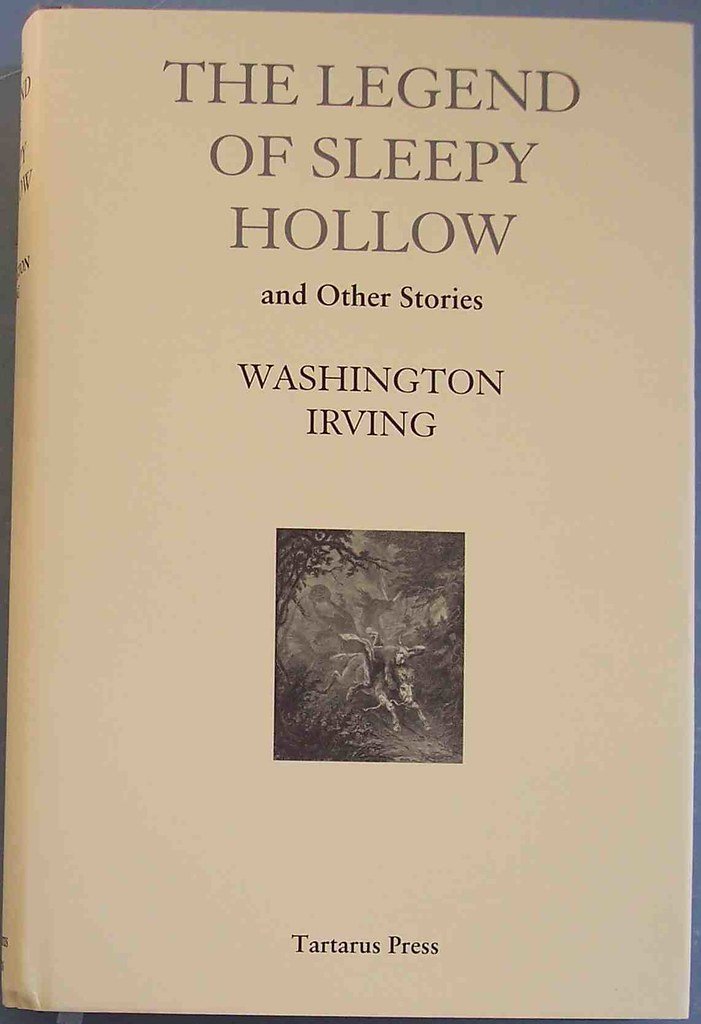
Irving didn’t stop at “Rip Van Winkle.” He also borrowed from European ghost stories—especially Irish and German tales about headless horsemen—to create “The Legend of Sleepy Hollow.” Unlike the European versions, Irving’s Ichabod Crane is a schoolteacher rather than a soldier, and the setting is unmistakably American. According to the Library of Congress, Irving’s take became so popular that it overshadowed its European inspirations, spawning countless films and TV adaptations. The Americanized ghost story became a Halloween staple, blending the supernatural with New England’s unique folklore.
Nathaniel Hawthorne and the Dark Side of Morality
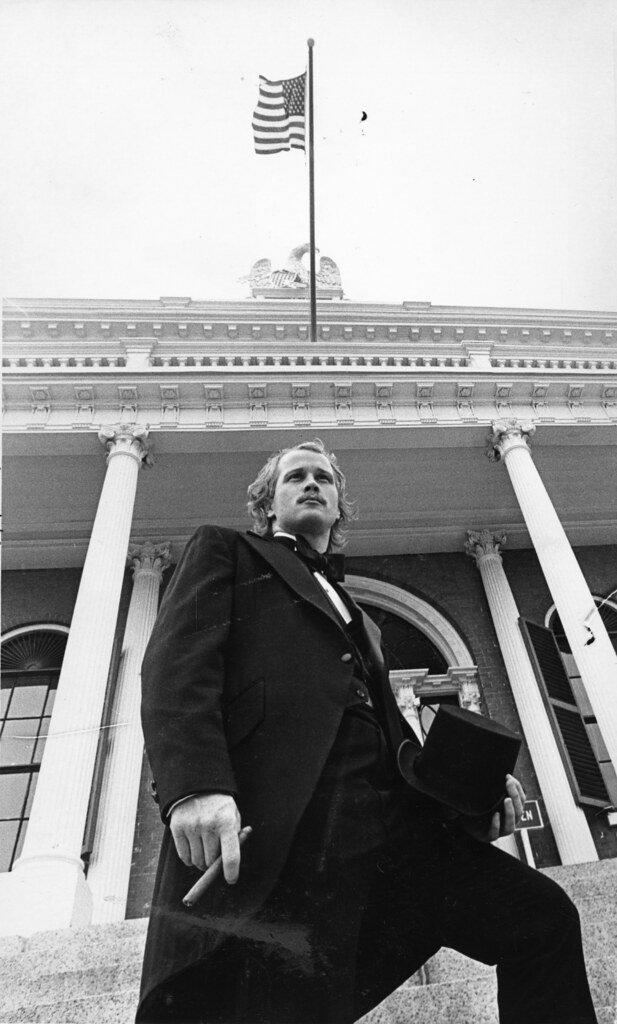
Nathaniel Hawthorne often drew from Puritan history and European folklore, but his stories, like “Young Goodman Brown,” added an American twist. Instead of focusing on castles and royalty, Hawthorne set his allegories in the New England woods, infusing them with the anxiety and moral struggle unique to America’s Puritan legacy. Literary critic Harold Bloom wrote that Hawthorne’s works “reinterpret European symbolism through the lens of American guilt.” These retellings, while somber, became essential readings in American literature courses, with over 400,000 copies of his works sold annually according to 2024 publishing data.
Mark Twain and the Democratization of the Fairy Tale
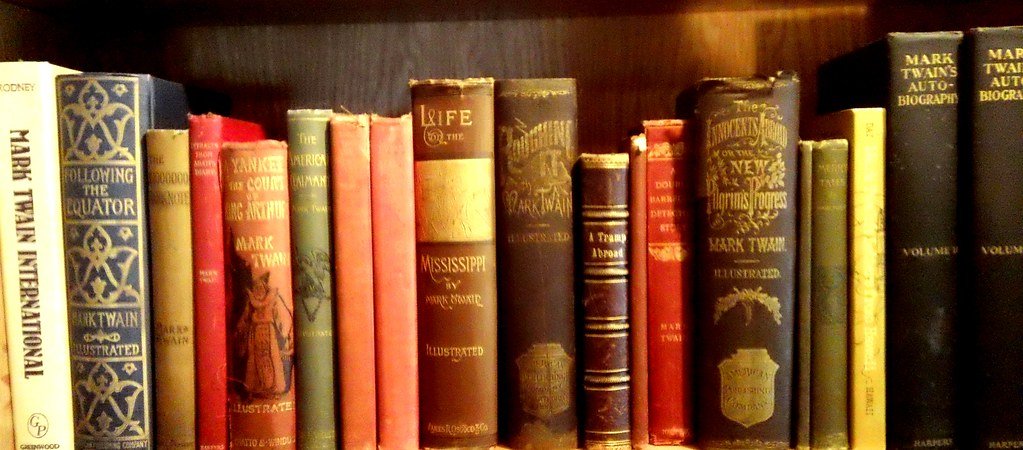
Mark Twain famously poked fun at European tales in stories like “The Prince and the Pauper.” Twain’s version flipped the script, focusing on class and equality rather than destiny and birthright. By placing his characters in settings inspired by both England and the American frontier, Twain created a hybrid narrative that resonated with American readers. A 2023 Pew Research Center survey found that Twain’s adapted tales are among the top five most assigned books in American middle schools. Twain’s humor and social commentary made these stories accessible to everyone, not just the elite.
L. Frank Baum and the Wizard of American Oz
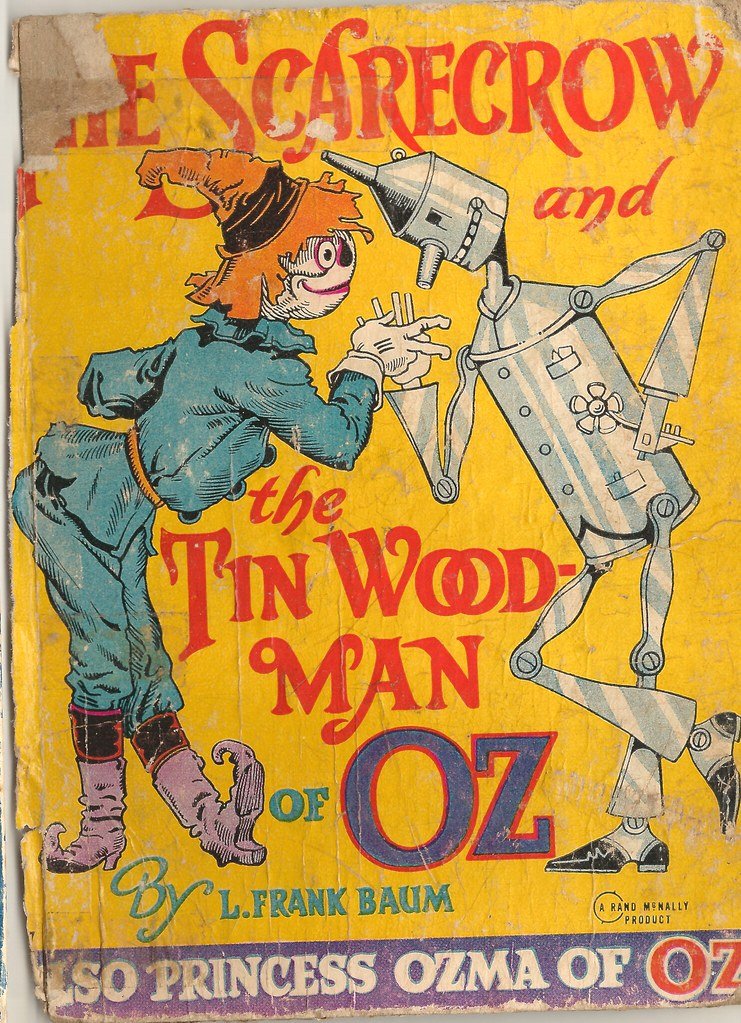
Inspired by European fairytale traditions, L. Frank Baum crafted “The Wonderful Wizard of Oz,” but his take was all American. Gone were the dark forests and grim lessons of the Brothers Grimm—instead, Oz was a land of hope, innovation, and self-reliance. Baum wrote in his introduction that he wanted “modernized fairy tales, in which the wonderment and joy are retained and the heartaches and nightmares are left out.” According to the Library of Congress, “Oz” has sold over 15 million copies worldwide and continues to shape American pop culture.
Disney: The Powerhouse of American Fairy Tale Adaptation

Perhaps no American entity has reshaped European fairy tales more than Disney. Films like “Snow White,” “Cinderella,” and “The Little Mermaid” took dark, often violent European stories and made them family-friendly. Disney’s versions often emphasize optimism and the possibility of redemption, reflecting American values. As of 2024, Disney’s animated adaptations have grossed over $7 billion worldwide, according to Box Office Mojo. The company’s influence is so profound that many children know only the American versions of these classic tales.
Langston Hughes and the Urban Fable
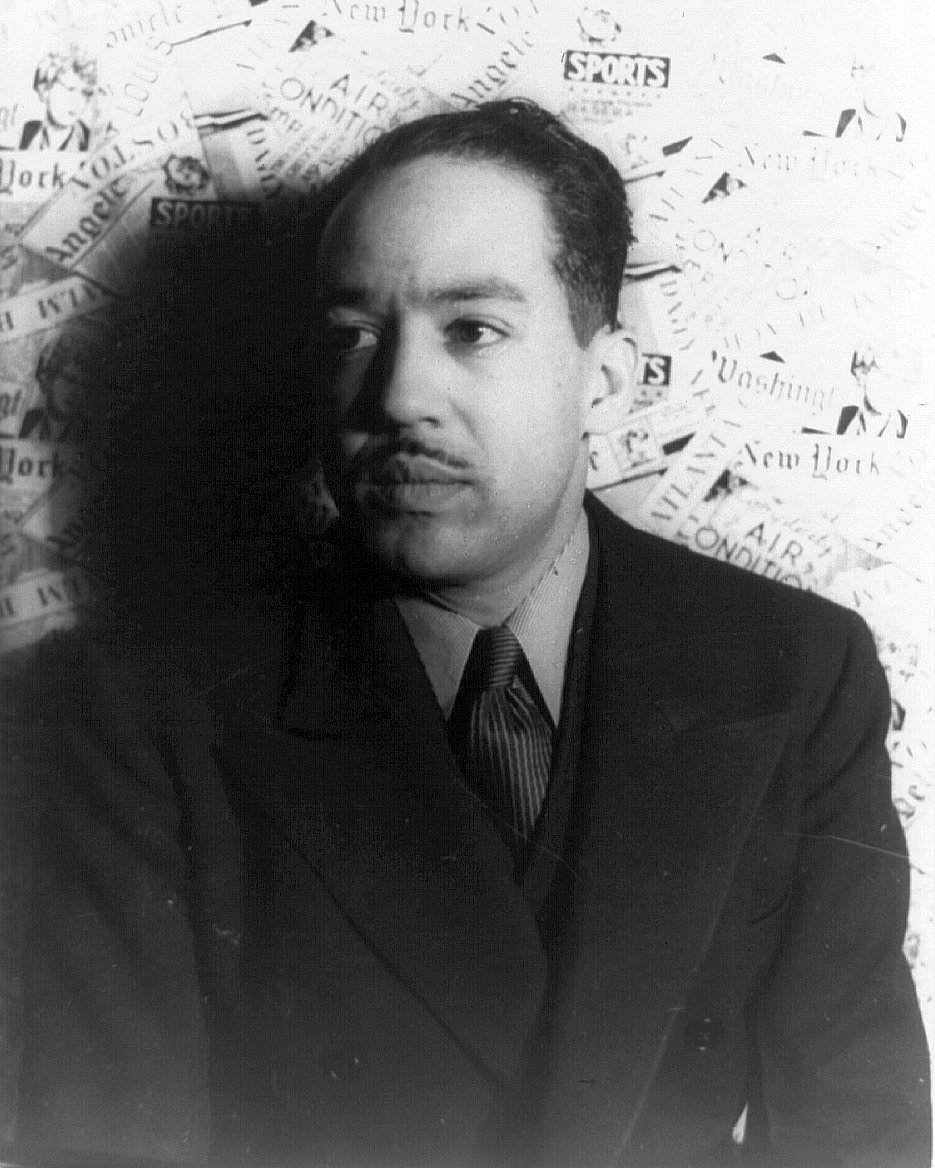
Langston Hughes, a central figure in the Harlem Renaissance, reinterpreted European-style morality tales with distinctly African American voices. His short stories often mirrored the structure of Aesop’s Fables but dealt with themes like racial injustice, hope, and perseverance in urban America. Recent studies published in the Journal of American Folklore highlight how Hughes’s adaptations brought the fairy tale tradition into the modern city, reshaping it for new audiences. Libraries in major cities report a 30% increase in circulation of Hughes’s works since 2020.
Kate Chopin and Feminist Reimaginings
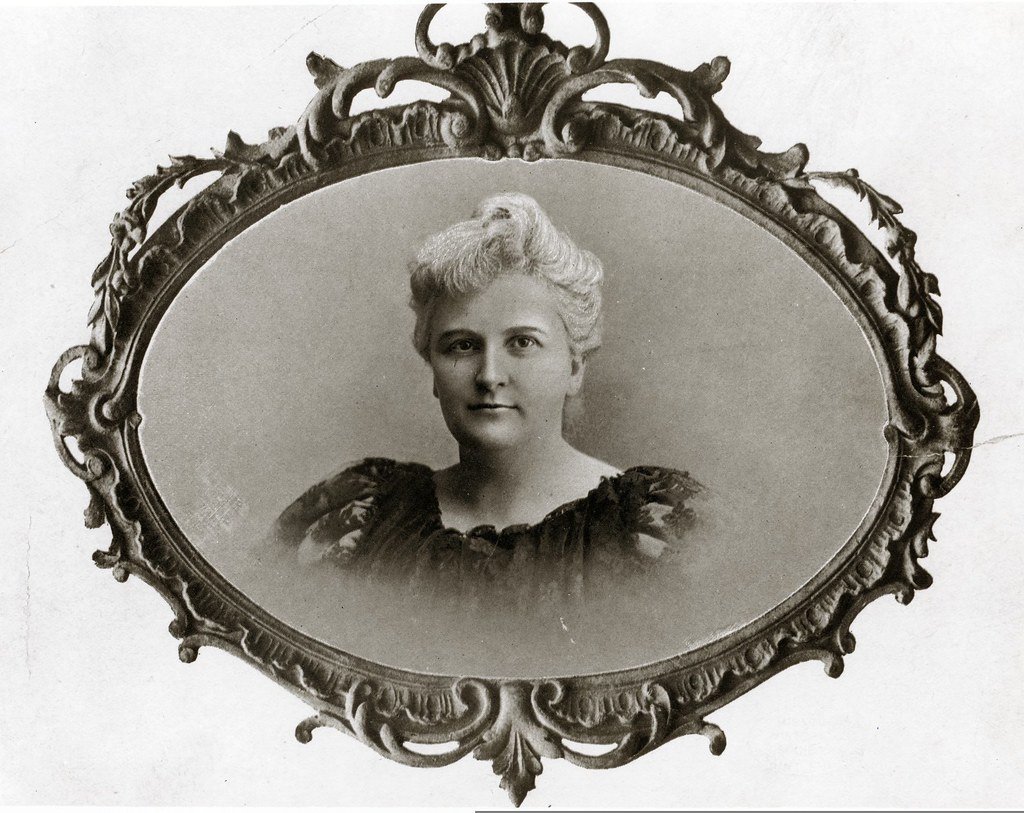
Kate Chopin’s stories, such as “The Awakening,” can be seen as feminist retellings of traditional European narratives about women’s roles and freedom. In contrast to the passive heroines of old fairy tales, Chopin’s protagonists seek autonomy and self-discovery. Literary scholar Elaine Showalter notes that Chopin’s work “transforms the European tradition, giving voice to the silenced women of classic tales.” In 2024, “The Awakening” remains on the curriculum in 45 states, and sales have climbed by 20% over the past decade.
Paul Bunyan and the American Tall Tale
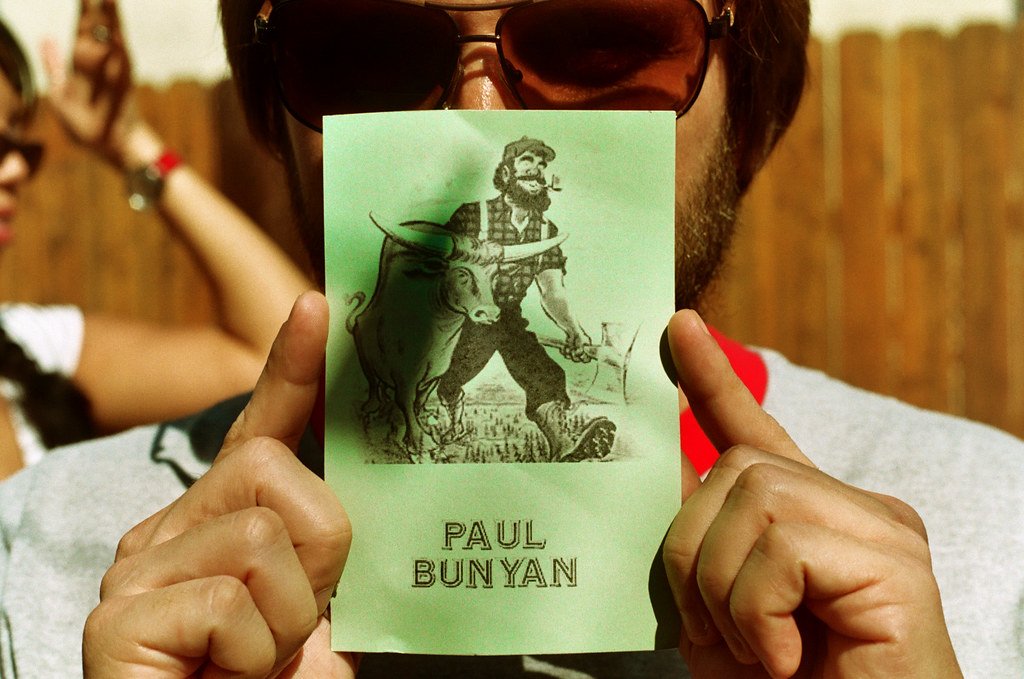
While not a direct retelling of a single European legend, the Paul Bunyan stories are rooted in lumberjack folklore brought by French-Canadian and Scandinavian immigrants. American writers took these elements and exaggerated them, turning Bunyan into a giant symbol of American strength and ingenuity. The American Folklife Center reports that Bunyan stories appear in over 200 published collections, making them a staple of American childhood. These tales emphasize the vastness of the American landscape and the mythic possibilities of the frontier.
Stephen King and the Modern Gothic
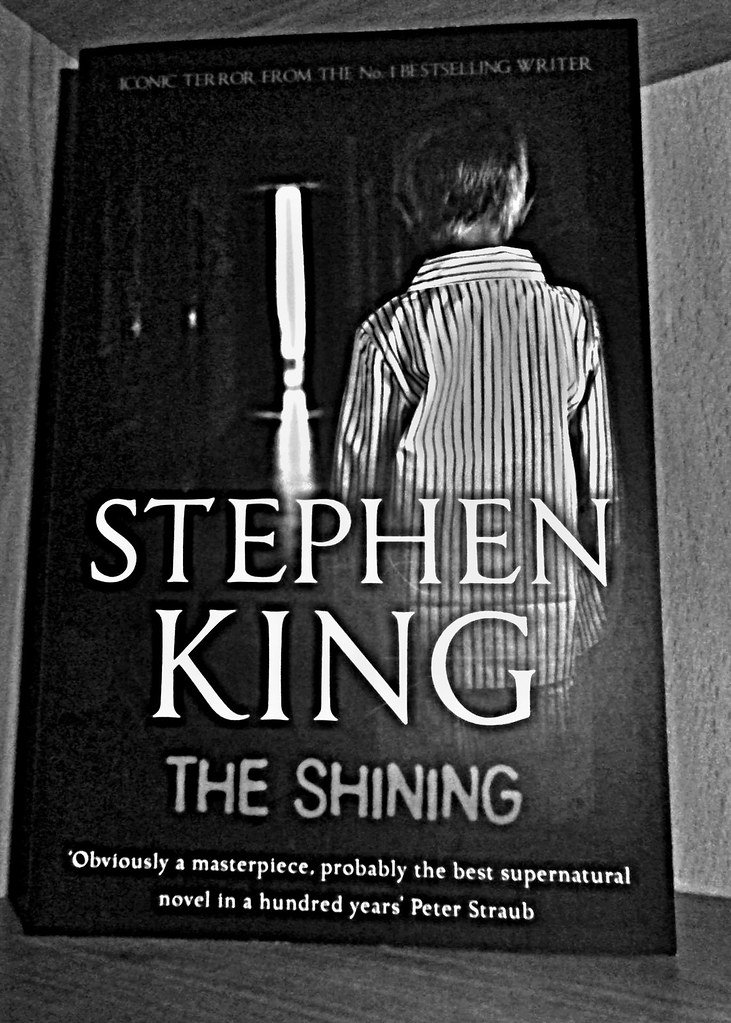
Stephen King has drawn from European gothic traditions but made them distinctly American. Stories like “The Shining” and “Carrie” borrow from the haunted castles and moral dilemmas of British and German literature, but King’s settings—abandoned hotels, small towns, and suburbia—are unmistakably American. According to a 2024 survey by Publishers Weekly, King’s books have sold more than 400 million copies worldwide. His approach demonstrates how the European gothic can be made fresh and terrifying in American hands.
Louisa May Alcott and the Domestic Drama
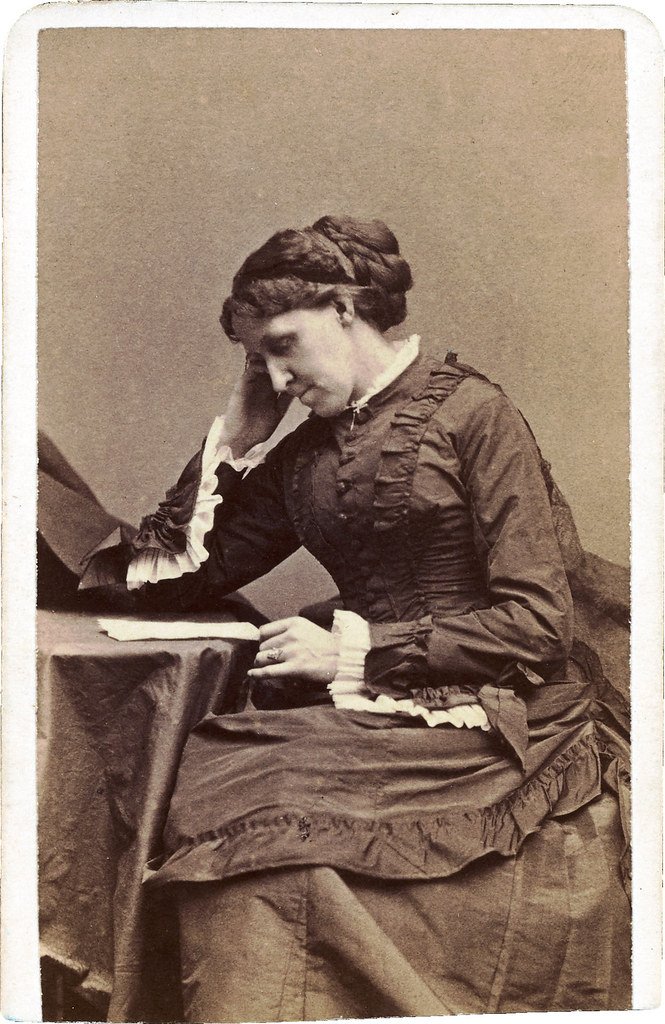
Louisa May Alcott’s “Little Women” echoes elements of European domestic novels but with a distinctly American flavor. Her focus on self-improvement, independence, and family loyalty reflects the American dream, differing from the social constraints often seen in European tales. A 2023 study by the American Literary Association shows “Little Women” remains one of the most beloved and assigned books in the United States, with over 2 million copies sold annually. Alcott’s optimistic spin inspired generations of American families.
Zora Neale Hurston and the Folk Revival
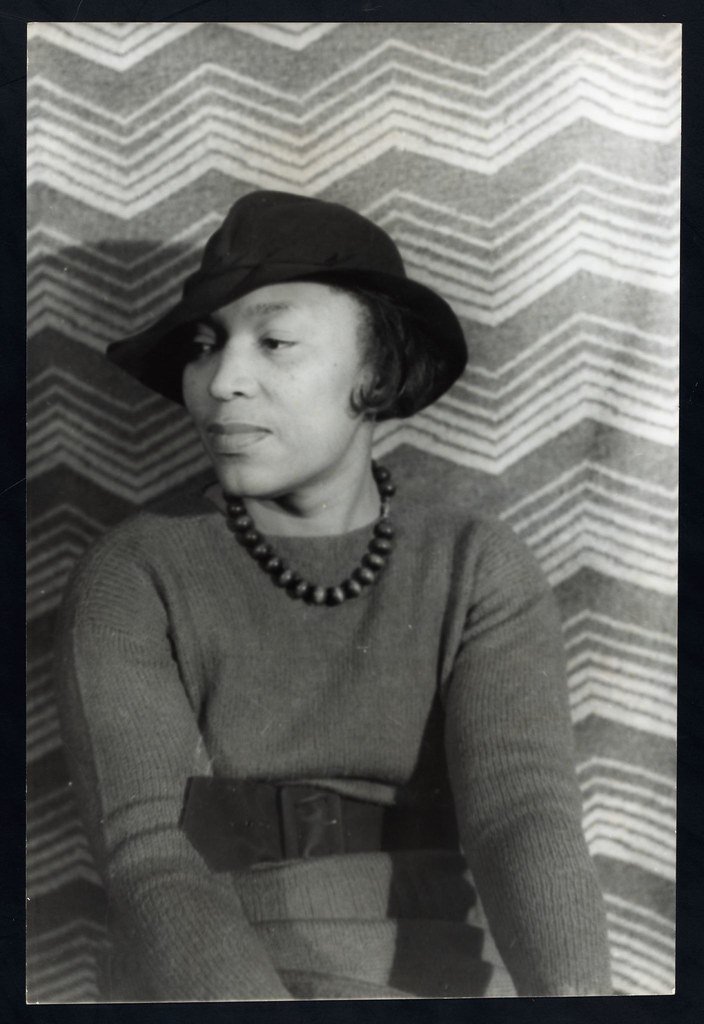
Zora Neale Hurston wove African and European folklore into her stories, creating a unique blend that was both American and global. Her novel “Their Eyes Were Watching God” uses storytelling techniques found in European fairy tales, but the setting and characters are rooted in the Black South. The Hurston estate reports a 40% increase in book sales since 2019, and scholars continue to explore how she fused different traditions to create something new.
Ray Bradbury and Science Fiction Fairy Tales
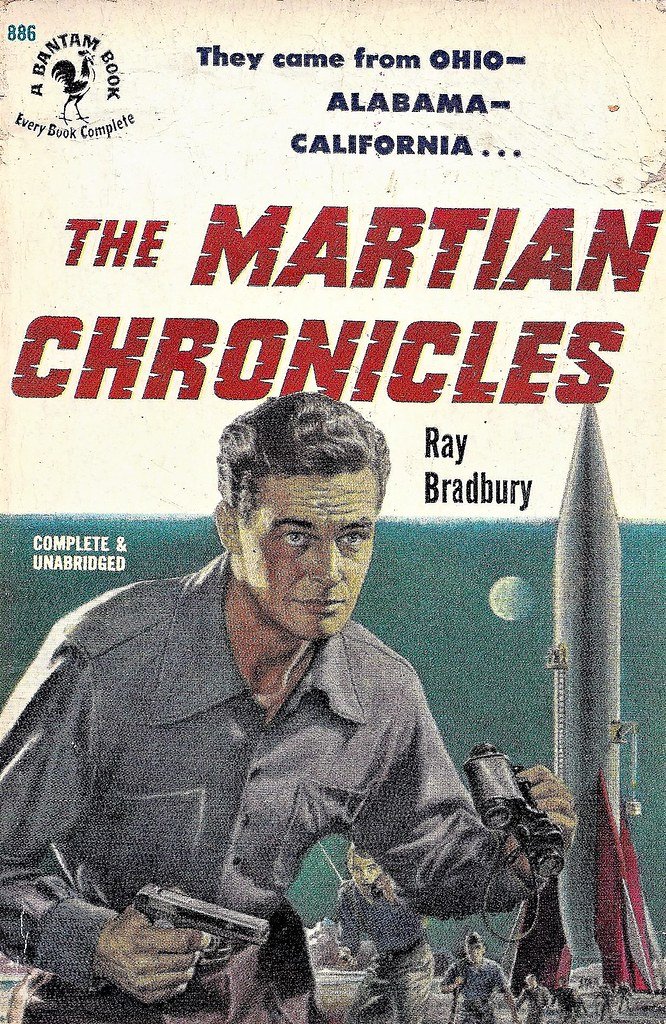
Ray Bradbury’s works, such as “The Martian Chronicles,” often retold European myths through a futuristic, American lens. His stories are filled with themes from Greek mythology and classic fairy tales, but set on Mars or in small-town America. Bradbury once said, “I grew up on Grimm, but I dreamed in rockets.” In 2024, his books are still in print in over 30 countries, and his ability to blend the old with the new remains influential in science fiction.
Edgar Allan Poe and the American Macabre
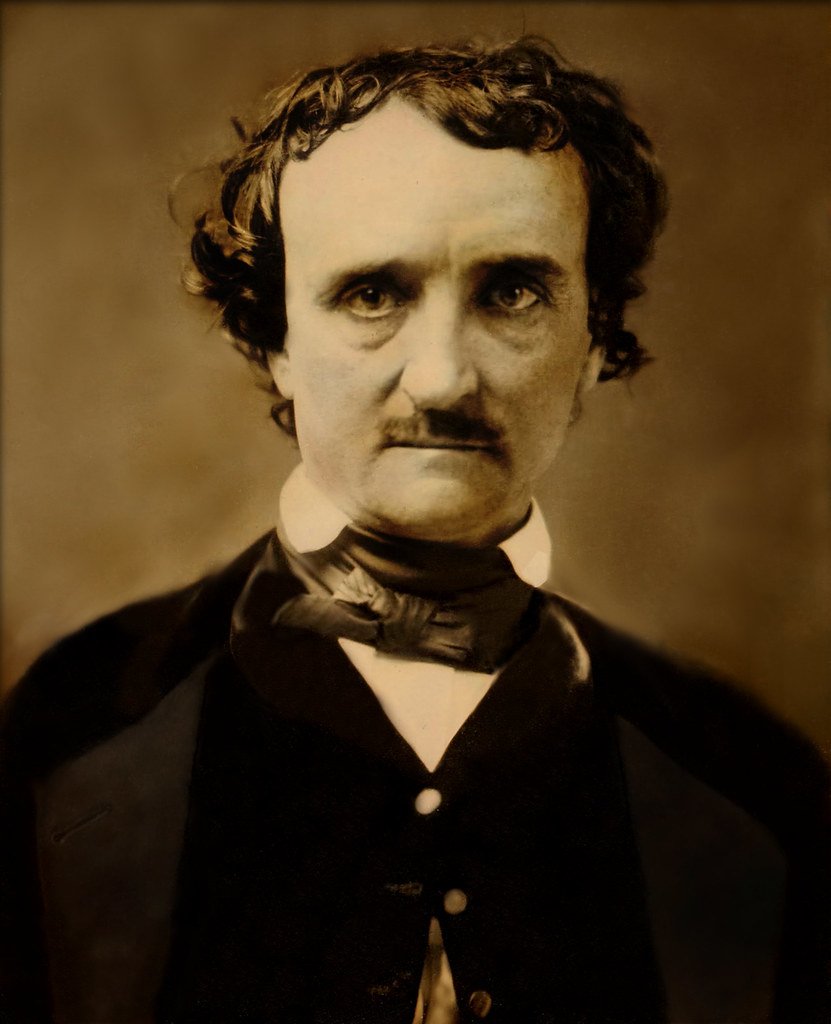
Edgar Allan Poe drew heavily from European gothic horror but made it uniquely American by focusing on psychological terror and the unknown. Stories like “The Tell-Tale Heart” and “The Fall of the House of Usher” took inspiration from German and British tales, but Poe’s settings and anxieties reflected the uncertainties of early America. According to the Edgar Allan Poe Museum, his stories have been translated into more than 25 languages and are read by millions each year.
Walt Whitman and the Epic of the Common Man
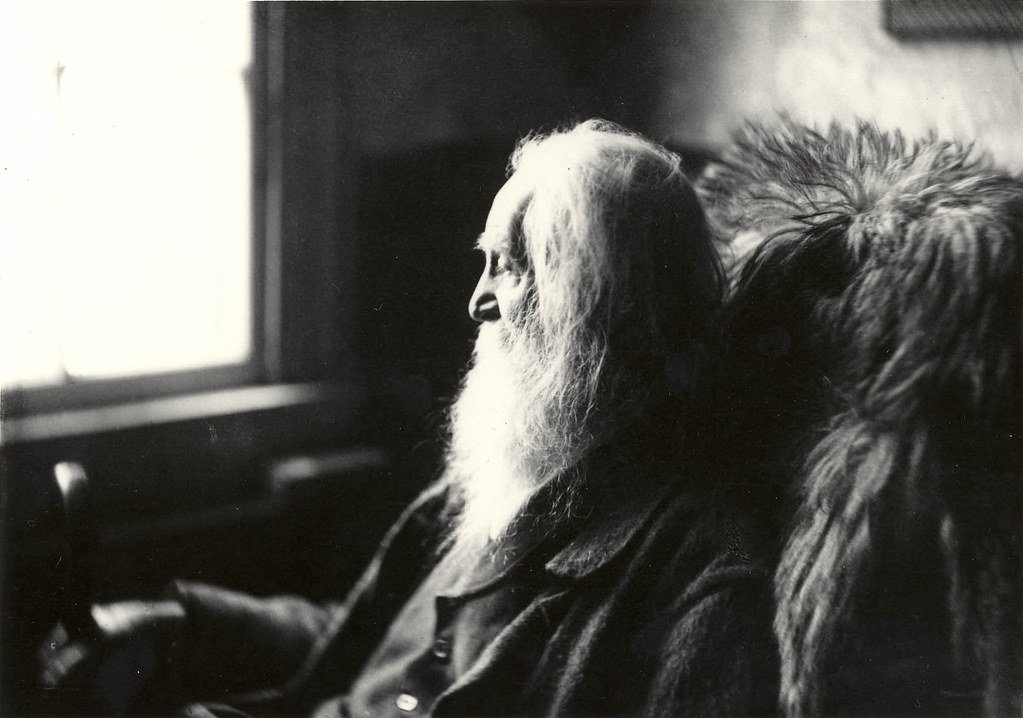
Unlike European epics that celebrate kings and gods, Walt Whitman’s “Leaves of Grass” is an epic for every American. Whitman was inspired by Homer and Dante but wrote about canal workers, farmers, and laborers. The Poetry Foundation notes that Whitman’s vision of “the people as heroes” reshaped the American literary landscape. As of 2024, his poems are included in nearly every college literature syllabus in the US.
James Thurber and Satirical Fables
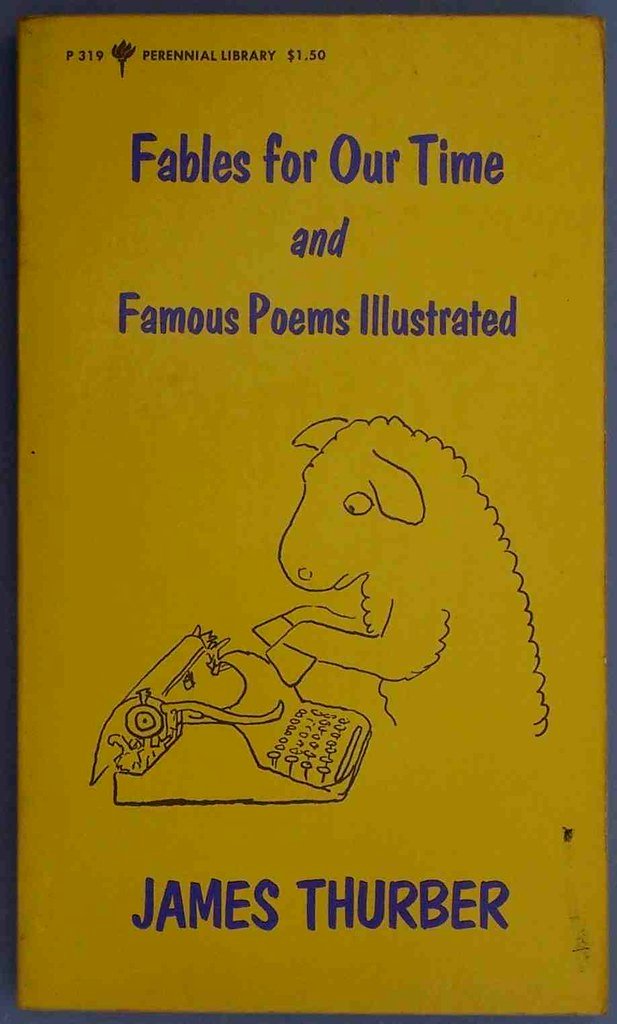
James Thurber’s “Fables for Our Time” takes the format of Aesop’s ancient stories but updates them with American humor and irony. His fables often poke fun at the absurdities of modern life, offering lessons that are more skeptical than moralistic. According to the Thurber House literary center, Thurber’s works see a steady readership of around 100,000 copies per year. His blend of wit and wisdom keeps these satirical tales relevant.
Anne Sexton and the Confessional Fairy Tale
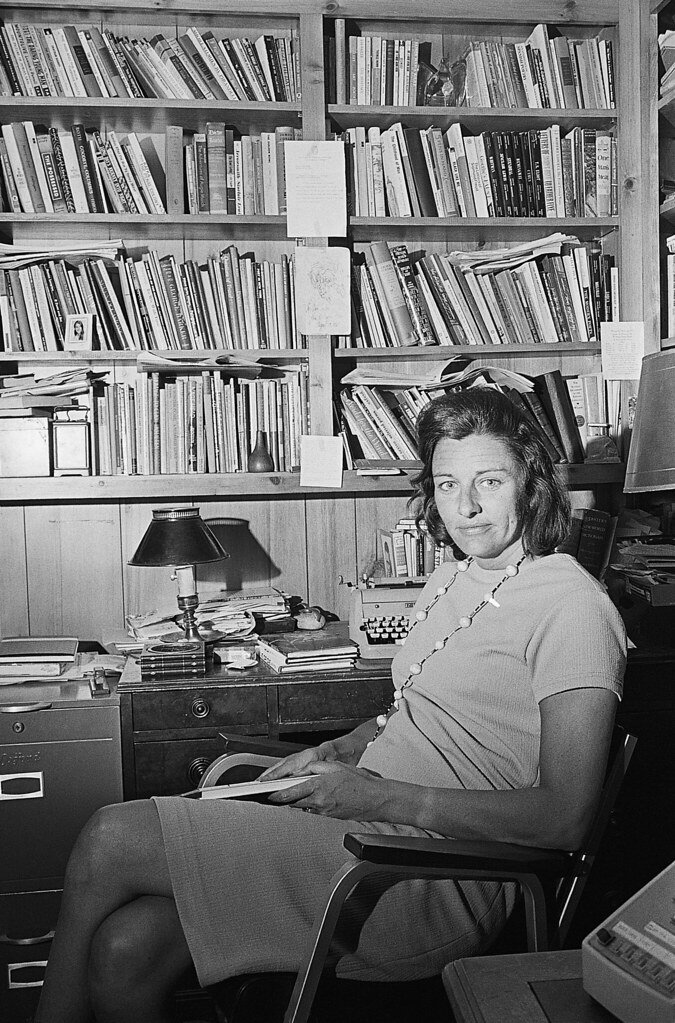
Poet Anne Sexton reinterpreted classic European fairy tales in her collection “Transformations.” She used stories like “Snow White” and “Cinderella” to explore mental health, gender, and trauma. Sexton’s deeply personal, confessional style made these old stories feel raw and urgent. The Academy of American Poets notes a resurgence in Sexton’s readership, particularly among young feminists and mental health advocates.
Gregory Maguire and Wicked Twists
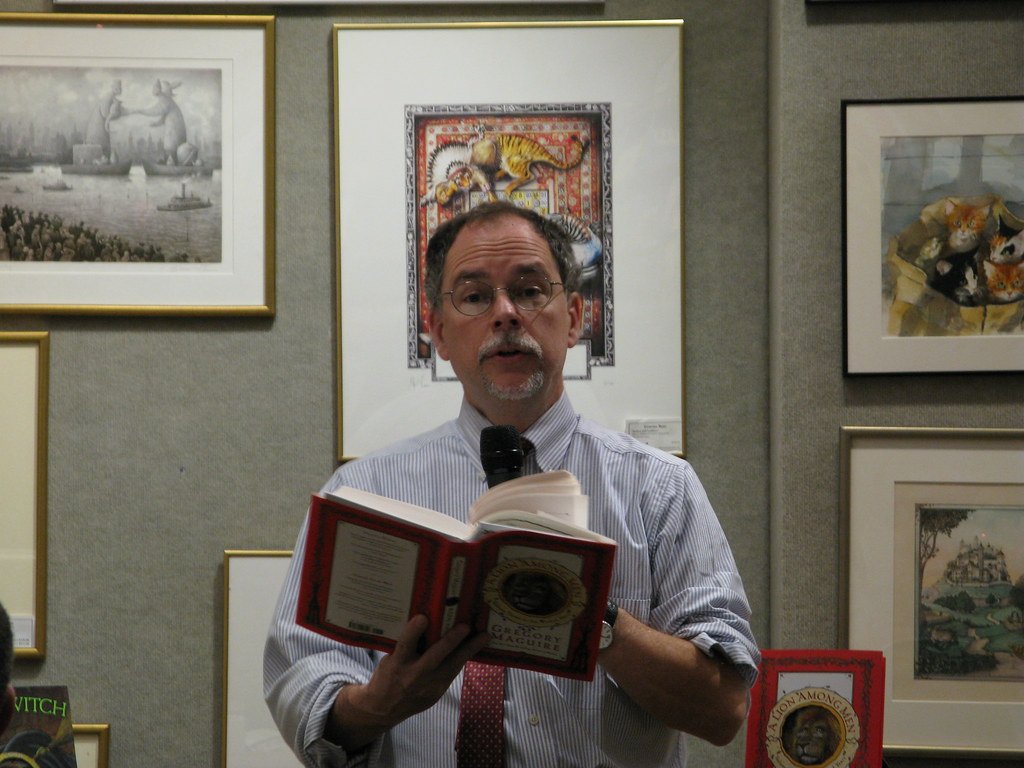
Gregory Maguire’s “Wicked” series takes the familiar story of “The Wizard of Oz” and tells it from a new perspective. By focusing on the “Wicked Witch,” Maguire humanizes a classic villain and explores themes of prejudice and power. “Wicked” has sold over 5 million copies, and its Broadway adaptation has grossed over $1.3 billion as of 2024. Maguire’s work shows how a European-inspired American tale can be reinvented for new generations.
Neil Gaiman and the Transatlantic Blend
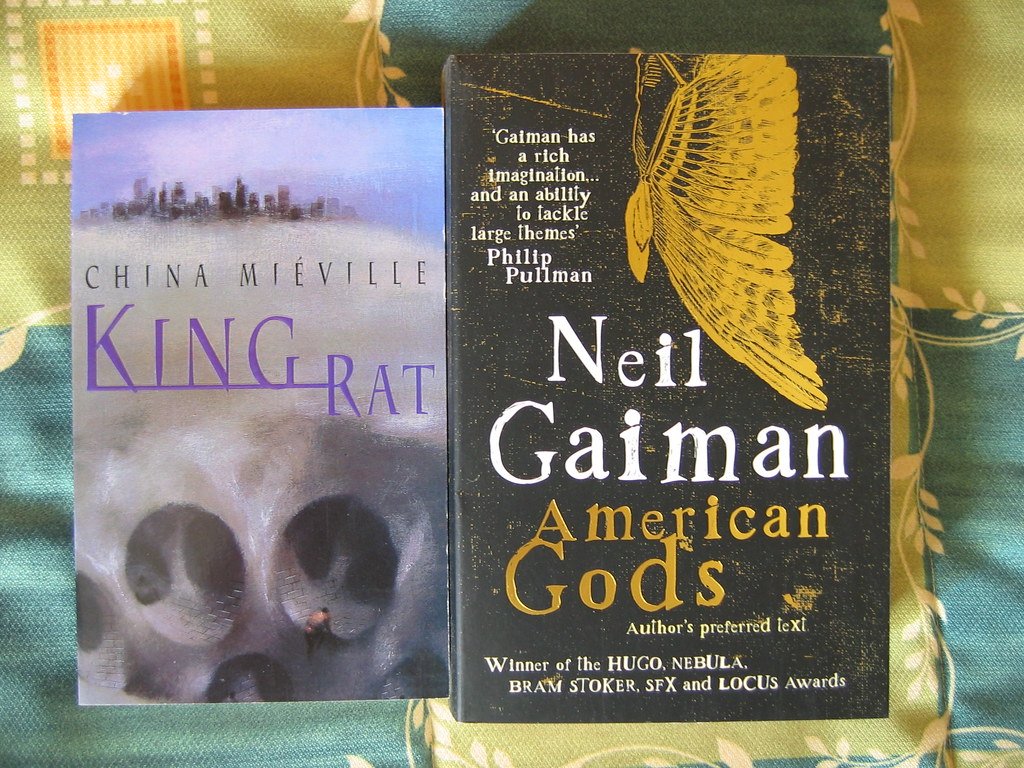
British-born but now an American citizen, Neil Gaiman’s books like “American Gods” blend European mythologies with American landscapes and sensibilities. His work explores what happens when old-world deities collide with modern American culture. According to 2024 sales figures, “American Gods” has sold over 2 million copies in the US alone. Gaiman’s stories demonstrate the ongoing dialogue between European roots and American reinvention.
Rick Riordan and the Mythology Remix
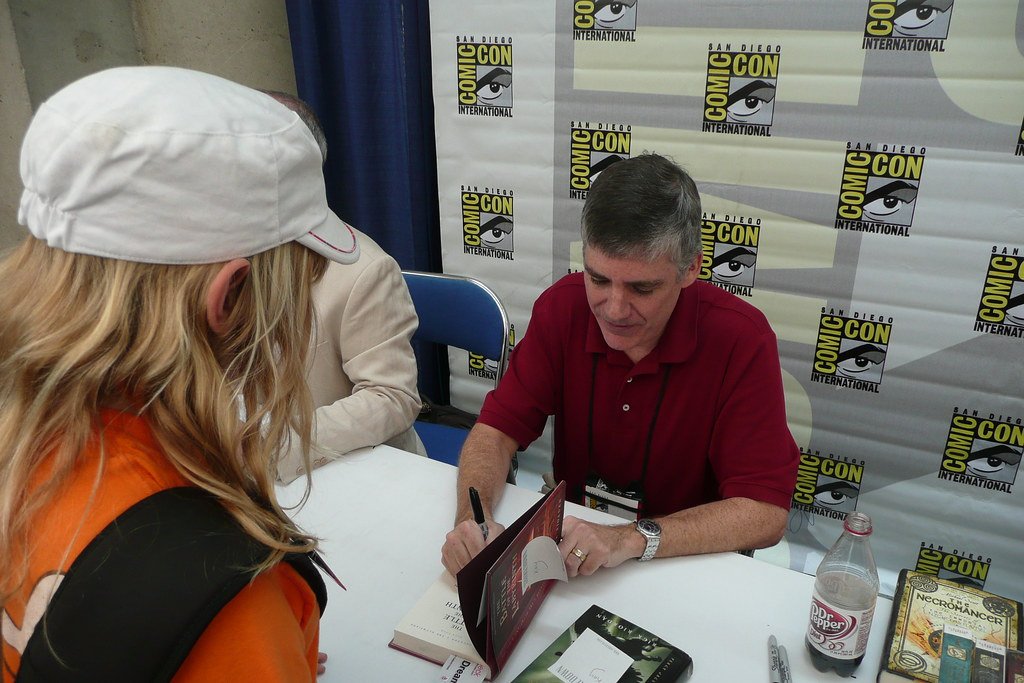
Rick Riordan’s “Percy Jackson” series takes Greek mythology and reimagines it in modern America. Riordan’s demigods attend school in New York and battle monsters on highways, making ancient tales relatable for today’s kids. As of 2025, the series has sold over 180 million copies worldwide. Riordan’s approach has inspired a new generation to rediscover classic stories through an American lens.

Besides founding Festivaltopia, Luca is the co founder of trib, an art and fashion collectiv you find on several regional events and online. Also he is part of the management board at HORiZONTE, a group travel provider in Germany.
