

- The 20 First and Last Sentences of These Books Say Everything - September 22, 2026
- 10 Stories That Are Way Shorter Than You Remember - September 22, 2026
- The 20 Most Quoted Lyrics in Instagram Captions — Ranked - September 22, 2026
When Fruit Became a Weapon Against Hate
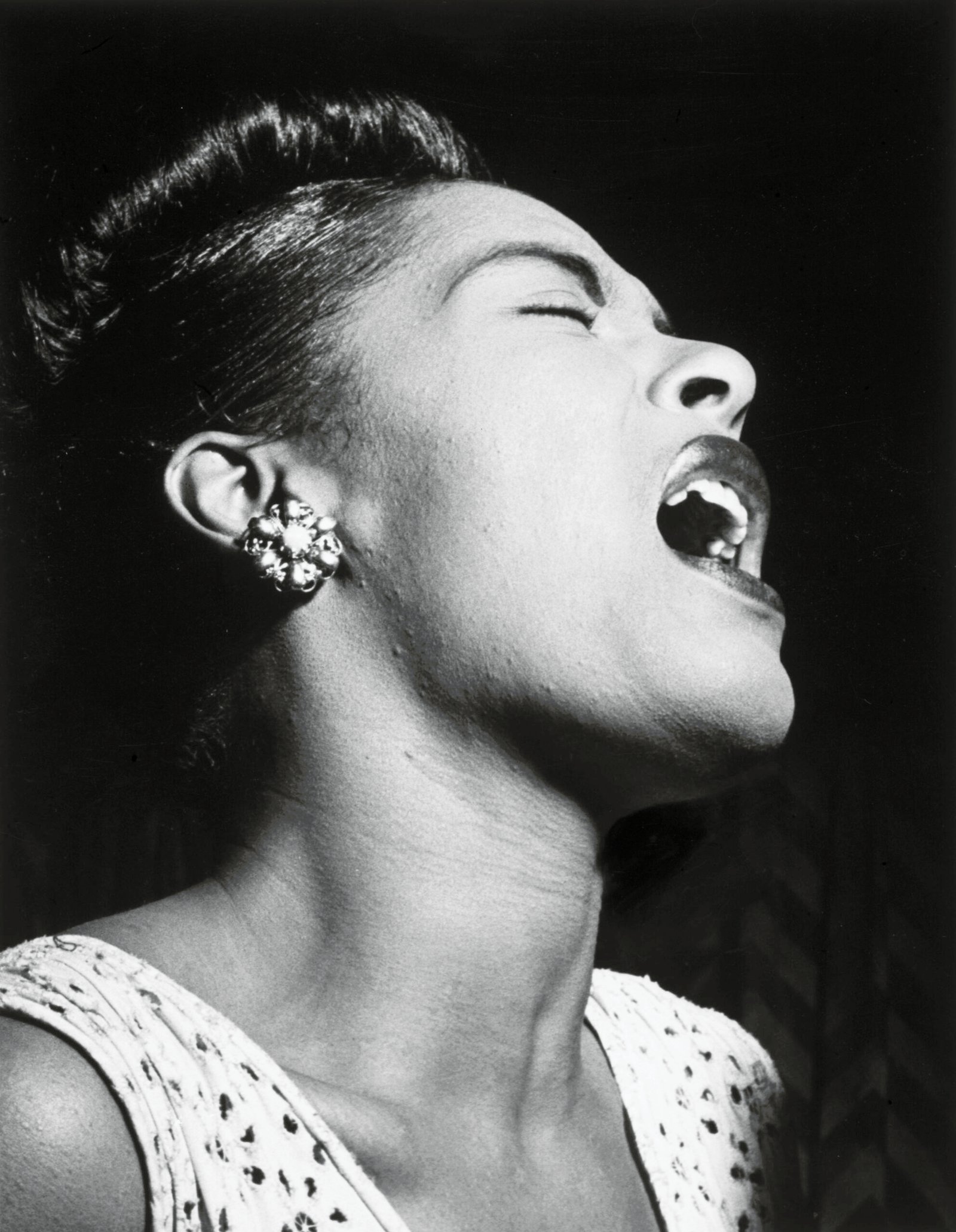
Picture this: you’re walking into a nightclub in 1939, and suddenly the room goes dead silent. The waiters stop serving, lights dim to black, and a single spotlight hits a young Black woman’s face. Then Billie Holiday begins to sing about strange fruit hanging from trees. More than 4,000 Black people were publicly murdered in the United States between 1877 and 1950, and Holiday’s haunting metaphor cut through America’s comfortable denial like a knife. This was really first time that, at least in popular music, such a powerful anti-racist stance had been assumed. The song wasn’t just protest music – it was a musical time bomb that exploded racist complacency. The single sold more than one million copies, proving that sometimes the most dangerous truths hide behind the most beautiful melodies. In 1999 Time named it the song of the century.
A Folk Hero’s Hidden Socialism
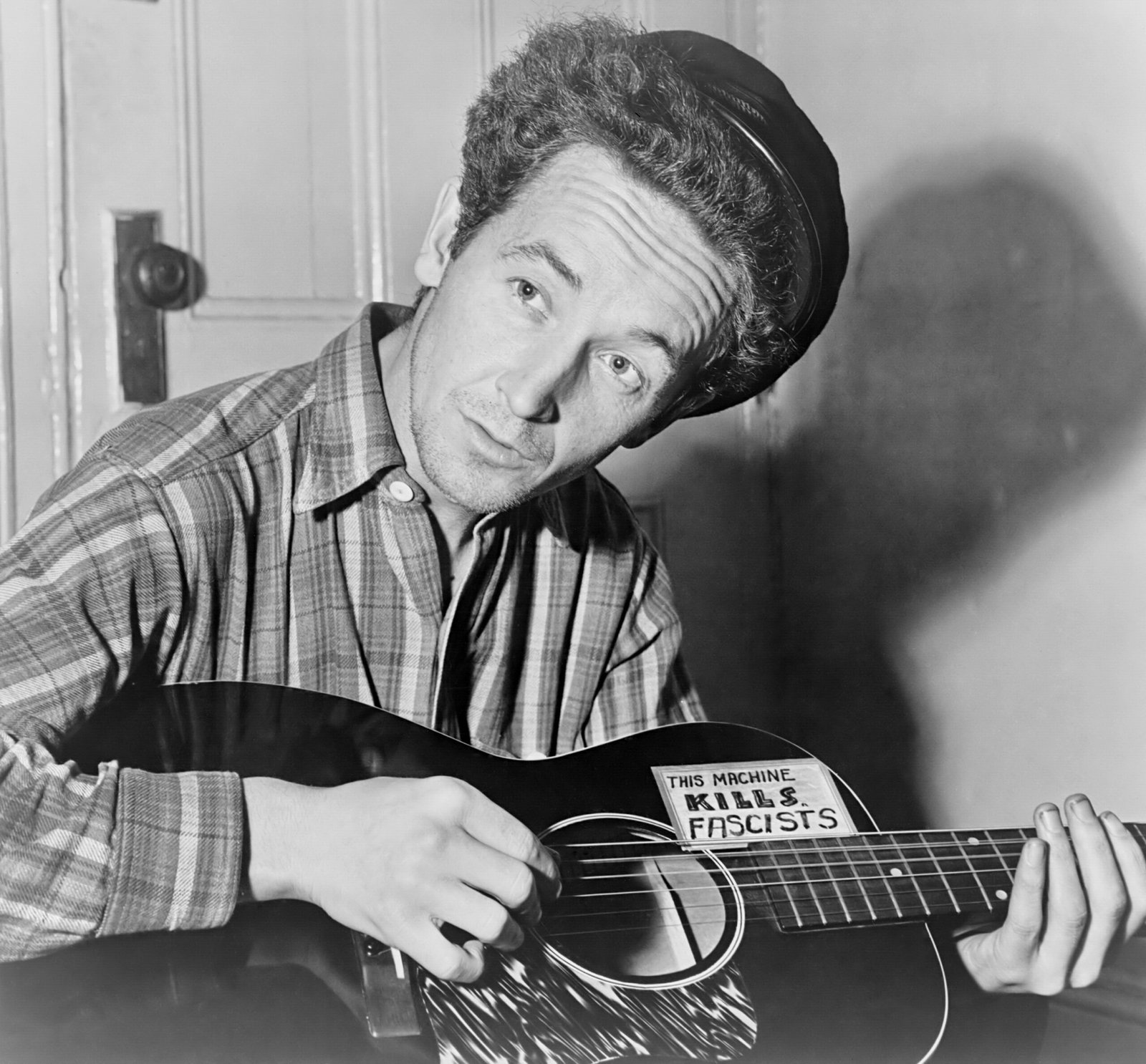
One of the most iconic songs in American lore, “This Land Is Your Land” is actually such an important protest song for the verses that aren’t typically sung. Most Americans sing Woody Guthrie’s folk anthem like it’s a second national anthem, completely missing the radical economics hiding in plain sight. Those cheerful lyrics about ribbon highways and golden valleys? They’re actually a sharp critique of private property and wealth inequality. The original verses challenge the very foundation of American capitalism with lines about walls trying to stop the common people. Think about it – we’ve been singing a communist manifesto at summer camps for decades. Guthrie wrote this response to “God Bless America,” turning patriotic imagery into a weapon against economic injustice. It’s like discovering your favorite childhood song was actually a revolutionary handbook.
The Rich Man’s Son Who Never Went to War
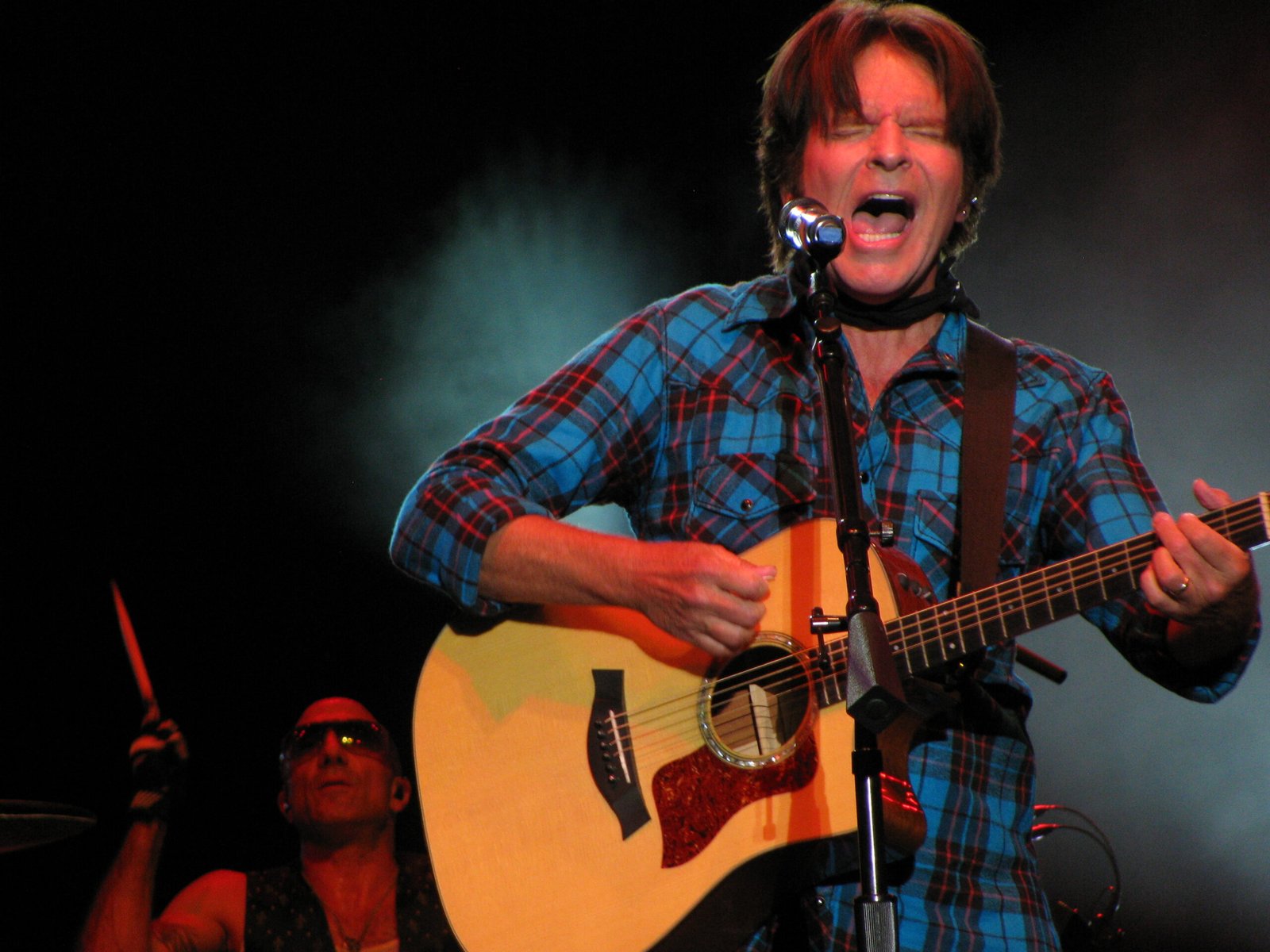
John Fogerty watched the Vietnam War unfold with burning anger, but not for the reasons you might think. It’s a response to the privileged children of the political and military elite who were not being drafted into the Army and sent to Vietnam. “Fortunate Son” wasn’t just anti-war – it was anti-class privilege. While working-class kids got shipped off to Southeast Asia, senators’ sons were getting college deferments and National Guard positions. The song is an anthem for the anti-war movement, and its lyrics are as relevant today as they were when the song was written. The “fortunate son” represents every rich kid who avoided military service through daddy’s connections. It’s a three-minute dissertation on American class warfare, wrapped in a killer guitar riff. The song’s power comes from its brutal honesty about who fights America’s wars and who gets to stay home.
Four Dead in Ohio Changed Everything
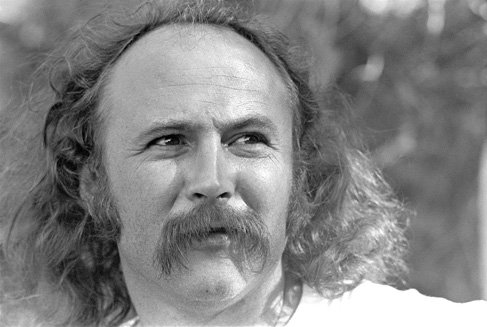
Ohio” is a song written by Neil Young in response to the Kent State shootings. The song was recorded by Crosby, Stills, Nash & Young in 1970. The song’s impact was immediate, and it helped to galvanize the anti-war movement. When National Guard troops opened fire on student protesters, killing four and wounding nine, America’s youth realized their own government might shoot them too. Young wrote “Ohio” in a white-hot fury, and the band recorded it within days. The line “tin soldiers and Nixon coming” wasn’t just poetic imagery – it was a declaration of war against the establishment. It’s a moving song about the tragedy of the shootings and the need for change. This wasn’t some distant battlefield tragedy; this was American kids being killed on American soil for protesting American policies. The song became an instant rallying cry that proved rock music could respond to current events faster than traditional journalism.
Nina Simone’s Musical Middle Finger
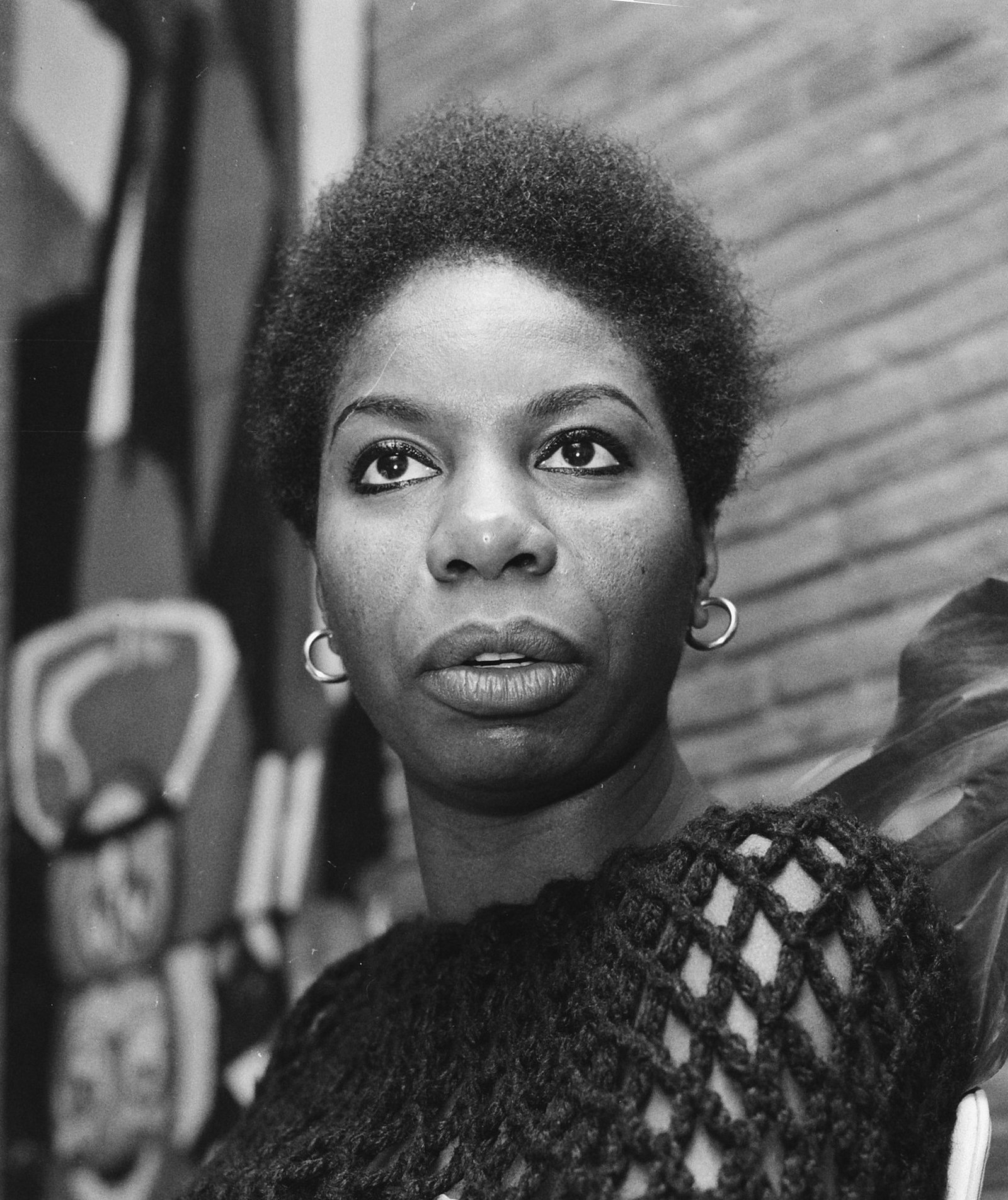
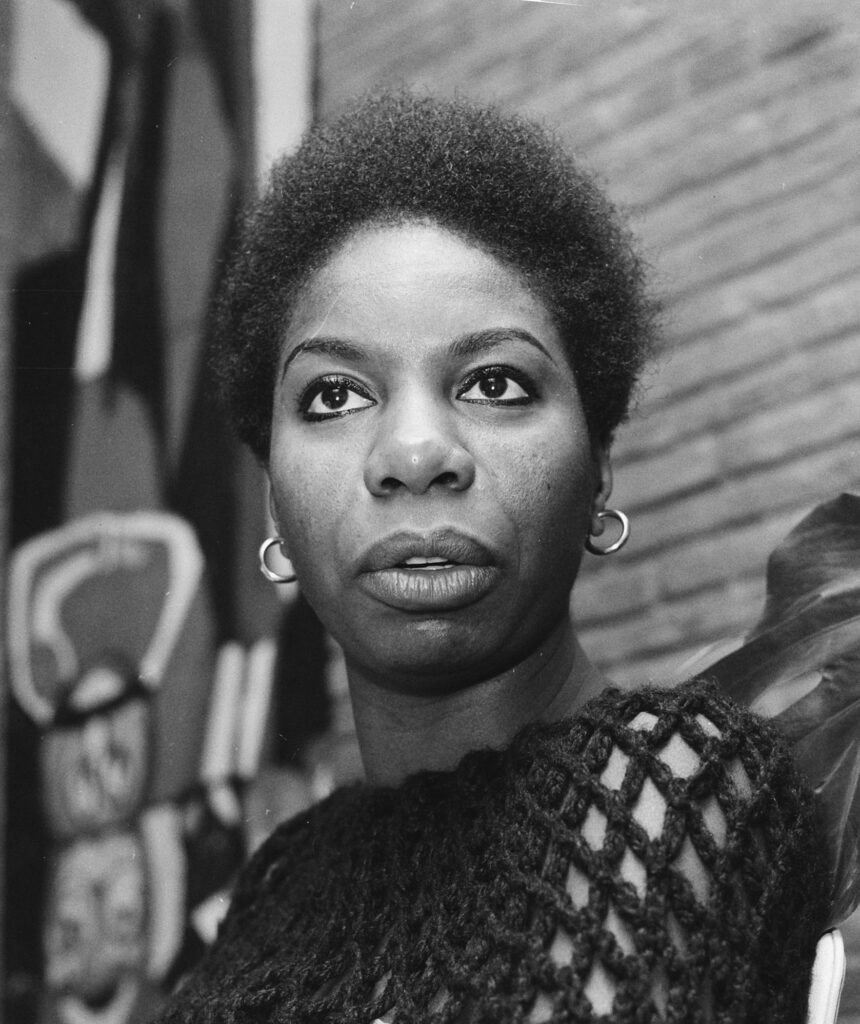
Nina Simone was furious, and she wanted everyone to know it. “Mississippi Goddam” sounds like a jazz standard, but it’s actually one of the angriest protest songs ever recorded. The upbeat tempo creates a jarring contrast with lyrics that essentially tell white liberals to shut up about “gradual” change. Simone wrote it after the 1963 bombing of a Birmingham church that killed four little girls. The song’s sarcastic tone mocks the idea that Black Americans should be patient while children are being murdered. Radio stations banned it immediately, with some Southern stations returning the promotional copies broken in half. Simone knew exactly what she was doing – using the language of popular music to deliver a message that was anything but polite. She turned “goddam” into a weapon of musical resistance.
The Anthem That Fooled a President
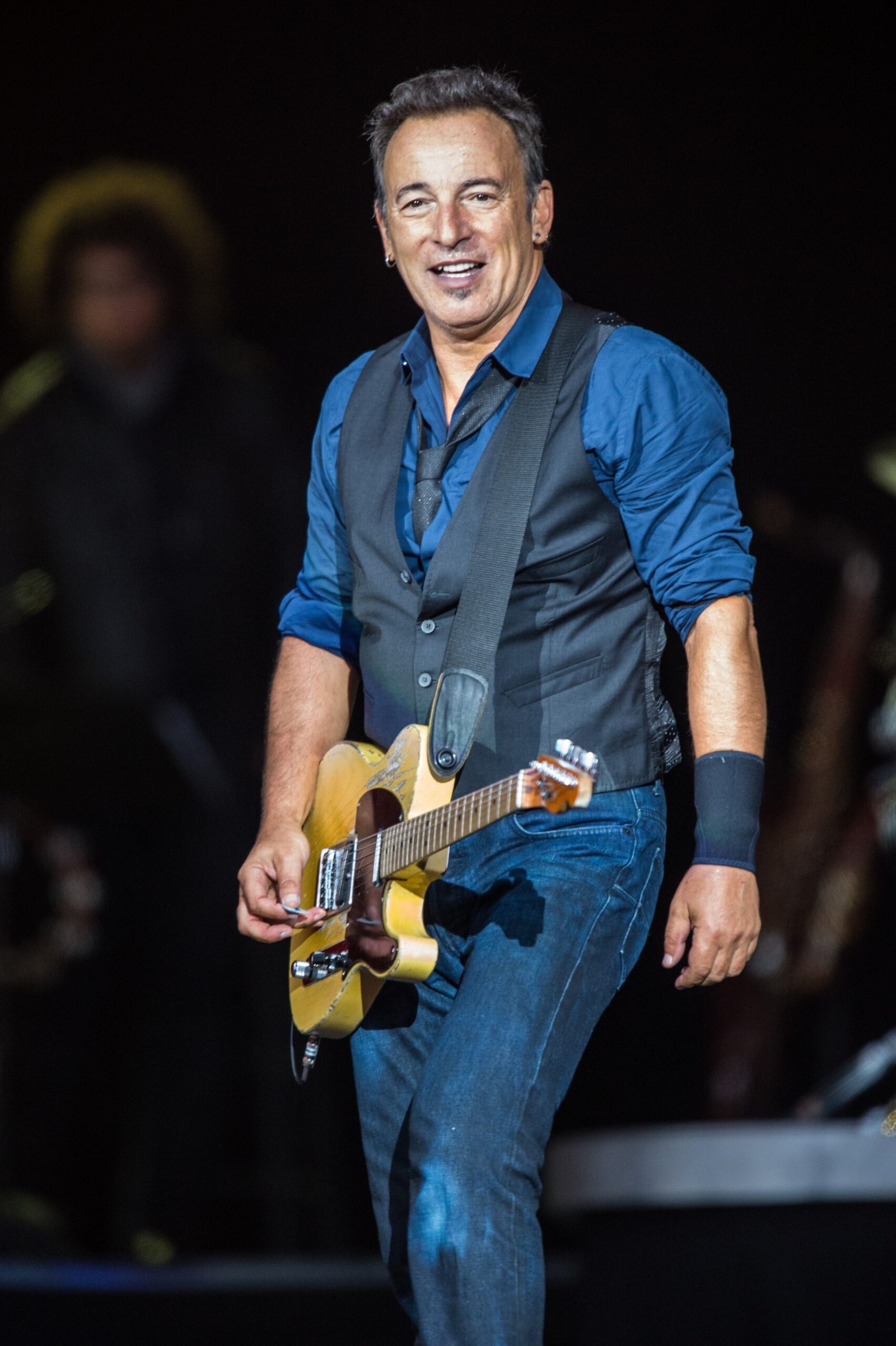
“Born in the U.S.A.” may hold the title for the most historically misunderstood song in American history. At a campaign stop in Hammonton, New Jersey, on September 19, 1984, Reagan added the following to his speech: America’s future rests in a thousand dreams inside your hearts; it rests in the message of hope in the songs of a man so many young Americans admire: New Jersey’s own Bruce Springsteen. But Reagan completely missed the point. In fact, the Boss himself called it “a protest song”. The song tells the story of a Vietnam veteran who comes home to unemployment, rejection, and despair. The song’s message is widely regarded as misunderstood, as many Americans, including president Ronald Reagan, interpreted it as a patriotic anthem. The anthemic chorus masks verses about a man whose country abandoned him after he served. It’s the perfect example of how a catchy hook can completely overshadow devastating lyrics. Springsteen later joked that misunderstanding made him more money, but the songwriter always gets another shot to get it right.
Dylan’s War Profiteering Indictment
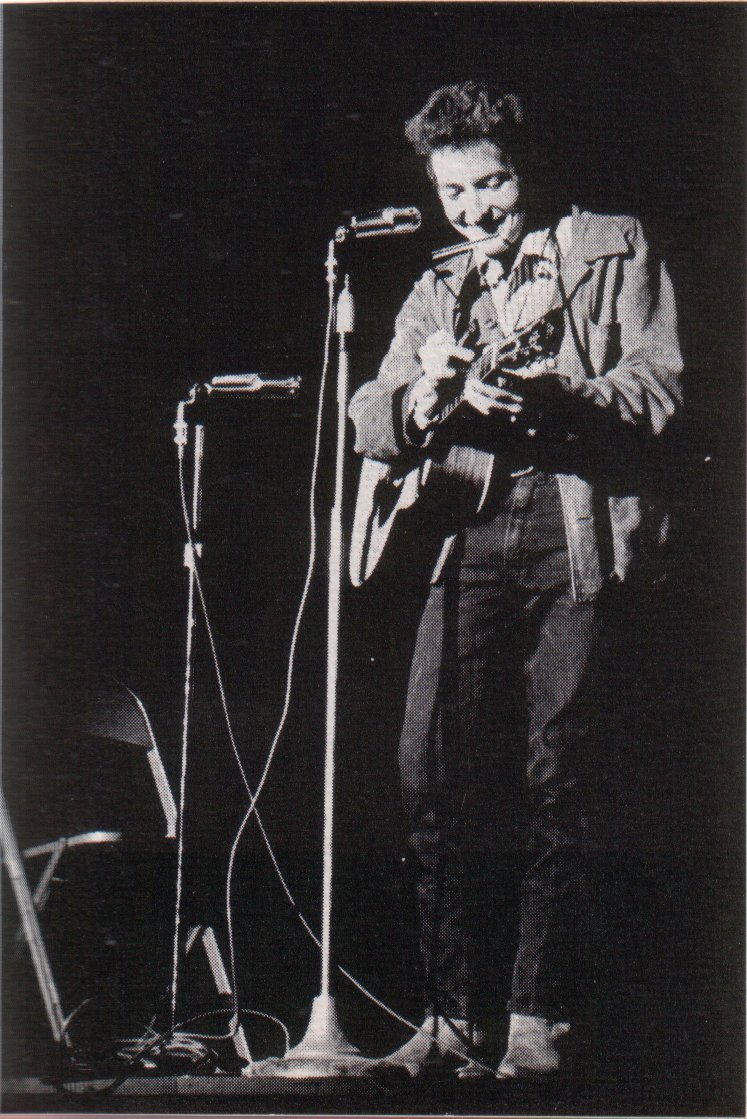
Bob Dylan didn’t name names in “Masters of War,” and that was exactly the point. Instead of attacking individual politicians, he went after the entire military-industrial complex – the defense contractors, bureaucrats, and politicians who profit from conflict. The song’s genius lies in its timeless anger; it could be about any war, any era, any group of people who get rich while others die. Dylan’s folk melody sounds almost gentle, but the lyrics are absolutely savage. He literally wishes death on the war profiteers, singing that he’ll stand over their graves until he’s sure they’re really dead. This wasn’t protest music – it was a musical assassination. The song remains relevant because there are always new masters of war, and they always look just like the old ones.
Public Enemy’s Media Revolution
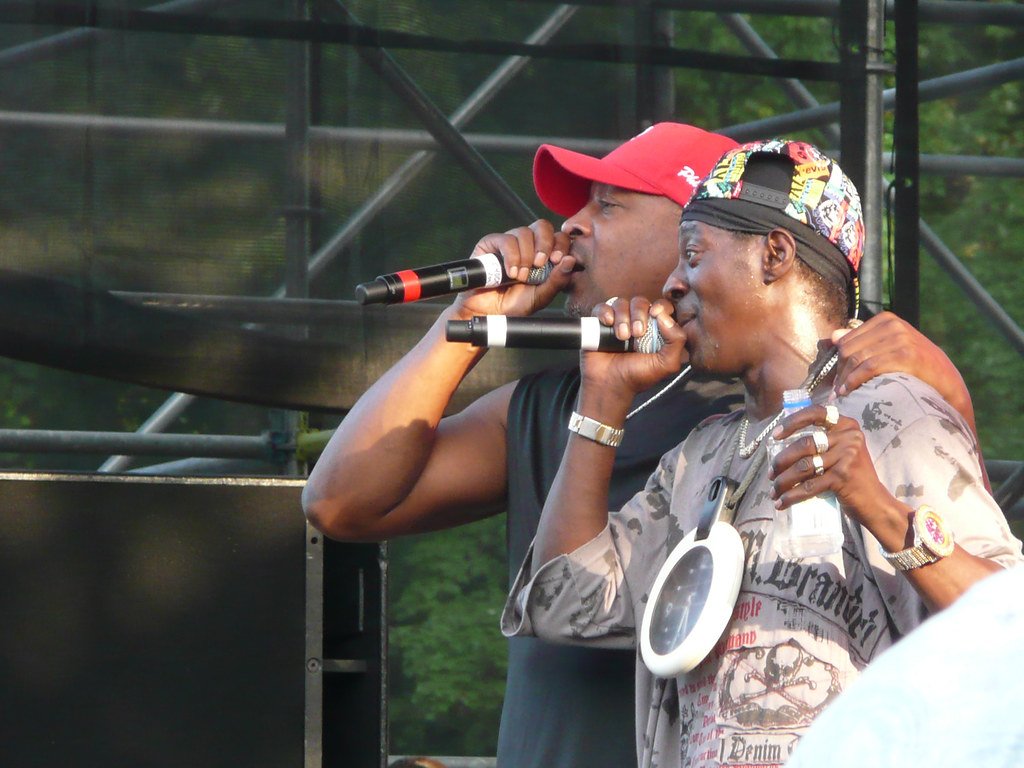
Being proud to be Black was almost a foreign concept commercially during this time and James Brown took the lead on empowering Black people all across the world. But Public Enemy took that pride and weaponized it into something more dangerous. “Fight the Power” wasn’t just about defying authority – it was about rewriting the entire narrative of American culture. The song attacks everything from media representation to historical whitewashing, challenging the very icons that white America holds sacred. When they rap about Elvis, they’re not just critiquing a singer – they’re dismantling the mythology of American pop culture. The song became a manifesto for a generation of young Black Americans who refused to accept the sanitized version of history they were being fed. It proved that hip-hop could be more than entertainment; it could be revolution.
Marvin Gaye’s Gentle Apocalypse
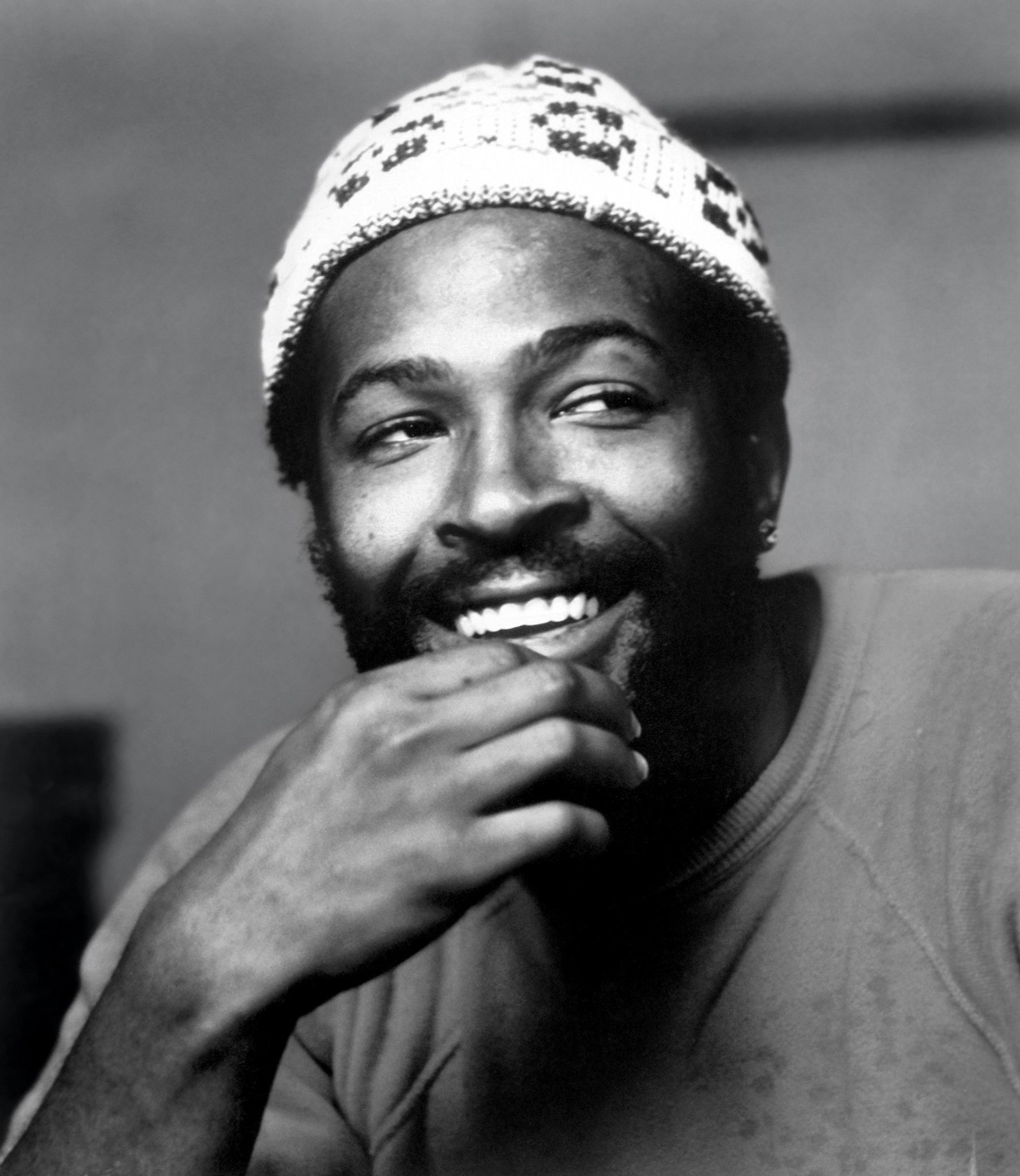
Obie Benson of Gaye’s fellow Motown group The Four Tops was present at the University Of California in Berkeley when he saw police attacking anti-Vietnam War protesters. He wrote a song about the incident, but it was a bit near the knuckle for his own group and it was quickly adapted and adopted by Marvin Gaye. “What’s Going On” sounds like a love song, but it’s actually about war, environmental destruction, and police brutality. Gaye’s smooth vocals and lush orchestration create a deceptively beautiful package for some genuinely radical ideas. The song questions everything – the war, the government, the police, even God. But it does so with such gentle spirituality that it slips past your defenses before you realize what hit you. This 1971 protest song originally by Marvin Gaye in reaction to violence against anti-Vietnam War protestors has been covered many times to show dismay about social and political conditions. It’s protest music disguised as elevator music, which makes it more subversive than any angry anthem.
U2’s Universal Cry Against Violence
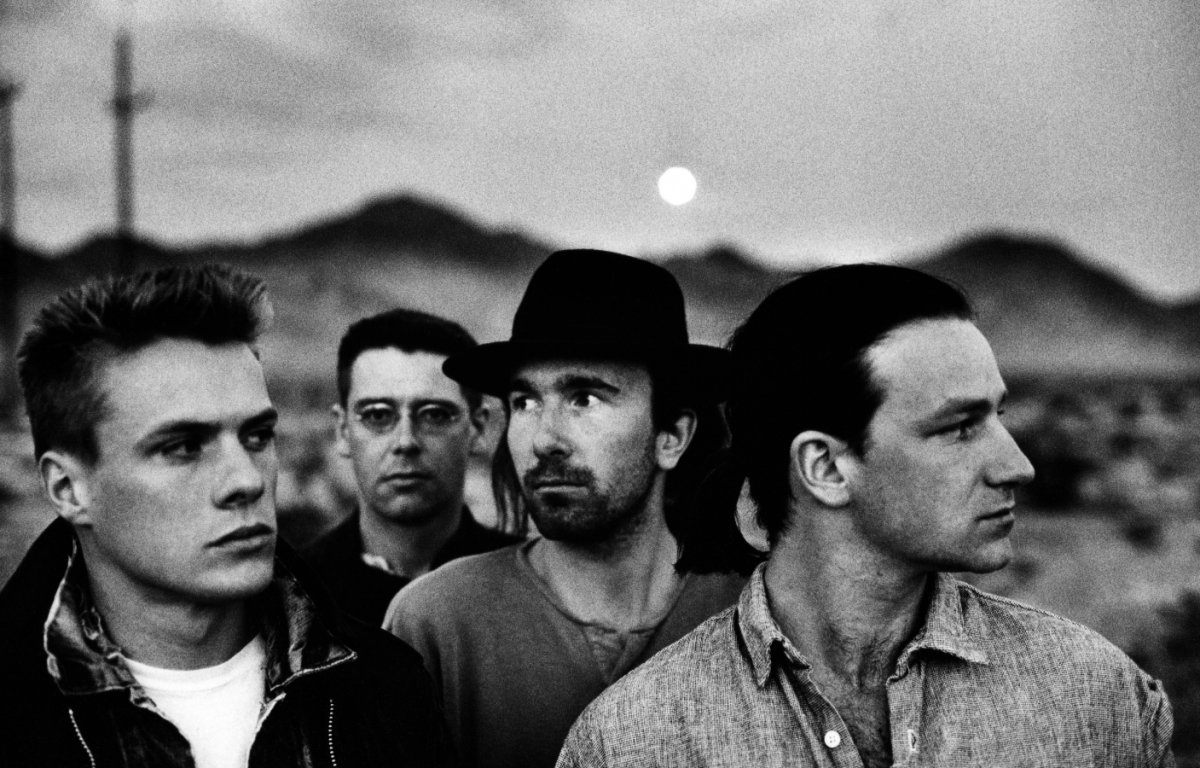
U2’s immortal anthem quickly became one of the most popular songs, as Bono and the band took their protest up several notches in response to tragic events of Ireland’s Bloody Sunday massacre. Its relentless wail and refrain leaves a lingering impression. Though “Sunday Bloody Sunday” originated from Irish political violence, it became something bigger in American protest culture. The song’s driving beat and Bono’s passionate vocals turned it into a universal anthem against state violence and oppression. American audiences didn’t need to understand the specifics of Northern Ireland’s troubles to feel the song’s power. It became a soundtrack for anyone fighting against government brutality, from civil rights activists to anti-war protesters. The song proves that protest music can transcend borders and specific conflicts to become something universal. Its message – that violence in the name of any cause is ultimately futile – resonated with American activists who were fighting their own battles against institutional oppression.

Besides founding Festivaltopia, Luca is the co founder of trib, an art and fashion collectiv you find on several regional events and online. Also he is part of the management board at HORiZONTE, a group travel provider in Germany.
