

- 12 Iconic TV Commercials That Defined a Generation and Became Pop Culture Cornerstones - August 23, 2026
- Classic literature often reveals more about our society’s lost values than any history book. - August 23, 2026
- 15 Musical Instruments So Strange, You Won’t Believe They Exist (or How They Play). - August 23, 2026
Strange Fruit – When Jazz Became a Weapon Against Lynching

Picture this: a smoky nightclub in 1939, the audience chatting and clinking glasses, when suddenly everything goes silent. The lights dim, a single spotlight illuminates Billie Holiday’s face, and she begins to sing about “strange fruit hanging from the poplar trees.” This haunting protest against lynching exposed America’s ugliest secret – the brutal murder of more than 4,000 African Americans between 1877 and 1950. What made this song revolutionary wasn’t just its subject matter, but that Holiday transformed it into what experts called the “window to the soul of white supremacy and African American life in the South.” “Strange Fruit” became one of Holiday’s bestselling recordings and eventually sold more than one million copies. In 1999, Time magazine named it the “Song of the Century,” cementing its place as perhaps America’s first great protest anthem. The FBI even targeted Holiday because of this song, with racist commissioner Harry Anslinger demanding she stop performing it and later framing her on drug charges when she refused.
Fight the Power – Hip-Hop’s Revolutionary Battle Cry
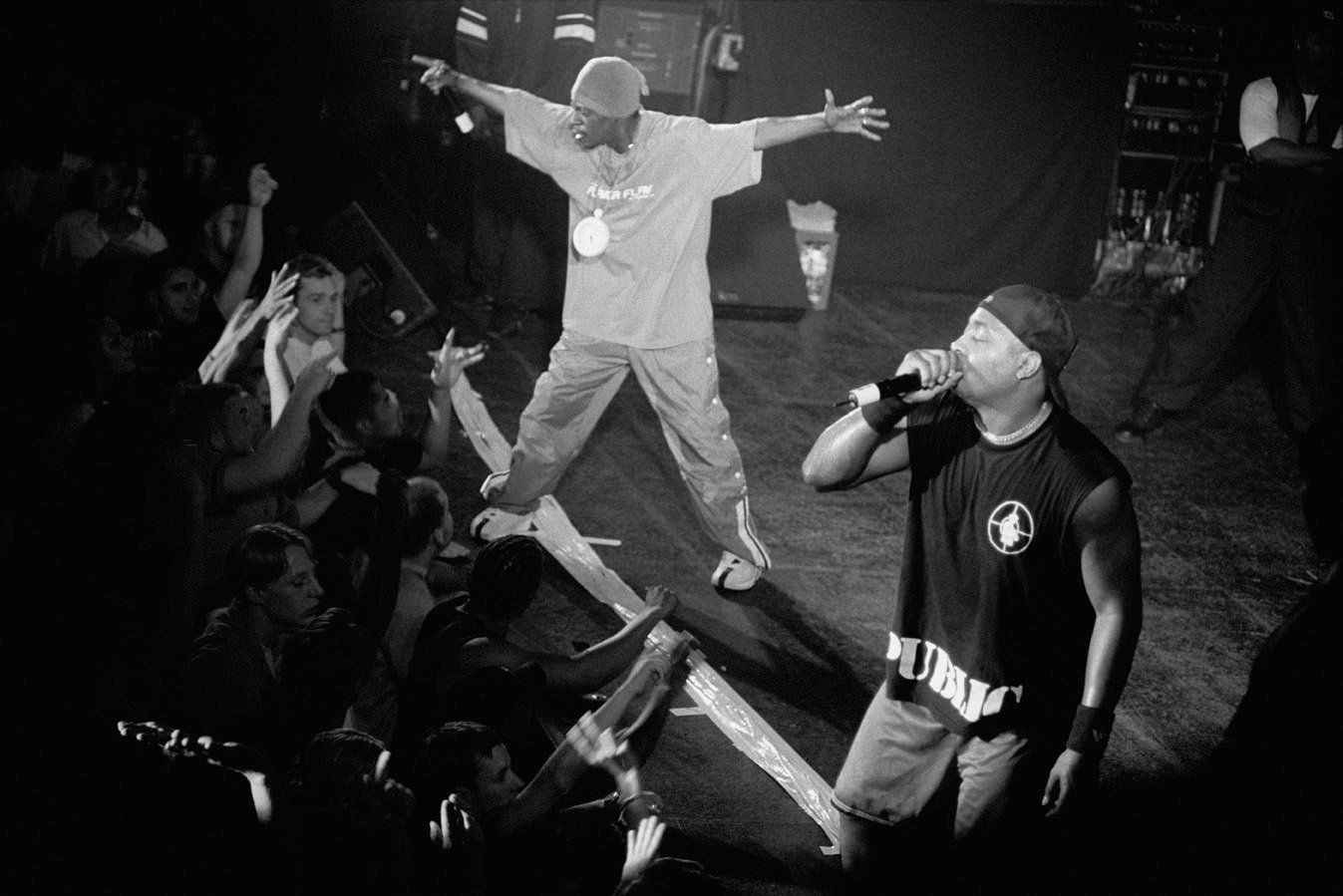
Public Enemy’s explosive 1989 hit brought hip-hop to the mainstream and brought revolutionary anger back to pop, becoming an anthemic song for politicized youth. The group had been rapping for four decades about systemic racism and police brutality, and “Fight the Power” became an anthem that still fits perfectly in the Black Lives Matter era. As a single, it reached number one on Hot Rap Singles and was named the best single of 1989 by The Village Voice in their critics’ poll. By 2021, Rolling Stone ranked it number two on their list of the 500 Greatest Songs of All Time, and in 2025, it claimed the number two spot on “The 100 Best Protest Songs of All Time.” The song was named number one on Time Out magazine’s list of “Top 100 Songs that Changed the World,” and Chuck D called it “the most important rap record of all time.” More than just a signpost of the times, “Fight the Power” became a blueprint for serving music with a message to the generation held hostage by the Reagan and Bush administrations.
Redemption Song – Bob Marley’s Call for Mental Freedom
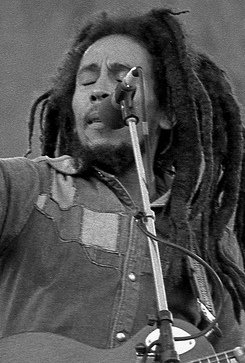
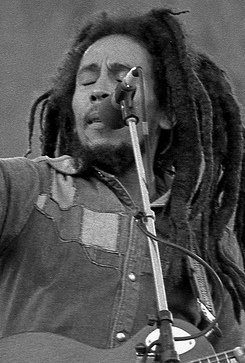
When Bob Marley stripped away the reggae rhythms and picked up an acoustic guitar, something magical happened. “Redemption Song” became his most personal and universal message simultaneously, distilling centuries of colonial oppression into three and a half minutes of raw truth. The song’s opening line, borrowed from Marcus Garvey’s speeches, challenged listeners to “emancipate yourselves from mental slavery,” recognizing that the real chains weren’t always physical. Marley recorded this in 1980, knowing he was dying of cancer, which gave the song an urgency and finality that resonated far beyond Jamaica’s shores. For oppressed people worldwide, from apartheid South Africa to occupied territories, the song became a soundtrack for liberation movements. Unlike his other hits that made you dance, “Redemption Song” made you think, proving that sometimes the most powerful protest comes in whispers, not shouts.
A Change Is Gonna Come – Sam Cooke’s Soul-Stirring Promise
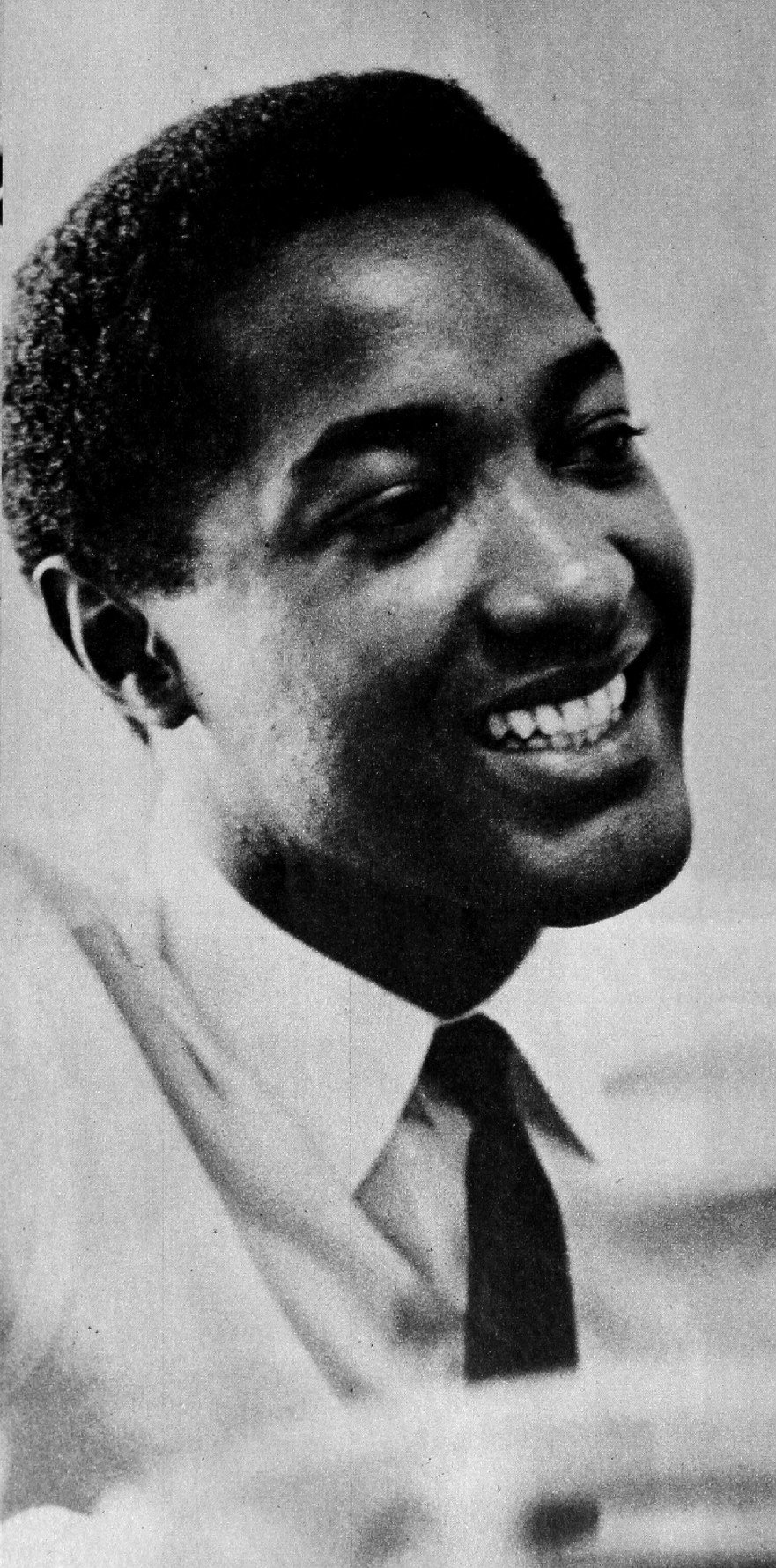
Sam Cooke didn’t set out to write a protest song when he penned “A Change Is Gonna Come” in 1964, but personal experience forced his hand. After being turned away from a whites-only hotel in Louisiana, the usually apolitical singer felt compelled to address the Civil Rights Movement through music. The song captured both the suffering and resilience of African Americans with a sweeping orchestral arrangement that felt like a hymn and a declaration of war rolled into one. Cooke’s soaring vocals delivered hope wrapped in pain, acknowledging that the road was long but the destination was certain. Released just weeks before his mysterious death, the song became his posthumous masterpiece and a rallying cry that echoed through the movement. The track influenced everyone from Otis Redding to Barack Obama, who called it one of his favorite songs and had it played at his 2008 election victory celebration.
Alright – Kendrick Lamar’s Modern Anthem of Survival
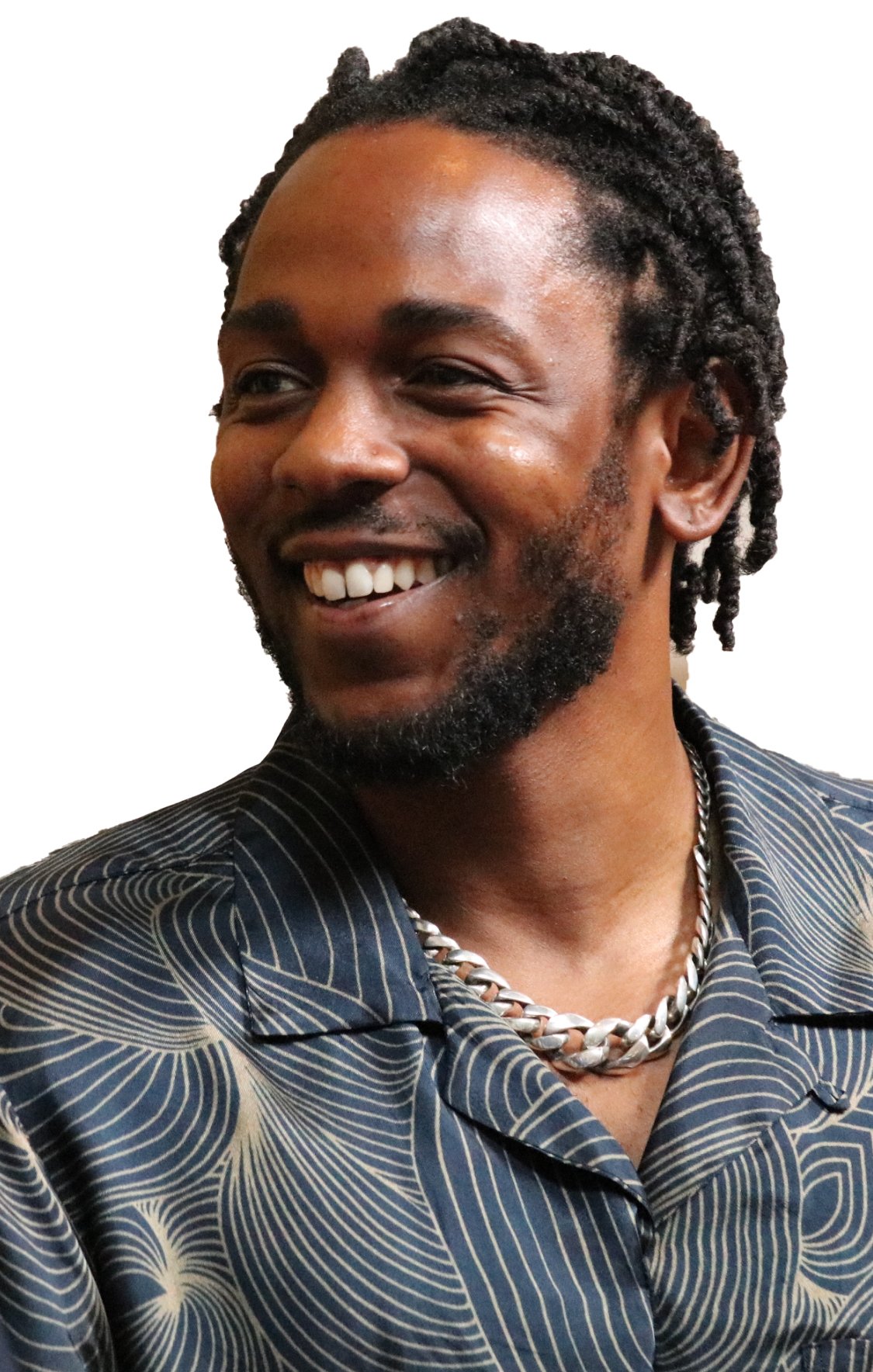
In 2015, as Americans took to the streets to speak out about racial injustice, they found their protest anthem in Lamar’s “Alright,” with its hard-hitting chorus “We gon’ be alright” channeling protesters’ rage as they shouted it on the streets, leading to videos and thought pieces flooding the internet. Today, the music video has more than 135 million views, featuring graphic black-and-white imagery and pointed criticism of police as a form of protest in its own right. Since its release on To Pimp a Butterfly, “Alright” has been widely accepted as one of this generation’s most important protest anthems and a symbol of hope. Inspired by Lamar’s trip to South Africa and Nelson Mandela’s prison cell, the artist told NPR he was thinking about slavery: “Four hundred years ago, as slaves, we prayed and sung joyful songs to keep our heads level-headed with what was going on. Four hundred years later, we still need that music to heal.” The song was first used in protests during Sandra Bland’s death in July 2015, then played during the Million Man March, Black Lives Matter events, and countless demonstrations across the country. Critics have compared “Alright” to “this generation’s ‘Fight The Power,'” drawing connections to Public Enemy’s revolutionary anthem.
Blowin’ in the Wind – Dylan’s Questions That Demanded Answers

Bob Dylan was only 22 when he wrote “Blowin’ in the Wind” in a Greenwich Village café, but the questions he posed felt ancient and urgent all at once. The song didn’t provide answers – it demanded them, asking how many deaths it would take, how many years people could exist before they’re free, and how long we could pretend not to see injustice. Folk singers had been asking political questions for decades, but Dylan’s approach was different: he made the questions so simple that even children could understand them, yet so profound that world leaders couldn’t ignore them. The song became the unofficial anthem of the 1963 March on Washington, where it was performed by Joan Baez to a quarter-million people. Peter, Paul and Mary’s version hit number two on the Billboard charts, proving that protest music could be both commercially successful and socially conscious. Even today, whenever people gather to demand change, someone inevitably starts humming Dylan’s eternal questions.
Born This Way – Lady Gaga’s Bold Declaration of Self-Acceptance

Lady Gaga called her 2011 song her “freedom song” – defiant, proud, and an American anthem for the LGBT community. According to Billboard, it was the fastest-selling single in iTunes history at the time, selling over 1 million copies in just five days and hitting number one on the Billboard Hot 100. In 2023, Rolling Stone named “Born This Way” the Most Inspirational LGBTQ Song of All Time, claiming that “few artists have had the kind of impact on the LGBTQ community as Lady Gaga.” The LGBTQ+ community had an even tougher fight in 2011, with same-sex marriage still banned nationwide until 2015, and the simple acknowledgment of the transgender community in a major pop song was nearly unheard of. What many don’t realize is that Gaga’s lyrics have a history – the song was inspired by a 1975 track “I Was Born This Way” by singer Valentino, later covered by gospel singer Carl Bean. As much as “Born This Way” has been embraced as a gay anthem, fans say it’s also an anthem for anyone who feels outside the mainstream, giving it lasting power that could make it the song Gaga is remembered for most in 50 years.
I Am Woman – Helen Reddy’s Roar of Female Empowerment
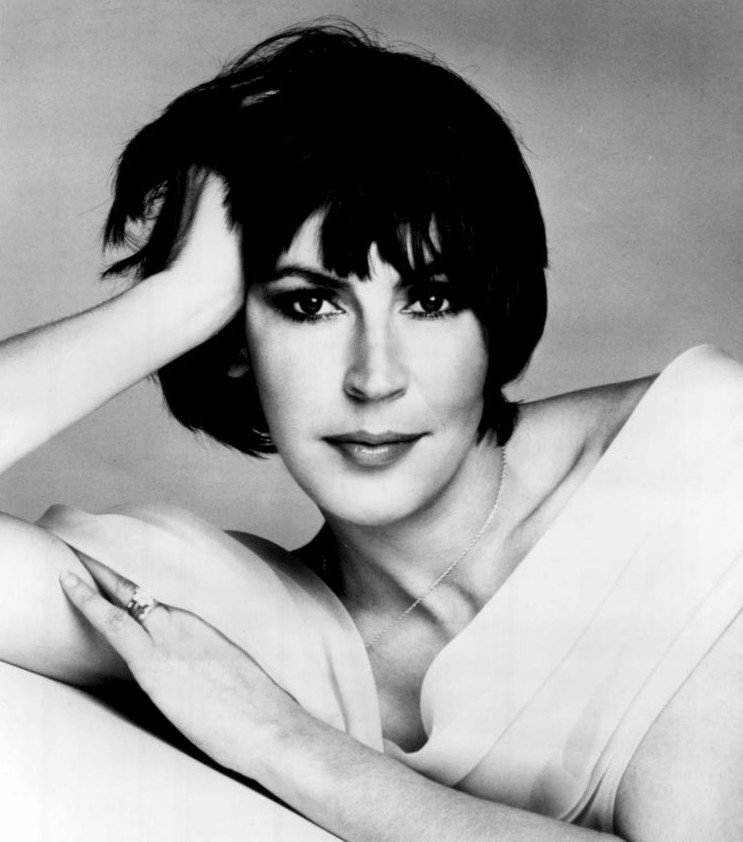
When Helen Reddy stepped up to the microphone in 1972 to record “I Am Woman,” she wasn’t just singing – she was roaring for an entire generation of women who were tired of being silenced. The song emerged during the height of the women’s liberation movement, when burning bras made headlines and the Equal Rights Amendment was fighting for ratification. Reddy co-wrote the track because she couldn’t find any songs that expressed women’s strength without apologizing for it. The chorus became a battle cry: “I am strong, I am invincible, I am woman,” delivered with a conviction that made listeners believe they could conquer anything. The song hit number one on the Billboard Hot 100 and stayed there for weeks, proving that female empowerment could sell records just as well as love ballads. At the 1973 Grammy Awards, Reddy famously thanked God in her acceptance speech “because She makes everything possible,” causing gasps from the audience and making headlines worldwide.
This Is America – Childish Gambino’s Uncomfortable Mirror

In 2018, Donald Glover threw a Molotov cocktail into America’s living room disguised as a music video. “This Is America” wasn’t just a song – it was a four-minute fever dream that forced viewers to confront the country’s obsession with gun violence, racism, and media distraction all at once. The video, directed by Hiro Murai, became an instant cultural phenomenon, racking up millions of views as people dissected every frame for hidden meanings. Glover’s performance was deliberately jarring: one moment he’s dancing with school children, the next he’s shooting a hooded figure in the back of the head with chilling nonchalance. The juxtaposition between the upbeat African-influenced rhythms and the horrific imagery created a cognitive dissonance that perfectly captured America’s ability to dance while Rome burns. The song debuted at number one on the Billboard Hot 100, making Glover the first artist to simultaneously top both the music and television charts (thanks to his show “Atlanta”). More importantly, it sparked conversations about police brutality, mass shootings, and racial violence that dominated social media for months.
Zombie – The Cranberries’ Anti-War Lament
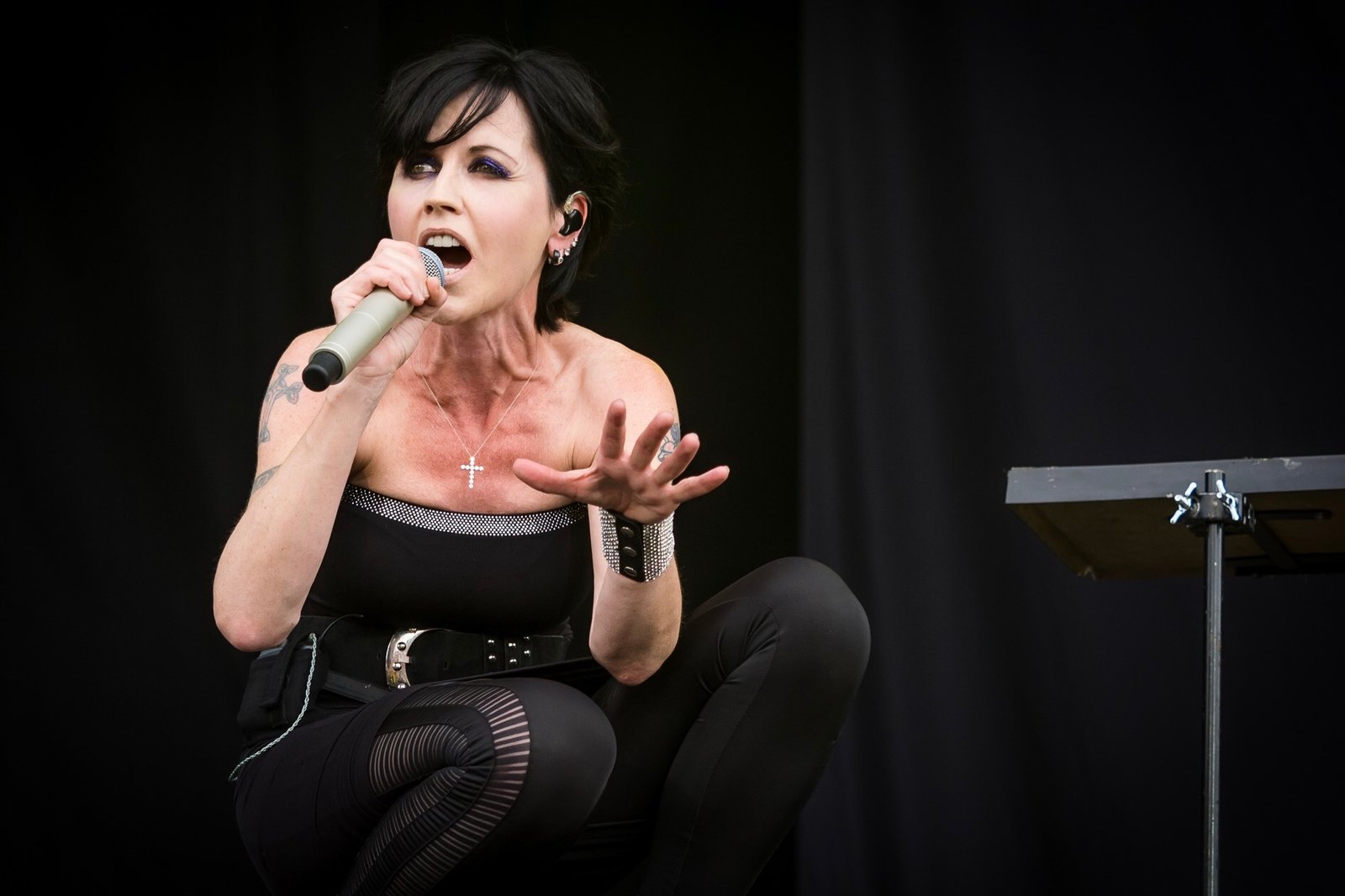
Dolores O’Riordan’s voice could pierce through noise like a siren, and nowhere was this more evident than in “Zombie,” The Cranberries’ 1994 response to the violence in Northern Ireland. The song was written after two young boys were killed in an IRA bombing in Warrington, England – a tragedy that pushed O’Riordan to channel her rage into what became the band’s biggest hit. Her vocals alternated between whispered verses and explosive choruses, with the word “zombie” becoming a metaphor for the mindless cycle of violence consuming her homeland. The track reached number one in multiple countries and introduced American audiences to the complexities of “The Troubles” through three and a half minutes of grunge-influenced rock. O’Riordan’s lyrics didn’t take sides in the political conflict – instead, she mourned for the innocent civilians caught in the crossfire, particularly the children who paid the ultimate price for adults’ inability to find peace. The song’s music video, featuring painted faces and military imagery, became an MTV staple and helped cement the band’s reputation as more than just another alternative rock group.
CEO-Co-Founder
