


- 15 Books That Feel Like Talking to Your Smartest Friend - September 22, 2026
- Why Some Voices Are Instantly Recognizable — Even Whispering - September 22, 2026
- 20 Authors Who Use Music to Outline Their Plots - September 22, 2026
Lady Liberty’s Double Duty as a Harbor Guide
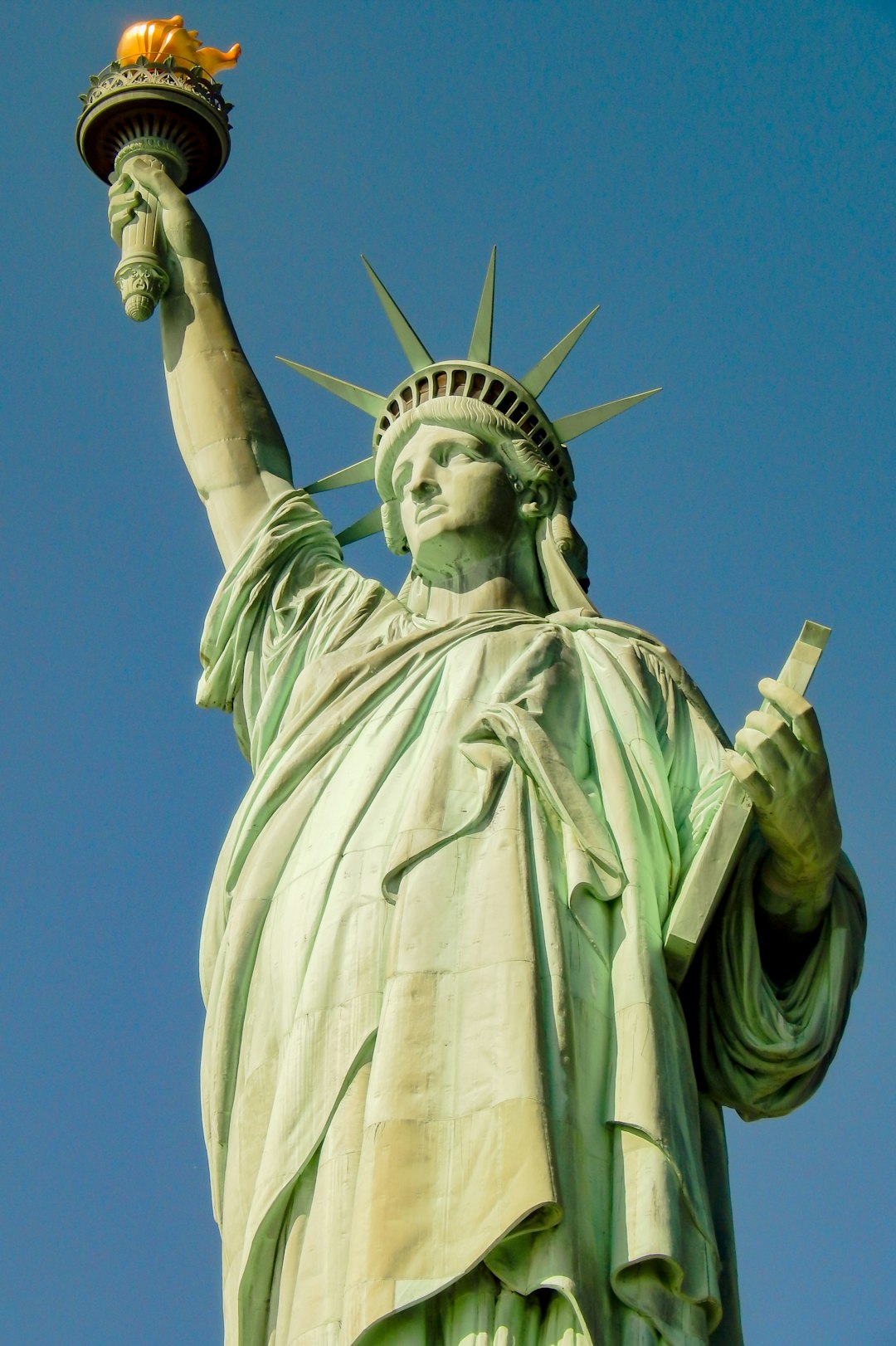
Most people think the Statue of Liberty has always been about welcoming immigrants, but that’s not where her story begins. The statue was administered by the United States Lighthouse Board until 1901 and then by the Department of War; since 1933, it has been maintained by the National Park Service as part of the Statue of Liberty National Monument. The United States Lighthouse Board took over the Statue of Liberty in 1887 and pledged to install equipment to enhance the torch’s effect; in spite of its efforts, the statue remained virtually invisible at night. In 1901, President Theodore Roosevelt, once a member of the New York committee, ordered the statue’s transfer to the War Department, as it had proved useless as a lighthouse. A gift from the French government to assure the United States that they were, in fact, still friends, the Statue of Liberty was never meant to be a lighthouse. Still, for the first sixteen years of its American life, Liberty Enlightening the People served as a lighthouse, ‘helping’ to guide sailors into the New York Harbor. The Lighthouse Board weren’t too happy with this assignment, given that the statue was expensive, difficult to light, and did no actual good as a navigational aid. Talk about career changes – from lighthouse keeper to immigration icon. However, the torch did not emit enough light to warn ships and the statue was described in local newspaper The World as “more like a glowworm than a beacon”. Despite this, the statue functioned as a lighthouse for 16 years, until 1902. Apparently being good at your job wasn’t a requirement back then.
The Bell That Became Famous for Being Broken
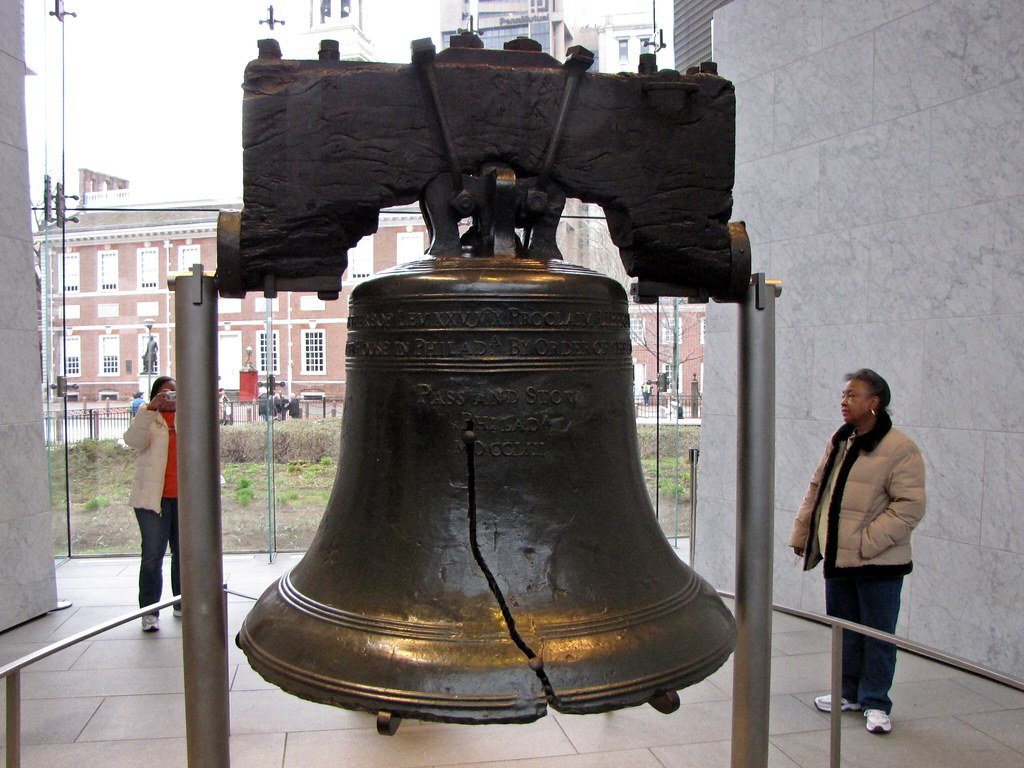
Here’s something wild – the Liberty Bell wasn’t even called the Liberty Bell for most of its early life, and it sure wasn’t famous until it cracked. The Pass and Stow bell was first termed “the Liberty Bell” in Anti-Slavery Record, a journal published by the New York Anti-Slavery Society. Two years later, in 1837, in another publication by the society in the journal Liberty, an image of the bell appears on its cover under the heading, “Proclaim Liberty”. Because the metal was too brittle, it cracked during a test strike and had to be recast twice. The final version—made of 70 percent copper, 25 percent tin and small amounts of lead, zinc, arsenic, gold and silver—weighed around 2,080 pounds and measured 12 feet in circumference around the lip and 3 feet from lip to crown. The bell cracked during testing – imagine if your car failed its safety inspection and then became world famous for being unsafe. The newspaper reported that the bell had long been cracked, but had been “put in order” by having the sides of the crack filed. The paper reported that, around noon on February 23, 1846, it was discovered that the bell’s ringing was causing the crack to be extended, and that “the old Independence Bell…now hangs in the great city steeple irreparably cracked and forever dumb.” In the late 1830s, it acquired the name of the Liberty Bell when it became a symbol of the anti-slavery movement.
Mount Rushmore’s Original Wild West Cast
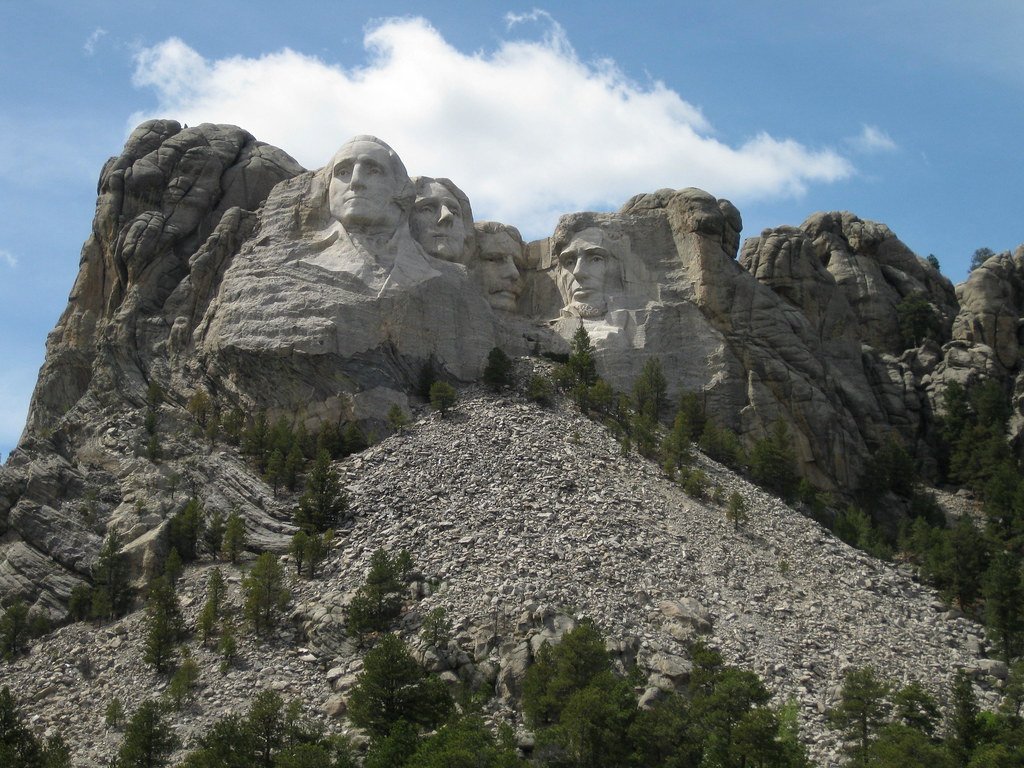
Mount Rushmore could have looked completely different if the original plans had gone through. The massive carving was supposed to feature not just presidents, but Western heroes too. We’re talking about figures like Buffalo Bill Cody sharing rock face space with Washington and Lincoln. Can you imagine tourists posing in front of a mountain with a cowboy carved into it? The original vision was much more like a Wild West hall of fame than the presidential monument we know today. The change to presidents-only happened because it was considered more dignified and unifying for the nation. But think about how different American tourism would be if we had Buffalo Bill staring down at us from a mountain in South Dakota. The original sculptor had some pretty ambitious ideas about who deserved to be immortalized in stone.
America’s National Bird Almost Had a Gobble Instead of a Screech
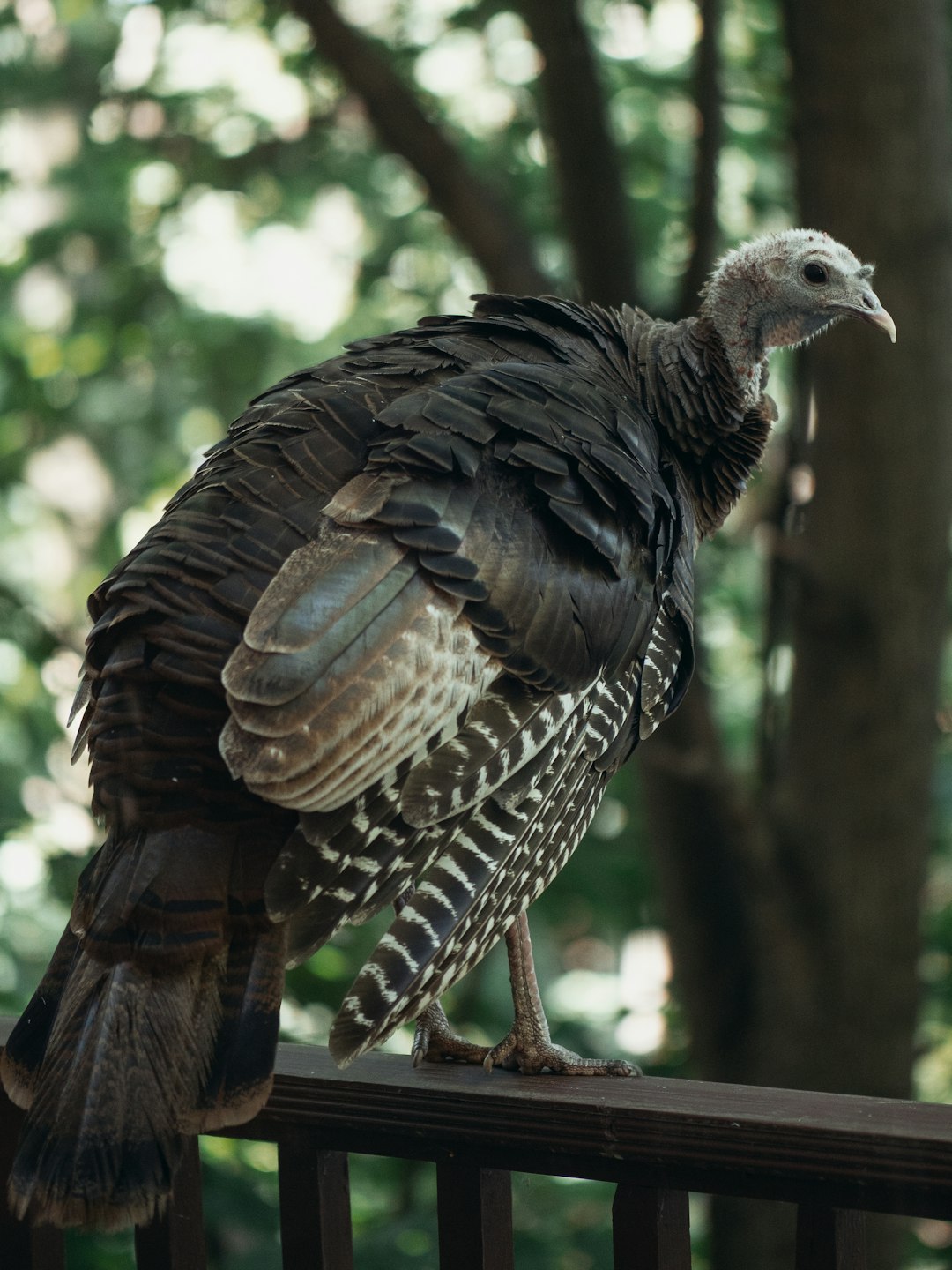
Benjamin Franklin really wanted the turkey to be America’s national bird instead of the bald eagle. Franklin thought the eagle was too much like a scavenger and not noble enough to represent the new nation. He argued that the turkey was a more respectable bird, native to America, and showed courage when defending its territory. The turkey also had the advantage of being a food source, which Franklin saw as practical. The debate wasn’t just about symbolism – it was about what kind of image America wanted to project to the world. Franklin lost this particular argument, but imagine how different our national symbols would look with turkeys on everything instead of eagles. Presidential seals, military insignia, and coins would all feature that distinctive turkey silhouette. Sometimes the most obvious choice isn’t the one that wins.
When Uncle Sam Was Actually Just Regular Sam
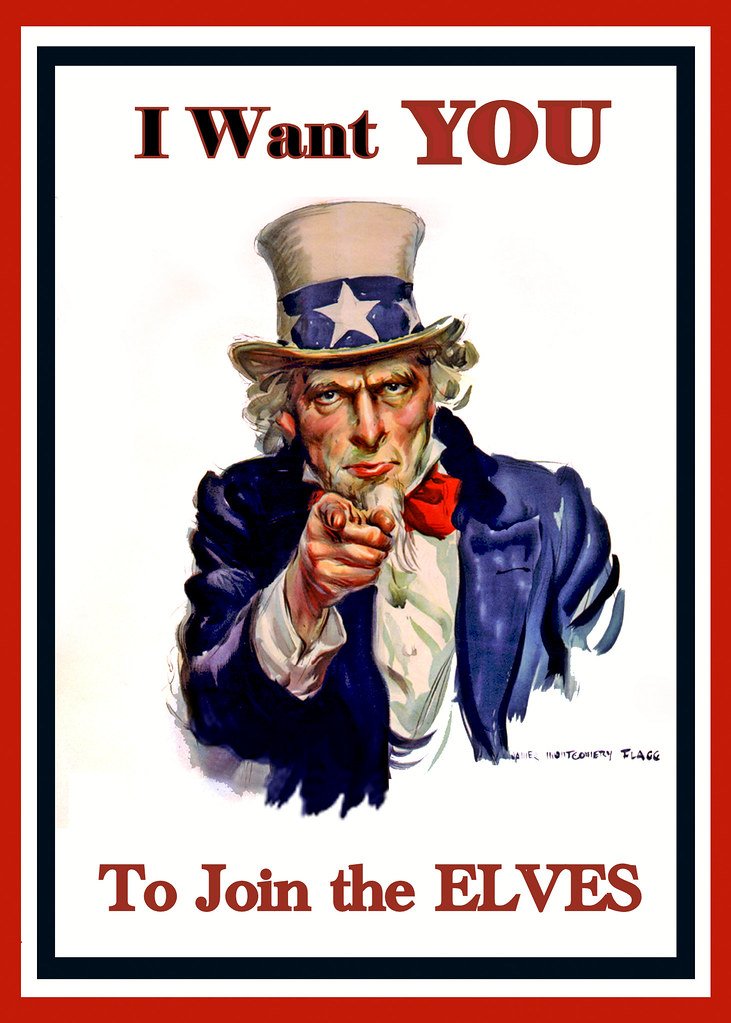
Samuel Wilson (September 13, 1766 – July 31, 1854) was an American meat packer who lived in Troy, New York, whose name is purportedly the source of the personification of the United States known as “Uncle Sam”. This man was Samuel Wilson, a meat packer from Troy New York, who supplied the Army depot at Watervliet Arsenal New York with rations. The name is linked to Samuel Wilson, a meat packer from Troy, New York, who supplied barrels of beef to the United States Army during the War of 1812. Wilson (1766-1854) stamped the barrels with “U.S.” for United States. But because Wilson was known locally as “Uncle Sam,” soldiers began referring to the grub as “Uncle Sam’s.” The local newspaper, the Troy Post, picked up on the story and Uncle Sam eventually gained widespread acceptance as the nickname for—and personification of—the U.S. federal government. The majority of E & S Wilson’s meat was shipped to a camp of 6,000 soldiers in Greenbush, New York, where soldiers from Troy who were acquainted with Samuel Wilson and his nickname “Uncle Sam” made an association between Wilson and the “U.S.” stamp. Over time, any army property marked U.S. also became linked with Wilson’s name, and “Uncle Sam” became a figure of speech to describe the United States. It’s pretty amazing that one guy’s friendly nickname ended up representing an entire country. While Wilson may or may not have been the original “Uncle Sam”, the 87th United States Congress adopted the following resolution on September 15, 1961: “Resolved by the Senate and the House of Representatives that the Congress salutes Uncle Sam Wilson of Troy, New York, as the progenitor of America’s National symbol of Uncle Sam.”
The American Flag’s Stripe Situation Got Out of Hand
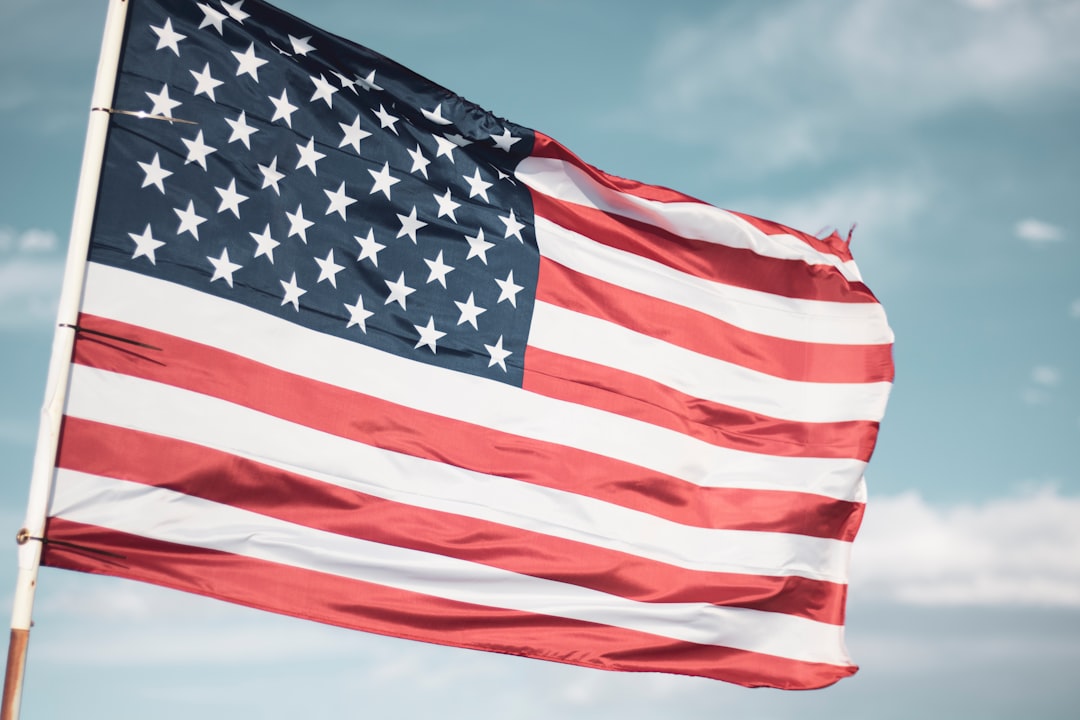
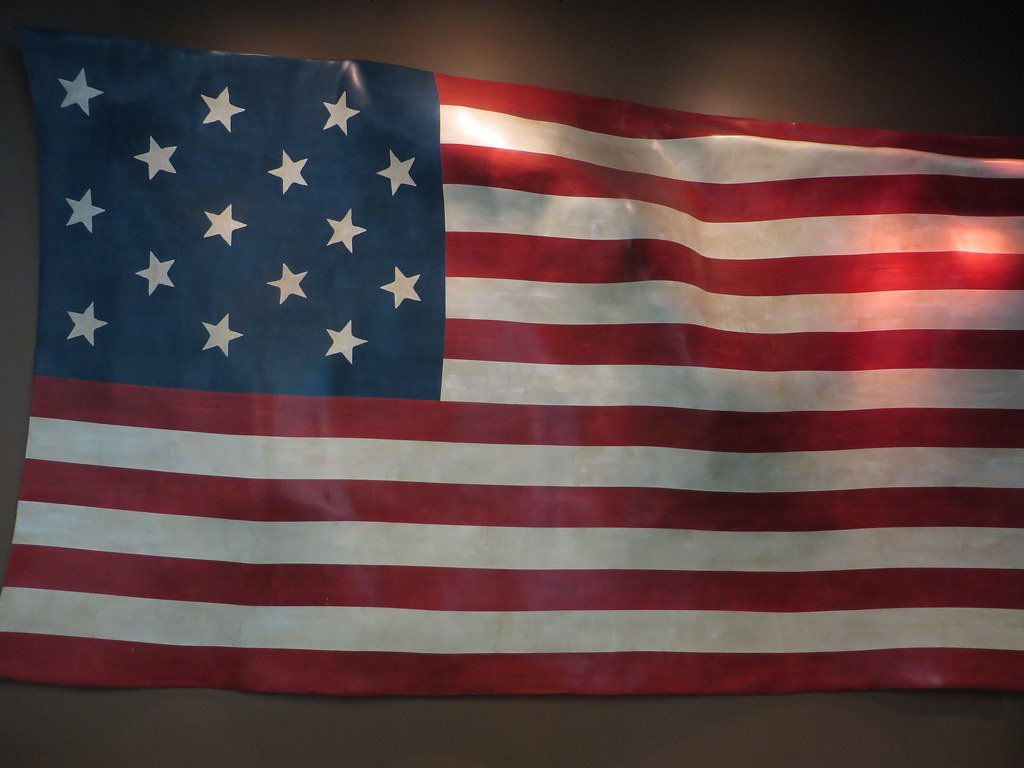
During the War of 1812, the American flag briefly had 15 stripes to match its 15 stars – one for each state at the time. The flag makers quickly realized this was going to be a problem as more states joined the union. Picture trying to fit 50 stripes on a flag – it would look like a barcode. The 15-stripe version flew over Fort McHenry during the battle that inspired “The Star-Spangled Banner,” so it holds a special place in history. But practicality won out, and Congress decided to stick with 13 stripes representing the original colonies while only adding stars for new states. It was one of those “seemed like a good idea at the time” moments that could have gotten really messy really fast. The flag would have needed a magnifying glass to count all the stripes if they’d kept that system going. Sometimes the simplest solution is the best one, even if it takes a while to figure that out.
Our National Anthem Borrowed Its Tune from a British Drinking Song
“The Star-Spangled Banner” has one of the most patriotic backstories in American history, but its tune comes from a very unpatriotic source. The melody was lifted straight from “To Anacreon in Heaven,” a popular British drinking song performed at gentlemen’s clubs in London. Francis Scott Key wrote his famous lyrics about the flag still flying after the bombardment of Fort McHenry, but he set them to this existing British tune that everyone already knew. It’s ironic that our national anthem celebrating American independence uses a melody from the very country we fought to break free from. The drinking song connection also explains why the anthem is so hard to sing – it was written for people who were probably already loosened up by alcohol. Most amateur singers struggle with the high notes and dramatic range that made perfect sense in a tavern setting. The British song was about Anacreon, the ancient Greek poet of wine and love, which is pretty far from bombs bursting in air.
The White House Wasn’t Always White
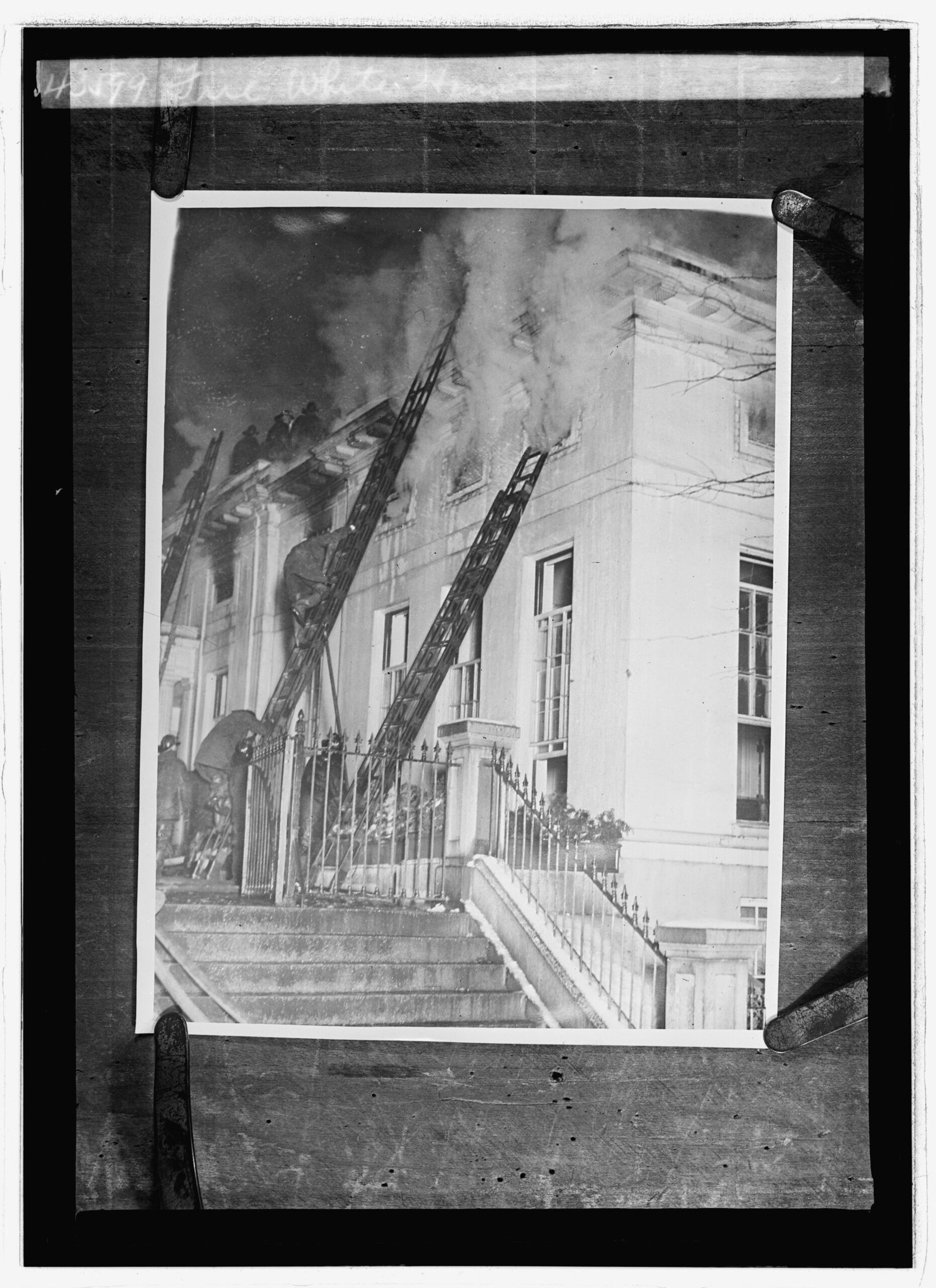
The White House got its famous color from covering up battle damage, not from an original design choice. During the War of 1812, British forces set fire to the presidential mansion, leaving it scorched and blackened. The walls were so damaged that the easiest solution was to paint over everything with white paint to hide the burn marks. Before the fire, the building was made of natural gray sandstone and wasn’t painted at all. The white paint job worked so well at covering the damage that it became permanent. It’s kind of poetic that the White House’s most recognizable feature came from literally covering up the scars of war. The name “White House” didn’t even become official until Theodore Roosevelt started using it on official stationery in 1901. For over a century, people just called it the President’s House or the Executive Mansion. Sometimes the best solutions come from necessity, not grand design plans.
The Lincoln Memorial’s Secret Spelling Mistake
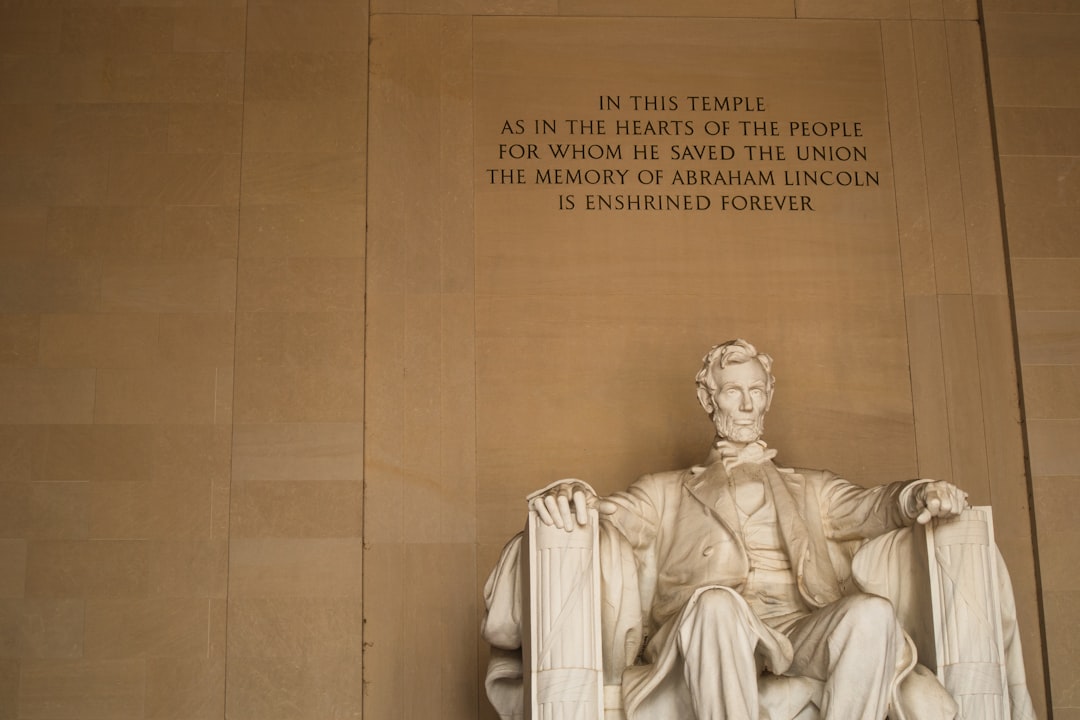
The Lincoln Memorial has a typo that was secretly fixed, and most people never knew it existed. During the carving of Lincoln’s Second Inaugural Address, a stone carver accidentally engraved “Euture” instead of “Future” in one of the speeches. The mistake was discovered after the memorial was already dedicated, which created a major embarrassment for everyone involved. Rather than making a big public announcement about the error, officials quietly had the stone patched and re-carved with the correct spelling. The repair work was done so skillfully that you can’t even tell where the fix was made unless you know exactly where to look. It’s remarkable that such a famous monument had a spelling error that was covered up for decades. The memorial represents one of America’s greatest presidents and most eloquent speakers, so having a misspelled word would have been particularly ironic. Even the most carefully planned projects can have human errors that need fixing later.
The Liberty Bell’s Cross-Country Tour Like a Rock Star
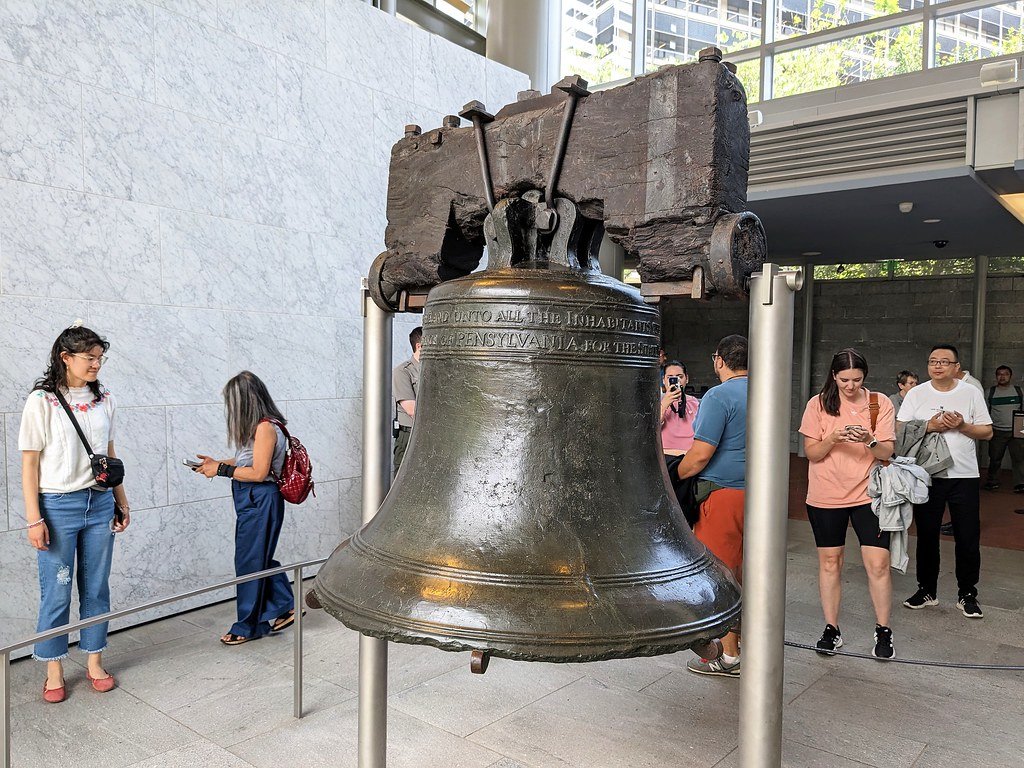
In the early 1900s, the Liberty Bell went on tour across America like a celebrity making personal appearances. In early 1885, the city agreed to let it travel to New Orleans for the World Cotton Centennial exposition. Large crowds mobbed the bell at each stop. The bell traveled in a specially padded railroad car to protect it from damage during transport. In the late 1800s and early 1900s, the bell went on occasional national tours. In 1915, politicians decided to hold a ceremonial ringing of the broken bell in hopes of drumming up support for World War I. The Liberty Bell last hit the road in 1915. Back in the day, the Bell went on tour around the United States, but in the days before World War I, it became clear the Bell had condition issues. People lined up for miles just to see the cracked bell, treating it like a holy relic. The tours were designed to promote national unity after the Civil War and drum up patriotic feelings. Philadelphians began to cool to the idea of sending it to other cities when it returned from Chicago bearing a new crack, and each Eventually, officials realized that all this traveling was causing more damage to an already fragile artifact, so they stopped the tours permanently.
The Capitol Building’s Dark Construction Secret
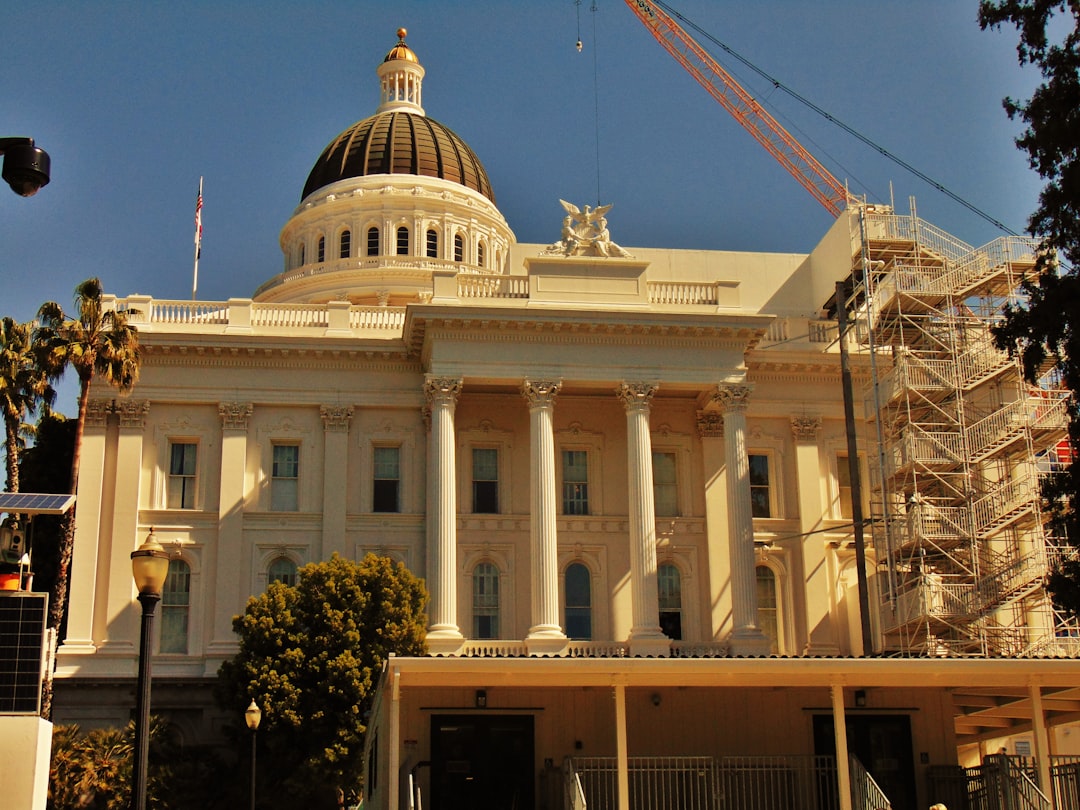
Much of Washington D.C.’s most iconic building was constructed using enslaved and imprisoned labor, a fact that wasn’t widely acknowledged for decades. The U.S. Capitol building, symbol of American democracy, was built by people who had no freedom or voice in that same democracy. Enslaved workers quarried the stone, made the bricks, and did much of the manual labor for the construction. The irony is staggering – the building where laws about freedom and representation were debated was built by people who had neither. Prison labor was also used extensively, with inmates working on various parts of the construction project. This uncomfortable truth about the Capitol’s origins wasn’t something officials liked to discuss publicly for obvious reasons. It’s a reminder that even our most sacred symbols can have complicated and troubling histories. The building that represents American ideals was built by people who were denied those same ideals.
Route 66 Was Born from Desperation, Not Dreams
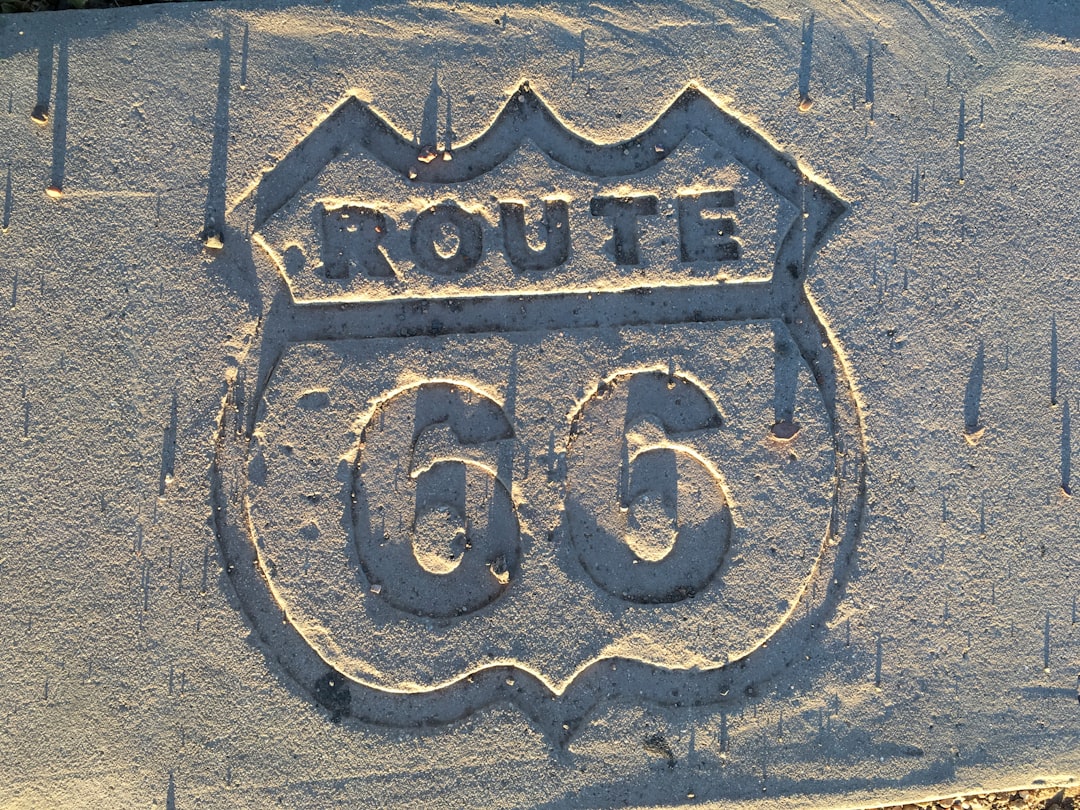
Route 66 is famous today as the romantic highway of American road trips, but it was actually created out of economic desperation during the Dust Bowl. The highway was designed as an escape route for farmers fleeing environmental disaster in the Midwest. Families packed everything they owned into cars and trucks to drive west looking for work and a new life. The road wasn’t built for adventure or tourism – it was a lifeline for people who had lost everything. The famous “Mother Road” was really more like a refugee route for internal climate migrants. Small towns along the highway sprang up to serve these desperate travelers, offering food, gas, and cheap places to sleep. The romantic image of Route 66 came later, after the original crisis had passed and people forgot why the highway was really built. It’s interesting how history can transform a route of desperation into a symbol of freedom and adventure. Sometimes our most beloved symbols have much darker origins than we remember.
The “Don’t Tread On Me” Flag’s Confusing Message
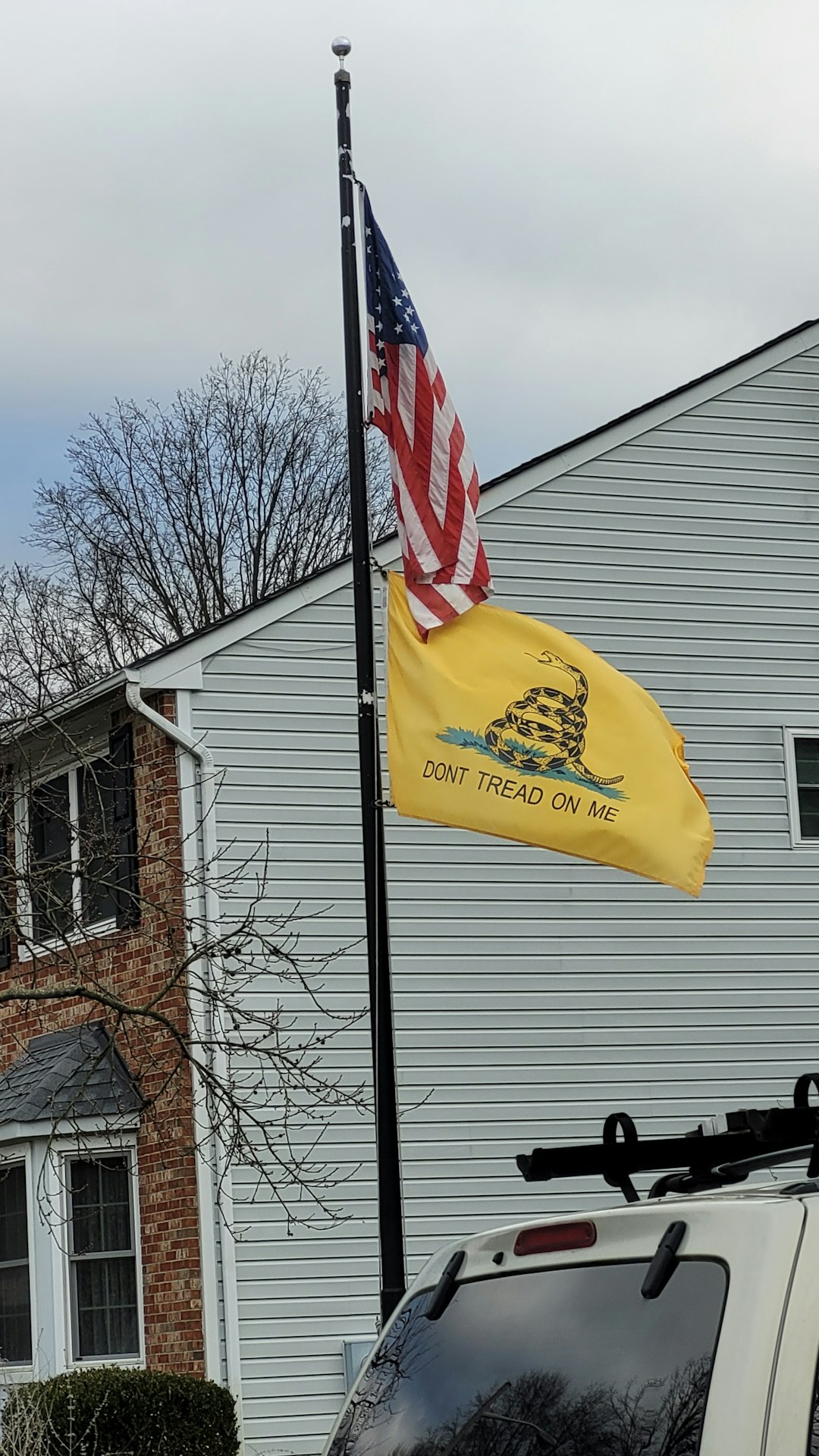
The Gadsden Flag with its coiled rattlesnake and “Don’t Tread On Me” motto is often misunderstood today. It was originally designed as a symbol against tyranny and government overreach, specifically British colonial rule. The rattlesnake was chosen because it was uniquely American and would give warning before striking, just like the colonists were warning Britain. The flag represented the idea that America would defend itself if pushed too far, but preferred to be left alone. Today, the flag is sometimes used by groups with very different political meanings than the original intent. The irony is that a symbol created to oppose tyranny is sometimes adopted by movements that others see as tyrannical themselves. Historical symbols can take on new meanings as they’re adopted by different groups over time. The original message was about defensive resistance to oppression, not aggressive assertion of power. It’s a perfect example of how the same symbol can mean completely different things to different people.
Hollywood Sign Started as a Real Estate Advertisement
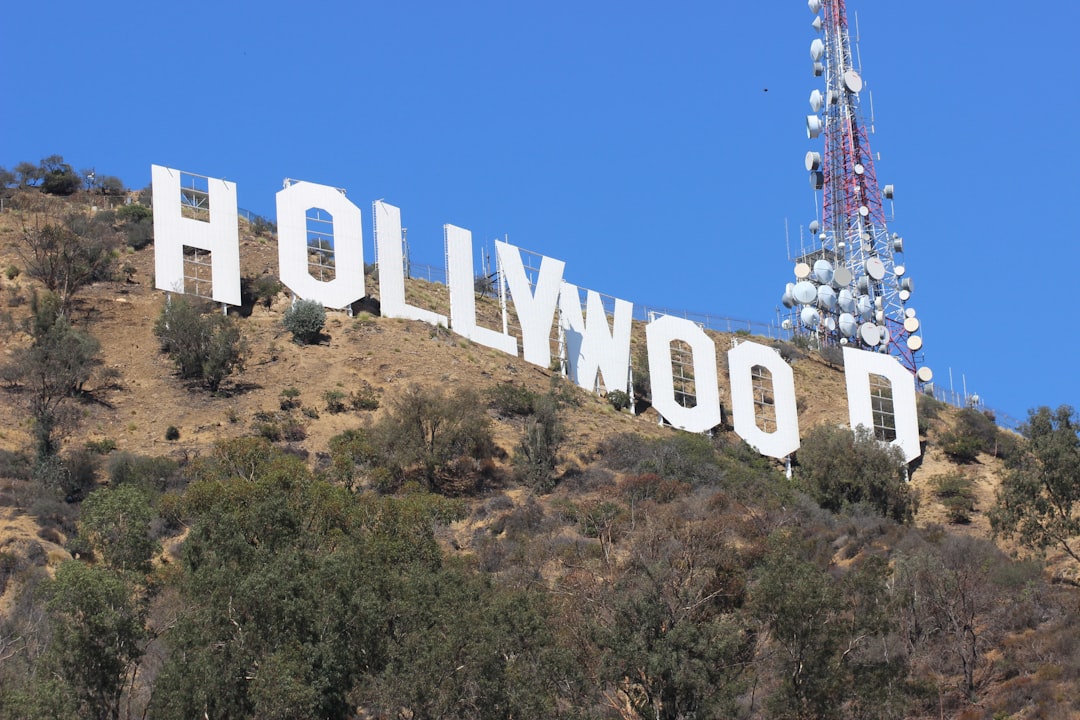
The Hollywood sign wasn’t always the glamorous symbol of the entertainment industry – it started as a temporary billboard advertising real estate. The original sign read “Hollywoodland” and was built in 1923 to promote a housing development in the hills above Los Angeles. It was only supposed to stay up for about 18 months until all the houses were sold. The sign was covered with thousands of light bulbs that spelled out the letters at night, making it visible from all over the city. Real estate developers thought the giant sign would attract buyers to their upscale neighborhood project. The sign started falling apart during the Great Depression when the developers ran out of money for maintenance. By the 1940s, the “land” part was removed and the sign became associated with the movie industry instead of housing sales. It’s one of the world’s most recognizable landmarks, and it was basically a giant “For Sale” sign that got famous by accident. Sometimes the best marketing campaigns are the ones that last way longer than anyone planned.
The Alamo Became a Grocery Store After Its Famous Battle
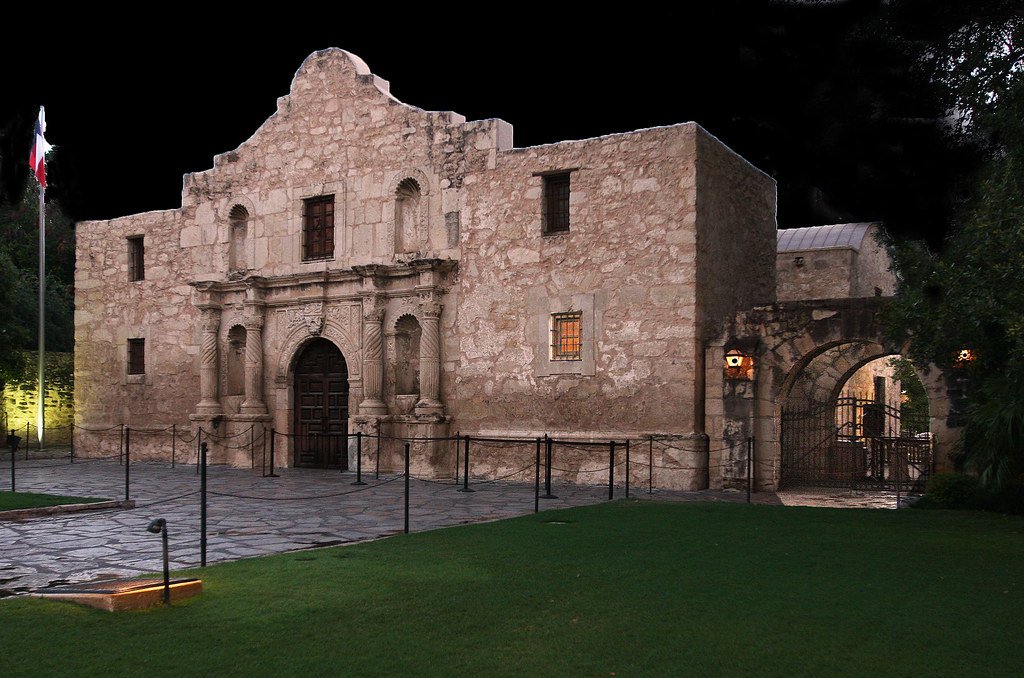
After the famous 1836 battle, the Alamo had a much less heroic career as a warehouse and even a grocery store. The site where Davy Crockett and others made their last stand was used for very ordinary commercial purposes for decades. The U.S. Army used it as a supply depot, storing everything from grain to military equipment in the same rooms where the famous siege took place. Later, a German immigrant turned part of it into a general store, selling everyday goods to San Antonio residents. The most sacred shrine of Texas independence was literally being used to sell groceries and dry goods. It wasn’t until the early 1900s that people started treating the Alamo as the historical monument it is today. The Daughters of the Republic of Texas had to fight to save the building from being torn down for commercial development. For almost 70 years, one of America’s most famous battle sites was just another old building being used for storage and retail. History doesn’t always preserve itself – sometimes it needs people to step in and save it.
Mount Rushmore’s Sculptor Had a Troubling Past
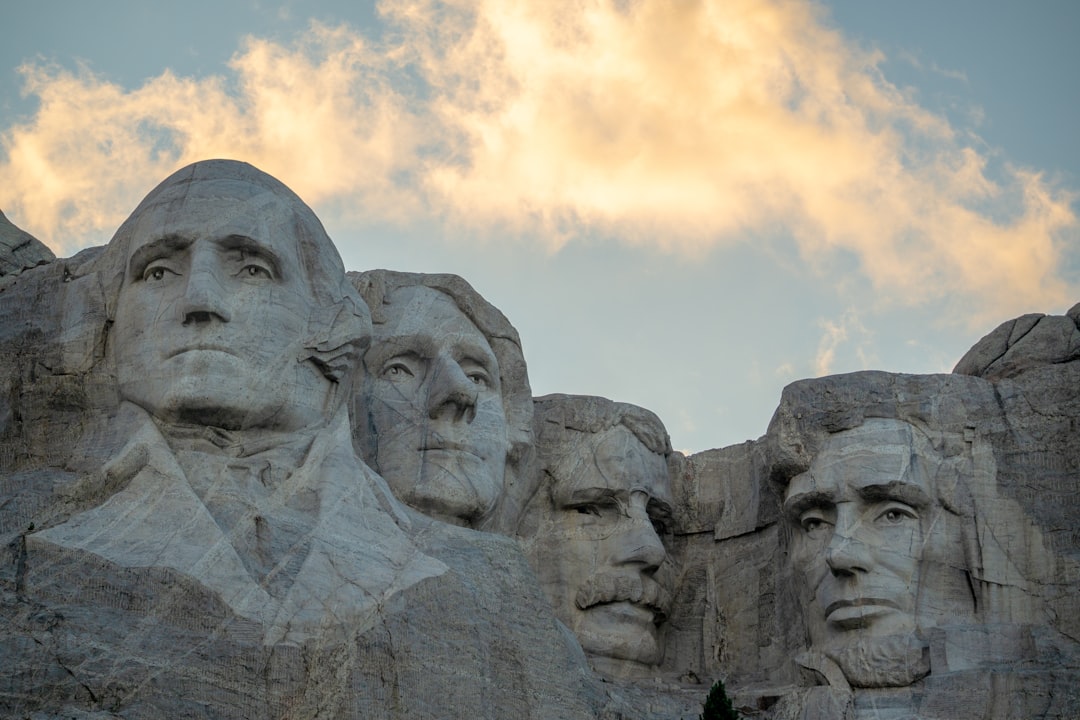
Gutzon Borglum, the artist who carved Mount Rushmore, had connections to the Ku Klux Klan and worked on other projects that celebrated white supremacy. Before Mount Rushmore, Borglum worked on the massive Confederate memorial at Stone Mountain in Georgia, which was specifically commissioned by the KKK. He was involved with the organization during its revival in the 1910s and 1920s, when it was gaining political power across the country. The irony is that his most famous work, Mount Rushmore, includes Lincoln, who freed the slaves, and Roosevelt, who invited Booker T. Washington to the White House. Borglum’s personal beliefs were completely at odds with some of the presidents he carved into the mountain. He eventually left the Stone Mountain project due to disputes with the KKK leadership, but his involvement shows how complicated the histories of our monuments can be. It’s uncomfortable to think that such an iconic American landmark was created by someone with such problematic views. The mountain itself has become a symbol of American democracy, even though its creator didn’t believe in equality for all Americans.
The Star-Spangled Banner Flag Had Extra Everything
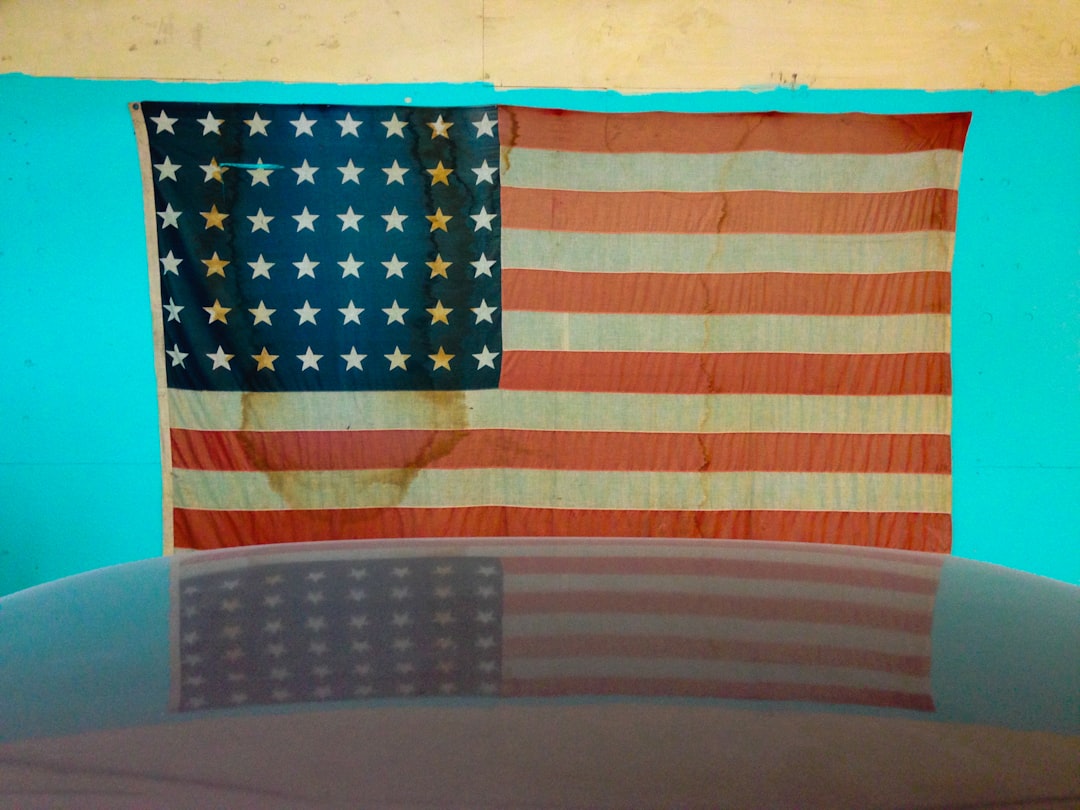
The actual flag that inspired our national anthem had 15 stars and 15 stripes, not the 13 stripes we see today. This was during the period when the flag was supposed to add both stars and stripes for each new state. The giant flag that flew over Fort McHenry during the War of 1812 was 30 by 42 feet, making it visible from miles away. Mary Pickersgill and her helpers spent weeks hand-sewing the enormous flag in Baltimore. The flag was so big they had to spread it out on the floor of a local brewery to have enough room to work on it. Francis Scott Key could see this massive flag flying over the fort after the British bombardment, which inspired him to write the poem that became our national anthem. The flag survived the battle and became one of the most important artifacts in American history. Today it’s carefully preserved at the Smithsonian, but it’s faded and fragile from age. The flag that inspired “the land of the free and the home of the brave” was itself a supersized version of what we know today.
St. Louis Thought the Gateway Arch Looked Too Alien
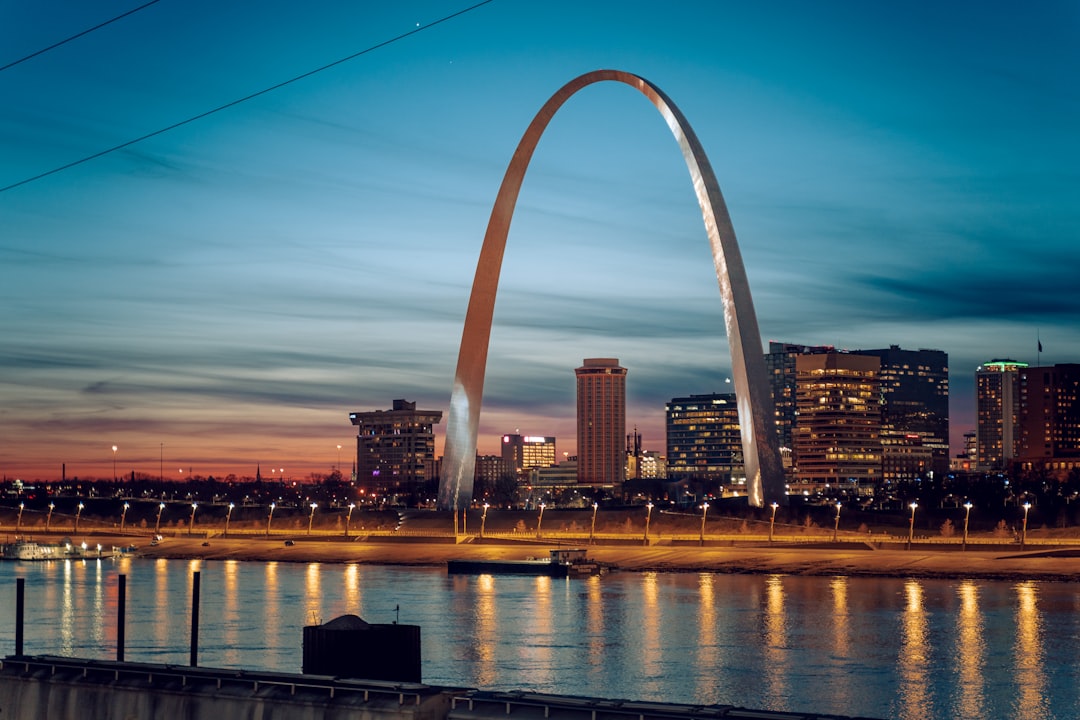
When the Gateway Arch was first proposed for St. Louis, locals resisted it for years because they thought it looked too modern and alien. The sleek stainless steel design by Eero Saarinen was completely different from the traditional monuments people were used to seeing. Many St. Louis residents thought the arch had nothing to do with their city’s history as the “Gateway to the West.” They preferred more conventional designs that looked like traditional monuments with statues or classical architecture. The arch was seen as an abstract art piece that didn’t tell the story of westward expansion or Lewis and Clark. Construction didn’t begin until 1963, more than a decade after the design was chosen, partly because of local opposition. Some people thought it looked like a giant McDonald’s sign or a piece of modern sculpture that belonged in a museum, not a national monument. Once it was built, though, the arch became beloved and is now synonymous with St. Louis. It shows how new ideas often face resistance before they’re accepted. Sometimes the most criticized designs end up becoming the most iconic.
CEO-Co-Founder
