

- Songs That Gave Voice to the Voiceless - September 29, 2026
- 10 Books That Predicted the Future With Creepy Accuracy - September 29, 2026
- 15 Celebrities You Forgot Were in Iconic 90s Commercials - September 29, 2026
When Fiction Becomes Reality
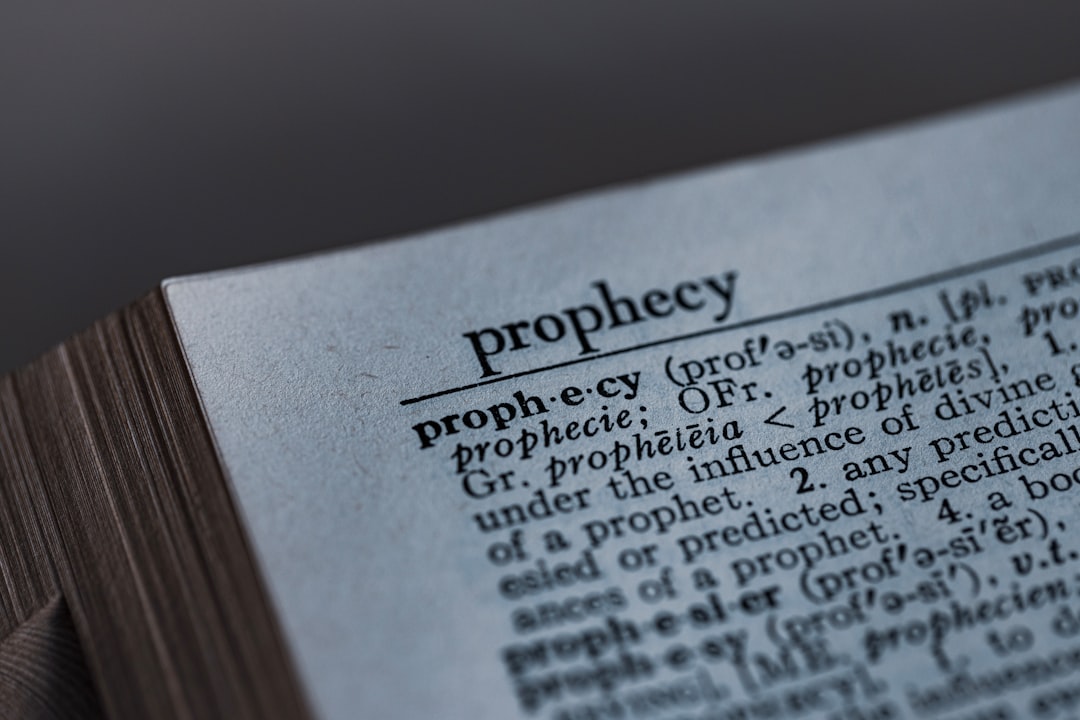
Imagine picking up a dusty old book from your grandfather’s shelf, only to discover it perfectly describes your smartphone addiction or the latest AI controversy. That spine-tingling moment happens more often than you’d think. Throughout history, authors have possessed an almost supernatural ability to peer into the future, crafting stories that seemed like pure fantasy but turned out to be eerily prophetic blueprints. Some writers got lucky with their guesses, while others seemed to tap into society’s hidden currents with unsettling precision. What makes these predictions even more chilling is how casually we’ve accepted these once-impossible scenarios as normal parts of our daily lives.
The Surveillance State Nightmare – 1984 by George Orwell
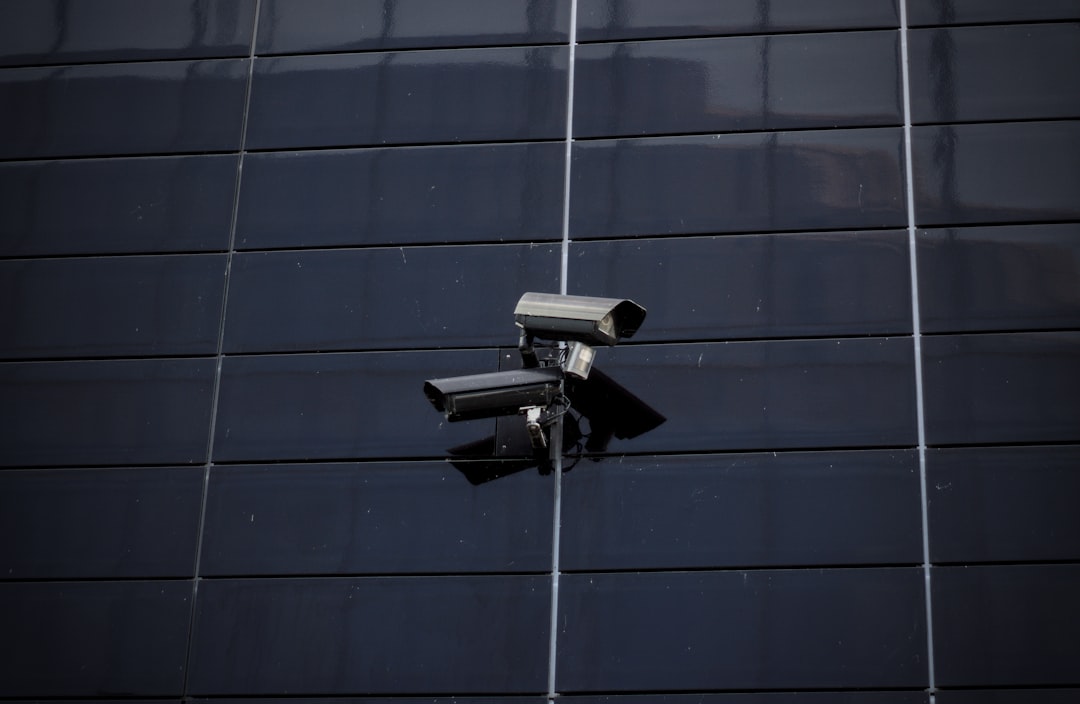
George Orwell’s 1949 masterpiece didn’t just predict the future—it gave us the vocabulary to describe it. Big Brother, thought police, and telescreens have become shorthand for government overreach in ways Orwell probably never imagined. Today, we carry devices that track our every move, listen to our conversations, and feed our data to corporate and government entities. The novel’s concept of “Newspeak” feels particularly relevant in our era of alternative facts and carefully crafted political messaging. What’s most disturbing isn’t that Orwell was right, but how willingly we’ve embraced the very surveillance he warned us about. We even pay monthly subscriptions for the privilege of being monitored through our smart TVs and voice assistants.
Pleasure as Control – Brave New World by Aldous Huxley
While Orwell feared we’d be oppressed by external force, Aldous Huxley worried we’d be controlled through our own desires for comfort and pleasure. His 1932 novel introduced “soma,” a drug that kept citizens happy and compliant—a concept that feels uncomfortably familiar in our age of antidepressants, recreational drugs, and endless entertainment options. Huxley’s world of genetic engineering and artificial reproduction seemed impossible in 1932, yet here we are with CRISPR gene editing and IVF technology. The novel’s emphasis on instant gratification and avoidance of discomfort mirrors our modern addiction to social media dopamine hits and binge-watching culture. Perhaps most chilling is how Huxley’s characters willingly gave up their freedom for comfort, much like how we trade privacy for convenience with every app we download.
The Death of Deep Thinking – Fahrenheit 451 by Ray Bradbury
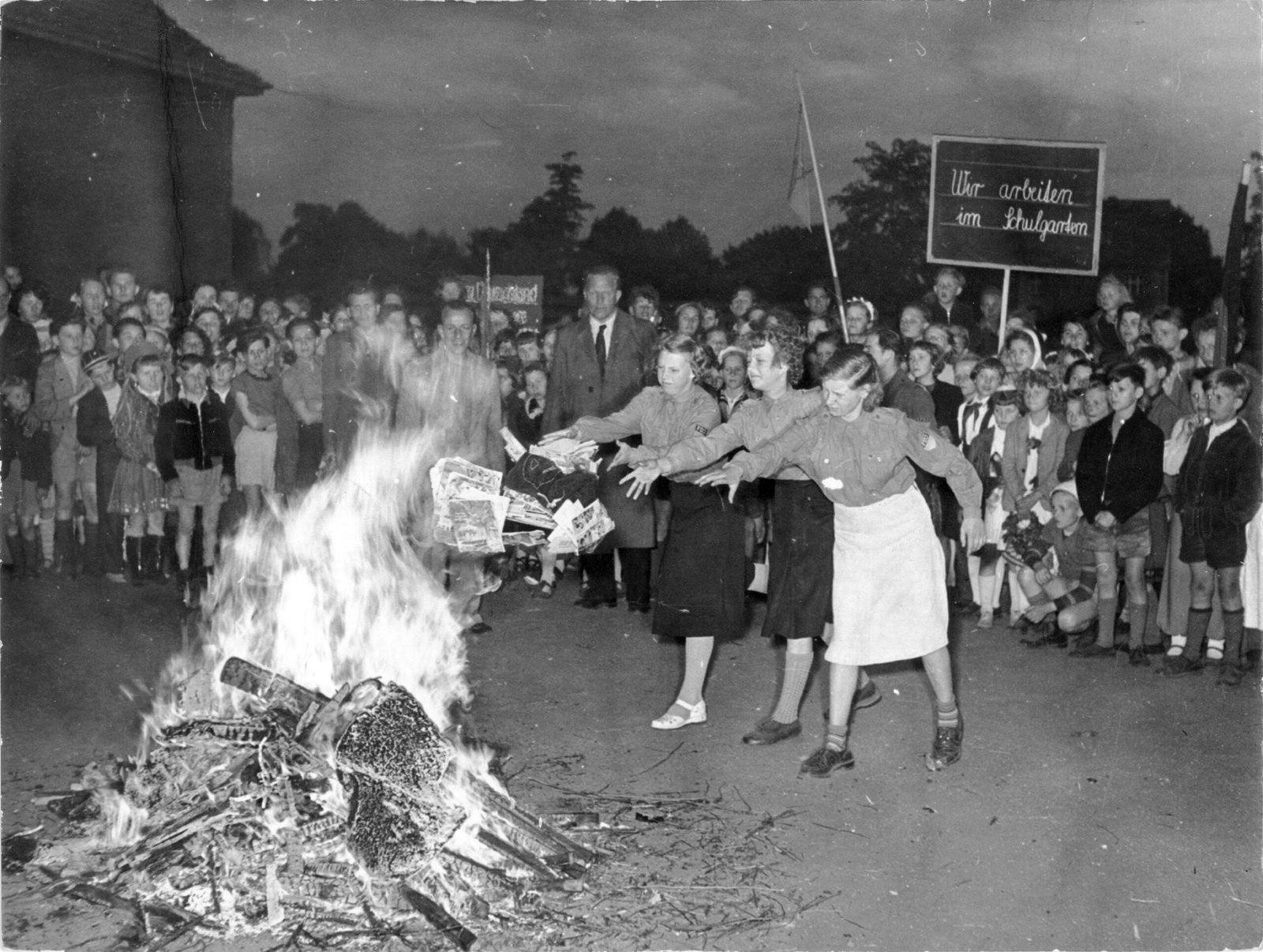
Ray Bradbury didn’t just predict flat-screen TVs in 1953—he foresaw an entire culture dumbed down by shallow entertainment and instant gratification. His vision of wall-sized televisions and tiny wireless earbuds (hello, AirPods) was remarkably specific for someone writing before color TV was common. The novel’s “parlor walls” that provided interactive entertainment feel like an early description of today’s smart TVs and streaming services. Bradbury’s real genius was recognizing that people wouldn’t need to be forced to stop reading—they’d simply choose not to when faced with easier, more immediate pleasures. The book’s firefighters who burn books instead of putting out fires serve as a metaphor for how we’ve systematically devalued deep thinking in favor of quick, digestible content.
The Birth of Cyberspace – Neuromancer by William Gibson
William Gibson literally invented the word “cyberspace” in his 1984 novel, describing a digital realm that existed only in imagination at the time. His cyberpunk world of hackers, artificial intelligence, and digital warfare arrived decades before the internet became mainstream, yet his descriptions feel remarkably accurate today. Gibson’s concept of “jacking in” to a virtual reality internet predated the World Wide Web by several years and anticipated everything from online gaming to virtual meetings. The novel’s exploration of corporate power in digital spaces seems prophetic given today’s tech monopolies and data mining operations. Perhaps most unsettling is how Gibson predicted that our digital lives would become more compelling than our physical ones—a reality anyone with screen time reports can confirm.
Life Underground – The Machine Stops by E.M. Forster

E.M. Forster’s 1909 short story reads like a manual for pandemic lockdowns, written over a century before COVID-19 changed everything. His characters live in isolated cells, communicating only through screens, and venturing outside becomes increasingly rare and frightening. The story’s “Machine” that provides for all human needs while keeping people separated feels like a blueprint for our current digital infrastructure. Forster’s vision of humans becoming physically weak and emotionally dependent on technology while losing the ability to connect in person was considered absurd in 1909. Today, after years of Zoom calls, food delivery apps, and social media replacing face-to-face interaction, his predictions feel uncomfortably accurate. The story’s central theme—that convenience and safety can become a prison—resonates powerfully in our increasingly digital world.
The Amazon Economy – Looking Backward: 2000–1887 by Edward Bellamy
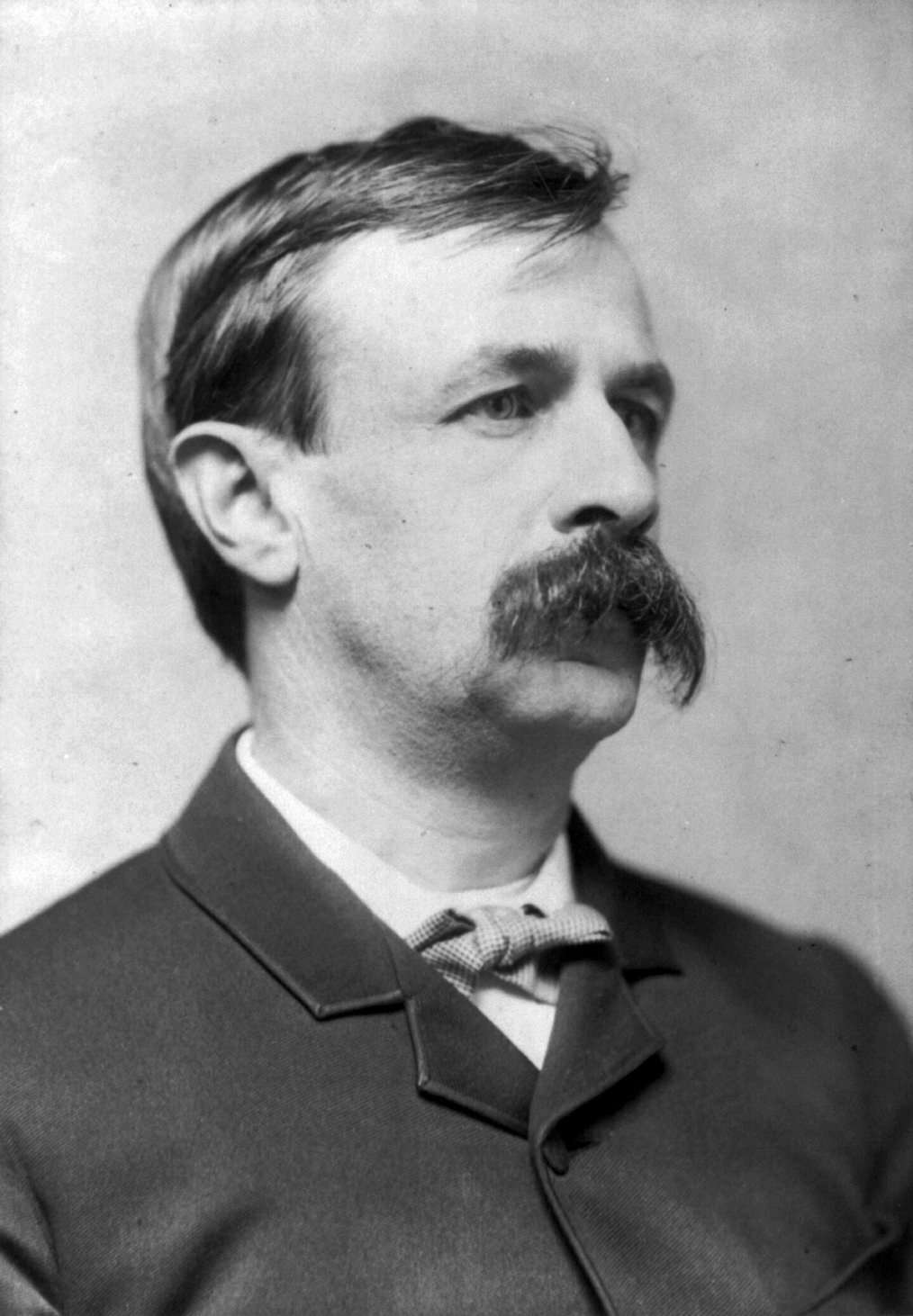
Edward Bellamy’s 1888 novel reads like a description of modern e-commerce, complete with credit systems and warehouse-to-home delivery. His protagonist discovers a future society where people use “credit cards” to purchase goods from massive centralized warehouses—essentially predicting both Amazon and modern payment systems. The book’s vision of economic redistribution and universal basic income has gained renewed relevance as automation threatens traditional employment. Bellamy’s detailed description of goods being delivered directly to homes from central distribution points could easily describe today’s fulfillment centers and next-day delivery services. What makes his prediction particularly impressive is that he wrote this before cars, airplanes, or even widespread electricity, yet somehow envisioned our modern consumer economy with startling accuracy.
The Robot Takeover – Player Piano by Kurt Vonnegut
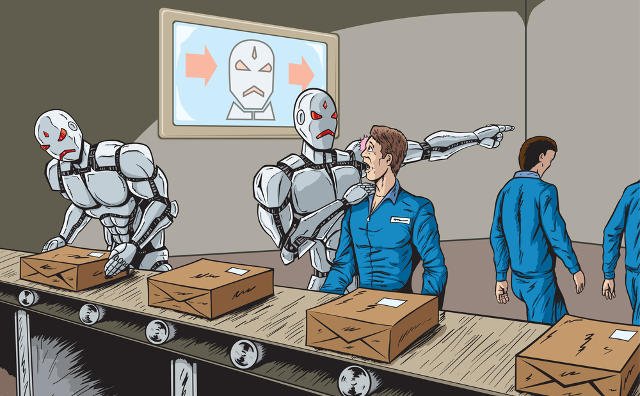
Kurt Vonnegut’s 1952 debut novel tackled automation anxiety decades before anyone had heard of ChatGPT or worried about robots taking their jobs. His fictional world divided society into engineers who maintain the machines and everyone else who struggles to find purpose in an automated economy. The novel’s exploration of mass unemployment due to technological advancement feels increasingly relevant as AI capabilities expand rapidly. Vonnegut’s characters grapple with existential despair when their skills become obsolete—a feeling many workers experience today as algorithms and robots handle tasks once considered uniquely human. The book’s central question about human worth in an automated world has only become more pressing as we watch AI systems master everything from driving to creative writing.
Pandemic Apocalypse – The Stand by Stephen King
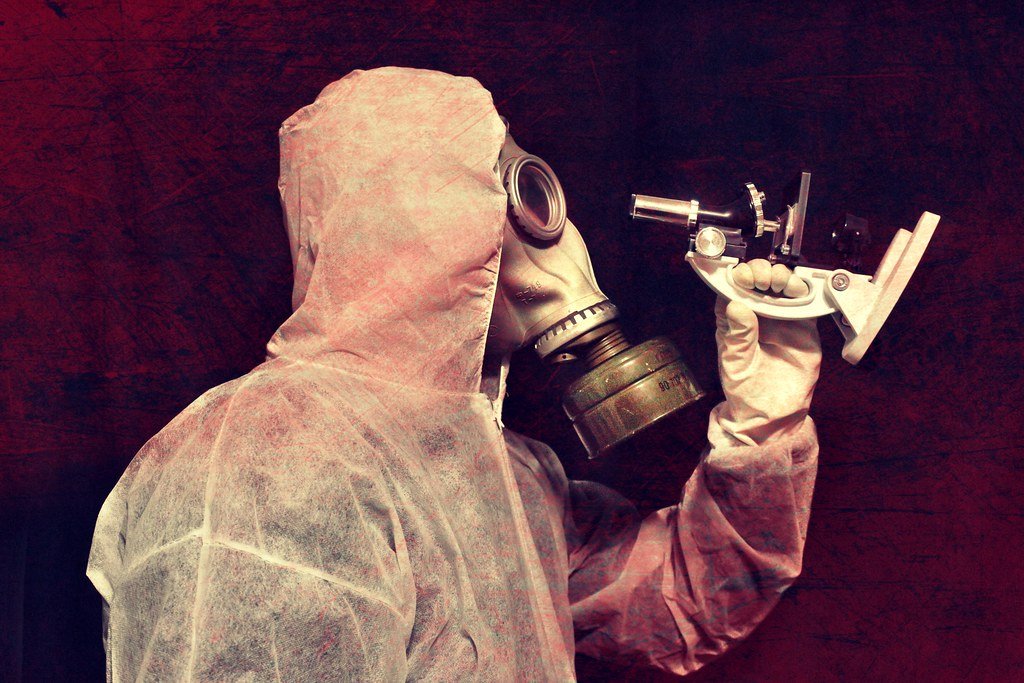
Stephen King’s 1978 epic about a weaponized flu virus escaping from a military laboratory and decimating humanity seemed like pure horror fiction until 2020 made it feel like a documentary. The novel’s detailed descriptions of pandemic spread, government failures, and societal collapse paralleled real-world COVID-19 experiences with disturbing accuracy. King’s vision of how quickly civilization could crumble when faced with an invisible enemy proved remarkably prescient during lockdowns and supply chain disruptions. The book’s exploration of how different groups respond to crisis—some with cooperation, others with authoritarianism—played out in real time during the pandemic. Most chilling is how King predicted that misinformation and conspiracy theories would flourish alongside the virus, making the disaster worse than it needed to be.
Corporate Dystopia – The Space Merchants by Frederik Pohl and C.M. Kornbluth
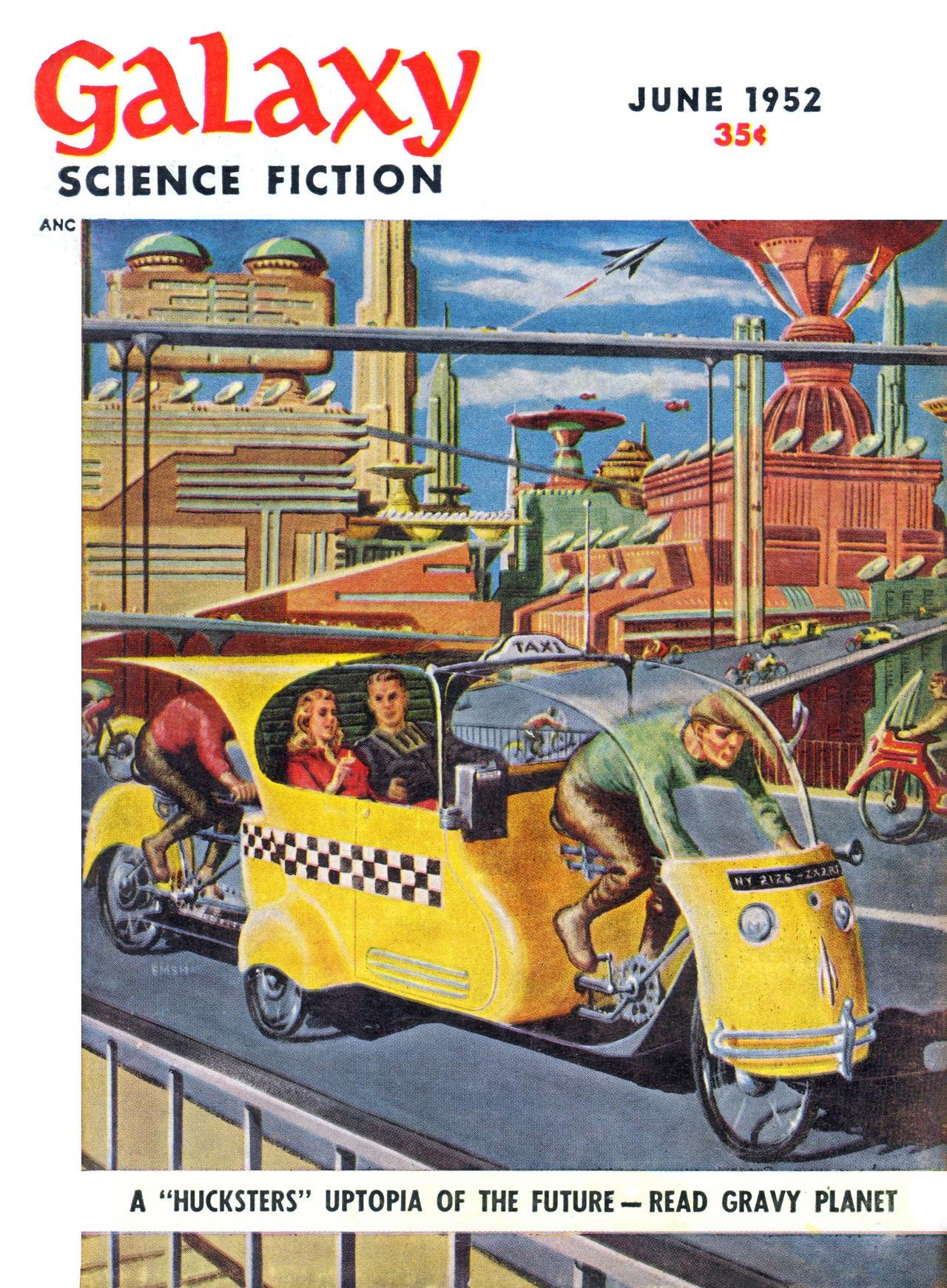
This 1953 satirical novel envisioned a world where advertising agencies wield more power than governments and corporate interests trump human welfare—a scenario that feels uncomfortably familiar in our age of tech monopolies and climate inaction. The authors predicted how consumer culture would expand beyond reasonable limits, creating environmental destruction and social inequality. Their vision of corporations manipulating public opinion through sophisticated propaganda campaigns anticipated modern digital marketing and social media influence operations. The novel’s depiction of a planet stripped of resources to fuel endless consumption resonates powerfully as we face climate change and environmental collapse. Perhaps most prophetic was their understanding that corporations would eventually become more powerful than traditional governments, a reality we see today with tech companies that influence elections and shape global policy.
Information Overload – Stand on Zanzibar by John Brunner
John Brunner’s 1968 novel used a fragmented, information-dense narrative style that perfectly captured how media overload would eventually overwhelm human attention spans. His predictions included everything from genetic engineering to random violence in schools, written at a time when both seemed impossible. The book’s exploration of overpopulation and resource scarcity anticipated many current environmental and social challenges. Brunner’s vision of a hyperconnected world where information moves faster than human comprehension can process it feels like a description of Twitter or TikTok. The novel’s experimental structure, jumping between news snippets, advertisements, and story fragments, mimics how we consume information today through social media feeds and news alerts. What makes Brunner’s work particularly unsettling is how he predicted that information abundance would lead to confusion and manipulation rather than enlightenment.
Why These Predictions Hit So Close to Home
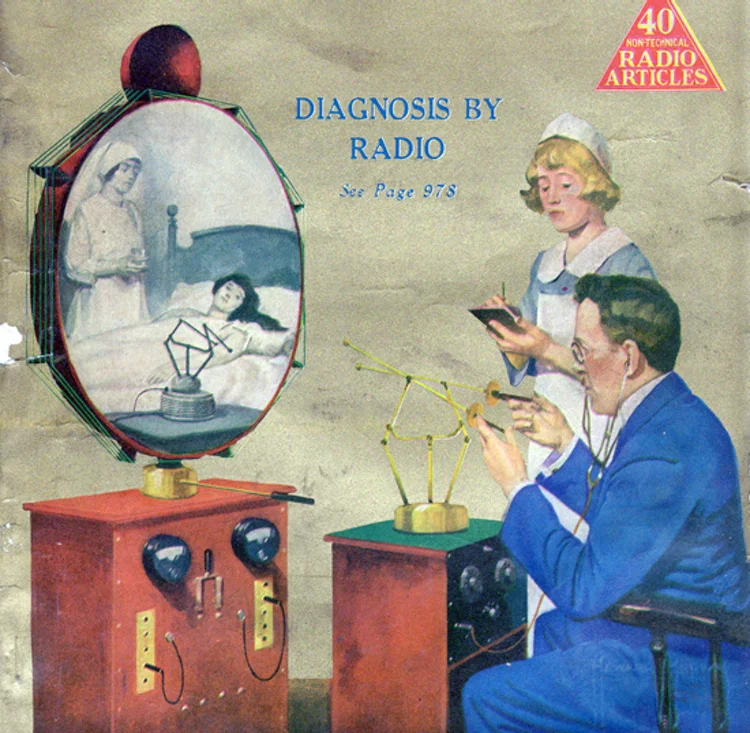
These authors didn’t possess crystal balls or time machines—they simply understood human nature and recognized the logical endpoints of trends they observed in their own times. Many were responding to emerging technologies or social changes, extrapolating current developments to their natural conclusions. Some predictions came true through pure coincidence, while others succeeded because the authors identified fundamental patterns in how societies evolve and adapt to new challenges. The most accurate predictions often came from writers who combined technical knowledge with deep insights into psychology and sociology. What’s most remarkable is how these fictional scenarios have become so normalized that we barely notice when reality surpasses the imagination of previous generations.
Did you ever think that science fiction writers might be our best fortune tellers?
CEO-Co-Founder
