

- Songs That Gave Voice to the Voiceless - September 29, 2026
- 10 Books That Predicted the Future With Creepy Accuracy - September 29, 2026
- 15 Celebrities You Forgot Were in Iconic 90s Commercials - September 29, 2026
“Gone Girl” by Gillian Flynn – The Marriage Trap
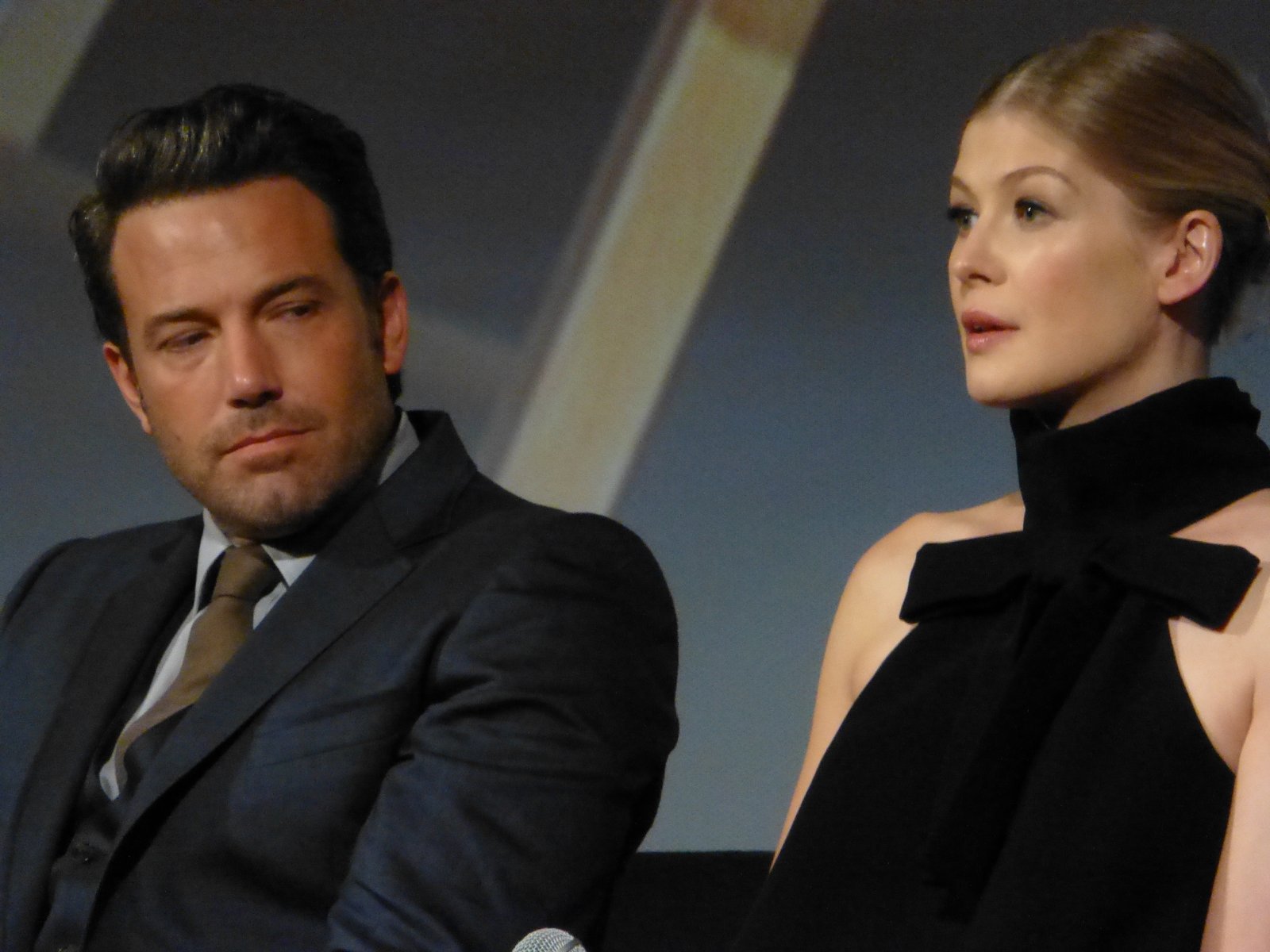
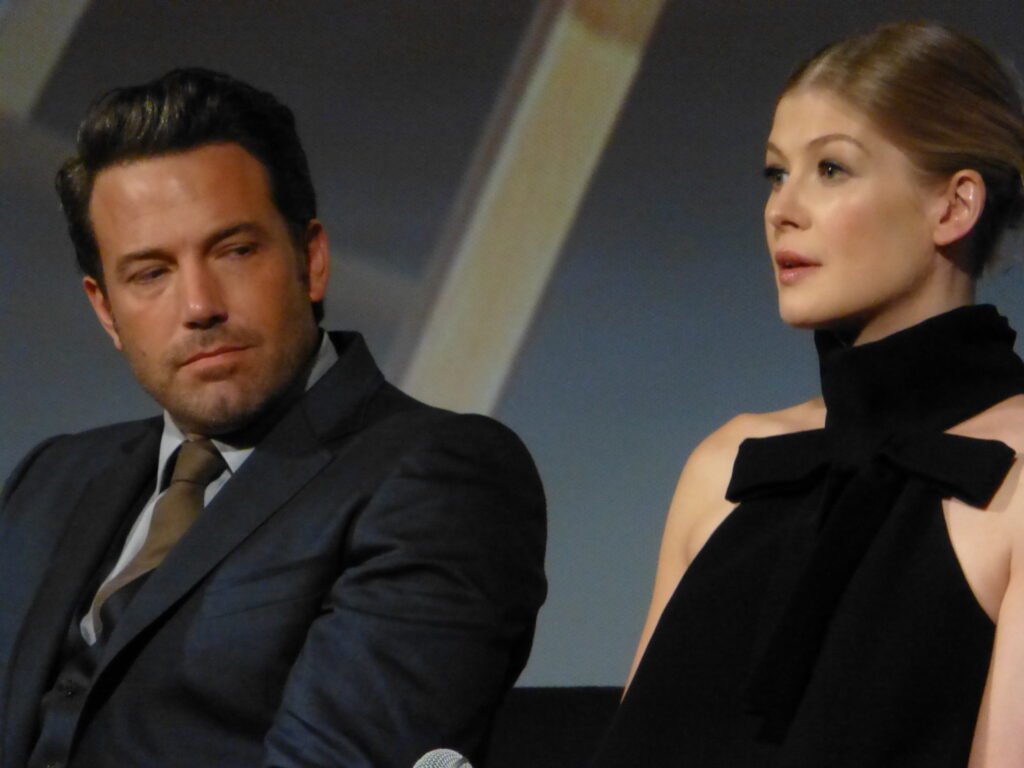
Flynn’s psychological thriller builds this incredibly tense story about Nick and his missing wife Amy. Just when you think you’ve figured out their toxic relationship, the final pages reveal Amy’s absolutely chilling masterplan. She’s been manipulating everything from the start, trapping Nick in a marriage he can never escape. The way she smiles at the end while he’s completely defeated? Readers have to go back just to process how calculated and cold she really is. It’s like watching someone slowly realize they’re in quicksand.
“The Sixth Sense” Novelization – Dead All Along
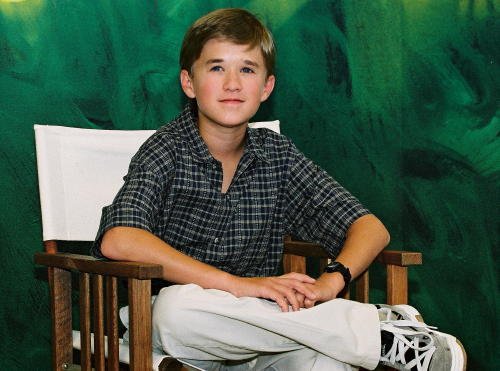
While most people know this twist from the movie, the book version hits just as hard. Dr. Malcolm Crowe spends the entire story trying to help a boy who sees dead people, never realizing he’s been dead himself the whole time. The final page makes you want to immediately flip through again, looking for all those subtle clues you missed. It’s brilliant how the author hides the truth in plain sight. Suddenly every interaction makes perfect sense, but in a completely different way than you originally thought.
“Atonement” by Ian McEwan – Fiction Within Fiction
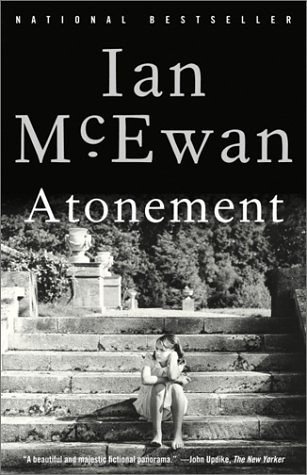
This novel seems to wrap up nicely with Briony trying to make amends for her childhood mistake that destroyed two lives. Then the final chapter completely destroys you by revealing that the happy ending was just fiction. Briony, now an elderly author, admits she made up the reconciliation for her novel-within-a-novel. The real Robbie and Cecilia never got their second chance. Readers flip back frantically, trying to separate what was real from what was Briony’s guilty imagination.
“Shutter Island” by Dennis Lehane – Living the Delusion

Teddy Daniels investigates a psychiatric hospital, uncovering what seems like a massive conspiracy. The final lines reveal the crushing truth: Teddy is actually a patient living in an elaborate delusion, and his entire investigation was role-play therapy. The haunting final question about whether he’ll accept reality or “live as a monster” sends readers back to catch all the subtle hints. Every conversation suddenly has double meaning, every clue points to his mental state rather than a conspiracy.
“Life of Pi” by Yann Martel – Which Story Do You Believe?
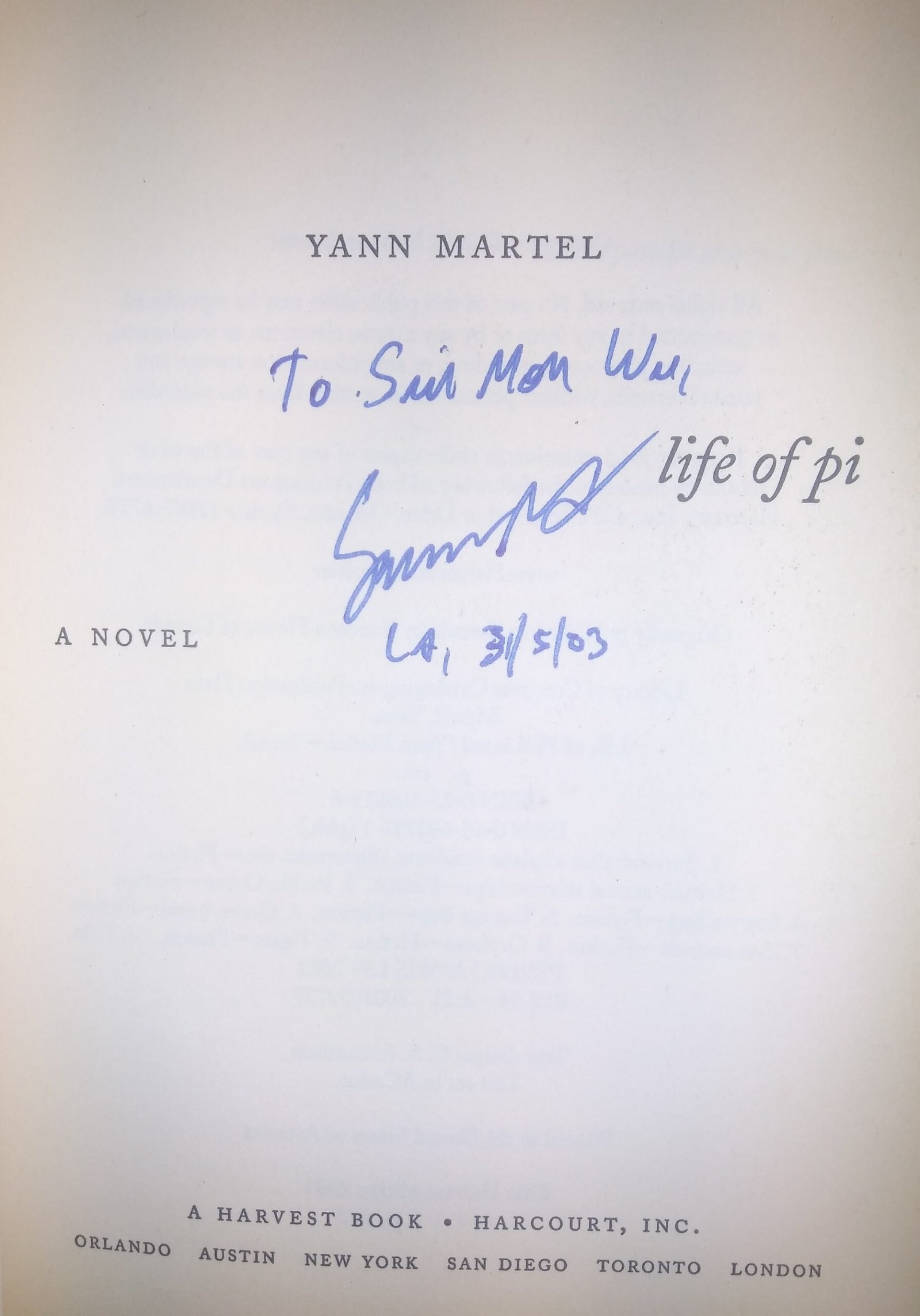
Pi’s incredible survival story with a tiger on a lifeboat captivates readers for hundreds of pages. Then the final chapter offers a brutally realistic alternative version involving cannibalism and murder instead of animals. The investigators choose to believe the “better story,” leaving readers to decide what really happened. Was the tiger story Pi’s way of coping with unimaginable trauma? The ambiguity forces you back to the last page, questioning everything you just accepted as truth.
“The Murder of Roger Ackroyd” by Agatha Christie – The Narrator Did It
Christie pulled off one of the most audacious twists in mystery history by making the narrator the murderer. Dr. Sheppard tells the entire story, seeming like a trustworthy observer helping Poirot solve the case. The final page reveals his journal as essentially a confession, admitting he killed Roger Ackroyd. Readers immediately go back to see how Christie managed to mislead them while still playing fair with the clues. It’s like realizing your friend has been lying to your face the entire time, but so cleverly you almost admire it.
“We Were Liars” by E. Lockhart – They Were Never Really There
This YA novel follows Cadence trying to remember what happened during a traumatic summer with her cousins, the “Liars.” The gut-punch reveal shows that her cousins and love interest have been dead all along, killed in a fire she accidentally started. She’s been talking to ghosts, created by her guilt and head injury. The final page’s emotional clarity about her unreliable narration sends readers scrambling back through the story. Every conversation suddenly becomes heartbreaking instead of hopeful.
“My Sister’s Keeper” by Jodi Picoult – Tragedy Strikes Unexpectedly
The entire novel builds toward Anna’s legal battle for medical emancipation from helping her sick sister Kate. Just when it seems like the courtroom drama will resolve everything, Anna dies suddenly in a car accident. Her organs end up saving Kate anyway, making her whole fight tragically meaningless. The abrupt shift from legal drama to devastating tragedy leaves readers rereading those final pages in shock. It’s like having the rug pulled out from under you when you thought you were safe.
“The Road” by Cormac McCarthy – Hope in a Hopeless World
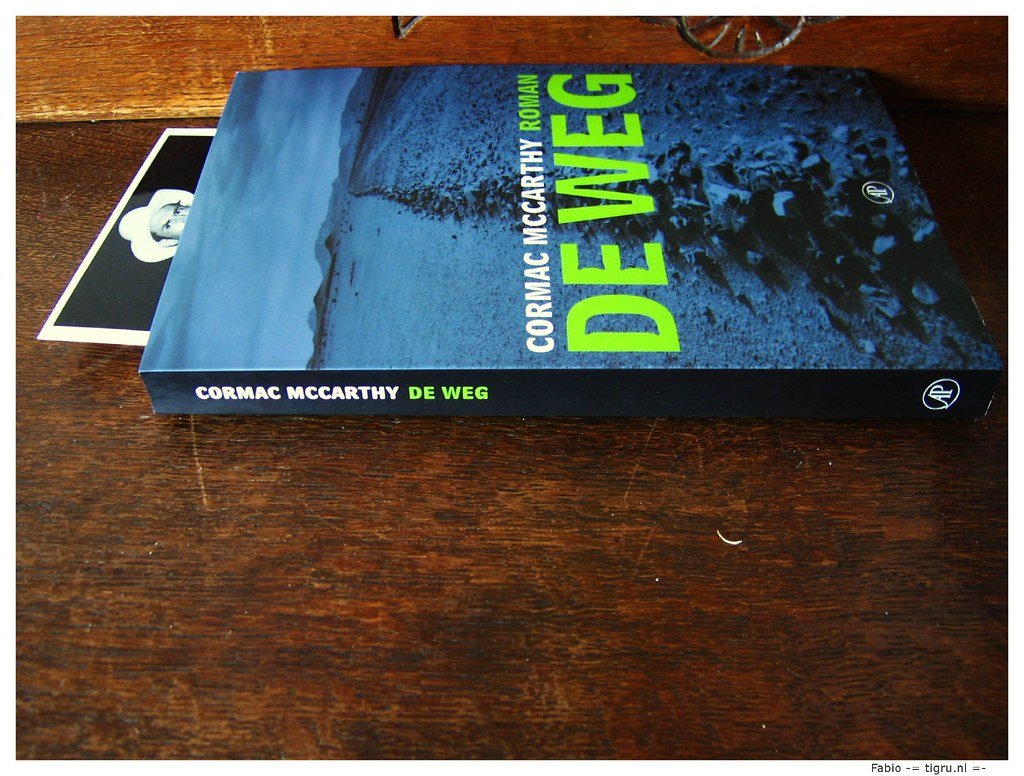
McCarthy’s bleak post-apocalyptic story follows a father and son struggling to survive in a dead world. When the father dies, readers expect the worst for the boy. Instead, a seemingly trustworthy family appears to rescue him, offering rare hope in this grim landscape. The optimistic ending feels so out of place in McCarthy’s brutal world that readers flip back, suspicious of this sudden kindness. After hundreds of pages of darkness, the light seems almost too good to be true.
“Rebecca” by Daphne du Maurier – Secrets Still Hidden

The unnamed narrator’s marriage to Maxim seems to find resolution with Manderley’s destruction. But the final lines hint that Maxim’s confession about killing Rebecca might not be the complete truth. His guilt runs deeper, and the narrator may be more complicit than she admits. Readers return to those last pages, searching for clues about what really happened and how much the narrator actually knows. The ambiguity leaves you questioning whether justice was truly served.
“Never Let Me Go” by Kazuo Ishiguro – Quiet Acceptance of Fate

This dystopian novel reveals that Kathy and her friends are clones raised specifically for organ donation. The devastating part isn’t the revelation itself, but how quietly they accept their fate. There’s no rebellion, no escape attempt, just resigned compliance with their predetermined deaths. The final page’s lack of resistance shocks readers more than violence would. You keep flipping back, searching for any moment where they could have fought back, wondering why they never even tried.
“Before I Go to Sleep” by S.J. Watson – The Wrong Husband
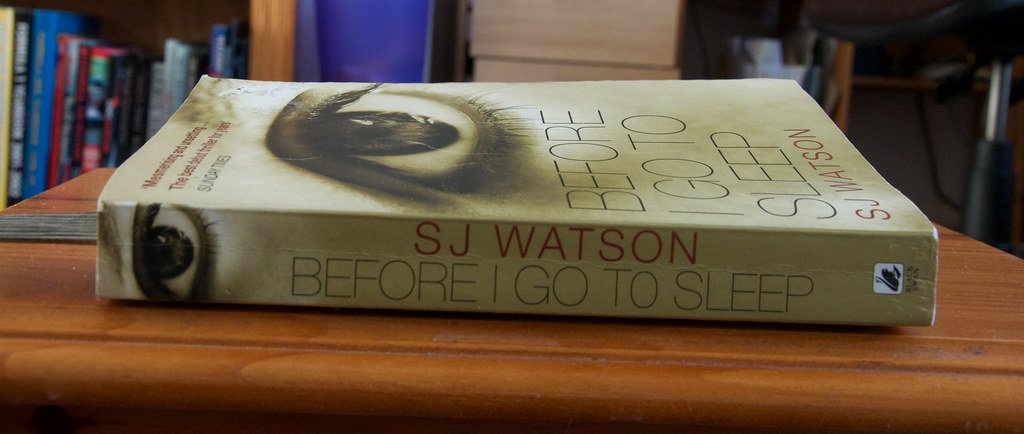
Christine loses her memory every night, forgetting each day completely. Through her secret journal, she discovers her husband has been lying to her about everything. The final twist reveals that this man isn’t even her real husband at all, but an impostor who’s been manipulating her condition for years. Her daily memory resets have been hiding the most important truth of all. Readers race back to the ending, piecing together how her amnesia became the perfect cover for this deception.
“The Wasp Factory” by Iain Banks – Gender Deception
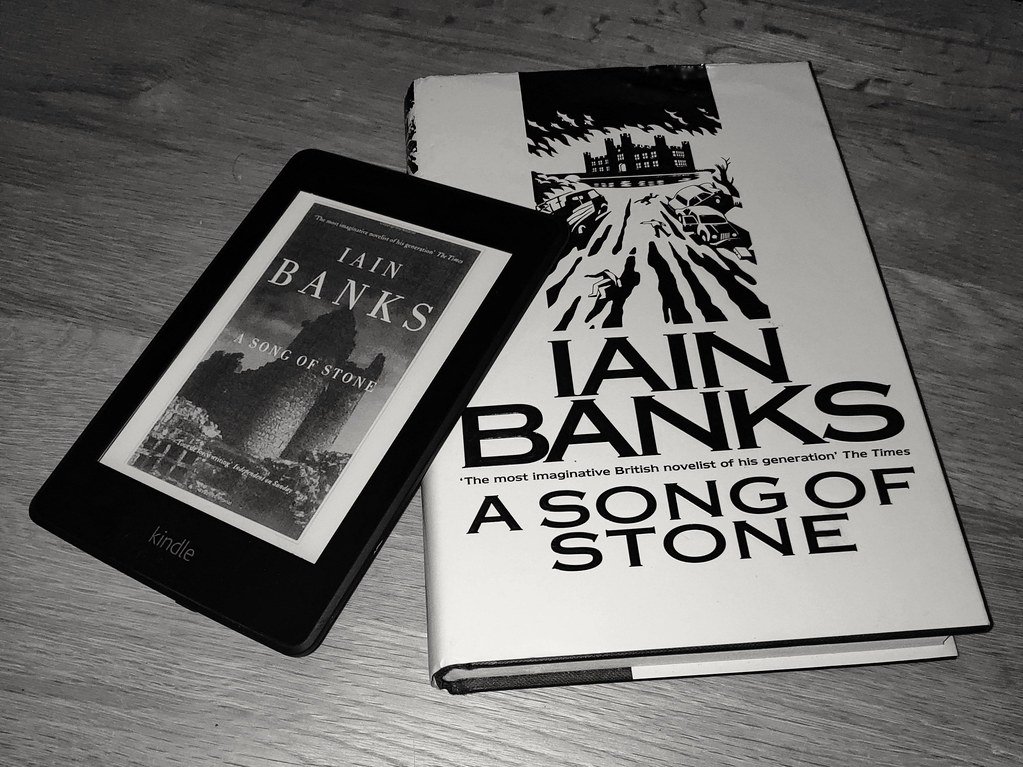
Frank narrates this disturbing story about a troubled teenager who commits gruesome acts. The shocking final reveal completely reframes everything: Frank is biologically female, raised as a male by a twisted father conducting his own psychological experiment. This identity revelation forces readers to reconsider Frank’s entire character and the novel’s themes about nature versus nurture. The ending makes you question which parts of Frank’s behavior came from the deception and which were truly disturbed.
“Ender’s Game” by Orson Scott Card – The Games Were Real
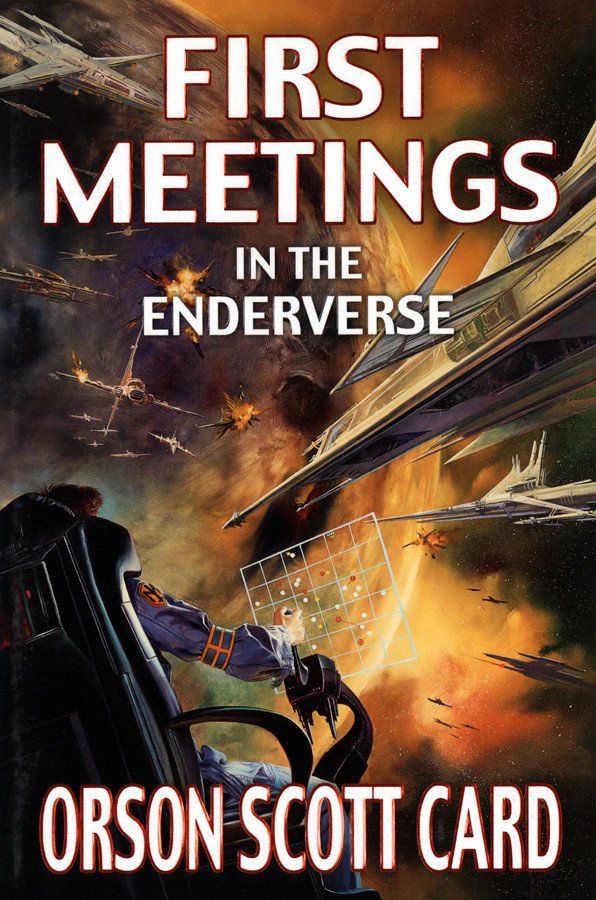
Ender Wiggin trains at Battle School, believing he’s running combat simulations against alien enemies. The devastating final chapter reveals that his “games” were actually real battles controlling human fleets. He unknowingly committed genocide against an entire alien species while thinking he was just practicing. The moral weight of this revelation sends readers back to trace how the adults manipulated this child into becoming a weapon. Every training session suddenly becomes part of a larger, more sinister plan.
“The Sense of an Ending” by Julian Barnes – Memory’s Cruel Deception
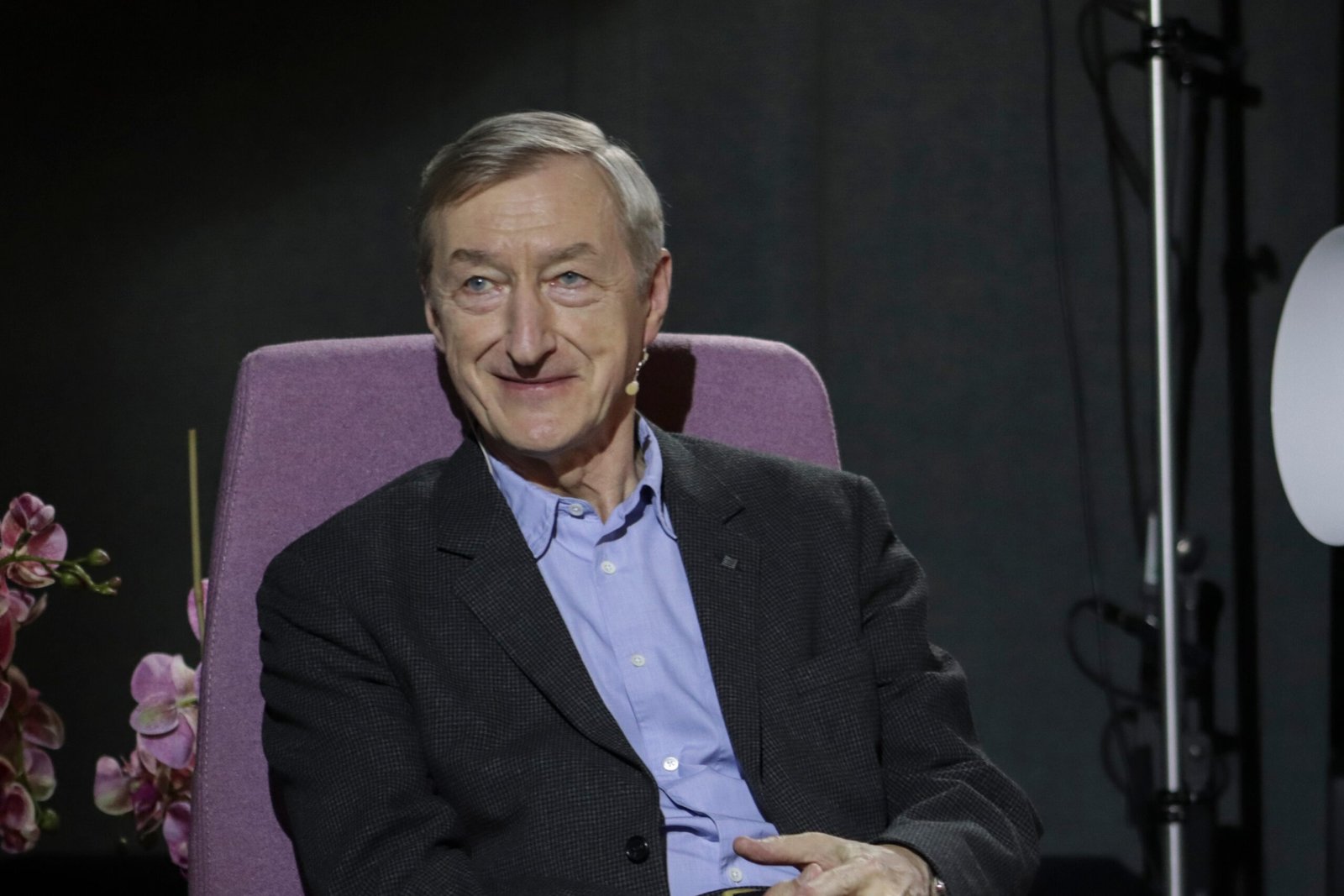
Tony Webster reflects on his past, believing he’s made peace with old mistakes and moved beyond his youth’s drama. The final pages unveil a devastating truth about his role in a friend’s suicide and the tragic legacy he left behind. His unreliable memory has been protecting him from the full horror of his actions for decades. Readers flip back through the story, catching the subtle hints that Tony’s version of events was never quite right. The ending forces you to question whether we ever really know ourselves or just the stories we tell to sleep at night.
These endings don’t just surprise you – they completely reshape how you understand the entire story. That’s why readers find themselves staring at that final page, then flipping back to see how they missed all the clues. The best plot twists don’t come out of nowhere; they’re hidden in plain sight, waiting for that moment when everything clicks into place and you realize you’ve been reading a completely different story than you thought. What would you have guessed was coming?
CEO-Co-Founder
