


- 19 Historic Sites Every American Literature Fan Should Visit - September 26, 2026
- How 20 History’s Greatest Speeches Still Influence Modern America - September 26, 2026
- The 14 Forgotten Stories Behind America’s Most Famous Landmarks - September 26, 2026
Silent Spring by Rachel Carson
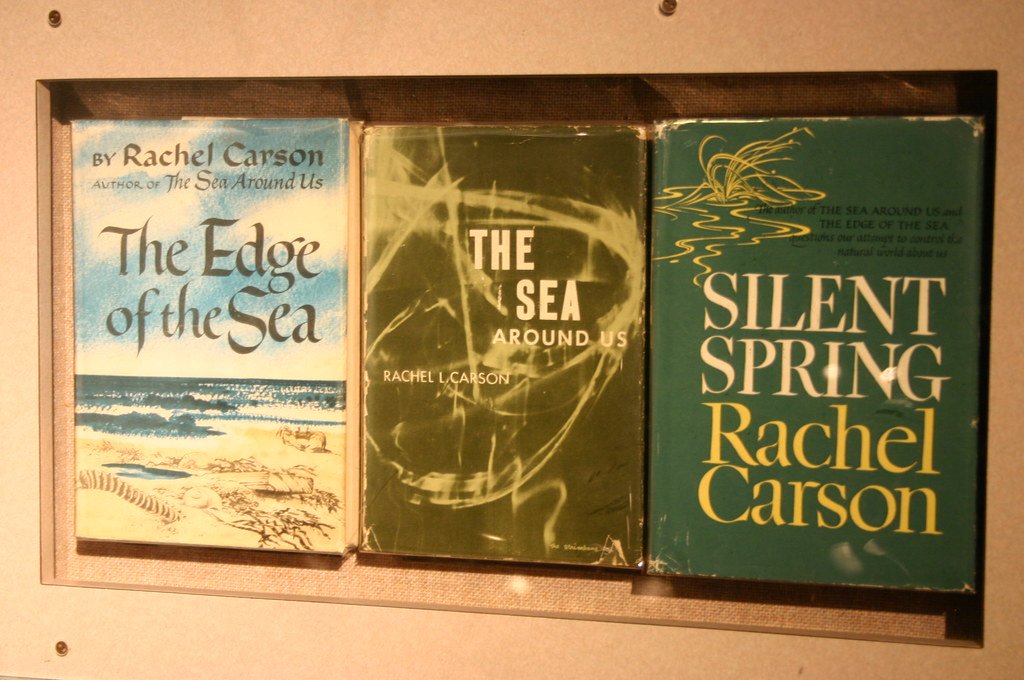
Rachel Carson’s Silent Spring, published in 1962, is often called the spark that ignited the modern environmental movement in America. Carson’s vivid descriptions of dying birds and poisoned landscapes shocked readers and policymakers alike. The book exposed the dangers of DDT and other pesticides, leading to a nationwide outcry. By 1972, the Environmental Protection Agency (EPA) banned DDT, directly linking Carson’s work to major regulatory change. Silent Spring sold over 500,000 copies in its first year and inspired countless grassroots campaigns. Congressional hearings followed, with lawmakers quoting Carson’s chilling warnings. Today, many credit Silent Spring with paving the way for the Clean Air Act, the Clean Water Act, and the creation of the EPA itself.
A Sand County Almanac by Aldo Leopold
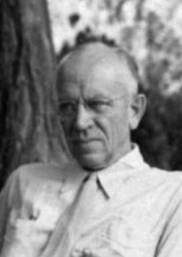
Aldo Leopold’s A Sand County Almanac, published in 1949, quietly transformed how Americans think about land and nature. Leopold’s essays introduced the concept of a “land ethic”—the idea that humans are part of an interconnected community that includes soil, water, plants, and animals. The book’s influence is seen in the Wilderness Act of 1964, as well as the growth of the conservation movement. Lawmakers and scientists alike reference Leopold’s “land ethic” in debates over national park management and endangered species protection. The book’s poetic language helped readers connect emotionally with the natural world, making environmental protection feel personal and urgent. Even now, conservation groups often draw on Leopold’s vision to justify public land preservation.
The Population Bomb by Paul Ehrlich
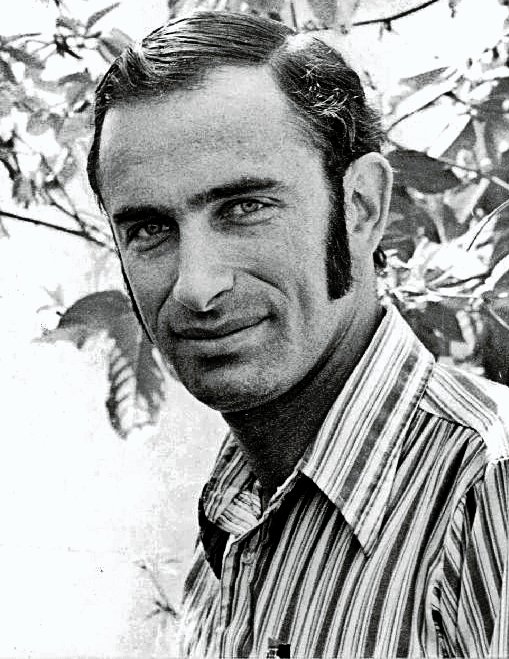
Paul Ehrlich’s The Population Bomb, published in 1968, startled the nation with its dire predictions about overpopulation and environmental collapse. Ehrlich argued that unchecked population growth would lead to resource shortages, famine, and widespread ecological damage. While many of Ehrlich’s specific predictions didn’t materialize, the book fueled debates on family planning and environmental limits. It helped shape the National Environmental Policy Act (NEPA) of 1969, which requires federal agencies to consider environmental impacts before approving major projects. The Population Bomb also pushed issues like birth control and resource conservation into the national spotlight, making them key parts of environmental policy discussions throughout the 1970s and beyond.
Our Plundered Planet by Fairfield Osborn
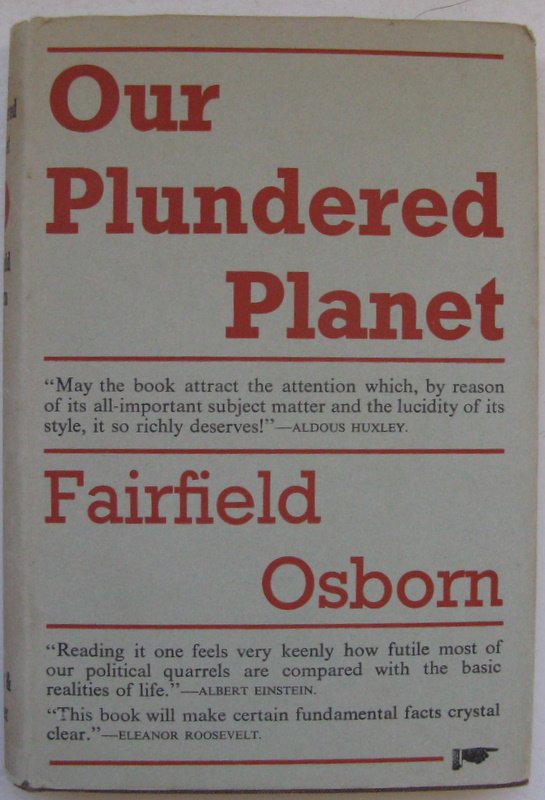
Published in 1948, Fairfield Osborn’s Our Plundered Planet warned of the consequences of unchecked industrial growth and careless resource use. Osborn presented hard-hitting data on soil erosion, deforestation, and wildlife loss, arguing that humanity was “plundering” the Earth’s ability to sustain life. The book quickly gained traction with policymakers and opinion leaders, influencing early conservation laws and inspiring support for the Soil Conservation Service. Osborn’s work was cited during Congressional debates about the future of American agriculture and land management. His arguments for responsible stewardship echo in the language of the 1970 National Environmental Policy Act and subsequent environmental protection efforts.
Cadillac Desert by Marc Reisner

Marc Reisner’s Cadillac Desert, released in 1986, exposed the complex relationship between water, politics, and growth in the American West. Reisner detailed how massive dam projects, irrigation schemes, and water diversions reshaped entire ecosystems—and often at great environmental cost. The book spurred public outrage over water mismanagement and influenced debates on the Colorado River Compact and the Central Valley Project. Lawmakers cited Cadillac Desert during hearings on water rights and environmental restoration. In the decades since, the book’s influence can be seen in new laws aimed at water conservation and river restoration, especially in drought-prone states like California.
Desert Solitaire by Edward Abbey

Edward Abbey’s Desert Solitaire, first published in 1968, is a passionate defense of America’s wildest landscapes. Abbey’s firsthand account of working as a park ranger in Utah’s Arches National Park captured the stark beauty—and fragility—of the desert. The book inspired countless activists, including those who would go on to form Earth First! and other direct-action groups. Abbey’s fierce opposition to industrial tourism and road-building echoed in debates over wilderness protection and national park policy. His influence is felt in the passage of the 1976 Federal Land Policy and Management Act, which prioritized environmental values on public lands and slowed the spread of development into wild areas.
The Unsettling of America by Wendell Berry

Wendell Berry’s The Unsettling of America, published in 1977, challenged the industrialization of agriculture and its environmental costs. Berry argued eloquently for a return to small-scale, sustainable farming, warning that soil erosion, chemical pollution, and loss of rural communities would have lasting consequences. The book influenced the Sustainable Agriculture Research and Education (SARE) program in the 1980s and shaped public debates about organic farming and farm subsidies. Berry’s emphasis on soil health and rural stewardship has been cited in recent farm bill negotiations and conservation policy reforms. Even now, his call for a “culture of care” in farming shapes environmental advocacy and legislative priorities.
The Closing Circle by Barry Commoner
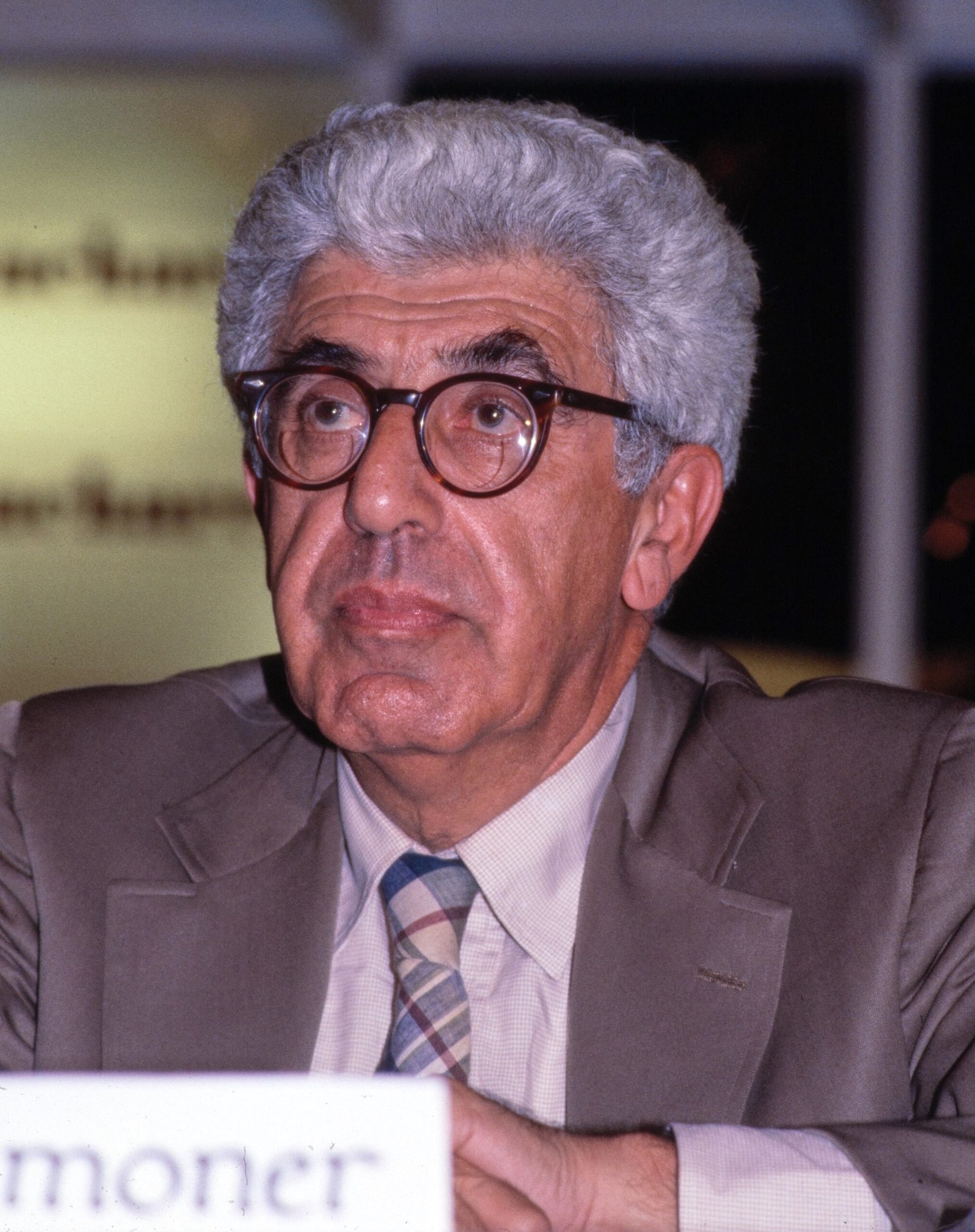
Barry Commoner’s The Closing Circle, published in 1971, argued that the root of environmental crises lay in technology, industry, and flawed economic systems. Commoner’s “Four Laws of Ecology” became rallying cries for activists and lawmakers: everything is connected, everything must go somewhere, nature knows best, and there’s no such thing as a free lunch. The book’s message resonated as Congress debated the Clean Air Act Amendments of 1970 and the Clean Water Act of 1972. Commoner’s insistence on the interconnectedness of pollution problems influenced the design of comprehensive environmental regulations, including toxic substances control and hazardous waste cleanup laws.
Hot, Flat, and Crowded by Thomas L. Friedman

Thomas L. Friedman’s Hot, Flat, and Crowded, which hit shelves in 2008, brought climate change and global energy challenges to the forefront of American politics. Friedman argued that a “green revolution” was essential for economic and planetary survival. The book offered real-world examples of innovation and policy change, highlighting successful clean energy initiatives in the U.S. and abroad. Lawmakers have cited Friedman’s arguments in discussions of the American Clean Energy and Security Act and recent federal investments in renewable energy. The book’s call for national action on climate change continues to shape debates over carbon pricing, energy efficiency, and infrastructure investment.
The Omnivore’s Dilemma by Michael Pollan
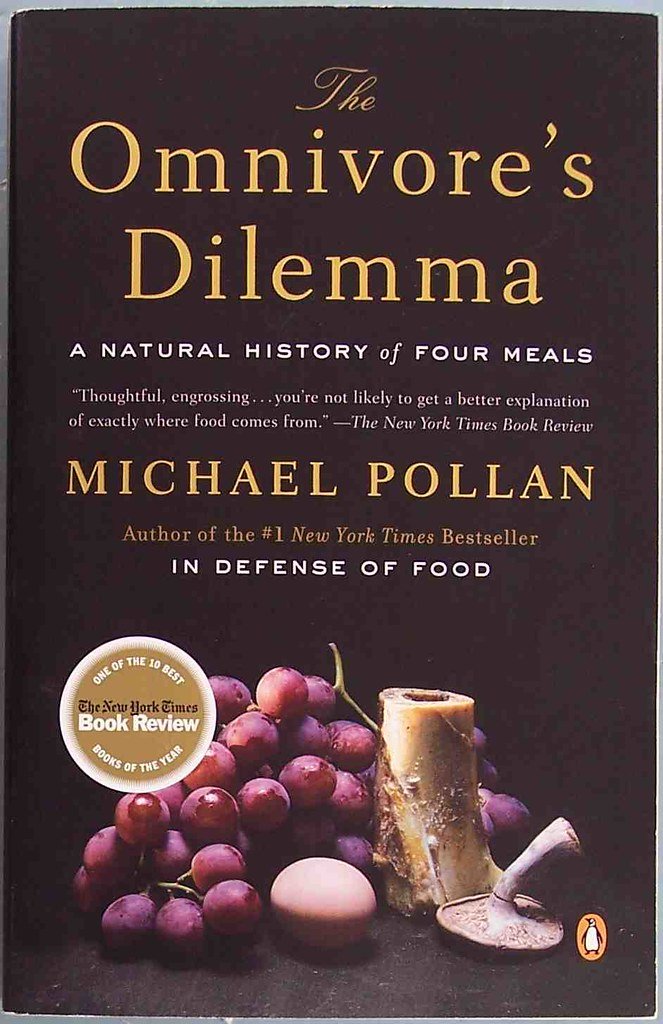
Michael Pollan’s The Omnivore’s Dilemma, published in 2006, exposed the hidden environmental costs of America’s food system. Pollan traced the journey of corn from field to fast food, revealing the pollution, habitat loss, and resource waste built into industrial agriculture. The book inspired a wave of food reform activism and contributed to the passage of the Food, Conservation, and Energy Act of 2008, which included historic funding for organic farming and conservation programs. Pollan’s work is frequently referenced in debates about agricultural subsidies, school lunch programs, and labeling laws. By making the connection between food choices and environmental health, Pollan helped reshape federal priorities for food and farming.
Ecotopia by Ernest Callenbach
Ernest Callenbach’s Ecotopia, a utopian novel from 1975, imagined a society where environmental values shaped every aspect of daily life. While fiction, the book inspired real-world movements for sustainable cities, recycling, and renewable energy. Activists and policymakers often cited Ecotopia when proposing green building standards and urban planning reforms. The book’s influence can be seen in the growth of the eco-city movement and the adoption of sustainability goals in cities like Portland and San Francisco. Ecotopia’s optimistic vision challenged lawmakers to think beyond crisis management and pursue proactive, long-term environmental policies.
Refuge by Terry Tempest Williams

Terry Tempest Williams’s Refuge, published in 1991, combined personal memoir with environmental activism. Williams documented her family’s struggles with cancer linked to nuclear testing fallout in Utah, connecting personal tragedy with public policy failures. The book brought widespread attention to the health and environmental consequences of nuclear testing in the American West. It influenced Congressional hearings and helped spur compensation programs for test site workers and affected communities. Williams’s advocacy also played a role in advancing the Utah Wilderness Act and inspiring new protections for sensitive desert lands.
The Sixth Extinction by Elizabeth Kolbert

Elizabeth Kolbert’s The Sixth Extinction, published in 2014, documented the ongoing mass extinction of species due to human activity. Kolbert’s blend of storytelling and scientific reporting made the crisis real for millions of readers. The book’s impact is visible in recent legislative proposals like the Recovering America’s Wildlife Act, which aims to provide billions in funding for endangered species and habitat restoration. Policymakers and environmental groups cite Kolbert’s evidence when pushing for stronger protections for biodiversity and ecosystem services. The book has helped shift public opinion, making species conservation a national priority.

Besides founding Festivaltopia, Luca is the co founder of trib, an art and fashion collectiv you find on several regional events and online. Also he is part of the management board at HORiZONTE, a group travel provider in Germany.
