


For any feedback please reach out to info@festivalinside.com
- The 20 Best Albums to Listen to Alone - September 21, 2026
- The 20 Most Famous Lines in Literature — And Who Almost Wrote Them - September 21, 2026
- How 20 Vinyl Got Its Groove Back - September 21, 2026
Bury My Heart at Wounded Knee
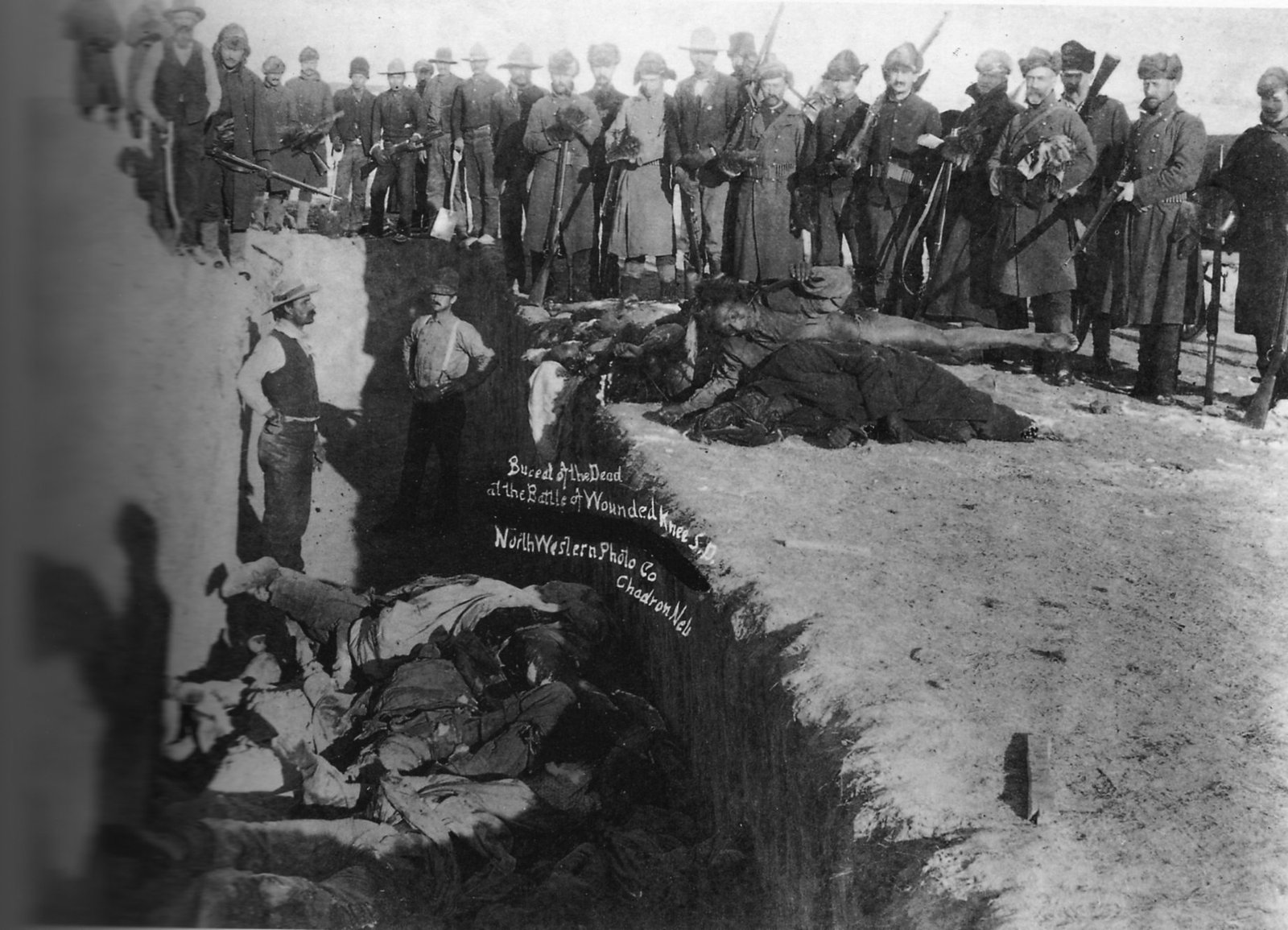
When it comes to understanding the heart-wrenching history of Native Americans, Dee Brown’s “Bury My Heart at Wounded Knee” stands as a landmark. Published in 1970, this book sent shockwaves through America by laying bare the brutal reality of U.S. expansion and its devastating effect on Indigenous peoples. Brown uses eye-opening historical records and first-person accounts to tell the story from the Native perspective. Many readers have admitted that this was the first time they saw the Westward Expansion as more than just a tale of pioneers and progress. The book’s focus on events like the massacre at Wounded Knee in 1890 forces readers to confront uncomfortable truths. According to PBS, the book has sold over five million copies worldwide, showing its lasting impact. Today, it remains a must-read for anyone wanting to know the real American story—one filled with loss, betrayal, and survival.
There There
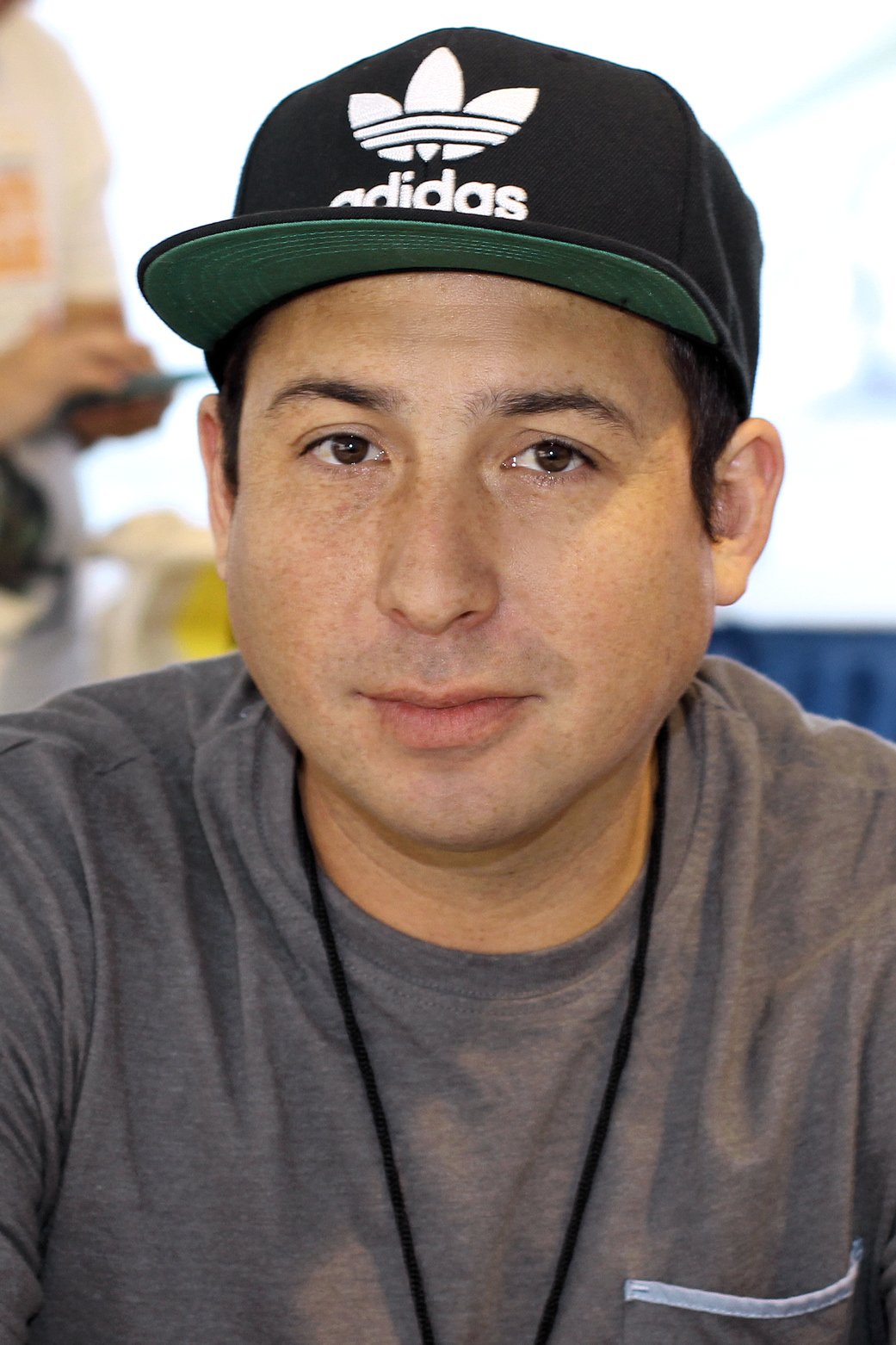
Tommy Orange’s “There There” exploded onto the literary scene in 2018, bringing with it a fresh voice and a raw look at urban Native American life. Set in Oakland, California, the novel weaves together the stories of twelve characters who all converge at a powwow. Orange’s writing is visceral and urgent, capturing the sense of being disconnected from one’s roots while struggling with poverty, addiction, and identity. According to the National Book Foundation, “There There” was a finalist for the Pulitzer Prize and won several other awards, highlighting its influence. Orange’s own background as a member of the Cheyenne and Arapaho Tribes gives the story an authentic edge. The book has been praised for illuminating the invisible struggles of Native people in modern cities, something rarely seen in mainstream literature.
The Absolutely True Diary of a Part-Time Indian
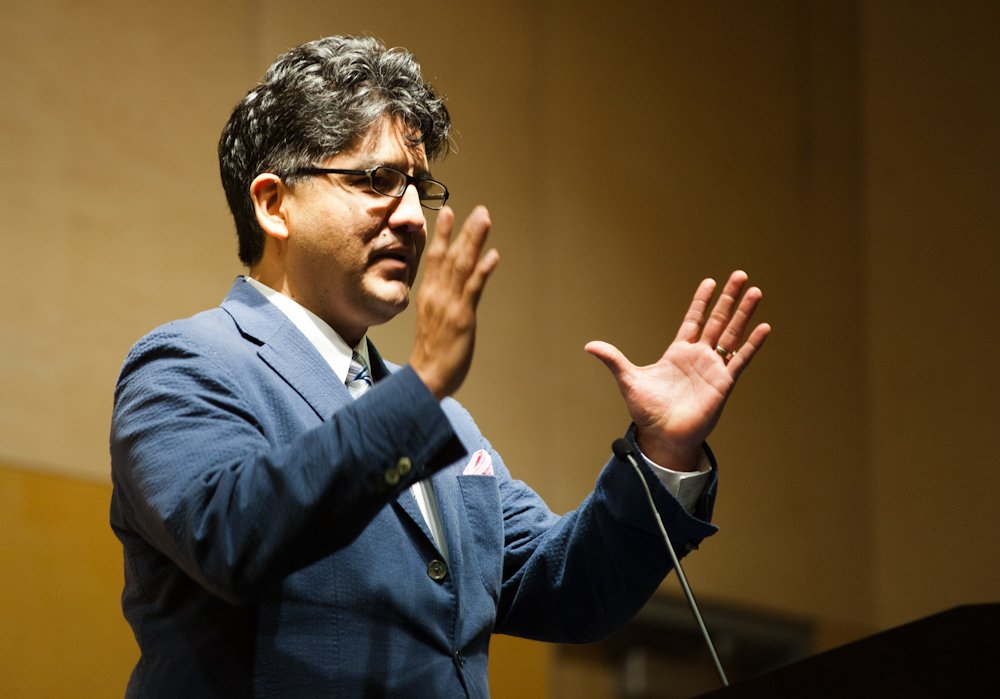
Sherman Alexie’s semi-autobiographical novel, “The Absolutely True Diary of a Part-Time Indian,” captures the bittersweet comedy and pain of growing up on the Spokane Indian Reservation. Published in 2007, it follows Junior, a teenager who decides to attend an all-white high school off the reservation for a shot at a better life. The book doesn’t shy away from tough topics—alcoholism, poverty, and racism—but it does so with humor and honesty. According to a 2023 report by the American Library Association, this book frequently appears on lists of both most banned and most recommended books in American schools. Alexie’s work resonates with teens and adults alike, highlighting the daily struggles and small victories of Native youth.
House Made of Dawn

N. Scott Momaday’s “House Made of Dawn” won the Pulitzer Prize for Fiction in 1969, marking a turning point in American literature. The novel’s poetic prose explores the alienation of Abel, a Native American who returns home from World War II only to feel out of place in both the modern world and his traditional community. The story reflects the struggle many Native Americans face when torn between two cultures. Research from the Smithsonian notes that Momaday’s victory inspired a wave of Native writers, often referred to as the Native American Renaissance. Today, the book is celebrated for its powerful depiction of loss, trauma, and the path toward healing.
Crazy Brave

Joy Harjo’s memoir, “Crazy Brave,” is a lyrical journey through the poet’s early life, marked by violence, displacement, and ultimately, resilience. As the first Native American U.S. Poet Laureate, Harjo’s story is both deeply personal and universally relevant. Published in 2012, the memoir intertwines prose and poetry, giving readers a sense of the spiritual and cultural battles faced by Native women. According to the Poetry Foundation, Harjo’s impact on Native literature has only grown since her appointment as Poet Laureate. “Crazy Brave” stands as a testament to survival and hope, especially for Native readers seeking representation in mainstream literature.
Killers of the Flower Moon

David Grann’s “Killers of the Flower Moon” investigates the shocking Osage murders of the 1920s, where dozens of wealthy Osage Nation members were killed for their oil-rich land. This true-crime narrative uncovers not just a series of murders, but also the deep-seated racism and corruption that allowed them to happen. According to FBI archives, the investigation into these crimes helped spark the founding of the modern FBI. Published in 2017 and later adapted into a major film, the book has reignited conversations about historical injustices faced by Native Americans. The New York Times reported that the book remained on bestseller lists for over a year, reflecting a renewed public interest in this dark chapter of American history.
Earthdivers: Kill Columbus
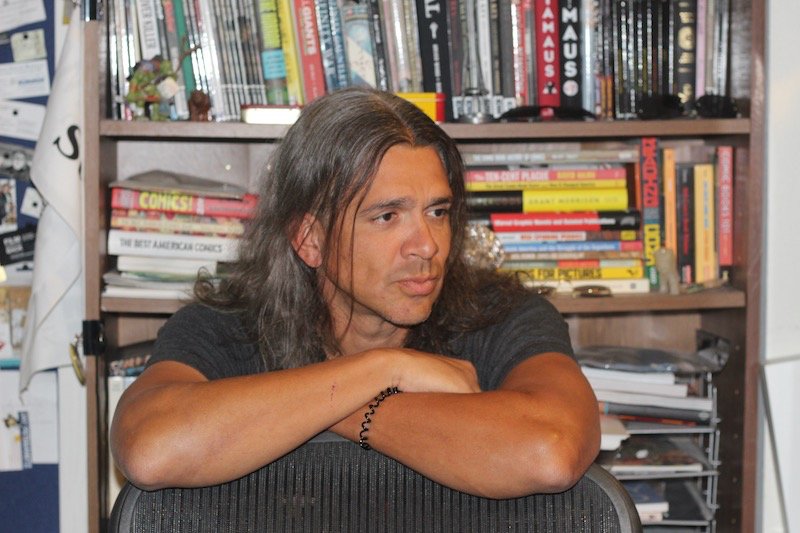
A recent entry into the conversation is the graphic novel series “Earthdivers: Kill Columbus” by Stephen Graham Jones. Set in a dystopian future, the story follows Native survivors who travel back in time to prevent Christopher Columbus from landing in the Americas. Released in 2022, it combines speculative fiction with historical trauma, offering a wild but thought-provoking take on what could have been. According to the Comic Book Legal Defense Fund, the series has sparked debate about the power of storytelling in rewriting or reimagining history. With its bold visuals and daring plot, “Earthdivers” invites readers to confront uncomfortable questions about legacy and justice.
Night of the Living Rez
Morgan Talty’s “Night of the Living Rez” is a collection of interconnected stories set on a Penobscot reservation in Maine. Published in 2022, the book dives deep into the daily lives of its characters, exploring struggles with addiction, family, and cultural identity. Critics from NPR have praised Talty’s raw yet compassionate storytelling, noting that the collection captures both the darkness and humor found in Native communities. The book shines a light on the contemporary realities of reservation life, moving beyond stereotypes to reveal the complex humanity of its subjects.
Heart Berries
Terese Marie Mailhot’s “Heart Berries” is a brutally honest memoir that shook the literary world when it was published in 2018. Born on the Seabird Island Indian Reservation in British Columbia, Mailhot writes about her experiences with mental illness, motherhood, and the generational trauma that haunts many Native families. The Los Angeles Times called the memoir “astonishing in its candor,” and it quickly became a bestseller. Mailhot’s voice is unfiltered and urgent, making readers feel the weight of her struggle while also celebrating her survival. Her story has inspired others to speak openly about mental health and trauma in Native communities.
Winter in the Blood
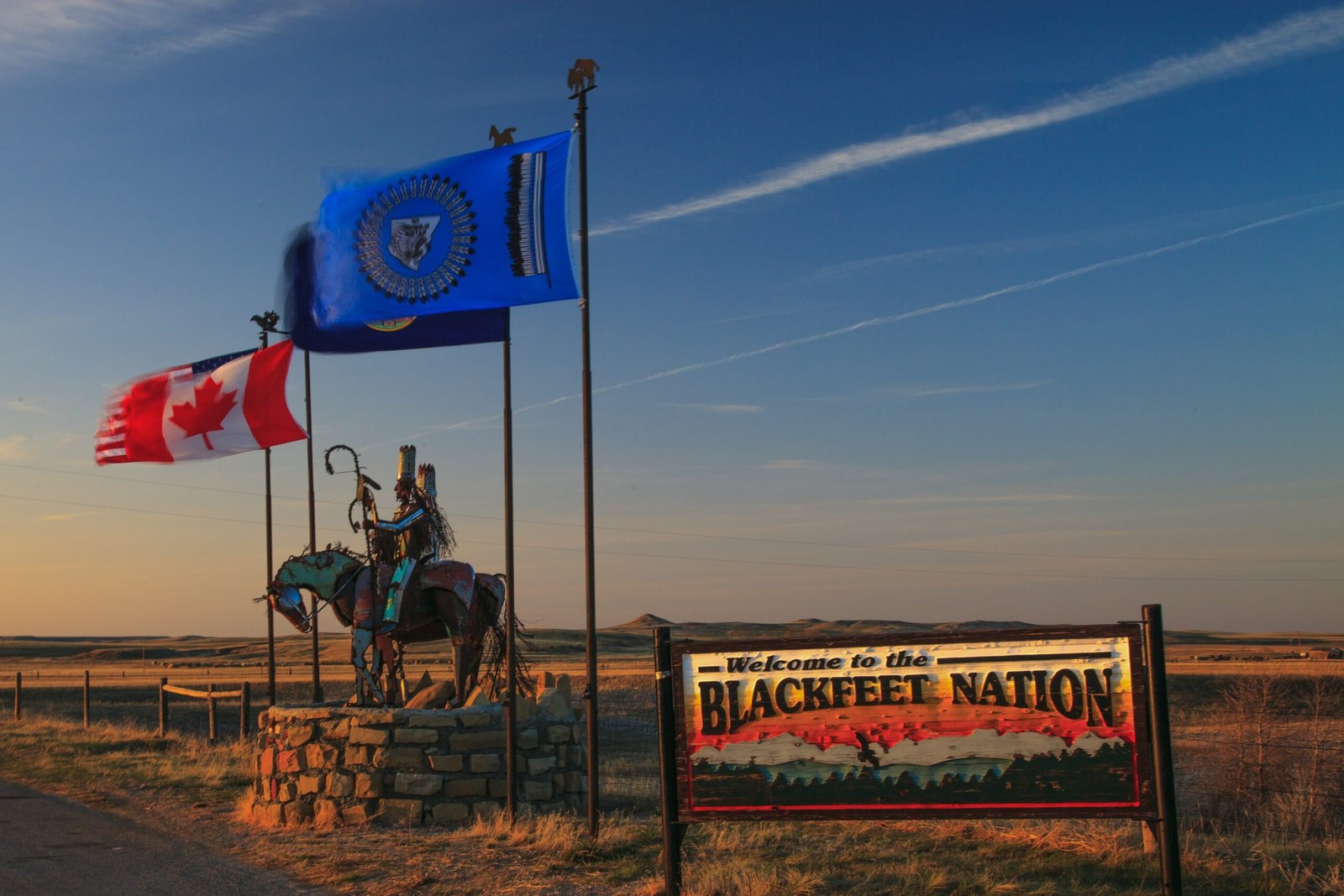
James Welch’s “Winter in the Blood” was first published in 1974 and remains a touchstone for understanding Native alienation and displacement. The novel follows an unnamed narrator drifting through life on a Montana reservation, disconnected from both his culture and the world around him. The story’s bleak yet beautiful style mirrors the deeply rooted pain and confusion faced by many Native Americans. According to a 2023 feature in The Atlantic, the book is often cited in university courses on Native literature for its honest portrayal of loneliness and loss. Welch’s work continues to influence new generations of writers and readers alike.
Indian Horse
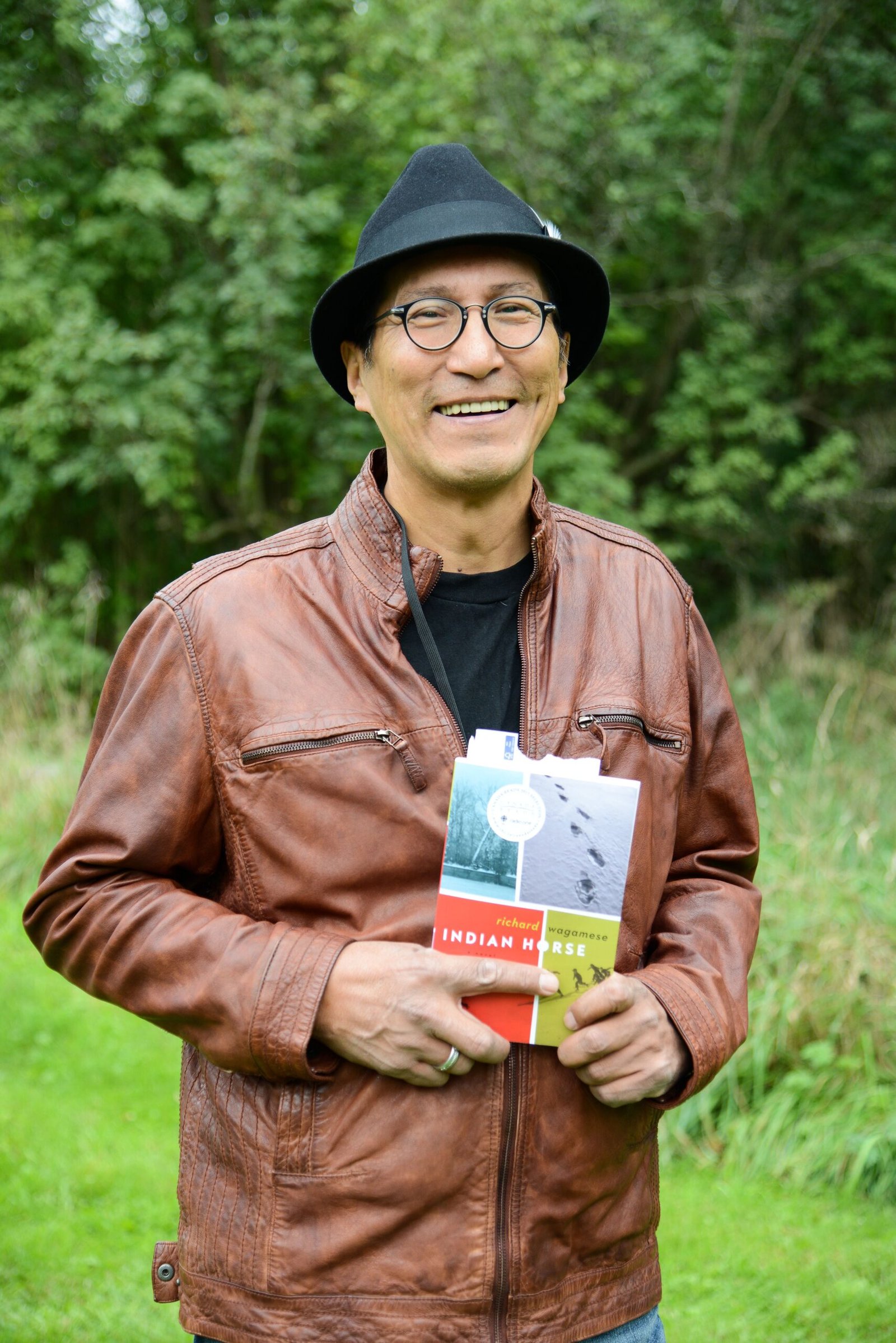
Richard Wagamese’s “Indian Horse” takes readers to the heart of Canada’s residential school crisis, telling the story of Saul Indian Horse, a young Ojibwe boy torn from his family and forced into a brutal school system. Published in 2012, the novel draws from real-life testimonies and historical records, highlighting the trauma inflicted on Indigenous children. According to the Truth and Reconciliation Commission of Canada, over 150,000 First Nations, Inuit, and Métis children attended these schools, with thousands never returning home. Wagamese’s novel doesn’t just chronicle loss; it also shows the healing power of sports and tradition, offering a glimmer of hope amid heartbreak.
Firekeeper’s Daughter
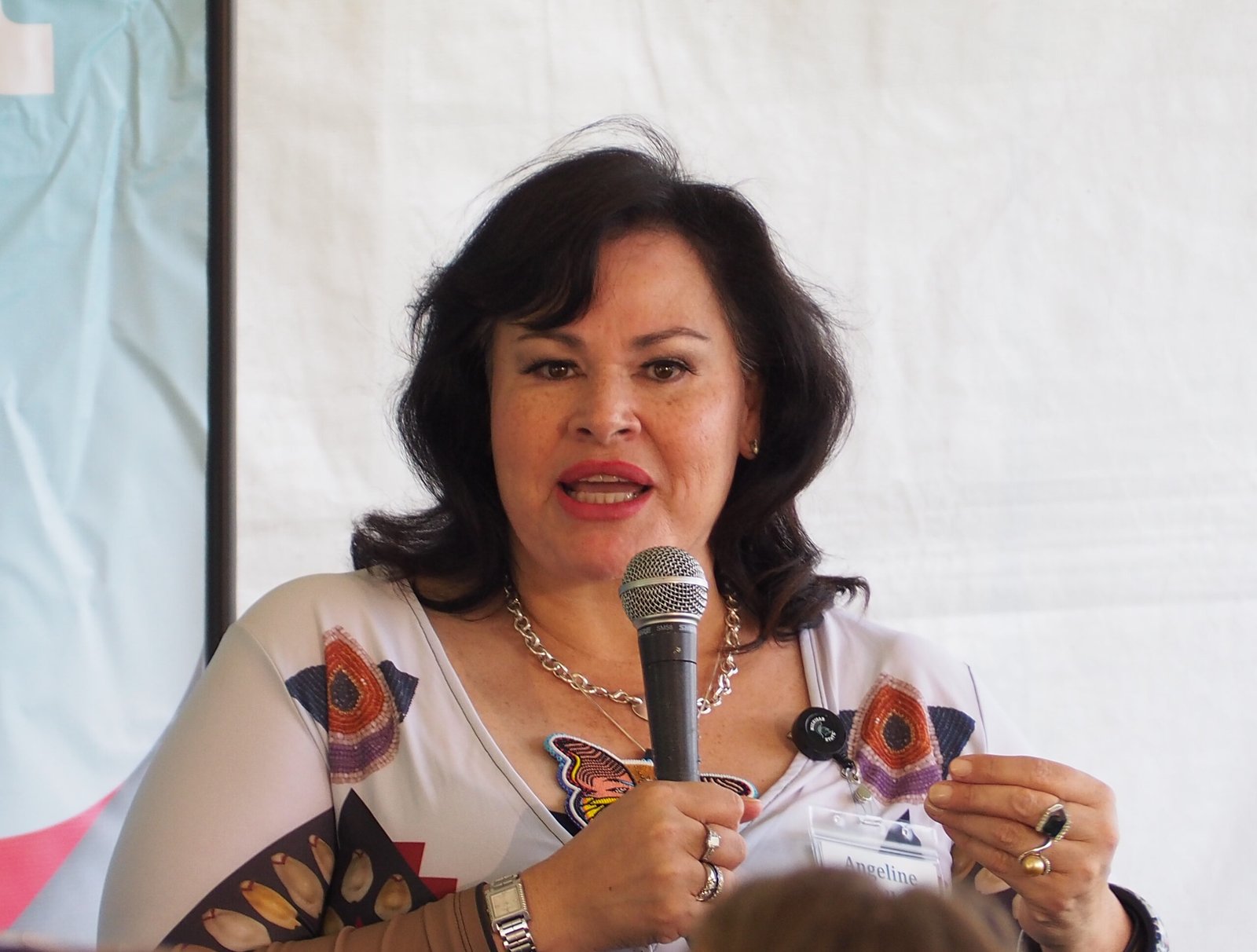
Angeline Boulley’s “Firekeeper’s Daughter” burst into the spotlight in 2021 as a young adult thriller with a deep social message. The story follows Daunis, a biracial Ojibwe teenager, as she uncovers a web of crime and corruption threatening her community. The book quickly became a bestseller and was optioned for a Netflix series shortly after release. According to Publishers Weekly, Boulley’s novel stands out for its realistic portrayal of contemporary Native life, especially issues like drug addiction, violence, and the resilience of Native women. The success of “Firekeeper’s Daughter” has shown that Native stories can be both gripping and meaningful for a wide audience.
Split Tooth

Tanya Tagaq’s “Split Tooth” is a genre-defying blend of memoir, poetry, and Inuit folklore. Published in 2018, the book explores the harsh realities of growing up in Nunavut, from abuse to the beauty of the northern wilderness. Tagaq, a celebrated Inuk throat singer, brings a unique voice to the page, blending magical realism with stark honesty. According to CBC Books, “Split Tooth” won the Indigenous Voices Award and was shortlisted for several other honors. The book captures the struggle of holding onto tradition while facing modern challenges, making it a powerful addition to contemporary Native literature.
Mean Spirit
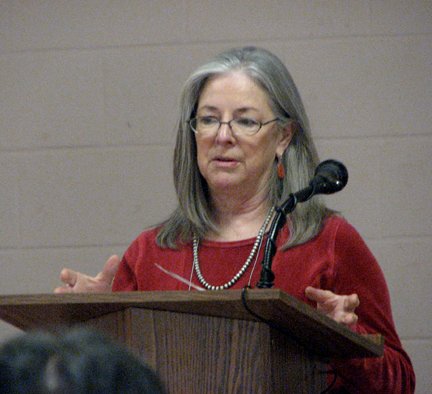
Linda Hogan’s “Mean Spirit,” shortlisted for the Pulitzer Prize in 1991, revisits the oil booms and ensuing violence inflicted upon the Osage people in Oklahoma. Like “Killers of the Flower Moon,” Hogan’s novel paints a vivid picture of greed, murder, and resistance. The story is built around a series of suspicious deaths and the community’s fight to protect itself. The National Museum of the American Indian highlights this novel for its blend of historical accuracy with spiritual storytelling. Hogan’s work is a reminder of the strength and endurance of Native communities in the face of overwhelming adversity.
Night Watchman
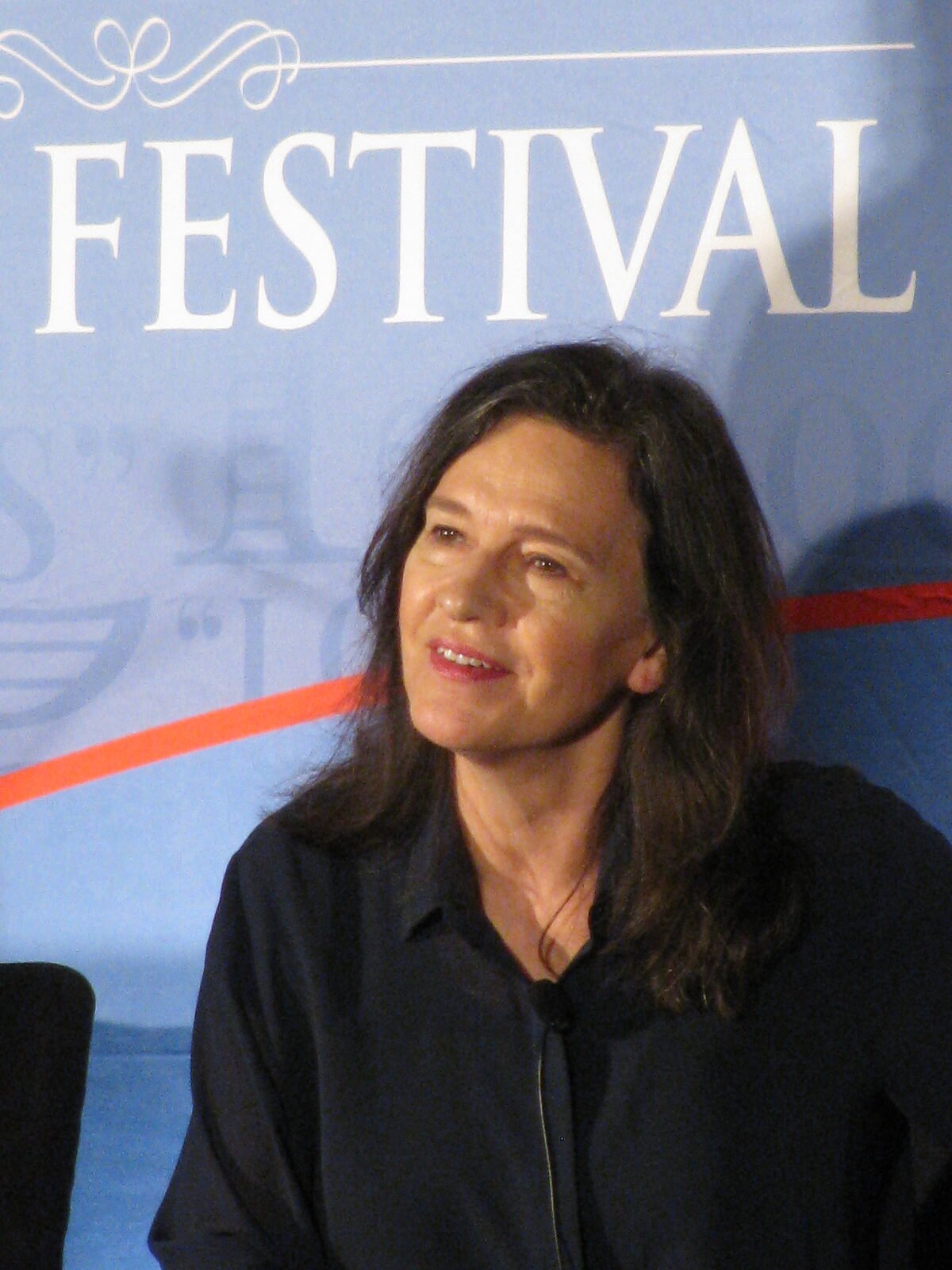
Louise Erdrich’s “The Night Watchman” draws inspiration from her grandfather’s battle against Native dispossession in 1950s North Dakota. The novel, which won the Pulitzer Prize for Fiction in 2021, follows a Chippewa councilman as he fights against congressional attempts to terminate tribal rights. The New York Times recognized Erdrich’s ability to blend historical facts with deeply human stories. Her storytelling captures the tension between tradition and change, showing how policies from decades ago still echo in Native communities today. The book is celebrated for spotlighting both the mundane and the heroic in everyday Native life.
Code Talker
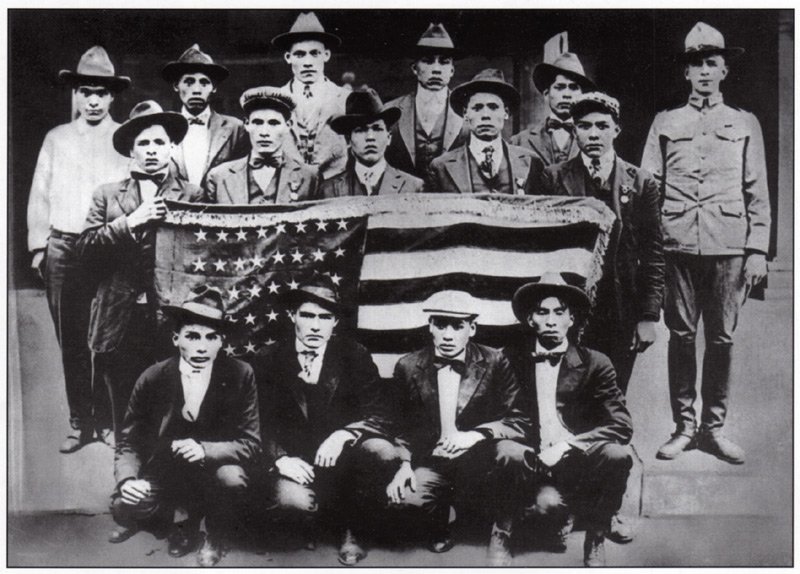
“Code Talker” by Joseph Bruchac tells the incredible true story of the Navajo Marines who used their language as an unbreakable code during World War II. Released in 2005, the book is based on real-life accounts and interviews, giving readers a firsthand look at the challenges and triumphs of these unsung heroes. According to the U.S. Department of Defense, the Navajo code was never broken by enemy forces. Bruchac’s storytelling pays tribute to the courage and resilience of Native soldiers, many of whom faced discrimination both at home and abroad. The story continues to inspire pride and recognition for the vital role Native Americans played in shaping world history.

Christian Wiedeck, all the way from Germany, loves music festivals, especially in the USA. His articles bring the excitement of these events to readers worldwide.
For any feedback please reach out to info@festivalinside.com
