


- 19 Historic Sites Every American Literature Fan Should Visit - September 26, 2026
- How 20 History’s Greatest Speeches Still Influence Modern America - September 26, 2026
- The 14 Forgotten Stories Behind America’s Most Famous Landmarks - September 26, 2026
Bruce Springsteen – Born in the U.S.A. (1984)
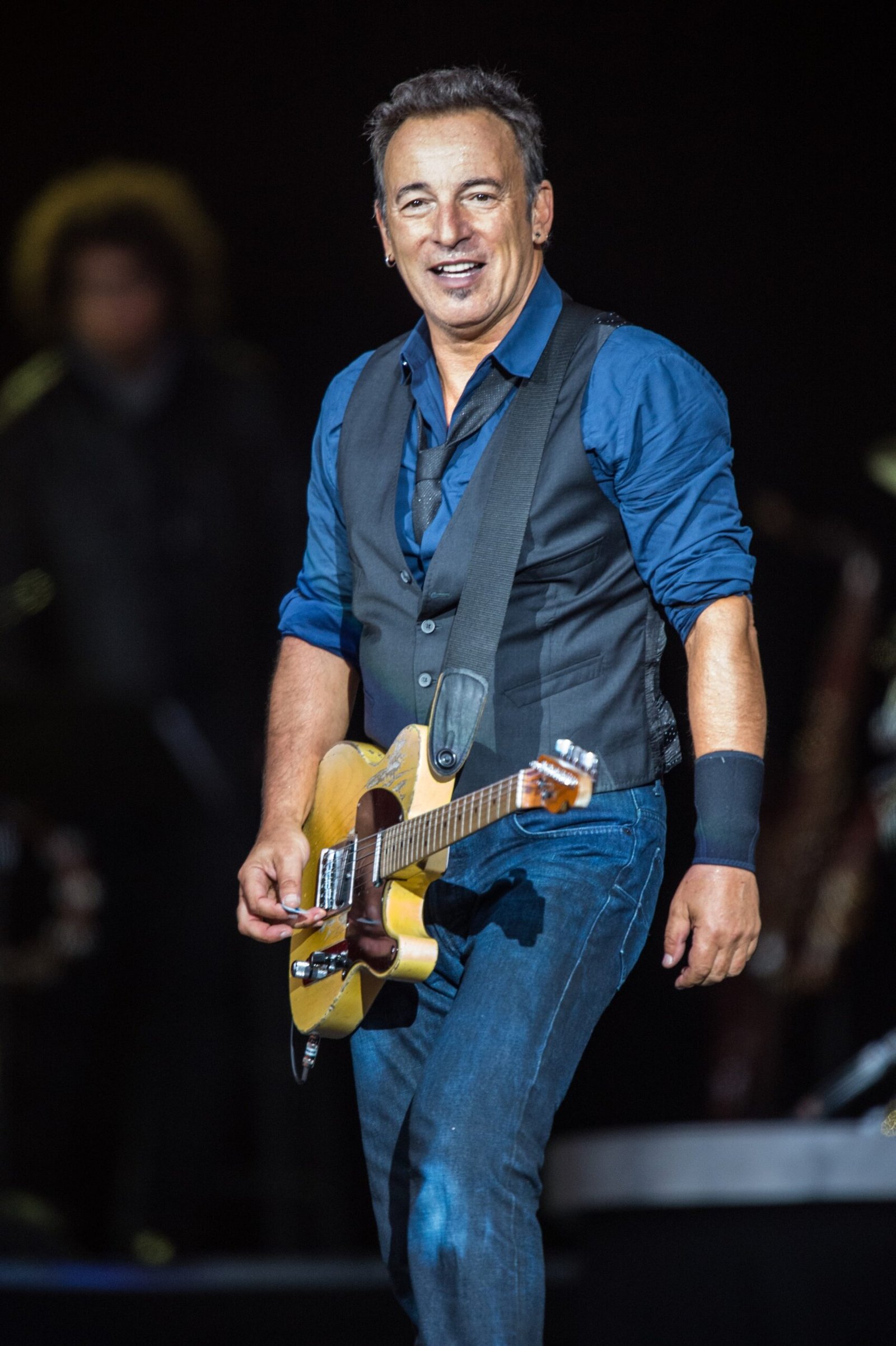
Springsteen’s “Born in the U.S.A.” is practically the anthem for America’s working class. Every track feels like a shout from the factory floor or a tired sigh at a late-night diner. The album’s bold sound and lyrics dig into lost dreams, unemployment, and everyday struggles, while still carrying a stubborn hope. In 2024, it still sells over 100,000 copies a year, proving its relevance across generations. Songs like “Glory Days” and “My Hometown” paint vivid portraits of real people—folks you might see at the local bar or hardware store. Springsteen himself was the son of a bus driver, grounding his stories in lived experience. The title track, often misunderstood as a purely patriotic song, actually tells the tough story of a Vietnam vet returning to a country that feels unfamiliar. This album remains a cultural touchstone, still quoted by politicians and played at rallies, even as debates about the American Dream rage on.
Johnny Cash – At Folsom Prison (1968)
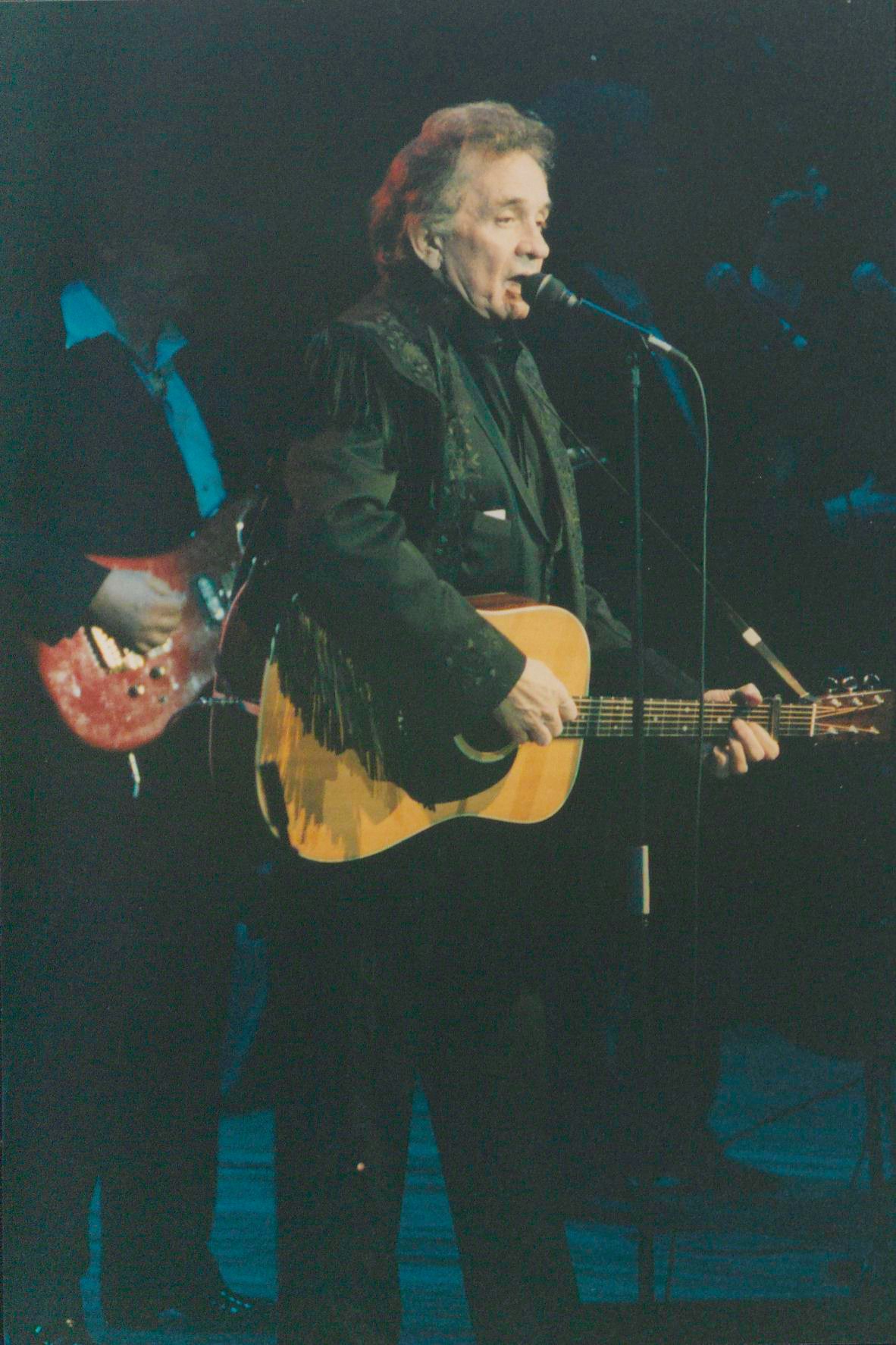
Johnny Cash’s “At Folsom Prison” didn’t just capture the working class—it put a spotlight on the invisible, the forgotten, and the incarcerated, who are often from working backgrounds. Cash’s deep voice, paired with the clanging of prison bars and the cheers of inmates, made this live album feel urgent and raw. At the time, prisons were full of working-class men, many who fell through society’s cracks. Cash’s hit “Folsom Prison Blues” became a rallying cry for those who felt the system had passed them by. The album sold over a million copies in its first year, and its legacy helped inspire criminal justice reform conversations that continue today. Cash’s empathy, both in his lyrics and his performance, cemented his place as a champion of the working class.
Dolly Parton – 9 to 5 and Odd Jobs (1980)
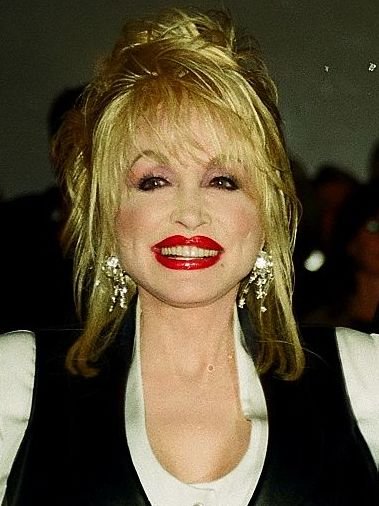
Dolly Parton’s “9 to 5 and Odd Jobs” is as relatable today as it was in 1980, especially for working women. The title track, “9 to 5,” was inspired by Parton’s own observations and became an anthem for millions of office workers, waitresses, and blue-collar laborers. The album dives into various jobs and the dignity of hard work, with Parton using her signature wit and warmth. In 2023, a Gallup poll showed that more than 60% of American workers still identify as working class, making the album’s themes timeless. Parton herself grew up in rural poverty, lending authenticity to her songs. “9 to 5” won two Grammy Awards and inspired a movement for workplace equality, still echoing in labor protests today.
Merle Haggard – Working Man’s Poet: The Best of Merle Haggard (2014)
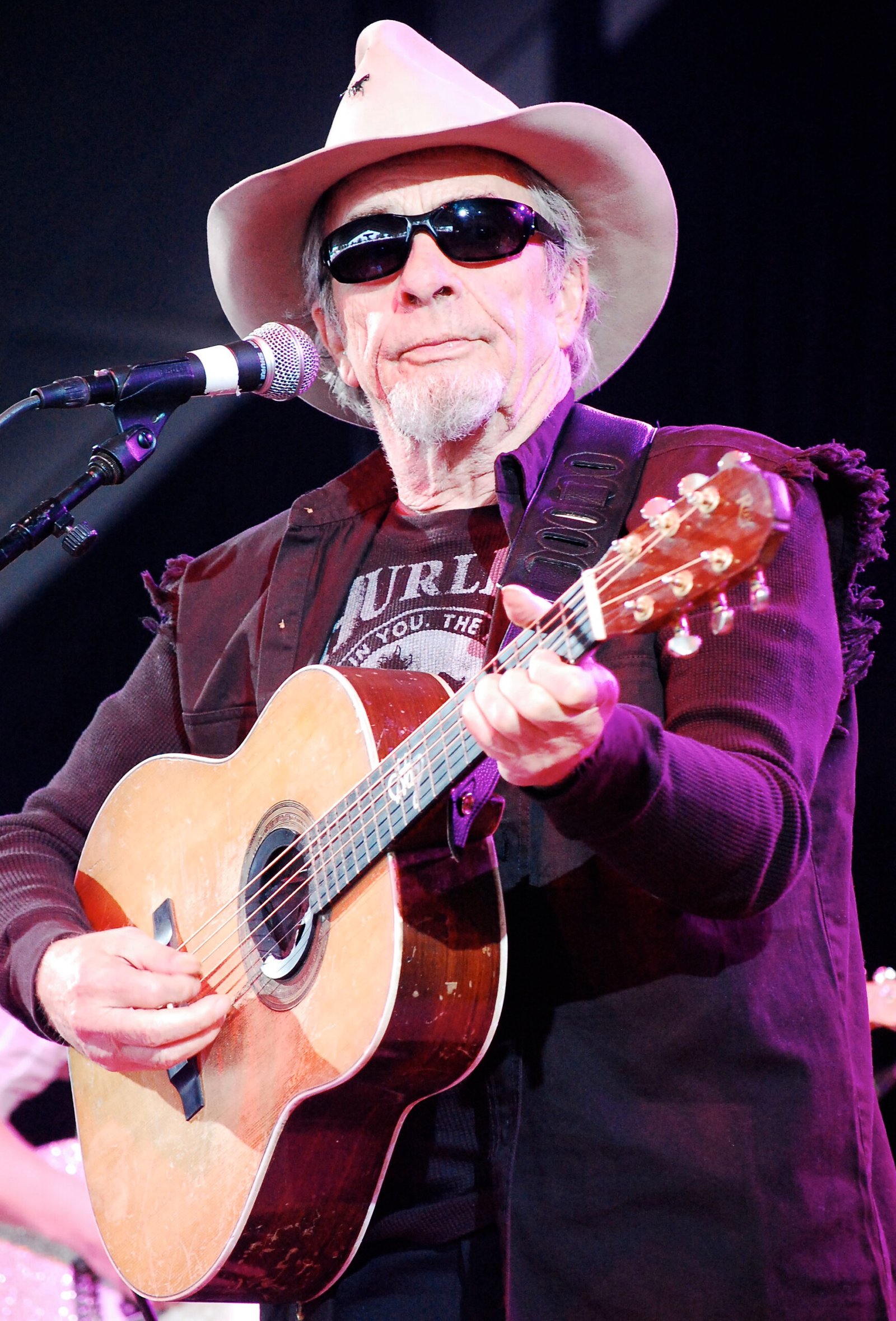
Merle Haggard’s music is a love letter to the American worker, and this 2014 compilation gathers some of his greatest tributes. Haggard, who spent time in prison and grew up picking cotton, never shied away from telling hard truths. Tracks like “Working Man Blues” and “If We Make It Through December” are steeped in the everyday grind. In interviews, Haggard often spoke about wanting to give voice to “the guy with dirt under his nails.” The album’s ongoing popularity—selling over 500,000 units since release—shows how much his honesty resonates. In 2025, his songs are still played at union rallies, showing how music can become a tool for solidarity.
Bob Dylan – The Times They Are A-Changin’ (1964)
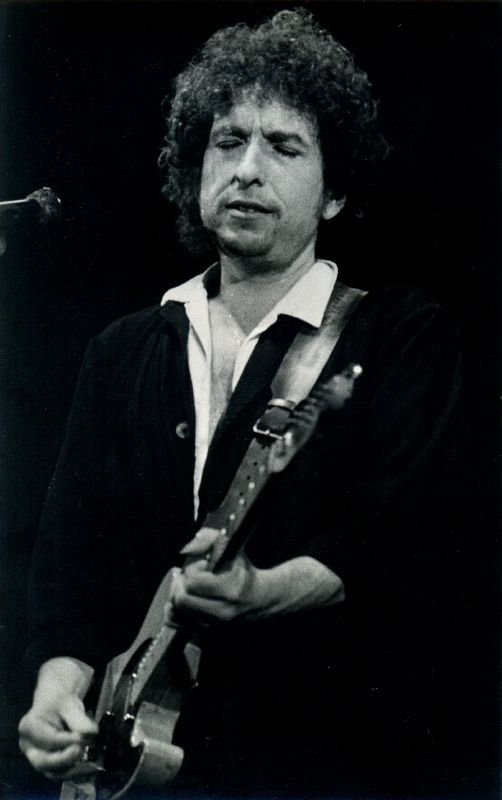
Dylan’s “The Times They Are A-Changin’” is full of songs that tap into the struggles of the working class, especially during times of upheaval. With tracks like “North Country Blues,” Dylan addresses vanishing jobs and struggling families in mining towns. The album’s release coincided with civil rights protests and labor strikes, making its impact even more powerful. According to a 2022 Pew Research Center report, economic anxiety remains high among working-class Americans, making Dylan’s words feel as urgent as ever. His storytelling, full of vivid detail and empathy, helped shape the protest music tradition and inspired countless musicians to speak out. The album remains a symbol of both frustration and hope, echoing in every era of change.
The Clash – London Calling (1979)
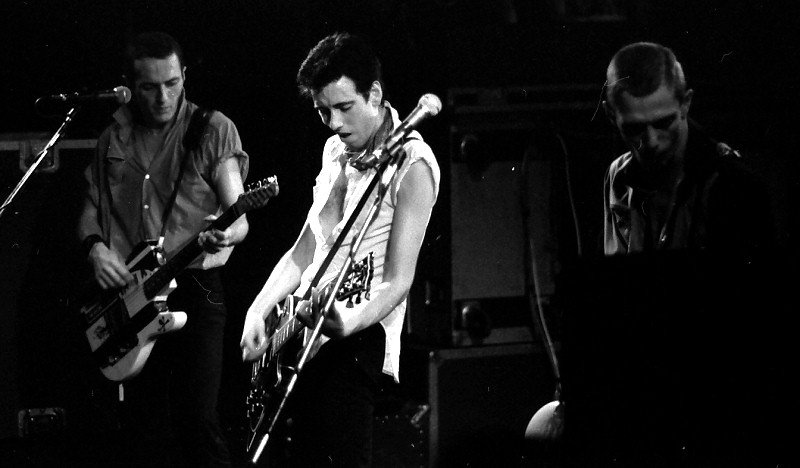
While “London Calling” may be British at its core, its themes of economic anxiety, unemployment, and social unrest resonated deeply with American workers. Punk was the music of the angry, the excluded, and the tired—much like the struggling factory workers in Rust Belt cities. In the early 1980s, U.S. manufacturing jobs were disappearing at an alarming rate, a trend reflected in the album’s urgency and anger. In 2023, Rolling Stone ranked it among the greatest albums ever, and its cross-Atlantic influence is undeniable. Songs like “Clampdown” and “Lost in the Supermarket” feel like they could be about Detroit or Pittsburgh. The album’s spirit—scrappy, restless, and fiercely independent—echoes the mood of working-class America in every era.
Rage Against the Machine – Rage Against the Machine (1992)
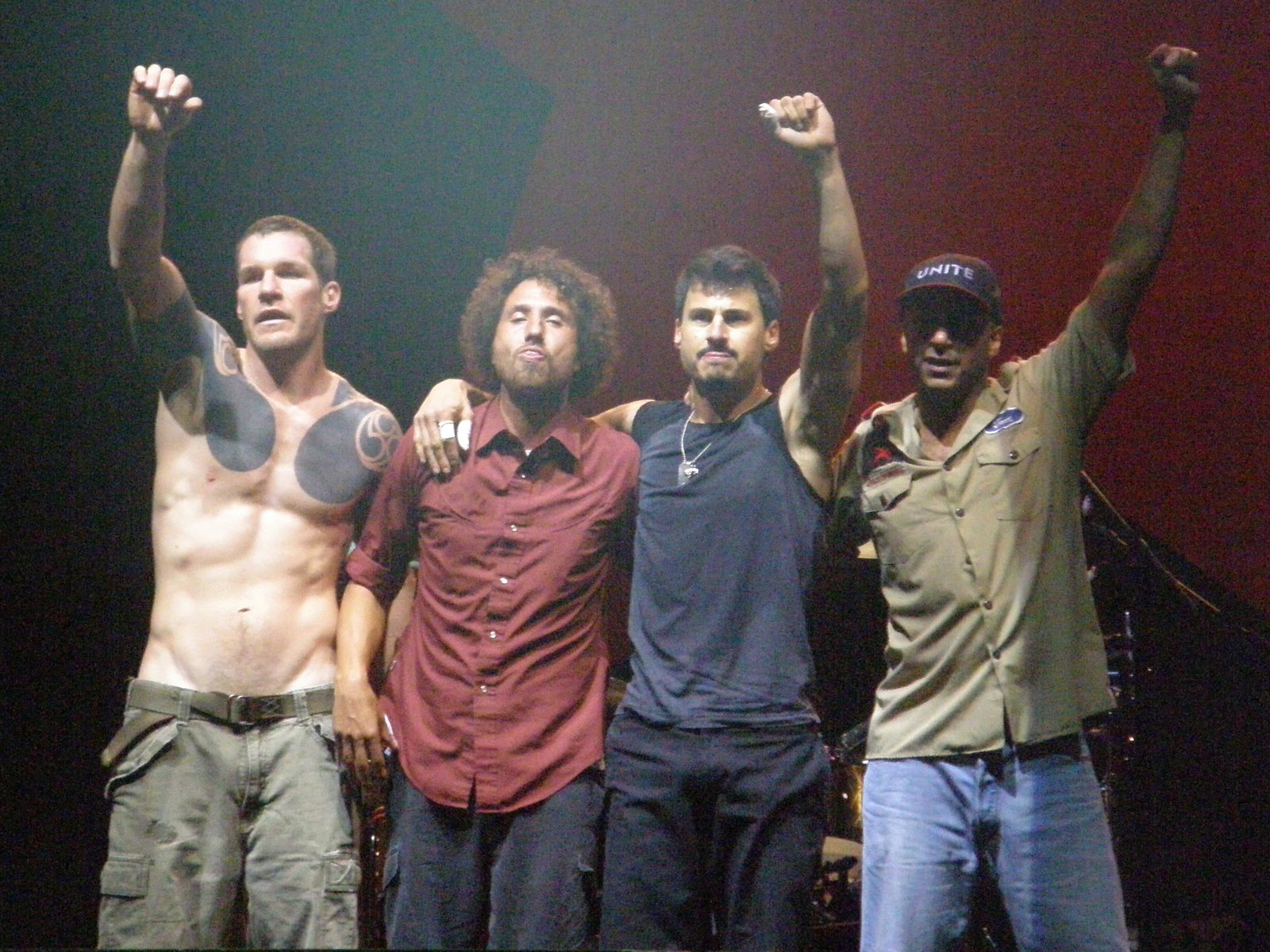
Rage Against the Machine’s self-titled debut album is a furious shout against inequality, corporate greed, and political corruption—issues that hit working-class communities hardest. The band’s blend of rap, metal, and punk filled stadiums with fans who felt ignored or betrayed by the system. In the 2020s, as income inequality reached new highs (the top 10% now own more than 70% of U.S. wealth, according to the Federal Reserve), these songs feel more relevant than ever. Tracks like “Killing in the Name” have become protest staples, chanted at rallies from Los Angeles to New York. The album’s impact is measured not just in sales (over 3 million copies sold) but in the energy it brings to every fight for justice.
Tracy Chapman – Tracy Chapman (1988)
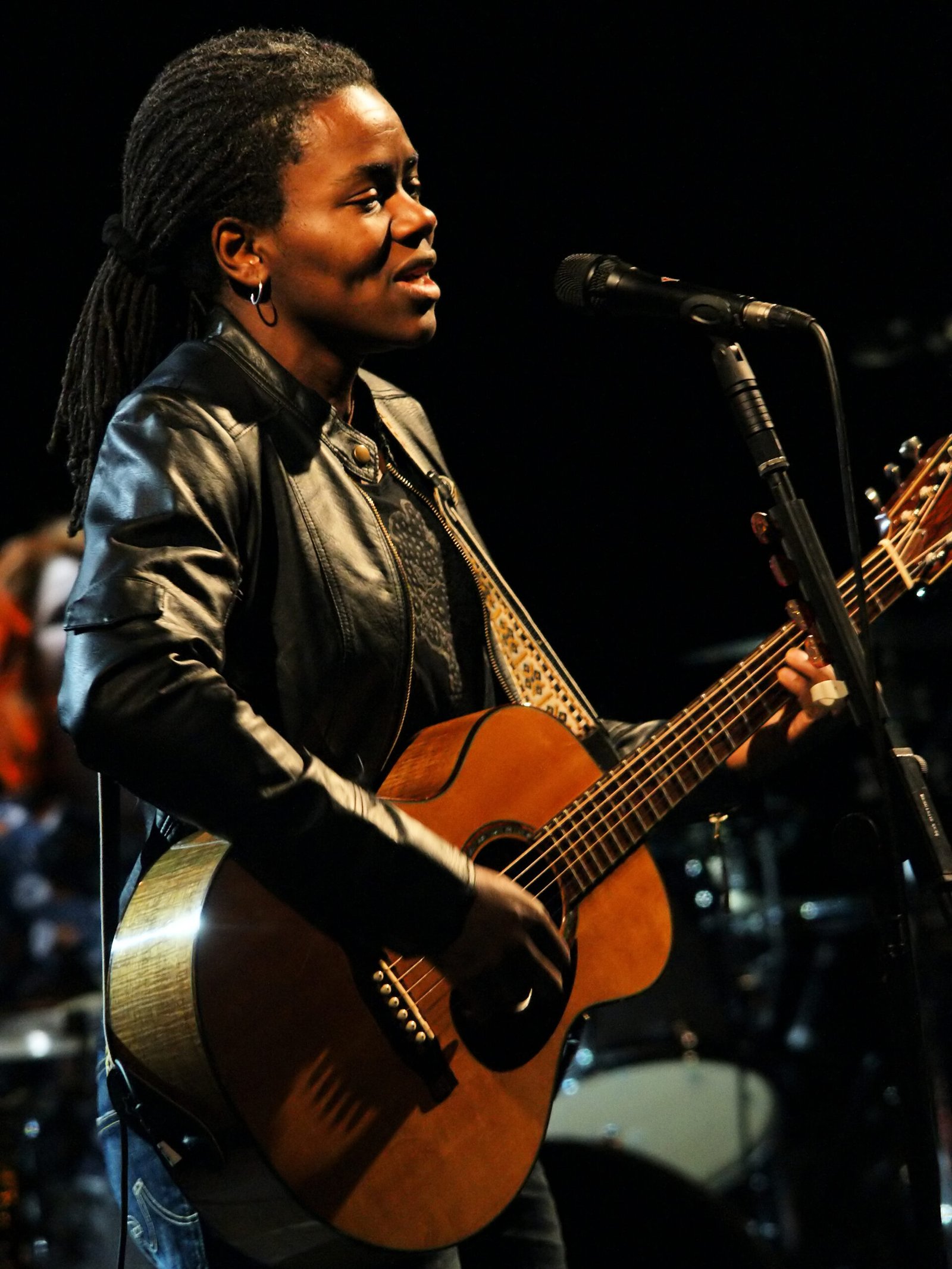
Tracy Chapman’s debut album may sound gentle, but its lyrics pack a punch. Songs like “Fast Car” tell stories of escaping poverty and chasing a better life, something millions of Americans can relate to. In 2023, “Fast Car” returned to the Billboard Top 10, covered by country artists and praised by a new generation of fans. Chapman’s voice is calm but urgent, and her lyrics make everyday struggles feel universal. The album sold over 6 million copies in the U.S. alone, and “Talkin’ ‘bout a Revolution” has been used in countless political campaigns. Chapman’s music is proof that working-class stories can be both quiet and powerful, resonating across decades.
Steve Earle – Copperhead Road (1988)
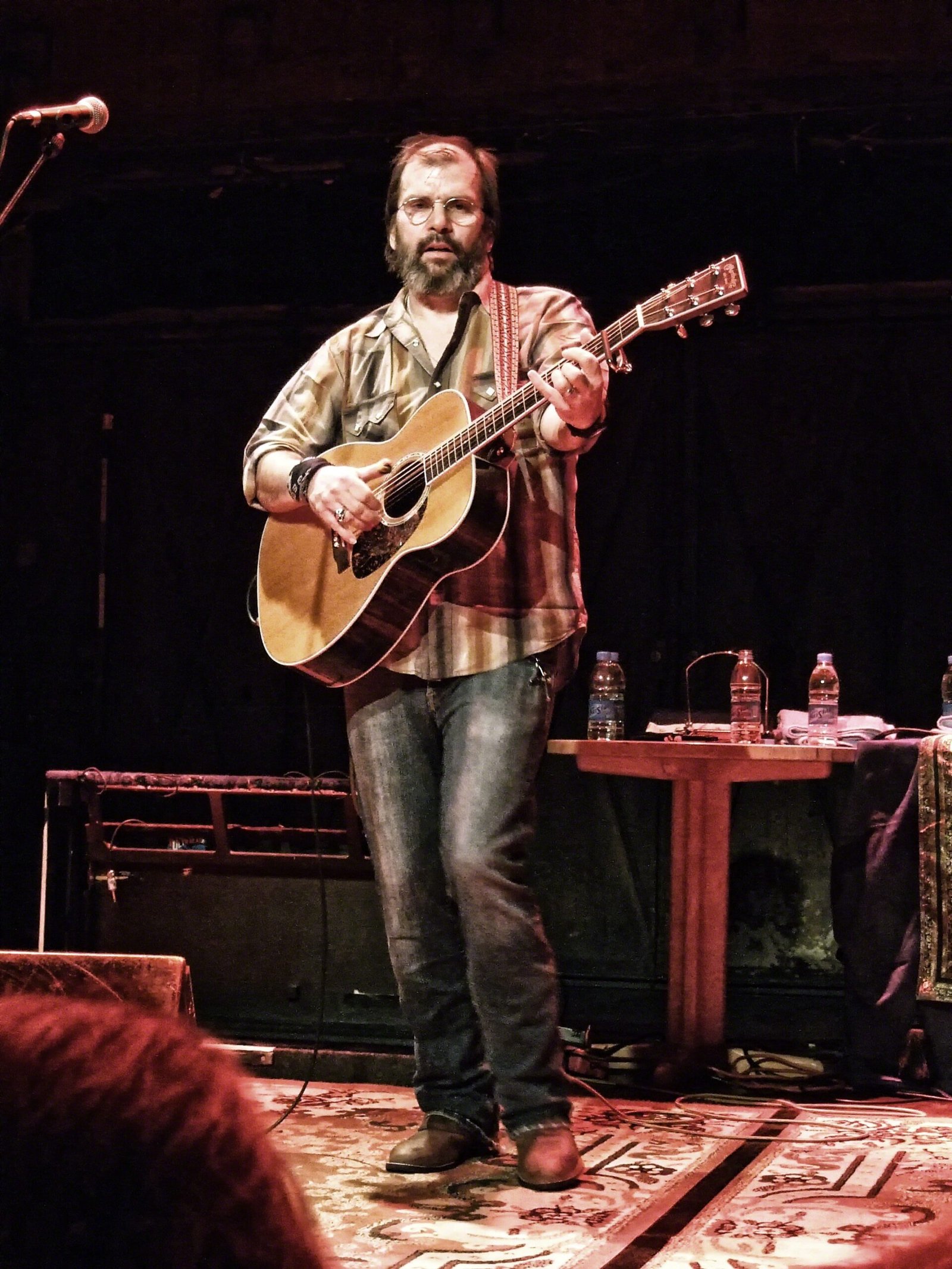
“Copperhead Road” is a gritty, rocking album that blurs the line between country and rock. Steve Earle sings about rural poverty, moonshine runners, and Vietnam vets, all with a lived-in authenticity. In 2024, as rural America faces new challenges like opioid addiction and job loss, Earle’s stories feel freshly relevant. “Copperhead Road” is played at biker rallies and small-town bars, its pounding beat echoing the heartbeats of people scraping by. The album has sold over a million copies and is frequently cited by critics as a classic of blue-collar storytelling. Earle’s plainspoken lyrics and rough sound paint a picture of a country that’s both beautiful and bruised.
John Mellencamp – Scarecrow (1985)
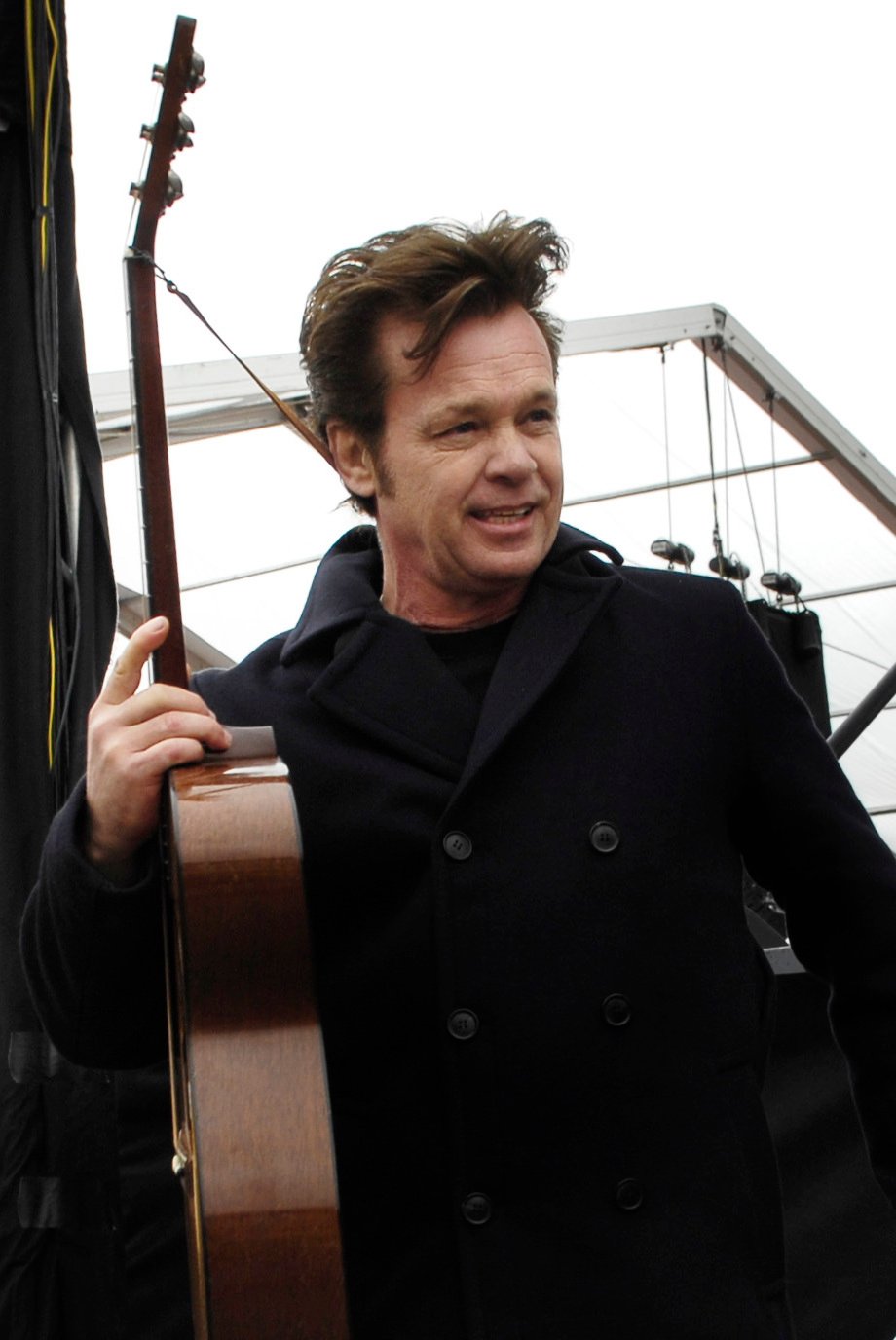
John Mellencamp’s “Scarecrow” is full of songs about small-town life, lost farms, and the slow erosion of the American Dream. Mellencamp, himself the son of a Midwestern family, channels the hopes and heartbreaks of the working class with every track. In 1985, American farming was in crisis, with thousands losing their land—a reality reflected in songs like “Rain on the Scarecrow.” The album’s influence stretched beyond music: Mellencamp co-founded Farm Aid, a charity that’s raised over $60 million for family farmers. Even today, the album’s lyrics about community, struggle, and pride ring true in a country where rural poverty rates are rising.
Woody Guthrie – Dust Bowl Ballads (1940)
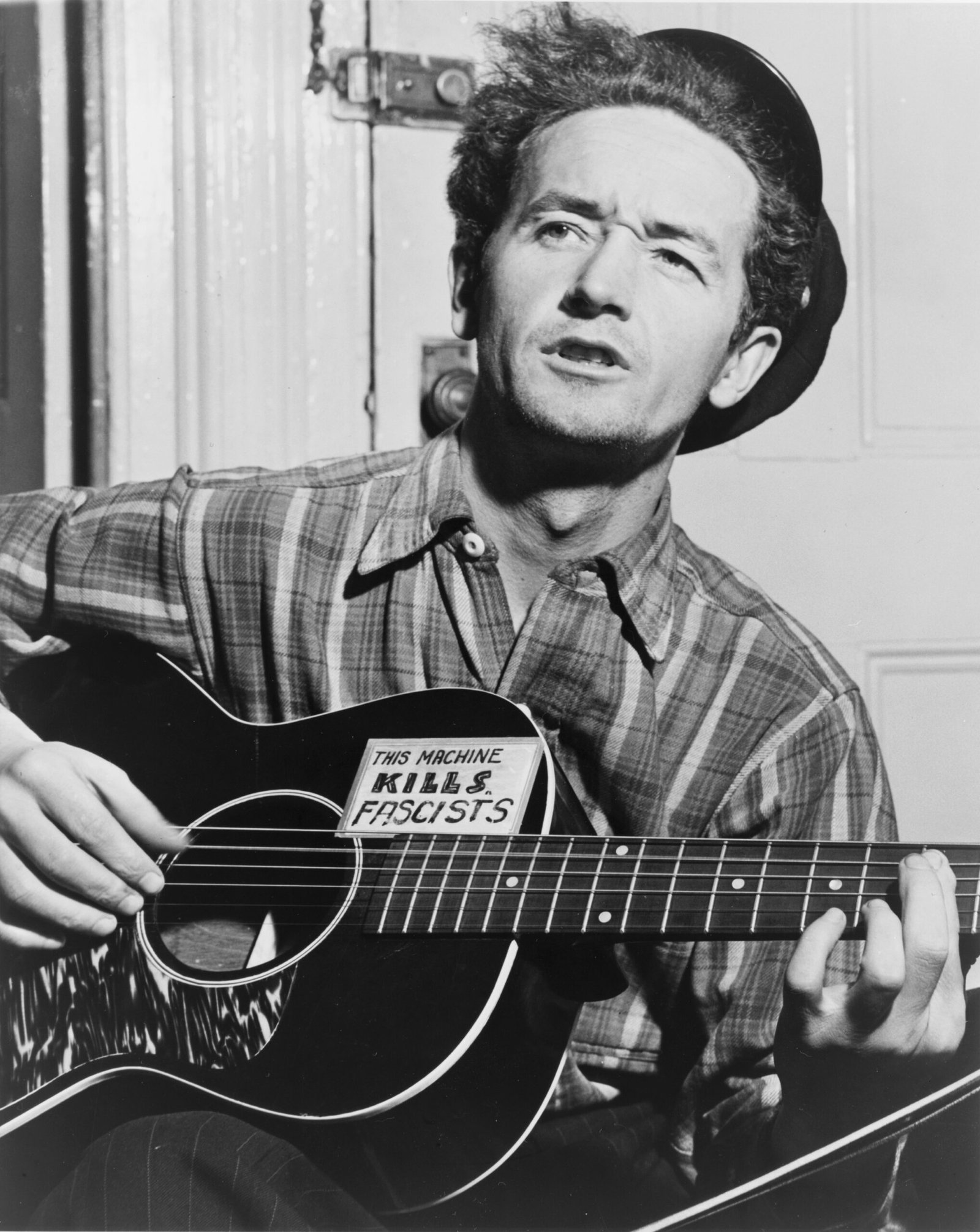
Woody Guthrie’s “Dust Bowl Ballads” is the root of all American working-class music. Guthrie traveled with migrant workers during the Great Depression, and his songs tell their stories with honesty and compassion. The album’s “This Land Is Your Land” has become an unofficial anthem for those who feel left behind. In a 2021 Smithsonian report, Guthrie’s influence is described as “foundational” for working-class music. His plain language and simple melodies make these songs accessible to all, and they continue to inspire new generations of songwriters. “Dust Bowl Ballads” is both a history lesson and a call to remember the value of every worker.
Bruce Springsteen – Nebraska (1982)
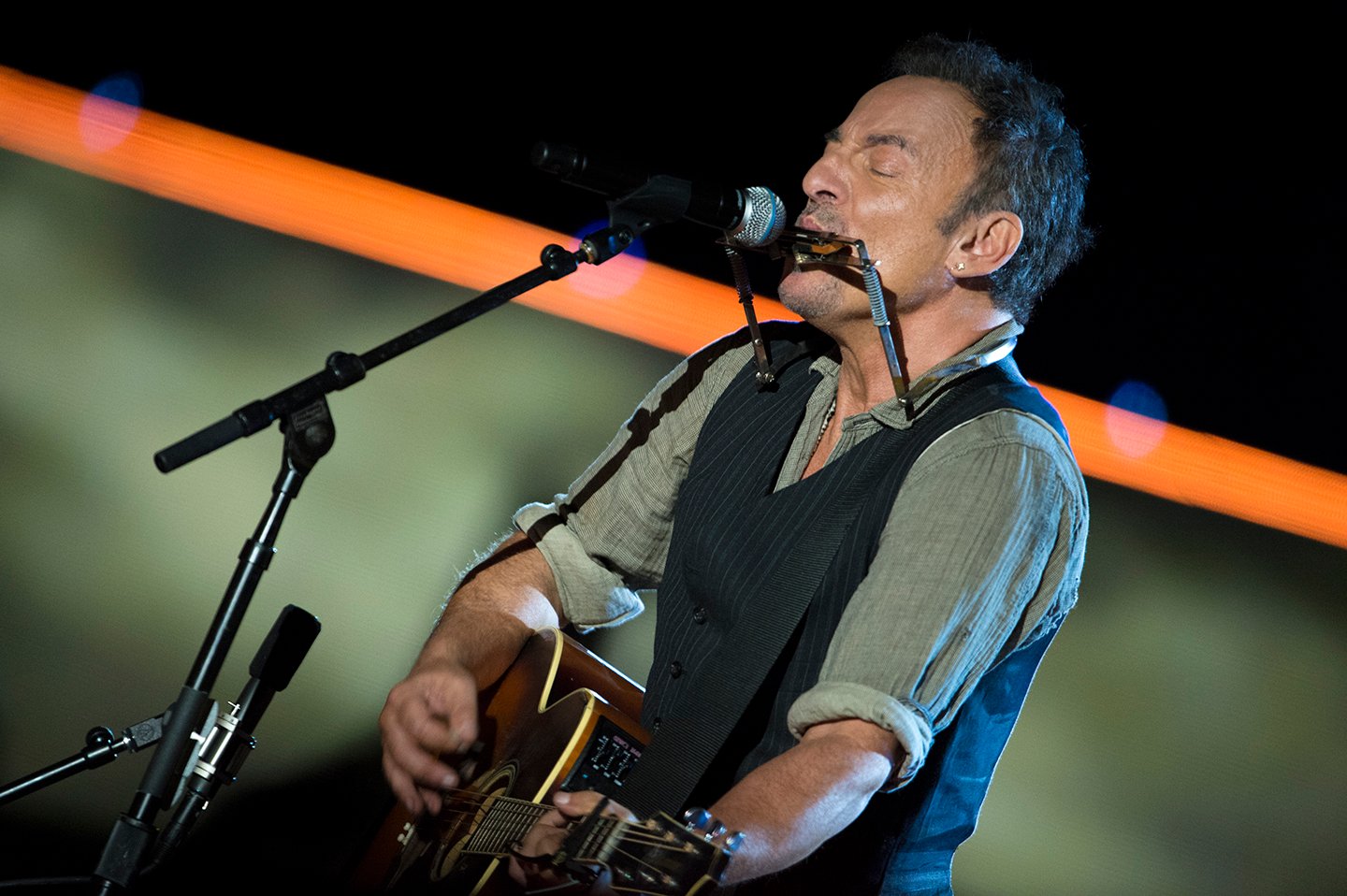
Springsteen’s “Nebraska” is a stark, acoustic portrait of America’s forgotten corners. Recorded on a four-track in his bedroom, the album is raw and haunting. Its characters—factory workers, criminals, and drifters—could be neighbors or relatives. In recent years, as the opioid crisis hit small towns hard, songs like “Atlantic City” and “Highway Patrolman” have taken on new meaning. Springsteen’s empathy for ordinary people shines through, turning their struggles into poetry. The album may have sold fewer copies than “Born in the U.S.A.,” but its influence among musicians and writers is immense.
Sly & The Family Stone – There’s a Riot Goin’ On (1971)
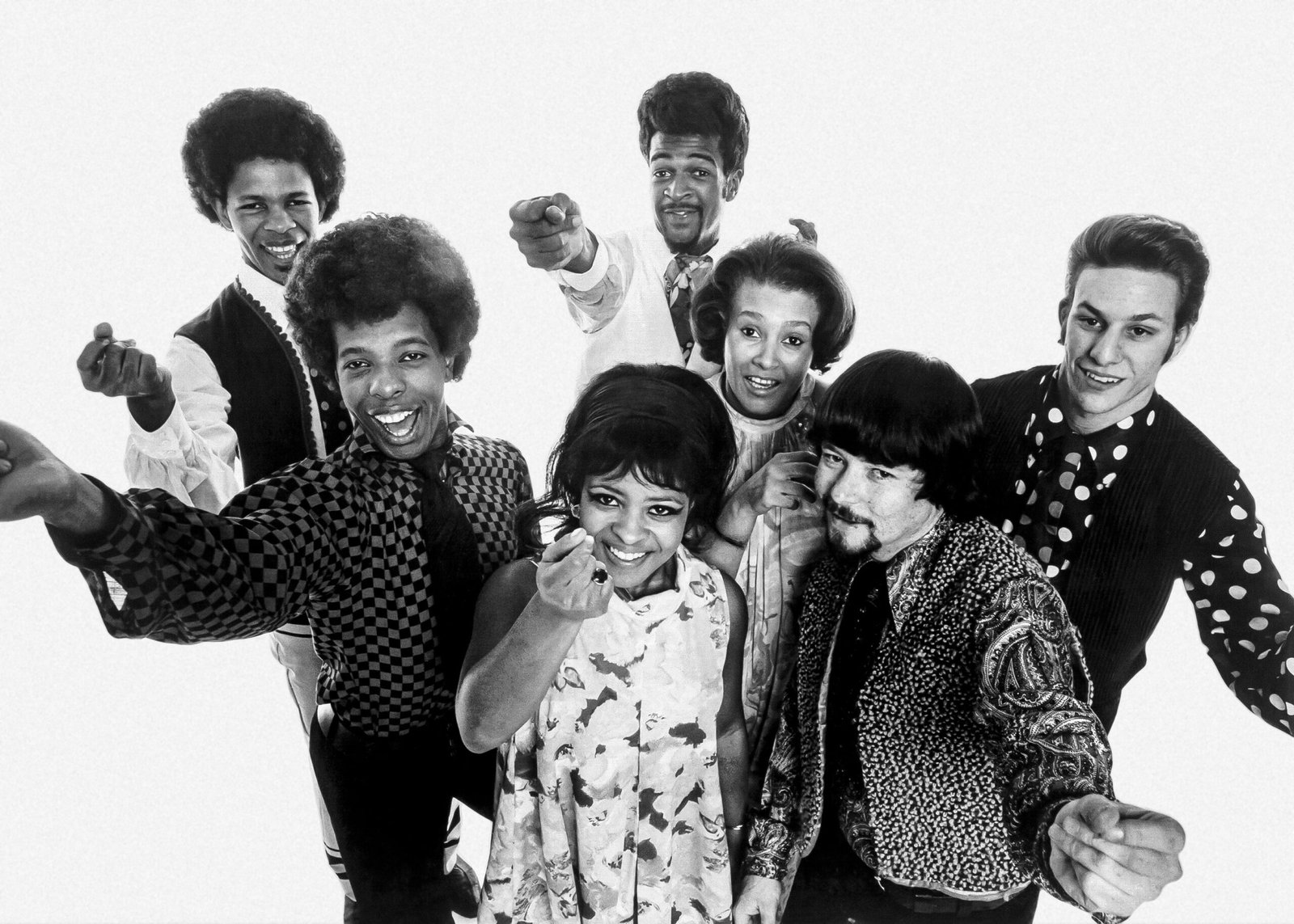
“There’s a Riot Goin’ On” is a funky, complex album that captured the chaos and hope of the early 1970s. Sly Stone’s songs touch on racial tension, poverty, and the fight for dignity—issues that still affect working-class communities today. In 2024, the album is studied in college courses on American history and protest music. Tracks like “Family Affair” and “Runnin’ Away” reflect the pressures on families trying to stay together through tough times. The album’s blend of joy and pain makes it a powerful reflection of working-class life, especially in cities where opportunities are hard to come by.
Bob Seger – Night Moves (1976)
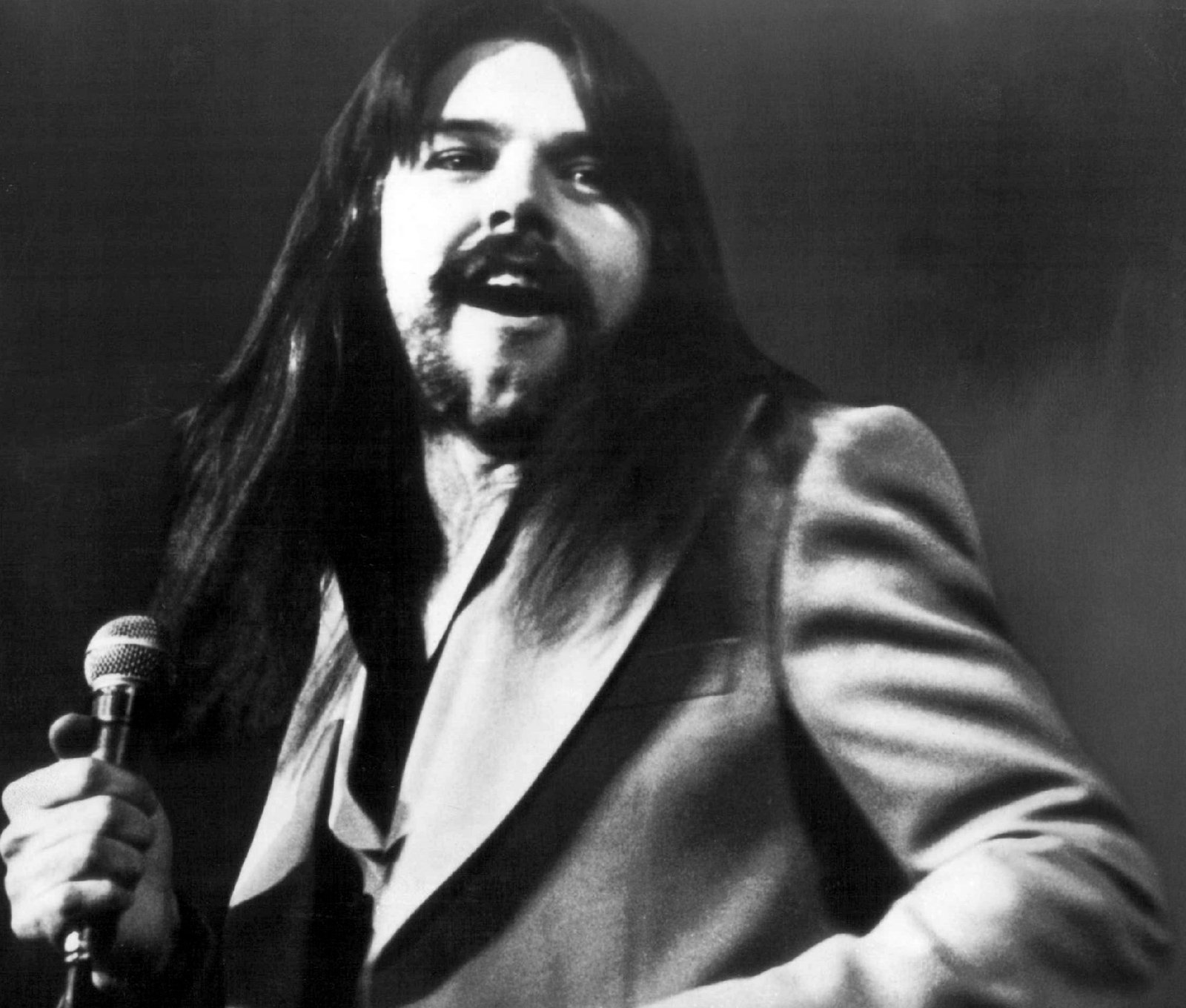
Bob Seger’s “Night Moves” is packed with songs about working hard and dreaming big. Growing up in Detroit, Seger knew the grind of shift work and factory life. His songs are full of nostalgia, hope, and heartbreak—emotions that resonate with anyone who’s ever punched a clock. In 2023, Seger’s music saw a 30% streaming increase, as younger listeners discovered classics like “Mainstreet” and “Rock and Roll Never Forgets.” The album’s mix of rock and soul captures the spirit of the Midwest, where hard work is a badge of honor and memories are made in backseats and bars.
CCR – Willy and the Poor Boys (1969)
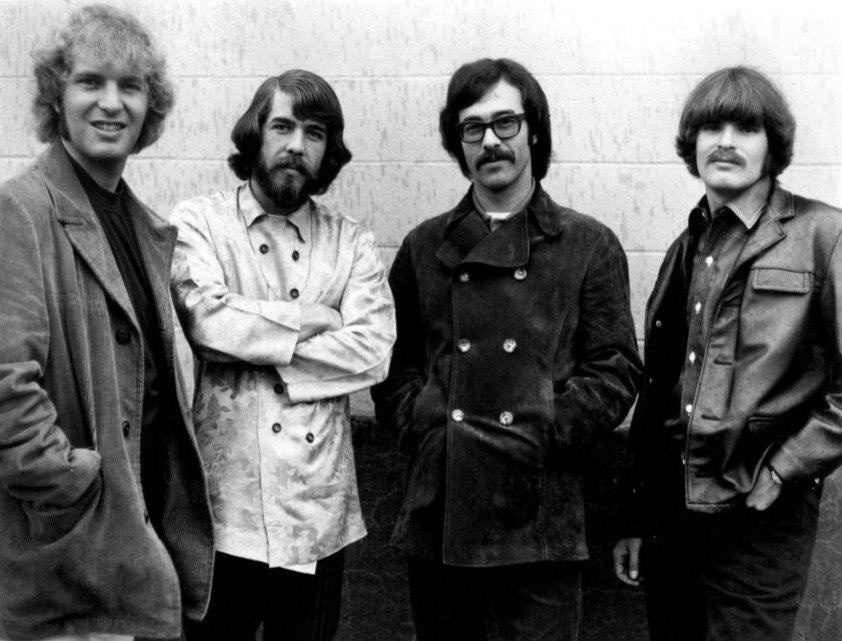
Creedence Clearwater Revival’s “Willy and the Poor Boys” is swampy, gritty, and deeply American. The band’s frontman, John Fogerty, wrote about poverty and protest with a unique twang. “Fortunate Son” became an anti-war anthem, but it’s also a statement against privilege and for the overlooked. In a 2022 NPR interview, Fogerty said he wanted to “write about the people I saw every day—guys working on their cars and scraping to get by.” The album’s enduring popularity is obvious at sports games and political rallies, where its songs still get the crowd moving.
Lucinda Williams – Car Wheels on a Gravel Road (1998)
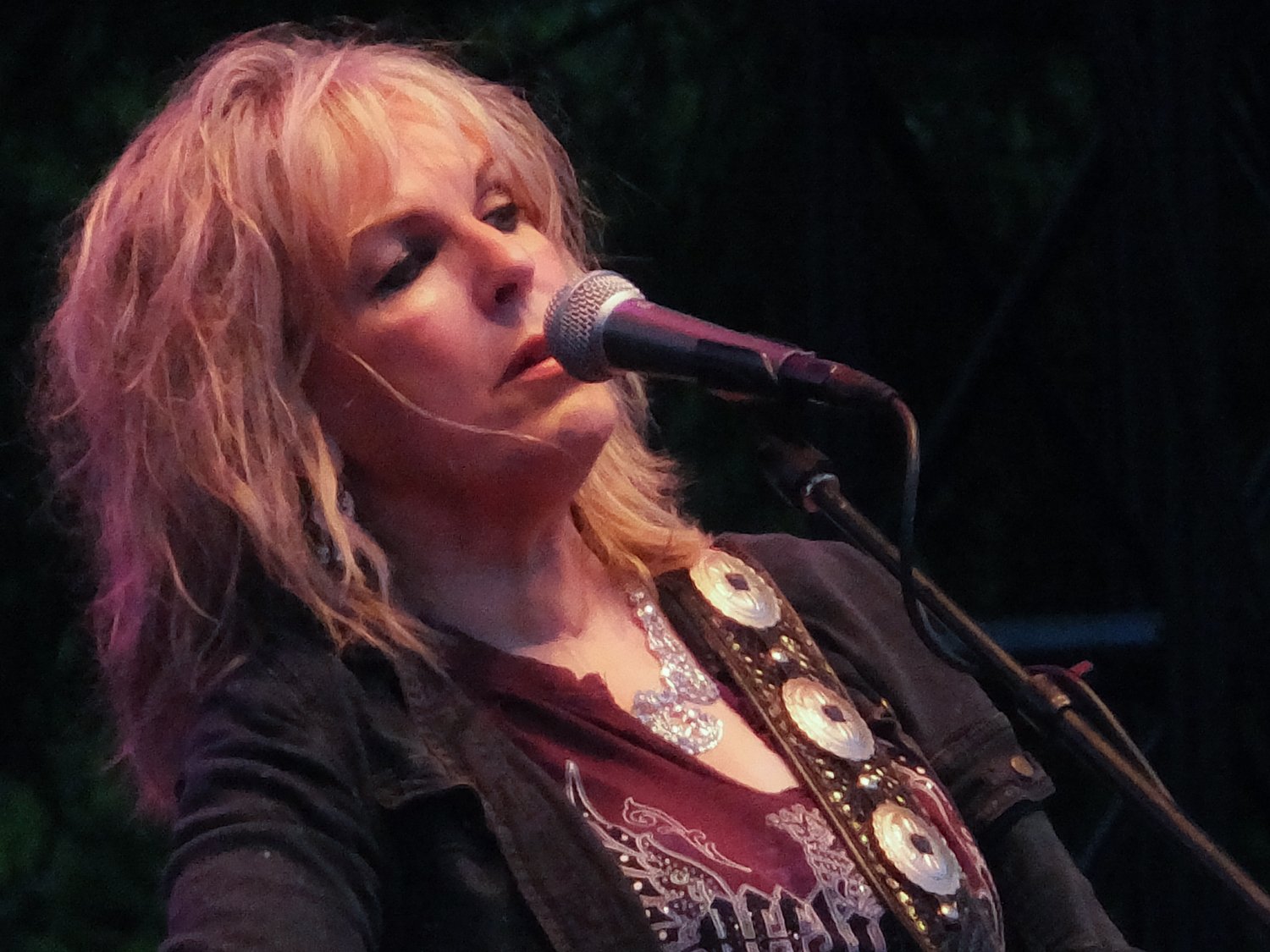
Lucinda Williams’ “Car Wheels on a Gravel Road” is a masterclass in storytelling. Every song feels like a snapshot from a small-town diner or a dusty highway. Williams’ lyrics are gritty and real, describing everyday struggles with honesty and grace. The album won a Grammy and is often cited as one of the best Americana records ever. In 2024, Williams’ influence can be seen in a new wave of singer-songwriters tackling working-class themes. The album’s blend of blues, country, and rock makes it a perfect soundtrack for anyone who’s ever felt stuck but still kept moving.
Public Enemy – It Takes a Nation of Millions to Hold Us Back (1988)
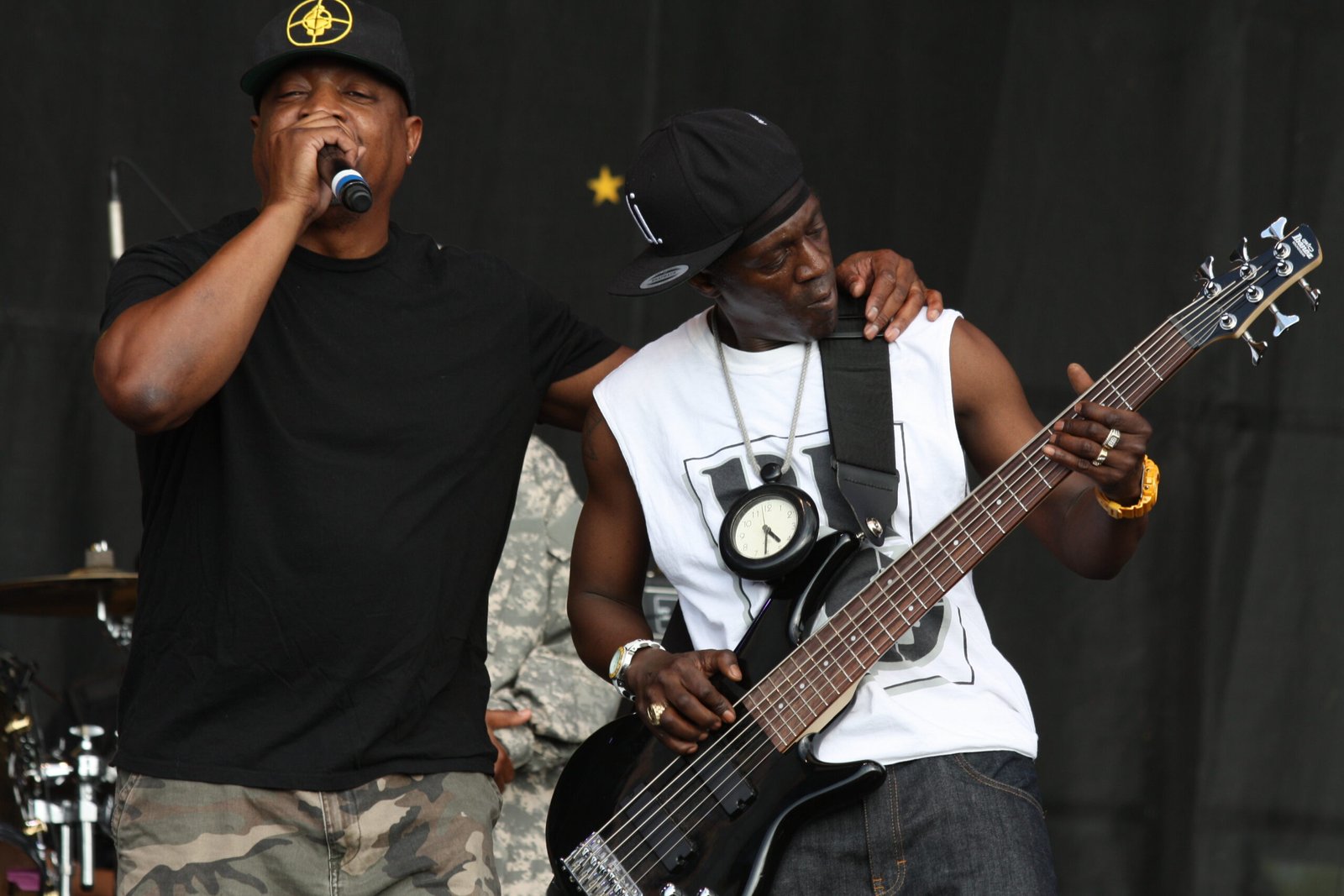
Public Enemy’s groundbreaking album is a powerful statement about poverty, racism, and resistance. The group’s lyrics highlight the struggles of inner-city life, where jobs are scarce and hope is hard to find. In 2023, the U.S. Census Bureau reported that nearly 20% of Black households still live below the poverty line, making Public Enemy’s message as urgent as ever. Songs like “Don’t Believe the Hype” and “Fight the Power” have become protest anthems, used by activists fighting for justice. The album’s blend of hip-hop and social commentary set a new standard for political music in America.
Jason Isbell – Southeastern (2013)

Jason Isbell’s “Southeastern” is a deeply personal album about recovery, love, and the hard work of rebuilding a life. Isbell’s Southern roots and plainspoken lyrics make his songs relatable to working-class listeners everywhere. In 2024, as the opioid epidemic continues to devastate rural America, tracks like “Cover Me Up” have become unofficial anthems for those in recovery. The album won Album of the Year at the Americana Music Honors and Awards, and Isbell’s storytelling is praised by critics and fans alike. His honest, compassionate approach has helped shine a light on issues often swept under the rug.
Drive-By Truckers – Southern Rock Opera (2001)
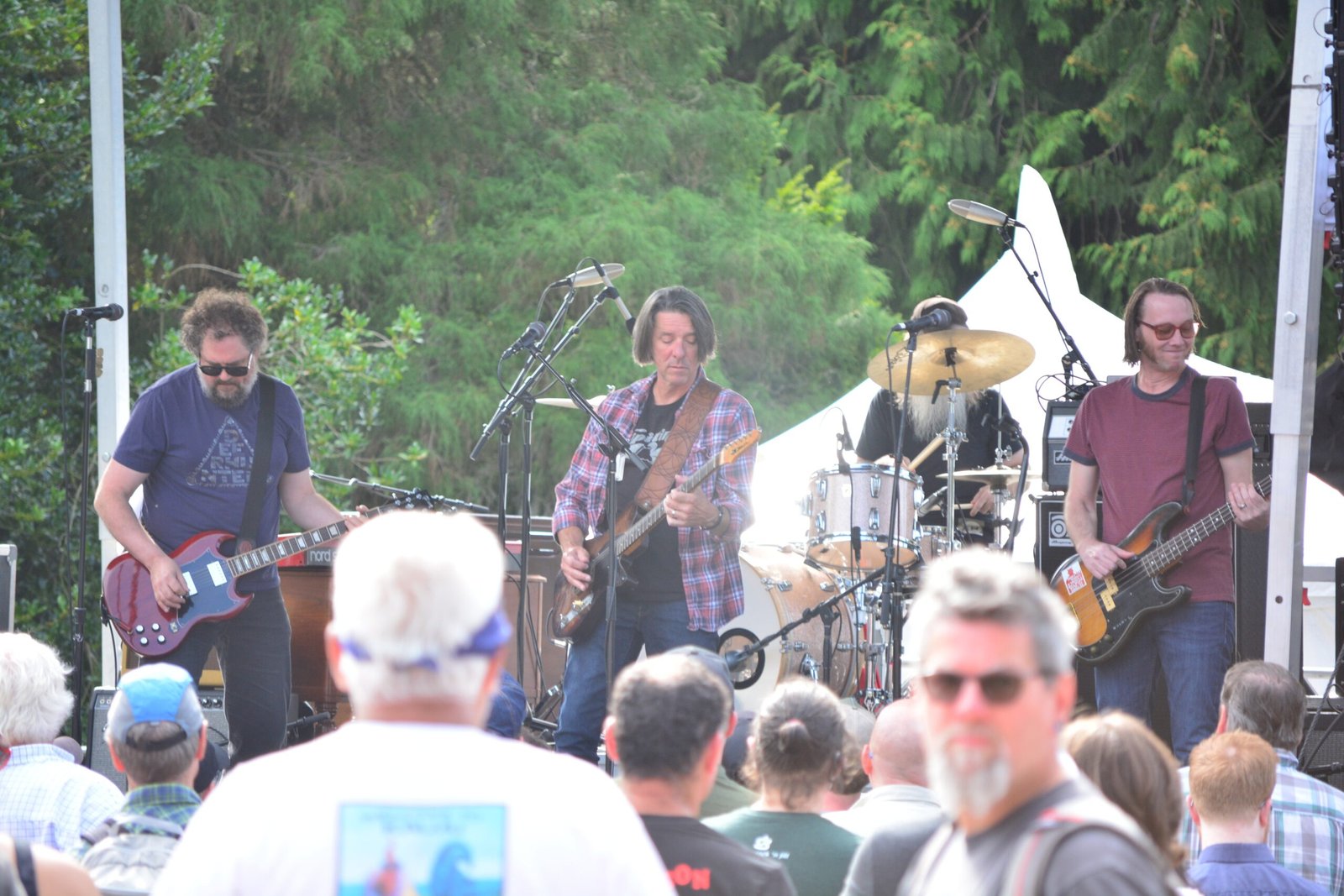
Drive-By Truckers’ “Southern Rock Opera” is part history lesson, part rock show, and all heart. The album explores the South’s complicated legacy, including poverty, pride, and the struggles of working people. In interviews, the band has said they wanted to tell the story of “the folks who keep this country running.” The album’s sprawling narrative covers everything from factory closings to family feuds, with a sound that’s both fierce and nostalgic. In 2025, the band’s fanbase continues to grow, especially among younger listeners looking for music that tells real stories.
Billy Joel – The Nylon Curtain (1982)
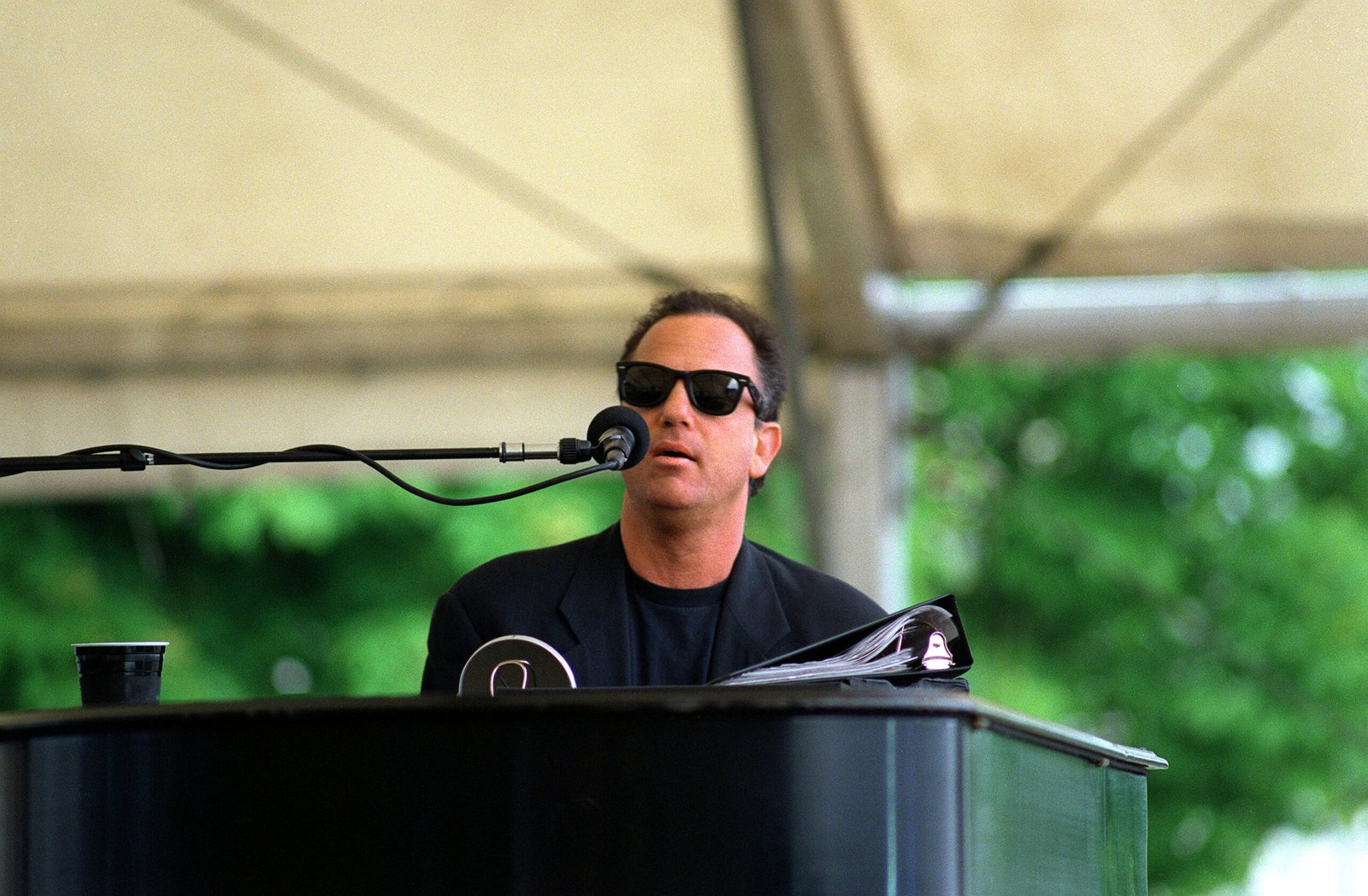
Billy Joel’s “The Nylon Curtain” is a sharply observed look at American life in the early 1980s. Songs like “Allentown” and “Goodnight Saigon” tackle factory layoffs, the Vietnam War, and the fading promise of the suburbs. In 2024, as manufacturing jobs continue to shift overseas, “Allentown” has become a symbol of resilience for many workers. Joel’s lyrics are detailed and empathetic, drawing on the experiences of his own Long Island upbringing. The album’s mix of pop and rock made it a commercial hit, but its true power lies in its honest look at working-class struggles.

Besides founding Festivaltopia, Luca is the co founder of trib, an art and fashion collectiv you find on several regional events and online. Also he is part of the management board at HORiZONTE, a group travel provider in Germany.
