

- 17 Song Lyrics Everyone Has Completely Wrong - September 1, 2026
- Some Historical Figures Lived Lives So Extraordinary, They Read Like Fiction. - September 1, 2026
- 28 Iconic Lyrics That Reveal a Completely Different Story Once You Read Them - September 1, 2026
Fort Ticonderoga: America’s Lost French and Indian War Bastion
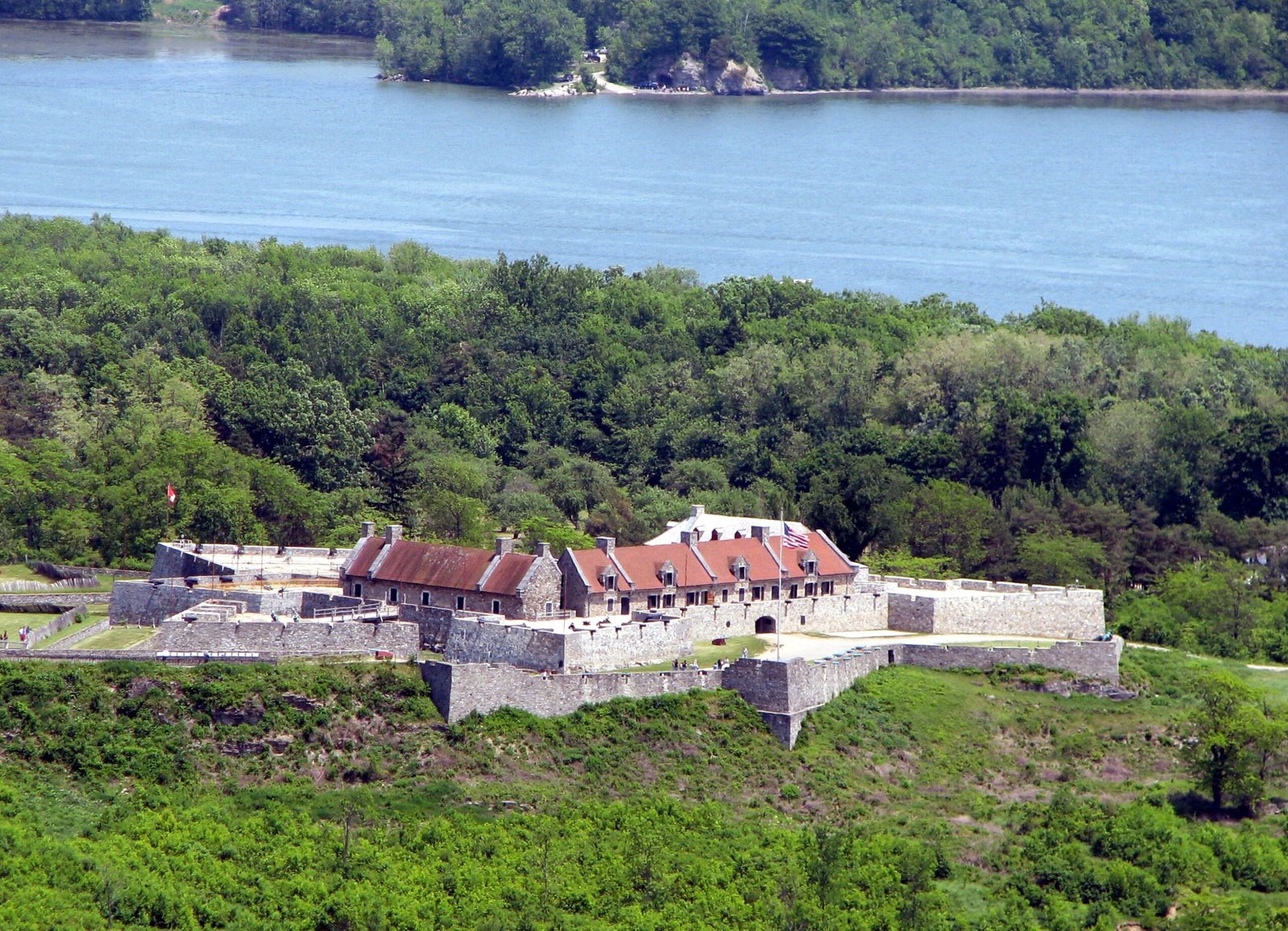
Deep in upstate New York, Fort Ticonderoga stands as a five-pointed star fortress originally constructed between 1755 and 1757 by French-Canadian military engineer Michel Chartier de Lotbinière during the French and Indian War. While most people know it for Ethan Allen’s Revolutionary War capture, the fort’s bloodiest battle occurred in 1758 when 4,000 French defenders repelled an attack by 16,000 British troops. The French originally called it Fort Carillon, named after the chiming sounds made by the rapids of La Chute River, which resembled the bells of a carillon. This conflict, part of the larger Seven Years’ War, determined whether Britain or France would dominate North America. The Treaty of Paris in 1763 officially ended the French & Indian War, leaving the Adirondack area firmly under British control. Today’s tourists admire the fort’s restored walls without realizing they’re walking through the remnants of a global war that shaped three continents.
Battle of Plassey Site: Where Britain’s Indian Empire Began
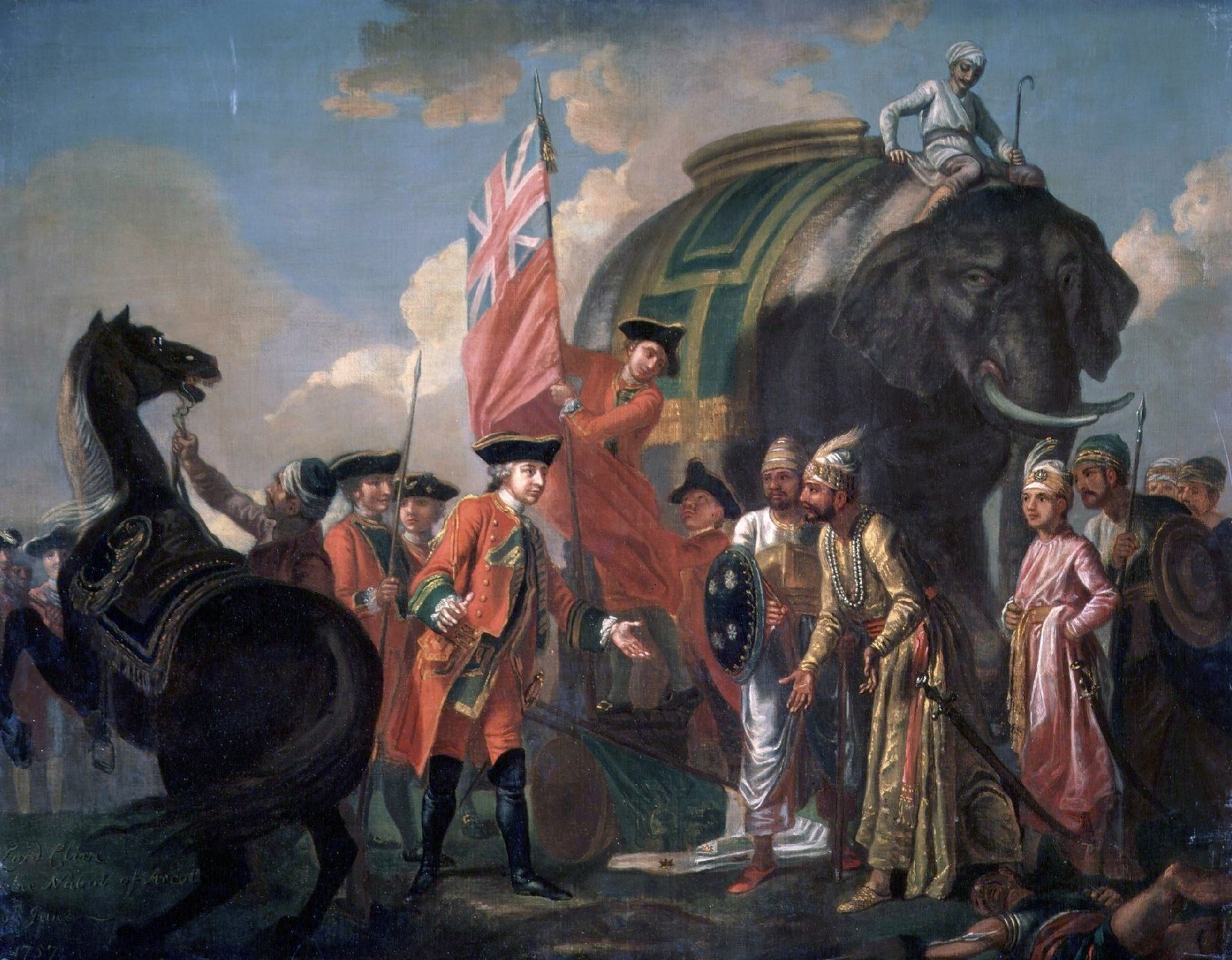
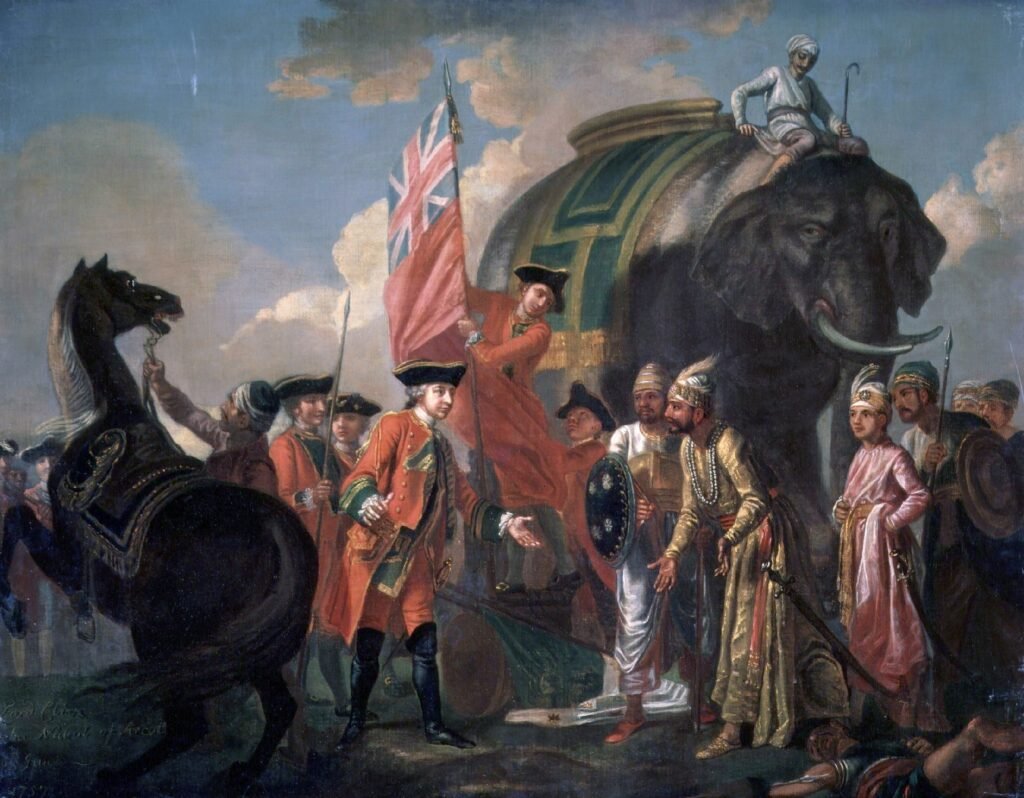
The Battle of Plassey, fought on June 23, 1757, between troops of the British East India Company led by Robert Clive and forces led by Siraj-ud-Daulah, the last independent nawab of Bengal, marked a turning point that most people never learned about in school. Siraj-ud-Daulah’s army with 50,000 soldiers, 40 cannons and 10 war elephants was defeated by 3,000 soldiers of Robert Clive, with the battle ending in 11 hours. The victory came through treachery rather than military prowess – Robert Clive bribed Mir Jafar, the commander-in-chief of the Nawab’s army, promising to make him Nawab of Bengal. One of the reasons for the Nawab’s defeat was the lack of planning to protect their weapons during a heavy downpour, which turned the table in favor of the British army. This battle, part of the forgotten Carnatic Wars, gave Britain control over Bengal’s vast wealth. The site in West Bengal remains largely unmarked, even though historian Sir Jadunath Sarkar mentions that “On 23rd June 1757, the medieval period of India ended and the modern period started”.
Fort Michilimackinac: The Native American Uprising America Forgot
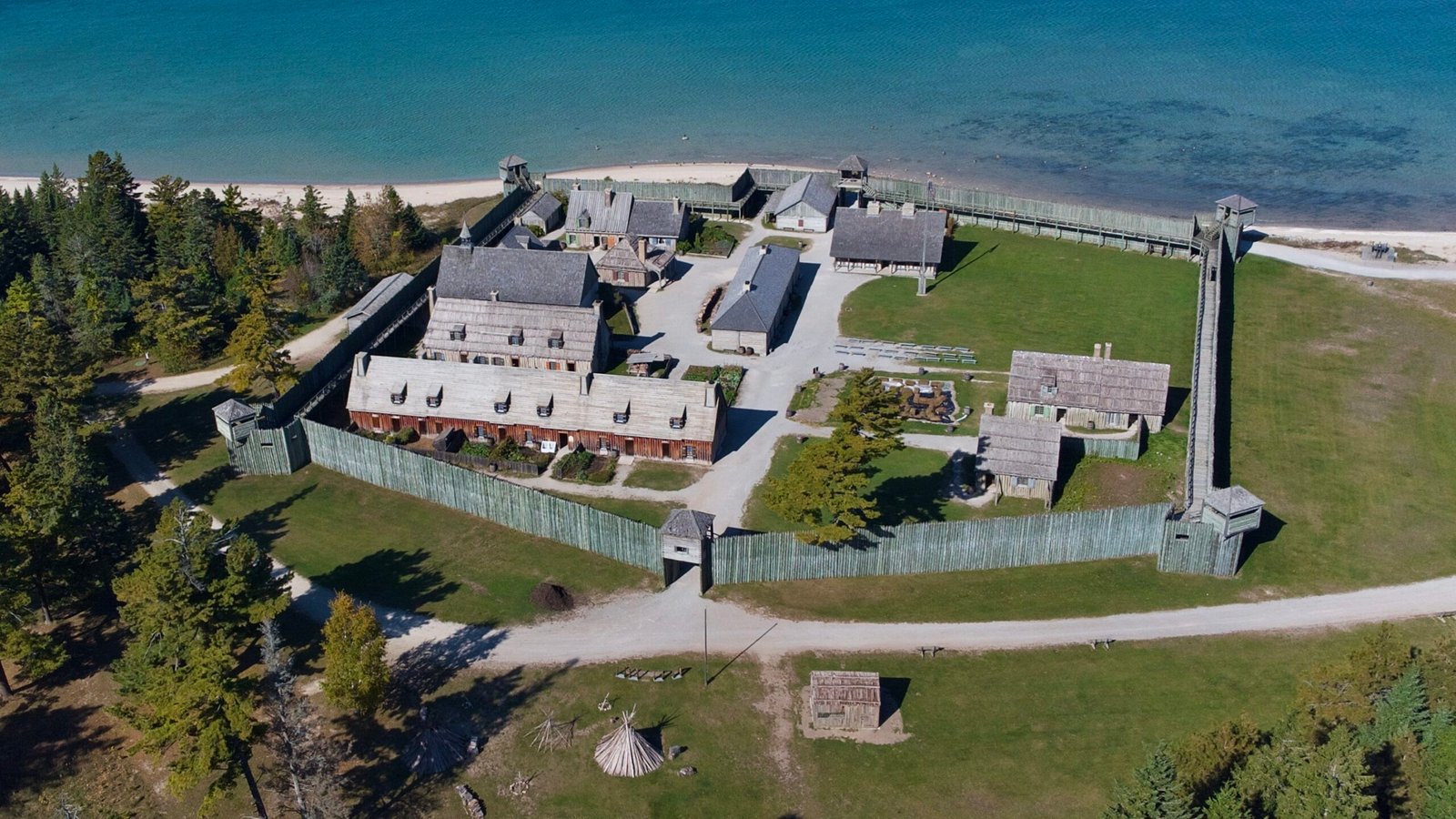
On a bluff overlooking the Straits of Mackinac, Fort Michilimackinac tells the story of Pontiac’s Rebellion, one of America’s most successful Native American uprisings that few people today remember. Built by the French in 1715, this fort became the center of a massive Indigenous resistance movement in 1763. Chief Pontiac united tribes across the Great Lakes region in a coordinated attack on British outposts following France’s defeat in the Seven Years’ War. The rebellion lasted from 1763 to 1766 and successfully captured eight of twelve British forts in the region. At Michilimackinac, Ojibwe and Sauk warriors used a lacrosse game as a diversion to enter the fort and overwhelm the garrison. The uprising represented the largest Native American resistance to European colonization in North American history, yet it rarely appears in textbooks. Today, the reconstructed fort offers demonstrations of 18th-century life, but visitors often miss the deeper story of Indigenous resistance that challenged British expansion for three crucial years.
The Alamo: Symbol of a War Nobody Talks About
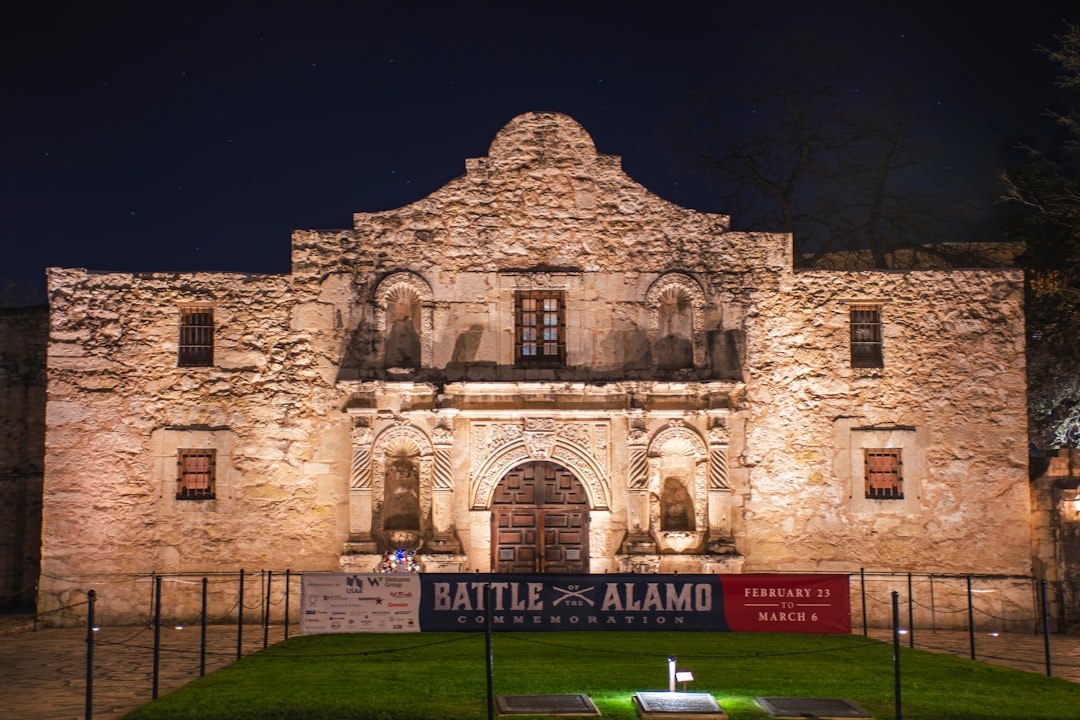
Everyone knows “Remember the Alamo,” but few Americans understand the Texas Revolution that made it famous. The 1836 siege lasted thirteen days and became the defining moment of Texas independence, yet the broader war remains oddly absent from most American history education. The conflict began when American settlers in Mexican Texas refused to follow Mexican laws, including the prohibition of slavery and requirements to convert to Catholicism. General Santa Anna’s decision to centralize power and eliminate state rights sparked the rebellion that would create the Republic of Texas. The Alamo’s 189 defenders, including Davy Crockett and Jim Bowie, knew they faced impossible odds against Santa Anna’s 1,800 troops. Their sacrifice galvanized Texan resistance and led to victory at San Jacinto just six weeks later. The war’s broader context – involving slavery expansion, Mexican politics, and American manifest destiny – gets lost in the mythology of heroic last stands.
Fort Douaumont: France’s Forgotten Prussian Humiliation
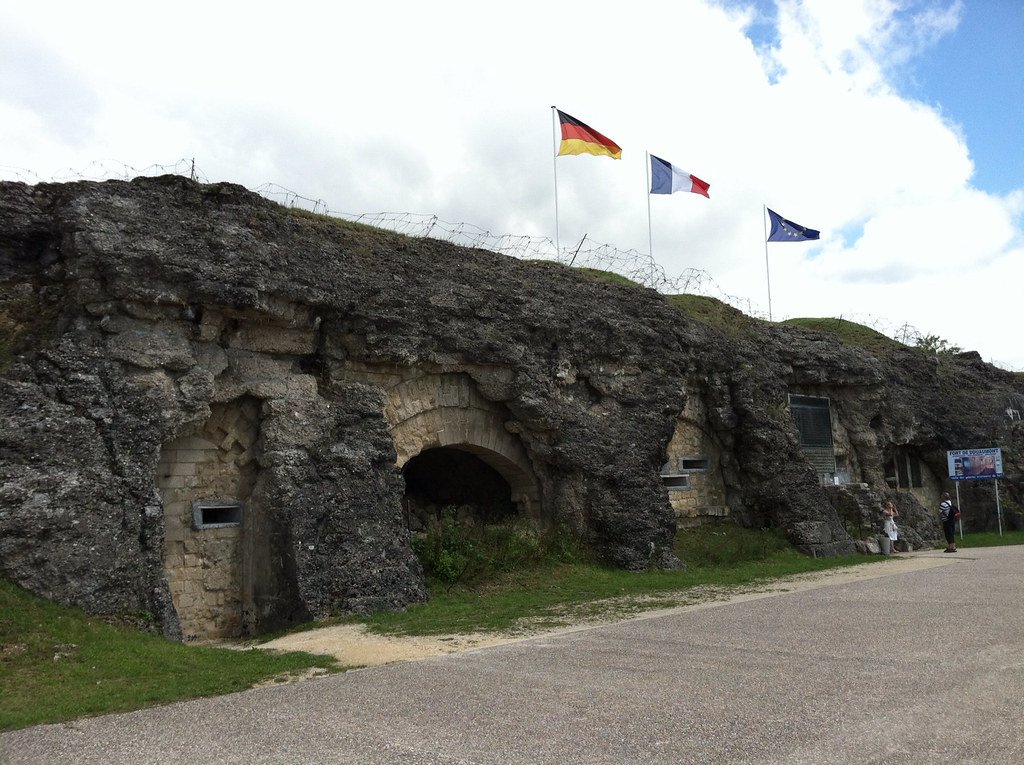
Rising from the hills above Verdun, Fort Douaumont stands as a monument to a war most people never learned existed. Built after France’s devastating defeat in the Franco-Prussian War of 1870-1871, this massive concrete fortress was designed to prevent another German invasion. The Franco-Prussian War transformed European politics, creating the German Empire and ending French dominance on the continent. France lost the provinces of Alsace and Lorraine, paid crushing war reparations, and saw Paris besieged for four months. The humiliation drove French military planning for the next four decades, leading to the construction of fortresses like Douaumont along the German border. When World War I erupted, these forts became the backbone of French defense at Verdun. The irony is thick – a fortress built to commemorate one forgotten war became famous during a war everyone remembers. Today’s visitors to Verdun focus on World War I battles without understanding how the earlier conflict shaped the very fortifications they’re exploring.
Adwa Battlefield: Africa’s Greatest Victory Against European Colonialism
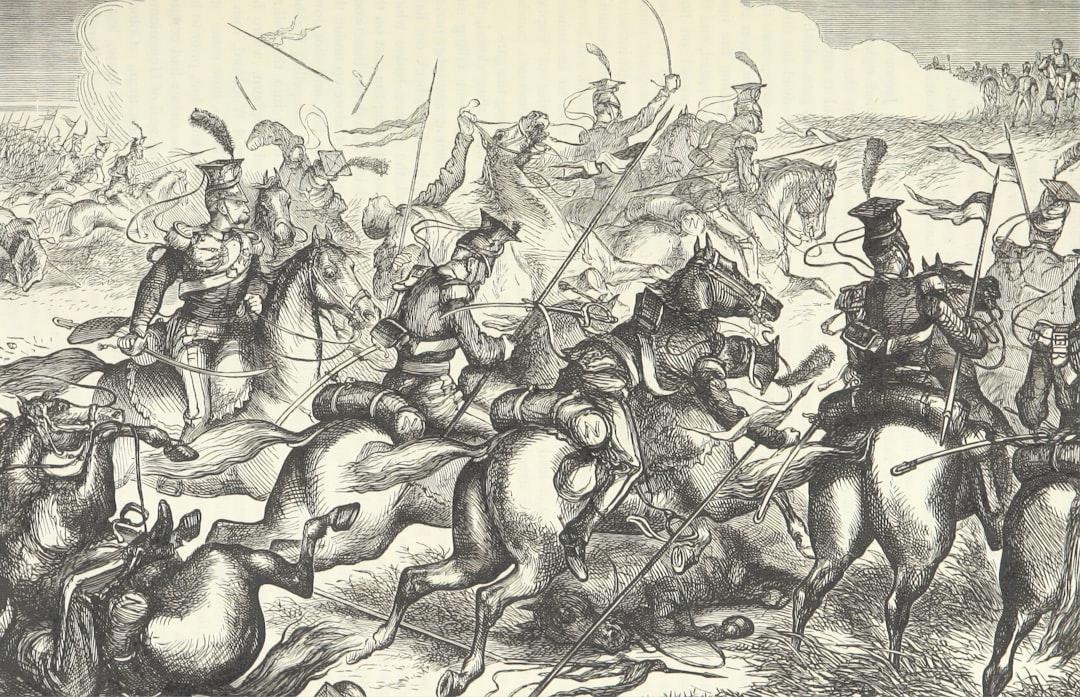
In the hills of northern Ethiopia lies the battlefield where African forces achieved their greatest victory against European colonialism, yet this triumph remains largely unknown outside Africa. On March 1, 1896, Emperor Menelik II’s forces decisively defeated Italian troops at the Battle of Adwa, killing over 4,000 Italians and capturing 1,500 more. The victory had global implications – it proved that European armies were not invincible and inspired anti-colonial movements worldwide. Italy had attempted to establish a protectorate over Ethiopia using forged documents in the Treaty of Wuchale, but Menelik refused to accept Italian sovereignty. The Ethiopian emperor assembled an army of 100,000 warriors armed with modern rifles purchased from European arms dealers, ironically using European weapons against European colonizers. Adwa forced Italy to recognize Ethiopian independence and made Ethiopia the only African nation (except Liberia) to successfully resist the Scramble for Africa. The victory resonated across the African diaspora, inspiring movements from Jamaica to Harlem, yet Western textbooks rarely mention this pivotal moment in colonial history.
Fort Jesus: Portugal’s Lost East African Empire
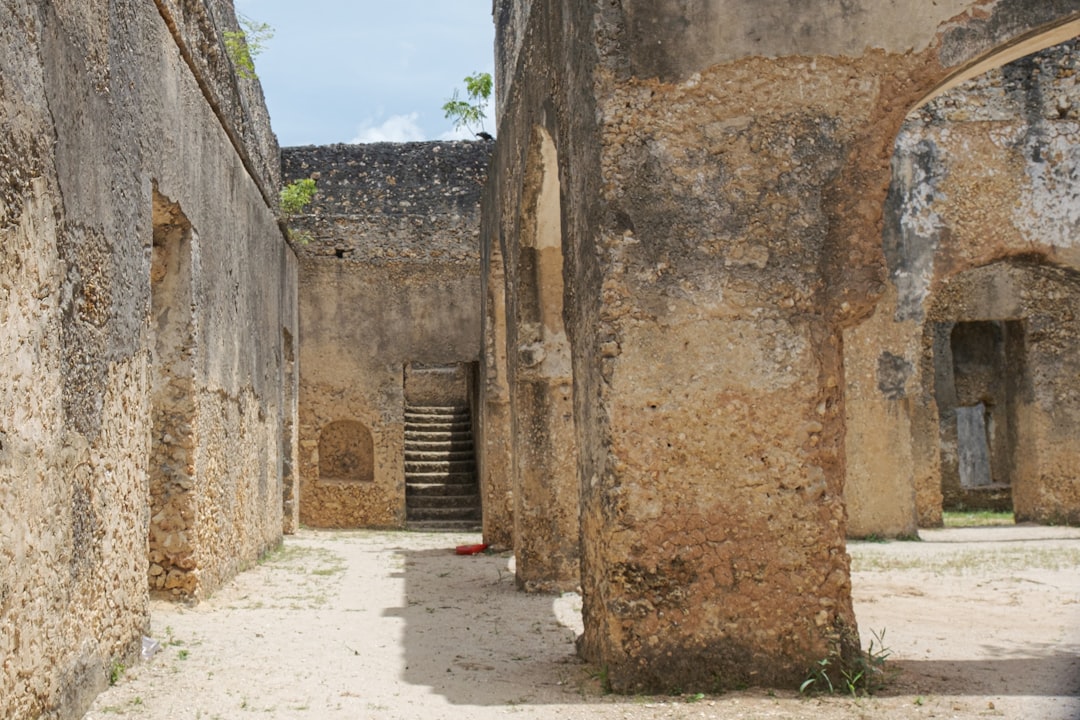
Overlooking the Indian Ocean from Mombasa’s Old Town, Fort Jesus tells the story of the Omani-Portuguese Wars, a centuries-long struggle for control of East Africa’s lucrative trade routes. Built by the Portuguese in 1593, this star-shaped fortress controlled access to the gold and ivory trade from the African interior. The Portuguese had established a string of trading posts along the East African coast, extracting wealth from the Swahili city-states for over a century. But the Omani Arabs, sailing from the Arabian Peninsula, gradually drove the Portuguese south in a series of conflicts that lasted from the 1650s to the 1720s. The siege of Fort Jesus from 1696 to 1698 became legendary – the Portuguese garrison held out for 33 months before finally surrendering. Only thirteen Portuguese and three African allies survived the siege that killed thousands. The Omani victory established Arab dominance over East African trade for the next 200 years, yet this epic struggle barely registers in most historical accounts. Today, Fort Jesus is a UNESCO World Heritage Site, but few visitors understand the global trade networks and religious conflicts that made it so strategically important.
Isandlwana: The Zulu Victory History Tried to Forget
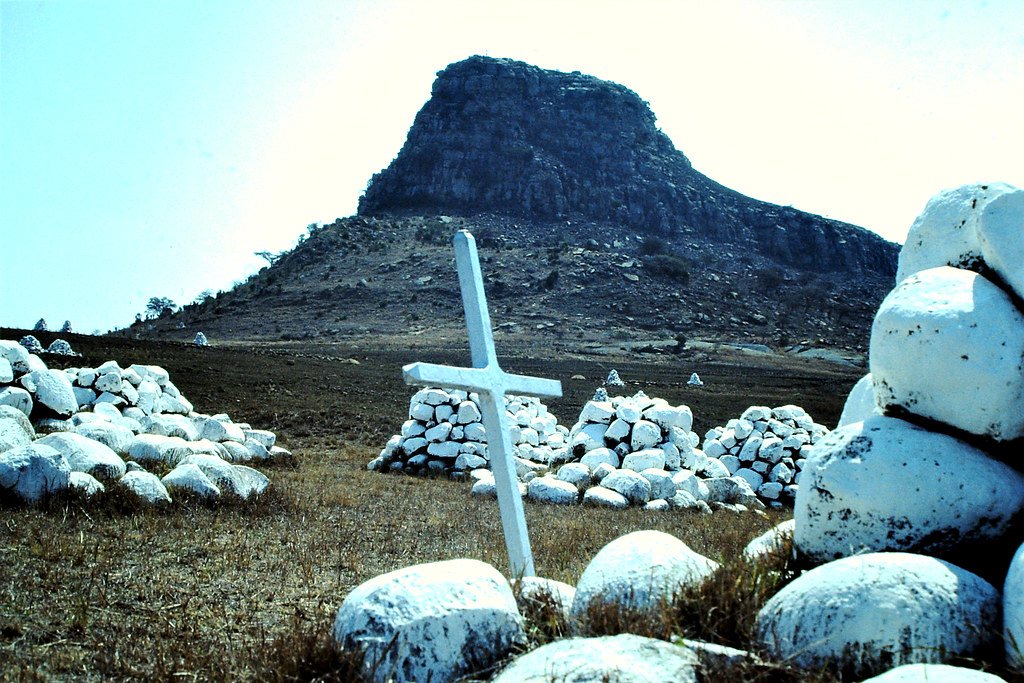
On a hill shaped like a sphinx in KwaZulu-Natal, the Isandlwana battlefield preserves the site of Britain’s most shocking colonial defeat, a victory so complete that it challenged Victorian assumptions about European military superiority. On January 22, 1879, 20,000 Zulu warriors armed primarily with spears and shields annihilated 1,700 British and colonial troops equipped with modern rifles and artillery. The Anglo-Zulu War began when British High Commissioner Sir Bartle Frere delivered an impossible ultimatum to Zulu King Cetshwayo, demanding the disbanding of the Zulu military system. The Zulu victory at Isandlwana sent shockwaves through the British Empire – how could “primitive” African warriors defeat professional soldiers with Martini-Henry rifles? The aftermath saw desperate British attempts to minimize the disaster, including promoting the simultaneous defense of Rorke’s Drift into a propaganda victory. Today, Rorke’s Drift overshadows Isandlwana in popular memory, yet the larger battle was far more significant militarily and politically. The Zulu triumph demonstrated sophisticated military tactics and challenged colonial assumptions about African capabilities, making it one of the most important battles in African military history.
Fort Necessity: Where the World War Started in a Pennsylvania Meadow
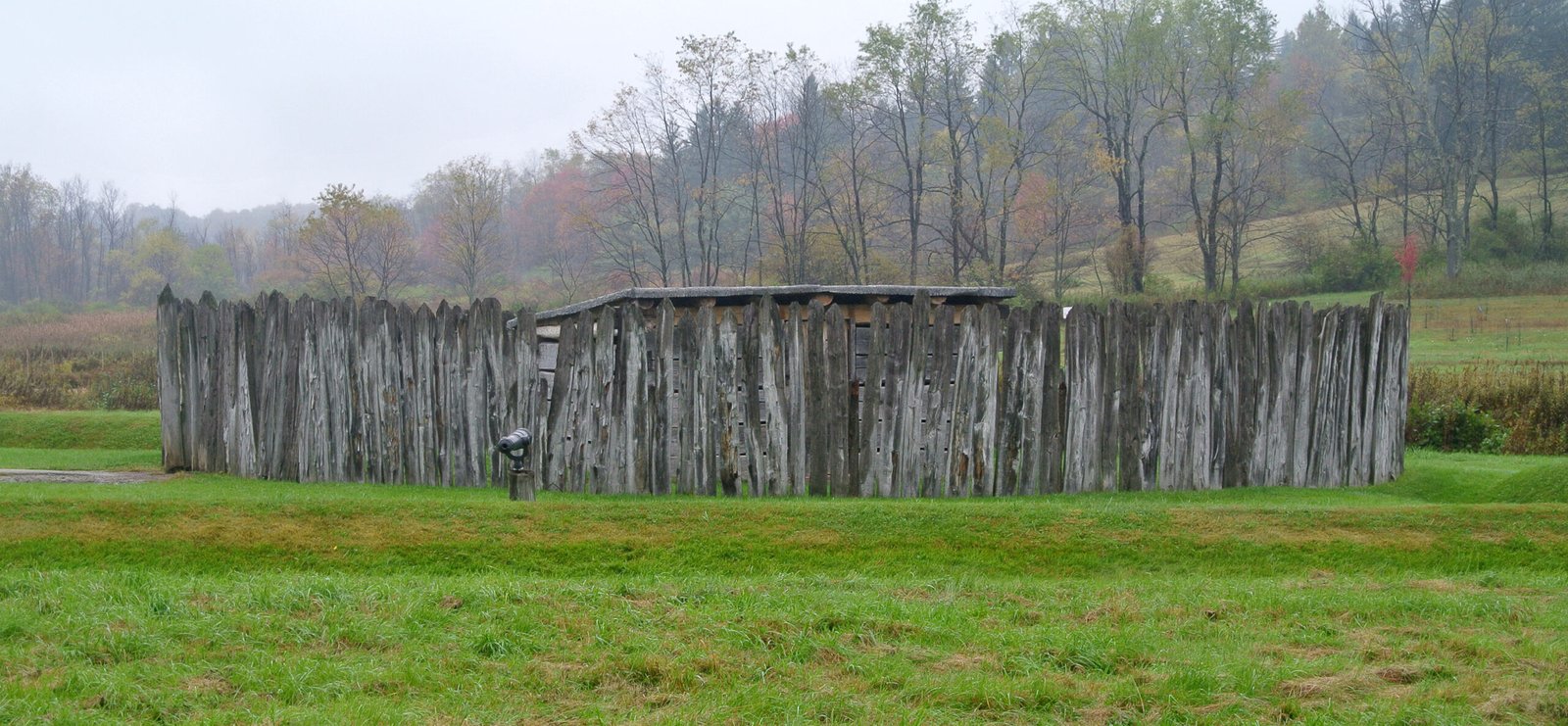
In a quiet meadow in southwestern Pennsylvania stands a small wooden stockade that marks where the Seven Years’ War – arguably the first true world war – began with a 22-year-old George Washington’s surrender. Fort Necessity, hastily built in 1754, represents Washington’s first and only military surrender during his entire career. The young Virginia militia officer had been sent to evict French forces from the Ohio Valley, leading to a skirmish that killed French diplomat Joseph Coulon de Jumonville. The French response was swift – 700 French and Indigenous warriors surrounded Washington’s makeshift fort on July 3, 1754. After a day-long battle in torrential rain, Washington surrendered, signing a document in French that inadvertently admitted to assassinating Jumonville. This backwoods confrontation sparked a global conflict that raged across five continents, involving every major European power. The Seven Years’ War redrew the map of North America, ended French colonial dreams, and bankrupted Britain, leading directly to the American Revolution. Yet Fort Necessity remains a small, overlooked park where few visitors grasp that they’re standing where the modern world’s first global war began.
Battle of Warsaw Site: The Miracle That Stopped Soviet Europe
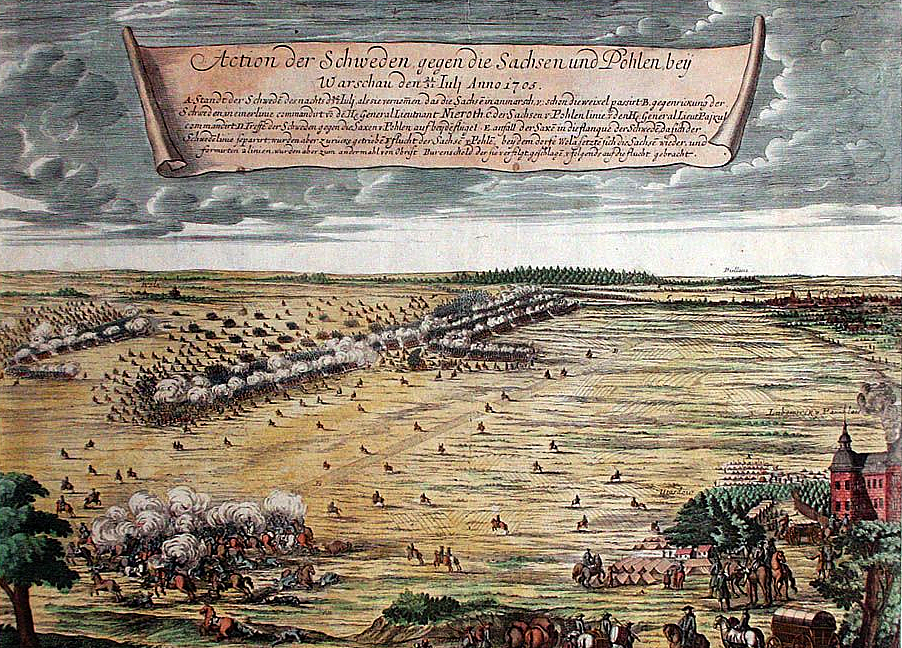
In the suburbs of Warsaw, modest monuments mark where one of history’s most consequential battles prevented Soviet expansion into Western Europe, yet this “Miracle on the Vistula” remains unknown to most people outside Poland. In August 1920, the Red Army appeared poised to sweep through Poland and link up with German communists, potentially spreading revolution across Europe. Soviet commander Mikhail Tukhachevsky commanded 200,000 troops advancing on Warsaw, while Lenin proclaimed that the path to world revolution lay through Warsaw to Berlin. Polish forces under Marshal Józef Piłsudski seemed doomed, but a brilliant flanking maneuver on August 16, 1920, shattered the Soviet advance and sent the Red Army reeling back to Belarus. The Polish victory ended Bolshevik dreams of immediate European revolution and established Poland’s borders for the next two decades. Winston Churchill called it one of history’s most decisive battles, arguing that it saved Western civilization from communism. The Polish-Soviet War (1919-1921) determined the shape of Eastern Europe between the world wars, yet it’s overshadowed by the later, more famous conflicts. Today, Warsaw’s rapid development has built over many battlefield sites, leaving only scattered memorials to mark where Europe’s fate was decided.
Fort Zeelandia: The Chinese Pirate Who Expelled the Dutch
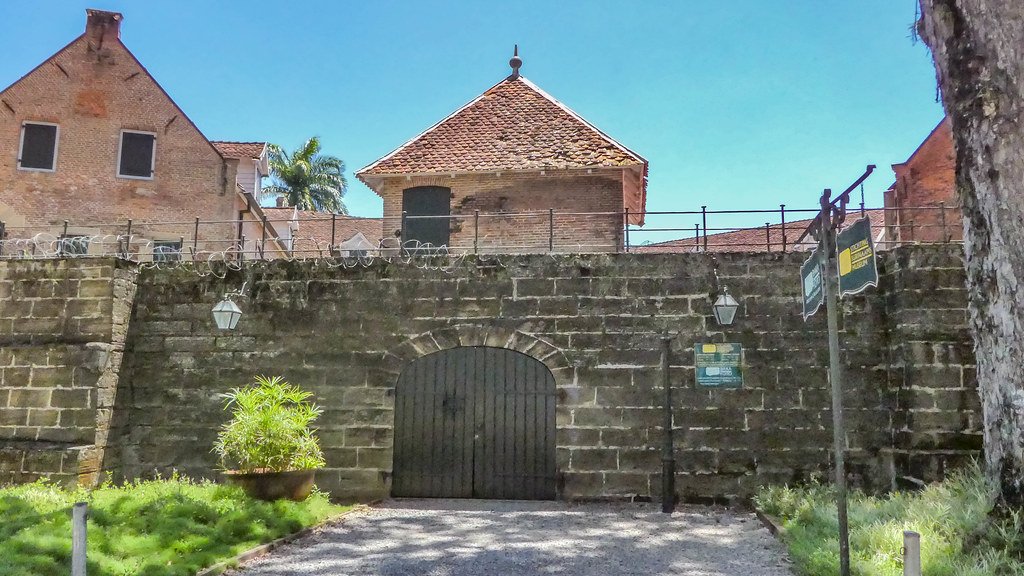
On the coast of Taiwan, the remains of Fort Zeelandia tell the remarkable story of Koxinga, a Chinese warlord who expelled Dutch colonizers in one of Asia’s most dramatic military campaigns. Built by the Dutch East India Company in 1624, Fort Zeelandia served as the administrative center of Dutch Formosa, controlling lucrative trade between China, Japan, and Southeast Asia. The Dutch had transformed Taiwan into a profitable colony, introducing European agricultural techniques and converting thousands of indigenous Taiwanese to Christianity. But in 1661, Koxinga (Zheng Chenggong) landed on Taiwan with 25,000 troops and 900 junks, beginning a siege that would last nine months. Koxinga was fighting both the Dutch colonizers and the Manchu conquest of China, having sworn loyalty to the fallen Ming dynasty. His forces gradually tightened their grip on Dutch positions, cutting off supplies and reinforcements from Java. On February 1, 1662, Dutch Governor Frederick Coyett surrendered Fort Zeelandia, ending 38 years of Dutch rule in Taiwan. Koxinga’s victory demonstrated that European colonial power in Asia was not invincible, predating similar anti-colonial victories by centuries. The Dutch-Koxinga War reshaped East Asian politics and established the precedent for Chinese rule over Taiwan that continues today.
Battle of Chacabuco: Chile’s Forgotten Liberation
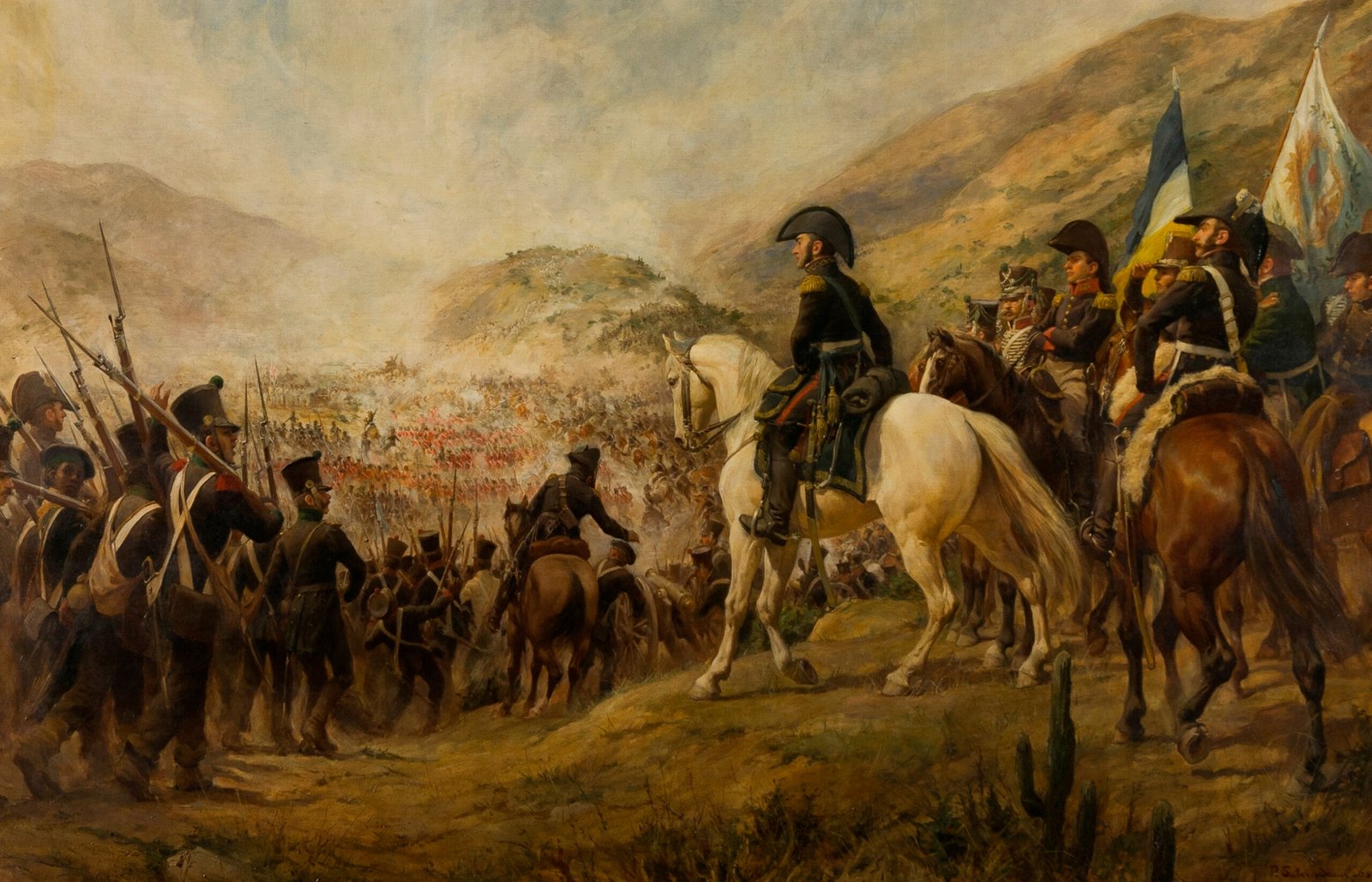
High in the Andes foothills north of Santiago, the Chacabuco battlefield preserves the site where Chile won its independence, though this victory gets lost in the shadow of Simón Bolívar’s more famous northern campaigns. On February 12, 1817, the Army of the Andes under José de San Martín and Bernardo O’Higgins decisively defeated Spanish royalist forces, opening the path to Santiago and Chilean independence. The battle climaxed San Martín’s audacious crossing of the Andes with 3,500 men and 10,000 mules, a military feat comparable to Hannibal’s crossing of the Alps. The victory at Chacabuco represented a key step in San Martín’s grand strategy to liberate South America from the south, complementing Bolívar’s campaigns from the north. Spanish forces lost 500 dead and 600 captured, while patriot casualties numbered fewer than 20. The triumph led directly to Chilean independence and provided the base for San Martín’s subsequent liberation of Peru. Yet Chile’s war of independence remains overshadowed by Bolívar’s more publicized campaigns in Venezuela, Colombia, and Ecuador. The battlefield today is marked by a simple monument, visited mainly by Chilean school groups learning about their national heroes whom the rest of the world has forgotten.
Fort McHenry: The War of 1812 America Doesn’t Remember
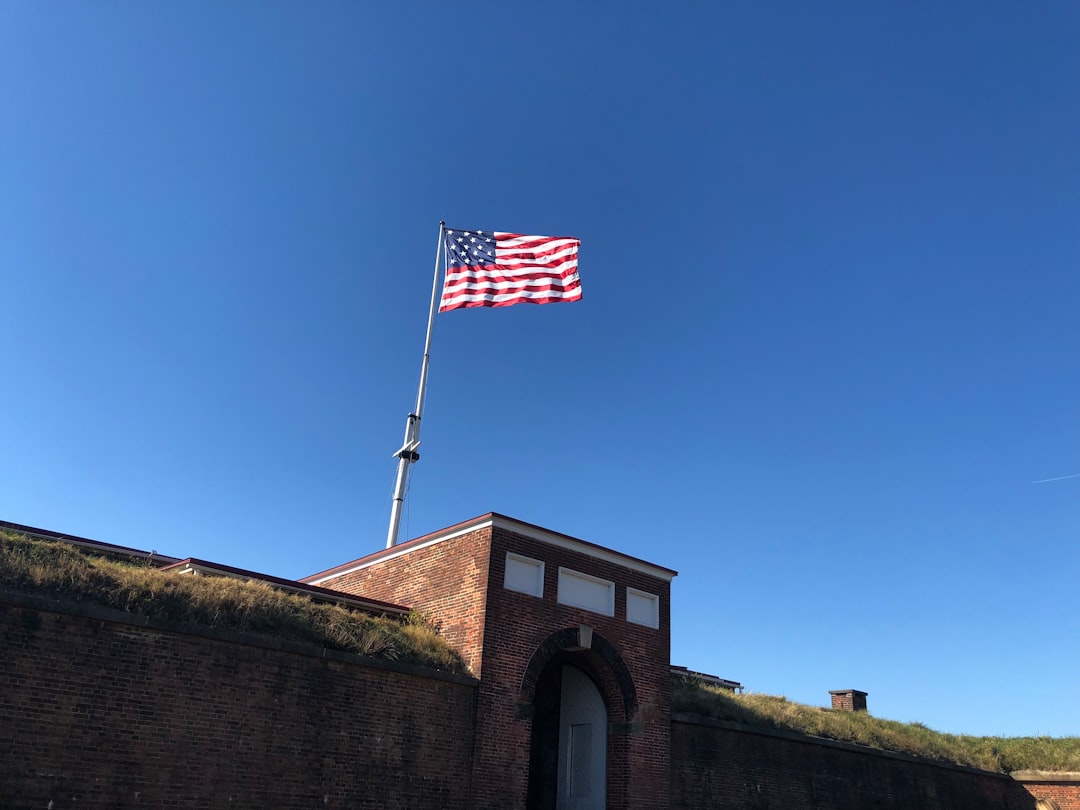
The star-shaped fort in Baltimore Harbor is famous for inspiring “The Star-Spangled Banner,” but few Americans remember the War of 1812 that made Francis Scott Key’s poem necessary. The British bombardment of Fort McHenry on September 13-14, 1814, came during a war that Americans have largely forgotten, despite its crucial role in establishing American independence. The War of 1812 saw British forces burn Washington D.C., American invasions of Canada fail miserably, and the U.S. Navy achieve surprising victories against the world’s dominant maritime power. The conflict arose from British impressment of American sailors, trade restrictions during the Napoleonic Wars, and American expansionist desires toward Canada and Florida. Fort McHenry’s successful defense during the Battle of Baltimore prevented British capture of a major American port and demonstrated American resilience after the humiliation of Washington’s burning. The 25-hour bombardment saw British ships fire over 1,500 shells at the fort, yet the American flag still flew at dawn, inspiring Key’s famous verses. The War of 1812 established American sovereignty more definitively than the Revolution had, yet it’s often called “America’s forgotten war.” Outside North America, the conflict barely registers in historical memory, overshadowed by the concurrent Napoleonic Wars.
Navarino Bay: The Last Great Naval Battle of the Age of Sail
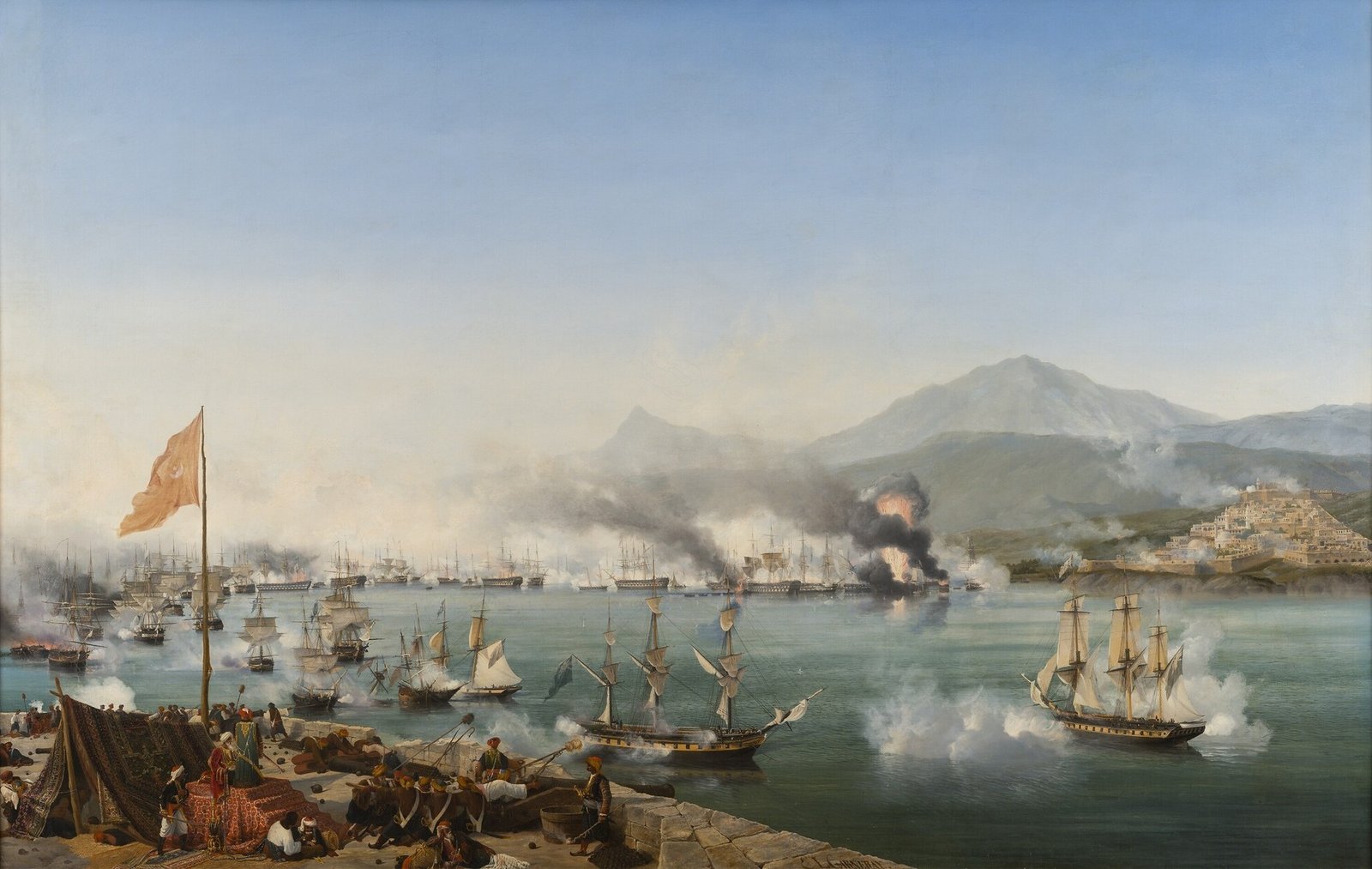
In a sheltered bay on the Greek Peloponnese, the waters of Navarino witnessed the last major naval battle fought entirely under sail, yet this decisive engagement in the Greek War of Independence has faded from popular memory. On October 20, 1827, a combined British, French, and Russian fleet destroyed the Ottoman-Egyptian fleet, effectively securing Greek independence after six years of brutal warfare. The battle erupted almost accidentally when the allied fleet, sent to monitor the situation, found itself confronting Ottoman forces attempting to suppress the Greek rebellion. Admiral Sir Edward Codrington commanded 27 allied ships against 89 Ottoman and Egyptian vessels in a four-hour engagement that left the Muslim fleet in ruins. The victory marked a turning point in the Greek struggle for independence, which had begun in 1821 with uprisings across Greece and the islands. European public opinion, influenced by Romantic philhellenism and outrage over Ottoman massacres, had gradually shifted toward supporting Greek independence. The Battle of Navarino demonstrated the weakness of the Ottoman Empire and accelerated its decline throughout the 19th century. Yet this pivotal naval engagement, which helped create modern Greece, remains unknown to most people outside Greece, overshadowed by more famous naval battles from earlier eras.
Fort San Juan: Spain’s Lost Carolina Colony
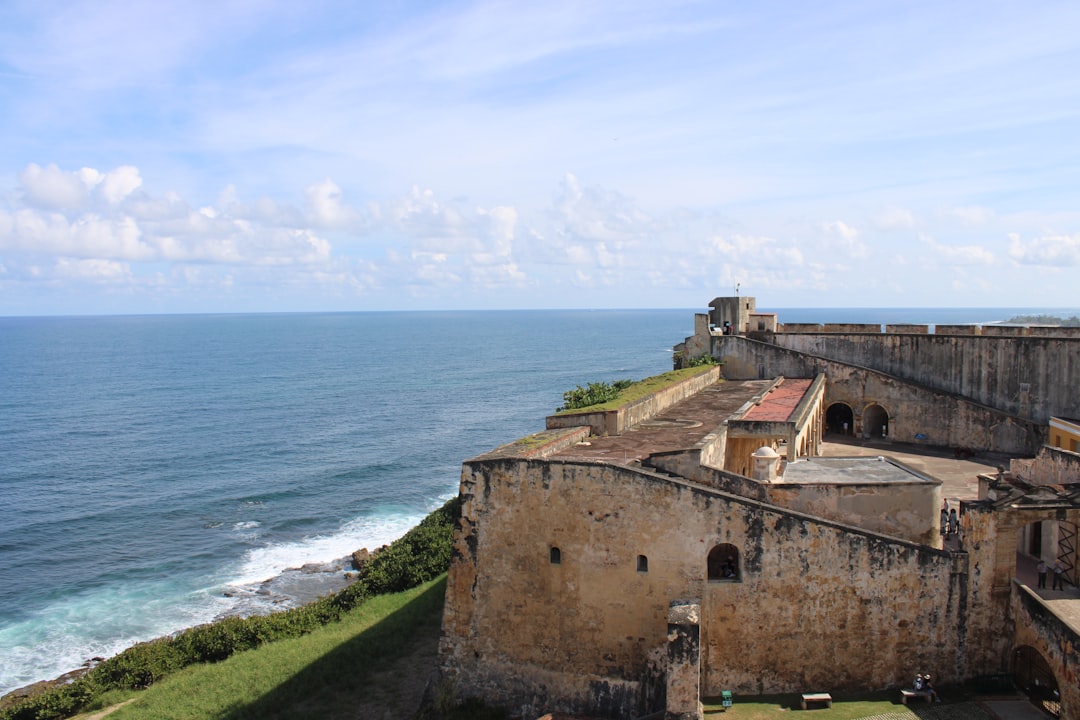
Deep in the mountains of western North Carolina, archaeological remains mark the site of Fort San Juan, remnant of a Spanish colonial experiment that predated Jamestown by four decades yet vanished from historical memory. Built in 1567 during Juan Pardo’s expedition, this fort represented Spain’s ambitious attempt to establish an overland route from Florida to the silver mines of Mexico, passing through the Carolina interior. Pardo established six forts across the region, garrisoning them with 120 soldiers who were supposed to pacify local Native American tribes and secure Spanish claims to the Southeast. The Spanish colonists at Fort San Juan lived among the Joara people, a Mississippian culture chiefdom, attempting to extract tribute and convert the inhabitants to Christianity. But within 18 months, coordinated Native American attacks had destroyed all of Pardo’s forts, killing most of the Spanish soldiers and ending Spain’s attempt to colonize the Carolina interior. The failure left the region open for eventual English colonization, fundamentally altering the cultural trajectory of the American Southeast. Archaeological excavations beginning in the 1980s have revealed European artifacts mixed with Native American materials, providing concrete evidence of this forgotten colonial encounter. The Juan Pardo expeditions represent one of the earliest sustained European attempts to penetrate the North American interior, yet they remain virtually unknown compared to later English and French colonial efforts.
Dien Bien Phu: France’s Final Colonial Defeat
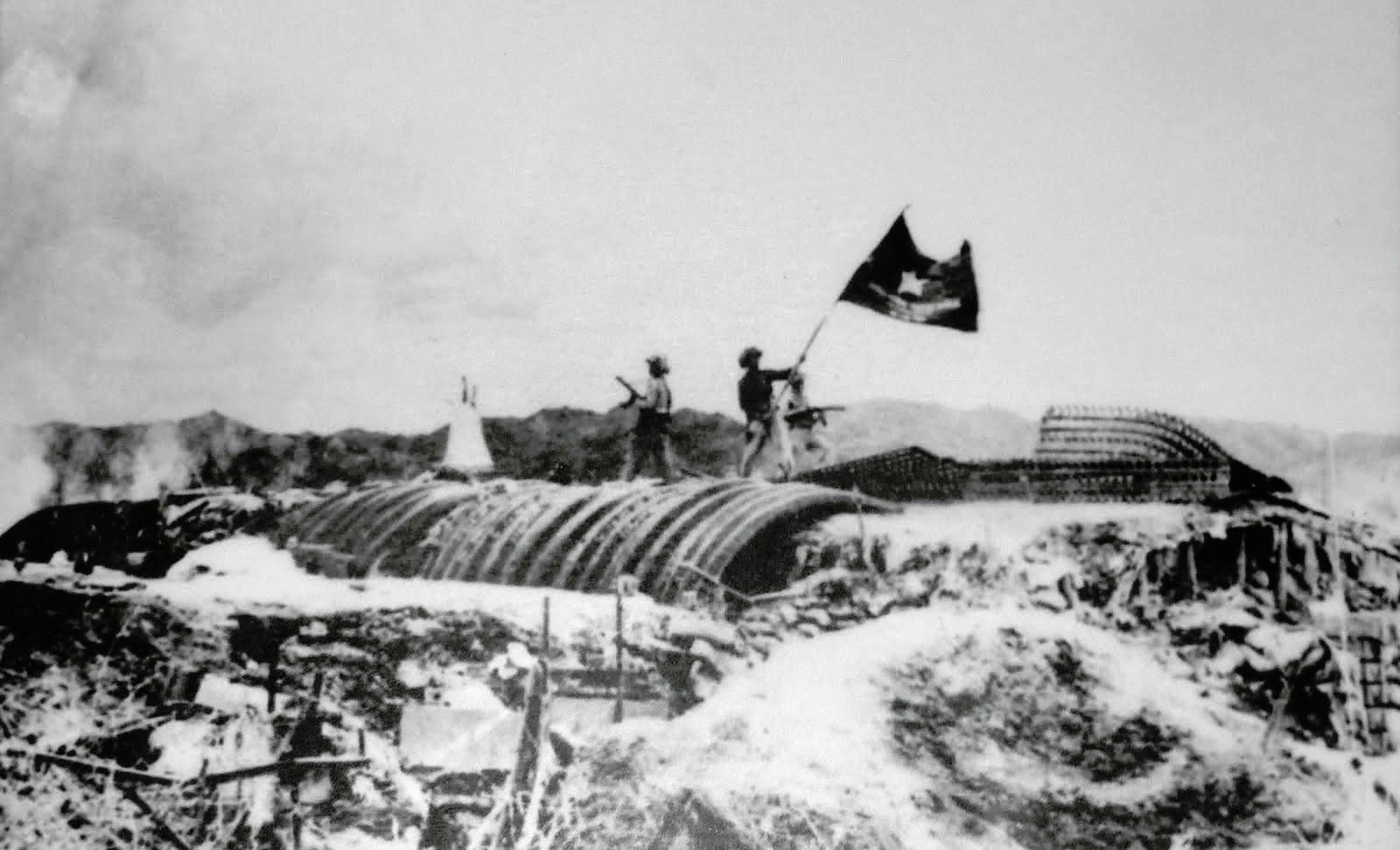
In a remote valley in northern Vietnam, the battlefield of Dien Bien Phu preserves the site where France’s colonial empire in Indochina came to a definitive end, though this decisive victory is overshadowed by America’s later Vietnam experience. From March to May 1954, Viet Minh forces under General Vo Nguyen Giap surrounded and besieged 16,000 French and colonial troops in what French commanders had intended as an impregnable fortress. The French plan was to lure Viet Minh forces into a conventional battle where superior firepower and air support would ensure victory. Instead, Giap’s forces hauled heavy artillery through seemingly impassable mountains and rained shells down on the French positions for 57 days. The siege became a symbol of anti-colonial resistance worldwide, demonstrating that European military technology could not overcome determined indigenous opposition. On May 7, 1954, the French garrison surrendered, effectively ending the First Indochina War and leading directly to the Geneva Accords that divided Vietnam. The victory at Dien Bien Phu inspired anti-colonial movements from Algeria to Angola, proving that European empires were not invincible. Yet this pivotal battle in decolonization history is largely forgotten in the West, overshadowed by America’s subsequent involvement in Vietnam that began a decade later.
Fort York: When America Invaded Canada
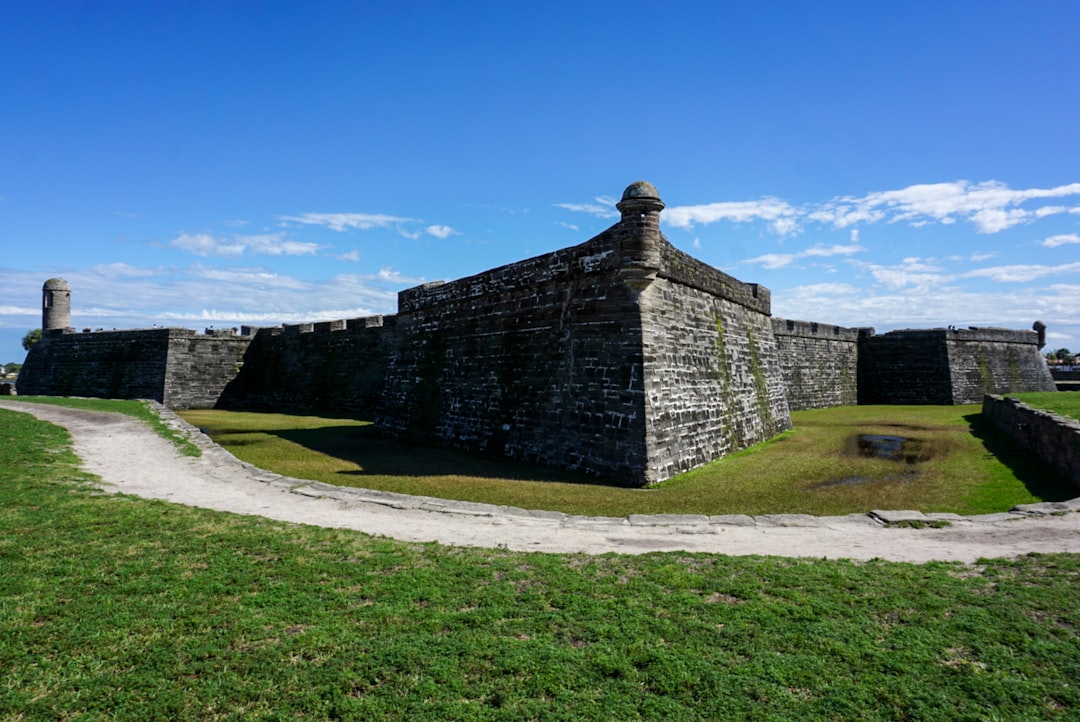
In downtown Toronto, the small Fort York museum preserves the site where American forces briefly occupied the future Canadian capital, a largely forgotten episode from the War of 1812 that most Americans and Canadians prefer not to discuss. On April 27, 1813, American forces under General Henry Dearborn landed near York (now Toronto) and quickly overwhelmed the small British garrison defending Upper Canada’s capital. The American occupation lasted six days and included the controversial burning of government buildings, an act of retaliation that would later motivate British forces to burn Washington D.C. The attack on York was part of a broader American strategy to conquer Canada, based on Thomas Jefferson’s prediction that taking Canada would be “
CEO-Co-Founder
