

- The 14 Forgotten Stories Behind America’s Most Famous Landmarks - September 26, 2026
- 15 Times History Was Changed by a Single Speech - September 25, 2026
- “20 Authors Who Captured the American Dream Like No One Else” - September 25, 2026
Dadaist Sound Experiments

In the 1920s, Dadaism wasn’t just about wild collages and strange poetry; it also sparked a truly odd chapter in music history. Dadaist musicians, like Kurt Schwitters, used typewriters, broken pianos, and even vacuum cleaners to create chaotic sound collages. This movement boldly rejected traditional melodies and rhythms, paving the way for experimental music in the decades that followed. Though it was dismissed as noise by many at the time, its influence can now be heard in everything from punk to avant-garde electronic music. More recent studies have shown how Dada’s playful, irreverent sound art laid groundwork for later genres like musique concrète. Even the rise of sampling in hip hop owes a nod to these early experiments. It’s wild to think vacuum cleaners could be the ancestor of modern pop hooks.
Highlife’s West African Revolution

Highlife music, born in Ghana in the early 20th century, combined brass bands, jazz, and African rhythms. In the 1950s and 60s, it became a symbol of independence and optimism across West Africa. Bands like E.T. Mensah’s The Tempos brought infectious dance rhythms to packed dance halls, inspiring political movements and social change. According to research from the University of Ghana, Highlife’s blending of Western and traditional African instruments influenced countless genres, from Afrobeat to contemporary pop. Even though Highlife’s golden age faded, its DNA can still be heard in today’s global hits by stars like Burna Boy. It’s a perfect example of how music can quietly, but powerfully, reshape cultural identity.
Tropicália’s Brazilian Uprising
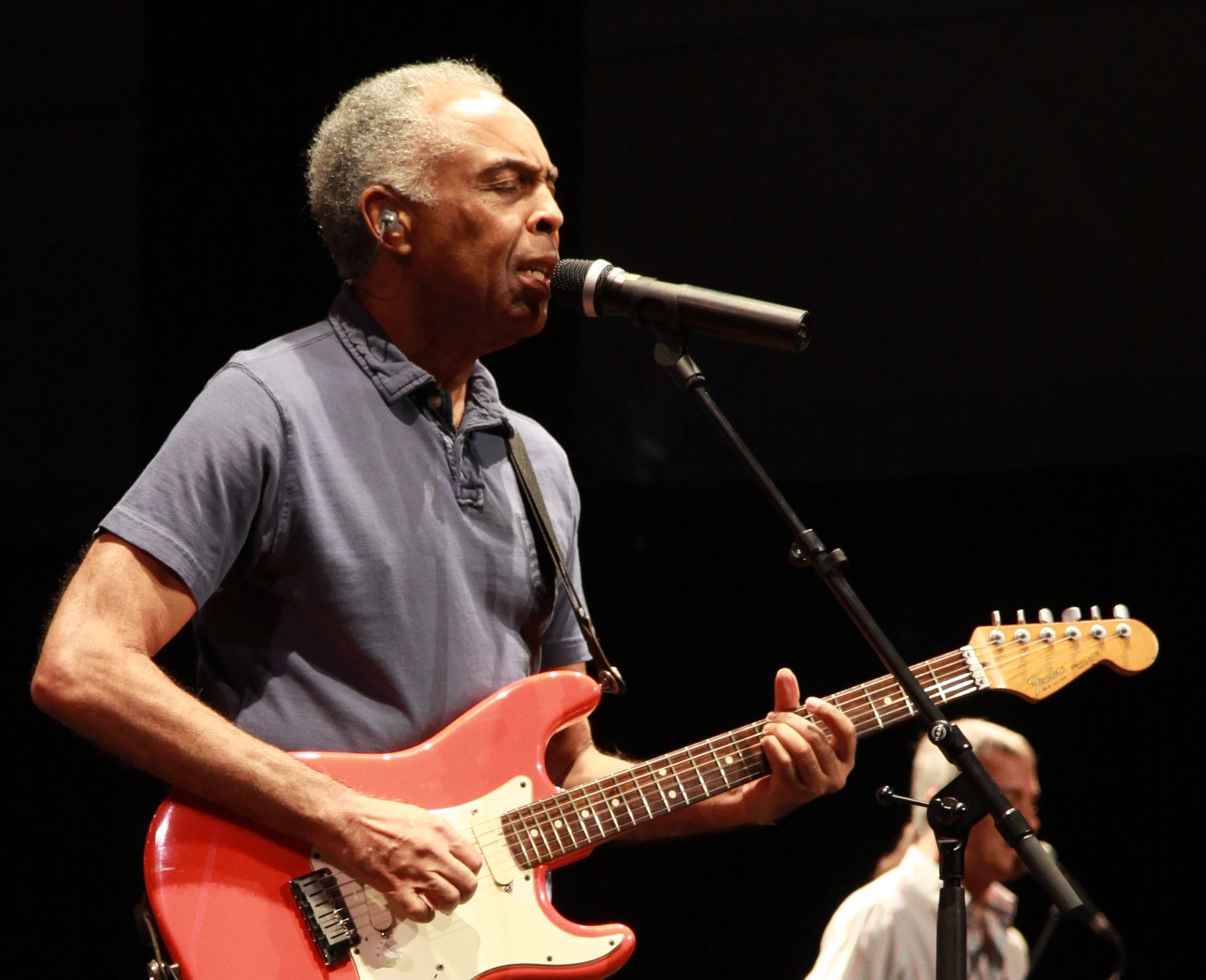
Tropicália exploded onto the Brazilian scene in the late 1960s, mixing psychedelic rock, samba, and poetic protest. When musicians like Caetano Veloso and Gilberto Gil challenged the harsh military dictatorship with subversive lyrics and wild new sounds, they risked imprisonment. According to recent interviews with surviving Tropicália artists, their music helped spark a broader cultural revolution, even as they faced censorship and exile. The movement’s playful mix of tradition and rebellion still echoes in modern Brazilian music. Without Tropicália’s fearless creativity, the world might never have heard genres like manguebeat or the global phenomenon of funk carioca.
Krautrock’s German Engine
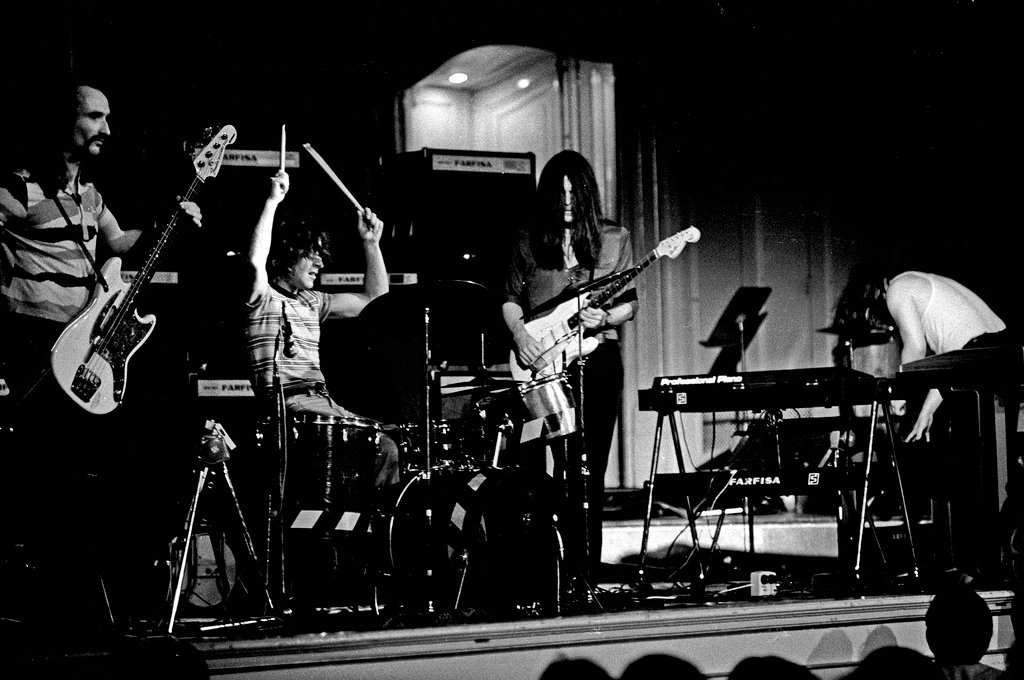
Germany’s Krautrock scene, which bloomed in the late 1960s and early 70s, is often overshadowed by British and American rock. But bands like Can, Neu!, and Kraftwerk quietly rewired the global music landscape. They ditched blues roots for hypnotic rhythms, electronic experimentation, and cosmic improvisation. Today, music historians widely regard Krautrock as the backbone of modern electronic music and post-punk. Its mechanical “motorik” beat became the blueprint for genres from techno to indie rock. According to a 2023 BBC retrospective, the sound of Krautrock is more alive than ever in today’s digital age, influencing artists like Radiohead and LCD Soundsystem.
Zydeco’s Accordion Revolution

Zydeco, born in Louisiana’s Creole communities, is a blend of French, African, and Caribbean influences, led by the accordion and washboard. In the 1940s and 50s, musicians like Clifton Chenier electrified local dances with infectious energy. Zydeco was more than party music—it broke down racial and social barriers in segregated America. Recent studies by the Smithsonian Institution highlight Zydeco’s lasting impact on American roots music, influencing everything from country to blues-rock. While it remains a regional treasure, its spirit pops up in surprising places, like Beyoncé’s “Daddy Lessons” and the soundtracks of Hollywood blockbusters.
Chutney’s Caribbean Fusion

Chutney music, a spicy blend of Indian folk, soca, and calypso, blossomed in Trinidad and Guyana in the mid-20th century. Driven by the rhythms of the dholak drum and harmonium, Chutney gave Indo-Caribbean communities a vibrant new voice. According to ethnomusicologist Peter Manuel, its rise paralleled the global spread of Bollywood and reggae, bridging worlds with infectious rhythms and bilingual lyrics. Today, Chutney’s influence is felt in international dance music, though its roots are often forgotten outside the Caribbean. The annual Chutney Soca Monarch competition still draws huge crowds, keeping this musical melting pot alive.
Yé-yé’s French Teenage Dream
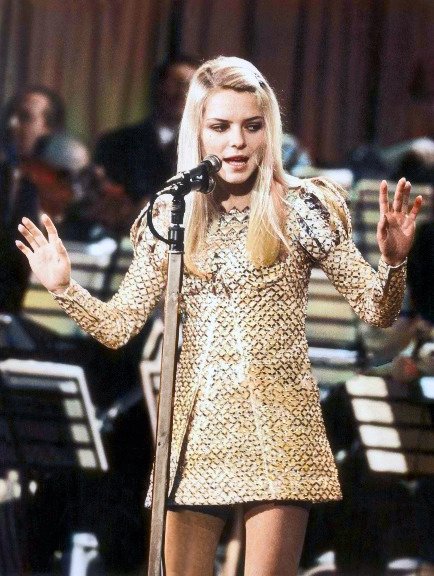
In the 1960s, France’s Yé-yé movement brought youthful exuberance to the world stage. Young singers like Françoise Hardy and France Gall sang catchy, innocent pop songs that captured the spirit of a generation. While often dismissed as lightweight at the time, research by the French National Library shows how Yé-yé quietly challenged gender norms and shaped the French music industry. The movement’s playful melodies and fashion sense influenced the look and sound of modern indie pop. Even K-pop and J-pop idol groups borrow cues from Yé-yé’s pastel-colored dreamworld.
Riot Grrrl’s Feminist Roar
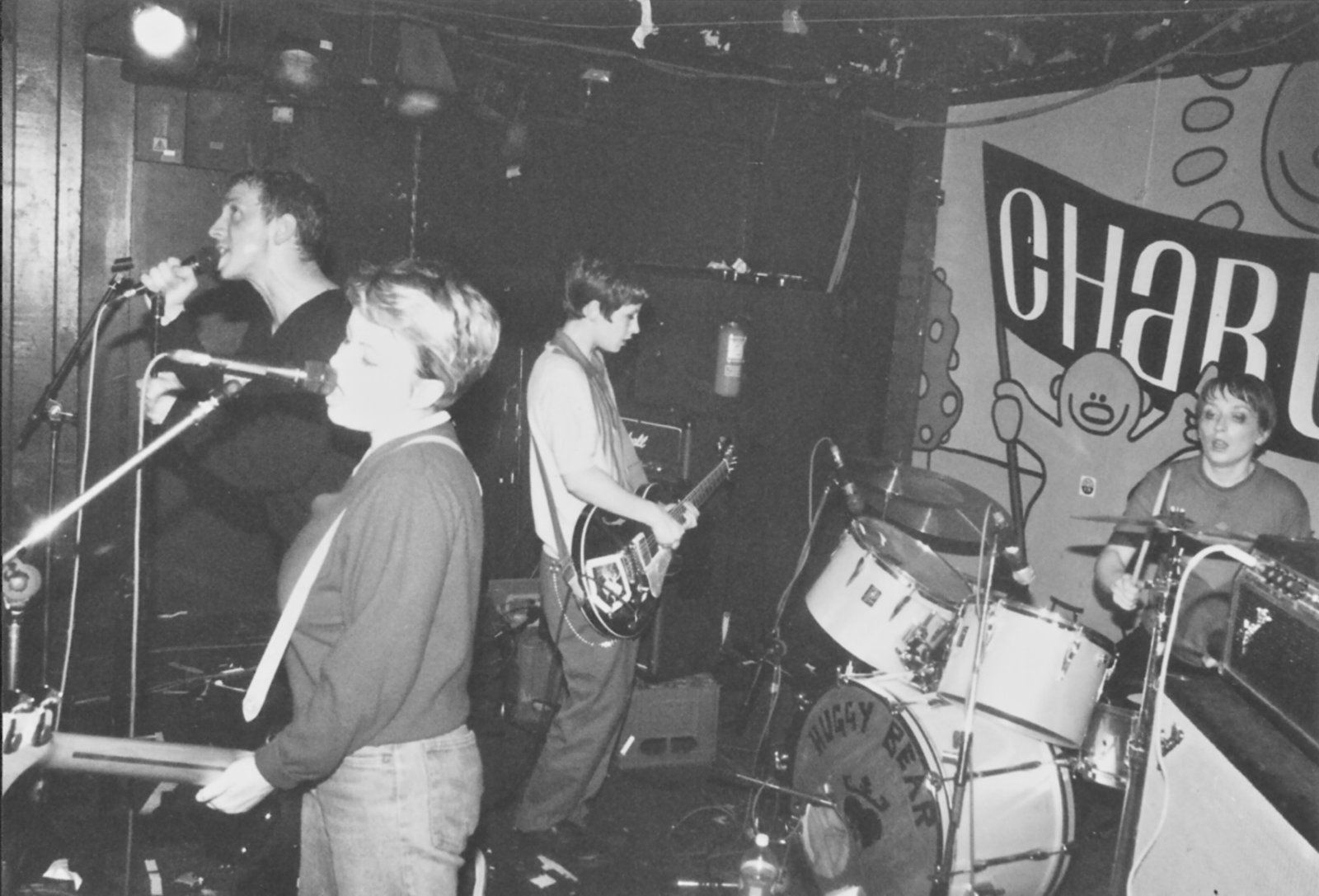
The Riot Grrrl movement burst out of the Pacific Northwest in the early 1990s, as punk bands like Bikini Kill and Bratmobile combined raw guitars with fierce feminist politics. Their DIY zines, community meetings, and confrontational lyrics tackled issues like sexism, abuse, and homophobia head-on. According to a 2024 Rolling Stone feature, Riot Grrrl’s grassroots activism inspired later movements like #MeToo and helped reshape the punk scene for women and LGBTQ+ artists. Its echoes can be heard in the music of modern icons like Billie Eilish and Olivia Rodrigo, even if the Riot Grrrl name is rarely mentioned today.
Italo Disco’s European Nightlife
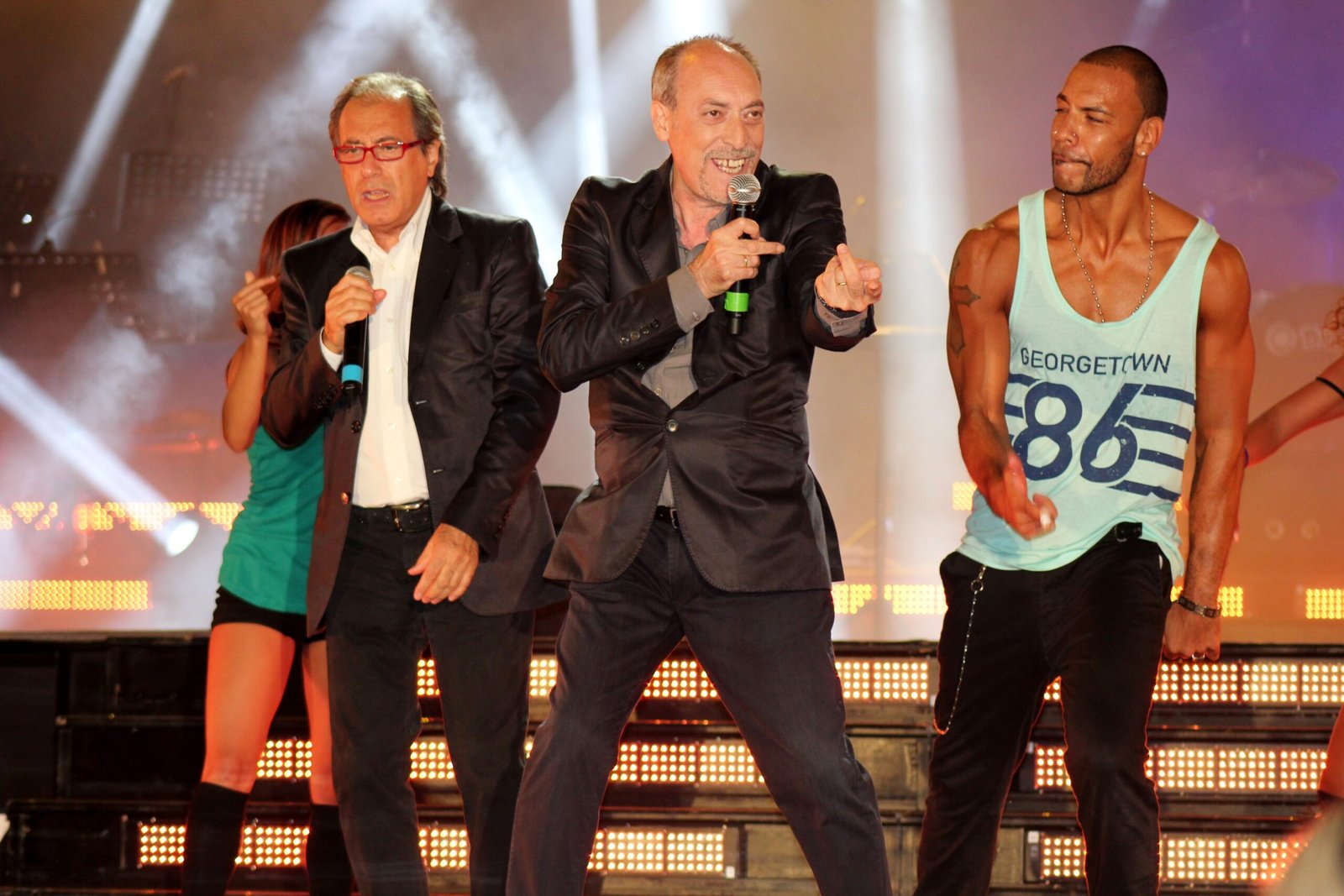
Italo Disco swept through Europe’s nightclubs in the early 1980s, mixing synthesizers, drum machines, and catchy melodies. Italian producers like Giorgio Moroder and Sabrina created a space-age sound that dominated the airwaves, even as critics dismissed it as disposable. Recent reappraisals in electronic music circles show that Italo Disco’s glossy production and pulsing rhythms laid the foundation for house, techno, and EDM. According to a 2024 report by Mixmag, Italo Disco is seeing a major revival among Gen Z DJs in Berlin and London. What was once “cheesy” now sounds timelessly cool, proving that music can always come back in style.
Go-Go’s Washington D.C. Groove
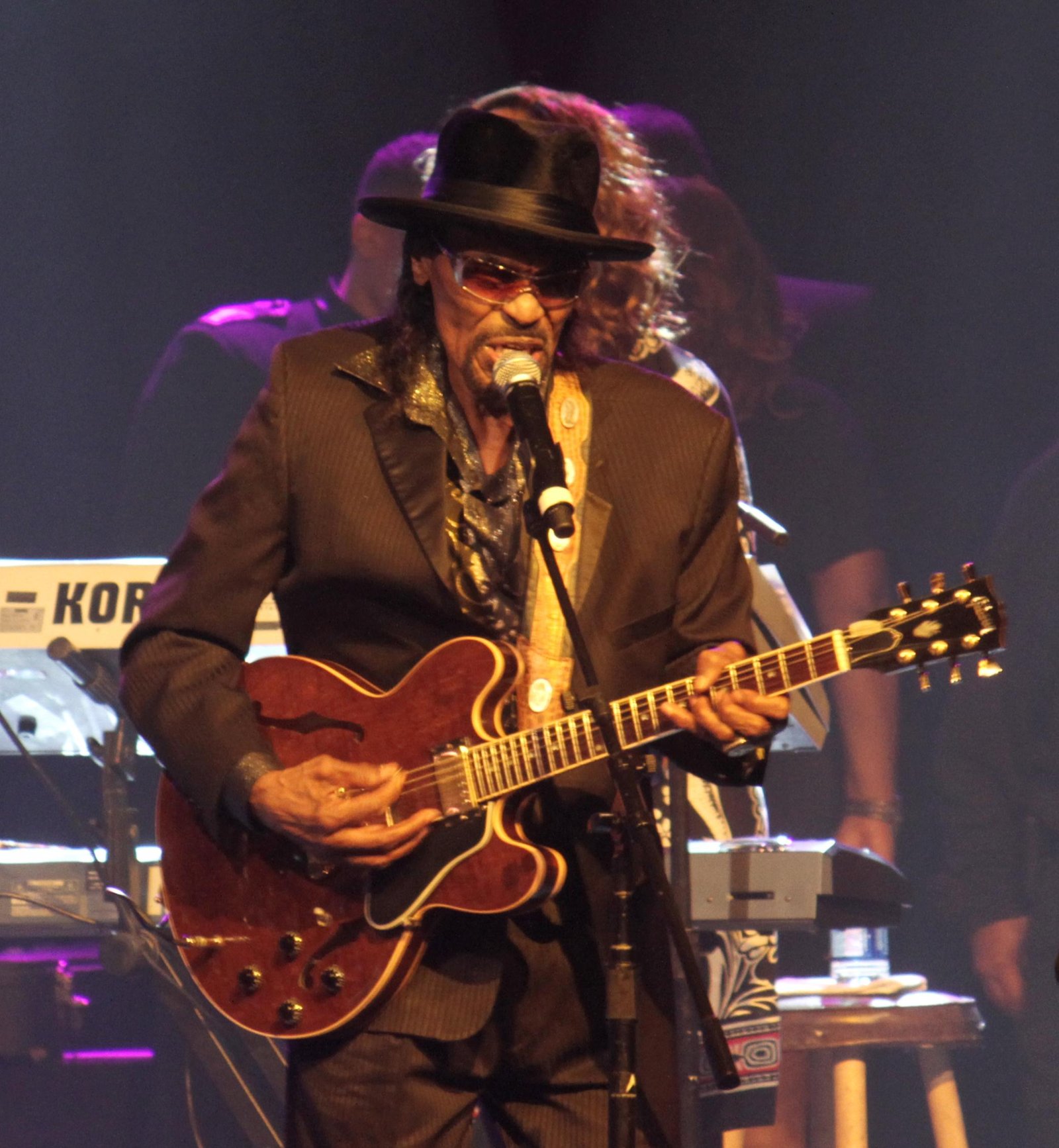
Go-Go music, created in Washington D.C. in the 1970s, is a relentless, percussion-driven funk that’s kept local crowds dancing for hours. Bands like Rare Essence and Chuck Brown & the Soul Searchers made Go-Go a pillar of Black community life, even as the mainstream music industry looked the other way. According to the D.C. Public Library’s music archive, Go-Go helped inspire hip hop and continues to shape the sound of modern rap and R&B. In 2020, the city officially declared Go-Go the “official music” of Washington, D.C., honoring its unique role in local identity.
Cumbia’s Latin American Journey
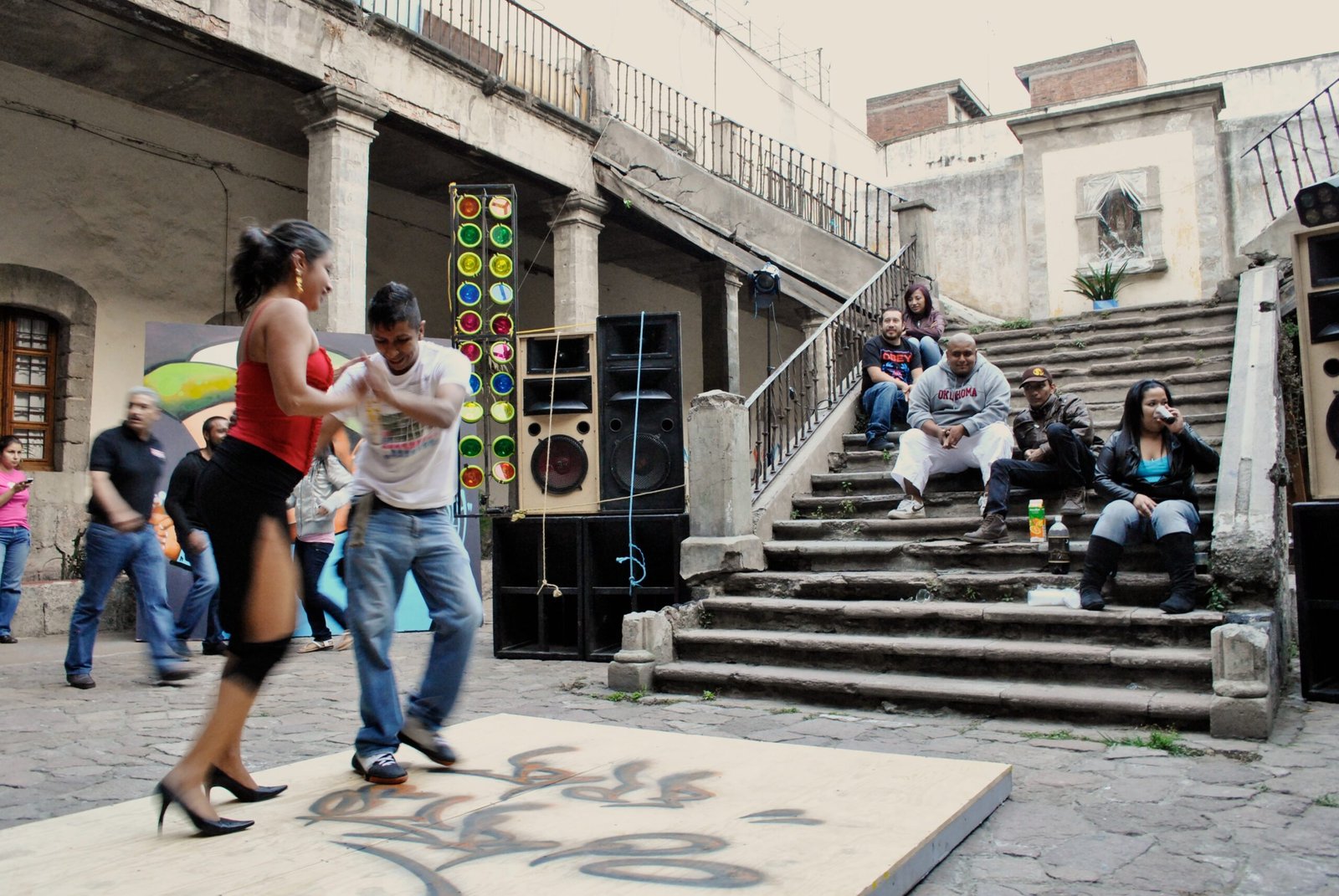
Cumbia began as a courtship dance among enslaved Africans on Colombia’s Caribbean coast. Over centuries, it grew into one of Latin America’s most beloved genres, blending African drums, Indigenous flutes, and Spanish guitars. According to a 2024 cultural study by the University of Bogotá, Cumbia’s infectious rhythms have taken root everywhere from Argentina to Mexico, giving birth to offshoots like technocumbia and cumbia villera. Even global pop stars sample Cumbia beats in chart-toppers, though its revolutionary history is often left unmentioned.
Skiffle’s British Invasion Spark
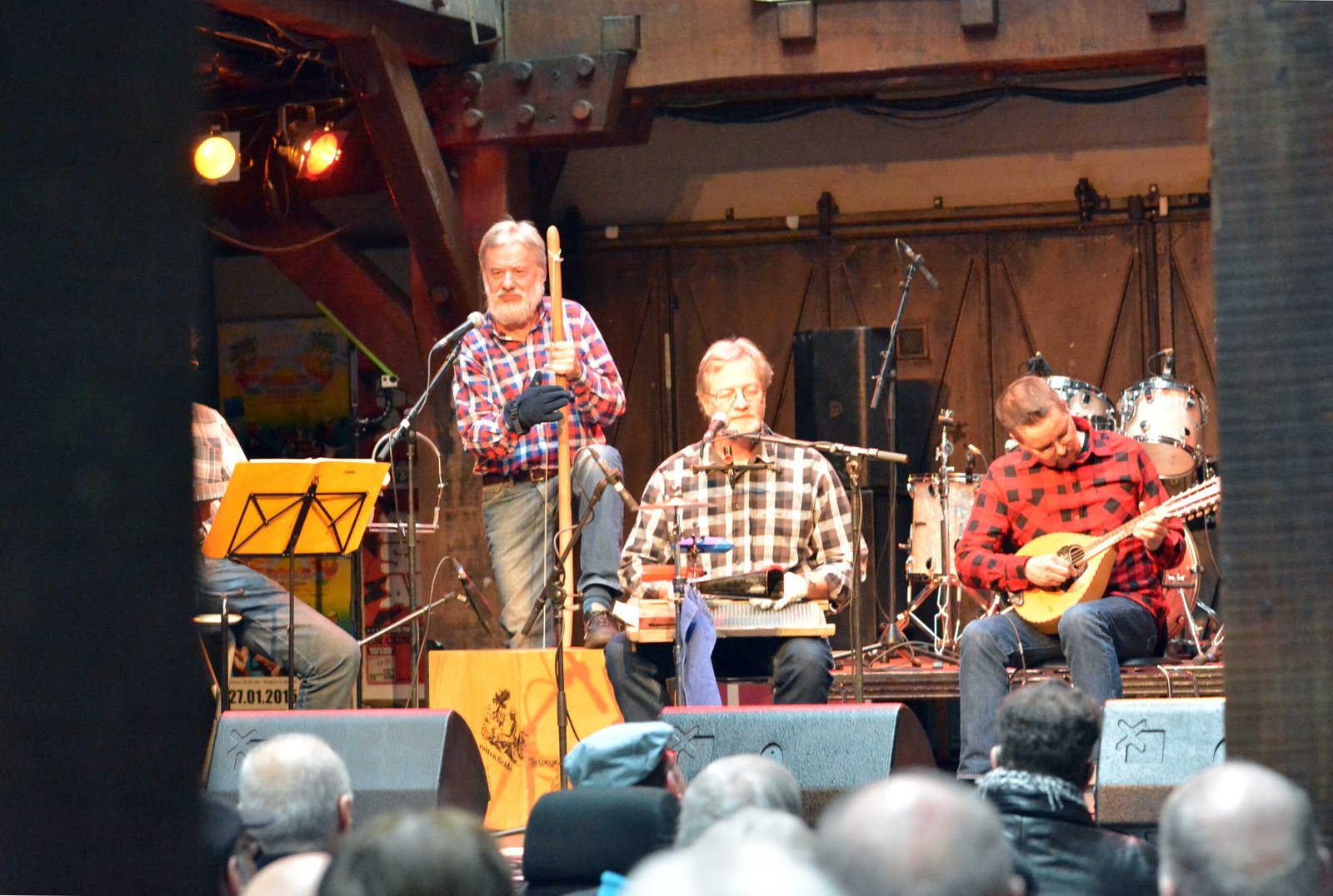
Skiffle, a raw, homemade blend of American folk, jazz, and blues, swept postwar Britain in the 1950s. With makeshift instruments like washboards and tea-chest basses, skiffle encouraged thousands of young people to start their own bands. The Beatles famously began as a skiffle group, and historians at Liverpool’s British Music Experience credit skiffle with igniting the British rock explosion that followed. Though only a handful of skiffle records are remembered today, its “anyone can play” attitude changed music forever.
Makossa’s Urban Pulse
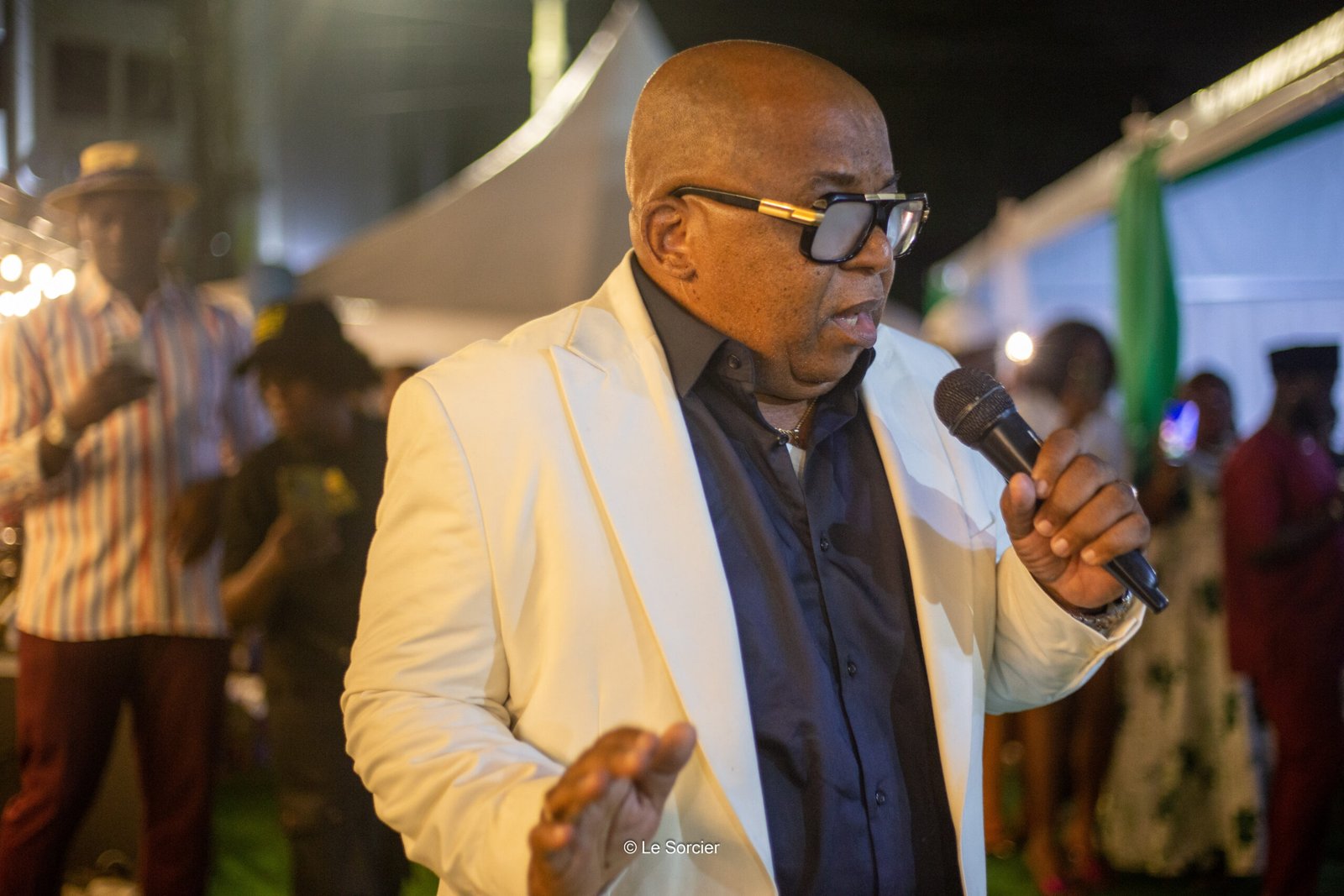
Makossa, which means “dance” in Douala, lit up Cameroon’s clubs in the 1970s with its fusion of local rhythms and funk. Pioneered by musicians like Manu Dibango, Makossa’s hypnotic grooves reached all the way to Michael Jackson, who sampled Dibango’s “Soul Makossa” in “Wanna Be Startin’ Somethin’.” According to a 2023 African Music Journal article, Makossa’s influence can be traced through today’s Afropop and even French rap. Still, outside Francophone Africa, its groundbreaking role is rarely taught or discussed.
Baggy’s Madchester Madness

Baggy music, born in late-80s Manchester, blended psychedelic rock, dance beats, and rave culture. Bands like Happy Mondays and The Stone Roses made floppy hats and loose jeans the style of the moment. According to a 2024 Manchester Museum exhibit, Baggy music helped unite working-class youth during tough economic times, transforming Manchester into a global music hotspot. Its playful grooves and party atmosphere set the stage for Britpop and influenced the look and sound of 90s alternative rock.
Kuduro’s Angolan Explosion

Kuduro, which translates to “hard ass,” erupted from the streets of Angola in the late 1990s. Blending breakneck electronic beats with local rhythms, Kuduro became the dance soundtrack for a generation facing war and upheaval. According to a 2024 report by the African Music Archive, Kuduro’s influence has spread to Portugal, Brazil, and even Western pop through collaborations with artists like M.I.A. Despite its international reach, Kuduro’s raw energy and social commentary remain rooted in Angolan youth culture.
Lover’s Rock’s Sweet Revolution

Lover’s Rock, a romantic offshoot of reggae born in 1970s London, offered a softer, more melodic sound for Britain’s Caribbean communities. Female singers like Janet Kay and Carroll Thompson brought tenderness and empowerment to a genre often dominated by men. Research from the University of Westminster highlights Lover’s Rock as a soundtrack for love and resilience during times of racial tension and unrest. Today, its smooth grooves echo in British R&B and pop, even as its name remains a hidden gem.
Neue Deutsche Welle’s German Pop Wave

The Neue Deutsche Welle (New German Wave) exploded in late 1970s West Germany, blending punk, new wave, and synthpop with German lyrics. Bands like Nena and Falco scored global hits, but the movement also gave voice to underground artists challenging Cold War conventions. According to a 2023 Deutsche Welle feature, NDW’s quirky style and bold politics paved the way for the global success of later German acts like Rammstein and Milky Chance.
Chicha’s Amazonian Psychedelia
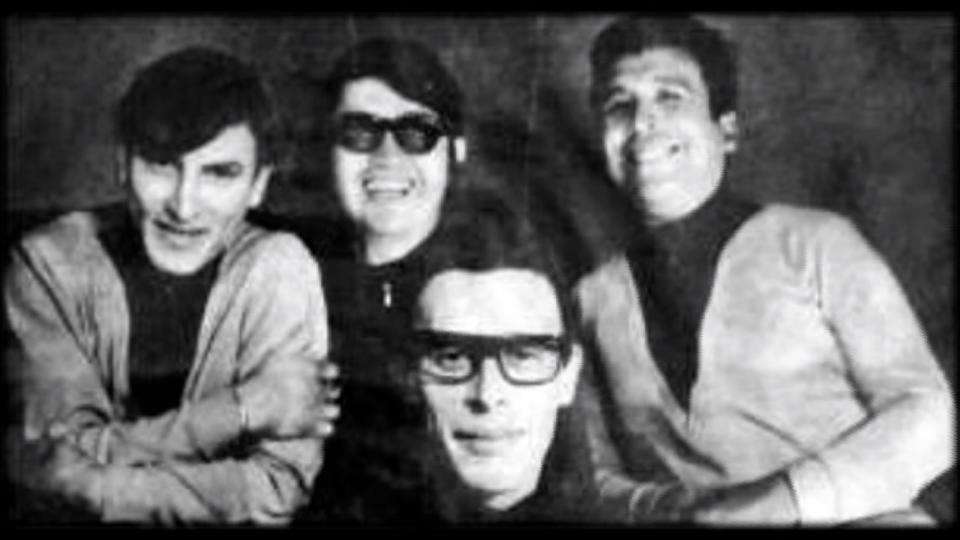
Chicha music, a wild mix of Peruvian cumbia, Andean melodies, and psychedelic rock, first bloomed in the Amazon basin in the 1960s. Electric guitars and vintage synths gave traditional songs a hallucinatory twist. According to recent research at the Pontifical Catholic University of Peru, Chicha became the soundtrack for rural migrants moving to Lima, forging a new hybrid identity. Though overlooked outside Latin America, Chicha’s sound is now enjoying a global revival among crate-digging DJs and indie bands.
Raï’s North African Rebellion
Raï music, born in Algeria’s port city of Oran, began as a form of streetwise protest in the early 20th century. By the 1980s, singers like Cheb Khaled were blending traditional melodies with synths and rock guitars, challenging conservative norms and singing openly about love and hardship. According to a 2024 report by Al Jazeera, Raï has inspired social change across North Africa and France, despite ongoing censorship. Its infectious rhythms have even shaped the sound of French rap and international pop.
Jit’s Zimbabwean Jolt

Jit, a fast-paced dance music from Zimbabwe, exploded in the 1980s as a celebration of independence. With rapid guitar riffs and energetic drumming, bands like The Bhundu Boys took Zimbabwean music to the global stage. A 2023 article in The Guardian highlights how Jit’s joyous sound united people during turbulent times and influenced world music pioneers like Paul Simon. Even as Jit faded from the mainstream, its legacy lives on in Zimbabwean pop and international fusion acts.

Besides founding Festivaltopia, Luca is the co founder of trib, an art and fashion collectiv you find on several regional events and online. Also he is part of the management board at HORiZONTE, a group travel provider in Germany.
