

- The 14 Forgotten Stories Behind America’s Most Famous Landmarks - September 26, 2026
- 15 Times History Was Changed by a Single Speech - September 25, 2026
- “20 Authors Who Captured the American Dream Like No One Else” - September 25, 2026
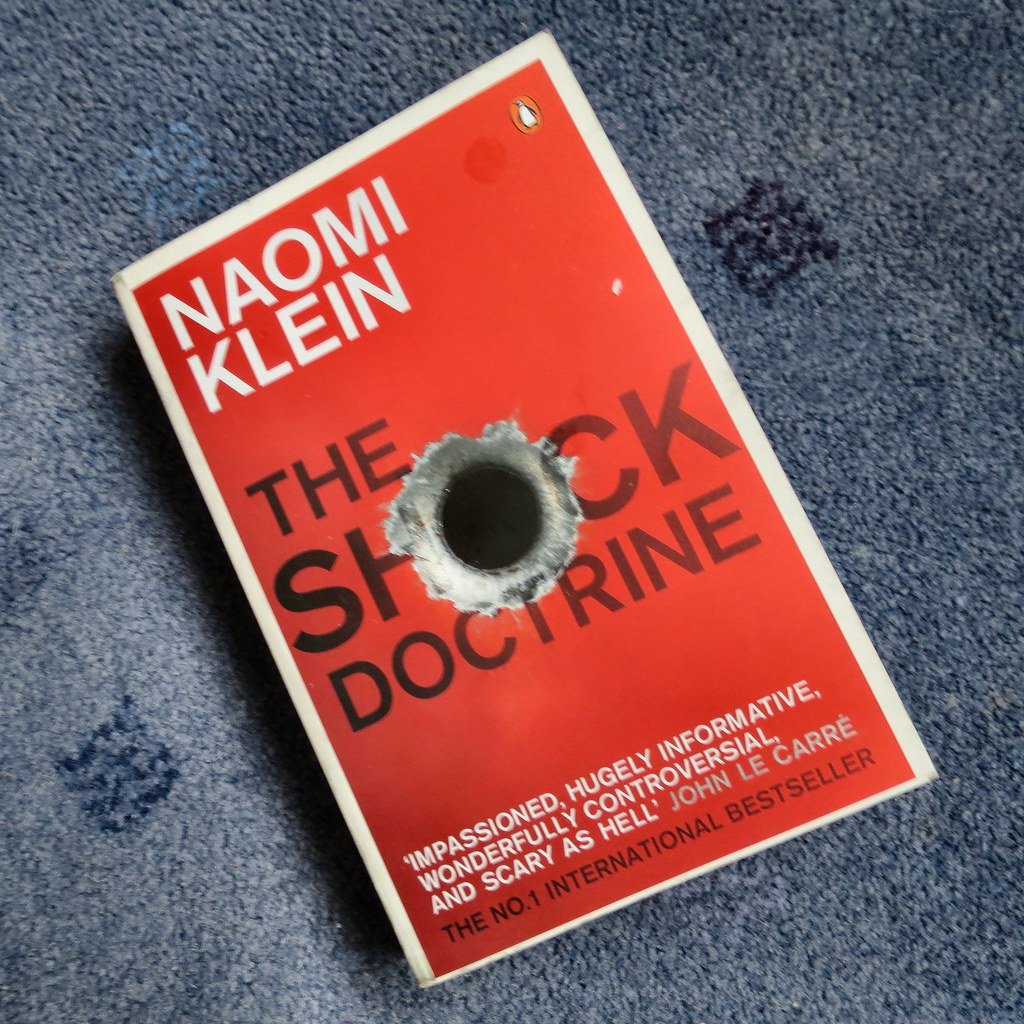
The Shock Doctrine by Naomi Klein
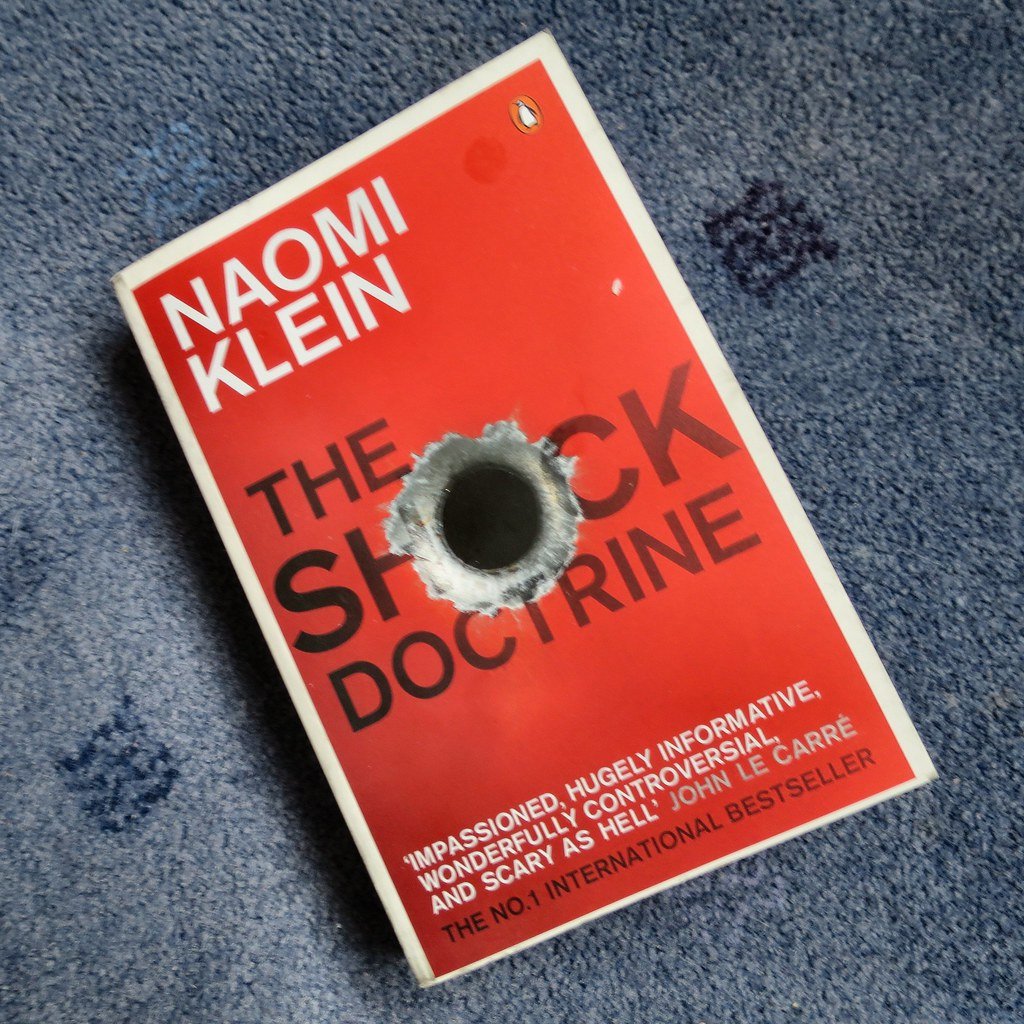
Naomi Klein’s “The Shock Doctrine” takes a fierce look at how economic crises and political turmoil have repeatedly been used to push through controversial policies in America and beyond. The book is shocking in its depiction of how disasters—both natural and manmade—have been leveraged to dismantle social safety nets and public institutions. Klein draws from real-life examples, such as Hurricane Katrina and the Iraq War, showing how American power has been wielded in ways that led to both domestic and international fallout. She doesn’t just lay out theories; she backs up her claims with interviews, official documents, and government reports. As of 2024, her ideas are often cited in discussions about the US response to COVID-19 and recent economic shocks. When you read Klein’s work, you can’t help but feel a sense of urgency and even anger about how the American empire has sometimes crumbled from the inside out. The book’s relevance only seems to grow as the world faces more frequent disruptions.
Empire of Pain by Patrick Radden Keefe
“Empire of Pain” by Patrick Radden Keefe is an eye-opening investigation into the Sackler family, whose pharmaceutical empire helped fuel the opioid crisis. The book details how Purdue Pharma, through aggressive marketing of OxyContin, played a central role in the opioid epidemic that has devastated countless American communities. Keefe uses court records, leaked emails, and interviews with insiders to show how corporate greed and lack of oversight contributed to a nationwide tragedy. According to CDC data from 2024, opioid overdoses remain a leading cause of death in the US, making Keefe’s book feel chillingly current. He presents the downfall of the Sackler empire as a symbol of broader American decline, where profit is often valued over people’s lives. “Empire of Pain” is a modern tragedy, and readers are left stunned by the scale of its impact.
Twilight of the Elites by Christopher Hayes
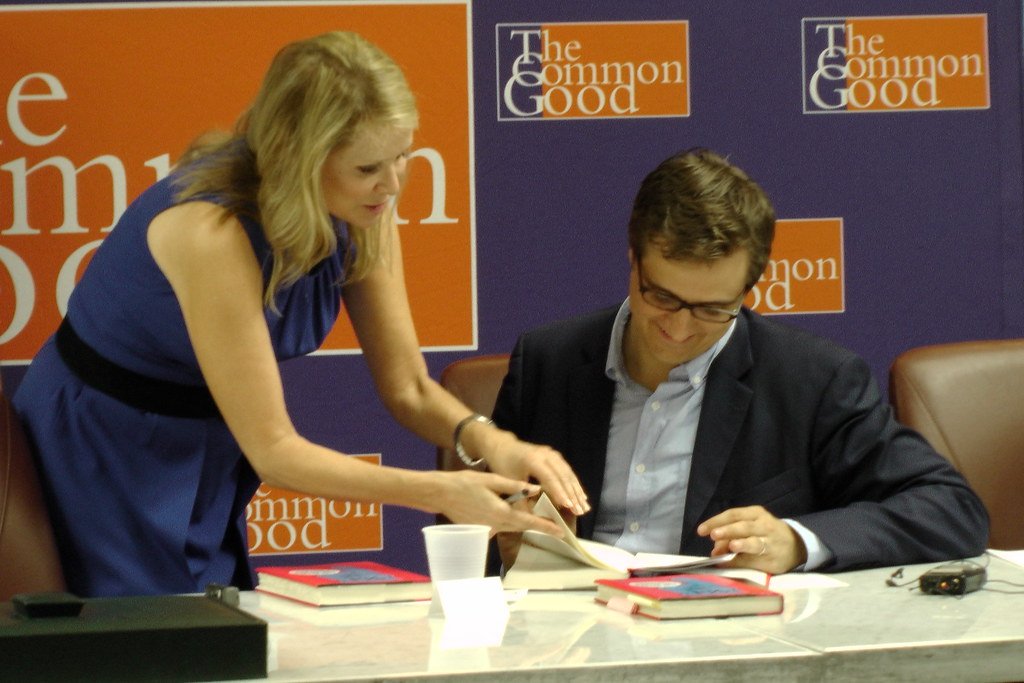
Christopher Hayes’ “Twilight of the Elites” explores how America’s ruling class lost its legitimacy, leading to widespread distrust in institutions from government to media. Hayes uses recent scandals—like the 2008 financial crash, the college admissions scandal, and the mishandling of the COVID-19 pandemic—to show how elites often protect their own interests at the expense of the public. The book is full of hard data, including polling results showing record-low trust in Congress and major news outlets as of 2023. Hayes argues that this breakdown in trust is a key sign of empire in decline. The tone is both urgent and personal, as Hayes admits to his own mixed feelings about institutions he once admired. Readers get a sense of how deeply the cracks in America’s foundation have spread.
These Truths by Jill Lepore

Jill Lepore’s “These Truths” is a sweeping history of America, but it doesn’t flinch from showing the moments where the nation’s ideals faltered. Lepore draws on everything from census data to presidential speeches to chart the rise and strain of American democracy. She pays special attention to recent years, noting how rising inequality, political polarization, and misinformation have tested the republic’s strength. Citing Pew Research Center surveys from 2024, Lepore shows how Americans are now more divided than at any point in recent memory. “These Truths” is praised for its clarity and honesty, making readers confront the uncomfortable reality that American power isn’t guaranteed. It’s a sobering reminder of how quickly empires can unravel when their core principles are abandoned.
American Carnage by Tim Alberta

Tim Alberta’s “American Carnage” captures a nation in turmoil, tracing the Republican Party’s transformation and the wider fractures in American society. Using first-hand interviews with lawmakers, campaign staff, and everyday voters, Alberta pieces together the story of American politics’ descent into chaos. He spotlights the events leading up to and following the January 6th Capitol riot, referencing FBI and congressional reports on rising domestic extremism as of 2024. Alberta doesn’t shy away from naming names or laying blame, making his account feel raw and immediate. The book is packed with behind-the-scenes details that make the political drama feel almost cinematic. It’s a gripping portrait of an empire struggling to hold itself together.
The Unwinding by George Packer
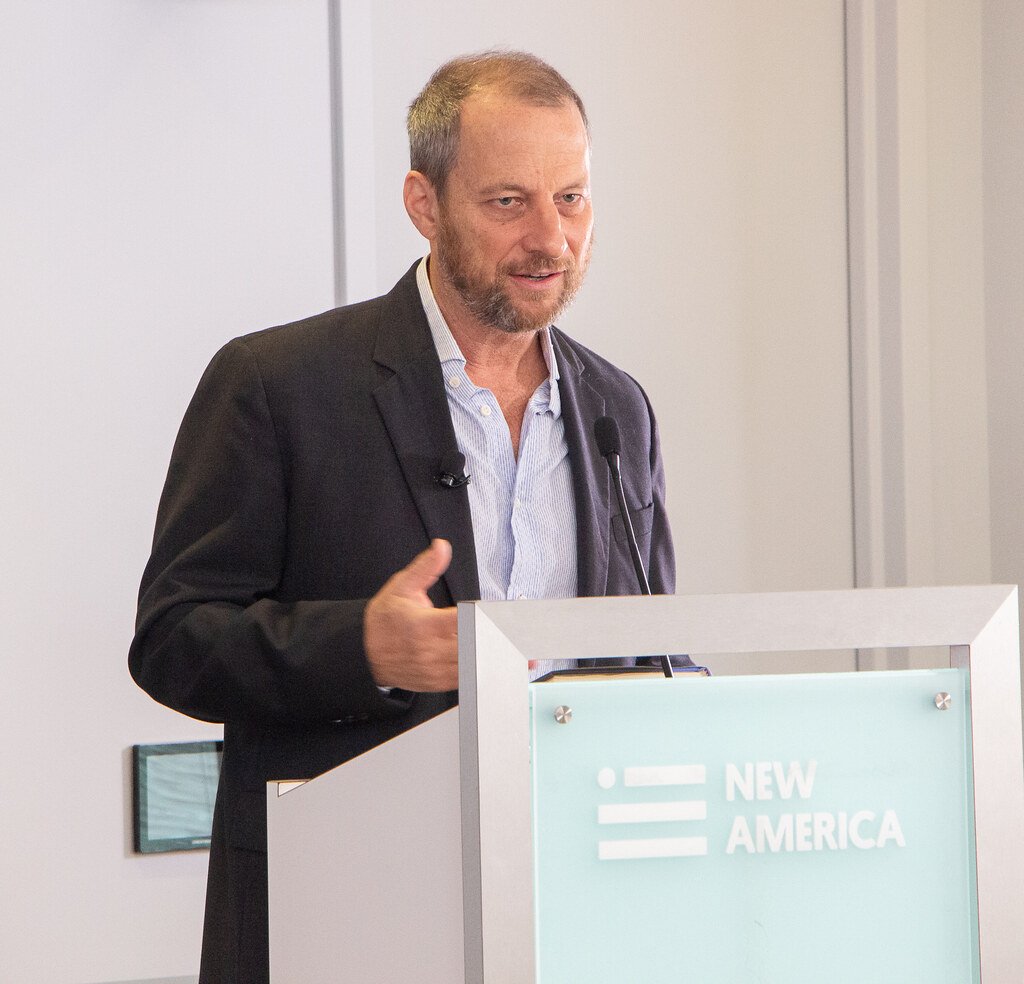
George Packer’s “The Unwinding” reads like a modern epic, weaving together the stories of ordinary Americans whose lives were shaped by the slow collapse of the country’s social and economic systems. Packer follows individuals from different backgrounds—factory workers, entrepreneurs, politicians—to show how the American Dream has become harder to reach. The book is built on hundreds of interviews and extensive reporting, capturing the growing sense of uncertainty that has gripped the nation since the 2008 recession. Economic data from the US Bureau of Labor Statistics is frequently cited, showing the rise in job insecurity and income inequality. Packer’s narrative style makes the decline feel deeply personal, not just statistical.
Dark Money by Jane Mayer

Jane Mayer’s “Dark Money” uncovers how wealthy donors like the Koch brothers have quietly reshaped American politics, often with little public scrutiny. Mayer uses tax records, leaked documents, and interviews to show how billions of dollars have flowed into political campaigns and think tanks, influencing everything from climate policy to Supreme Court nominations. The book highlights how this secretive funding has contributed to political polarization and weakened faith in democracy, as shown in recent Gallup polls. Mayer’s investigative reporting is detailed and relentless, painting a picture of an empire where power is bought behind closed doors. It’s a revealing look at the hidden forces steering America’s decline.
Collapse by Jared Diamond
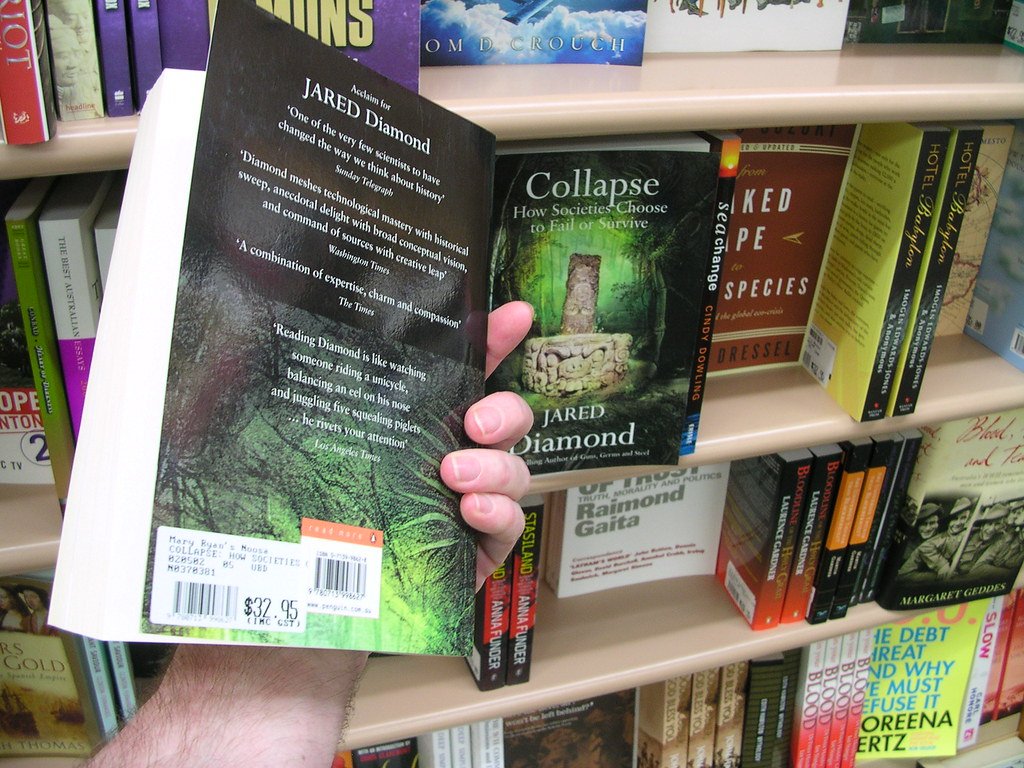
Jared Diamond’s “Collapse” isn’t just about ancient societies—it also takes aim at modern America. Diamond examines why once-great societies, from the Maya to the Vikings, fell apart, and then applies those lessons to current American problems like environmental degradation and political dysfunction. The 2024 National Climate Assessment is used to show how climate change is already affecting US infrastructure and agriculture. Diamond warns that ignoring environmental limits could lead to a fate similar to past empires. The book is full of real-world data and chilling predictions, making readers wonder if the American empire can avoid the same mistakes.
How Democracies Die by Steven Levitsky and Daniel Ziblatt
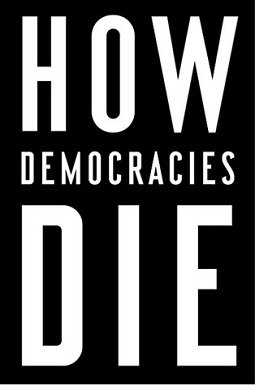
“How Democracies Die” offers a sobering look at the warning signs that a democracy is in trouble, with much of its analysis focused on recent American events. The authors draw on decades of research into failed democracies worldwide, highlighting patterns—such as attacks on the press, erosion of norms, and political violence—that are increasingly visible in the US. They cite recent Justice Department statistics and academic studies showing a surge in political polarization and threats against public officials as of 2025. Levitsky and Ziblatt’s arguments feel urgent and immediate, and their book resonates in today’s climate of uncertainty and mistrust. Readers are left with a sense of alarm about how close America has come to repeating the mistakes of past empires.
Our Kids by Robert D. Putnam
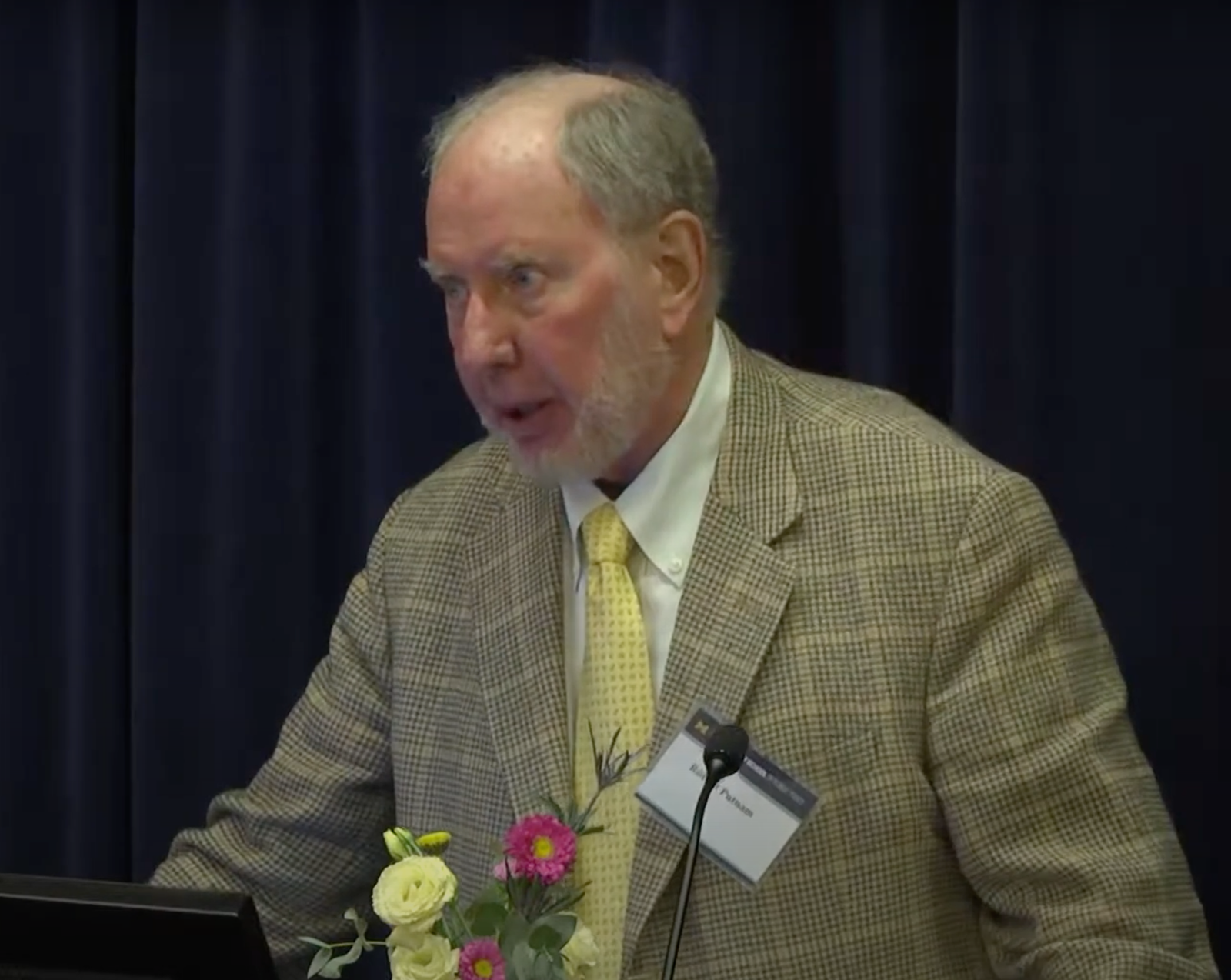
Robert D. Putnam’s “Our Kids” zeroes in on the growing opportunity gap in America, providing a personal and statistical account of how inequality is fracturing the country. Putnam uses real interviews, educational data, and census figures to show how children from different backgrounds now grow up in vastly unequal worlds. He points to research from the US Department of Education showing that, as of 2024, the achievement gap between rich and poor students is wider than ever. The book is packed with stories that tug at the heart, showing the real impact of policy failures. Putnam’s findings are a stark reminder of how an empire’s future can be undermined by failing its youngest citizens.

Besides founding Festivaltopia, Luca is the co founder of trib, an art and fashion collectiv you find on several regional events and online. Also he is part of the management board at HORiZONTE, a group travel provider in Germany.
