

- 20 Groundbreaking American Novels You Should Read at Least Once - September 24, 2026
- 10 Historical Speeches That Predicted the Future - September 24, 2026
- 20 Books That Became Cult Classics by Accident - September 24, 2026
The Historic UK Chart Sweep That Nobody Saw Coming

Picture this: you turn on the radio in January 2016, and every single song in the top three is from the same artist. That’s exactly what happened when Justin Bieber became the first artist in history to occupy the entire Top 3 of the UK Singles Chart simultaneously. ‘Love Yourself’, ‘Sorry’, and ‘What Do You Mean?’ didn’t just climb the charts – they completely took them over. This unprecedented achievement came right after his album Purpose hit the shelves, proving that sometimes a comeback can be more powerful than anyone imagined. It was like watching lightning strike three times in the exact same spot.
The Humble Beginnings – My World EP Sets the Foundation
Back in 2009, when Justin Bieber was still that kid with the swoopy hair from YouTube, his debut EP ‘My World’ sold 137,000 copies in its first week. For a 15-year-old unknown artist, these numbers were actually pretty impressive. The music industry was still trying to figure out what to do with this internet sensation who had millions of views but no traditional radio play. Those 137,000 sales represented something bigger than just numbers – they were proof that the music world was changing. Social media was starting to matter more than record label connections, and Bieber was leading that charge.
My World 2.0 Doubles Down on Success

Just a year later, “My World 2.0” exploded with 283,000 first-week sales, more than doubling his previous performance. This album included “Baby,” the song that would either make you a Belieber or drive you absolutely crazy – there was no middle ground. The jump from 137,000 to 283,000 copies showed that Bieber wasn’t just a one-hit wonder or internet flash in the pan. His fanbase was growing at an incredible rate, mostly made up of teenage girls who would literally scream when they heard his name. Think of it like a snowball rolling down a hill – it started small but was picking up serious momentum.
Holiday Magic with Under the Mistletoe
Christmas albums are tricky business, but Bieber’s ‘Under the Mistletoe’ in 2011 managed to move 210,000 copies in its first week. While this was slightly lower than his previous album, holiday releases operate in a completely different market. People don’t usually buy Christmas music in July, so the timing window is much smaller. The album featured collaborations with Mariah Carey and Boyz II Men, showing that established artists were now taking the young Canadian seriously. It was like getting invited to sit at the adults’ table during Thanksgiving dinner – a sign that he was being accepted into the music industry’s inner circle.
Believe Marks the Transition to Adulthood
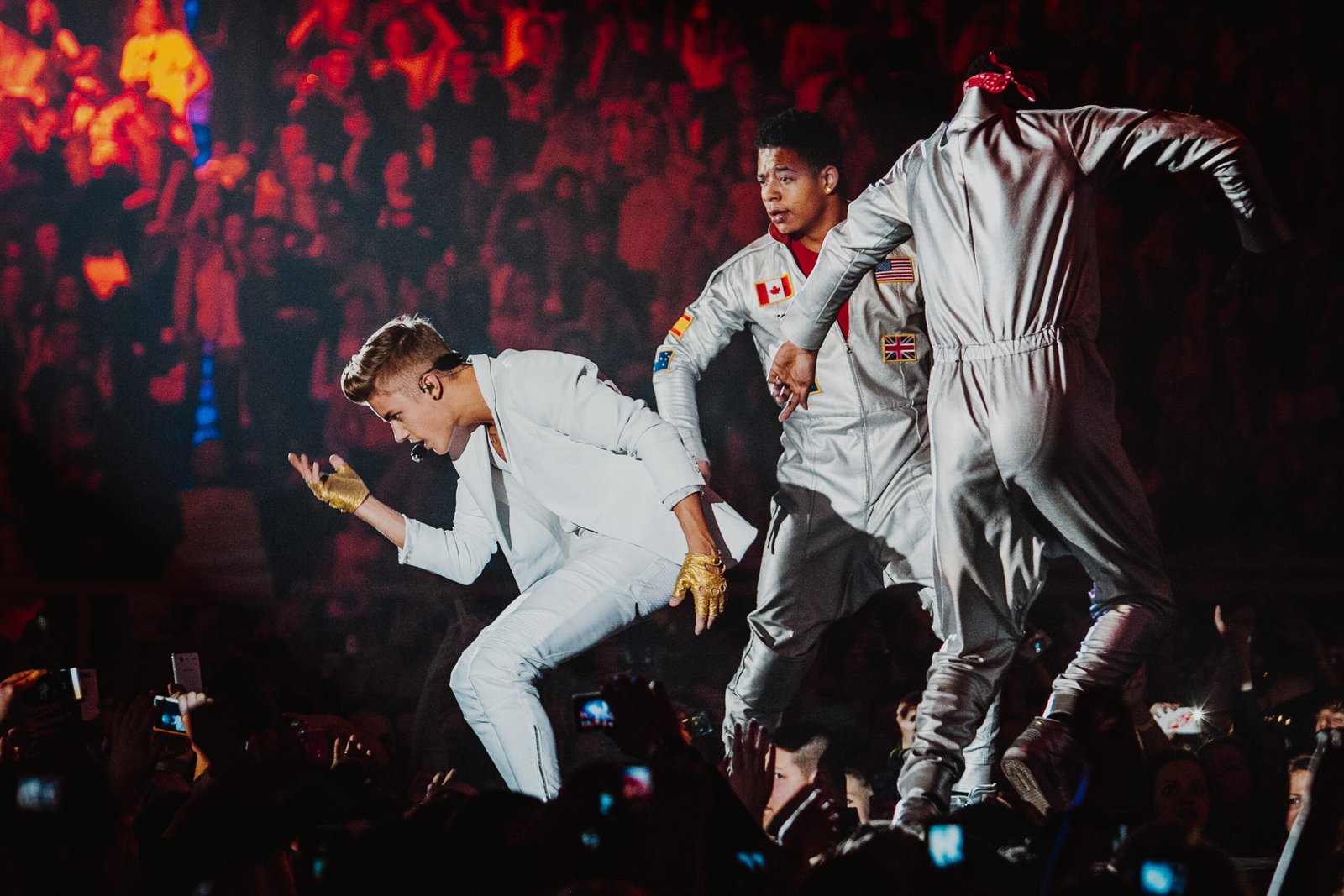
By 2012, Bieber was trying to shed his teen heartthrob image, and ‘Believe’ reflected this with 374,000 first-week sales. This was his highest pure sales number yet, proving that his attempt at a more mature sound was working. The album had a more R&B flavor compared to his earlier pop offerings, and fans seemed ready to grow up with him. However, this was also around the time when his personal life started making more headlines than his music. It’s like watching a child star try to navigate adolescence under a microscope – messy, complicated, and very public.
Purpose – The Comeback That Shattered Records

Then came 2015’s ‘Purpose,’ and everything changed again. With 522,000 pure sales and 649,000 equivalent units in the first week, this album represented Bieber’s true artistic comeback. The equivalent units system, which includes streaming numbers, showed just how massive his digital presence had become. This was the album that gave us those three UK chart-toppers, proving that Bieber had successfully reinvented himself as a serious artist. It was like watching a phoenix rise from the ashes, except the phoenix could sing really well and had millions of Instagram followers.
The Streaming Era Reveals New Metrics
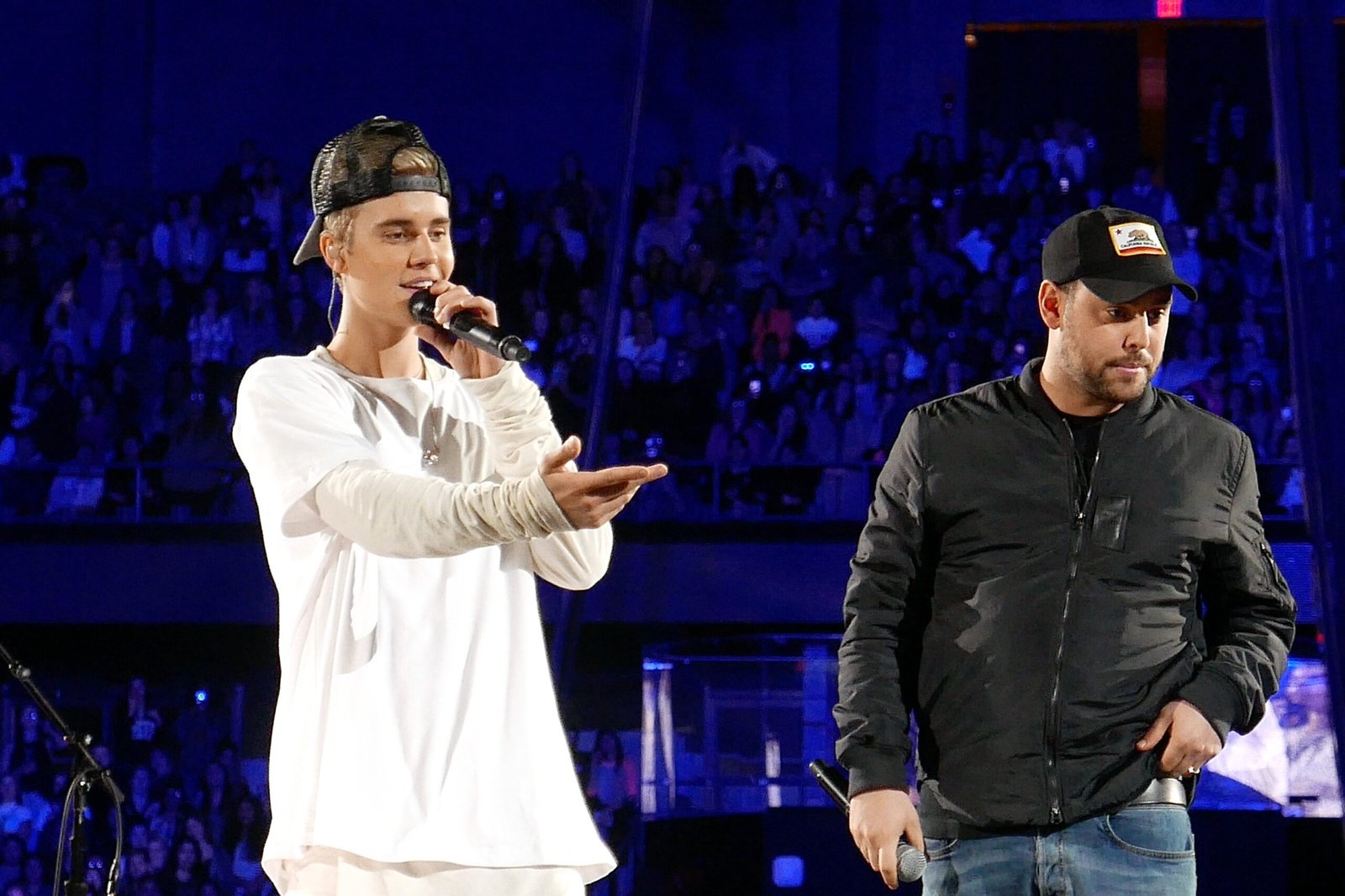
The jump from pure sales to equivalent units tells the story of how music consumption changed in the 2010s. While ‘Purpose’ sold 522,000 physical and digital copies, the equivalent units of 649,000 showed that streaming was adding significant value to an artist’s first-week performance. This new metric system better reflected how people actually consumed music – they weren’t necessarily buying albums anymore, but they were playing songs on repeat through streaming services. It’s like the difference between buying a book and borrowing it from the library – different transactions, same reading experience.
Changes Shows the Impact of Pure Streaming Culture
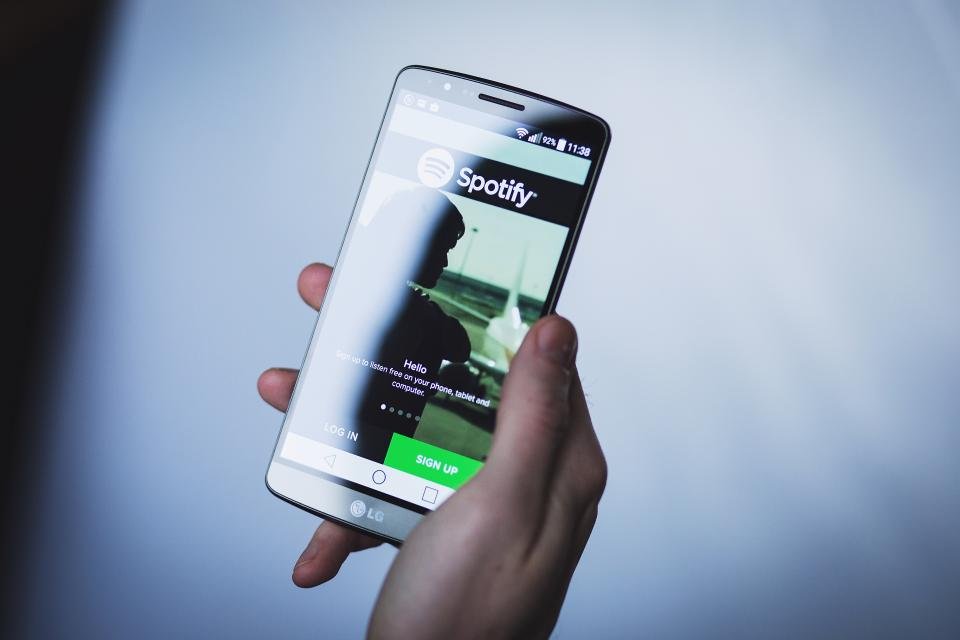
Fast forward to 2020, and “Changes” tells a fascinating story about the modern music landscape. Pure sales dropped dramatically to just 126,000 copies, but equivalent units reached 231,000. This massive gap between pure sales and total units shows how completely streaming had taken over music consumption. Fans weren’t buying albums anymore – they were streaming them immediately and repeatedly. The album reflected Bieber’s personal life changes too, focusing heavily on his marriage to Hailey Baldwin and his spiritual journey.
Justice Continues the Streaming Dominance

By 2021, ‘Justice’ only reported equivalent units (154,000), showing that pure sales had become almost irrelevant in measuring an album’s success. This number was significantly lower than his previous releases, but it came during a time when the entire music industry was struggling with pandemic-related challenges. The album mixed pop with gospel influences, reflecting Bieber’s continued spiritual growth. It was like watching an artist paint with completely different colors than they’d used before – familiar brushstrokes, but a totally different palette.
The Evolution of Music Consumption Reflected in Numbers
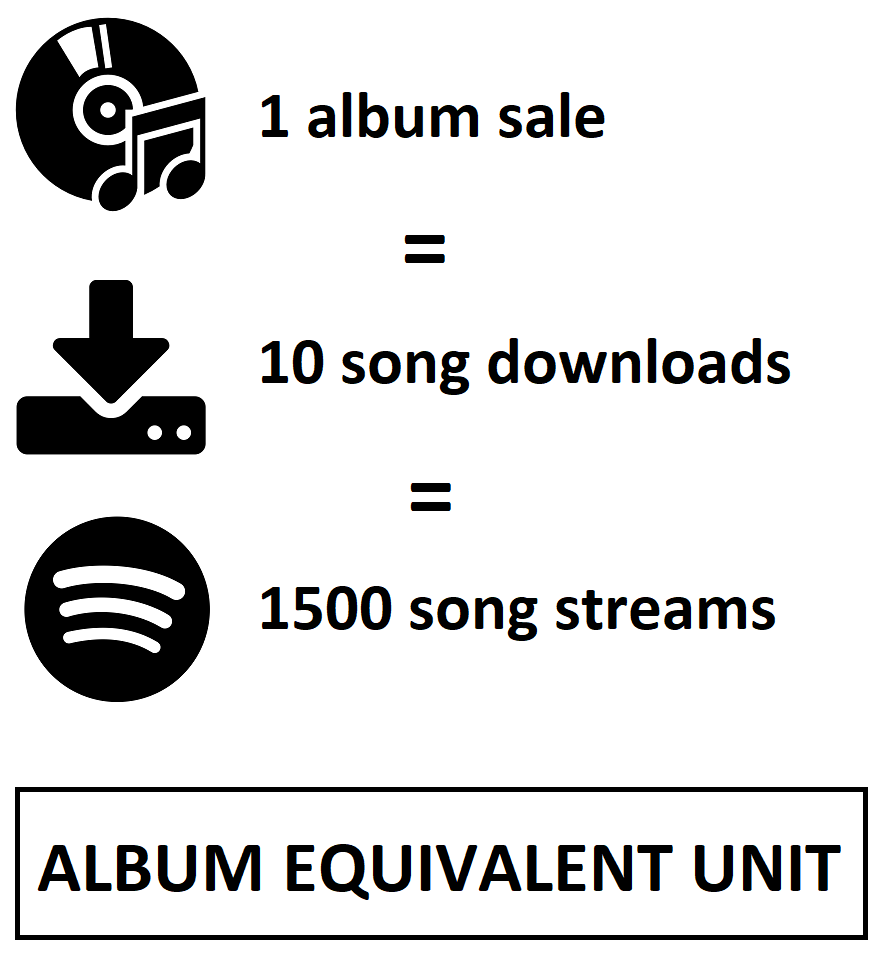
Looking at Bieber’s sales trajectory reveals the massive shift in how people consume music. His early albums relied heavily on traditional sales, while his later releases show the dominance of streaming culture. The equivalent units system, which counts roughly 1,250 streams as one album sale, better captures modern listening habits. People might stream “Sorry” a hundred times instead of buying the entire Purpose album, but their engagement level is actually much higher. It’s like comparing someone who visits a restaurant once to someone who orders takeout from there twice a week – different purchasing patterns, different levels of loyalty.
Chart Domination Beyond Just Album Sales

That historic UK Singles Chart sweep in January 2016 wasn’t just luck – it was the result of strategic single releases combined with massive fan engagement. Having three songs in the top three simultaneously is incredibly rare because it requires an artist to have multiple hits all peaking at the exact same time. Most artists are thrilled to have one song in the top ten, let alone controlling the entire top three. This achievement showed that Bieber had reached a level of cultural dominance that few artists ever experience. It was like a baseball player hitting three home runs in the same inning – technically possible, but practically unheard of.
The Business Behind Those First-Week Numbers
First-week sales numbers aren’t just bragging rights – they determine chart positions, radio play, and future marketing budgets. Record labels often spend months building up to release week, coordinating everything from television appearances to social media campaigns. Bieber’s consistently strong first-week performances throughout his career show that his team understood this game extremely well. They knew how to mobilize his fanbase to all buy or stream during that crucial first week. Think of it like a political campaign where election day is the only day that really matters – all the preparation leads up to that one moment.
From YouTube Kid to Chart History Maker

The journey from 137,000 EP sales to making UK chart history represents one of the most remarkable career transformations in recent music history. Bieber went from being dismissed as a teen sensation to becoming an artist capable of unprecedented chart domination. His ability to adapt to changing music consumption patterns while maintaining massive fan loyalty shows genuine staying power. That January 2016 moment when he held the entire top three wasn’t just about one successful album – it was the culmination of years of growth, mistakes, redemption, and artistic evolution. Did you expect that a kid discovered on YouTube would end up rewriting chart history books?

Besides founding Festivaltopia, Luca is the co founder of trib, an art and fashion collectiv you find on several regional events and online. Also he is part of the management board at HORiZONTE, a group travel provider in Germany.
