

- The 14 Forgotten Stories Behind America’s Most Famous Landmarks - September 26, 2026
- 15 Times History Was Changed by a Single Speech - September 25, 2026
- “20 Authors Who Captured the American Dream Like No One Else” - September 25, 2026
“We Shall Overcome” – The Civil Rights Anthem
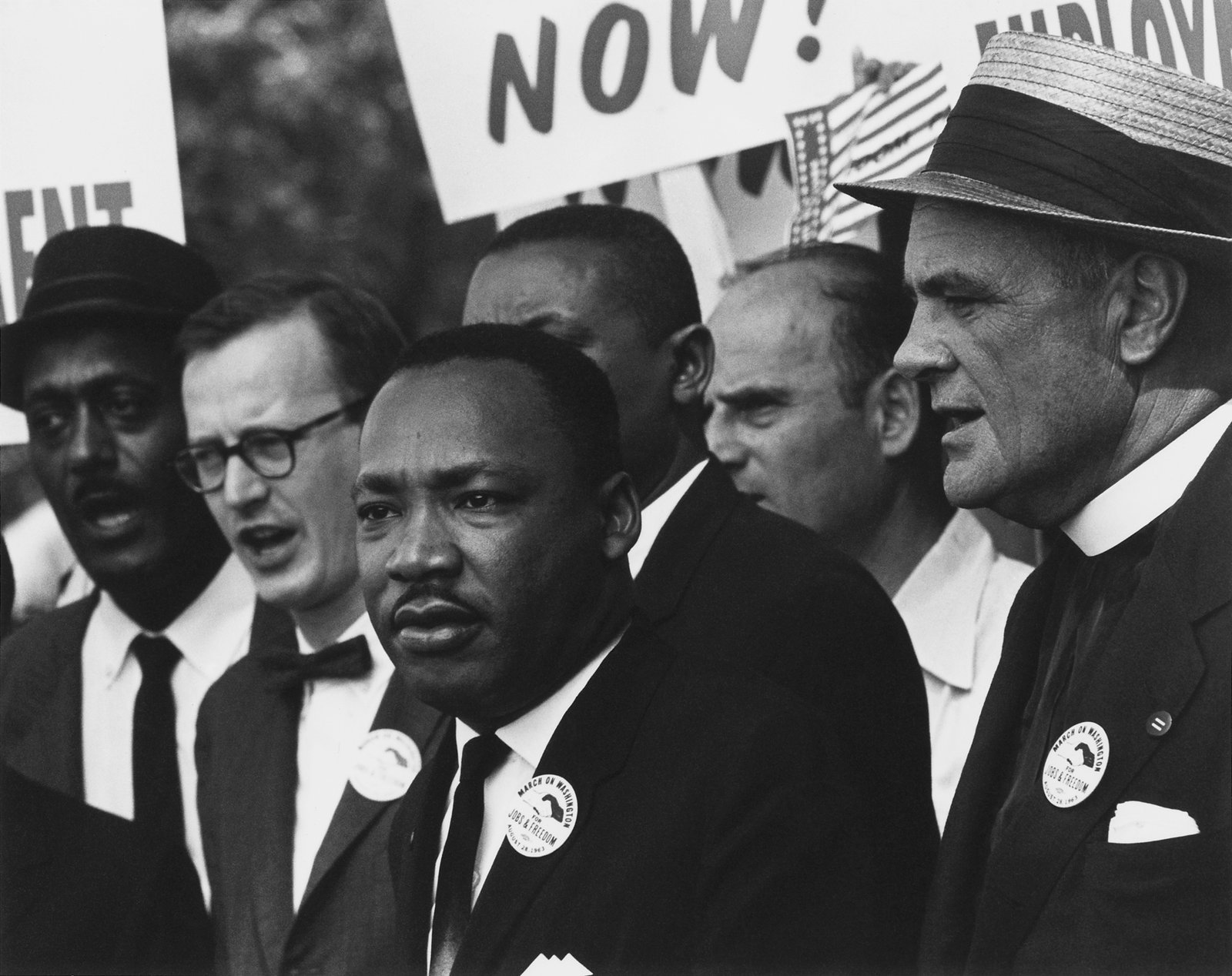
Few songs carry the emotional weight of “We Shall Overcome.” This gospel-inspired ballad became the unofficial anthem of the 1960s Civil Rights Movement. Young activists sang it at sit-ins, marches, and even while being arrested, using its hopeful lyrics to strengthen their resolve. When Dr. Martin Luther King Jr. referenced the song in his speeches, it became a rallying cry for justice and equality. According to the Library of Congress, “We Shall Overcome” was sung during the 1963 March on Washington, unifying thousands. The song’s simple message—hope in the face of adversity—resonated with a generation demanding change. It’s still sung at protests today, proving its timeless power. Many believe the song’s emotional impact helped inspire new waves of activism across the decades.
“Blowin’ in the Wind” – A Folk Revolution
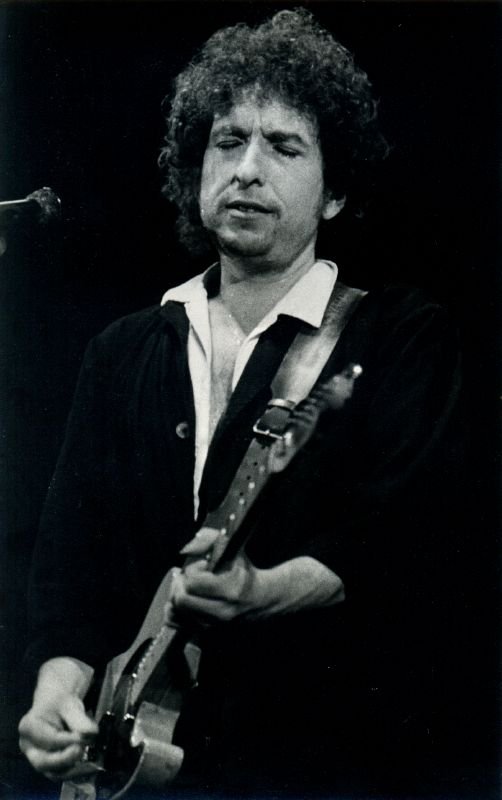
Bob Dylan’s “Blowin’ in the Wind” is often called the soundtrack of the 1960s youth. Released in 1962, its questioning lyrics captured the frustration of young Americans facing war and social injustice. According to Rolling Stone Magazine, the song quickly became a favorite at college campuses and protests. It asks questions that are as relevant today as they were then. The song’s gentle melody masked a deep urgency, pushing listeners to think and act. Dylan’s anthem inspired countless young people to pick up guitars and become voices for their own generation. “Blowin’ in the Wind” has been covered by over 200 artists, showing its universal appeal. Its influence still lingers in protest music today.
“Fortunate Son” – Vietnam War Dissent
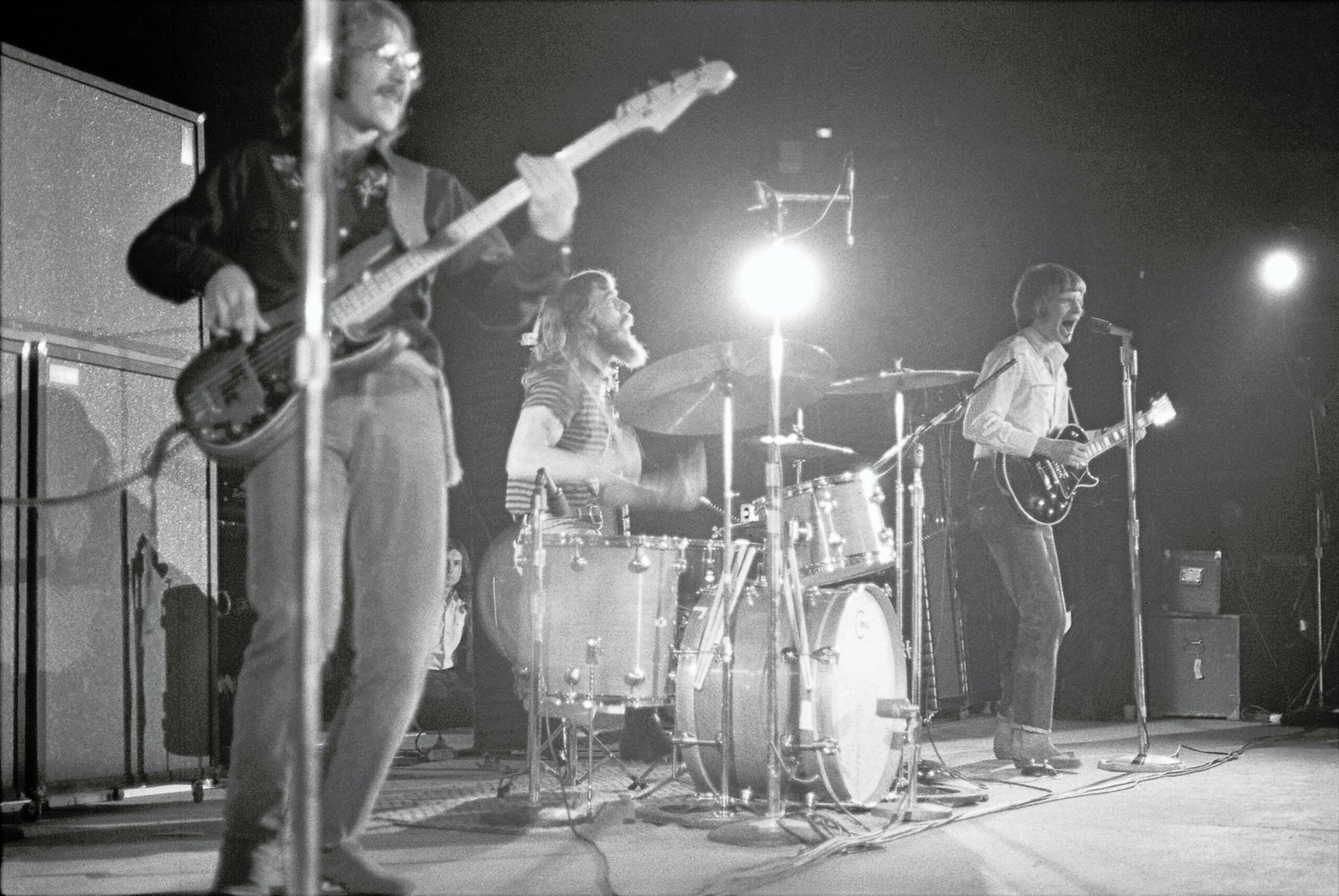
Creedence Clearwater Revival’s “Fortunate Son” exploded onto the scene in 1969, at the peak of the Vietnam War. The song’s raw energy and biting lyrics criticized the unfairness of the draft, where wealth and connections could mean exemption from combat. According to NPR, the song became a staple at anti-war rallies, especially among college students. Its driving guitar riff and rebellious tone perfectly matched the anger felt by many young Americans. “It ain’t me,” the chorus shouts, voicing a generation’s refusal to blindly follow authority. Even decades later, “Fortunate Son” is used in movies and political rallies as a symbol of resistance. Many veterans say the song captures the uncertainty and frustration they felt during that era.
“Respect” – The Sound of Feminism
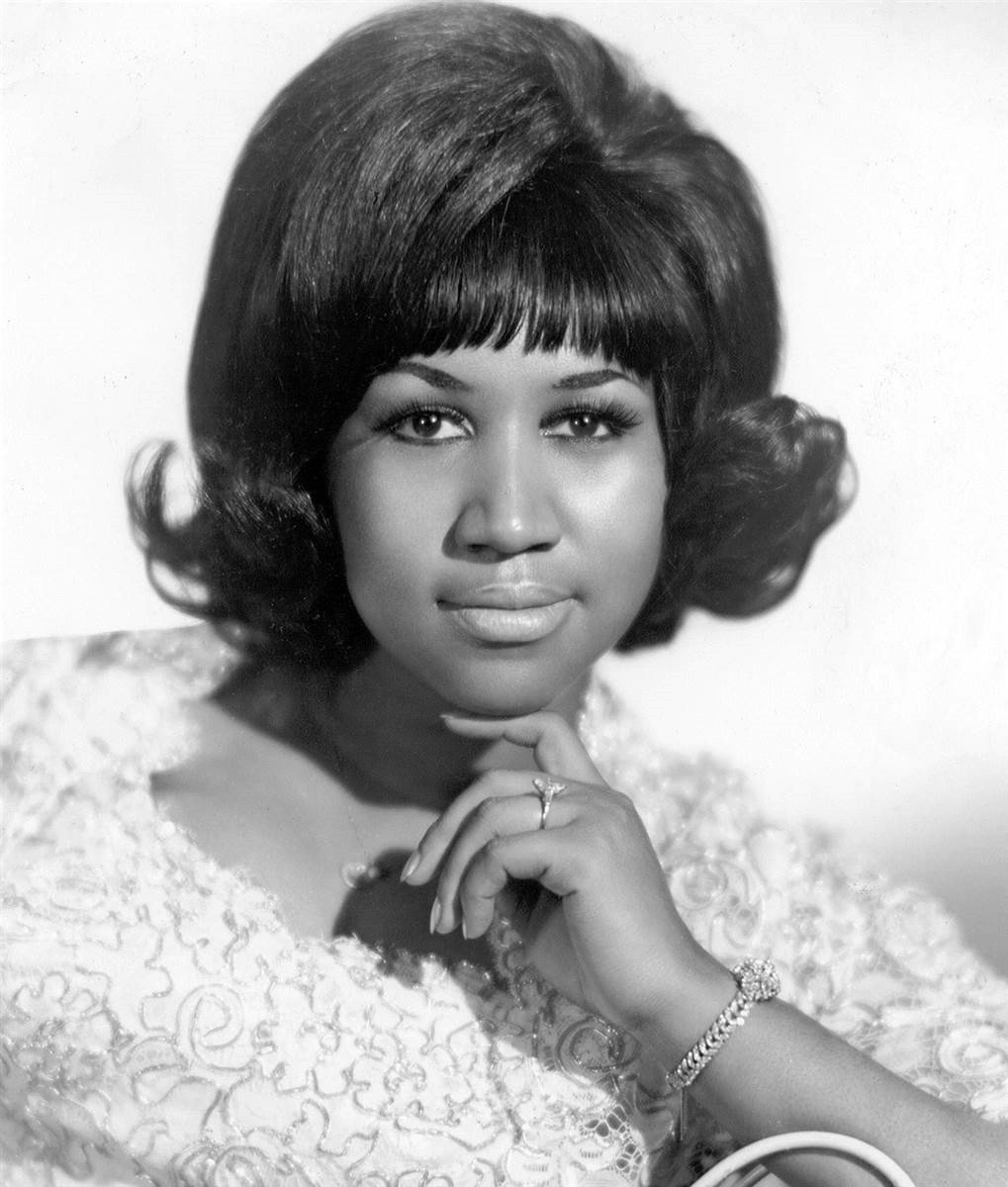
Aretha Franklin’s 1967 hit “Respect” wasn’t just a chart-topper—it was a movement. Originally written by Otis Redding, Franklin’s version transformed the song into a demand for dignity and equality. According to Billboard, “Respect” became an anthem for both the Civil Rights Movement and second-wave feminism. Young women across America adopted the song as their own, blasting it at rallies and dances. The iconic “R-E-S-P-E-C-T” chorus became a shorthand for empowerment. Franklin’s powerful vocals inspired countless girls to demand more from society and from themselves. The song’s impact can still be heard in modern feminist anthems. It’s no exaggeration to say “Respect” helped give a voice to generations of women.
“Fight the Power” – Hip-Hop’s Political Awakening
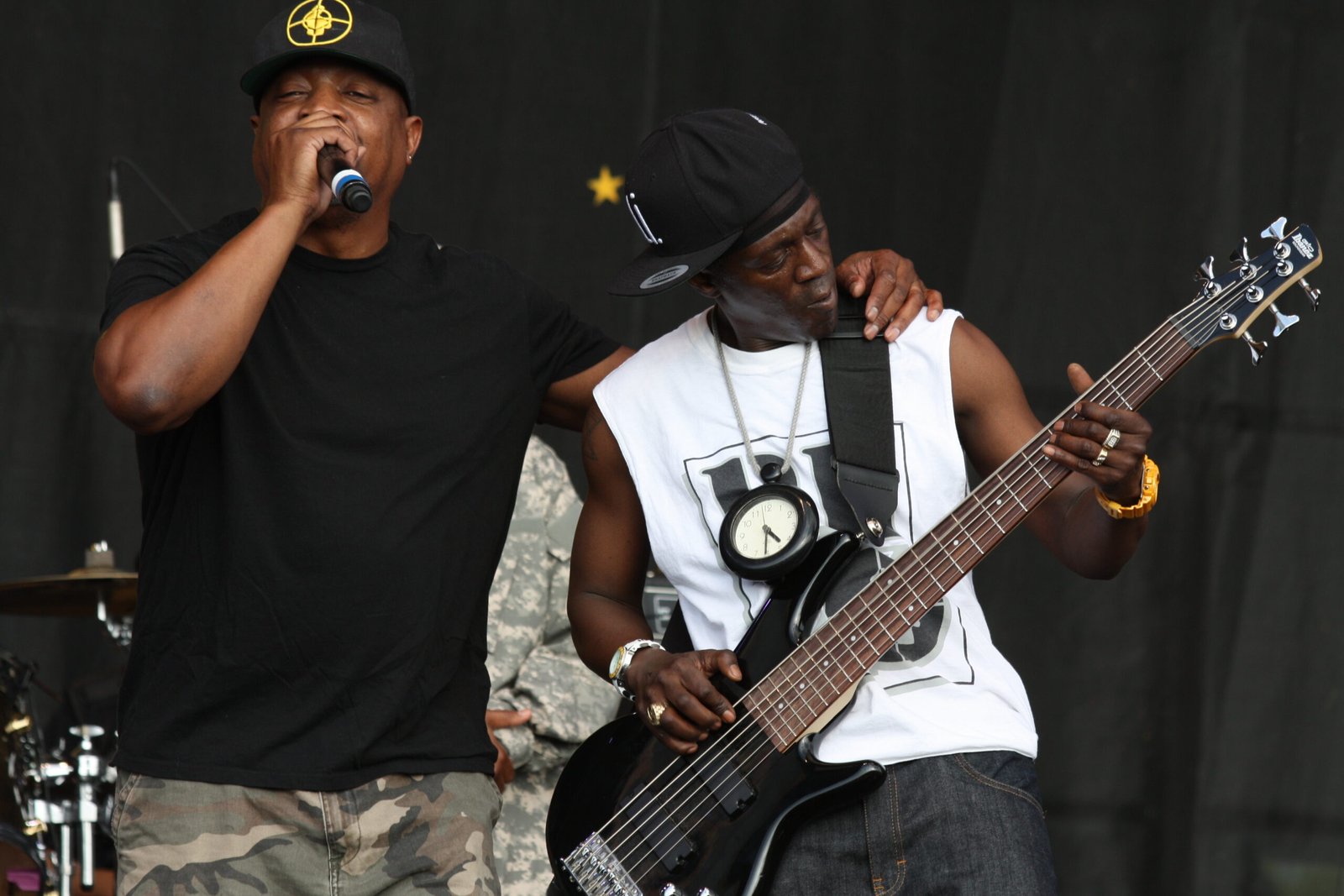
Public Enemy’s “Fight the Power” stormed the charts in 1989, capturing the anger and frustration of urban youth. Commissioned for Spike Lee’s film “Do the Right Thing,” the song became a call to action against systemic racism and police brutality. According to a study in the Journal of Popular Music Studies, “Fight the Power” was played at rallies and protests nationwide. Its hard-hitting lyrics and aggressive beats inspired a new era of activism within hip-hop culture. The song’s refrain, “We’ve got to fight the powers that be,” became a mantra for young people demanding justice. “Fight the Power” is still used in modern protests, linking past and present struggles. It’s widely credited with helping make hip-hop a tool for social change.
“Smells Like Teen Spirit” – Grunge and Generation X
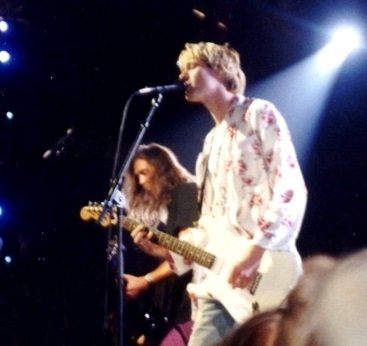
Nirvana’s “Smells Like Teen Spirit,” released in 1991, signaled a new era for youth culture. The song’s loud, distorted guitars and cryptic lyrics spoke to the disaffected youth of Generation X. According to Billboard, the track reached number six on the Hot 100 and became an instant anthem for teens feeling alienated by mainstream culture. MTV played the video in heavy rotation, making Kurt Cobain an unlikely spokesperson for a generation. The song’s title, inspired by a brand of deodorant, became shorthand for rebellion and nonconformity. Many fans say “Smells Like Teen Spirit” gave them permission to feel lost, angry, or just different. Its influence is still felt in rock music today.
“This Land Is Your Land” – Protest in Every Verse
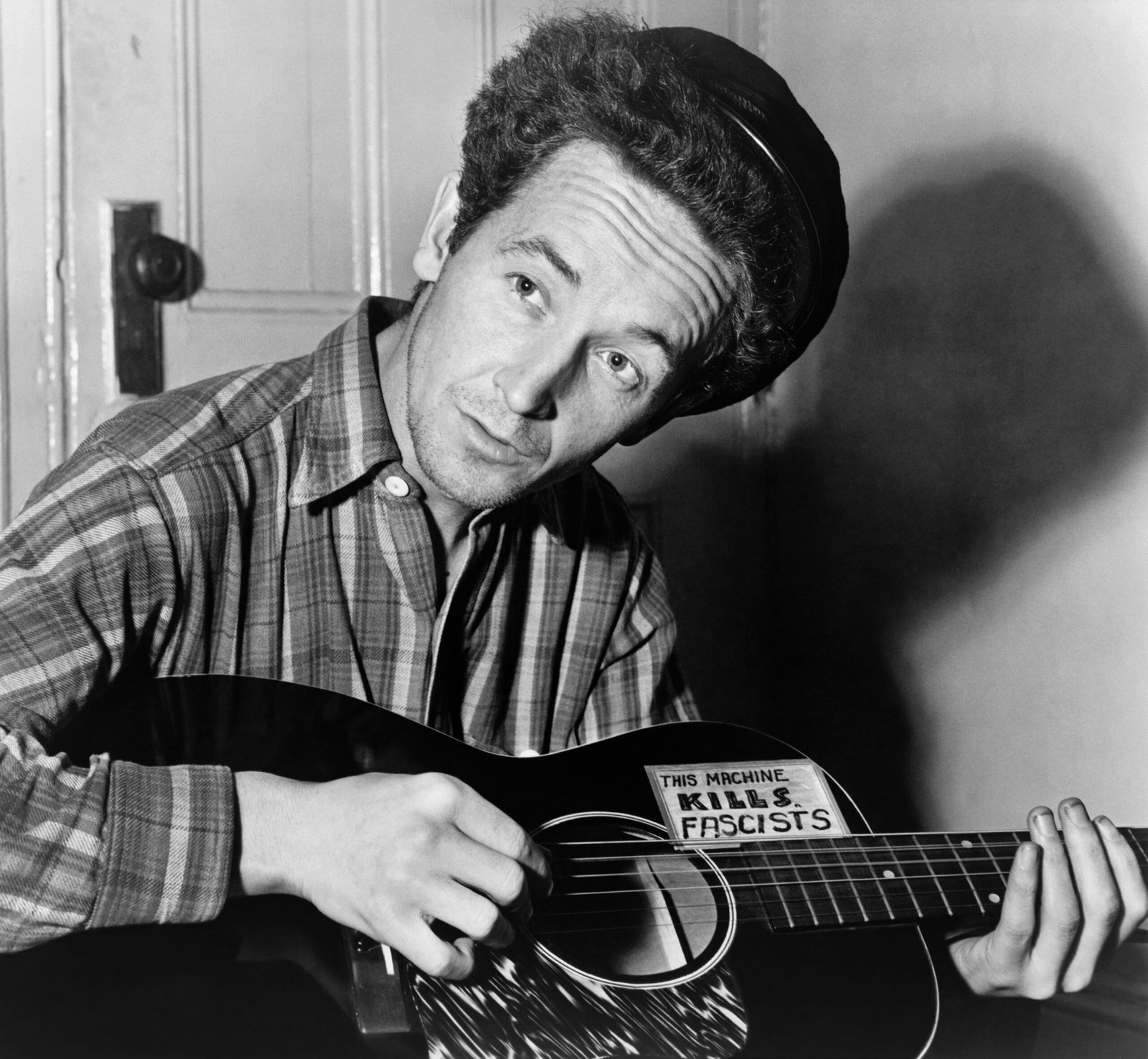
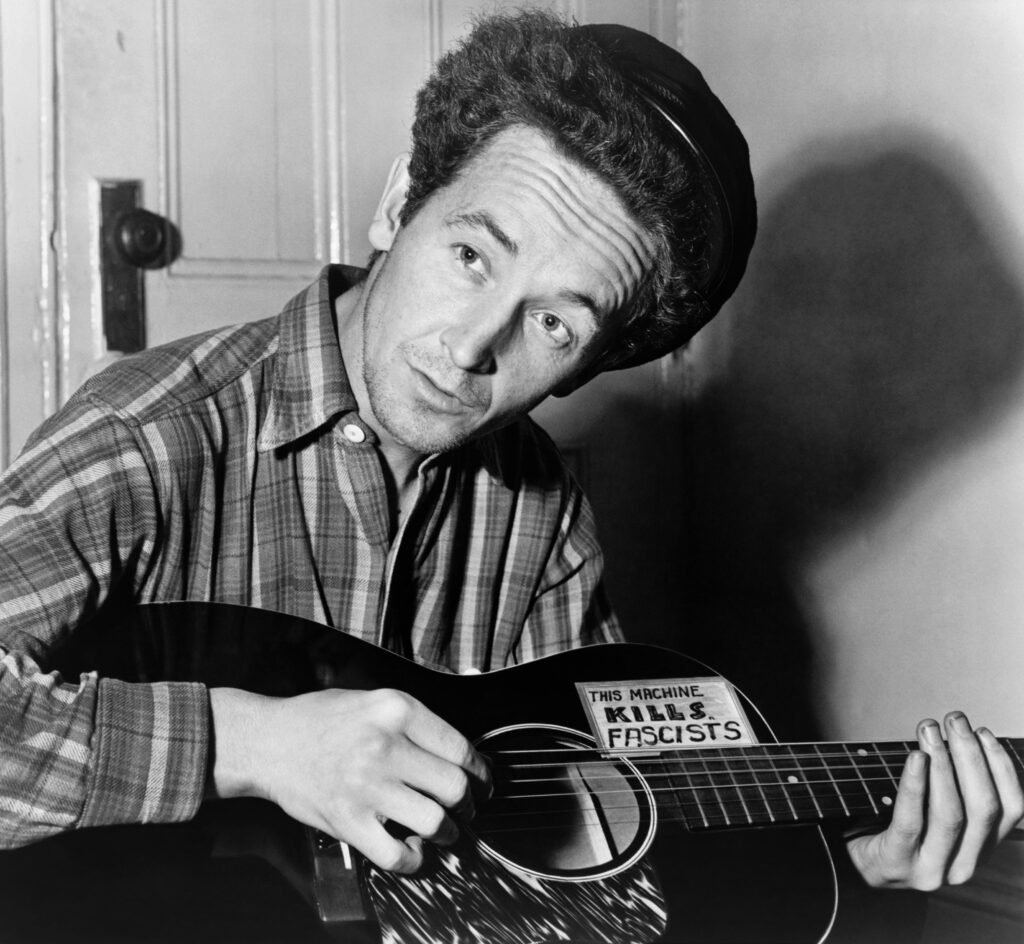
Woody Guthrie wrote “This Land Is Your Land” in 1940, but it became a staple of American youth protest movements during the 1960s and beyond. The song’s verses, often left out in school versions, criticize inequality and challenge the American dream. According to the Smithsonian, the song was sung at countless rallies, from civil rights marches to environmental protests. Its melody is easy to learn, making it perfect for group singing. Guthrie’s message—that America belongs to everyone—resonated with generations fighting for justice. “This Land Is Your Land” continues to be sung at protests and political events, proving its enduring power. Many view it as the “other” national anthem.
“Say It Loud – I’m Black and I’m Proud” – Black Pride and Identity
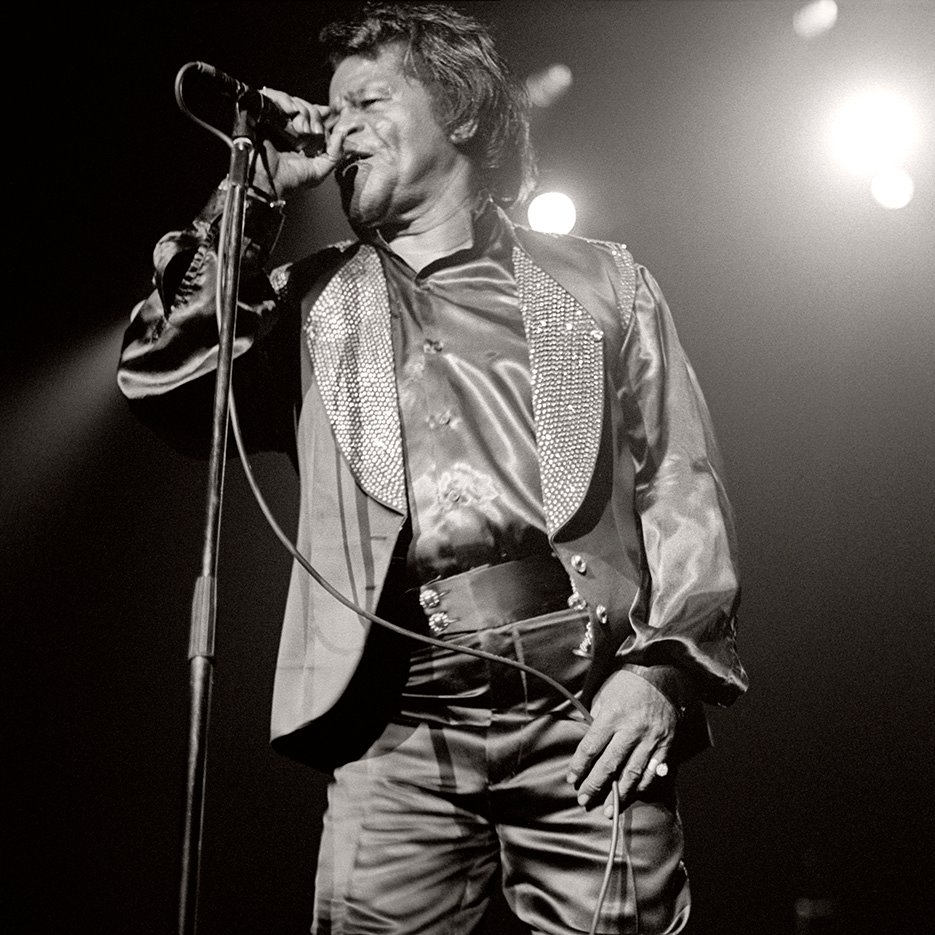
James Brown’s 1968 hit “Say It Loud – I’m Black and I’m Proud” was a thunderbolt of pride and self-affirmation. Released at a time of racial tension and transformation, the song’s message energized young Black Americans. According to research by the Harvard Gazette, the song was played at rallies and community events, helping shape the Black Power movement. Its catchy chorus encouraged youth to embrace their identity with confidence. Brown’s powerful delivery made “Say It Loud” a declaration that could not be ignored. The song’s influence can be seen in today’s cultural movements for racial justice. It also helped broaden the conversation about what it meant to be young and Black in America.
“Born in the U.S.A.” – Patriotism and Protest
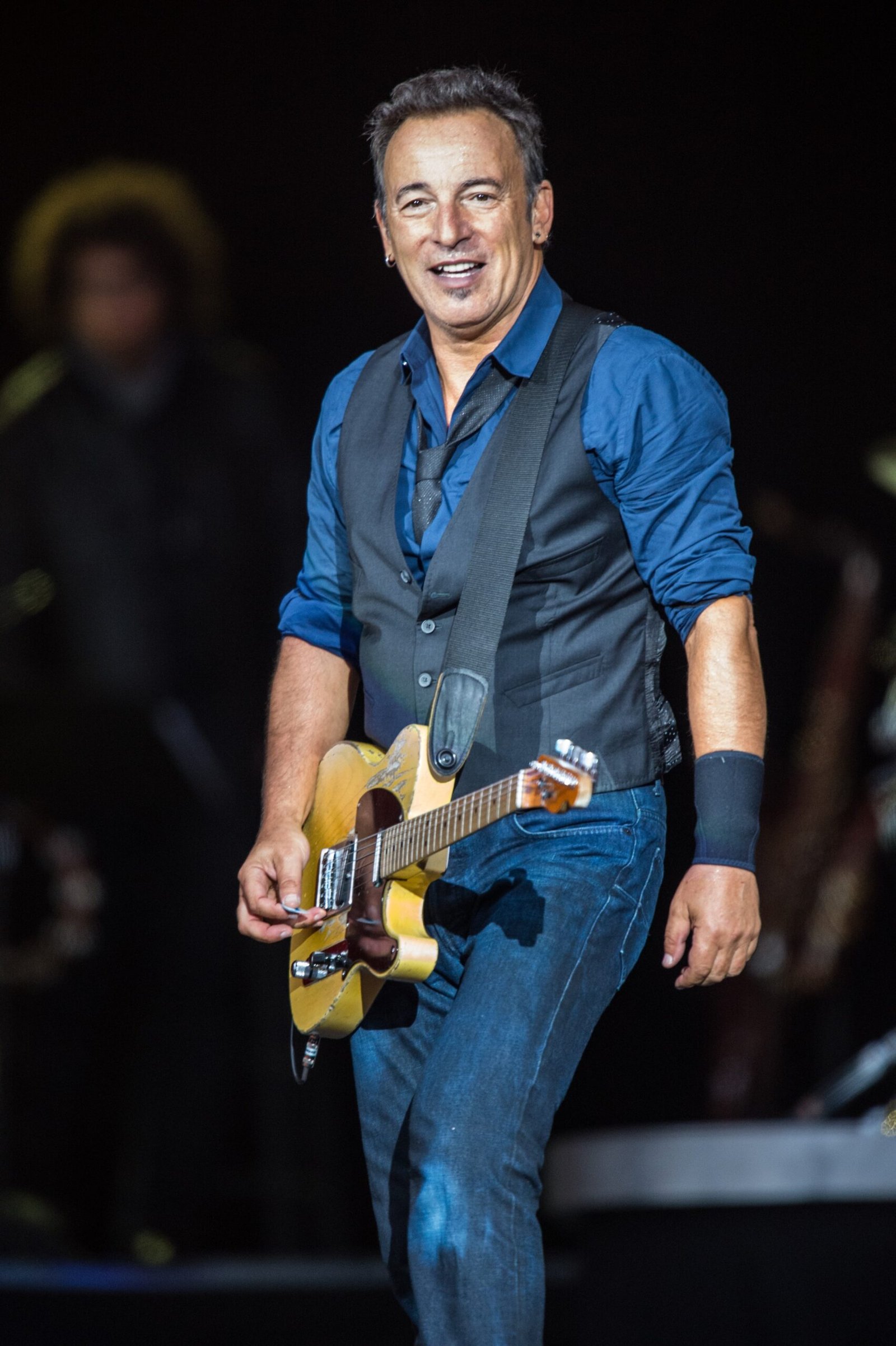
Bruce Springsteen’s “Born in the U.S.A.” is often misunderstood as a purely patriotic song, but its lyrics tell a deeper story. Released in 1984, the song describes the struggles of Vietnam veterans returning to a country that seemed to have forgotten them. According to the National Endowment for the Humanities, the song’s booming chorus and layered meaning made it a favorite among young Americans. Some embraced it as an anthem of pride, while others saw it as a protest against broken promises. “Born in the U.S.A.” was played at rallies and political events, sometimes with opposing interpretations. The song’s complexity mirrors the contradictions often faced by American youth. It remains one of Springsteen’s most powerful statements.
“What’s Going On” – Searching for Answers
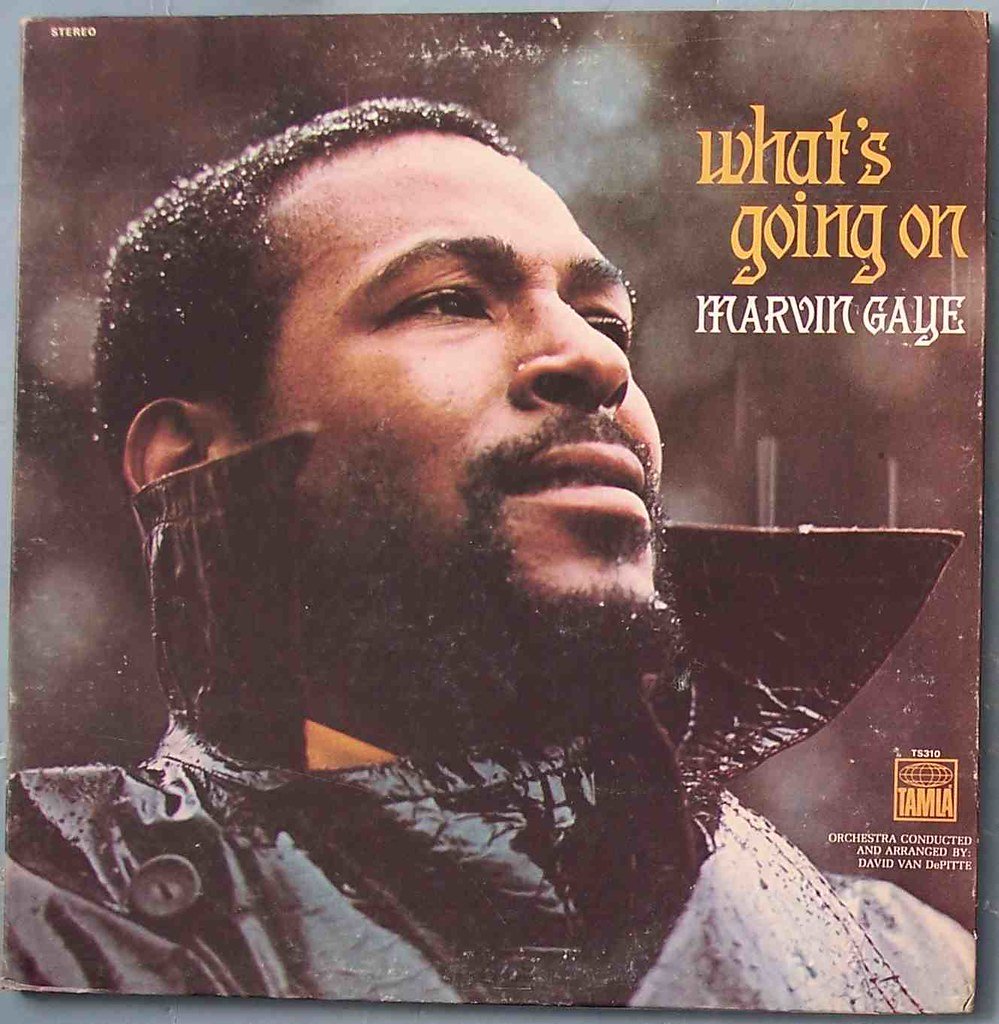
Marvin Gaye’s “What’s Going On,” released in 1971, was a gentle yet urgent plea for peace and understanding. Written in the wake of the Vietnam War and ongoing civil unrest, the song asked questions that many young people were afraid to voice. According to NPR, “What’s Going On” became the voice of a generation searching for answers in a troubled world. Its smooth grooves and soulful vocals masked deep pain and concern. The song encouraged listeners to care about each other and the planet. Many believe it helped spark conversations about war, poverty, and the environment. “What’s Going On” still feels relevant, especially during times of crisis.
“Like a Rolling Stone” – Questioning Everything
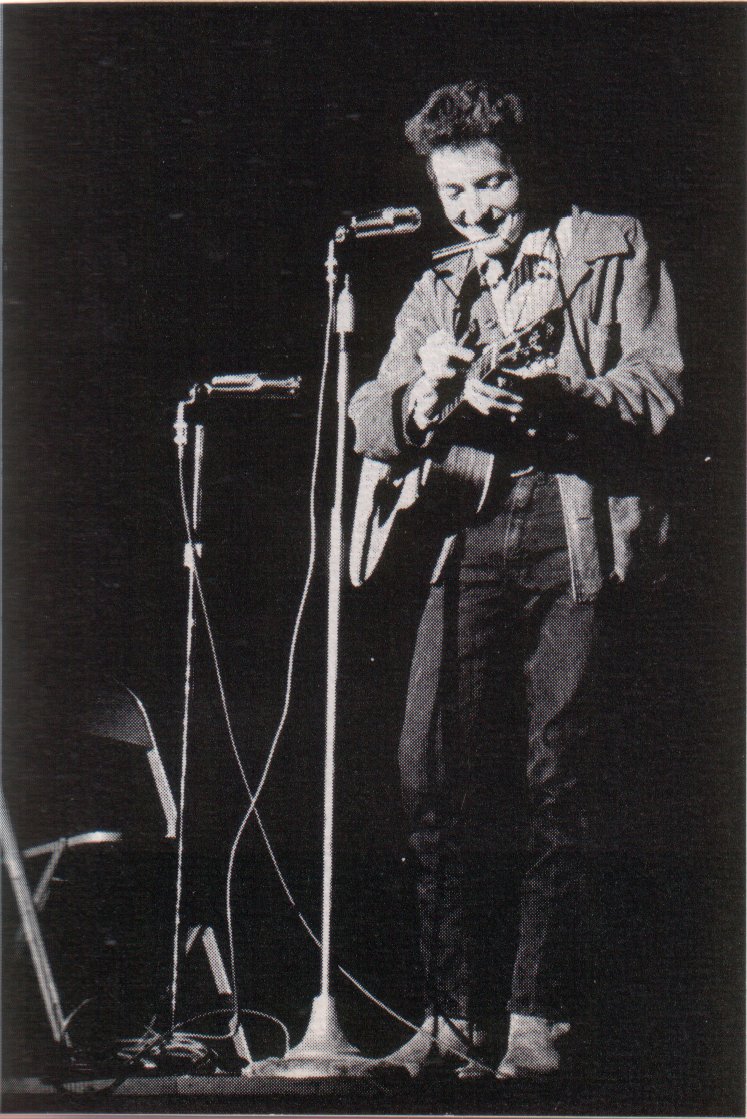
Bob Dylan’s “Like a Rolling Stone,” released in 1965, shattered expectations about what a popular song could be. With its six-minute length and biting lyrics, the song challenged young Americans to question authority and convention. According to Rolling Stone Magazine, it is often voted one of the greatest songs of all time. The song’s story of a person cast out from comfort resonated with youth feeling disconnected from society. “How does it feel?” Dylan asks, echoing the uncertainty of the era. The song’s revolutionary spirit inspired countless artists and activists. It marked a turning point in the relationship between music and social change.
“Formation” – Modern Activism and Identity
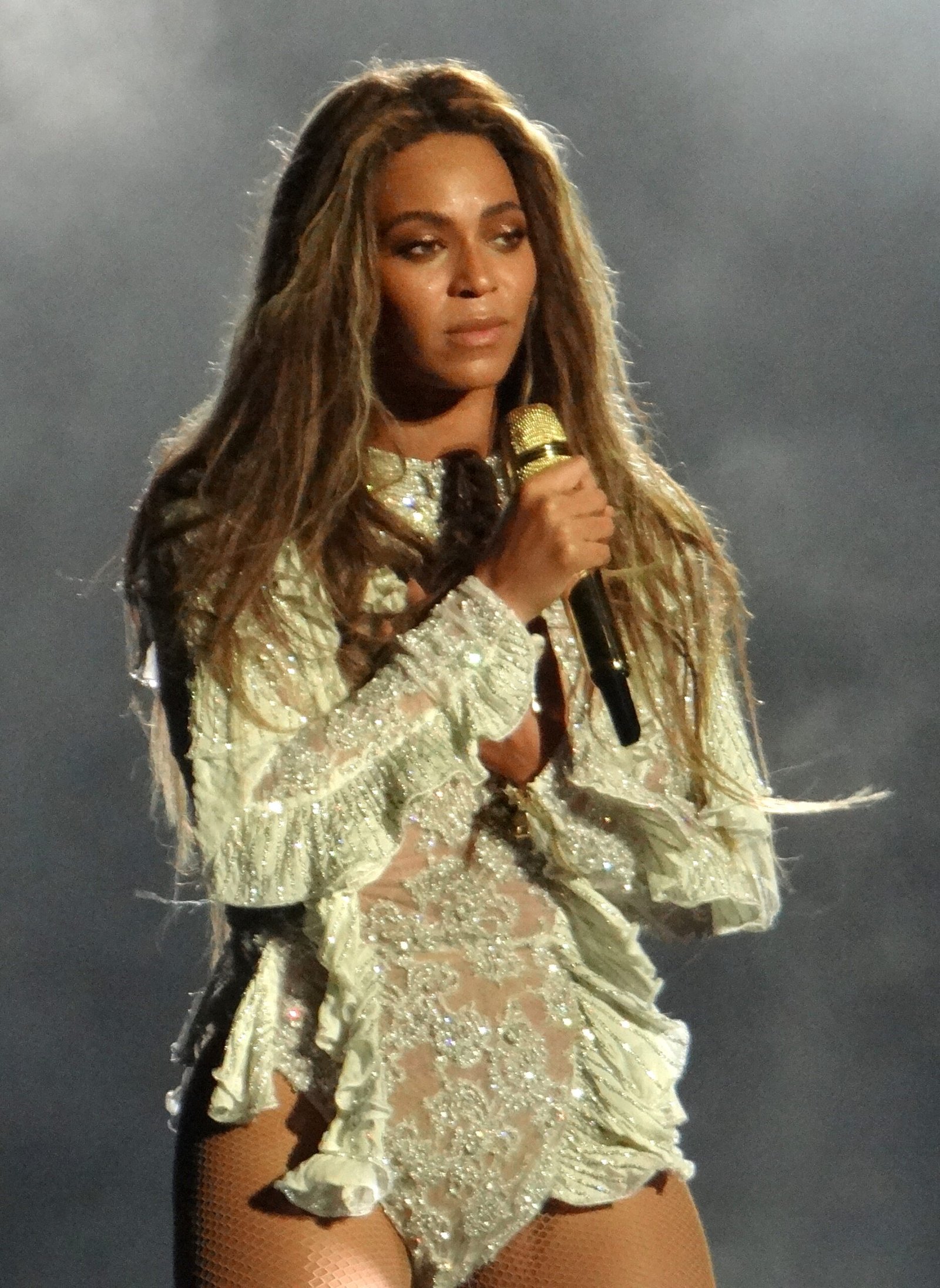
Beyoncé’s “Formation,” released in 2016, quickly became an anthem for a new generation of activists. The song’s lyrics celebrate Black culture and call out social injustice. According to a study published by the Pew Research Center, “Formation” was widely used in social media campaigns and at marches supporting the Black Lives Matter movement. The music video’s imagery, referencing Hurricane Katrina and police brutality, sparked important conversations. Young people praised Beyoncé for using her platform to address real issues. “Formation” showed that pop music could still be a powerful tool for change. Its impact is still being studied and discussed in classrooms and online forums.
“Good Riddance (Time of Your Life)” – A Generation’s Goodbye
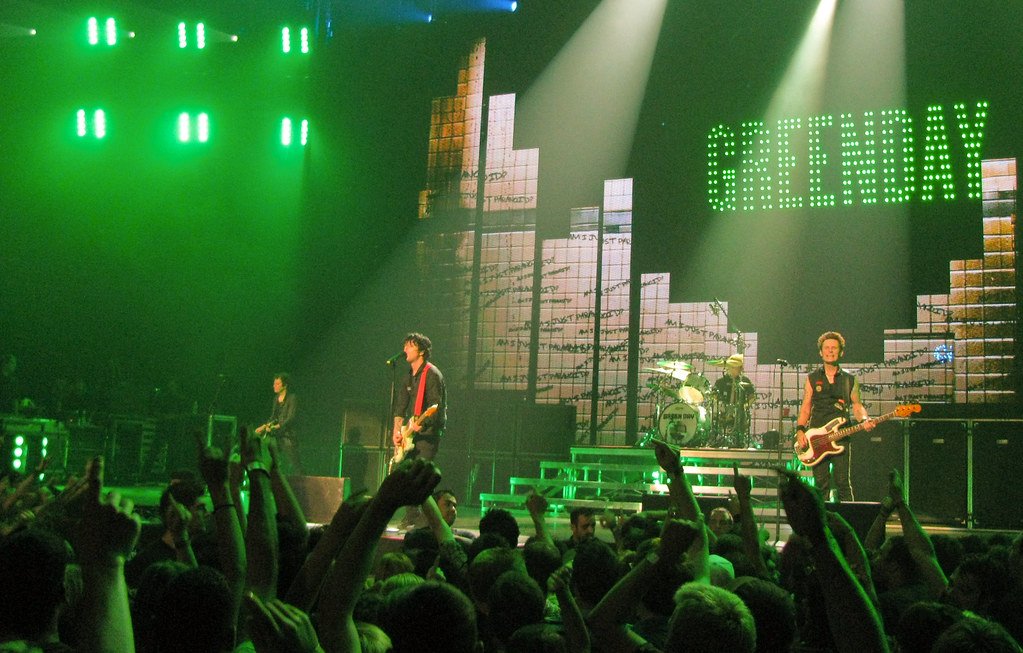
Green Day’s “Good Riddance (Time of Your Life)” might seem like an odd protest song, but it struck a chord with late-90s youth. Released in 1997, the song became a staple at graduations and turning-point moments. According to Billboard, it was one of the most played tracks at high school and college ceremonies for over a decade. Its bittersweet lyrics capture the feeling of leaving something behind—perfect for a generation on the edge of a new millennium. The song’s simple acoustic sound made it accessible to all. For many, it’s a reminder that every ending can also be a beginning. “Good Riddance” is often remembered as the soundtrack to coming-of-age.
“Alright” – Hope in Protest
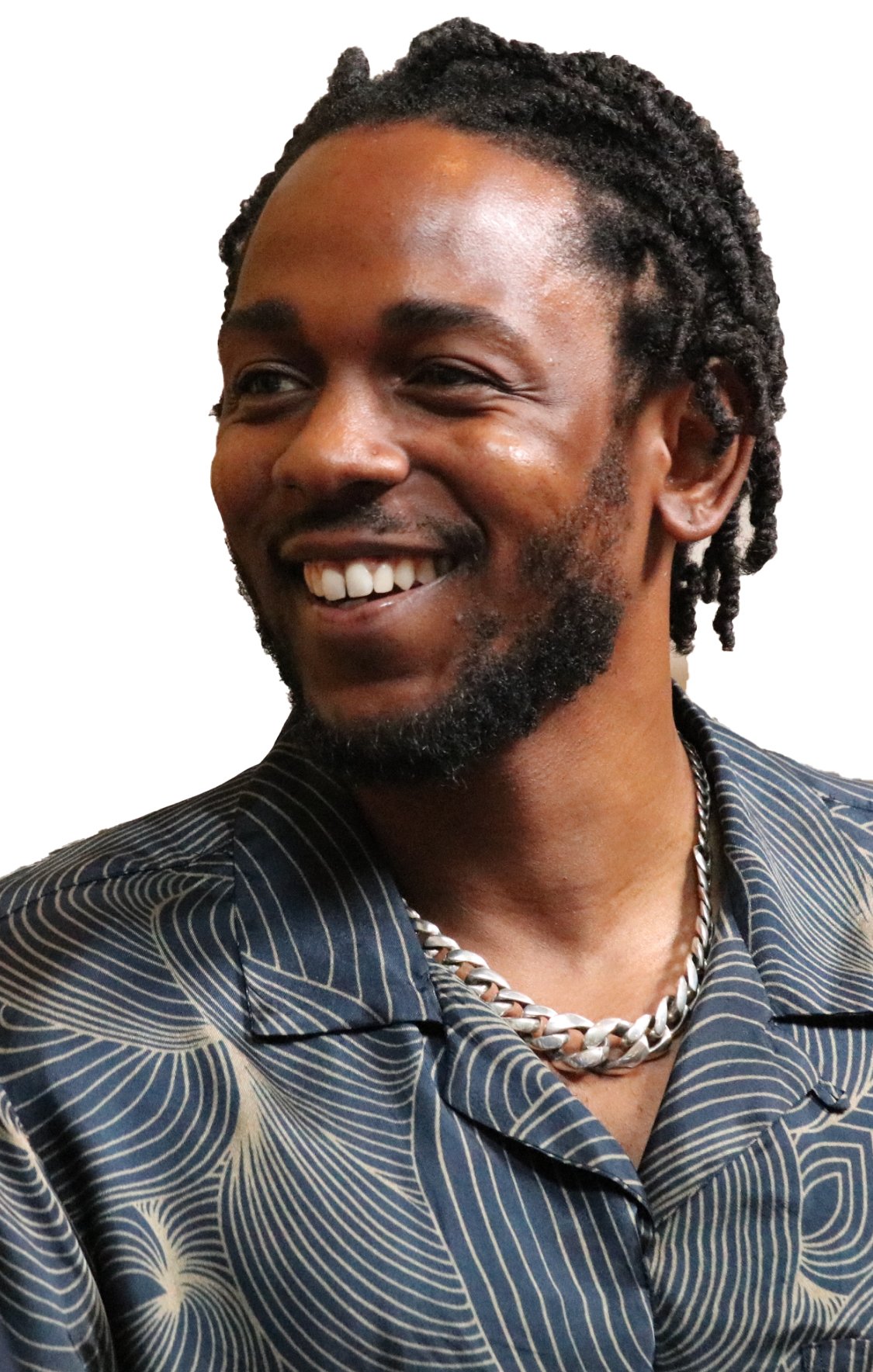
Kendrick Lamar’s “Alright,” released in 2015, became an unexpected protest anthem in the wake of police violence. According to research from the University of Southern California, the song was chanted at Black Lives Matter rallies and marches across the country. Its hopeful refrain, “We gon’ be alright,” gave comfort to young activists facing adversity. The song’s mix of pain and optimism resonated with a generation demanding justice. Lamar’s powerful storytelling and personal perspective made the song unique. “Alright” has been described as the “We Shall Overcome” of the modern era. Its influence continues as more young people take to the streets.
“American Idiot” – Challenging Authority in the 2000s
Green Day’s “American Idiot,” released in 2004, captured the frustration and skepticism of post-9/11 youth. The song’s explosive energy and pointed lyrics attacked media manipulation and political spin. According to Billboard, “American Idiot” became an anti-establishment anthem, especially among young voters and activists. Its success led to a hit musical and inspired countless debates about patriotism and dissent. The song’s appeal lay in its unapologetic challenge to authority. Many young people found comfort in its raw honesty and biting humor. “American Idiot” remains a rallying cry for those who refuse to accept the status quo.
End.

Besides founding Festivaltopia, Luca is the co founder of trib, an art and fashion collectiv you find on several regional events and online. Also he is part of the management board at HORiZONTE, a group travel provider in Germany.
