

- The 14 Forgotten Stories Behind America’s Most Famous Landmarks - September 26, 2026
- 15 Times History Was Changed by a Single Speech - September 25, 2026
- “20 Authors Who Captured the American Dream Like No One Else” - September 25, 2026
The Voynich Manuscript: The World’s Most Mysterious Book
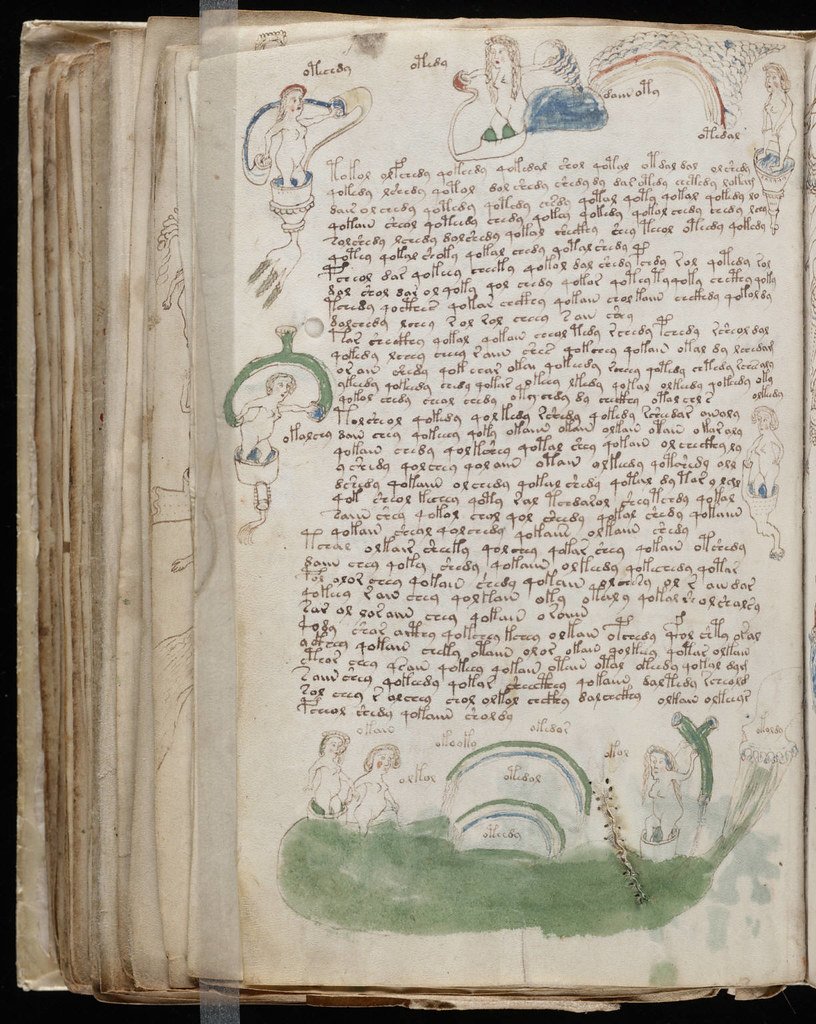
The Voynich Manuscript is perhaps the most famous unsolved manuscript on the planet. Discovered by rare books dealer Wilfrid Voynich in 1912, the book is filled with bizarre, looping illustrations and a language that no one has ever been able to decipher. Experts have analyzed the vellum and confirmed it dates back to the early 15th century. The manuscript contains drawings of strange plants that don’t exist anywhere else, mysterious astrological diagrams, and naked women bathing in green pools. Despite decades of research, using everything from cryptographic analysis to artificial intelligence, no one has cracked its code. In 2024, a team at Yale once again confirmed the manuscript’s language appears to have consistent grammar, but its meaning remains completely unknown. Some even wonder if it’s a clever hoax, but scientific analysis suggests it’s not.
The Rohonc Codex: Hungary’s Enigmatic Script
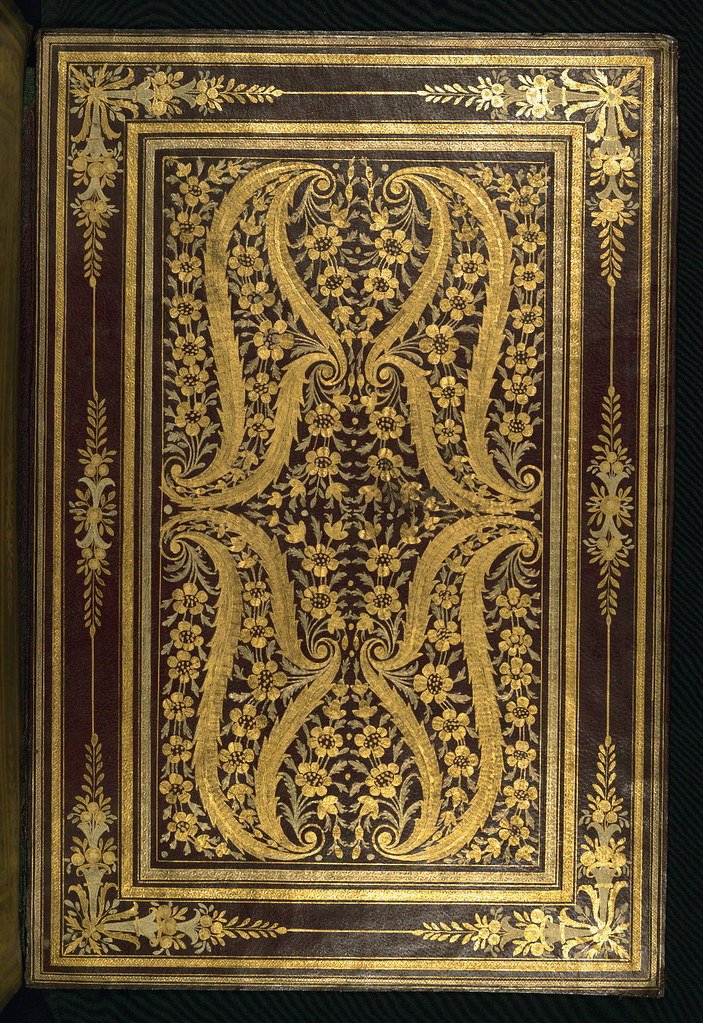
The Rohonc Codex was found in Hungary in the early 19th century and is written in a script that has never been identified. The codex contains over 400 pages, filled with mysterious symbols and illustrations of battles, religious ceremonies, and strange structures. Scholars have speculated about its origins for centuries. Some believe it’s a lost medieval language, while others think it might be a sophisticated hoax from the 18th century. Despite numerous attempts at translation using modern algorithms and pattern recognition, the text remains unreadable. Recent carbon dating of the paper points to the 16th century, but the true origin and message of the codex are still out of reach.
The Phaistos Disc: A Bronze Age Puzzle
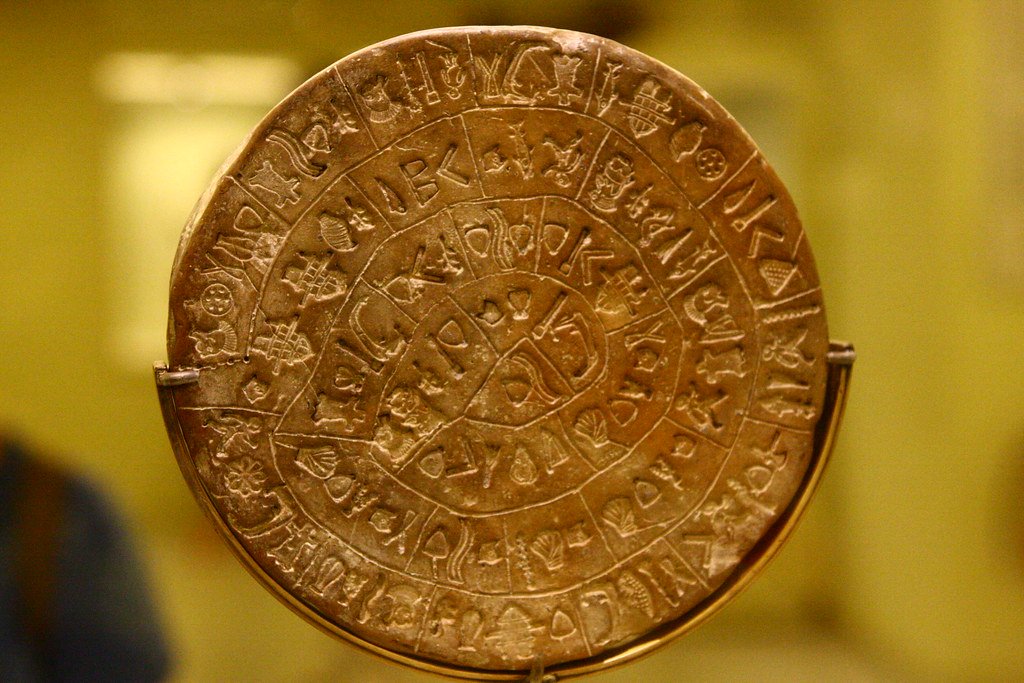
Discovered on the island of Crete in 1908, the Phaistos Disc is a small, round clay object stamped with mysterious symbols arranged in a spiral. The disc dates back to about 1700 BCE and contains 241 tokens made up of 45 unique signs. No one knows what language it represents, or even if it’s a language at all. Some archaeologists believe it could be an ancient prayer, while others think it may be a form of proto-writing. Despite computer analysis and attempts to match the symbols to known scripts, the disc’s meaning is as mysterious as ever. In 2023, researchers at the University of Bologna suggested it might relate to ancient Minoan rituals, but there’s no consensus.
The Codex Seraphinianus: Surrealism or Secret Code?
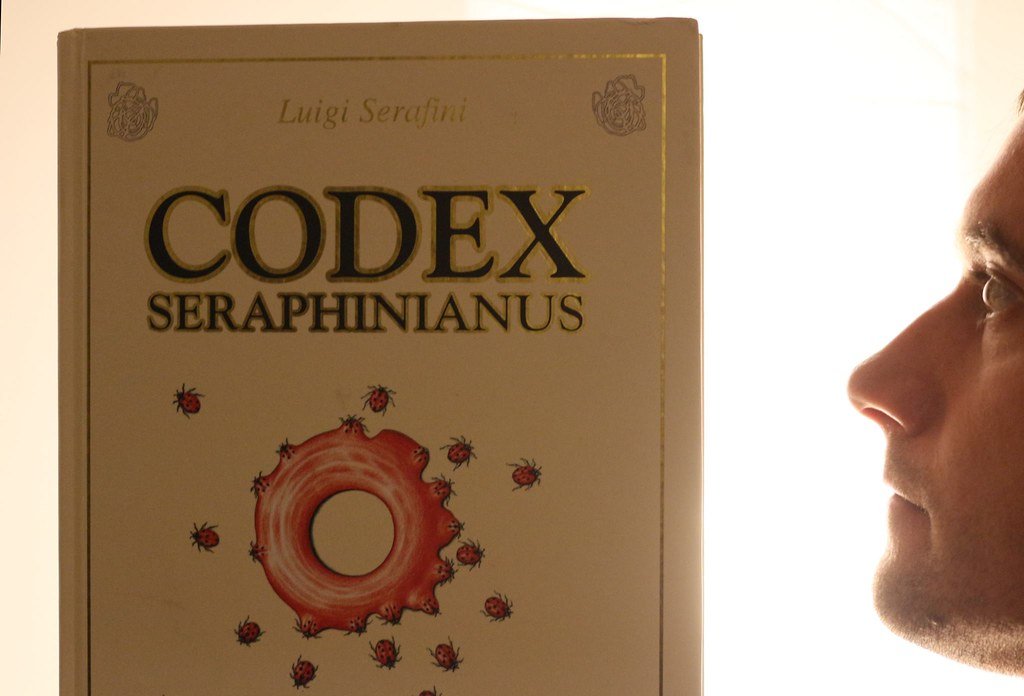
Written and illustrated by Italian artist Luigi Serafini in the late 1970s, the Codex Seraphinianus looks and feels like an ancient manuscript, but it’s actually a modern work. The book is filled with bizarre, dreamlike drawings—like plants growing into furniture or people turning into crocodiles—and is written in a completely invented script. For decades, readers have debated whether the script is a genuine code or simply artistic nonsense. Serafini himself has said it’s meant to be unreadable, like a book for aliens. However, linguists continue to analyze the patterns, just in case there’s a hidden message. The Codex remains one of the most captivating unreadable books of the modern era.
The Beale Ciphers: A Hidden Treasure?
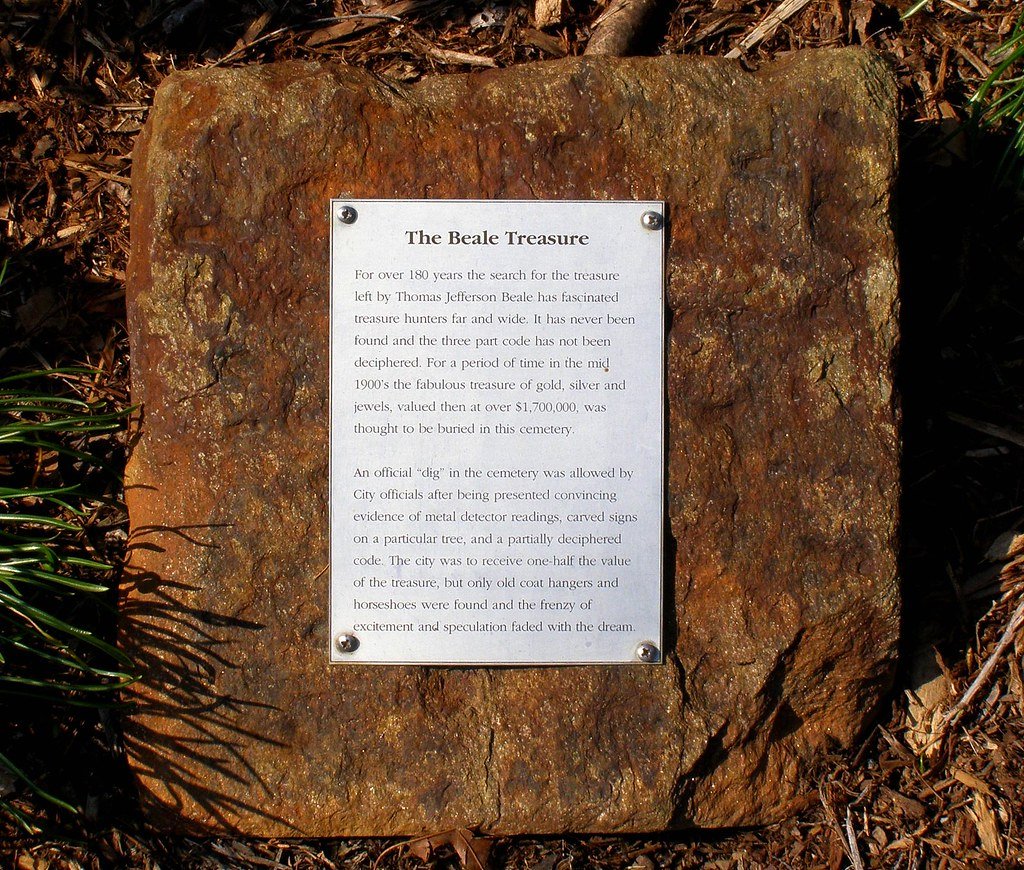
In the 19th century, a pamphlet surfaced in Virginia describing a series of three encoded messages, allegedly written by Thomas J. Beale. According to the story, these ciphers reveal the location of a massive treasure buried somewhere in Bedford County. Only one of the ciphers has been solved—it uses the Declaration of Independence as a key and reveals what’s buried—but the actual location and the details of the other two ciphers remain a mystery. Cryptographers and treasure hunters have devoted entire lives to cracking the codes, but as of 2025, the treasure has never been found. The Beale Papers are a real-life adventure that keeps people guessing.
The Copper Scroll: A Treasure Map from the Dead Sea
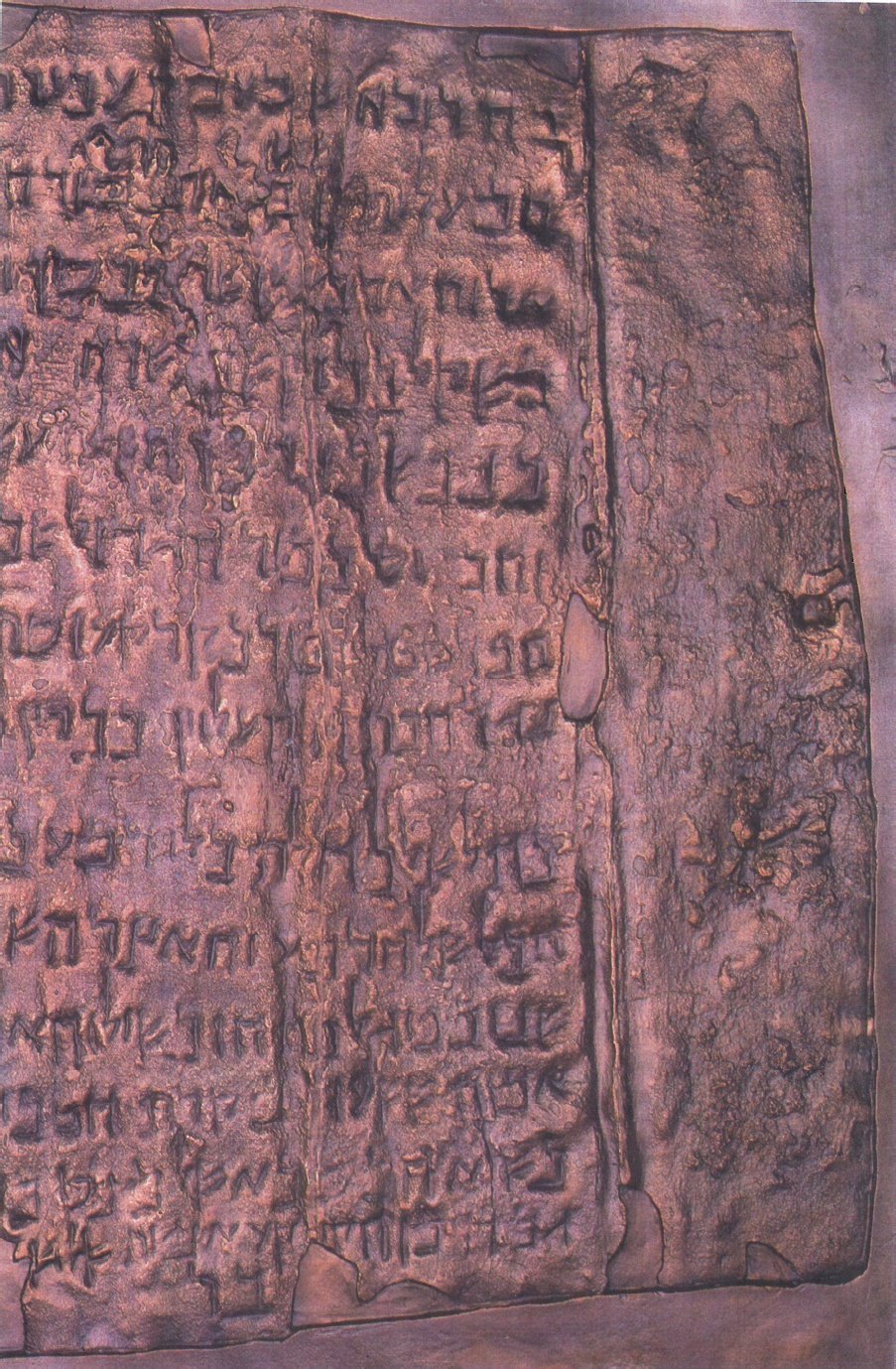
Found in 1952 among the Dead Sea Scrolls, the Copper Scroll stands out because it’s written on metal, not parchment. Unlike the religious texts found nearby, this scroll lists the locations of over 60 hidden treasures, allegedly gold and silver stashed away during the Second Temple period. Archaeologists have searched the Judean desert using the scroll’s clues, but no one has found any treasure matching its description. Some scholars suggest it’s a coded message or a work of fiction, while others still believe in the possibility of a lost hoard. Even with advanced satellite imaging and ground-penetrating radar, the treasures of the Copper Scroll remain lost.
The Kryptos Sculpture: A Modern Mystery at the CIA
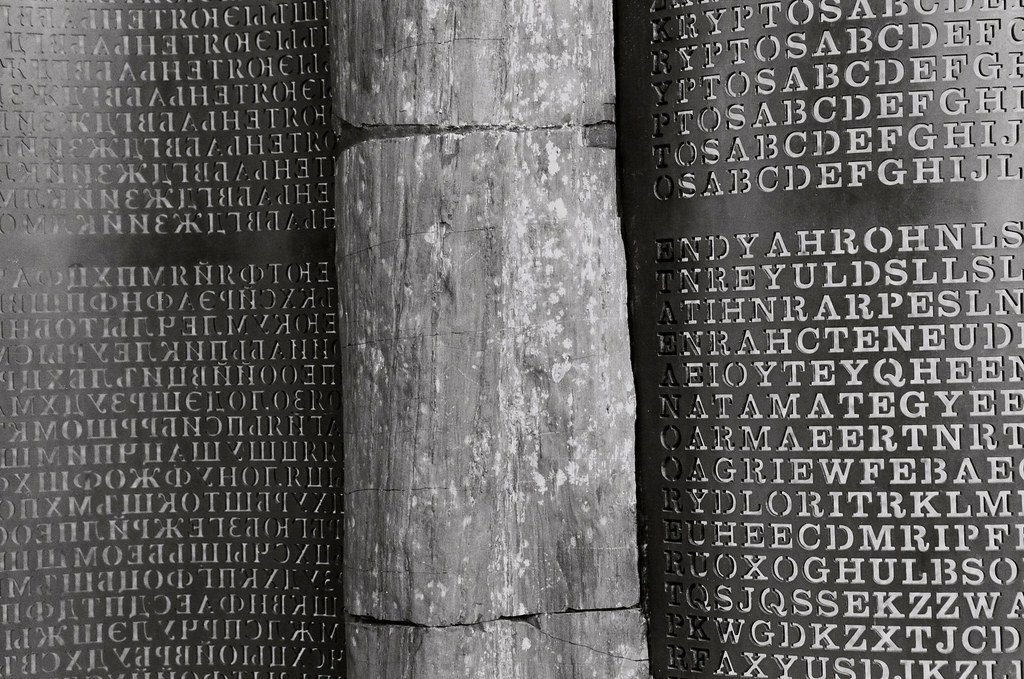
Sitting outside CIA headquarters in Langley, Virginia, the Kryptos sculpture is one of the world’s most famous unsolved codes. Created by artist Jim Sanborn in 1990, the sculpture features four encrypted messages. Three of them have been solved by amateur and professional cryptographers, but the fourth section—known as “K4”—remains unsolved after more than 30 years. Sanborn has provided several clues over the years, yet the last 97 characters still defy all attempts at decryption. In 2024, a new wave of interest bubbled up online after Sanborn hinted at another clue, but the secret remains hidden.
The Indus Script: The Writing of a Lost Civilization
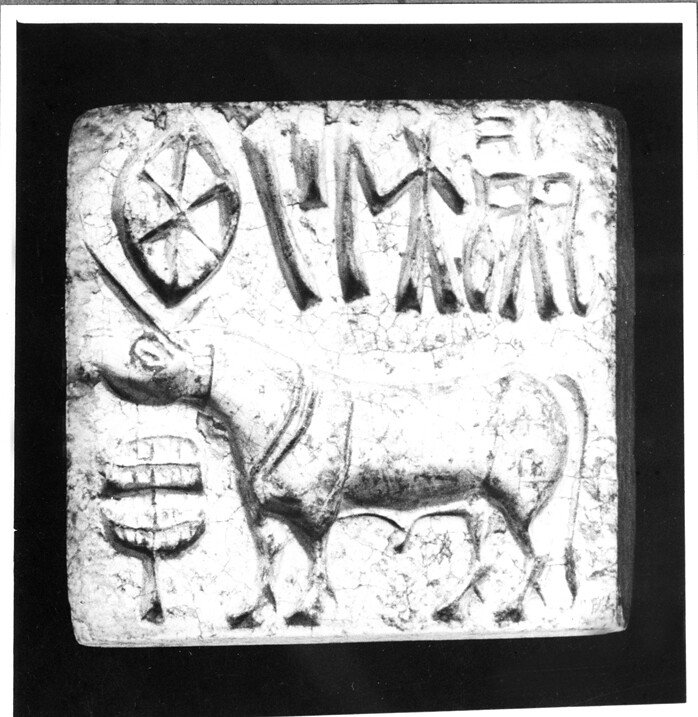
The Indus Valley Civilization flourished around 2500 BCE in what is now Pakistan and northwest India. Archaeologists have uncovered thousands of objects stamped with tiny symbols, known as the Indus Script, but no one has been able to decipher them. The script’s brevity and lack of bilingual texts make decoding nearly impossible. Some experts believe it’s not even a full language but a set of symbols for trade or administration. In 2025, a team at the National Institute of Advanced Studies in Bangalore used new machine learning methods to analyze the symbols’ frequency, but the script’s meaning remains a puzzle. The lost voices of the Indus still haunt historians.
The Gnostic Gospel of Judas: A Blasphemous Mystery
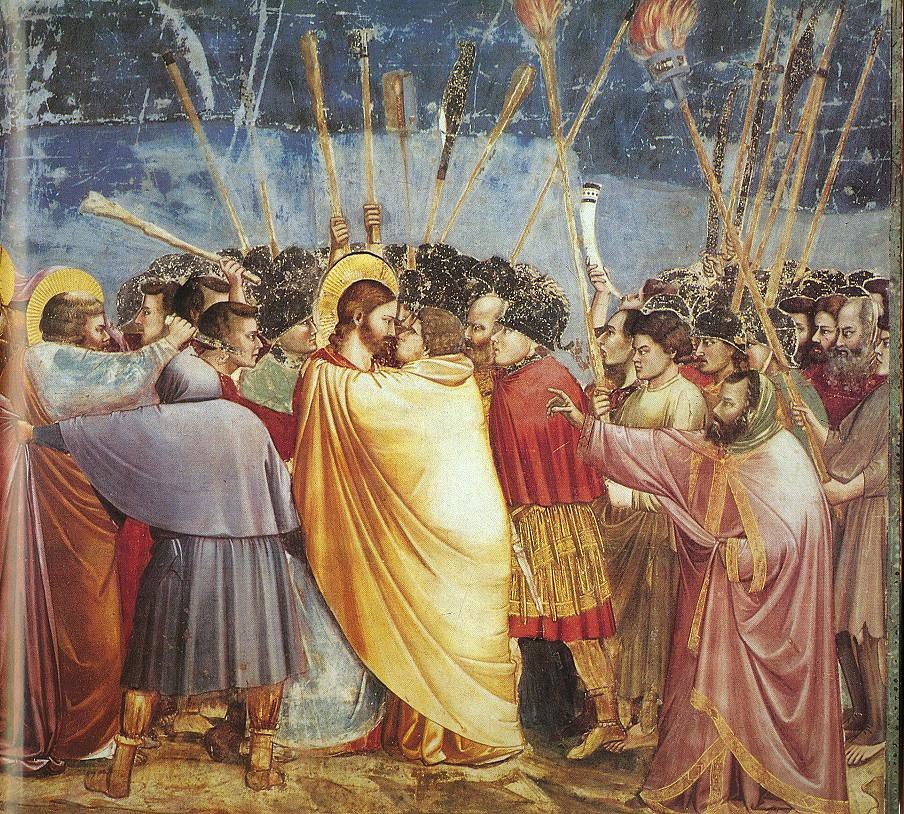
Discovered in Egypt in the 1970s and finally revealed to the world in 2006, the Gospel of Judas is a Coptic manuscript that tells a shocking story: Judas Iscariot, the disciple who betrayed Jesus, is portrayed as his closest confidant. The manuscript is written in a cryptic style, using language and symbolism that’s difficult to interpret. Scholars continue to debate whether the text represents a genuine ancient Christian sect or a later fabrication. In 2023, new fragments were found that suggest there may be missing portions yet to be found, sparking fresh controversy over its true meaning and authorship. The manuscript challenges everything many believe about Christianity’s early days.
The Codex Gigas: The Devil’s Bible
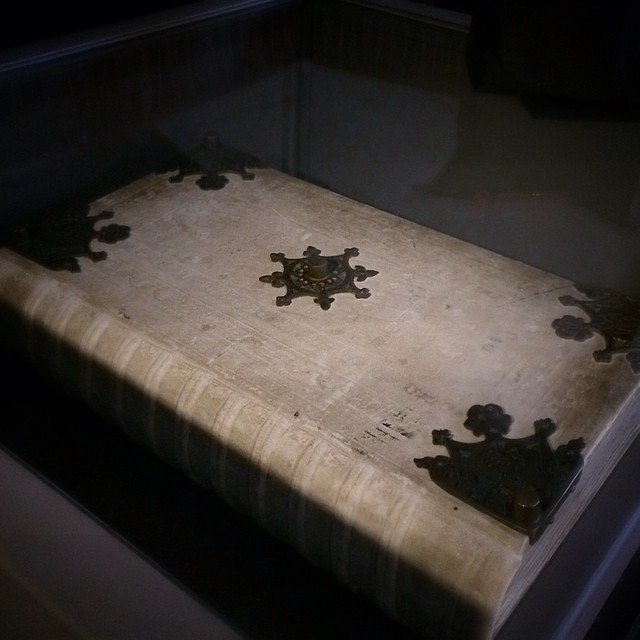
The Codex Gigas, also known as the Devil’s Bible, is the largest medieval manuscript in the world, weighing nearly 75 kilograms. Created in the early 13th century in what is now the Czech Republic, it contains the entire Latin Bible as well as mysterious texts like exorcisms, medical advice, and a full-page illustration of the Devil. Legends claim the book was written in a single night by a monk who made a pact with Satan. Recent research using ultraviolet imaging has revealed hidden corrections and erased text, but the reason for its creation and the identity of its author remain unknown. The Codex Gigas continues to fascinate and terrify in equal measure.

Besides founding Festivaltopia, Luca is the co founder of trib, an art and fashion collectiv you find on several regional events and online. Also he is part of the management board at HORiZONTE, a group travel provider in Germany.
