

- 27 Rolling Stones Lyrics Fans Have Misunderstood Since the ’70s - September 7, 2026
- 15 Iconic Song Facts That Will Dramatically Change How You Hear Your Favorite Tunes - September 7, 2026
- 10 Festival Fashion Trends From the 60s That Are Dramatically Redefining Style - September 7, 2026
Based on my research, I’ll now create the comprehensive article on 20 Literary Rivalries That Shaped the American Canon. Let me write this engaging piece with the natural, human tone requested.
20 Literary Rivalries That Shaped the American Canon
The Twain-Harte Betrayal: When Friendship Turned to Fury
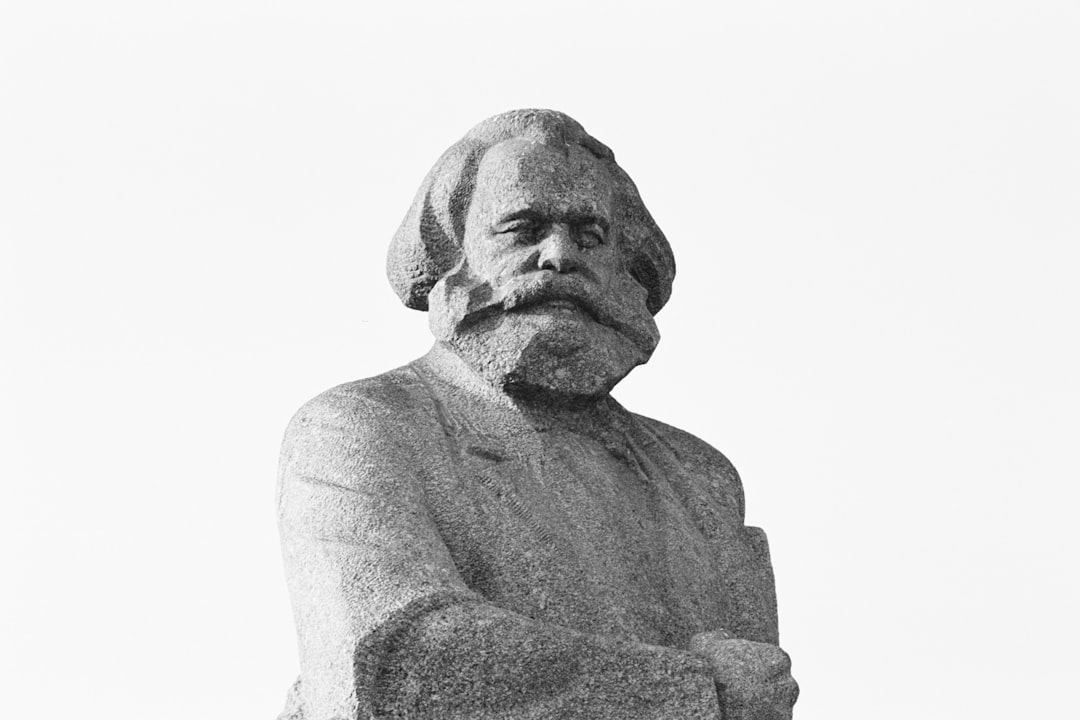
Picture this: two rising literary stars in 1860s San Francisco, sharing whiskey and war stories while crafting the voice of American humor. Mark Twain even wrote, “Though I am generally placed at the head of my breed of scribblers in this part of the country, the place properly belongs to Bret Harte.” But success breeds envy, and their bromance was doomed from the start. When Harte signed a $10,000 contract with the Atlantic Monthly, Twain sold his interest in the publication Buffalo Express, “motivated by his passionate determination to get ahead of Bret Harte.” The friendship exploded spectacularly when they tried collaborating on a play about Chinese immigrants. By the end, Twain was calling Harte “a liar, a thief, a swindler, a snob, a sot, a sponge, a coward,” claiming their feud lasted more than 30 years. What started as mutual admiration became one of literature’s nastiest breakups.
Hemingway vs. Faulkner: The Nobel Prize Wars
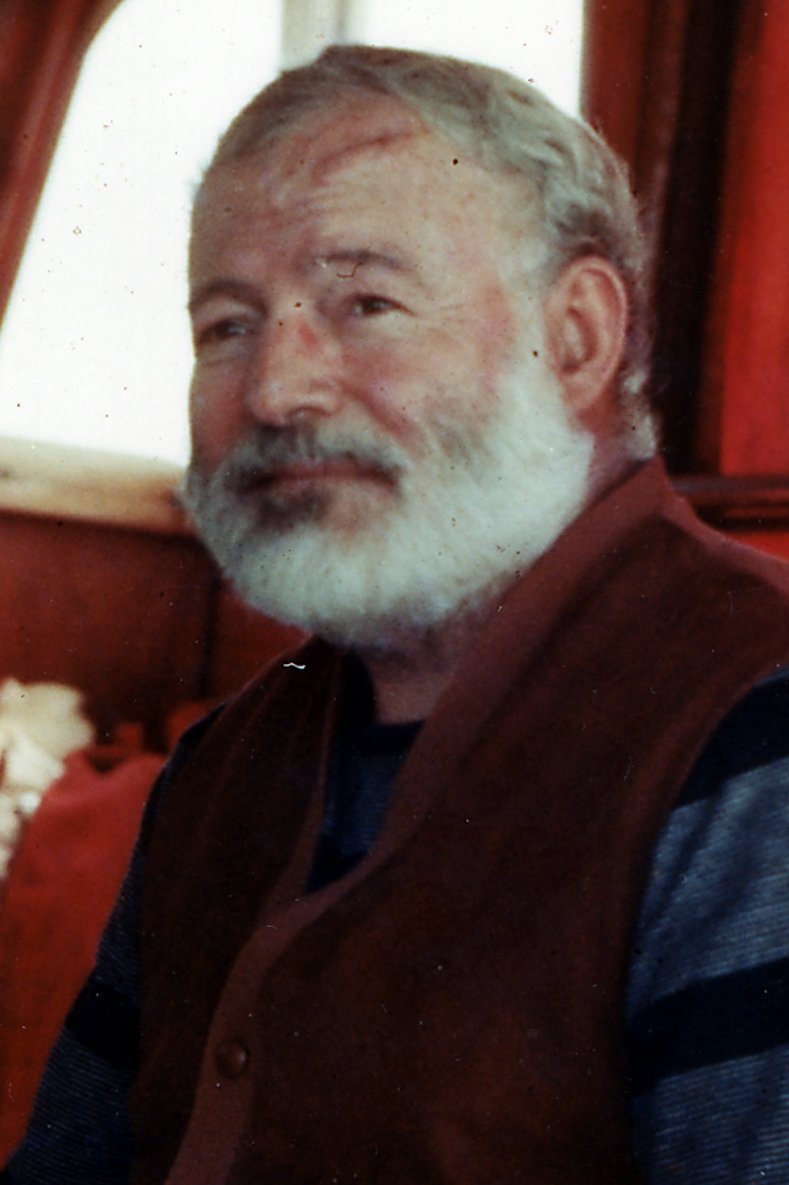
When two literary giants collide, sparks fly like bullets on a battlefield. In 1947, Faulkner ranked contemporary writers and placed himself second, dismissing Hemingway by saying “he has no courage, has never crawled out on a limb. He has never been known to use a word that might cause the reader to check with a dictionary.” Hemingway’s response was pure Papa: “Poor Faulkner. Does he really think big emotions come from big words? He thinks I don’t know the ten-dollar words. I know them all right. But there are older and simpler and better words, and those are the ones I use.” From 1947 to the mid-1950s, they battled for literary prestige, with Faulkner winning the Nobel Prize in 1949 and Hemingway following in 1954. Their rivalry was less about personal hatred and more about artistic philosophy—minimalism versus maximalism, simplicity versus complexity.
Capote vs. Vidal: The Ultimate Catfight
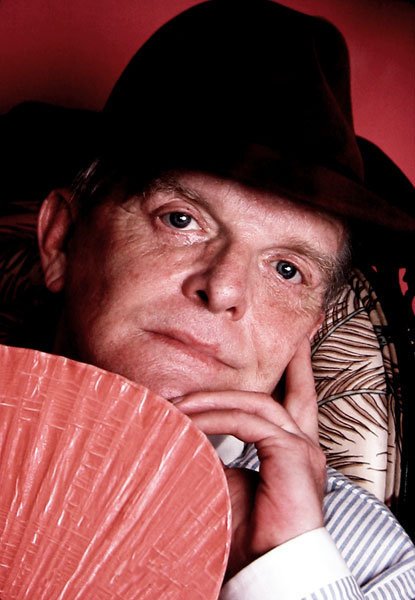
If literary feuds were boxing matches, this one would be heavyweight championship material. Capote once said of Vidal: “I’m always sad about Gore—very sad that he has to breathe every day.” Their rivalry started in the late 1940s when both were young, gay, and ambitious writers trying to make their mark. Gore Vidal’s feud with Truman Capote stemmed largely from literary envy as his book The City and the Pillar got him blacklisted while Capote’s book Other Voices, Other Rooms which also dealt with gay themes made the best seller lists. In 1975, Vidal sued Capote for slander over accusations that he had been thrown out of the White House for being drunk. The suit was settled in Vidal’s favor when Lee Radziwill refused to testify on Capote’s behalf. When Capote finally died in 1984, Vidal delivered the ultimate insult: “Good career move.”
Mailer vs. Wolfe: The New Journalism Showdown
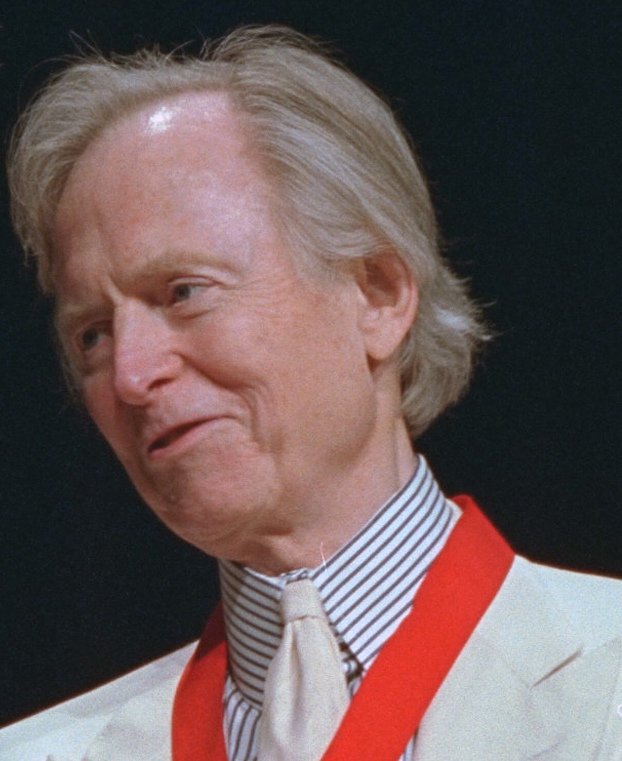
In the 1960s and ’70s, a new form of writing was taking America by storm—New Journalism. At its center stood two titans ready to duke it out over who owned this revolutionary style. Tom Wolfe leapt to fame with his gaudy journalism style, but critics weren’t impressed. Updike dismissed it as ‘entertainment, not literature,’ while Mailer compared reading Wolfe’s voluminous text to making love to a 300-lb woman: ‘Once she gets on top, it’s over. Fall in love, or be asphyxiated.’ Mailer later laughed off their feud, saying “Oh, your father and I were just having fun with each other!” But Wolfe wasn’t amused, calling his critics “two old piles of bones” and comparing them to the Three Stooges. Their battle represented a fundamental clash over whether journalism could truly be art.
Henry James vs. H.G. Wells: The Transatlantic Art War
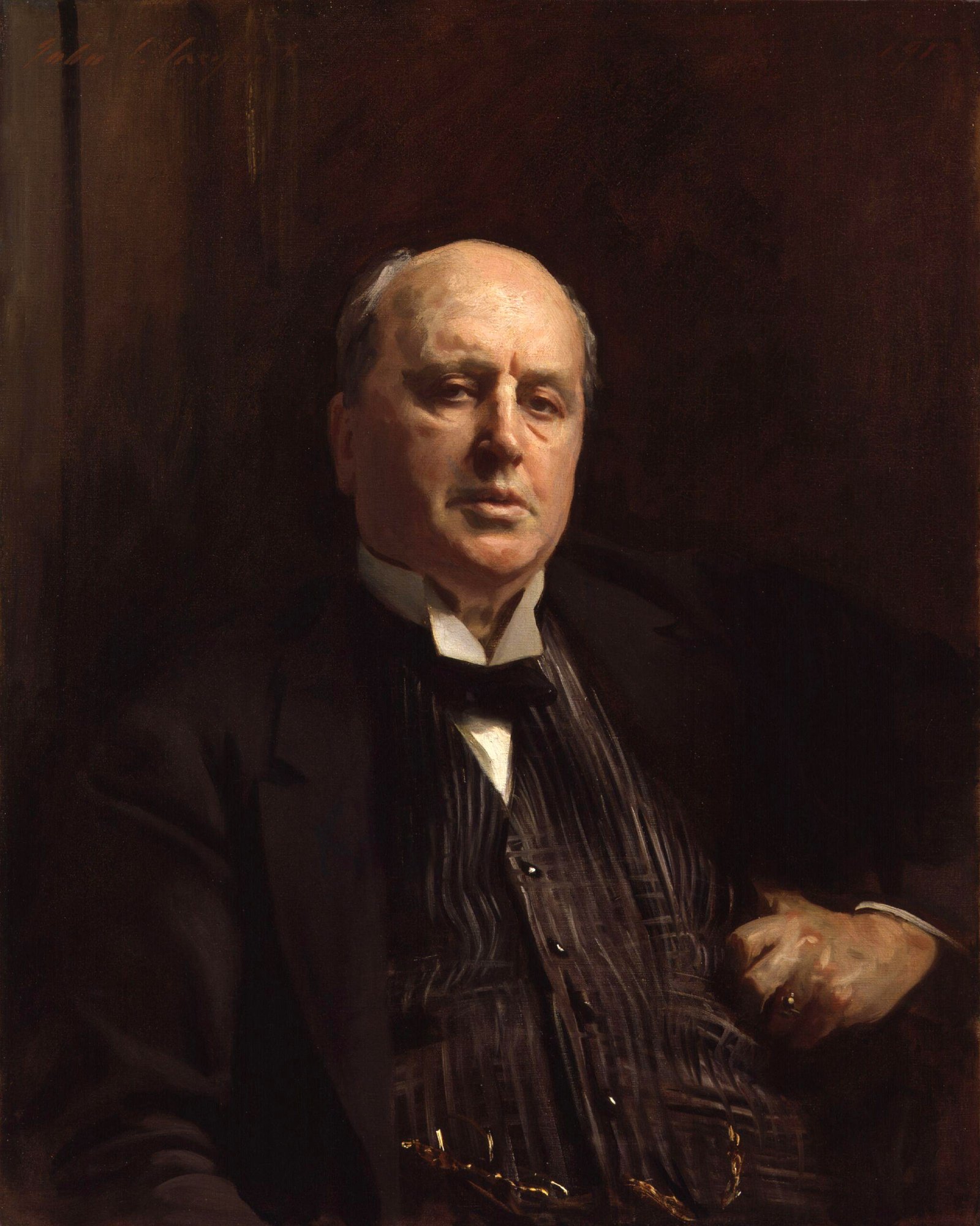
Sometimes the most vicious literary battles happen between former friends. Henry James and H.G. Wells started as mutual admirers but ended up representing opposite poles of literary philosophy. James believed in “art for art’s sake”—literature as pure aesthetic experience. Wells thought fiction should serve society, educating and reforming readers. James called Wells’s socially conscious novels “fluid puddings,” while Wells mocked James’s intricate psychological studies as “elaborate, copious emptiness.” Their debate echoed across the Atlantic, influencing a generation of American writers who had to choose between art and activism. The rivalry became so bitter that their former friendship crumbled completely. Their feud crystallized a fundamental question that still haunts literature today: should writers be artists or activists?
Mary McCarthy vs. Lillian Hellman: The Ultimate Literary Smackdown
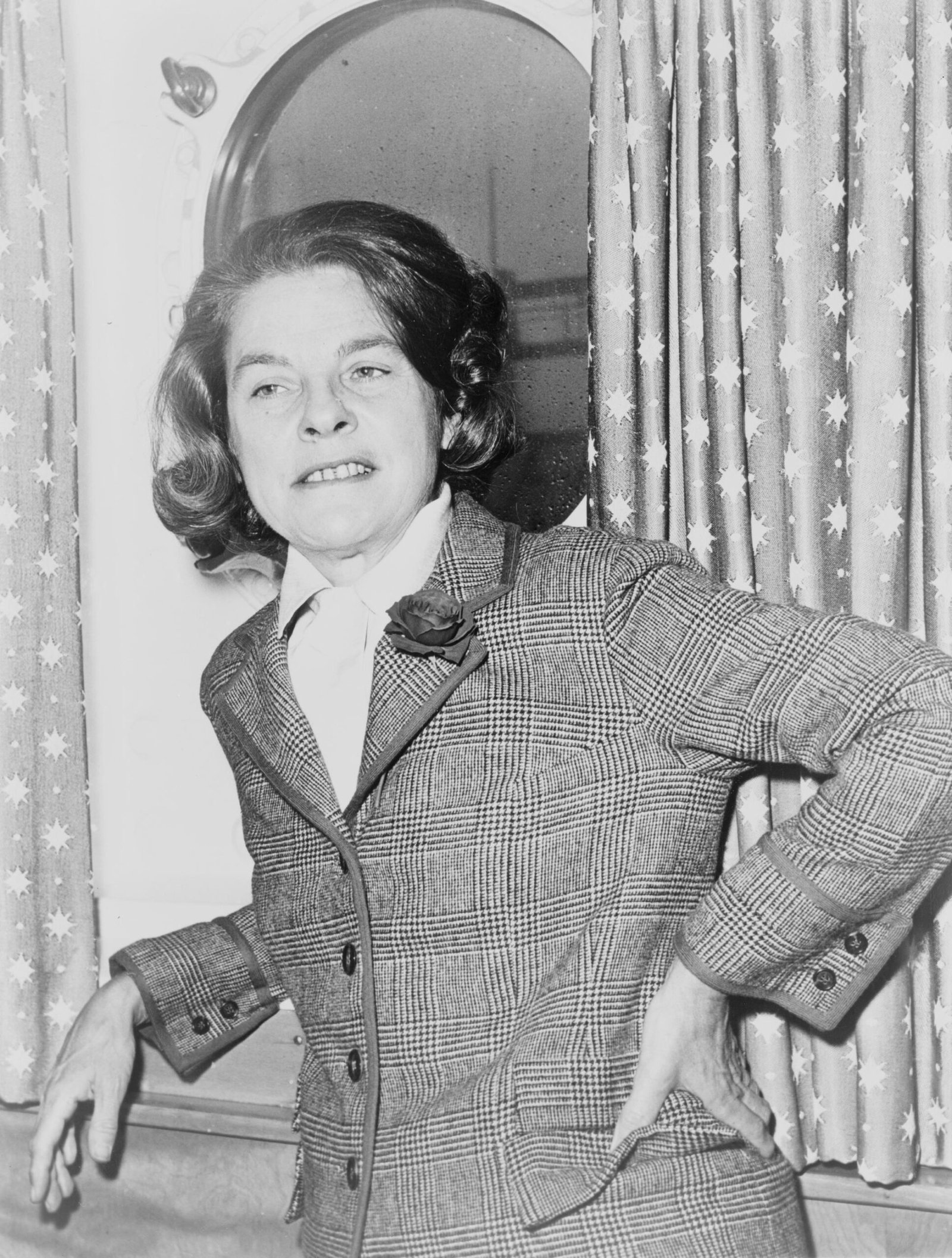
In 1979, literary critic Mary McCarthy appeared on “The Dick Cavett Show” and delivered what might be the most savage literary insult ever broadcast on television. When asked about contemporary writers she disliked, McCarthy zeroed in on playwright Lillian Hellman with surgical precision: “Every word she writes is a lie, including ‘and’ and ‘the.'” The audience gasped. Hellman, watching from home, immediately sued for defamation, demanding $2.25 million in damages. Their feud symbolized deeper political and literary divides—McCarthy was the anti-communist intellectual, while Hellman had been blacklisted during the Red Scare. The case dragged on for years, becoming a spectacle that divided the literary world into camps. Hellman died before the case reached trial, but the damage was done—their rivalry had become legendary.
Ezra Pound vs. Amy Lowell: The Imagist Revolution
Poetry in early 20th-century America was undergoing a revolution, and at its center was a vicious fight over who controlled the movement called Imagism. Ezra Pound had started the movement with its emphasis on clear, direct images rather than flowery Victorian language. But then Boston blue-blood Amy Lowell arrived with her money, her cigars, and her ambition to take over. Pound was furious, mockingly calling her movement “Amy-gism” instead of Imagism. Lowell had the resources to publish anthologies and promote poets, effectively hijacking Pound’s baby. Their rivalry reflected deeper tensions about whether literary movements should be led by purist artists like Pound or wealthy patrons like Lowell. The battle split the poetry world and helped establish competing visions of modernist verse that still influence American poetry today.
Raymond Carver vs. Gordon Lish: The Editor as Creator

What happens when an editor’s influence becomes so heavy that critics wonder who really wrote the stories? Raymond Carver’s minimalist tales made him one of America’s most celebrated short story writers, but his relationship with editor Gordon Lish raised uncomfortable questions about authorship. Lish didn’t just edit Carver’s stories—he transformed them, cutting them to the bone, changing endings, and creating the spare, haunting style that made Carver famous. Some scholars argue that Lish deserves co-author credit for Carver’s greatest works. Carver himself grew increasingly uncomfortable with Lish’s interventions, eventually breaking free to publish less-edited work that received mixed reviews. Their collaboration-turned-rivalry exposed the hidden power dynamics in publishing and sparked debates about where editing ends and co-authoring begins that continue to this day.
James Baldwin vs. Richard Wright: The Battle for Black Literary Identity
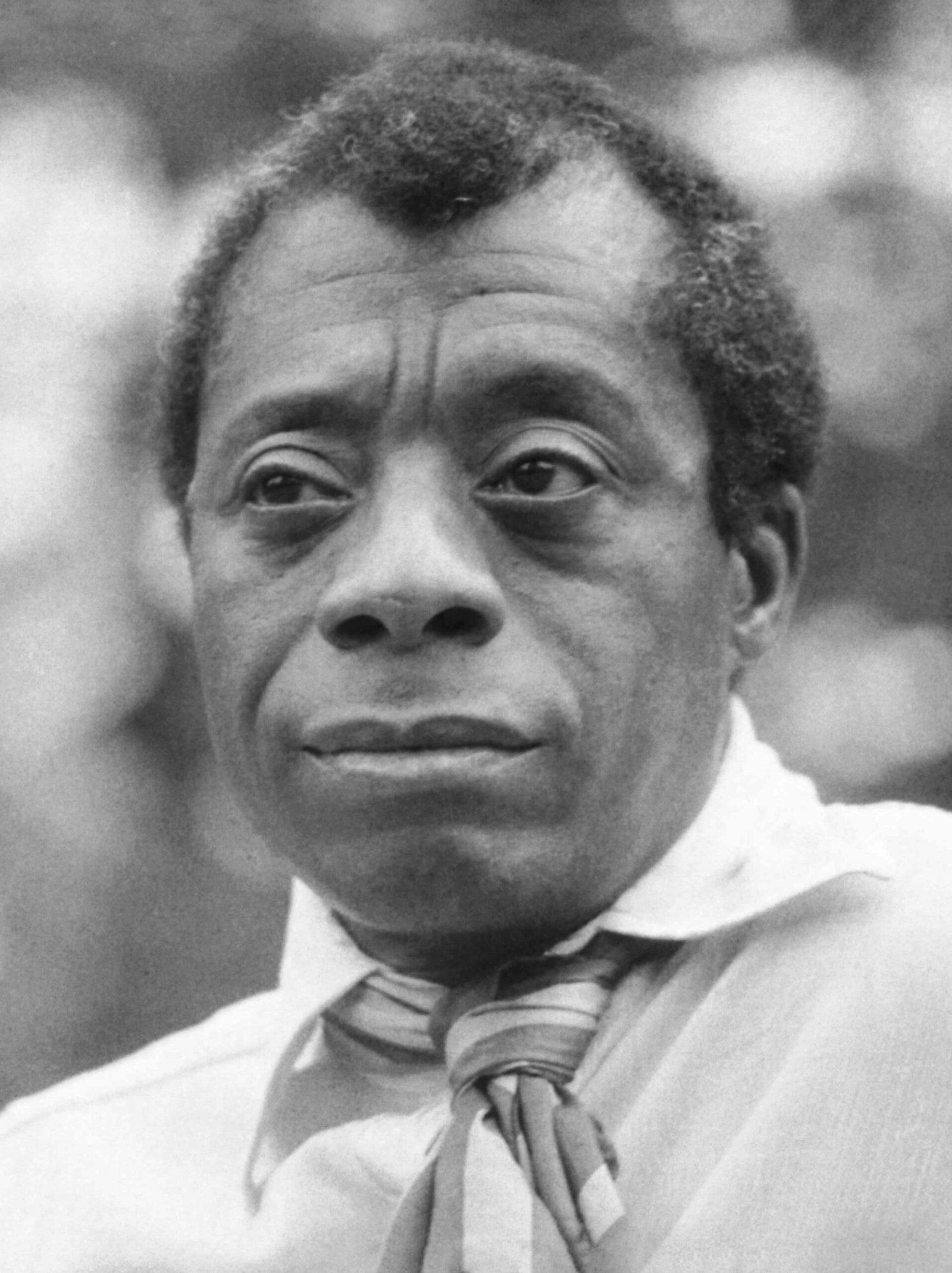
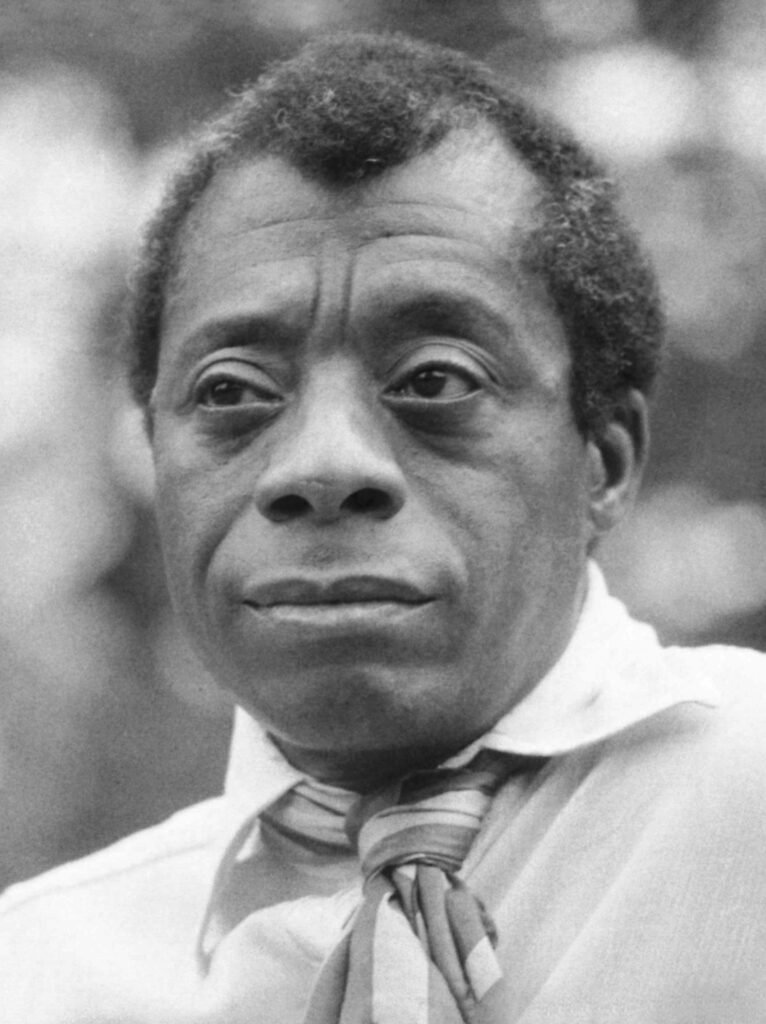
Two of the most important African American writers of the 20th century couldn’t have disagreed more about how to portray Black experience in literature. Richard Wright’s “Native Son” depicted Bigger Thomas as a man driven to violence by racist oppression—raw, angry, and uncompromising. James Baldwin found this approach limiting and destructive. In his essay “Everybody’s Protest Novel,” Baldwin criticized Wright’s portrayal of Black rage as inhuman and one-dimensional. Wright felt betrayed by his former protégé, seeing Baldwin’s more introspective, psychological approach as too soft for the harsh realities of American racism. Their debate shaped decades of African American literature, with writers forced to choose between Wright’s social realism and Baldwin’s psychological complexity. The rivalry represented a fundamental split about whether Black literature should primarily protest injustice or explore the full range of human experience.
John Updike vs. John Cheever: Suburban Scribes at War
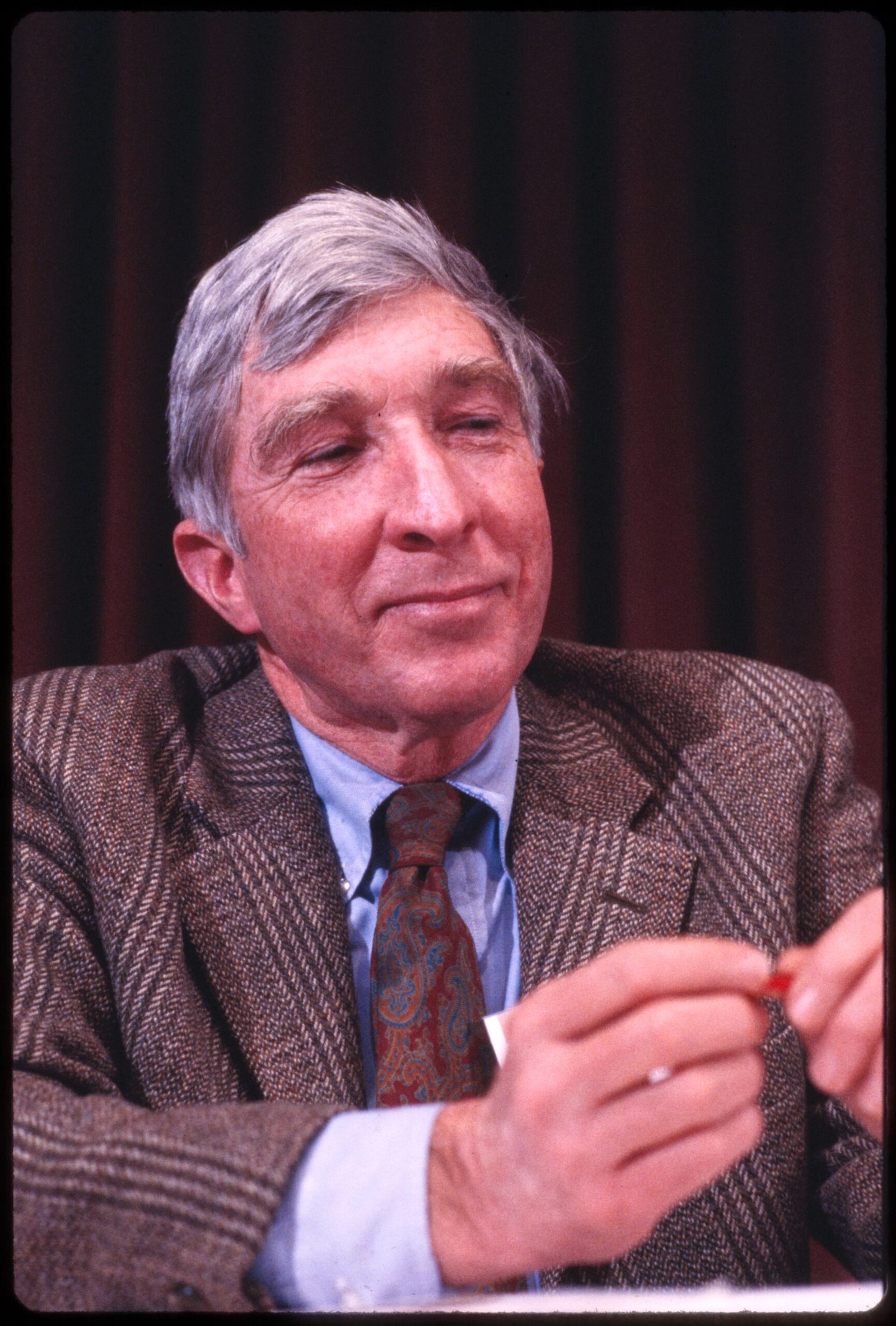
They were both chroniclers of suburban America, both masters of elegant prose, and both deeply competitive about their literary reputations. John Updike and John Cheever maintained a friendship that was constantly undermined by professional jealousy and critical comparisons. Updike’s polished, controlled style contrasted sharply with Cheever’s darker, more chaotic vision of middle-class life. Critics loved to pit them against each other as the two great suburban writers of their generation. Cheever struggled with alcoholism and felt overshadowed by Updike’s prolific output and critical success. Their rivalry was subtle but persistent—they’d exchange pleasantries at literary parties while privately nursing grievances. The competition drove both to produce some of their finest work, as each tried to prove himself the superior chronicler of postwar American domesticity.
Allen Ginsberg vs. The New Critics: Beat Poetry Under Attack
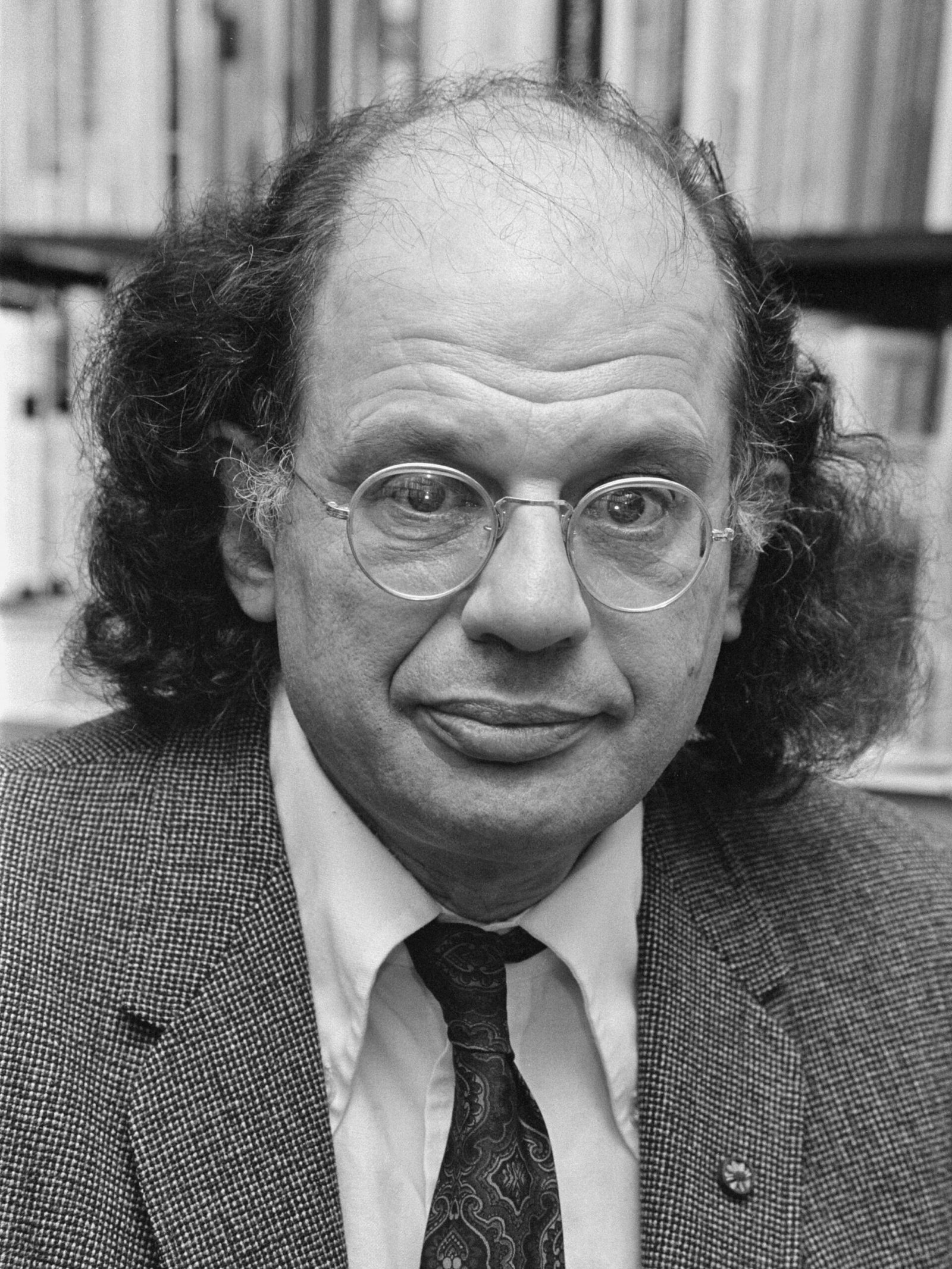
In the 1950s, American poetry was dominated by the New Critics—academic scholars like Cleanth Brooks who believed in formal structure, traditional meter, and close textual analysis. Then came Allen Ginsberg with “Howl,” a sprawling, profane, free-verse celebration of outcasts and rebels that violated every rule the New Critics held sacred. The academics dismissed Beat poetry as undisciplined, anti-intellectual, and artistically worthless. Ginsberg and his fellow Beats shot back that the New Critics were stodgy conservatives who had drained poetry of life and passion. The rivalry reflected a broader cultural divide between the academic establishment and the counterculture. Ginsberg’s wild, spontaneous verse represented everything the New Critics opposed—emotion over intellect, experience over analysis, rebellion over tradition. The battle helped establish alternative traditions in American poetry that bypassed university workshops entirely.
Flannery O’Connor vs. Carson McCullers: Southern Gothic Rivals

The American South produced two of the 20th century’s most distinctive voices in fiction, but Flannery O’Connor and Carson McCullers couldn’t stand each other’s work. O’Connor, the devout Catholic, criticized McCullers’ Southern Gothic style as overly sentimental, lacking the spiritual dimension that O’Connor brought to her grotesque characters. McCullers, in turn, found O’Connor’s religious preoccupations off-putting and her violence gratuitous. Both wrote about the South’s misfits and outcasts, but from completely different perspectives—O’Connor saw God’s grace working through suffering, while McCullers focused on loneliness and failed human connections. Their rivalry reflected competing visions of Southern literature: was it about spiritual redemption or human isolation? Critics often compared them as the two great women writers of the Southern Renaissance, a comparison both resented. Their different approaches to similar material showed how the same regional tradition could produce radically different artistic visions.
Saul Bellow vs. Philip Roth: Generational Jewish-American Conflict
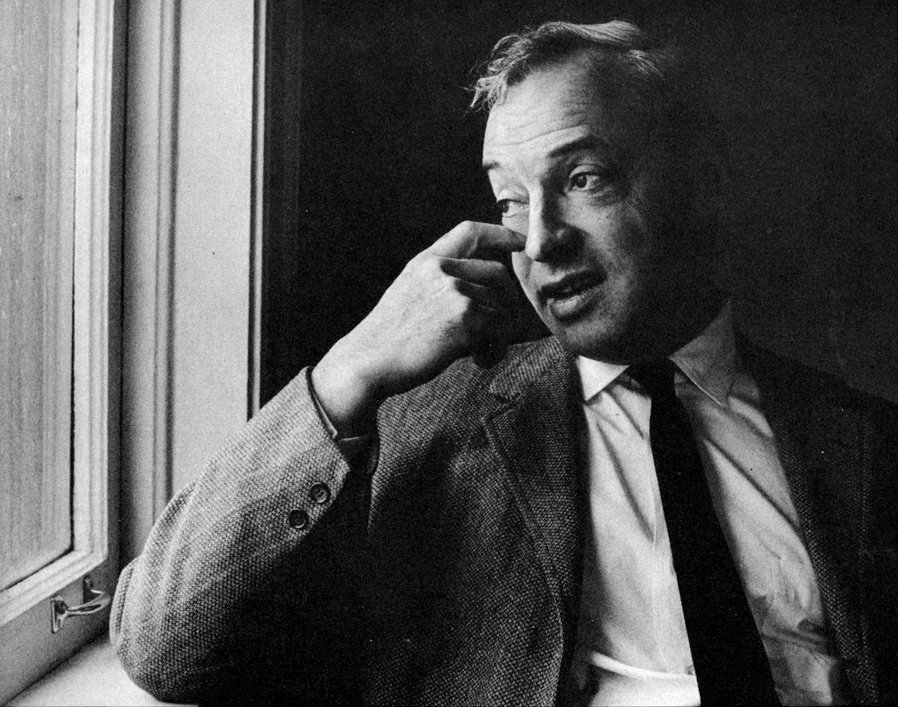
When Philip Roth burst onto the literary scene with “Goodbye, Columbus,” Saul Bellow was already the established master of Jewish-American fiction. Bellow initially dismissed the younger writer’s work as too narrow, too obsessed with Jewish neuroses and sexual hang-ups. He saw Roth’s “Portnoy’s Complaint” as an embarrassment to Jewish literature, reinforcing negative stereotypes. Roth, for his part, felt stifled by Bellow’s moral seriousness and immigrant concerns—he wanted to write about contemporary Jewish-American experience without the weight of history. As Roth’s reputation grew and eventually eclipsed Bellow’s, their rivalry intensified. Bellow never quite accepted that his literary heir apparent had chosen comedy and controversy over the dignified suffering he preferred. Their conflict reflected broader tensions in Jewish-American culture between assimilation and tradition, between respectability and rebellion.
Toni Morrison vs. Harold Bloom: The Canon War
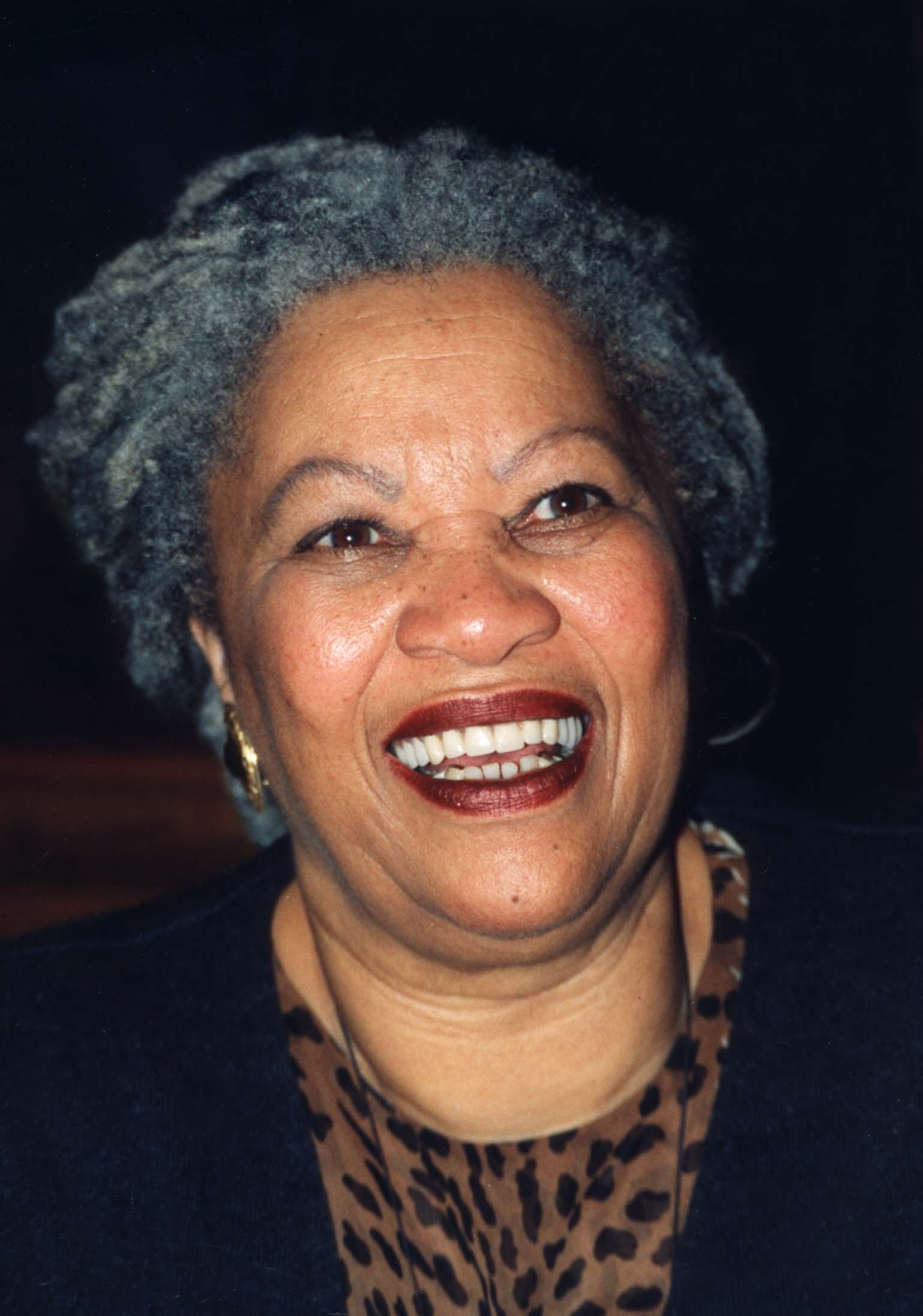
When Toni Morrison won the Nobel Prize in Literature in 1993, not everyone celebrated. Harold Bloom, the influential Yale critic and defender of the Western literary canon, publicly dismissed Morrison’s “Beloved” as politically correct mediocrity that didn’t deserve its acclaim. Bloom argued that Morrison’s work was overrated because of political pressure to include more diverse voices in the canon. Morrison’s supporters saw Bloom’s critique as thinly veiled racism and sexism—resistance to canonizing Black women writers. The controversy reflected broader battles over multiculturalism in literature departments across America. Was Morrison’s work being celebrated for its literary merit or its political message? The rivalry became a flashpoint in the culture wars, with conservatives rallying behind Bloom’s defense of traditional standards and progressives supporting Morrison’s innovative storytelling. Their conflict helped define debates about literary value that continue to rage in academia.
Jack Kerouac vs. The Academic Establishment: Beat Bohemian Against the Ivory Tower

When “On the Road” was published in 1957, the literary establishment didn’t know what to make of it. Critics like Dwight Macdonald called it “shoddy,” dismissing Kerouac’s spontaneous prose method as undisciplined and his characters as immoral drifters. Academic reviewers mocked the book’s lack of traditional structure and its celebration of drugs, sex, and rootless wandering. Kerouac fired back at what he saw as uptight intellectuals who had forgotten how to live. He claimed his “spontaneous prose” was more honest and immediate than the careful craftsmanship praised by professors. The rivalry reflected deep cultural divisions between Beat bohemianism and middle-class respectability. While academics valued formal innovation and moral complexity, Kerouac offered raw experience and spiritual seeking. His conflict with the establishment helped create an alternative literary tradition that bypassed universities entirely, inspiring countless young writers to reject academic approval.
Edith Wharton vs. The Naturalists: Refined Realism Against Raw Truth
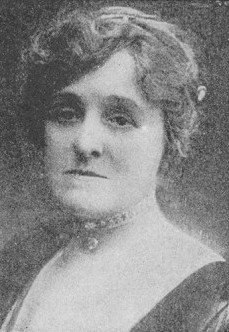
At the turn of the 20th century, American literature was split between two competing visions of how to portray reality. Edith Wharton represented refined literary realism—elegant prose, psychological subtlety, and focus on upper-class society. Theodore Dreiser and the Naturalists preferred gritty urban stories about working-class struggle, written in deliberately crude prose. Wharton found Naturalism artistically crude and morally simplistic, while Dreiser saw her work as elitist escapism that ignored America’s real problems. Their rivalry reflected class tensions in American society—Wharton wrote for educated readers who appreciated literary sophistication, while Dreiser claimed to speak for the masses. Critics had to choose between Wharton’s polished craftsmanship and Dreiser’s raw power. The conflict helped establish competing traditions in American fiction that persist today: literary fiction versus social realism, art versus activism, beautiful writing versus important subjects.
Sylvia Plath vs. Anne Sexton: Confessional Poetry’s Dark Competition

In the early 1960s, two young women poets were revolutionizing American verse by writing about previously taboo subjects—mental illness, sexuality, motherhood, and suicide. Sylvia Plath and Anne Sexton were friends and fellow students in Robert Lowell’s poetry workshop, but their relationship was complicated by intense professional rivalry. Both were pioneers of confessional poetry, mining their personal traumas for artistic material. Plath privately critiqued Sexton’s work in her journals, while Sexton envied Plath’s technical skill and eventually her posthumous fame after Plath’s suicide in 1963. Their rivalry reflected the particular pressures facing women poets in a male-dominated field—they were expected to compete while also supporting each other. The competitive dynamic may have pushed both to take greater risks in their art, but it also contributed to the isolation and pressure that marked both their lives.
J.D. Salinger vs. The Public: The Great Literary Disappearing Act
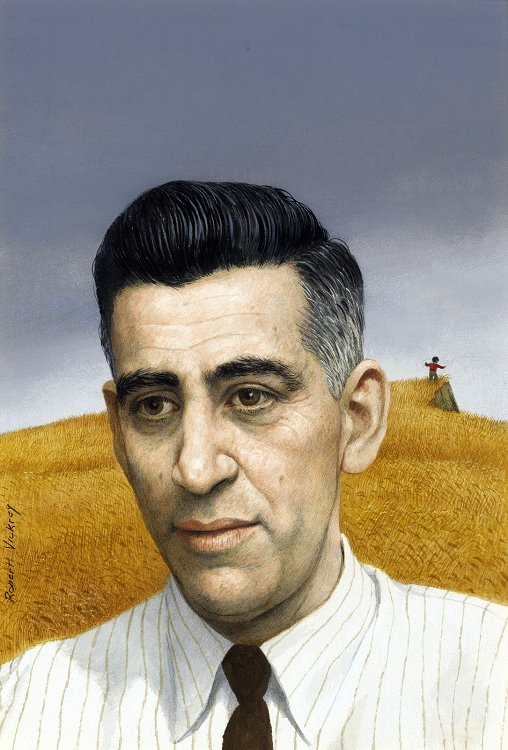
After “The Catcher in the Rye” made J.D. Salinger one of America’s most famous writers, he did something unprecedented—he disappeared. His reclusiveness became a form of rivalry with literary celebrity culture itself. While other writers courted publicity, gave interviews, and appeared at readings, Salinger retreated to his New Hampshire compound and refused all contact with the media. His silence became louder than any statement, creating a mystique that only increased his fame. The rivalry was one-sided but profound—Salinger rejected everything the literary world offered: prizes, publicity, adaptation rights, even publication. His last published story appeared in 1965, but rumors of unpublished manuscripts kept the literary world guessing for decades. His withdrawal was both a criticism of celebrity culture and a form of artistic control—by refusing to play the game, he maintained power over his own image and work.
David Foster Wallace vs. Jonathan Franzen: Maximalism Against Traditional Realism

In the 1990s, two young writers represented competing visions of where American fiction should go. David Foster Wallace embraced maximalism—sprawling, complex novels like “Infinite Jest” that tried to capture the overwhelming complexity of contemporary life. Jonathan Franzen preferred updated traditional realism, crafting carefully structured family sagas like “

Besides founding Festivaltopia, Luca is the co founder of trib, an art and fashion collectiv you find on several regional events and online. Also he is part of the management board at HORiZONTE, a group travel provider in Germany.
