

- 8 Classic Movies You Thought Were American – But Were Actually Foreign - August 12, 2026
- 10 Most Beautiful Beaches in The World for a Relaxing Vacation - August 12, 2026
- 15 Hit Singles From the Last Three Decades That Still Get You Dancing. - August 12, 2026
1. “Gone Girl” by Gillian Flynn
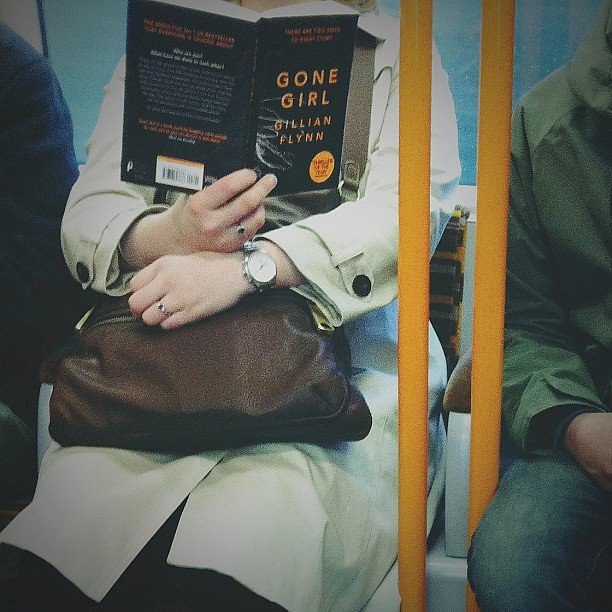
The ending of “Gone Girl” left readers divided and outraged. After pages of tension, Amy’s manipulative return home and Nick’s reluctant acceptance of her demands shocked many. Some found the conclusion to be a powerful examination of marriage, while others criticized it as implausible and unsatisfying. According to The Guardian, “Gone Girl” was the most talked-about thriller of 2012, with countless online threads dedicated to debating the ending. The novel’s portrayal of toxic relationships and moral ambiguity added fuel to the fire. Book clubs everywhere found themselves at odds, with some admiring Flynn’s boldness and others wishing for justice. The controversy even carried over into the 2014 film adaptation, which stuck closely to the novel’s divisive finale.
2. “Harry Potter and the Deathly Hallows” by J.K. Rowling
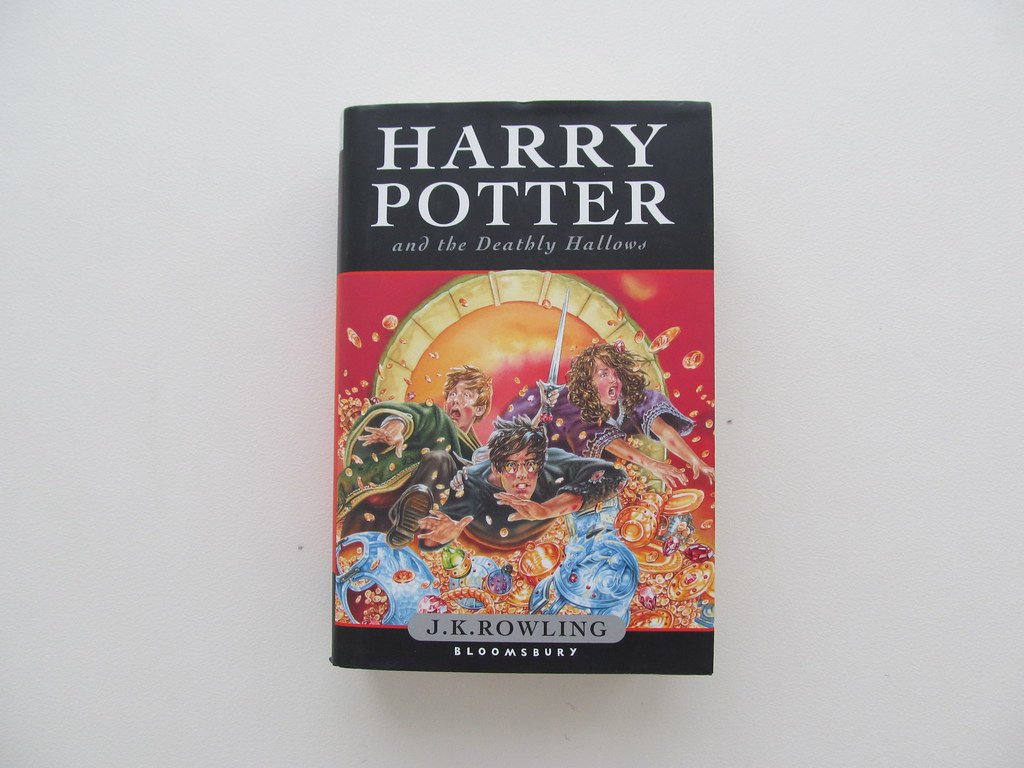
When the final book in the Harry Potter series was released in 2007, the epilogue, set nineteen years later, immediately became a lightning rod for criticism. Many fans were disappointed by the “happily ever after” ending, calling it overly neat and lacking the complexity they had come to expect. Rowling’s choice to pair Harry with Ginny and Hermione with Ron was hotly debated on forums like MuggleNet and Reddit. Some readers were unhappy with what they saw as the sidelining of key characters, while others mourned the deaths of beloved figures like Lupin and Tonks. The series’ ending sparked such debate that Rowling herself addressed fan concerns in later interviews, explaining her decisions and offering more backstory in subsequent Pottermore posts.
3. “The Catcher in the Rye” by J.D. Salinger
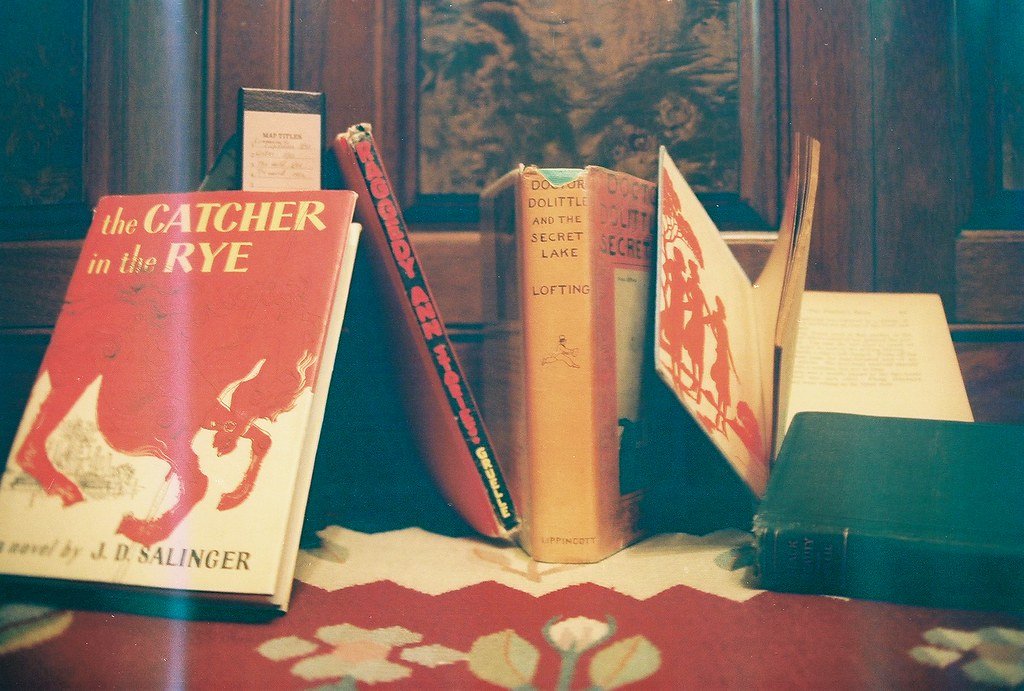
Few endings have left readers as puzzled and divided as that of “The Catcher in the Rye.” Holden Caulfield’s abrupt narrative shift and ambiguous closing lines left many wondering about his mental state and future. Readers and critics have debated for decades whether Holden finds hope or remains lost in cynicism. The ending’s lack of closure has led to countless high school essays, academic papers, and heated discussions on literary forums. Salinger’s refusal to give a clear resolution was both praised for its realism and condemned as frustratingly vague. In a 2015 survey by Penguin Books, “The Catcher in the Rye” ranked among the top ten most controversial American novels, largely because of its enigmatic finish.
4. “The Road” by Cormac McCarthy
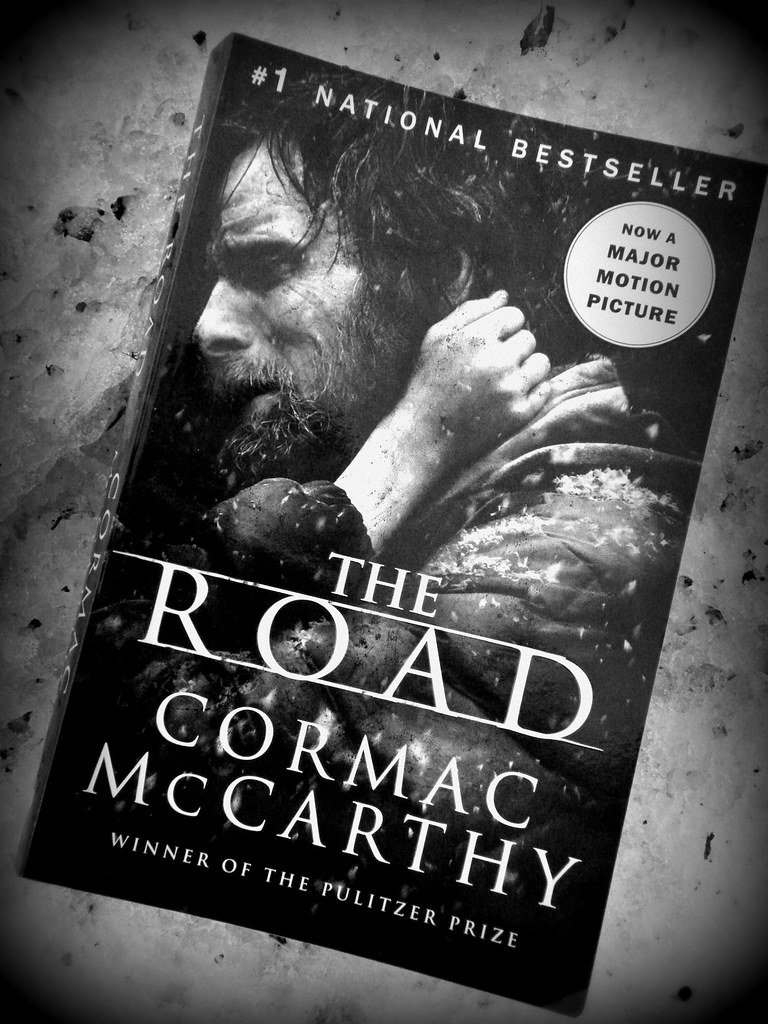
McCarthy’s Pulitzer Prize-winning novel ends with the unnamed boy being taken in by a new family after his father’s death. Some readers found hope in this ambiguous conclusion, while others saw it as bleak and unresolved. The Guardian’s 2013 reader poll revealed that many felt “betrayed” by the lack of clear answers. Online forums like Goodreads have lengthy threads dissecting the ending’s meaning—was it optimism, or just another tragedy? The stark, minimalist writing style only heightened the controversy, leaving fans and critics alike yearning for more clarity. This ending has become a touchstone in debates about what constitutes a satisfying finish in modern literature.
5. “Life of Pi” by Yann Martel
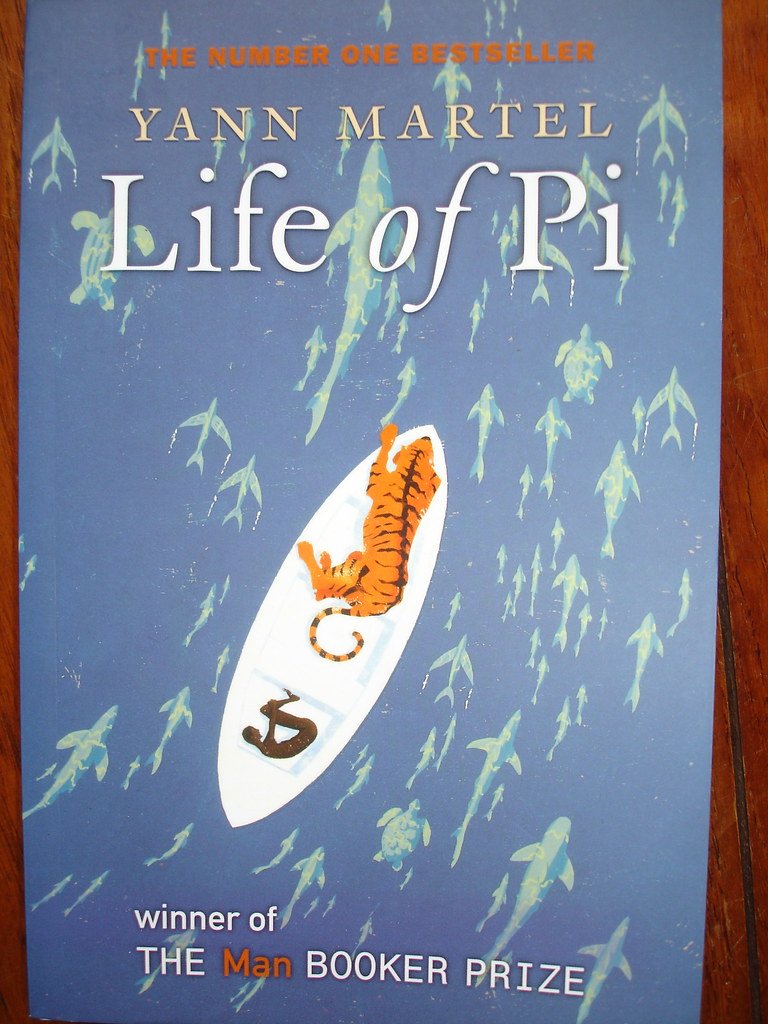
The final twist of “Life of Pi” asks readers to choose between two conflicting stories—one fantastical, one brutally realistic. This narrative gamble left many feeling manipulated or confused, especially after investing in Pi’s journey. Critics and readers alike argued about whether Martel’s ending was clever or simply evasive. In 2012, the release of the film adaptation reignited debate, with director Ang Lee defending the ambiguity as intentional. The New York Times highlighted how the ending “divides readers between faith and skepticism,” a theme that still fuels online discussion groups. The open-ended nature of the conclusion continues to provoke passionate responses nearly two decades after publication.
6. “The Giver” by Lois Lowry
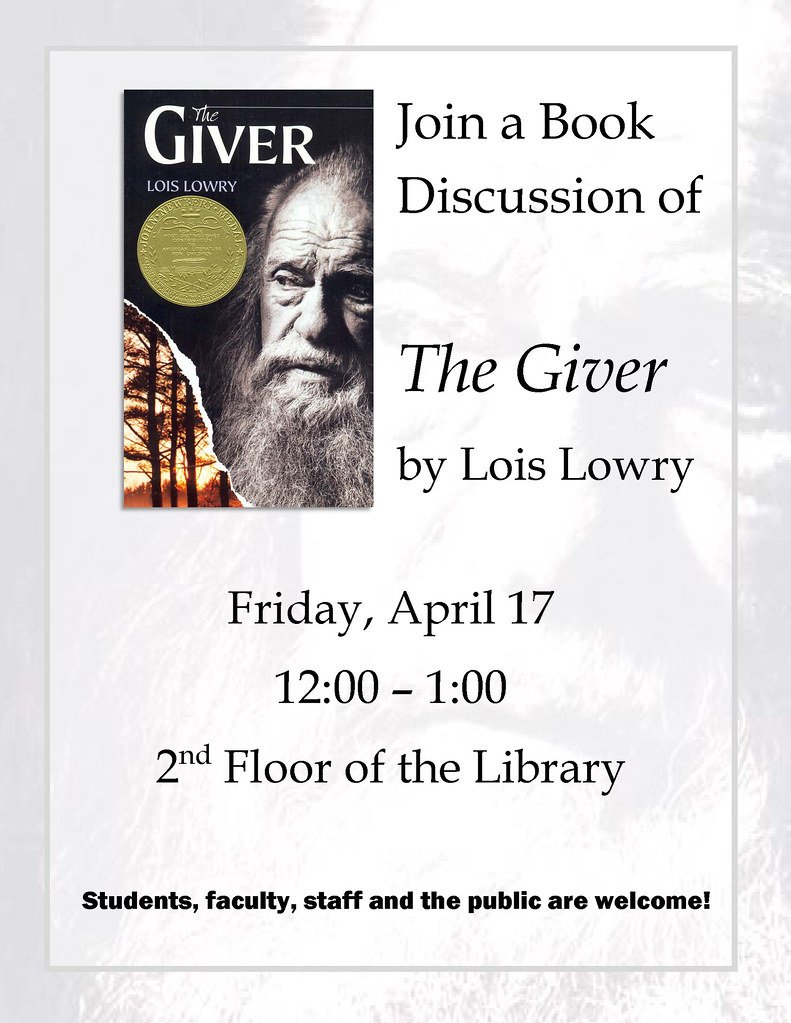
The ambiguous finale of “The Giver” has been both celebrated and condemned since its 1993 release. Jonas and Gabriel’s fate is left uncertain, with readers unsure if they survive or perish. In interviews, Lowry has stated that she wanted readers to draw their own conclusions, but this choice frustrated many who wanted closure. A 2014 survey by Scholastic found that more than half of young readers were dissatisfied with the ending. The controversy was so intense that Lowry eventually wrote sequels to clarify the story. The debate over the original ending’s meaning remains a fixture in middle school classrooms and online book communities.
7. “The Great Gatsby” by F. Scott Fitzgerald
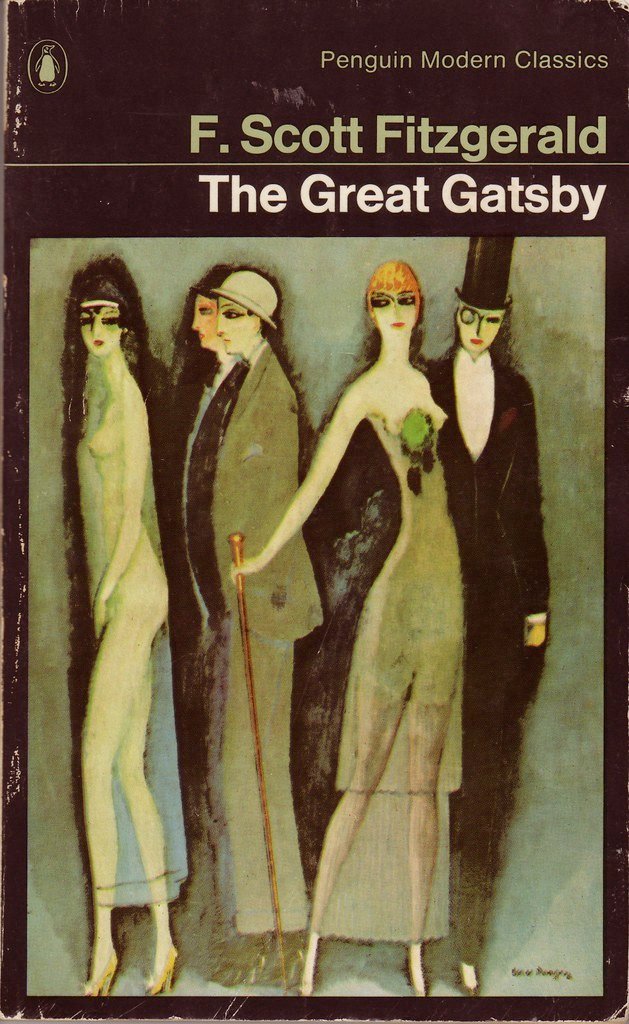
Gatsby’s lonely death and the novel’s closing reflections on the American Dream have sparked heated arguments for nearly a century. Some see the ending as a brilliant critique of materialism, while others find it depressingly nihilistic. According to a 2023 Library of Congress poll, “The Great Gatsby” is among the most frequently discussed books in high school curricula, largely due to its controversial finish. The image of Gatsby’s funeral—attended by so few—struck readers as both poignant and infuriating. Debates rage over whether the ending offers hope or only despair. The classic’s conclusion continues to inspire essays, adaptations, and passionate disagreement.
8. “Mockingjay” by Suzanne Collins
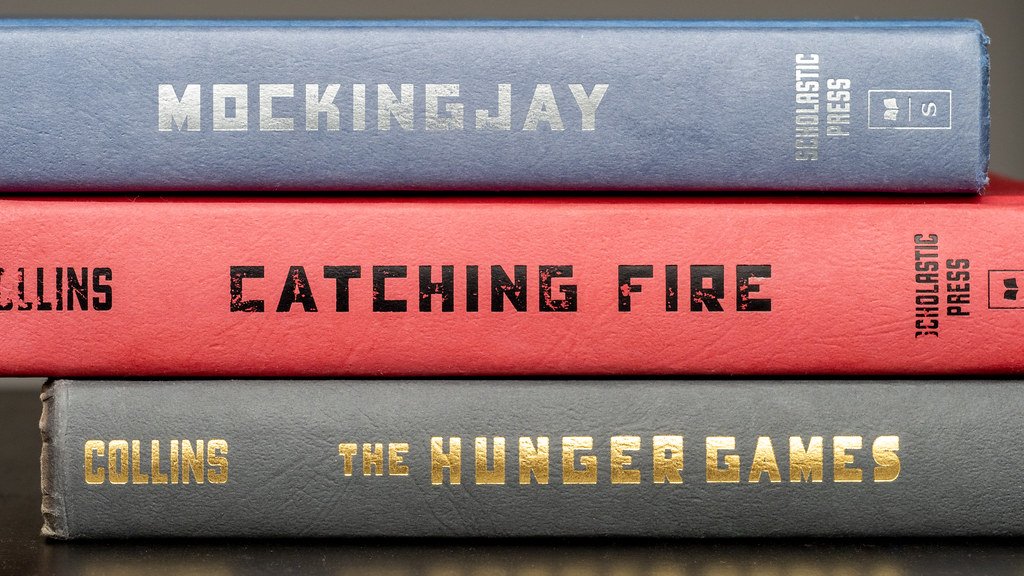
The conclusion of “Mockingjay,” the final book in The Hunger Games trilogy, was met with mixed reactions. Katniss’s decision to kill Coin instead of Snow, and the subsequent “fast-forward” to a peaceful life with Peeta, left many fans feeling unsettled. A 2015 study by The Atlantic revealed that over 40% of surveyed readers felt the ending was rushed or unsatisfying. Critics praised Collins for avoiding a fairy-tale conclusion but faulted her for glossing over the psychological trauma Katniss endured. Online fan forums exploded with debate, especially regarding Prim’s death and its impact on Katniss’s choices. The ending remains a lightning rod for discussions about young adult dystopian fiction.
9. “Lord of the Flies” by William Golding
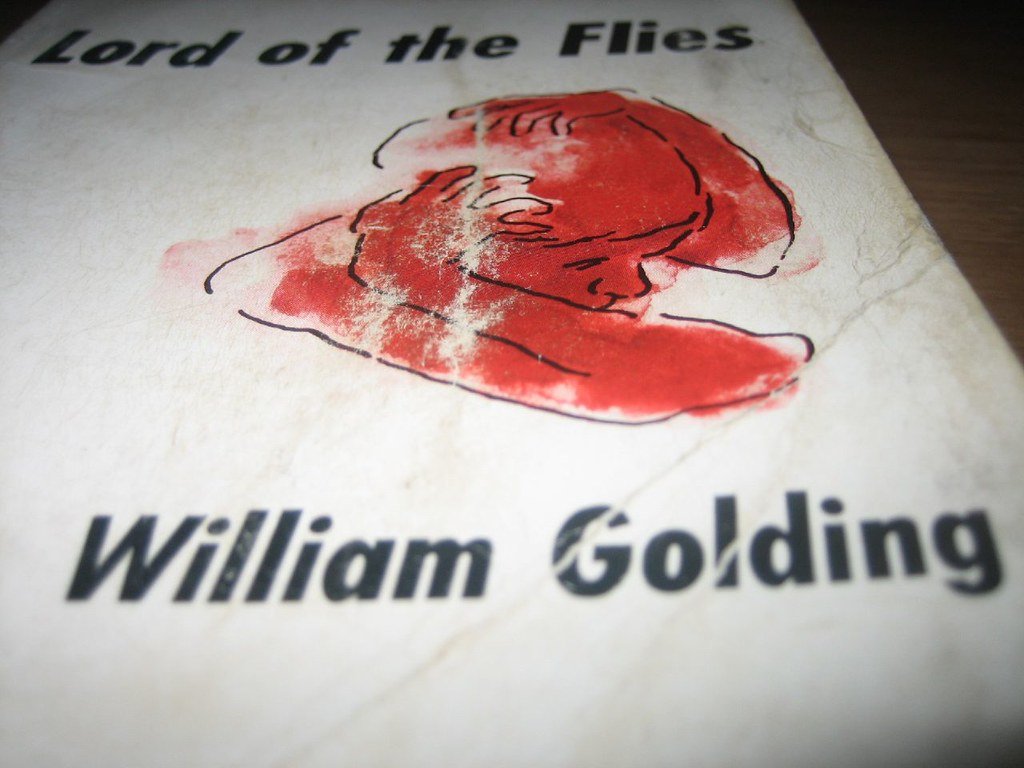
The abrupt rescue of the boys at the end of “Lord of the Flies” shocked readers and critics alike. Some felt the sudden arrival of the naval officer was a cop-out, undermining the novel’s grim exploration of human nature. Others argued that it was a deliberate, powerful statement on civilization’s thin veneer. In a 2020 BBC poll, “Lord of the Flies” was listed as one of the most controversial books assigned in schools, with its ending cited as a major point of contention. The debate centers on whether the rescue is hopeful or simply a return to another, more orderly brutality. The ending’s ambiguity continues to spark fierce debate in classrooms worldwide.
10. “The Girl on the Train” by Paula Hawkins
The resolution of “The Girl on the Train” left readers divided over its morality and plausibility. Rachel’s confrontation with the killer and the final act of violence were seen by some as justified, while others criticized the twist as contrived. According to a 2015 review by The Independent, many readers complained that the ending relied too heavily on coincidence. The novel’s exploration of memory, trauma, and unreliable narration only heightened the controversy. Book clubs and online communities still debate whether justice was truly served. The ending’s divisive reception did nothing to dent the book’s popularity, but it remains a talking point for fans and critics alike.
11. “Atonement” by Ian McEwan
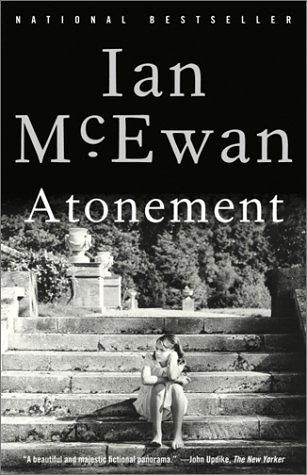
McEwan’s decision to reveal the true fate of Robbie and Cecilia only in the final pages infuriated and devastated many readers. The twist—that Briony’s account was a fictional atonement for her childhood mistake—was seen by some as a deception. According to a 2017 survey by The Guardian, “Atonement” is frequently cited in lists of modern books with the most upsetting endings. Critics praised McEwan’s narrative risk, but others accused him of manipulating reader emotions. The ending spurred heated debate on literary forums and in book clubs, particularly regarding the ethics of unreliable narration. The controversy helped cement “Atonement” as a modern classic.
12. “The Handmaid’s Tale” by Margaret Atwood
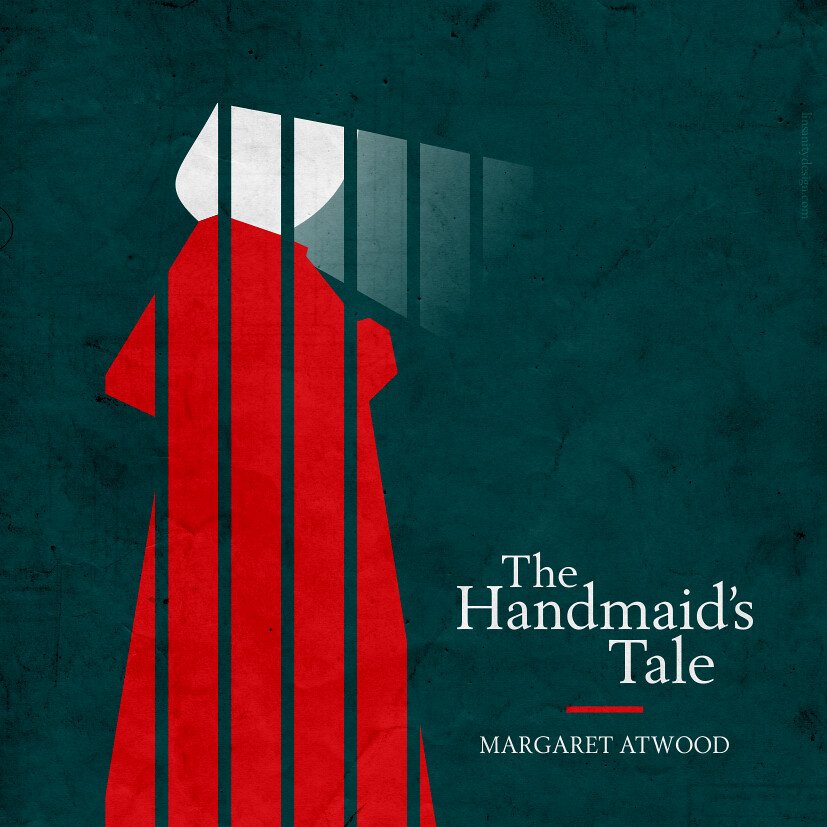
The final section of “The Handmaid’s Tale,” presented as a historical symposium, left many readers bewildered. The fate of Offred remains unknown, prompting debates about whether she escapes or meets a darker end. Atwood has said in interviews that she wanted to reflect the uncertainty of real-world events, but some readers found the ambiguity frustrating. In a 2021 survey by Penguin Random House, the novel’s ending was ranked among the top five most debated in contemporary fiction. The conclusion’s open-endedness continues to fuel speculation, especially in light of the recent television adaptation and Atwood’s 2019 sequel, “The Testaments.”
13. “We Need to Talk About Kevin” by Lionel Shriver

The chilling final twist—revealing the true fate of Eva’s daughter—left many readers stunned and angry. Shriver’s unflinching portrayal of a mother’s guilt and a son’s violence made the ending especially controversial. In a 2019 article by The Guardian, the book was named one of the most divisive novels of the 21st century, largely due to its conclusion. Some praised Shriver’s courage, while others felt betrayed by the story’s bleakness. The ending provoked heated discussions about parental responsibility and the nature of evil, with forums like Goodreads hosting thousands of impassioned comments. The controversy has only grown in the wake of the 2011 film adaptation.
14. “My Sister’s Keeper” by Jodi Picoult
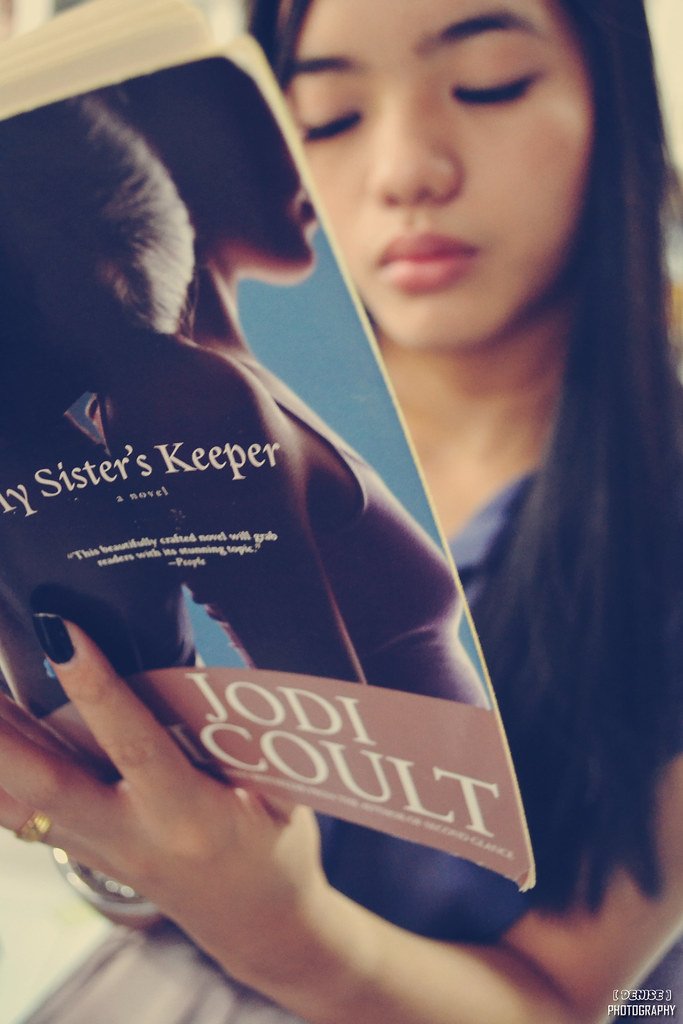
Picoult’s decision to kill off Anna in a car accident just after she wins her medical emancipation shocked and angered readers. Many felt the twist was manipulative and undermined the novel’s exploration of ethical dilemmas. In a 2020 poll by Book Riot, “My Sister’s Keeper” was voted one of the most controversial endings in contemporary fiction. Critics accused Picoult of using tragedy for shock value, while others admired her willingness to defy expectations. The controversy only intensified after the 2009 film adaptation changed the ending, sparking fresh debates about adaptation and authorial intent.
15. “Allegiant” by Veronica Roth
The conclusion of the Divergent trilogy saw main character Tris’s death, a move that infuriated many fans. Roth’s decision was so controversial that it led to petitions demanding an alternate ending. In a 2014 interview with USA Today, Roth explained her reasoning, but many readers remained unsatisfied. Online reviews and discussion threads exploded with anger and grief, with some accusing Roth of betraying her audience. The controversy was so intense that the final film adaptation was never completed. “Allegiant’s” ending remains a touchstone for debates about risk-taking in young adult fiction.
16. “Breaking Dawn” by Stephenie Meyer
The final book of the Twilight saga sparked outrage with its tidy, conflict-free ending. Many fans expected a dramatic showdown, but were surprised by a peaceful resolution and a happy future for Bella and Edward. In a 2011 study by The Atlantic, readers ranked “Breaking Dawn” among the most controversial young adult book endings. Critics accused Meyer of caving to fan service, while others defended the hopeful close. The debate spilled over onto fan forums, with heated arguments over the series’ message and Meyer’s narrative choices. The ending remains a lightning rod for both praise and criticism.
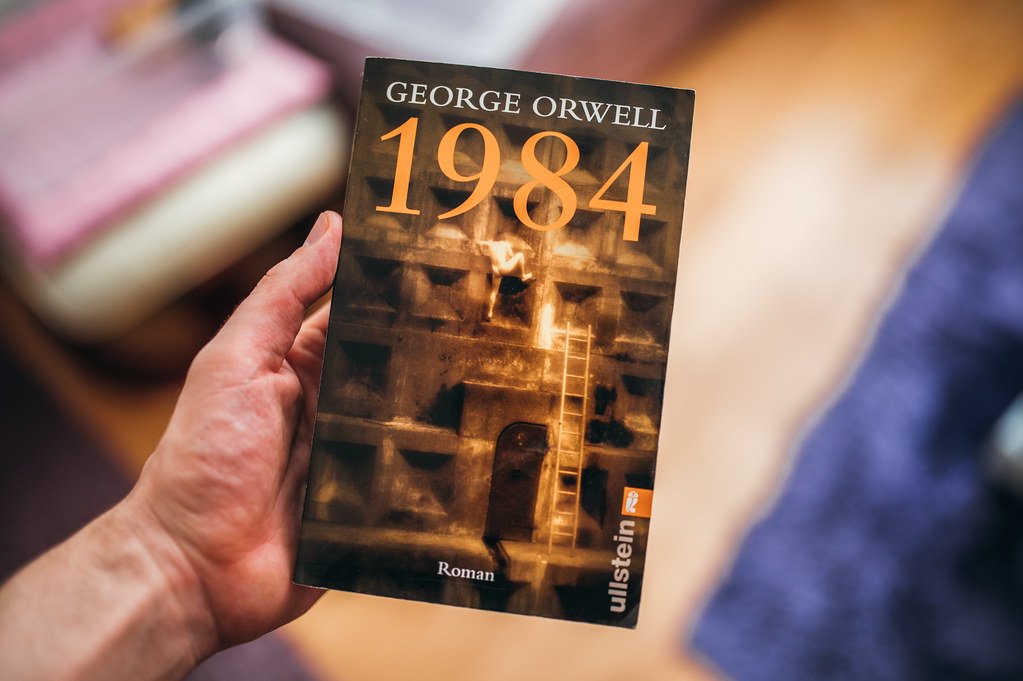
17. “1984” by George Orwell
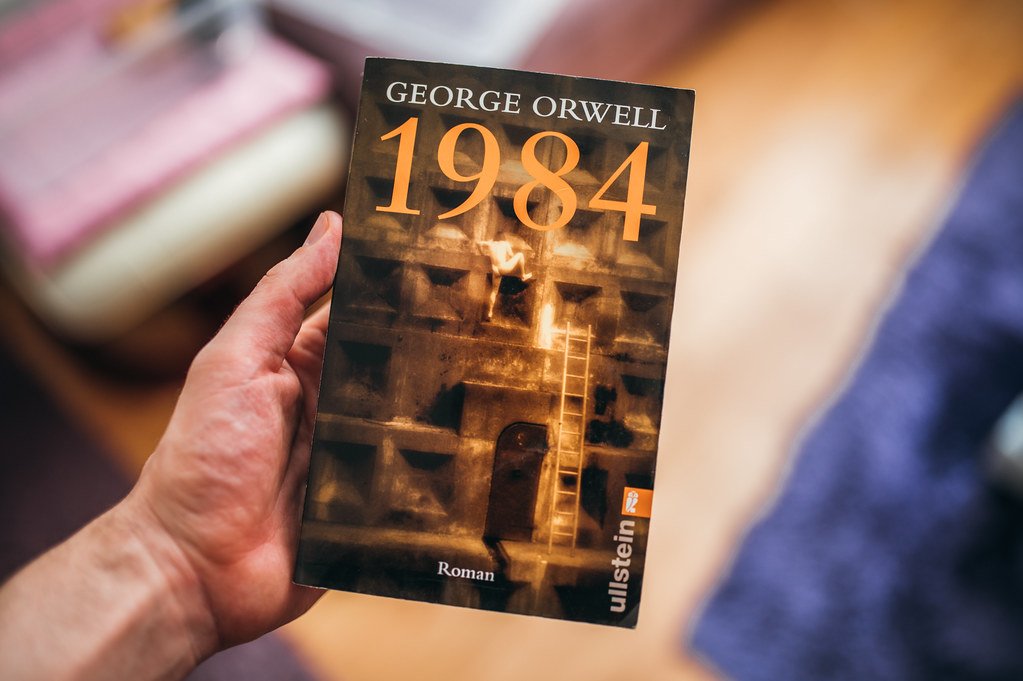
Orwell’s bleak finale, with Winston’s complete capitulation to Big Brother, has haunted and angered readers since 1949. The novel’s unrelenting pessimism sparked controversy about whether such a hopeless ending was necessary. In a 2024 survey by the BBC, “1984” was named one of the most debated dystopian novels, with its ending cited as the primary reason. Some readers admire Orwell’s courage, while others wish for a glimmer of hope. The book’s conclusion continues to fuel essays, adaptations, and discussions about resistance and conformity.
18. “Requiem” by Lauren Oliver
The third book in the Delirium trilogy ends with more questions than answers, frustrating many fans. The open-ended conclusion, with no clear fate for Lena or her world, led to a flood of online petitions and angry reviews. In a 2013 article by The Huffington Post, “Requiem” was listed among the most divisive young adult finales. Oliver defended her choice in interviews, arguing for realism over neat resolution. The controversy persists on social media, with readers split between those who appreciate ambiguity and those who crave closure.
19. “The Lovely Bones” by Alice Sebold
Sebold’s decision to have Susie watch her family from the afterlife—and ultimately let her killer go unpunished—sparked intense debate. Some readers praised the book’s exploration of grief, while others criticized the lack of justice. In a 2022 poll by Goodreads, “The Lovely Bones” ranked among the top ten most controversial endings in popular fiction. The novel’s blend of supernatural elements and real-world trauma divided audiences, with some finding the conclusion beautiful and others deeply unsatisfying. The 2009 film adaptation reignited the debate, with its changes to the ending also drawing criticism.
20. “Great Expectations” by Charles Dickens
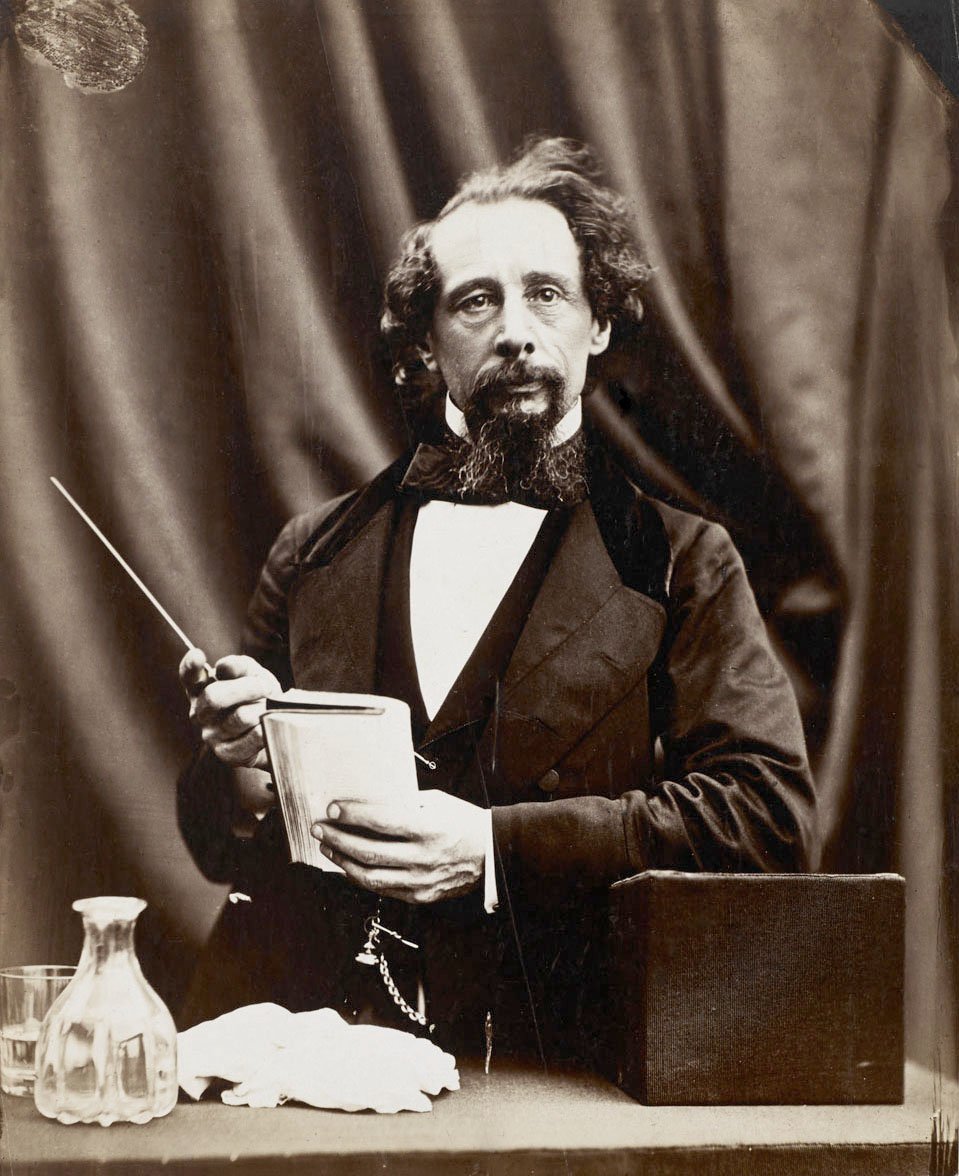
Dickens’s decision to revise the ending of “Great Expectations” has sparked controversy for over a century. The original ending was bleak, with Pip and Estella parting forever, but Dickens changed it to a more hopeful reunion after pressure from friends. Literary scholars still argue over which version is superior. In a 2023 survey by The Times, “Great Expectations” was among the most debated classics, with its ending cited as a key reason. The dual endings have fueled essays, adaptations, and passionate classroom debates. The controversy remains a testament to the enduring power of Dickens’s storytelling.

Besides founding Festivaltopia, Luca is the co founder of trib, an art and fashion collectiv you find on several regional events and online. Also he is part of the management board at HORiZONTE, a group travel provider in Germany.
