
- 8 Classic Movies You Thought Were American – But Were Actually Foreign - August 12, 2026
- 10 Most Beautiful Beaches in The World for a Relaxing Vacation - August 12, 2026
- 15 Hit Singles From the Last Three Decades That Still Get You Dancing. - August 12, 2026
1. George Orwell and the Age of Surveillance
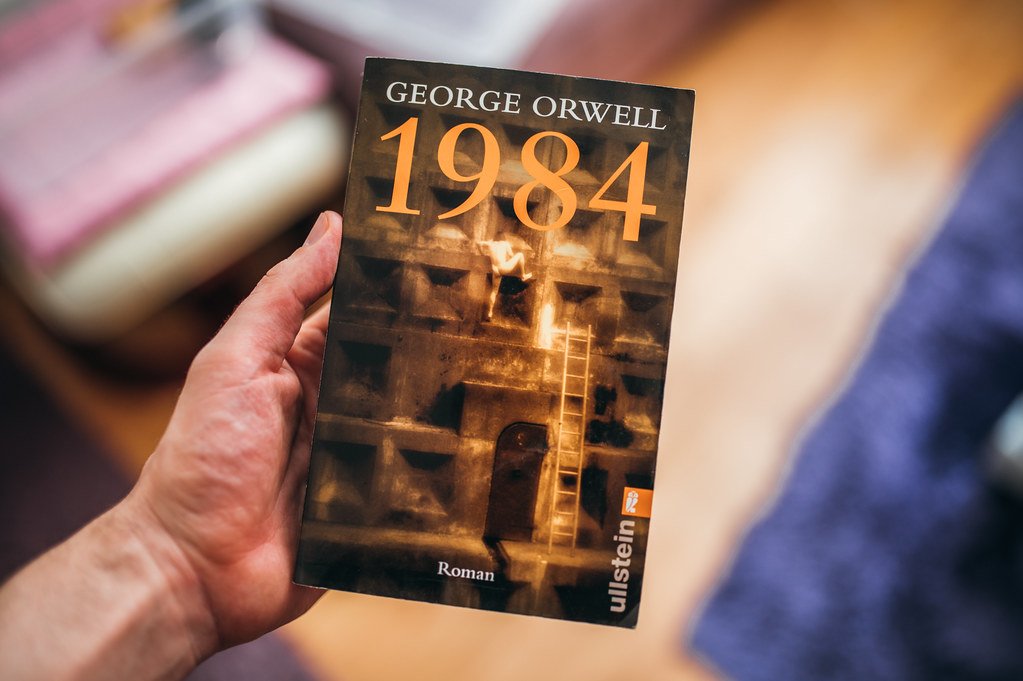
In his chilling novel “1984,” published way back in 1949, George Orwell painted a world where “Big Brother” watched everyone’s moves. Fast forward to today and we see surveillance cameras on every corner, governments tracking online activity, and even corporations mining personal data. According to recent reports, more than 1 billion surveillance cameras exist worldwide as of 2024, many in public spaces. Orwell’s vision of a society where privacy is nearly extinct feels eerily close to our own, especially when you consider the recent debates over facial recognition and digital privacy. In 2023, a Pew Research Center study found that 62% of Americans worry about how companies use their data. Orwell probably never dreamed of smartphones and social media, but his fear of constant monitoring rings louder than ever.
2. Aldous Huxley and the Pursuit of Pleasure
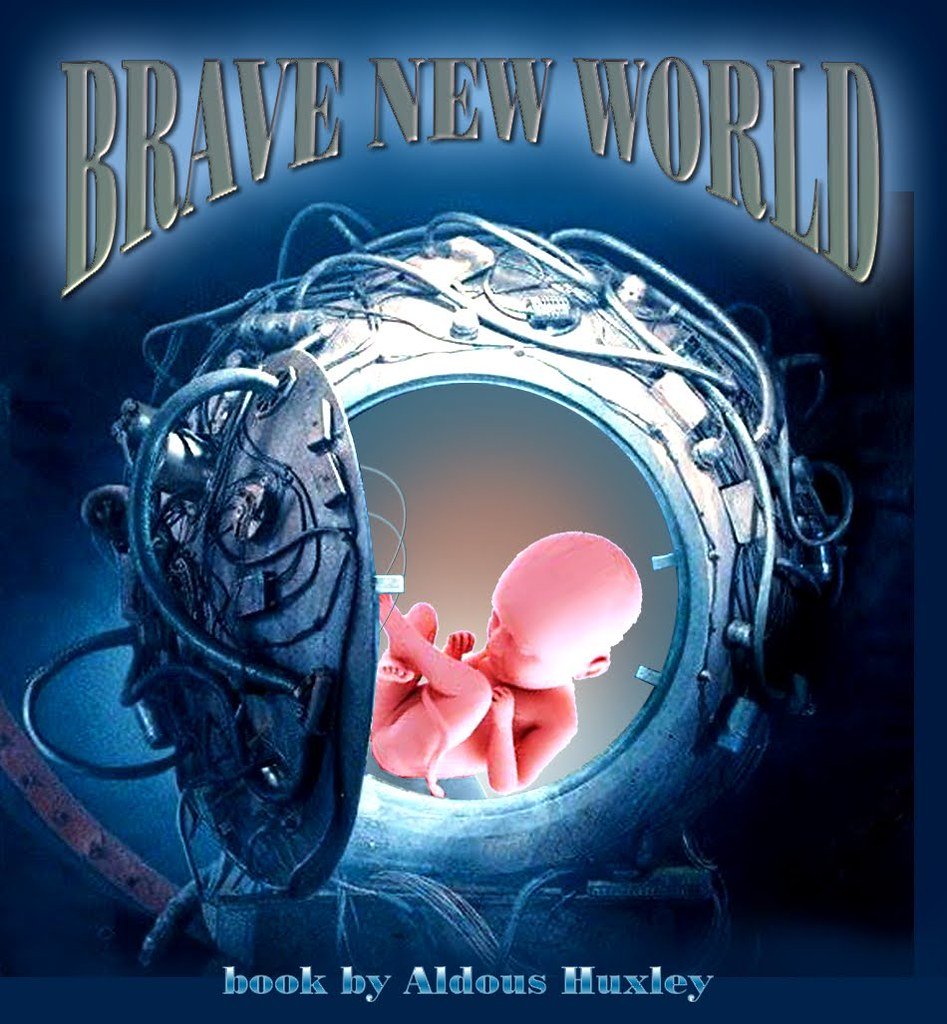
Aldous Huxley’s “Brave New World” from 1932 imagined a society obsessed with pleasure and comfort, where people pop pills to stay happy. Today, the pharmaceutical industry is worth over $1.5 trillion, and antidepressant use has skyrocketed in the past decade. The rise of “dopamine-driven” technology—like endless social media scrolling or binge-worthy streaming—hits home for anyone who’s lost hours to YouTube or TikTok. Huxley warned about a world distracted by entertainment and numbed by drugs, and you can see echoes in how people seek quick fixes for happiness, whether it’s a new app, a prescription, or a viral meme.
3. Ray Bradbury and the Decline of Books
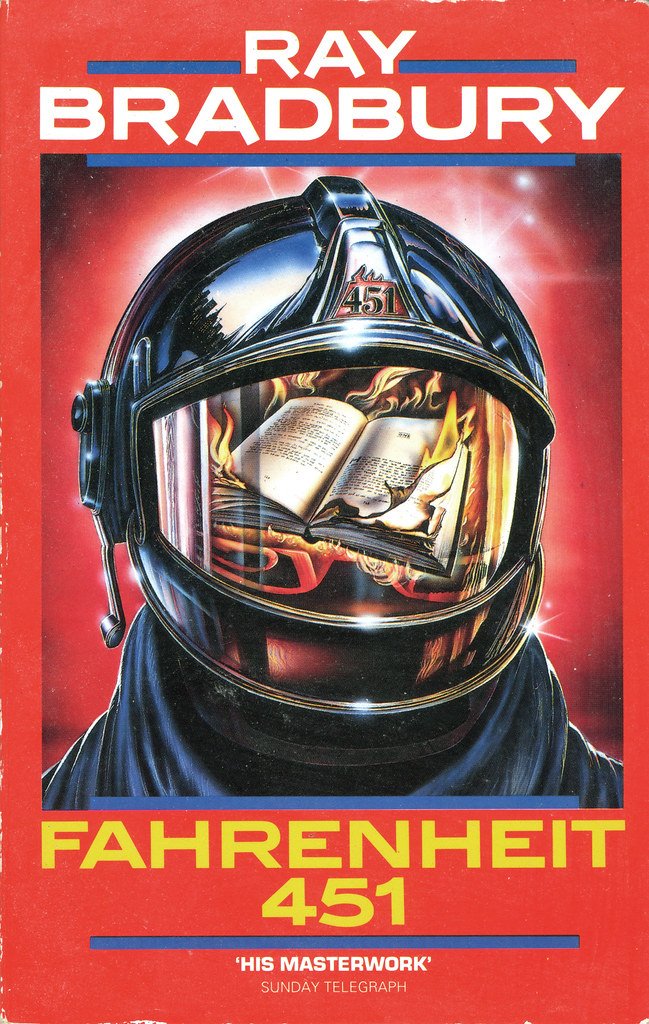
Ray Bradbury’s “Fahrenheit 451,” published in 1953, envisioned a future where books are outlawed and society is glued to giant screens. The parallels to today’s world of e-readers, streaming TV, and social media are striking. According to the American Academy of Arts & Sciences, the number of adults reading literature dropped from 57% in 1982 to just 43% in 2022. Bradbury’s fear that people would stop thinking deeply and instead consume mindless entertainment seems to have come true, especially as algorithms decide what we see and hear. The debate over book bans in schools and libraries has also exploded in recent years, adding a modern twist to Bradbury’s old warning.
4. Philip K. Dick and Artificial Intelligence
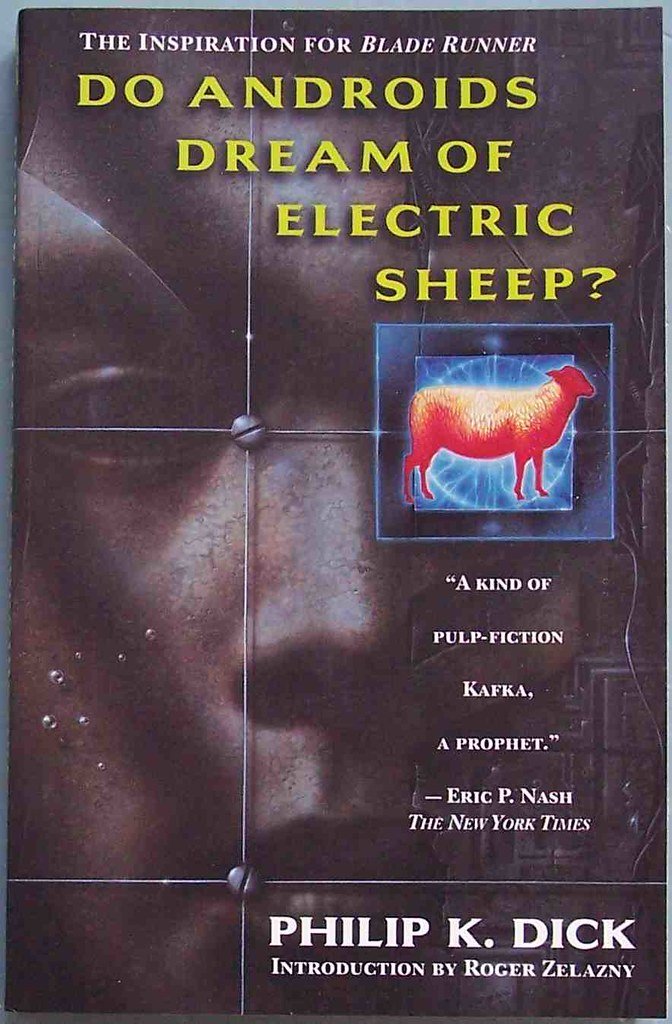
Philip K. Dick’s novel “Do Androids Dream of Electric Sheep?” inspired the iconic film “Blade Runner,” and his stories are full of robots, AI, and blurred lines between human and machine. Today, AI like ChatGPT writes poetry, answers questions, and even creates art. In 2024, Goldman Sachs estimated that AI could replace up to 300 million jobs globally. Dick’s questions about what makes us human are more relevant than ever as AI starts to mimic emotions and creativity. The growing presence of humanoid robots and deepfake technology echoes Dick’s eerie predictions from the 1960s and 1970s.
5. Arthur C. Clarke and Satellite Communication
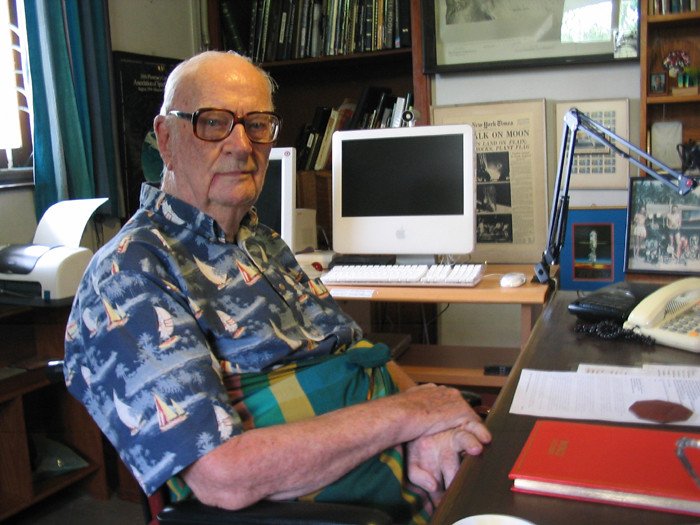
Arthur C. Clarke, in his 1945 essay, predicted the idea of communication satellites years before they existed. He described geostationary satellites that could beam signals across the globe, and today, there are more than 6,500 active satellites in orbit, according to the Union of Concerned Scientists. Clarke’s vision became reality by the 1960s, and today’s world relies on satellites for GPS, internet, and television. The Starlink project alone, as of 2025, has over 5,000 satellites providing high-speed internet to remote places. Clarke’s predictions didn’t just come true—they became an essential part of daily life.
6. Isaac Asimov and Robotics in Daily Life

Isaac Asimov’s famous “Three Laws of Robotics,” introduced in the 1940s, influenced not only science fiction but also real-world ethics discussions about AI and robotics. We now have robots in hospitals, warehouses, and homes: Amazon uses over half a million robots in its fulfillment centers as of 2024. The Roomba vacuum cleaner, robotic surgical arms, and even AI-powered customer service bots are everywhere. Asimov worried about robots gaining too much control, a concern echoed in modern debates about automation and job loss. His questions about the responsibilities and dangers of robots are being asked by tech leaders worldwide.
7. William Gibson and Cyberspace
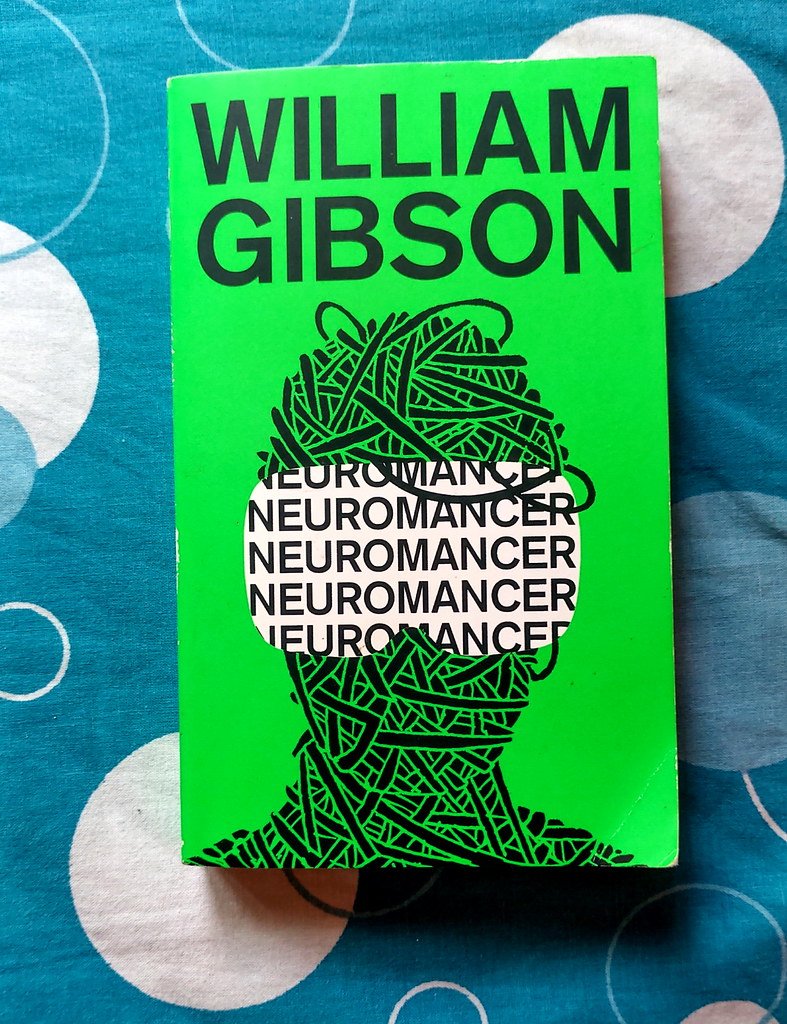
William Gibson coined the term “cyberspace” in his 1984 novel “Neuromancer,” predicting virtual reality, hacking, and the rise of digital identities. In 2025, billions of people spend hours online, living “virtual lives” through social media, gaming, and even work meetings in the metaverse. Cybersecurity is a $200 billion industry, with hackers and digital thieves causing billions in damages each year. Gibson’s vision of a world where people plug into alternate realities and digital underworlds is now something we see every day, from VR headsets to cryptocurrency heists.
8. Margaret Atwood and Environmental Catastrophe
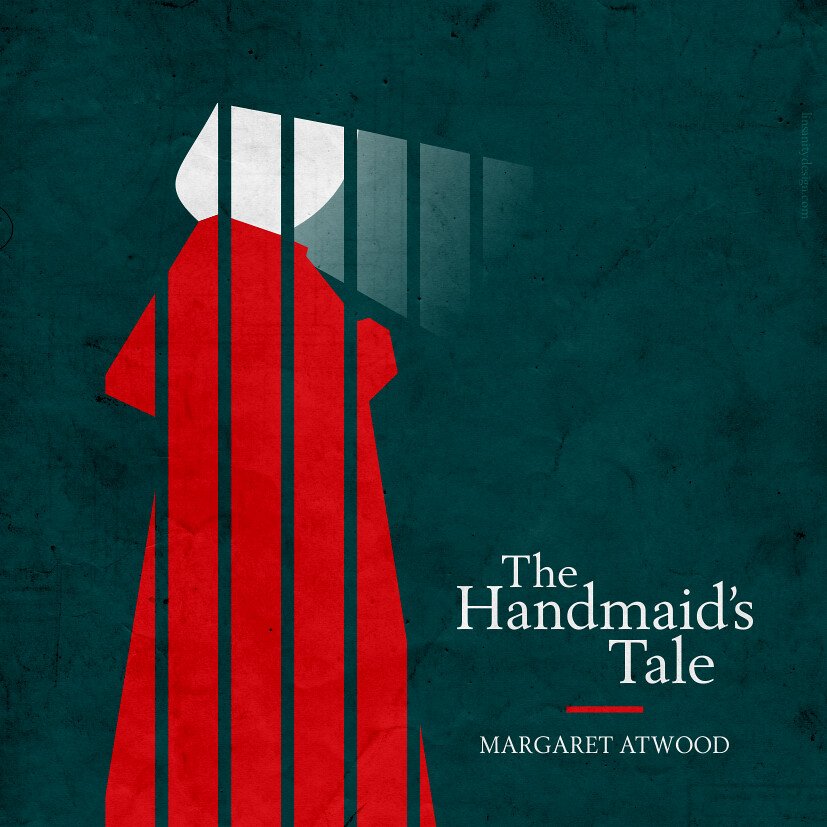
Margaret Atwood’s “The Handmaid’s Tale” (1985) and later novels like “Oryx and Crake” (2003) warned of environmental collapse, infertility, and bioengineering gone awry. Today, climate change is front-page news, with 2024 being one of the hottest years ever recorded. UN reports say over 40% of the world’s population faces water scarcity, and genetic engineering is advancing rapidly, with CRISPR technology making headlines. Atwood’s bleak outlook on how humanity treats the planet and tinkers with life itself feels hauntingly current, making her a prophet of the eco-crisis era.
9. Jules Verne and Underwater Exploration
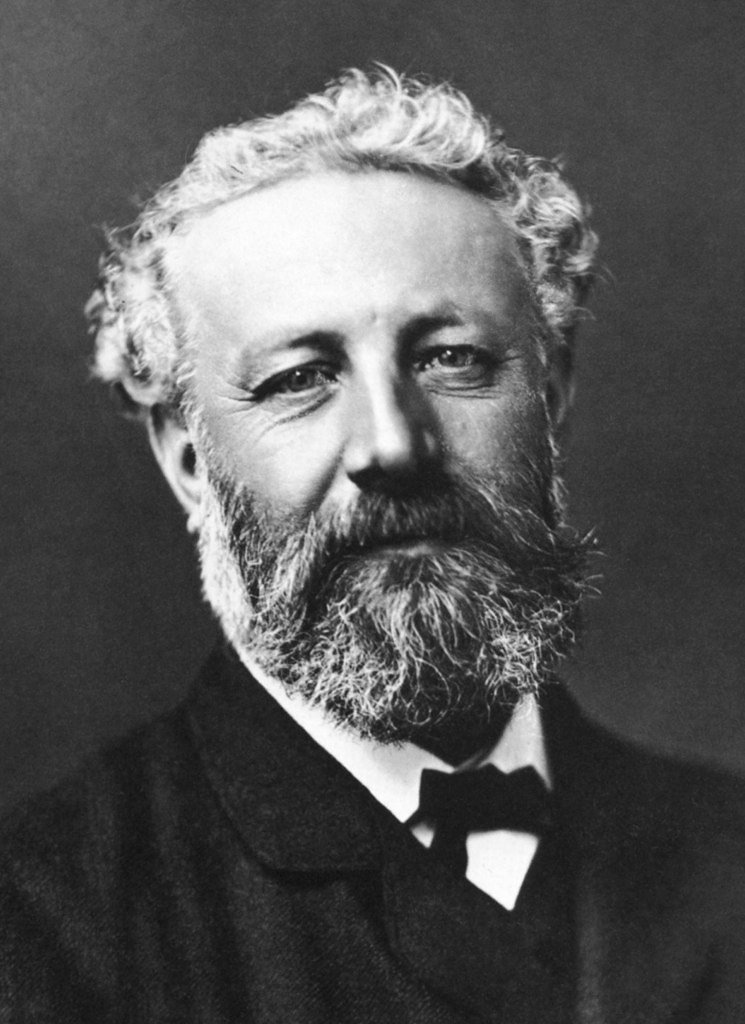
Back in 1870, Jules Verne’s “Twenty Thousand Leagues Under the Sea” described submarines and deep-sea adventures long before they were possible. Today, nuclear-powered submarines patrol the oceans, and deep-sea robots explore the Mariana Trench. In 2024, the Ocean Exploration Trust used remote vehicles to discover new marine species. Verne’s wild imagination inspired real-world inventions, proving that what was once science fiction can become everyday fact. His prediction of advanced underwater technology is now a foundation for marine biology and oceanography.
10. H.G. Wells and Genetic Engineering
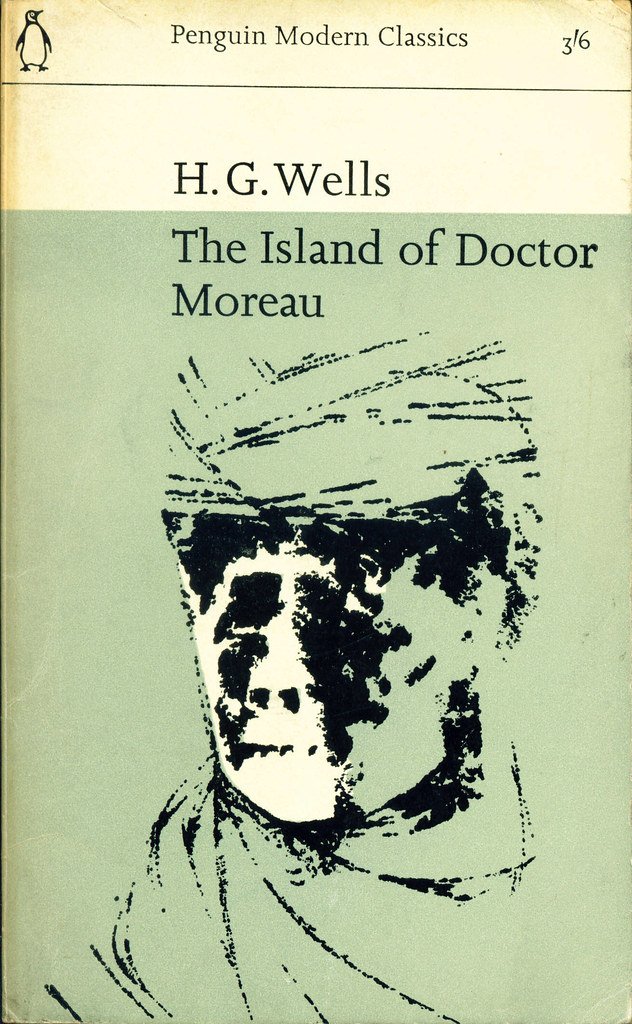
H.G. Wells wrote about genetic manipulation in “The Island of Doctor Moreau” (1896), long before DNA was discovered. Now, gene editing is a hot topic, with CRISPR used to treat diseases and modify plants. In 2023, the first CRISPR-based treatment for sickle cell disease was approved in the U.S., a milestone that would have seemed like fantasy in Wells’ time. The ethical debates about “designer babies” and genetic privacy echo Wells’ concerns about mankind playing God. His early fears about unchecked science are now the subject of global discussion.
11. John Brunner and Global Connectivity
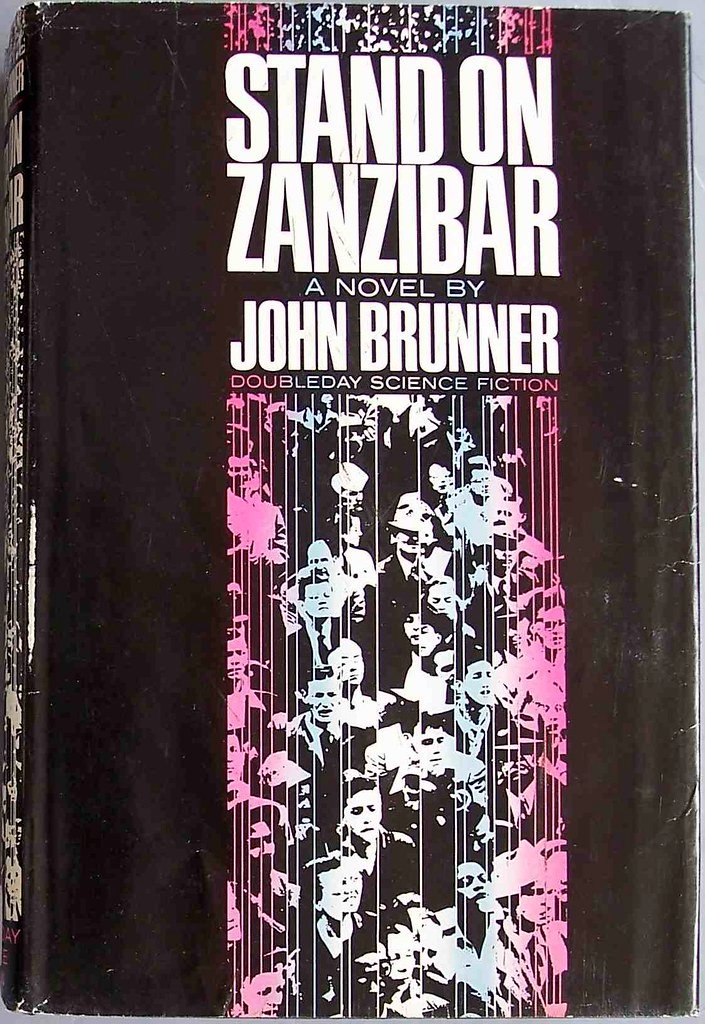
John Brunner’s 1968 novel “Stand on Zanzibar” imagined a hyper-connected world, overpopulated and overwhelmed by information. Today, more than 5.5 billion people use the internet, and the average adult spends nearly seven hours a day online. Brunner’s predictions about instant news, social media, and even mass shootings are unsettlingly accurate. In 2025, information overload is a real health concern, with “digital detox” becoming a buzzword. Brunner’s vision of a world drowning in data and grappling with global crises is now our daily reality.
12. Octavia E. Butler and Societal Upheaval
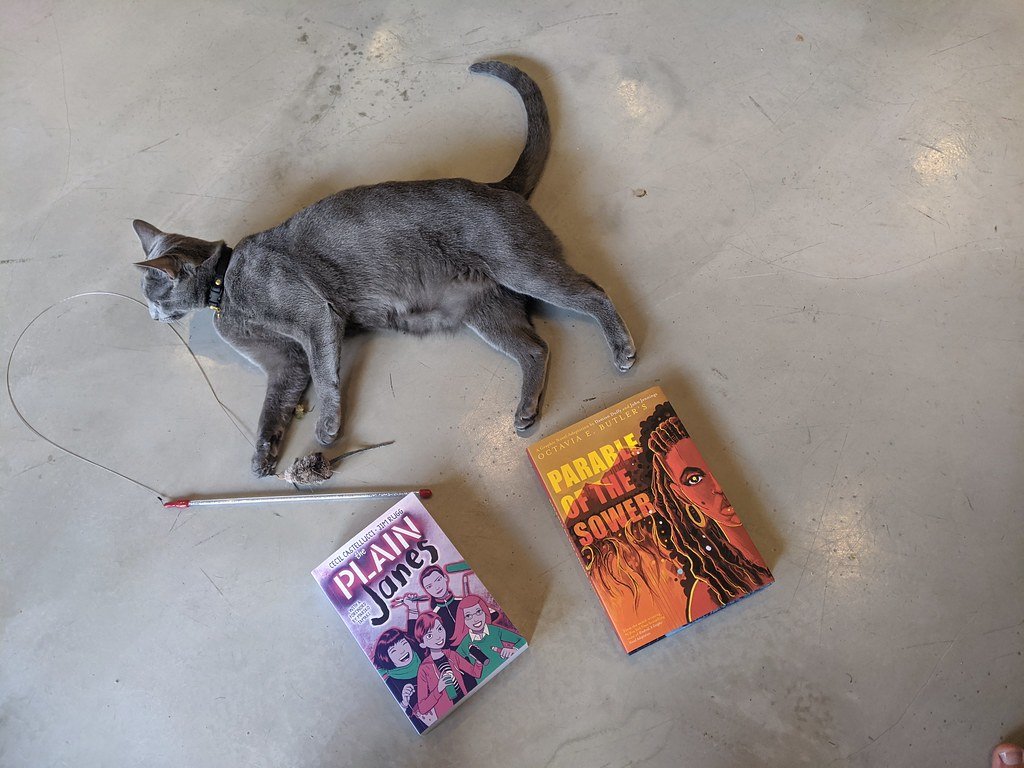
Octavia Butler’s “Parable of the Sower” (1993) foresaw a United States wracked by climate change, inequality, and social unrest. The past few years have seen record-breaking wildfires, protests for social justice, and rising economic gaps. The UN reported in 2024 that extreme weather displaced over 30 million people worldwide. Butler’s focus on resilience and community in the face of chaos feels more relevant than ever, resonating with those who see her work as a manual for surviving uncertain times.
13. Neal Stephenson and Cryptocurrencies
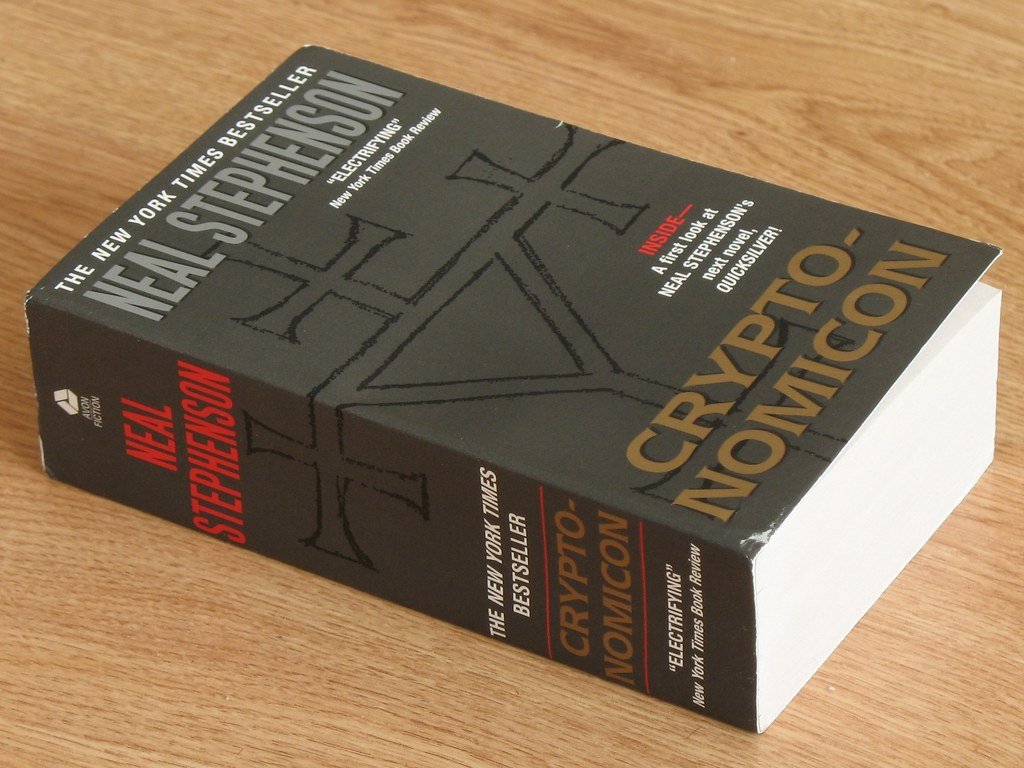
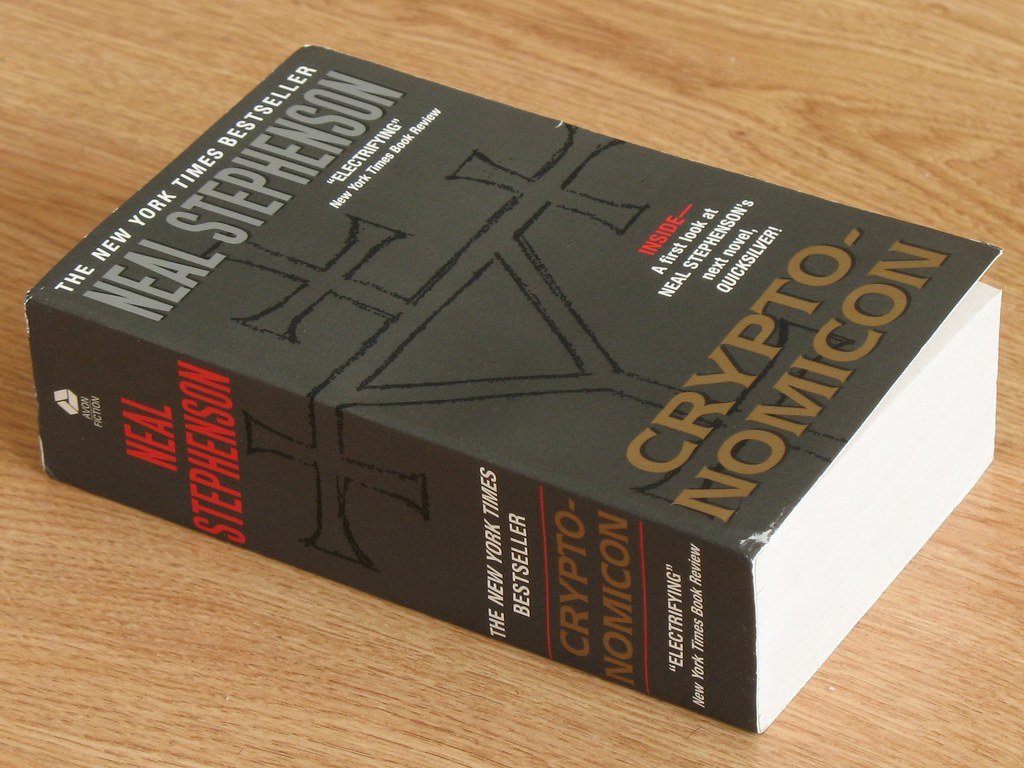
Neal Stephenson’s 1999 novel “Cryptonomicon” imagined digital currencies and encrypted online transactions. Bitcoin, the first real cryptocurrency, launched in 2009, but now there are thousands of cryptocurrencies worth trillions of dollars collectively. In 2024, over $3 trillion is traded monthly on crypto exchanges. Stephenson’s vision of anonymous, decentralized money has upended banking and finance, and his focus on encryption predicted today’s worries about privacy, hacking, and online fraud.
14. Frederik Pohl and Smart Advertising
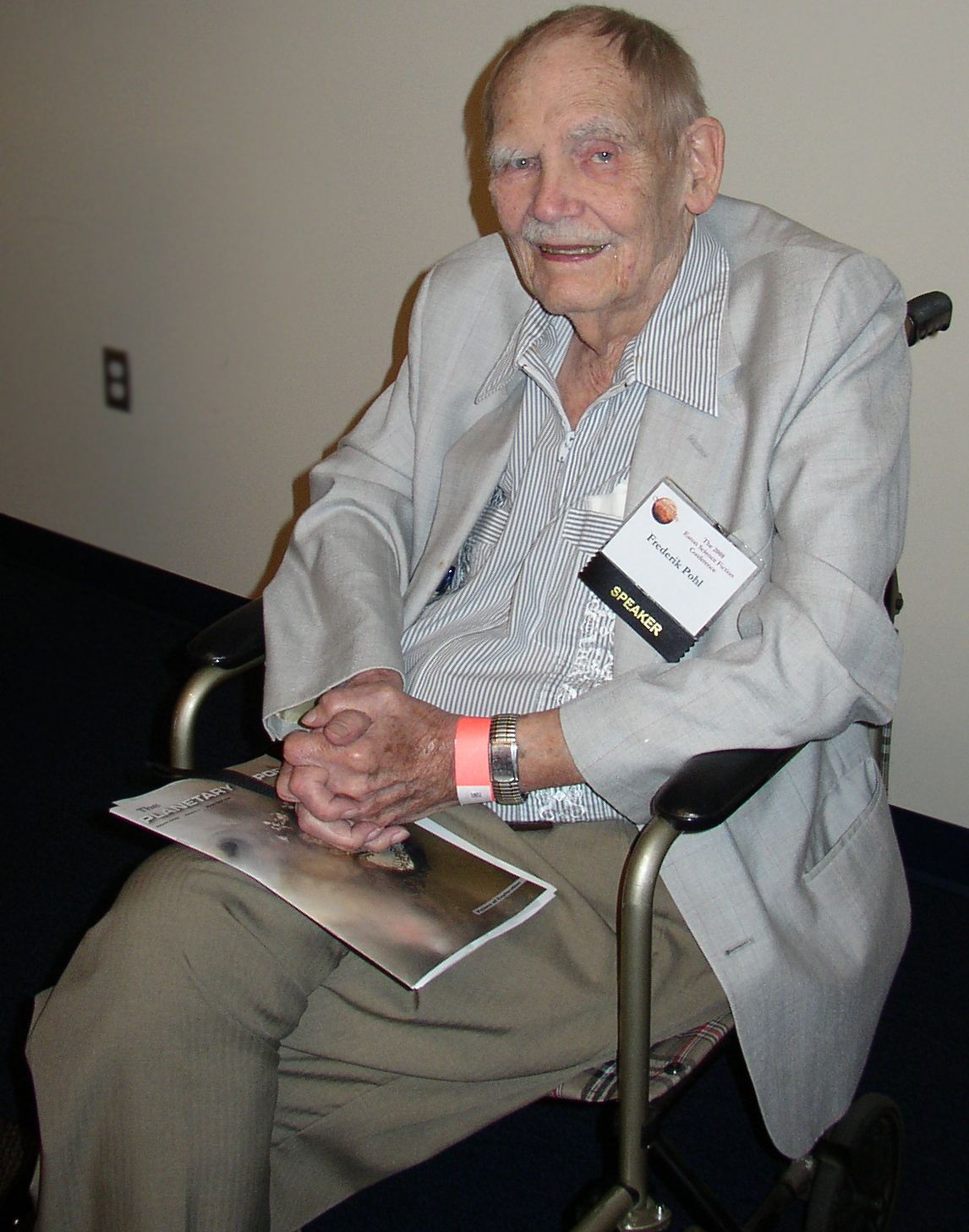
Frederik Pohl’s 1953 story “The Space Merchants” told of a world where advertising invades every moment of life. Today, personalized ads follow users across devices, and the global digital advertising market surpassed $700 billion in 2024. Algorithms analyze online behavior to predict what you’ll buy next, sometimes eerily well. Pohl’s satirical take on consumerism has turned into reality, as people routinely feel like their phones “listen in” or predict needs before they ask. The world he mocked is now the world we shop in.
15. E.M. Forster and the Internet of Things
E.M. Forster’s 1909 novella “The Machine Stops” described a world where humans lived in isolated pods, interacting through screens and relying on a vast, interconnected machine for all needs. In 2025, the Internet of Things (IoT) has placed over 15 billion smart devices—from thermostats to fridges—into people’s homes. Forster’s vision of life managed by technology, with isolation disguised as convenience, feels oddly close to the post-pandemic era, where virtual meetings and remote work are the norm.
16. Stanisław Lem and Virtual Reality
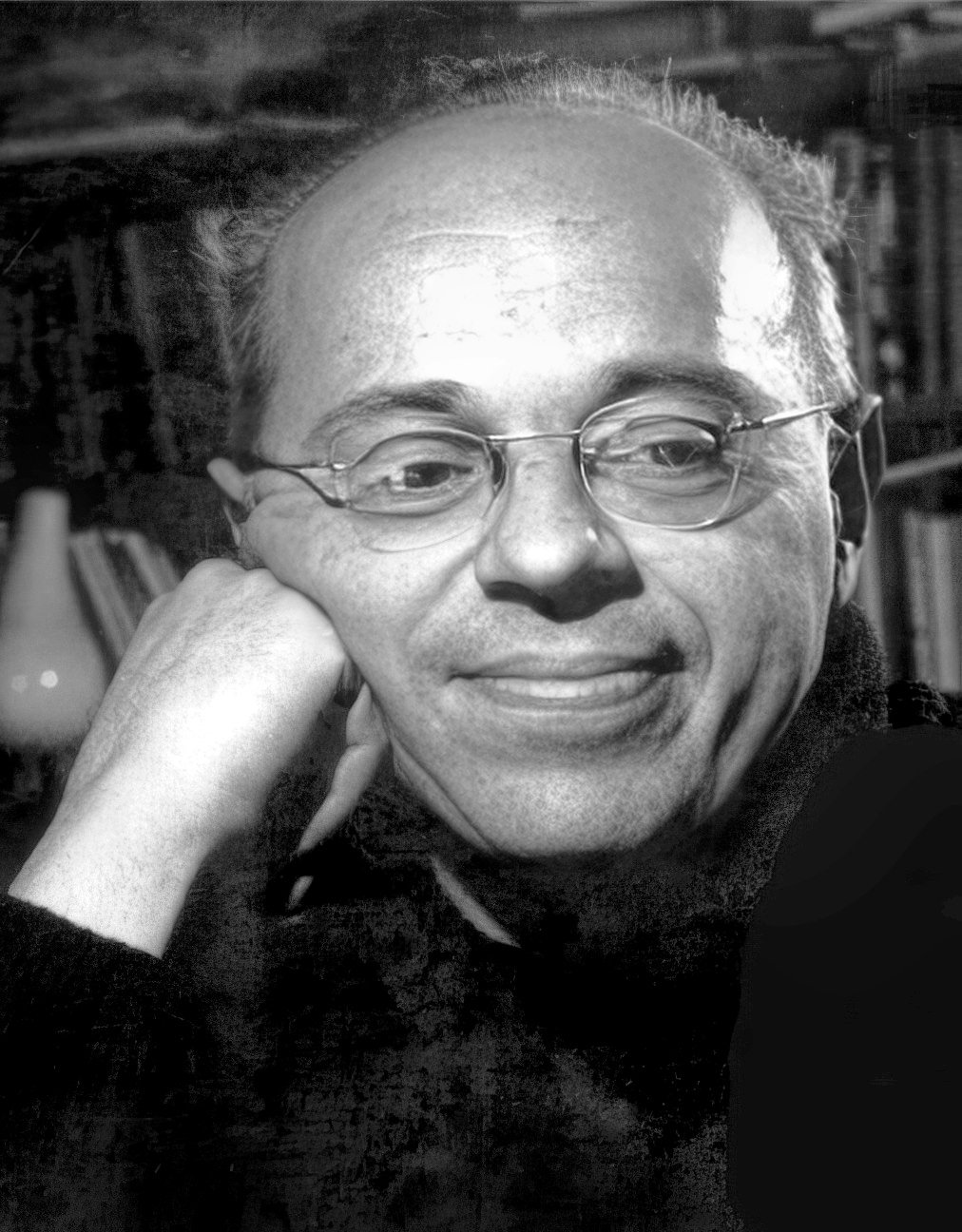
Stanisław Lem’s 1964 novel “Summa Technologiae” speculated about “phantomatics,” a technology much like modern virtual reality. Now, VR headsets like Meta Quest and Apple Vision Pro offer immersive experiences for gaming, education, and work. In 2024, over 30 million VR headsets were sold worldwide. Lem’s ideas about simulated worlds and altered perceptions are now part of mainstream entertainment and even therapy. The line between reality and simulation keeps getting fuzzier—just as Lem anticipated.
17. J.G. Ballard and Media Saturation
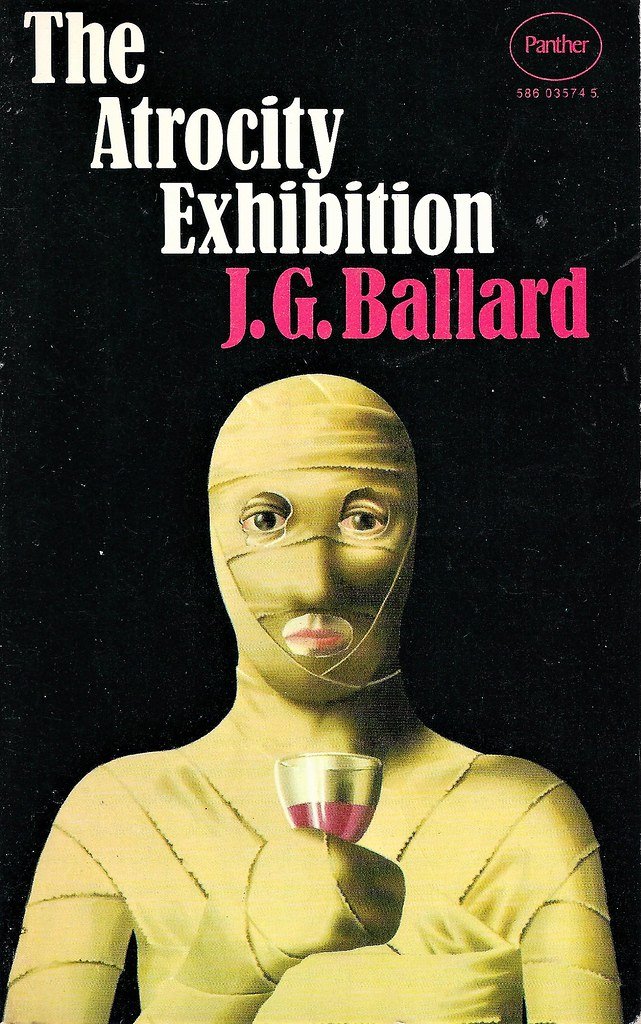
J.G. Ballard’s “The Atrocity Exhibition” (1970) and other works explored how television, advertising, and news blur the line between reality and spectacle. In 2025, “doomscrolling” is a common word, and people are bombarded with news, memes, and viral content every waking moment. According to a 2023 Nielsen report, the average American adult now spends more than 11 hours per day consuming media. Ballard’s concern about media overwhelming the senses has become a daily struggle for millions.
18. Ursula K. Le Guin and Gender Fluidity
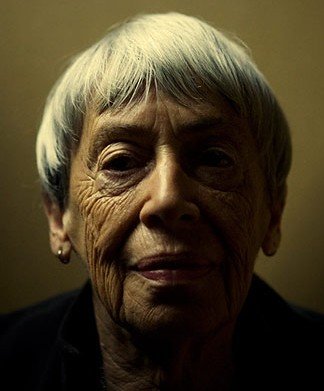
In “The Left Hand of Darkness” (1969), Ursula K. Le Guin imagined a society without fixed genders. Today, there’s growing recognition and acceptance of non-binary and gender-fluid identities. A 2024 Gallup poll showed that 7% of U.S. adults identify as LGBTQ+, with younger generations much more likely to embrace diverse gender identities. Le Guin’s vision opened up new conversations about what it means to be male or female—or neither. Her forward-thinking ideas now shape real-world debates about gender rights and inclusivity.
19. Samuel R. Delany and Urban Transformation
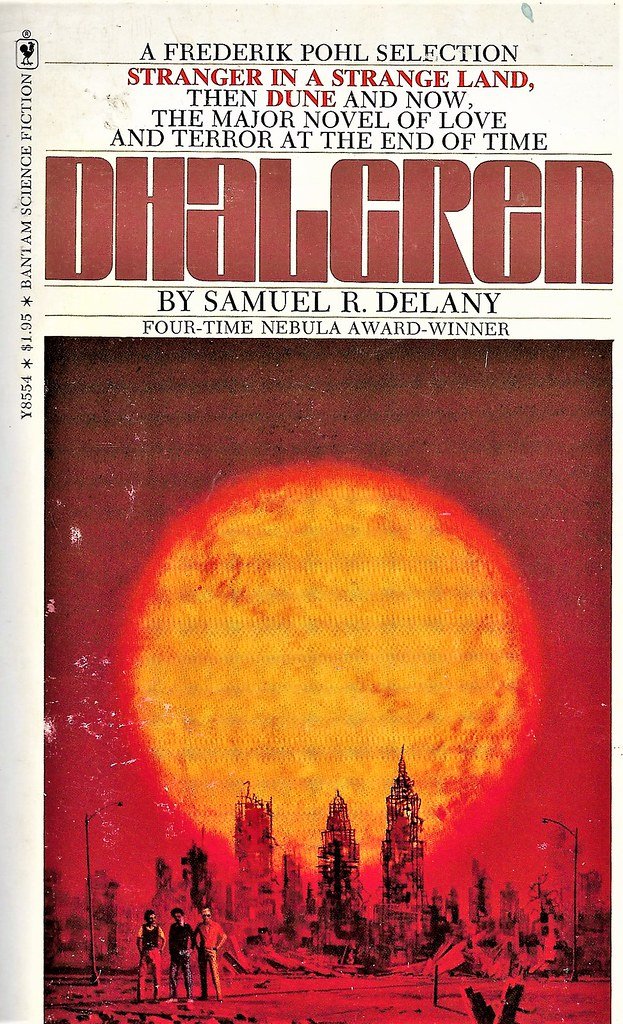
Samuel R. Delany’s “Dhalgren” (1975) depicted a sprawling, chaotic city constantly reshaped by its inhabitants. In 2025, rapid urbanization and smart city technology are transforming city life everywhere. The UN reports that over 56% of the world’s population now lives in urban areas, and cities like Singapore and Dubai lead the way in smart infrastructure. Delany’s chaotic, ever-changing cityscapes mirror today’s urban challenges—gentrification, migration, and the struggle to make cities both livable and innovative.
20. Mary Shelley and Genetic Science
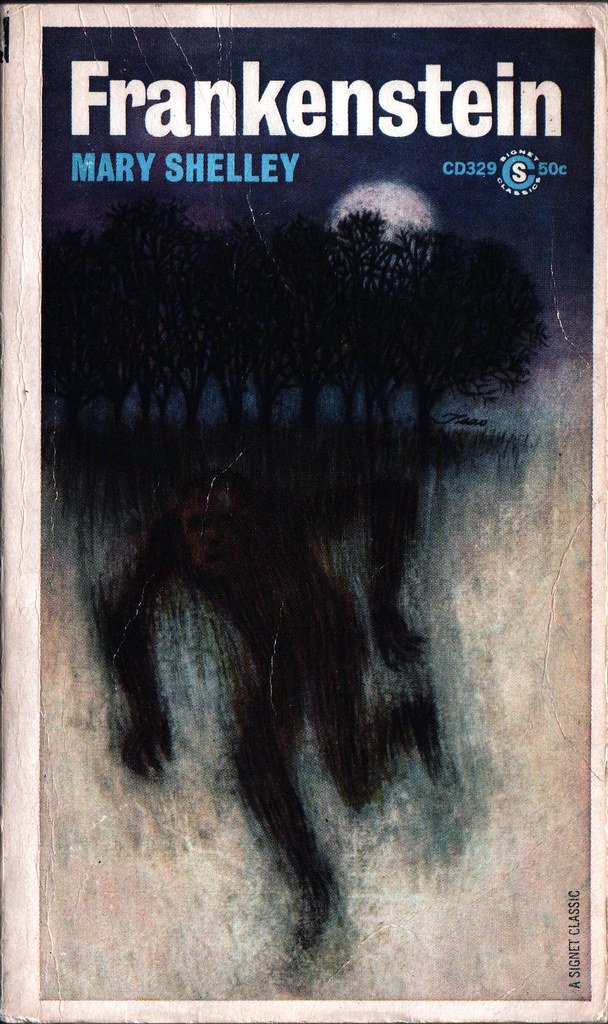
Mary Shelley’s “Frankenstein,” written in 1818, is often seen as the first sci-fi book about creating life in a lab. Today, scientists are growing organs in labs, editing genes, and even cloning animals—a concept that was pure fantasy in Shelley’s day. In 2024, researchers reported progress in creating synthetic embryos without sperm or eggs. Shelley’s questions about the ethics of creation and the responsibilities of science are debated in bioethics panels around the world, proving her story resonates even two centuries later.

Besides founding Festivaltopia, Luca is the co founder of trib, an art and fashion collectiv you find on several regional events and online. Also he is part of the management board at HORiZONTE, a group travel provider in Germany.
