

- Classic Novels Hold Profound Insights That Remain Relevant for Today’s World - August 16, 2026
- The Golden Age of Festivals Was a Crucible of Unforgettable Artistic Expression. - August 16, 2026
- 10 Architects Whose Visionary Designs Redefined Modern Cityscapes - August 16, 2026
The Surveillance State of 1984
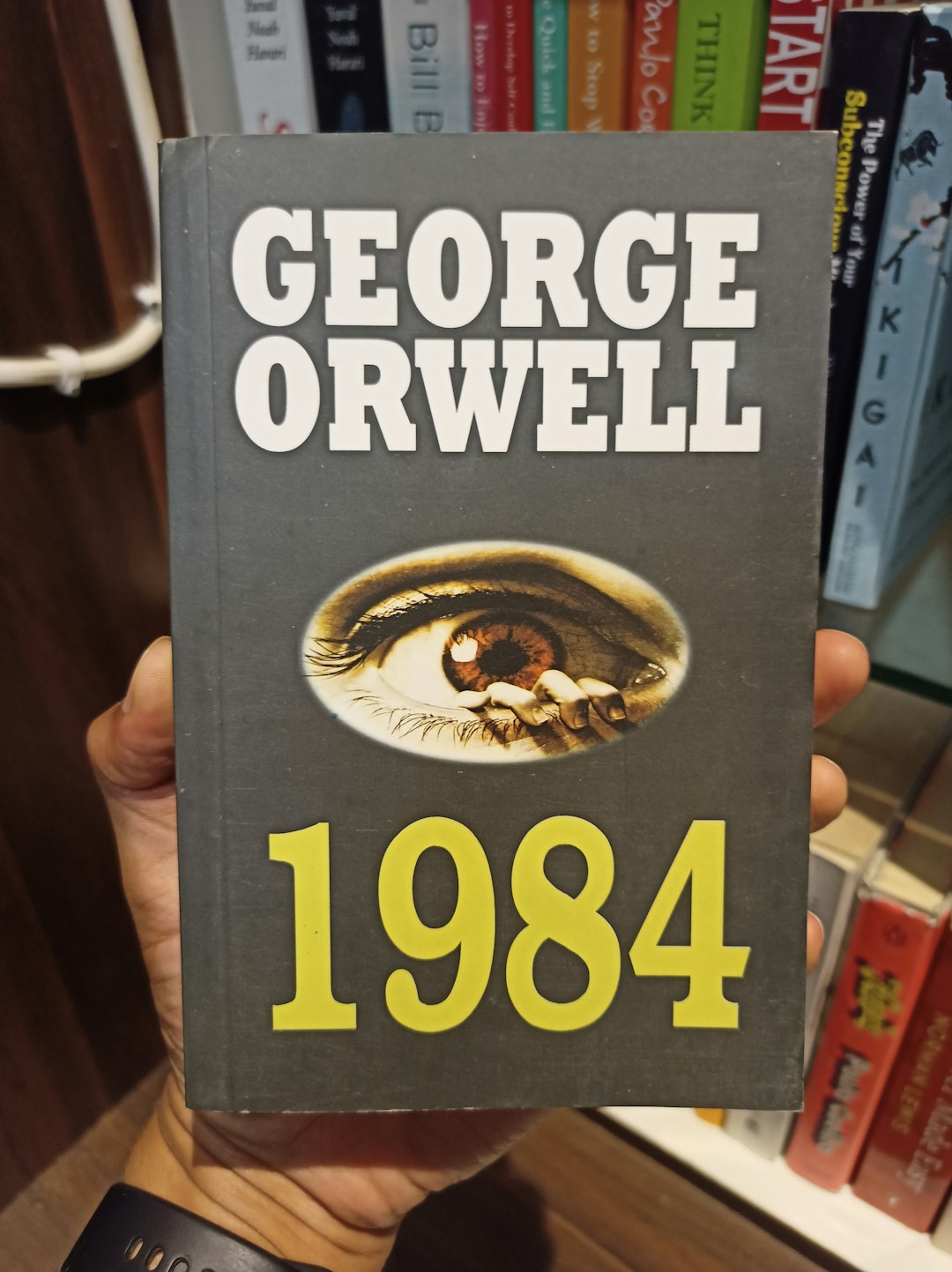
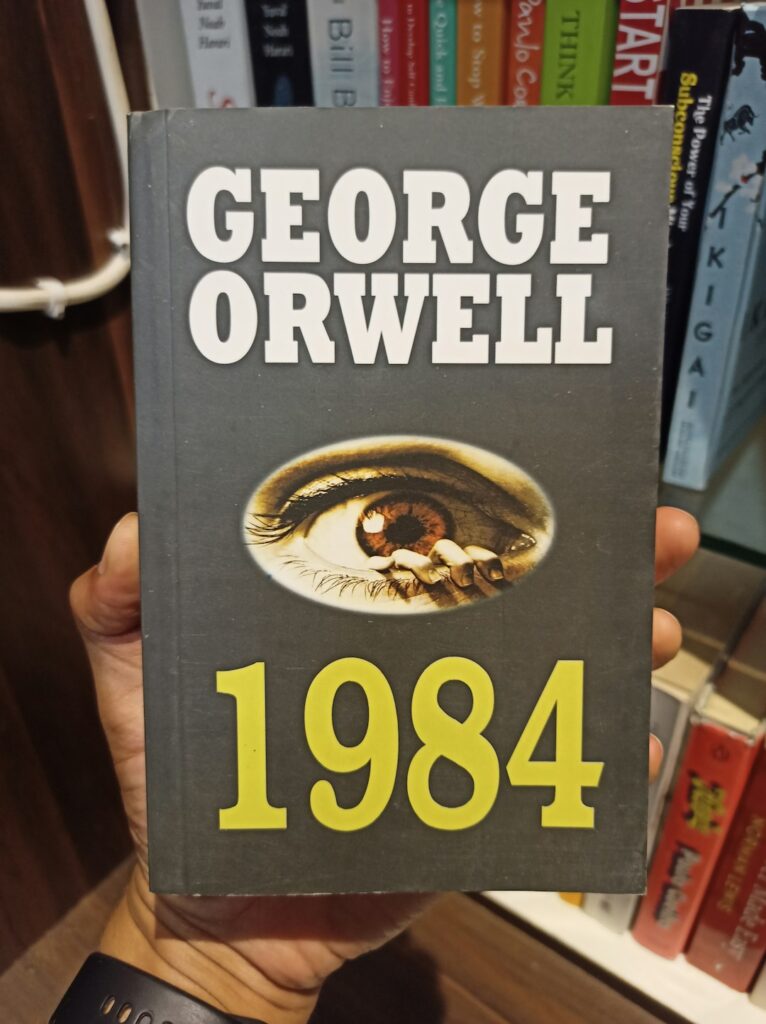
George Orwell’s 1984 wasn’t just a dystopian nightmare – it was a crystal ball. When Orwell wrote about telescreens monitoring citizens and Big Brother watching everything, most readers thought it was pure fiction. But here we are in 2025, carrying devices that track our every move, while the NSA maintains databases and engages in data-mining without fear. Surveillance camera sales went up by 17.2% in 2020 alone, and facial recognition technology has become as common as coffee shops. The scary part? We actually pay for these “telescreens” ourselves and never turn them off. Edward Snowden himself noted how the NSA specifically targets the communications of everyone and ingests them by default. Orwell’s predictions were frighteningly accurate, with the key difference being that in our world, it’s not just the government but also private companies wielding this power.
Fahrenheit 451’s Digital Distraction
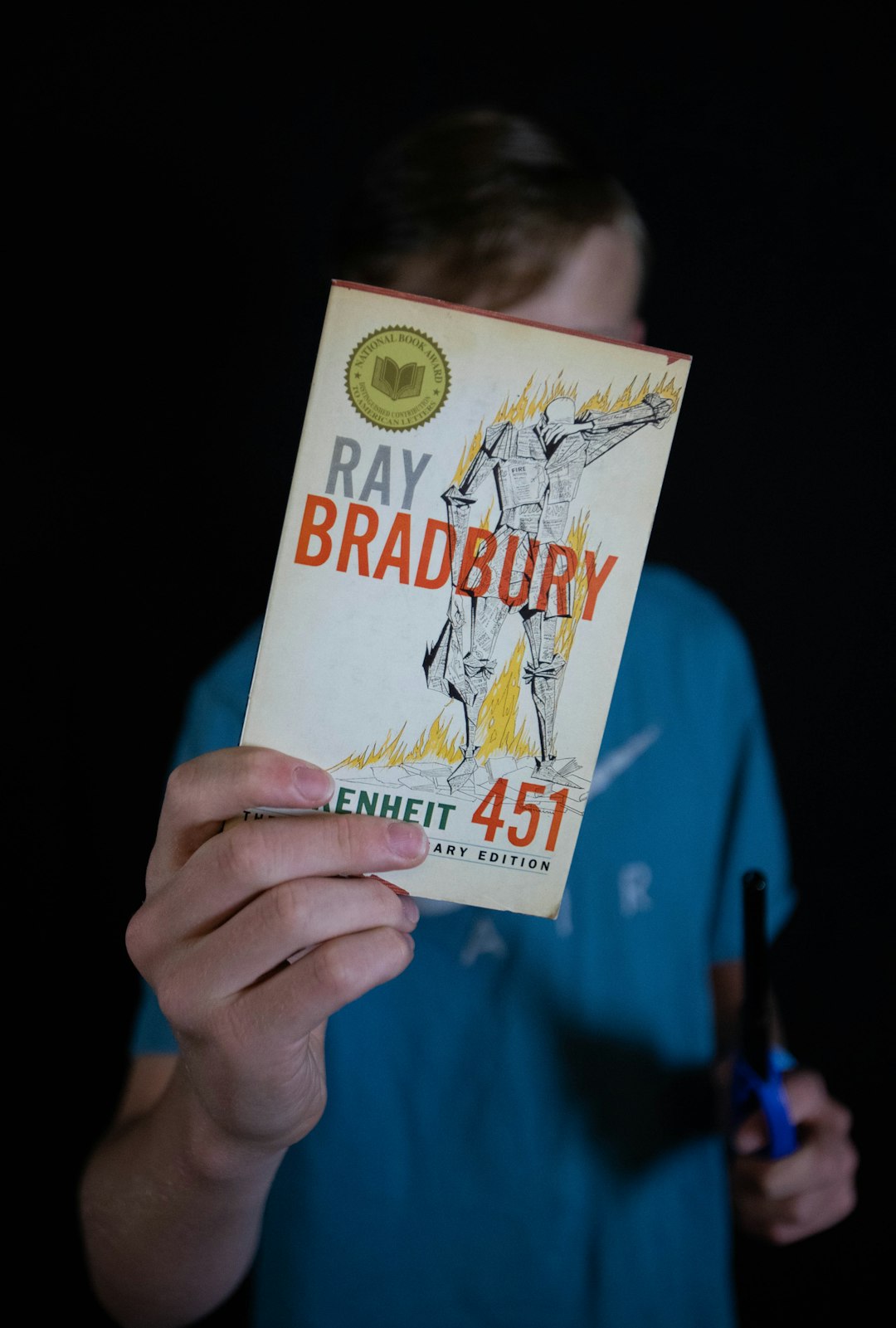
Ray Bradbury’s Fahrenheit 451 predicted something even more chilling than book burning – a society that willingly abandons reading for endless entertainment. Sound familiar? Bradbury described continuously streamed interactive entertainment as the new opiate of the masses, and Fahrenheit 451’s 1950s science fiction is 2018’s reality. We’ve got wall-sized screens in our homes, earbuds constantly feeding us content, and the decline in traditional reading habits and the rise of instantaneous information through digital media mirrors exactly what Bradbury warned about. The genuinely sinister tech is the pervasive AI and algorithms directing the feeds which provide society’s happiness, ultimately driving what is societally acceptable. Think about your last Netflix binge or TikTok scroll – Bradbury saw it coming decades ago. The most unsettling part is how the suppression of ideas through digital censorship, misinformation, and algorithmic control happens so subtly that we barely notice.
Brave New World’s Pharmaceutical Society

Aldous Huxley’s Brave New World painted a picture of a society controlled by pleasure drugs and instant gratification. Huxley’s “Soma” – the feel-good drug that keeps everyone compliant – feels uncomfortably close to our relationship with antidepressants, social media dopamine hits, and the endless pursuit of comfort. The book predicted a world where people would be distracted by entertainment and medicated into submission rather than controlled by force. We’ve essentially created Huxley’s pleasure-seeking, instant-gratification society, where difficult thoughts are medicated away and complex problems are ignored in favor of quick fixes. The pharmaceutical industry’s growth and our collective addiction to screens and social validation show just how accurately Huxley predicted human nature. His vision of a society that chooses slavery through pleasure over freedom through struggle seems to be playing out in real time.
Neuromancer’s Cyberspace Revolution
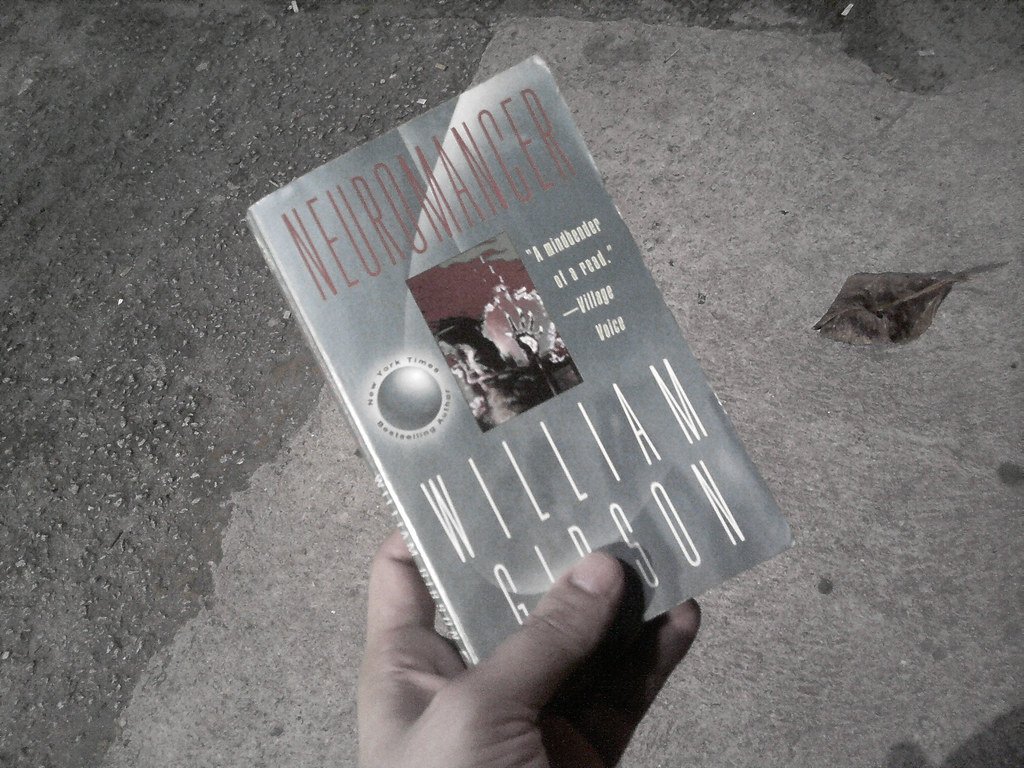
William Gibson didn’t just write about the future of technology – he invented the words we use to describe it. In 1984, five years before Tim Berners-Lee introduced the Internet to the world, Gibson coined the term “cyberspace”. His description of hackers, virtual reality, and corporate-controlled digital realms in Neuromancer reads like a prophecy of today’s internet landscape. The novel predicted the World Wide Web and cyberspace and is widely credited with popularizing the term “Cyberspace”. Gibson envisioned a world where people would jack into virtual reality systems, where corporations would dominate cyberspace, and where hackers would become the new outlaws. It predicted the rise of the internet, artificial intelligence, and the blurring of lines between the physical and digital worlds with a chilling accuracy that still blows minds. Today’s VR headsets, the dark web, and cybercrime syndicates all echo Gibson’s vision, making Neuromancer less science fiction and more like a user manual for the digital age.
Stand on Zanzibar’s Dystopian Present
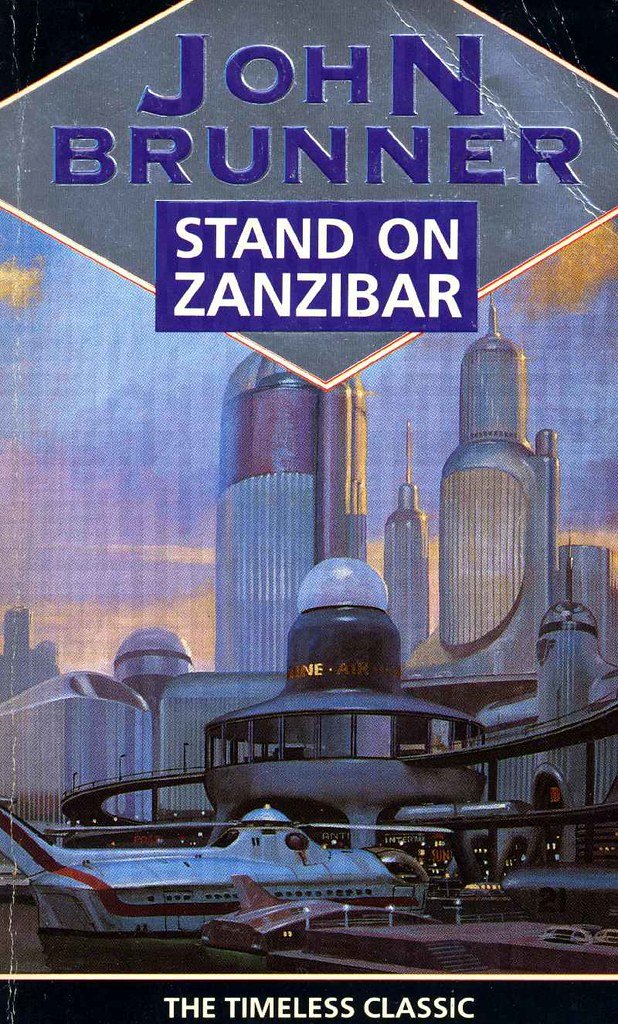
John Brunner’s Stand on Zanzibar might be the most eerily accurate prediction of modern life ever written. The book is set in 2010, featuring population pressure leading to social divisions, terrorism threats, and predicting affirmative action, genetic engineering, Detroit’s collapse, satellite TV, and laser printing. But the really shocking prediction? There’s even a progressive president named “Obomi” – yeah, that’s right, Brunner basically predicted Obama’s presidency in 1968. The book predicted the Euro, electronic music, global news channels, video phone calls, Viagra, laser printers, and people going on mad shooting sprees in American high schools. Stand on Zanzibar is that rarity among science fiction novels – it really made accurate predictions about the future, allowing us to make a point-by-point comparison and marvel at Brunner’s uncanny ability. The “muckers” in Brunner’s book – people who go on violent rampages due to social pressure – sound disturbingly like today’s mass shootings and domestic terrorism.
Snow Crash’s Metaverse Blueprint
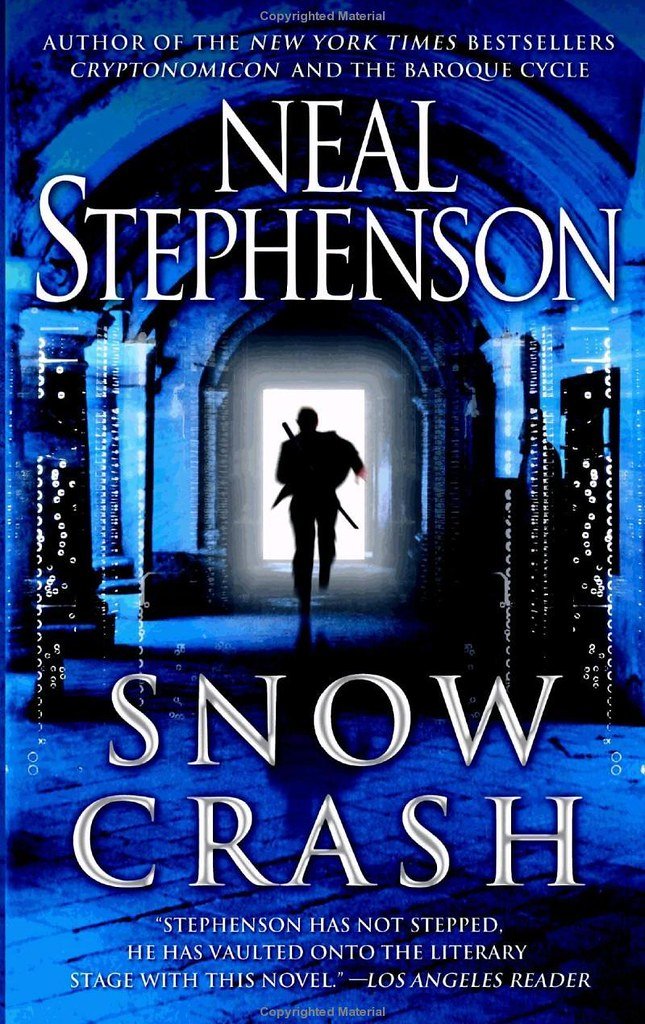
In 1992, Neal Stephenson wrote Snow Crash, and coined the term metaverse to describe what would eventually become Facebook’s billion-dollar obsession. Stephenson described Hiro in a computer-generated universe that his computer is drawing onto his goggles and pumping into his earphones – in the lingo, this imaginary place is known as the Metaverse. Fast forward to 2024, and we have Meta’s Quest headsets, virtual reality social platforms, and Silicon Valley behemoths working hard at designing it, with techies confidently predicting the metaverse will supplant the internet. Snow Crash’s description of avatars still applies to metaverses like VRChat today, and Michael Abrash, Chief Scientist at Facebook Reality Labs, has on many occasions explained how without this book, he likely wouldn’t be working in VR. The book even predicted the addictive nature of virtual worlds, where some characters develop unhealthy addictions to the virtual world, never disconnecting and avoiding reality at all costs. Stephenson essentially wrote the business plan for today’s metaverse companies three decades early.
The World Set Free’s Nuclear Prophecy
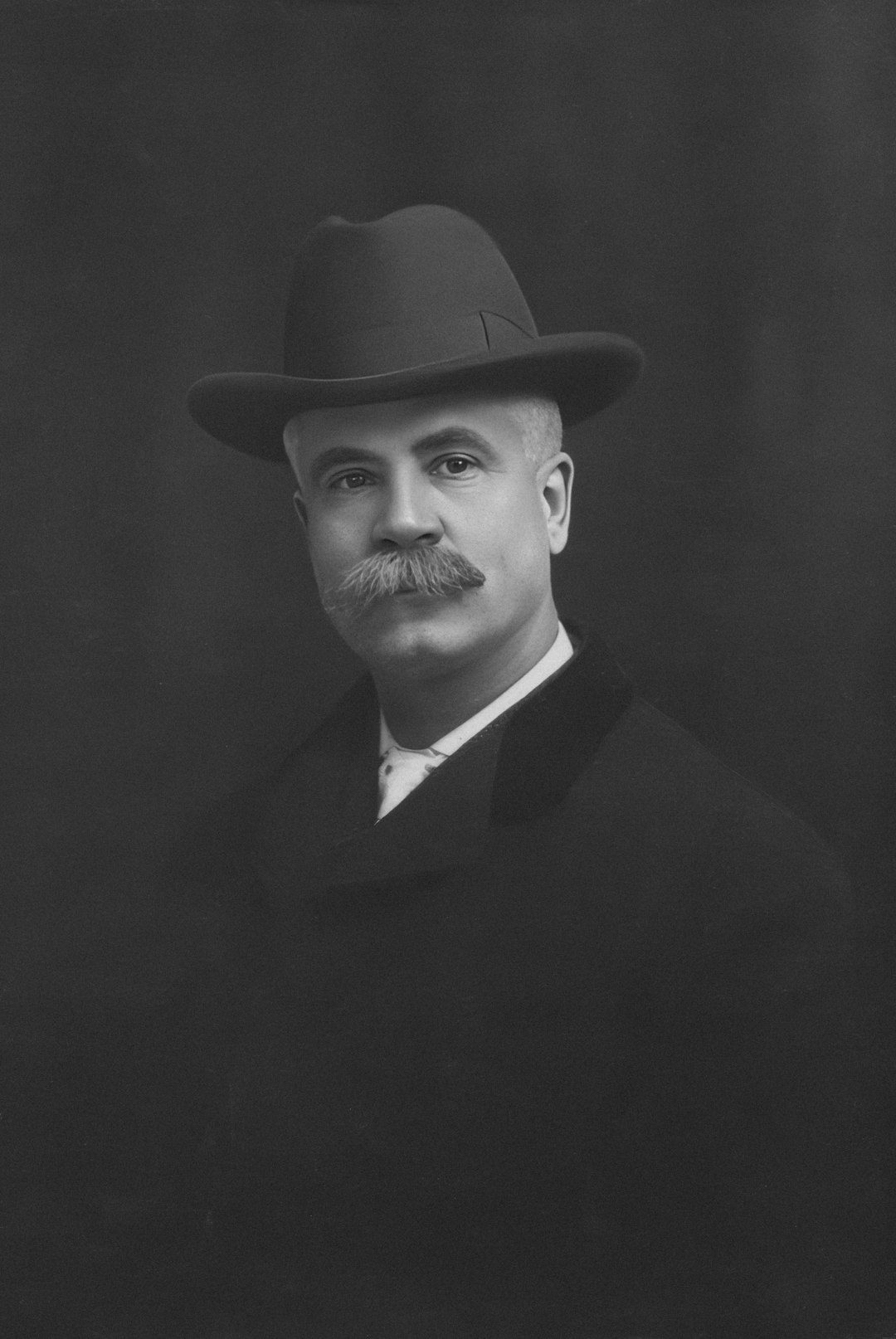
H.G. Wells wrote The World Set Free in 1914, predicting atomic bombs thirty years before they became a horrifying reality. Wells described weapons that could devastate entire cities using the power locked within atoms – this at a time when most people barely understood electricity. His fictional atomic bombs matched the real ones with startling accuracy: massive destruction, lingering radioactive effects, and the potential to end civilization itself. The book even predicted that these weapons would be developed during a major world war and would fundamentally change international relations forever. Wells understood that once humanity unlocked atomic power, everything would change – the balance of power, the nature of warfare, and humanity’s relationship with its own mortality. The Manhattan Project scientists reportedly found Wells’ descriptions so accurate that some wondered if he had access to classified research. His vision of atomic warfare reshaping the world proved devastatingly correct when Hiroshima and Nagasaki were destroyed exactly as he had imagined.
The Machine Stops’ Remote Work Revolution
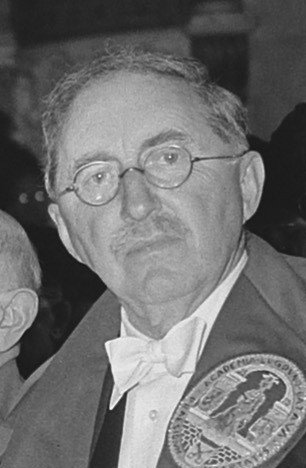
E.M. Forster’s 1909 short story The Machine Stops reads like a description of 2020’s pandemic lockdowns. Forster envisioned people living in isolated pods, communicating entirely through screens, and depending on a global machine for everything. Sound like working from home during COVID? His story predicted video conferencing, remote work, online education, and our complete dependence on technology for social interaction. The characters in Forster’s world rarely leave their rooms, conducting all their relationships through electronic devices, getting their entertainment and education through screens, and having everything delivered to them. He even predicted the anxiety people would feel when the technology failed or when they were forced to interact face-to-face. The story’s warning about losing human connection in favor of technological convenience feels incredibly relevant today. Forster saw how technology could isolate us even as it promised to connect us, and his vision of machine-dependent humanity living in isolation came true with startling accuracy during the global pandemic.
The Wreck of the Titan’s Titanic Prophecy
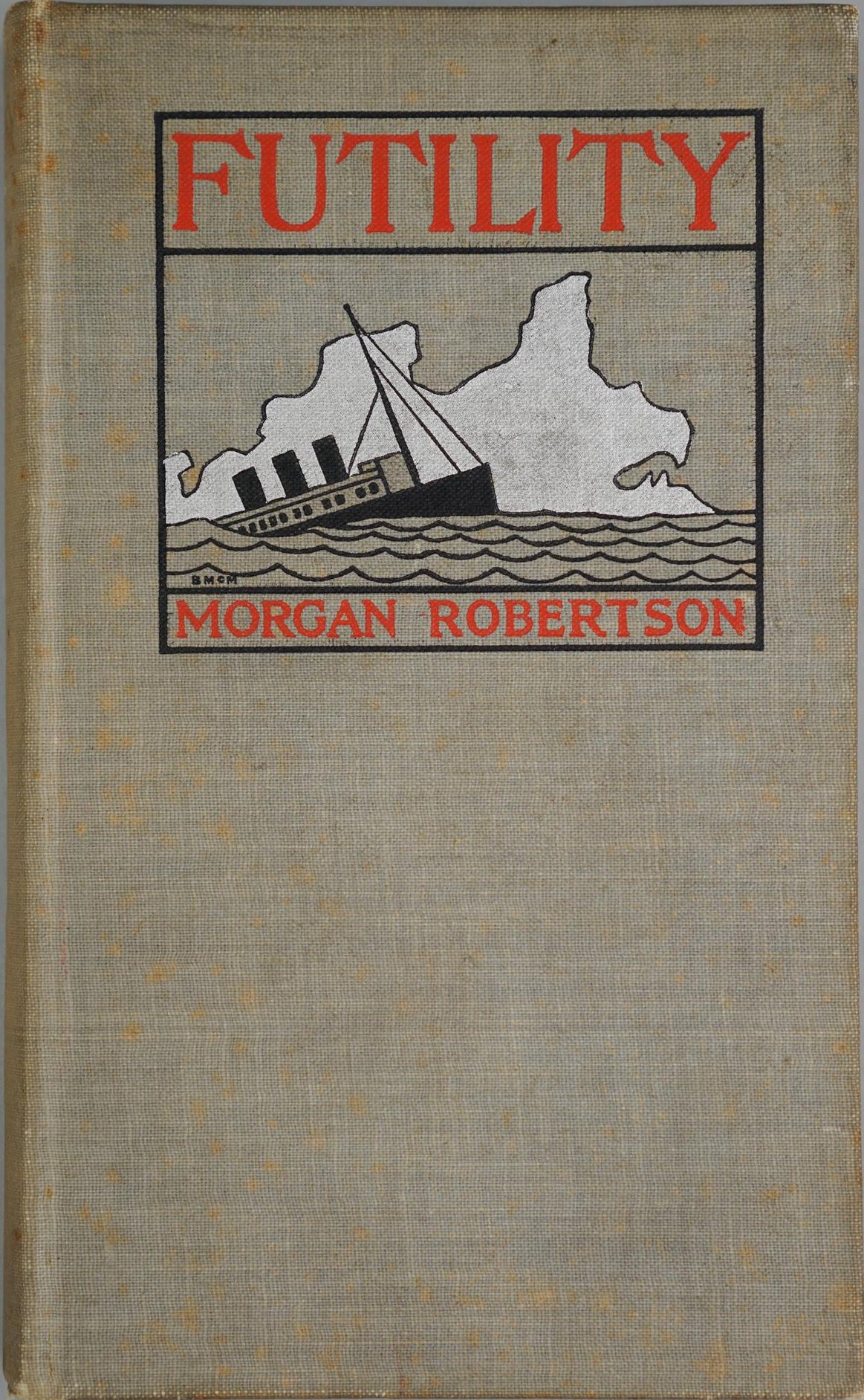
Morgan Robertson’s 1898 novella The Wreck of the Titan is perhaps the most spine-chilling prediction in literary history. Robertson wrote about a massive “unsinkable” ship named Titan that hits an iceberg in the North Atlantic and sinks with massive loss of life. Fourteen years later, the Titanic disaster played out almost exactly as Robertson had written it. Both ships were described as the largest and most luxurious of their time, both were considered unsinkable, both hit icebergs on their maiden voyages, and both sank with horrific loss of life due to insufficient lifeboats. The similarities are so precise that some have wondered if Robertson had inside knowledge of ship design flaws or maritime hazards. Even the names are nearly identical – Titan and Titanic. Robertson’s fictional disaster included details about the time of year, the location in the North Atlantic, and even the social class divisions among the passengers that perfectly matched the real tragedy. The book serves as a haunting reminder that sometimes fiction can be more prophetic than anyone could imagine.
We’s Social Credit System

Yevgeny Zamyatin’s 1924 novel We predicted a totalitarian state where citizens are monitored constantly and reduced to numbers rather than names. The protagonist lives in a glass society where privacy doesn’t exist, where the government tracks every movement and thought, and where conformity is enforced through technology and social pressure. This sounds remarkably like China’s Social Credit System, which monitors citizens’ behavior, assigns them scores, and restricts their freedoms based on their compliance with government expectations. Zamyatin’s vision of numbered citizens being watched through transparent walls mirrors our world of digital surveillance, where every online action is tracked, recorded, and analyzed. The book predicted how governments would use technology not just to watch people, but to control their behavior through rewards and punishments. Zamyatin understood that the most effective totalitarian control wouldn’t come through violence but through making surveillance so complete and normalized that people would police themselves. His glass society of numbered citizens feels frighteningly familiar in our age of smartphone tracking, facial recognition, and algorithmic social control.
Looking Backward’s Digital Commerce
Edward Bellamy’s 1888 novel Looking Backward predicted credit cards, online shopping, and digital entertainment with remarkable accuracy. Bellamy envisioned a society where people would use cards to make purchases, where goods would be ordered remotely and delivered to homes, and where entertainment would be broadcast into people’s living rooms. He described a world where work would be more automated, where people would have more leisure time, and where technology would handle many of the mundane tasks of daily life. His fictional credit system sounds exactly like modern electronic banking, his delivery services mirror Amazon Prime, and his broadcast entertainment resembles streaming services. Bellamy even predicted that this technological convenience would fundamentally change social relationships and work patterns. He saw how technology would eliminate many traditional jobs while creating new forms of economic organization. The book’s vision of a technologically advanced society with universal access to goods and services through electronic systems reads like a description of our digital economy. Bellamy understood that technology would reshape not just how we buy things, but how we live and work.
The Shockwave Rider’s Computer Virus Chaos
John Brunner strikes again with The Shockwave Rider, which predicted computer viruses, hacking, and our high-speed digital world in 1975. Brunner described self-replicating programs that could spread through computer networks and cause massive disruption – he even coined the term “worm” for these programs. This was written when most computers were room-sized machines, yet Brunner envisioned a world of interconnected personal computers vulnerable to digital attacks. His book predicted how hackers would become a new kind of criminal, how computer viruses would be used as weapons, and how our increasing dependence on digital systems would make us vulnerable to cyber attacks. The novel’s protagonist is essentially a cyber-terrorist who uses his programming skills to fight an oppressive system – a character type that wouldn’t be out of place in today’s headlines. Brunner understood that as society became more computerized, it would also become more fragile, with single points of failure that could bring down entire systems. His vision of information warfare, digital identity theft, and system-wide cyber attacks perfectly predicted the ransomware attacks, data breaches, and hacking incidents that plague our connected world today.
The Space Merchants’ Corporate Dystopia
Frederik Pohl and C.M. Kornbluth’s 1952 novel The Space Merchants predicted a world dominated by advertising agencies and corporations with more power than governments. The book envisioned a future where marketing psychology would be used to manipulate every aspect of human behavior, where environmental destruction would be ignored for profit, and where corporate interests would override democratic governance. This sounds remarkably like our current world of targeted advertising, lobbying influence, and climate change denial funded by corporate interests. The authors predicted how advertising would become more sophisticated and invasive, using psychological manipulation to create artificial needs and desires. They saw how corporations would use their economic power to capture regulatory agencies and political processes. The book’s vision of environmental collapse caused by unchecked corporate growth mirrors today’s climate crisis. Pohl and Kornbluth understood that in a capitalist system, the drive for profit would eventually override all other considerations, including human survival. Their satirical take on advertising culture and corporate power feels like a documentary about our current political and economic system, where corporate PR campaigns shape public opinion and policy decisions.
Erewhon’s Artificial Intelligence Warning
Samuel Butler’s 1872 novel Erewhon contained one of the earliest and most prescient warnings about artificial intelligence. Butler predicted that machines would eventually evolve to surpass human intelligence and potentially replace humans entirely. In his fictional society, machines had been banned because people recognized they were becoming too powerful and autonomous. Butler understood that mechanical evolution could happen much faster than biological evolution, and that machines might develop their own goals and purposes that conflict with human interests. This was written during the early Industrial Revolution, when most machines were simple mechanical devices, yet Butler saw the potential for machines to become truly intelligent and independent. His warning about machine consciousness and the possibility of AI systems developing beyond human control reads like a modern discussion about ChatGPT, autonomous weapons, and the alignment problem in artificial intelligence. Butler recognized that intelligence wasn’t uniquely biological and that artificial minds might have different values and priorities than human minds. His vision of machines as potentially dominant species competing with humans for resources feels remarkably contemporary in our age of advanced AI systems and automation.
The Handmaid’s Tale’s Authoritarian Reality
Margaret Atwood’s The Handmaid’s Tale predicted a theocratic regime that controls women’s bodies, uses mass surveillance, and exploits environmental collapse to justify authoritarian rule. Atwood’s fictional Gilead uses religious fundamentalism to strip away women’s rights, turning them into property of the state for reproductive purposes. The parallels to current political movements that seek to control abortion access, restrict women’s healthcare, and impose religious values through government power are impossible to ignore. The book predicted how environmental disasters would be used to justify emergency powers, how surveillance technology would be used to control the population, and how religious extremism would merge with political power. Atwood’s vision of women being reduced to their biological functions, of books being banned, and of dissent being brutally suppressed feels disturbingly relevant in an era of rising authoritarianism. The novel’s portrayal of how quickly democratic institutions could collapse and be replaced by a totalitarian system serves as a warning about the fragility of civil rights. Atwood understood that progress isn’t permanent and that societies could rapidly backslide into oppression under the right conditions.
The Digital Prophets’ Lasting Legacy
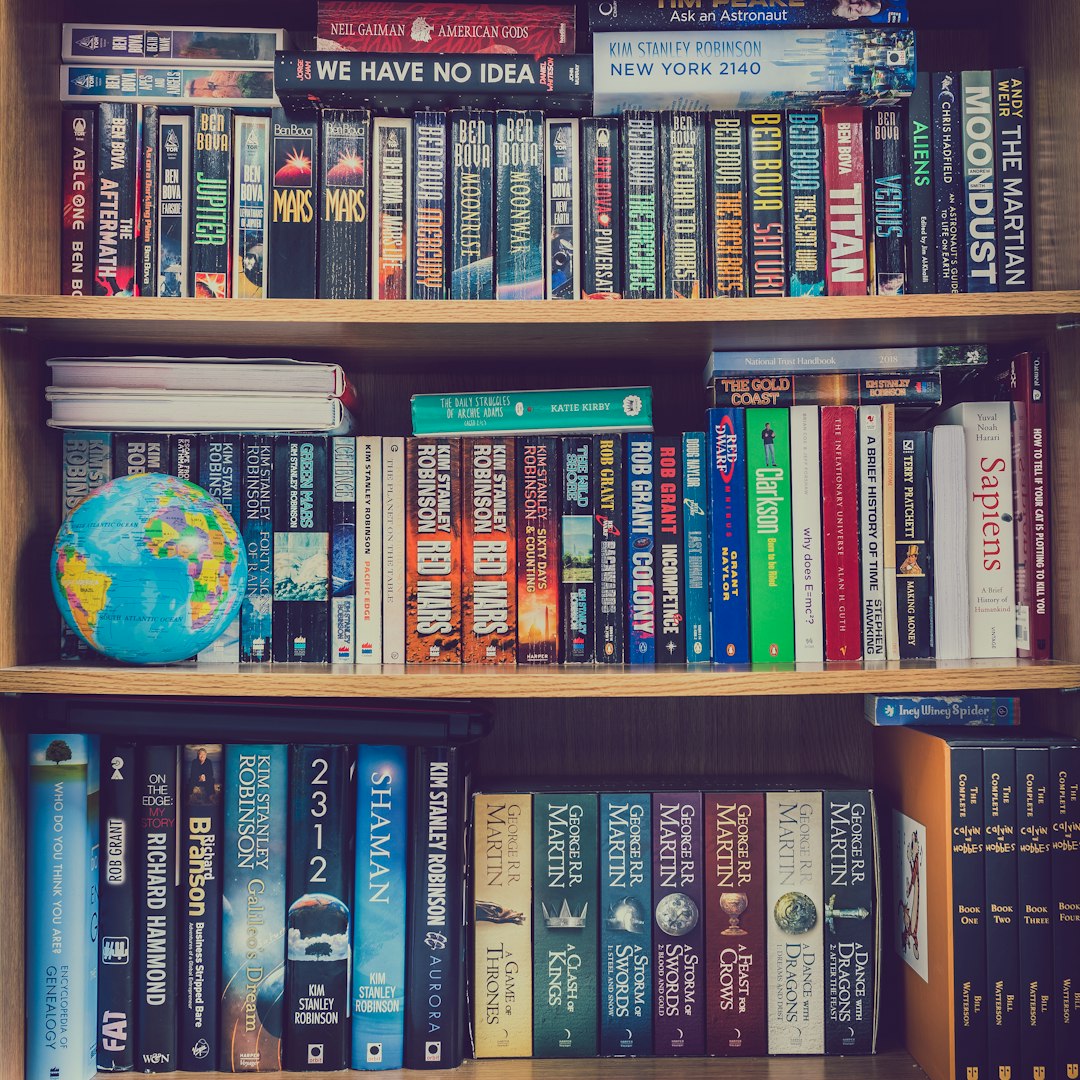
These fifteen books prove that the best science fiction isn’t about predicting the future – it’s about understanding human nature so deeply that the future becomes inevitable. Each author looked at the trends and technologies of their time and extrapolated not just what machines might do, but how humans would respond to them. They understood that technology doesn’t change human desires for power, connection, comfort, and control – it just gives us new ways to pursue them. The accuracy of these predictions isn’t magical; it’s the result of writers who paid attention to the darker aspects of human behavior that most people prefer to ignore. They saw how surveillance could be marketed as safety, how entertainment could become a form of control, and how convenience could become addiction. What makes these books truly prophetic is that they didn’t just predict the technologies – they predicted how we would willingly embrace our own subjugation as long as it came with enough comfort and distraction. Did you expect that fiction could be more accurate than expert forecasts?
CEO-Co-Founder
