

For any feedback please reach out to info@festivalinside.com
- Many Believe These Albums Are the Undisputed Soundtracks to Our Lives. - August 16, 2026
- 12 Unexpected Ways Classic Literature Influenced Modern Pop Culture - August 16, 2026
- 15 Literary Hoaxes So Clever, They Fooled the Entire Publishing World - August 16, 2026
Elvis Presley – The King Who Started It All
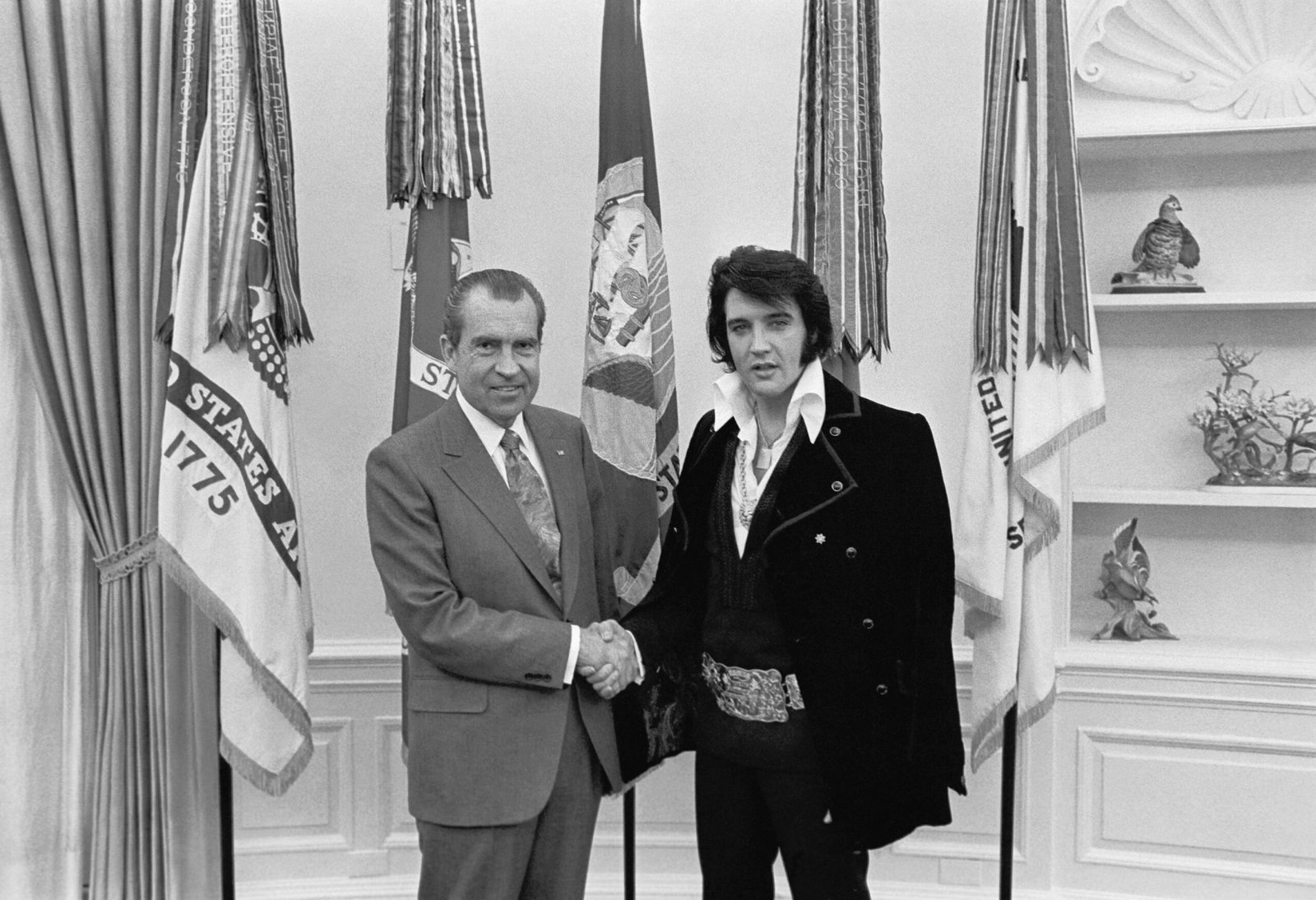
When you think about artists who totally transformed music forever, one name stands out like a blazing neon sign in the darkness of the 1950s. Without the work of Elvis Presley, it’s hard to imagine what music – or at least rock ‘n’ roll – would look like today. This Mississippi kid didn’t just sing songs; he rewrote the entire rulebook of popular culture. Elvis Presley couldn’t possibly have imagined the future that lay ahead, from tying the knot with Priscilla and welcoming their daughter, Lisa Marie to selling over 600 million records and singles globally. His influence went way beyond those incredible sales numbers though. The man literally broke down racial barriers in music when segregation was still ripping America apart. It was a sound that many had never heard before, blending country music and rhythm and blues in a way that appealed to both white and black audiences. This crossover appeal was crucial, as it occurred in a period of significant racial segregation in the United States. And here’s something wild – when Elvis Presley died in August 1977, he had an estimated value of $5 million. Taking inflation into account, this equates to roughly $20M in 2024.
The Beatles – The Fab Four Who Conquered the World
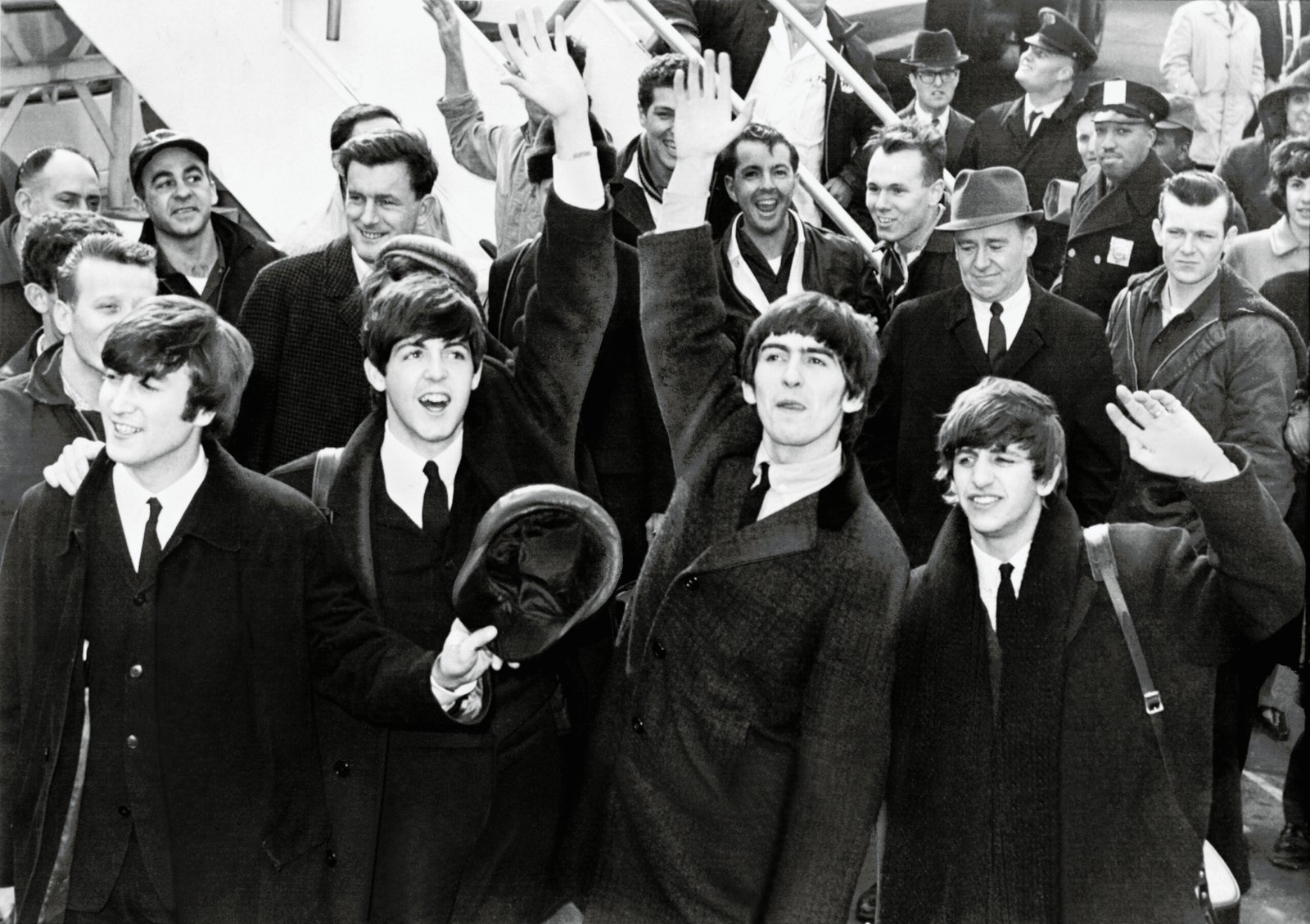
Four lads from Liverpool didn’t just change music – they turned the entire industry upside down and gave it a good shake. The Beatles are the greatest selling musical act of all-time with over 500 million equivalent album sales. But here’s what most people don’t realize about their impact: these guys were basically the first boy band to become serious artists. In 1964, the Beatles’ arrival in the U.S. is credited with initiating the album era; the music historian Joel Whitburn says that LP sales soon “exploded and eventually outpaced the sales and releases of singles” in the music industry. Think about that for a second – before The Beatles, music was all about individual songs. They made albums matter. In 1964, the Beatles had the never-matched total of 15 American million-selling records (9 singles and 6 LPs), representing US sales of over 25 million in 1964 alone. Their songwriting partnership between Lennon and McCartney became the gold standard that every band still tries to copy today. British rock band The Beatles are top of the list for best-selling artists worldwide, with 183 million units certified sales. Second is Garth Brooks with over 157 million units sales, followed by Elvis Presley with 139 million units.
Michael Jackson – The King of Pop’s Revolutionary Impact

You know that moment when someone’s so good at what they do that they literally redefine an entire art form? That’s Michael Jackson. According to Sony Music Germany, MICHAEL JACKSON sold over 300,000,000 records (albums and singles) worldwide, including 81,290,000 in the United States and 21,563,000 in the United Kingdom. But sales numbers don’t tell the whole story of how this man changed everything. The “Thriller” album wasn’t just a collection of songs – it was a cultural earthquake. Jackson’s Thriller (1982) remained at the top on the Billboard 200 album chart for thirty-seven weeks, setting a record for the longest run at number one by a studio album. It is one of only five albums to have sold more copies in the United States than any other in two separate years, topping the sales charts in 1983 and 1984. Thriller is currently the second best-selling album of all time in the United States and the second most certified album after the Eagles’ Their Greatest Hits (1971-1975), with total units of 34 million sold to date. Jackson transformed music videos from simple promotional tools into full-blown cinematic experiences. And here’s something that’ll blow your mind: In 2024, Sony purchased half (50%) of Michael Jackson’s music catalogue at an estimated $600 million, which is proportionally equivalent or similar to the world’s top record sale of British rock band Queen’s (100%) complete catalogue for $1.27 billion. The figure would estimate total musical asset valuation of Jackson’s around $1.2 billion. In music history, this is the largest deal ever made for the work of a single musician.
Bob Dylan – The Voice of a Generation
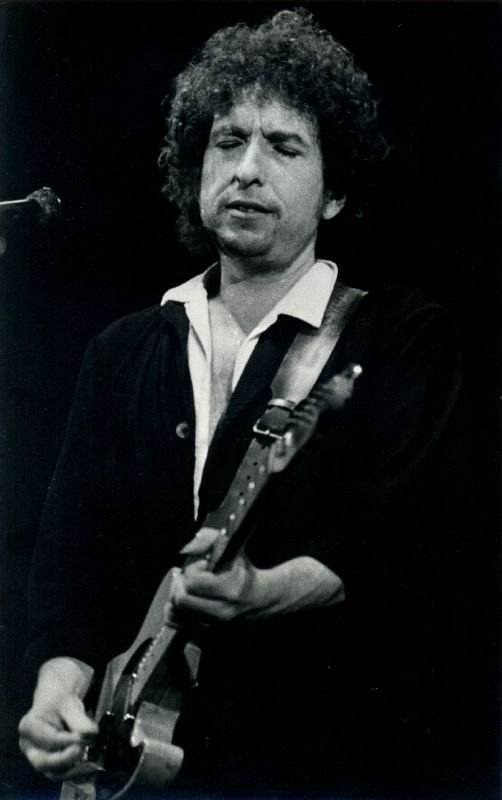
Sometimes an artist comes along who doesn’t just write songs – they become the conscience of an entire generation. Bob Dylan took folk music and poetry, threw them in a blender with rock and roll, and created something completely new. This guy proved that pop music could be intellectual, political, and still make you want to dance. His transition from acoustic folk to electric rock at the 1965 Newport Folk Festival was so controversial that people literally booed him off stage – but it changed music forever. Dylan showed other artists that they didn’t have to choose between commercial success and artistic integrity. His lyrics were like nothing anyone had heard in popular music before, filled with biblical references, political commentary, and abstract imagery that made people think. The man won a Nobel Prize for Literature – when’s the last time a rock star did that? His influence can be heard in everyone from The Beatles to modern indie artists who still try to capture that perfect combination of poetry and rebellion.
Aretha Franklin – The Queen of Soul’s Eternal Power

When Aretha Franklin opened her mouth to sing, she didn’t just make music – she channeled pure emotion that could heal hearts or break them into a million pieces. The woman they called the Queen of Soul didn’t earn that title by accident. Her voice had this incredible ability to take gospel music’s spiritual power and translate it into secular songs that spoke to everyone’s deepest feelings. Franklin proved that female artists could be powerful, independent, and completely in control of their artistry at a time when the music industry tried to keep women in neat little boxes. Her version of “Respect” became an anthem not just for women’s rights, but for the entire civil rights movement. She could make you cry with a ballad, get you dancing with an uptempo number, and inspire you to change the world – sometimes all in the same song. Aretha’s influence on vocalists who came after her is impossible to overstate; everyone from Whitney Houston to Beyoncé studied her technique and tried to capture even a fraction of her raw emotional power.
Jimi Hendrix – The Guitar God Who Rewrote Rock

Imagine being so good at your instrument that you literally change how it’s played forever. That’s Jimi Hendrix in a nutshell. This left-handed genius took a right-handed guitar, flipped it upside down, and created sounds that nobody thought were possible. Hendrix didn’t just play guitar – he had conversations with it, made it scream, cry, and sing in ways that redefined what rock music could be. His performance at Woodstock, especially his earth-shattering version of “The Star-Spangled Banner,” proved that rock music could be both rebellious and patriotic, both destructive and beautiful. The man’s career lasted only four years, but in that short time he influenced every rock guitarist who came after him. His use of feedback, distortion, and effects pedals opened up new sonic territories that rock bands are still exploring today. Hendrix showed that virtuosity and innovation could coexist with raw emotion and showmanship, creating a template for rock stardom that still dominates stages around the world.
Madonna – The Queen of Pop’s Revolutionary Reinvention
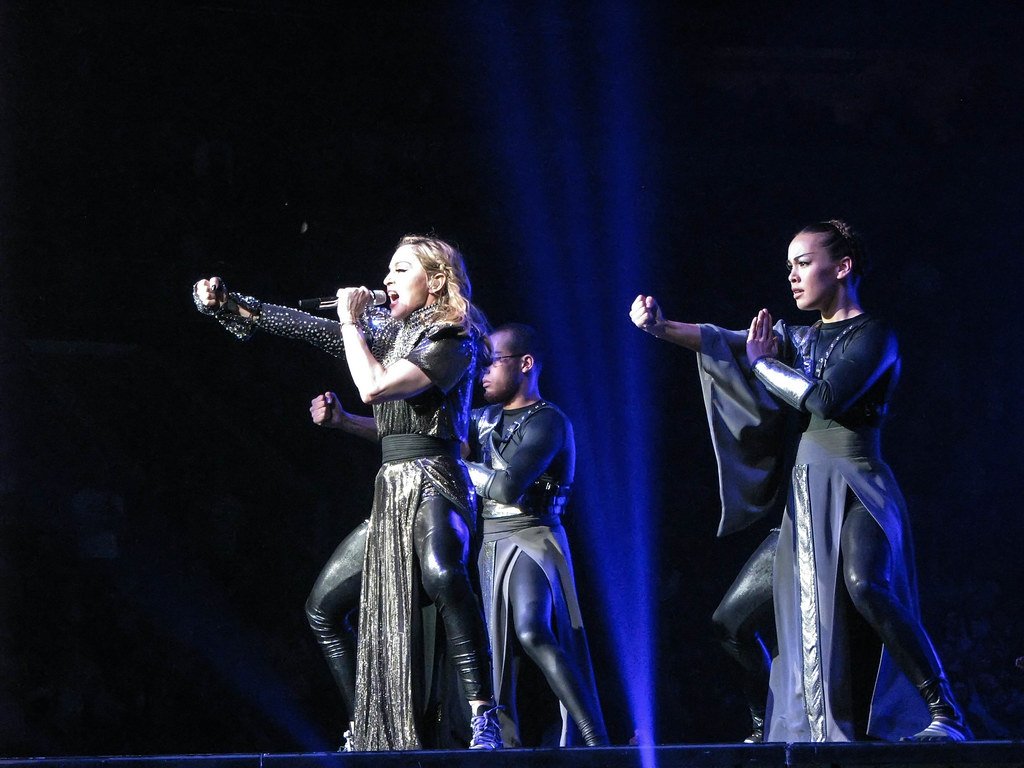
You can’t talk about artists who changed the music industry without mentioning the woman who turned reinvention into an art form. Madonna didn’t just adapt to changing times – she predicted them, shaped them, and then moved on to the next trend before anyone else caught up. She proved that female artists could control every aspect of their careers, from songwriting to production to their visual image. Madonna’s controversies weren’t just publicity stunts; they were calculated moves that pushed boundaries and started conversations about sexuality, religion, and women’s rights. Her “Like a Prayer” video sparked international outrage and proved that music videos could be powerful artistic statements that went far beyond selling records. She was one of the first artists to understand that in the MTV era, image was just as important as sound. Madonna’s influence extends beyond music into fashion, film, and pop culture in general – she showed that pop stars could be multimedia artists who influenced how people thought, dressed, and expressed themselves.
Prince – The Purple Genius Who Played by His Own Rules
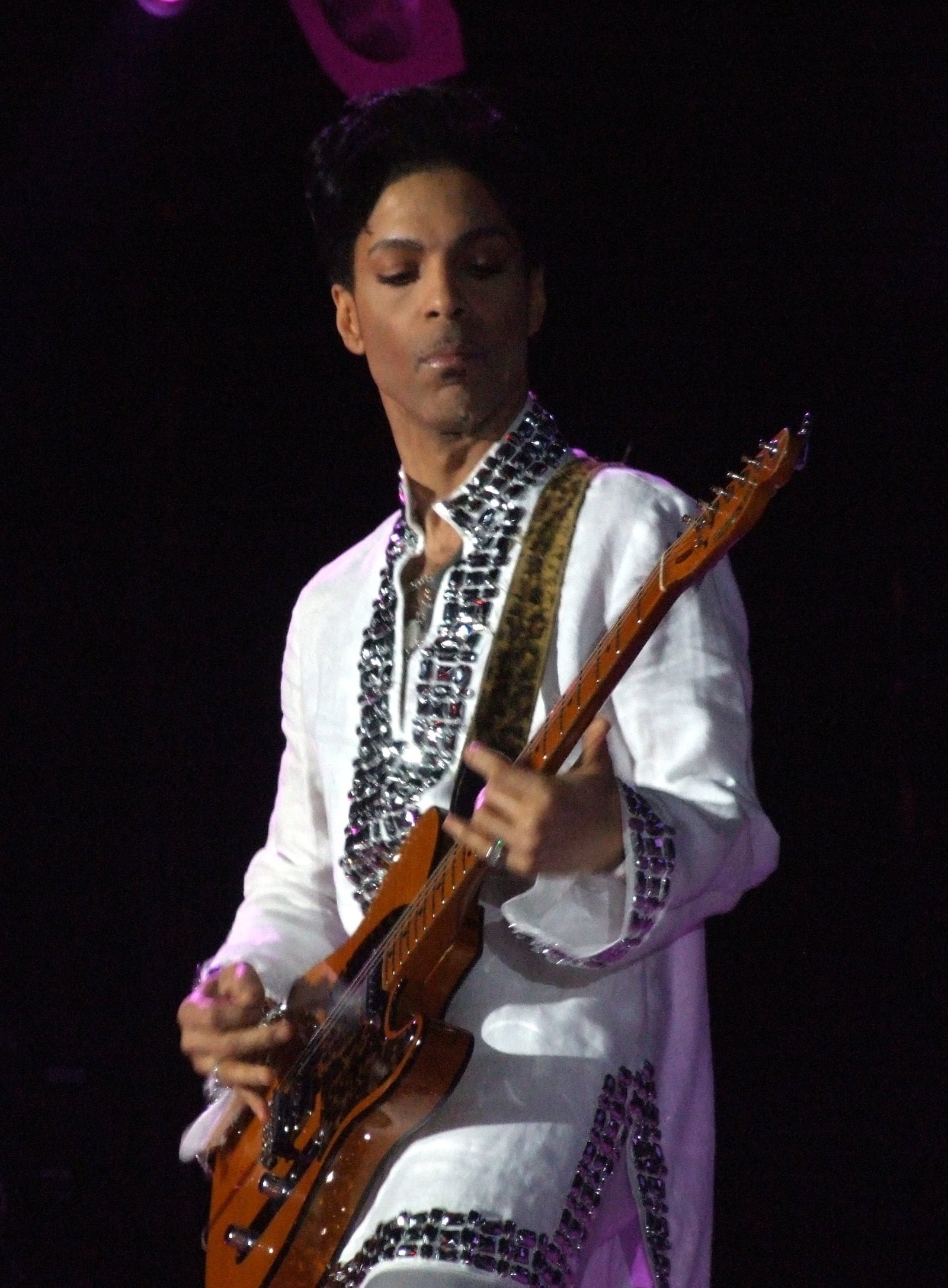
Prince was the kind of artist who came along once in a lifetime – a multi-instrumentalist genius who could play every instrument on his albums, write songs for other artists, and still have enough creativity left over to revolutionize the music business itself. This man fought for artists’ rights before anyone knew they needed fighting for, famously changing his name to an unpronounceable symbol to escape his record deal. Prince blended rock, funk, pop, and R&B into a sound that was completely his own, proving that genre boundaries were just suggestions for less creative artists. His live performances were legendary – he could make a guitar weep, a keyboard funk, and his voice soar from falsetto to rock screams within the same song. The man released 39 studio albums and probably had hundreds more sitting in his vault when he died. Prince showed that true artistry meant never compromising your vision, even if it meant going to war with the entire music industry to protect your creative freedom.
David Bowie – The Chameleon Who Redefined Stardom
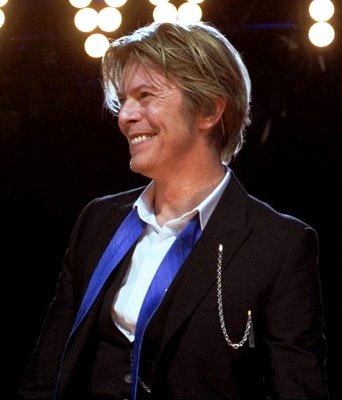
David Bowie didn’t just make music – he created entire personas, lived them completely, and then discarded them like yesterday’s clothes when he was ready to become someone else entirely. Ziggy Stardust, the Thin White Duke, the Berlin years – each era represented a complete artistic reinvention that influenced fashion, music, and popular culture. Bowie proved that rock stars could be theatrical, intellectual, and completely gender-bending while still creating songs that connected with millions of people. His influence on fashion is impossible to calculate – he made androgyny cool decades before it became mainstream. Bowie’s songwriting covered everything from space-age rock to soul to electronic music, often predicting musical trends years before other artists caught on. He was one of the first rock stars to openly discuss his sexuality, paving the way for LGBTQ+ artists who came after him. Bowie showed that authenticity didn’t mean staying the same – it meant being fearlessly committed to whatever artistic vision you were exploring at the moment.
Stevie Wonder – The Prodigy Who Mastered Every Genre
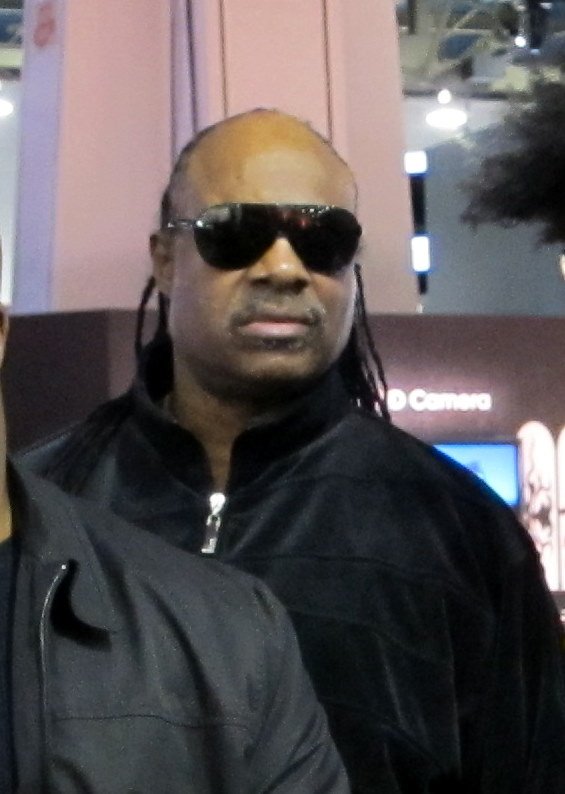
When you’re called a musical genius by the time you’re twelve years old, you’ve got two choices: let the pressure crush you or prove everyone right. Stevie Wonder chose option two and spent the next six decades redefining what it means to be a complete musician. This man could play any instrument, sing in any style, and write songs that worked as both danceable hits and socially conscious anthems. Wonder’s transition from Motown child star to serious artist in the 1970s showed the entire industry how to grow up without losing your soul. Albums like “Songs in the Key of Life” proved that pop music could be complex, meaningful, and still irresistibly groovy. He pioneered the use of synthesizers in popular music, creating sounds that influenced everyone from hip-hop producers to electronic music pioneers. Wonder’s songs tackled racism, love, spirituality, and social justice with equal skill, proving that entertainment and enlightenment weren’t mutually exclusive. His influence on musicians across every genre is immeasurable – when Stevie Wonder calls you to collaborate, you drop everything and run to the studio.
James Brown – The Godfather Who Invented Funk
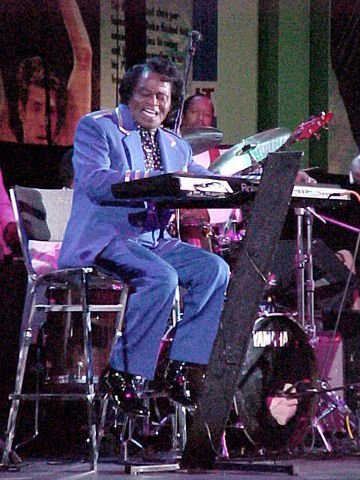
Before James Brown, rhythm was something that supported melody. After James Brown, rhythm became the star of the show, the driving force that made people move their bodies whether they wanted to or not. The Godfather of Soul didn’t just create funk – he weaponized it, turning his live performances into religious experiences where sweat was holy water and the beat was gospel. Brown’s emphasis on the “one” – that crucial first beat of every measure – became the foundation for hip-hop, disco, and every other dance music that followed. His work ethic was legendary; the man would rehearse his band until they could play his arrangements in their sleep, creating a precision that made every performance feel like controlled chaos. Brown’s influence on hip-hop cannot be overstated – his records became the most sampled source material in rap history. He proved that a performer could be both an entertainer and a serious artist, paving the way for future generations of musicians who understood that getting people to dance was just as important as making them think. His famous cape routine became the template for dramatic stage performances that rock stars still copy today.
Led Zeppelin – The Heavy Blues Pioneers
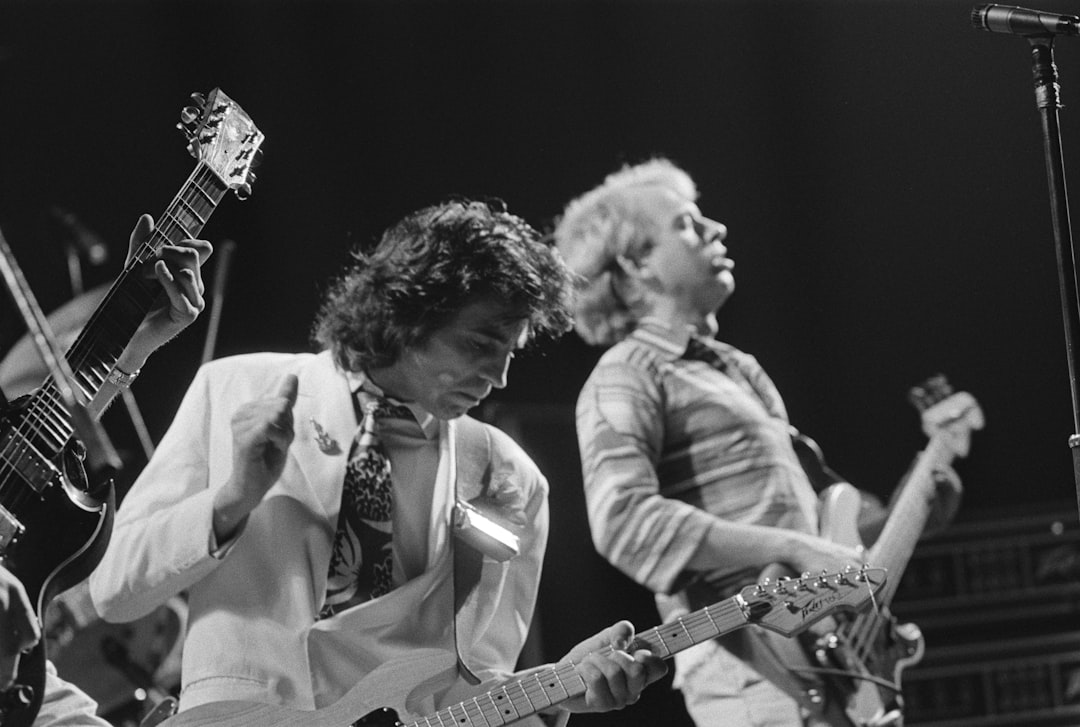
Take the blues, crank the volume to eleven, add some mystical lyrics about Vikings and magic, and you’ve got Led Zeppelin – the band that basically invented heavy metal while everyone else was still figuring out how to make their guitars louder. These four guys from England took American blues music and transformed it into something so powerful it could literally shake buildings. Jimmy Page’s guitar work became the blueprint for every rock guitarist who wanted to be taken seriously, while Robert Plant’s vocals proved that you could scream and still be melodic. John Bonham’s drumming was so influential that forty years later, drummers are still trying to figure out how he made his kit sound like thunder rolling across mountains. “Stairway to Heaven” became the most requested rock song in radio history, proving that eight-minute epics could work just as well as three-minute pop songs. Zeppelin’s mystical image and massive sound influenced everyone from Black Sabbath to modern metal bands who still worship at the altar of volume and power. They showed that rock bands could be mysterious, theatrical, and incredibly heavy while still writing songs that connected with millions of fans worldwide.
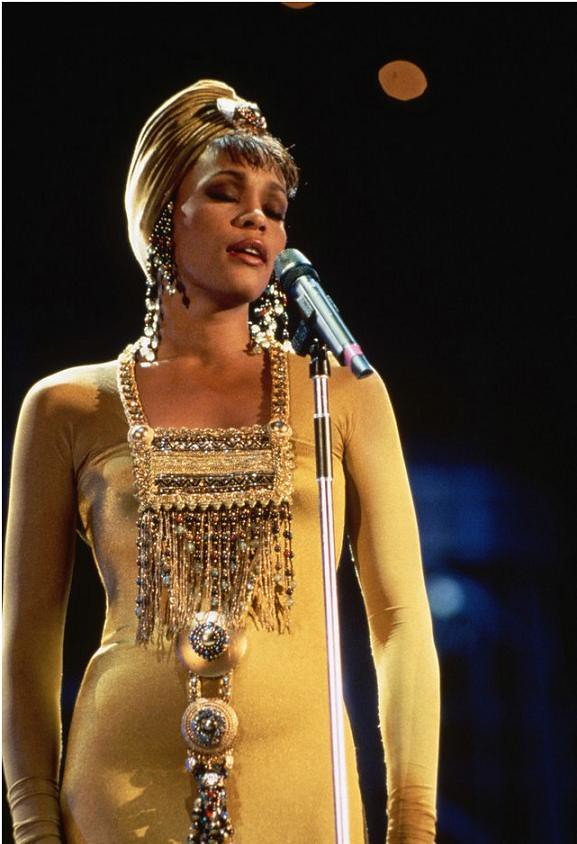
Whitney Houston – The Voice That Redefined Vocal Power

Whitney Houston possessed the kind of voice that comes along maybe once in a generation – pure, powerful, and so technically perfect that other singers would stop what they were doing just to listen when she opened her mouth. Her rendition of “I Will Always Love You” didn’t just top the charts; it redefined what a power ballad could be, staying at number one for fourteen weeks and becoming one of the best-selling singles of all time. Houston proved that pop music could showcase incredible technical skill without sacrificing emotional connection – she could hit notes that seemed impossible while making every word feel like it came straight from her heart. Her influence on vocal technique is immeasurable; every pop diva who came after her studied Whitney’s runs, her breath control, and her ability to build a song to an emotional crescendo. She bridged the gap between gospel, R&B, and pop in a way that made her appeal to audiences across all demographic lines. Houston’s tragic death reminded the world that incredible talent doesn’t always protect you from personal demons, but her vocal legacy continues to inspire singers who dream of achieving even a fraction of her technical mastery and emotional impact.
Bob Marley – The Reggae Prophet Who United the World
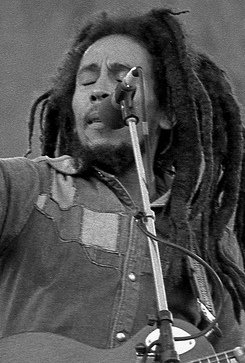
Bob Marley didn’t just make music – he created a movement, a philosophy, and a sound that carried messages of love, unity, and resistance to every corner of the globe. This Jamaican prophet took reggae music from the streets of Kingston and turned it into a worldwide language of peace and rebellion. Marley’s lyrics combined Rastafarian spirituality with political activism, creating songs that could make you dance while opening your mind to new ways of thinking about justice and equality. His message of “One Love” resonated far beyond music, inspiring political movements and social change across Africa, Latin America, and beyond. Marley proved that an artist from a small Caribbean island could have more global influence than politicians or world leaders, using rhythm and melody to spread ideas that transcended cultural and linguistic barriers. His dreadlocks and guitar became symbols of resistance against oppression, copied by musicians and activists who understood that music could be a powerful tool for social change. Even decades after his death, Marley’s music continues to inspire new generations of artists who believe that music can heal the world and bring people together across all the artificial divisions that separate us.
Freddie Mercury – The Operatic Rock God

Freddie Mercury possessed a four-octave vocal range and the kind of theatrical presence that could command a stadium full of 80,000 people as easily as a small club audience. This flamboyant genius took rock music and infused it with opera, theater, and pure showmanship, creating performances that were equal parts concert and Broadway show. Queen’s “Bohemian Rhapsody” broke every rule about radio-friendly song structure, cramming opera, hard rock, and ballad sections into a single six-minute masterpiece that proved pop audiences were ready for complexity. Mercury’s stage presence became the template for rock frontmen – his ability to connect with massive audiences through pure charisma and vocal power influenced everyone from George Michael to modern pop stars who still study his Live Aid performance for lessons in commanding a crowd. He was one of the first rock stars to openly embrace his sexuality and flamboyant persona, paving the way for future generations of LGBTQ+ performers. Mercury’s tragic death from AIDS-related complications brought worldwide attention to the epidemic and turned him into a symbol of both artistic brilliance and the personal cost of living authentically in a sometimes hostile world.
Miles Davis – The Jazz Revolutionary
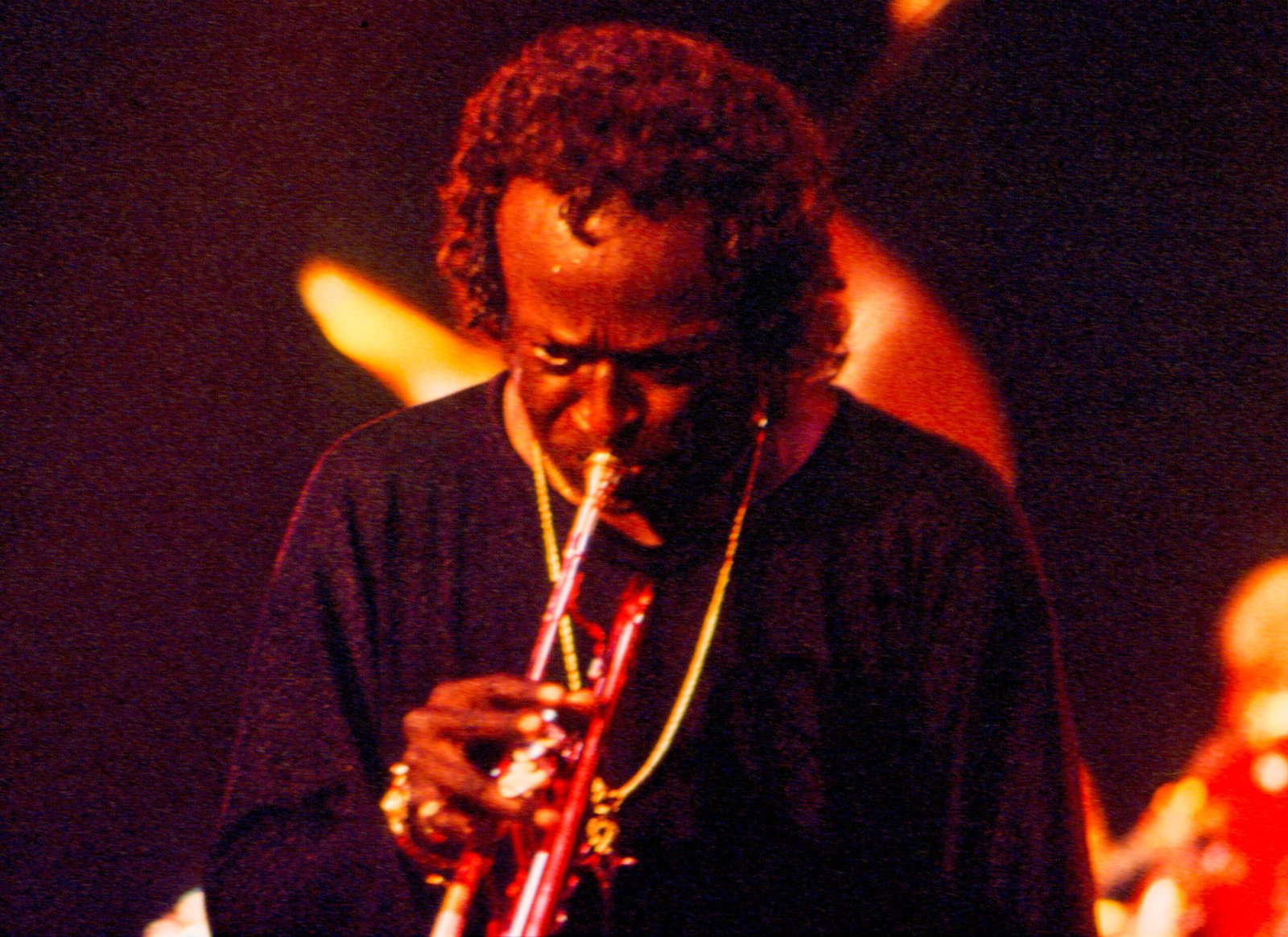
Miles Davis didn’t just play jazz – he constantly reinvented it, refusing to stay in any one style long enough for critics to pin him down or for audiences to get comfortable with what they expected from him. From bebop to cool jazz to fusion, Davis was always moving forward, always searching for new sounds and new ways to express musical ideas. His album “Kind of Blue” is widely considered the greatest jazz album ever recorded, but Davis was already moving on to something else before the praise even started rolling in. He discovered and nurtured more major jazz talents than any other musician in history – John Coltrane, Bill Evans, Wayne Shorter, and countless others all learned their craft in Miles Davis’s bands. His use of electric instruments in the late 1960s and early 1970s created jazz fusion and influenced rock musicians who were looking for ways to incorporate more sophisticated harmony and improvisation into their music. Davis proved that true artistry meant never repeating yourself, never playing it safe, and always pushing boundaries even when it meant alienating fans who wanted you to keep making the same music forever.
Johnny Cash – The Man in Black Who

Christian Wiedeck, all the way from Germany, loves music festivals, especially in the USA. His articles bring the excitement of these events to readers worldwide.
For any feedback please reach out to info@festivalinside.com
Christian Wiedeck, all the way from Germany, loves music festivals, especially in the USA. His articles bring the excitement of these events to readers worldwide.
For any feedback please reach out to info@festivalinside.com
