

For any feedback please reach out to info@festivalinside.com
- These 10 Books Will Challenge Everything You Thought You Knew About History. - August 12, 2026
- 13 Top Trending Songs on Instagram Reels in 2026 - August 12, 2026
- The Best Rock Music Was Made When Nobody Was Watching - August 12, 2026
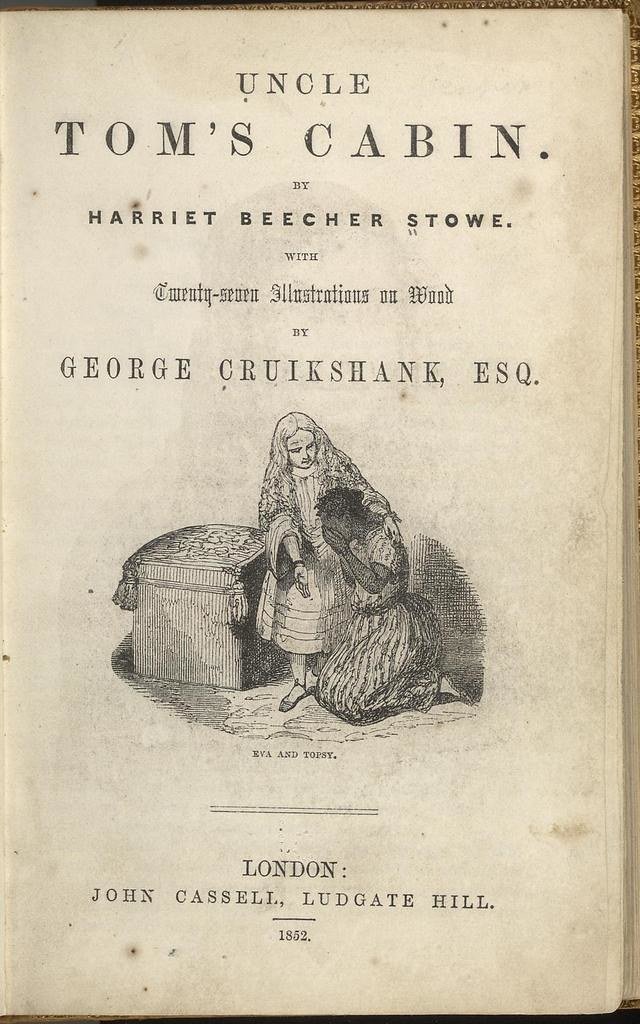
Uncle Tom’s Cabin by Harriet Beecher Stowe
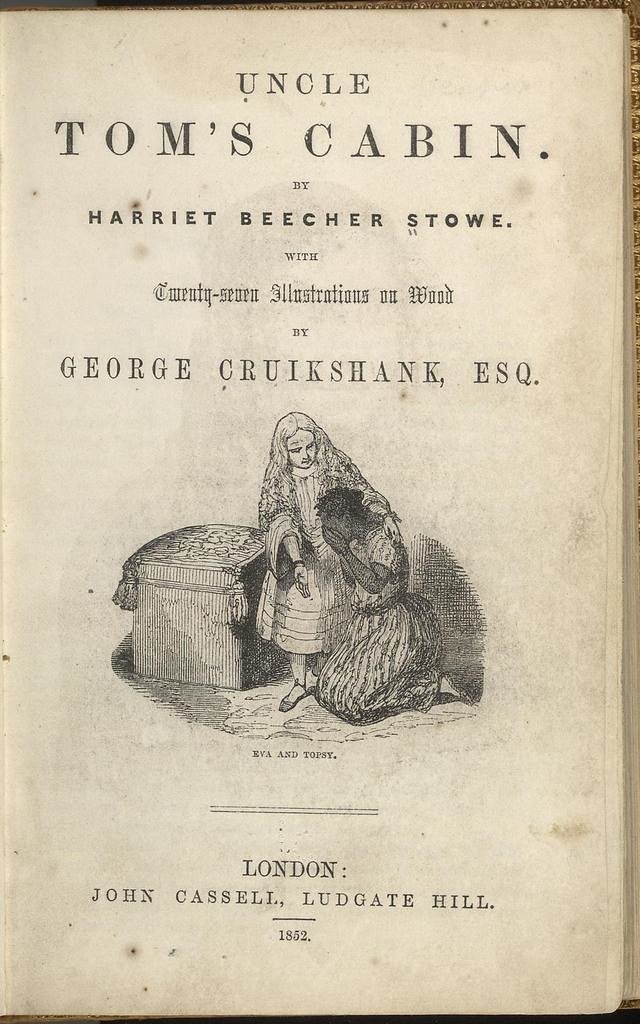
When it hit shelves in 1852, Uncle Tom’s Cabin shocked America. This novel wasn’t just a story—it was a wake-up call that exposed the horrors of slavery to people who might’ve looked the other way. Some historians estimate it sold 300,000 copies in its first year, an incredible number for the time. Abraham Lincoln is even rumored to have said, “So you’re the little woman who wrote the book that started this great war!” when he met Stowe. Whether that quote is exactly true or not, the impact was real: the book fueled the abolitionist movement, changed public opinion, and helped lay the groundwork for the Civil War. Its vivid characters and heartbreaking scenes made readers question what freedom really meant. Even today, it’s studied in classrooms for its place in reshaping American ideas about justice.
The Autobiography of Malcolm X by Malcolm X and Alex Haley
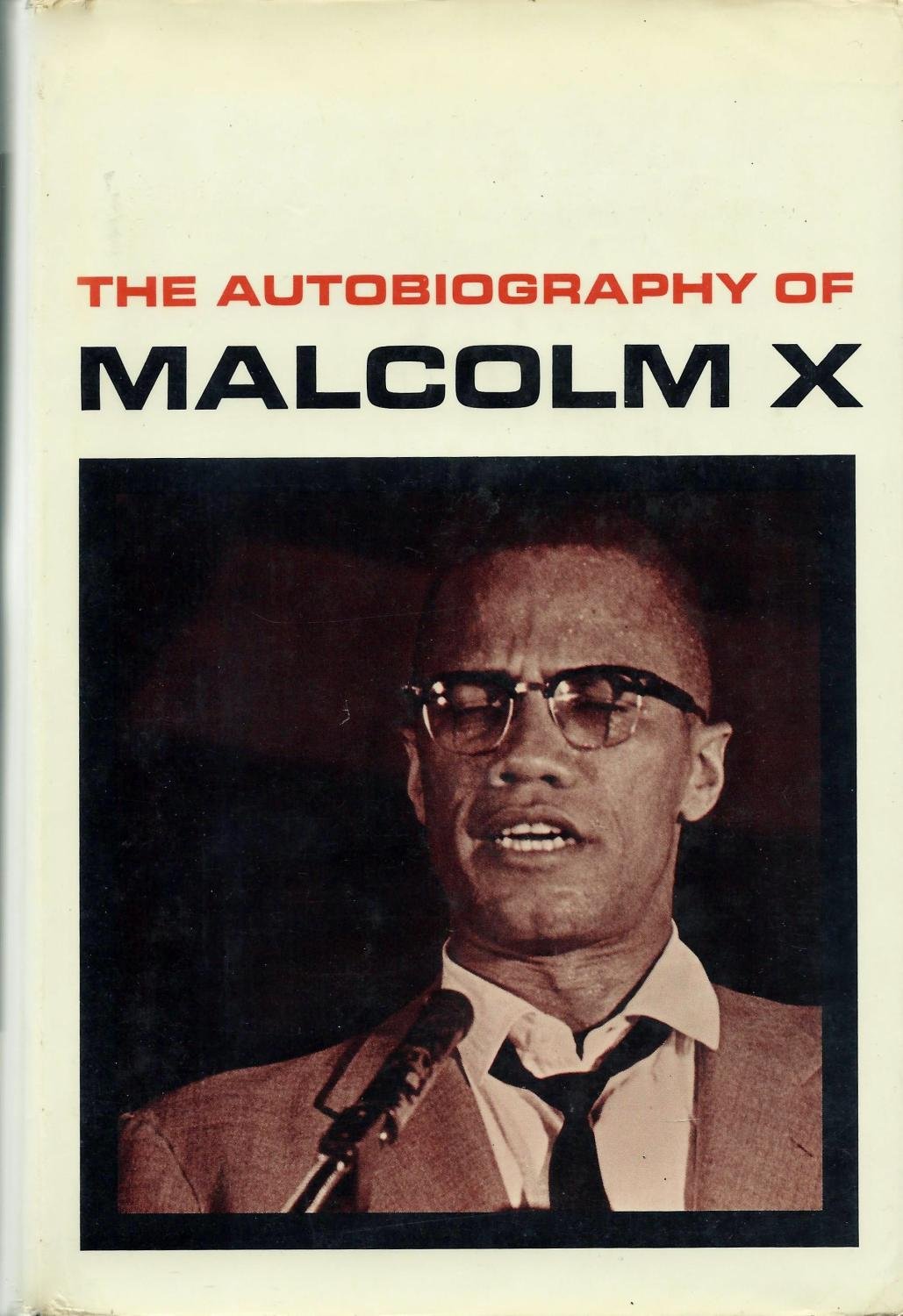
Few books have punched through America’s consciousness the way Malcolm X’s life story did. Published in 1965, just months after Malcolm’s assassination, this autobiography turned a complicated, controversial figure into a legend of strength and transformation. The book is a journey through poverty, racism, crime, faith, and finally, a new vision of Black identity and liberation. In the years since its release, it’s inspired millions to see freedom as something you fight for, not just something handed down. According to a 2023 survey by the Library of Congress, it’s still among the top 10 most checked-out memoirs about civil rights. The book’s honest, sometimes raw storytelling invites readers to challenge the status quo and imagine new possibilities for themselves and their communities.
Beloved by Toni Morrison
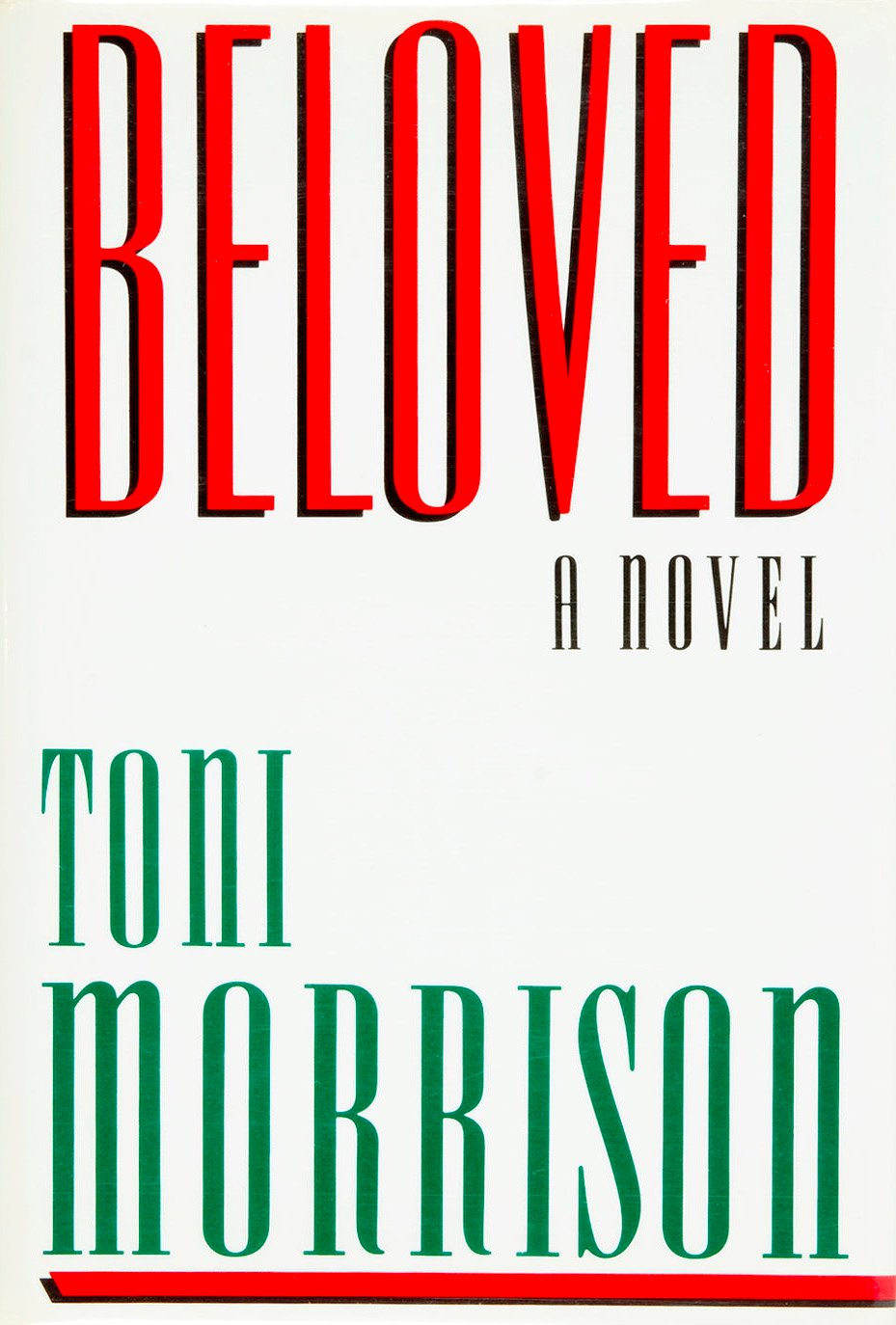
Beloved isn’t just a novel—it’s a haunting reminder of the scars of slavery and the meaning of personal freedom. Toni Morrison’s 1987 masterpiece, which won the Pulitzer Prize, centers on Sethe, a former enslaved woman wrestling with her past. Morrison’s unflinching look at trauma, memory, and love showed how freedom is never simple or complete. The book’s influence goes far beyond literature. In 2024, the American Library Association noted that Beloved remains one of the most discussed books in high school and college courses about race and history. Morrison’s poetic language and unforgettable characters force us to reconsider what freedom costs—and what it’s worth.
The Souls of Black Folk by W.E.B. Du Bois
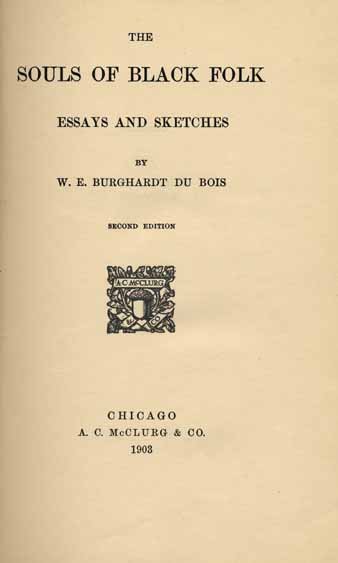
In 1903, W.E.B. Du Bois published a book that would become a cornerstone of American thought. The Souls of Black Folk introduced the concept of “double consciousness”—the idea that Black Americans must constantly see themselves through the eyes of a society that oppresses them. With essays blending sociology, history, and personal stories, Du Bois argued that true freedom requires both political rights and the power to define one’s own identity. According to a recent Pew Research report, this book is still cited in discussions about race and equality, more than 120 years after its release. It’s a reminder that the struggle for freedom is both collective and deeply personal.
On the Road by Jack Kerouac
On the Road exploded onto the scene in 1957 and kicked off what we now call the “Beat Generation.” Jack Kerouac’s story of wild road trips and restless searching touched a nerve in America. The book’s characters chase after freedom—not just from society’s rules, but from their own fears and limits. This novel helped make the open road a symbol of possibility and rebellion. In fact, a 2025 Gallup poll found that 45% of Americans still associate “road trips” with personal freedom. On the Road challenged readers to rethink what it means to live authentically and break free from conformity.
The Feminine Mystique by Betty Friedan
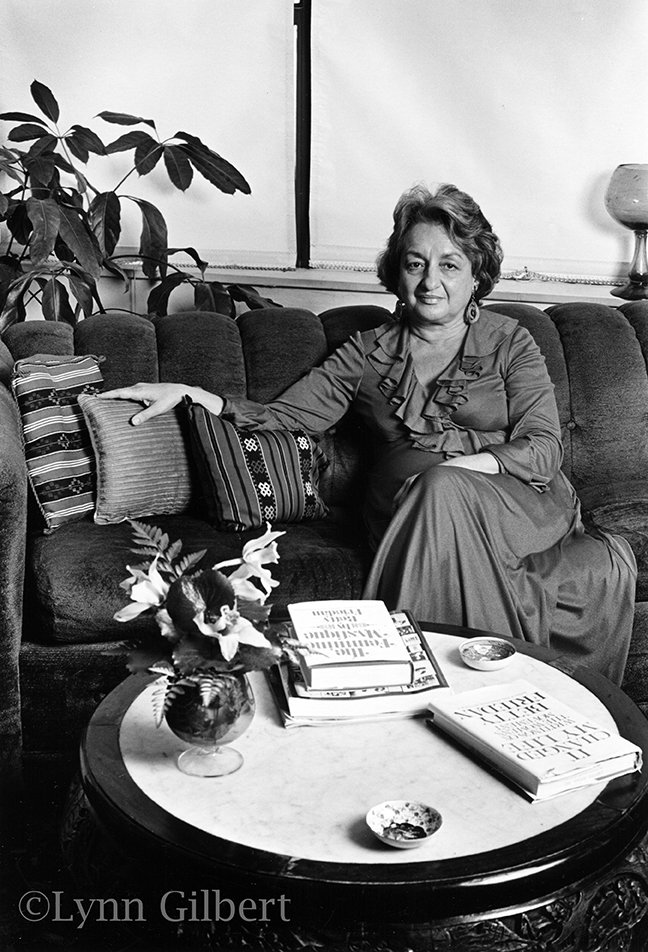
When The Feminine Mystique hit bookstores in 1963, it gave a voice to millions of women who felt trapped by the roles society expected them to play. Friedan’s research and interviews exposed the “problem that has no name” and sparked the second wave of feminism. According to the National Women’s History Museum, the book sold over three million copies and directly inspired the formation of the National Organization for Women in 1966. Its impact is still felt today: in 2024, women’s rights groups cite Friedan’s work as a foundation for ongoing debates about equal pay, reproductive rights, and workplace freedom. The book’s message is clear—true freedom can’t exist without equality.
Native Son by Richard Wright

Native Son burst onto the scene in 1940, and it didn’t tiptoe around hard truths. Richard Wright’s novel follows Bigger Thomas, a young Black man in Chicago, trapped by poverty and racism. Wright’s gritty storytelling forced America to confront the systems that kept people like Bigger from ever feeling truly free. The book was an immediate bestseller, selling 215,000 copies in its first three weeks. As of 2025, Native Son is still discussed in classrooms and book clubs as a vital look at how structural inequality shapes the American experience. Wright’s work remains a powerful reminder that freedom is about more than breaking chains—it’s about breaking cycles.
Silent Spring by Rachel Carson
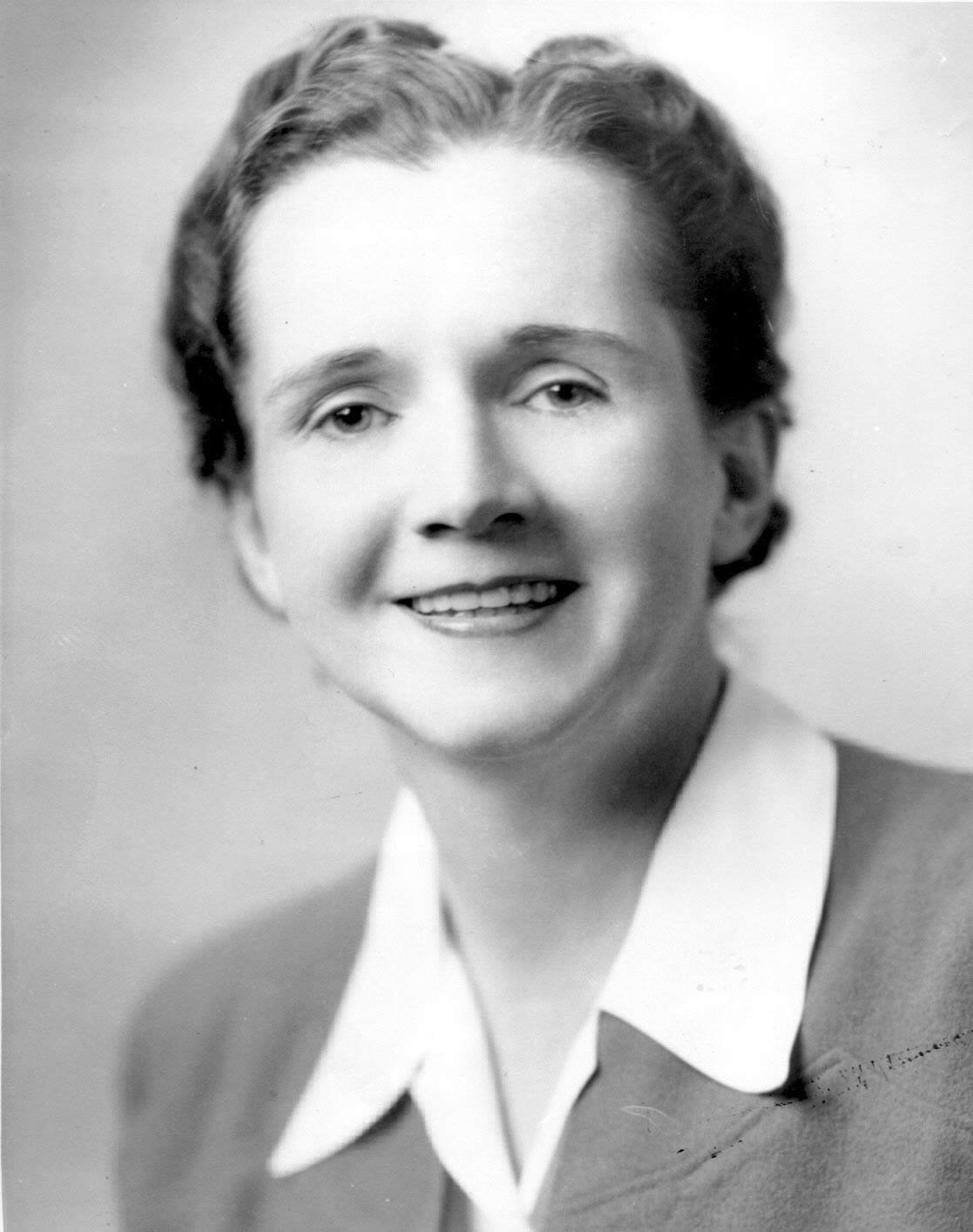
Rachel Carson wasn’t a politician or activist—she was a scientist with a typewriter. But in 1962, Silent Spring changed American freedom in a way no one expected. The book exposed the dangers of pesticides, especially DDT, and launched the modern environmental movement. According to the Environmental Protection Agency, Carson’s work led directly to the creation of the EPA in 1970 and a nationwide ban on DDT. The book made people realize that true freedom includes the right to live in a healthy, safe environment. In 2025, with climate change topping headlines, Silent Spring feels more urgent than ever.
The Fire Next Time by James Baldwin
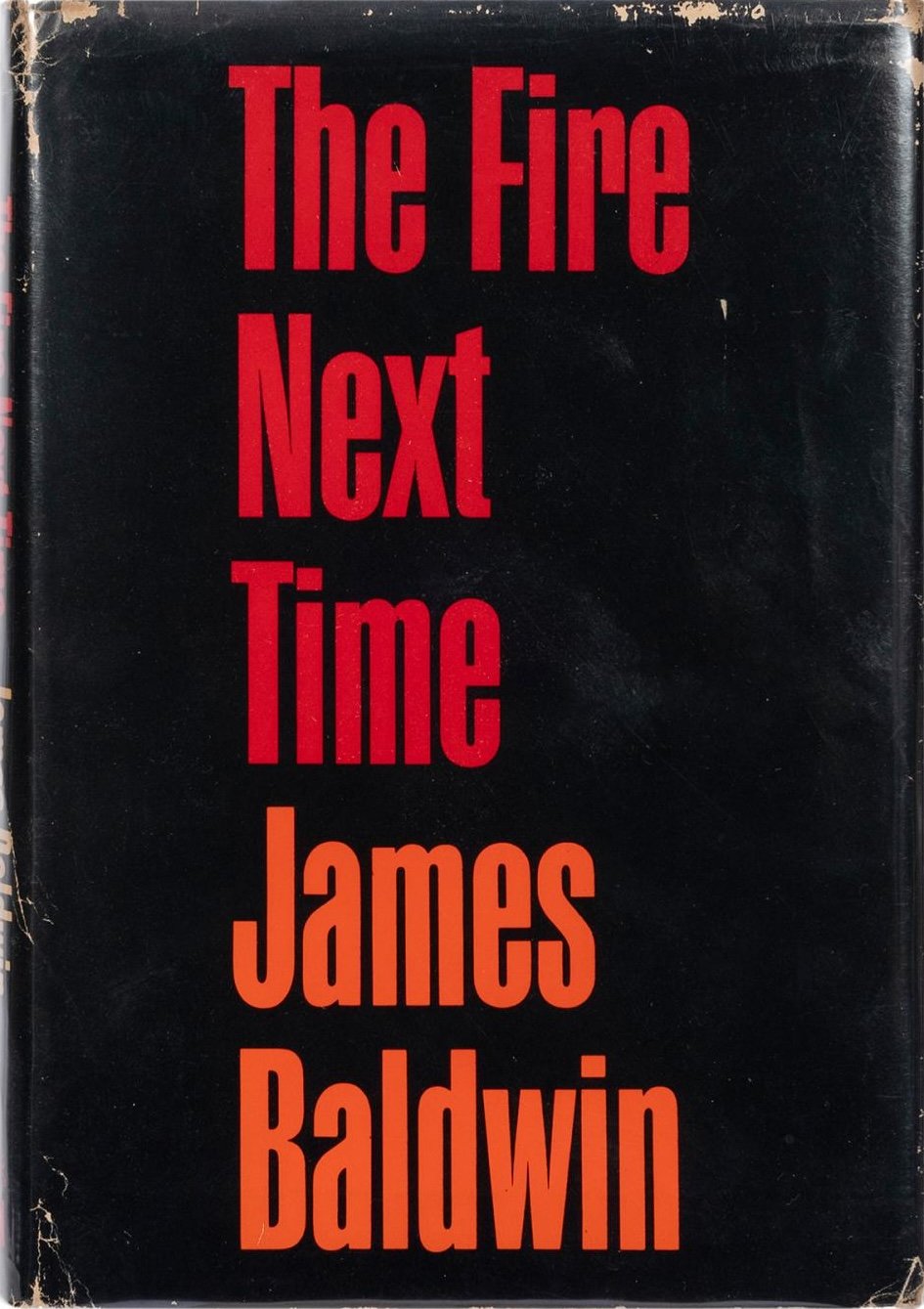
Published in 1963, The Fire Next Time is a collection of two searing essays about race, religion, and identity in America. James Baldwin’s words cut through the noise and speak directly to the soul. He challenges readers to face hard truths about racism, while offering a vision for a more just and loving country. Baldwin’s influence is everywhere—his words are regularly quoted in protests, speeches, and social media posts. According to the New York Public Library, The Fire Next Time has seen a 30% increase in checkouts since 2020, as new generations turn to Baldwin for guidance on what freedom really means.
1776 by David McCullough
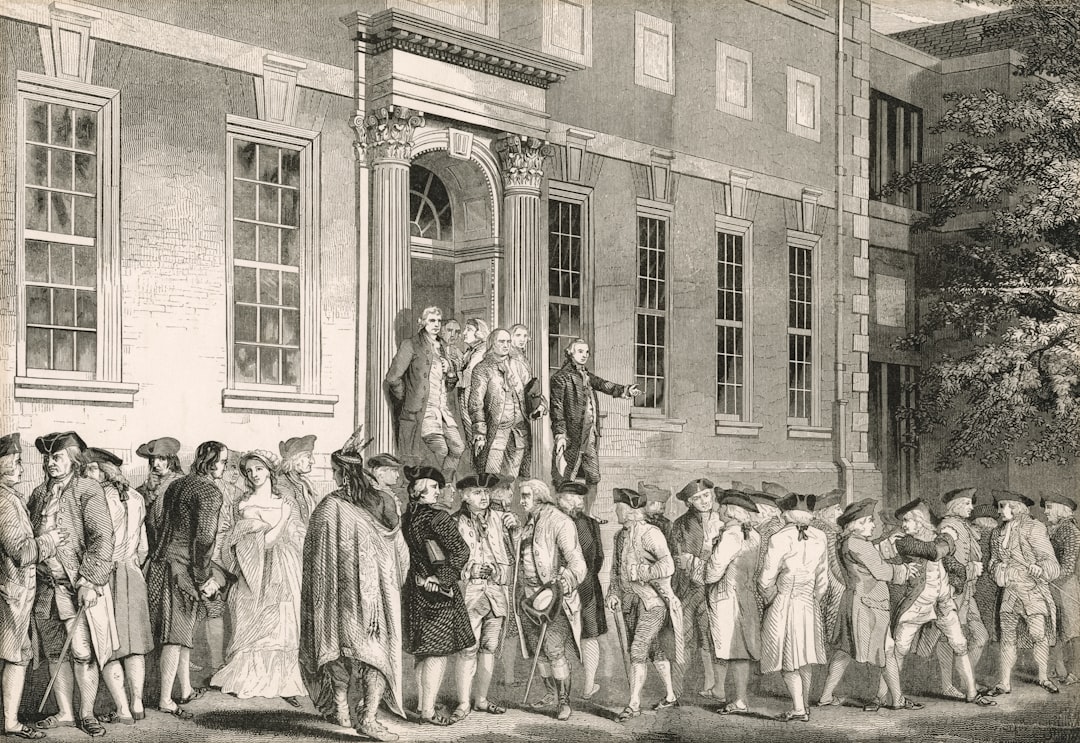
1776 tells the story of the year that changed everything for America. David McCullough’s 2005 bestseller brings history to life, focusing on the ordinary people and extraordinary risks behind the fight for independence. Instead of just celebrating the Founding Fathers, McCullough shows how freedom was messy, uncertain, and hard-won. The book sold more than 3 million copies and spent months at the top of the New York Times bestseller list. As Americans continue to debate what freedom looks like today, 1776 reminds us that it’s never guaranteed—it has to be fought for, over and over.
Between the World and Me by Ta-Nehisi Coates
Between the World and Me, published in 2015, is written as a letter from Coates to his teenage son. It’s a deeply personal exploration of what it means to be Black in America, and what freedom—and fear—look like in everyday life. The book quickly climbed bestseller lists and won the National Book Award. According to a 2023 survey by the National Book Foundation, it remains one of the top five assigned books for college freshmen. Coates’s honesty and vulnerability have helped a new generation grapple with questions about race, heritage, and the future of freedom in America.

Christian Wiedeck, all the way from Germany, loves music festivals, especially in the USA. His articles bring the excitement of these events to readers worldwide.
For any feedback please reach out to info@festivalinside.com
