

- 8 Classic Movies You Thought Were American – But Were Actually Foreign - August 12, 2026
- 10 Most Beautiful Beaches in The World for a Relaxing Vacation - August 12, 2026
- 15 Hit Singles From the Last Three Decades That Still Get You Dancing. - August 12, 2026
1. Aphra Behn
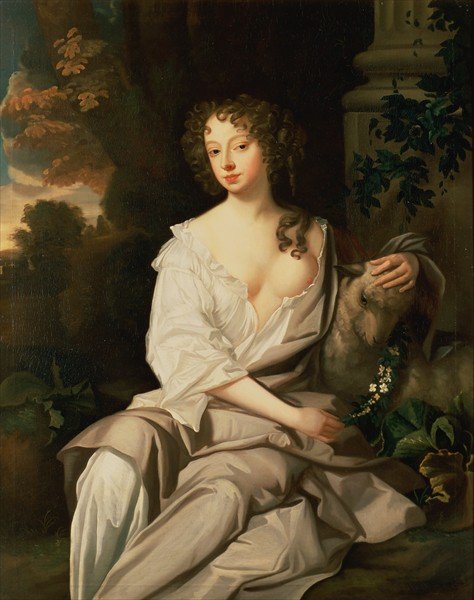
Aphra Behn’s name rarely rolls off the tongues of modern readers, but in the 17th century, she was a literary force to be reckoned with. As one of the first English women to earn a living by writing, Behn produced plays, poems, and novels that challenged social norms. Her best-known work, “Oroonoko,” is often cited by scholars as a precursor to the modern novel and as an early critique of slavery. Despite her groundbreaking achievements, Behn’s legacy was sidelined for centuries, with critics dismissing her works as scandalous or improper. Recent scholarship has highlighted her role in shaping both political satire and the English novel, emphasizing her boldness in an era when women’s voices were typically silenced. Today, writers like Virginia Woolf have championed Behn, with Woolf famously stating, “All women together ought to let flowers fall upon the tomb of Aphra Behn.” New interest in Behn’s life and work is helping to restore her rightful place in literary history.
2. Zora Neale Hurston
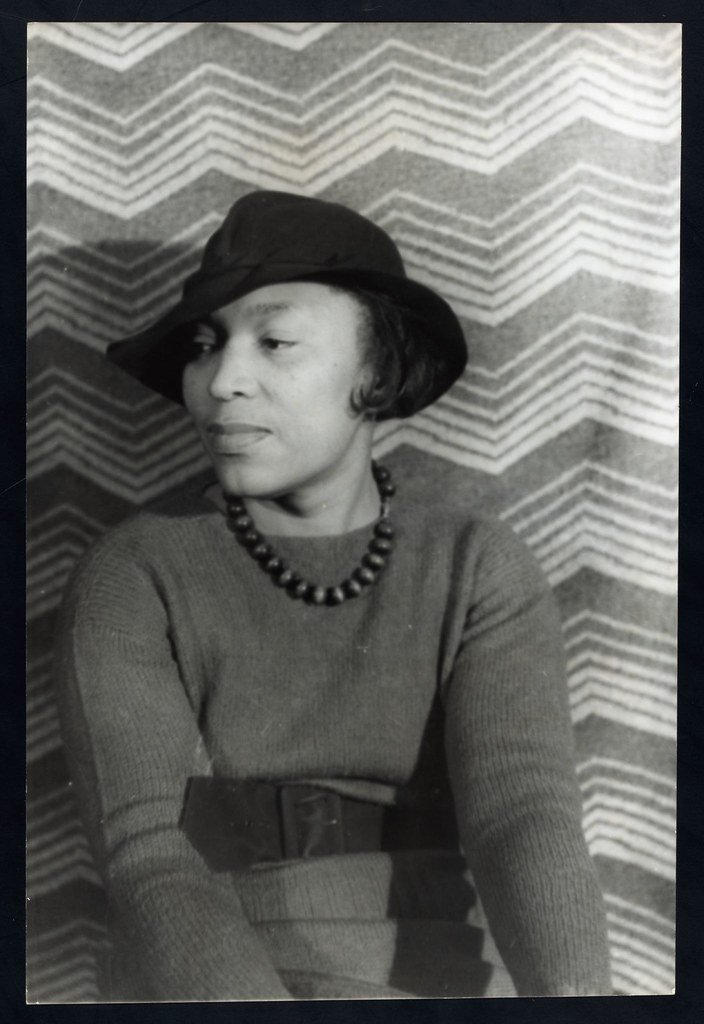
Zora Neale Hurston’s vibrant storytelling style and anthropological insights made her a key figure of the Harlem Renaissance, yet her fame faded after her death. Hurston’s 1937 novel, “Their Eyes Were Watching God,” is now celebrated for its powerful portrayal of Black womanhood in the American South. During her lifetime, however, Hurston faced criticism from some contemporaries for not confronting racial injustice directly enough in her work. In the decades after her passing, her books went out of print and she died in relative obscurity. A 1975 essay by Alice Walker sparked renewed interest in Hurston’s writing, leading to a surge in reprints and critical studies. Hurston’s legacy now thrives in academic circles, with recent research emphasizing her pioneering role in using Black dialect and folklore in literature. According to the Zora Neale Hurston Festival, attendance at events celebrating her work has grown steadily in recent years, reflecting her restored influence.
3. Sappho
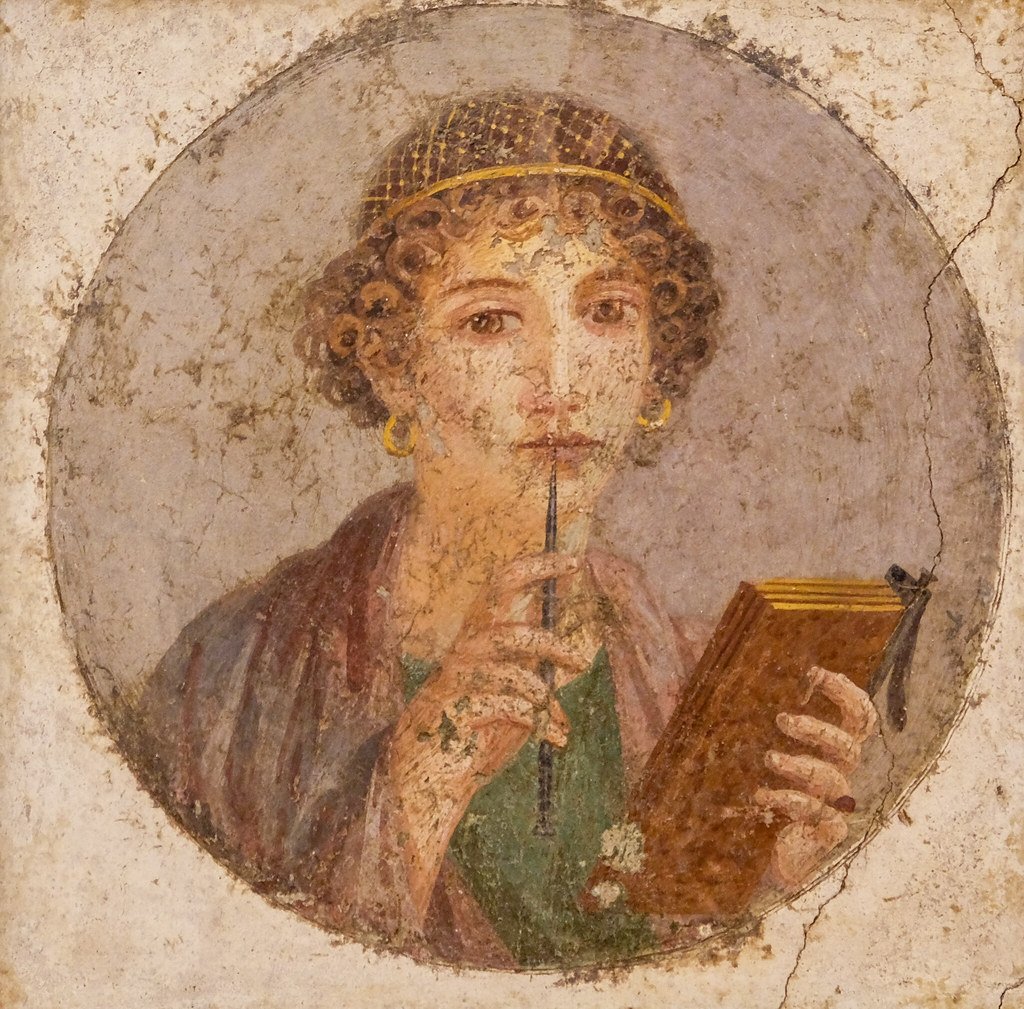
Sappho’s poetry, written over 2,600 years ago on the Greek island of Lesbos, is legendary—but most of it was lost to time. Only fragments remain, yet these lines have inspired generations of poets with their emotional intensity and lyrical beauty. Sappho’s verses celebrate love, passion, and the inner lives of women, offering a perspective rarely seen in ancient literature. For centuries, her work was suppressed or censored due to its frank exploration of female desire. Modern discoveries, like the 2014 finding of two previously unknown Sappho poems, have reignited scholarly and popular interest in her contributions. Researchers at Oxford University have worked to piece together her surviving lines, revealing new insights into her artistry. Sappho’s cultural impact is so profound that “lesbian” derives from her home island—a testament to her enduring influence.
4. Ann Petry

Ann Petry broke barriers as the first Black woman to sell over a million copies of a novel with her debut, “The Street,” published in 1946. Despite this achievement, Petry’s name is rarely mentioned alongside other giants of American literature. Her work explored the complexities of Black life in mid-century Harlem, weaving together themes of gender, race, and urban struggle. Petry’s nuanced characters and social commentary were ahead of their time, and her books have recently experienced a resurgence. In 2020, following a wave of interest in Black literature, “The Street” climbed back onto bestseller lists, and scholars have praised Petry’s detailed depictions of female resilience. Petry’s literary estate reports increased requests for reprints and academic citations, signaling renewed recognition of her legacy.
5. Sor Juana Inés de la Cruz

Sor Juana Inés de la Cruz, a 17th-century Mexican nun, is recognized today as one of Latin America’s greatest writers, but her work was long overlooked outside Spanish-speaking circles. A self-taught scholar, Sor Juana defied church authorities by pursuing intellectual freedom and writing poetry, plays, and philosophical essays. Her “Respuesta a Sor Filotea de la Cruz” stands as a passionate defense of women’s right to education. For centuries, her accomplishments were downplayed or dismissed, with her writings often excluded from literary canons. Recent studies have reappraised her as a proto-feminist icon and a master of Baroque literature. In 2021, the Mexican government commemorated her 326th anniversary with a national campaign, reflecting her growing influence in cultural and academic discussions.
6. Nella Larsen
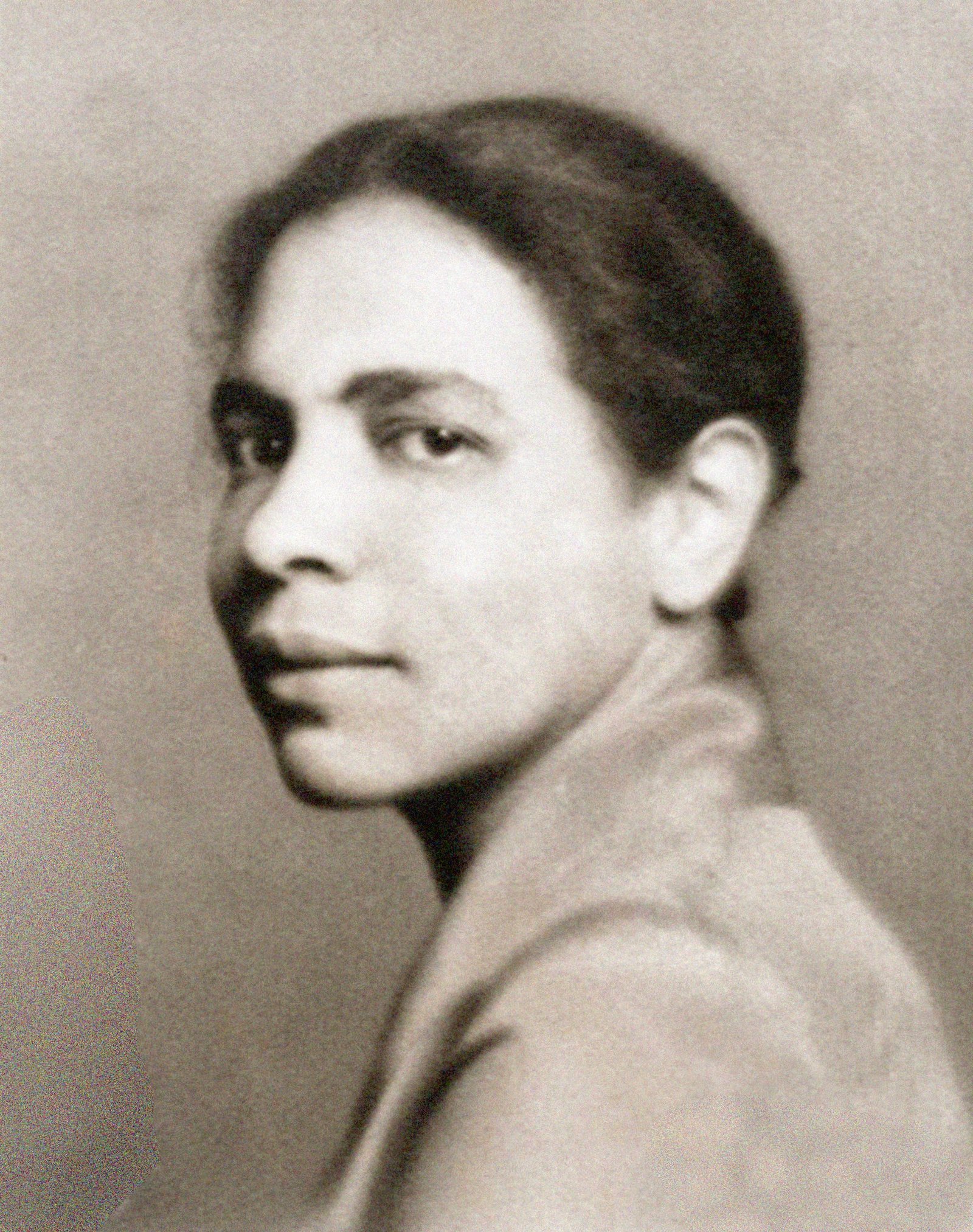
Nella Larsen is best known for her novels “Passing” and “Quicksand,” which explored the complexities of racial identity and gender during the Harlem Renaissance. Despite critical acclaim during her lifetime, Larsen faded into obscurity after the 1930s, partly due to accusations of plagiarism and her withdrawal from public life. Her nuanced explorations of “passing” as white in segregated America have gained new relevance in contemporary discussions of race and identity. In 2022, the film adaptation of “Passing” sparked a surge in sales of Larsen’s works and renewed scholarly attention. The National Book Foundation reported a sharp increase in citations and reprints of her novels, illustrating her enduring importance as a literary innovator. Larsen’s legacy is now recognized as vital to understanding both American literature and the complexities of identity.
7. Mary Elizabeth Braddon
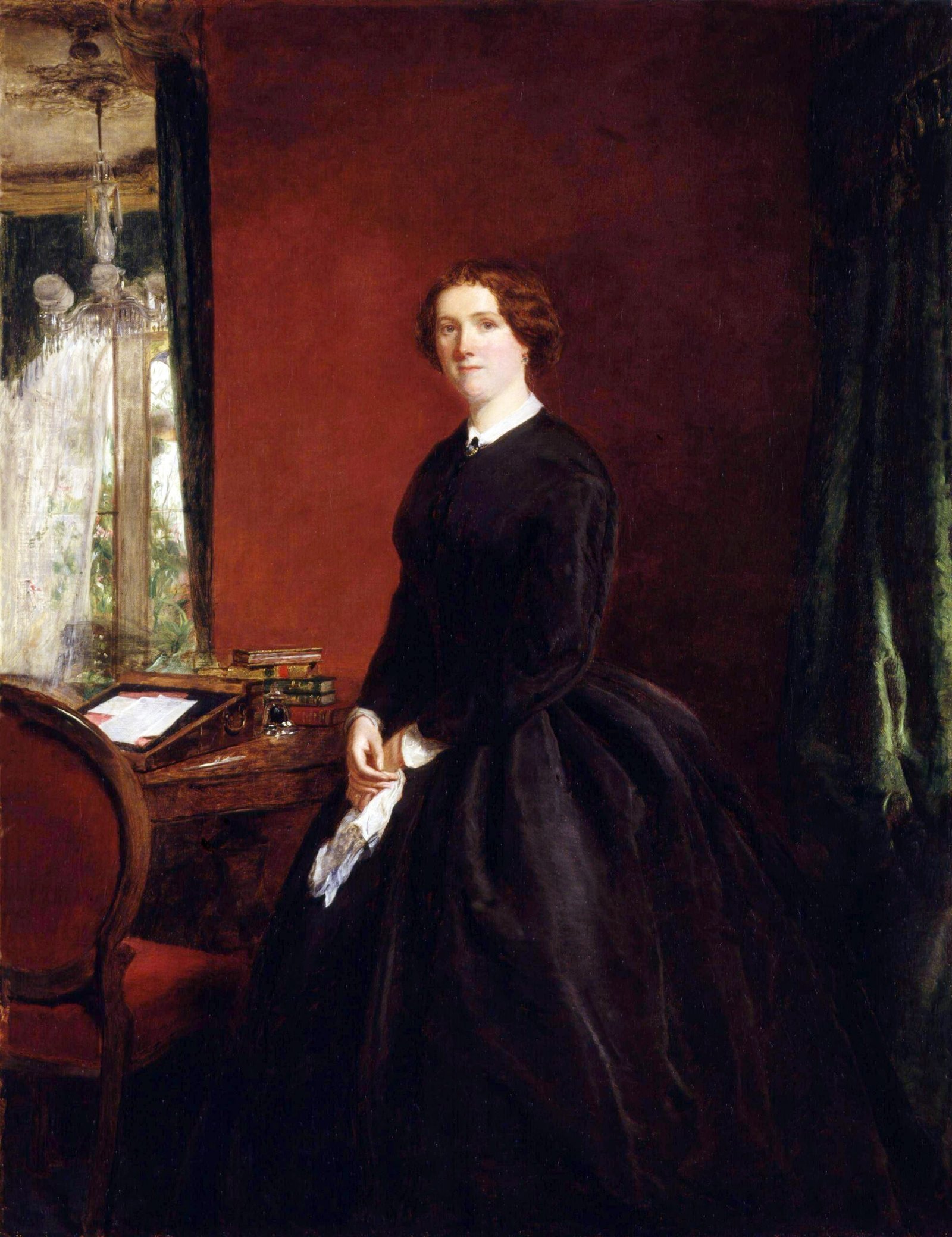
Mary Elizabeth Braddon was a Victorian sensation novelist whose 1862 bestseller, “Lady Audley’s Secret,” shocked and thrilled readers with its depiction of madness, ambition, and deceit. Braddon’s works dominated the literary scene in her lifetime, outselling many of her male contemporaries. Yet, as the 20th century prioritized “serious” literary fiction, her reputation declined and her books slipped out of print. Recent research has re-evaluated Braddon’s influence, especially her role in the development of the modern psychological thriller. The Braddon Association, formed in 2017, reports growing attendance at events and increased academic interest in her novels. Scholars now credit Braddon with paving the way for later crime and mystery writers, including Agatha Christie.
8. Pauline Hopkins

Pauline Hopkins was a pioneering African American novelist, editor, and journalist in the early 1900s. Her novel “Contending Forces” tackled race, gender, and social justice in post-Civil War America. Despite her prolific output, Hopkins was pushed to the margins of literary history for decades, her work overshadowed by male contemporaries. Recent digitization projects by major libraries have made her writings more accessible, prompting a wave of new scholarship. The Schomburg Center for Research in Black Culture notes a steady rise in academic references to Hopkins since 2015. Her contributions as an editor for “The Colored American Magazine” are also being re-examined, highlighting her role in shaping African American literary culture.
9. Anna Akhmatova
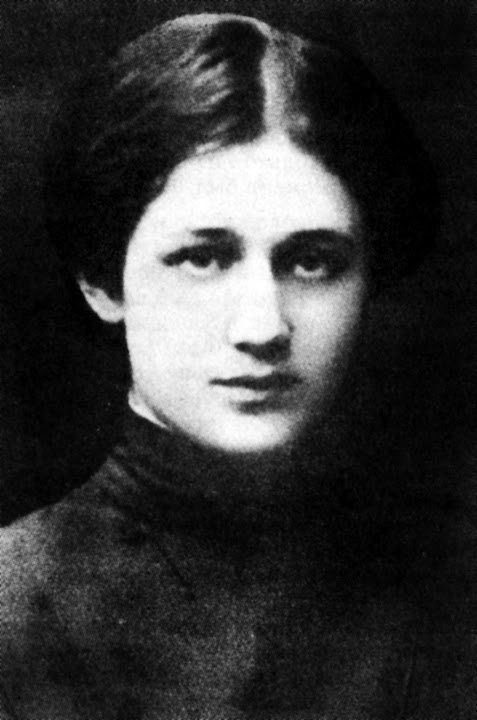
Anna Akhmatova is one of Russia’s most revered poets, yet outside her homeland, her legacy is often overshadowed by male contemporaries. Akhmatova’s poetry, marked by its emotional intensity and lyrical clarity, offered solace and resistance during the darkest days of Soviet repression. She endured censorship, surveillance, and personal tragedy, yet continued to write, earning secret admiration from dissidents and intellectuals. New translations of her work, such as the 2023 volume “Poems of Akhmatova,” have brought her poetry to a wider audience. The Russian Academy of Sciences reported a surge in global downloads of her poetry collections in the past year. Akhmatova’s writing stands as a testament to the resilience of the human spirit in the face of tyranny.
10. Dorothy Richardson
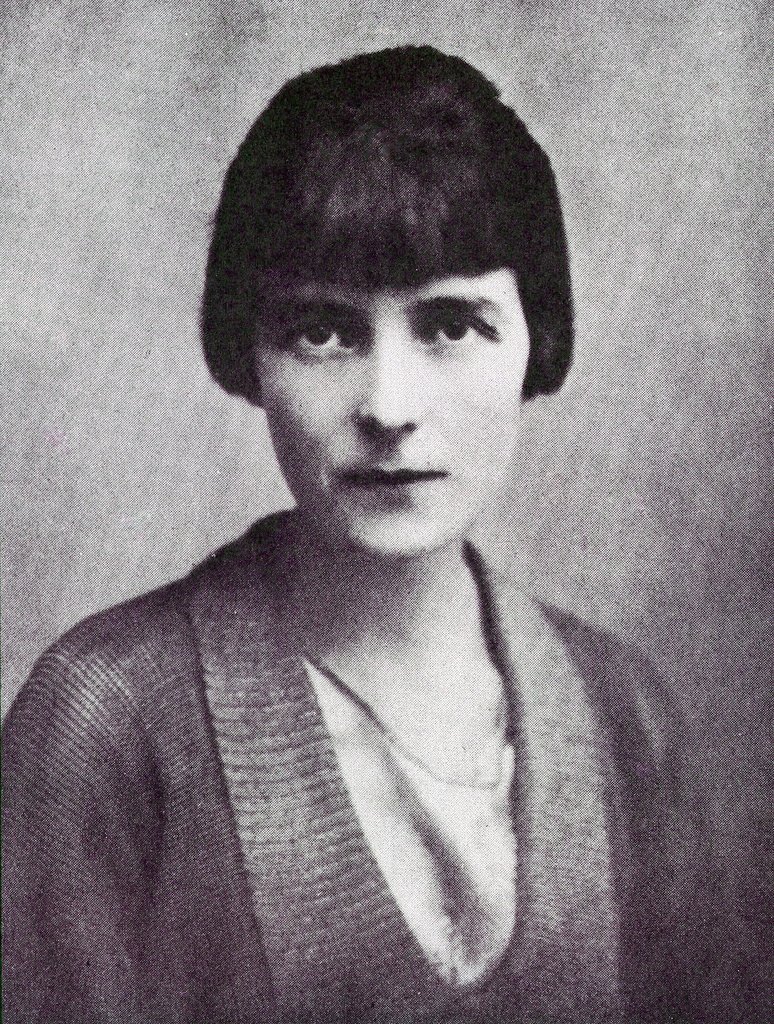
Dorothy Richardson is credited with pioneering the stream-of-consciousness narrative technique later popularized by James Joyce and Virginia Woolf. Her multi-volume novel sequence “Pilgrimage,” begun in 1915, offered an intimate look at the inner life of a modern woman. Despite being hailed as a literary innovator in her time, Richardson’s work was gradually eclipsed by her male peers. In recent years, new editions and academic studies have highlighted her central role in the evolution of modernist fiction. The Modernist Studies Association has featured Richardson in its annual conferences, reflecting renewed scholarly interest. Her experimental style and focus on women’s experiences continue to influence novelists today.
11. Gwendolyn Brooks
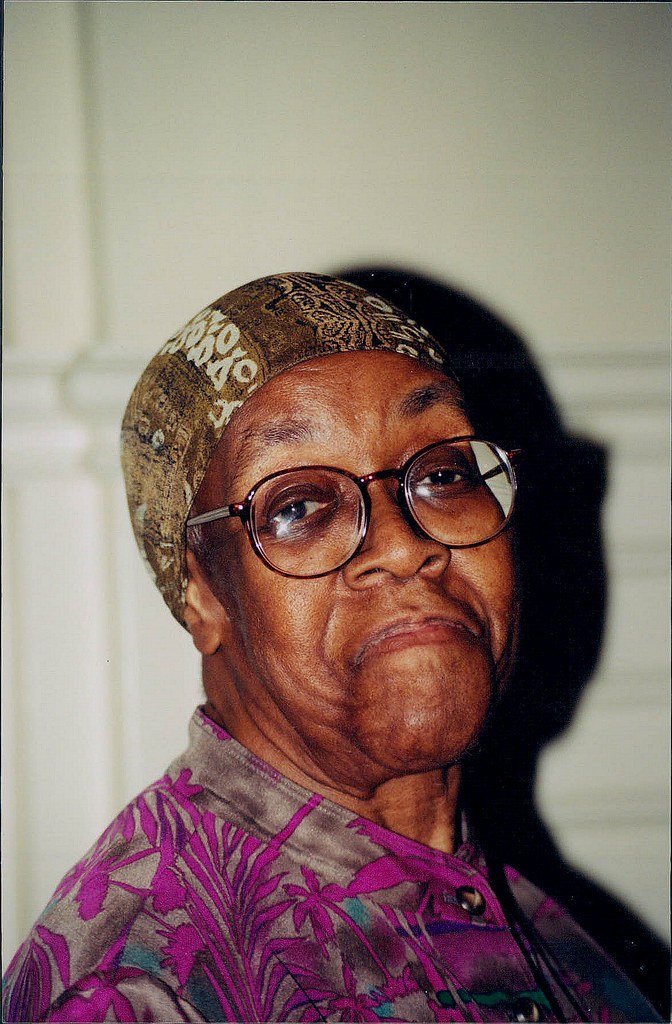
Gwendolyn Brooks made history in 1950 as the first Black author to win the Pulitzer Prize, yet her broader literary achievements are often overlooked. Brooks chronicled Black urban life with empathy and insight, using poetic forms as a tool of both protest and celebration. Her collections, including “A Street in Bronzeville” and “Annie Allen,” highlight the everyday struggles and triumphs of her community. In recent years, the Academy of American Poets has reported increased citations of her work in academic publications and school curricula. Brooks’s influence extends far beyond poetry; her commitment to mentoring young writers and fostering Black literary culture is widely acknowledged. A 2024 PBS documentary introduced her work to a new generation, prompting a resurgence of interest in her poetry.
12. Edith Maude Eaton (Sui Sin Far)
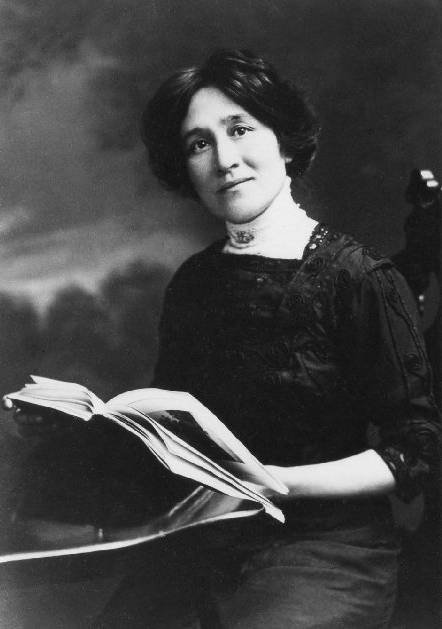
Edith Maude Eaton, known by her pen name Sui Sin Far, was one of the first writers of Asian descent to gain literary recognition in North America. Her stories, published in the early 20th century, depicted the everyday lives and struggles of Chinese immigrants in Canada and the United States. At a time of widespread anti-Chinese sentiment, Eaton’s compassionate portrayals broke new ground. Her work faded into obscurity for decades, but a wave of Asian American literary scholarship in the 21st century has brought her back into the spotlight. The Association for Asian American Studies reports a marked increase in conference papers and dissertations on Eaton since 2018. Her stories are now seen as foundational to the Asian American literary canon.
13. Delmira Agustini
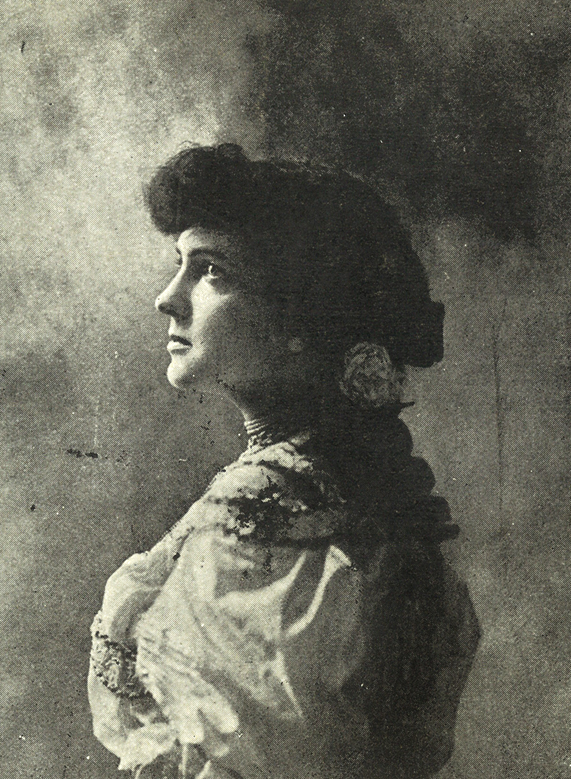
Delmira Agustini, a Uruguayan poet writing at the turn of the 20th century, was known for her bold exploration of female desire and eroticism. Her passionate verses scandalized conservative readers but also inspired a generation of Latin American modernist poets. Agustini’s life was cut tragically short when she was murdered at age 27, and her work was long overshadowed by her male contemporaries. In recent years, feminist scholars have reclaimed her legacy, emphasizing her defiance of social taboos. The University of Montevideo has launched a digital archive of her work, making her poetry more accessible worldwide. Agustini’s influence endures in the vibrant tradition of Latin American women’s poetry.
14. Gertrude Stein
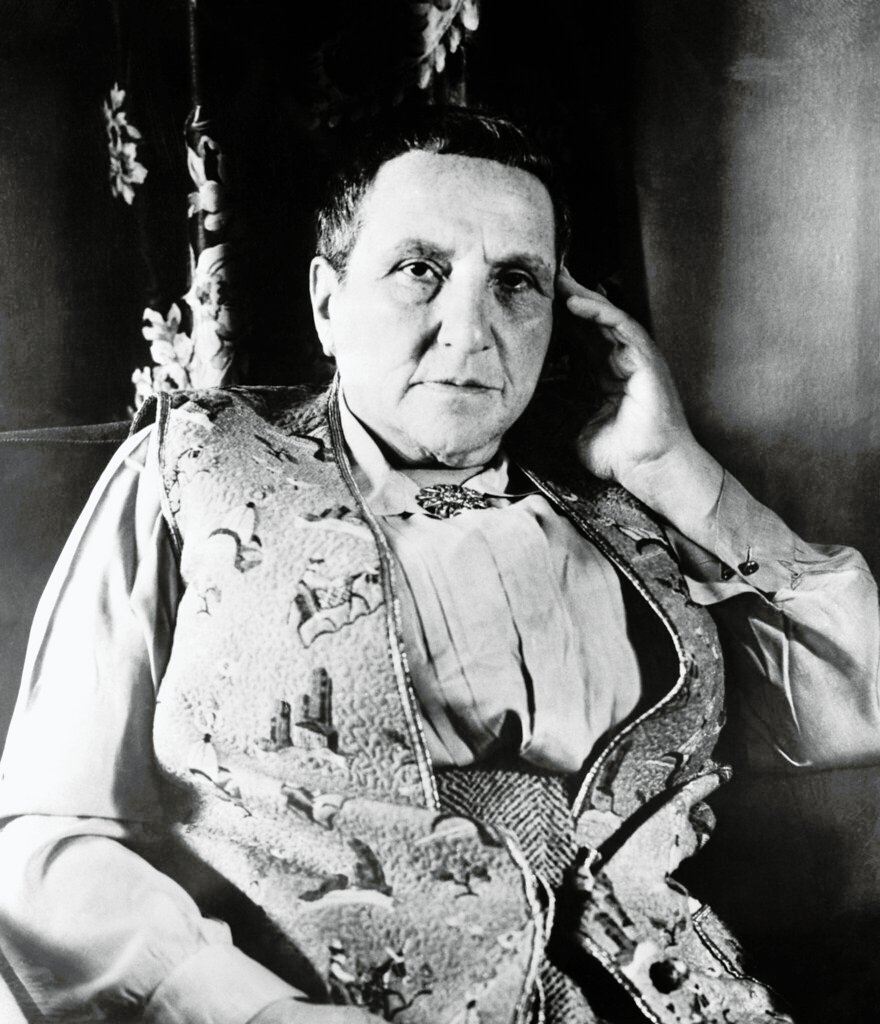
Gertrude Stein was a towering figure in the Parisian avant-garde, yet her experimental writing style often left her misunderstood and underappreciated. Stein’s works, such as “Three Lives” and “Tender Buttons,” broke with literary conventions, paving the way for modernism. She was also a mentor to many influential writers and artists, including Ernest Hemingway and Pablo Picasso. Despite her impact on the artistic landscape, Stein’s own writings were frequently dismissed as impenetrable or eccentric. Recent exhibitions and academic publications have worked to illuminate the scope of her influence, with the Smithsonian noting a sharp rise in public interest in her life and work since 2020. Stein’s legacy is now celebrated for its innovation and boundary-pushing creativity.
15. María Amparo Ruiz de Burton
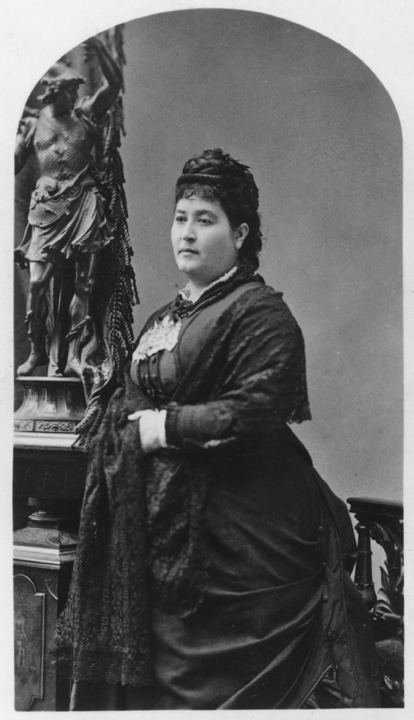
María Amparo Ruiz de Burton, a 19th-century Mexican American writer, was one of the first Latina novelists to publish in English. Her novels, “Who Would Have Thought It?” and “The Squatter and the Don,” offered sharp critiques of racism and land dispossession in post-Mexican-American War California. Ruiz de Burton’s work was largely forgotten until the late 20th century, when Chicana scholars began to rediscover her novels. The Hispanic Society of America has highlighted her as a key figure in early American literature, and university courses increasingly include her work in their syllabi. Ruiz de Burton’s pointed satire and powerful storytelling continue to resonate in discussions of identity and justice.

Besides founding Festivaltopia, Luca is the co founder of trib, an art and fashion collectiv you find on several regional events and online. Also he is part of the management board at HORiZONTE, a group travel provider in Germany.
