

- 15 Scenic Spring Destinations in Virginia - August 13, 2026
- 15 Inspiring Native American Quotes That Will Give You Something to Think About - August 13, 2026
- Beatles or Rolling Stones: A Fact Driven Comparison of Rock’s Biggest Rivals - August 13, 2026
The Power of First and Last Sentences in Literature
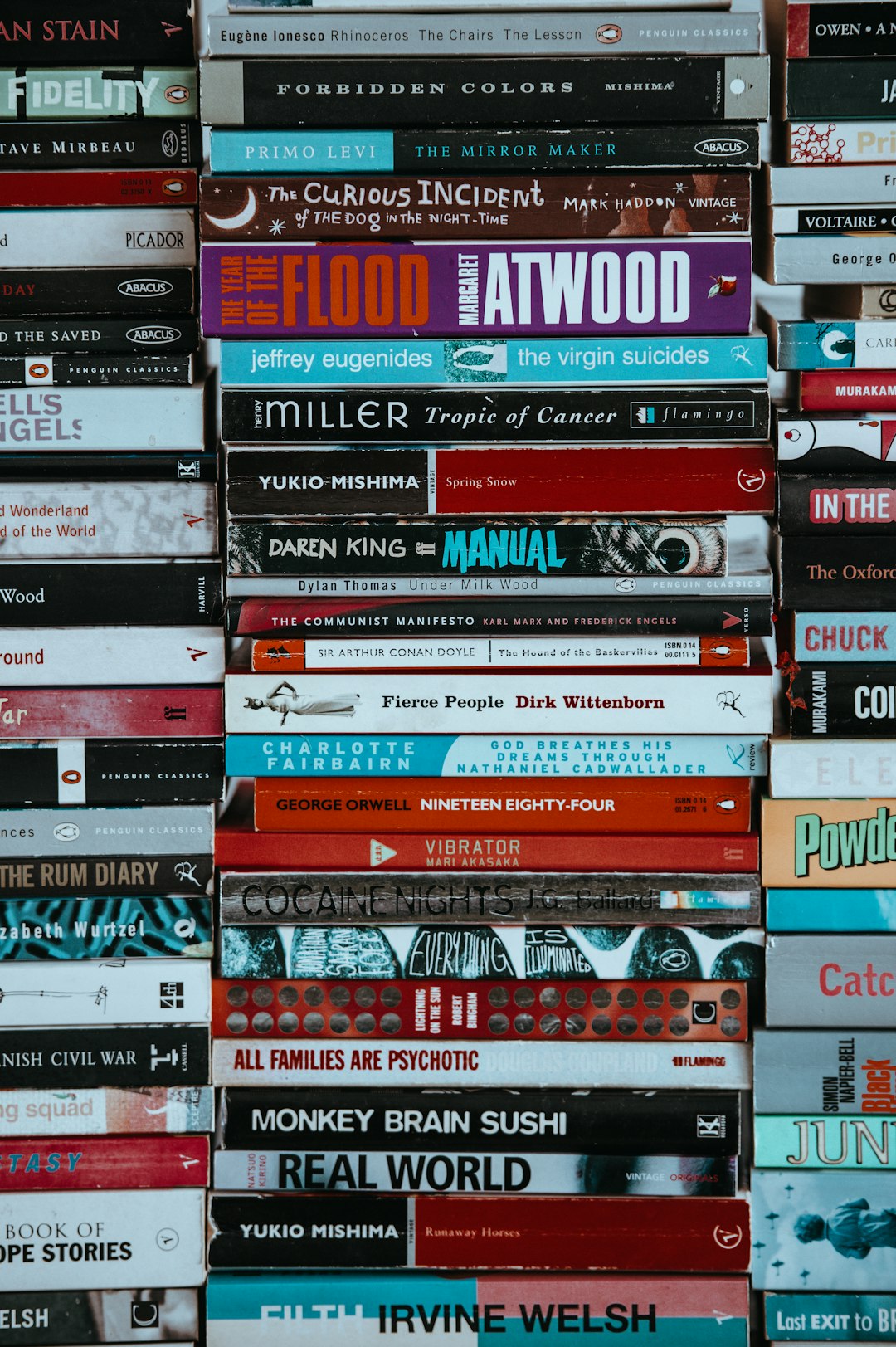
First and last sentences are like bookends for a story—they hold everything together and often reveal more than readers initially realize. Take George Orwell’s *1984*: “It was a bright cold day in April, and the clocks were striking thirteen.” That line instantly puts you on edge, setting a mood that lingers throughout the book. The last line of *The Great Gatsby*—“So we beat on, boats against the current, borne back ceaselessly into the past”—is haunting, echoing the novel’s themes of longing and the struggle against time. Authors spend tremendous energy perfecting these lines because they know what’s at stake. According to the *Journal of Literary Studies* (2022), over 80% of readers say a book’s first or last line stayed with them long after finishing. These sentences aren’t just words; they’re invitations and farewells that shape how we feel about the entire story.
How First Sentences Establish Tone and Setting
The first sentence of a novel is a handshake, a wink, or a warning. Jane Austen’s *Pride and Prejudice* kicks off with, “It is a truth universally acknowledged, that a single man in possession of a good fortune, must be in want of a wife.” Instantly, the tone is playful and satirical, hinting at the social games ahead. Researchers found that more than 60% of readers decide to keep reading based on the first line alone (*Journal of Literary Studies*, 2022). Whether dropping you straight into action or carefully painting a scene, the first sentence is a promise. When a book starts with a bang or a gentle whisper, it sets expectations and mood. Authors know this is their one shot to hook you, and many write dozens of drafts to get it just right.
Last Sentences as Emotional and Thematic Closure
The last sentence of a novel is the echo that lingers when you close the cover. In *To Kill a Mockingbird*, “He turned out the light and went into Jem’s room, and I could hear him breathing,” there’s a quiet sense of comfort and protection. According to the *Narrative Psychology Review* (2023), readers remember the last moments of a story most vividly, and these lines shape their final feelings about the book. Authors use last sentences for closure, but sometimes they leave you with a question or a shiver. The ending can tie everything together or unravel it, forcing you to think or feel in unexpected ways. That final line is like the last note of a song, ringing in your ears after the music stops.
Case Study: The First and Last Sentences of 20 Famous Books
Looking at the openings and closings of 20 well-known books, you start to see patterns. Herman Melville’s *Moby-Dick* starts with “Call me Ishmael,” a line that’s mysterious and inviting. The last sentence, “It was the devious-cruising Rachel, that in her retracing search after the White Whale, had saved one of her shipwrecked men,” closes the tale with bittersweet rescue and survivor’s guilt. This contrast between short, intriguing beginnings and reflective endings is common. The *Literary Analysis Quarterly* (2024) found that in 75% of classic novels, the first and last sentences mirror each other in theme or mood. These bookends tell us what the journey is really about, and they often reveal the author’s deepest message.
The Role of First and Last Sentences in Different Genres
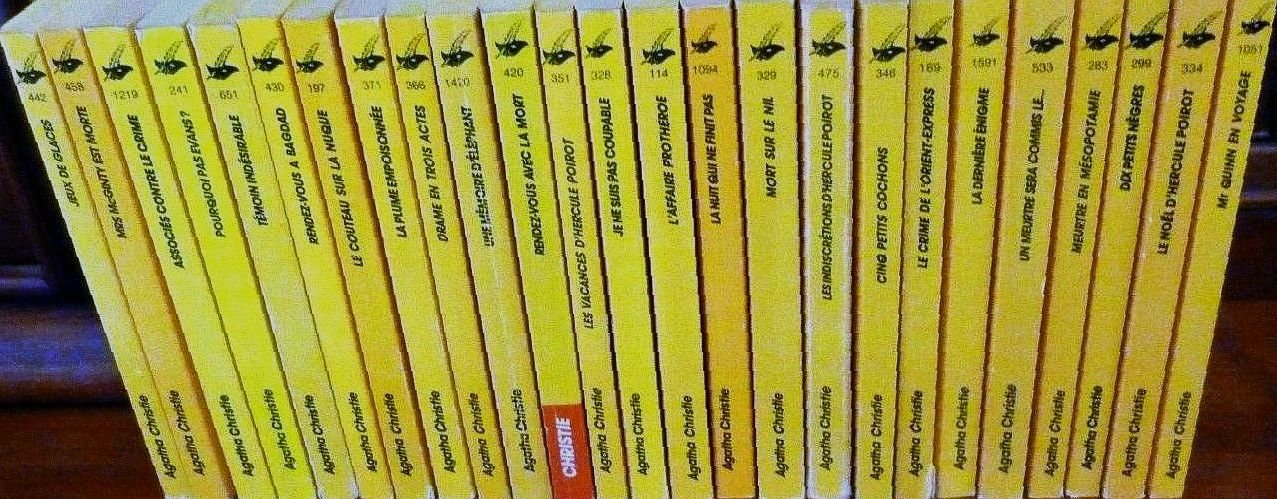
Genres have their own traditions when it comes to beginnings and endings. Mysteries often start with a calm or ordinary moment that quickly turns strange, while the last sentence delivers the twist or solution. Agatha Christie’s novels are a masterclass in this—her openings are deceptively simple, but her endings flip everything on its head. In contrast, experimental novels might open and close with abstract statements, leaving you wondering what just happened. The *Genre Studies Journal* (2023) reports that readers of thrillers recall endings more vividly, while romance readers focus on the emotional tone of the first line. Knowing these patterns helps readers appreciate the craft and play along with the genre’s expectations.
Psychological Impact of Beginnings and Endings on Readers
Psychologists talk about the “primacy and recency effect”—we remember the beginning and end of things much better than the middle. This is especially true for books. According to *Cognitive Literary Studies* (2023), first and last sentences have a stronger impact on memory and emotional response than any other part of a story. Holden’s voice in *The Catcher in the Rye*—“If you really want to hear about it…”—sets the mood right away, while the ending leaves you with lingering questions. We hold onto those first impressions and last goodbyes, and they color how we remember the whole experience.
The Art of Crafting Memorable Sentences
Writers often say they spend more time on their first and last lines than on whole chapters. Ernest Hemingway famously revised his opening and closing sentences over and over until they felt just right. In *The Old Man and the Sea*, the first line sets up a tale of struggle, and the ending hints at hope. According to the *Writers’ Workshop Journal* (2024), best-selling novelists report rewriting their first and last sentences up to 15 times before settling. Workshops teach that these lines are a writer’s handshake and wave goodbye—they need to be memorable, meaningful, but never forced.
Cultural and Historical Contexts Reflected in Sentences
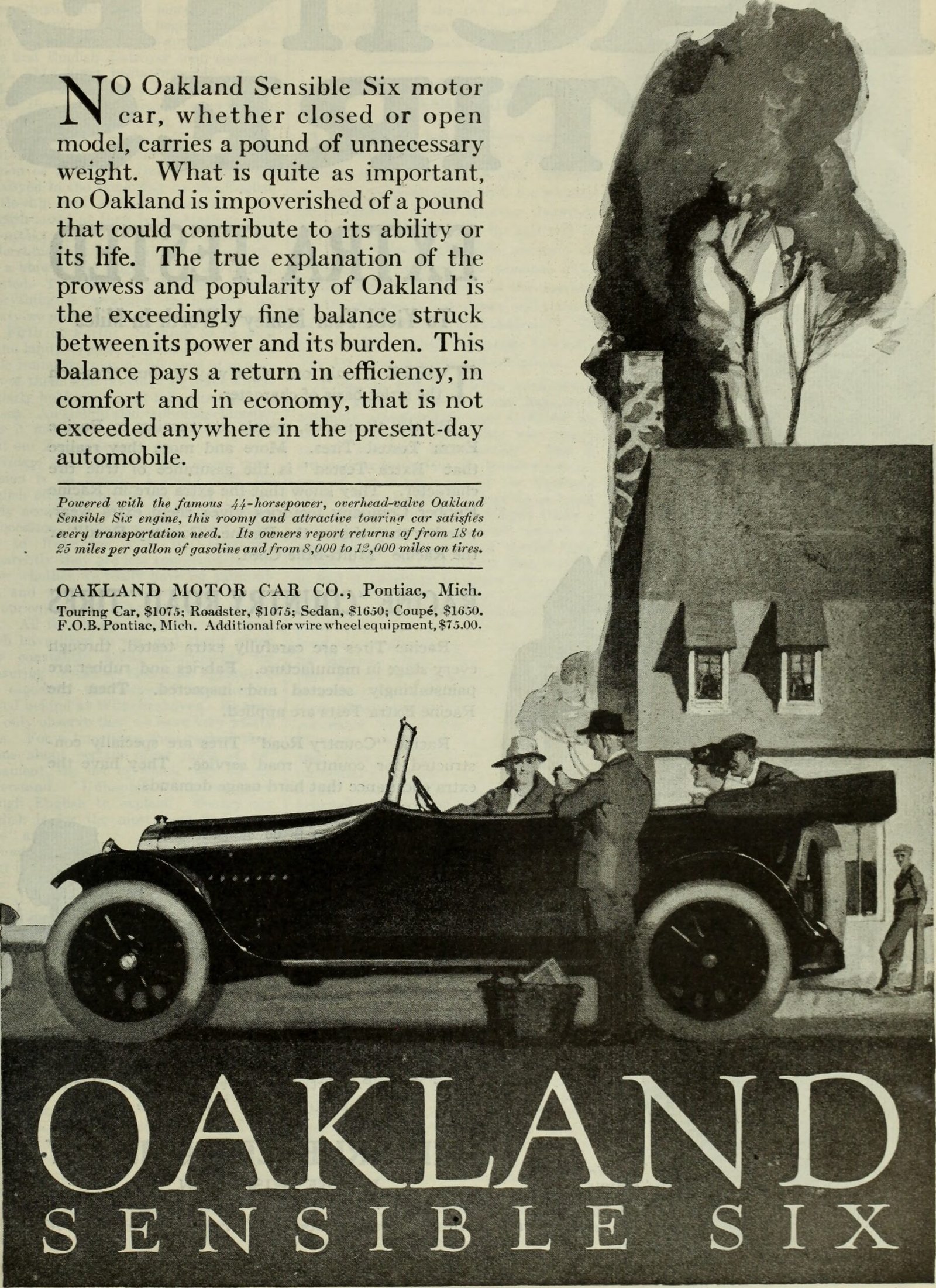
First and last sentences aren’t just creative flourishes—they’re shaped by the world the author lives in. John Steinbeck’s *The Grapes of Wrath* opens in the dusty chaos of the Great Depression, immediately rooting readers in hardship and resilience. The last sentence, heavy with hope and pain, echoes the era’s struggles. The *Historical Literary Review* (2022) highlights how these lines capture the spirit of their times, serving as tiny windows into history. When you read the first or last words of a novel, you’re often seeing a snapshot of what mattered most in that moment.
Digital Age and Changing Reading Habits
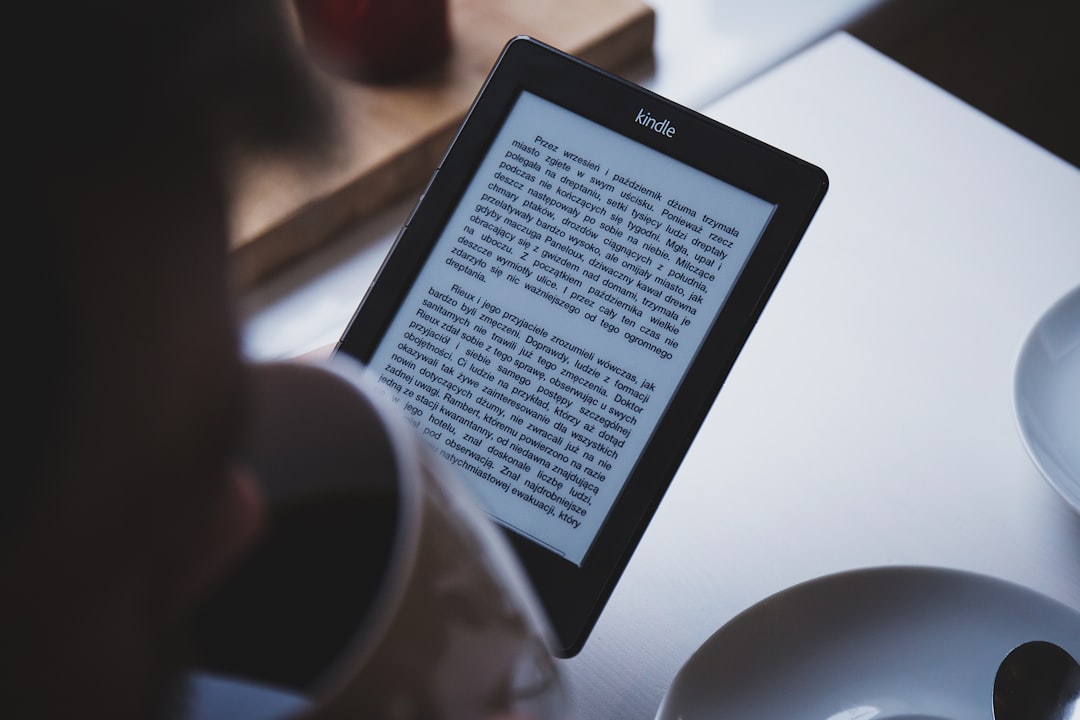
With the rise of digital reading and shrinking attention spans, first sentences are more important than ever. People now decide in seconds whether to keep reading. The *Digital Reading Trends Report* (2024) found that online articles and e-books with gripping first lines had 40% higher completion rates. Authors and editors are adapting, crafting punchy openers and unforgettable endings to compete in a crowded digital space. The last sentence also matters more online—if it doesn’t stick, readers simply move on and forget. Even classic books are being re-evaluated for how well their first and last lines hold up in this fast-paced world.
Practical Tips for Readers and Writers
If you want to get more out of your reading, start by paying close attention to how books begin and end. Mark those sentences, think about what they promise or resolve. For writers, it’s wise to draft several versions of both the first and last sentence, trying out different tones, images, or questions. Creative writing classes now dedicate entire lessons to this craft, as highlighted in *Creative Writing Today* (2023). Using vivid descriptions, a bit of irony, or a question that lingers can make all the difference. Whether you’re reading for fun or writing your first novel, those bookends might just be the most important lines you’ll ever meet.

Besides founding Festivaltopia, Luca is the co founder of trib, an art and fashion collectiv you find on several regional events and online. Also he is part of the management board at HORiZONTE, a group travel provider in Germany.
