

- 15 Times History Was Changed by a Single Speech - September 25, 2026
- “20 Authors Who Captured the American Dream Like No One Else” - September 25, 2026
- 20 Literary Rivalries That Shaped the American Canon - September 25, 2026
Home on the Range: The Anthem of the Cowboy
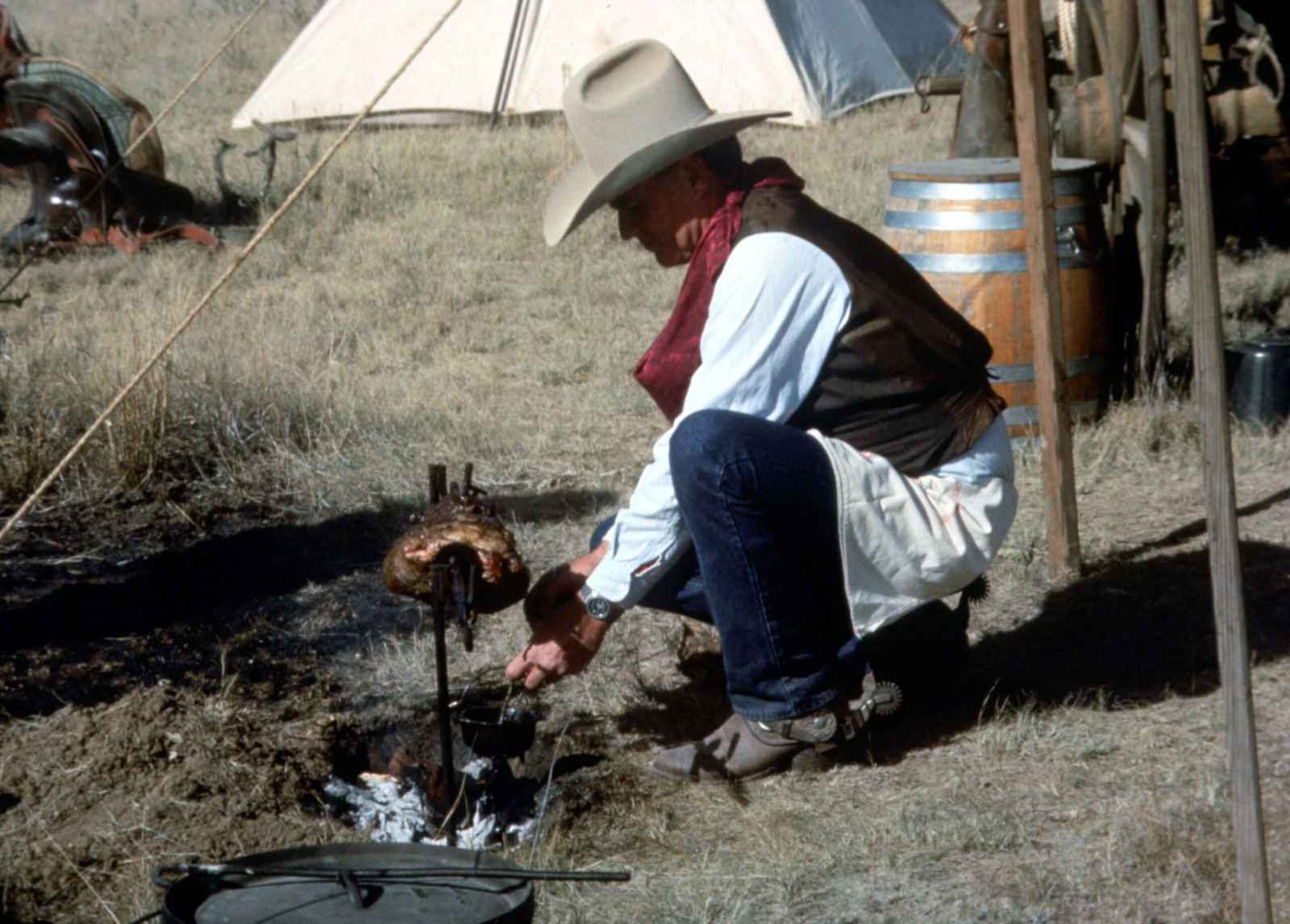
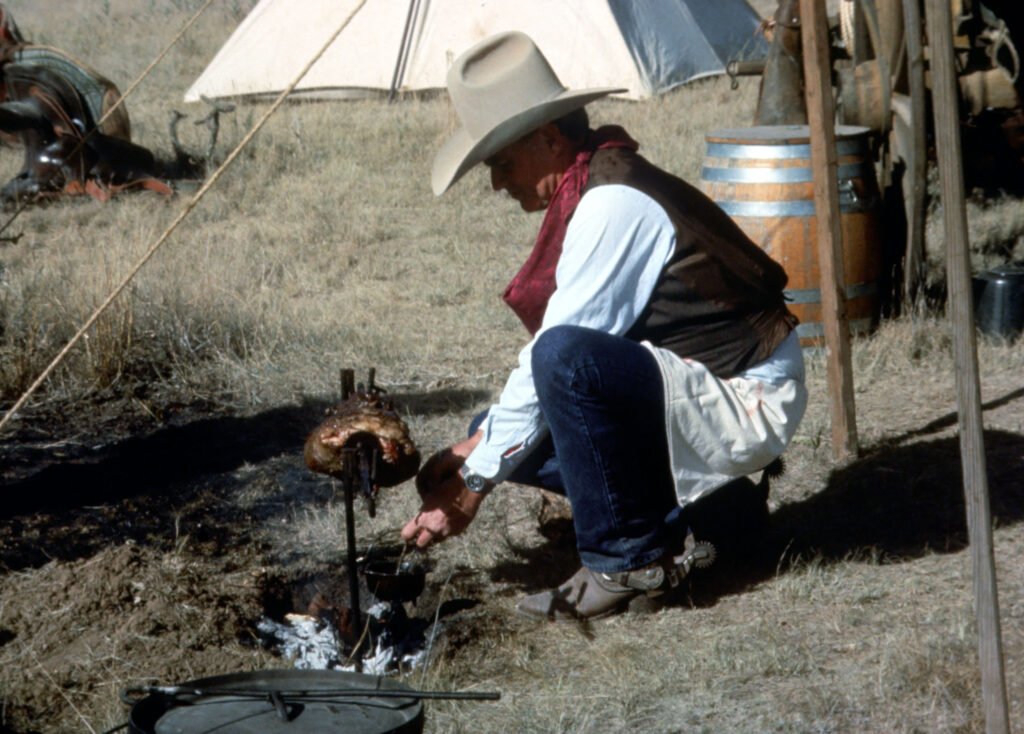
Home on the Range is more than just a song—it’s the unofficial anthem of the American cowboy. Written in the late 1800s, this tune captures the longing for peace and freedom that defined life on the open prairies. The lyrics evoke images of wide-open skies, roaming buffalo, and the simple joys of Western life. Historians note that it was sung around campfires by cowhands driving cattle across endless miles of grassland. The song’s message of hope and tranquility resonated so deeply that it was eventually adopted as the state song of Kansas in 1947. The Library of Congress even lists “Home on the Range” as one of the most beloved folk songs in American history. Its enduring popularity shows how deeply the spirit of the West runs in the American imagination.
Ghost Riders in the Sky: A Haunting Western Legend
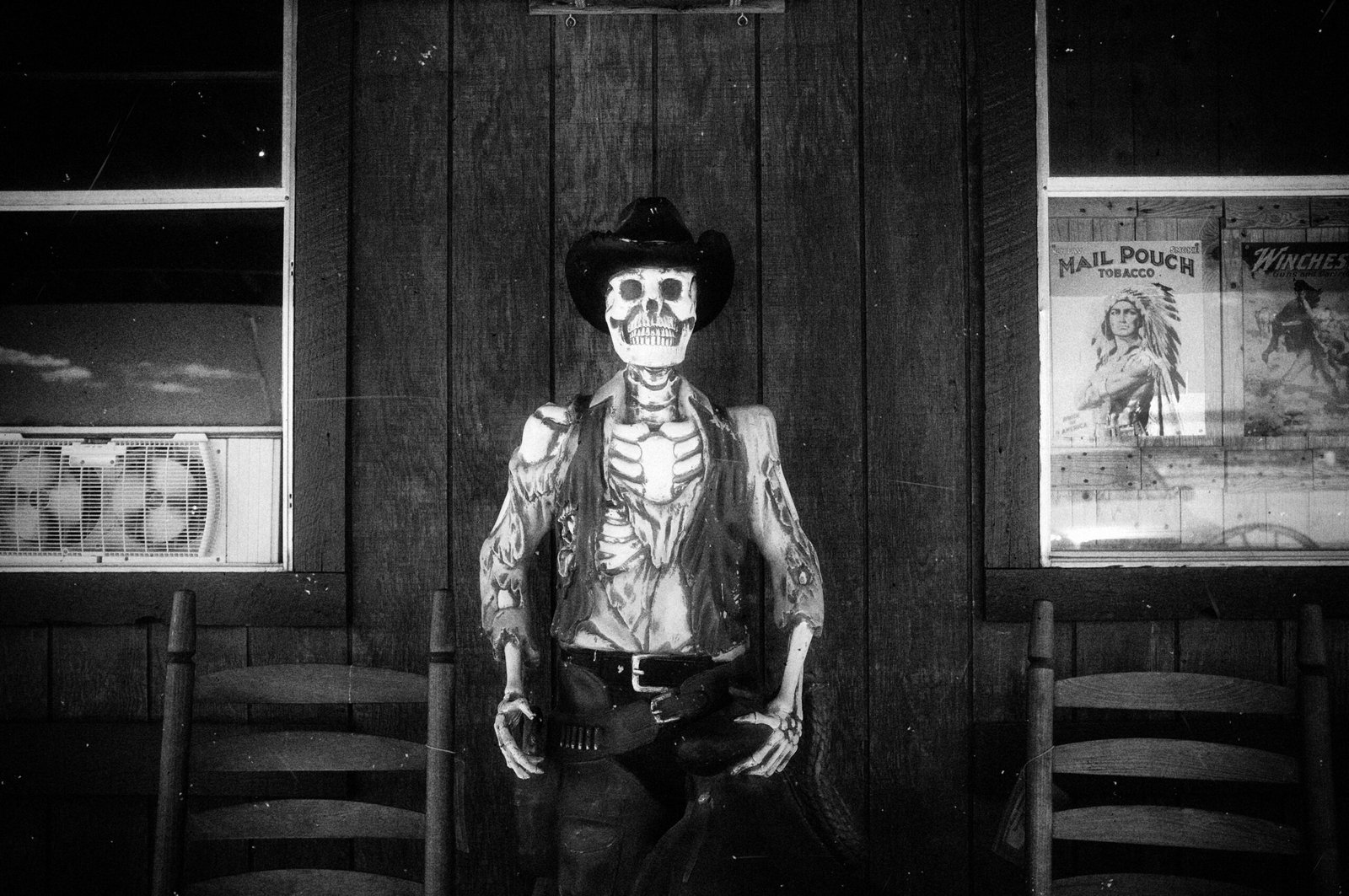
Ghost Riders in the Sky, written by Stan Jones in 1948, brings a supernatural twist to Western folklore. The song tells of spectral cowboys chasing phantom cattle across the stormy heavens, a powerful metaphor for the consequences of a life led astray. Its eerie melody and vivid storytelling have made it an enduring classic, covered by artists like Johnny Cash and Bing Crosby. According to music historians, it’s one of the most recorded Western songs of all time. The song taps into the West’s darker side, where legends and reality often blur. In interviews, Stan Jones revealed he was inspired by Native American myths he’d heard as a child in Arizona. The song’s haunting refrain continues to inspire listeners and performers today, illustrating the West’s mysterious and sometimes terrifying legacy.
Big Iron: The Tale of the Lone Ranger
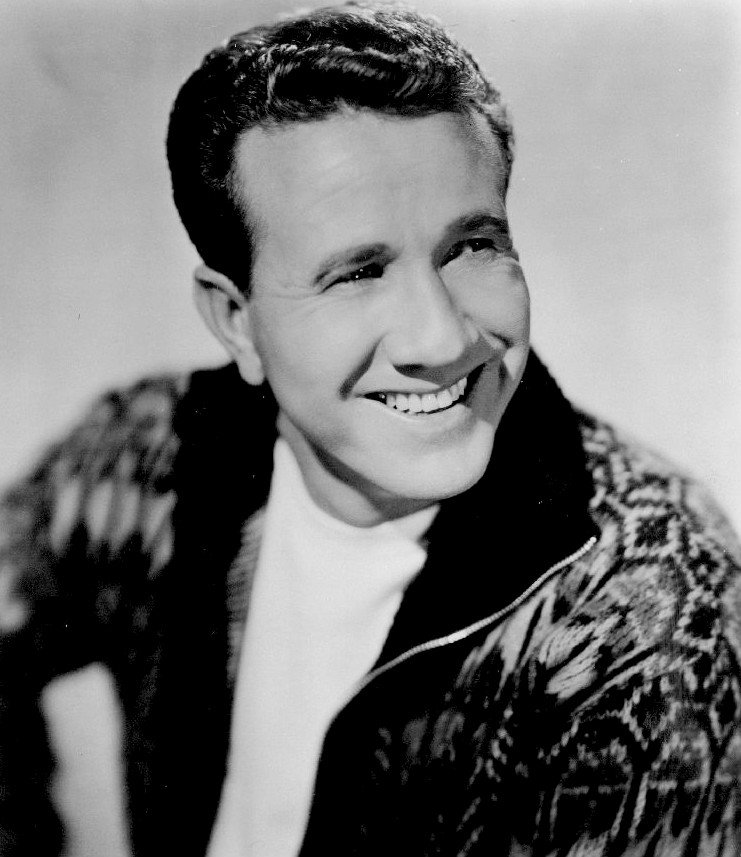
Marty Robbins’ “Big Iron” from 1959 is a ballad of justice and grit. The song tells the story of a lone Arizona Ranger who rides into the town of Agua Fria to confront an infamous outlaw. Robbins paints a vivid picture of the tension, danger, and heroism that defined Western law enforcement. The song’s dramatic storytelling and catchy melody helped it climb to number five on the Billboard Hot Country Singles chart. The themes of bravery and frontier justice in “Big Iron” echo the real-life struggles between lawmen and outlaws during the settling of the West. Its influence has lasted—decades later, the song experienced a revival in pop culture through its use in video games like Fallout: New Vegas, introducing a new generation to the legends of the American West.
El Paso: Love and Tragedy in the Desert
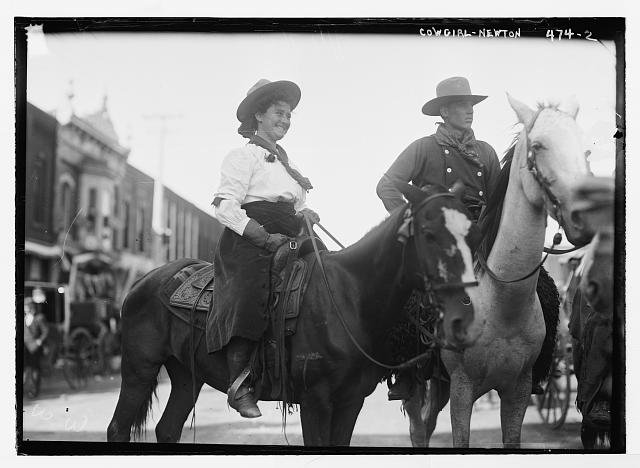
Also by Marty Robbins, “El Paso” (1959) is a sweeping ballad of love, jealousy, and fate. Set in the border town of El Paso, the song narrates the tragic story of a cowboy’s doomed romance with a Mexican maiden named Felina. Robbins’ detailed lyrics place the listener right in the dusty streets and candlelit saloons of the Old West. The song made history as the first country single to win a Grammy Award, and it reached number one on the Billboard Hot 100 in 1960. Its narrative style has influenced countless country and Western artists. “El Paso” remains a powerful reminder of how the West was a place of both endless possibilities and heartbreaking consequences.
Don’t Fence Me In: Yearning for Freedom
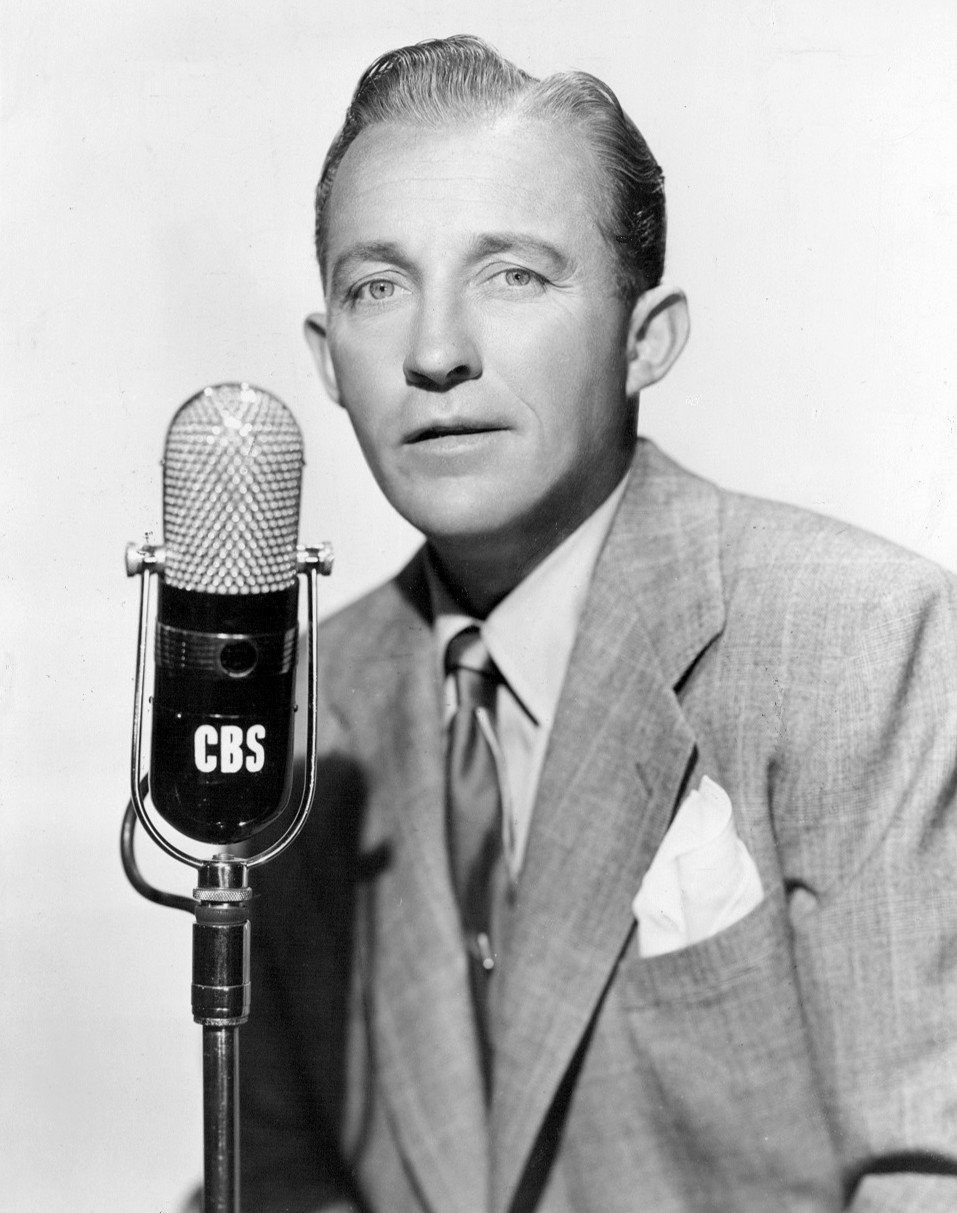
Originally written by Cole Porter in 1934 and made famous by Bing Crosby, “Don’t Fence Me In” captures the West’s unquenchable thirst for freedom. The song’s upbeat tempo and catchy chorus evoke the desire to roam the plains and mountains without limits or boundaries. During World War II, the song saw a surge in popularity as it became a symbol of American resilience and the dream of wide-open spaces. It’s been performed by countless artists, from Frank Sinatra to Ella Fitzgerald. According to the American Society of Composers, Authors and Publishers (ASCAP), it remains one of the most performed Western songs of all time. “Don’t Fence Me In” is a joyful celebration of the independent spirit that shaped the West.
Cool Water: The Harshness of Survival
“Cool Water” by Bob Nolan, first recorded by the Sons of the Pioneers in 1941, brings listeners straight into the struggles of surviving in the desert. The song tells of parched travelers and their desperate search for water—a reality faced by many pioneers and cowboys in the arid West. Its repetitive, almost hypnotic refrain mirrors the endless thirst that plagued those who braved the frontier. The song became an instant classic, hitting number two on the Billboard charts and earning a spot in the Grammy Hall of Fame. Modern artists like Joni Mitchell and Fleetwood Mac have all referenced or covered “Cool Water,” showing its lasting impact. The song serves as a stark reminder of the unforgiving environment that shaped Western life.
Back in the Saddle Again: Celebrating the Cowboy Life
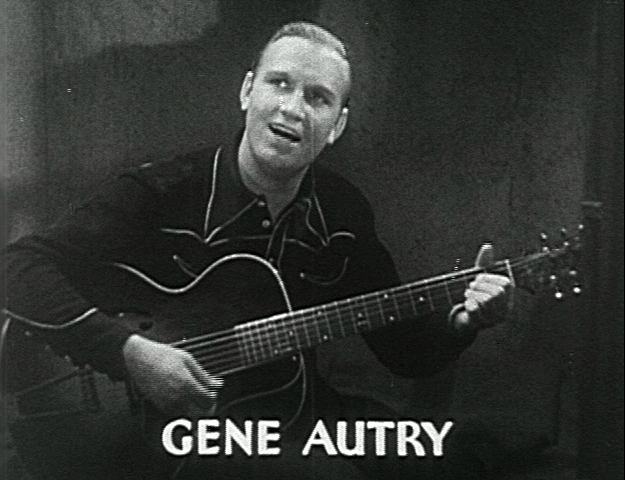
Gene Autry’s “Back in the Saddle Again,” released in 1939, is a cheerful tribute to the everyday joys of being a cowboy. The song became Autry’s theme and was featured in dozens of his films and radio shows, earning him the nickname “The Singing Cowboy.” Its lyrics speak to the satisfaction of returning to familiar trails and routines after hardships or setbacks. The song’s optimistic tone and catchy melody made it a favorite across America, especially during the tough years of World War II. According to the Country Music Hall of Fame, Autry’s music helped shape the image of the cowboy as a symbol of strength and determination. “Back in the Saddle Again” remains a timeless reminder of the resilience and joy found in Western life.
Rawhide: The Grit and Grind of the Cattle Drive
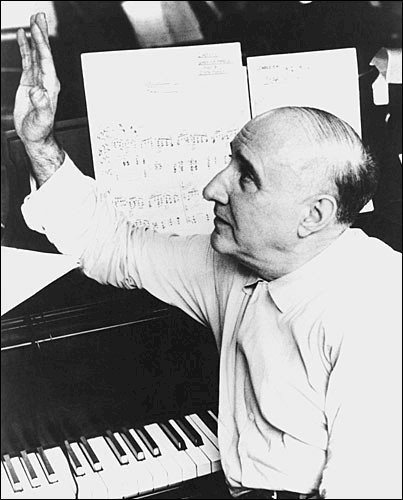
“Rawhide,” written by Dimitri Tiomkin and Ned Washington in 1958, catapulted to fame as the theme song for the hit TV series starring Clint Eastwood. Its driving rhythm and commanding lyrics perfectly capture the relentless pace and hard work of cattle drives. The song’s shout of “Rollin’, rollin’, rollin’!” has become synonymous with the Western work ethic. According to Nielsen Music, “Rawhide” continues to be one of the most streamed classic Western songs each year. Its influence extends beyond music, often appearing in movies, commercials, and even sports events. The song embodies the determination and toughness required to survive and thrive in the West.
Streets of Laredo: The Ballad of the Dying Cowboy
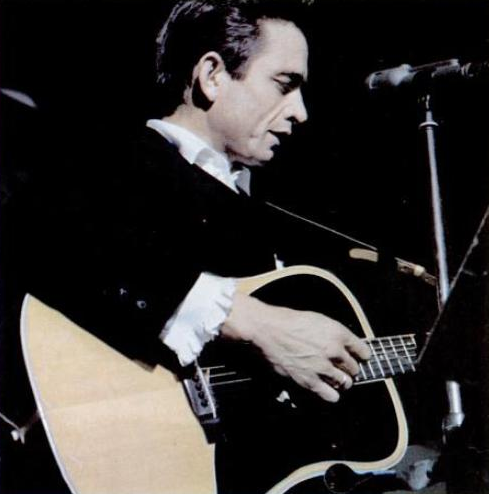
“Streets of Laredo,” also known as “The Cowboy’s Lament,” is a somber ballad that tells the story of a young cowboy facing death. The song’s origins trace back to the British Isles, but it found new life on the American frontier. Its mournful melody and reflective lyrics speak to the dangers and loneliness that haunted Western life. The song has been recorded by hundreds of artists, from Johnny Cash to Willie Nelson. Musicologists note that “Streets of Laredo” helped shape the Western ballad genre, blending storytelling with deep emotion. The song remains a poignant reminder of the high price paid by those who rode the Wild West.
Take Me Back to My Boots and Saddle: Longing for Home

“Take Me Back to My Boots and Saddle,” first recorded by Gene Autry in 1937, is a heartfelt plea for the comfort and familiarity of home. The lyrics speak to the longing that many cowboys and settlers felt after months or years away from loved ones and familiar places. The song’s gentle melody and wistful tone made it a hit in both country and pop circles, reaching number one on the Billboard charts in 1938. During the Great Depression, the song’s message of hope and belonging resonated with millions of Americans. It’s still performed today at Western festivals and gatherings, reminding listeners of the powerful pull of home.
Red River Valley: Farewell on the Frontier
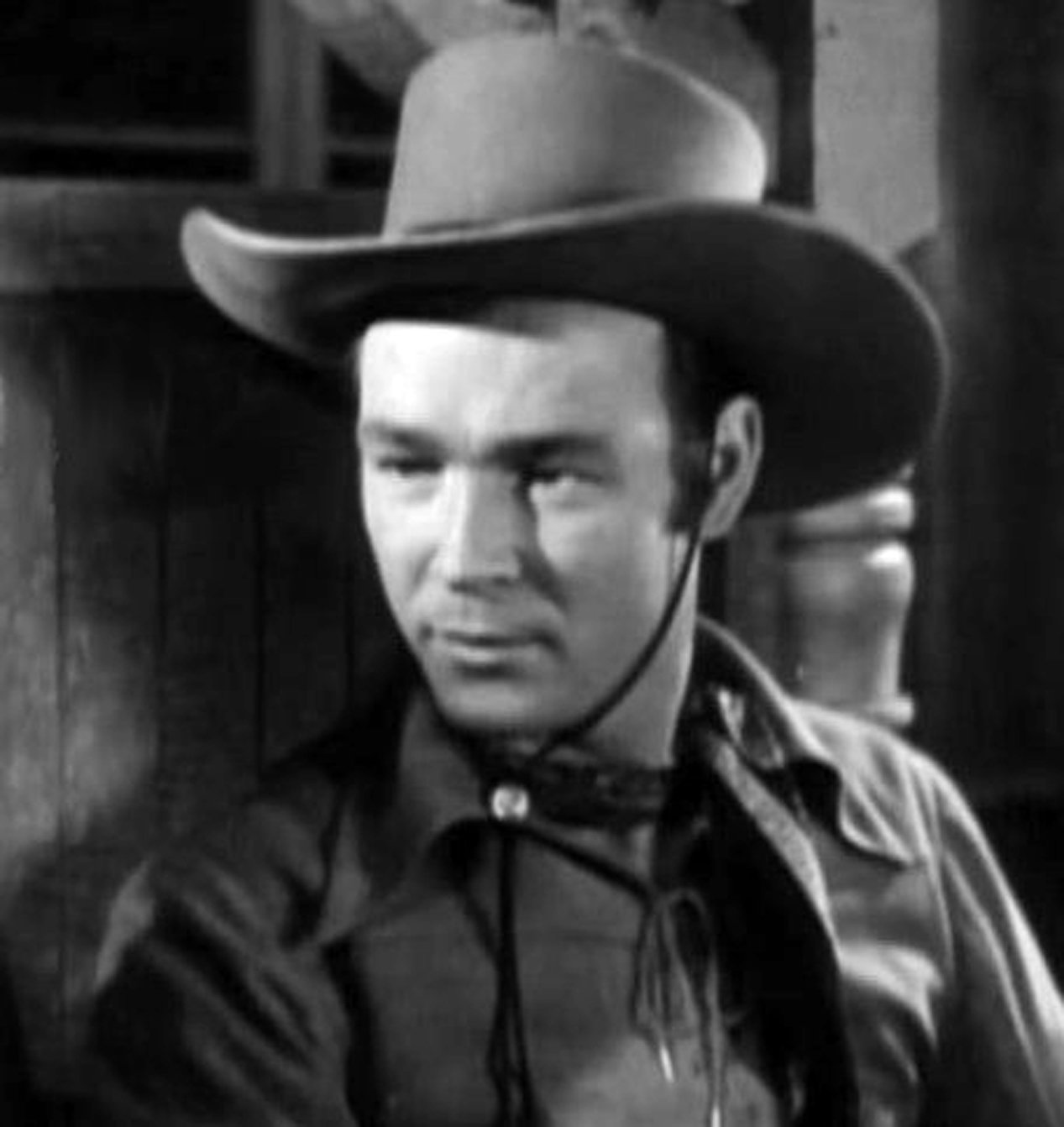
“Red River Valley” is one of the oldest and most beloved folk songs of the American West. Its origins are somewhat mysterious, but historians believe it dates back to at least the 1870s, possibly even earlier. The song’s lyrics, which speak of a sorrowful farewell, struck a chord with settlers and cowboys who were constantly on the move. “Red River Valley” has been recorded by Roy Rogers, Woody Guthrie, and more recently, by contemporary country artists. According to the Western Folklife Center, the song is played at countless cowboy gatherings and rodeos each year. Its enduring popularity lies in its simple, heartfelt expression of love and loss on the frontier.
High Noon (Do Not Forsake Me, Oh My Darlin’): The Lone Hero
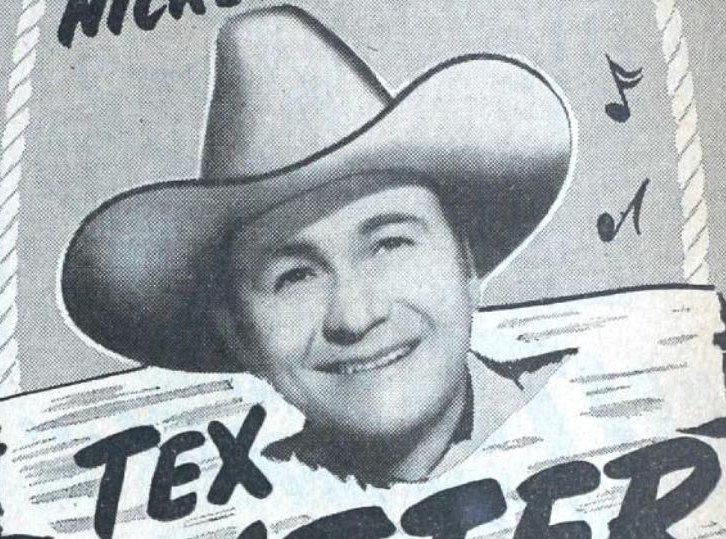
Written for the 1952 film “High Noon,” this Oscar-winning song captures the tension and bravery of standing alone in the face of danger. The film’s plot—about a lawman who must confront a gang of outlaws without help—mirrors the song’s plea for loyalty and courage. Tex Ritter’s haunting performance helped the song win the Academy Award for Best Original Song, and it reached number five on the Billboard charts. According to the American Film Institute, “High Noon” is one of the most influential Western songs ever written. Its themes of duty and sacrifice continue to resonate with listeners today.
Tumbling Tumbleweeds: The Restlessness of the West

“Tumbling Tumbleweeds,” written by Bob Nolan and popularized by the Sons of the Pioneers in 1934, captures the West’s sense of constant motion and change. The song’s lyrics use the image of drifting tumbleweeds as a metaphor for the wandering spirit of cowboys and settlers. Its dreamy melody has made it a favorite on both sides of the Atlantic, with artists like Bing Crosby and Slim Whitman recording their own versions. According to the National Recording Registry, “Tumbling Tumbleweeds” is preserved as a culturally significant piece of American music history. The song’s gentle rhythm and evocative imagery make it an enduring symbol of the restless West.
Bury Me Not on the Lone Prairie: The Fear of Dying Far from Home
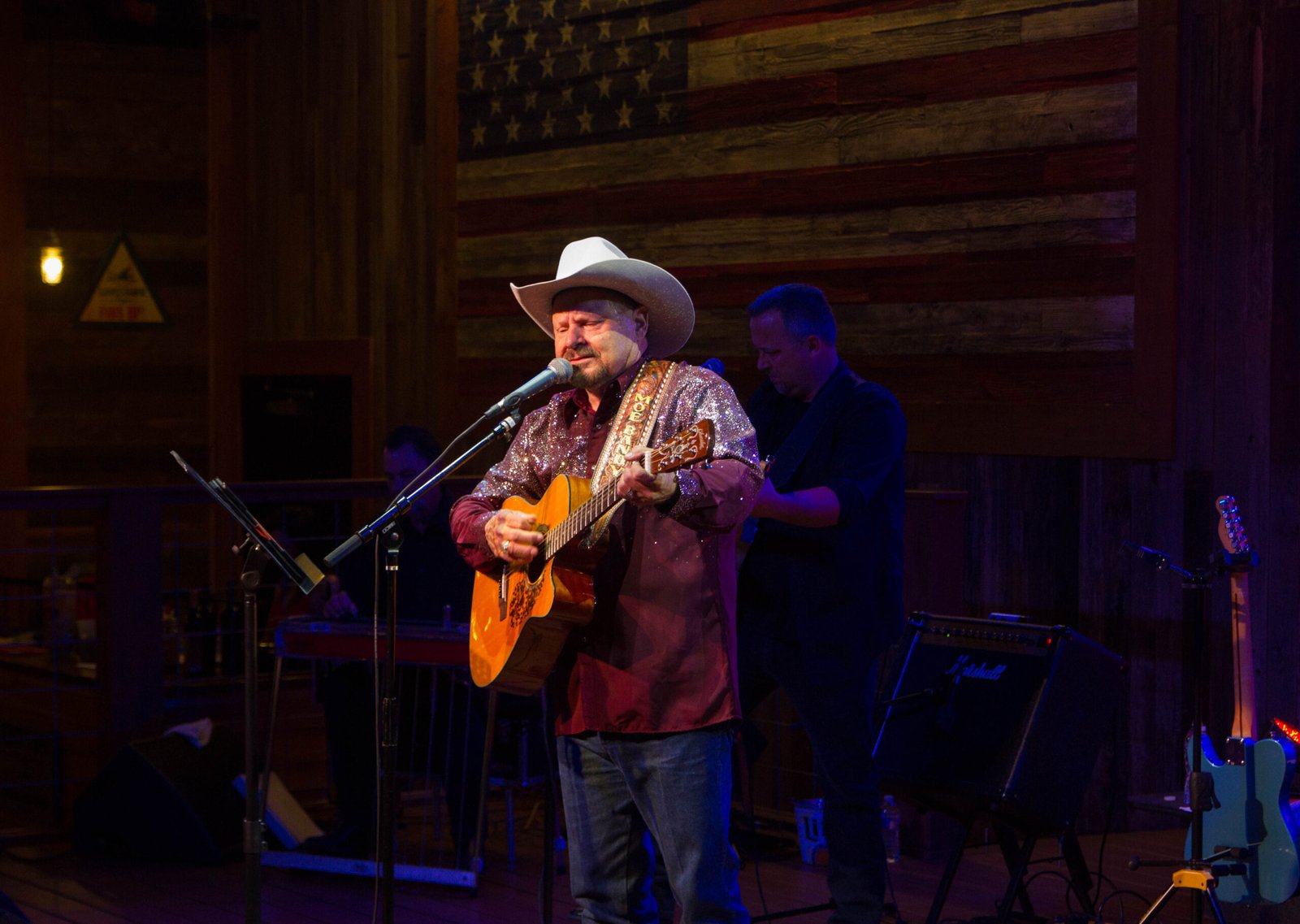
“Bury Me Not on the Lone Prairie” is a traditional cowboy song that expresses one of the deepest fears of Western pioneers: dying alone, far from loved ones. The song’s origins go back to the 19th century, and its lyrics were passed down orally for decades before being recorded. Its haunting melody and simple words have made it a staple of Western music, covered by everyone from Johnny Cash to Moe Bandy. The song’s emotional power lies in its universal themes of mortality and longing for connection. It reminds listeners of the harsh realities faced by those who ventured into the unknown.
Ballad of Davy Crockett: The Legend of a Frontier Hero
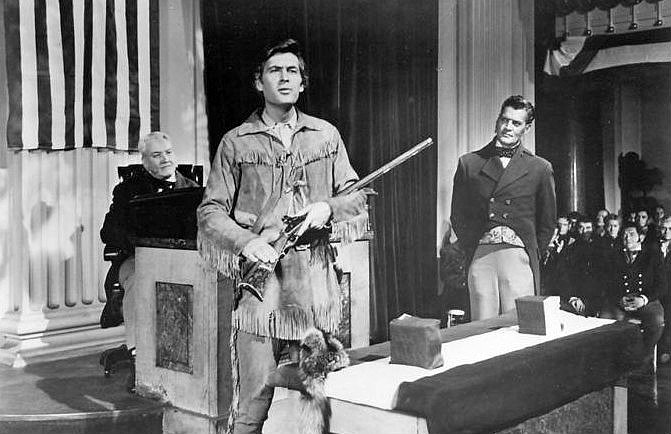
“The Ballad of Davy Crockett,” written in 1954 for the Disney television series, turned the real-life frontiersman into a folk hero. The song’s catchy chorus—“Davy, Davy Crockett, King of the Wild Frontier”—helped spark a nationwide craze for all things Crockett, from coonskin caps to comic books. The single sold over a million copies and topped the Billboard charts for several weeks. According to Smithsonian Magazine, the song played a key role in mythologizing the American frontier for a new generation. Its upbeat, heroic tone celebrates the courage and adventurous spirit that defined the West.

Besides founding Festivaltopia, Luca is the co founder of trib, an art and fashion collectiv you find on several regional events and online. Also he is part of the management board at HORiZONTE, a group travel provider in Germany.
