

- The Surprising Benefits of Reading Books in Their Original Languages - September 19, 2026
- Top 10 Demanded Houseplants In The US – And How To Treat Them - September 19, 2026
- Jane Austen’s Timeless Masterpieces: Celebrating 250 Years of Literary Brilliance - September 19, 2026
Anastasia Romanov – The Lost Russian Duchess

There’s something haunting about the story of Anastasia Romanov. After the Russian royal family was executed in 1918, whispers began spreading: what if the youngest daughter, Anastasia, had survived? In the 1920s, a woman named Anna Anderson stepped forward, insisting she was the lost duchess. Her claim mesmerized the world, especially monarchist groups desperate for hope. For decades, the mystery fueled books, films, and even global diplomatic debates. Monarchist sympathizers clung to Anderson’s story, seeing her as a symbol of possible restoration. Only in the 1990s did science finally catch up—DNA testing put the rumors to rest by proving Anna Anderson was not Anastasia. Even so, the legend left a deep mark on Russian culture and conversations about national identity.
Ferdinand Waldo Demara – The Great Impostor (USA/Canada)

Imagine a man who could slip into any role—a monk, a prison warden, even a surgeon—without anyone noticing. That was Ferdinand Waldo Demara, famously dubbed “The Great Impostor.” During the Korean War, Demara performed surgeries aboard a Canadian Navy ship with no medical credentials, relying on textbooks and luck. His shocking success and eventual exposure caused a media storm. The case forced North American institutions, especially the military and hospitals, to overhaul their hiring and vetting procedures. People were stunned by how easily Demara fooled the system, which led to the creation of stricter background checks. His exploits inspired movies and books, making him a symbol of both audacious fraud and institutional vulnerability. Demara’s legacy is still a warning about the real dangers of unchecked identity fraud.
Jean-Claude Romand – The Fake Doctor (France)

When the truth about Jean-Claude Romand emerged, France was left reeling. For nearly twenty years, Romand had convinced everyone—from his family to close friends—that he was a respected doctor at the World Health Organization. In reality, he spent his days drifting and hiding, fabricating an entire life. In 1993, as his lies started to unravel, Romand committed the unthinkable—he murdered his wife, children, and parents. This chilling crime forced France to confront uncomfortable questions about trust, mental health, and how easily someone could slip through the cracks. The case resulted in sweeping reforms in identity verification and professional background checks across the country. Romand’s story is now a cautionary tale in French society, etched into collective memory as a stark example of deception’s deadly cost.
The Man in the Iron Mask – Historical Enigma (France)
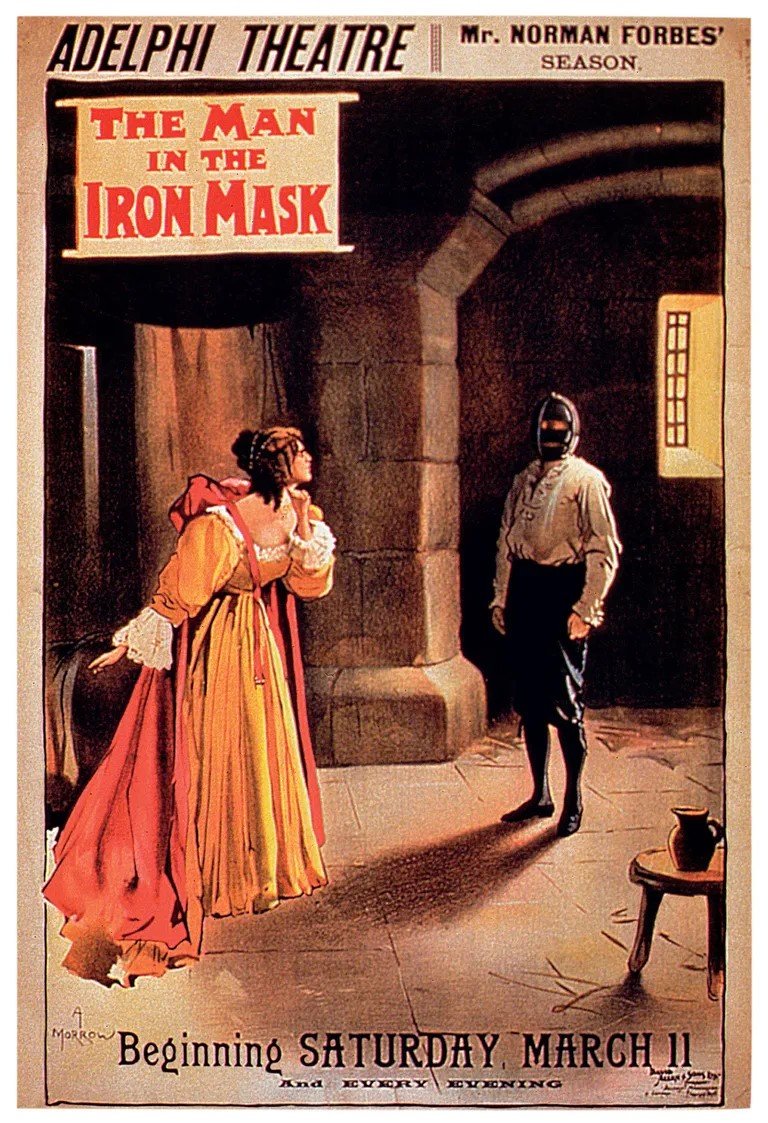
Few mysteries have captured the French imagination like the Man in the Iron Mask. In the late 1600s and early 1700s, a prisoner was kept in several French jails, always hidden behind a mask. His true identity became the subject of wild theories: was he the king’s brother, a disgraced noble, or an inconvenient political rival? Historians still debate the truth, but the story became legendary thanks to writers like Voltaire and Alexandre Dumas. The masked man’s enigma fueled royalist fantasies and influenced French national identity during times of political upheaval. Even today, the Man in the Iron Mask is a symbol of hidden truths and the power of secrets, lingering in popular culture as a reminder of how identity can shape a nation’s story.
Will the Real Tichborne Heir Stand Up? (UK)
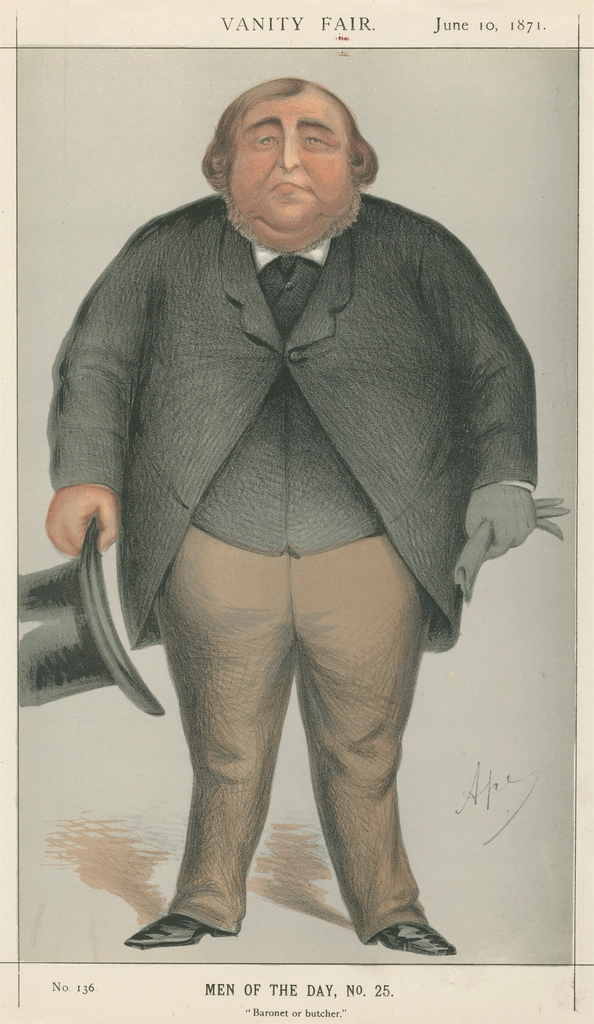
The Tichborne case was a Victorian sensation, stirring up deep questions about class, privilege, and the meaning of identity. In the mid-1800s, a man from Australia claimed he was Roger Tichborne, presumed lost at sea and heir to a vast English estate. The claim split British society, with working-class supporters and upper-class skeptics. The subsequent trial was one of the longest in English history, captivating the public and the press. In the end, the claimant was declared an impostor, but the case changed how evidence was used in court and spurred public debate about class entitlement. The Tichborne affair remains a landmark in legal and social history, illustrating how mistaken identity can ripple through a nation’s laws and collective psyche.
Mistaken Identity and the 2005 Mumbai Terror Arrest (India/Australia)

Dr. Muhammad Haneef’s ordeal in 2007 revealed the terrifying consequences of mistaken identity in the age of global terror. After a failed car bombing in Glasgow, authorities traced a SIM card to Haneef, an Indian doctor working in Australia. He was detained without charge for weeks, sparking outrage across India and Australia. The evidence turned out to be a coincidence, but the damage to Haneef’s reputation was lasting. The international uproar forced Australia to review and amend its counter-terrorism and immigration laws. Public trust in anti-terror procedures was shaken, highlighting the urgent need for careful, fair identity verification when national security is at stake.
The Power of Rumor and Collective Hope

Each mistaken identity case spread like wildfire, fueled by rumors and the collective hopes—or fears—of entire societies. In Anastasia’s story, the longing for a lost princess became a symbol for a nation’s yearning for stability after revolution. The Tichborne case gave voice to the frustrations of the working class, while Demara’s deceptions tapped into anxieties about trust in institutions. These stories show how quickly rumors can take on lives of their own, shaping public opinion and sometimes driving real-world change. In a world where information travels faster than ever, the power of rumor remains as potent—and as dangerous—as ever.
Institutional Blind Spots and Systemic Change
Nearly all of these cases exposed glaring weaknesses in official systems. Demara’s ability to practice medicine, Romand’s decades of deception, and the wrongful arrest of Dr. Haneef all point to institutional blind spots. The fallout from these failures often forced governments and organizations to implement stricter vetting and verification processes. In North America, Demara’s case directly led to more rigorous background checks for sensitive jobs. Similarly, Romand’s exposure in France prompted reforms in professional accreditation. These changes demonstrate how high-profile cases can act as catalysts, pushing societies to confront uncomfortable truths and improve their systems.
Identity in the Age of DNA and Digital Records

Advancements in technology have transformed how mistaken identity is addressed. The final debunking of Anna Anderson’s claim to be Anastasia came only after DNA testing was developed decades after her death. Today, governments rely on biometric data, digital footprints, and global databases to confirm identities. Yet, even with these tools, mistakes still happen—sometimes with devastating consequences. While technology offers hope for reducing error, it also raises new questions about privacy, surveillance, and the potential for abuse. These modern dilemmas show that the quest for true identity is far from over and is more complex than ever before.
Cultural Echoes: Mistaken Identity in Art and Storytelling

Mistaken identity isn’t just a legal or political issue—it’s a narrative that has fascinated artists, writers, and filmmakers for centuries. The Man in the Iron Mask inspired novels and movies that still captivate audiences today. The drama of impostors and lost heirs continues to appear in fiction, reflecting deep, universal anxieties about who we really are. These stories tap into the human fear of not being believed, of losing control over one’s own narrative, or of being misjudged by the world. Through books, films, and plays, society keeps exploring these themes, turning real-life cases into lasting legends.
Lessons from the Past for a Complicated Present
Every mistaken identity case tells us something about the times in which it happened. From royal Russia to modern Australia, these stories show how fragile—and how powerful—identity can be. Whether it’s a nation yearning for a lost princess or a legal system grappling with the limits of proof, the stakes are always high. Today, with identity theft and misinformation on the rise, the lessons from these historical cases are more relevant than ever. The persistent challenge is to balance trust and skepticism, hope and caution, in a world where one mistake can change a life—or a nation—forever.

Besides founding Festivaltopia, Luca is the co founder of trib, an art and fashion collectiv you find on several regional events and online. Also he is part of the management board at HORiZONTE, a group travel provider in Germany.
