

- 15 Times History Was Changed by a Single Speech - September 25, 2026
- “20 Authors Who Captured the American Dream Like No One Else” - September 25, 2026
- 20 Literary Rivalries That Shaped the American Canon - September 25, 2026
Did you know some of history’s most celebrated artists, scientists, and thinkers once stood with one of humanity’s darkest regimes? The Nazi era casts long shadows over cultural icons whose brilliance became entangled with brutality. Their stories force us to confront uncomfortable questions about genius, morality, and the price of survival under tyranny.
Leni Riefenstahl: The Visionary Who Filmed Fascism
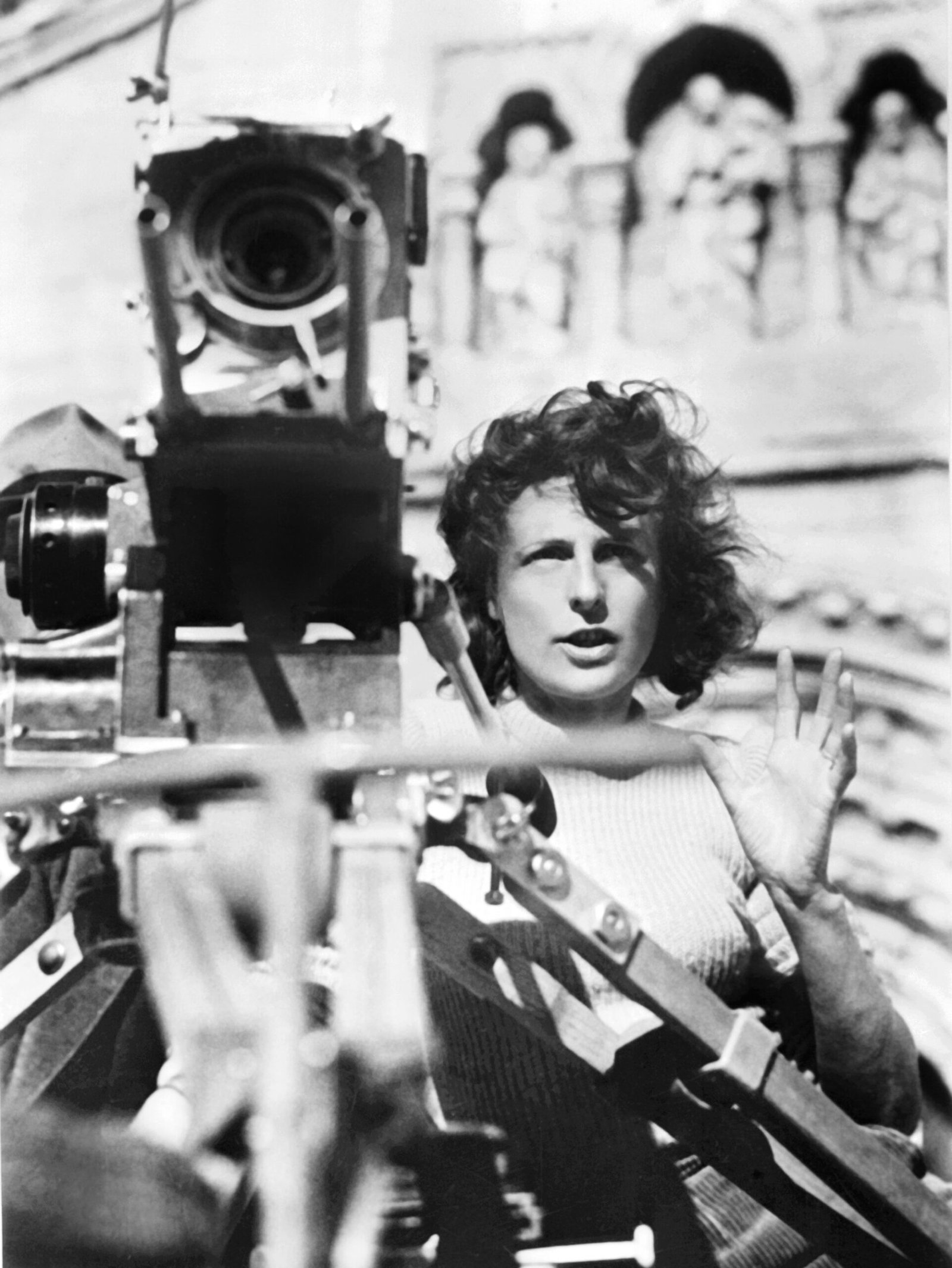
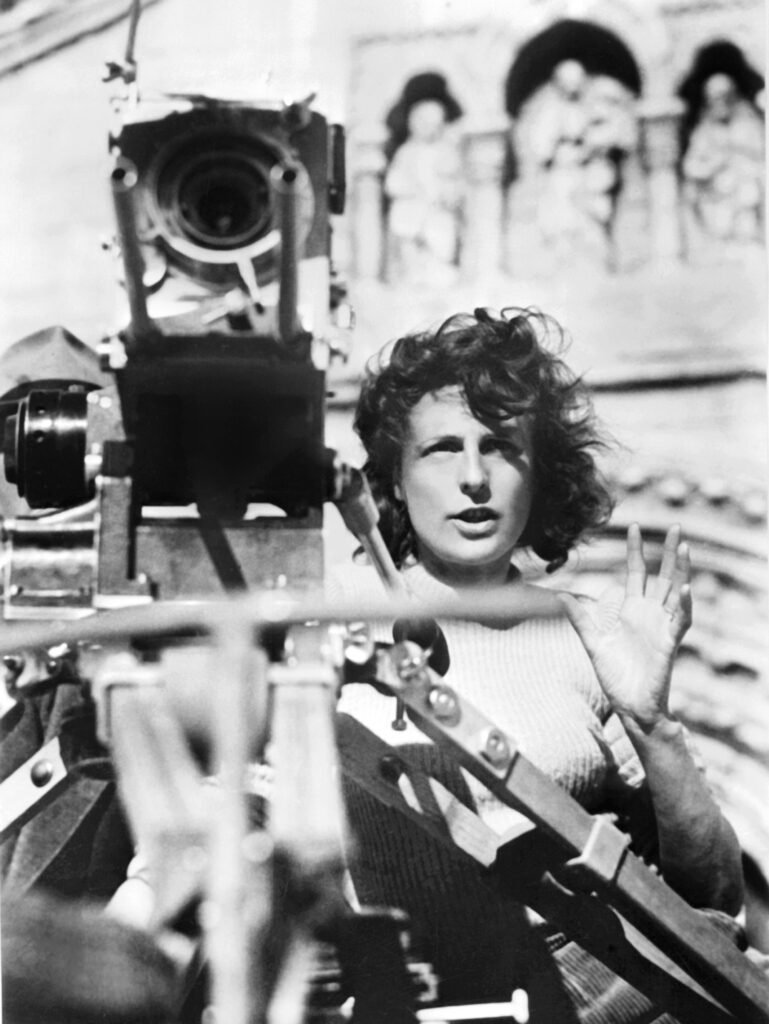
Leni Riefenstahl revolutionized cinema with techniques still used today, but her masterpiece “Triumph of the Will” became the ultimate Nazi propaganda tool. Hitler personally commissioned her to document party rallies, resulting in films that made fascism look majestic. She later claimed artistic innocence, saying she just captured beauty wherever she found it. Yet her intimate access to Hitler and Reich leadership suggests deeper ties. Modern filmmakers still debate whether to separate her groundbreaking techniques from their horrific context. Riefenstahl’s case proves true neutrality becomes impossible when dictatorships weaponize art.
Heinrich Himmler: The Bureaucrat of Genocide
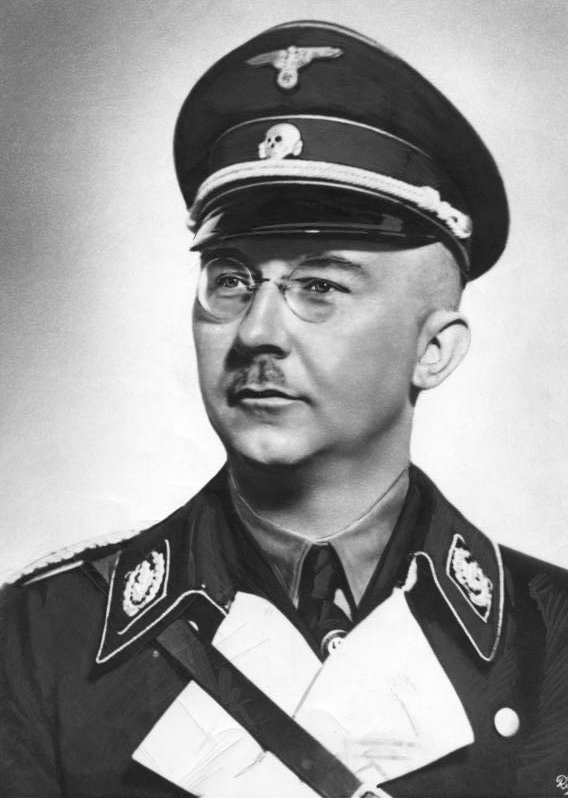
Behind wire-rimmed glasses hid the chief engineer of the Holocaust, a man who turned mass murder into administrative routine. Himmler’s SS grew from Hitler’s bodyguards into a killing machine that operated with chilling efficiency. He visited concentration camps personally, once vomiting at an execution yet continuing the slaughter program. Himmler pioneered industrialized genocide while maintaining a bourgeois family life, showing evil’s banality. His meticulous records became damning evidence at Nuremberg. Few figures demonstrate how ordinary men can commit extraordinary atrocities.
Albert Speer: The Architect of Denial
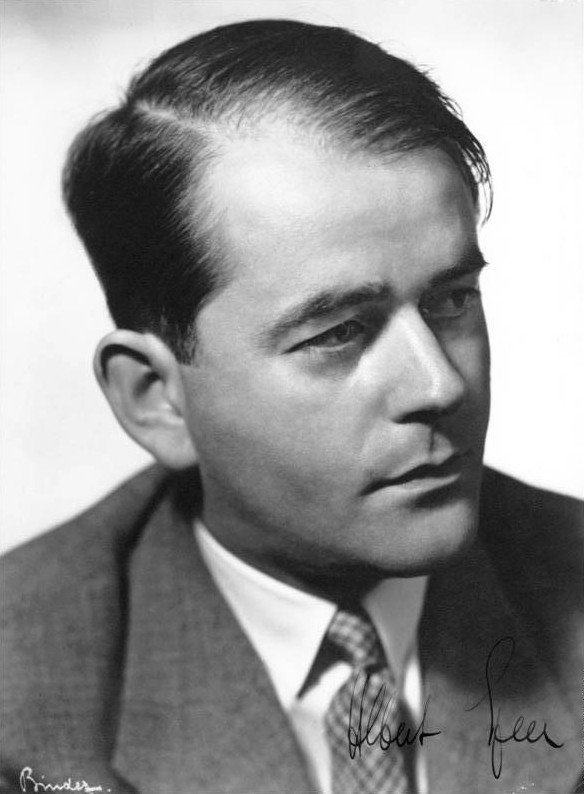
Hitler’s favorite architect designed monumental buildings meant to last 1,000 years, then rebuilt Germany’s war machine as Armaments Minister. Speer’s Nuremberg defense – that he didn’t know about death camps – crumbled when evidence showed he visited Auschwitz expansion sites. His “good Nazi” image helped him avoid execution, though historians now call his claims ludicrous. Speer’s case reveals how professionals justify serving tyranny through claims of political distance. His postwar memoirs, later proven false, show how easily history gets rewritten by the cunning.
Carl Orff: The Composer Who Played Along
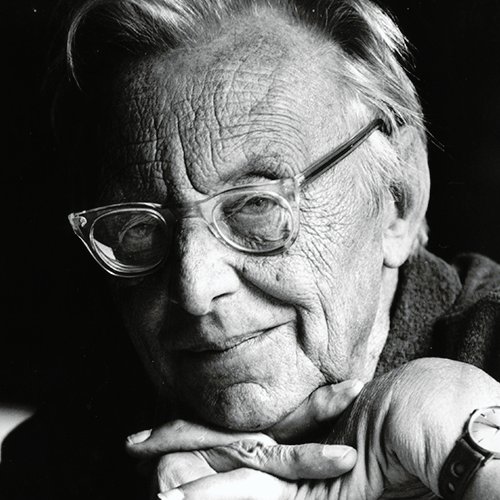
The infectious rhythms of “Carmina Burana” still echo in movies and stadiums worldwide, but Orff’s wartime conduct remains hotly debated. He composed music for Nazi celebrations while his Jewish collaborator fled Germany. Some claim he protected dissident musicians; others note he erased mentions of Jewish colleagues from his scores. Orff’s genius at creating rousing anthems made him useful to propagandists. His postwar claim that “I survived by being unimportant” rings hollow given his lavish state commissions. The enduring popularity of his work forces us to separate art from artist.
Arno Breker: The Sculptor of Supermen
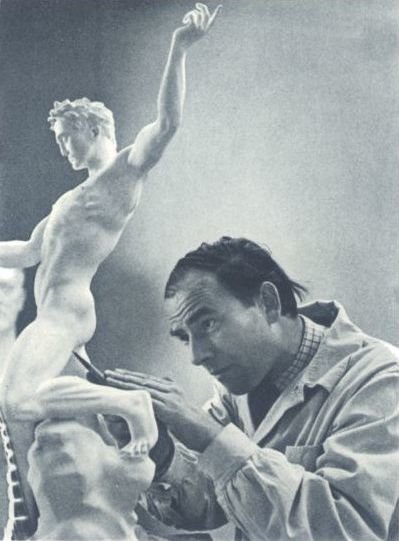
Breker’s muscular nudes became the visual embodiment of Nazi racial fantasies, earning him studios, mansions, and Hitler’s personal friendship. His towering statues of idealized Aryans still stand in some German cities, sparking debates about removing them. Unlike many artists branded “degenerate,” Breker thrived under Nazi patronage until 1945. He later claimed political naivety while accepting lucrative postwar commissions. Breker’s case shows how aesthetic ideals can serve monstrous ideologies when artists don’t ask uncomfortable questions.
Wernher von Braun: The Rocket Scientist With Blood on His Hands
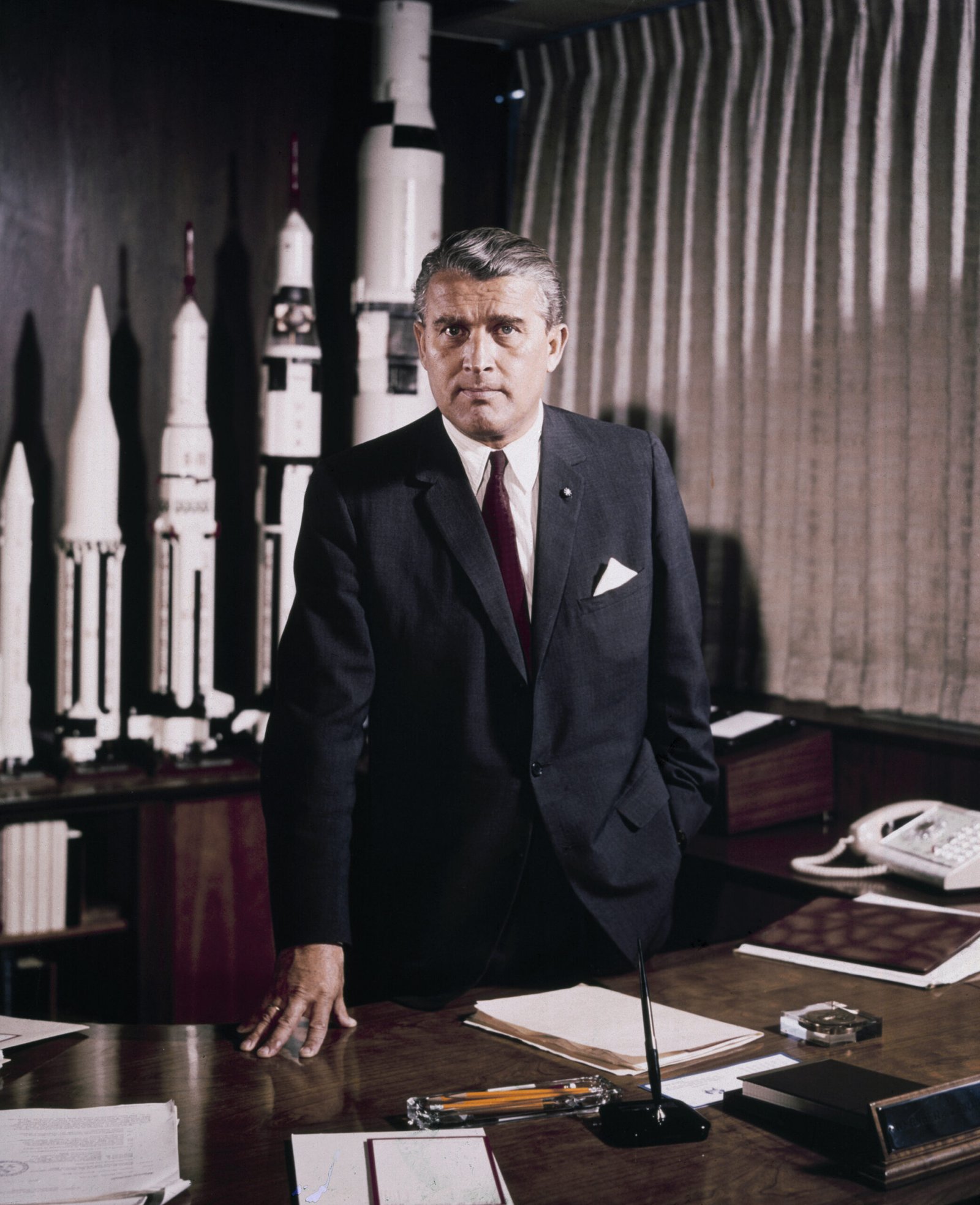
The father of American space exploration began by building Nazi vengeance weapons using slave labor from concentration camps. Von Braun’s V-2 rockets killed thousands in London while their production cost more lives than their deployment. Operation Paperclip whitewashed his past to beat the Soviets in the space race. His Disney TV appearances casting him as a lovable professor omitted Mittelbau-Dora’s horrors. Von Braun’s legacy proves how geopolitics can rehabilitate useful monsters, so long as their genius serves new masters.
Emil Nolde: The Expressionist Who Loved the Wrong Regime

Nolde’s vibrant, almost violent flower paintings made him wealthy before he joined the Nazi Party in 1920, hoping they’d champion his traditionalist style. Instead, the regime included his work in the infamous “Degenerate Art” exhibition, banning him from painting. Secretly creating hundreds of “unpainted pictures,” he became a paradox: a Nazi supporter persecuted by Nazis. After the war, Nolde reinvented himself as a resistance figure, though his early antisemitic writings surfaced. His story shows how ideological bedfellows often become enemies when totalitarianism turns unpredictable.
Zarah Leander: The Scandinavian Star of Nazi Cinema
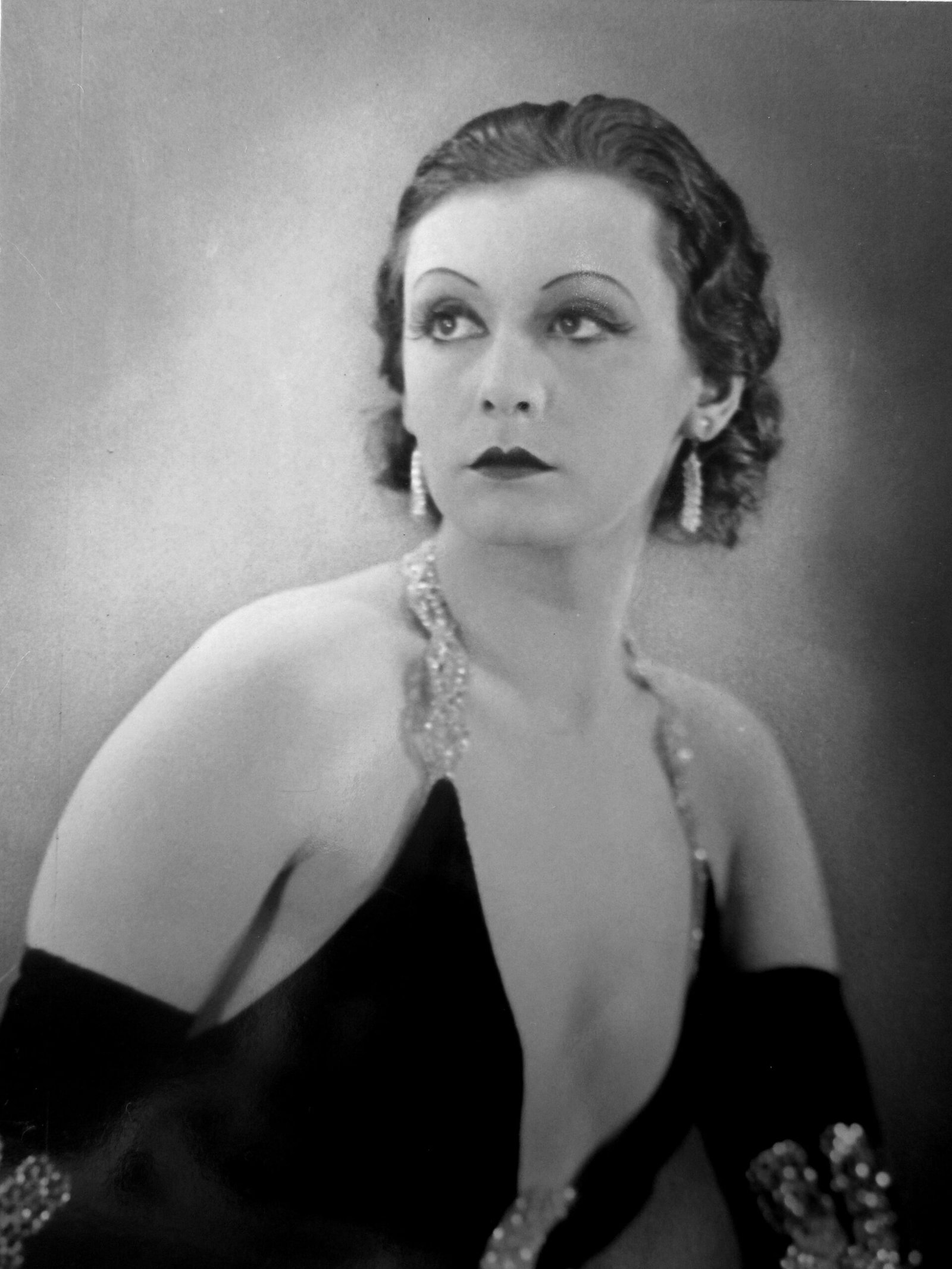
With her sultry contralto voice and femme fatale roles, Leander became the Third Reich’s highest-paid actress while maintaining Swedish citizenship. Her signature song “I Know One Day a Miracle Will Happen” became ironic wartime propaganda. Postwar Sweden shunned her despite no proven Nazi affiliation beyond professional necessity. Leander’s case illustrates how entertainment figures become political symbols whether they choose to or not. Her later comeback in German theaters shows how quickly audiences separate art from historical context when nostalgia calls.
Hans Albers: Germany’s Beloved Coward
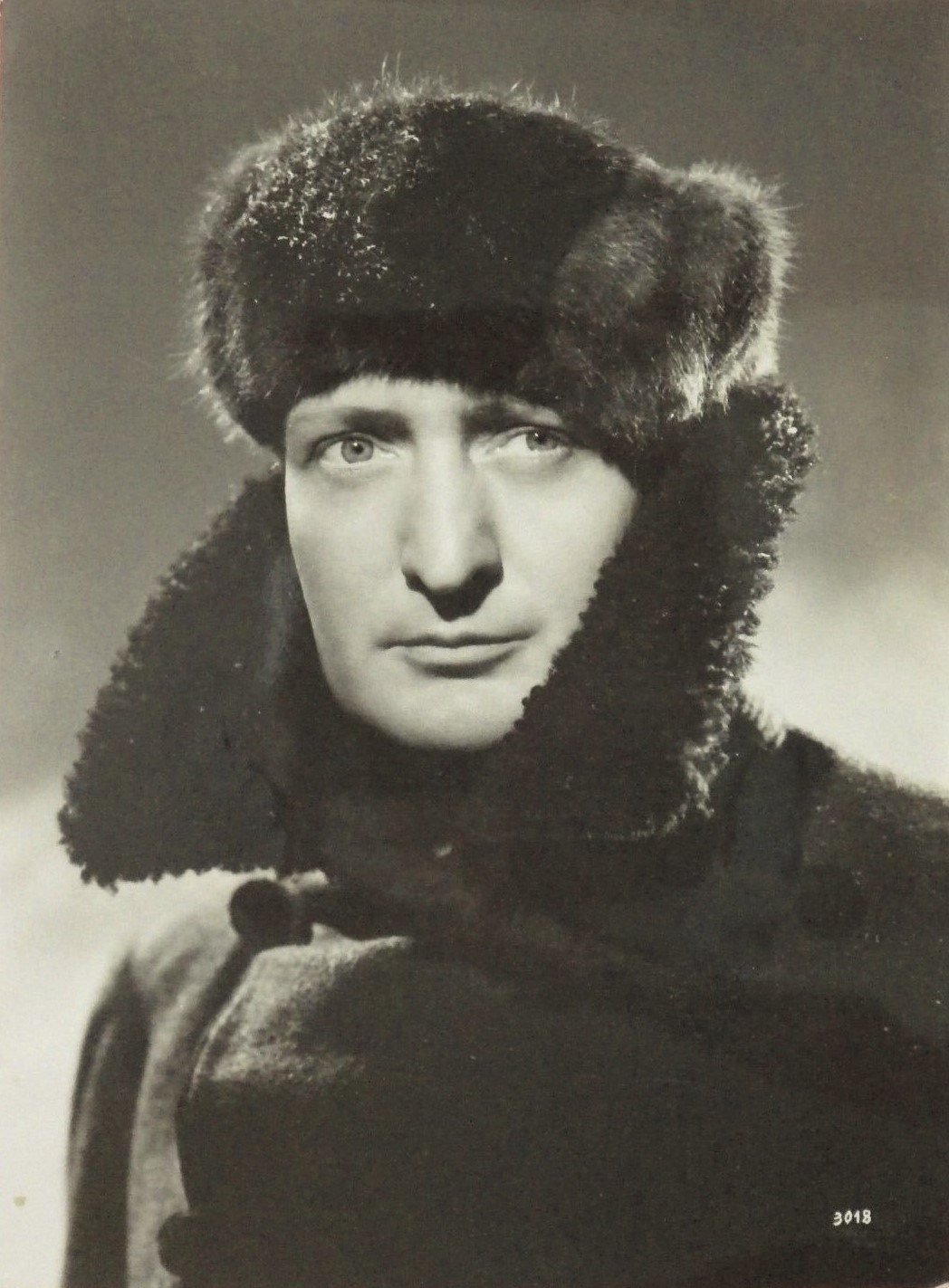
The blond, blue-eyed matinee idol seemed perfect Nazi casting, yet Albers refused to divorce his Jewish partner and subtly mocked regime officials in films. He survived by being too popular to punish, walking a tightrope millions faced under dictatorship. Albers represents ordinary Germans who avoided confrontation without active resistance – not heroes, not villains, just people trying to live. His postwar career flourished as audiences craved familiar faces untainted by obvious collaboration. Sometimes, surviving tyranny with minimal compromise counts as its own quiet victory.
Richard Strauss: The Maestro’s Moral Quandary

Germany’s greatest living composer accepted leadership of the Reich Music Chamber to protect his Jewish daughter-in-law, then resigned after two years. His opera “Die schweigsame Frau” featured a Jewish librettist, prompting Goebbels to walk out. Strauss’s case reveals impossible choices artists face under totalitarianism – how much to bend before breaking. His late-life “Metamorphosen” for 23 strings, written as Germany burned, may be the most heartbreaking musical reckoning with national guilt ever composed. Even geniuses stumble through history’s minefields.

Besides founding Festivaltopia, Luca is the co founder of trib, an art and fashion collectiv you find on several regional events and online. Also he is part of the management board at HORiZONTE, a group travel provider in Germany.
