
- 15 Times History Was Changed by a Single Speech - September 25, 2026
- “20 Authors Who Captured the American Dream Like No One Else” - September 25, 2026
- 20 Literary Rivalries That Shaped the American Canon - September 25, 2026
What if the most influential people in America weren’t born here? The truth is, some of the biggest game-changers in U.S. history arrived as refugees—fleeing war, oppression, and unthinkable hardship. Their stories aren’t just about survival; they’re about rewriting the rules of success. Here are seven immigrants who didn’t just live the American Dream—they reinvented it.
Madeleine Albright: The Diplomat Who Outran War
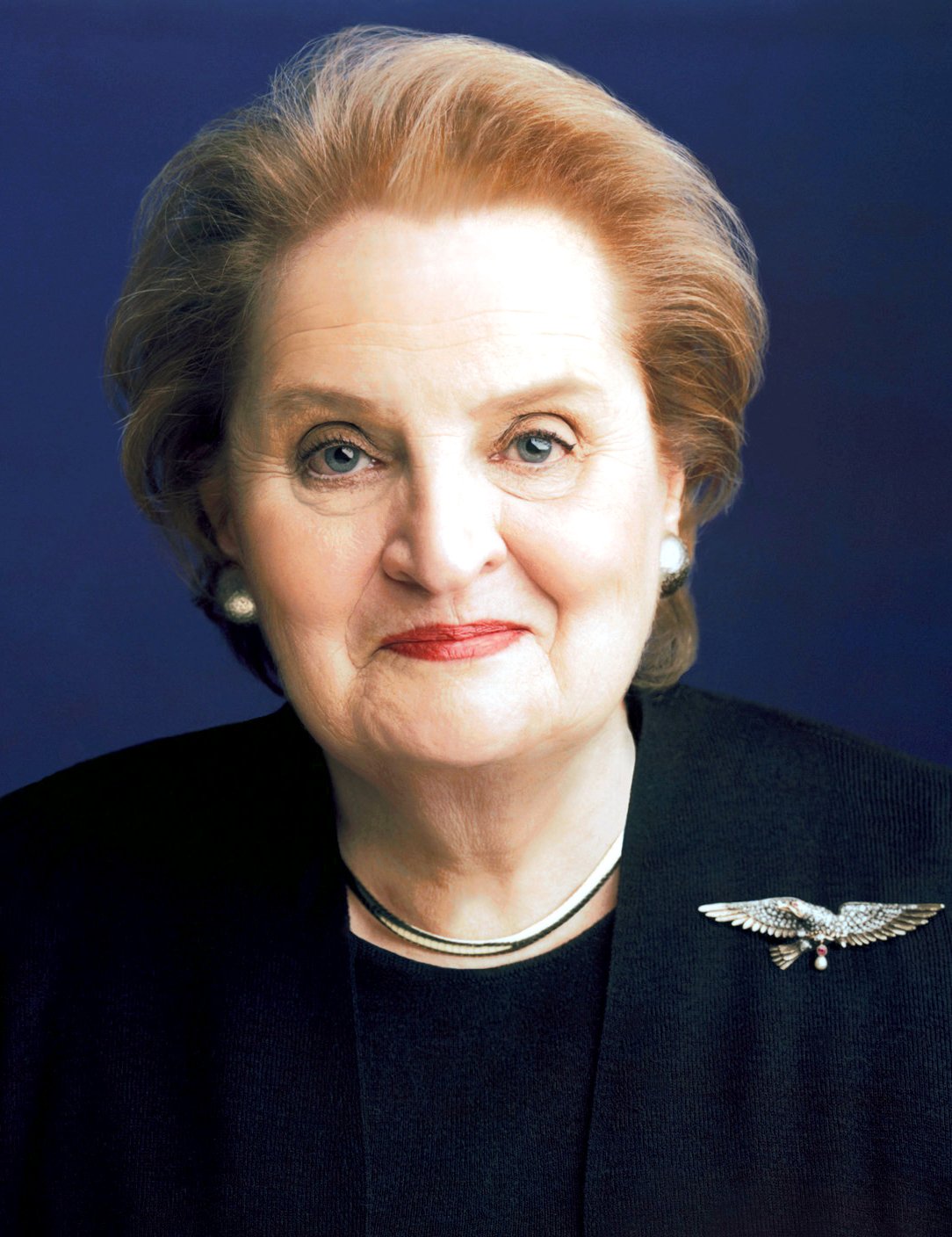
Madeleine Albright was just a child when her family fled Czechoslovakia to escape the Nazis. By the time she became the first female U.S. Secretary of State, she’d turned trauma into triumph. Albright didn’t just break glass ceilings—she rebuilt the room, championing human rights and diplomacy during the Clinton administration. Her sharp wit and signature brooches (each chosen to send subtle diplomatic messages) made her unforgettable. “It took me quite a long time to develop a voice,” she once said, proving that refugees don’t just adapt—they lead. Her legacy? A masterclass in turning fear into fearless policy.
Albert Einstein: The Genius Who Escaped Tyranny

When Albert Einstein fled Nazi Germany in 1933, America gained more than a physicist—it gained a moral compass. His theory of relativity wasn’t his only revolution; he used his fame to fight racism, calling segregation “a disease of white people.” The man who couldn’t get a teaching job in Europe transformed Princeton into a scientific haven. Funny enough, he failed his first U.S. citizenship test—then aced it weeks later. Einstein proved genius thrives where freedom lives, and his equation wasn’t just E=mc² but Escape + Opportunity = Legacy.
Gloria Estefan: How a Cuban Refugee Conquered Pop
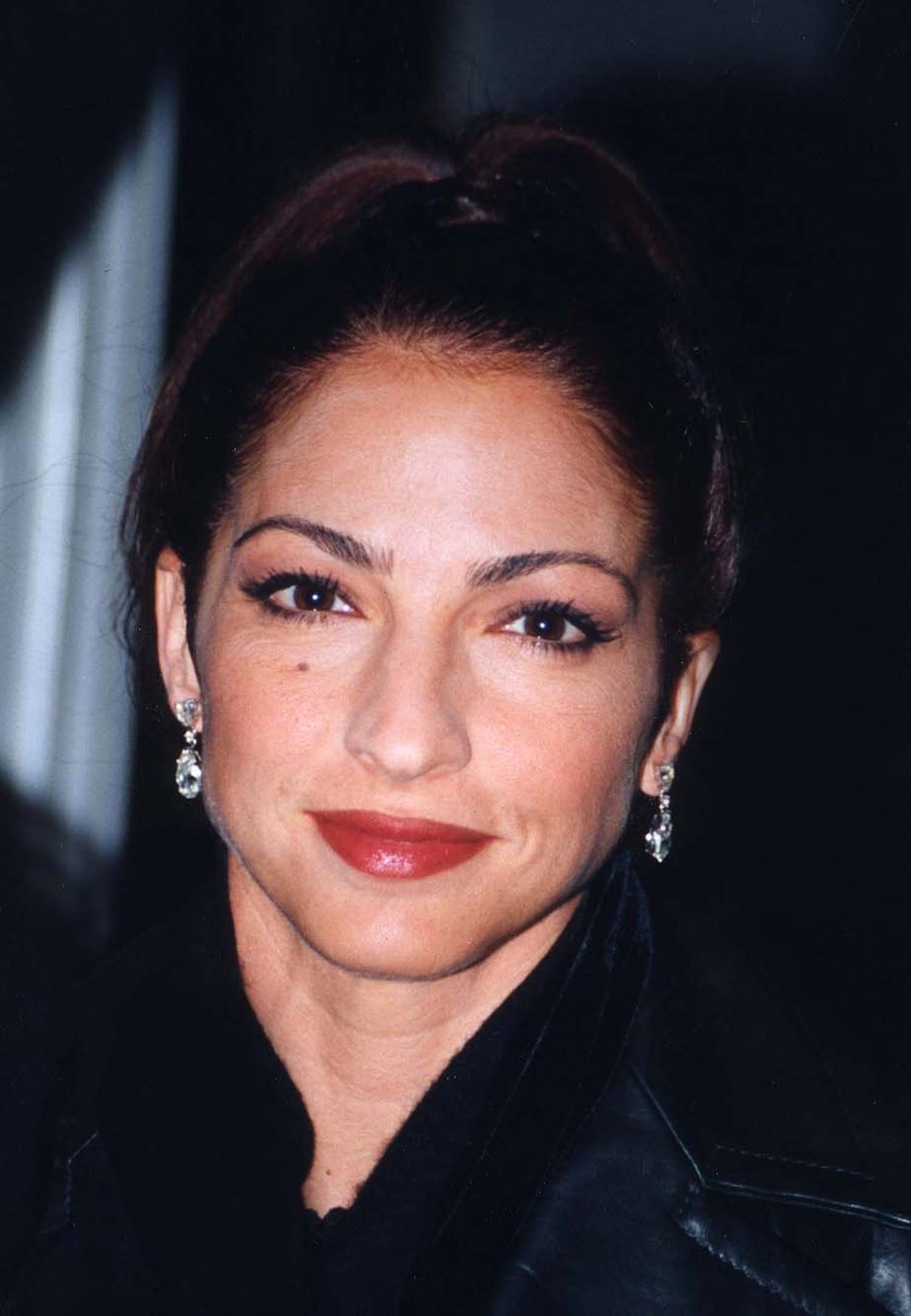
Gloria Estefan was seven when Fidel Castro’s regime forced her family to Miami with just $5. The girl who didn’t speak English grew up to sell over 100 million records worldwide. Her 1985 hit “Conga” didn’t just top charts—it broke barriers, making Latin rhythms mainstream. After a near-fatal bus crash in 1990, she rehabbed through pain to perform at the Super Bowl. Estefan’s secret? “You can’t let fear dictate your life,” she says. From refugee camps to Grammy stages, her voice became the soundtrack of cultural fusion.
Sergey Brin: The Soviet Kid Who Built Google

Sergey Brin’s family escaped USSR antisemitism when he was six. By 25, he’d co-founded Google in a garage—the ultimate immigrant hustle. Brin didn’t just create a search engine; he redefined how humanity accesses knowledge. His story flips the script: a boy denied basic freedoms in Moscow democratized information worldwide. Even Google’s colorful logo reflects his playful spirit, a stark contrast to Soviet gray. Today, every “Hey Google” query is proof that the American Dream isn’t just lived—it’s coded.
Ilhan Omar: From Refugee Camp to Congress
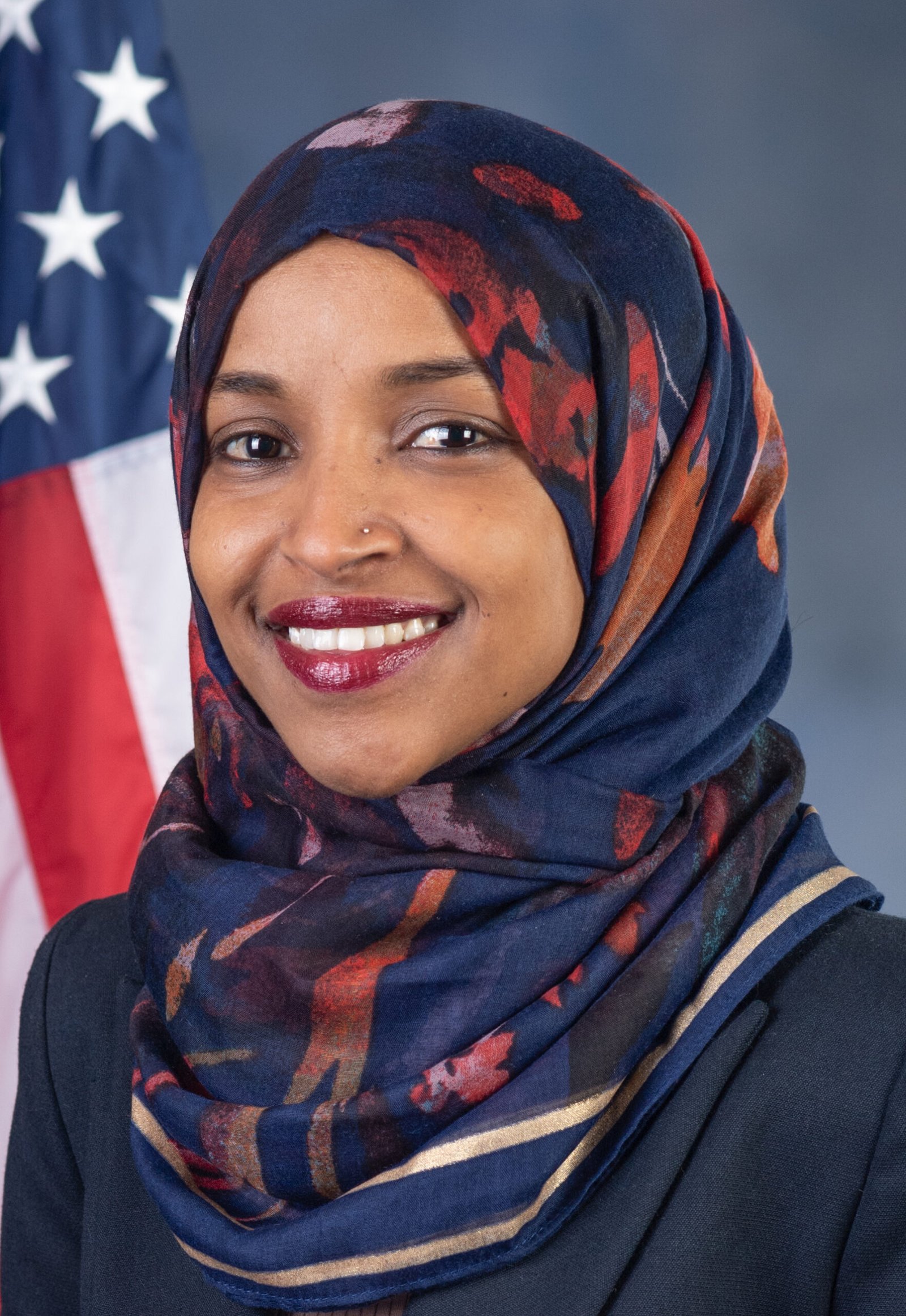
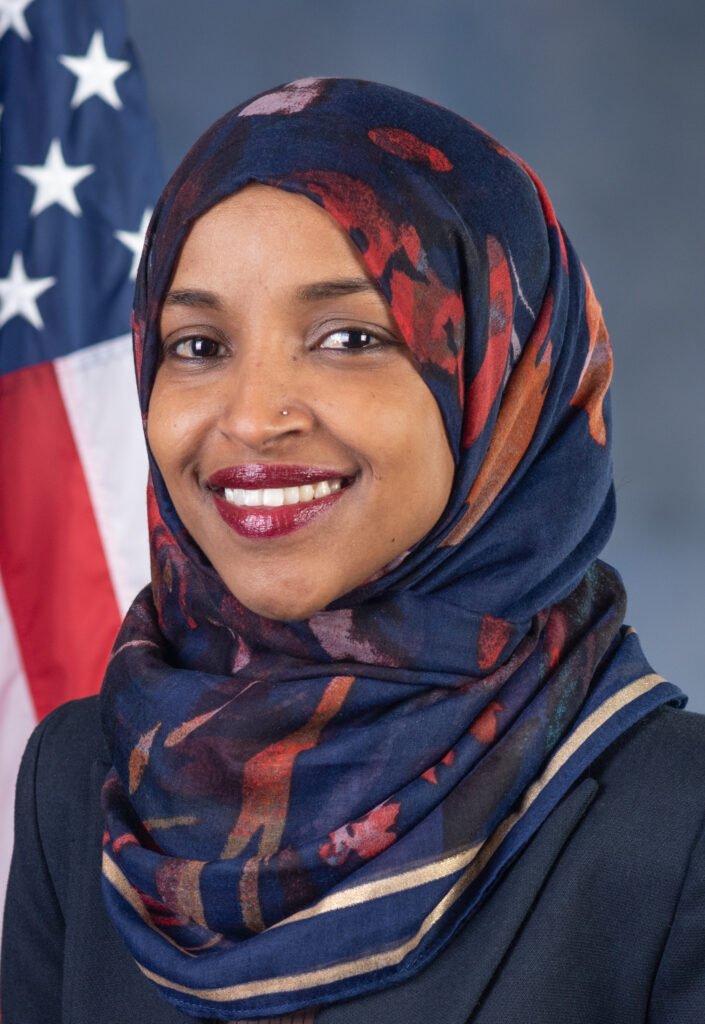
Ilhan Omar spent four years in a Kenyan refugee camp after fleeing Somalia’s civil war. In 2019, she swore into Congress on a Quran—a first for Muslim women. Critics said she didn’t “belong”; she responded by passing bills on housing and education. Omar wears hijabs in a chamber built by slave labor, turning symbols of exclusion into power. “My America is big enough for dreams,” she declares. Her journey from dodging bullets to drafting laws is a middle finger to every border meant to break spirits.
Andy Grove: The Survivor Who Engineered Silicon Valley

Andy Grove survived Nazi occupation in Hungary and Soviet tanks in Budapest before reaching America. At Intel, he pioneered the microchip—literally powering the digital age. Grove’s management philosophy? “Only the paranoid survive,” a lesson from watching regimes fall. He turned near-death experiences into boardroom brilliance, making tech faster than anyone dreamed. When doctors said his prostate cancer was fatal, he wrote his own treatment plan. Refugees don’t wait for permission to live, and Grove didn’t wait to reinvent computing.
M.I.A.: The Rebel Who Made War Sound Cool

M.I.A. (Mathangi Arulpragasam) was scraping by in London council flats after escaping Sri Lanka’s civil war. Her 2007 hit “Paper Planes”—with gunshots and cash registers—became an anthem for outsiders. She sampled Tamil guerrilla radio in her music, turning trauma into beats that made Beyoncé dance. When she flipped the bird at the Super Bowl, it wasn’t just rebellion—it was a refugee’s middle finger to respectability politics. M.I.A. proves art isn’t just about talent; it’s about turning pain into something the world can’t ignore.
These seven icons didn’t just cross borders—they redrew them. So the next time someone questions what immigrants “bring” to America, ask: What part of modern life *haven’t* they shaped?

Besides founding Festivaltopia, Luca is the co founder of trib, an art and fashion collectiv you find on several regional events and online. Also he is part of the management board at HORiZONTE, a group travel provider in Germany.
