

- 20 Forgotten Writers Who Invented Modern Genres - September 21, 2026
- 10 Opening Lines That Were the Author’s Second Choice - September 21, 2026
- The 20 Quietest Songs That Leave the Loudest Impression - September 21, 2026
Isaac Newton: Master of Gravity and Motion
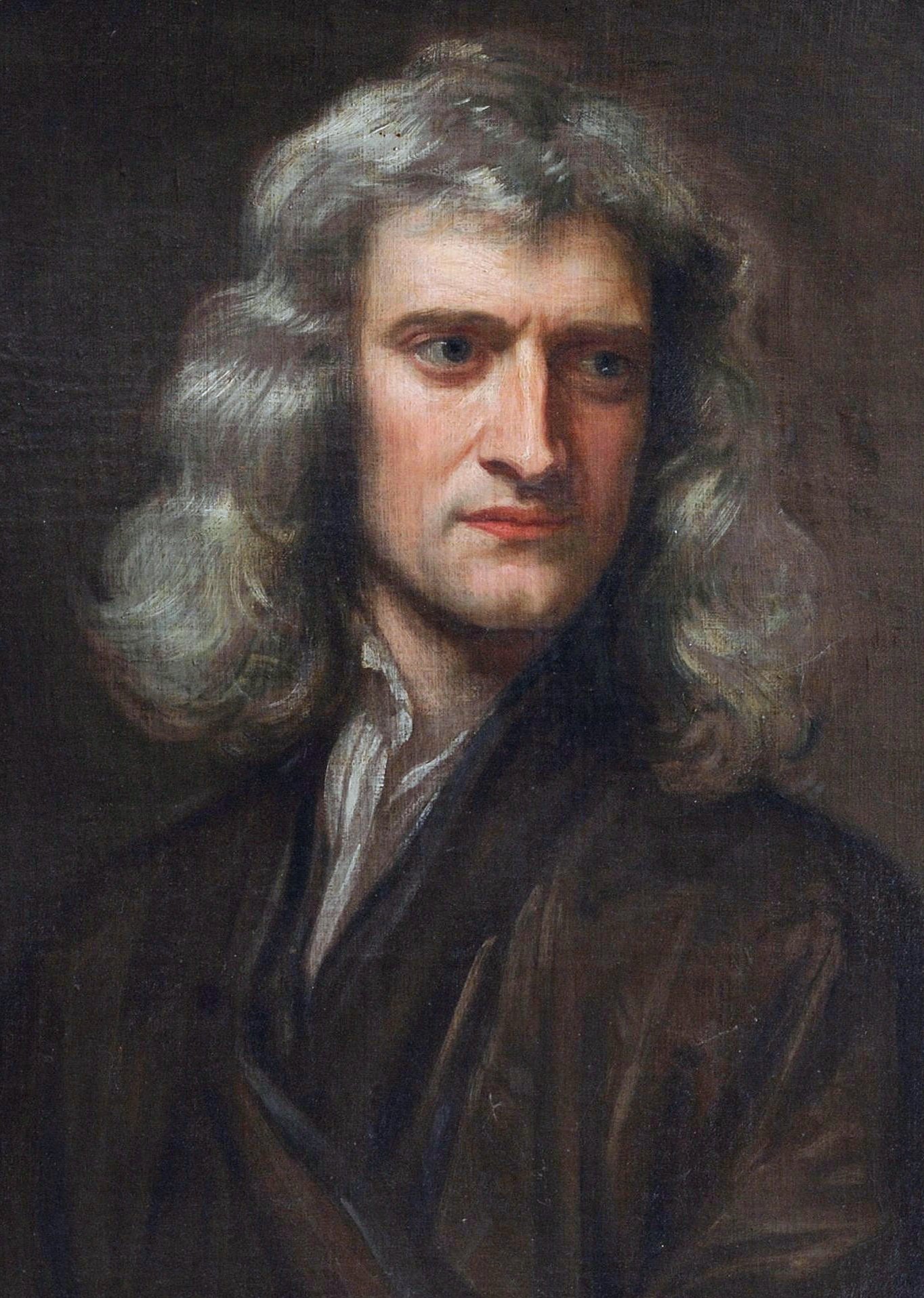
Isaac Newton transformed science forever with his laws of motion and universal gravitation. Born in 1642, Newton’s book “Philosophiæ Naturalis Principia Mathematica” introduced a new way of understanding the world by showing how forces work on objects. His three laws of motion, which explain why things speed up, slow down, or stay still, are still taught in every physics classroom. Newton also described how gravity works, using math to explain why the planets orbit the sun and why apples fall to the ground. This idea was so bold that it shocked his generation and reshaped how people thought about the universe. Besides physics, Newton invented calculus, making complex problems in science and engineering solvable. His influence is everywhere, from bridges to rockets, and his discoveries remain fundamental to science and modern technology.
Albert Einstein: Redefining Time, Space, and Energy
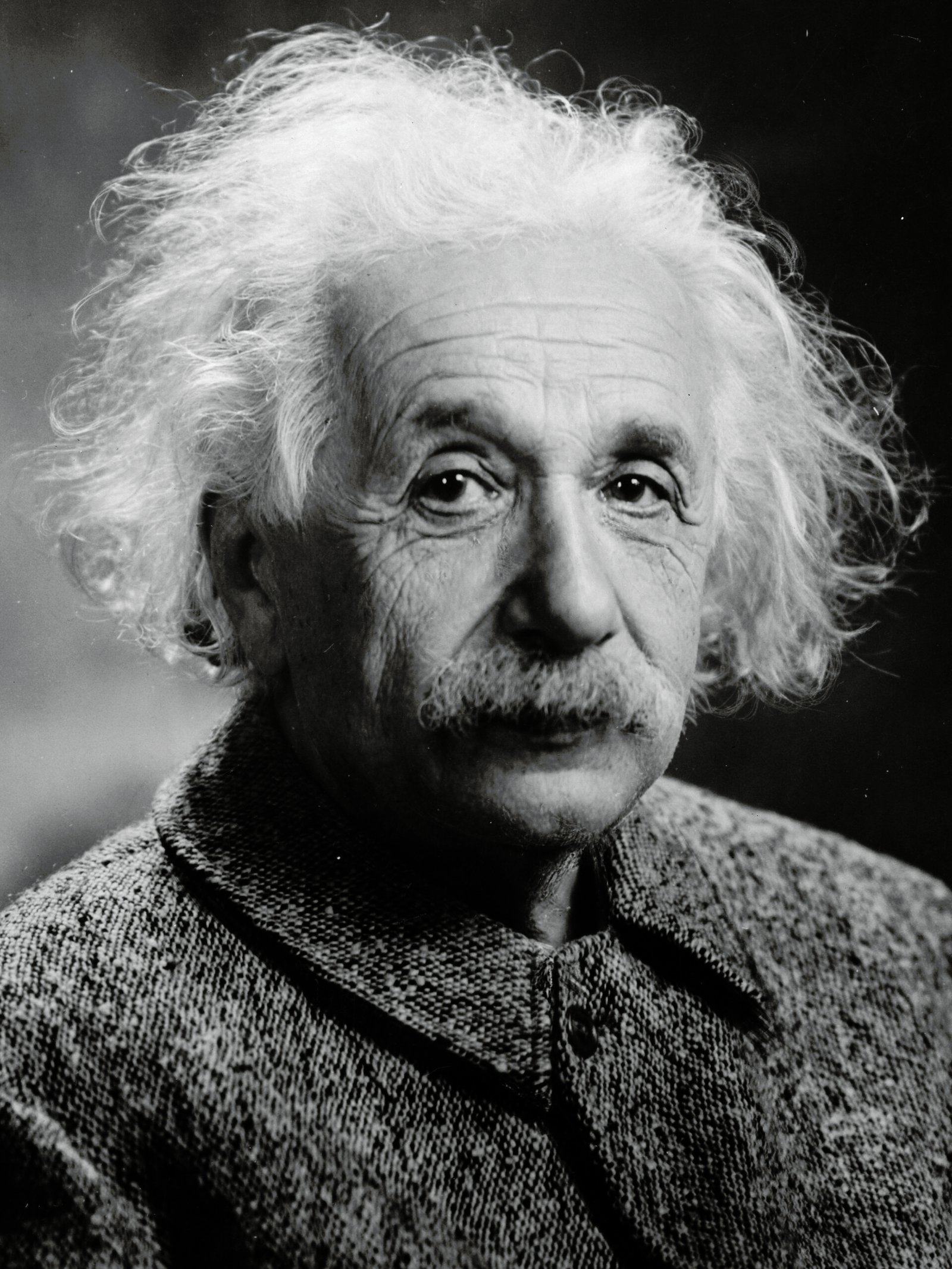
Albert Einstein’s ideas about the universe were nothing short of revolutionary. His theory of relativity, especially the equation E=mc², showed that mass and energy are two sides of the same coin. This discovery not only changed physics but also impacted technology, including the development of nuclear power. Einstein’s work was proven right during the 1919 solar eclipse, when scientists saw starlight bend around the sun, just as he predicted. He won the Nobel Prize in 1921 for explaining the photoelectric effect, revealing new details about how light and electrons interact. Einstein’s writings went beyond science, touching on philosophy and the ethics of scientific discovery. His wild hair and thoughtful gaze became symbols of genius, and his theories continue to inspire new generations of scientists and dreamers.
Charles Darwin: The Father of Evolution
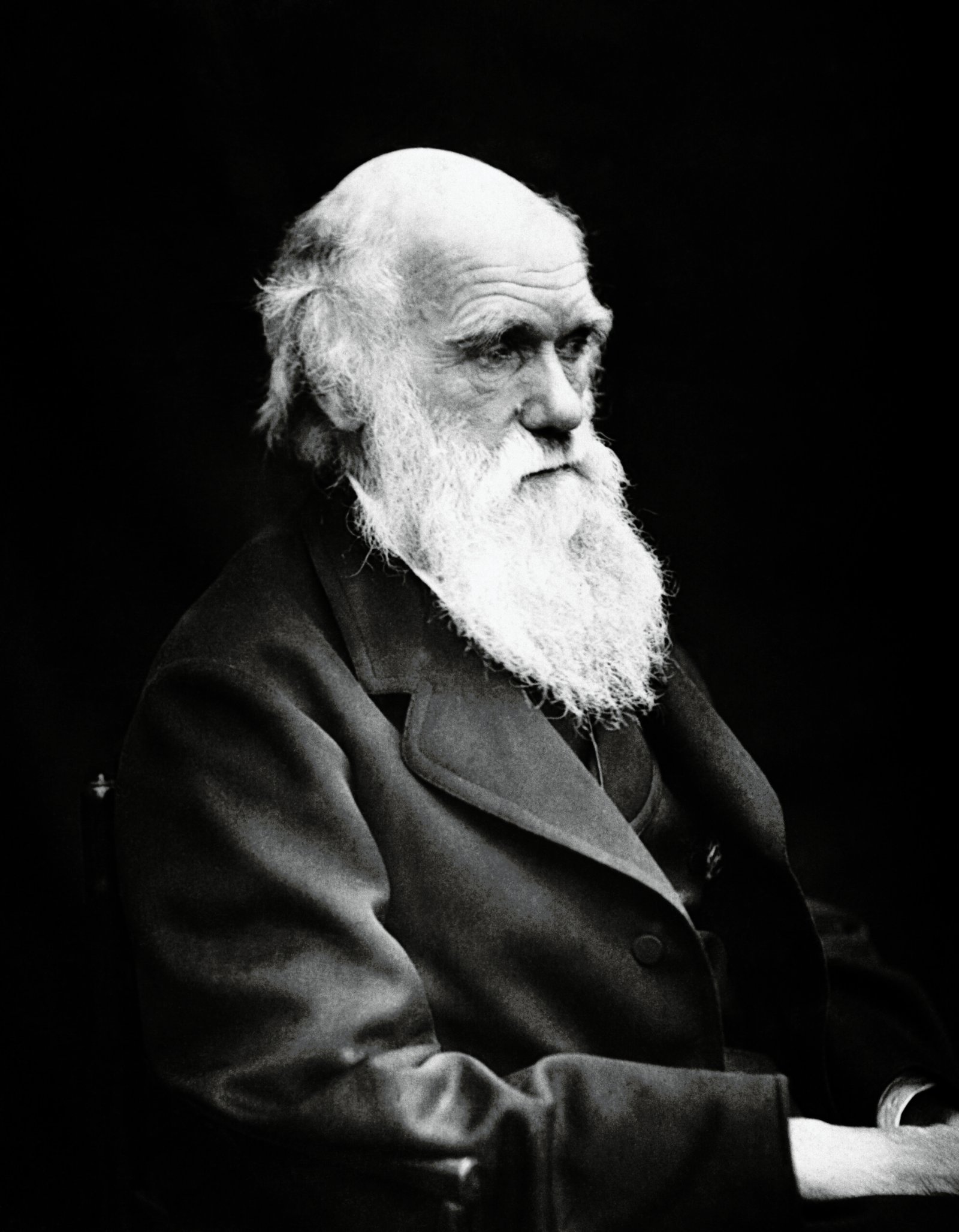
Charles Darwin’s theory of evolution by natural selection made people rethink life on Earth. After sailing to the Galápagos Islands, Darwin noticed that animals adapted to their environments in unique ways. In 1859, his book “On the Origin of Species” explained how species change over time to survive and thrive. This idea was controversial, as it challenged the belief that all creatures were created as they are. Yet, over the years, genetics and fossils have confirmed Darwin’s theory, turning it into a cornerstone of biology. Darwin’s findings explain why giraffes have long necks, why birds have different beaks, and why humans are related to other animals. His work opened the door to understanding diseases, heredity, and even how new species appear, making him one of history’s most influential scientists.
Galileo Galilei: The Telescope Pioneer
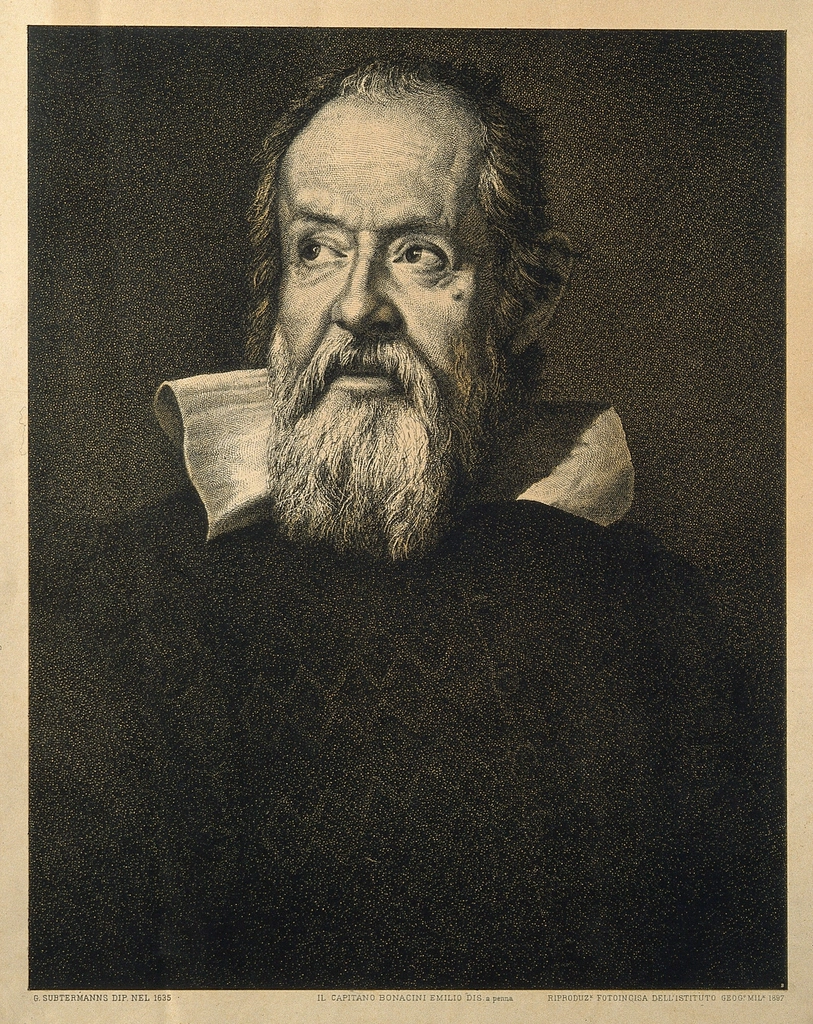
Galileo Galilei changed the way people saw the universe—literally. Using a telescope he built himself, Galileo discovered four moons orbiting Jupiter, which proved not everything revolved around the Earth. He also saw the phases of Venus and the rough surface of the moon, challenging the old belief that heavenly bodies were perfect. Galileo’s method of careful observation and experimentation became the foundation of modern science. His outspoken support for the sun-centered solar system got him in trouble with the Catholic Church, and he spent his last years under house arrest. Despite this, Galileo’s discoveries paved the way for future astronomers and physicists. His work showed the power of curiosity and the courage to question accepted ideas.
Marie Curie: Champion of Radioactivity
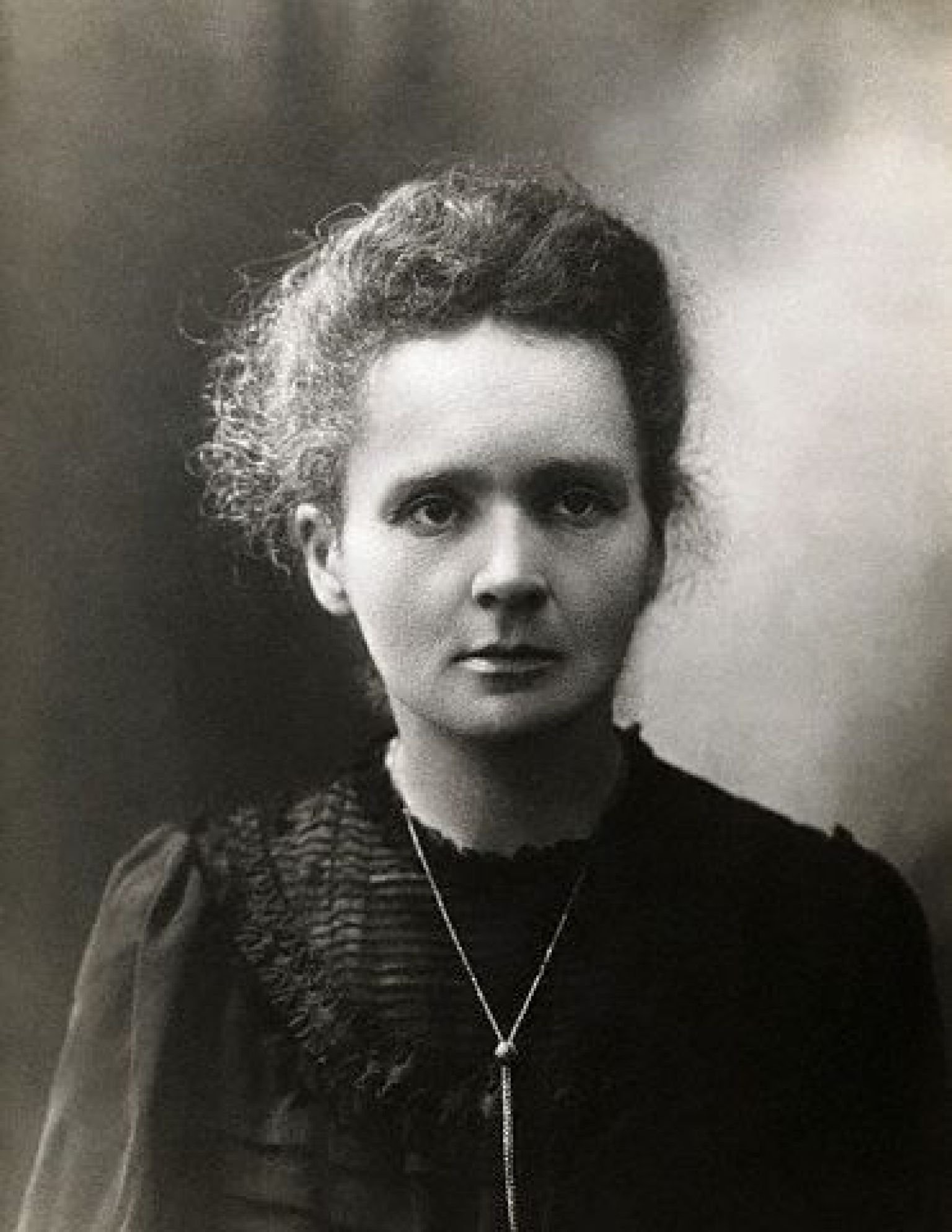
Marie Curie broke barriers in science and society. She was the first woman to win a Nobel Prize—and the only person to win in two different scientific fields, Physics (1903) and Chemistry (1911). Curie’s research uncovered two new elements, polonium and radium, and the strange, invisible forces they emitted—what she called radioactivity. Her discoveries led to new cancer treatments, changing medicine forever. Curie’s tireless experiments were often dangerous, as radiation risks were unknown at the time. She worked through hardship and discrimination, becoming a symbol of courage and determination. Today, her name lives on in hospitals and laboratories, reminding the world of her groundbreaking contributions.
Nikola Tesla: The Visionary of Electricity
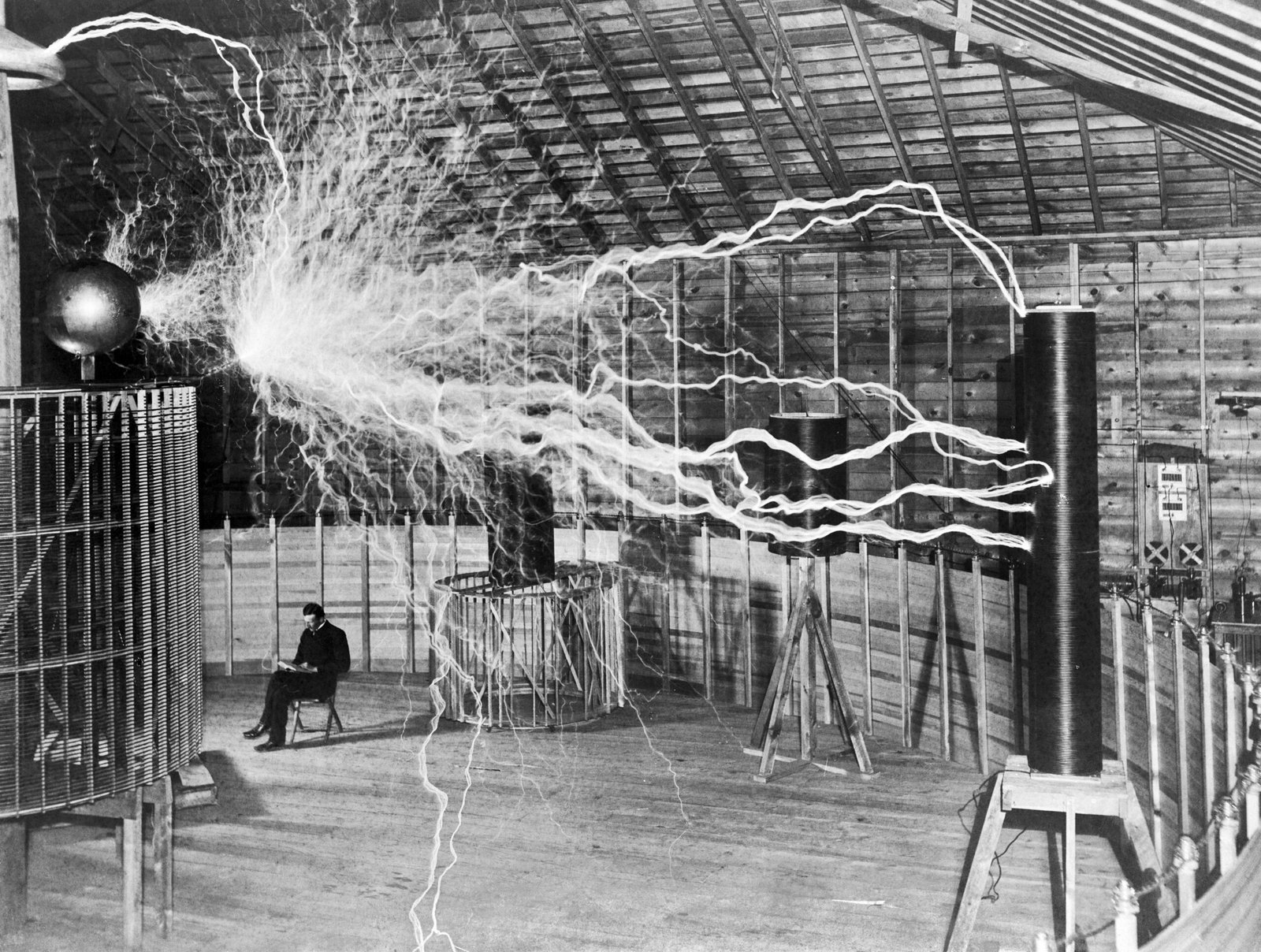
Nikola Tesla was a true inventor whose imagination seemed limitless. He developed the alternating current (AC) system, which powers homes and cities worldwide. Tesla’s inventions, like the induction motor and Tesla coil, brought electricity into everyday life, making it safer and more efficient. He dreamed of wireless power and communication, ideas that sounded like science fiction in his time but now shape technologies like Wi-Fi and wireless charging. Tesla’s rivalry with Thomas Edison in the “War of Currents” is legendary, and his showmanship captivated audiences with demonstrations of electrical wonders. Despite personal struggles and financial setbacks, Tesla’s innovations keep inspiring engineers, inventors, and dreamers to push the boundaries of what’s possible.
Louis Pasteur: The Germ Fighter
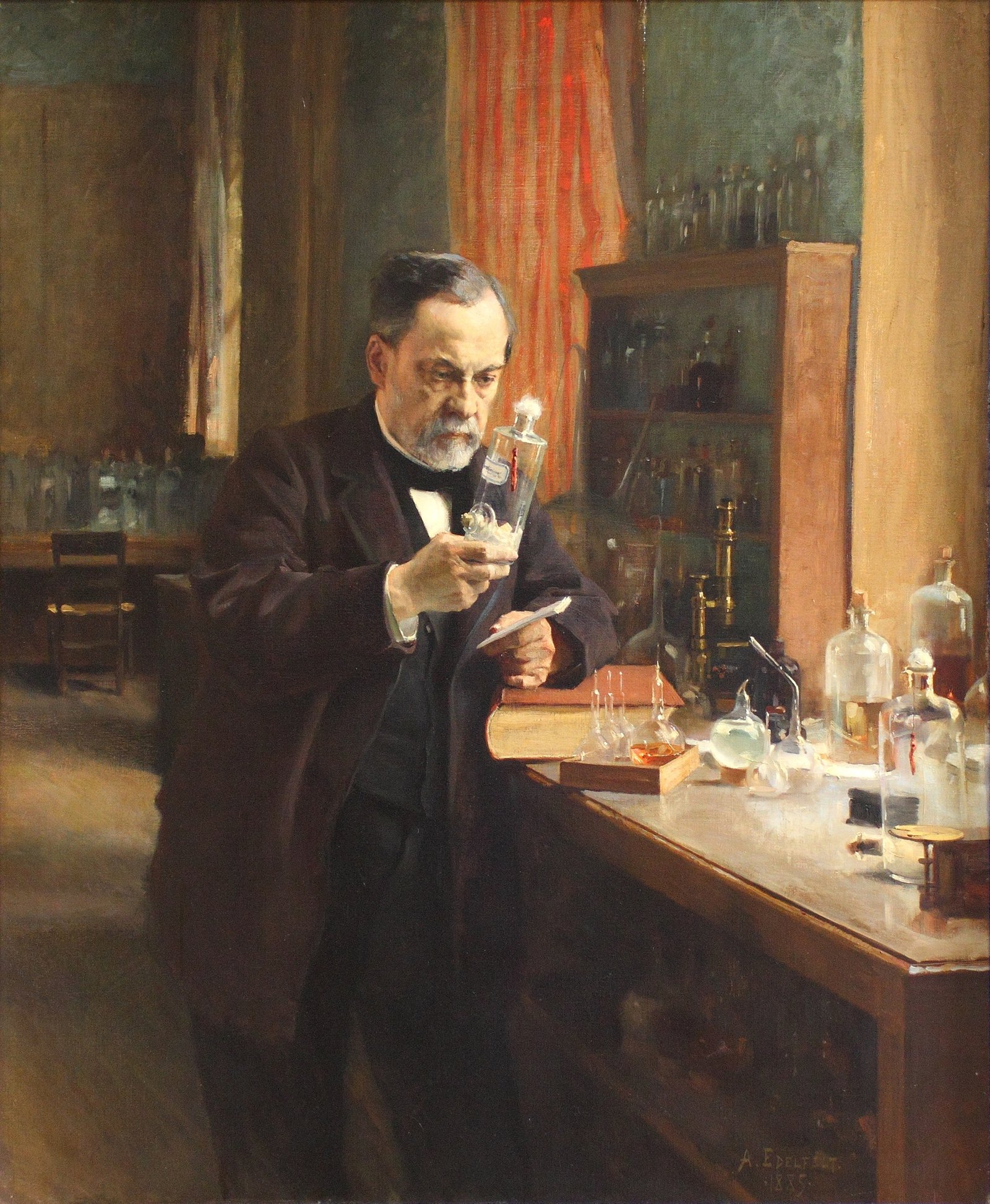
Louis Pasteur’s discoveries have saved countless lives. By proving that tiny microbes cause disease, Pasteur changed medicine and public health forever. His vaccine for rabies was a medical breakthrough, and the pasteurization process he invented keeps milk and other foods safe. Pasteur’s work on fermentation revolutionized the food industry, making it possible to store and ship products around the world. His research into vaccines has led to the prevention and elimination of deadly diseases, influencing immunization programs everywhere. Pasteur’s insistence on cleanliness in hospitals and laboratories set new standards that are still followed today. His legacy is visible every time you drink a glass of milk or get a vaccine.
Stephen Hawking: Unlocking the Mysteries of the Universe
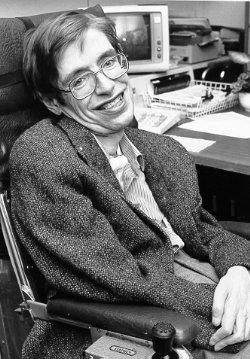
Stephen Hawking expanded our understanding of the cosmos. Diagnosed with ALS at age 21, he defied the odds, continuing his research for decades despite almost total paralysis. Hawking’s work showed that black holes are not completely black—they emit what’s now known as Hawking radiation, a discovery that changed how scientists view the universe’s most mysterious objects. His book “A Brief History of Time” became a worldwide bestseller, making complex ideas about space and time accessible to everyone. Hawking’s life story inspired millions, showing that the power of the mind can overcome even the harshest physical challenges. His contributions to cosmology and quantum physics remain central to ongoing research.
Dmitri Mendeleev: The Architect of Chemistry
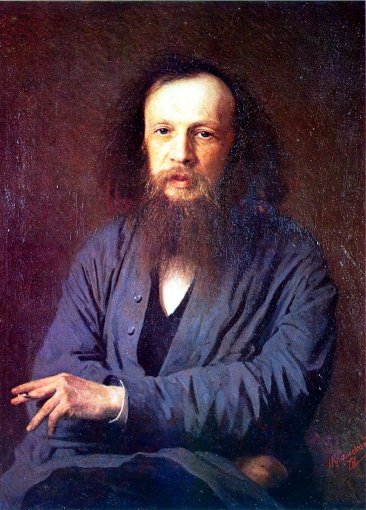
Dmitri Mendeleev gave science one of its most powerful tools—the periodic table. In 1869, he organized the known elements by their properties and atomic weights, leaving gaps for elements yet to be discovered. This bold move paid off when those elements were found, fitting perfectly into his table. The periodic table helps chemists predict how elements will react, guiding discoveries from new medicines to advanced materials. Mendeleev’s periodic law unifies chemistry, making it possible to decode the building blocks of matter. Today, students and scientists alike rely on his creation, which is still being updated as new elements are discovered.
Gregor Mendel: The Pea Plant Pioneer
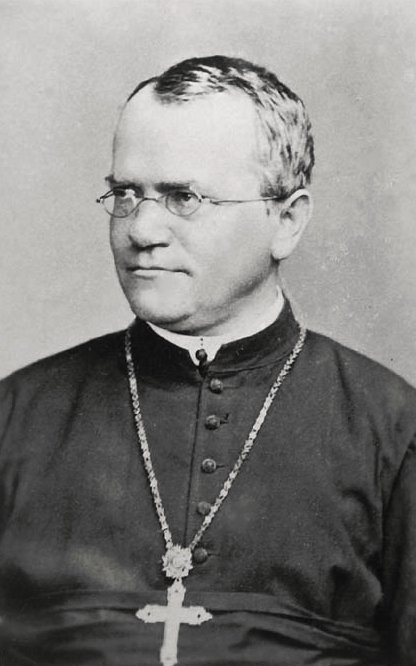
Gregor Mendel’s quiet experiments in a monastery garden changed biology forever. By crossbreeding pea plants, Mendel discovered the basic laws of heredity—how traits are passed from parents to offspring. His findings, published in 1866, introduced concepts like dominant and recessive traits, but they were ignored for decades. Only after his death did scientists realize Mendel had unlocked the secrets of genetics. Today, his principles are used in everything from agriculture to medicine, helping breed better crops and understand genetic diseases. Mendel’s work laid the groundwork for the Human Genome Project and the age of biotechnology.
Aristotle: Foundations of Science and Logic
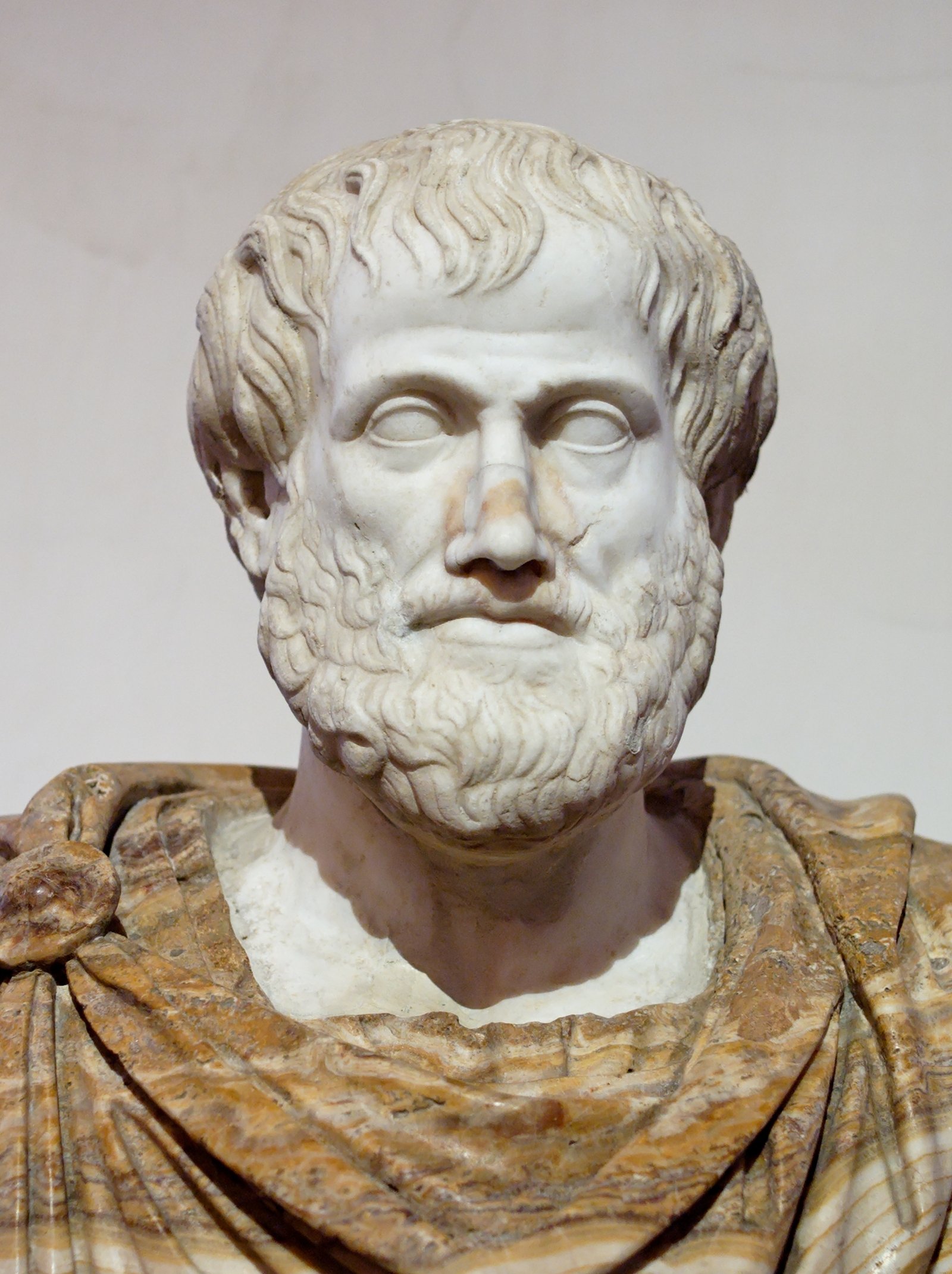
Aristotle, living in ancient Greece over 2,300 years ago, laid the groundwork for scientific thinking. He wrote about biology, physics, astronomy, and even psychology, trying to explain natural phenomena by observing and reasoning. Aristotle’s philosophy centered on logic and careful categorization, influencing how scientists approach problems today. His system of classifying living things, though outdated, inspired later scientists like Linnaeus. Aristotle believed in investigating the natural world by using the senses and systematic thinking, a method that shaped Western science for centuries. Many of his ideas, like the importance of cause and effect, are still used in science education.
Leonardo da Vinci: The Renaissance Genius
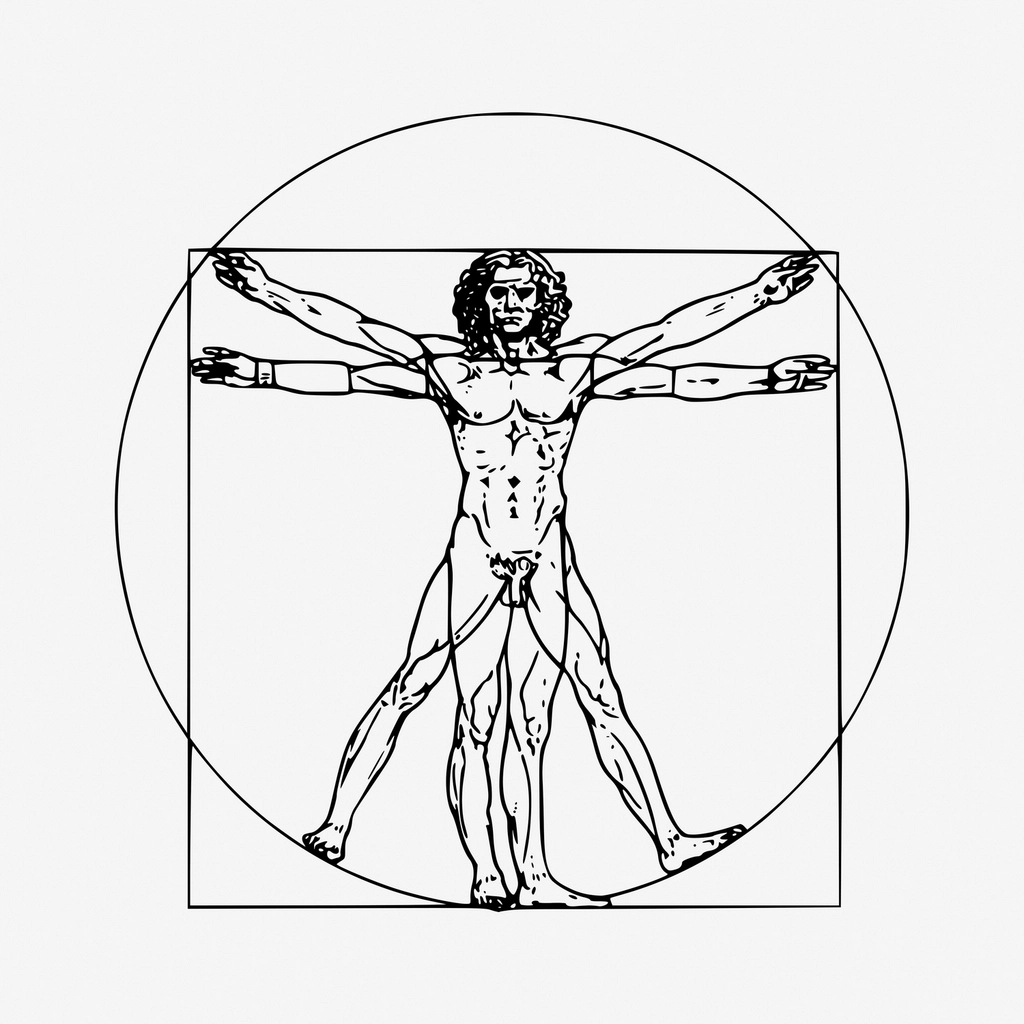
Leonardo da Vinci was both an artist and a scientist, blending creativity with careful observation. He sketched detailed studies of the human body, designed flying machines, and built ingenious devices centuries ahead of their time. Leonardo’s notebooks are filled with discoveries about anatomy, mechanics, and water flow. He used art to understand science and science to improve his art, showing how imagination and curiosity can lead to innovation. Leonardo’s approach inspired future generations to cross boundaries between disciplines, reminding us that creativity is a powerful tool in discovery.
James Clerk Maxwell: The Unifier of Electricity and Magnetism
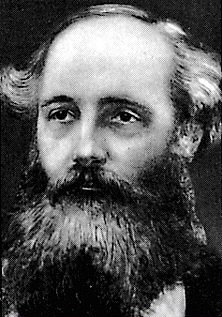
James Clerk Maxwell’s equations brought electricity, magnetism, and light together in one elegant theory. His work showed that light is an electromagnetic wave, leading to inventions like radio, television, and cell phones. Maxwell’s equations also made it possible to understand how electromagnetic fields interact, laying the foundation for much of modern physics and technology. His theories are used in everything from electric motors to fiber optics. Maxwell’s ability to see connections between different fields of science made him a true innovator, and his legacy continues in every device that uses electricity.
Michael Faraday: The Magician of Electromagnetism
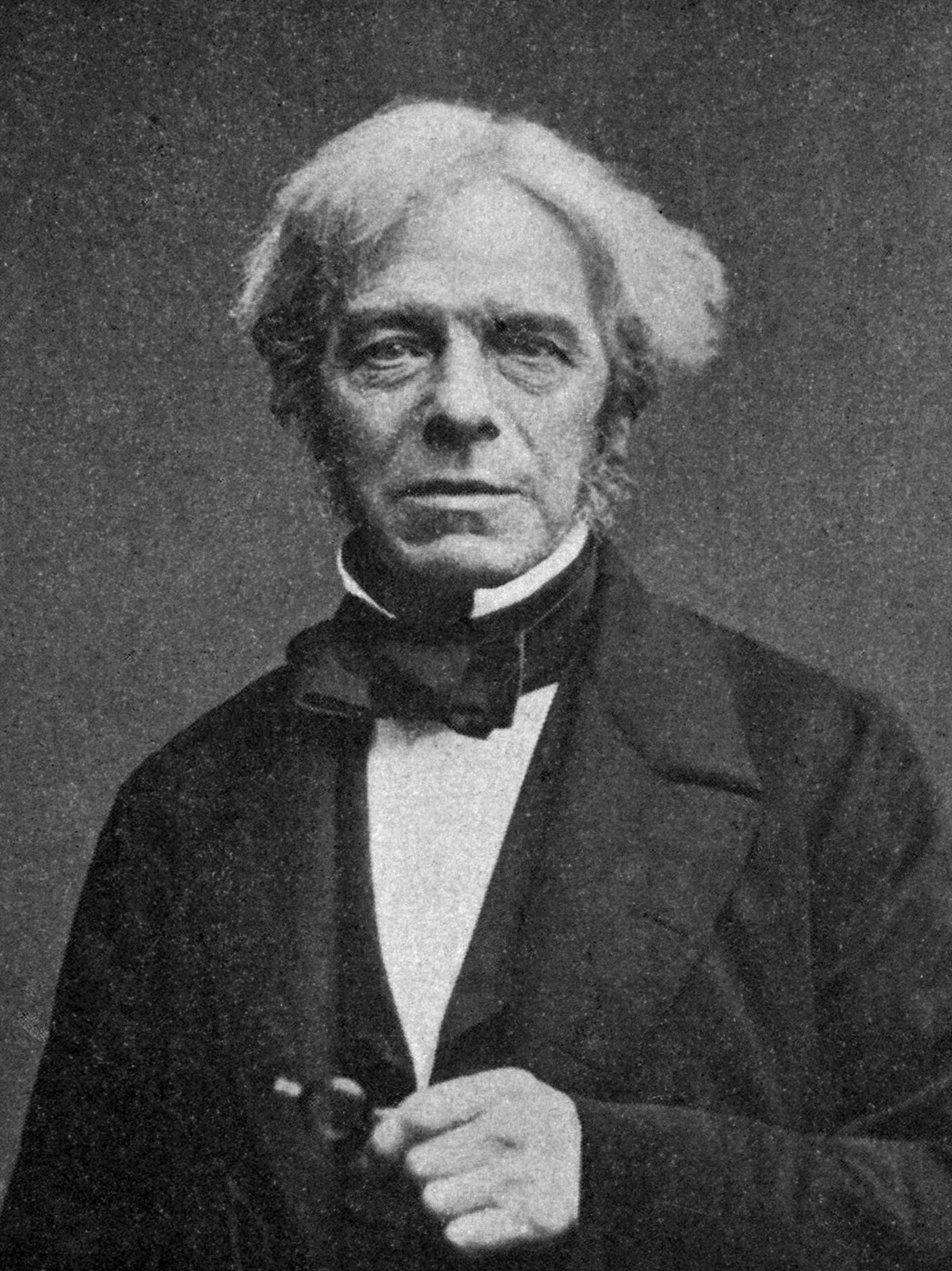
Michael Faraday’s experiments turned invisible forces into practical tools. He discovered electromagnetic induction, the principle behind electric generators and transformers. Faraday’s simple yet brilliant setups revealed how moving magnets can create electricity, making the modern power grid possible. He also explored electrochemistry, finding new ways to separate and combine chemical elements using electricity. Faraday’s work was hands-on and often used simple materials, proving that great discoveries don’t always require fancy equipment. His lectures made science exciting for the public, and his influence can be felt in every power plant and electric motor.
Rosalind Franklin: Revealing the Structure of DNA
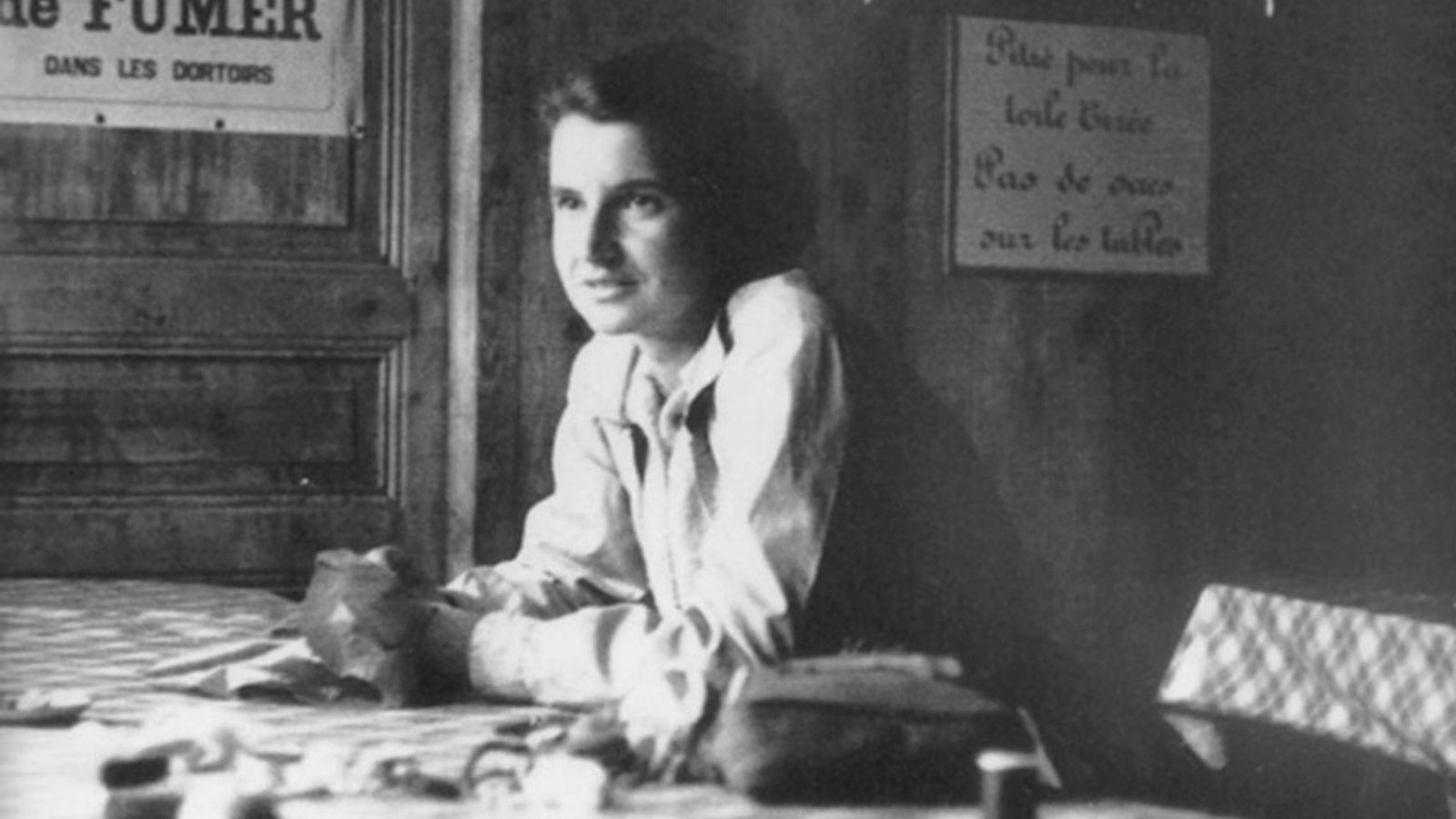
Rosalind Franklin’s X-ray diffraction images of DNA provided the crucial evidence that revealed its double-helix structure. Her photographs showed the distinctive patterns that allowed scientists to understand how genetic information is stored and copied. Franklin’s work was critical to the discoveries made by Watson and Crick, though her contributions were only fully recognized after her death. She also studied viruses and coal, showing her wide-ranging scientific curiosity. Franklin’s careful methods and dedication set new standards in molecular biology. Her story highlights the importance of collaboration and the challenges women have faced in science.
Richard Feynman: The Quantum Storyteller
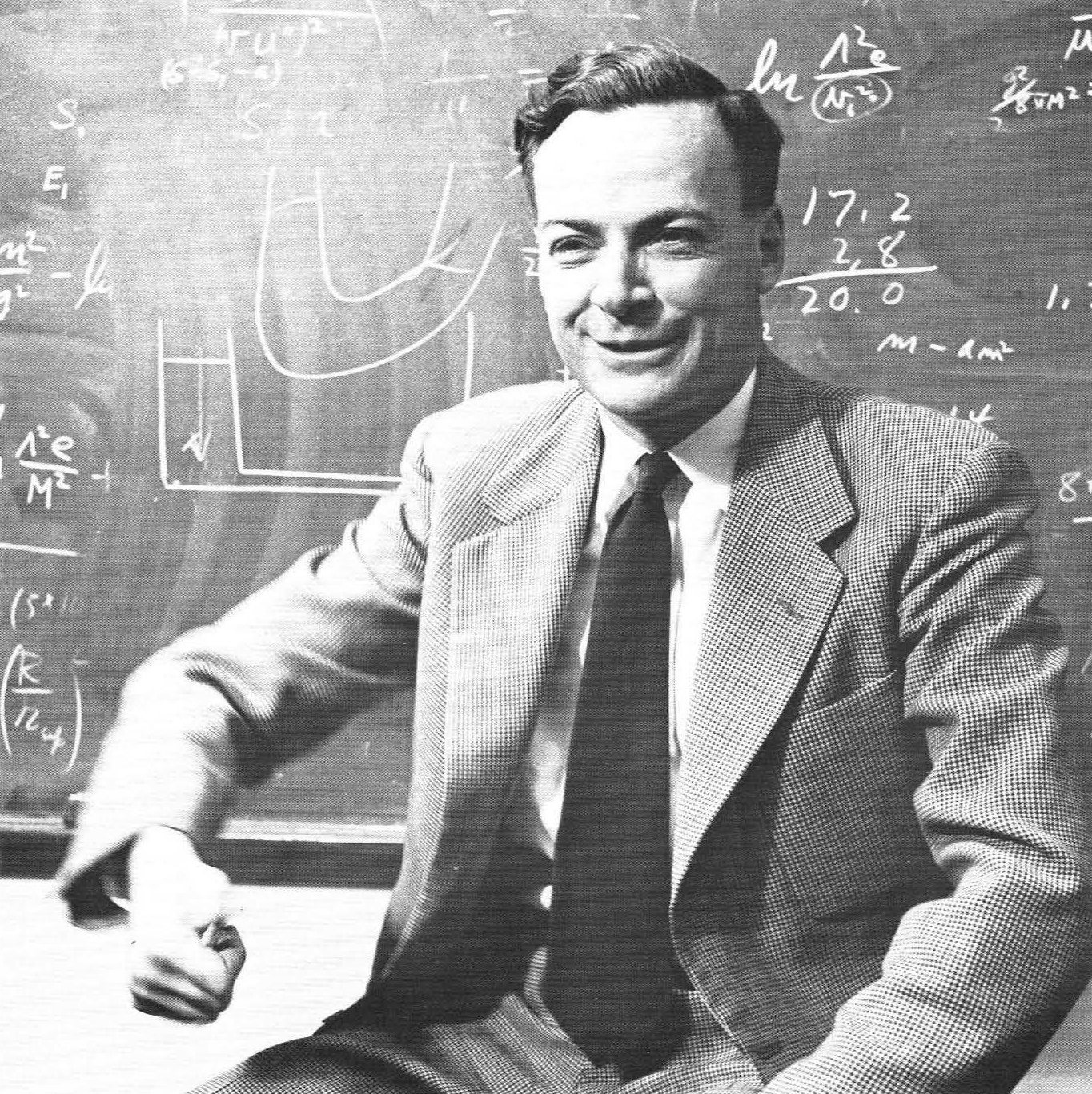
Richard Feynman made quantum physics understandable and exciting. He developed the path integral formulation and Feynman diagrams, tools that help physicists visualize how particles interact. Feynman’s playful attitude and clear explanations made him a beloved teacher and a celebrity in the science world. His work in quantum electrodynamics earned him a Nobel Prize in 1965 and shaped how physicists think about the smallest particles in the universe. Feynman also helped investigate the Challenger space shuttle disaster, showing how scientific thinking can solve real-world problems. His books and lectures continue to inspire anyone curious about how the universe works.
Alan Turing: The Father of Computer Science
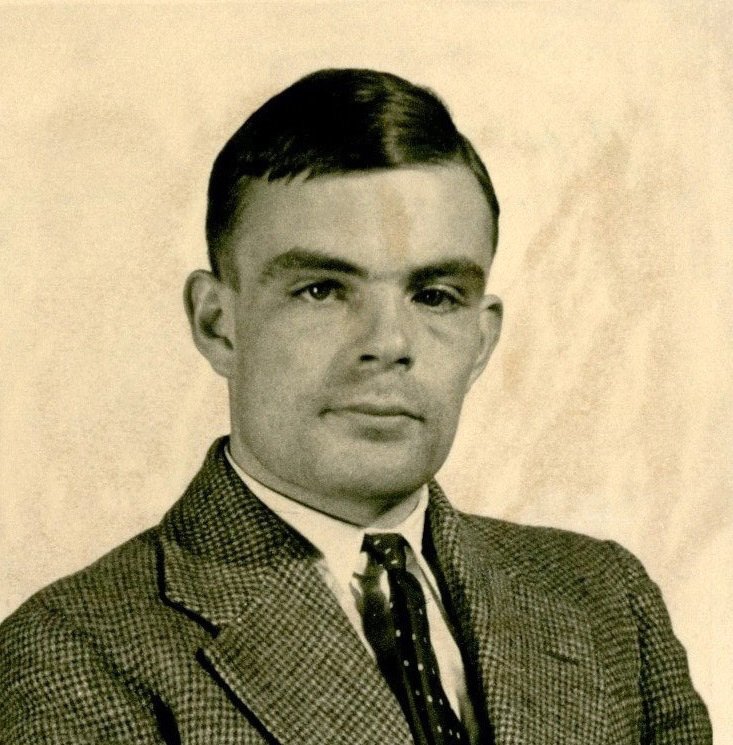
Alan Turing’s ideas built the foundation of modern computing and artificial intelligence. During World War II, he cracked the Nazi Enigma code, shortening the war and saving countless lives. Turing’s concept of the “universal machine” predicted today’s computers, capable of performing any calculation given the right instructions. He also introduced the Turing Test, a way to measure a machine’s ability to think like a human. Turing faced discrimination for his personal life, but his legacy is everywhere—from smartphones to AI research. Every time we use a computer, we’re following in Turing’s footsteps.
Johannes Kepler: The Architect of Planetary Motion
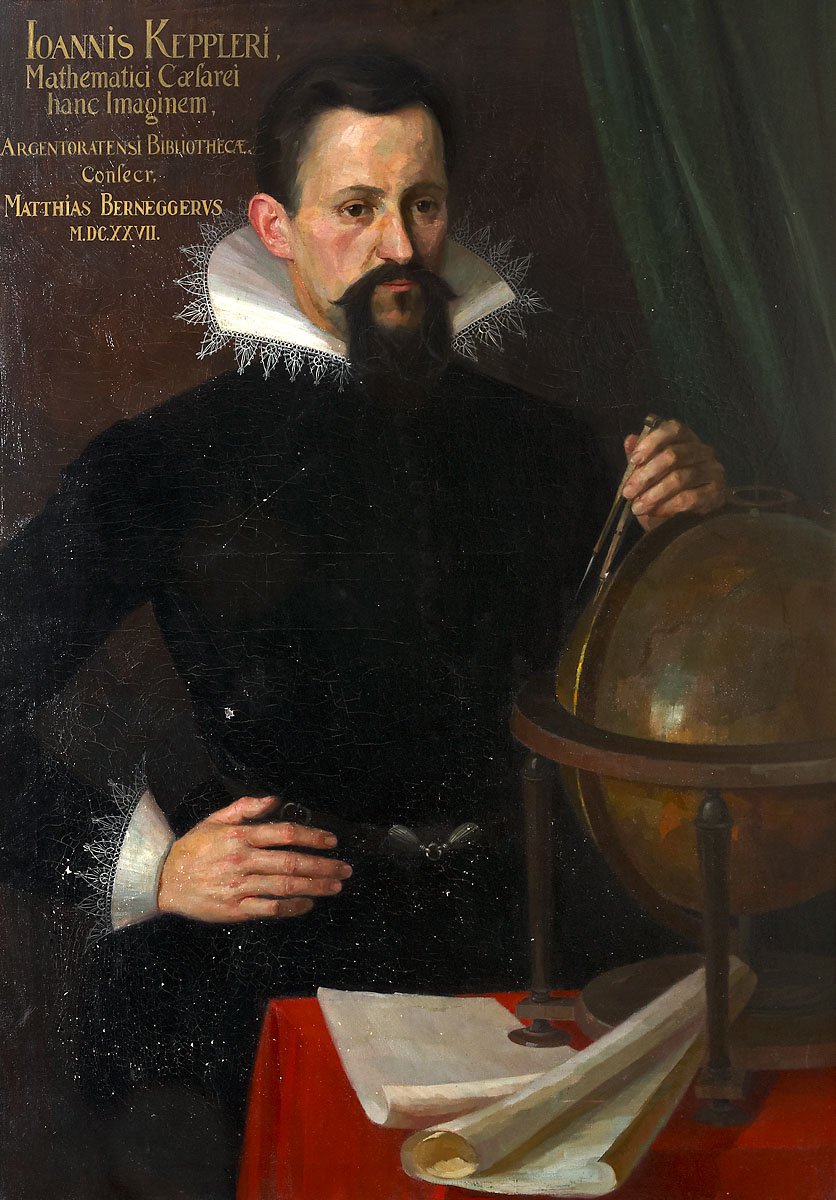
Johannes Kepler uncovered the mathematical laws that describe how planets move around the sun. By analyzing years of astronomical data, Kepler found that planets travel in ellipses, not perfect circles, and move faster when closer to the sun. These laws explained the puzzling motions of the planets and supported the sun-centered solar system proposed by Copernicus. Kepler’s insights were crucial for Newton’s later work and for the development of modern astronomy. His discoveries helped launch the age of space exploration, as spacecraft still use Kepler’s laws to travel through the solar system.
Niels Bohr: Quantum Pioneer
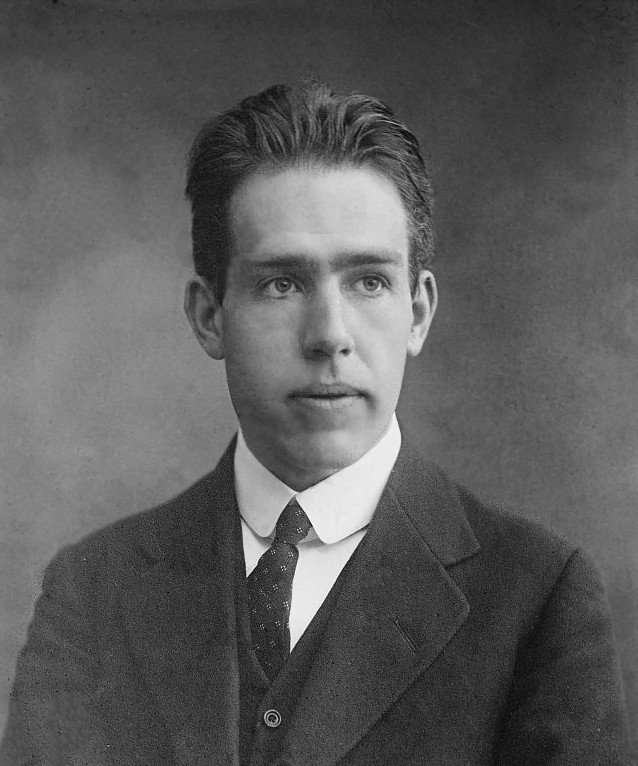
Niels Bohr transformed our view of atoms by introducing quantum theory to explain their structure. His model showed that electrons orbit the nucleus in specific energy levels, a concept that explained why atoms emit or absorb light in certain patterns. Bohr’s ideas helped scientists understand chemical reactions and the behavior of matter at the smallest scales. He played a key role in the development of nuclear physics and worked to promote the peaceful use of atomic energy. Bohr’s influence can be seen in everything from lasers to modern electronics, making him a central figure in 20th-century science.
Francis Crick & James Watson: Cracking the Genetic Code
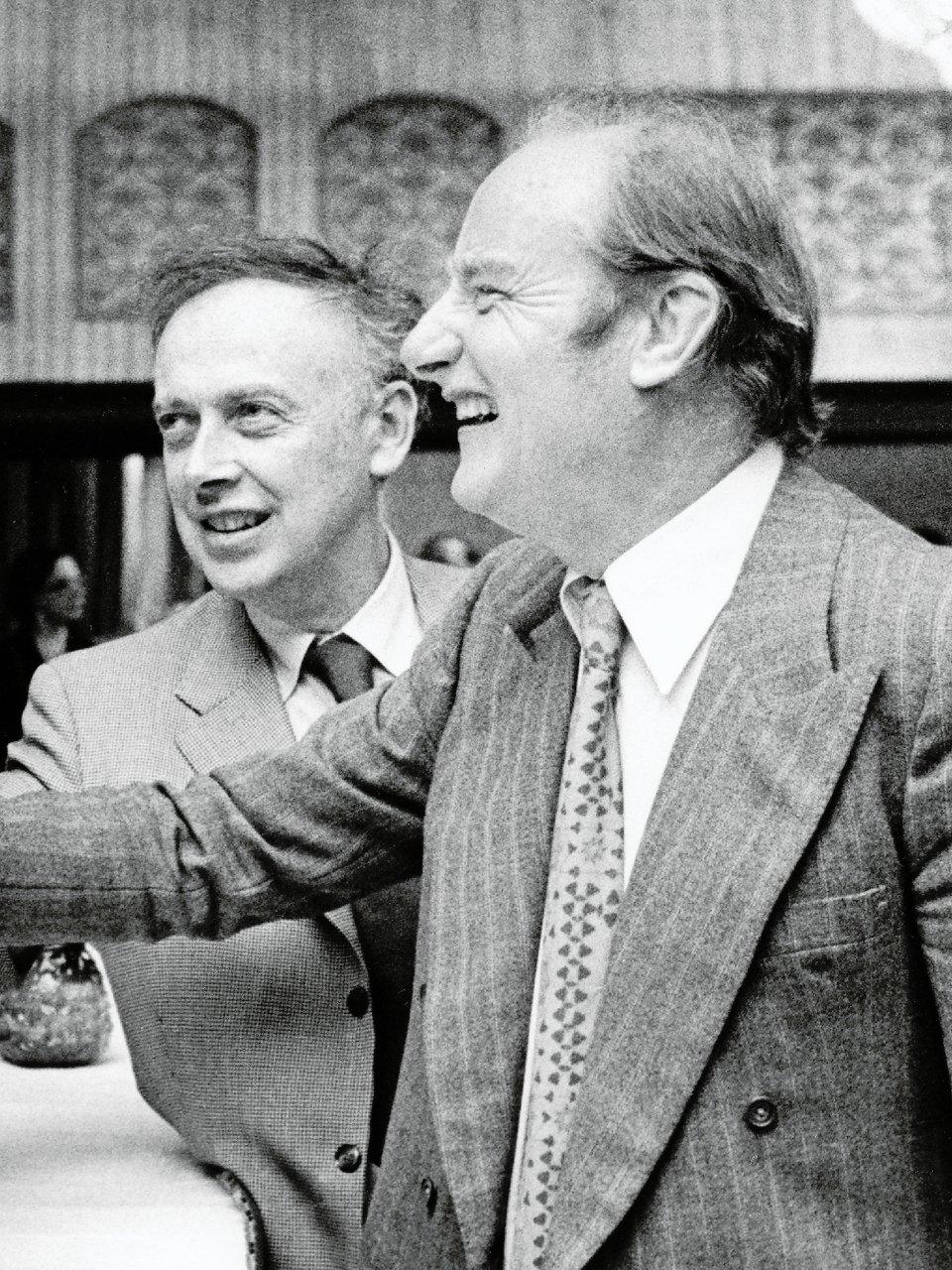
Francis Crick and James Watson unlocked the structure of DNA in 1953, revealing the double helix that carries genetic information. Their breakthrough showed how DNA replicates and passes traits from one generation to the next. Using Rosalind Franklin’s X-ray images and building models, they pieced together the puzzle that explained heredity at the molecular level. This discovery led to the birth of molecular biology, paving the way for genetic engineering, DNA testing, and personalized medicine. Their work continues to shape research in health, agriculture, and forensics.
Carl Linnaeus: The Father of Classification
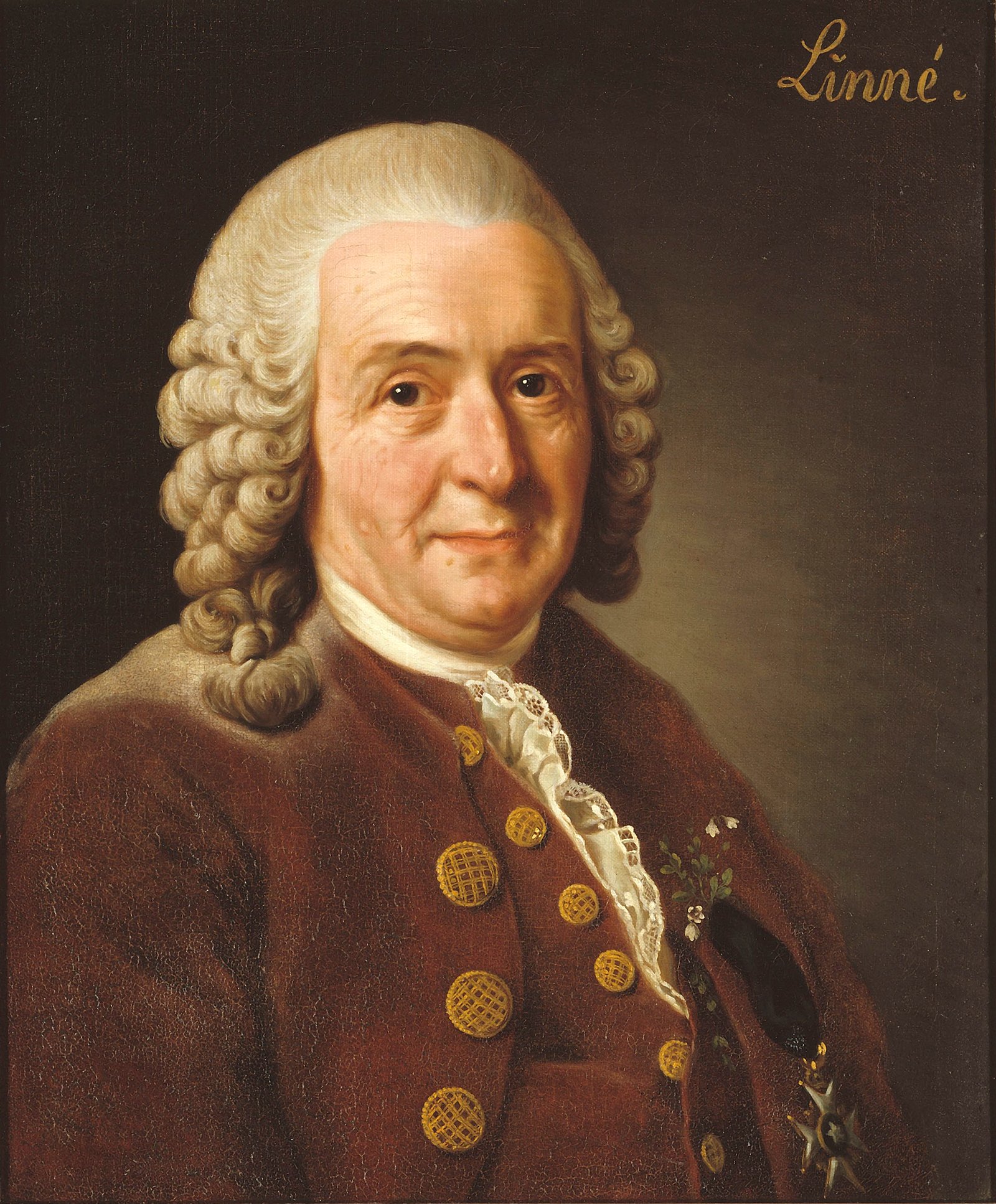
Carl Linnaeus created the system scientists still use to name and organize living things. His method, called binomial nomenclature, gives every species a two-part Latin name, making it easier to identify and study plants and animals. Linnaeus classified thousands of species in his lifetime, bringing order to the chaos of the natural world. His system became the foundation of taxonomy, allowing scientists to communicate clearly about life on Earth. Linnaeus’s work made it possible to track biodiversity and discover new species, playing a key role in ecology and conservation.
Alfred Wegener: The Continental Drifter
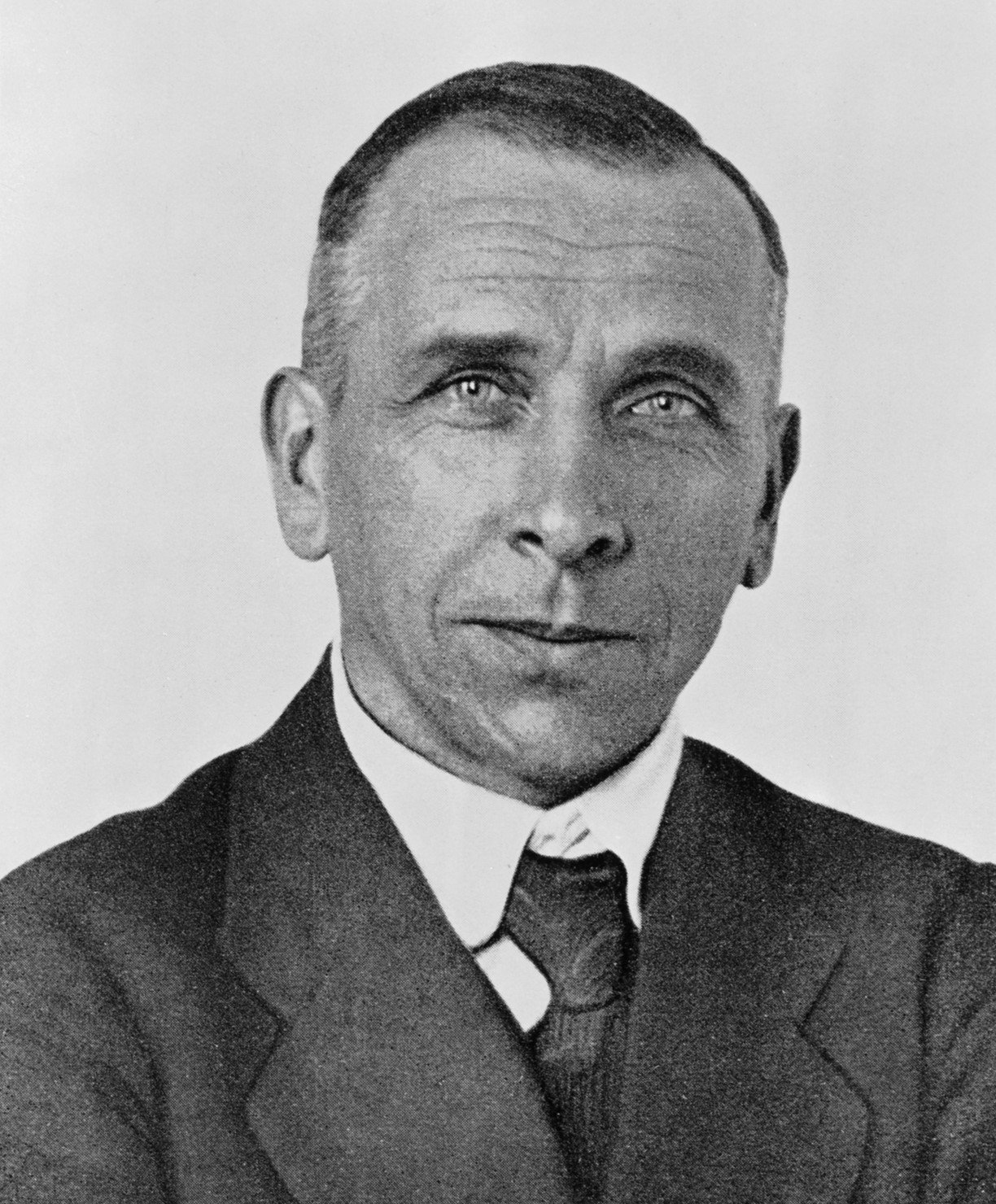
Alfred Wegener dared to suggest that continents move—an idea met with skepticism at first. In 1912, he proposed the theory of continental drift, noticing how the shapes of Africa and South America fit together like puzzle pieces. He collected evidence from fossils, rocks, and ancient climates to support his theory. Decades later, the discovery of plate tectonics proved Wegener right, explaining earthquakes, volcanoes, and mountain formation. Today, his theory is a foundation of geology, showing how bold ideas can change our understanding of the Earth.
Rachel Carson: The Voice for Nature
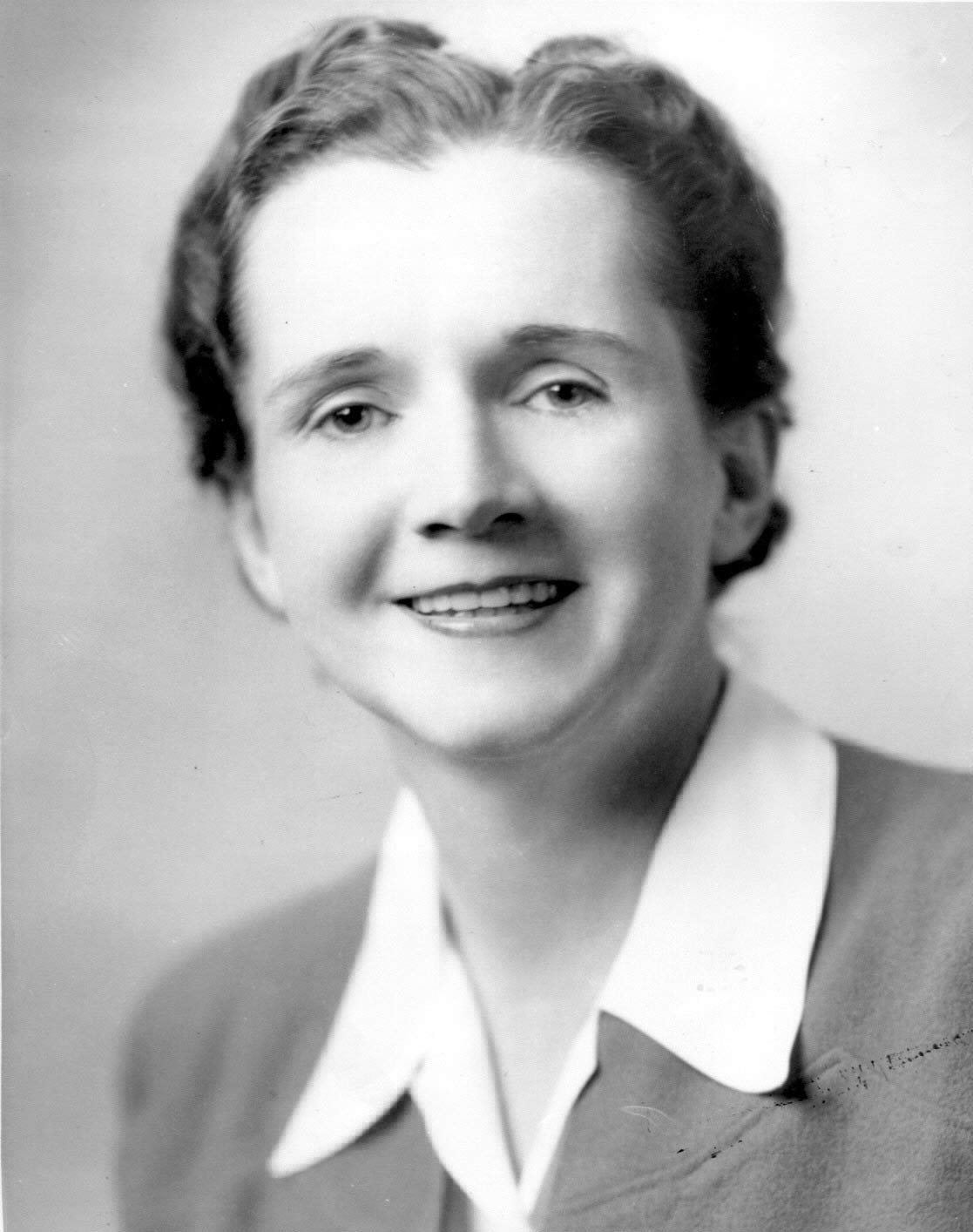
Rachel Carson’s book “Silent Spring” sounded the alarm about the dangers of pesticides and pollution. Published in 1962, her writing awakened the world to the threat chemicals posed to the environment and human health. Carson’s work sparked the modern environmental movement, leading to bans on harmful pesticides and the creation of environmental protection agencies. Her clear, passionate style gave a voice to nature and inspired new generations to care for the planet. Carson’s legacy is visible in every campaign for clean air, water, and conservation.
Antoine Lavoisier: The Father of Modern Chemistry
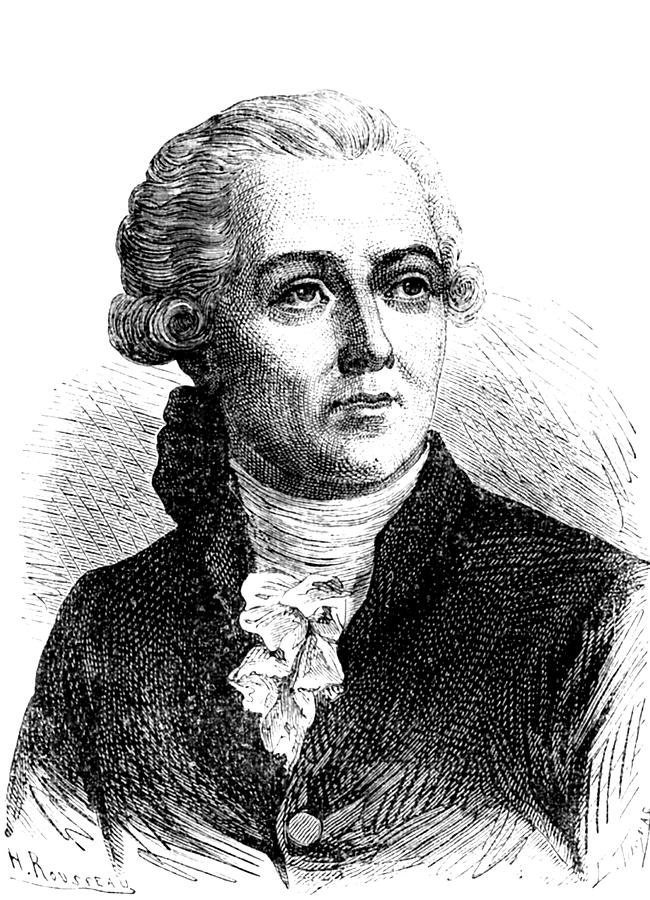
Antoine Lavoisier brought order and clarity to chemistry, earning him the title “father of modern chemistry.” He named oxygen and hydrogen, helped develop the metric system, and showed that matter is neither created nor destroyed in chemical reactions. Lavoisier’s careful experiments replaced old myths with measurable facts, transforming alchemy into a true science. His work laid the foundation for understanding combustion, respiration, and the chemical makeup of living things. Lavoisier’s influence is seen in every chemistry lab and classroom around the world.
Erwin Schrödinger: The Quantum Cat
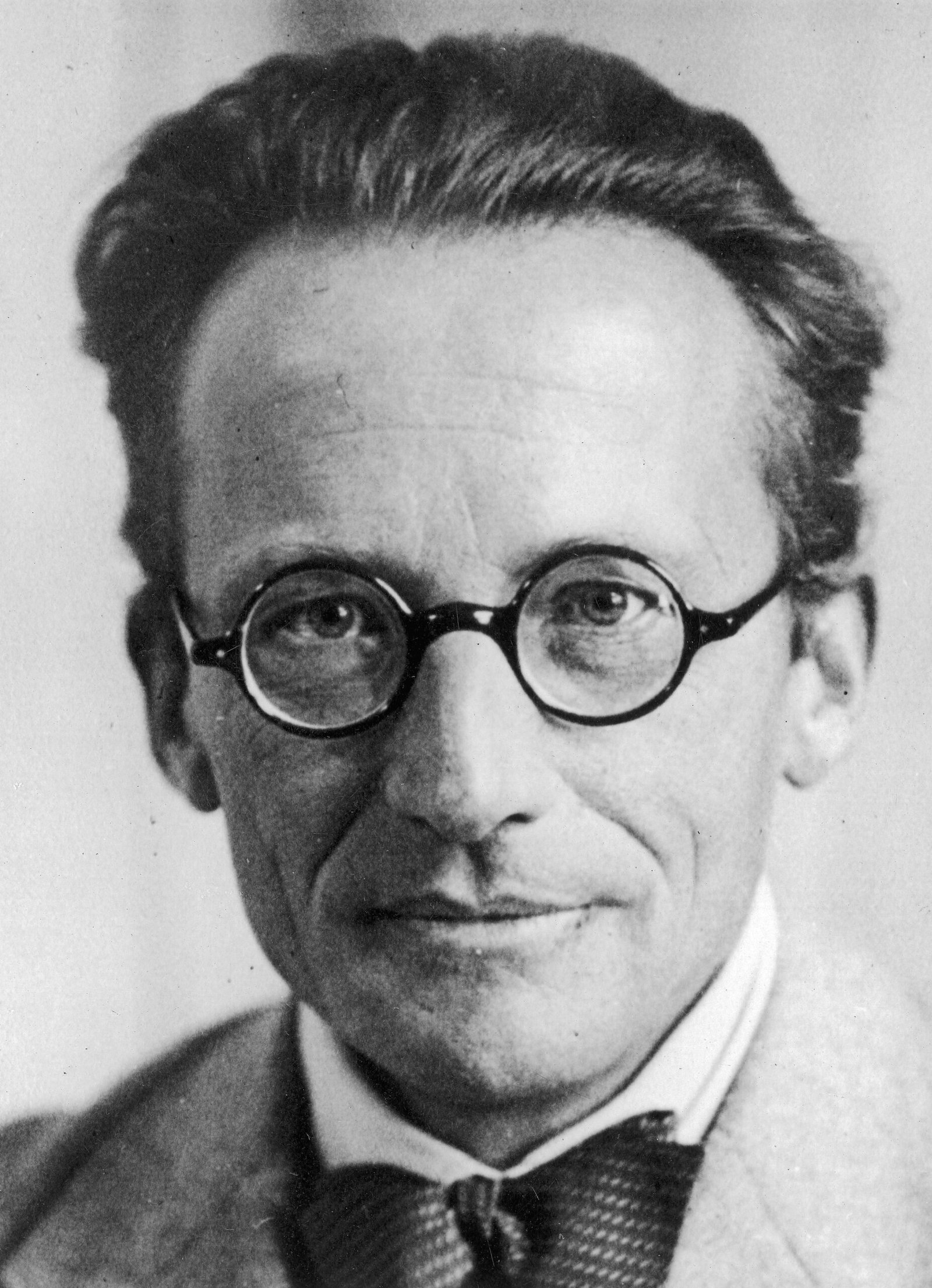
Erwin Schrödinger shaped quantum mechanics with his famous wave equation, which describes how particles behave at the atomic level. His thought experiment, “Schrödinger’s cat,” illustrated the strange, uncertain world of quantum physics, where things can be both alive and dead until observed. Schrödinger’s ideas help explain why atoms and molecules act the way they do, with applications in lasers, semiconductors, and even quantum computers. His work challenged scientists to think differently about reality and probability.
Barbara McClintock: The Genetic Trailblazer
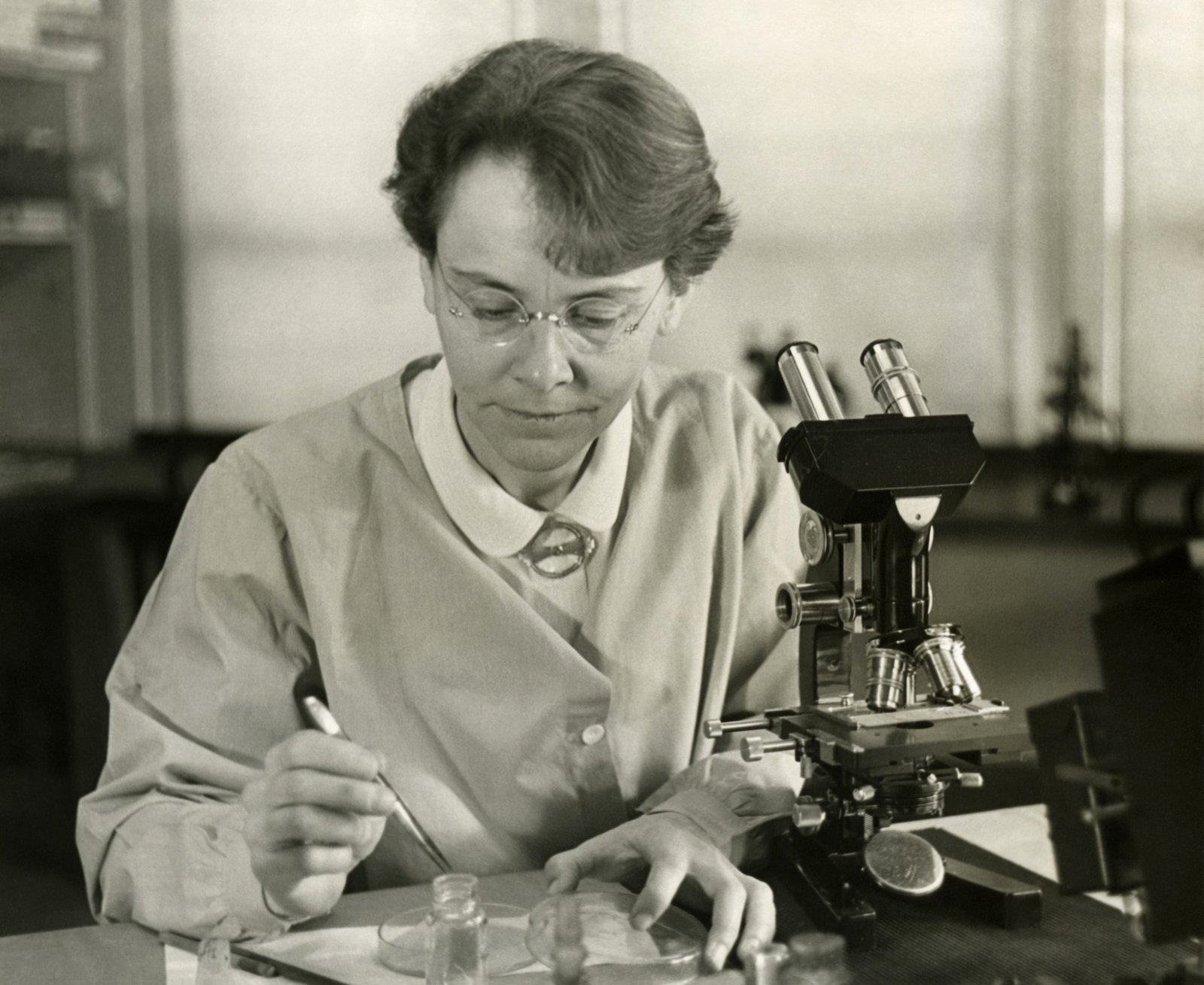
Barbara McClintock discovered “jumping genes,” or transposons, showing that genes can move within and between chromosomes. Her work with maize plants in the 1940s and 1950s revealed that the genome is dynamic, not fixed as previously thought. At first, her ideas were dismissed, but later research confirmed her groundbreaking findings. In 1983, McClintock received the Nobel Prize in Physiology or Medicine, making her the first woman to win the award solo in that category. Her discoveries have had huge impacts on genetics, evolution, and biotechnology.
Tim Berners-Lee: The Inventor of the Web
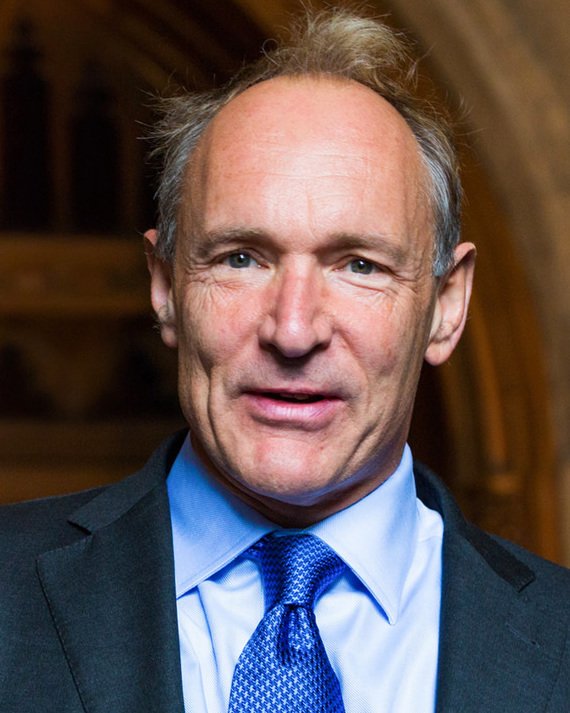
Tim Berners-Lee changed communication forever by inventing the World Wide Web in 1989. Working at CERN, he created a system that allowed scientists to share information instantly across the globe. Berners-Lee’s invention became the backbone of the Internet, connecting billions of people and transforming how we work, learn, and socialize. He gave the web away for free, ensuring it remained open and accessible to everyone. Berners-Lee continues to advocate for digital rights and a free, open Internet.
Jane Goodall: The Chimpanzee Whisperer
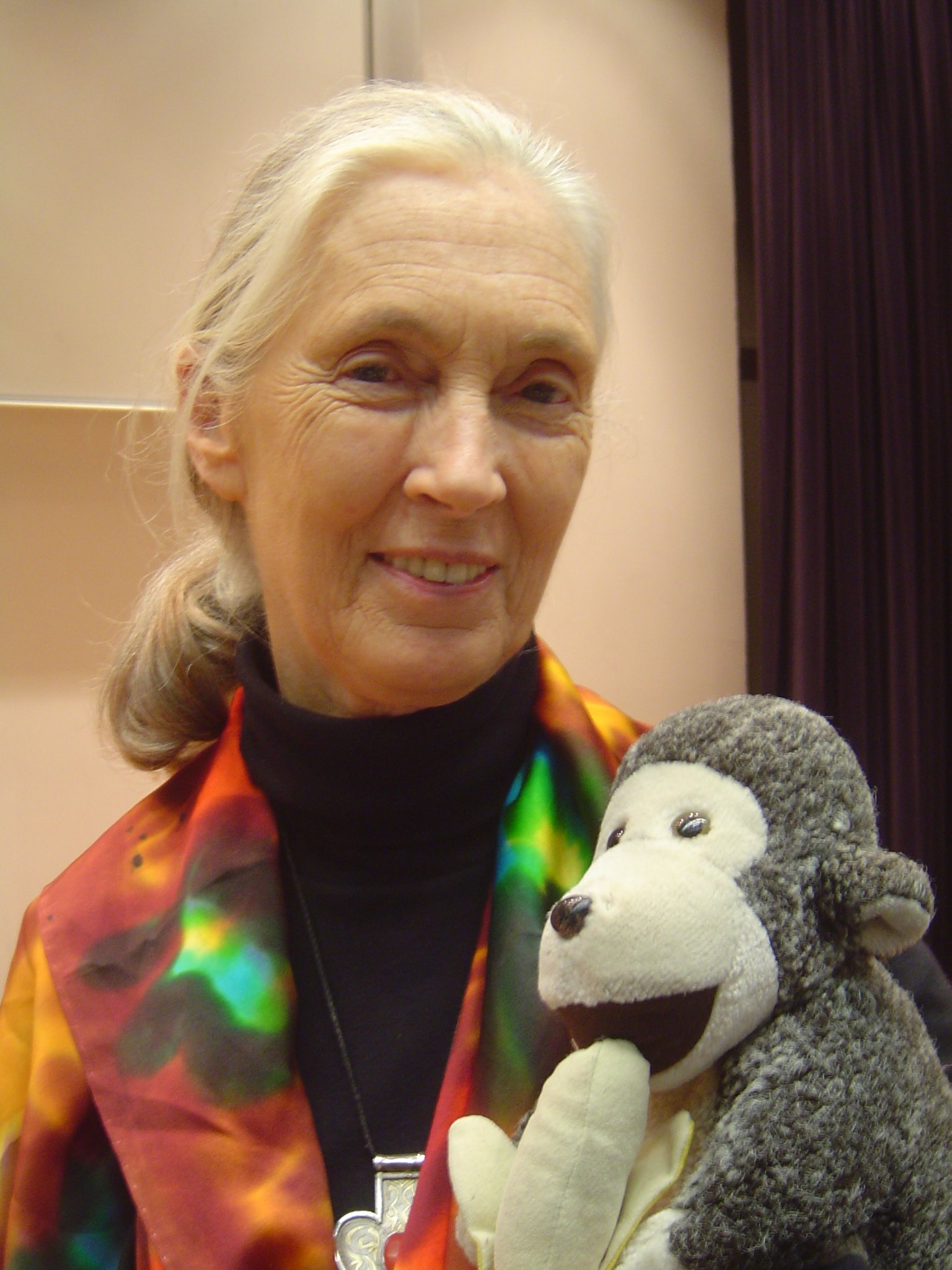
Jane Goodall revolutionized our understanding of animals and ourselves through her work with chimpanzees in Tanzania. She observed that chimps use tools, show emotions, and have complex social lives, traits once thought unique to humans. Goodall’s approach—living among animals and gaining their trust—set new standards in field research. Her discoveries challenged old ideas about the line between humans and animals. Goodall continues to fight for wildlife conservation and inspires people to protect the natural world.
Edward Jenner: The Vaccine Pioneer
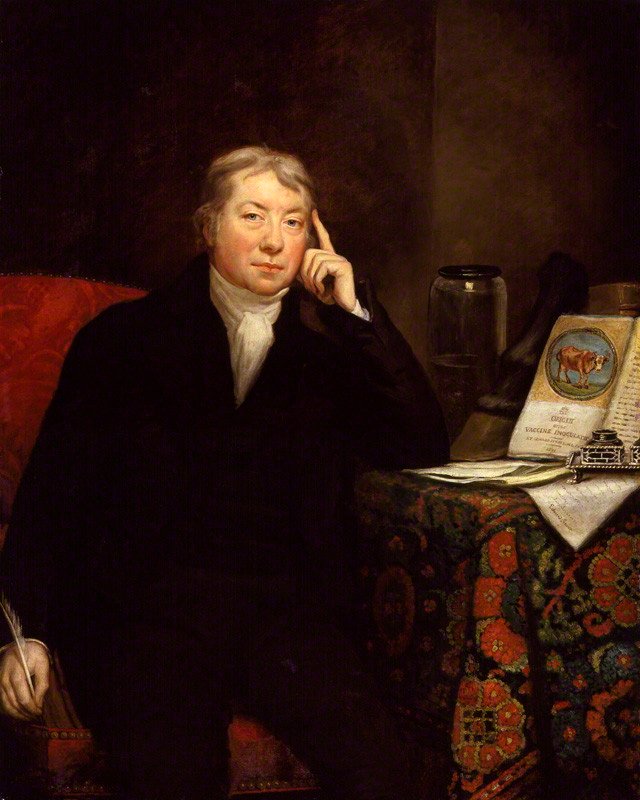
Edward Jenner’s discovery of the smallpox vaccine in 1796 was a turning point in medicine. By using material from cowpox blisters, Jenner found a way to protect people from the deadly disease. His innovation led to the global eradication of smallpox, saving millions of lives. Jenner’s work laid the foundation for immunology and the development of vaccines for many other diseases. Today’s vaccination programs trace their roots to his bold experiments.
Hippocrates: The Father of Medicine
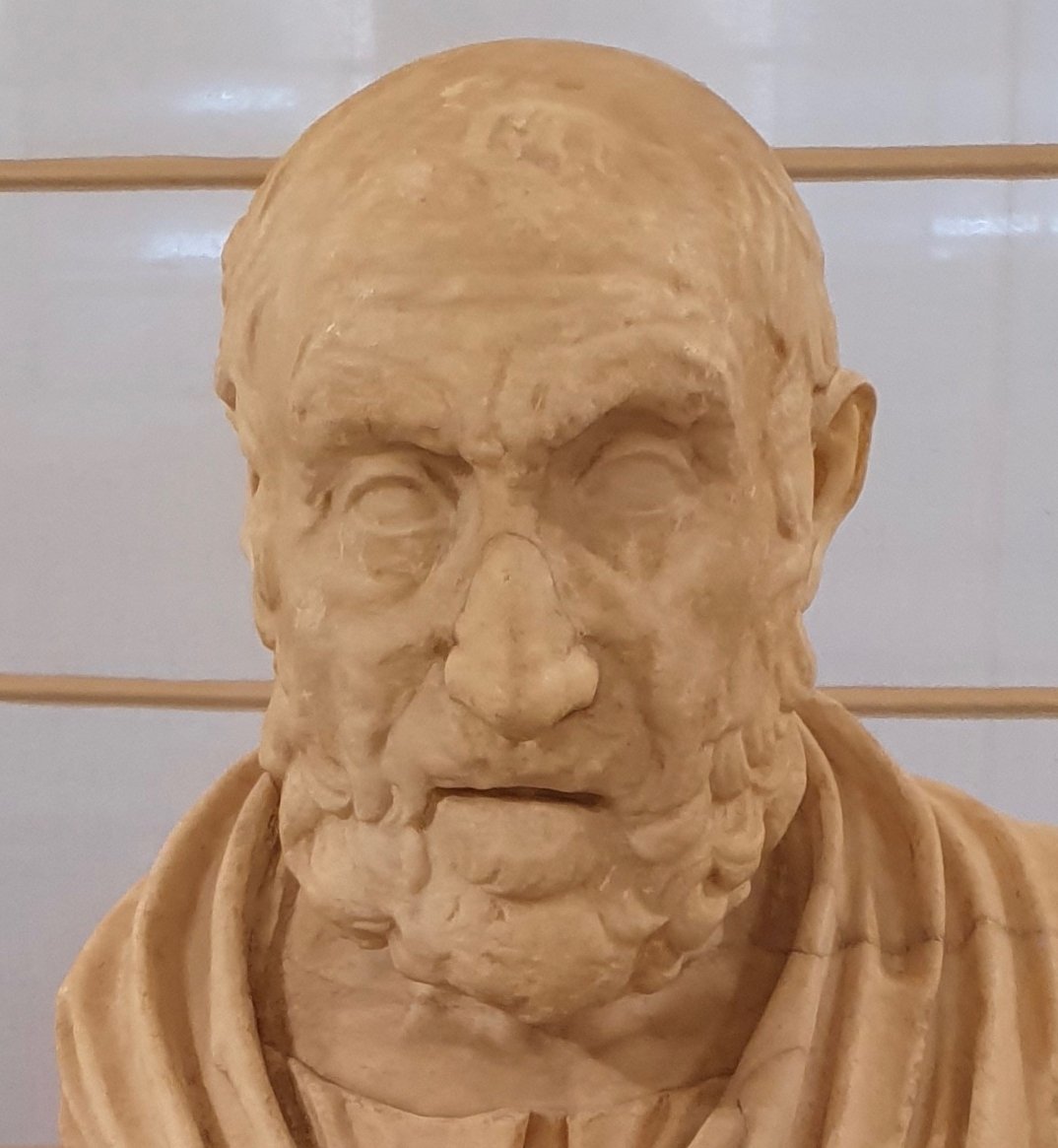
Hippocrates, who lived over 2,400 years ago in ancient Greece, is often called the “father of modern medicine.” He taught that diseases have natural causes and should be treated with diet, rest, and cleanliness—not magic or superstition. The Hippocratic Oath, based on his teachings, still guides doctors’ ethics today. Hippocrates’ approach emphasized observation and patient care, setting standards that remain central to medical practice. His belief in the healing power of nature and the importance of balance continues to influence medicine around the world.

Besides founding Festivaltopia, Luca is the co founder of trib, an art and fashion collectiv you find on several regional events and online. Also he is part of the management board at HORiZONTE, a group travel provider in Germany.
