

For any feedback please reach out to info@festivalinside.com
The Watergate Scandal Shakes America (1972-1974)
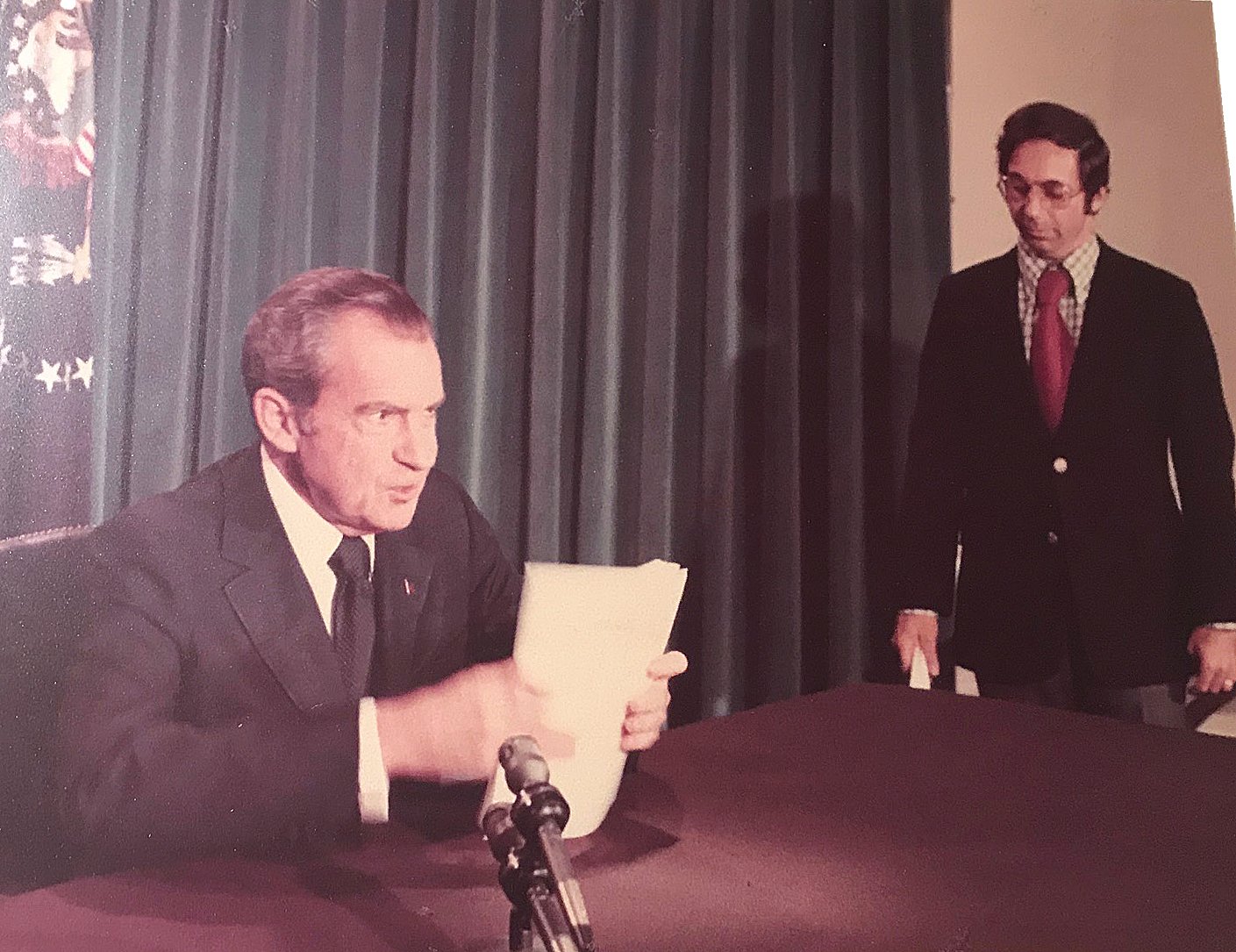
The 1970s were marked by one of the most defining political scandals in U.S. history—Watergate. It all began in 1972 when five men were apprehended while breaking into the Democratic National Committee headquarters at the Watergate complex in Washington, D.C. As the investigation unfolded, it became clear that this break-in was linked to President Richard Nixon’s re-election campaign. The scandal took a life of its own when journalists Bob Woodward and Carl Bernstein exposed its intricacies to the public. The mounting pressure from these revelations eventually forced Nixon to resign in 1974, making him the first U.S. president to do so. The Watergate scandal shattered public trust in the government, leading to significant changes in American politics and journalism. It set new standards for accountability and transparency, forever altering the landscape of American political life.
The Vietnam War Comes to a Bloody End (1975)

The Vietnam War, one of the most contentious conflicts in U.S. history, drew to a close in 1975 when North Vietnamese forces captured Saigon, leading to the fall of South Vietnam. This marked the end of a war that had sparked mass protests across the United States, dividing the nation along ideological lines. The withdrawal of American troops was a painful chapter in U.S. history, prompting many to question the cost of war in terms of lives lost and resources depleted. By the end of the conflict, over 58,000 American soldiers and millions of Vietnamese civilians had perished. The war left deep scars on American politics and military strategy, reshaping how the U.S. approached future conflicts, and underscoring the complexities of international intervention.
The Rise of Disco and the Studio 54 Craze

The 1970s heralded the golden age of disco, with Studio 54 in New York City becoming the epicenter of this vibrant movement. Disco music, characterized by its funky basslines, infectious beats, and glamorous style, dominated dance floors across the globe. Artists such as Donna Summer, The Bee Gees, and Chic became household names, while films like Saturday Night Fever (1977) immortalized disco as a cultural phenomenon. Studio 54 was renowned for its extravagant atmosphere, wild parties, and celebrity guests, epitomizing the excess and freedom of the disco era. Although disco’s popularity waned by the early 1980s, its influence on dance music and nightlife remains indelible, continuing to inspire new generations of musicians and partygoers.
Punk Rock Explodes with the Sex Pistols and The Ramones

While disco reigned supreme in clubs, punk rock emerged as a raw, rebellious response to mainstream music. Bands like The Ramones, The Sex Pistols, and The Clash eschewed polished sounds for raw energy, fast-paced music, and anti-establishment lyrics. The Sex Pistols’ 1977 hit “God Save the Queen” directly attacked the British monarchy, causing national outrage and solidifying punk’s rebellious reputation. Meanwhile, New York’s CBGB became the epicenter of punk culture, where bands like Blondie and Talking Heads gained fame. Punk rock was more than just music; it was a cultural movement that influenced fashion, attitudes, and the future of alternative rock, leaving a lasting legacy on the music world.
The Feminist Movement Gains Momentum
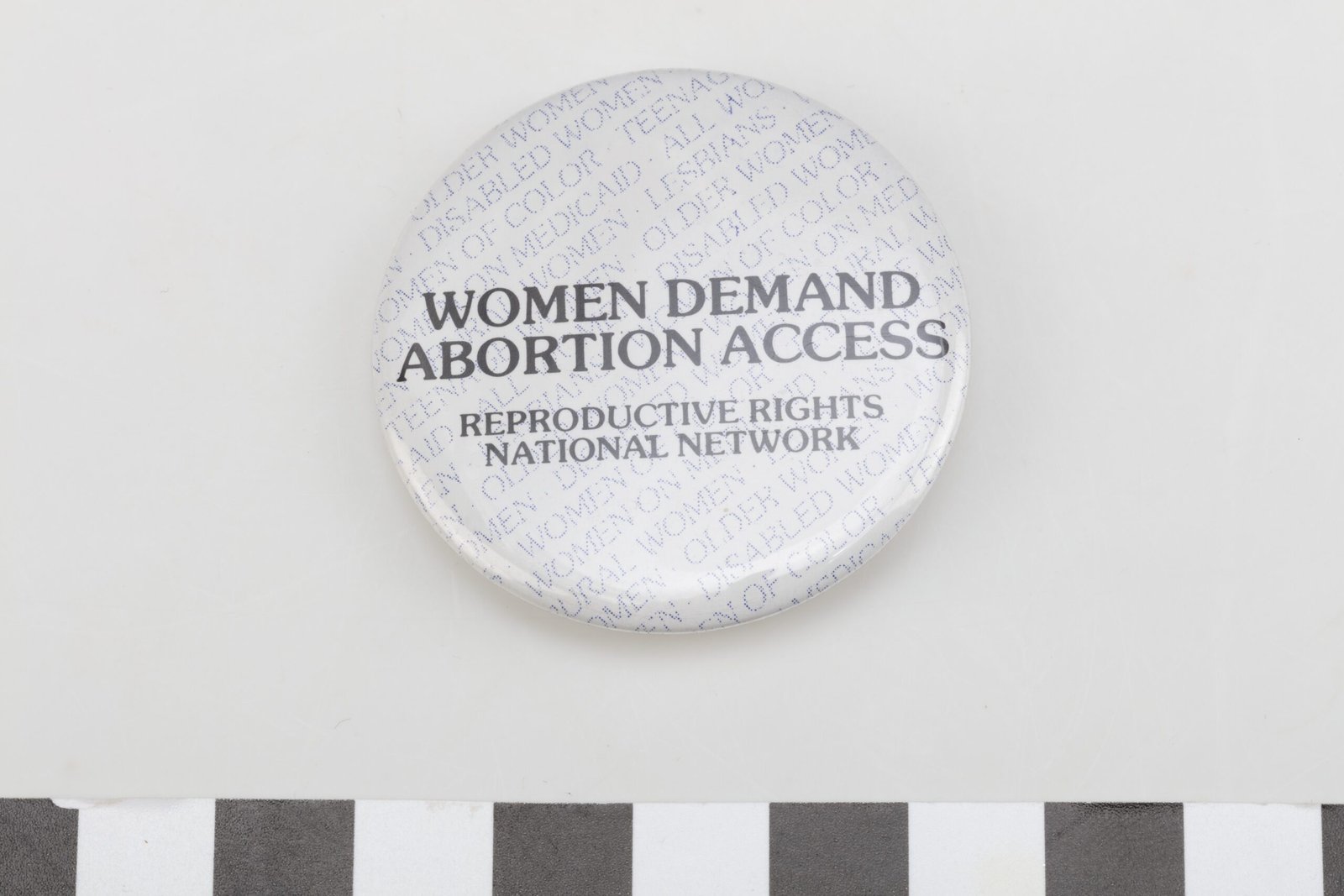
The 1970s saw the feminist movement reach new heights, with activists fighting for equal rights, workplace opportunities, and reproductive freedom. In 1973, the landmark Supreme Court case Roe v. Wade legalized abortion in the U.S., marking a significant victory for women’s rights. Meanwhile, leaders like Gloria Steinem and organizations such as the National Organization for Women (NOW) championed causes like equal pay, protection against discrimination, and increased political representation for women. The feminist movement of the 70s led to legislative changes and shifted societal expectations, paving the way for future generations of women to continue the fight for equality and empowerment.
The Iranian Revolution Overthrows the Shah (1979)
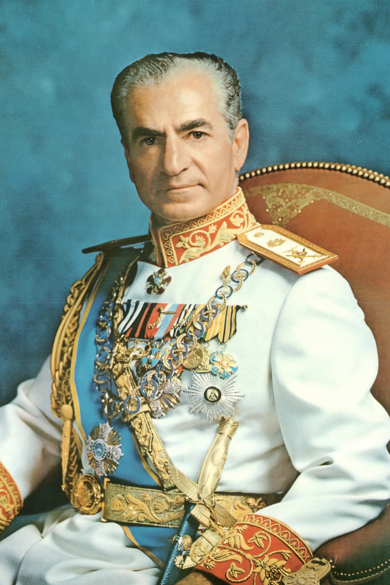
In 1979, the Iranian Revolution upended the political landscape of Iran, leading to the overthrow of the Shah, Mohammad Reza Pahlavi, and the rise of Ayatollah Khomeini’s Islamic Republic. The Shah had ruled Iran with Western influence and modernization efforts, but growing discontent over his corruption and close ties to the U.S. fueled mass protests and uprisings. The revolution replaced the monarchy with a theocratic government, fundamentally changing Iran’s political and social structure. It also led to decades of tension between Iran and the West, influencing global geopolitics and shaping international relations in the Middle East.
The Oil Crisis Creates Economic Chaos (1973-1974)

The 1973 oil crisis created economic turmoil worldwide when oil-producing countries in the Middle East cut off oil supplies to the U.S. and its allies. This led to skyrocketing gas prices, long lines at gas stations, and widespread inflation. The crisis highlighted the world’s reliance on Middle Eastern oil, prompting significant changes in energy policies and conservation efforts. It served as a wake-up call for countries to explore alternative energy sources and rethink economic strategies. The oil crisis of the 70s left a lasting impact on global energy policies, influencing how nations approached resource management and sustainability.
NASA Lands a Spacecraft on Mars (1976)

In 1976, NASA achieved a major milestone in space exploration when Viking 1 became the first spacecraft to land on Mars and send back images. This mission revealed that Mars had a rocky, desert-like landscape and paved the way for future space missions. The success of the Viking mission underscored humanity’s growing curiosity about the cosmos and our desire to explore the unknown. It marked a significant step forward in the race for space exploration, with NASA continuing to send Voyager probes to explore the outer planets. The Viking mission was a landmark moment, illustrating the potential for future discoveries beyond our planet.
Elvis Presley’s Death (1977) Shocks the World
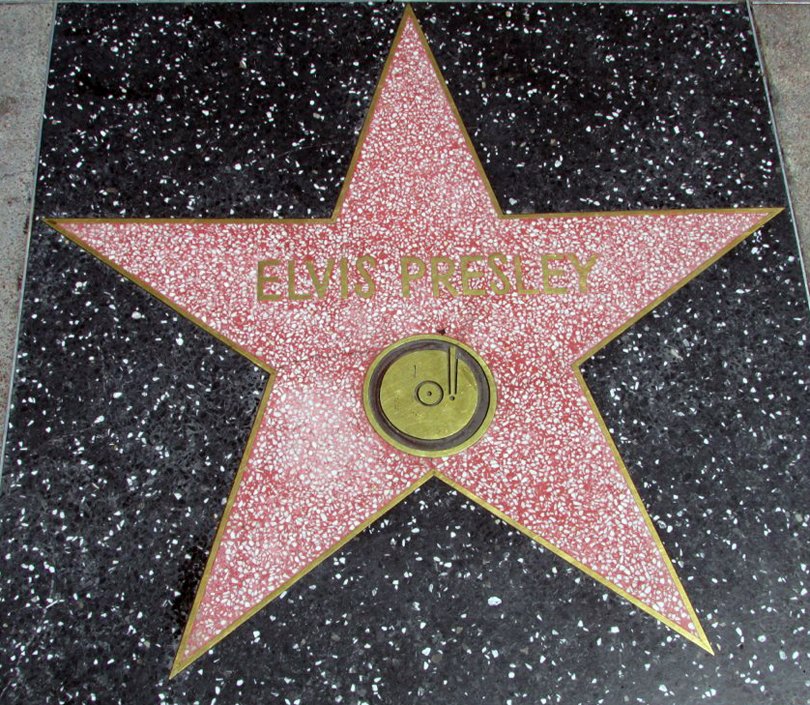
On August 16, 1977, the world was stunned by the sudden death of Elvis Presley, the King of Rock and Roll. Elvis had been a global superstar for over two decades, but his later years were marked by health issues and prescription drug abuse. His death at the age of 42 left millions mourning and cemented his legendary status in the music world. Even today, Elvis remains one of the best-selling musicians of all time, and his home, Graceland, has become a pilgrimage site for fans worldwide. His influence on music and popular culture continues to resonate, inspiring new generations of artists.
Bruce Lee Becomes a Global Martial Arts Icon

The 1970s saw the rise of martial arts in mainstream cinema, largely thanks to Bruce Lee. His films, including Enter the Dragon (1973), catapulted him to international stardom. Lee’s unique fighting style, charisma, and philosophy made martial arts movies wildly popular, introducing the genre to audiences around the world. Tragically, he died in 1973 at the age of 32, but his influence on action films and martial arts remains unparalleled. Bruce Lee’s legacy continues to inspire martial artists, filmmakers, and fans, solidifying his status as a cultural icon and a pioneer in the world of cinema.
Star Wars Revolutionizes Hollywood (1977)

In 1977, George Lucas released Star Wars: A New Hope, revolutionizing the film industry forever. With its groundbreaking special effects, epic storytelling, and unforgettable characters, Star Wars became a global phenomenon and launched one of the most successful franchises in history. The film’s success reshaped science fiction and blockbuster filmmaking, influencing generations of directors and fans. Star Wars set new standards for visual effects and storytelling, redefining what was possible in cinema and leaving an indelible mark on popular culture. The franchise’s enduring popularity continues to captivate audiences, proving the timeless appeal of its galaxy far, far away.
The Clash Between Rock and Disco Culminates in “Disco Demolition Night” (1979)

By the late 70s, a cultural battle emerged between rock and disco fans, culminating in the infamous Disco Demolition Night in 1979. Held at a baseball game in Chicago, the event turned chaotic when thousands of disco records were blown up in protest. This spectacle symbolized the backlash against disco, marking the genre’s decline and the rise of rock and new wave music in the 80s. The event highlighted the cultural tensions of the era, reflecting broader societal shifts and changing musical preferences. Disco Demolition Night remains a vivid example of the power of music to ignite passions and provoke controversy.
The First Test-Tube Baby is Born (1978)

In 1978, the world witnessed a groundbreaking scientific achievement with the birth of Louise Brown, the first baby born through in-vitro fertilization (IVF). This event revolutionized reproductive medicine, offering new hope to couples struggling with fertility and changing the future of medical science. IVF opened up new possibilities for family planning and expanded the understanding of human reproduction. The birth of Louise Brown marked a turning point in medicine, paving the way for further advancements in reproductive technology and inspiring countless scientific breakthroughs. The impact of this innovation continues to be felt today, shaping the lives of families around the world.
The Munich Olympics Massacre (1972)
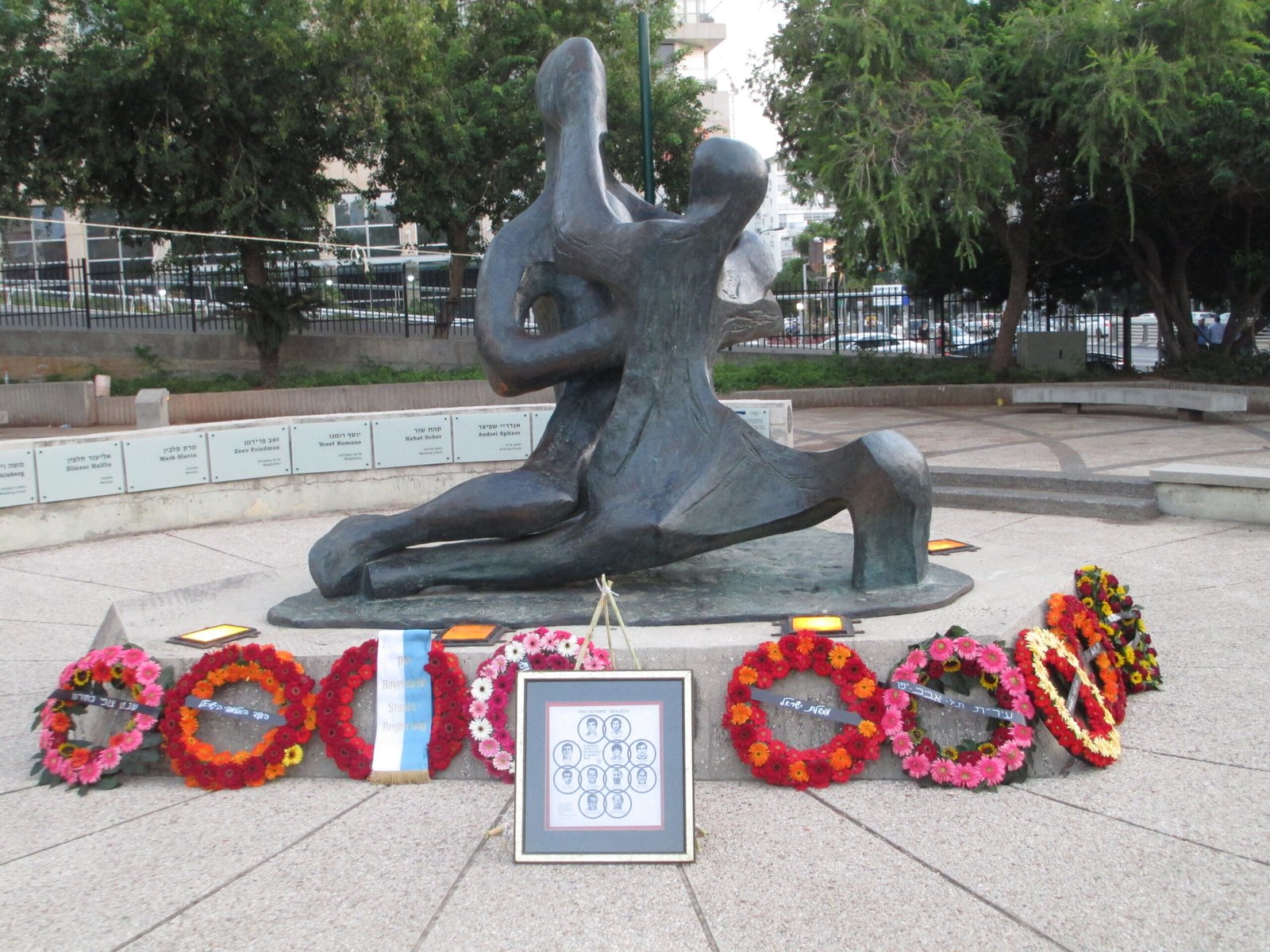
The 1972 Olympic Games in Munich were marred by tragedy when a terrorist attack by the group Black September resulted in the deaths of 11 Israeli athletes. The world was shocked by the brutality and scale of the attack, which highlighted the growing threat of international terrorism. The massacre led to major changes in Olympic security and prompted international counterterrorism efforts. It underscored the need for increased vigilance and cooperation among nations to combat terrorism. The Munich Olympics Massacre remains a somber reminder of the vulnerability of global events and the importance of safeguarding the safety and security of participants and spectators.
Sony Introduces the Walkman (1979)
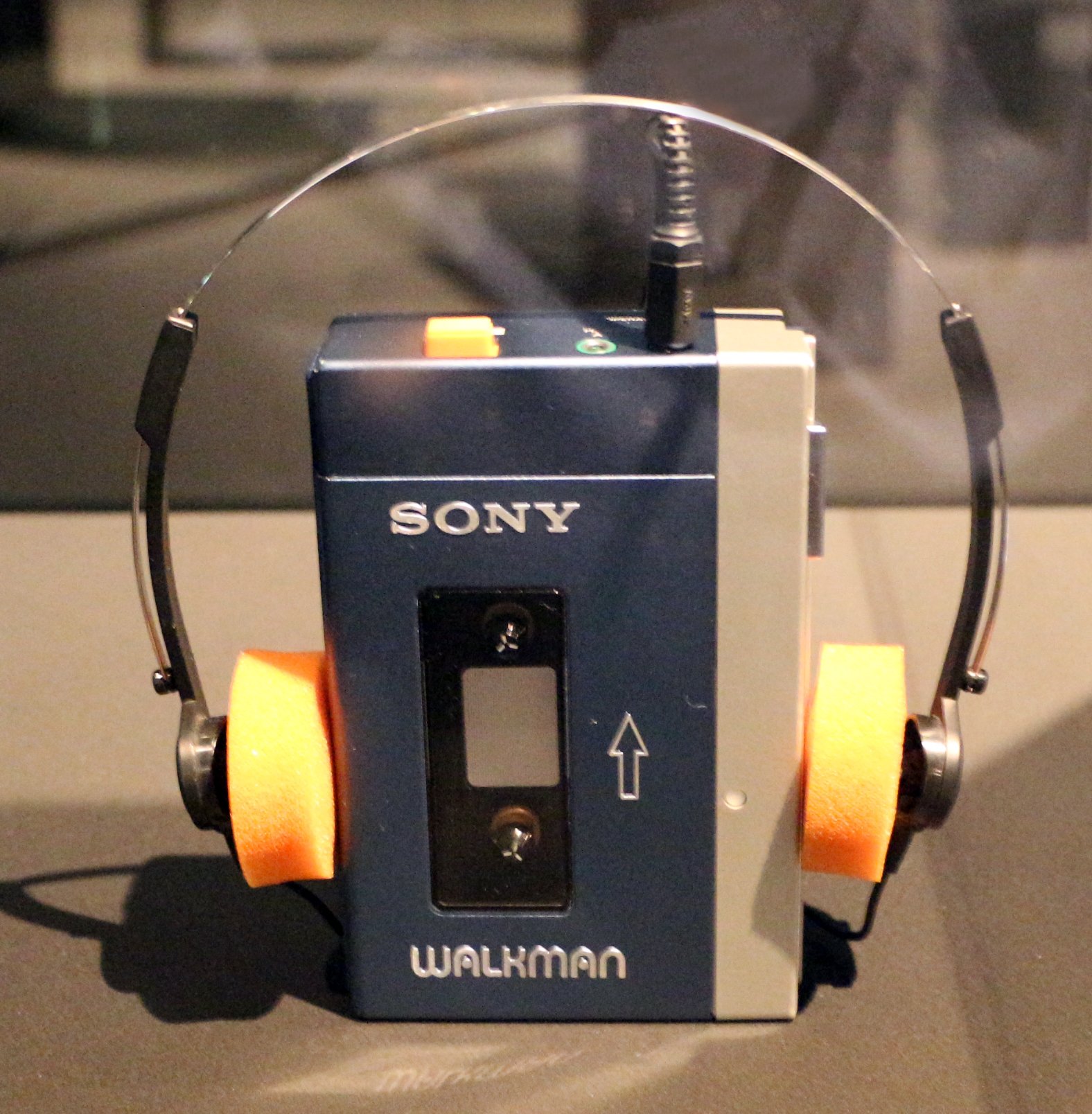
In 1979, Sony introduced the Walkman, revolutionizing the way people listened to music. This portable cassette player allowed individuals to carry their favorite songs with them wherever they went, transforming personal music consumption. The Walkman paved the way for modern portable music players and streaming devices, shaping how we experience music today. It marked a shift in cultural habits, empowering people to create personalized soundtracks for their lives. The Walkman’s impact on music and technology continues to be felt, influencing the development of digital audio and the evolution of the music industry.

Christian Wiedeck, all the way from Germany, loves music festivals, especially in the USA. His articles bring the excitement of these events to readers worldwide.
For any feedback please reach out to info@festivalinside.com
