

For any feedback please reach out to info@festivalinside.com
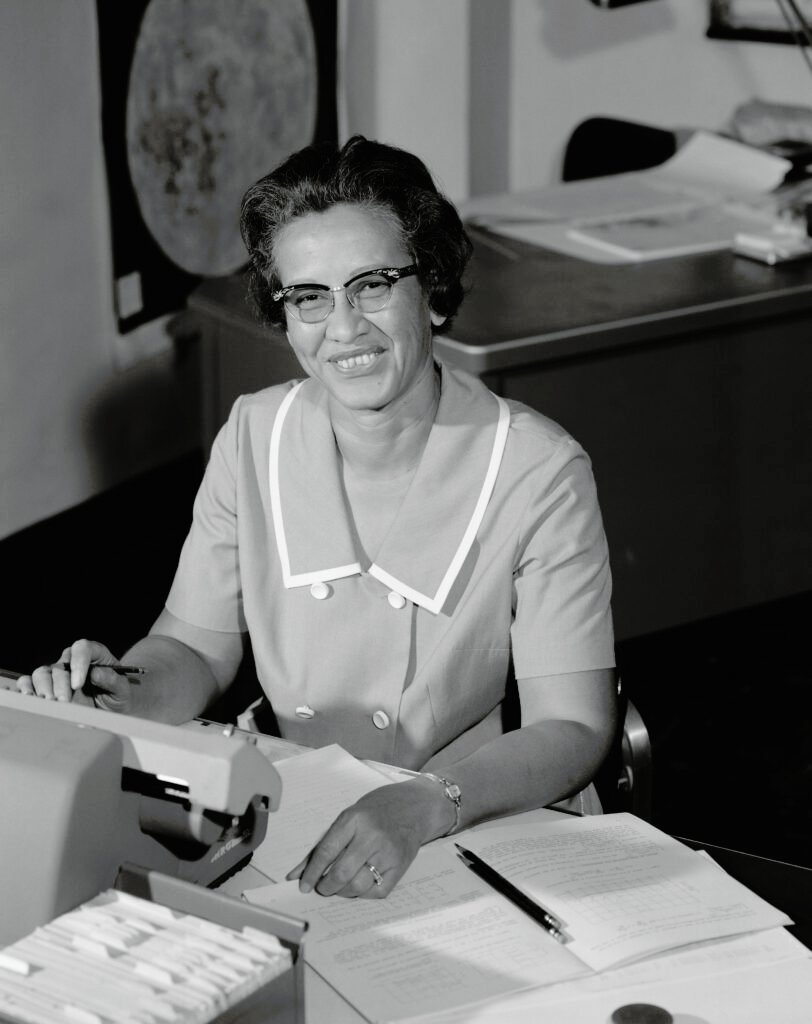
Katherine Johnson: The Mathematician Who Sent Men to the Moon
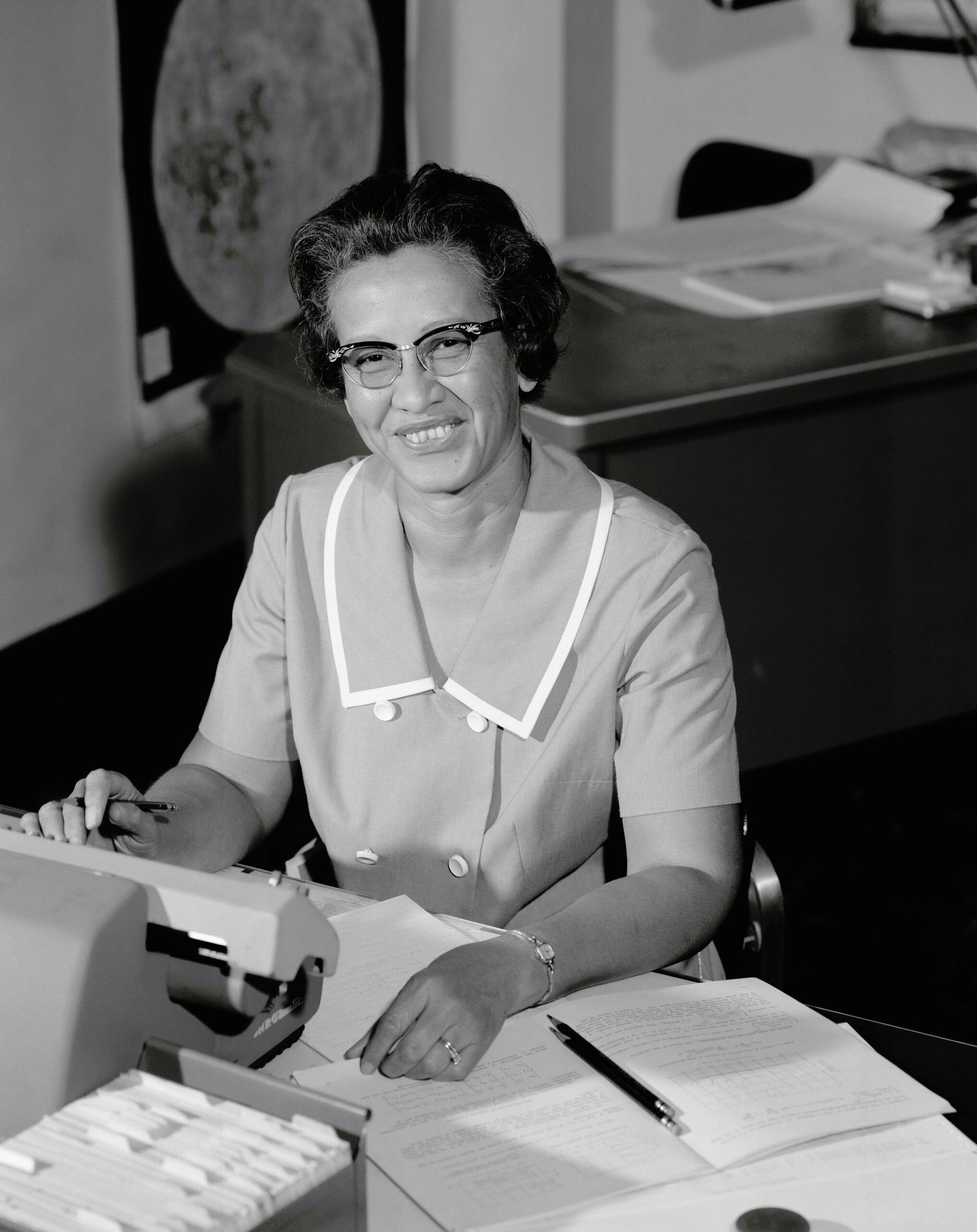
Katherine Johnson was a mathematical prodigy whose genius illuminated the path to the stars. Working at NASA during the height of the space race, her calculations were integral to the success of America’s early spaceflights. She played a pivotal role in John Glenn’s historic orbit around Earth and the iconic Apollo 11 moon landing. Despite her immense talent, Johnson faced racial and gender discrimination as a Black woman in a predominantly male field. She had to fight for her right to attend essential meetings and have her work acknowledged. Her calculations were so precise that astronauts trusted her numbers over computers. Without Katherine Johnson’s contributions, the U.S. space program might have faced significant setbacks. Her legacy was eventually honored with the Presidential Medal of Freedom in 2015, but for many years, her role in space exploration remained unsung.
Jonas Salk: The Scientist Who Refused to Patent the Polio Vaccine
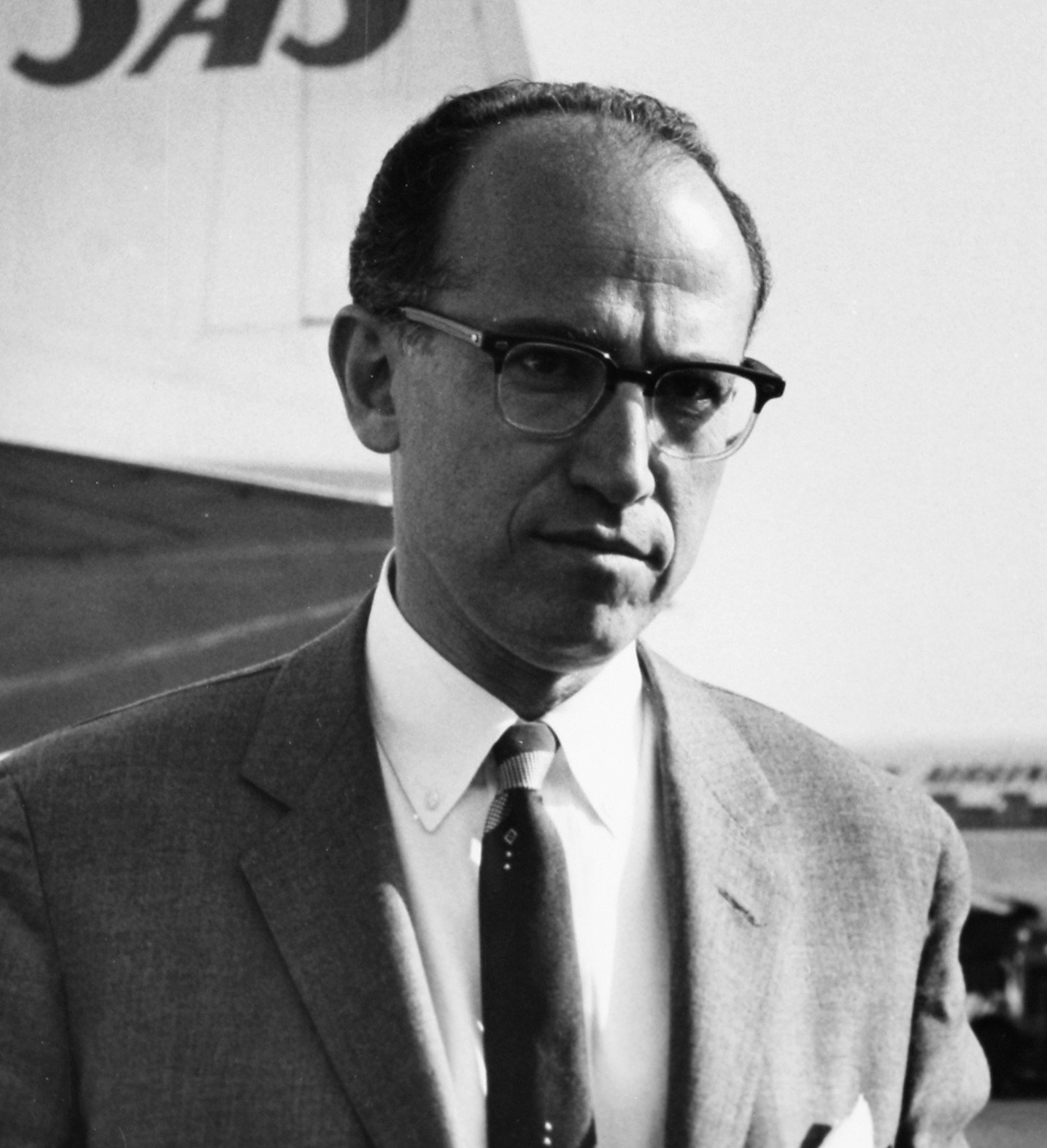
In the early 20th century, polio was a terrifying disease, paralyzing and claiming the lives of thousands. Jonas Salk, an American virologist, developed the first effective polio vaccine in 1955, leading to a dramatic reduction in cases and near-eradication of the disease. Unlike many scientists, Salk chose not to patent the vaccine, declaring that it belonged to the people. He could have amassed a fortune, but instead, he made the vaccine freely available, saving countless lives. Despite his monumental contribution to public health, Salk never received a Nobel Prize, and his name isn’t as widely recognized as others in his field. However, his work remains one of the greatest humanitarian achievements in medical history, exemplifying selflessness and dedication to the greater good.
Rosalind Franklin: The Woman Behind the Discovery of DNA
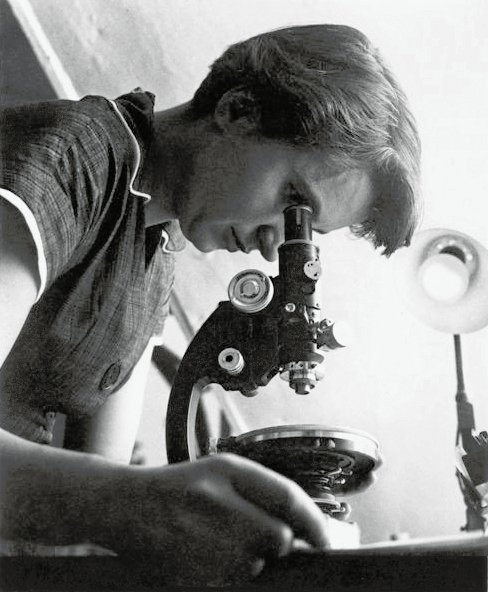
The discovery of DNA’s structure stands as one of the 20th century’s most significant scientific breakthroughs. While James Watson and Francis Crick are often credited with this discovery, their findings were based on Rosalind Franklin’s pioneering research. A chemist and X-ray crystallographer, Franklin’s famous Photo 51 provided the first clear evidence of DNA’s double-helix structure. Tragically, her work was used without her permission, and she was not properly credited during her lifetime. She passed away in 1958, four years before Watson, Crick, and Maurice Wilkins received the Nobel Prize. Today, Rosalind Franklin is recognized as a vital figure in science, but for many years, her contributions were overshadowed by her male colleagues’ success.
Bass Reeves: The Real-Life Inspiration for the Lone Ranger
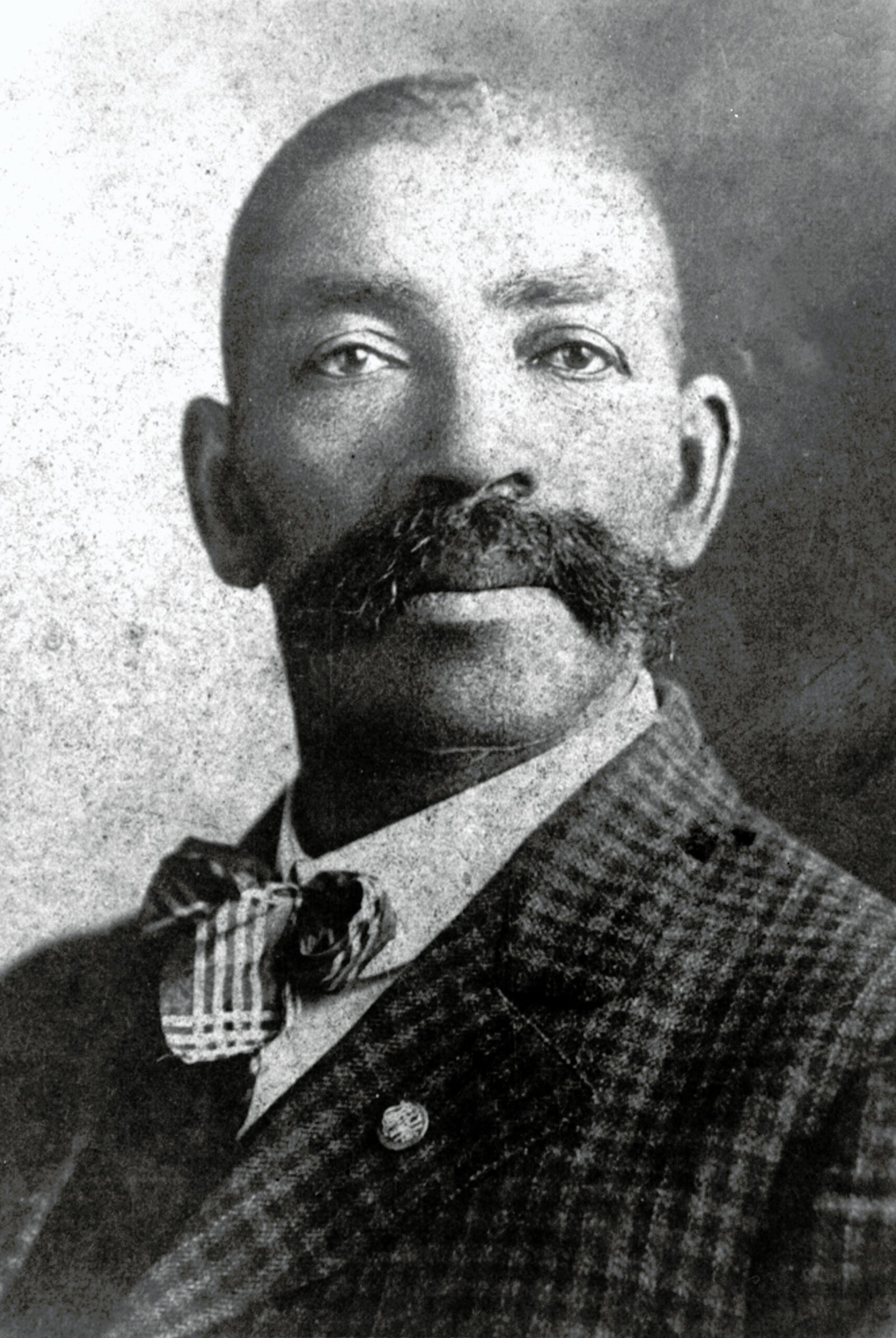
Bass Reeves was a legendary lawman whose story has largely been obscured by history. Born into slavery in 1838, Reeves escaped and went on to become a U.S. Marshal, capturing over 3,000 criminals during his career. Known for his integrity and fairness, Reeves was an expert marksman and multilingual, bringing criminals to justice without resorting to unnecessary violence. Many historians believe Reeves was the inspiration for the iconic Lone Ranger, but racial discrimination led to his legacy being forgotten. Despite his impressive record, Reeves didn’t receive the recognition he deserved. His story is now gaining attention, and he is celebrated as one of the most remarkable figures in American law enforcement history.
Alan Turing: The Codebreaker Who Shortened World War II
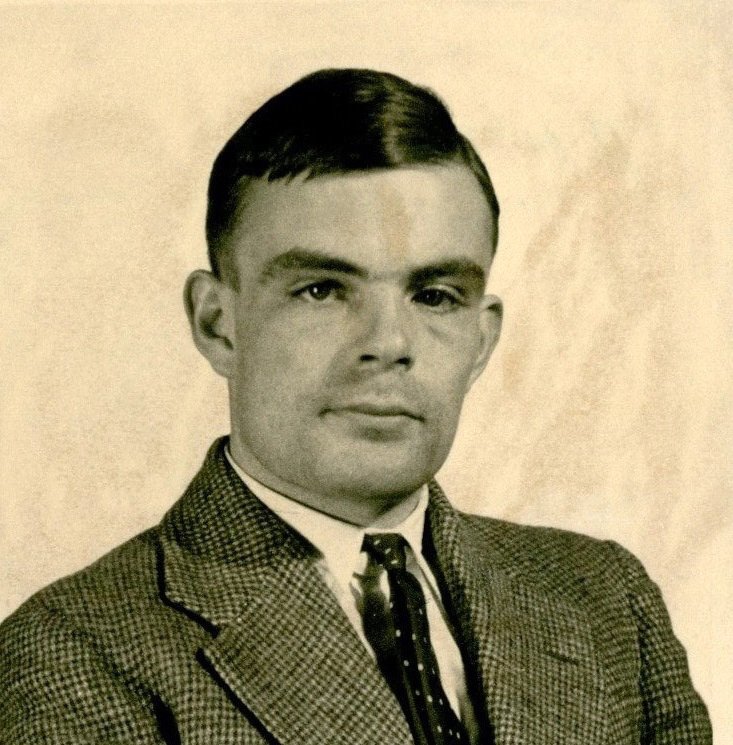
Alan Turing was a British mathematician and cryptographer whose work was instrumental in defeating Nazi Germany during World War II. At Bletchley Park, Turing helped break the Enigma code, allowing the Allies to intercept and decipher Nazi communications. Historians estimate that Turing’s work shortened the war by at least two years, saving millions of lives. Despite his crucial contributions, Turing was persecuted for being gay and convicted under Britain’s anti-homosexuality laws in 1952. He was forced to undergo chemical castration and died under mysterious circumstances in 1954. Turing’s achievements remained classified for decades, and it wasn’t until 2013 that he received a posthumous pardon. Today, he is hailed as one of the most brilliant minds in history and a pioneer of modern computing.
Claudette Colvin: The Teenager Who Refused to Give Up Her Seat
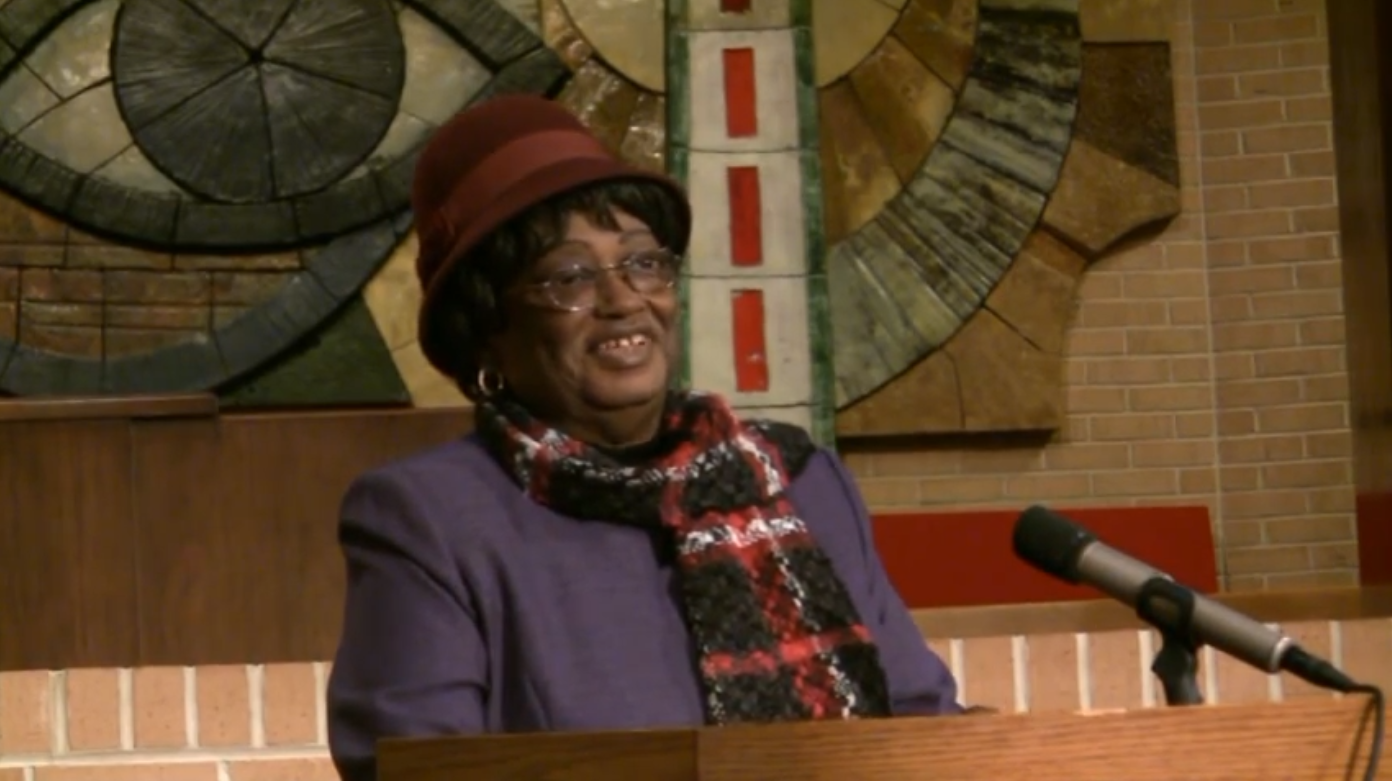
Before Rosa Parks became an icon of the civil rights movement, a 15-year-old girl named Claudette Colvin made a bold stand against segregation. On March 2, 1955, in Montgomery, Alabama, Colvin refused to give up her bus seat to a white passenger. Arrested and jailed, she demonstrated immense courage, yet the civil rights movement did not rally around her. Leaders felt she was too young and rebellious to be the movement’s face, choosing Parks instead. Colvin’s actions were as courageous as Parks’, but her name was largely omitted from history books. Only recently has she been recognized for her vital role in challenging segregation laws.
Sybil Ludington: The Forgotten Female Paul Revere
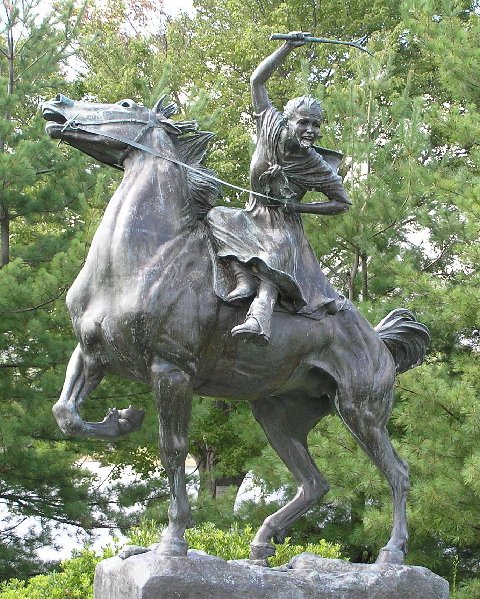
While Paul Revere’s midnight ride is well-known, few are aware of Sybil Ludington, who rode twice as far to alert American troops during the Revolutionary War. In 1777, British troops threatened her town in New York, prompting 16-year-old Sybil to ride 40 miles at night, rallying militiamen. Her bravery ensured that hundreds of soldiers were ready to fight the British. Unlike Revere, who became a national hero, Sybil’s story faded into obscurity. Nonetheless, she stands as one of the unsung heroes of the Revolutionary War, her courage inspiring those who learn of her ride.
Stanislav Petrov: The Man Who Prevented World War III

On September 26, 1983, Soviet officer Stanislav Petrov faced a critical decision that could have triggered World War III. Monitoring a missile detection system, he received an alarm indicating a U.S. nuclear attack was underway. With mere seconds to decide, Petrov trusted his instincts and identified the alarm as a false alert. His decision prevented an all-out nuclear war and saved millions of lives. Despite this, Petrov received little recognition and was criticized for not following protocol. His story remained hidden for decades, illustrating how one individual’s choice can alter the course of history.
Grace Hopper: The Woman Who Pioneered Modern Computing
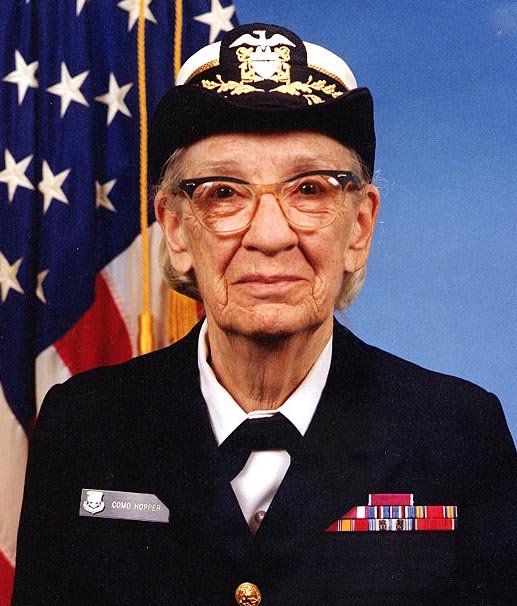
Grace Hopper was a visionary computer scientist and U.S. Navy officer whose work laid the foundation for modern computing. In the 1950s, she developed the first programming language compiler, leading to the creation of COBOL, still in use today. Hopper also coined the term “debugging” after removing a moth from a computer. Despite her groundbreaking achievements, she was often overlooked in the male-dominated field of computer science. Her contributions have only recently been acknowledged, and she is now celebrated as a pioneer whose work transformed software development.
Conclusion: The Hidden Architects of History
These unsung heroes shaped the modern world in ways that many don’t realize. Whether through science, activism, or bravery, their contributions changed history—even if they never received the credit they deserved. By telling their stories, we honor those who worked behind the scenes to create the world we live in today. Their legacies remind us that history is not just made by famous names, but by countless individuals whose courage, intelligence, and determination made a difference.

Christian Wiedeck, all the way from Germany, loves music festivals, especially in the USA. His articles bring the excitement of these events to readers worldwide.
For any feedback please reach out to info@festivalinside.com
