
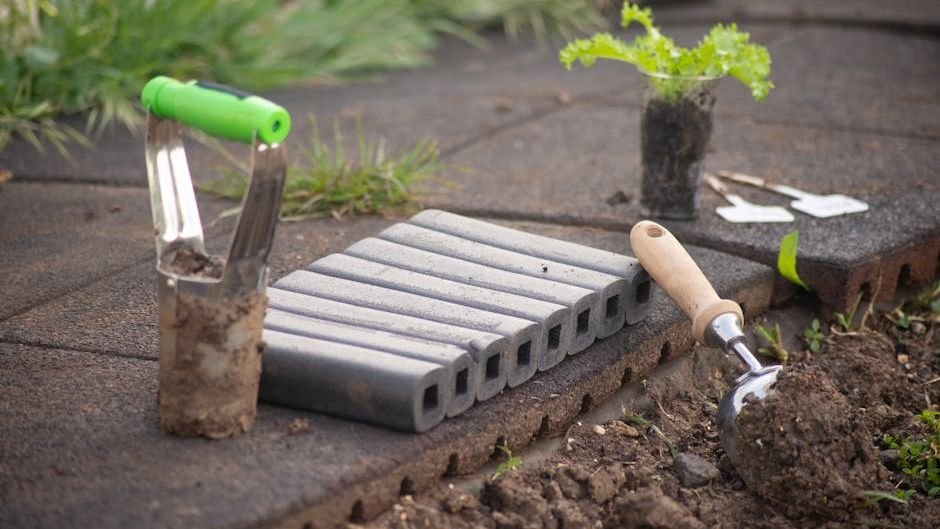

There is something quietly humbling about picking up a garden tool that a Victorian-era gardener might have used centuries ago, and realizing it still works perfectly. In a world saturated with battery-powered gadgets, ergonomic plastic grips, and app-connected irrigation systems, it’s surprisingly easy to forget that generations of extraordinarily skilled gardeners tended breathtaking plots with nothing but simple, purpose-built hand tools.
Throughout history, handmade garden tools were essential to survival. These implements were strong, reliable, and able to produce the desired results. Honestly, that description sounds a lot better than the flimsy, mass-produced tools that snap after one season in hard soil. Since many of today’s mechanical tools have their origin based on old models, there is little doubt that home gardeners can find them useful. In fact, these garden tools from the past are once again becoming popular for their consistency and productivity. So what exactly have we been missing? Be surprised by what the past has to offer.
1. The Dibber: The Humble Hole-Maker with a Roman Past
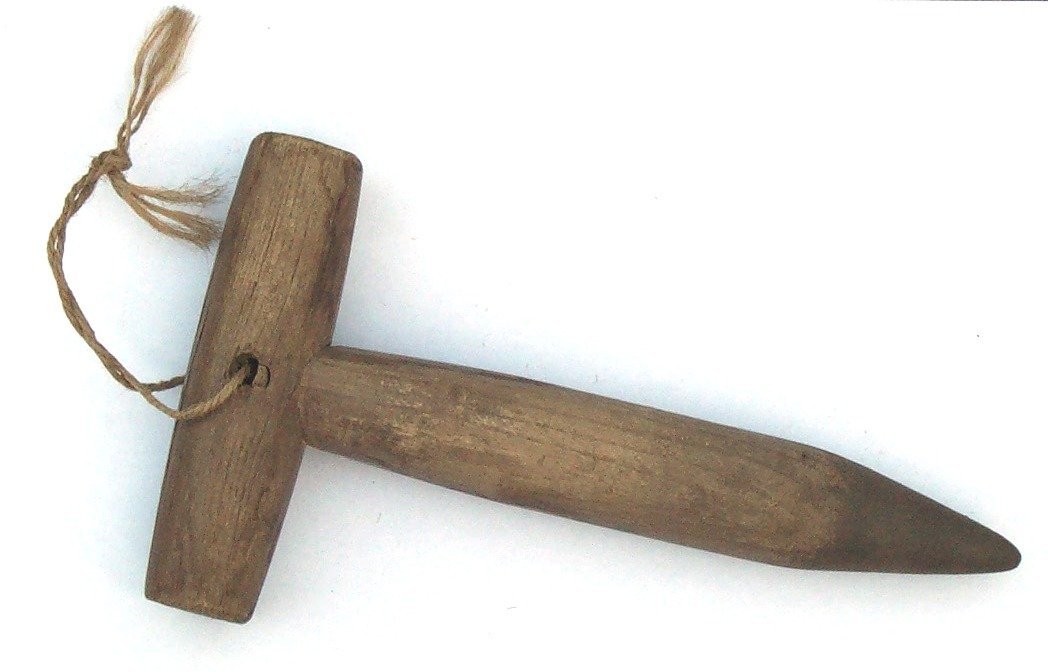
If you have ever struggled to plant a row of seedlings without crushing the roots or disturbing the soil too much, the dibber was practically invented for your frustration. This tool was first recorded in Roman times and has been used by farmers for planting crops ever since. Its sharp wooden point pokes into the ground to create a hole into which you can drop seeds, seedlings, or bulbs. Simple. Elegant. Incredibly effective.
Dibbers, the pointed tools used for creating holes for seed or bulbs, come in all shapes and sizes. They range from the long-handled, blacksmith-made field dibber, which was once commonly used on Norfolk farms, to the more domestic, T-handle dibber with its steel tip. For modern gardeners working raised beds or vegetable plots, this tool does in seconds what a finger or stick handle does in awkward, messy minutes. It’s essentially the original seed-planting precision tool, no batteries required.
2. The Garden Line and Spinner: The Secret to Perfectly Straight Rows
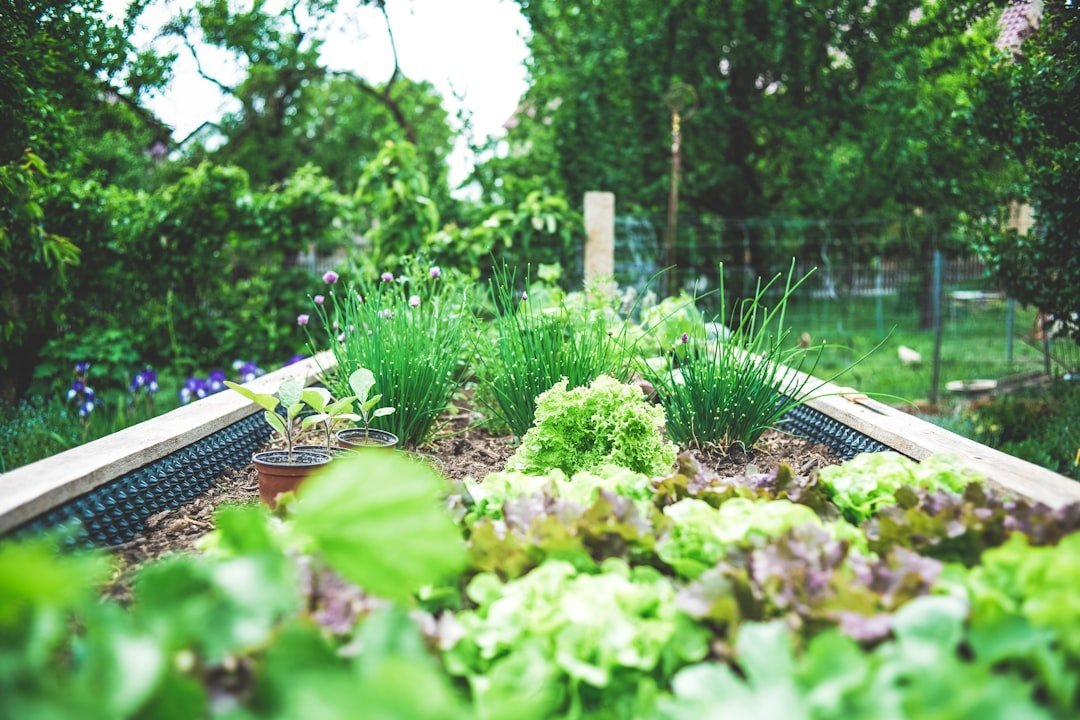
Let’s be real, there is something deeply satisfying about a vegetable garden where every row is perfectly straight. It looks intentional, neat, almost architectural. One of the great pleasures of planting vegetables is watching them grow in a perfect, straight line. The best way to achieve such perfection is to use a garden line or spinner. One particular example was made by a blacksmith in 1880 and is notable for its triangular spike.
The garden line is basically two stakes connected by a taut string, used to mark out a planting row with precision. It sounds almost too simple to mention, yet the moment you try to plant a straight row without one, you realize just how much you need it. It seems there are no new ideas in garden implements, just new versions of the oldies. The garden line was used by market gardeners back in the early years of the twentieth century. Think of it as the original laser level for your garden.
3. The Turf-Lifting Iron: A Tool That Cuts Through Landscaping Headaches
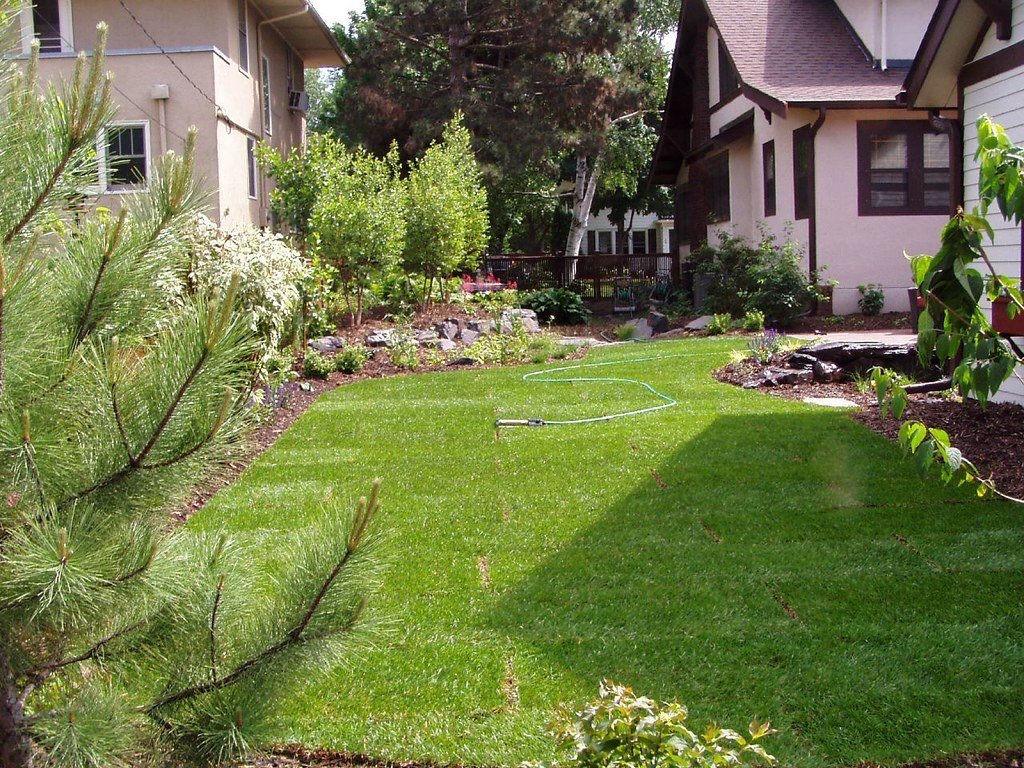
Anyone who has ever tried to lift a small section of lawn using a regular spade knows the frustration. You either take too much, cut too little, or tear the turf to pieces. The turf-lifting iron was specifically designed to handle this problem with precision. The extended handle and sharp pointed edges of a 1930s turf-lifting iron make it still the perfect tool for lifting small amounts of turf.
This tool essentially acts like a surgical spade, slipping beneath sod with minimal disruption to the surrounding area. It is a specialist implement, no question, but if you regularly work on borders, create new garden beds, or re-edge lawn sections, it is genuinely worth tracking one down. While some tools look exactly like the ones in your toolbox at home, others were made to help with tasks that are no longer necessary, making them foreign to the modern eye. Yet, the beauty of these tools is that most of them can still be used in some capacity today.
4. The Border Spade: Small But Mighty
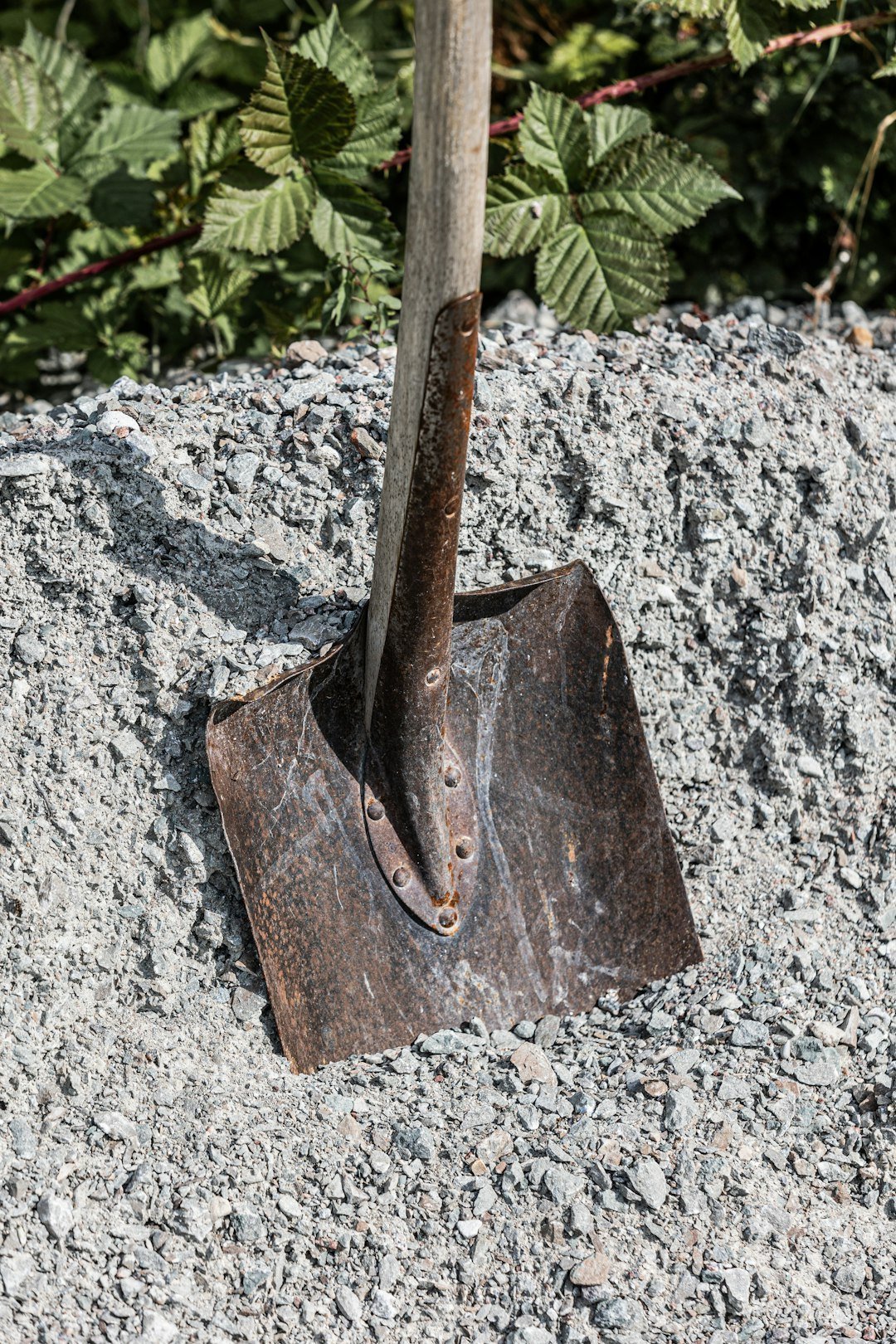
Here is the thing about standard garden spades: they are often just too large and clunky for detailed, close-quarter work in a densely planted border. The border spade solves this with effortless logic. Another useful tool is the border spade. This smaller-sized spade is perfect for preparing a hole in a closely planted border. It is almost like the difference between using a chef’s knife and a cleaver. Each has its place, but precision tasks require precision tools.
Historically, small, hand-held spades were frequently used in large market gardens in Lincolnshire, where they were referred to as cabbage planting spades. The alternative name of strawberry planting spade makes this lovely, little T-handled spade all the more appealing. For modern gardeners working with perennial beds, herb gardens, or tight cottage-style planting schemes, a border spade is an absolute game-changer. I think it is one of the most underrated tools in the entire history of horticulture.
5. The Cast Hand Fork: Stronger Than Anything at Your Garden Center
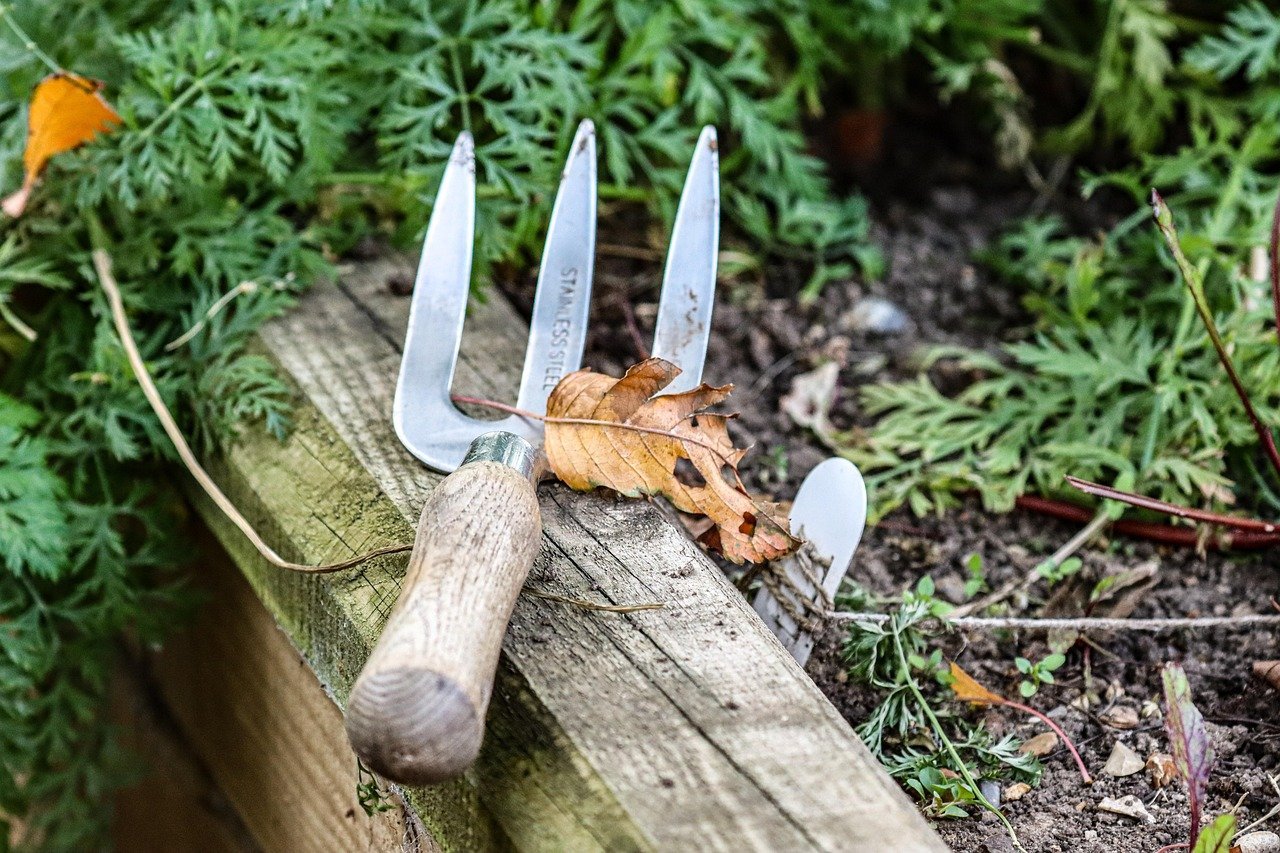
A good, sturdy, hand fork is an essential piece of kit for weeding. Some examples have been cast rather than pressed to make them stronger, while their traditional ash handle has been polished through many years of use, which has made the tool extremely good to hold. That detail, casting rather than pressing, is crucial. It is the difference between a tool that bends on its third use and one that outlasts your grandchildren.
Modern hand forks are often pressed from thin sheet steel, which flexes and weakens under the pressure of compacted soil. Older cast versions simply do not bend. They are heavier, yes, but that weight is part of what makes them work so efficiently, much like how a heavy cast iron pan distributes heat better than a thin aluminum one. The manufacture and styles of garden tools from yesteryear are superior to modern equivalents in many ways. They stand the test of time and can be used for many more years to come.
6. The Seed Spacer: Precision Before Precision Was Cool
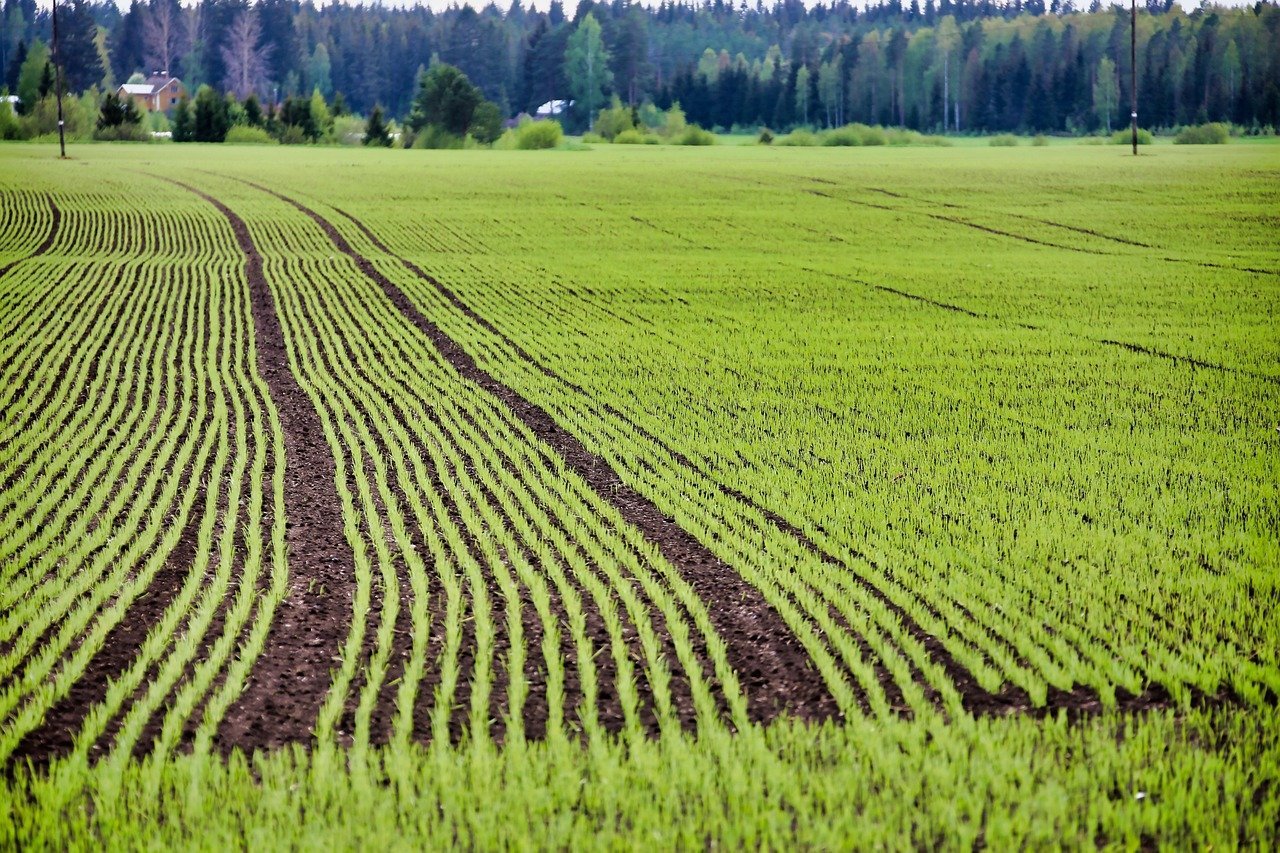
Sowing seeds at the correct spacing has always been one of the more tedious yet critical tasks in gardening. Too close and plants compete; too far and you waste space. The old brass seed spacer solved this beautifully. A brass Goodstart seed spacer with adjustable holes for different-sized seed has to be one of the neater solutions for ensuring the correct amount of seed is sown in each row. That is basically a mechanical precision tool that most modern gardeners have never even heard of.
It is hard to say for sure why this particular tool faded from common use, given how practical it is. Perhaps the proliferation of ready-made seed tapes and pre-spaced seed packets made it seem redundant. Still, for gardeners who save their own seeds or work with bulk quantities of vegetables, a seed spacer offers a level of consistency you simply cannot achieve by eye alone. Vintage tools themselves were often beautifully wrought, especially during the Victorian era, when ornate embellishment of even functional household items was the norm rather than an exception. It was also a time of infinite specialization for garden tools.
7. The Scythe: Slow Down, Cut Better
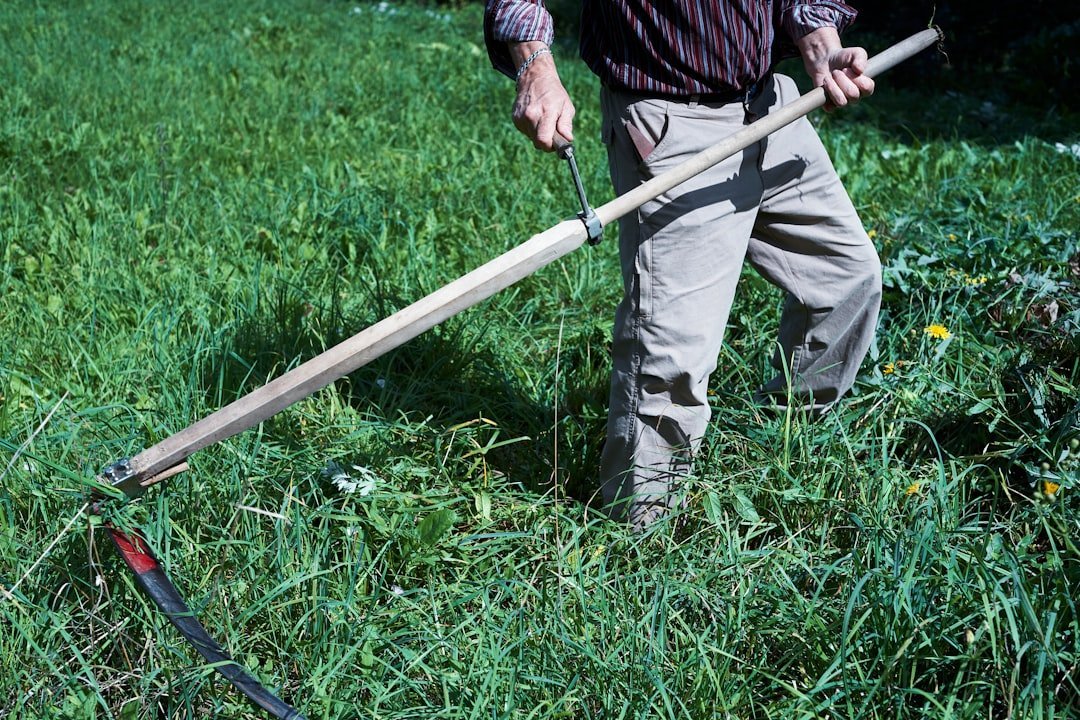
Mention a scythe to most modern gardeners and they think of folklore, Halloween decorations, or medieval paintings. They do not think of it as a practical, usable tool. That is a genuine shame. Among some of the old farming tools are those traditionally used for cutting and harvesting. Hand tools such as the sickle, scythe, and Korean homi were once used on various crops. While many of these tools have been replaced by machines, home gardeners still embrace the usefulness of these implements when harvesting homegrown crops.
A properly sharpened scythe can cut through long grass, weeds, and overgrown meadow patches far more quietly and sustainably than any petrol strimmer. It requires no fuel, creates no noise pollution, and leaves behind a cleaner, more natural cut that actually benefits wildlife in wildflower meadows. The physical technique takes a little time to learn, more like a rhythmic dance than brute force. Once you find the rhythm, honestly, it is one of the most meditative and satisfying garden tasks imaginable.
8. The Bulb Planter: Precision Gardening for the Autumn Rush
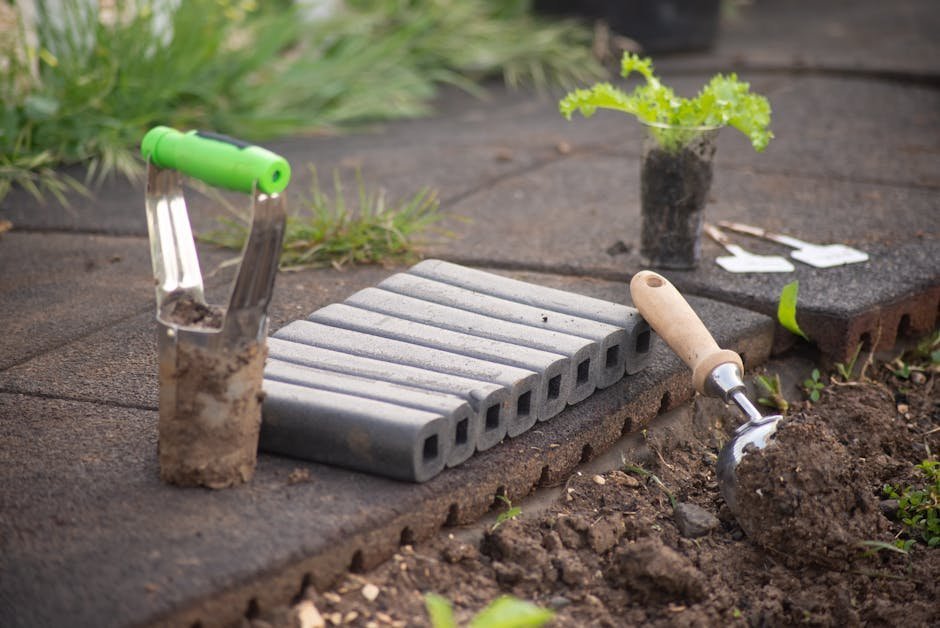
Every autumn, millions of gardeners drop to their knees with a hand trowel to plant hundreds of bulbs, one by one, digging imprecise holes at inconsistent depths. There is a much better way. The classic design of some tools has never been bettered. The early 20th-century Barr’s pattern bulb planter, for example, is sturdy and strong and makes the planting of bulbs so much less of a challenge.
A traditional bulb planter is a cylindrical metal tool that you press or drive into the soil to extract a perfect, uniform plug of earth. Drop your bulb in, replace the plug, done. No guessing, no inconsistent depth, no sore knees from digging awkwardly. What makes these tools unique, and collectible, is the way function has dictated form, resulting in not only ingenious shapes, but artistic ones. In the 19th and early 20th centuries, garden tool catalogs listed hundreds of task-specific tools including dibbers, mattocks, potato hoes, onion hoes, daisy grubbers, and many more. The bulb planter is one of the survivors from that era of beautiful specialization.
9. The Olla Watering Pot: Ancient Irrigation That Still Outsmarts Modern Systems
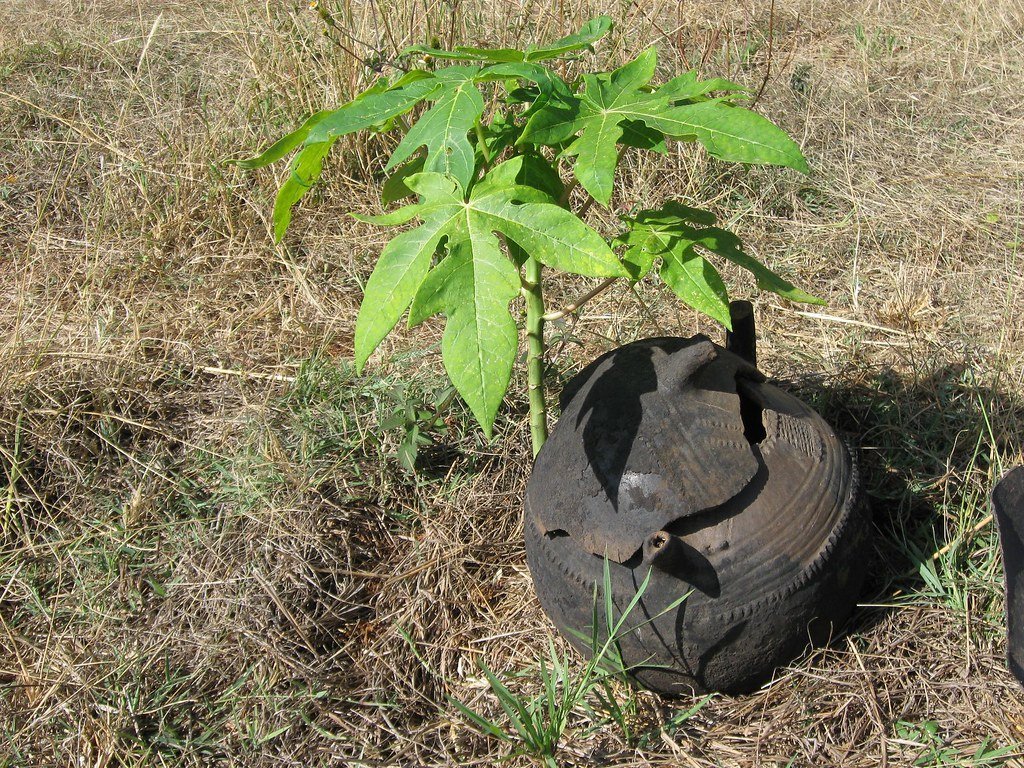
This one genuinely surprised me when I first came across it. The olla is not a conventional watering tool you pour water from. It is something far more clever. This unglazed terra cotta pot is an ancient watering tool that is buried beneath the soil, where the water slowly releases itself through the pot’s pores to your plant’s roots. Clay pot irrigation reduces runoff, evaporation, and your water bill. That is passive, deeply targeted root irrigation, with zero electricity required.
In an era when water conservation is increasingly urgent, the olla is practically a revolutionary concept hiding in plain, ancient sight. While drip irrigation systems require pipework, timers, and maintenance, an olla simply sits in the ground and does its job silently, slowly, and sustainably. It is the kind of ingenious low-tech solution that makes you wonder why we ever stopped using it. Dating back at least 10,000 years, the use of tools that make light of chores such as tilling, planting, and weeding is nothing new. Though primitive, these ancient garden tools were used to complete many of the same chores we do today. Some things, it turns out, were simply solved correctly the first time.
Bring the Past Back Into Your Garden
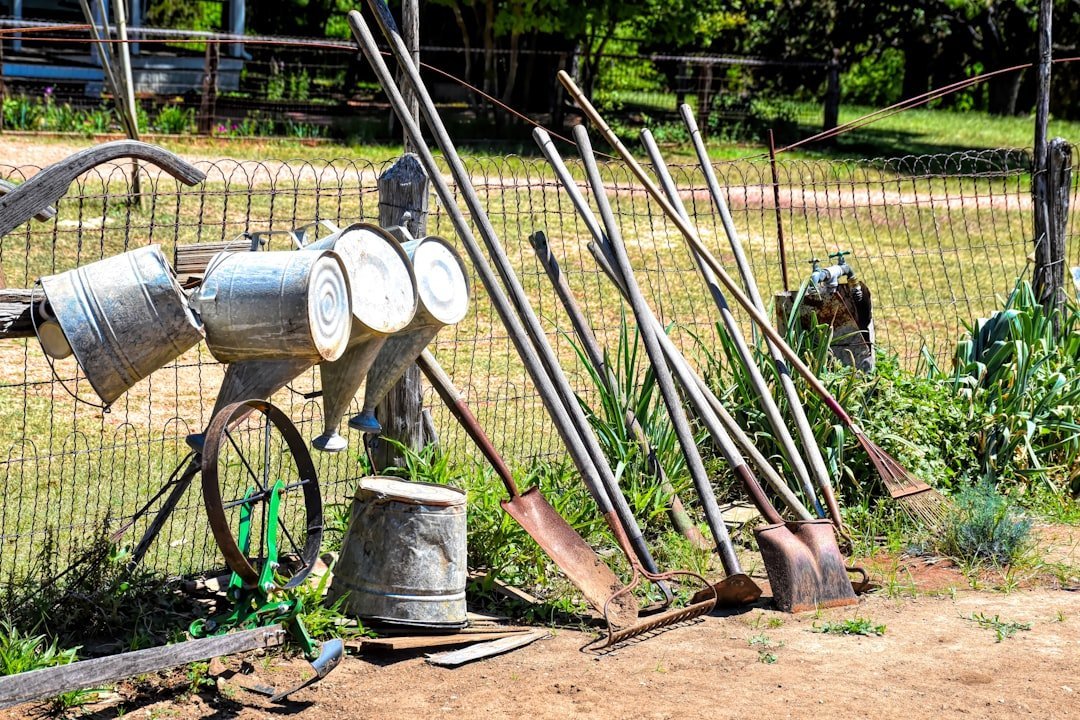
There is a reason these tools survived centuries of use before the era of mass-produced plastic handles and disposable garden gear. They were built with purpose, shaped by real gardening knowledge, and refined over generations of practical use. For almost every old tool there is a modern equivalent, and today’s versions are often virtually identical. Trying out tools from a collection, you find them just as easy to use. So it seems there are no new ideas in garden implements, just new versions of the oldies.
The good news is that most of these tools are not gone. If you like the idea of adding classic and vintage tools to your collection, you can still find many unrestored garden tools at flea markets, car boot sales, and auctions. Some specialist suppliers sell beautifully restored versions, and certain classic designs are still manufactured today for those who know to look for them. Incorporating even one or two of these time-tested tools into your regular gardening routine might just transform the way you work the soil entirely.
The garden has not changed all that much over the centuries. The weeds still grow, the bulbs still need planting, the rows still benefit from being straight. Maybe the tools we buried under layers of modern convenience deserve a second look. What do you think, could one of these old tools earn a permanent spot in your shed? Let us know in the comments.
CEO-Co-Founder
