

For any feedback please reach out to info@festivalinside.com
- 12 Iconic Musicians Who Vanished From the Spotlight – And Where They Are Now - March 24, 2026
- 8 Music Festivals From the Past That Defined a Generation - March 24, 2026
- Billboard’s Top 10 Greatest Pop Stars of the 21st Century - March 24, 2026
There is something almost eerie about a song written decades ago landing with the same gut punch it delivered the first time. Protest music does that. It defies the timeline. A tune born in the dust of the Great Depression or the teargas haze of a civil rights march somehow finds its way onto a loudspeaker at a rally happening right now, in 2026, as if it never left. Honestly, it never really did.
America is divided as it has been many times throughout its history, and reflecting on the music of the past emphasizes that music is not just entertainment but a historical record of social and political tensions that shape a nation’s story. Protest music never died, and musicians have never stopped recording activist music. These eight songs are living proof of that. Let’s dive in.
We Shall Overcome
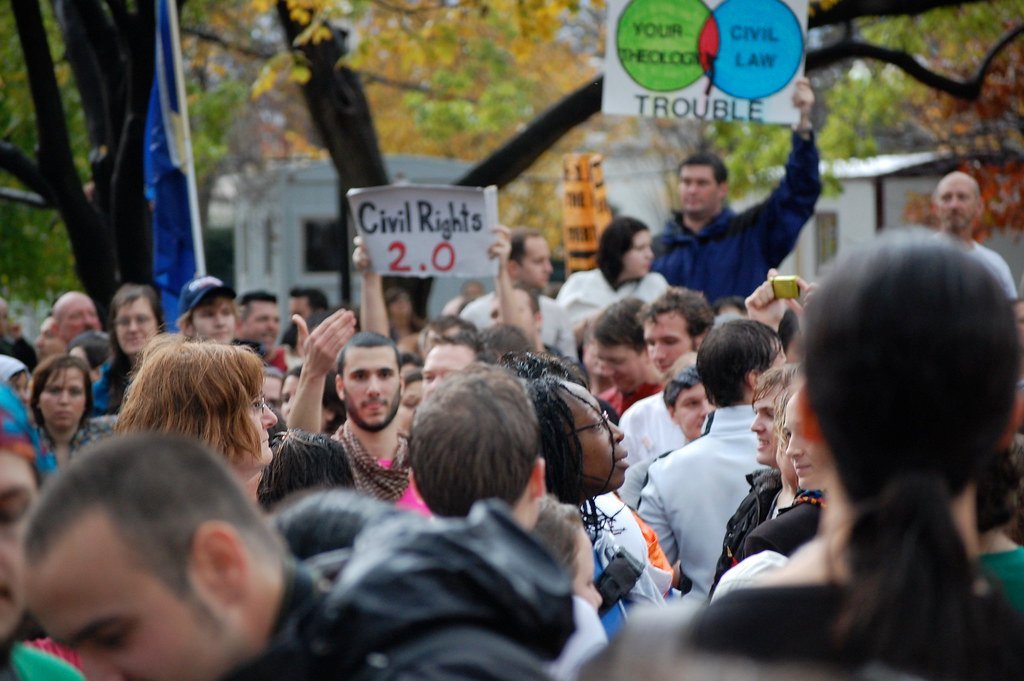
Few songs carry as much weight as this one. It originates from the folk music of enslaved people in the United States and an early 20th-century gospel song by minister Charles Albert Tindley titled “I’ll Overcome Someday.” An early version, with the title “We’ll Overcome,” first appeared as a protest song during a 1945 to 1946 labor strike against American Tobacco in Charleston, South Carolina. Folksingers Guy Carawan and Frank Hamilton changed the rhythm of the song, which helped it spread like wildfire at protests across the country, establishing it as the anthem of the struggle.
The song grew far beyond American borders. Over the years, it made the leap overseas, becoming a protest song among freedom movements around the world, sung by protesters in China, Northern Ireland, South Korea, Lebanon, and parts of Eastern Europe. In India, it is known as “Hum Honge Kaamyaab,” a song most every school kid knows by heart. Its power still shows up in modern politics: on March 4, 2025, House Representative Al Green and several colleagues sang the song acapella in protest during President Donald Trump’s 2025 speech to a joint session of Congress.
Blowin’ in the Wind – Bob Dylan
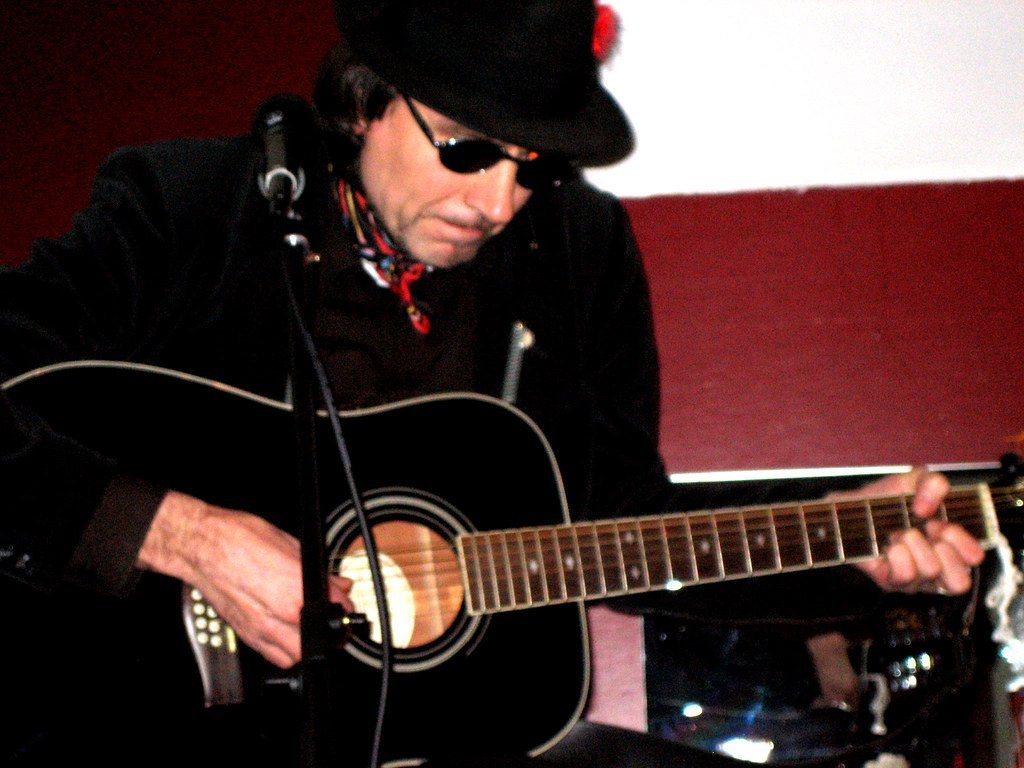
Bob Dylan claimed he wrote this song in just ten minutes. I know it sounds crazy, but that almost makes it more impressive. Written in 1962 and released as a single included on his album “The Freewheelin’ Bob Dylan” in 1963, the song has been described as a protest song that poses a series of rhetorical questions about peace, war, and freedom. The moving, vaguely spiritual, clearly dissatisfied, yet ultimately ambiguous nature of “Blowin’ in the Wind” made it the quintessential protest song of the 1960s.
Its reach was staggering from the very beginning. Peter, Paul and Mary performed it on the steps of the Lincoln Memorial in August of 1963, a few hours before Martin Luther King delivered his “I Have a Dream” speech. During the protests against the Iraq War, commentators noted that protesters were resurrecting songs such as “Blowin’ in the Wind” rather than creating new ones. It remains a staple at protest rallies and campfires to this day. That kind of longevity is almost unheard of in popular music.
This Land Is Your Land – Woody Guthrie
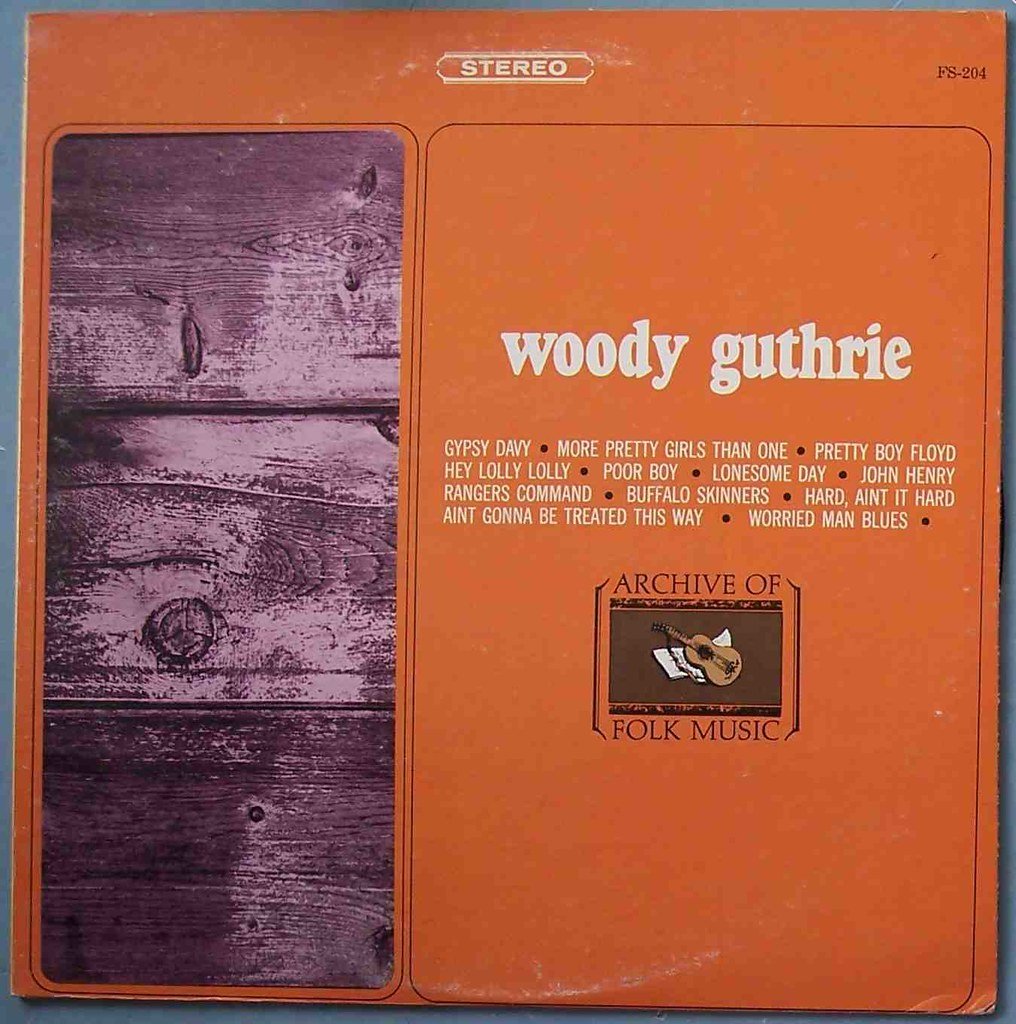
Here is something most people never learned in school. , this classic folk song is usually sung as a popular pro-America anthem by Americans of every background. It was written to have a radical edge that hollered for the country to make its bounty available to rich and poor alike. Guthrie penned it in protest to Irving Berlin’s “God Bless America,” which he deemed jingoistic and offensive to the realities of the Great Depression and the plight of the poor people of the Dust Bowl.
Guthrie’s original 1940 draft of the song contains six verses, two of which carry progressive political messages that add nuance to the song’s overt patriotism. Only in the late 1960s did the protest verses come back into the public consciousness, and even , many performances don’t include them. Yet the song remains remarkably alive. It has been performed at U.S. presidential inaugurations, Independence Day celebrations, demonstrations against economic inequality and immigration bans, and sports events. In 2025, Rolling Stone listed it at number 11 on its list of “The 100 Best Protest Songs of All Time.”
Strange Fruit – Billie Holiday
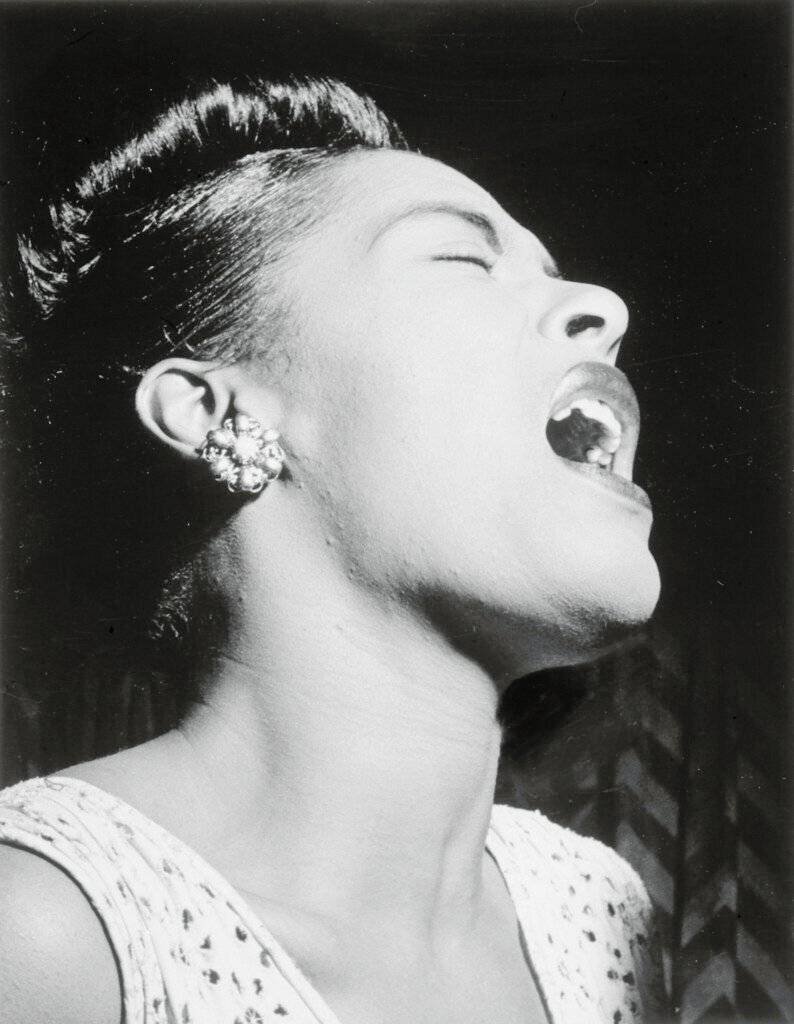
This one hits differently. There is no other song quite like it. Abel Meeropol wrote the lyrics and music to this haunting song about lynchings. In the 1930s, this violence was common but not talked about. Released in 1939, long before the civil rights protests of the 1960s, the song was a haunting reminder of racism that existed in the United States. It was the first time a Black artist produced lyrics that were so explicit. Some have called it the beginning of the civil rights movement.
Holiday’s version remains the most devastatingly iconic. Billie Holiday and Nina Simone recorded very famous versions, and for many, “Strange Fruit” is the first significant Civil Rights song. Its power lies precisely in what it refuses to soften or disguise. Decades later, the song still stops rooms cold. Musicians such as Nina Simone and Sam Cooke produced influential works that highlighted the plight of African Americans, with Simone’s interpretation of “Strange Fruit” addressing racial violence and encouraging others to join the fight for civil rights.
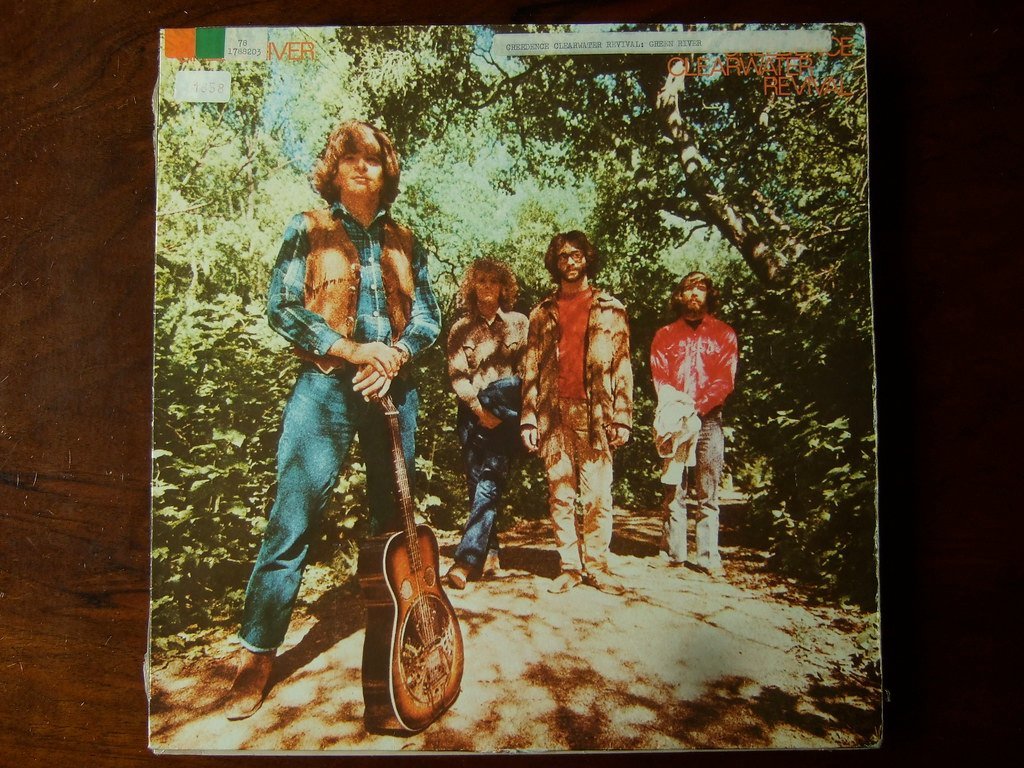
Fortunate Son – Creedence Clearwater Revival
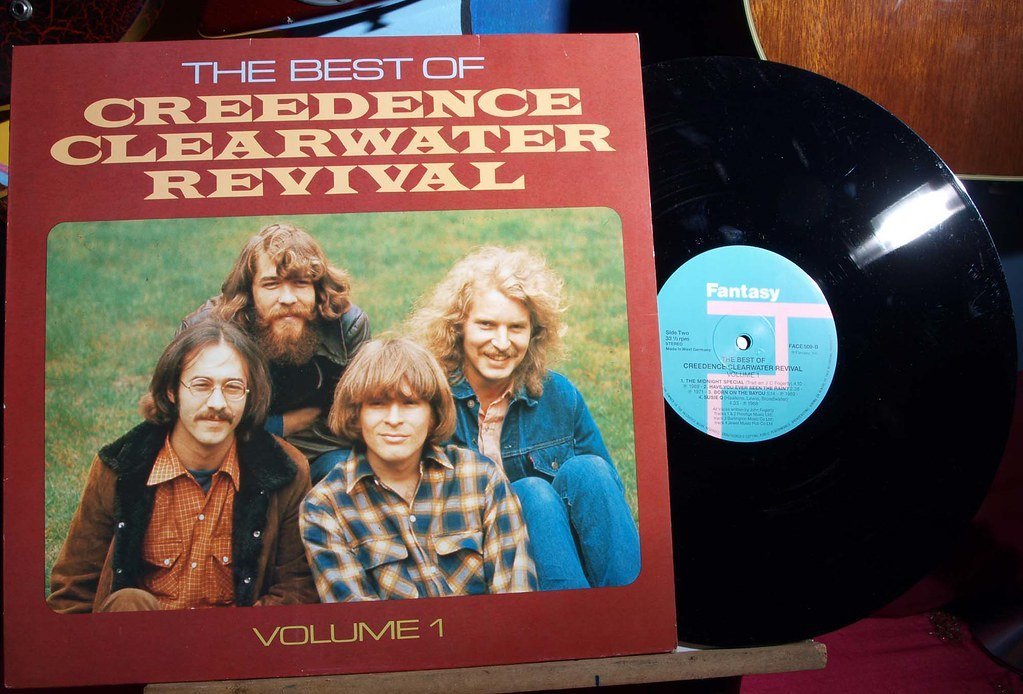
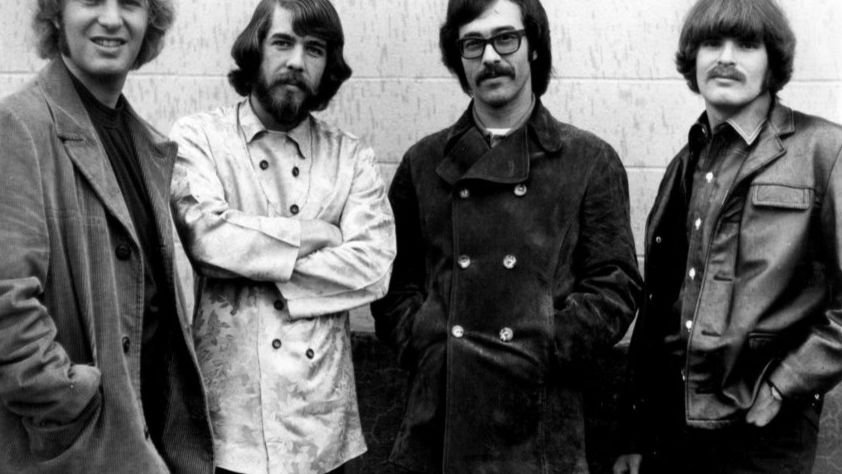
Few songs have aged as sharply and as bitterly as this one. Emerging during the Vietnam War in 1969, “Fortunate Son” articulated the frustrations of those opposed to conscription. Its raw critique of inequality resonated widely, catalyzing protests against the war. The “fortunate son” of the title refers to wealthy, privileged men who were able to dodge the draft.
Let’s be real: the gap between those who serve and those who are shielded by wealth and privilege has not disappeared. That is exactly why the song still feels so urgent. It has continued to stand strong as an anti-war song and a symbol of counter-cultural movements. In 2013, “Fortunate Son” was added to the National Recording Registry, cementing its place in the cultural record. John Fogerty reportedly wrote it in about twenty minutes. Some truths pour out fast.
What’s Going On – Marvin Gaye
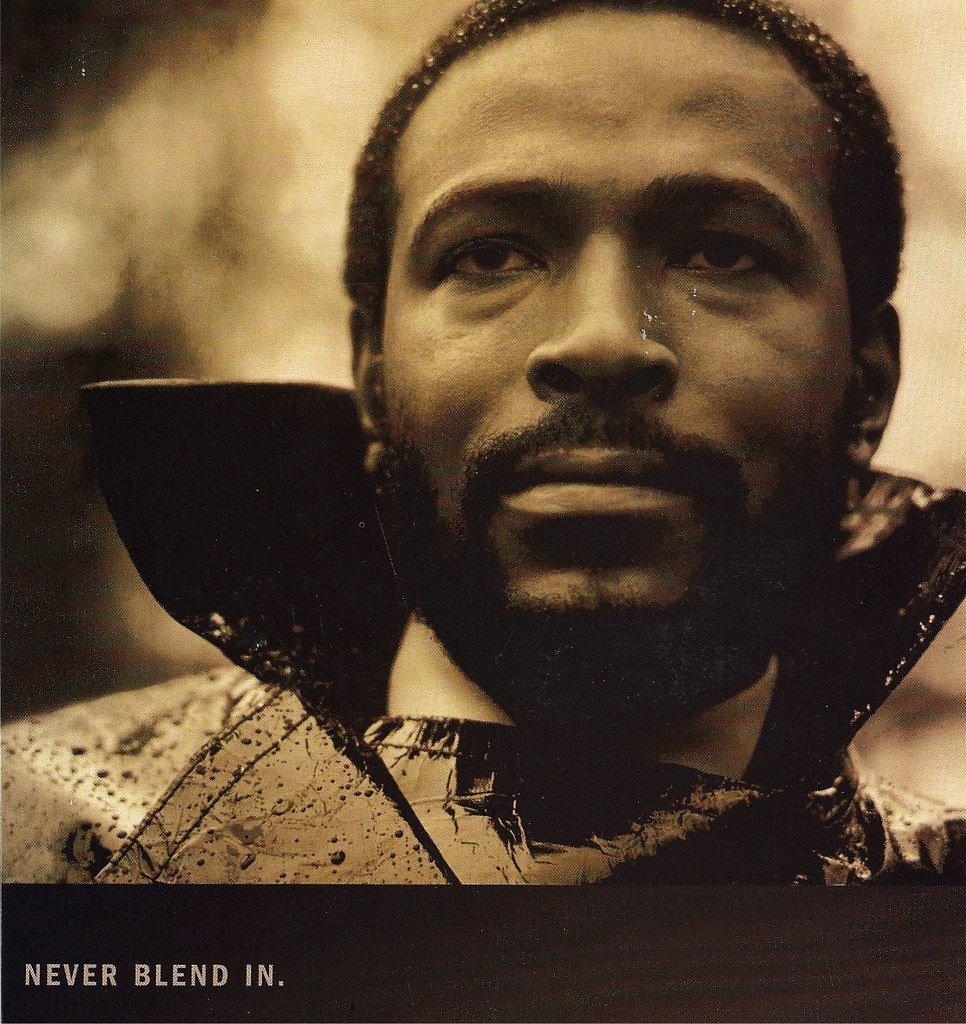
Marvin Gaye almost didn’t release this song. Motown executives thought it was too political. Thankfully, he pushed through anyway. It was released in 1971, inspired by police brutality and violence during an anti-war protest in Berkeley. The song is poignant and heartbreaking. Gaye wove together anti-war sentiment, police violence, and spiritual longing into a sound so lush and warm it almost hurt to absorb what it was saying.
Marvin Gaye’s plea captured the anguish of a nation torn by war and civil strife, and the song went on to become far more than a chart hit. It became a reference point for every generation that found itself asking the same questions all over again. These lyrics form an arc of musical history expressing a conscience that transcends generations and time, demonstrating how music has been a powerful tool for social change. In 2026, you can still hear “What’s Going On” at marches, in film scores, on the radio. It refuses to become a relic.
Fight the Power – Public Enemy
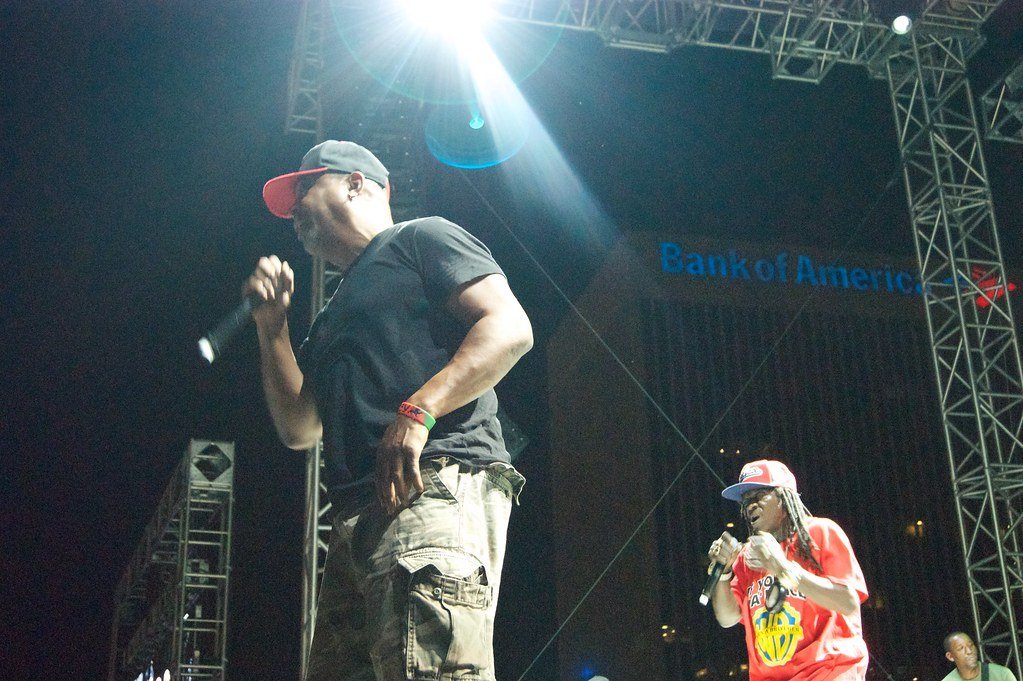
If any song on this list qualifies as a sonic sledgehammer, it is this one. “Fight the Power” by Public Enemy appeared in 1989, coinciding with a surge in conversations about racial inequality. Used in Spike Lee’s film “Do the Right Thing,” it energized marginalized communities and served as a rallying cry for justice. The track’s influence contributed to a heightened awareness of systemic issues, inspiring various grassroots movements.
What makes it extraordinary is its refusal to age gracefully. It remains deliberately confrontational, uncomfortable even, and that is the whole point. Songs like this sit in a long lineage of protest music, reminding us that art has always been a megaphone for those demanding change. Artists now blend mainstream protest songs with dance hooks, ensuring political protest messages reach broader audiences who may first encounter activism on streaming playlists, and “Fight the Power” is cited constantly as a blueprint for exactly that kind of bold, commercially fearless activism.
Alright – Kendrick Lamar
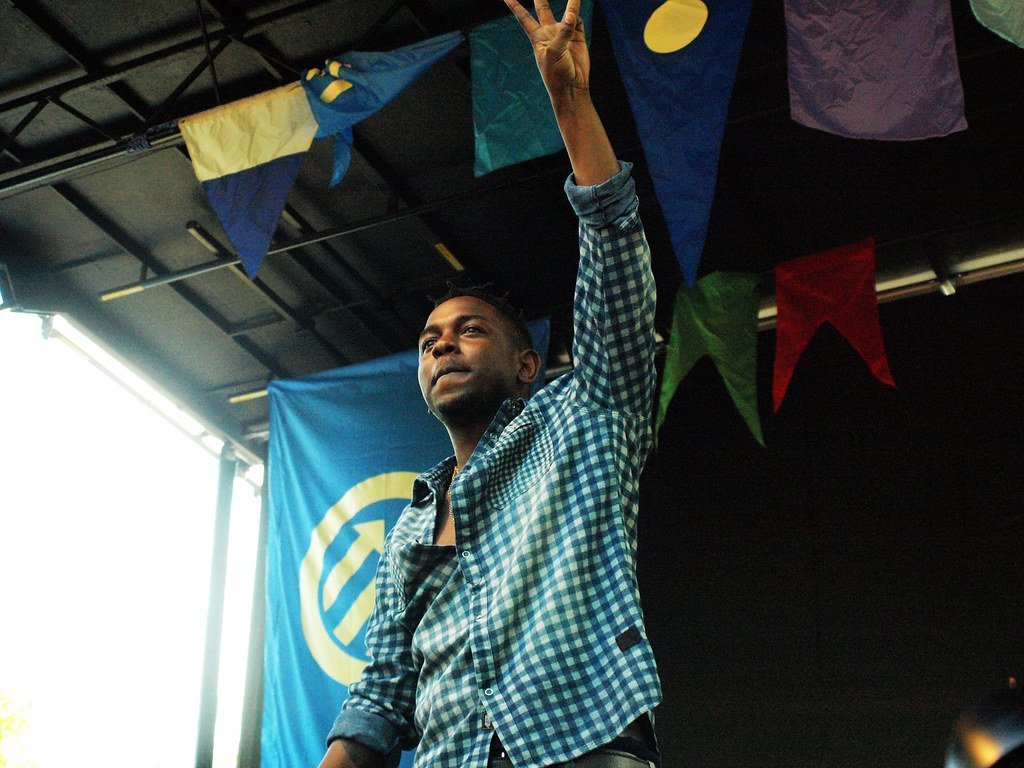
It’s hard to say for sure which song will define this current era of protest the way “We Shall Overcome” defined the civil rights movement. But “Alright” comes strikingly close. According to the artist, the song was inspired by “The Color Purple” and a visit to activist Nelson Mandela’s prison cell in South Africa. The hopeful, uplifting tone and message makes it different from many modern protest songs. It was performed at the 2022 Super Bowl LVI halftime show, and the chorus became a chant at some Black Lives Matter protests.
Lyrics written for a moment in time echo with startling relevance in 2025 and beyond. “Alright” managed something rare: it gave people something to hold onto when holding on felt nearly impossible. Revisiting these songs shows that the struggles of yesterday are still relevant , and that the music continues to heal, inspire, and unite us in our pursuit of a better society. Kendrick’s song belongs firmly in that tradition, already standing shoulder to shoulder with the greatest protest anthems of all time.
The Voice That Refuses to Go Quiet
There is something deeply human about the need to put injustice into song. Like all the years before, empathetic artists have been moved to pen down lyrics to help fuel the revolution, to share important messages, and in many instances to do so in the face of imprisonment, harassment, and even death. The eight songs in this article span nearly a century of human struggle, from tobacco workers on a picket line in 1945 to a hip-hop stage in 2022. Yet they all speak the same language.
Protest music is not nostalgia. It is a living, breathing practice. These lyrics form an arc of musical history expressing a conscience that transcends generations and time. The fact that people still sing “We Shall Overcome” in the halls of Congress, still blast “Fight the Power” at demonstrations, and still carry candles while humming “Blowin’ in the Wind” tells you everything about why these songs matter.
Music does not just document history. Sometimes it becomes the reason history changes at all.
Which of these songs moves you most, and do you think any song has what it takes to join this list? Tell us what you think in the comments.

Christian Wiedeck, all the way from Germany, loves music festivals, especially in the USA. His articles bring the excitement of these events to readers worldwide.
For any feedback please reach out to info@festivalinside.com
